Some classroom ideas hide in plain sight, quietly shaping how students feel and learn. When you adjust a few details, the whole room can start working better.
Below are classroom ideas that often get overlooked, but they can help you build a space that feels inviting, organized, and alive with learning.
1. The Seating Chart Can Teach Without Words

When you look around, you can almost “read” how students are doing by where they sit. A simple shuffle can make conversations easier and reduce off-task moments.
Try setting up seating by learning needs, not just by height or last name. Use pairs for quick practice and small groups for projects, and rotate them after a few days. If you add a small visual cue on each desk, like a color for discussion roles, students will understand expectations without you repeating yourself all period.
2. Light and Color Affect Focus More Than You Think
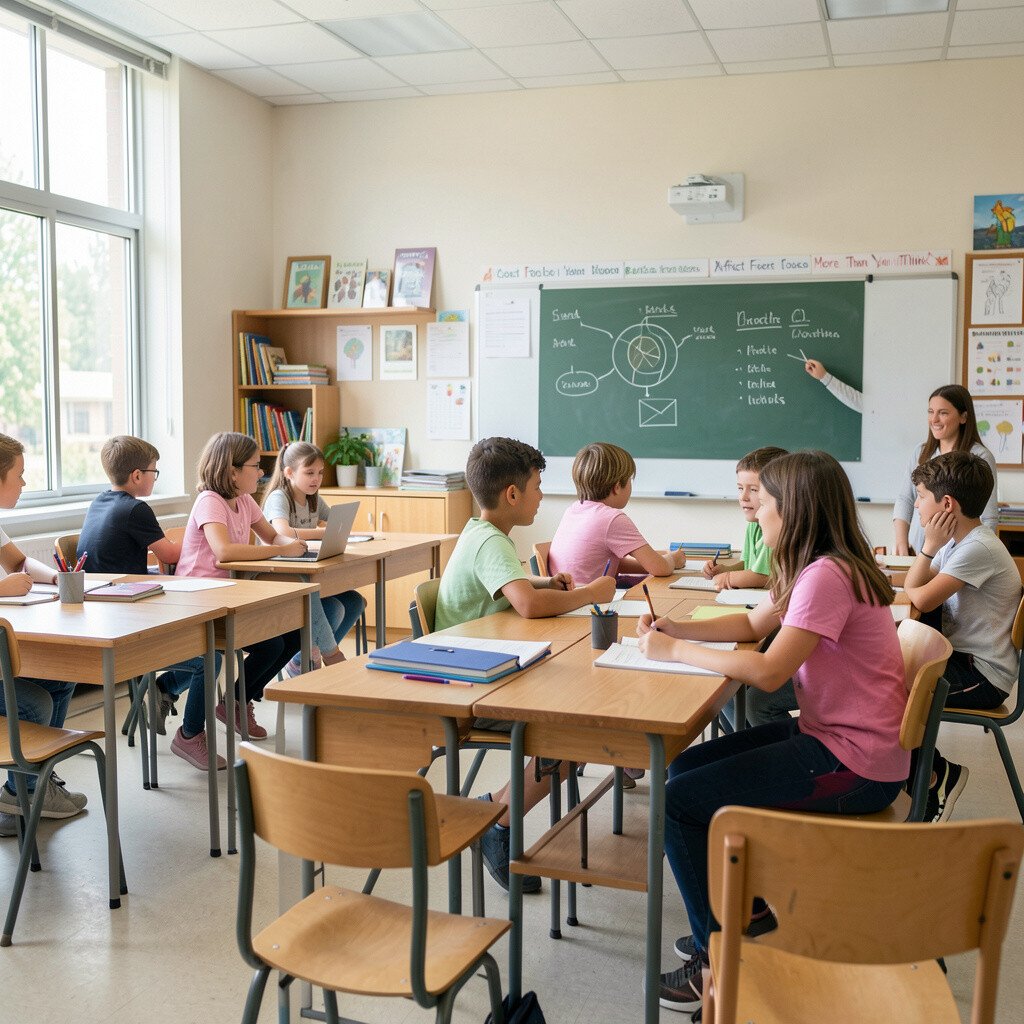
Classrooms can feel heavy when the lighting is too harsh or too dim. Bright glare can make it harder to read, while warm light often feels calm.
Use a mix of natural light and softer lamps, and keep high-contrast text easy to see. If you can, choose accent colors that match your learning goals, like calm blues for reading corners and energizing yellows for problem-solving areas. Students notice comfort fast, and that comfort helps them try harder.
For cost, start with affordable changes: reposition desks away from windows, add a basic lamp with a dimmer, or use colored paper overlays for wall displays. Personalize the look by letting students vote on which border color fits the current unit. Small shifts like these can make the room feel “ready” for learning before the first lesson even starts.
3. Routines Are a Classroom Superpower
When routines feel smooth, students spend less energy guessing what happens next. They can focus on thinking instead of worrying.
Try a consistent start sequence like a quick greeting, a one-sentence goal on the board, and a short warm-up task. Build in a clear end step, such as students sharing one thing they learned or packing materials in the same order every time. Over time, students know what to do even when you are busy, and you get more time for real teaching.
To make it unique, create routines that match your style, like using a soft music track during work time or a hand signal for transitions. Keep the materials simple, such as numbered bins for supplies and a visible timer. The best part is that these ideas cost very little and save energy all year.
Visualize success by placing a small “sequence strip” near the door so students can glance while moving. When students follow the strip, the classroom looks calmer and more organized. You will also notice fewer interruptions and more steady progress.
4. Your Wall Displays Can Be Interactive

Wall displays often look nice, but they can also do real teaching work. When students can use them, the walls stop being background and start becoming tools.
Create a “living” display where students add examples as they learn. For instance, you can post sentence frames, word banks, or math steps and let students contribute one example each week. Use pockets, sticky notes, or erasable surfaces so changes are easy.
5. Student Work Looks Better When It Has a Purpose
Nothing boosts pride like seeing your thinking valued. When students know their work will be used, they show more care and stay more engaged.
Choose a few pieces for display, but also explain what makes each one strong. You can highlight strategies, like how a writer used evidence or how a learner showed steps clearly. This creates uniqueness because the focus stays on thinking, not just neat handwriting.
For practical personalization, invite students to write a short note next to their work, such as why they chose a specific approach. Keep costs low by using simple frames, clips, or even sturdy paper folders as “exhibit spaces.” In today’s classroom trends, many teachers are using portfolios and quick reflections, so this idea fits right in while still being easy to manage.
6. Use Micro-Visuals to Make Instructions Clear
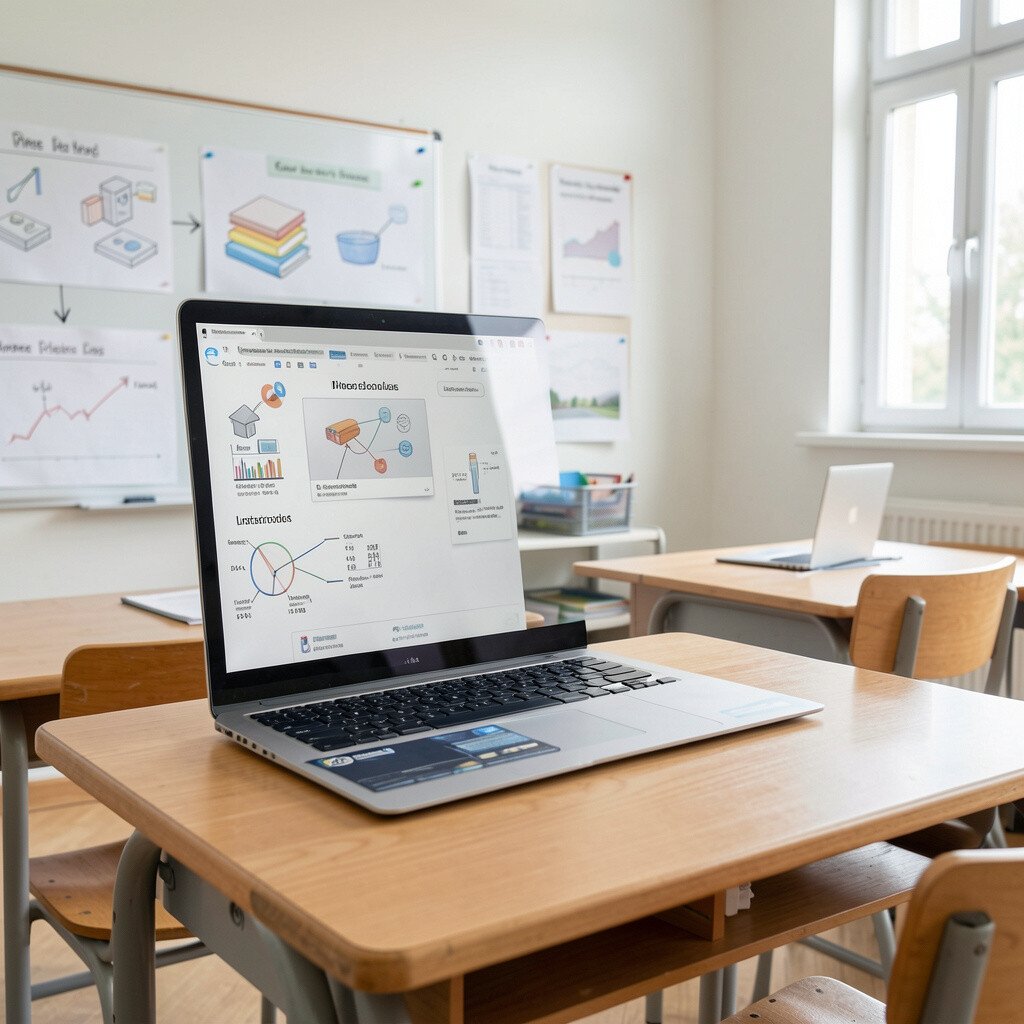
Sometimes instructions fail because students cannot hold everything in their heads at once. Micro-visuals help break tasks into steps that feel doable.
Instead of one long explanation, show a small picture sequence, like an arrow path for what to do first, next, and last. You can draw these on paper, print them in color, or use simple icons. Students will glance up and follow along, and you will spend less time repeating.
7. Let Students Own Part of the Classroom Supply System
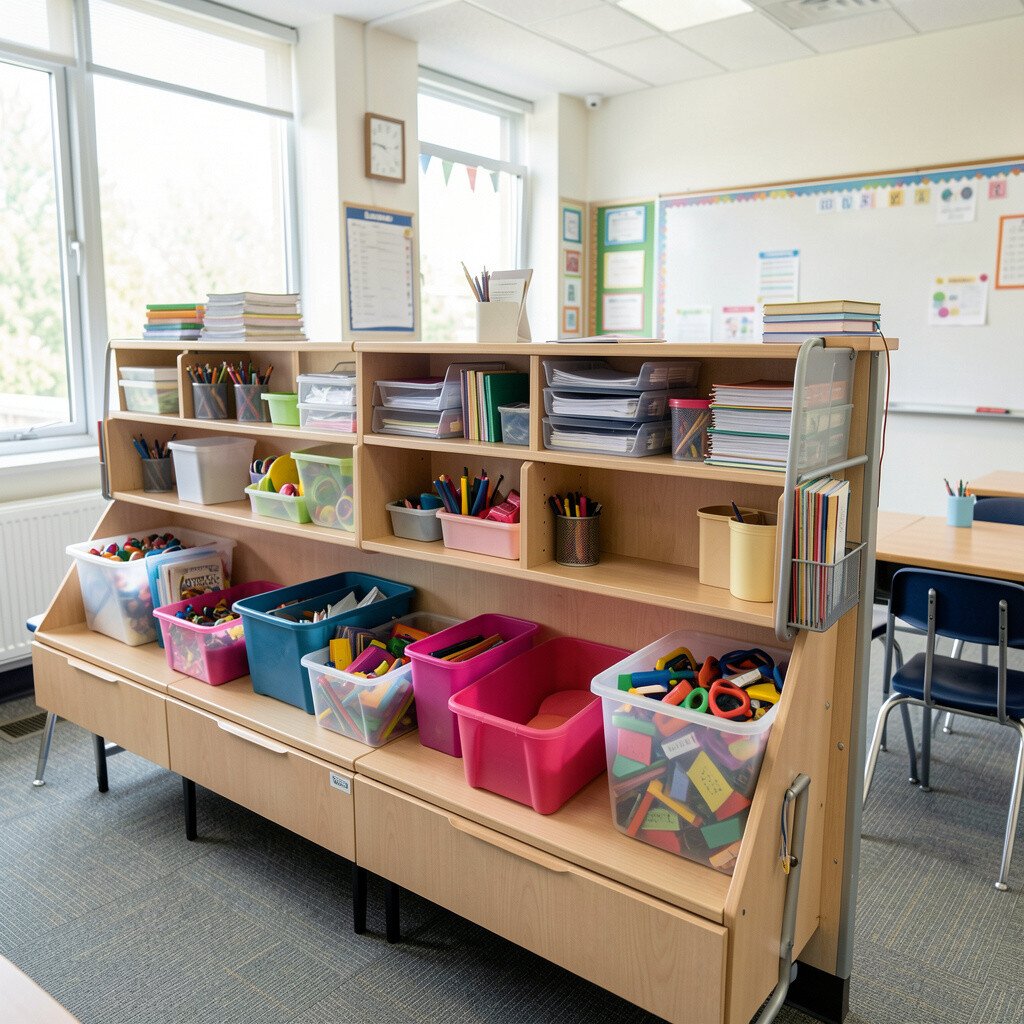
When students can grab what they need without asking, lessons run smoother. A classroom that supports independence often feels more peaceful.
Set up a supply station with clear categories and easy labels, and train students on how to refill it. You can include items like pencils, highlighters, sticky notes, and graph paper in labeled bins. This creates uniqueness because your room becomes a shared workshop, not just a place where you hand things out.
For cost considerations, start with what you already have and reorganize it. If you want extra tools, consider low-cost donations or student-made replacements, like creating their own “tool cards” from index paper. Personalization helps too, such as allowing students to pick the color of their group’s supply labels. When students help build the system, they treat materials like they matter.
8. Quiet Corners Can Improve Participation
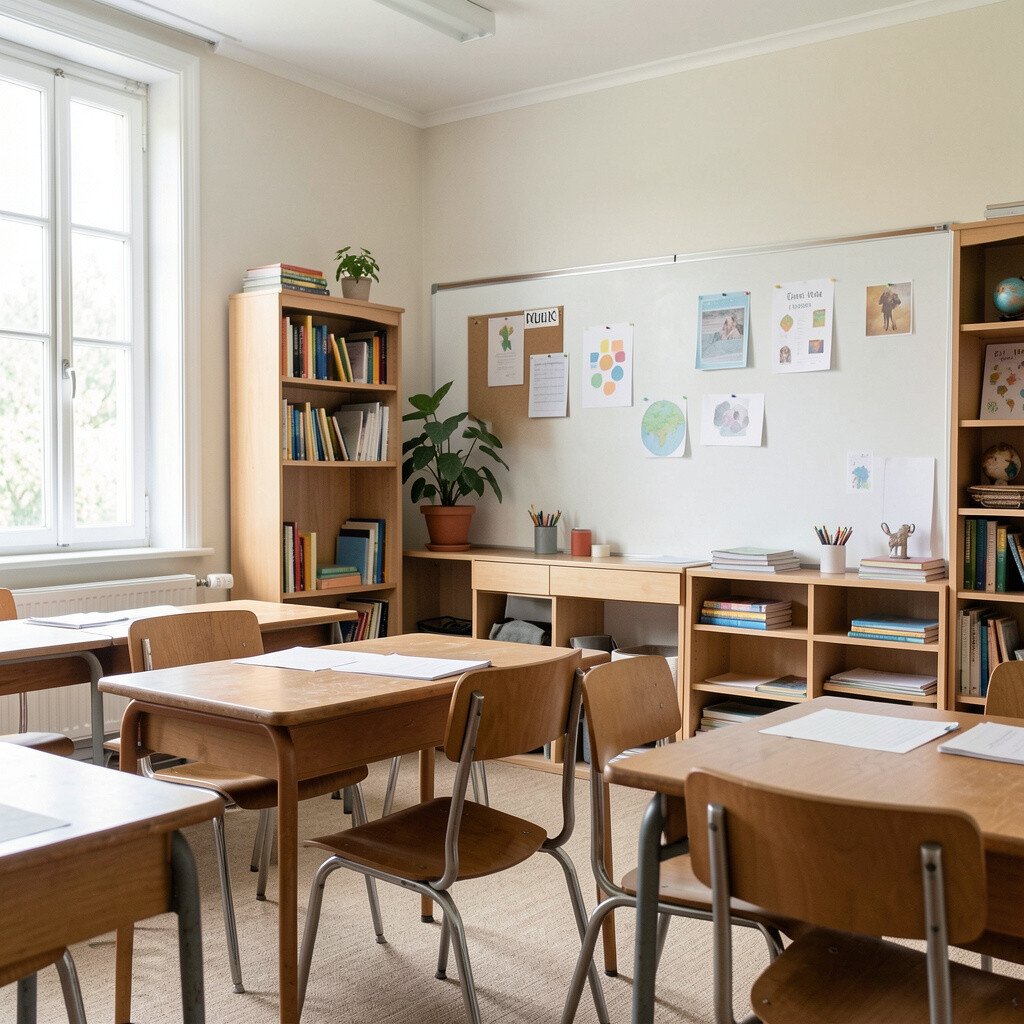
Not every student learns best in loud group settings. Some do their best thinking when they can settle in a calmer spot.
Create a quiet corner with headphones, a reading rug, and a “thinking page” students can use when they need a pause. Keep it warm and inviting, with soft lighting or a simple blanket. Visual description matters here, because a gentle corner with clear rules helps students feel safe enough to participate again.
This idea offers benefits for behavior and focus. Students who feel overwhelmed can reset without feeling singled out, and you can keep teaching moving. It is also a smart current trend, since many classrooms now build social-emotional supports into everyday routines rather than treating them as extra work.
9. Classroom Questions Can Sound Like Real Conversation

Students often respond better when questions feel like a chat rather than a test. The tone you use can change the whole energy of the room.
Try asking students to explain their thinking in everyday language, like “What made you choose that?” or “What would you do next time?” Use sentence frames for support, such as starters for comparisons and predictions. Visual cues on the board, like question stems in bright colors, help students jump in faster.
10. Think About Transitions as Part of Instruction
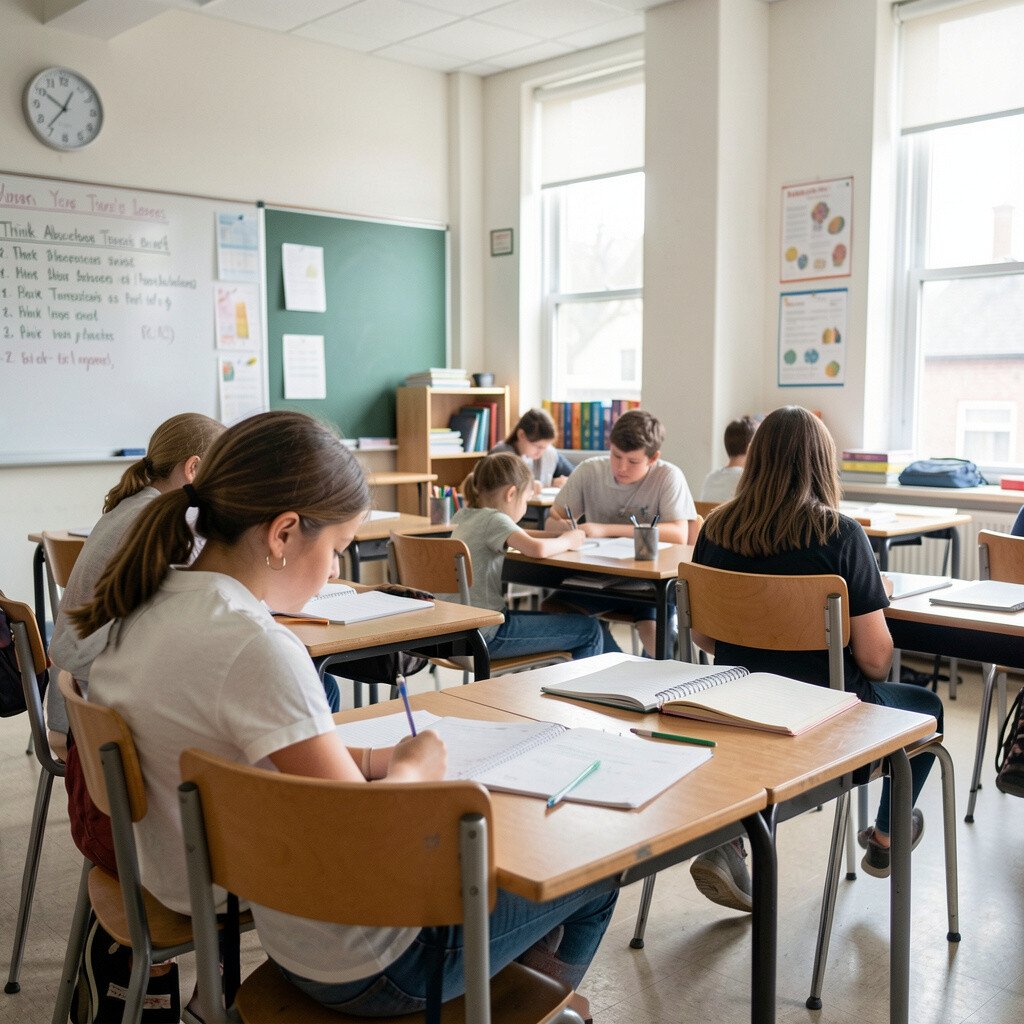
Transitions are where time slips away and behavior issues can start. If you plan them like mini-lessons, the classroom stays steady.
Use consistent transition cues, like a specific sound, a countdown, or a hand signal. Pair the cue with a visible routine, such as a quick checklist on the board for moving, collecting, and beginning. Benefits show up right away when students move efficiently and you spend less time searching for missing materials.
To keep it practical, keep transition tasks short and repeatable, like two-minute resets for desk cleanup. Personalize the checklist by swapping tasks based on the unit, such as “grab science notebook” during experiments. Low cost ideas work best here, since you mainly need printed checklists or simple cards. You will likely notice fewer interruptions and more calm, purposeful motion around the room.
11. Make Feedback Feel Specific, Not Scary
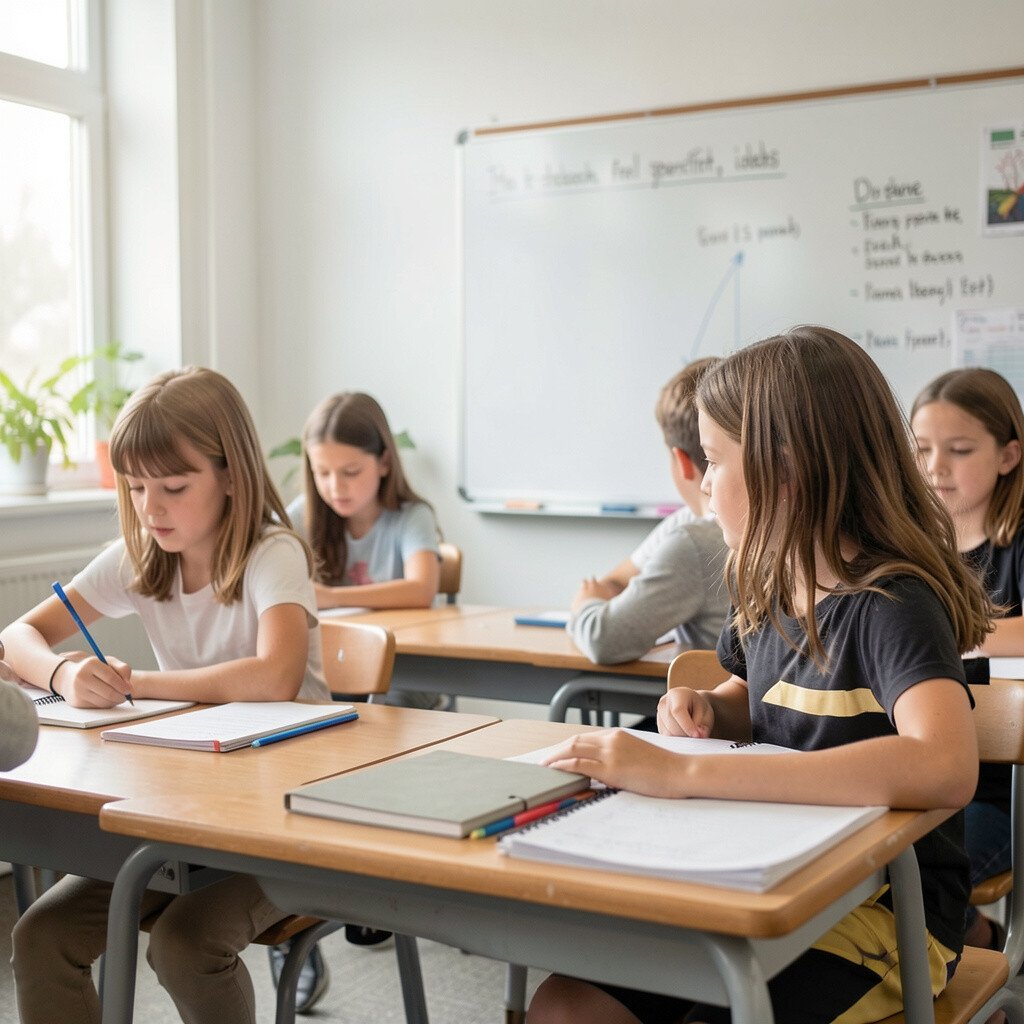
When feedback is vague, students feel unsure about what to do next. Specific feedback guides them toward improvement they can actually see.
Try highlighting one strength and one next step, then point to a concrete example in the work. You can use a simple color system, like one color for a strong strategy and another for a revision goal. Visual focus helps students scan quickly and understand the message.
This approach also adds uniqueness because your feedback style becomes a signature part of your teaching. For cost, you can keep it simple by using sticky notes, pencil marks, or short teacher checkmarks that take seconds. Current trends in many classrooms emphasize quick formative feedback, so this method keeps you aligned while staying manageable. When students feel capable, they are more willing to revise and try again.
12. Try “Room Roles” for Team Learning
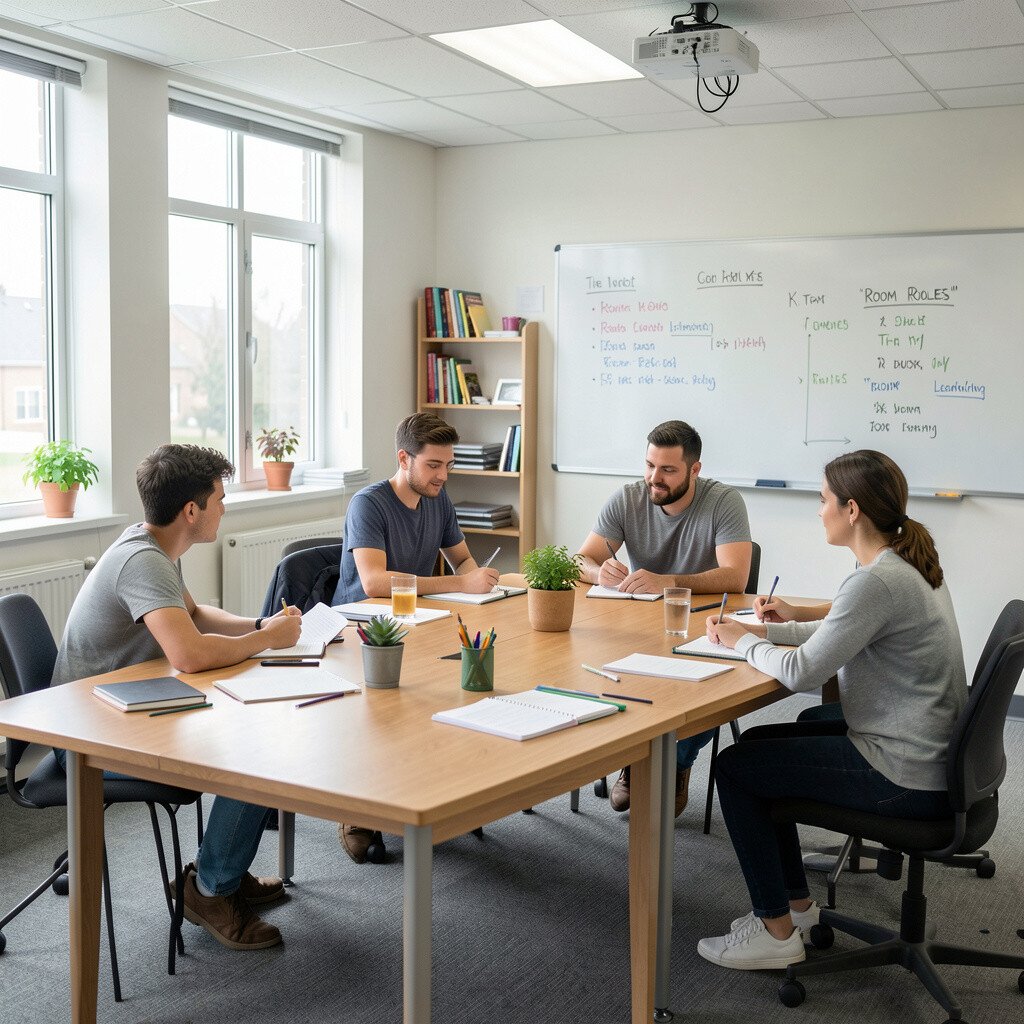
Group work often gets messy when everyone talks at once. Room roles give groups a structure so collaboration feels smoother.
Create roles like materials manager, timekeeper, and idea builder, and rotate them so every student gets a chance. Students can wear small badges or keep role cards on their desks, which is a clear visual structure. The benefits show up in fewer conflicts because students know who is responsible for which part.
To personalize, let students help design role descriptions using kid-friendly language. Keep costs low by making badges from cardstock or using clip-on paper tags. This idea can also match trends where classrooms focus on student agency and cooperative problem solving rather than passive worksheets. When roles are clear, students are more likely to stay engaged and finish tasks successfully.
Make the roles feel unique by tying them to the unit theme, like “Research Ranger” or “Builder Buddy.” The small change makes group work memorable, and it helps students buy in. You will notice groups sound more respectful and organized because the structure guides their behavior.
13. Use Flexible Seating With Clear Boundaries

Flexible seating can be great, but it needs structure to work well. When students have choices inside limits, they learn how to use space responsibly.
Offer a few options like a standing desk, a wobble stool, a comfy chair, and a floor cushion, then teach “when and why” each option is helpful. Use a simple sign-out system so you know where each item is at any moment. Visual description matters here because a small seating map posted on the wall makes expectations clear and reduces confusion.
For cost, start small with items you already have, like chair cushions and a lap desk, then add one new option only when you see it gets used. Personalize choice by letting students rate which seating helps them focus during different types of work, like reading versus writing. Current trends favor flexible learning spaces, and this approach supports that trend without overbuying.
The benefits go beyond comfort, since students often improve attention when they can adjust how they sit. Clear boundaries also protect classroom order, so you do not lose control when energy rises. With a quick routine for returning items and resetting the area, flexible seating can feel organized, safe, and welcoming.