The front door is where comfort begins. A small change can help every visitor feel at home right away.
1. Smooth, Level Threshold Transitions
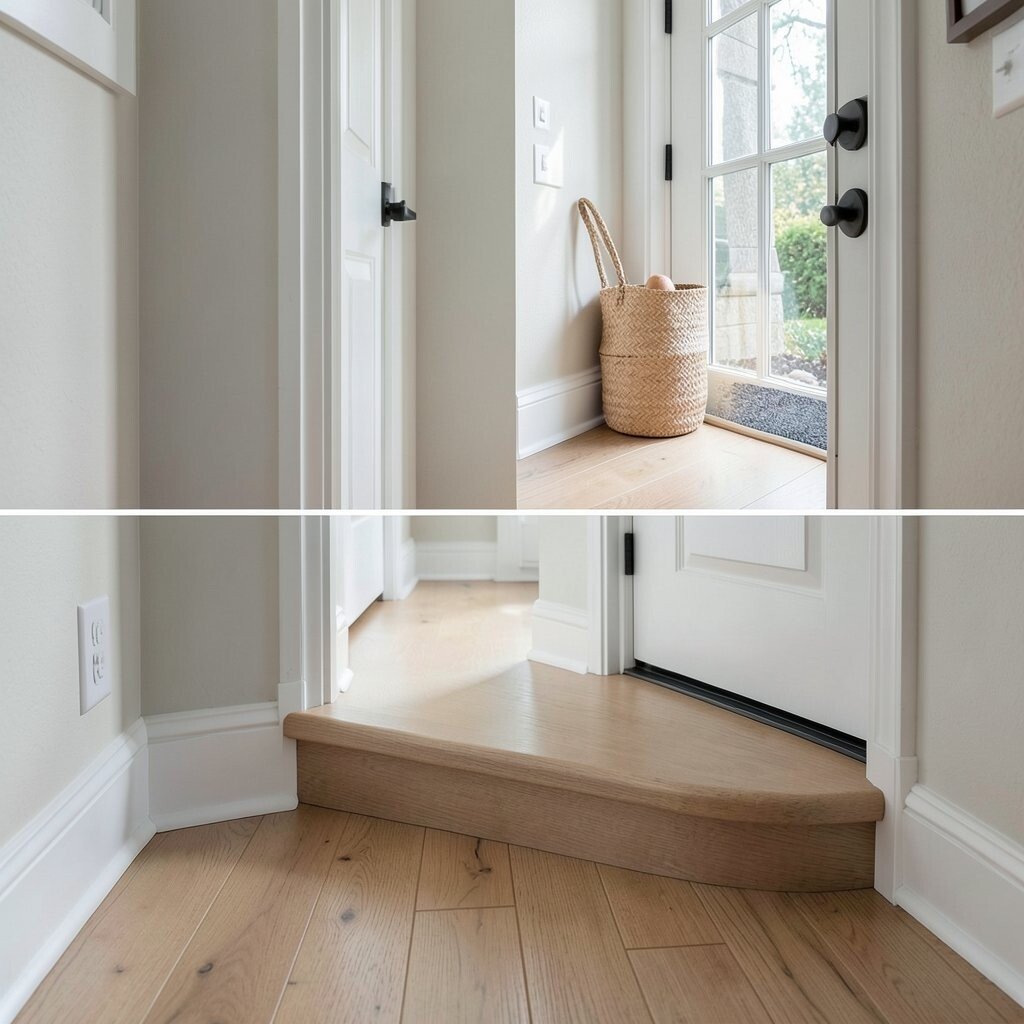
A wheel-friendly entryway starts at the threshold. When the surface is level from sidewalk to inside, rolling gets easier and safer for everyone.
You can swap a high step for a gradual ramp or a flush transition strip. Choose materials that won’t catch casters, like properly installed rubberized flooring or a clean, even metal transition that stays level over time. If you worry about rain, pick a solution that handles water flow without creating a lip or puddling.
2. Wider Door Clearances With Better Hardware
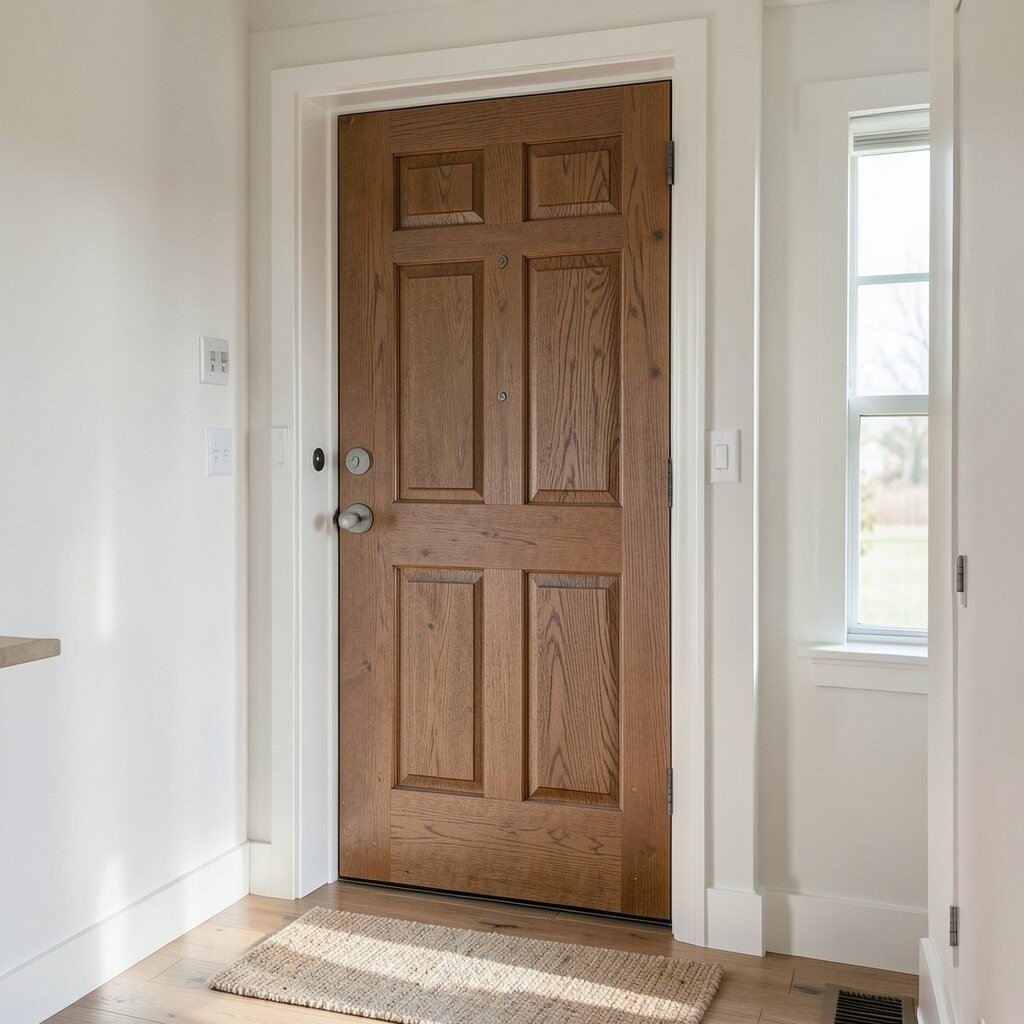
Sometimes the easiest win is space. If a door is tight, wheels, strollers, and walkers struggle to pass without scraping.
Measure the clear opening and compare it to how the door swings when pushed. Use lever handles instead of round knobs and consider a door that opens more smoothly with adjusted hinges. A current trend is using softer-close door mechanisms that prevent sudden swings, which helps people control their movement.
3. Lever Handles and Low-Reach Entry Controls
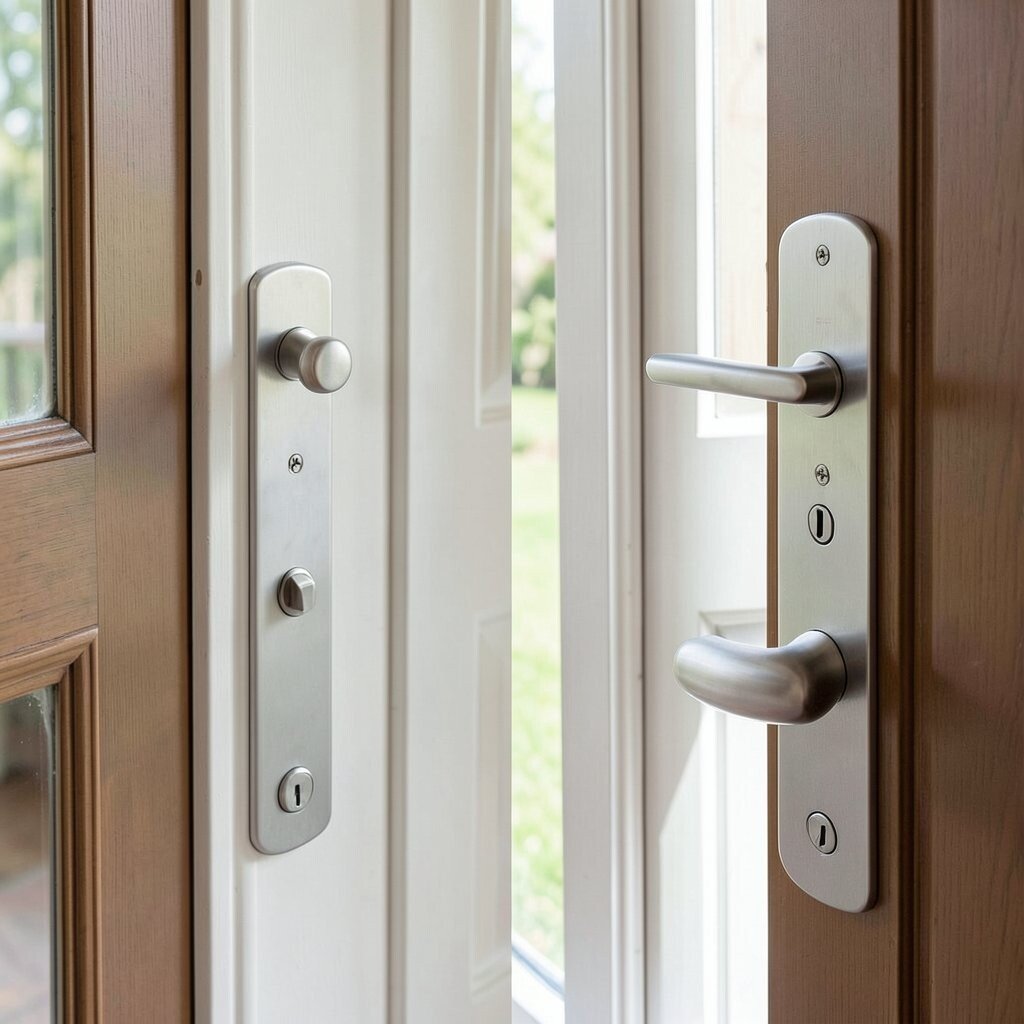
Great entryways feel intuitive at first touch. Lever handles make grabbing easier and reduce the strength needed to operate the door.
Place the handle at a height that works for seated visitors too, and keep the pathway clear so hands and wheels can move without reaching. Many modern smart locks also pair with simple key fobs or app controls, but you can set up backup methods for those who prefer something straightforward. If you’re personalizing the look, choose finishes like brushed nickel or warm matte black to match your porch hardware.
For practical planning, test the space with a chair or rolling device to confirm turning radius near the handle. When budgeting, hardware upgrades are often cheaper than major structural changes. You’ll still get a big comfort boost with good placement and smooth operation.
4. Non-Slip Pathways With Consistent Textures

Even a pretty entryway can feel stressful when the floor is slick or bumpy. Wheels need traction that stays the same from start to finish, not sudden changes that cause wobble.
Use surfaces like broom-finished concrete, textured pavers installed evenly, or slip-resistant mats designed for outdoor use. Keep the texture consistent so casters roll smoothly instead of catching. If your entry is currently smooth and wet-prone, upgrading just the landing zone at the threshold can be a smart, budget-friendly start.
5. Easy-Maintenance Outdoor Flooring for All Seasons
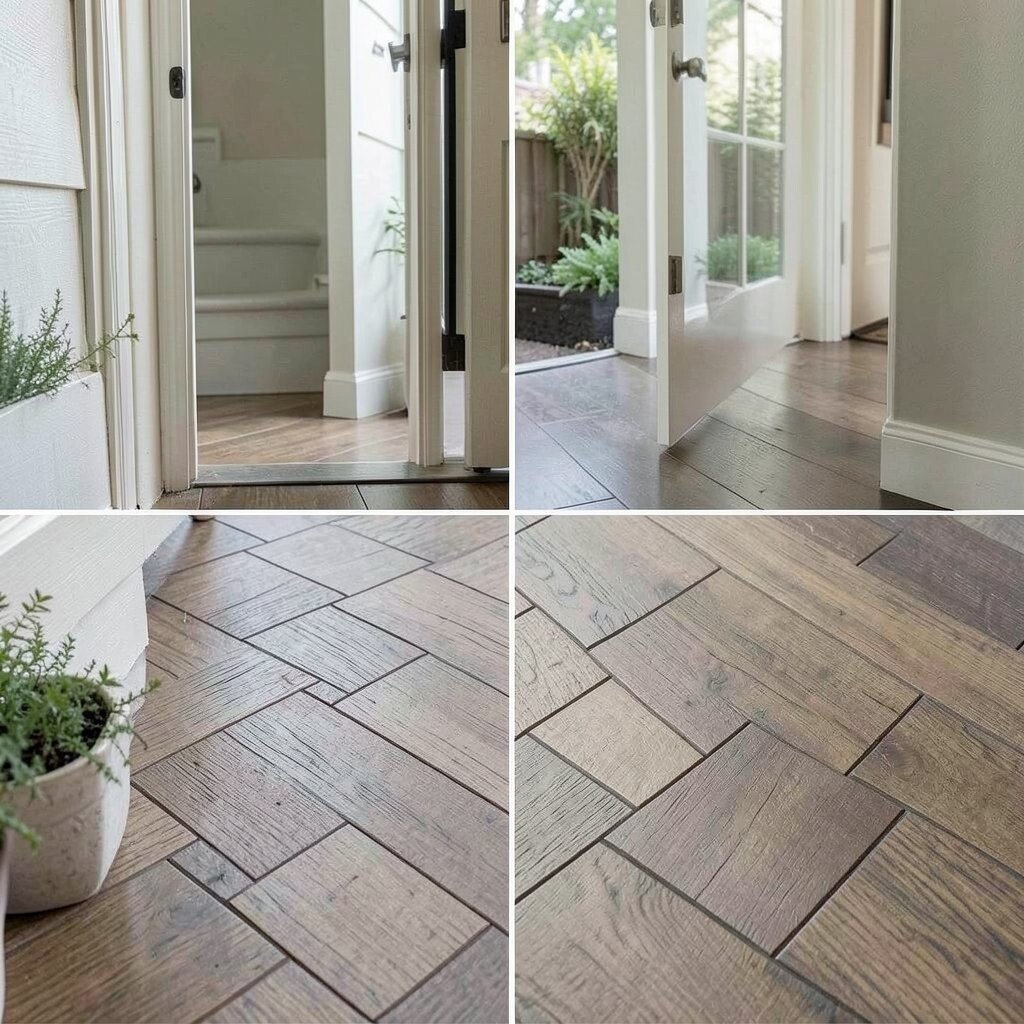
Entryways work best when they’re easy to clean and keep. Grime, leaves, and melting ice can quietly create hazards for wheels and feet.
Choose materials that resist cracking and can be rinsed or pressure-washed safely. For winter, use pet-friendly de-icing options and store shovels and salt in a spot that doesn’t block the route. Current designs often blend durability with curb appeal, so you can pick weather-ready textures that still look welcoming and warm.
If you like personalization, match your flooring color to your front door and lighting. That way the entry looks intentional, not patched. Over time, lower maintenance can save money and reduce the stress of frequent touch-ups.
6. Curbless Deck Design With Water-Safe Drainage

A curbless deck can feel like an open invitation. With the right build, you eliminate a common snag point and create a smooth roll-in.
Plan drainage early so water doesn’t pool near the doorway. You can grade the deck slightly or add hidden drainage channels that keep the surface dry without adding a ridge. This design is popular in modern accessible renovations, and it often looks clean and minimal, especially when paired with matching stairless landings.
When thinking cost, a full deck rebuild is the biggest project, but smaller renovations like addressing just the landing area can deliver similar comfort. A simple measurement of slopes and drainage needs helps avoid expensive rework.
7. Gentle Ramps With Hand Support and Clear Lines

A well-built ramp is one of the most powerful upgrades you can make. It should feel steady, predictable, and comfortable to travel.
Use a gentle slope, sturdy edges, and a handrail that visitors can reach while moving. Add visual contrast along the ramp edges so it stands out against the surrounding walkway. Many people also like bright, simple striping at the top and bottom, which improves wayfinding without turning the space into a loud design feature.
For practical tips, keep the path wide enough for wheels and allow turning space near the door. Costs vary based on length and materials, but prefabricated ramp kits can reduce labor expenses. If you’re personalizing, match the ramp rail style to your porch railing or door trim.
8. Handrails That Look Like Part of the Design

Handrails are more than safety features. When they match the style of your home, they feel natural and inviting.
Choose rails in finishes like bronze, black steel, or warm wood tones that coordinate with your exterior. Mount them securely and keep them continuous on both sides where possible, so people don’t have to guess where support ends. A trend in welcoming entryways is pairing rails with clean lines and good lighting, which makes the space feel calm at night.
9. Turn-Around Space Near the Door
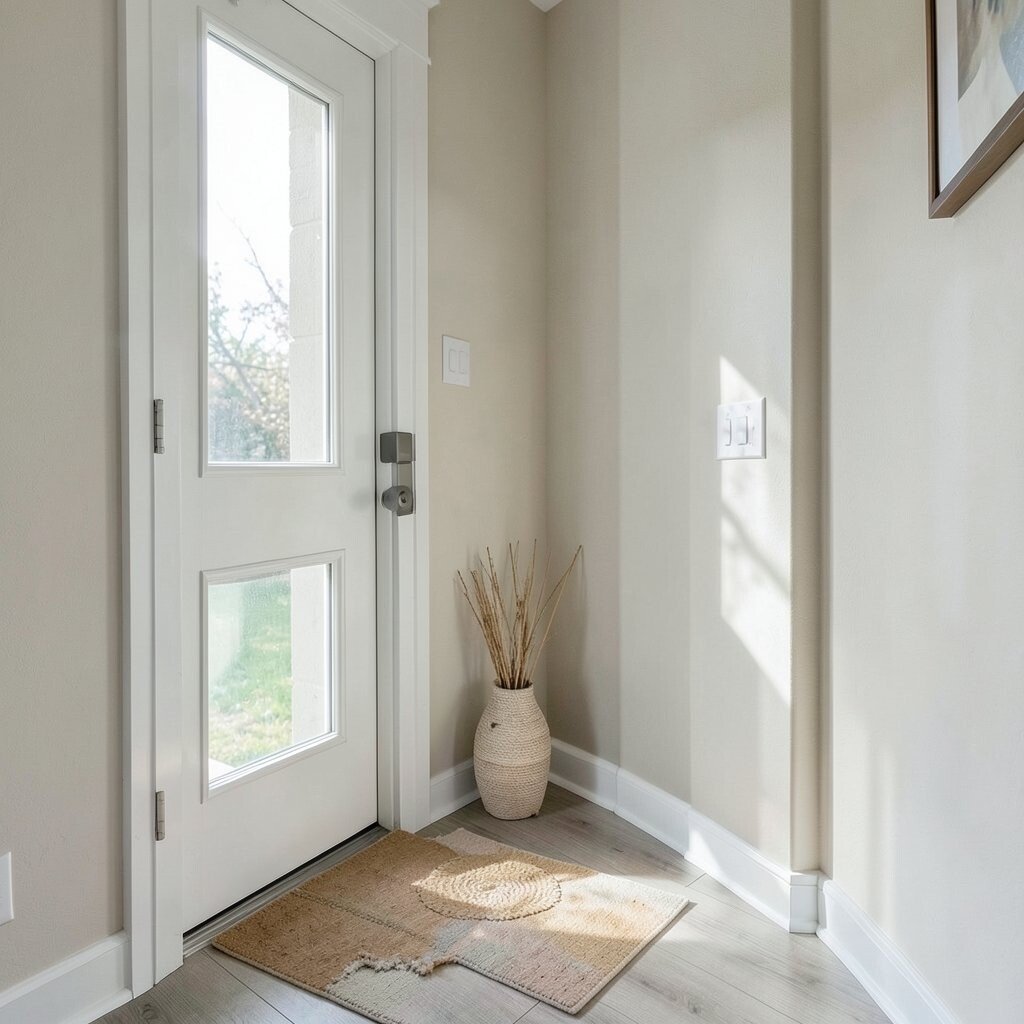
Space matters because turning is a real part of arriving. If the entry area is too tight, a visitor may struggle to line up with the door.
Create a small landing zone where wheels can pivot safely. Even a few feet of extra clear area can reduce frustration and help visitors move with confidence. If you’re working with a narrow porch, consider rearranging furniture, removing decorative planters that sit in the path, or replacing bulky door mats with slimmer ones.
Personalize the landing with a welcoming bench that has open space next to it for wheels. Keep the visual layout simple so people can spot the door quickly. This kind of change can cost little, especially if you focus on clearing obstacles.
10. Mat Choices That Stay Flat and Don’t Catch Casters
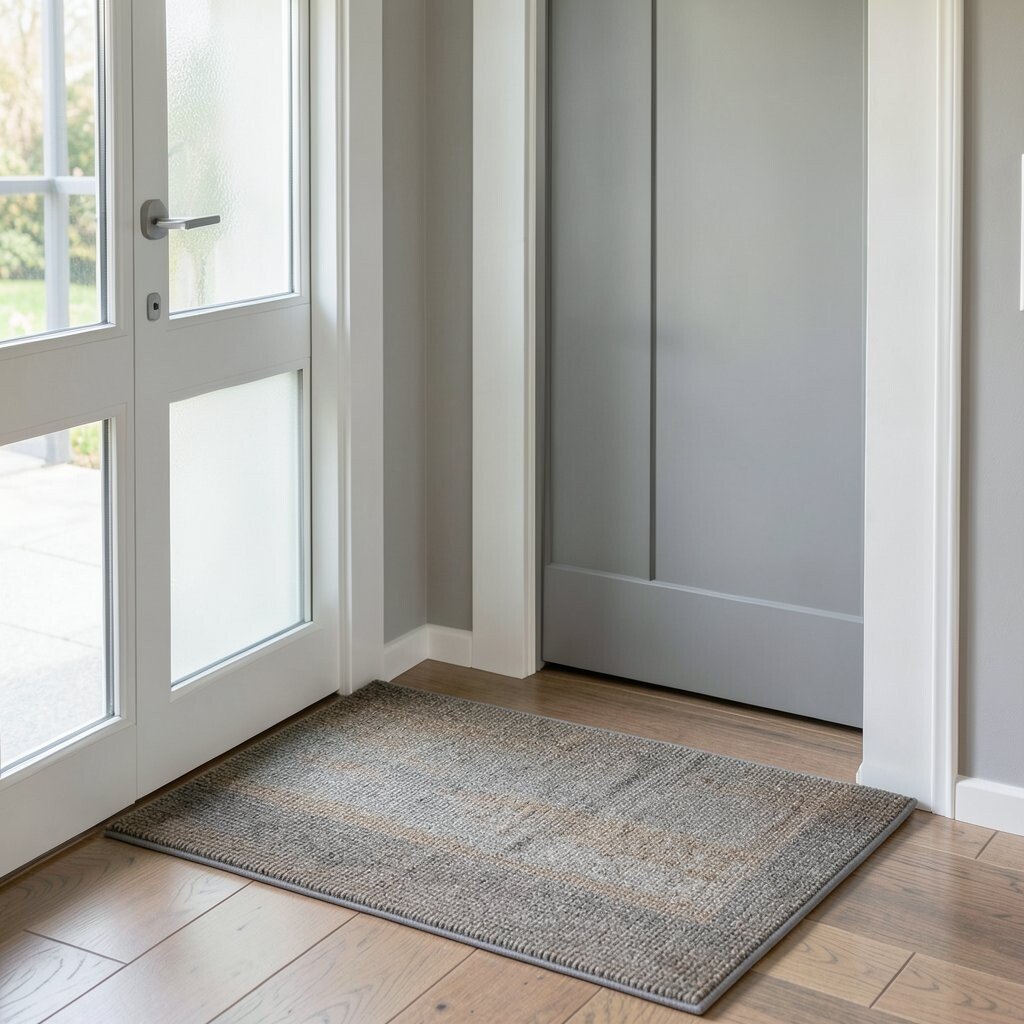
Door mats are helpful until they slide or curl. A lifted edge can trap small wheels and make anyone’s arrival feel shaky.
Pick mats designed for outdoor use that lie flat, with a non-slip backing that won’t shift when wet. Avoid thick pile that slows rolling, and check that the mat height matches the floor level. Many families now swap standard welcome mats for low-profile mats with durable fibers, which is both practical and stylish.
For personalization, choose patterns that match your entry colors without being too busy. When it comes to cost, replacing mats is one of the quickest upgrades. It’s also easy to update seasonally, so your entry can stay fresh without big spending.
11. Lighting That Helps People See the Path Clearly
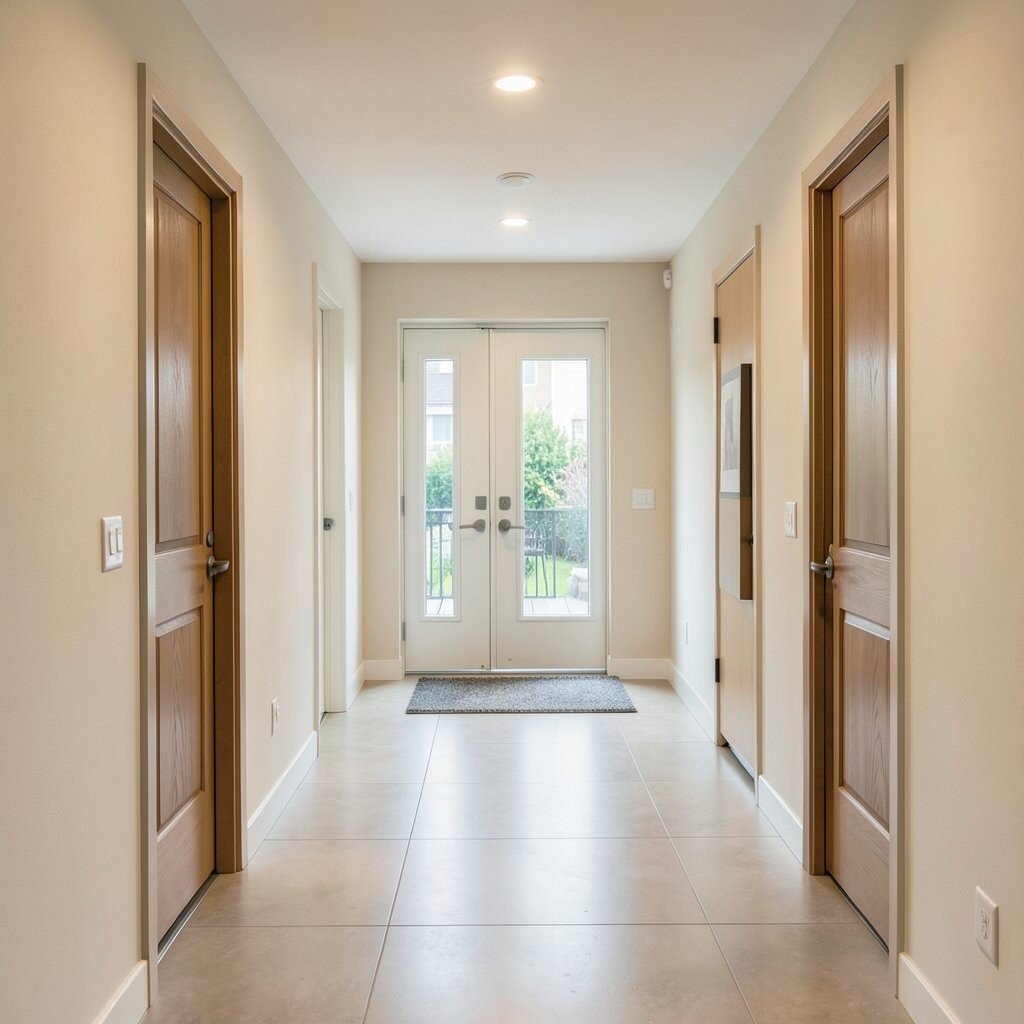
Good lighting makes an entryway feel safer and friendlier. When people can see the route and the door hardware, they move with less worry.
Use path lights or step lights to brighten the walkway and landing, and add a well-lit area near the handle. Aim for even coverage so there aren’t harsh shadows that hide curbs or changes in surface. Current trends lean toward warm LED bulbs that look cozy while still being bright, which helps the entry feel welcoming without glare.
If you want practical tips, place lights so they don’t shine directly into someone’s eyes when they approach. Budget-wise, lighting upgrades can be moderate depending on wiring needs, but adding solar path lights can be a quick option. Match fixtures to your existing style for a cohesive look.
12. Accessible Mail and Package Landing Areas
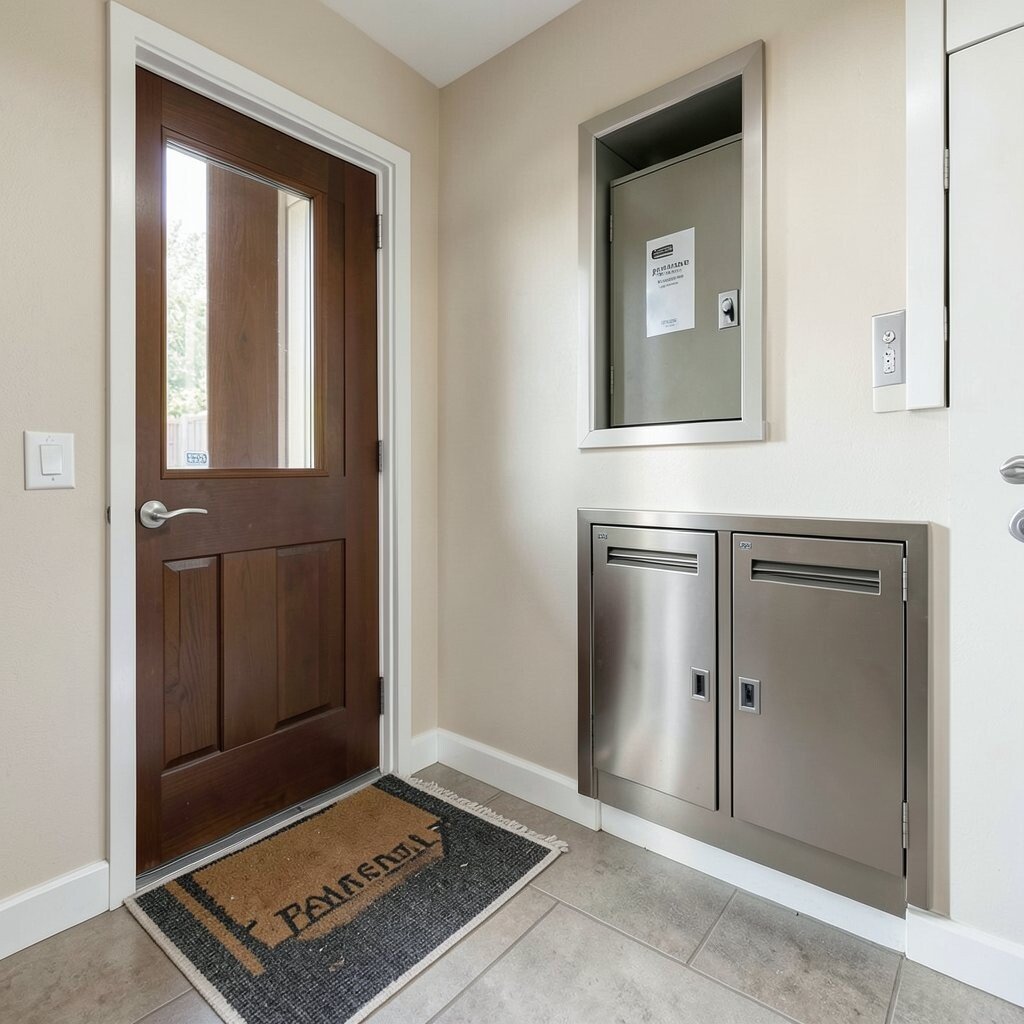
People often wait at the door for mail and deliveries. An accessible landing makes that moment smoother and less stressful.
Choose a mailbox with a front opening that doesn’t require high reaching, or mount it so it’s reachable from a seated position. Add a package shelf or bench area near the door where items can sit without blocking the path. Many modern entries use built-in organizers, which keep clutter down and make the doorway feel tidy.
Personalize it with a decorative panel or color that matches your exterior. You can also add a small sign that reminds delivery drivers to place packages in the safe spot. Costs range widely, but even adding a sturdy shelf or repositioning existing storage can be an affordable fix.
13. Weather Protection That Doesn’t Block Mobility Paths

A covered entry helps everyone stay comfortable in rain or snow. The trick is planning the cover so it doesn’t create obstacles.
Install an awning or porch roof that keeps the doorway dry while keeping the walking route open underneath. Make sure supports are set to the sides rather than narrowing the travel path. For personalization, choose materials and colors that match your siding or trim so the shelter looks like part of the architecture.
When budgeting, repairs to existing overhangs can be cheaper than building a new structure. If you’re adding something fresh, aluminum awnings and durable canopies are popular because they require less upkeep. Proper gutters also help by steering water away from the entry floor.
14. Strategic Landscaping That Clears the Route
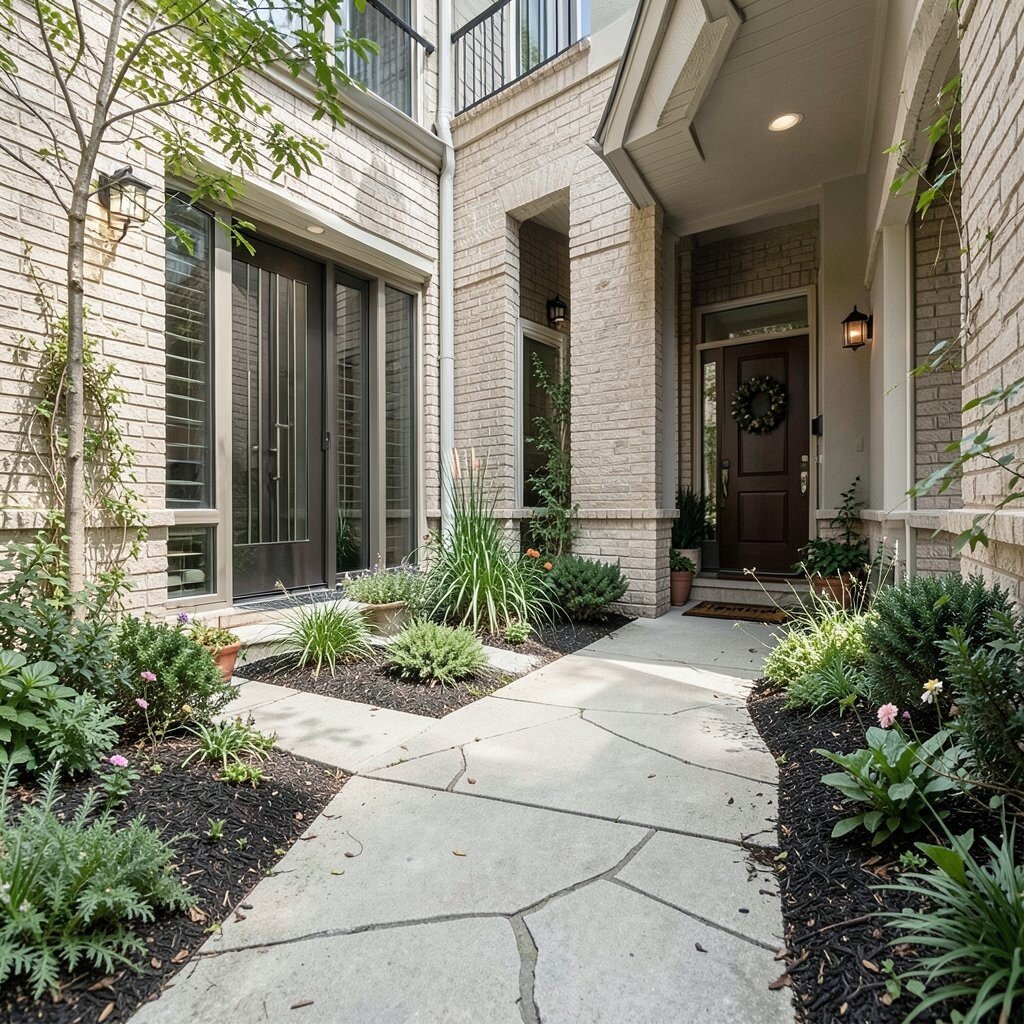
Plants make an entryway feel alive, but they can also create barriers. Wheel-friendly landscaping clears the route first, then adds beauty along the edges.
Keep shrubs trimmed away from the door path and choose planters that sit beside the path instead of in it. Use raised beds with a consistent edge line so wheels don’t bump unpredictably. Many homeowners now lean into low-maintenance native plants, which look great and also reduce the need for constant shifting around the walkway.
For practical tips, leave a clean, straight travel line from the sidewalk to the door. If you love personalization, use taller planters near corners for a guided look, and keep the immediate path wide and open. Costs stay manageable because you can start with a few planters rather than redoing everything at once.
15. Seating Designed for Easy Transfers and Waiting
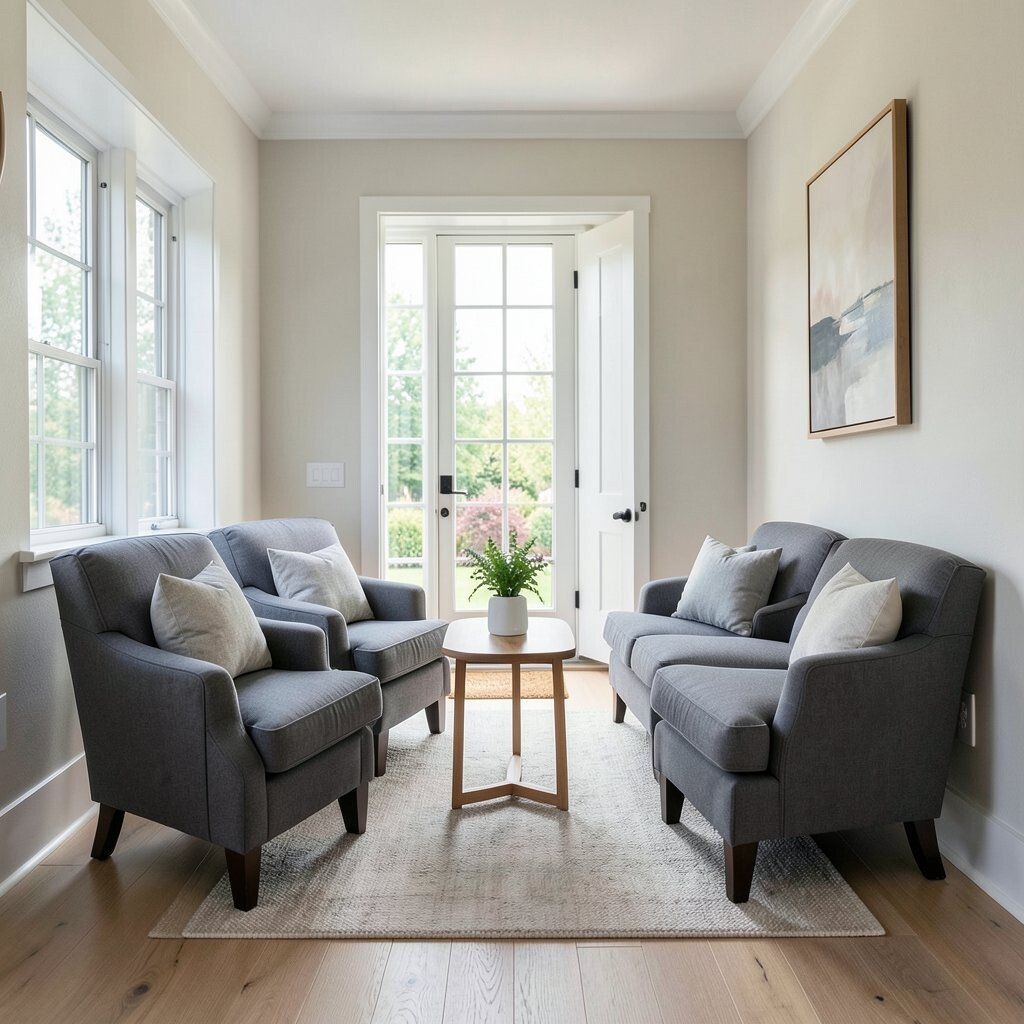
A friendly entry offers a place to rest during arrival. Seating can help visitors pause, adjust, or wait comfortably while still keeping the path clear.
Choose a bench with stable legs, enough height for easier transfers, and a clear space beside it for wheels. Place it where it doesn’t block turning space, and keep the route to the door free. Personalize the look with cushions made for outdoor weather and colors that match your door or porch railings.
When it comes to cost, sturdy outdoor benches can range from budget to premium, but even a simple upgrade like adding a weatherproof chair can help. If you already have a bench, check whether the seat height works and whether it’s positioned so the doorway remains usable.
16. Visual Contrast for Doors, Steps, and Key Edges

Some visitors rely on visual cues to move confidently. Clear contrast helps them spot the door, the edges, and any subtle surface changes.
Paint door frames in a color that stands out from the wall, and consider high-contrast decals on edges where helpful. Even outdoor handrails look better when you add consistent color and lighting so the hand support is easy to find. Many accessible design guides now emphasize contrast because it supports older adults and people with low vision in everyday ways.
Personalize by picking contrasts that fit your home style, like a bright door against a neutral frame. Costs are usually low since paint and small accessories are inexpensive. The impact can feel huge because the entry becomes easier to read at a glance.
17. Smart Doorbell Intercoms and Smooth Communication

Arriving should feel easy, not like an awkward guessing game. Clear communication at the door helps people coordinate calmly.
Add a doorbell camera with audio that works well from inside and outside, and make sure the button is reachable at an appropriate height. Many people today also choose intercom-style systems that allow two-way conversation without shouting. For personalization, choose sleek hardware finishes that match your door lock and lights.
Practical tip: test the volume and placement so a visitor can be heard even when it’s windy or the porch is noisy. Costs depend on whether you need wiring, but wireless options can reduce installation effort. This upgrade can be a practical way to support mobility while also improving security.
18. Choosing Ramps, Lifts, or Modular Solutions for Small Spaces

Not every home has the room for a long ramp. That doesn’t mean accessibility is out of reach.
Modular ramps can fit more compact entries, and they’re designed to be adjusted as needs change. In some homes, a small outdoor platform lift may be the best fit, especially when height differences are significant. The trend toward modular and prefabricated systems makes it easier to plan around existing doorways without major demolition.
For cost considerations, start by comparing total materials and installation effort, not only the price tag. A smaller modular project can be more affordable than a full rebuild while still giving meaningful access. Personalize by matching railings and surfaces to the porch so the solution looks like it belongs.
19. Keeping the Entry Route Free of Cables and Clutter
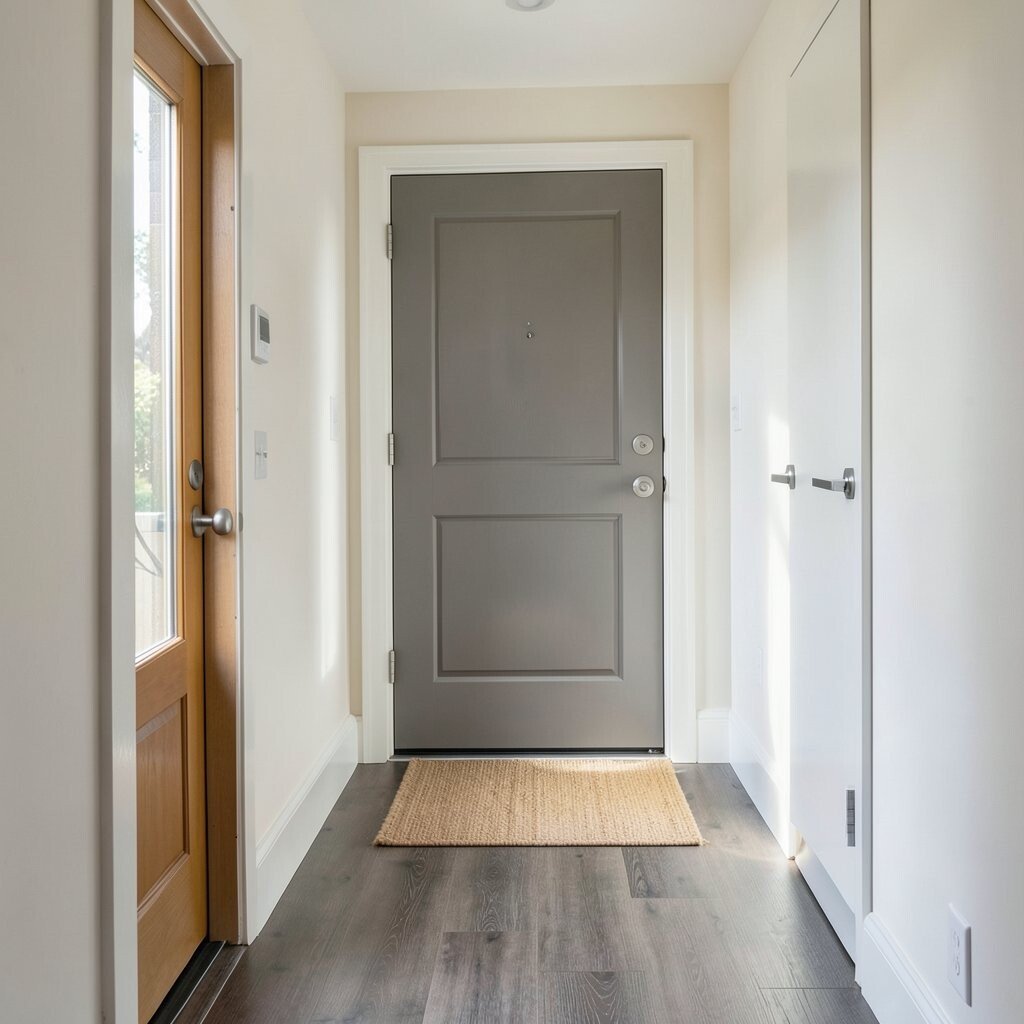
Even with a good ramp and wide path, clutter can ruin the experience. Cables, garden hoses, and decor can create trip hazards and wheel snags.
Use cable covers for outdoor lighting, route cords along walls, and store tools so they don’t spill onto the travel path. Choose plug-in lighting that’s easy to move and secure it with clips instead of letting it lie on the ground. Many families now prefer battery or solar options for seasonal lights so the pathway stays clear.
Personalize without clutter by placing decor where it won’t interfere, like hanging lanterns or wreath hooks mounted high enough to clear wheels. Costs are often low because the biggest shift is organization, not replacement. This makes the entry safer every day, not just on special visits.
20. Mail and Door Accessories at Accessible Heights
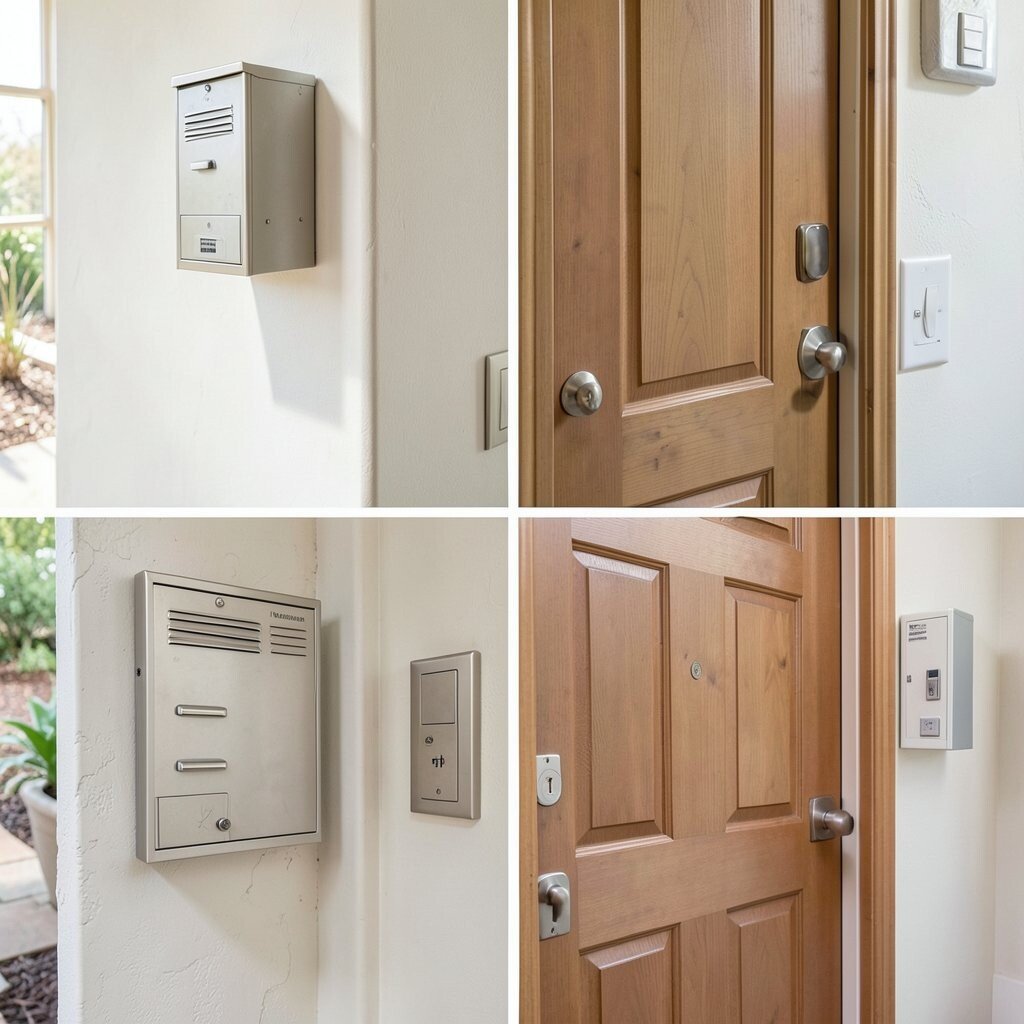
Small accessories can make a big difference in daily comfort. If buttons, locks, and signage are placed too high, it creates barriers for seated visitors.
Install peepholes, address numbers, and doorbell controls at reachable heights so people can orient themselves easily. Consider adding a second doorbell button lower down so guests don’t have to reach. Current design thinking also supports universal access by placing controls where hands can comfortably reach from a seated or standing position.
When personalizing, use decorative address numbers that stand out and also remain easy to read. This is usually a low-cost upgrade since it’s about hardware placement and small items. The payoff is big because it reduces effort for every visitor, all year long.
21. Personal Entryway Styling That Still Meets Accessibility Needs
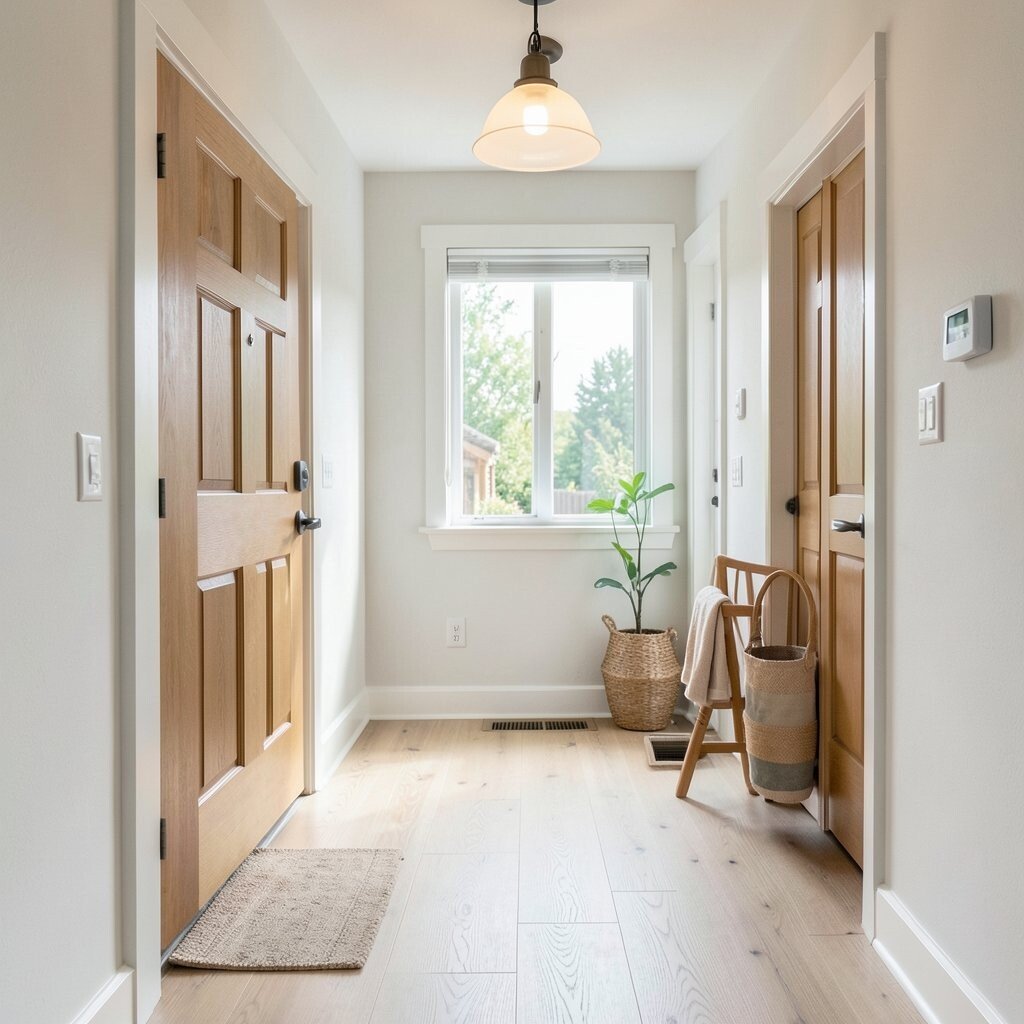
An entryway can look stunning and still be wheel-friendly. The goal is to combine comfort with curb appeal so no one feels like they’re entering a compromise.
Pick a theme, then build the route first with level surfaces, clear space, and safe lighting, and only then add decor. Use planters and artwork placed beside the path, choose furniture that doesn’t block turning space, and keep mats low profile so rolling stays smooth. If you want to personalize, match your colors across the door, railings, and lighting so the whole scene feels cohesive and calm.
For practical planning, do a quick walkthrough at walking and rolling speeds to spot anything that feels tight. Costs can stay controlled by starting with the easiest changes like mats, lighting, and hardware, then upgrading larger structural items later if needed. When everything works together, your entry becomes genuinely welcoming, not just well-intended.