The 1920s made homes feel like a glamorous stage set. These ideas bring that same spark into everyday living.
From bold details to clever layouts, the decade still feels fresh today. You can borrow the mood without turning your house into a museum.
1. Geometric Art Deco Patterns
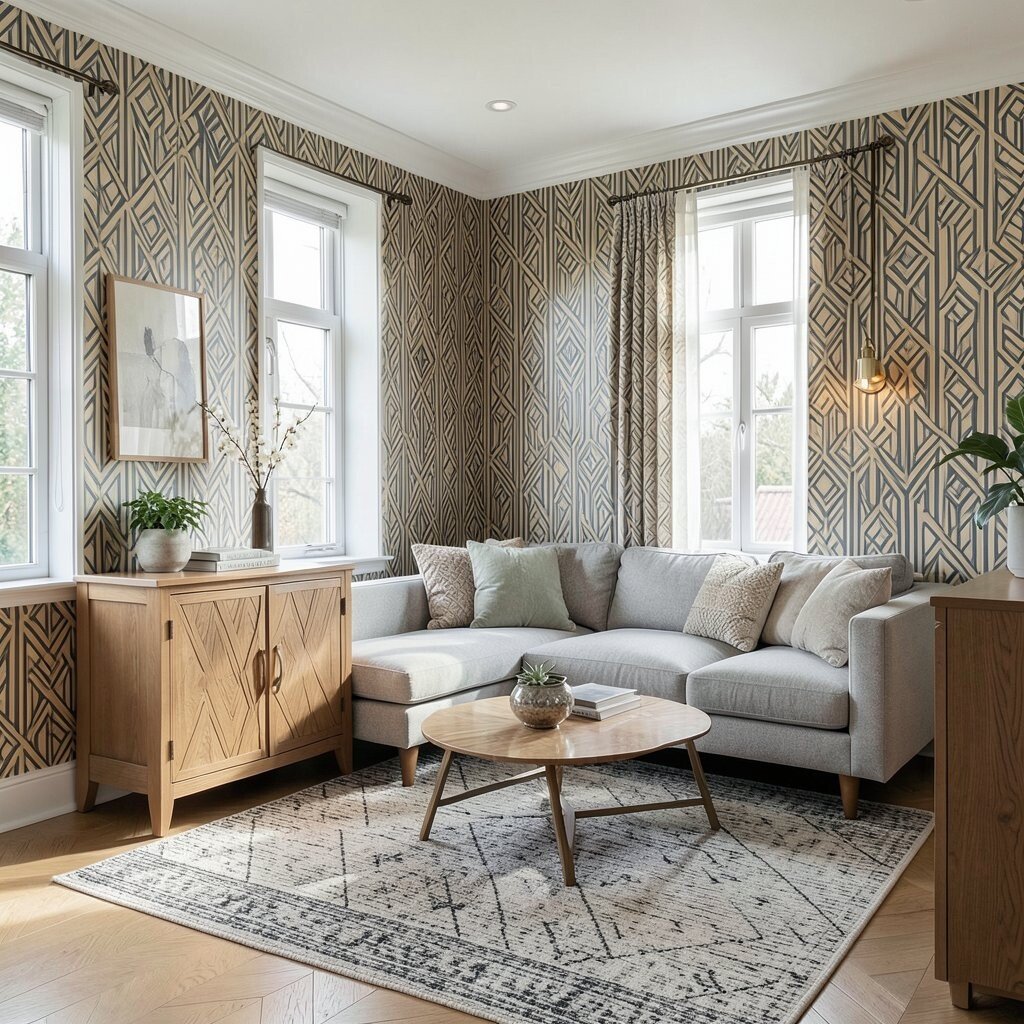
Look for bold shapes like zigzags, fan motifs, and stepped lines. You’ll notice how the room instantly feels more structured and lively.
Choose one main place to add patterns, such as a rug, an accent chair, or a set of curtains. Matching the shapes across two items looks intentional, even when the rest stays calm.
2. Curves, Bronze, and Brass Hardware
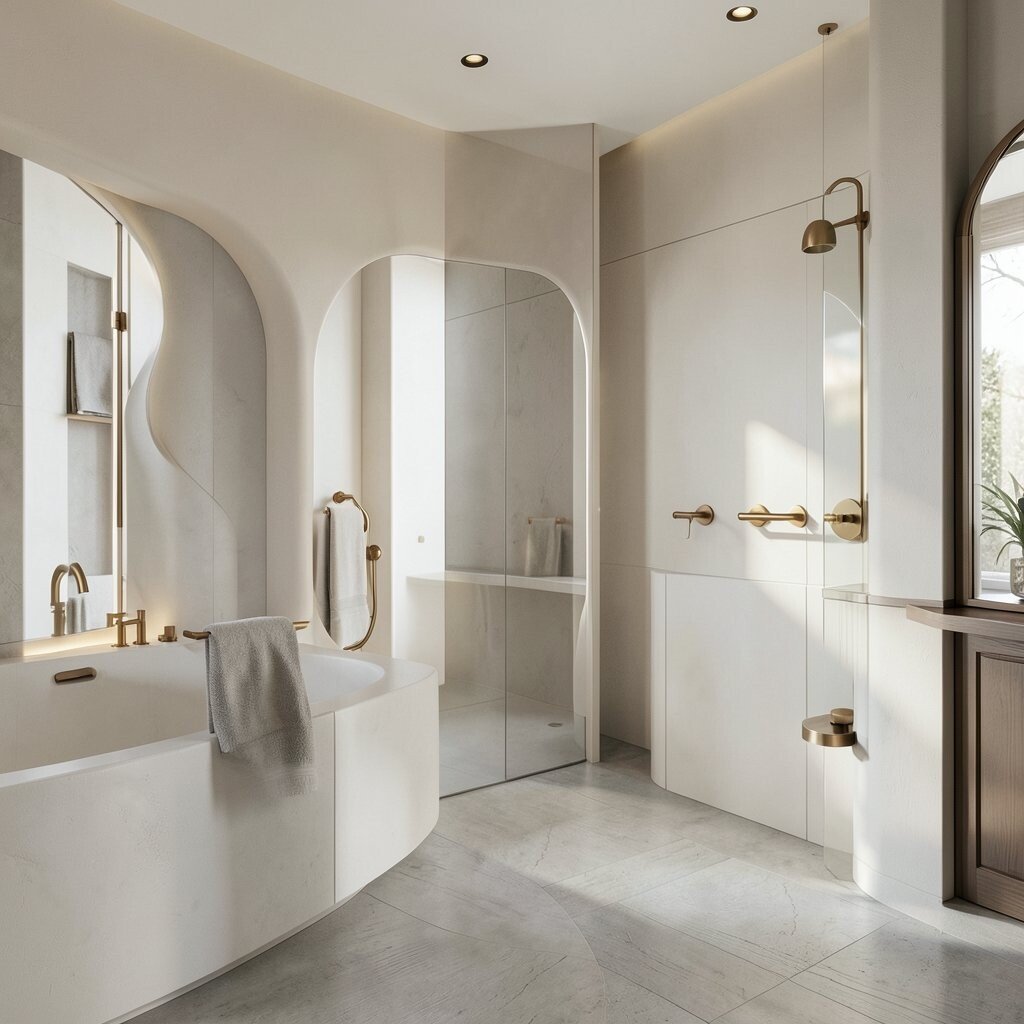
Hardware in warm metals makes everyday doors and cabinets feel special. Think rounded pulls, curved towel bars, and cabinet handles with a soft shine.
Brass and bronze tones also work well with dark woods and light walls. Wiping them with a gentle cleaner keeps them looking bright without much effort.
If you rent or want an easier upgrade, switch only visible pieces. You can also pick one room, like the kitchen or entry, to keep spending focused.
3. Sunburst Mirrors and Statement Wall Pieces
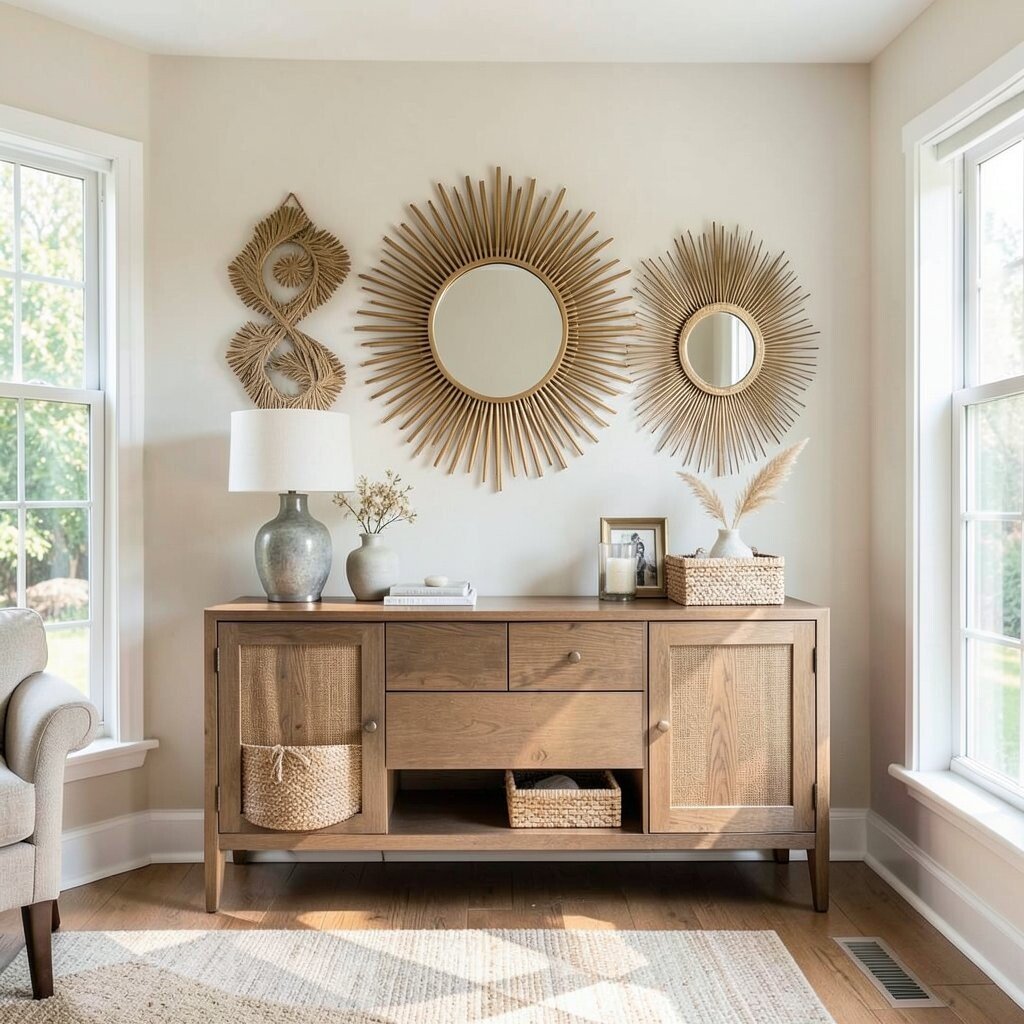
Wall decor from the era often frames light like a halo. A sunburst mirror can turn a plain wall into an eye-catching focal point.
Place it near a window so it catches daylight and adds movement. In smaller spaces, the mirror helps the room feel wider and more open.
Choose a size that fits your wall and your furniture scale. If you want it to feel personal, match the metal finish to your other hardware.
4. Bold Wallpaper in Elegant Blocks
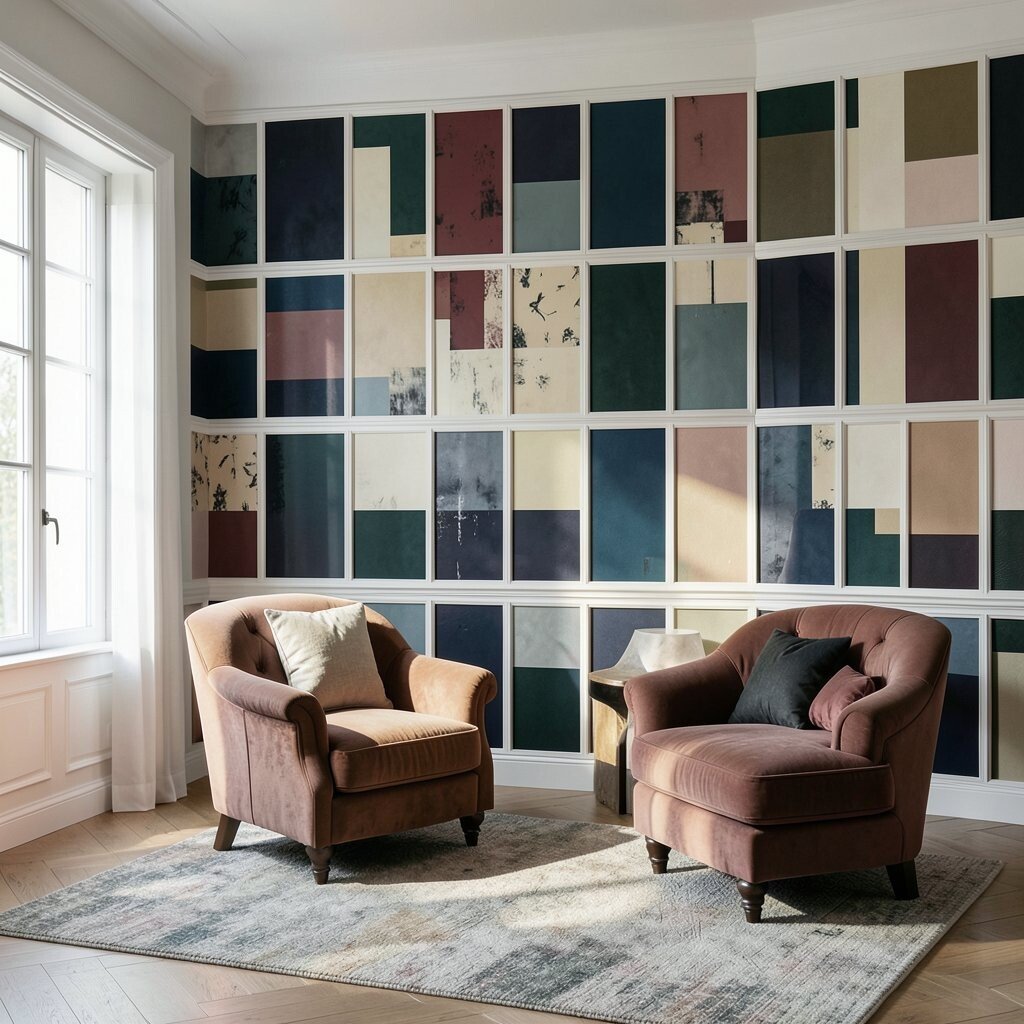
Wallpaper in the 1920s loved strong patterns and clear shapes. A feature wall with repeating motifs can make your space feel styled in minutes.
Pick a wall that naturally draws the eye, like behind a sofa or at the top of a hallway. Pair it with solid colors so the pattern stays the star instead of competing with everything else.
5. Velvet Upholstery and Rich Textures
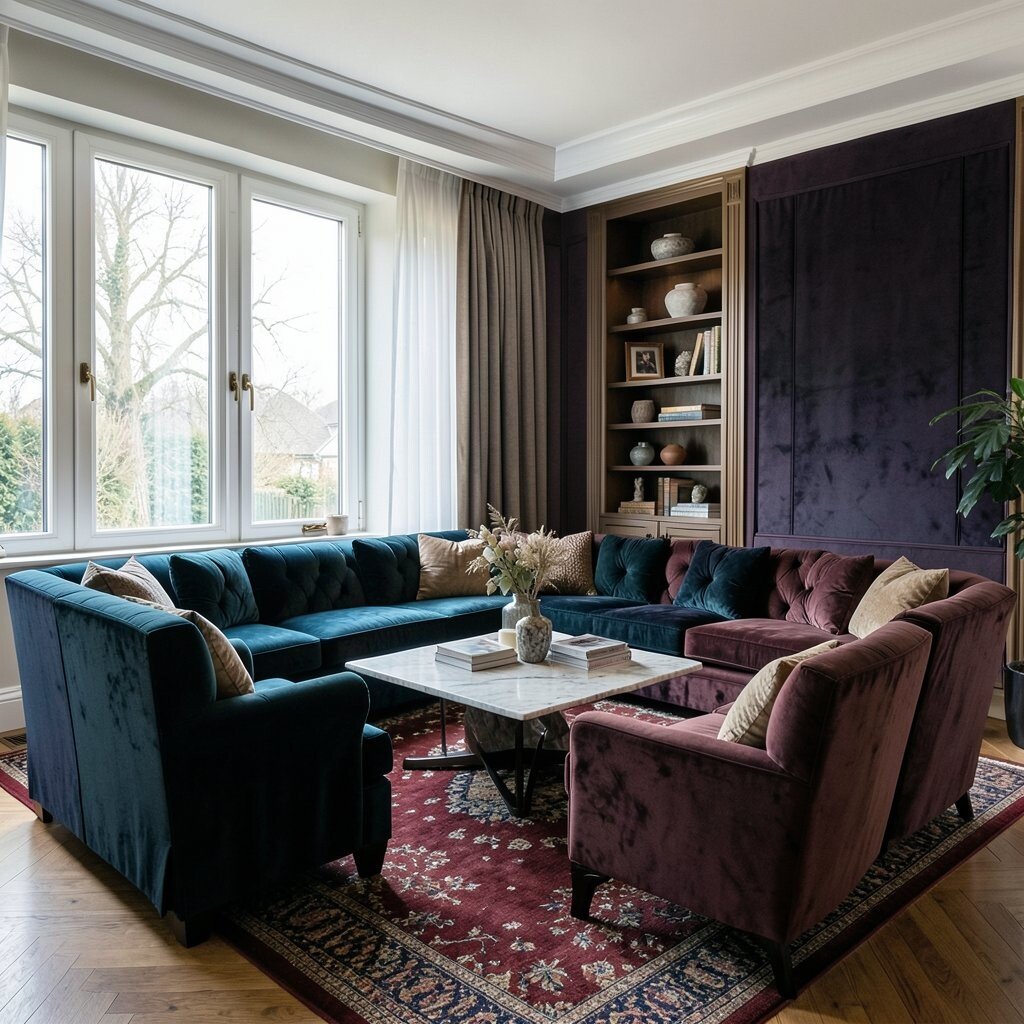
Velvet adds a cozy glow that looks luxurious, especially in jewel tones. You can use it in small ways, like throw pillows, or go bigger with a lounge chair.
When fabrics have texture, rooms feel warmer even without changing the layout. Velvet also hides minor wear better than many smooth fabrics.
Look for durable blends if you have pets or kids. Try a deep green, muted teal, or warm burgundy to keep the 1920s vibe without feeling too intense.
6. Low, Confident Furniture Groupings
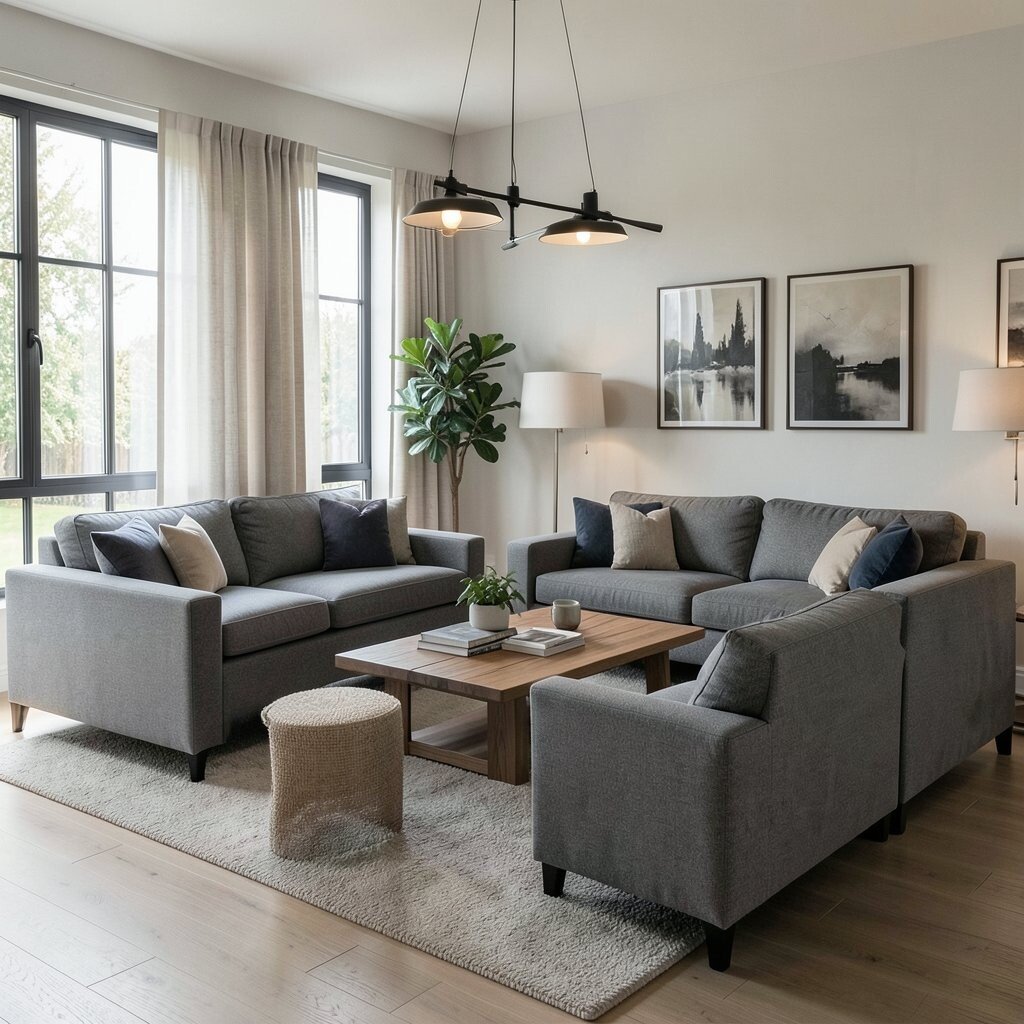
Instead of pushing everything to the corners, try grouping furniture for conversation. The result feels inviting and relaxed, like a living room where guests can stay awhile.
Use a low sofa, an ottoman, and a couple of chairs to create a clear seating circle. Leave some walking space so the room stays easy to move through.
If your space is small, choose slimmer pieces and keep the pattern mix simple. A well-planned grouping can make a small room feel intentional instead of cramped.
7. Marble, Stone, and Polished Surfaces
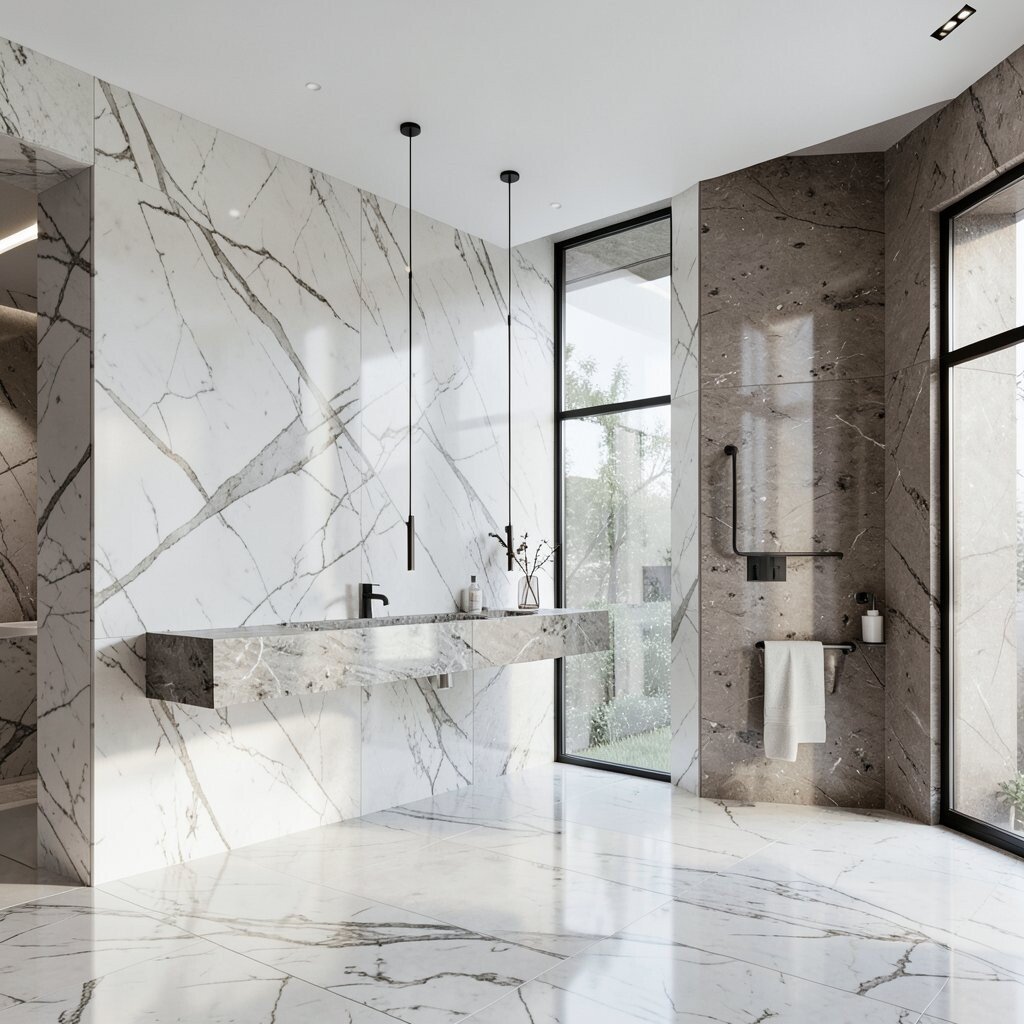
Polished surfaces capture light and make a room feel more refined. Marble-look countertops, stone trays, and sleek tabletops can bring that same upscale mood.
You don’t need real marble to get the effect, and many modern materials look convincing. Keep the finish consistent across surfaces so the room feels coordinated.
Use one or two stone accents rather than filling every spot. A countertop tray or a side table edge can deliver the look without a large renovation.
8. Contrast with Black and Cream Color Pairings
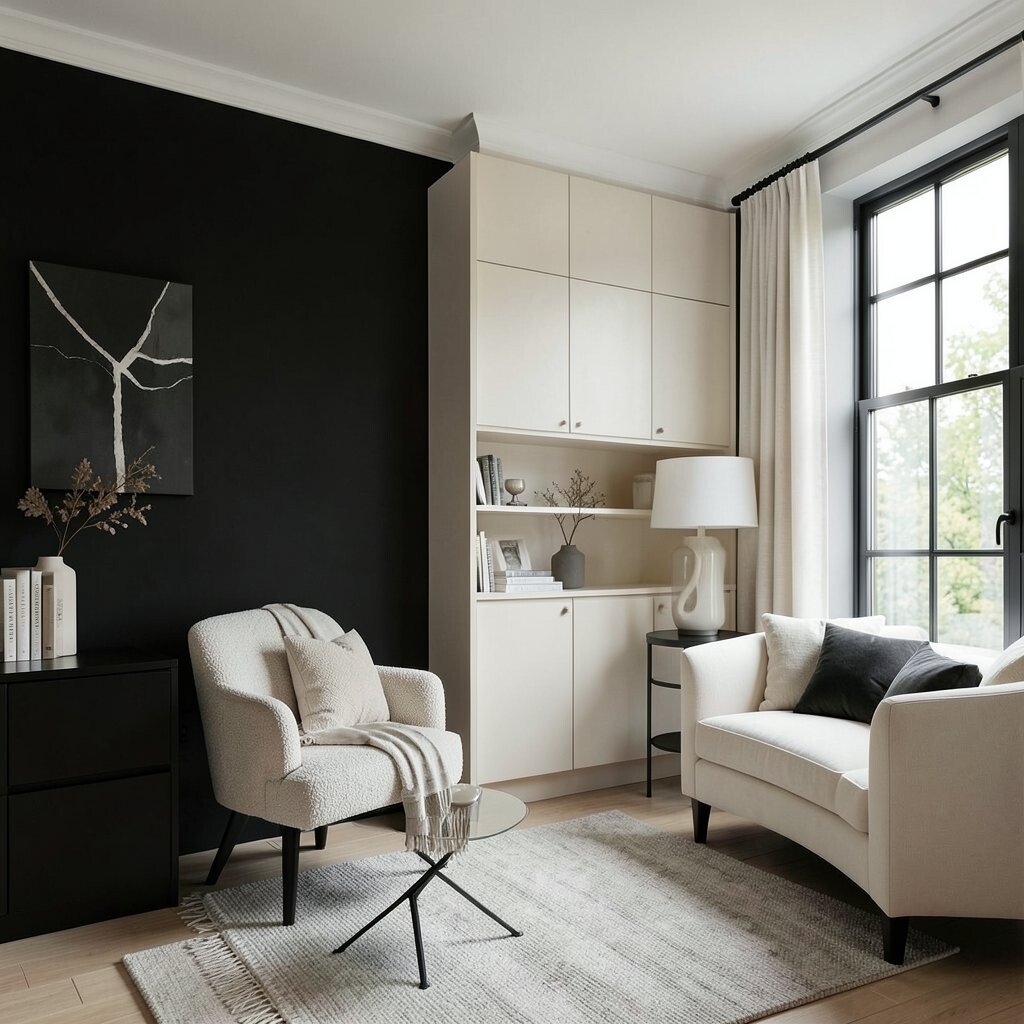
Classic contrast is a quick way to echo the era’s bold style. Try black accents against cream walls for a clean, glamorous look.
Small changes matter, like black picture frames, a dark floor lamp, or a cream area rug. This pairing also makes gold or brass hardware feel even richer.
To keep it friendly, add warm wood tones and soft textiles. You’ll get drama without the room feeling cold or harsh.
9. Glass, Mirrors, and Display-Ready Shelving
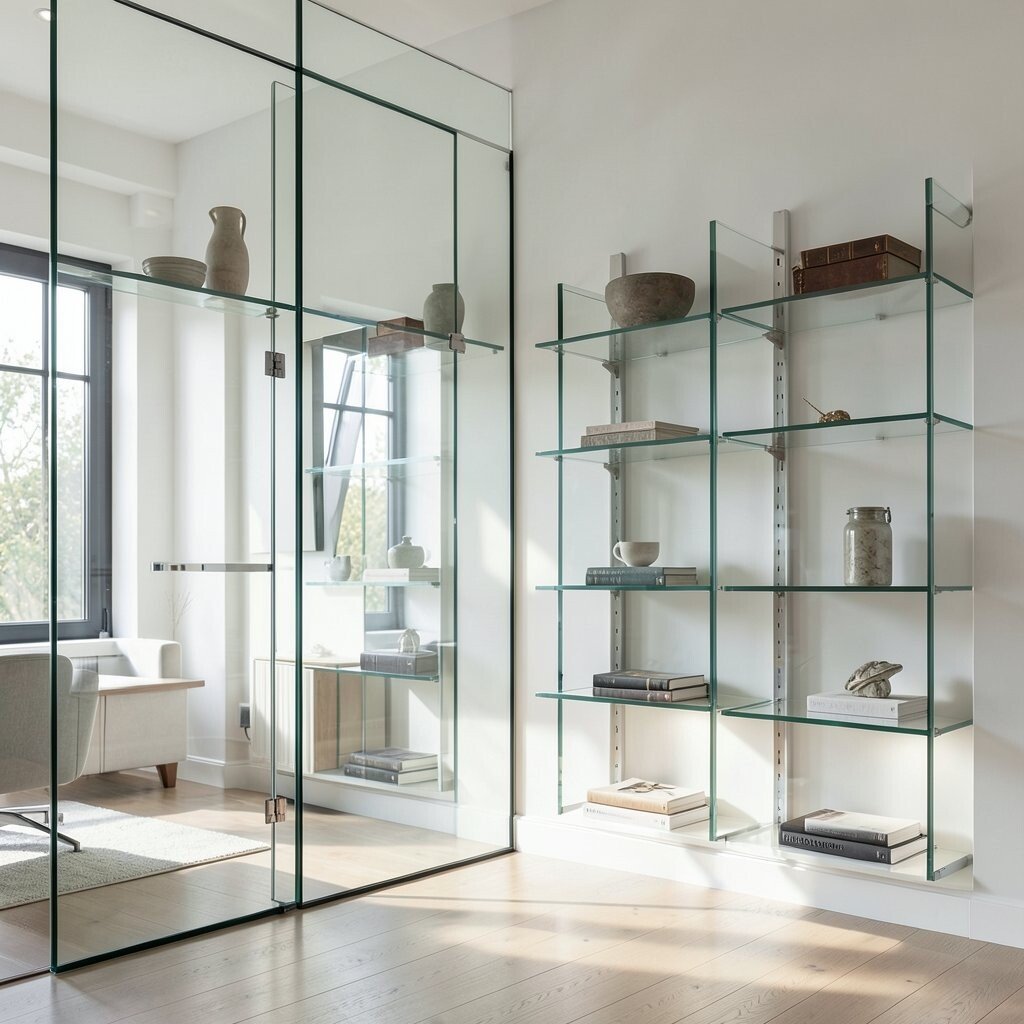
Glass and mirrors help rooms feel brighter and more open. Display cabinets, glass-front shelving, or mirrored trays can add sparkle in everyday life.
Arrange items in neat clusters, like a set of matching glasses or a few ceramic pieces. When the display looks curated, it feels like design, not clutter.
If you want an easy personalization, swap in travel souvenirs, family photos in simple frames, or favorite books. Aim for a color theme so the shelf stays calm and stylish.
10. Floor Lamps with Artful Shapes

Lighting from the 1920s often had a bold silhouette and warm glow. A sculptural floor lamp can instantly change how a room feels at night.
Look for lamps with geometric shades, scalloped edges, or metal frames. Position one near a reading chair or alongside a sofa for a cozy spotlight.
Warm bulbs make colors look richer, especially with brass finishes. If you’re on a budget, consider shopping for the lamp shade first, then pair it with a compatible base.
11. Fringe, Beaded Details, and Playful Motion
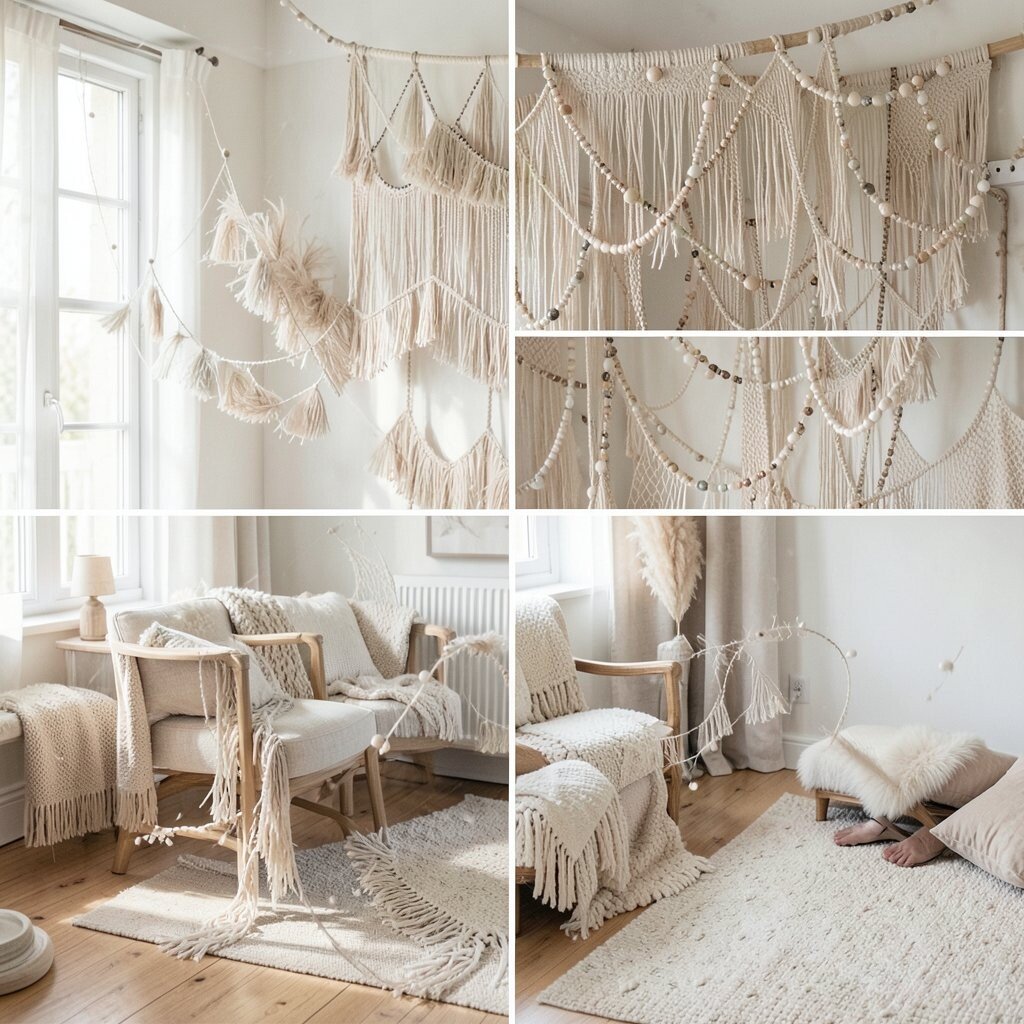
Fringe and beaded textures can add a joyful, dance-hall kind of energy. Even a small detail, like a fringe-trim curtain, makes the room feel more animated.
Use these elements with restraint so the room stays elegant. One beaded accent in the corner can look more stylish than too many small sparkly items.
When you personalize, match the sparkle to your metal finish for a unified look. Choose materials that are easy to clean so the beauty stays practical.
12. Coastal Yet Glamorous Coastal Chic Colors
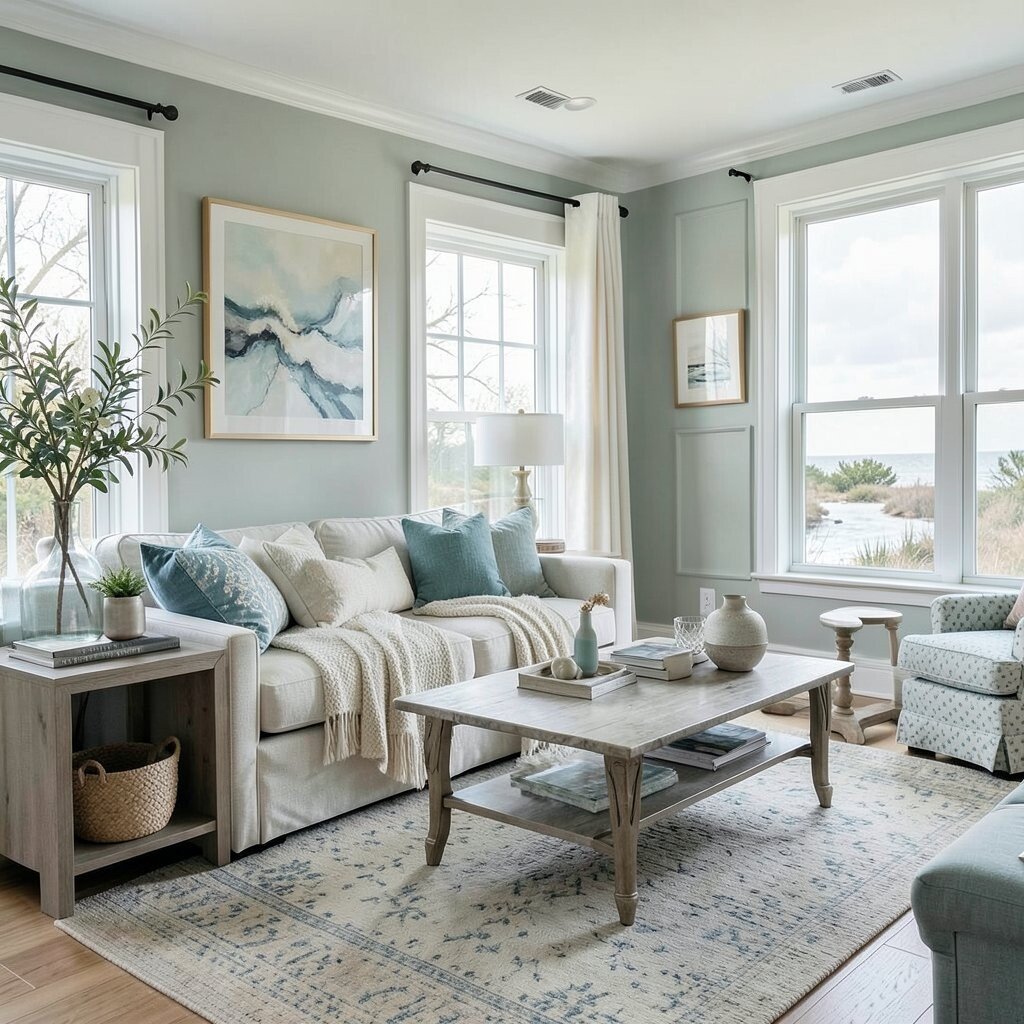
The decade loved refreshing tones that felt lively and airy. You can bring that vibe in by using soft blues, pale greens, and warm neutrals together.
Pair these colors with darker accents like black frames or deep wood. This keeps the look crisp, while still feeling comfortable for daily routines.
Use art with ocean-inspired shapes, like stylized waves or sun symbols, to connect the theme. A few pieces of wall art can do a lot, especially when they share a similar color palette.
13. Personal Style Through Curated Vintage Finds

One of the most fun parts of the 1920s look is how it mixes old and new. A vintage side table, a patterned tray, or a retro lamp can add instant character.
Thrift shops and flea markets can be great, but you’ll get better results by shopping with a plan. Set a small list of what you need, then look for pieces that match your metals and your color scheme.
If you find a great item that doesn’t quite fit, adjust it with paint, new hardware, or a fresh fabric cover. This keeps the purchase affordable while still making it feel like your home, not a costume.