
A rustic herb garden feels warm and full of charm. It brings smell, color, and daily use right to the back door.
1. Rosemary

Rosemary stands tall with needle-like leaves and a deep green glow that looks lovely against old wood, stone, or clay pots. Its piney smell gives any rustic bed a fresh and cozy feel.
This herb is a smart pick because it handles dry spots well and asks for very little once it is settled. Many people like it for roasted meals, and it also fits a growing trend toward simple kitchen gardens that do double duty.
2. Thyme

Thyme grows low and neat, making a soft green mat that can edge a path or spill over a worn terracotta pot. Its tiny leaves and small flowers give a cottage feel that suits rustic spaces well.
It stays useful in the kitchen, and a little plant can go a long way in meals and teas. If you want a low-cost herb that spreads slowly and looks tidy, thyme is a nice choice, and you can mix it with stones or old bricks for more charm.
Try lemon thyme for a bright twist or common thyme for a classic look. It fits modern garden styles that favor small, useful plants with easy care.
3. Sage
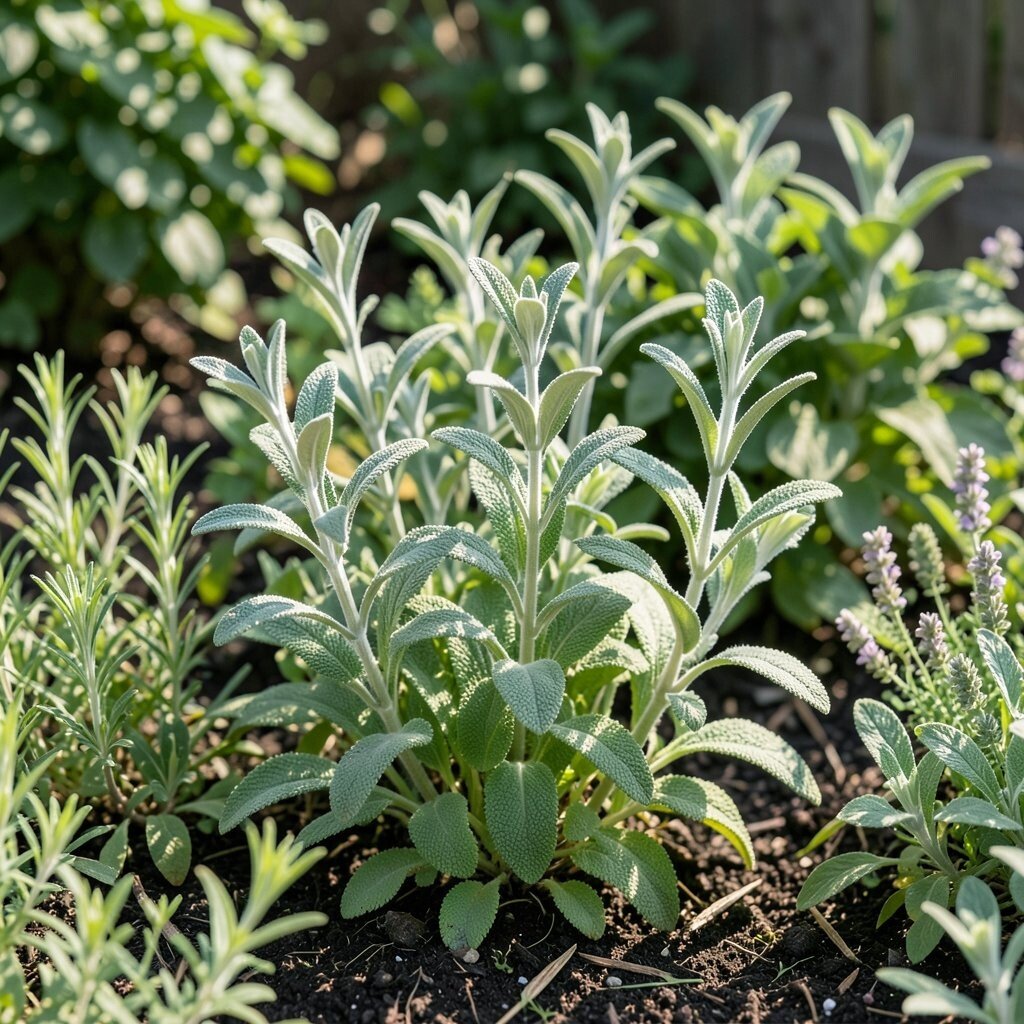
Sage brings soft gray-green leaves that look gentle next to faded fence boards and weathered pots. The leaves have a velvety feel that makes the plant seem special even before it is used.
This herb likes sun and steady drainage, so it works well in a rustic border or raised bed. It adds rich flavor to food, and many gardeners enjoy how one plant can stay handsome through much of the season.
A small sage plant is usually affordable, and it can save money over time because you will not need to buy fresh bunches as often. For a personal touch, pair it with lavender or rosemary so the whole corner feels calm and timeless.
4. Mint
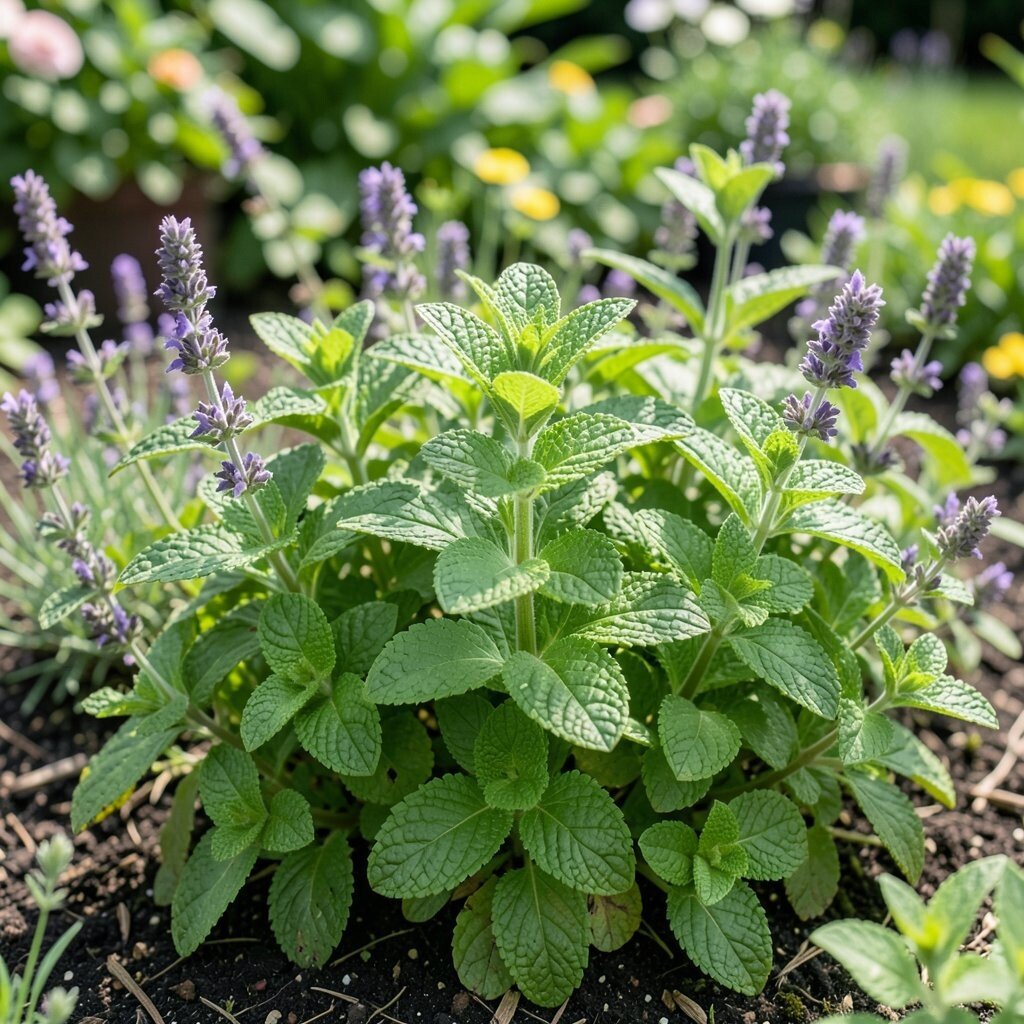
Mint has bright leaves and a lively scent that wakes up a garden path or a simple enamel pot. Its fast growth gives a fresh burst of green that feels full of energy.
It is a useful herb for drinks, sweets, and simple home remedies, but it spreads fast and needs its own space. Many gardeners keep it in containers, which is an easy and low-cost way to enjoy it without letting it take over.
Choose spearmint for a sweet flavor or peppermint for a sharper one. This herb fits the current love for tea gardens and container planting, especially when tucked near old baskets or tin pails.
5. Parsley

Parsley has bright, curly or flat leaves that make a rustic garden look lively and full. Its fresh green color stands out well beside rough stone and old wood.
This herb grows well in pots or beds, and it is useful for garnish, salads, and soups. Because it is so common and inexpensive, it is a good starter plant for families or new gardeners.
You can plant it near the kitchen door for quick snips during meals. A mix of parsley, chives, and basil creates a simple edible patch that feels neat, pretty, and practical.
6. Chives
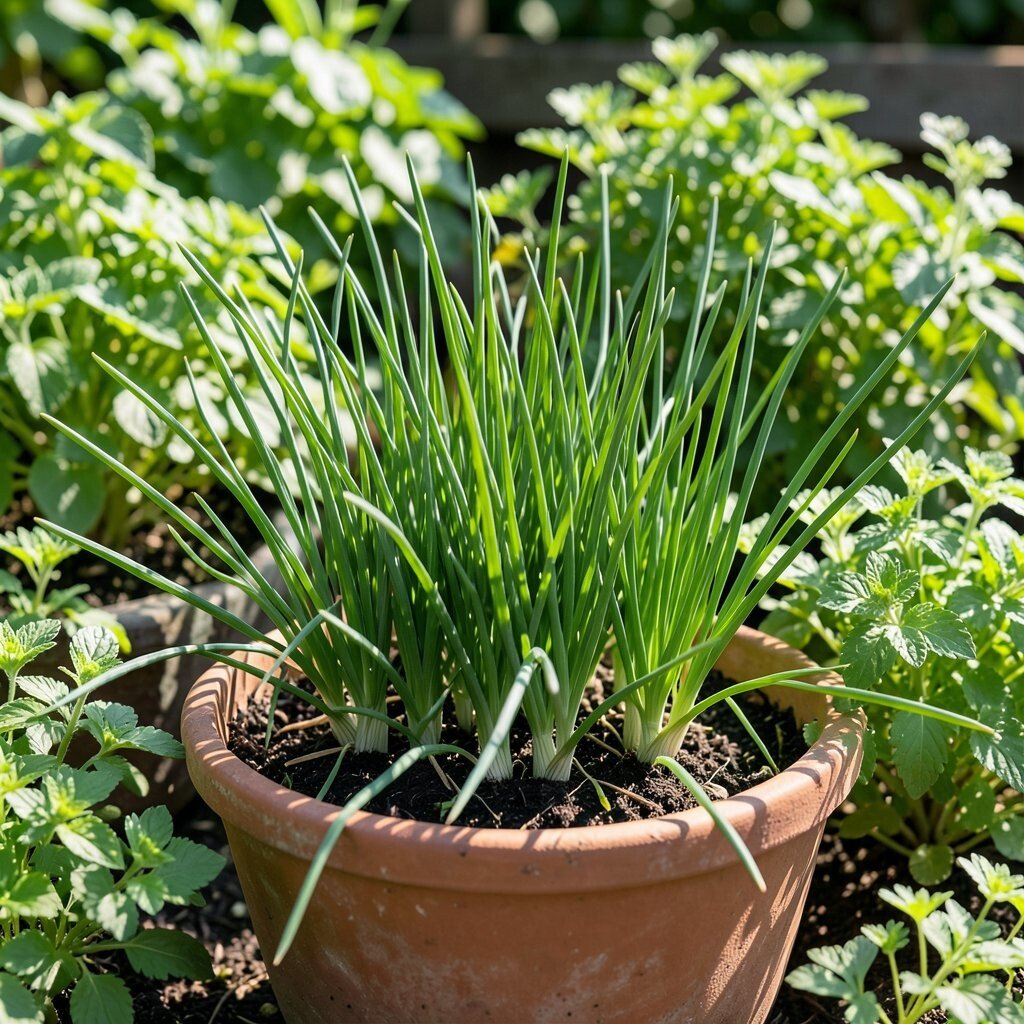
Chives rise in slender green tubes that sway in the breeze and add a soft grassy look to the garden. Their purple pom-pom flowers bring a sweet rustic touch when they bloom.
They are easy to grow, and the mild onion flavor works well in eggs, potatoes, and dips. Since they come back year after year in many places, they can be a smart buy for gardeners who want good value.
Chives look nice in weathered pots or along a path edge where they can be reached fast. If you want a garden that feels cheerful and lived in, this herb is a simple way to add color and flavor.
7. Basil

Basil adds shiny leaves and a rich green look that brightens any rustic planter or sunny bed. The plant feels fresh and a little lush, which makes it stand out among rougher garden textures.
It loves warmth and regular picking, so it rewards attention with a steady harvest. Fresh basil is popular in home cooking and indoor herb kits, and many gardeners grow it because a small pot is cheap and easy to keep near the door.
Genovese basil is a classic, while purple basil can give your garden a bold twist. For best results, pinch the tops often so the plant stays bushy and full.
8. Lavender
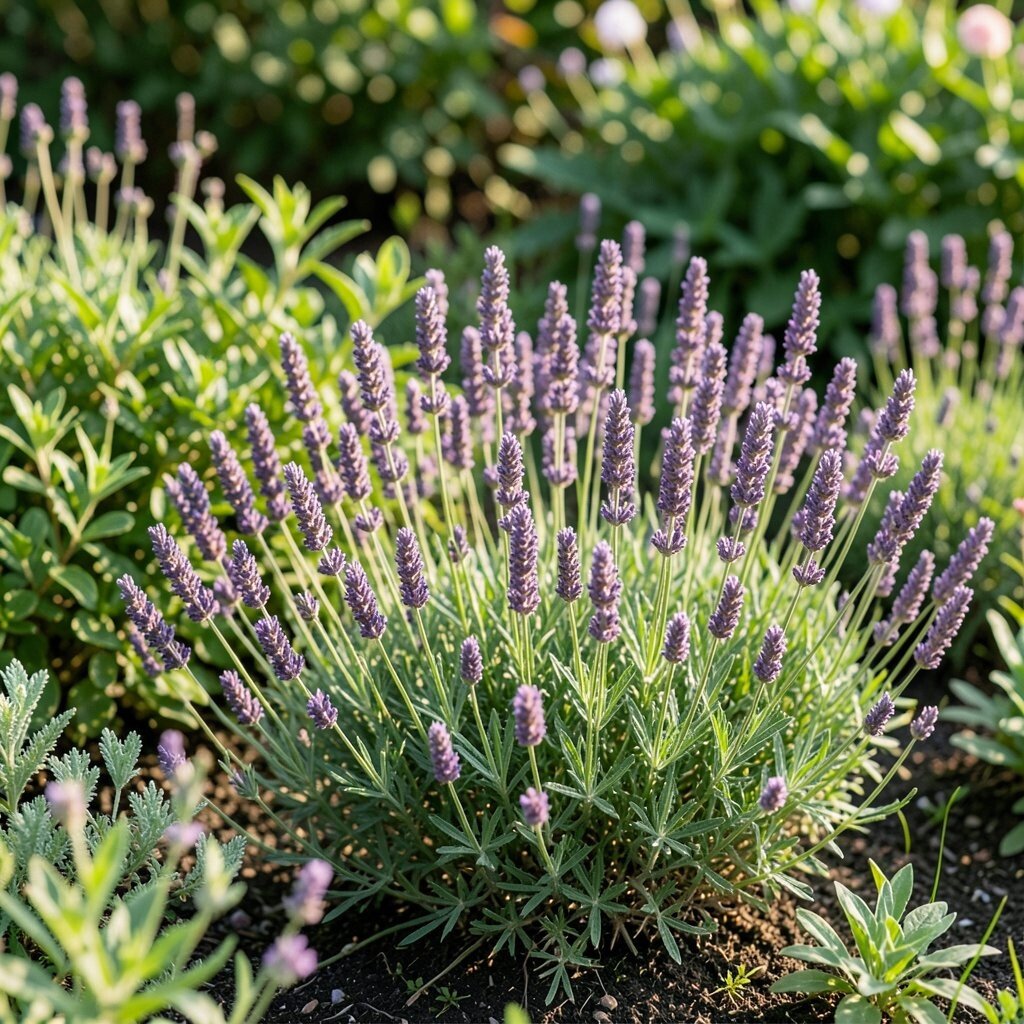
Lavender brings silvery leaves and purple flower spikes that look lovely in a rustic setting. The scent is soft and calming, and the plant gives a dreamy feel to beds, borders, and pots.
It likes sun and dry soil, so it pairs well with stone paths and old containers that drain well. Many people grow it for scent, dried bunches, or pollinator support, and it can be a good choice if you want beauty with low upkeep.
You can tuck lavender near seating areas to enjoy the smell on warm days. A few plants can also be a budget-friendly way to add a high-end look without much work.
9. Oregano

Oregano grows in a loose, leafy mound that gives a garden a relaxed and natural feel. Its small flowers can draw bees, which adds gentle movement to the space.
This herb is strong in flavor and useful in pizza sauce, roasted vegetables, and many simple meals. It is usually easy to find and not costly, so it fits well in a rustic garden built on useful plants and smart spending.
Plant it where it gets full sun, and trim it now and then to keep the shape neat. Oregano also works well in mixed herb pots if you want a casual look with many textures.
10. Dill

Dill has feathery leaves that look light and airy, almost like green lace in the garden. Its tall stems and yellow flowers add a friendly old-fashioned style that suits rustic beds.
It is wonderful with pickles, fish, and salads, and the leaves are best when used fresh. Dill grows fast from seed, which makes it a low-cost way to fill bare spots and try a more relaxed planting style.
Because it can get tall, place it where it will not shade smaller herbs too much. Many gardeners like to let some bloom for seed, since that keeps the patch useful and pretty at the same time.
11. Tarragon
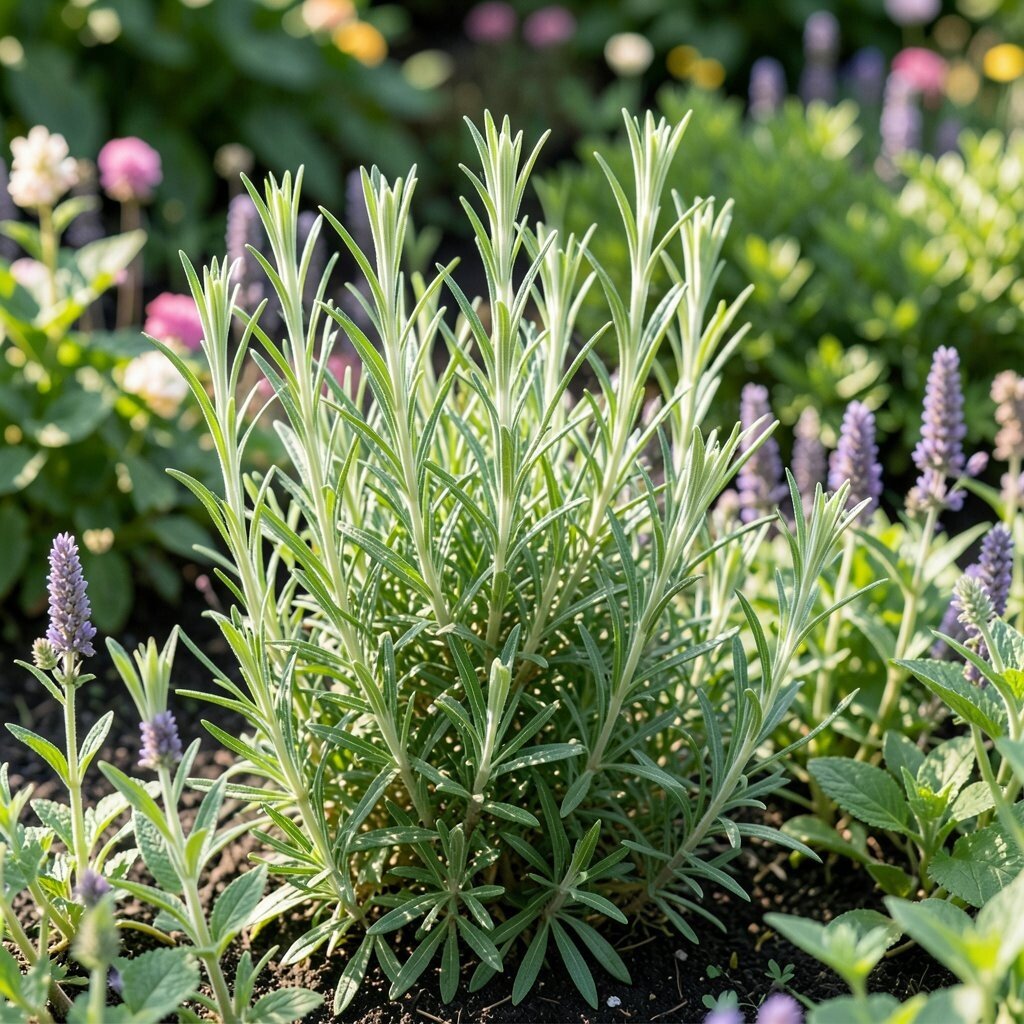
Tarragon has narrow leaves and a soft, neat look that brings quiet grace to a rustic herb patch. It does not shout for attention, but it adds a special touch that feels refined and useful.
The flavor is warm and a little sweet, which makes it popular in chicken dishes and light sauces. French tarragon is a favorite for home gardens, and it can be worth the price if you want something less common than the usual herbs.
Set it in a sunny spot with soil that drains well, and water it with care rather than too much love. For a personal garden style, pair it with simple clay pots and a few labels made from wood scraps.
12. Cilantro
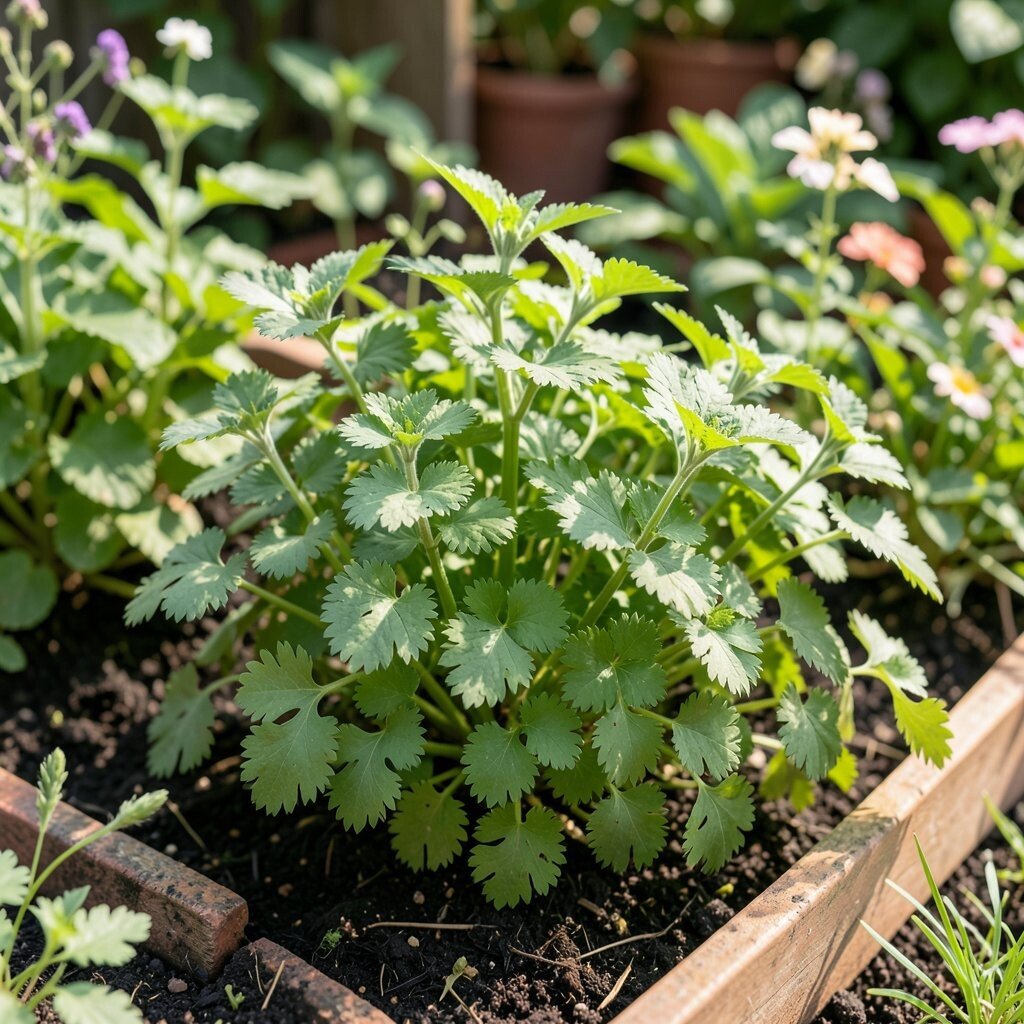
Cilantro grows with bright green leaves that look fresh and lively in a rustic kitchen garden. Its soft stems and feathery shape give a lighter feel than many other herbs.
This herb is loved in salsas, soups, and many global dishes, so it fits a kitchen that likes bold flavor. It can be very affordable from seed, and because it grows fast, it is easy to keep replanting for a steady supply.
Since cilantro likes cooler weather, sow it in spring or fall for the best results. Some gardeners let part of the patch flower for seed, which brings a trendy seed-saving habit into the garden.
13. Lemon Balm
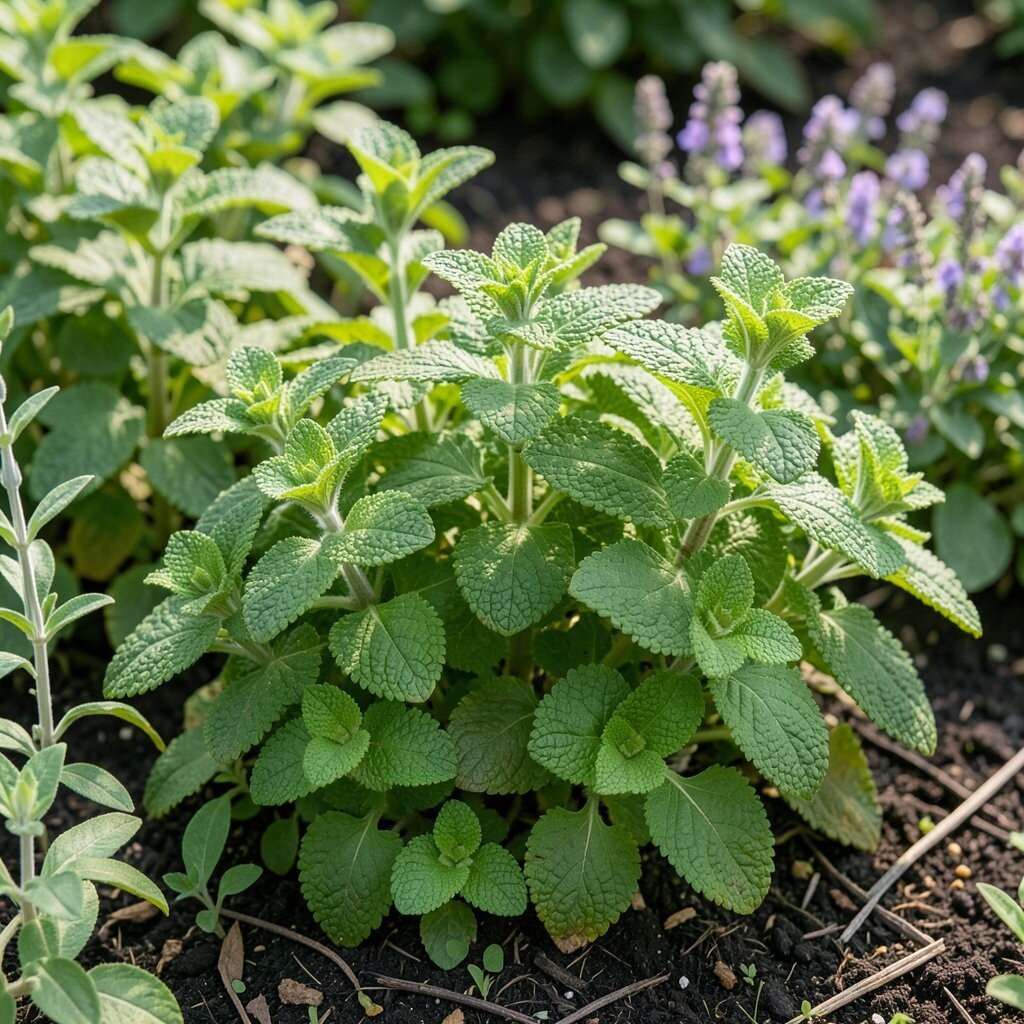
Lemon balm has soft, rounded leaves and a bright lemon scent that feels cheerful in any rustic corner. The plant looks gentle and fluffy, almost like it is made for old baskets and mismatched pots.
It works well in tea, and its calm fragrance makes it a nice herb to keep near a bench or path. This is also a practical plant for beginners because it grows with little fuss and does not need much spending once you have one healthy start.
Give it room, since it can spread if it is happy. If you like a cottage garden feel, lemon balm blends well with mint, parsley, and flowers that invite bees.
14. Marjoram
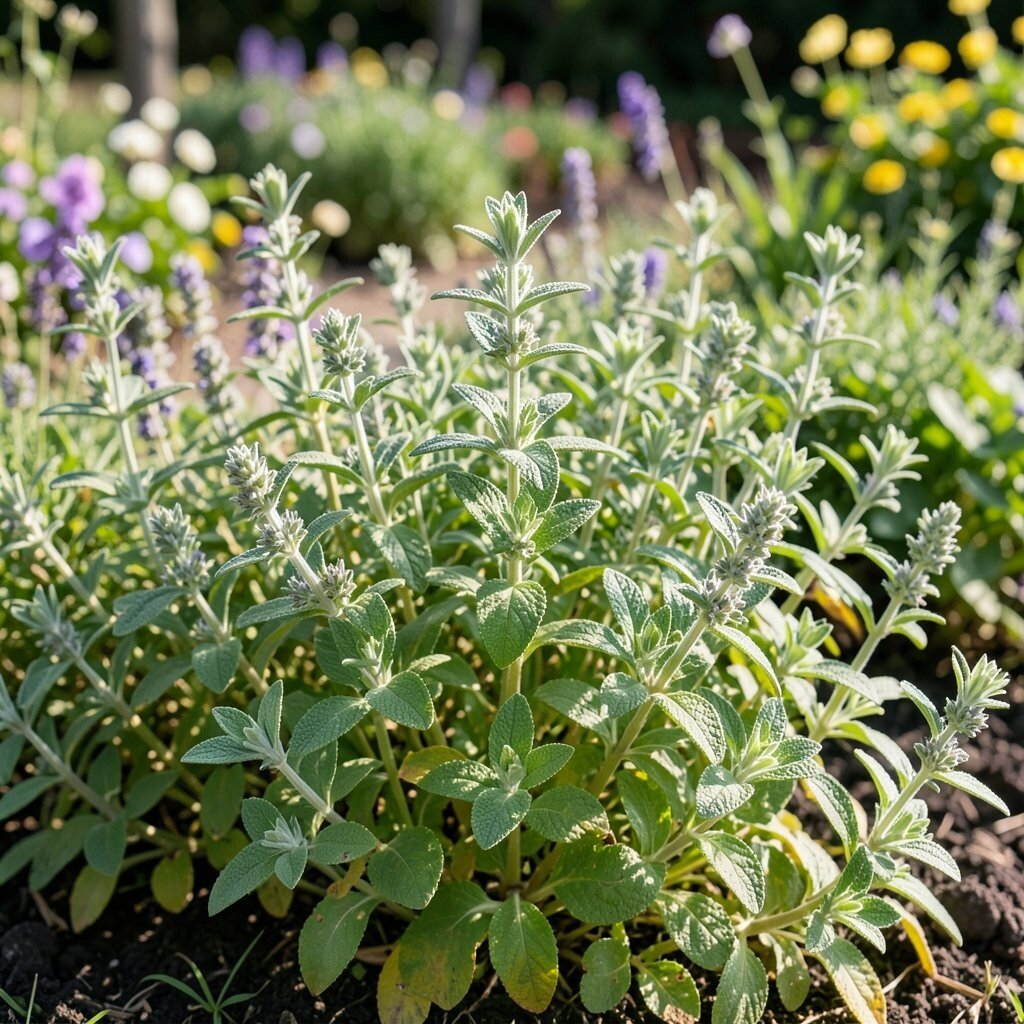
Marjoram has tiny soft leaves and a sweet, gentle scent that makes a garden feel peaceful. It looks delicate beside rough wood or aged brick, which gives it a charming contrast.
The taste is mild and warm, so it works nicely in soups, meats, and simple herb blends. It is often sold for a fair price, and it can be a smart choice if you want a plant that feels a bit less common than oregano.
Grow it in full sun and keep the soil light and draining well. A small cluster in a rustic pot can make even a tiny porch feel like a country garden.
15. Bay Laurel

Bay laurel has shiny evergreen leaves that bring a classic look to a rustic garden and keep some color through the seasons. Its small tree shape can make a plain corner feel elegant without losing its homely charm.
The leaves are useful in soups and stews, and a single plant can serve the kitchen for a long time. While it may cost more than common herbs at first, many gardeners like the lasting value and the tidy shape it brings to a patio or entryway.
You can grow it in a large pot, trim it into a neat form, or let it rise naturally for a softer look. Bay laurel fits modern container gardening too, especially for people who want one strong plant that feels both useful and beautiful.