
Your living room can feel brand-new with a few smart changes. Small choices add up fast when they match how you actually live.
1. Swap in Softer Lighting
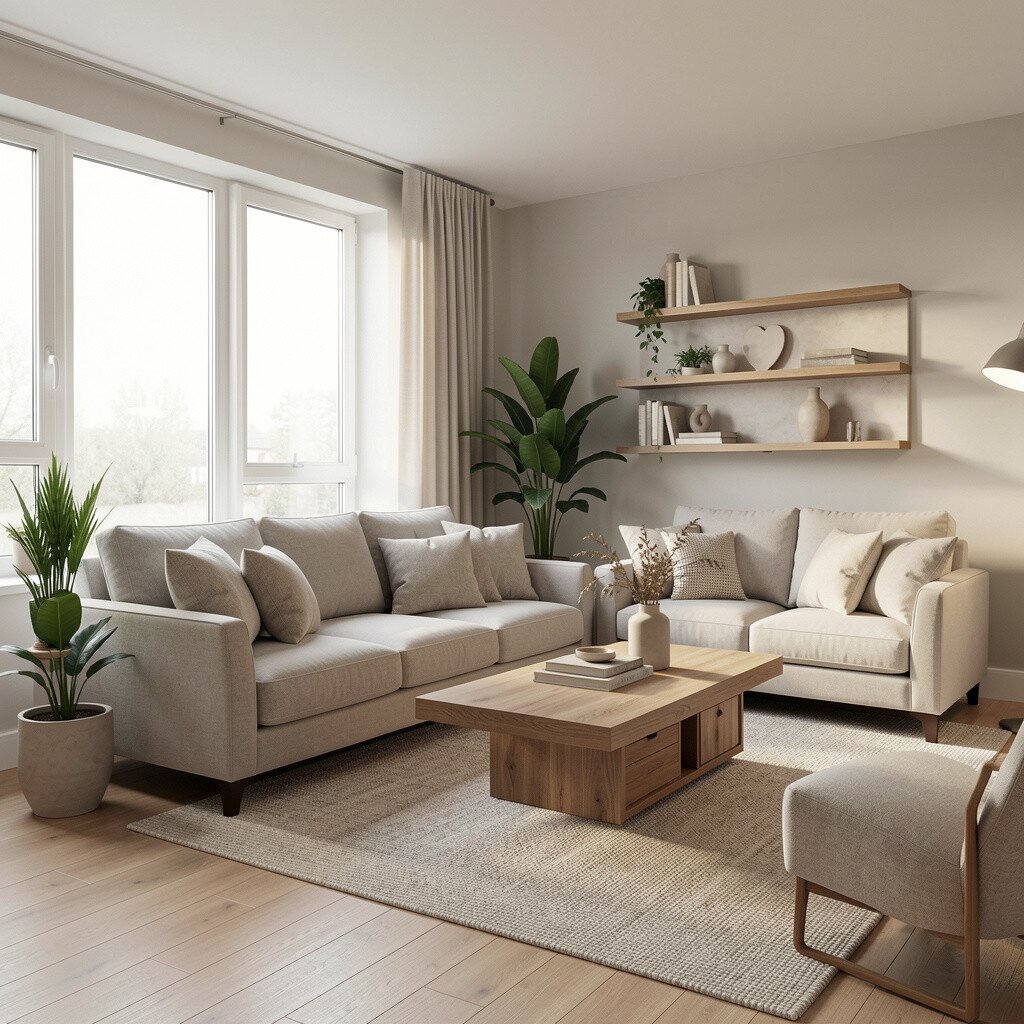
Warm, dim light can make the whole room feel calmer. Try swapping harsh bulbs for warmer tones and lower brightness.
Place a floor lamp in a corner that feels empty, or add a small table lamp near a reading spot. Soft lighting makes colors look richer and textures feel more inviting. If you love movie nights, use a dimmer switch or a lamp with an easy-to-reach pull chain. For a fresh look without big spending, start with one lamp and one bulb set, then build from there.
2. Rearrange One Main Zone
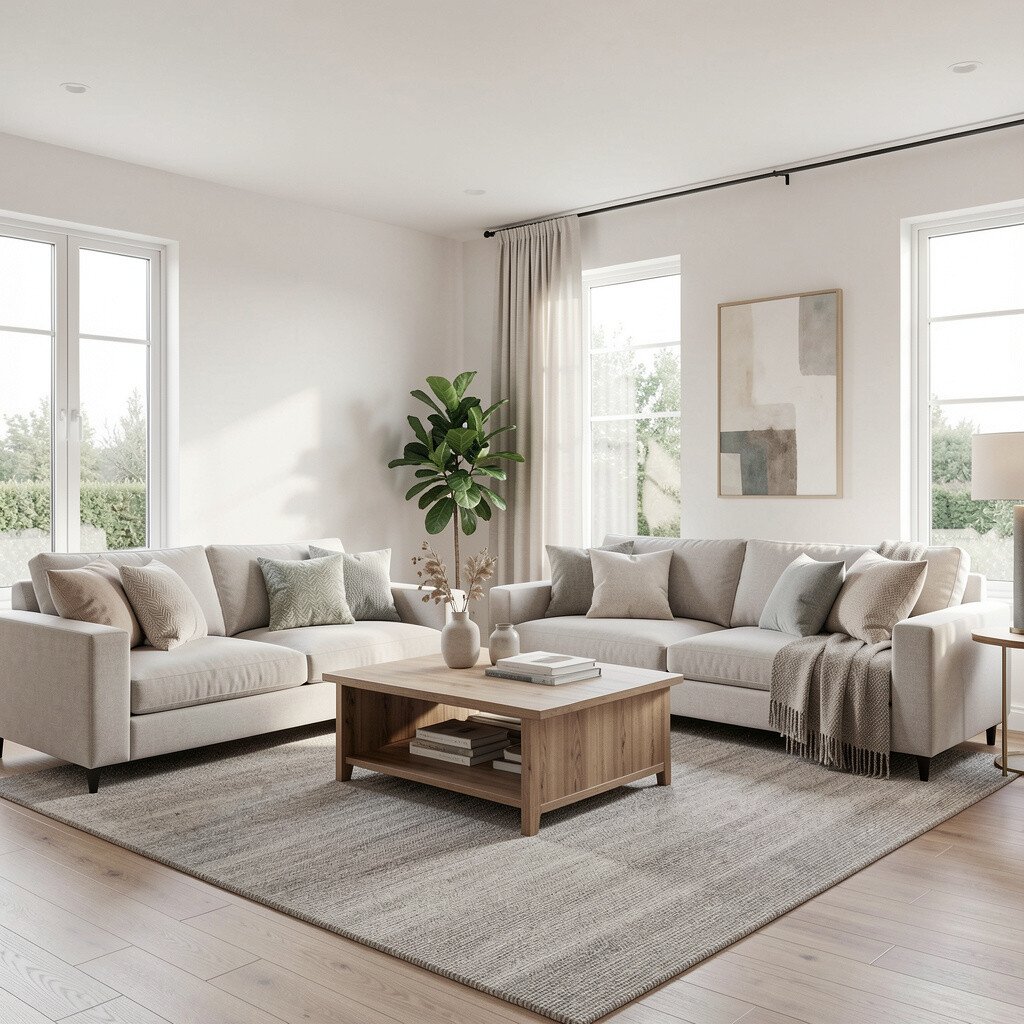
You don’t need a full layout overhaul to feel a difference. Move just one key piece, like the sofa or coffee table, and let the rest follow.
Before you lift anything, stand across the room and notice where your eyes land first. Then angle seating slightly toward the focal point, such as a TV, fireplace, or large window. This kind of change improves flow, helps conversation feel natural, and can make the room feel larger. Use a flexible approach by trying two layouts in one afternoon, taking quick phone photos to compare.
Choose a direction that supports your daily habits, like where you watch, where you read, and where you set down snacks. If you share the space, leave a clear walking path so people don’t squeeze past furniture. For personalization, center a rug under the front legs of seating to anchor the zone and visually connect everything.
3. Refresh the Throw and Pillow Mix
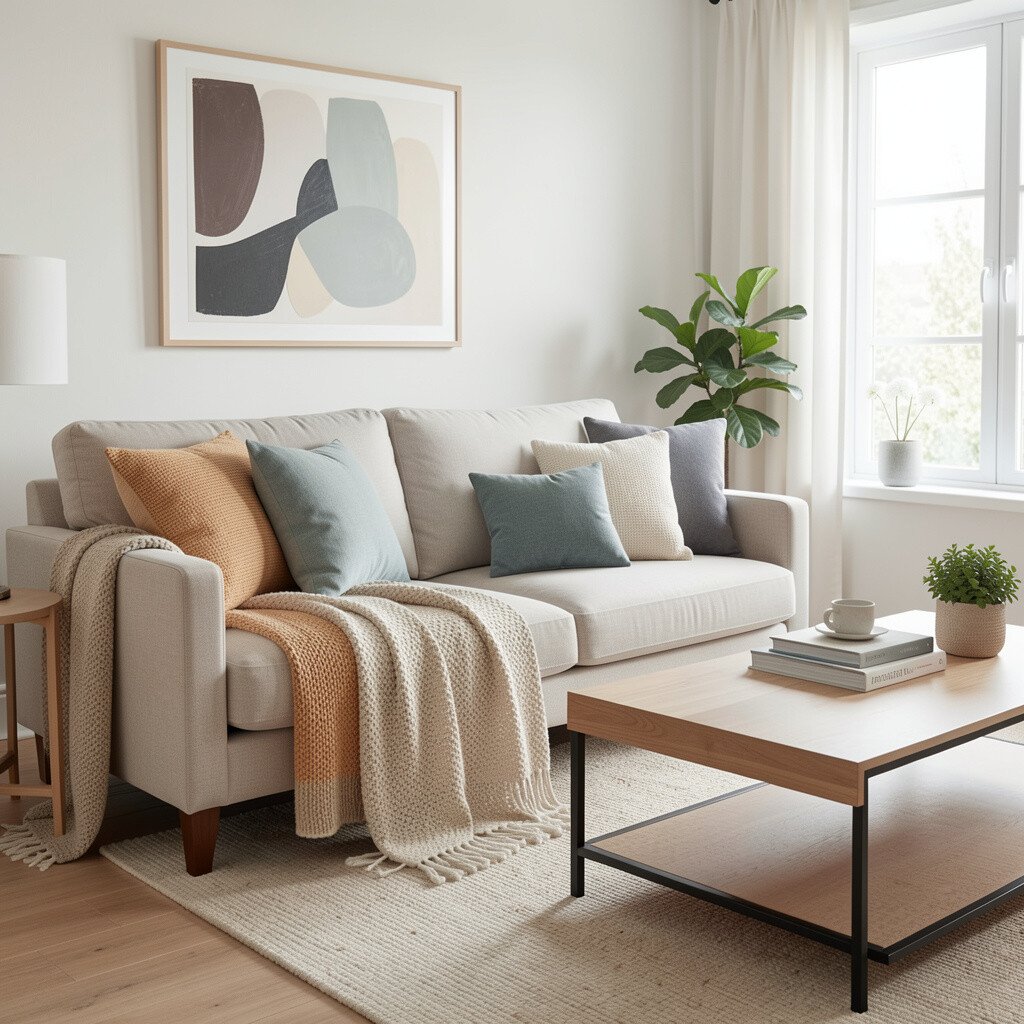
A few cozy textiles can change the whole mood in minutes. Choose colors that already exist in your room, then add one new accent shade.
Swap out stiff pillows for softer ones, or change the cover pattern so it feels current. Layering helps too, even if you keep the palette simple. Try a mix of textures like knit, velvet, or woven fabric so the couch looks styled instead of cluttered. If you want a fresh look on a budget, hunt for pillow covers rather than replacing everything.
Consider trends like earthy neutrals, subtle stripes, and nature-inspired greens, but keep it personal by choosing what matches your art or curtains. A throw blanket draped over one arm or the back of a chair adds instant “lived-in” charm. Measure your pillow sizes so the arrangement looks balanced, not random.
4. Declutter the Visible Surfaces
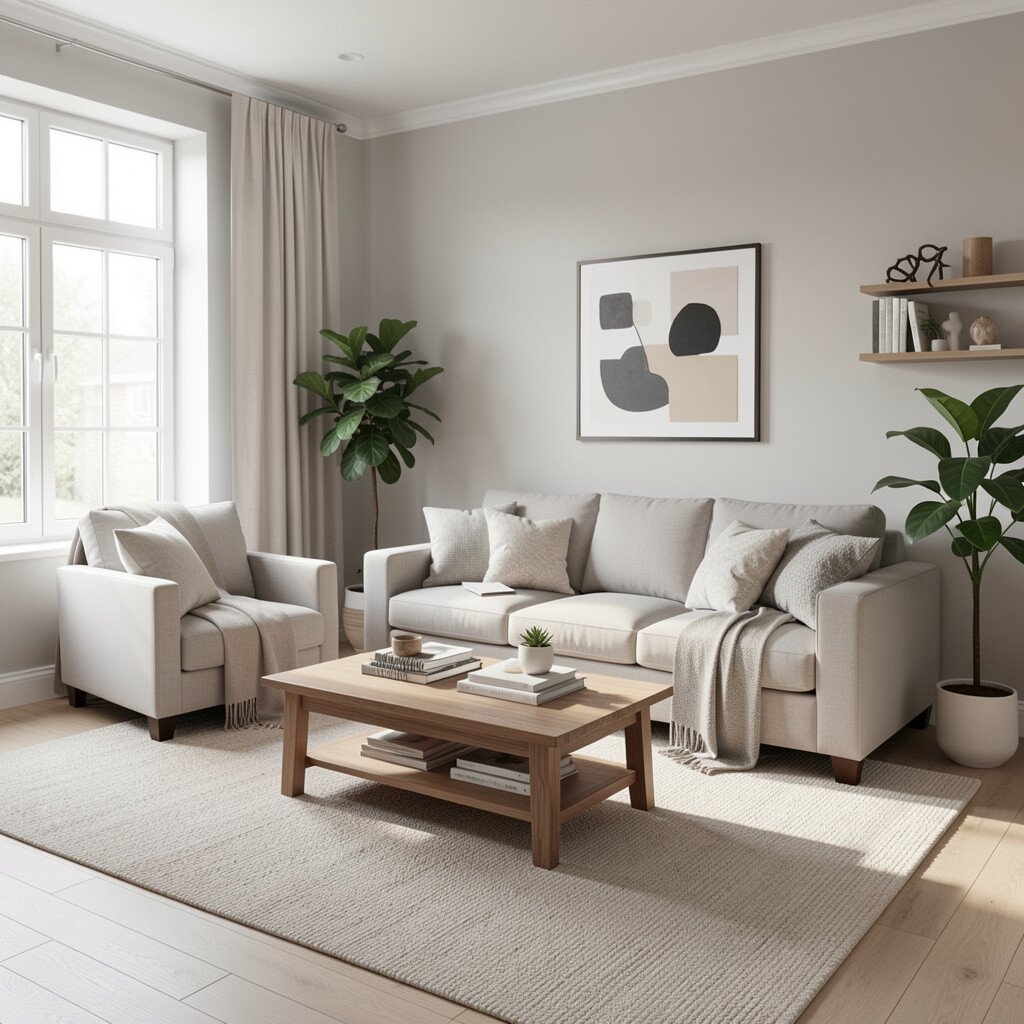
Clear surfaces make a room feel brighter even when nothing else changes. Pick one spot like the coffee table, console, or shelf, and remove what doesn’t belong.
Keep only a few items that you truly use or that feel special, such as a tray, a book stack, and a small plant. When you reduce visual noise, the room looks more organized and calmer. Try styling by height too, so small items don’t get swallowed by larger ones. A simple rule helps: if it doesn’t have a place, it shouldn’t stay out.
5. Add a Rug That Grounds the Space
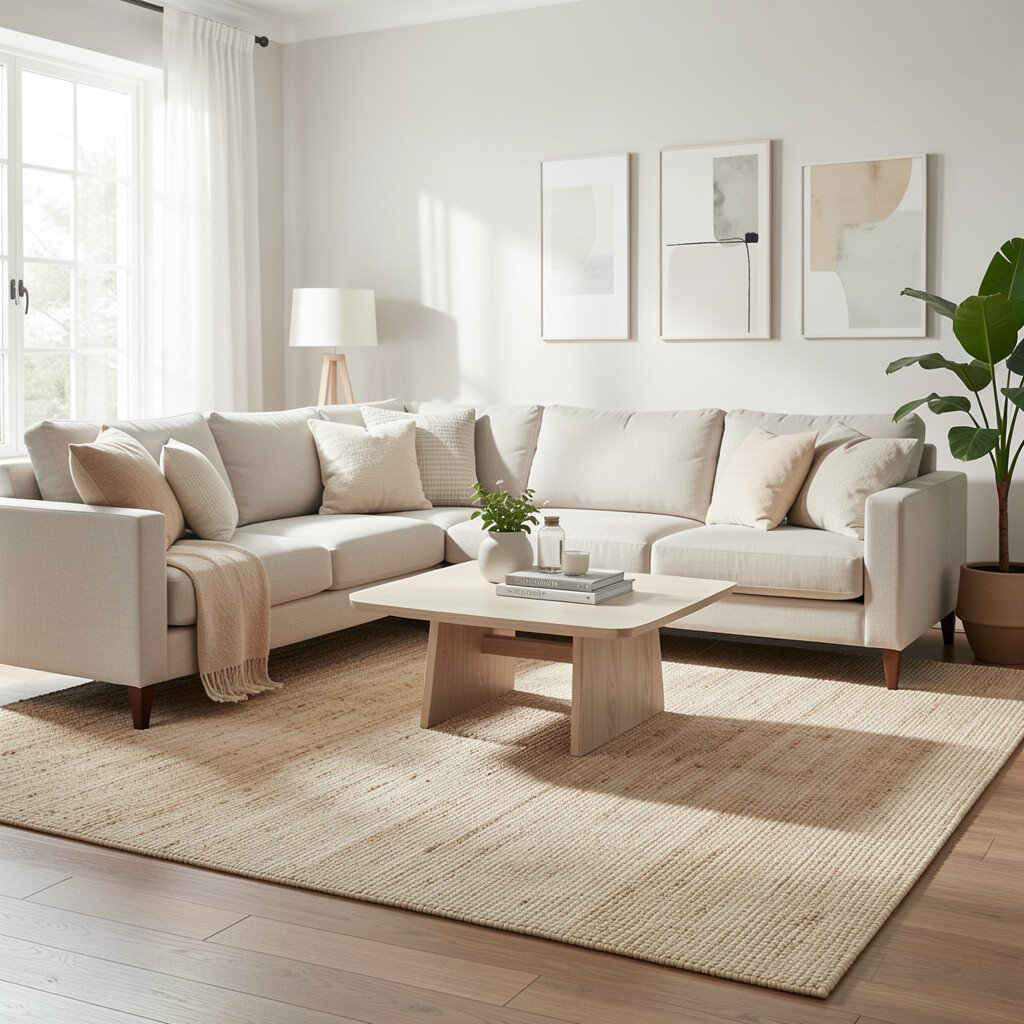
A well-placed rug ties everything together and makes the room feel finished. If your rug is too small or worn out, it can make furniture look like it’s floating.
Choose a size that extends under the front legs of your seating, which improves balance. Look for patterns that match your style, like gentle geometric shapes or warm, solid tones. The right rug softens sound too, which is a nice bonus in everyday life.
For personalization, pick colors that echo your curtains or wall art so the room feels intentional. Cost matters, so consider a durable synthetic blend or a washable rug if you have pets or kids. If you want a trend-friendly look, earthy tones and natural fibers are still popular, and they pair well with both modern and classic furniture.
6. Hang Art at the Right Height
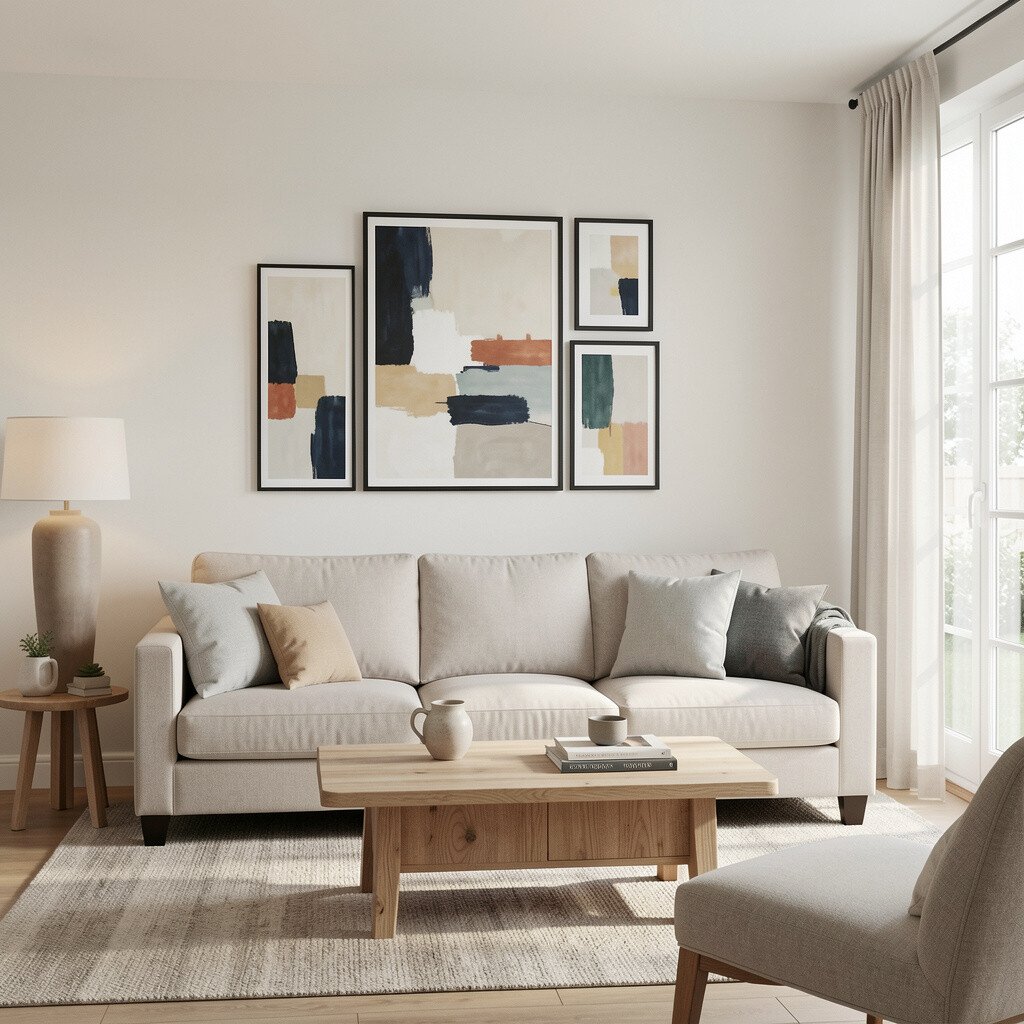
Wall art can make a living room feel intentional and complete. If it’s too high or too low, it can throw off the whole look.
Center artwork at about eye level so most people feel comfortable viewing it. If you’re using multiple pieces, arrange them as a neat group and keep spacing even. Choose frames that match each other, or intentionally mix metals for a modern touch. Art also adds personality fast, especially if you pick pieces that match your hobbies, travel memories, or favorite colors.
7. Style a Simple Entry or Storage Corner
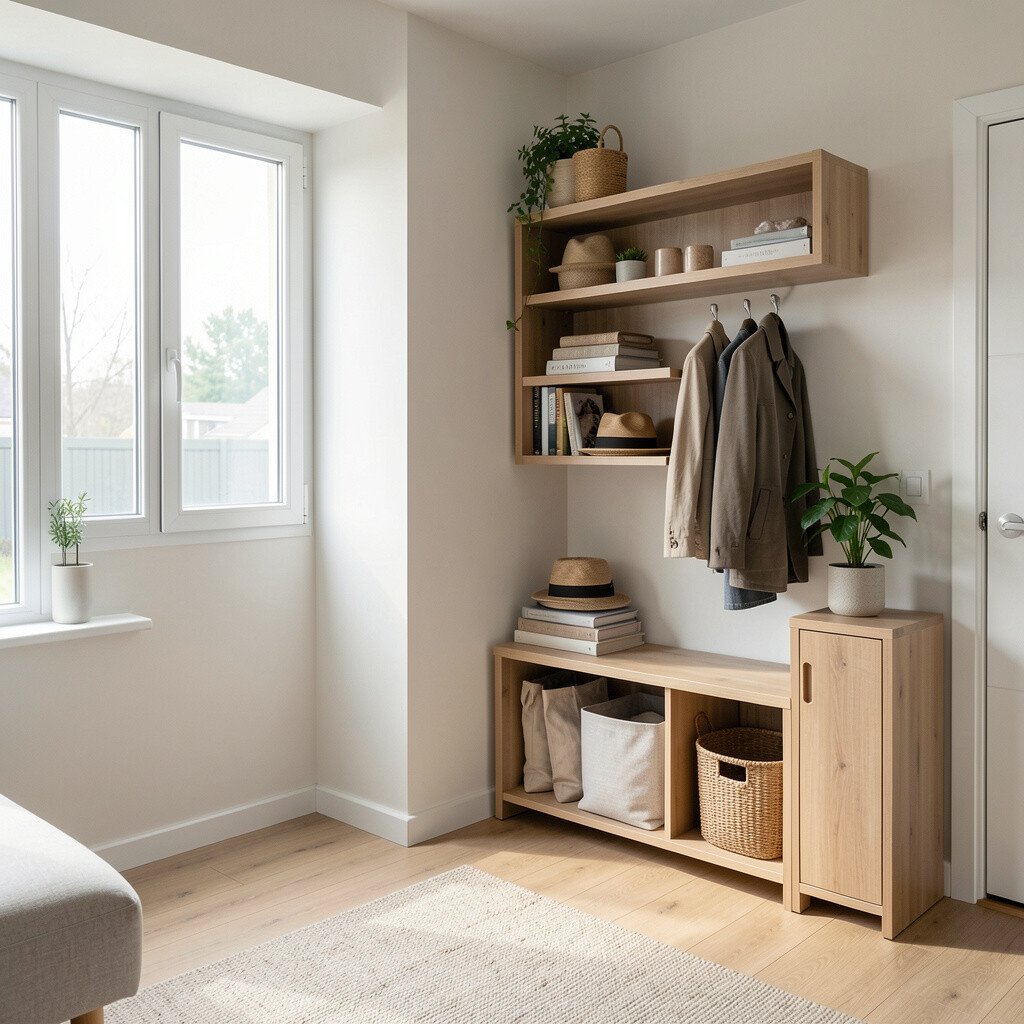
A living room often becomes a drop zone without anyone noticing. Creating one tidy spot reduces clutter and keeps things easy to find.
Add a slim console, basket set, or small cabinet near the entry or hallway connection. Then use it for everyday items like remotes, chargers, mail, and cozy extras. This makes the room look cleaner and saves time since you know exactly where things go. For a personalized touch, pick baskets in a color or texture that matches your rug or throw pillows.
8. Refresh Window Treatments
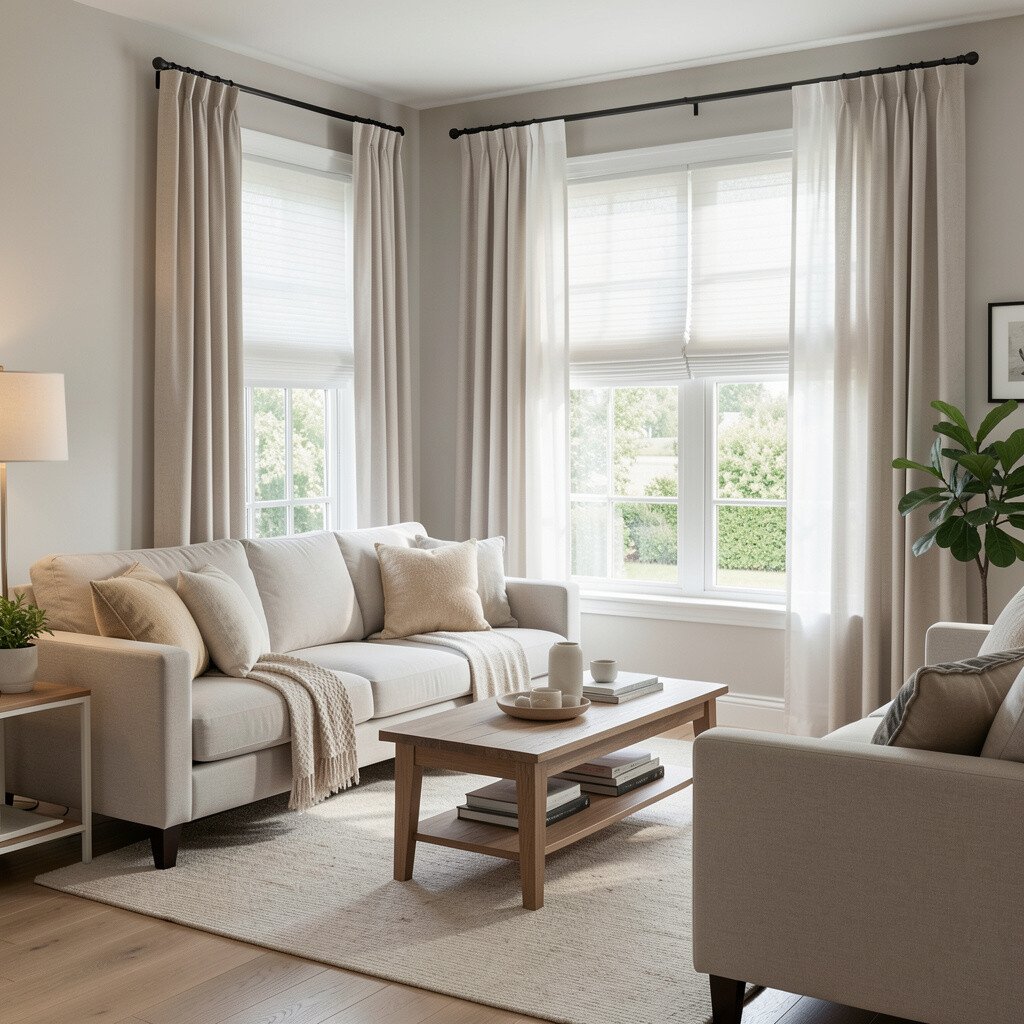
Windows are where a room gets its mood, so updating them makes a huge difference. Even small changes can improve light and privacy.
Swap for lighter curtains if your space feels gloomy, or use sheer panels to soften daylight. If you like a more tailored look, add curtain rods that match your room’s metal finishes. Keep curtains long enough to skim the floor or hover just above it, which makes the ceiling look taller.
Look for current styles like natural linen textures, soft neutrals, and gentle patterns that don’t overpower the rest of your decor. If you want a quick and budget-friendly upgrade, focus on rod hardware and one curtain set first. Pair the new window look with a matching throw or pillow so everything feels connected.
9. Add One Statement Piece With Color
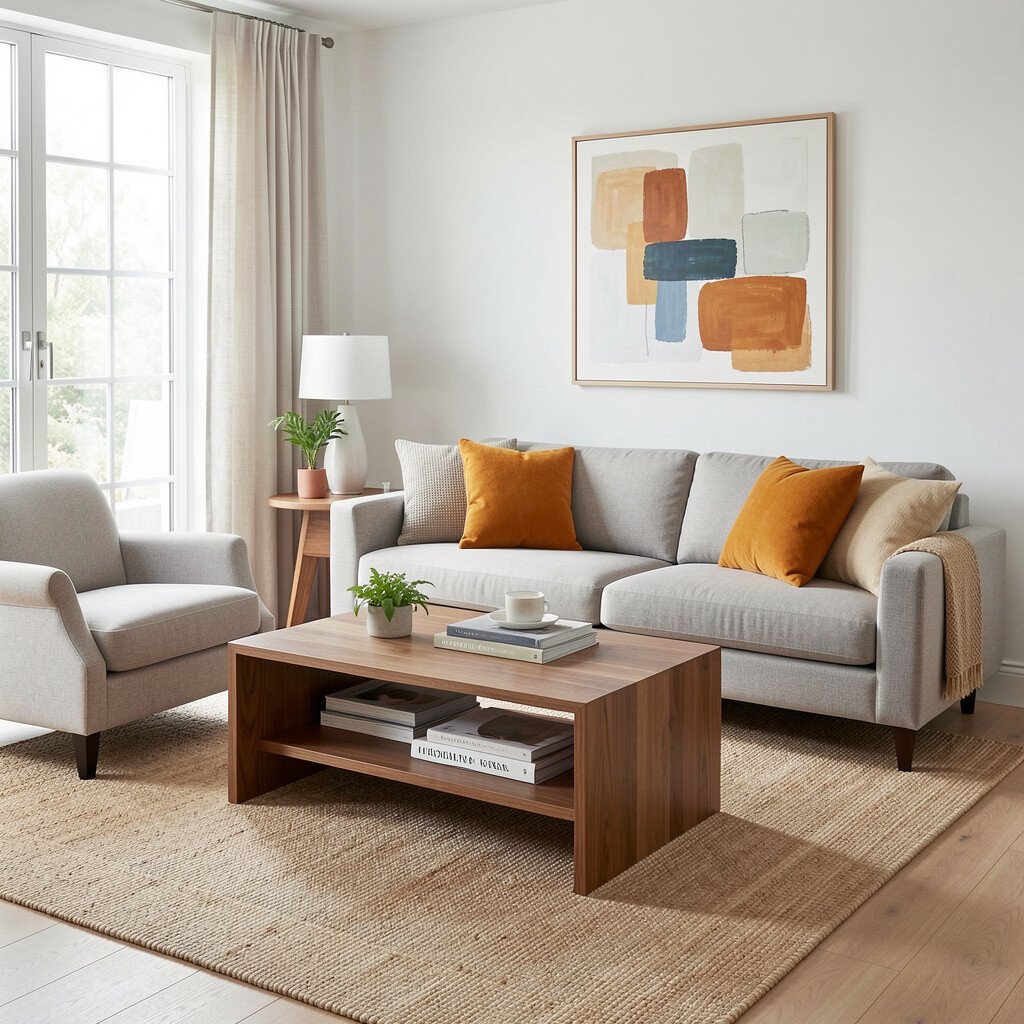
A single bold element can give your room a fresh “wow” without endless shopping. Think of one item that you’ll see every day, like a chair, vase, or large framed print.
Choose a color that fits your personality and the room’s overall tone. If your space is mostly neutral, a rich teal, warm rust, or deep plum can add energy. If your room already has color, pick a statement piece in a slightly deeper shade so it feels cohesive rather than random.
Style it so it has space to breathe, and keep surrounding accessories simpler. This approach keeps your room stylish and helps the statement feel intentional. You can spend wisely too by checking thrift stores and online marketplaces for one high-impact item.
10. Upgrade Coffee Table Details
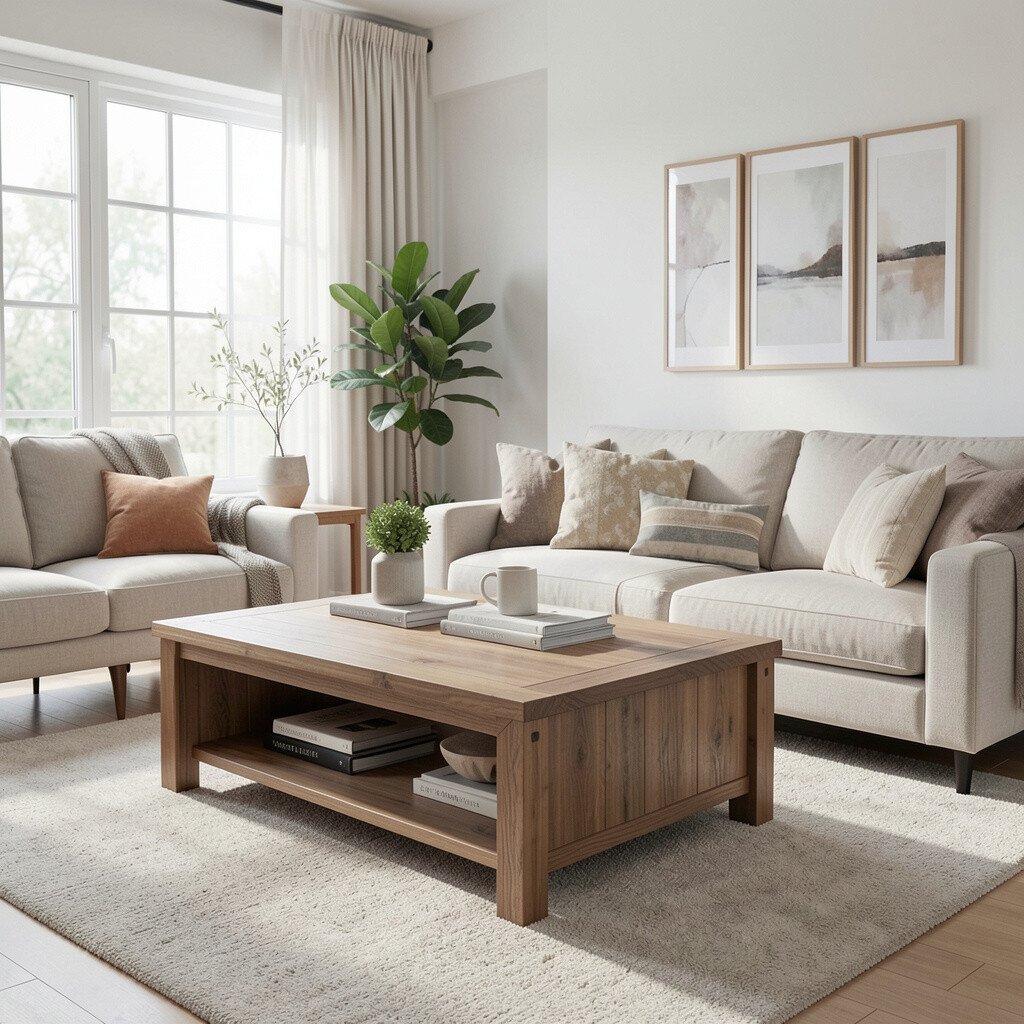
The coffee table is a daily landing spot, so a few changes make it look instantly cleaner. Swap a cluttered stack for a small set of items with clear purpose.
Use a tray to corral remotes, coasters, and small decor, which keeps everything neat. Add a book or two, then top with a vase or candle for height and interest. Coasters matter too, because water rings make the table look tired quickly.
For personalization, use a color-matched tray and select decor that feels like you, such as a travel photo frame or a handmade piece. If you want to follow current trends, natural wood, matte ceramics, and textured glass are still popular. Cost can stay low by repurposing what you already own and just rearranging with intention.
11. Make the Seating Feel More Comfortable
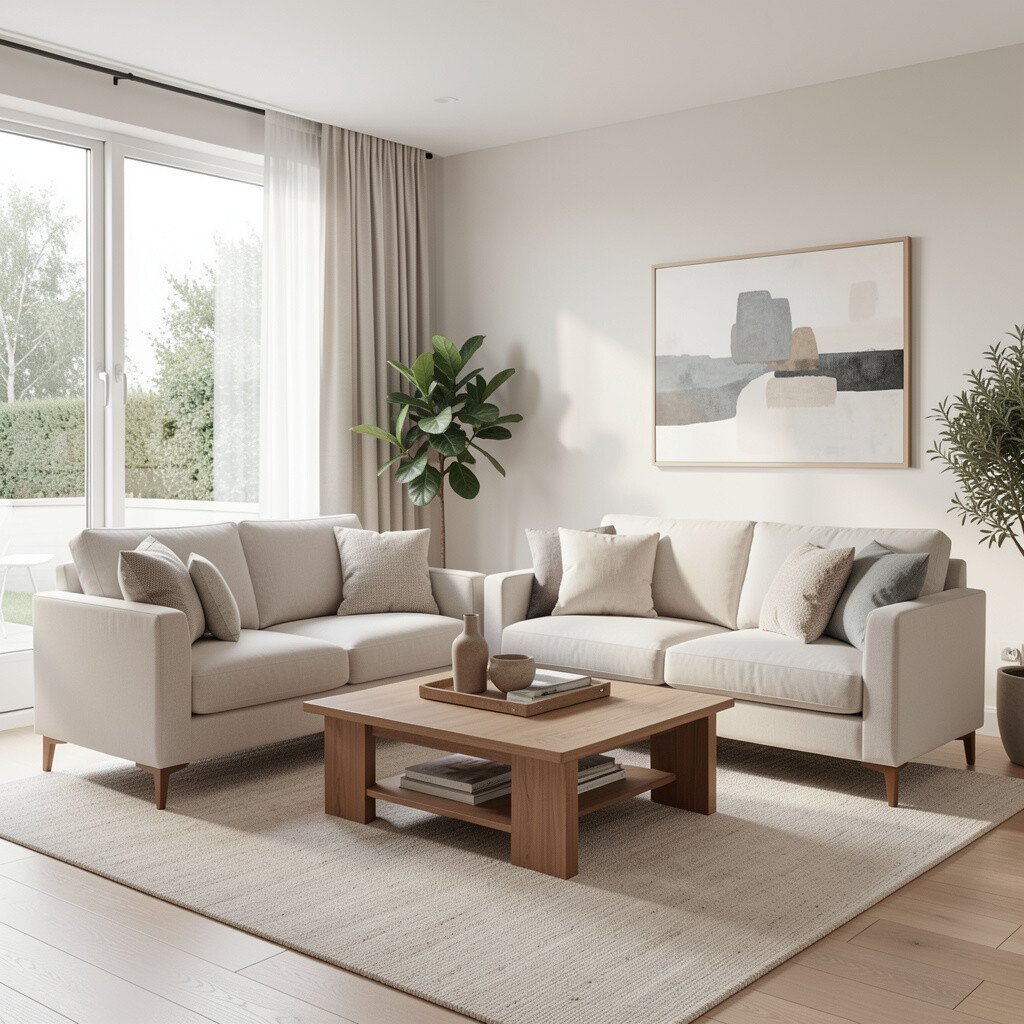
Comfort makes a room feel better, even if nothing else changes. When seating feels inviting, people actually spend time there.
Add a seat cushion, a cushiony lumbar pillow, or even a foldable blanket near the couch so it’s always ready. Fluffing cushions can make old furniture look fresher too, and it takes just a minute. This small fix improves posture and helps the room feel cozy during long evenings.
If you’re personalizing, match the comfort pieces to your color palette so they look styled rather than thrown on. For practical choices, consider covers that are easy to wash and materials that handle daily use. Comfort upgrades can be affordable, especially when you focus on cushions and covers instead of replacing furniture.
12. Refresh Your Scent and Sound Ambience
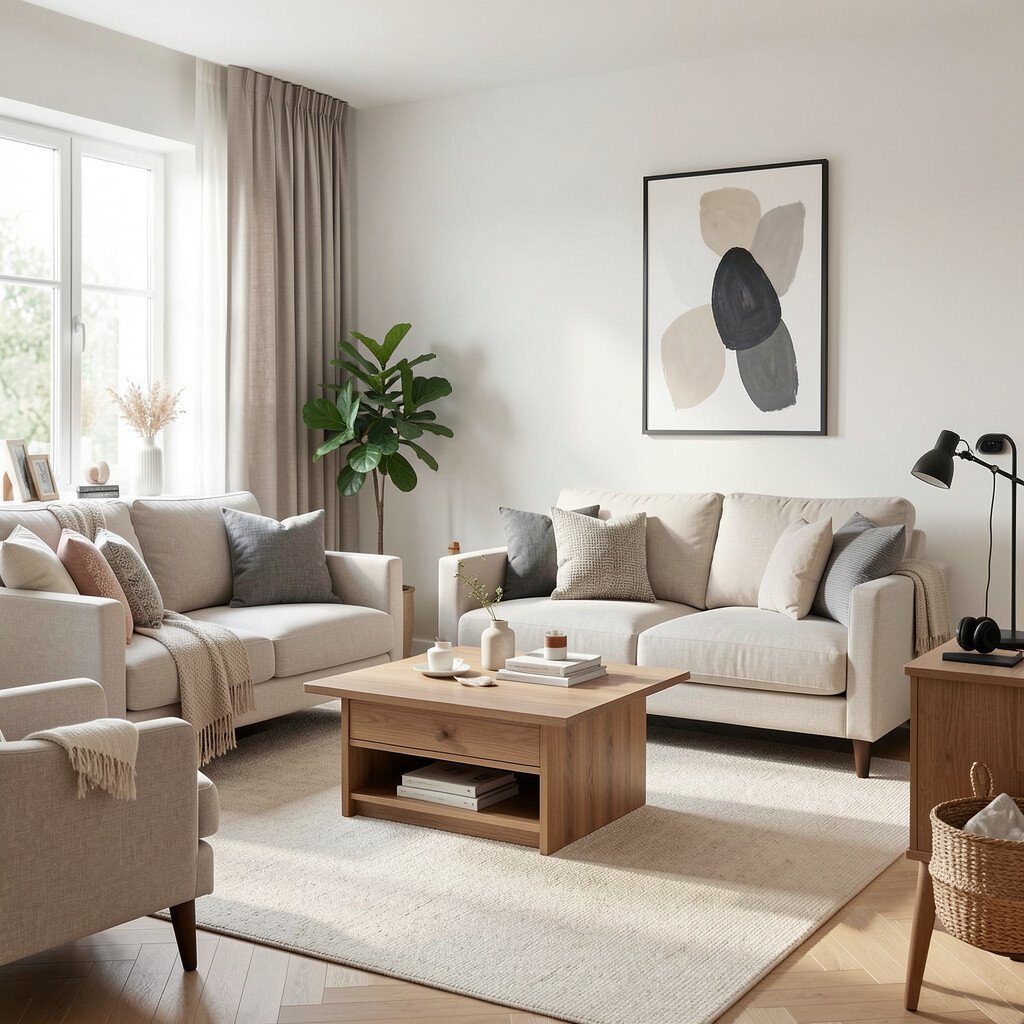
The best room makeover includes senses beyond sight. A pleasant scent and soft background sound can make the space feel truly welcoming.
Use a simple diffuser, a candle with a clean burn, or sachets in drawers so the room always smells nice. For sound, try a small speaker on low volume or a fan that adds gentle white noise. These changes help you relax and make the room feel more “complete.”
Keep it personal by choosing scents that match your vibe, like citrus for energizing days or warm vanilla for cozy nights. If you have pets or allergies, go for mild, fresh options and avoid strong mixes. This fix is usually low cost, and it adds a unique signature that feels like your home, not a showroom.