A gallery wall can make a room feel warm and full of life. It can also go wrong fast if the pieces fight each other.
1. Hanging Frames Too High
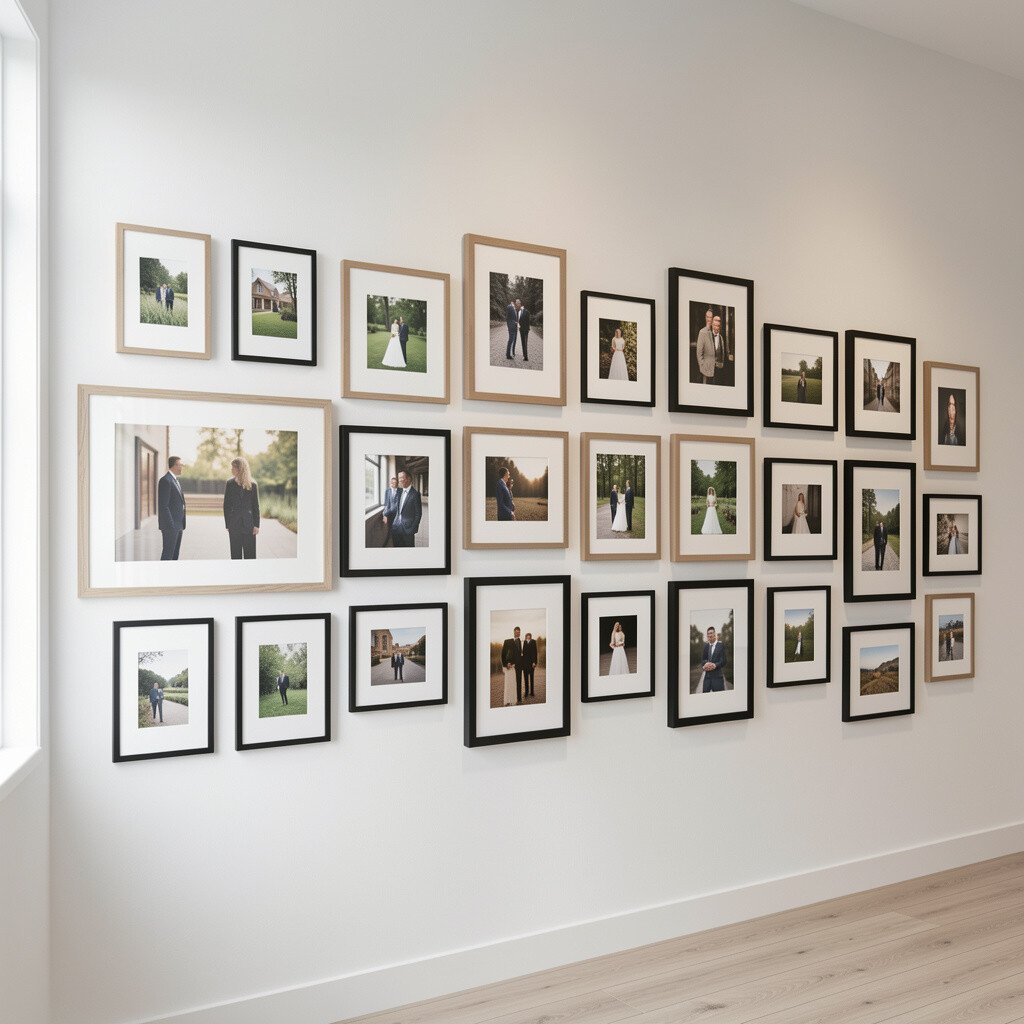
Many people place a gallery wall too close to the ceiling, and the room ends up feeling awkward instead of cozy. When the art sits at a natural eye level, the whole wall looks calmer and more balanced.
A lower layout makes the space feel friendly and easier to enjoy every day, especially in living rooms, halls, and bedrooms. It also helps you use smaller art without paying for huge frames, which keeps the project more affordable. If you want a custom look, try laying the pieces on the floor first and lifting the whole group a little at a time until it feels right.
2. Using Too Many Frame Styles
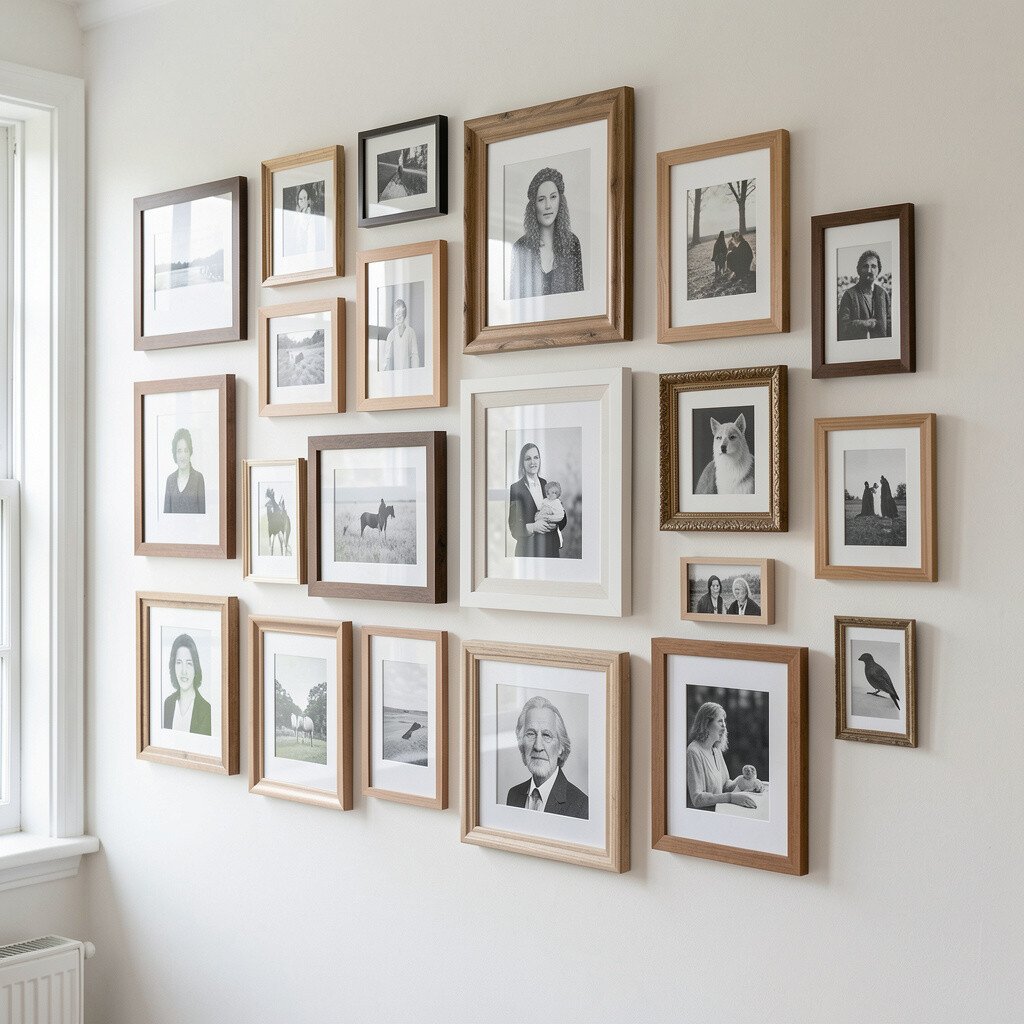
Mixing every frame style you own can make the wall look busy in a messy way. A few matching frames or a simple set of similar colors gives the display a clean and polished look.
This does not mean everything must match exactly, because a little variety can make the wall feel unique and personal. A black frame next to wood can look rich and modern when the shapes repeat in a smart way. To keep spending in check, choose one main frame finish and add just a few special pieces that stand out.
The current trend leans toward calm tones, soft wood, and thin frames that let the art breathe. That style is easy to live with and works well if you change prints over time.
3. Ignoring Scale and Size
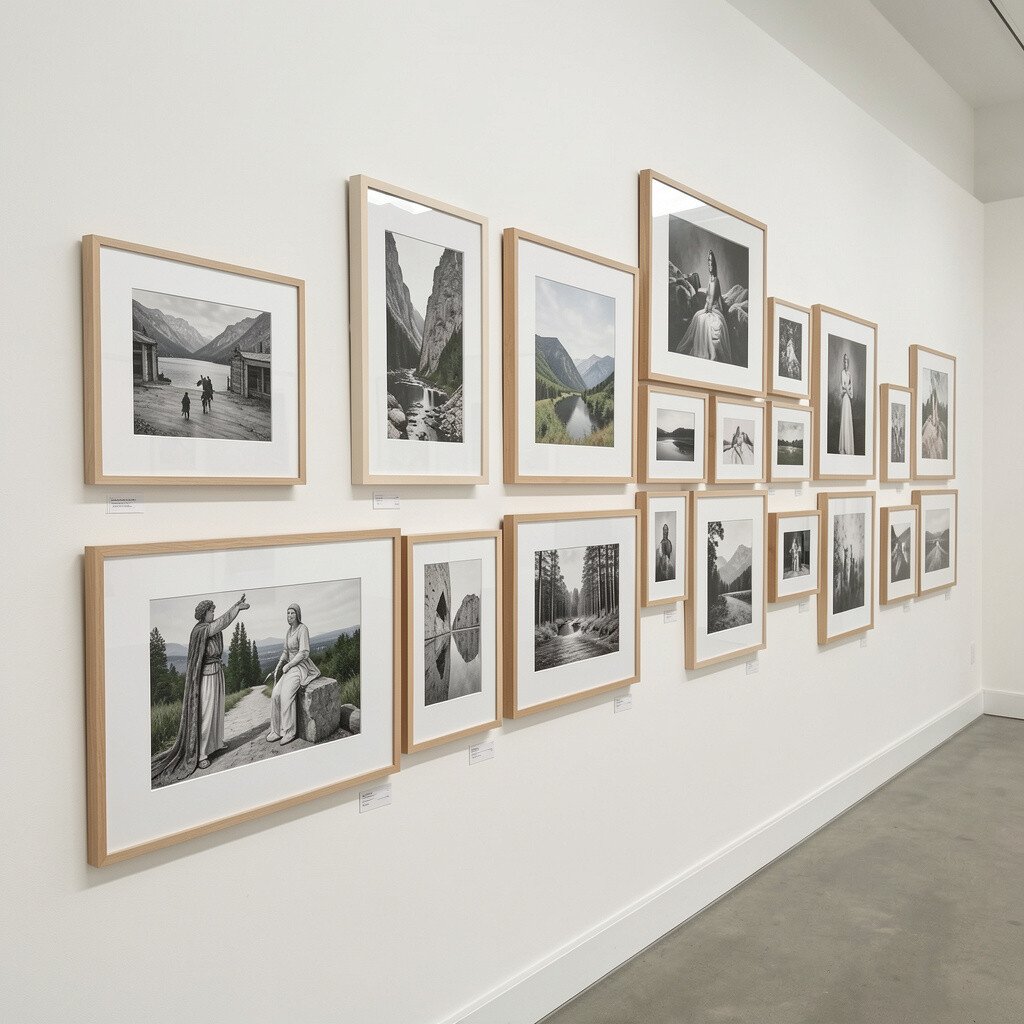
Small frames on a very large wall can look lost, while oversized art can crowd the space. A strong gallery wall needs pieces that feel like they belong together in both size and shape.
Think about how the wall looks from across the room, not just up close. Larger pieces can anchor the display, while smaller ones can fill gaps and add charm without much cost. A smart mix of sizes creates movement and makes the wall feel richer, almost like a story spread across the surface.
To make it feel personal, include one special photo, drawing, or travel print that gives the whole arrangement heart. That little touch can make the wall feel unlike any store display.
4. Skipping a Plan Before Hammering

Putting nails in the wall without a plan can lead to holes, stress, and a layout that never quite feels right. A simple floor mockup helps you see the final look before you make any marks.
This step saves money because you avoid extra patching, wasted hooks, and frames that need to be moved again and again. It also helps you spot visual problems, like one piece stealing attention or a gap that feels too wide. Try using paper cutouts or painter’s tape so you can shift things around until the wall feels balanced and alive.
5. Making the Layout Too Perfect
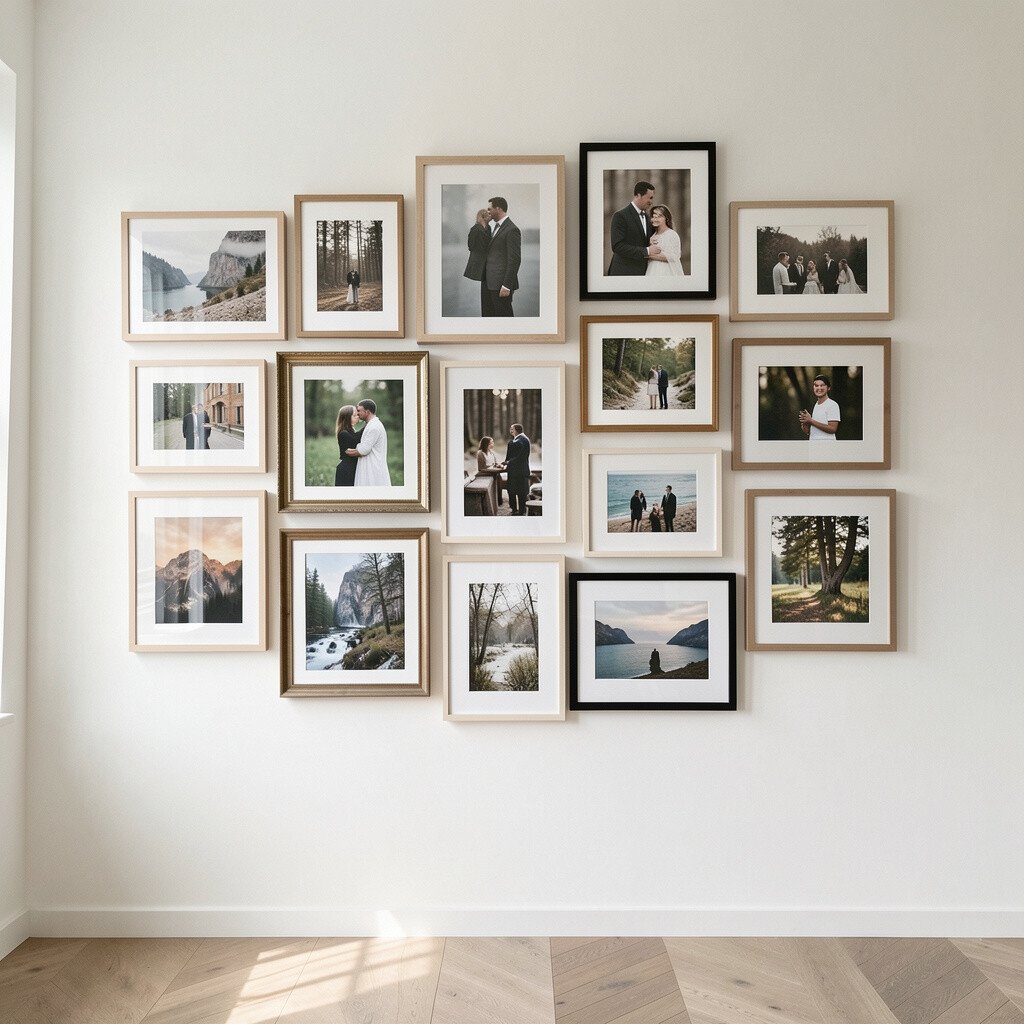
When every frame sits in a stiff straight line, the wall can feel flat and a little cold. A gallery wall usually looks better when it has a relaxed rhythm with a few small differences.
That does not mean the wall should look random, because good style still needs order. The best displays often mix neat spacing with a few gentle shifts that keep the eye moving. You can make the wall feel special by mixing photos, art prints, mirrors, and even one small object that adds texture without adding much cost.
Soft asymmetry is very popular right now because it feels easy and lived-in. It gives the room a fresh look without seeming too planned.
6. Forgetting to Keep Enough Space
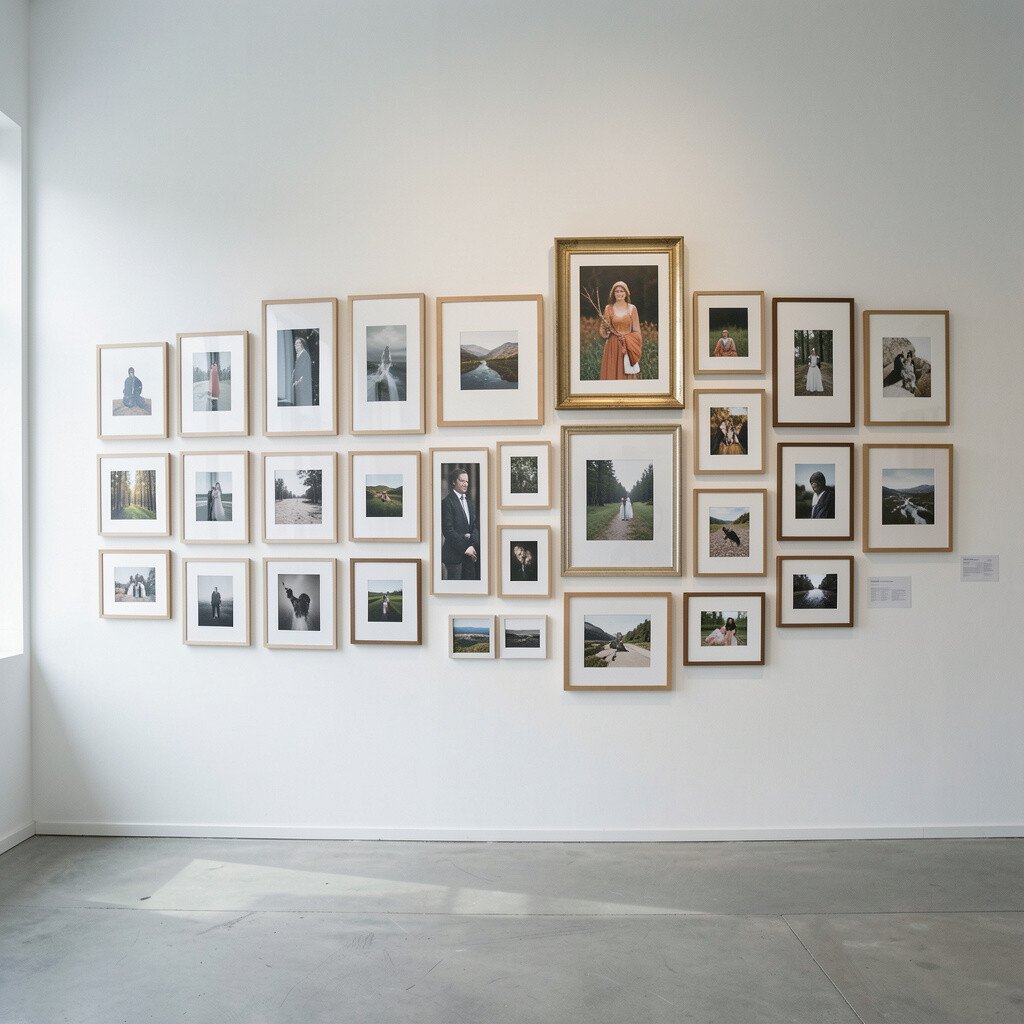
Frames packed too tightly can make a gallery wall feel crowded and hard to read. A little breathing room helps each piece stand out and lets the whole arrangement look cleaner.
The empty space between items is part of the design, not wasted space. It can make inexpensive prints look more polished and help special pieces shine without extra effort. If you want a calmer look, keep spacing steady and let the wall feel open enough that each frame can be seen clearly.
This also makes the wall easier to update later, since you can swap in new art without rebuilding everything. That kind of flexibility is great for families, renters, and anyone who likes to refresh a room on a budget.
7. Choosing Art That Does Not Connect
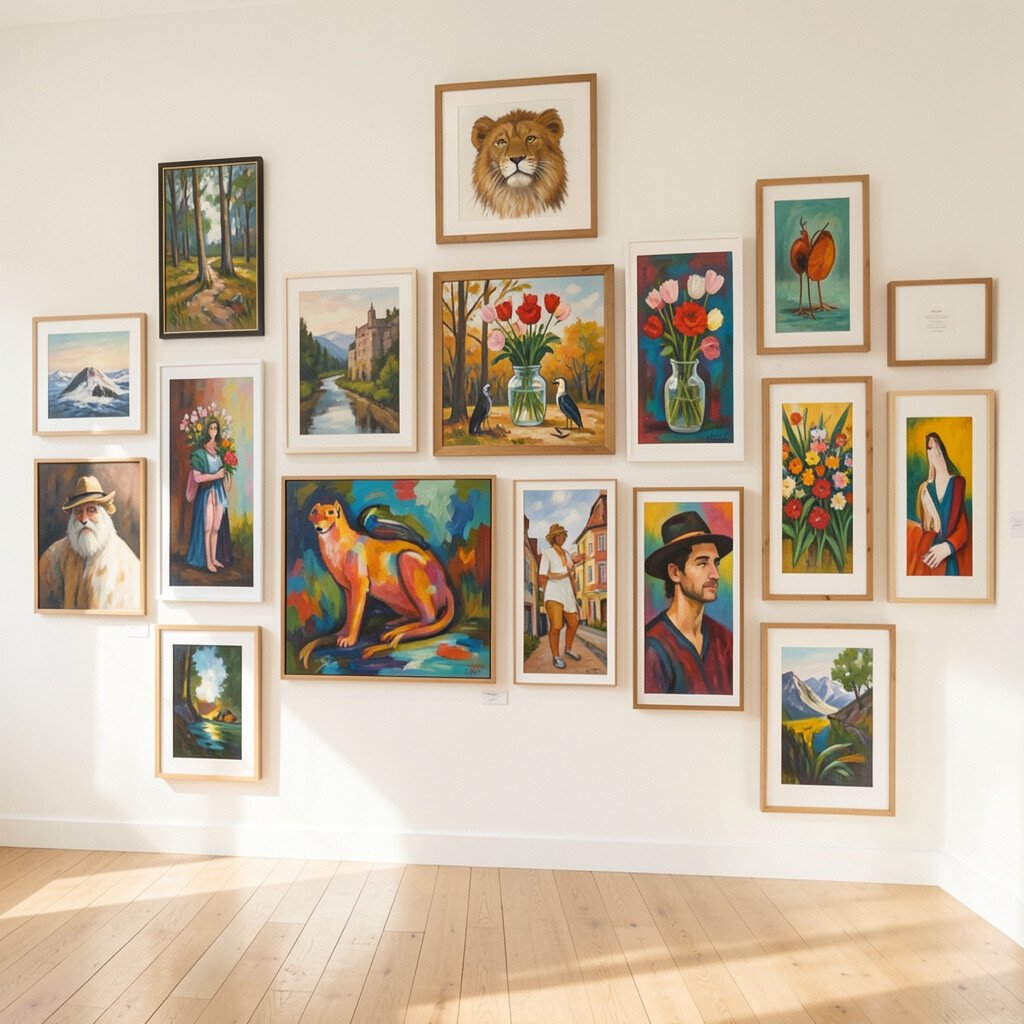
A wall filled with random pieces can feel exciting at first, but it may look scattered after a while. The best gallery walls usually share one or two things, such as color, theme, or mood.
That shared thread gives the wall a strong visual flow and makes the room feel more finished. You can still show your style by mixing family photos, travel shots, drawings, and prints, as long as they seem to belong to the same world. A simple color story is often the cheapest way to tie everything together because you can frame many different pieces and still make them feel related.
For a unique touch, pull one color from a pillow, rug, or chair and repeat it in the art. That small move makes the whole room feel more connected in a way people notice right away.
8. Hanging Everything at the Same Height
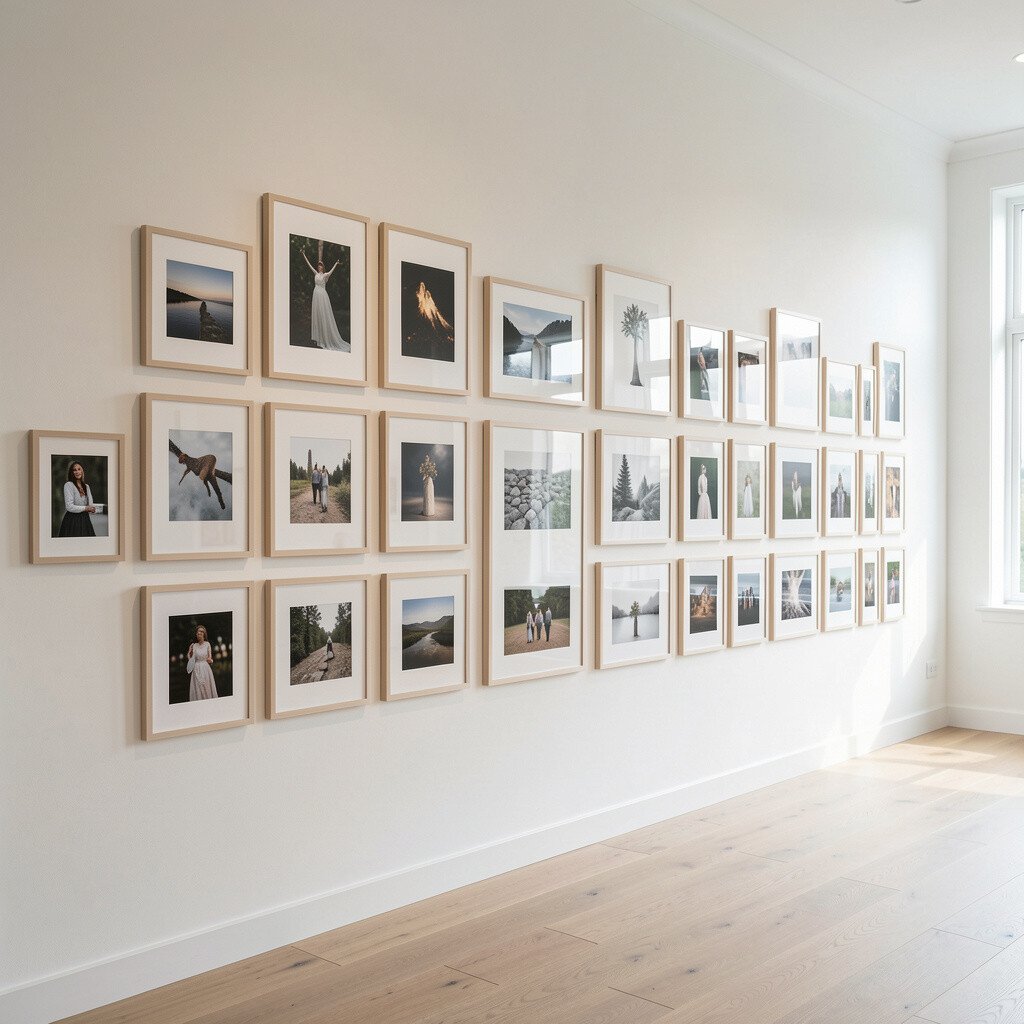
A row of frames placed at one flat line can feel stiff and one-note. A gallery wall gets more energy when some pieces rise a little and others sit lower, creating a nice visual dance.
That kind of movement makes the wall feel thoughtful and less like a waiting room. It also helps you use the shapes you already own, which can save money if your frame collection is mixed. Try pairing one tall piece with a wider one so the eye moves around the wall in a natural way.
Personal touches work especially well here, since a favorite photo or small sketch can sit in a lower spot and draw people in. The result feels warm, easy, and more interesting than a straight line alone.
9. Ignoring the Room Around the Wall
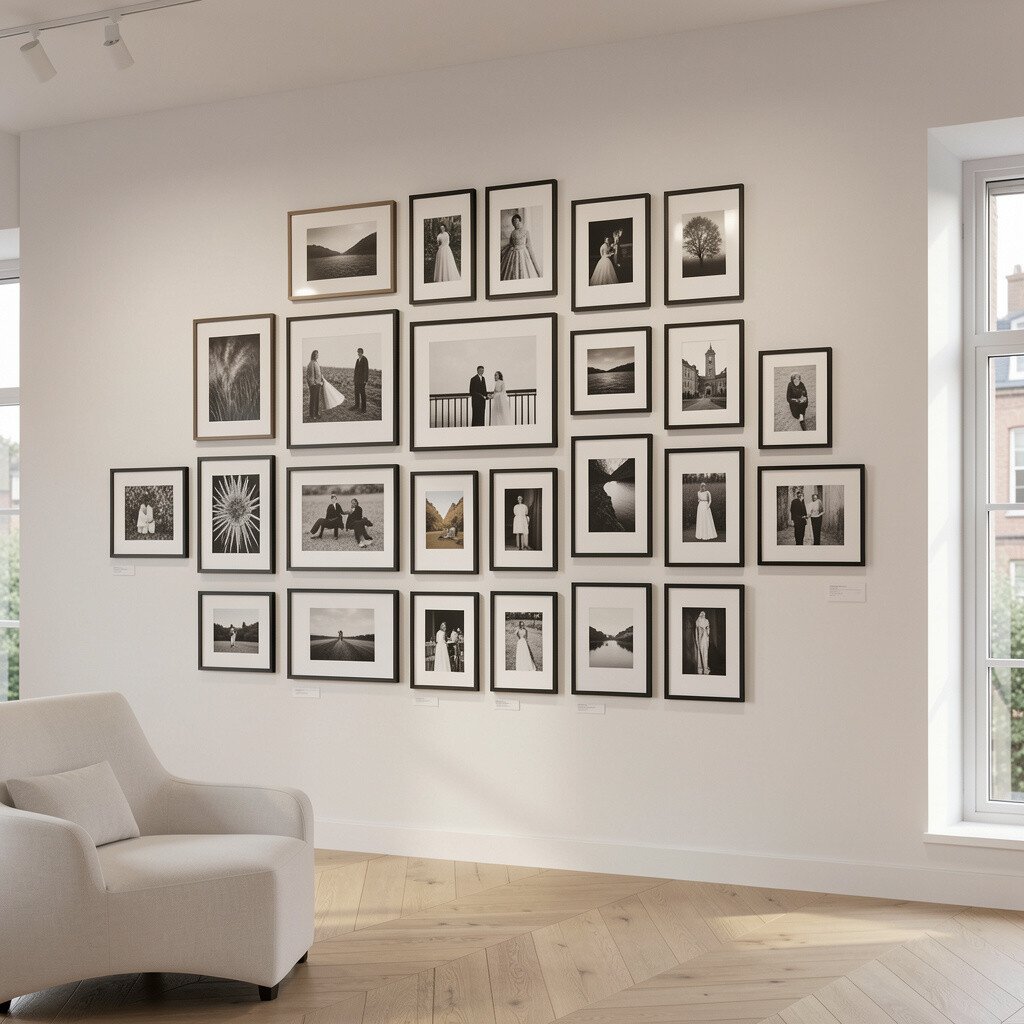
A gallery wall should fit the room, not fight with it. If the art does not match the furniture, rug, or paint color, the whole space can feel a little off.
Look at the room as one complete picture before you hang anything. A bright, colorful wall can look amazing in a playful space, while soft black-and-white art may suit a quiet room with simple furniture. Matching the mood of the room keeps the wall feeling useful and stylish, and it can stop you from buying pieces that seem cheap once they are hung.
Current home styling trends often use gallery walls to soften plain spaces and add personality without too much clutter. That makes them a smart choice when you want charm without filling every inch with decor.
10. Buying Everything at Once
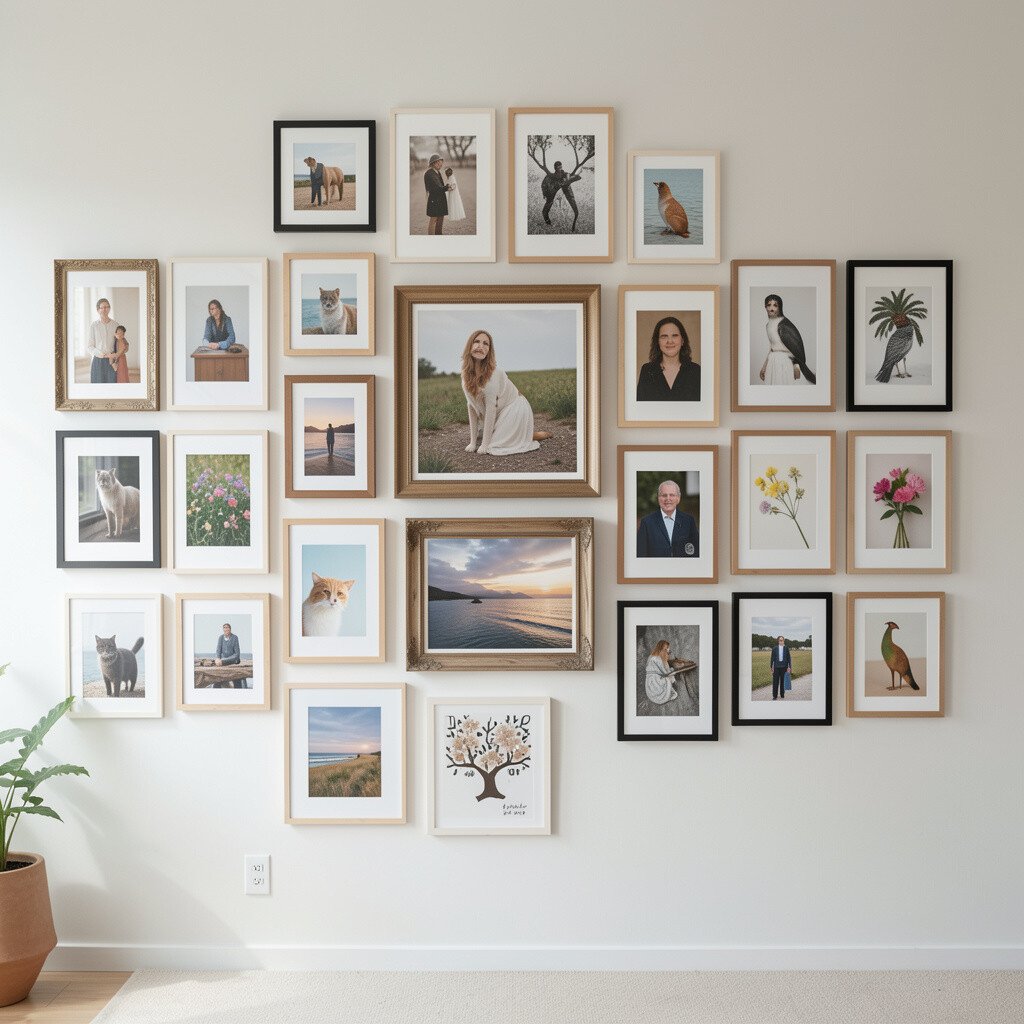
It can be tempting to purchase a full set in one trip, but that often leads to a wall that feels a little too forced. A better gallery wall grows over time, collecting pieces that really mean something.
Slow gathering gives you room to find art at thrift shops, local markets, and online sales, which can save a lot of money. It also lets the wall feel more unique because each piece has its own little story. Add one frame, then another, and keep checking how the mix feels so the final look stays natural and personal.
This way of building also helps you avoid regret, since you can live with each piece before adding the next one. A wall made in stages often feels richer than a wall bought all in one day.
11. Using Poor Lighting
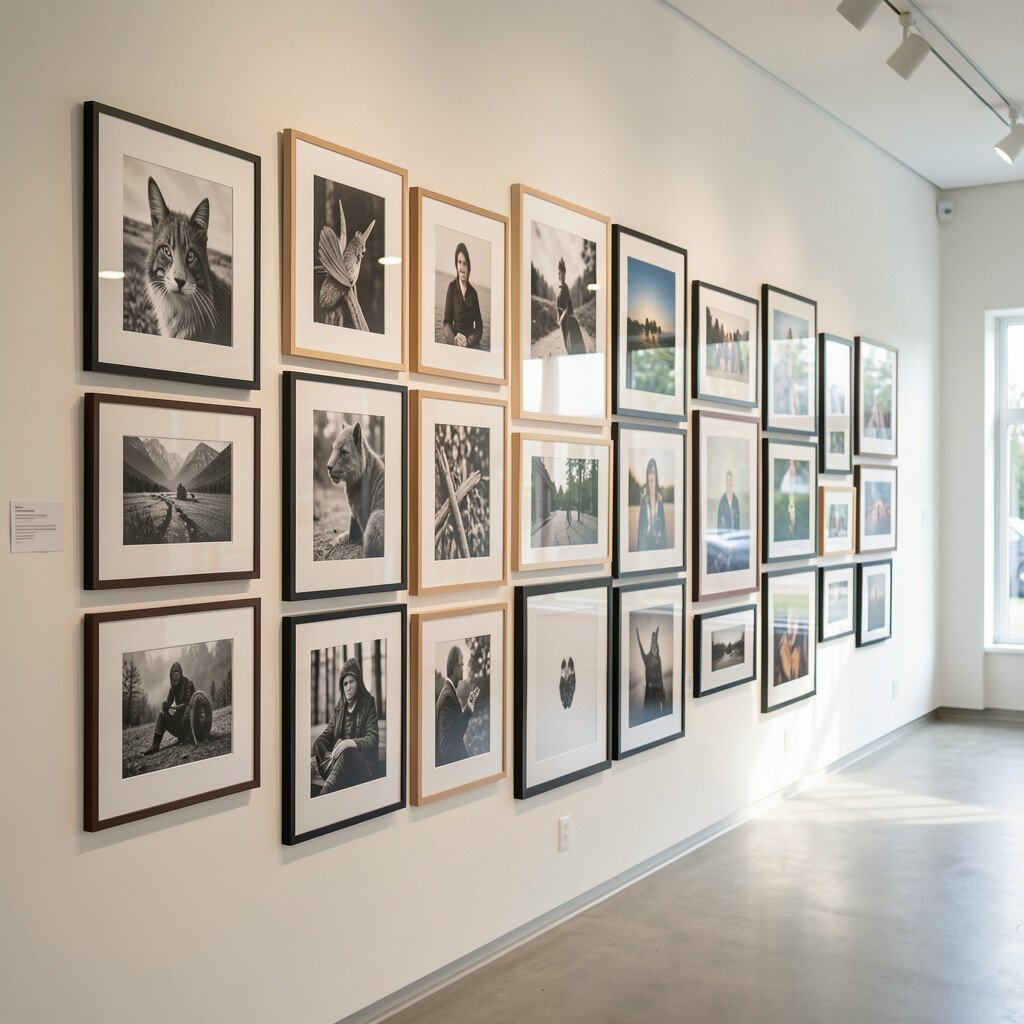
Even a lovely gallery wall can look dull if the light is weak or placed badly. Good lighting brings out color, shape, and texture so the wall feels alive day and night.
Wall sconces, nearby lamps, or soft overhead light can help frames pop without making the room feel harsh. If you choose shiny glass, think about glare and test the light before hanging everything for good. Better lighting can make inexpensive art look more polished and can give a small wall a more special feel without a big price tag.
Warm light is very popular because it flatters almost every print and makes rooms feel calm. That warm glow also makes family photos and hand-drawn art feel even more personal.
12. Forgetting About Frame Depth
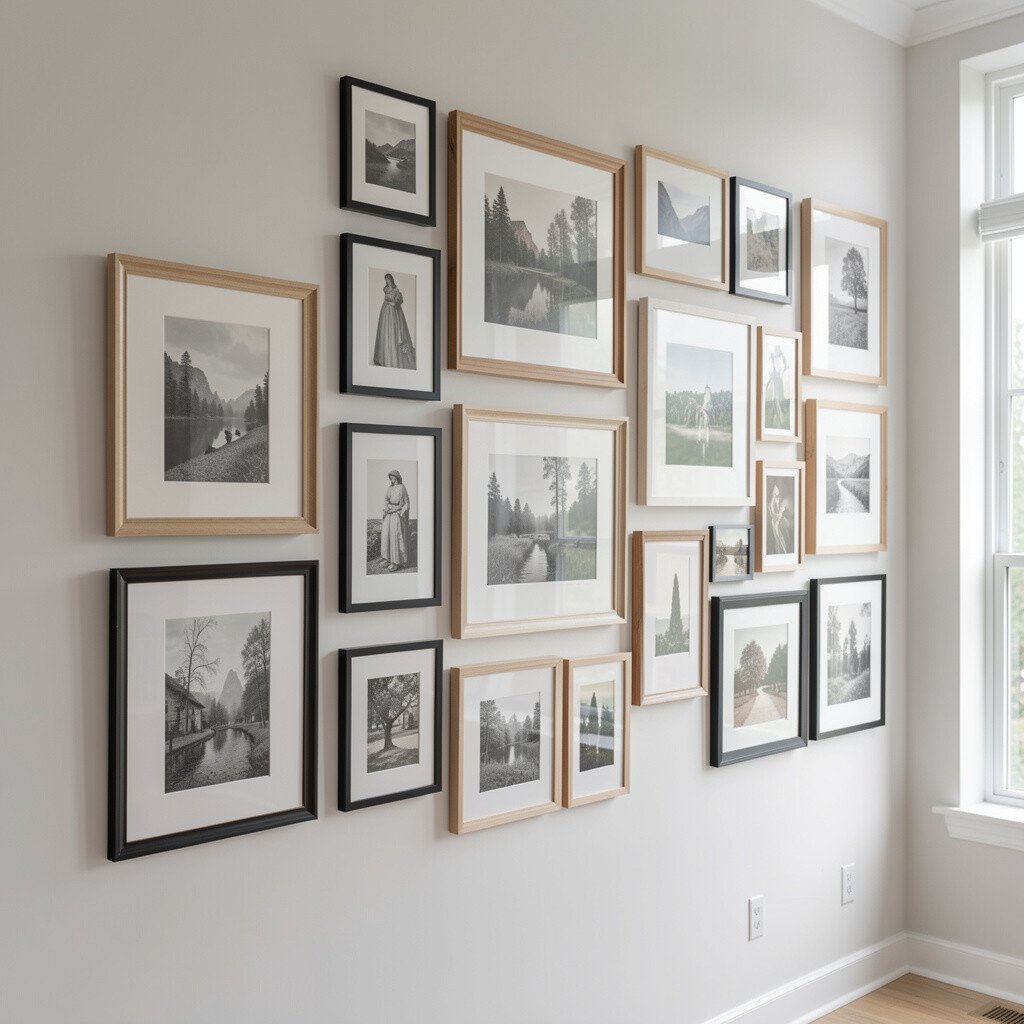
Some gallery walls look uneven because the frames do not sit at the same depth from the wall. Thick frames, floating frames, and shadow boxes can create layers, which can be beautiful when handled with care.
If the mix is too wild, though, the wall may feel messy from the side and awkward up close. A thoughtful mix of depths can make the display look rich, almost like a tiny art shelf on the wall. To keep the look clean, group deeper frames in one area and flatter ones in another so the wall stays easy on the eyes.
This is a nice place to show off one keepsake, like a pressed flower piece or a small object in a shadow box. That one item can make the whole wall feel more personal and worth the effort.
13. Leaving Out Texture
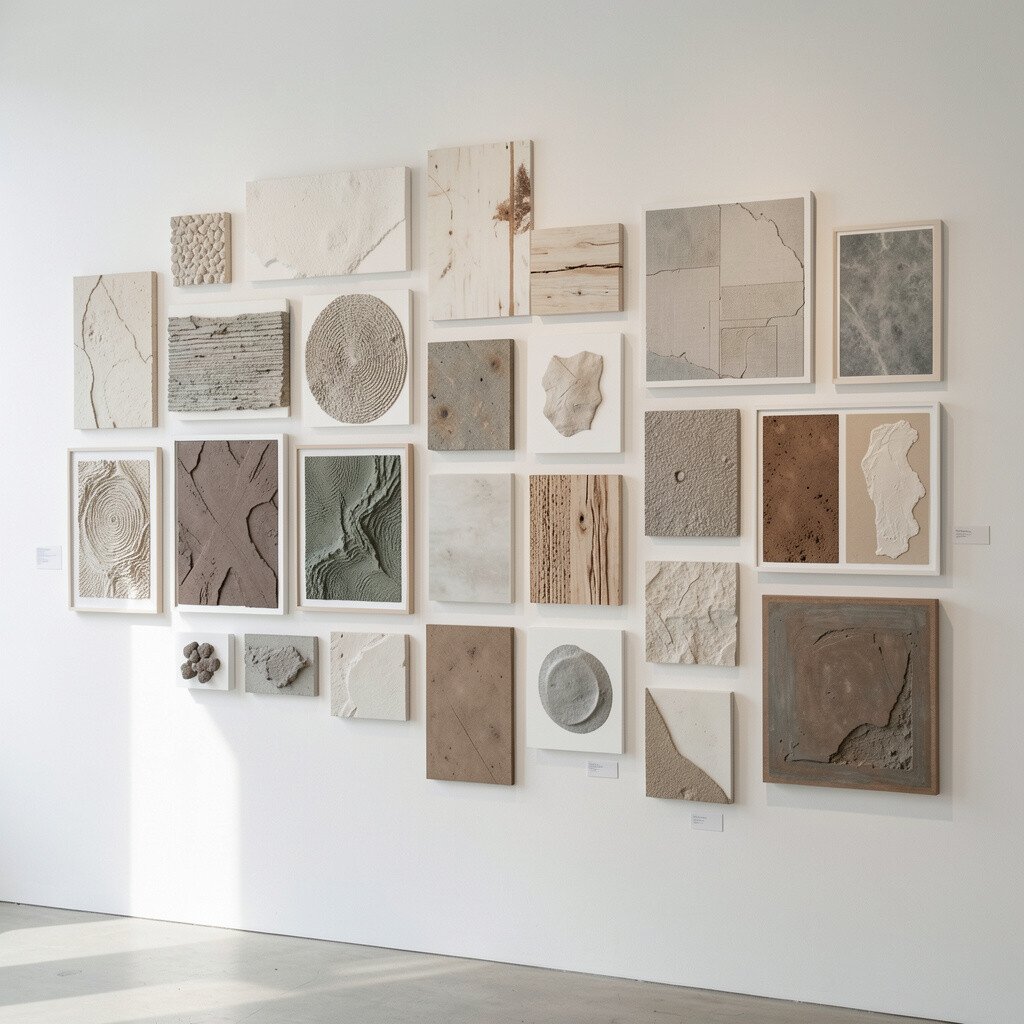
A wall made only of flat paper prints can look nice, but it may not have enough life to feel truly special. Adding texture gives the eye more to enjoy and makes the display feel richer.
You can mix in fabric art, wood frames, woven pieces, or a small mirror to break up the flat look. These touches do not need to cost much if you shop smart or repurpose items you already own. Texture also helps a gallery wall stand out in a room full of smooth furniture and plain walls.
One current style people love is adding handmade pieces to make the space feel warmer and more human. That choice brings charm that store-bought prints alone cannot always give.
14. Making the Wall Too Theme Heavy
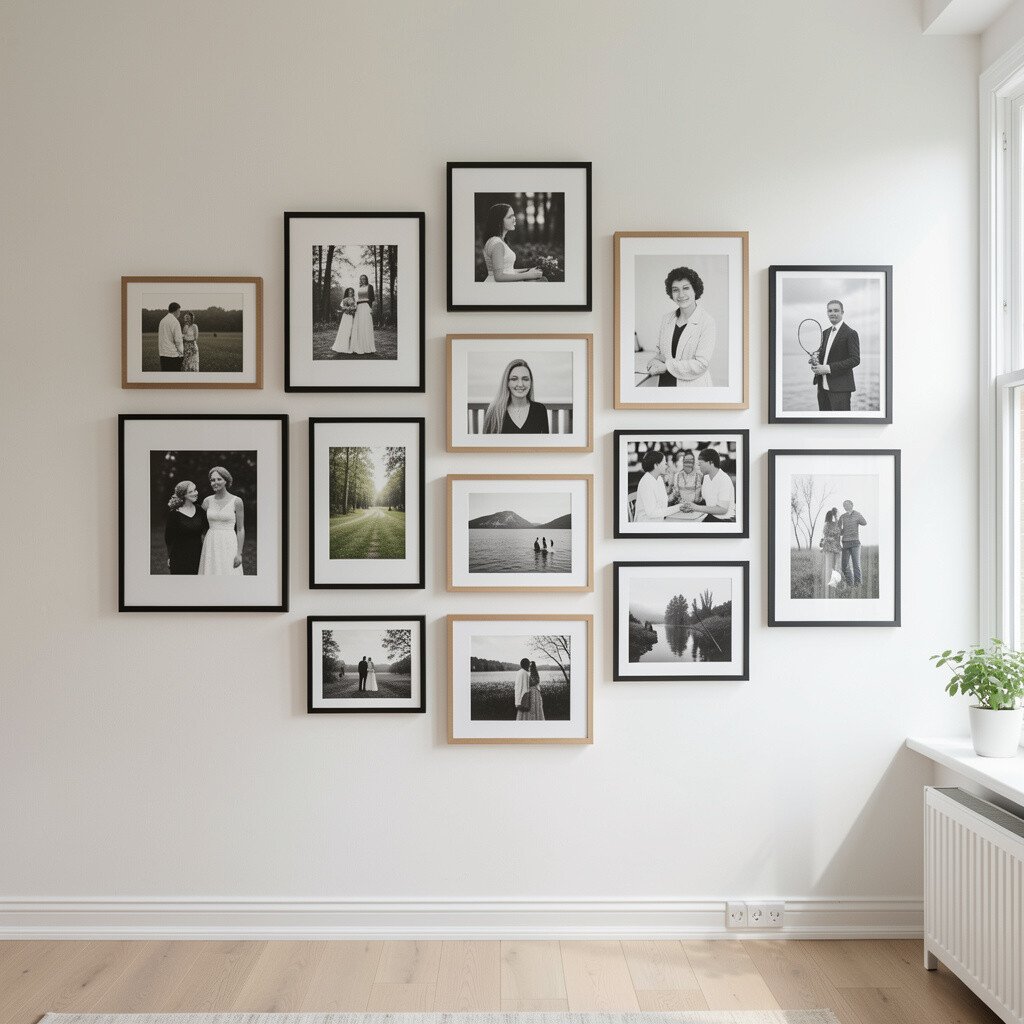
A theme can help a gallery wall feel tied together, but too much of one thing can make it boring. If every piece shows the same subject in the same style, the wall may lose its spark.
Instead, keep a theme loose so the wall has room to surprise the eye. A travel wall can include maps, photos, tickets, and sketches instead of only landmark pictures, which makes it feel more alive. This wider mix often costs less too, since you can use printed memories and found objects instead of buying all new art.
That looser style also makes it easier to add new items later without starting over. It keeps the display flexible, which is great if your taste changes over time.
15. Forgetting the Power of One Focal Piece
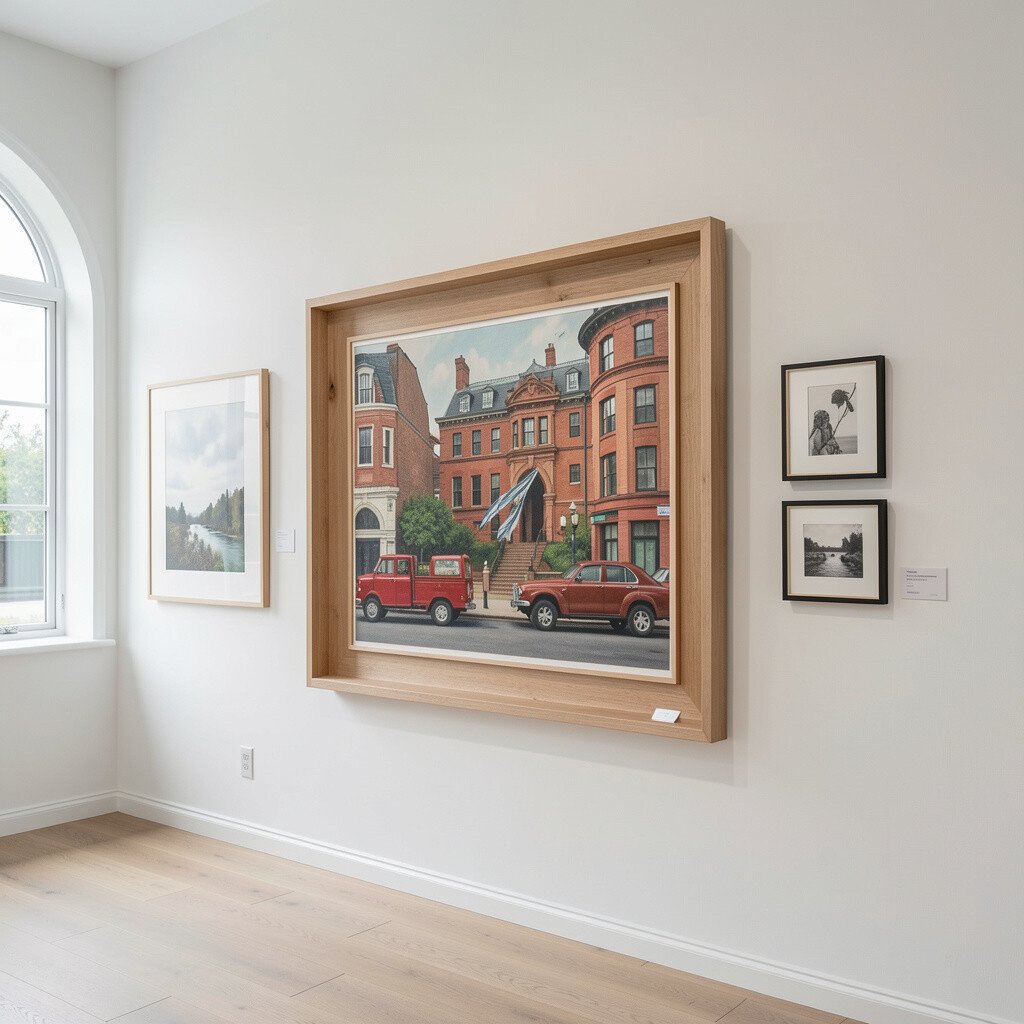
Without one clear star, a gallery wall can feel like a jumble of equal voices. A strong focal piece helps guide the eye and gives the whole arrangement a sense of purpose.
This special piece can be larger, brighter, or more personal than the rest. It might be a favorite painting, a bold photo, or a meaningful family image that sets the tone for everything around it. Centering the wall around one standout item can make the display look custom and can also save money, because the supporting pieces do not all need to be expensive.
A focal piece also makes the wall easier to build, since the rest of the layout can grow around it in a steady way. That simple anchor often turns a busy group of frames into a beautiful story.
16. Using Only Store-Bought Art
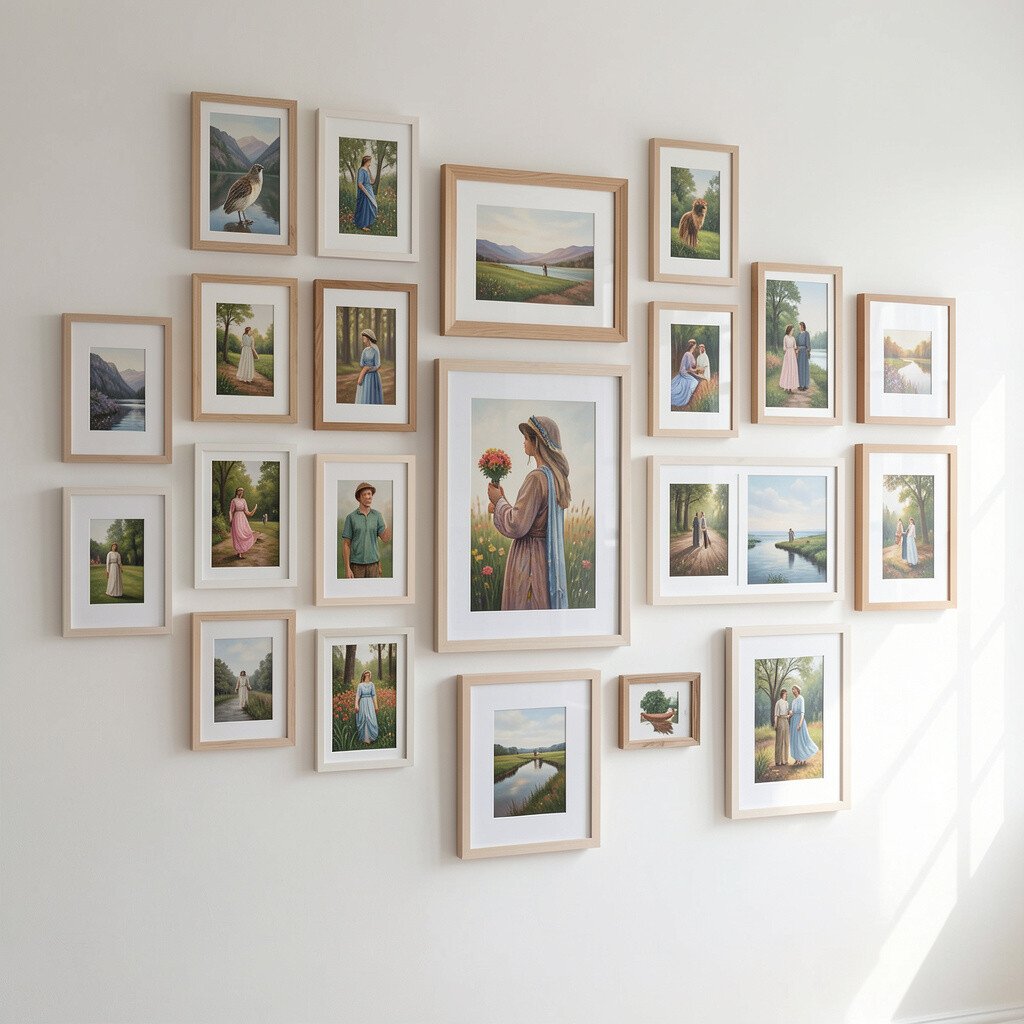
Store-bought prints can be lovely, but a wall made only from them may feel a little generic. Adding your own photos, kid art, postcards, or sketches can make the space feel warmer and more real.
Those personal pieces bring meaning that no shop tag can replace. They also keep the project budget-friendly, since homemade or collected items often cost very little. A mix of bought and personal art gives the wall a layered look that feels unique and full of heart.
This approach fits well with current decorating trends that favor personal rooms over perfect rooms. People want homes that show life, not just style, and a gallery wall is a great place to do that.
17. Changing It Too Often
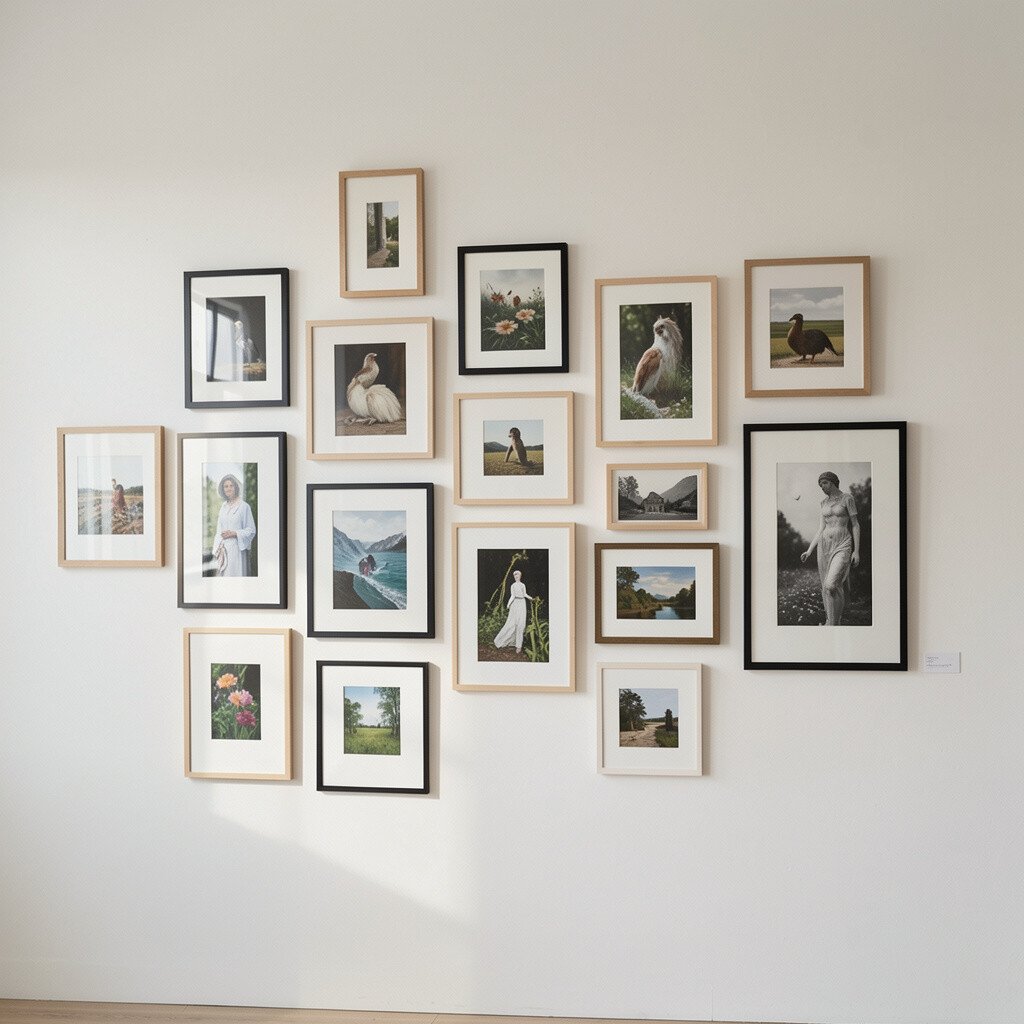
A gallery wall needs time to settle, and constant changes can make it feel unsettled. If you keep moving pieces every few days, the wall may never get the chance to feel calm and finished.
Give the layout a little time before you make big changes, and only adjust when something truly feels off. Small updates are fine, but a stable arrangement often looks more polished and helps the room feel peaceful. When you do want a refresh, swap one or two items instead of starting over, which keeps costs low and still gives the wall a fresh feel.
That slow-and-steady habit also makes the wall more personal because each change has a reason behind it. In the end, a gallery wall looks best when it feels lived in, balanced, and true to the people who enjoy it every day.