A staircase can shape the whole feeling of a home. Small choices can make it look calm, rich, and warm.
1. Plan the staircase around the room first
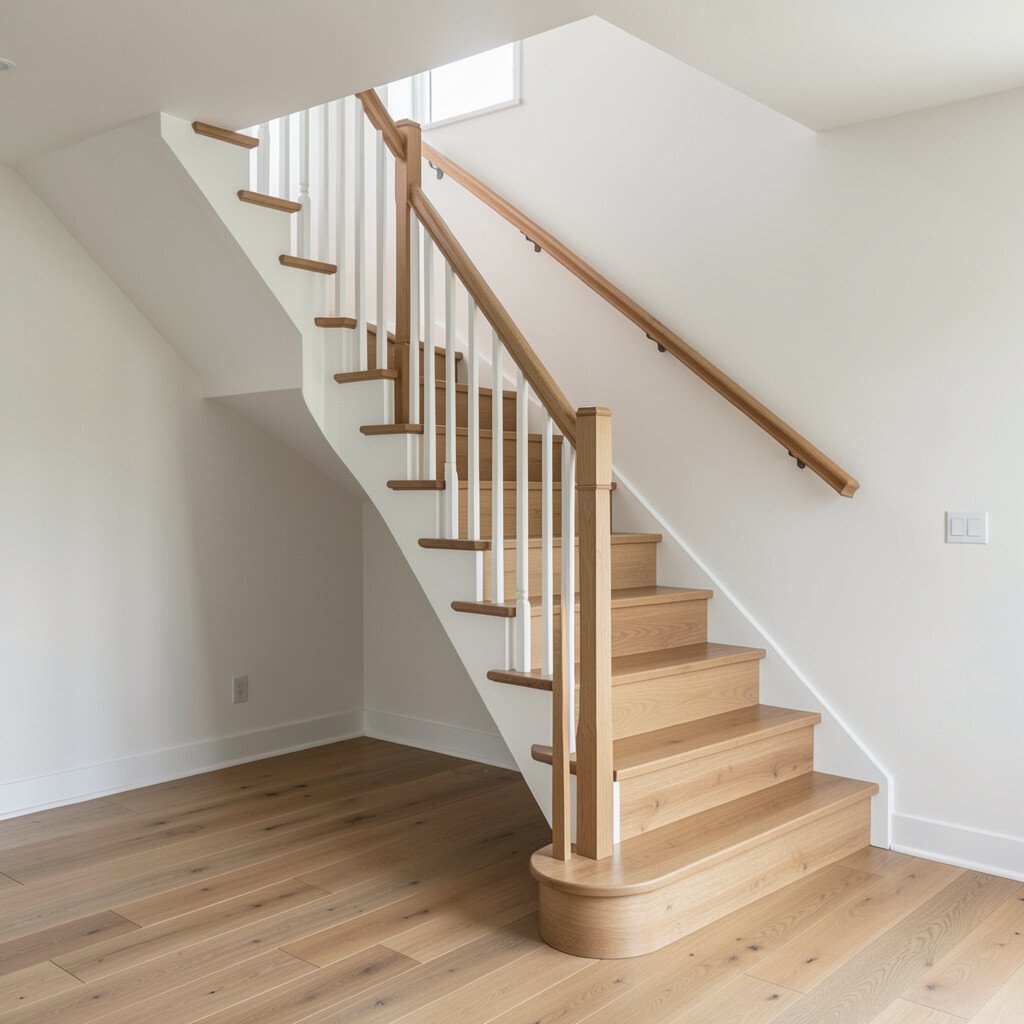
A staircase should fit the room as if it was always meant to be there. When the shape, size, and path work with the space, the whole home feels easier to live in. A wide open stair can make a hall feel grand, while a slim one can save room in a small house.
Start by noticing how people move through the area and where light falls during the day. That simple habit helps you avoid awkward turns, cramped landings, and costly changes later. A well-placed stair often feels more special because it supports the room instead of fighting it.
2. Choose a style that matches the home
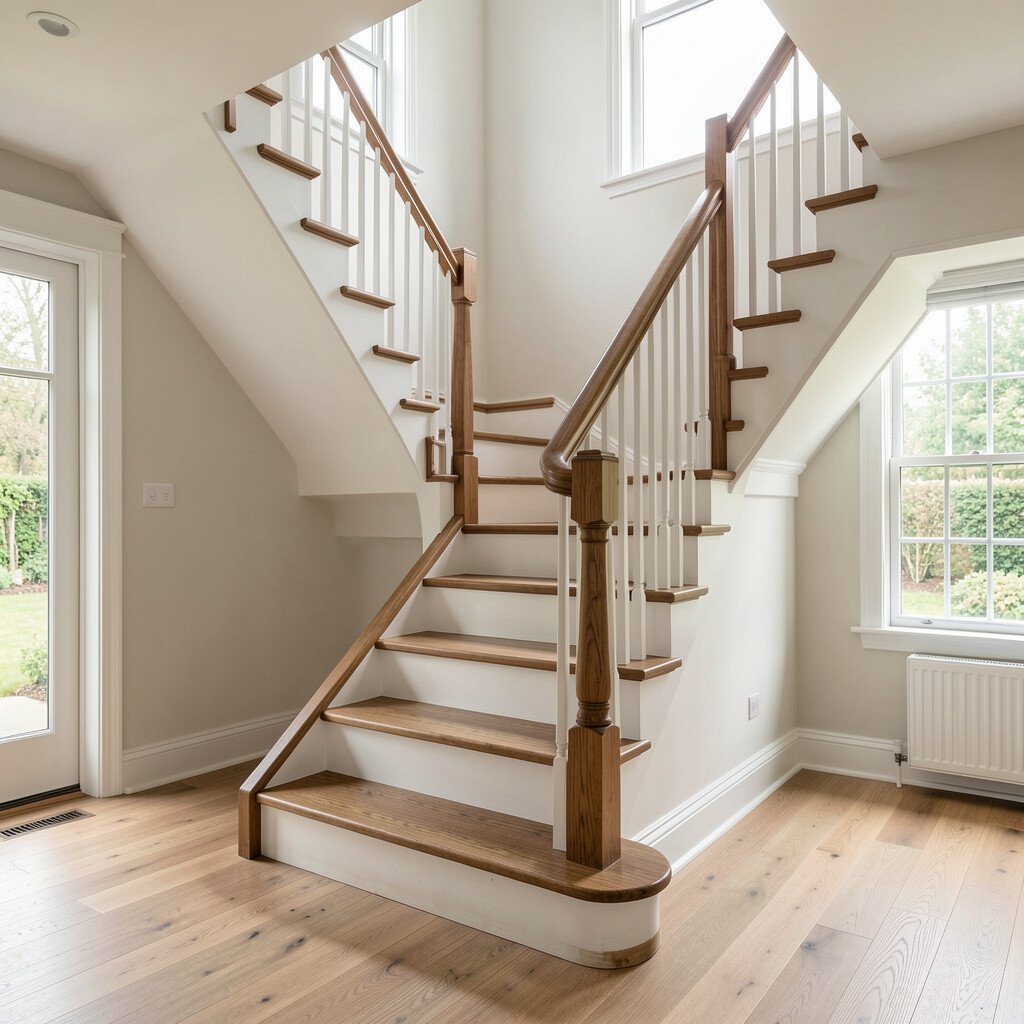
The best staircase usually looks like it belongs with the rest of the house. A clean modern stair fits a simple home, while carved wood and soft curves can suit a more classic space. This matching effect creates a calm flow that people feel even before they notice it.
Think about the mood you want when someone walks in the door. Sleek glass, warm timber, and painted balusters each send a different feeling, and each can be personal in its own way. Some styles cost less because they use simpler parts, while others ask for more skilled work and a bigger budget.
Current homes often mix materials for a fresh look, and that mix can keep the design from feeling heavy. You can balance a bold stair with quiet walls or soft flooring so the whole entry stays inviting. A good style choice makes the staircase a feature without letting it take over the room.
3. Keep the proportions comfortable
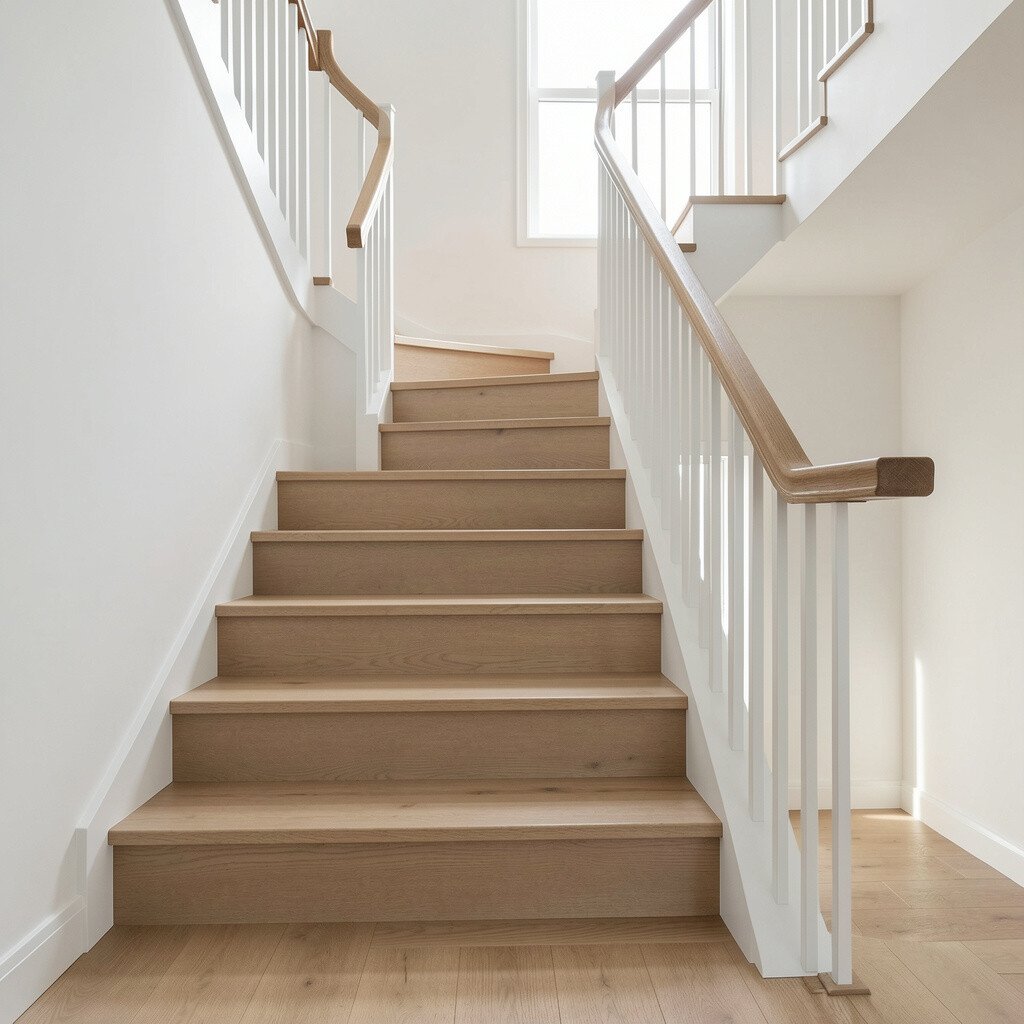
A staircase needs to feel easy underfoot as much as it needs to look pretty. Steps that are too steep or too shallow can make a home feel awkward, even if the design seems beautiful at first glance. Good proportions help everyone use the stair with confidence and comfort.
Measure carefully and give attention to the rise and the tread so the steps feel natural. That practical work pays off in daily life because it lowers the chance of slips and makes carrying laundry or boxes less of a struggle. If you want a more custom look, slightly changing the width or landing shape can add character without hurting comfort.
People often forget that the most pleasant stairs are the ones that almost disappear into routine. When they feel smooth to climb, the whole house seems better planned. Spending a little more on proper sizing is often wiser than fixing an awkward stair later.
4. Use the railing as a design feature
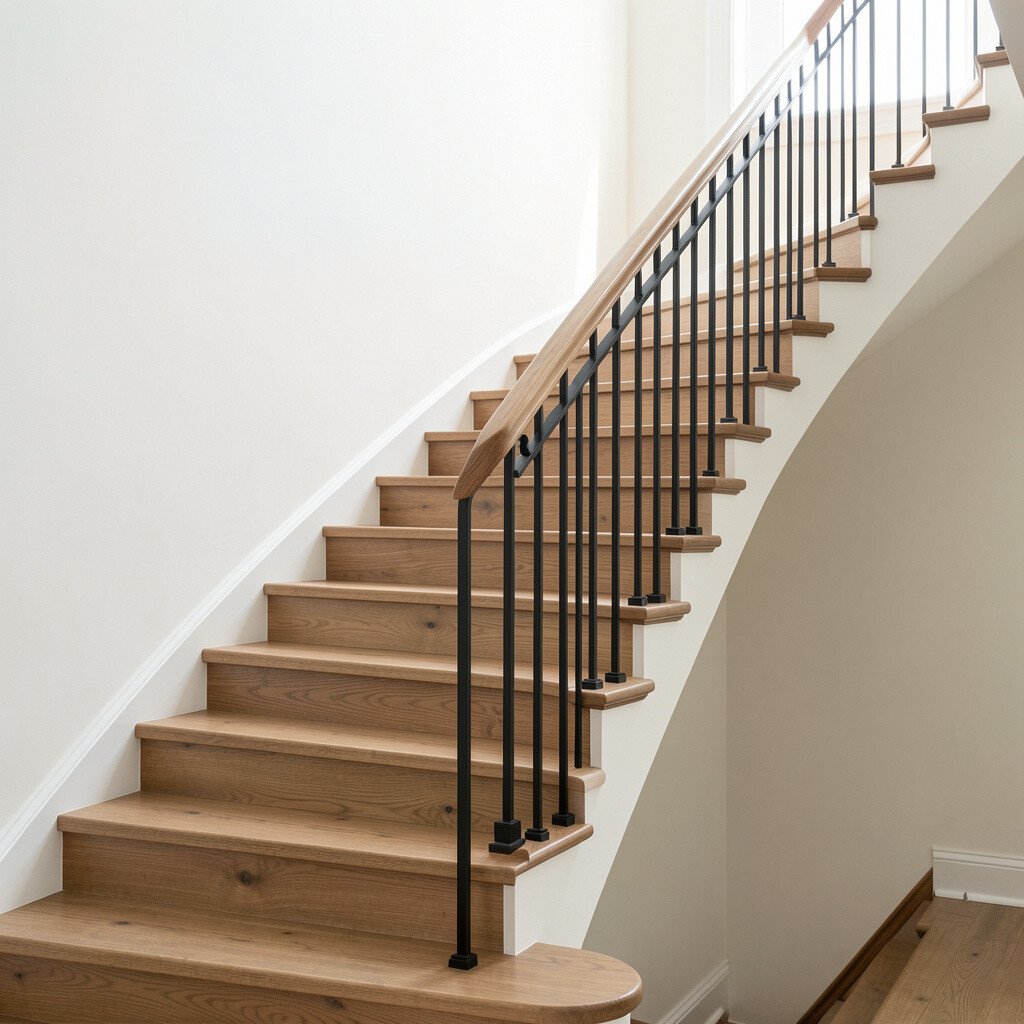
A railing can do much more than keep people safe. It can also add a clear line, a pretty detail, and a touch of personality that changes the whole stair. Even a simple stair can feel special when the handrail has a nice shape or finish.
Wood railings bring warmth, while metal ones can feel light and modern. Glass panels can open up the view and make a small area feel larger, which is a trend many homeowners like right now. Pick a style that is easy to grip and easy to clean, because comfort matters as much as looks.
Matching the railing with door handles, light fixtures, or cabinet hardware can make the home feel polished. This kind of small coordination often costs very little but gives a strong visual result. A railing that fits your life and your taste will always age better than one chosen only for show.
5. Let light guide the design
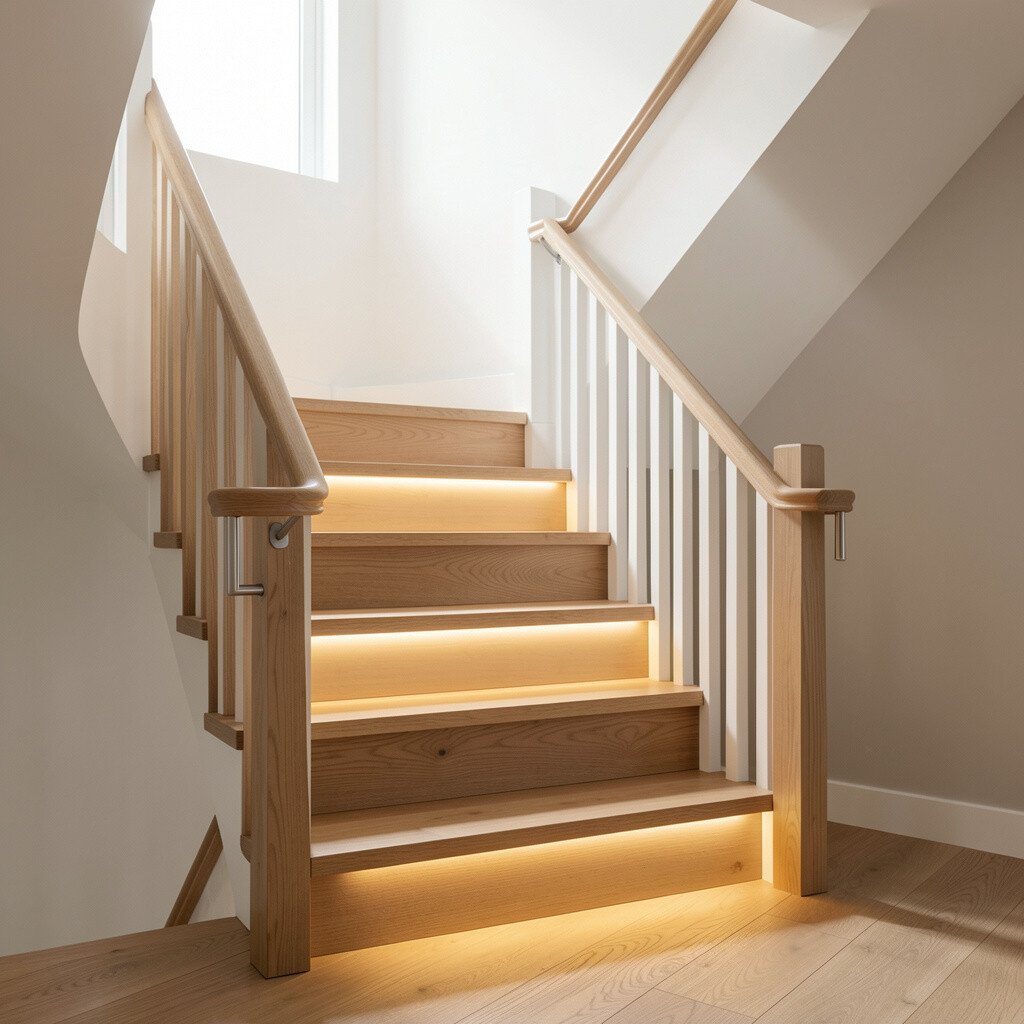
Good lighting can make a staircase feel bright, safe, and welcoming. Sunlight spilling across wood steps or soft lamps washing over a painted wall can turn a plain stair into a lovely scene. Light also helps show the shape of each step, which makes movement easier for everyone.
Try adding wall lights, hidden step lights, or a hanging fixture near the stair opening. These choices can create a gentle glow and help the staircase stand out after dark. If you want a more dramatic look, a statement light above the stair can act like a jewel in the center of the home.
Lighting choices can fit many budgets, from simple bulbs to custom-built systems. A small upgrade in this area often gives a bigger effect than a much pricier material change. The right light makes the stairs safer, nicer to use, and far more beautiful.
6. Pick materials that suit daily life
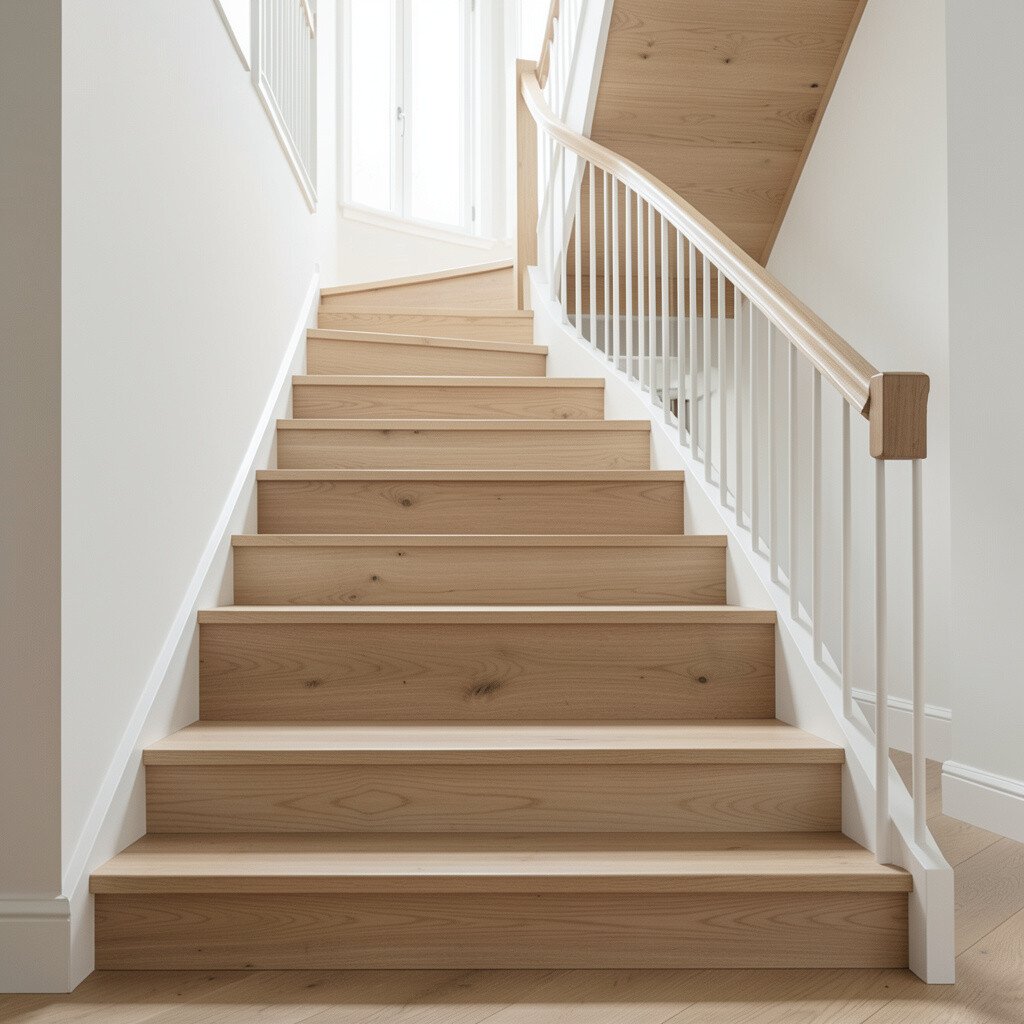
The best staircase materials are the ones that look good and also hold up to real use. Wood feels warm and classic, stone feels strong and rich, and metal can bring a sharp modern edge. Each one has a different mood, so the best pick depends on the home and the people living in it.
Families with busy routines may want finishes that clean easily and hide scuffs well. If you love a more unique look, you can mix materials, such as wood treads with metal supports or stone steps with a timber handrail. That mix can make the stair feel custom without always driving the price too high.
It helps to think about maintenance before making a final choice. Some materials need more care, but they may also give a more dramatic result. Choosing with both beauty and use in mind keeps the staircase from becoming a burden later.
7. Add storage where space is tight
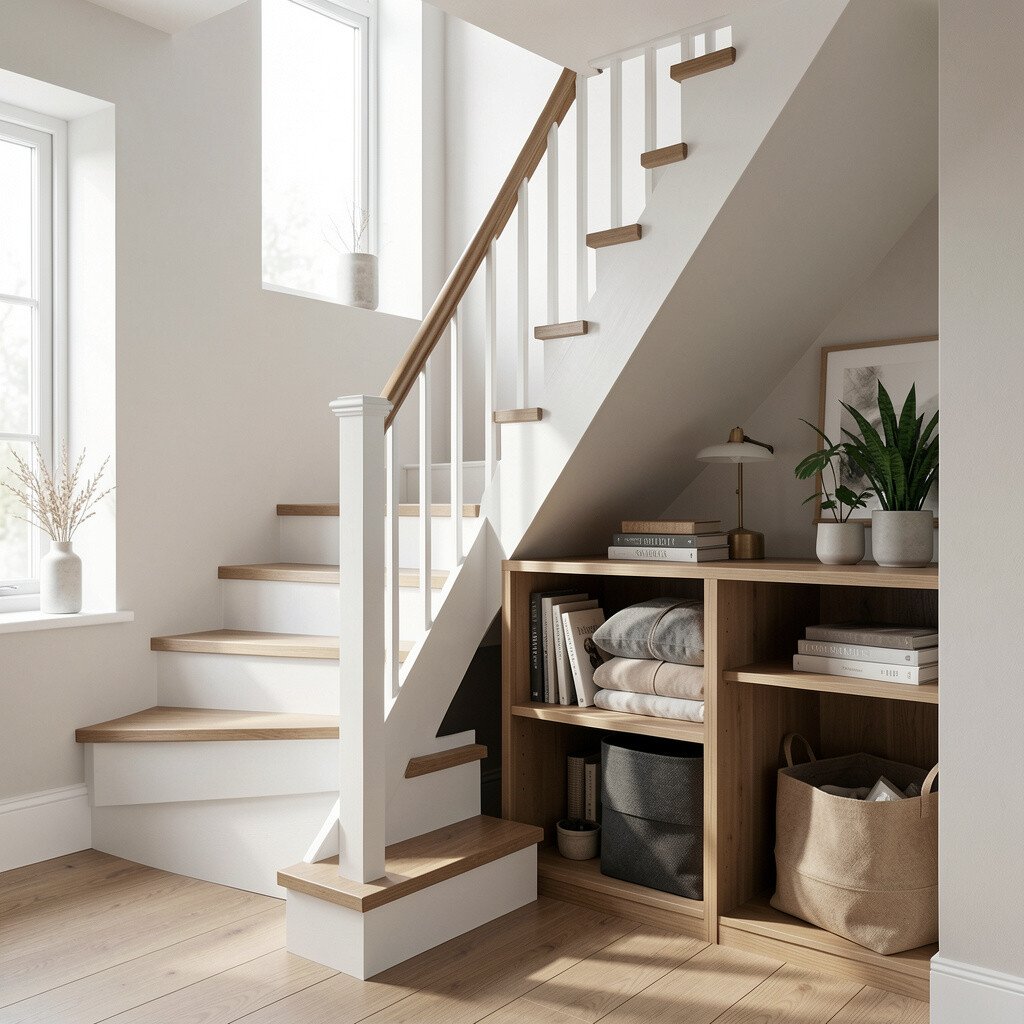
Under-stair space is often wasted, yet it can be one of the smartest places in a home. Built-in drawers, cabinets, or shelves can turn that blank zone into something useful and neat. The staircase then does more than connect floors, because it also helps the home stay organized.
This idea works especially well in smaller homes where every bit of space matters. You might store shoes, books, toys, or seasonal items without adding extra furniture to the room. Custom storage can raise the cost a bit, but it often replaces the need to buy separate pieces later.
Designing storage into the stair can also make the whole area look more complete. Clean lines and hidden doors create a calm look that feels tailored to the home. If you want a personal touch, choose painted fronts, warm wood grain, or small pulls that match the rest of the house.
8. Make the staircase feel open
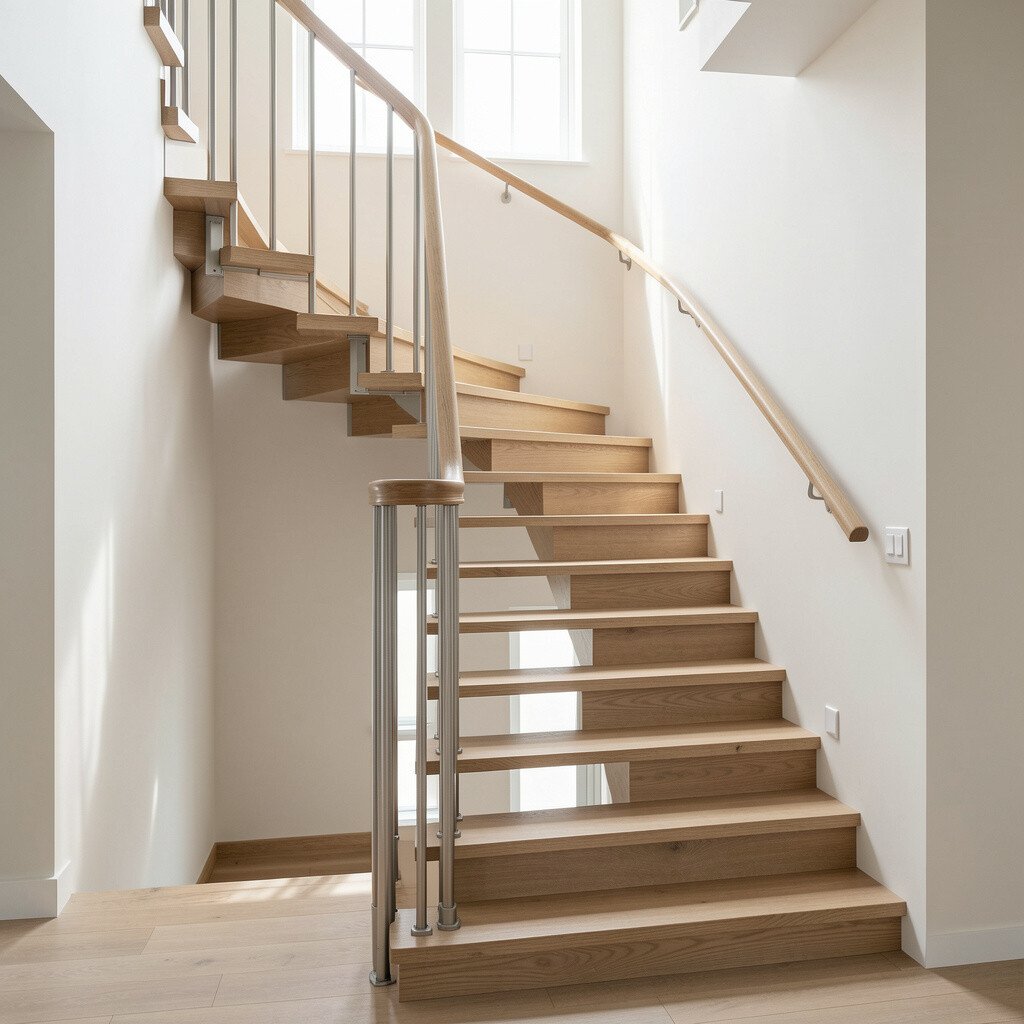
An open staircase can help a home feel airy and bright. Slim risers, floating treads, or see-through railings can keep sight lines moving and stop the space from feeling heavy. This look is popular in many modern homes because it gives a clean and light feel.
Open designs can also make a hallway or living area seem larger than it really is. That visual lift is helpful in homes where space is limited or where the stair sits near the main room. Still, it is smart to balance the open look with safe footing and strong support so the design feels good to use.
If you like a more private or cozy mood, you can soften the openness with warm finishes or nearby plants. A few simple details can keep the stair from feeling cold or bare. The result is a staircase that feels current, practical, and friendly at the same time.
9. Use color with care
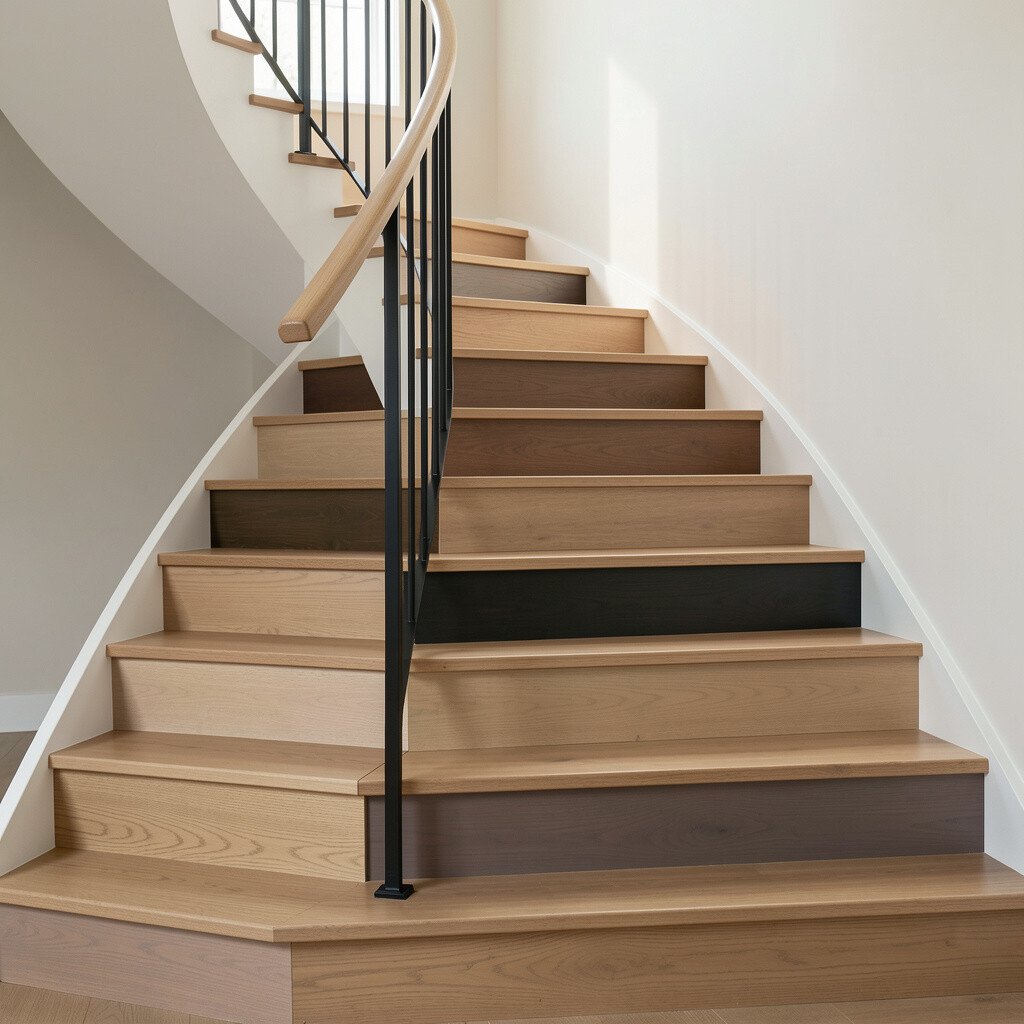
Color can change the whole mood of a staircase. Soft whites, deep grays, rich browns, and quiet greens each create a very different feeling as people move through the home. A staircase painted well can become either a calm backdrop or a bold focal point.
Keep in mind that darker colors can hide marks better, while lighter colors can make a space feel brighter and larger. If you want a more unique look, try painting just the risers, the trim, or the wall beside the stairs for a gentle surprise. That kind of detail often costs less than a full material change but still gives a fresh feel.
Color also lets you tie the staircase to nearby rooms. Matching tones from flooring, art, or furniture can help everything feel connected. Even a small color shift can make the stair look thoughtful and finished.
10. Pay attention to the balusters
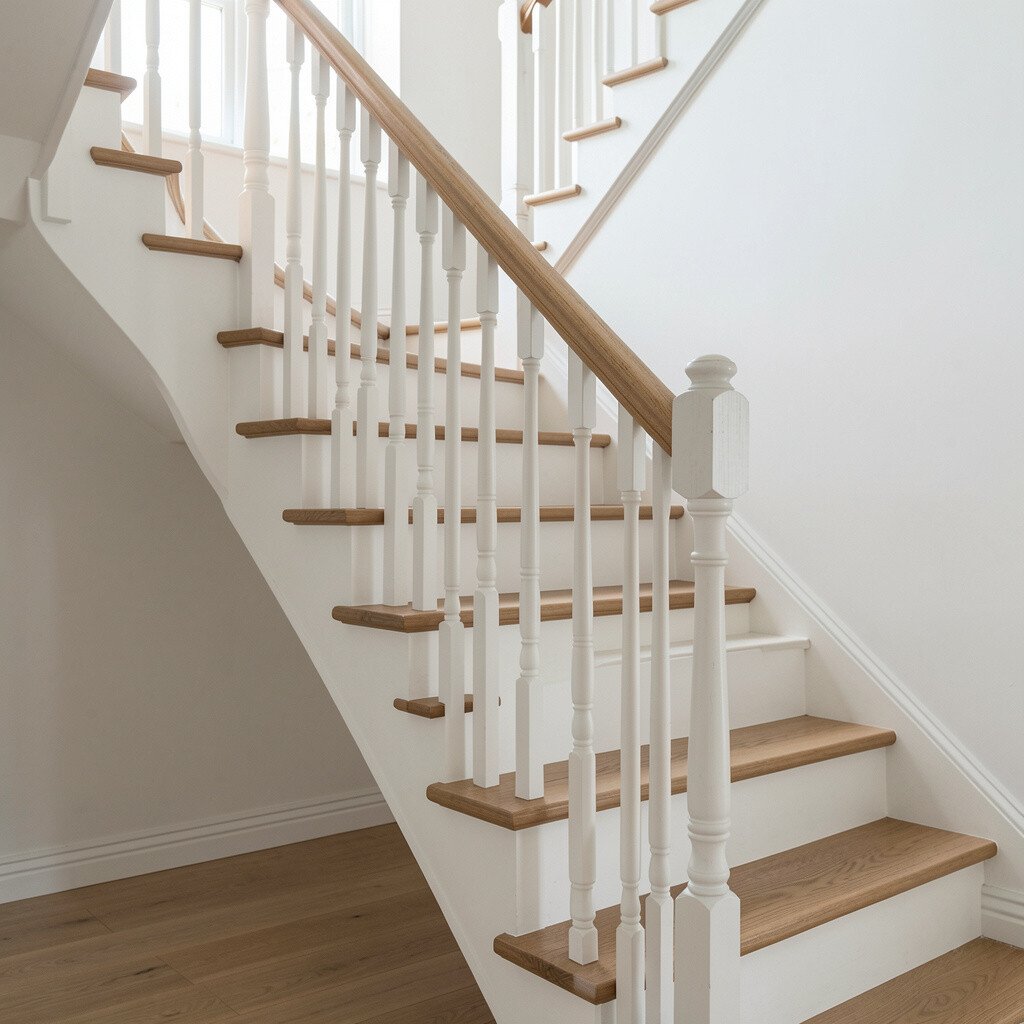
Balusters may seem small, but they have a big effect on style. Thin black rods can make a stair feel crisp and current, while turned wood pieces can give it a softer, more traditional charm. When chosen well, they add rhythm and texture that make the eye want to keep looking.
Spacing matters because it changes both safety and the overall look. Tighter spacing can feel more solid, while a lighter pattern can make the stair feel open and airy. If you are aiming for a custom touch, mixing shapes or finishes can make the design feel personal without needing a full rebuild.
Costs can vary a lot based on material and detail, so it helps to compare a few options before you decide. Simple balusters are often affordable and still attractive, while more detailed ones may be worth the extra spend in a formal home. Good balusters support the stair’s style while keeping the whole area safe and balanced.
11. Highlight the landing
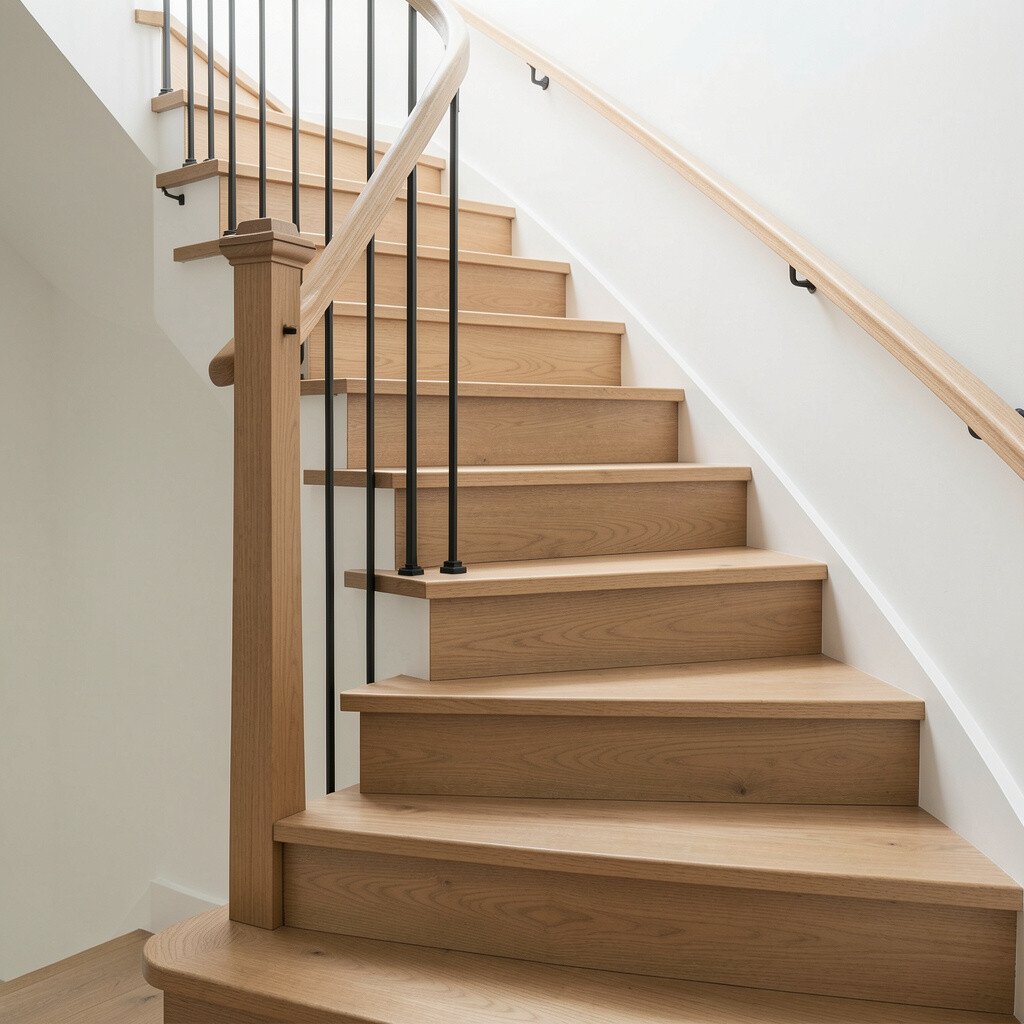
A landing is more than a pause in the climb. It can become a small stage for art, a plant, a bench, or a bright window that gives the stair a lovely focal point. When the landing is designed well, the staircase feels more graceful and less like a plain path up and down.
Think about how the landing looks from several angles, not just from the bottom of the stairs. A simple rug, a piece of wall art, or a strong light fixture can make the space feel cared for. These touches do not need to be costly to look good, which is helpful if you want style on a sensible budget.
Landings also offer a chance to soften the pace of the home. A wider landing can feel calm and useful, while a narrow one may still work if it is clean and uncluttered. This little pause in the stair journey can bring a lot of charm when handled with care.
12. Mix texture for warmth
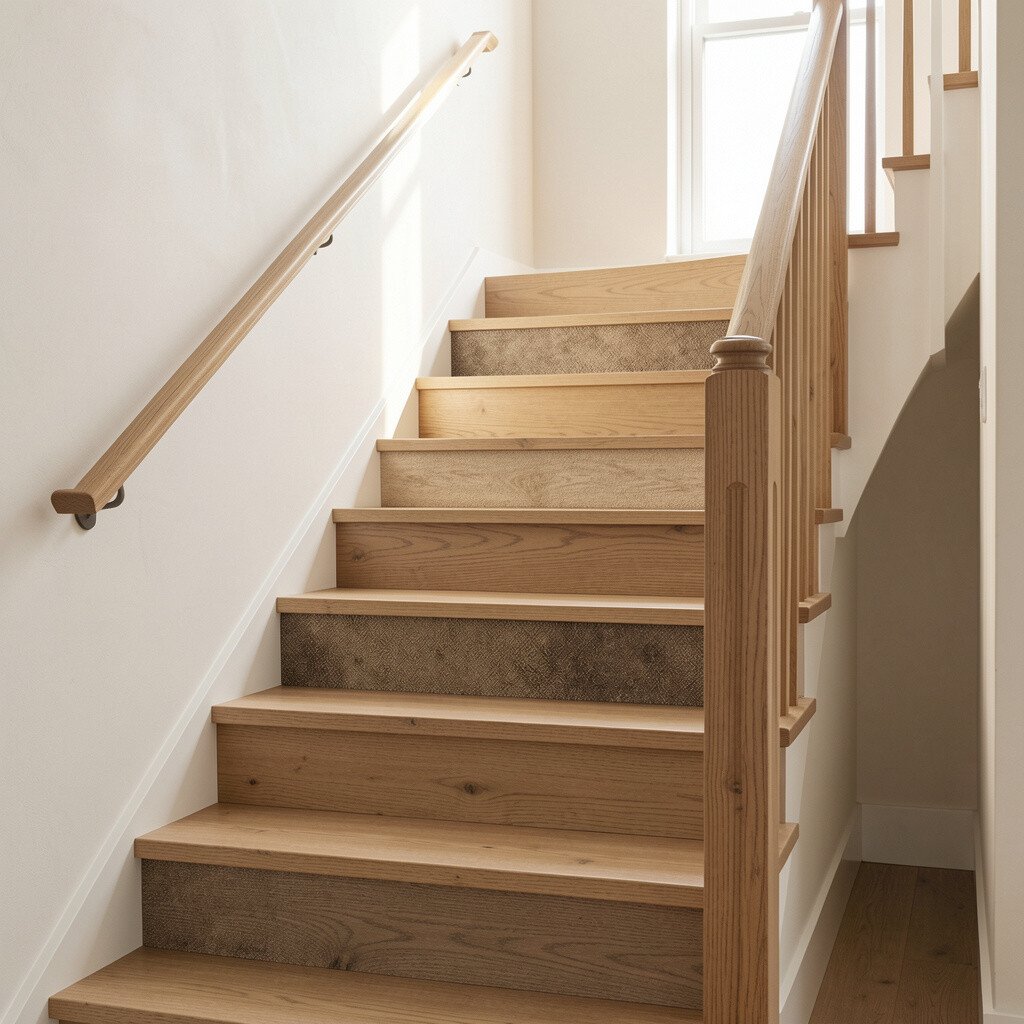
Texture gives a staircase depth that flat surfaces cannot always provide. Smooth wood, brushed metal, woven runners, and painted walls each catch light in a different way, which keeps the stair from feeling plain. That mix can make a home feel richer even when the shapes stay simple.
You can use texture to make a staircase feel cozy or bold, depending on the look you want. A soft runner underfoot adds comfort and reduces noise, while rougher or matte finishes can hide wear better than shiny ones. These choices often bring both beauty and practical value, especially in busy homes.
Texture is also a nice way to personalize a stair without changing its structure. A favorite rug pattern, a warm oak grain, or a hand-finished wall can give the space a clear identity. Current design trends often lean toward layered, lived-in looks, and texture is a big part of that style.
13. Think about safety without losing style
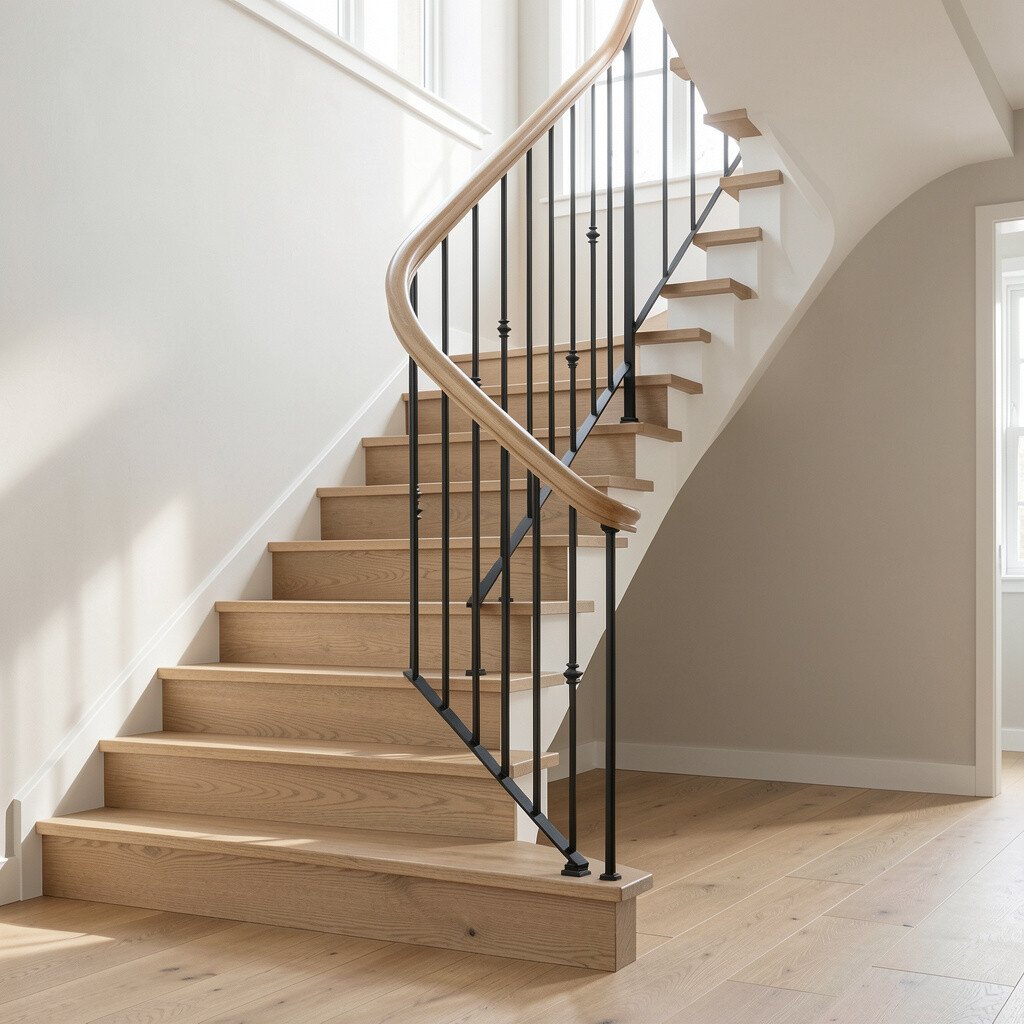
A beautiful staircase still needs to feel secure. Good handrails, steady steps, and enough light all help people use the stair with ease and confidence. Safety does not have to look boring, because many safe features can be shaped in a clean and stylish way.
Rounded edges, non-slip finishes, and clear step edges are useful choices in family homes. They help protect children, guests, and anyone who may be moving quickly or carrying something. When these details are planned early, they often cost less than trying to add them after construction is done.
Safety details can blend into the design so well that people only notice how comfortable the staircase feels. That is the best kind of success, because it means the stair works beautifully without drawing attention to itself. A safe stair is also a more relaxed stair, and that makes the whole home feel better.
14. Use the staircase to tell a story
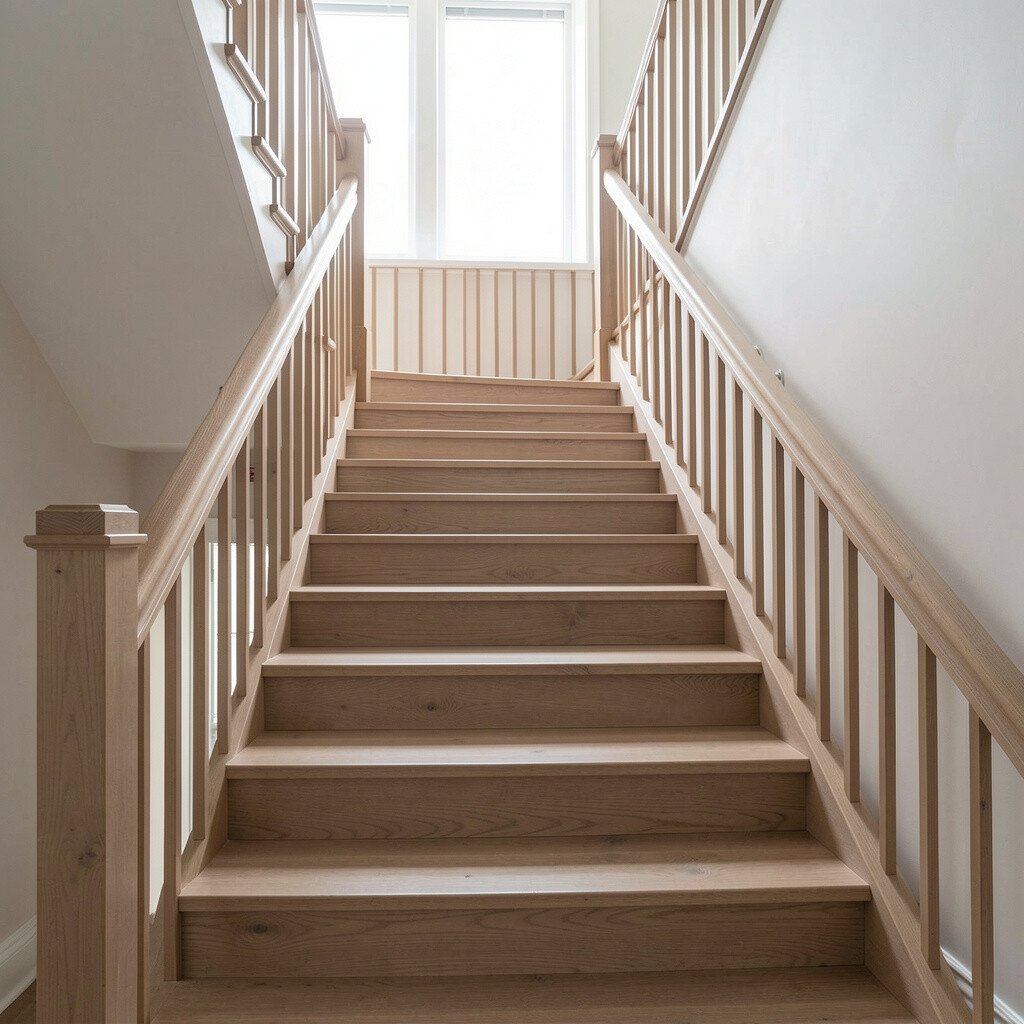
A staircase can carry the personality of the home in a very clear way. Maybe it shows a love of natural wood, or maybe it reflects a bold taste for black metal and glass. Either way, it can feel like a signature piece that gives guests a quick sense of who lives there.
Small details can make that story stronger, such as a carved post, a special runner, or a custom wall color beside the steps. These touches help the stair feel unique instead of copied from a catalog. If you want to keep costs under control, choose one standout feature and let the rest stay simple.
Stories in design often work best when they feel honest and personal. A staircase that reflects your life can make everyday moments feel a little more special. That is why a thoughtful stair can be both useful and deeply memorable.
15. Keep maintenance in mind from the start
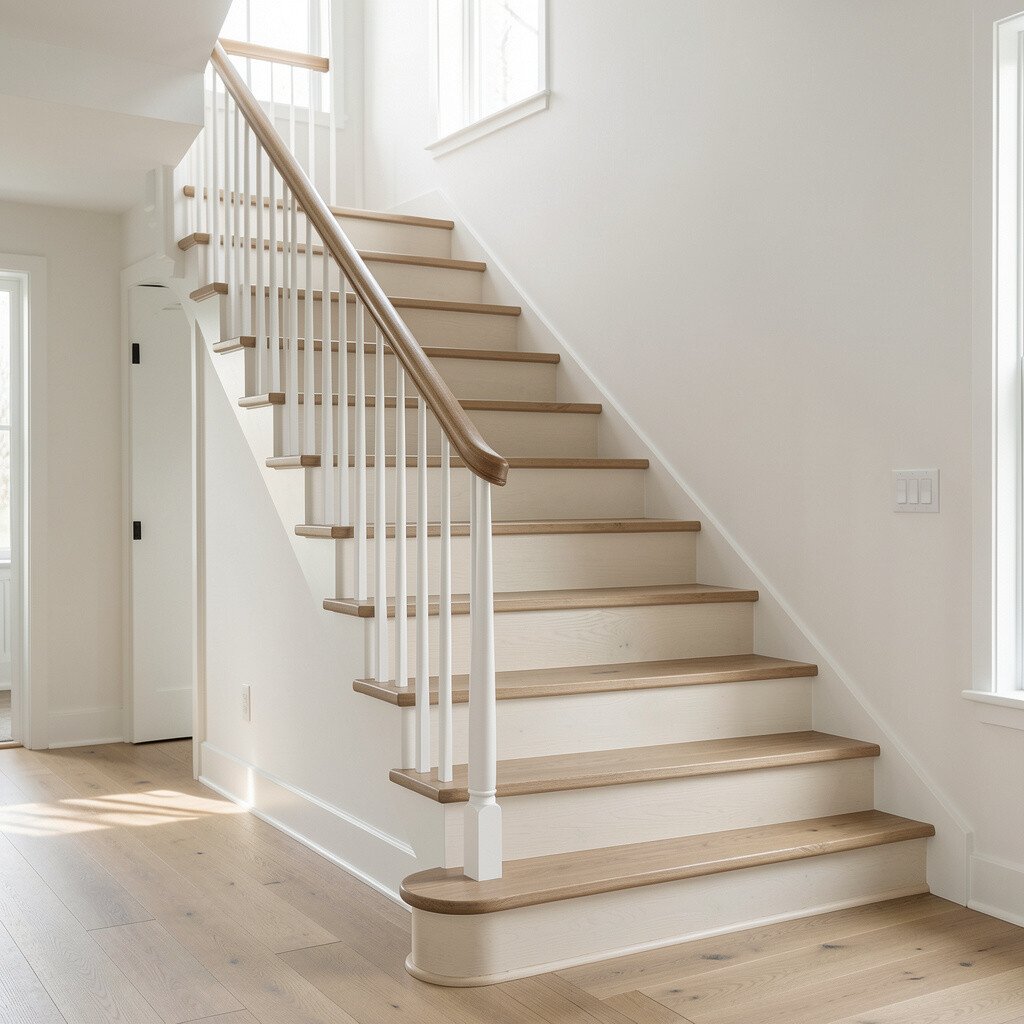
A staircase should be easy to live with, not just nice to look at on day one. Some finishes show dust, footprints, and scratches more than others, so it helps to think about cleaning before you commit. A design that fits your routine will keep looking better for longer.
If you have children or pets, durable surfaces and simple lines may save time and stress. Stair runners can cut down on wear, while darker treads may hide marks better than pale ones. These practical choices often balance well with current design trends that favor comfort and real-life use.
Maintenance also ties into cost over time, not just the first price tag. A less expensive material that needs constant repair may end up costing more than a better-made option. Choosing a staircase with easy care in mind is one of the smartest style decisions you can make.
16. Bring nature into the design
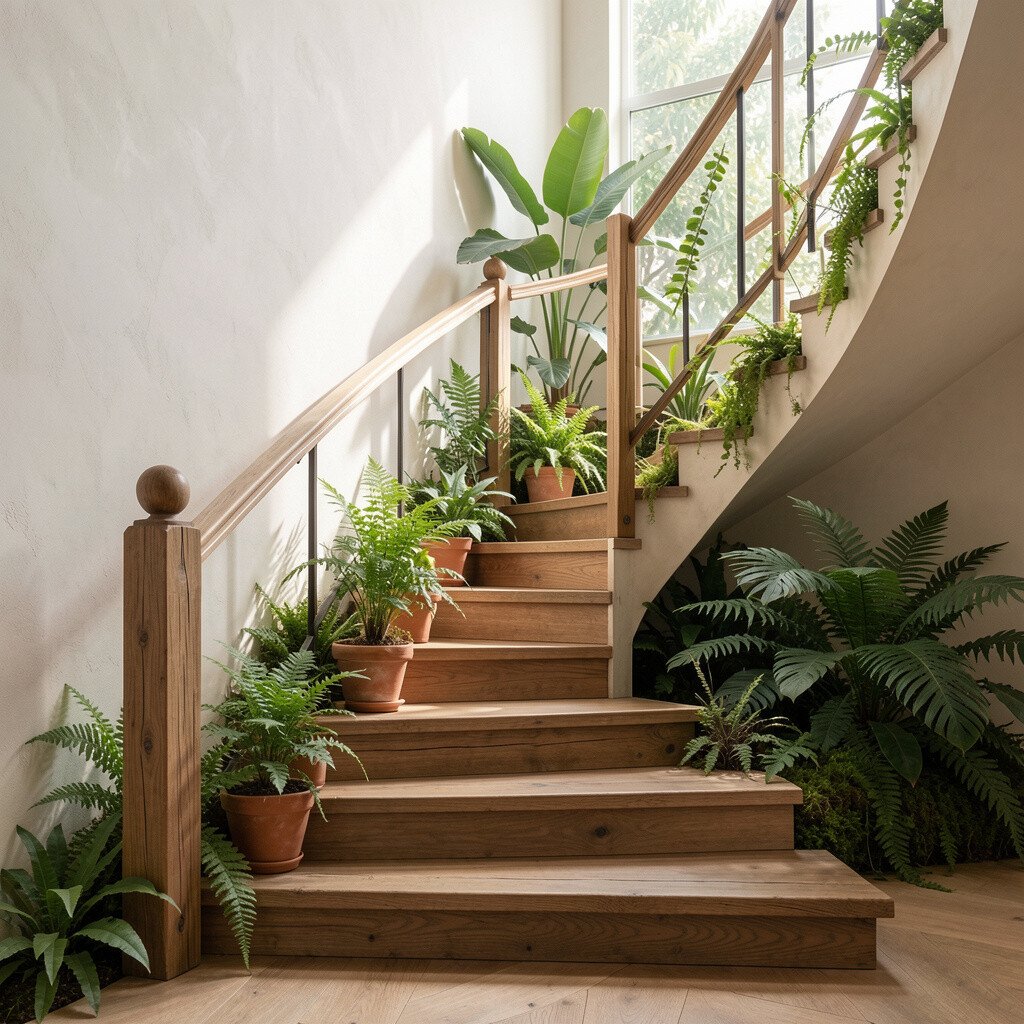
Natural touches can make a staircase feel calm and fresh. Wood grain, stone texture, plants near the landing, and daylight all help soften the hard lines that stairs often have. This kind of design can make the home feel more peaceful right away.
Many homeowners now like materials and colors that feel connected to the outdoors. Warm earth tones and soft organic shapes can make the stair feel more relaxed and inviting. You do not need a huge budget to get this effect, since even a simple plant or natural-finish handrail can change the mood.
Nature-inspired details also work well in homes that want a timeless look. They usually age more gently than very flashy choices, and they can be easy to match with other rooms. That makes the staircase feel like part of the whole house, not just a separate feature.
17. Make room for future changes
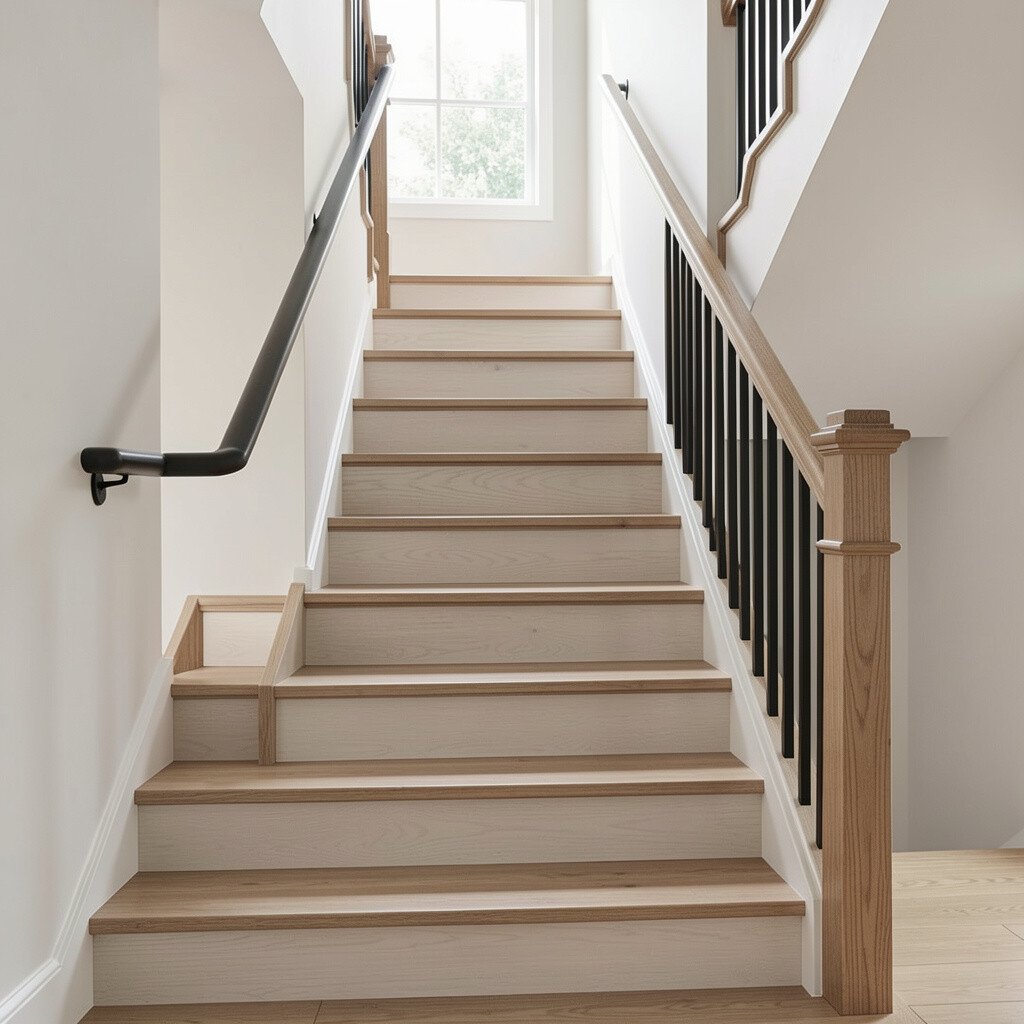
A good staircase should still work if the home changes later. Families grow, styles shift, and daily needs change, so a flexible design is wise. Simple shapes, strong materials, and neutral finishes can make it easier to update the space without starting over.
You might choose a stair that can take new paint, a different runner, or updated lights in the years ahead. That kind of planning keeps the home feeling fresh while protecting your original investment. It is also a smart way to manage cost, since small updates are often easier than major rebuilds.
Flexibility does not mean plain or boring. It means giving the staircase a strong base so it can age well and still feel current later on. When a stair can grow with the home, it becomes not just beautiful, but truly useful too.