
The sea has a way of turning ordinary days into memories that stick. Island hopping lets you change scenery often and still feel like you’re going somewhere special.
From quiet coves to lively markets, each stop can be a new story. Pick a route that matches your pace, then keep your plans flexible enough to follow the good surprises.
1. Start With a Coastal Island Sampler
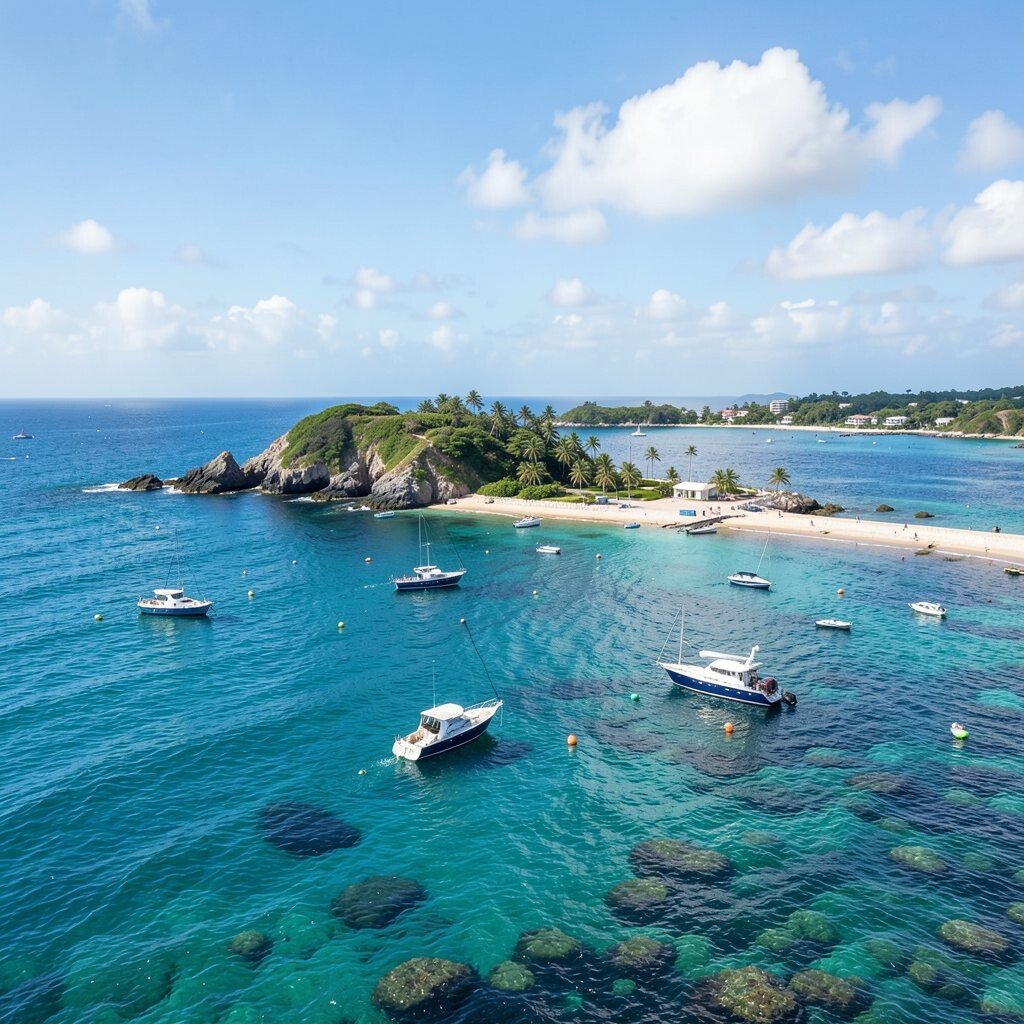
Choose several nearby islands and link them with short ferry rides so the travel days stay easy. You’ll get a quick taste of different beaches, harbors, and local rhythms without burning time in transit.
In the morning, you might see fishing boats rocking in pastel water, and by afternoon you could be walking past bright storefronts and smelling grilled street food. This style of trip keeps your budget steadier because transport is often predictable and you can book shared boat tickets early.
2. Chase Lagoon Color Like a Painter
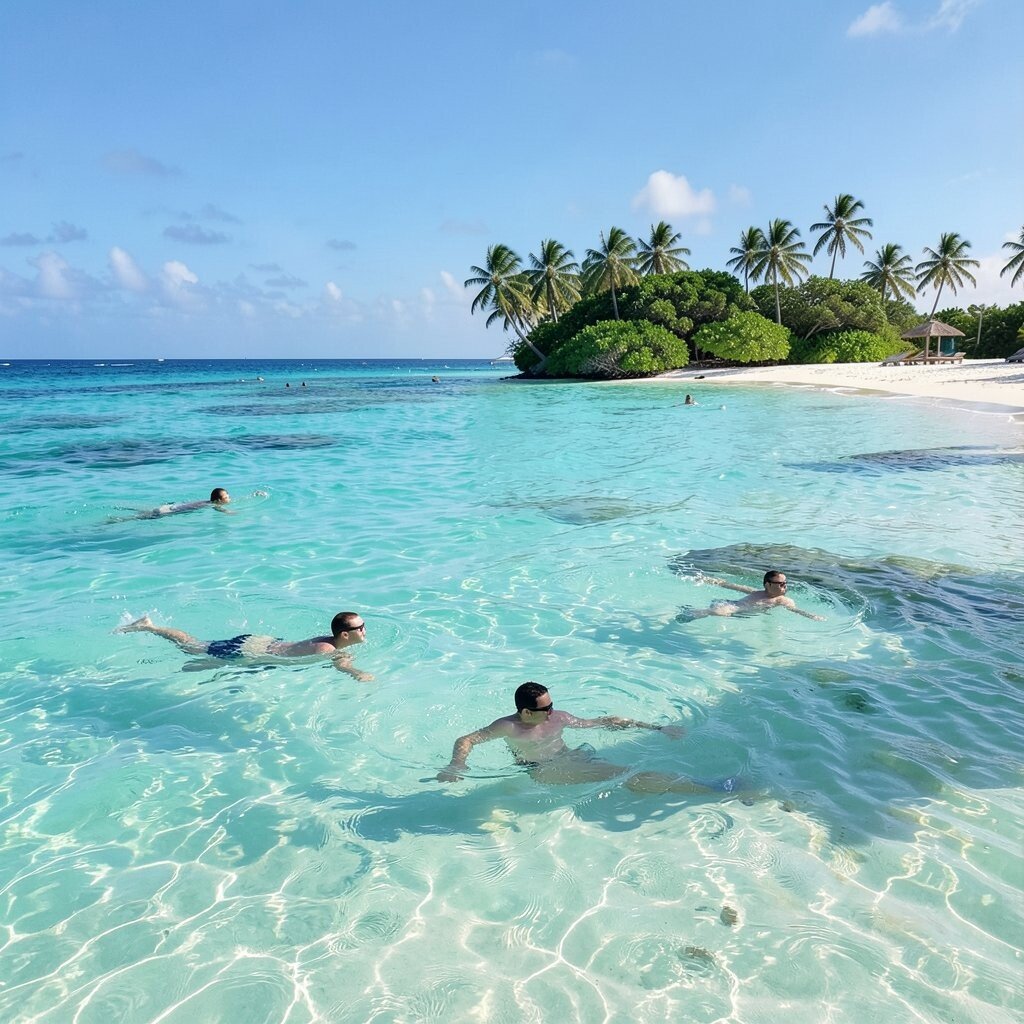
Look for islands known for clear lagoons and bright reef colors, then build your days around calm water and gentle swims. The visual payoff is huge, with turquoise gradients that make even a simple paddle feel special.
Plan one slow beach morning for photos and a separate afternoon for a guided boat ride near reefs. If you’re cost-minded, rent gear just for the day you need it rather than packing everything, and keep an eye on local prices at the dock.
To personalize the trip, choose a color theme for each island, like “mint water” or “deep teal,” and match your route to that vibe. You’ll end up with a trail of memorable views instead of just a list of stops.
3. Mix Big Island Energy With Small Island Quiet
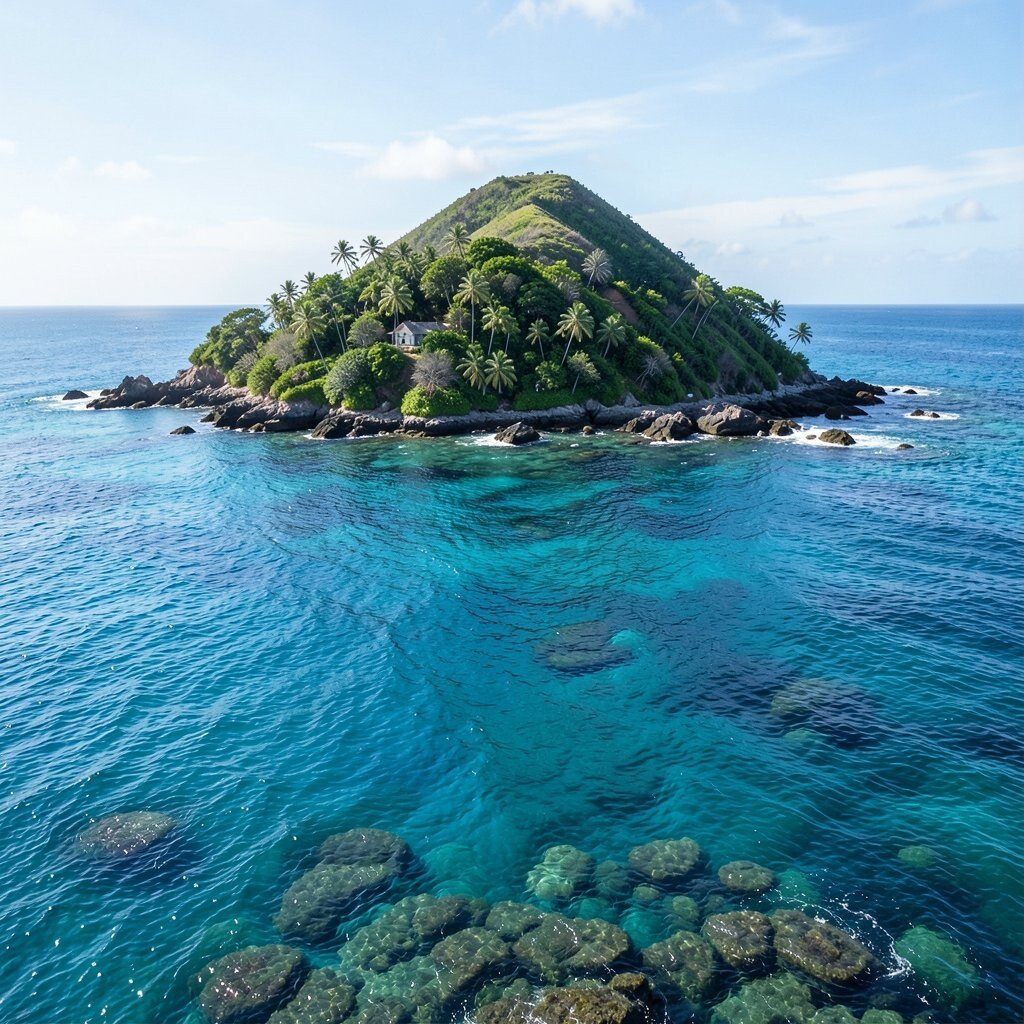
Pair a bigger island that has museums, markets, and busier streets with a smaller one that’s mostly footpaths and sweeping sunsets. The contrast feels refreshing, and it helps you avoid “always the same beach” fatigue.
On the lively side, you can watch locals trade stories in a market lane while scooters hum by. On the quiet island, you can hear waves more clearly than traffic and notice how the sky changes color faster at dusk.
For practical planning, reserve your “full day” activities on the larger island and keep the smaller island for slow wandering and early dinners. This pacing often saves money too, since you can focus spending on the most convenient location for tours and meals.
4. Follow the Sunsets Between Night Markets
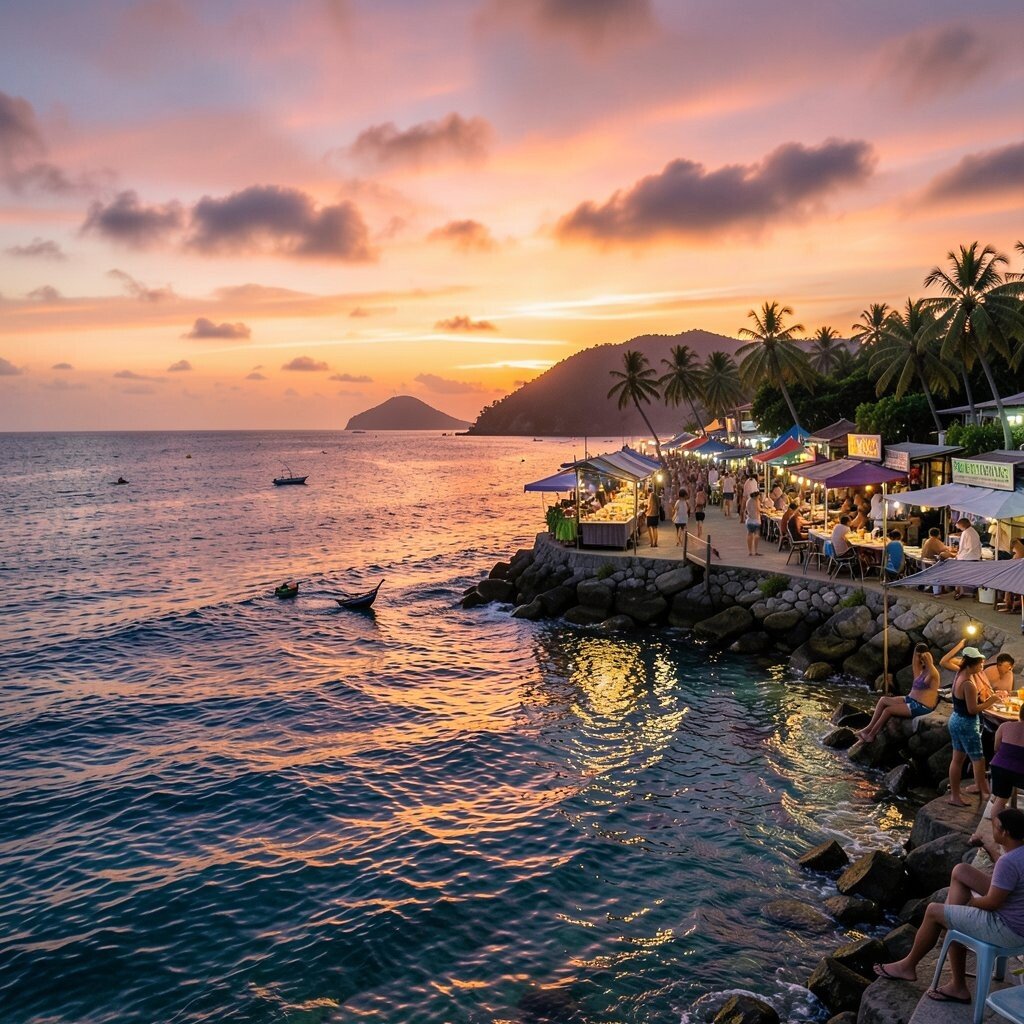
Pick islands where evenings feel alive, especially places with night markets and harbor lights. The scene can look like a living postcard, with lanterns bobbing, music drifting, and steam rising from tiny grills.
Design your schedule so you arrive with enough daylight to check out waterfront streets, then stay for local food. If you want to control costs, set a small daily food plan and choose one “splurge bite” while filling up on affordable snacks.
5. Take a Heritage Route Through Historic Ports
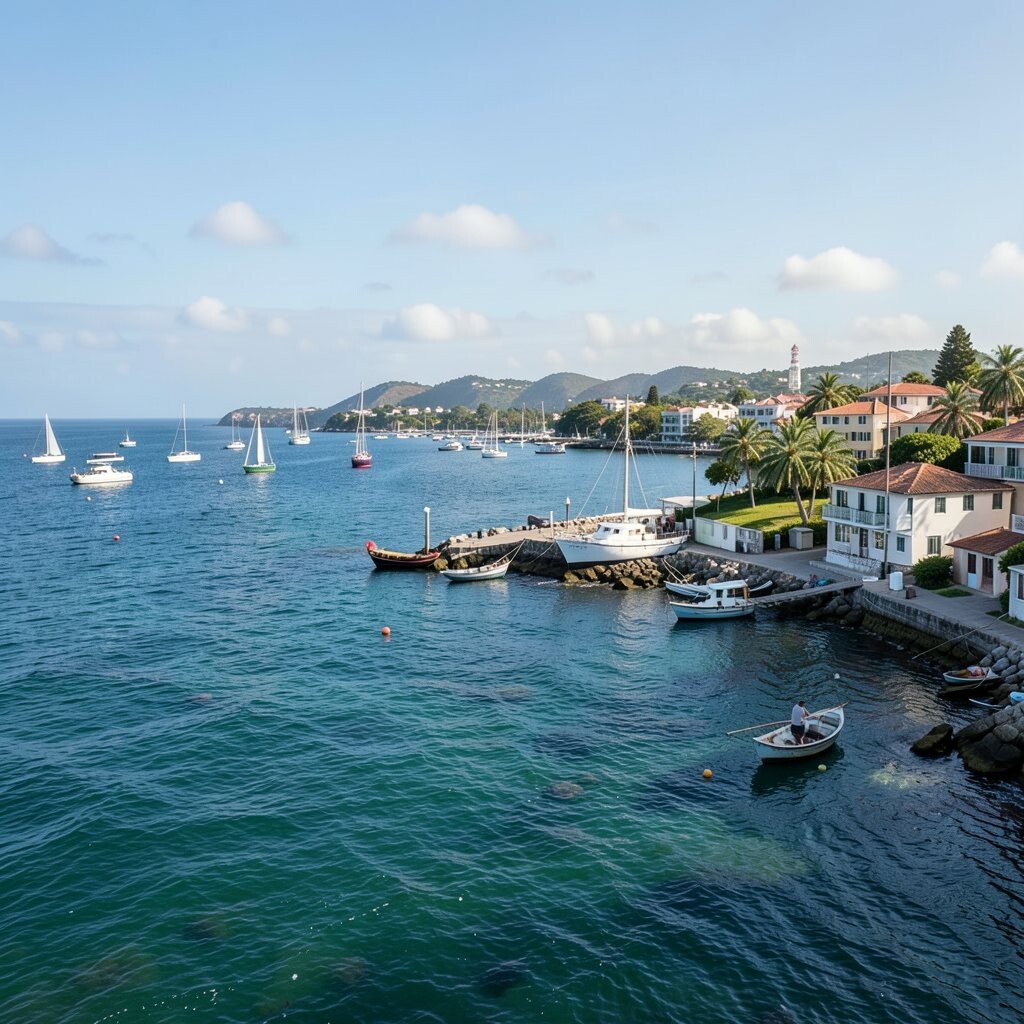
Choose islands with old forts, traditional boats, and storied ports, then hop between them like chapters in a book. You’ll get a grounded sense of place, and the history often adds meaning to everyday scenes.
Imagine walking cobblestone lanes where you can almost hear echoes of earlier travelers, then stepping into a small museum with dusty maps and maritime photos. The uniqueness comes from details, like hand-carved woodwork and local crafts you can still use at home.
To make it actionable, pick one heritage site per island rather than cramming everything in. That approach also helps your budget because museums and guided talks can add up quickly.
6. Build a Tropical Garden Trail With Nature Stops
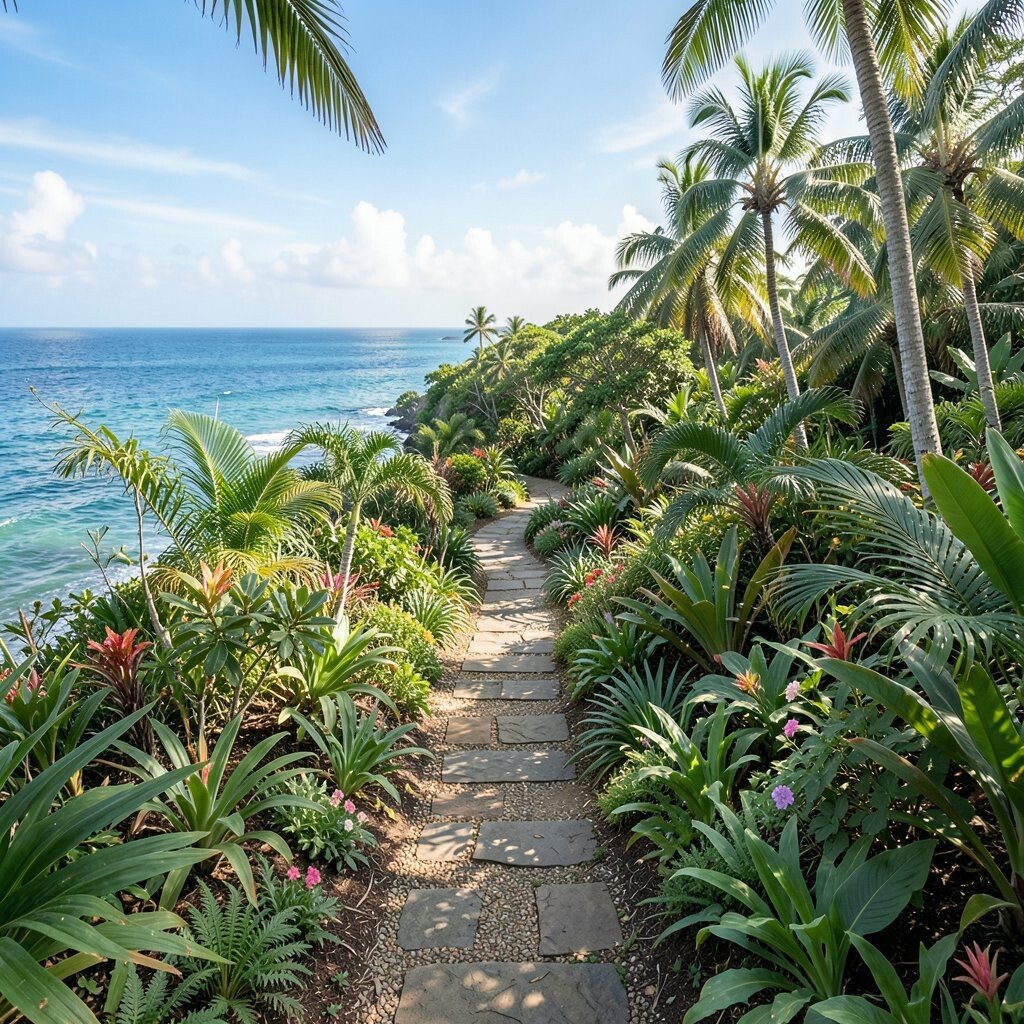
Seek islands with lush parks, botanical gardens, and easy nature paths that don’t require heavy gear. The colors can be vivid and close up, from bright blossoms to shiny leaves that look almost waxy in the sun.
Pair one garden morning with an afternoon visit to a nearby viewpoint or waterfall area. You’ll get variety without paying for constant tours, and you can often find low-cost entry fees or donation-based trails.
Personalize the route by packing a small notebook and listing the plants or bird calls you notice. It’s a simple way to turn sightseeing into a personal hobby you’ll remember.
7. Go Island-to-Island for Lighthouse Views
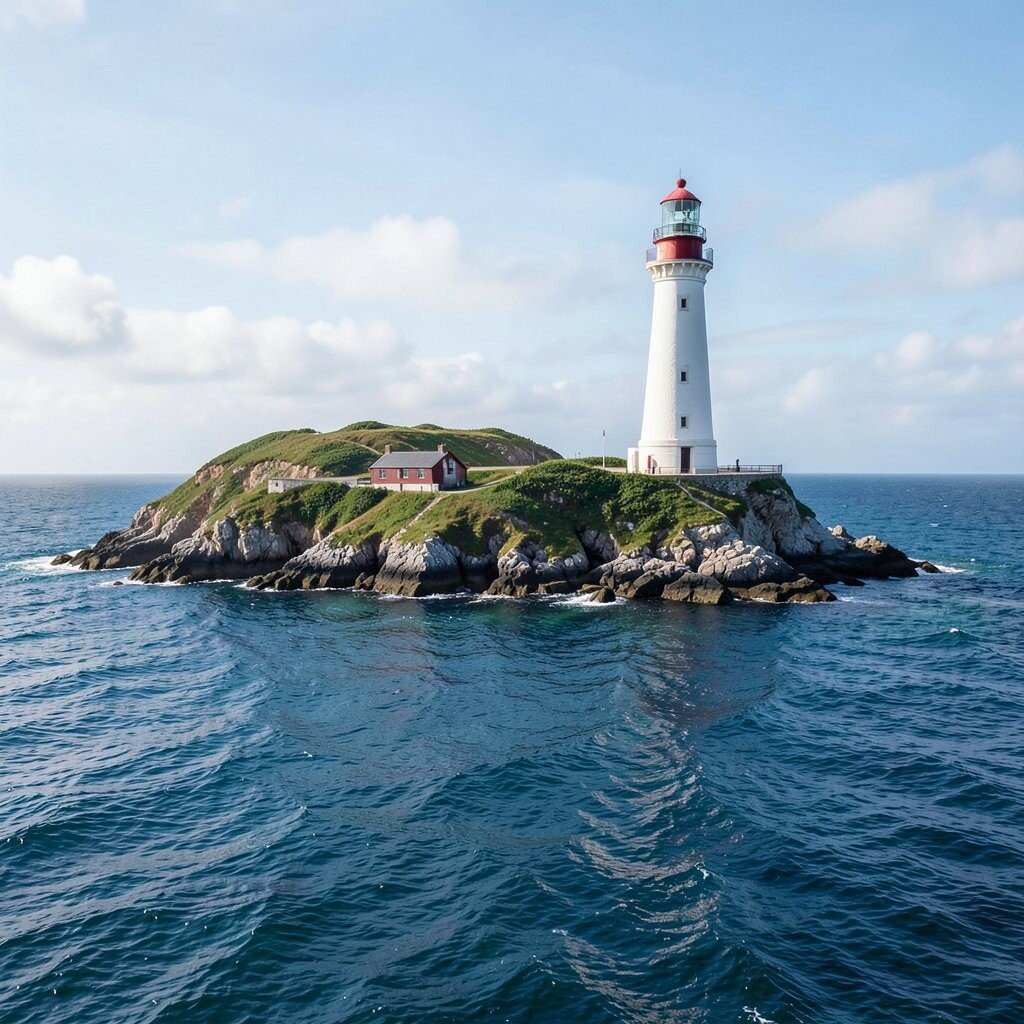
Look for island destinations where lighthouses sit on cliffs or headlands, and plan to catch the light at a quiet hour. Even when you just stand and look, the scenery feels dramatic, with wind whipping your hair and waves hitting rock below.
To keep logistics simple, choose one lighthouse viewpoint per island and build around it using nearby cafés or local shops. Costs can stay reasonable because most lighthouse areas are walkable, and you may only need a small transport fee.
Make it unique by bringing a reusable bottle and doing a “photo and sip” routine that keeps you energized. On windy days, comfortable shoes are your best friend, and that single practical choice improves the whole trip.
8. Choose Islands Known for Local Craft and Food Traditions
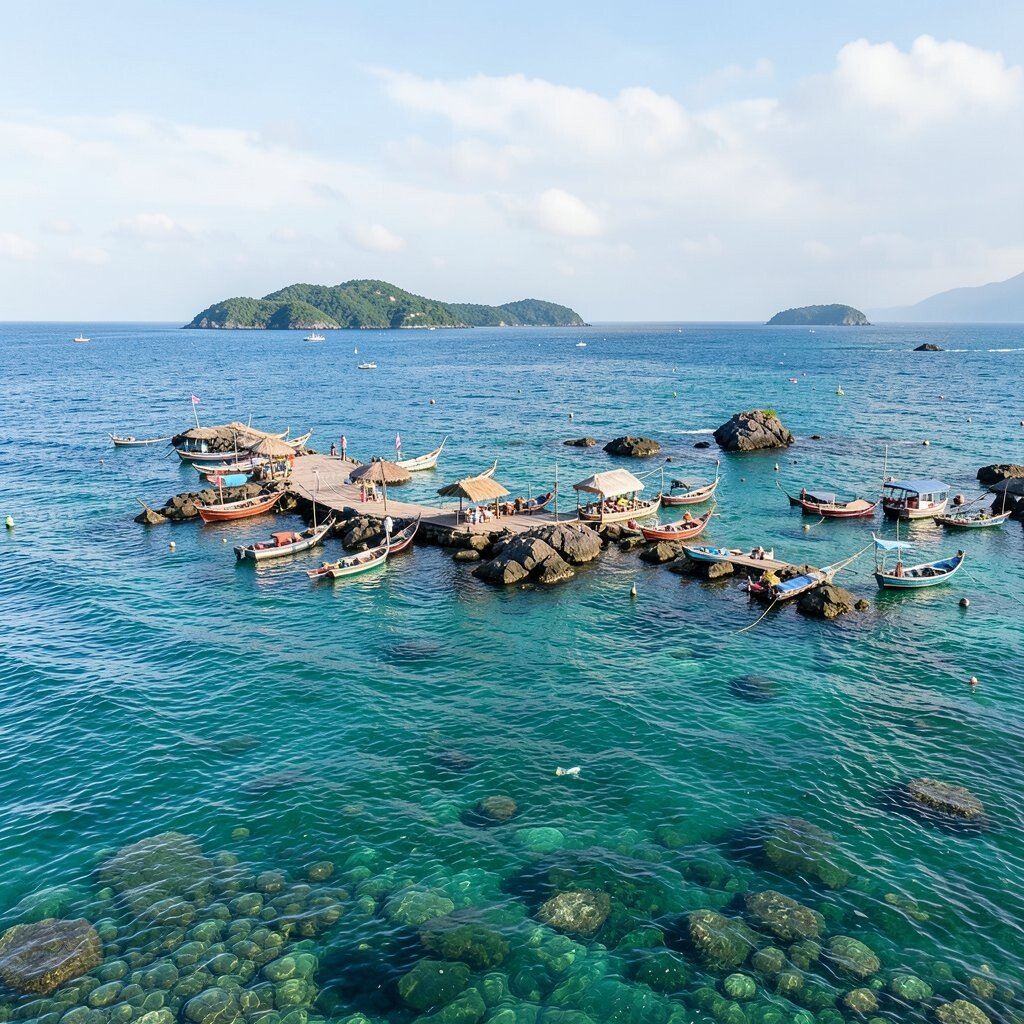
Pick a route based on what islands are famous for, like woven baskets, pottery, or rum-making. This kind of hopping feels personal because you’re not just seeing places, you’re learning how people live and create.
Picture workshops where you watch hands move with steady confidence and smell the sweet notes of a local recipe. The benefit is staying power, because you can buy items you’ll actually use and remember each island by touch as well as sight.
For practical planning, visit one craft workshop on your first day on each island and then look for related food tastings later. This pairing keeps you from overplanning and helps you spend money where it supports local makers.
9. Turn the Trip Into a Snorkel-Free Swim Plan

If you prefer surface-level water fun, design your hopping around swimming beaches, glassy bays, and kayak-friendly coves. You’ll still get that dreamy sea look without worrying about complicated gear or long reef swims.
Look for islands with calm lagoons where you can wade, float, and take photos from shore. This trend of gentle water activities is growing because more travelers want low-stress days that are friendly for different comfort levels.
Cost considerations matter here, since rentals for snorkeling can be pricey, while basic beach time is often free. Personalize by choosing one activity per island like a paddleboard lesson on one stop and a beach picnic on another.
10. Plan a Wildlife Week With Birdwatching Stops
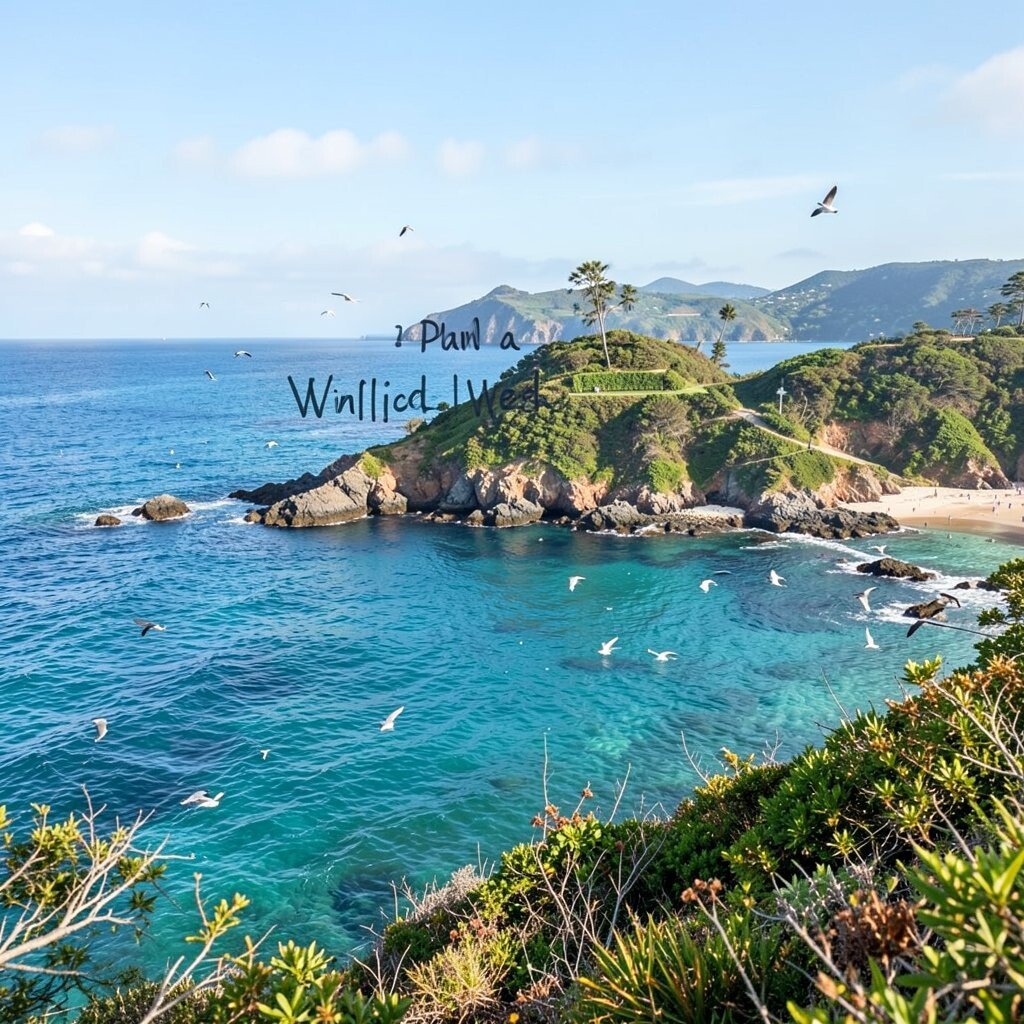
Choose islands with well-known birds and coastal habitats, then time your visits for morning or late afternoon. The air can feel extra fresh then, and you might spot seabirds gliding over the same water you’re standing on.
Birdwatching also gives you a built-in rhythm for the day, especially if the island has walking trails near nesting areas. The benefit is quiet excitement, and it’s often cheaper than many paid tours because viewpoints can be accessed on foot.
To personalize, download a simple bird photo guide before you travel and try to match a few species each island. If you’re traveling with kids or friends, make it a friendly game with small rewards like a special dessert after a good sighting.
11. Add One “Adventure Edge” Island for Variety
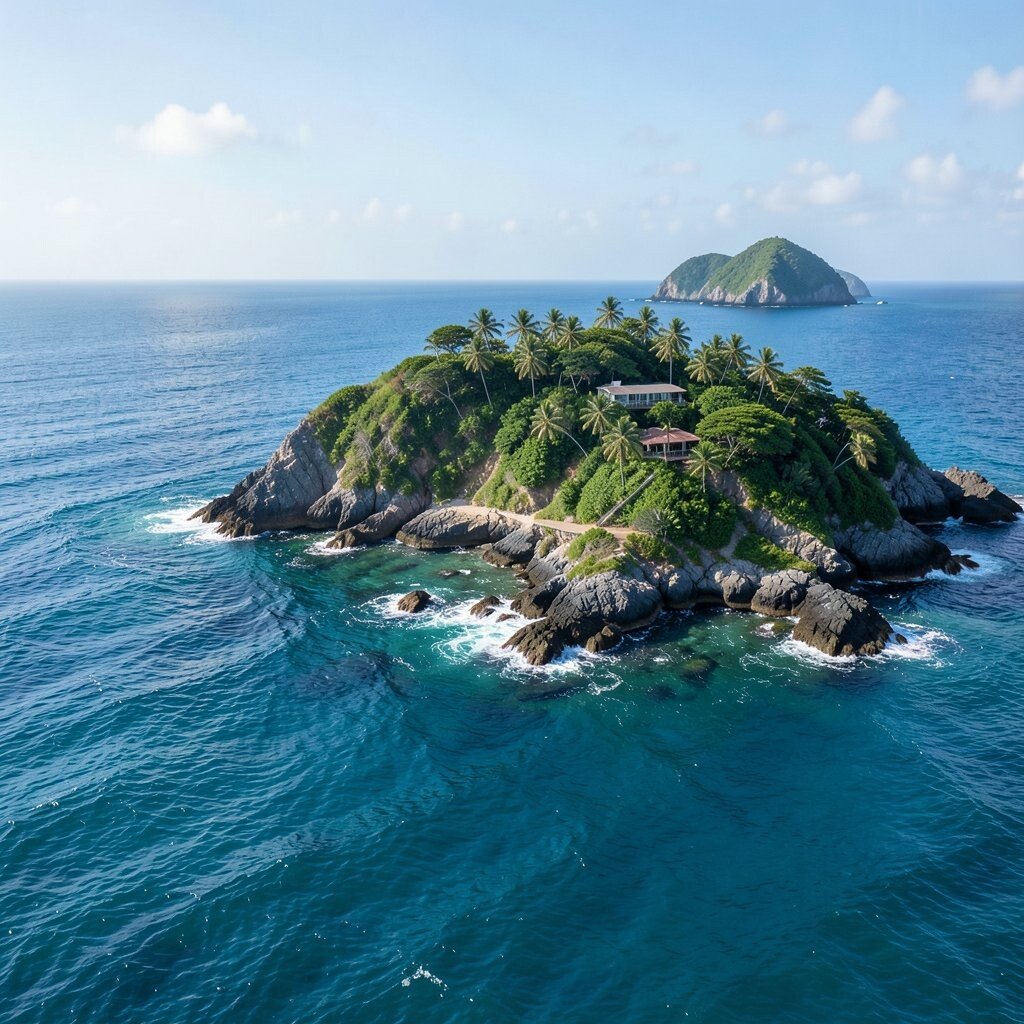
Include at least one island that offers a thrill activity such as canyoning routes, challenging hikes, or a windy climbing area. The visual reward is intense, with bold viewpoints and landscapes that look sculpted by wind and water.
Make this part of your plan by reserving it for the day you’ll have the most energy, usually after a restful arrival. You’ll likely pay more for guides and gear, so balance your spending by choosing free beaches and inexpensive local meals on the other islands.
This uniqueness keeps the whole trip from feeling too gentle and gives you a story you’ll tell later. If you’re not sure what to pick, think about your comfort level and choose a single guided session instead of stacking multiple activities.
12. Choose Islands With Historic Ferry Routes
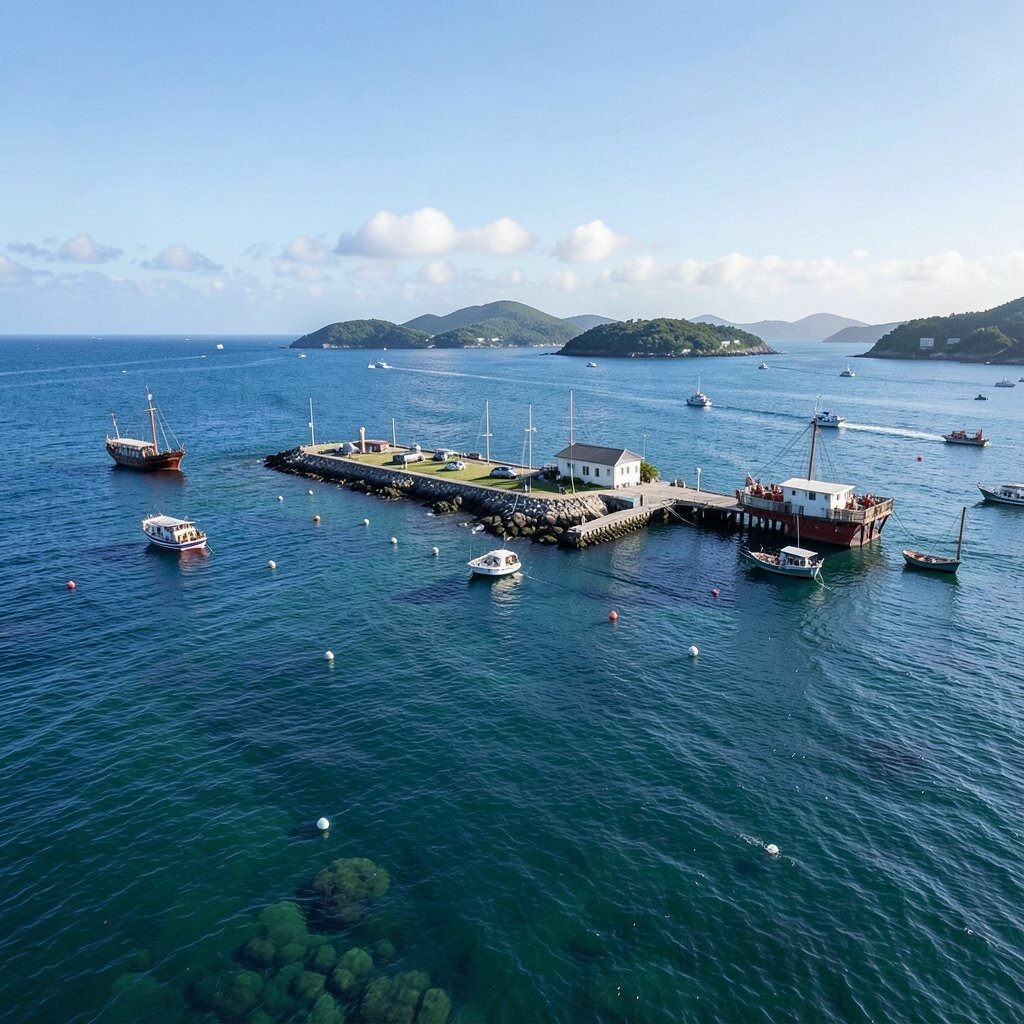
Instead of only planning land activities, pay attention to the ferry routes themselves because they can be part of the fun. Some crossings feel like mini cruises, with waves rolling in the distance and ports that look like painted stages.
On the boat, you can watch coastlines slide by and spot small coves that you’ll want to visit later. This trend of “travel days as experiences” is popular because it reduces the stress of rushing from stop to stop.
For practical tips, book in a way that gives you a seat near a window or deck access, and bring a light layer for sea breeze. Keep costs in check by traveling in off-peak times when schedules are simpler and prices can be friendlier.
13. Create a Budget-Smart Island Circuit With Flexible Booking

Build your route around islands that have frequent connections, then keep room in your plan for one spontaneous change. When plans stay flexible, you can follow better weather, a street festival, or a beach you heard about from a local shopkeeper.
Look for islands where daily transport options are affordable and lodging ranges from simple guesthouses to nicer rooms nearby. This uniqueness in your budget mix helps you control spending without losing comfort.
To personalize, decide on a spending rhythm like one paid tour per island day, then fill the rest with free walking, markets, and beach time. Keeping a small buffer in your account is also smart, because ferry delays and sudden weather shifts happen often in island regions.
When you pack, choose quick-dry clothes and a small reusable tote so you can carry snacks and souvenirs easily. That tiny habit makes hopping smoother and helps you enjoy the trip instead of managing logistics all the time.