Less stuff can feel like more peace. A calmer home can start right where you are.
1. Clear One Small Surface

Start with a table, a counter, or the top of a dresser. When that space looks open and bright, the room can feel lighter right away.
This small win is easy, cheap, and very personal because you can choose the surface that bugs you most. It also fits the current love for clean, airy spaces that look neat in photos and feel good in real life.
2. Keep Only What You Use
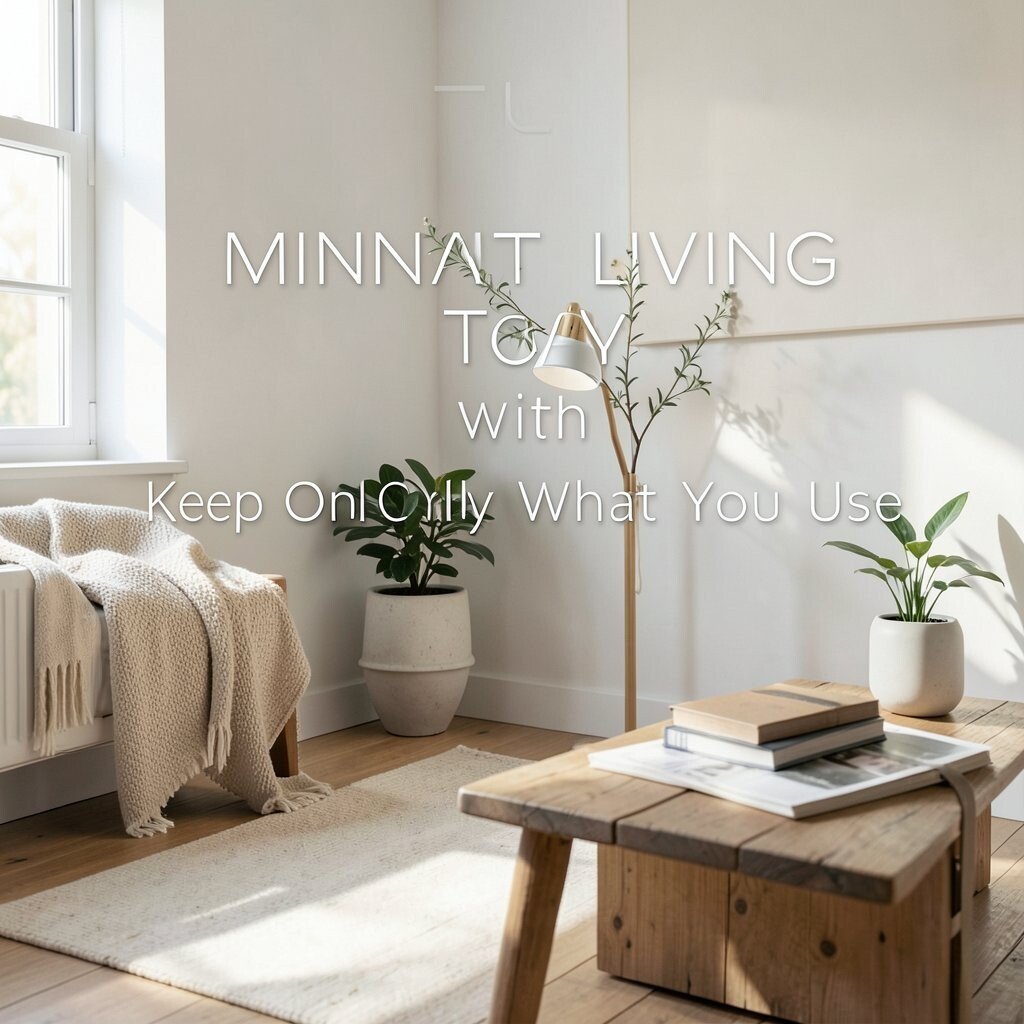
Walk through one drawer or shelf and ask if each item helps you often. The items you use most will stand out fast, and that makes the choice simple.
This habit saves money because you stop buying extras you do not need. It also helps your home look more unique since the things left behind reflect your real life, not just a store display. A good trick is to keep the best version of an item and let the rest go.
You can make it your own by starting with kitchen tools, office items, or clothes. Many people like this step because it brings quick relief without a huge mess.
3. Make a “Maybe” Box

Put uncertain items in a box instead of deciding right away. The box gives your eyes a clean view and gives your mind a break.
Label the box with a date and store it out of sight for a while. If you do not miss those things, you can donate or sell them without pressure.
This method feels gentle and useful because it cuts stress without forcing fast choices. It costs nothing and works well in today’s move toward slower, calmer home habits.
You can keep one box for clothes and another for books if that feels easier. The process stays simple, and the room starts to look more open almost at once.
4. Choose One Style You Truly Like

Look at your home and pick a style that feels calm to you, like warm wood, soft white, or simple black lines. A clear style makes your rooms look neat without needing many things.
This idea is special because it helps you buy less and enjoy more. It can also save money since you stop mixing in random pieces that do not fit your space.
Try saving a few pictures that match your taste, then use them as a guide. Current home trends often favor soft colors, natural textures, and open shelves, so this step can feel fresh as well as practical.
5. Shrink Your Wardrobe
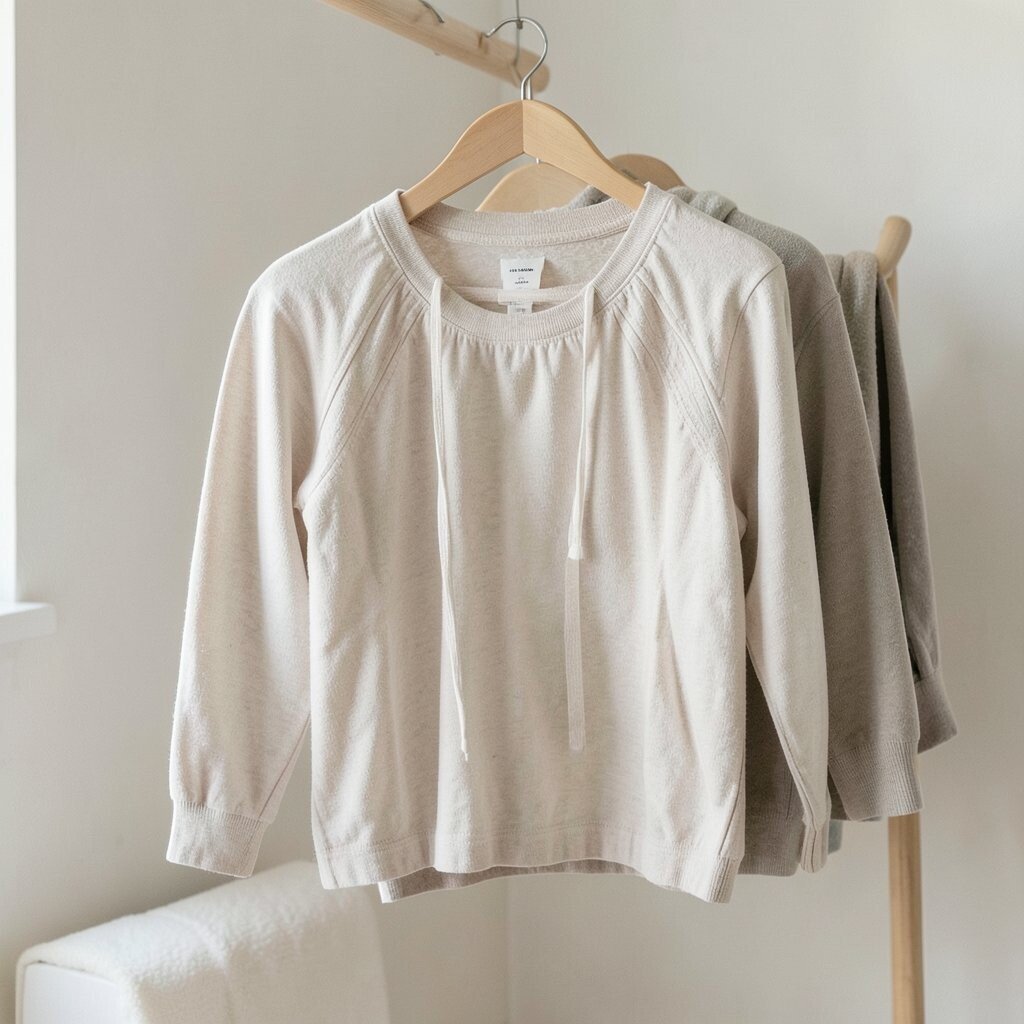
Open your closet and pick pieces that fit, feel good, and match many outfits. A smaller wardrobe can look tidy, and getting dressed can feel faster each morning.
Keep your favorite colors close and remove items that never leave the hanger. This can also help your budget because you see what you already own before shopping again.
Many people like a simple closet because it cuts laundry stress and makes packing easier. You can make it more personal by keeping one bright item, one favorite jacket, or one pair of shoes that really feels like you.
Fold clothes by type or hang them by color if that helps the space feel clear. The neat look is part of the charm, but the real reward is having less clutter to manage.
6. Set a Daily Reset Time
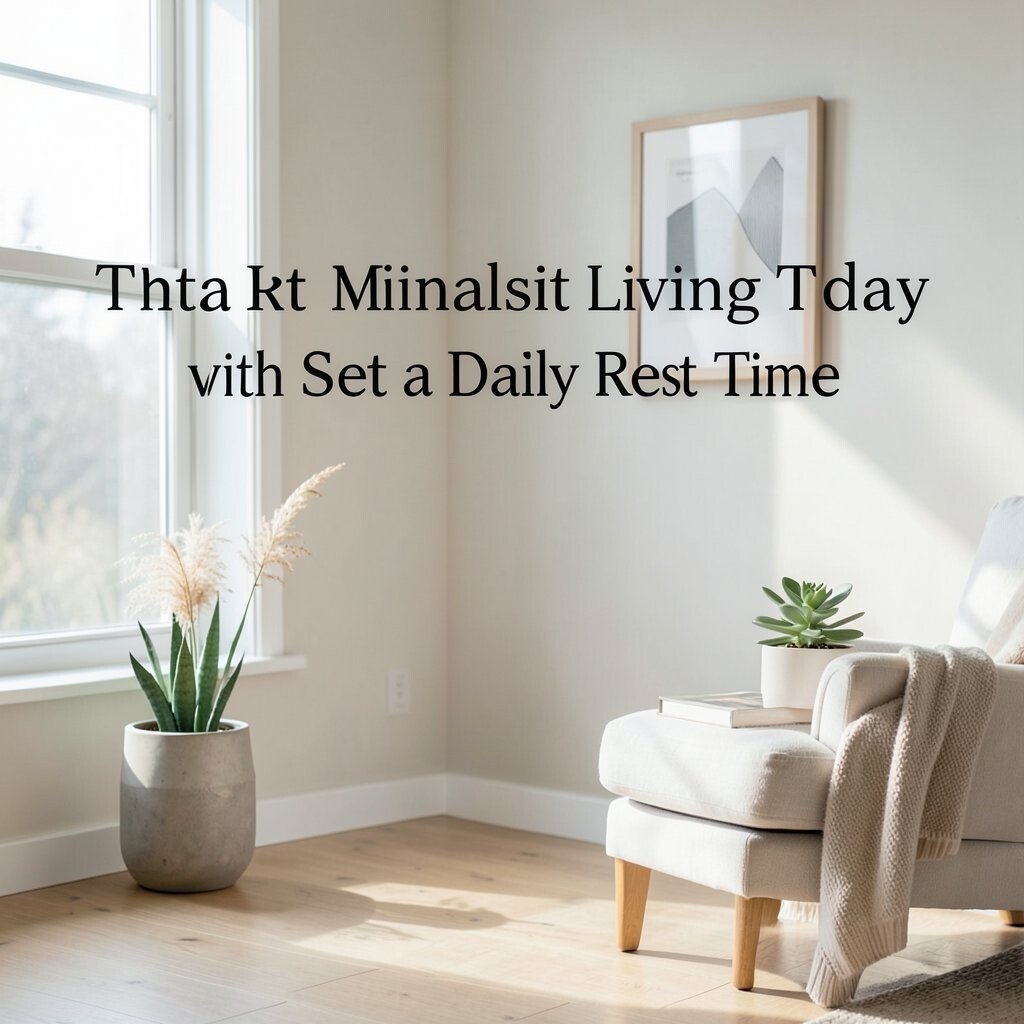
Pick a small time each day to put things back where they belong. A short reset can make your home look calm before clutter grows.
This habit works best when it is easy enough to keep doing. It costs nothing and can save money too, since a tidy space helps you notice what you have and what you do not need.
Choose a time that fits your life, such as after dinner or before bed. The routine feels special because it gives your rooms a finished look, almost like a quiet little refresh.
7. Use Fewer Decor Pieces
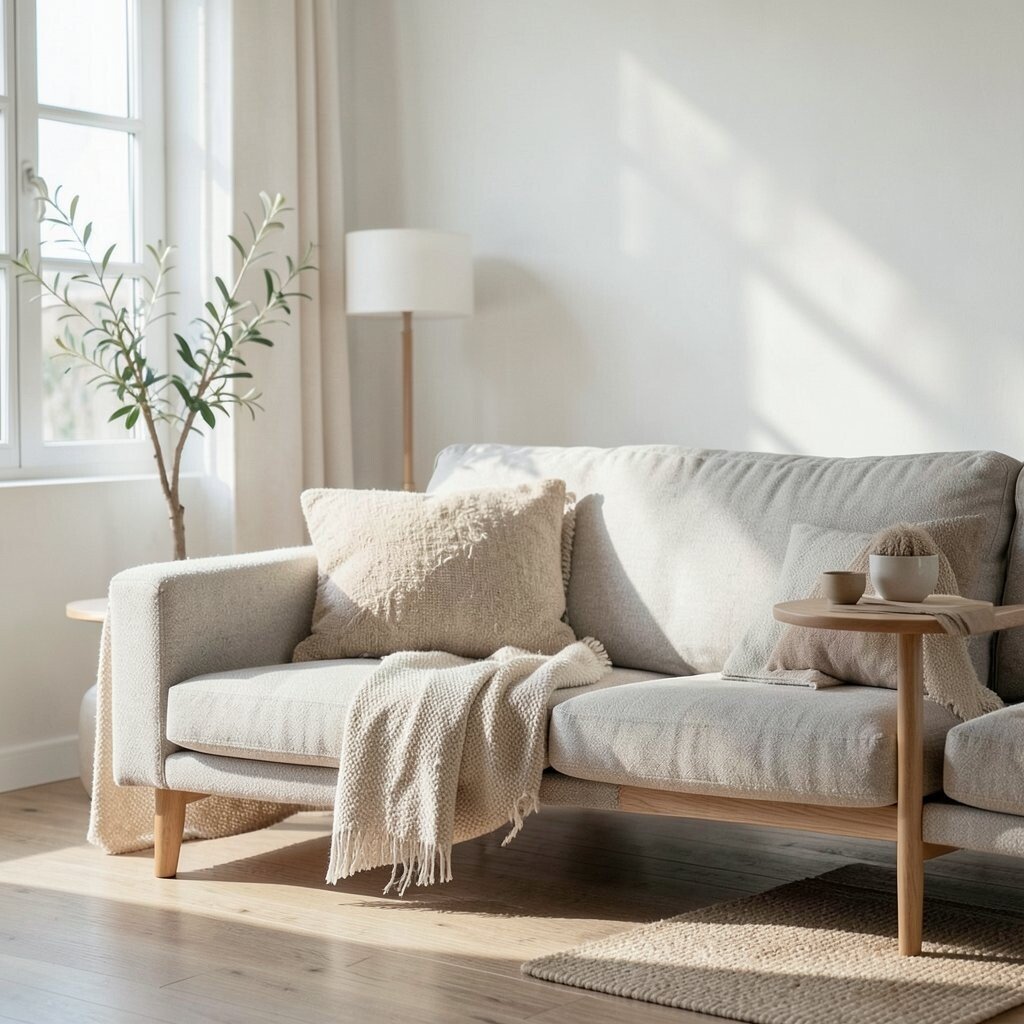
Instead of filling every shelf, choose a few things that mean something to you. A single vase, a framed photo, or a small plant can make a room feel warm and calm.
This simple approach gives each item more room to shine. It also works well with the current trend toward clean lines and soft, natural spaces.
Try mixing one handmade item with one thrifted find for a look that feels personal and unique. You can keep costs low by shopping your own home first and moving pieces from room to room.
When the eye has fewer things to chase, the space can feel bigger. That quiet effect is one of the best parts of minimalist living.
8. Buy With a Pause
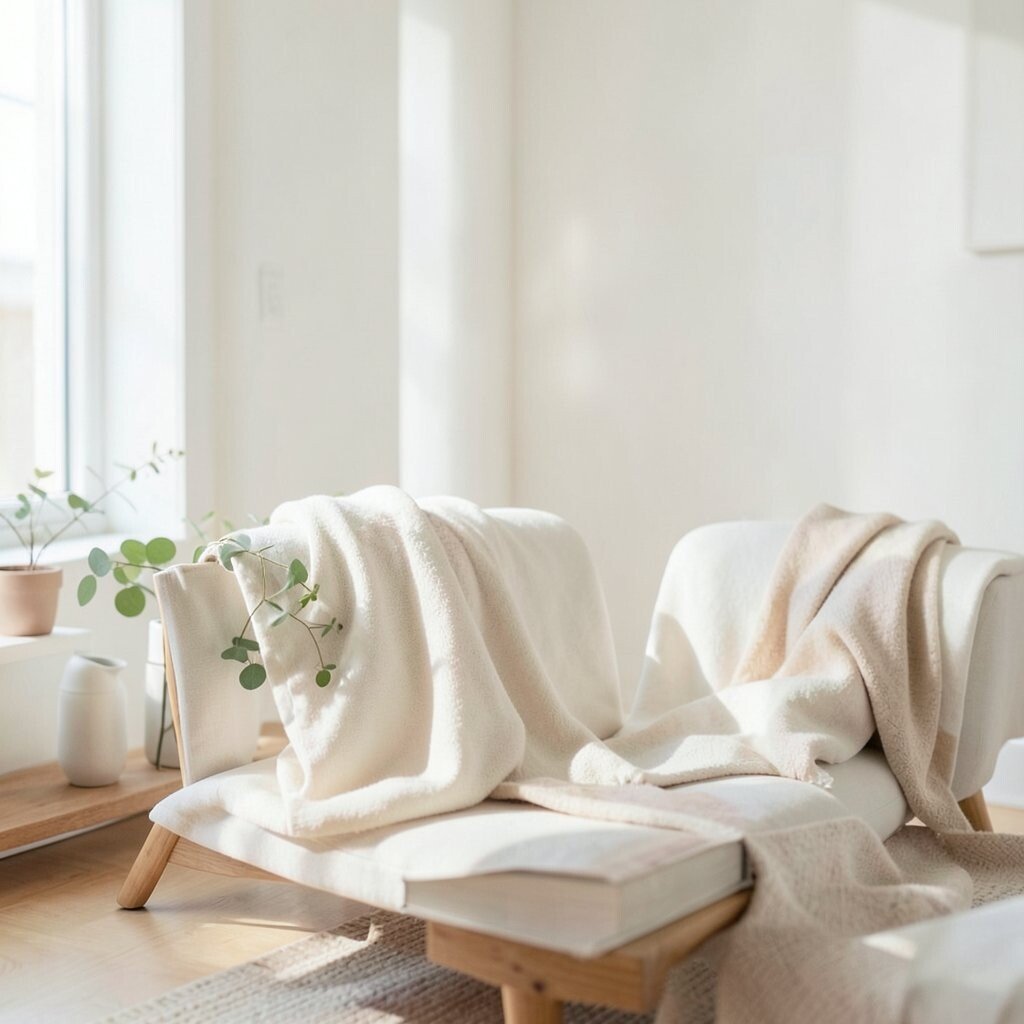
Before you buy something, wait a day or two and see if you still want it. That pause can stop fast buys and help you choose with care.
The room also stays clearer when each new item has a real purpose. This is a smart money move because fewer rushed purchases means more money stays in your pocket.
You can make the pause fun by keeping a list of things you want and checking it later. Many people find that the shine fades after a little time, which is a helpful sign.
This step fits modern shopping habits too, since many people now want fewer, better things. It makes your home feel more chosen and less crowded.
9. Keep Only Useful Kitchen Tools
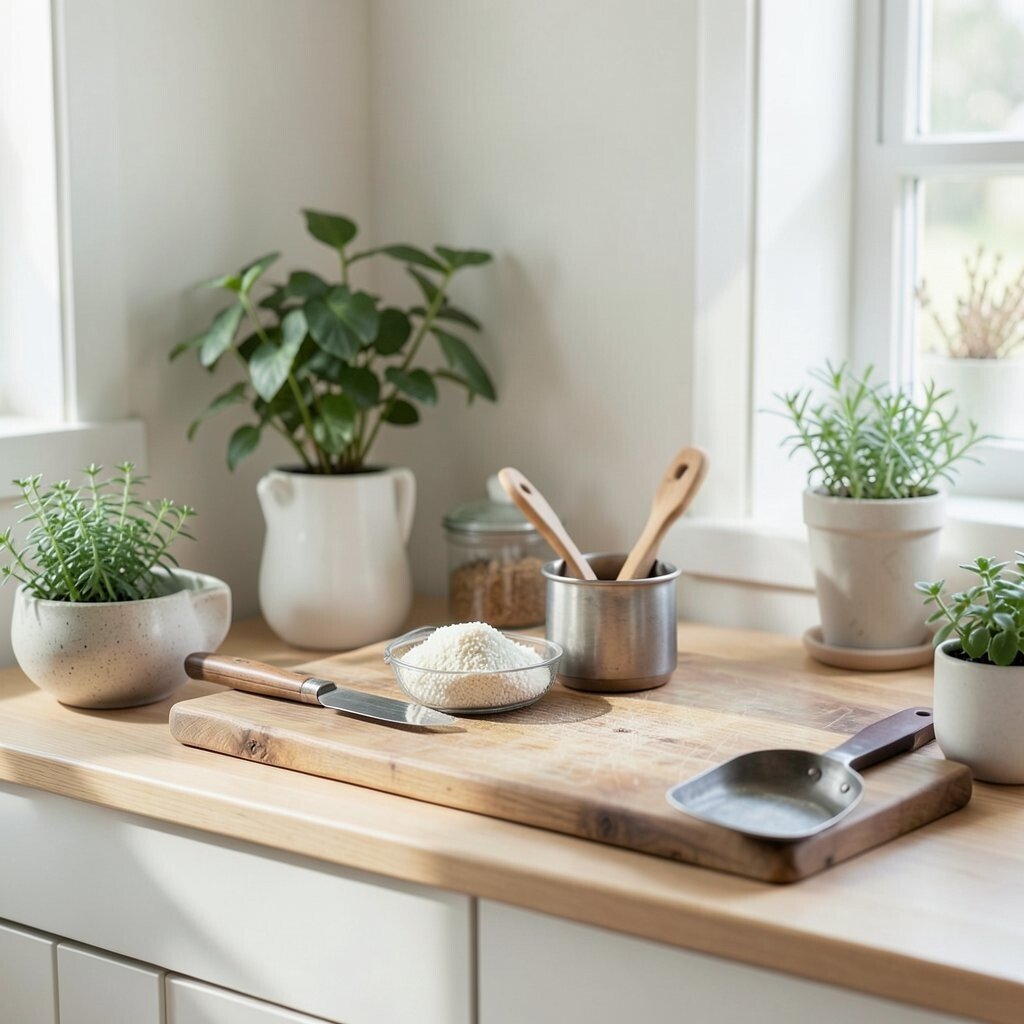
Look through your kitchen and keep the tools that truly help you cook. A few good pieces can make the room look tidy and make meals easier.
This can feel unique because kitchens often get crowded with gadgets that seem fun but do not get used. Choosing less means less washing, less storage, and often less spending.
Keep the items you use each week in easy reach and store the rest out of sight. If you want a personal touch, choose a mug, bowl, or spoon set that makes you smile every time you use it.
Open counters and simple shelves can give the kitchen a bright, fresh look. That clean feeling is one reason so many people enjoy a more minimal cooking space.
10. Make Storage Work Harder
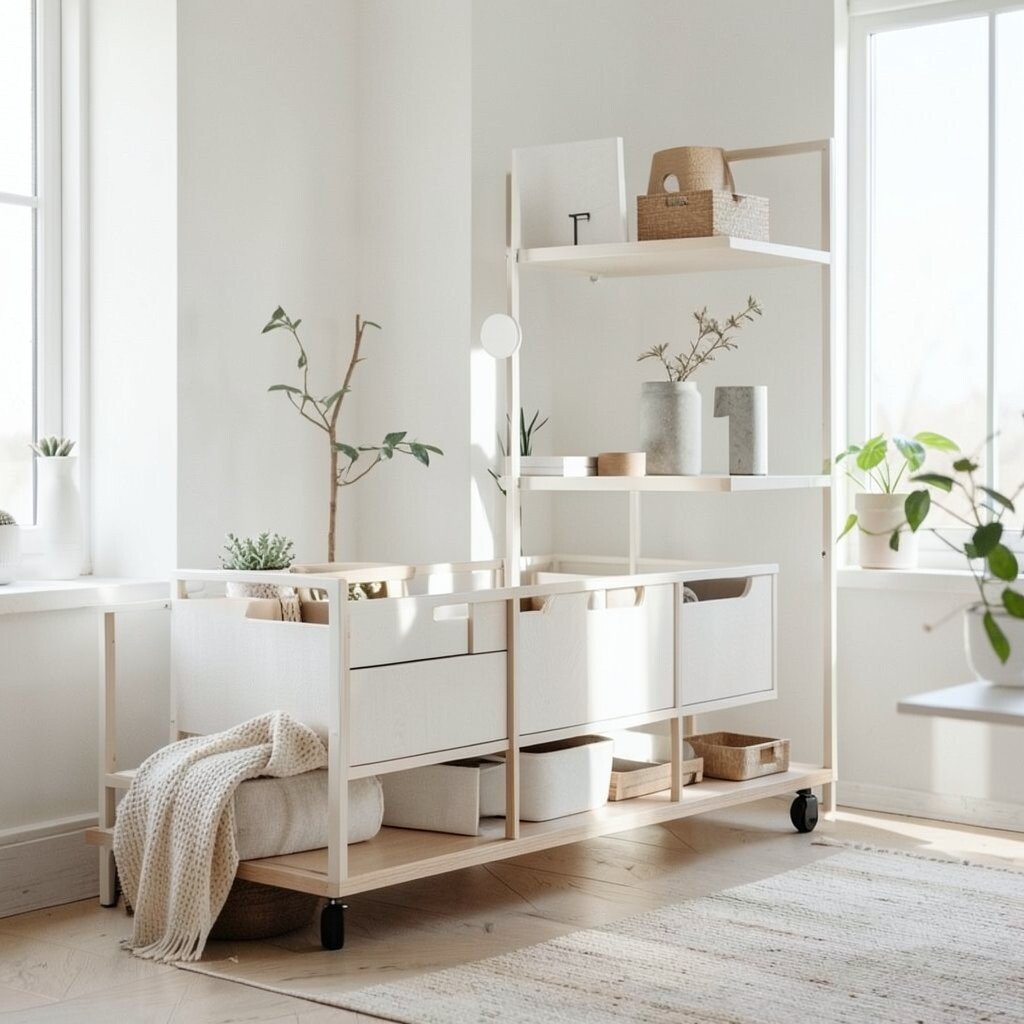
Use boxes, bins, and drawers in smart ways so items have a clear home. When everything has a place, your rooms can stay neat with less effort.
Clear bins can help you see what is inside, while woven baskets can add warmth and texture. The right storage does not need to be expensive if you reuse boxes you already have or shop secondhand.
Try grouping similar items together, like chargers, papers, or craft supplies. This keeps the home feeling calm and also gives each space a cleaner, more open look.
Storage can be simple and still look stylish. That is part of what makes minimalist living feel both practical and inviting.
11. Limit Paper Clutter
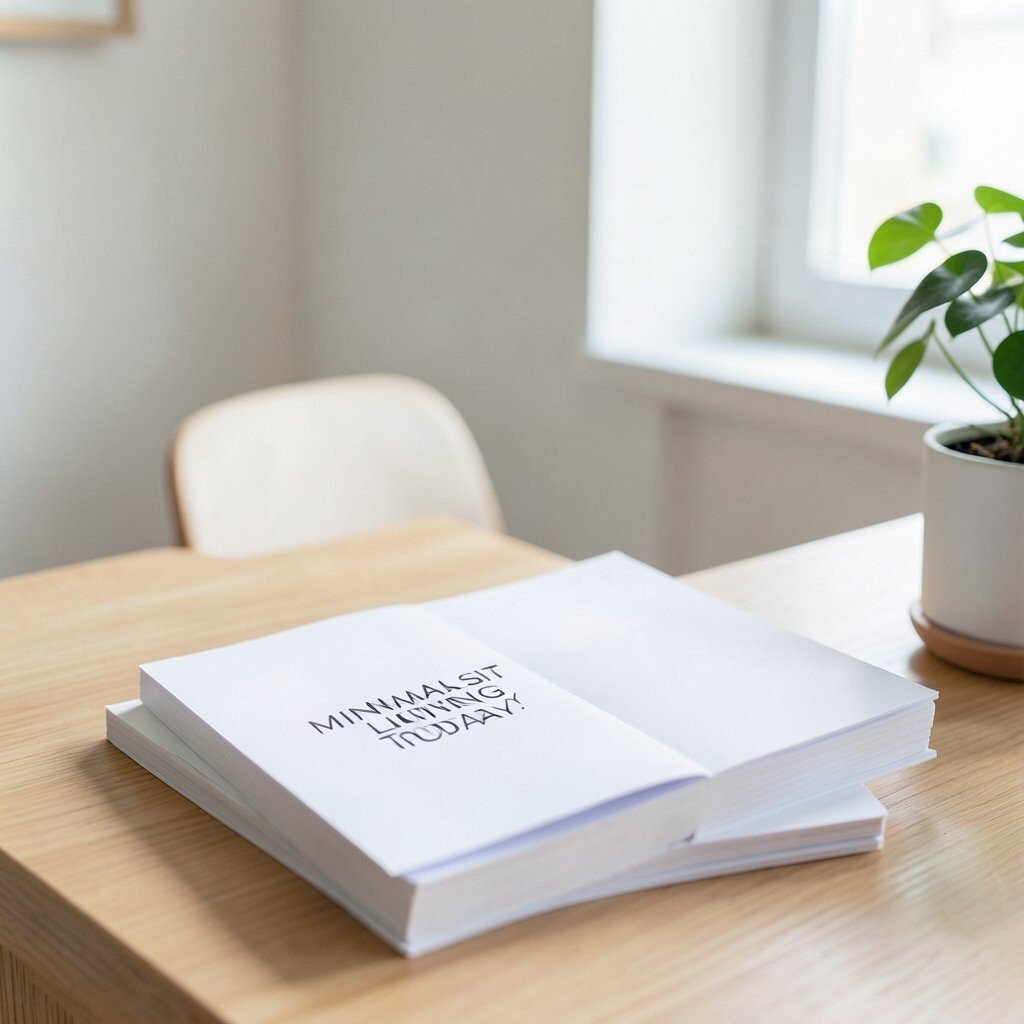
Sort mail, school papers, and old notes before they pile up. A small paper stack can quickly grow into a busy mess if no one checks it often.
Keep what matters and recycle the rest. This habit saves space, lowers stress, and makes your desk or counter look clear right away.
You can scan special papers and store them on your phone or computer if that feels easier. Many homes are moving toward less paper, which can cut costs on folders, boxes, and file cabinets.
Use a simple tray for items that need action so they do not wander around the house. The neat look feels fresh and helps you stay on top of daily life.
12. Give Every Item a Home
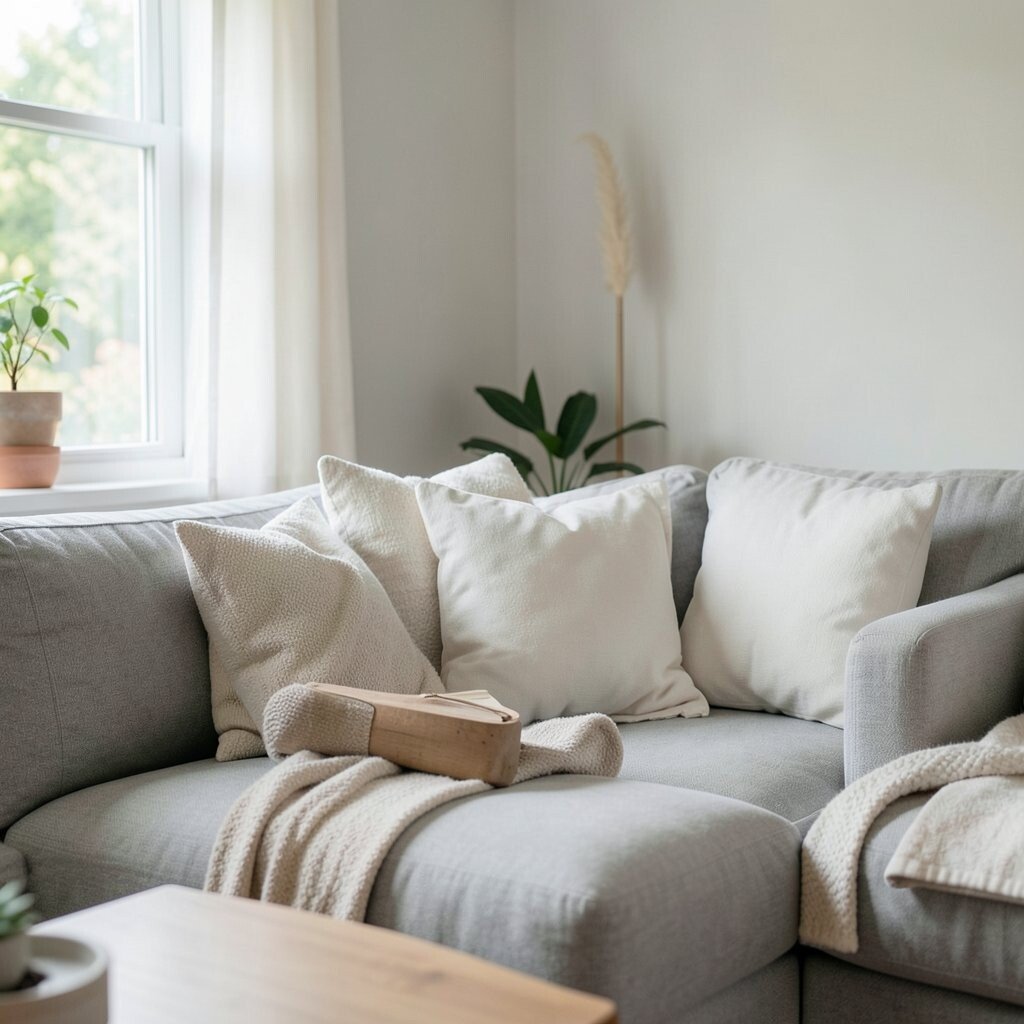
When you know where something belongs, putting it away gets much easier. That means less time searching and less time staring at clutter.
This step brings a clear, calm feeling to a room because nothing seems lost or random. It is also easy to personalize by choosing spots that fit your habits, not someone else’s idea of perfect.
Use a shelf for books, a hook for bags, or a basket for remote controls. Small homes especially benefit from this kind of order because every inch counts.
The cost can be very low if you use what you already own. Once the homes are set, the space often stays tidy with far less effort.
13. Keep Sentimental Items on Purpose

Special things should be kept with care, not hidden in piles. Choose the items that bring real joy and let them stand out in a clean, simple way.
A small box of memories can feel stronger than a large pile of random keepsakes. This keeps your home unique because the things you keep tell your real story.
You might frame one child’s drawing, keep one travel souvenir, or save one family letter. The trick is to let the rest go so the meaningful pieces have room to breathe.
This step costs little and can even help you feel less overwhelmed. A few true treasures often mean more than many items you never look at.
14. Use Light Colors and Simple Lines

Soft colors can make a room look bigger and brighter. Clean lines on furniture and shelves help the eye move easily through the space.
This look feels calm and current because many people now want homes that seem open and restful. It also gives you flexibility, since simple pieces are easier to mix and match.
Try white, beige, gray, or soft green for a peaceful base. Then add one or two personal touches, like a bold pillow or a favorite lamp, so the room still feels like yours.
You do not need a full makeover to get the effect. Even a few light-colored covers or curtains can change the whole feel without a big cost.
15. Clean Out Digital Clutter

Your phone and computer count too, since messy screens can feel just like messy tables. Clearing photos, apps, and files can make daily life smoother.
This step is useful because it saves time when you search for things. It also creates a simple, modern feel that matches the rise of digital-first habits.
Unsubscribe from emails you never read and delete apps you do not use. You can personalize your home screen with only the tools that help your day run better.
Cleaning digital clutter costs nothing and often gives a fast sense of relief. Many people are surprised by how light they feel after trimming online noise.
16. Shop Secondhand First

When you need something, look at thrift stores, swap groups, or local resale pages before buying new. Secondhand items can bring charm and keep your home from feeling too uniform.
This choice is kind to your wallet and often kinder to the planet too. It can also make your space more unique because older pieces often have character you cannot find in a big store.
Check for solid shape, good size, and a style that fits your home. A used chair, lamp, or shelf can cost far less while still looking great after a little care.
This habit works well with minimalism because it slows buying and encourages smart picks. It is a simple way to keep things interesting without filling the house with too much.
17. Create a Calm Corner

Pick one small spot for reading, resting, or thinking quietly. A chair, a lamp, and a blanket can be enough to make that corner feel special.
This area can be your own little pause in a busy day. It does not need much money, and the small size makes it easy to keep neat.
Choose colors and textures that help you relax, like soft cotton, wood, or a woven basket. People often like this kind of space because it feels personal and gives the home a gentle, lived-in look.
Even a window seat or a corner of the bedroom can work well. The goal is not to add more stuff, but to make one place feel peaceful on purpose.
18. Practice One In, One Out
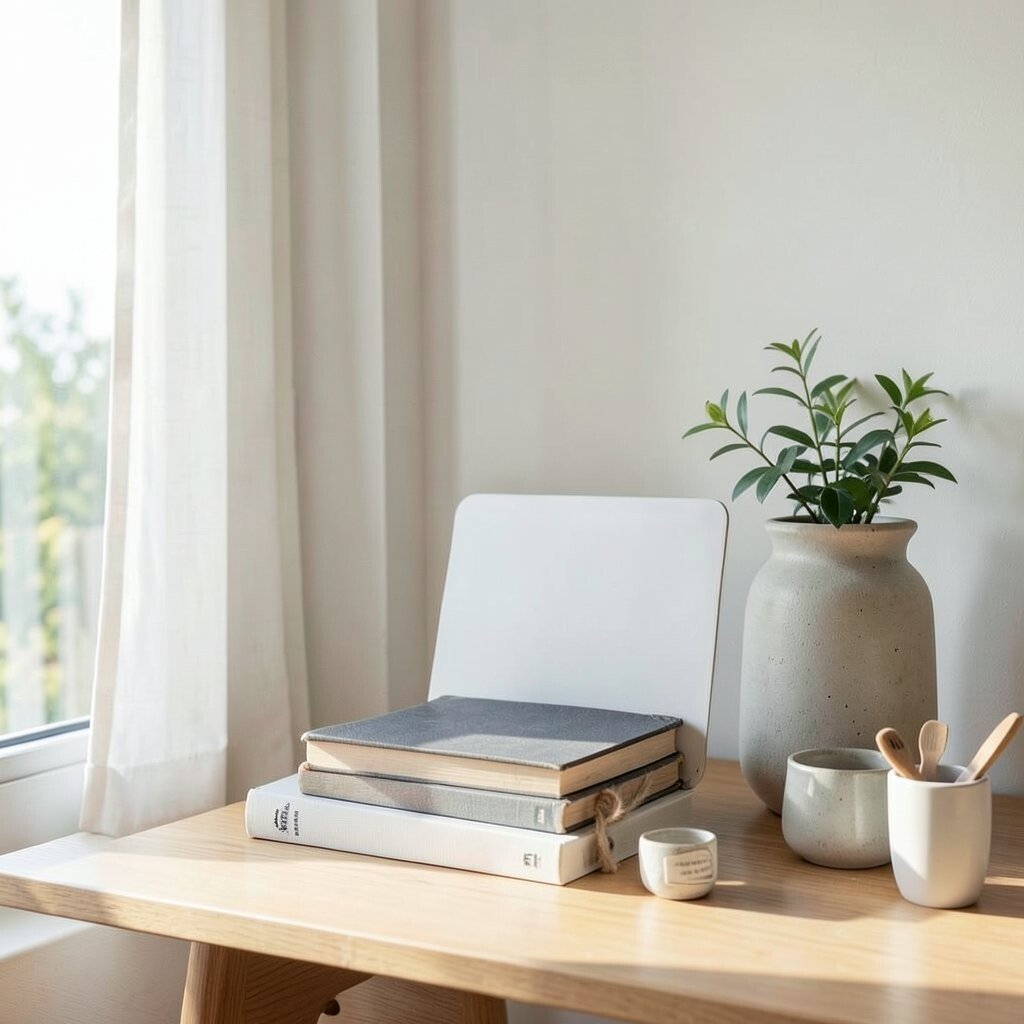
Each time something new comes home, let one similar item leave. This simple rule keeps clutter from growing too fast.
It works for clothes, books, mugs, and many other things. The benefit is easy to see because the room stays balanced and your storage does not overflow as quickly.
Try it with the items you buy most often so the habit feels natural. You can also make it more personal by choosing what to pass along based on how often you really use it.
This step helps control spending because new things have a clear cost, while old things still have value to someone else. It keeps the home feeling fresh without letting it fill up again.
19. Keep Your Reason in View

Write down why you want a simpler home and place it where you can see it often. A clear reason can help you stay calm when clutter starts to creep back in.
This final habit gives the whole process a steady heart. It makes minimalist living feel meaningful, not strict, and that is what helps it last.
Your reason might be less stress, easier cleaning, more free time, or a room that feels open and bright. Keep it personal so it fits your life, your budget, and the way you want your home to feel.
Minimalist living works best when it matches real needs instead of chasing a perfect look. When your reason stays in view, the small daily choices become easier and the simple life starts to feel natural.