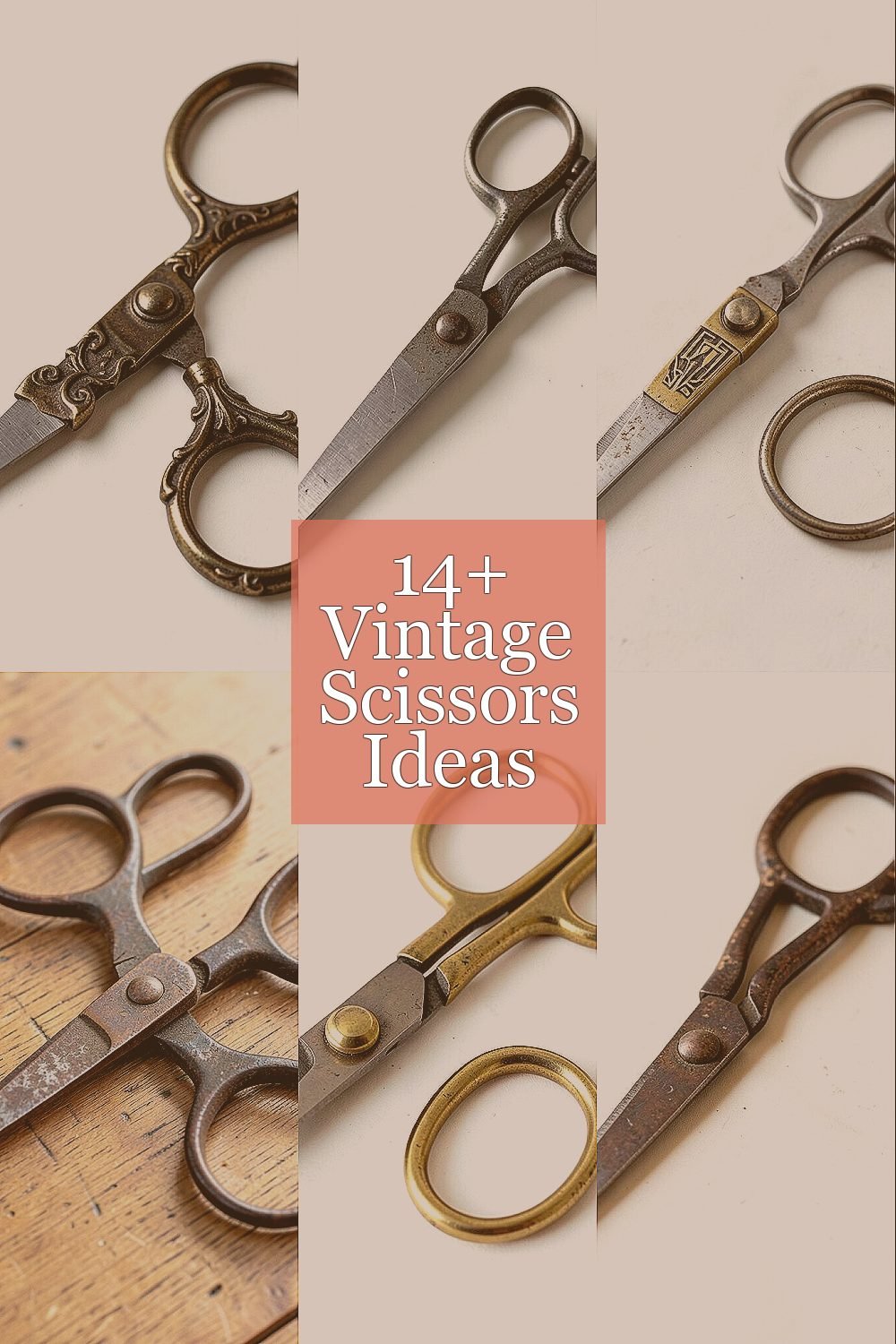
Some tools don’t just cut; they carry stories in their steel and handles. A well-loved pair of scissors can make your next project feel more personal and more fun.
1. Victorian Shears with Ornate Handles
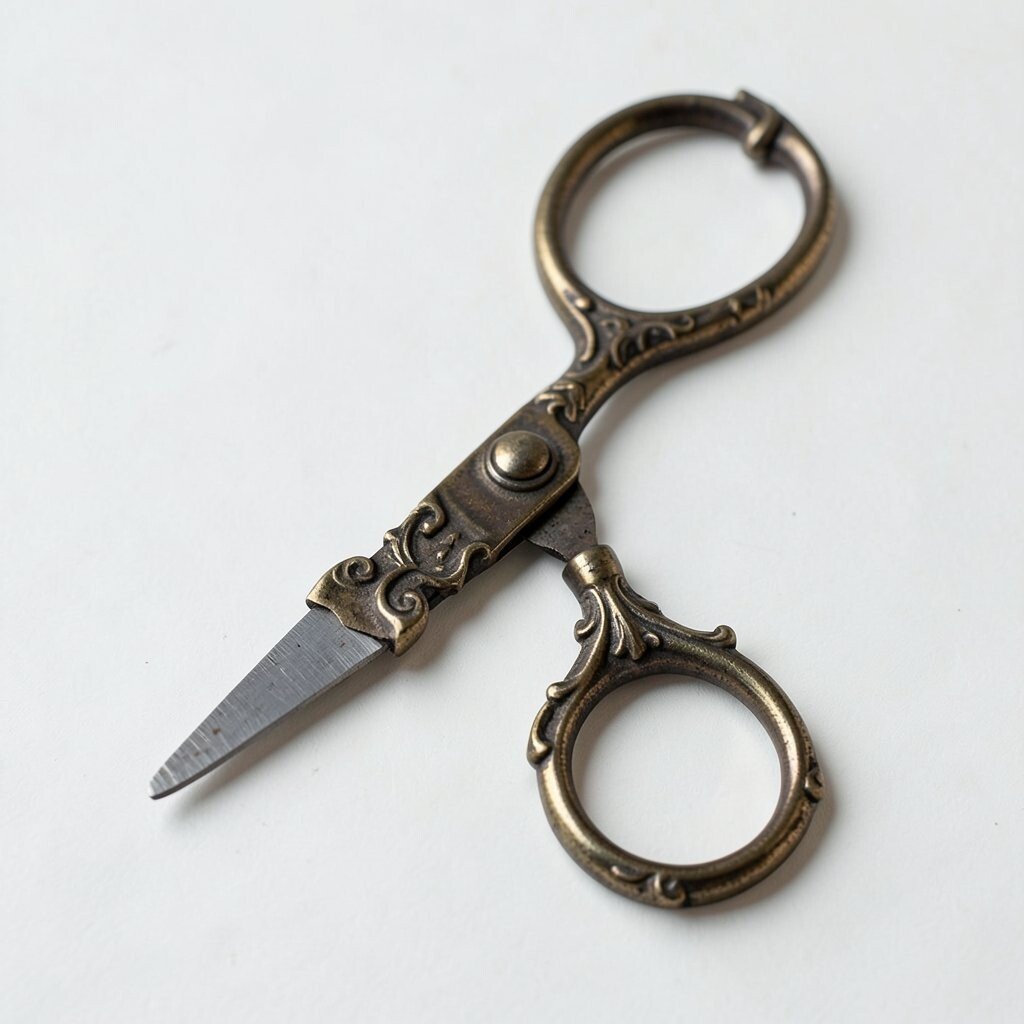
These vintage shears often show off curling brass or darkened metal that looks almost like tiny vines. When you hold them, the weight feels steady, and the pivot turns with a calm, practiced motion.
Use them for fabric edging, paper trims, and slow, careful shaping when you want clean lines. Their classic design helps many crafters enjoy longer cutting sessions because the handles feel comfortable in a natural grip. If the blades are dull, a gentle sharpening from a local tool shop can bring them back to life.
2. French Tailor Scissors with a Slim Blade
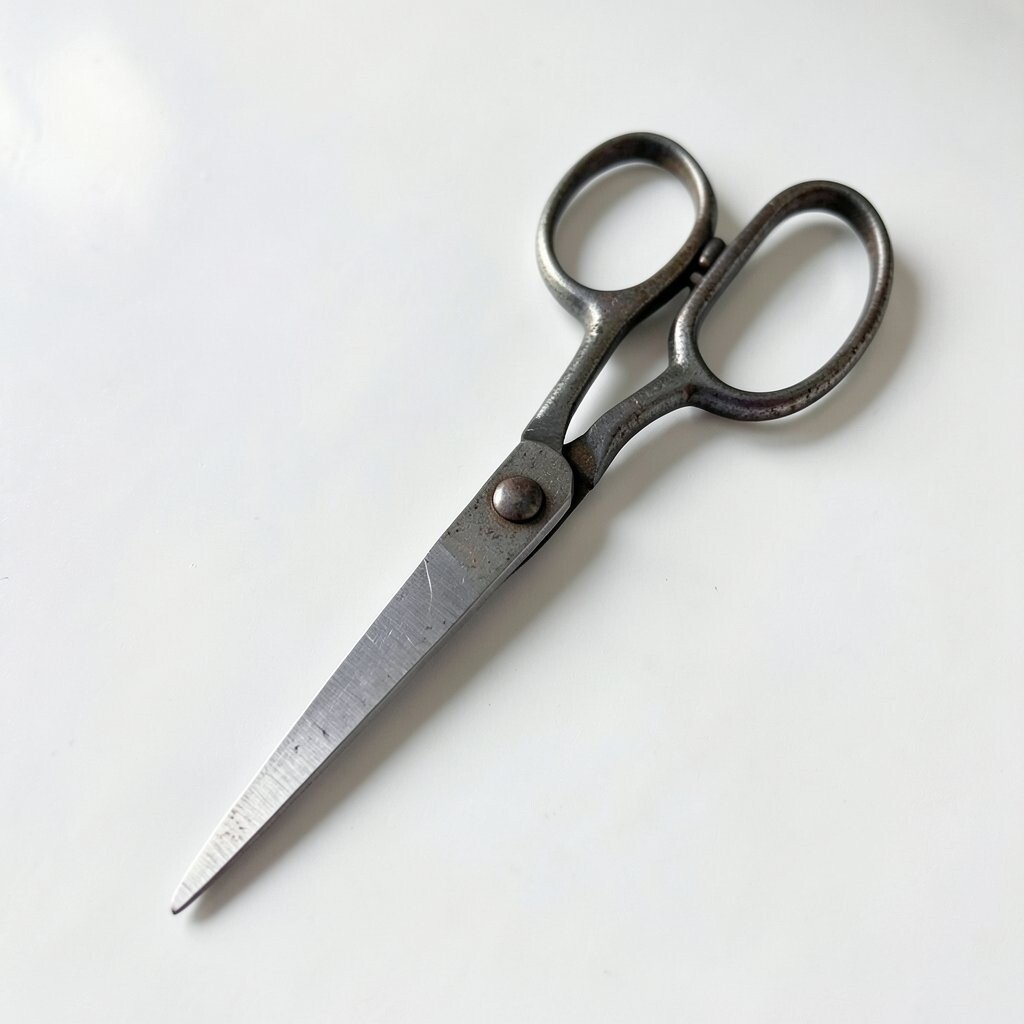
French tailor scissors from vintage makers often have a slender blade and a graceful curve that makes fabric feel easier to guide. You can spot them by their crisp silhouette and the way the handles seem made to fit the hand.
They’re great for sewing projects like garment lining, lightweight canvas, and patterned cotton where accuracy matters. To personalize your setup, pair them with a pin cushion that matches the metal tone, so the whole workspace feels coordinated.
If you buy at a flea market, check that the screw still tightens and that the blades meet evenly. Vintage pairs like this can cost less than modern “premium” scissors, especially if they need cleaning, oiling, or a light tune-up.
3. Art Deco Snips with Geometric Flair
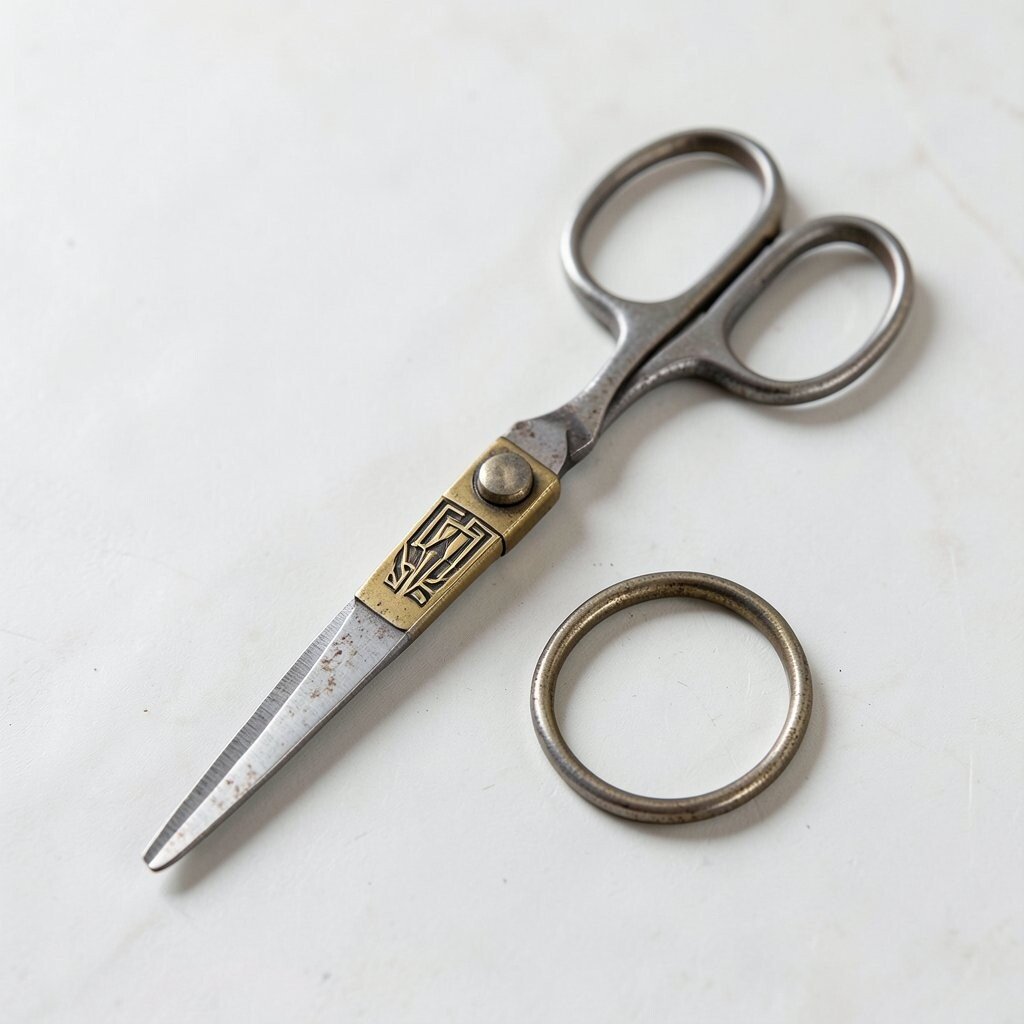
Art Deco scissors tend to look like small jewelry for your craft room, with bold shapes on the handles and bright metal accents. The grips often feel firm, and the style makes you want to reach for them even when you’re just cutting a label.
They work well for paper crafts, scrapbooking edges, and lightweight cardstock that benefits from smooth cuts. Try dedicating them to one purpose, like trimming vinyl stickers or cutting cardstock for cards, so they stay sharp and easy to organize. For a practical upgrade, wipe the blades after use so adhesive or ink doesn’t build up over time.
Many people today love vintage tools as part of “quiet craft” desk setups, where every item looks intentional. If you want to keep trends in your favor, display them in a jar or on a wall magnet bar so they become part of the room’s style.
4. Antique Rag Cutting Scissors from a Garment Workshop
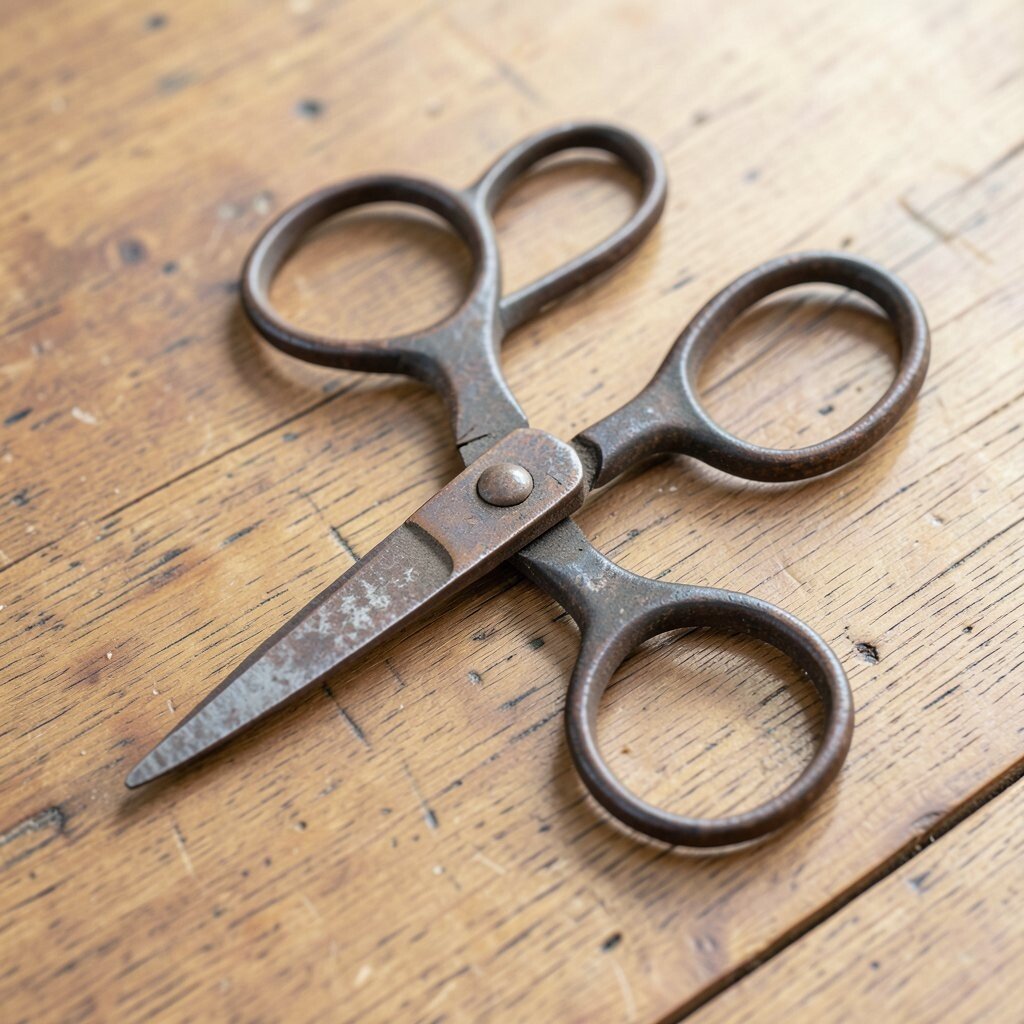
You can often recognize rag cutting scissors by their broad, purposeful blades and a sturdy, no-nonsense feel. Even after decades, they may still show faint marks of work like subtle scratches that prove they’ve earned their place.
Use these for heavy fabric layers, denim scraps, and thicker materials that snip pens and regular scissors struggle with. If you’re nervous about big blades, start by cutting small pieces and keep your cuts on a stable board. A simple storage change helps too, like keeping them in a leather sleeve so the edges stay protected between projects.
5. Brass-Handled Thumb Lever Scissors
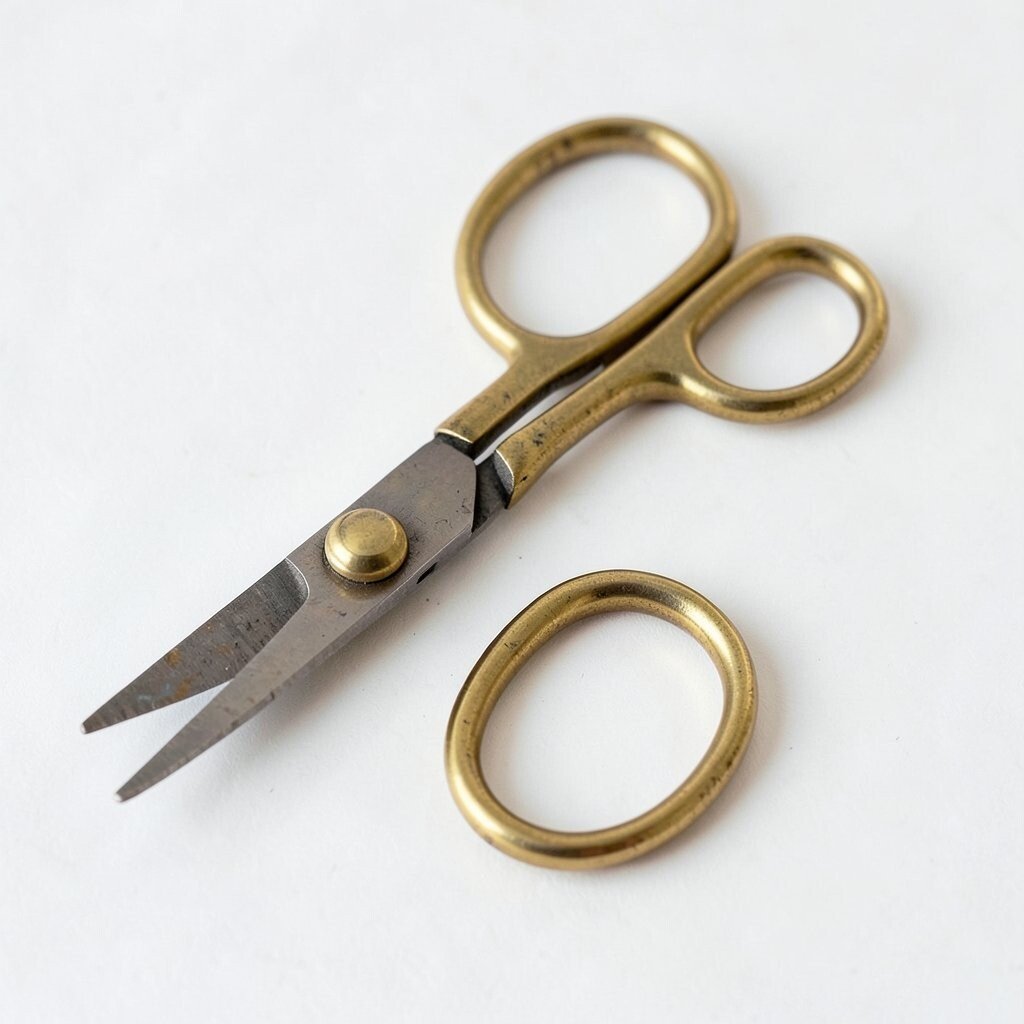
Thumb lever scissors from older toolmakers can look elegant, with brass or brass-toned parts that catch the light. The lever design often makes the motion feel effortless, especially when you’re cutting many small shapes.
They’re handy for felt, craft foam, and repeated patterns where you want steady pressure. Because the mechanism is part of the feel, keep the pivot clean and lightly oiled so it moves smoothly over time.
When you’re buying, test the lever action with your fingers and listen for a solid, even click. Depending on the maker and condition, this type can be surprisingly affordable, and the savings can go toward better cutting mats or storage bins.
6. Vintage Bent-Handle Dressmaker’s Scissors
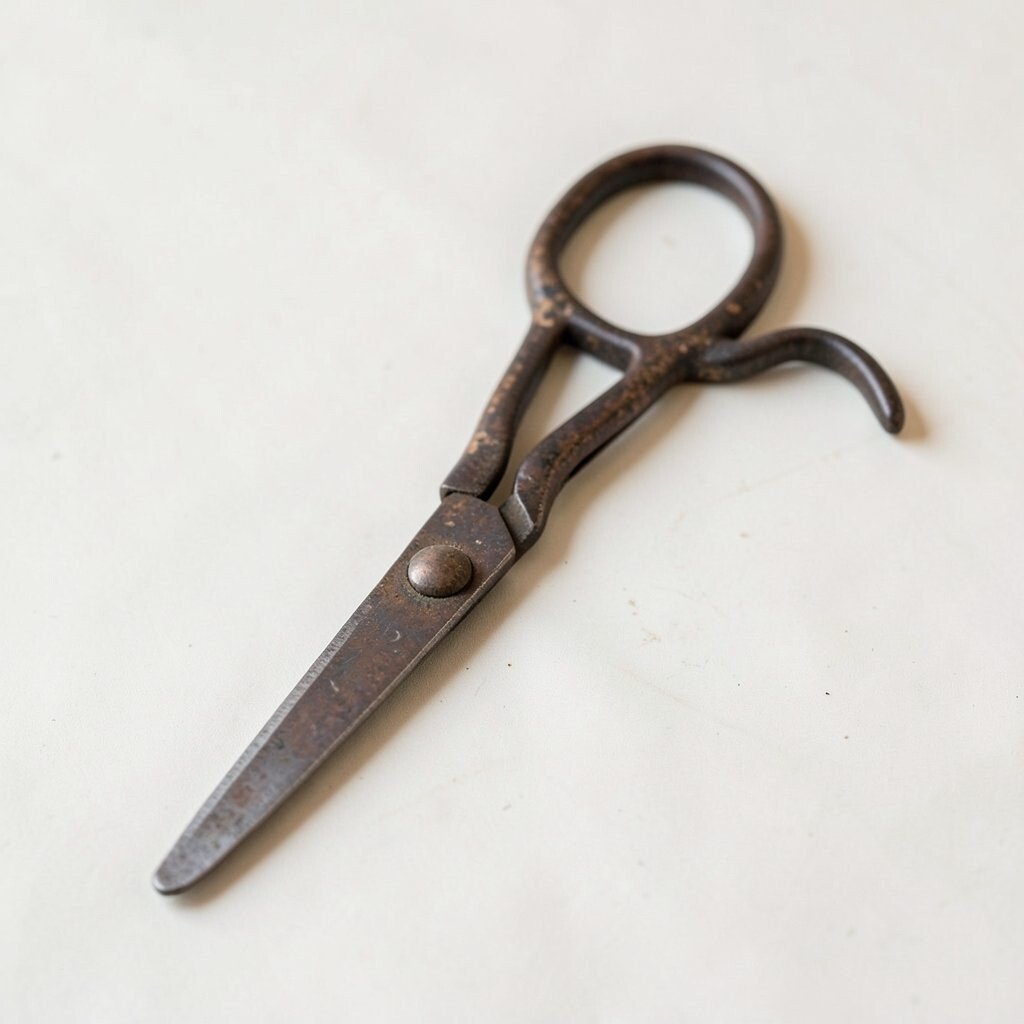
Bent-handle dressmaker scissors give a very specific comfort, letting your wrist stay relaxed during longer sessions. The curve in the handle makes a visual difference too, so they stand out among straight-handled pairs on your shelf.
They’re ideal for trimming seams, cutting along curvy patterns, and clipping bulk fabric where you need control. For practical results, mark your fabric lightly with tailor chalk so you guide the blades like a rail. To personalize, paint or wrap a small section of thread around the finger loops in a color that matches your current sewing theme.
Some crafters notice that bent-handles are trending again because people want ergonomic comfort rather than heavy modern branding. Even if you pay a bit more for a well-preserved pair, the difference in comfort can feel worth it during weeknight projects.
7. Mini Scissors with Mother-of-Pearl Inlay

Small vintage scissors with mother-of-pearl inlay often shimmer with soft colors when you tilt them. The blades are tiny, but the design feels special, almost like a keepsake you can actually use.
Use them for threads, trimming loose ends, cutting fine paper details, and snipping craft tape without making a mess. Keep them near your needle kit so they become part of your routine instead of getting buried in a drawer. For cleaning, use a soft cloth and avoid soaking the handles, since inlay can be sensitive to moisture.
If you love personalization, attach a charm to the handle ring or tie a short ribbon to match your fabric storage labels. These minis can vary in cost a lot, so check for cracks or lifting in the inlay before you buy.
They also fit today’s style of display-friendly tools, because the small size makes them easy to set on a desktop tray without clutter. A little shine on your work surface can make the whole room feel brighter and more inviting.
8. WWII-Era Utility Scissors with Patina
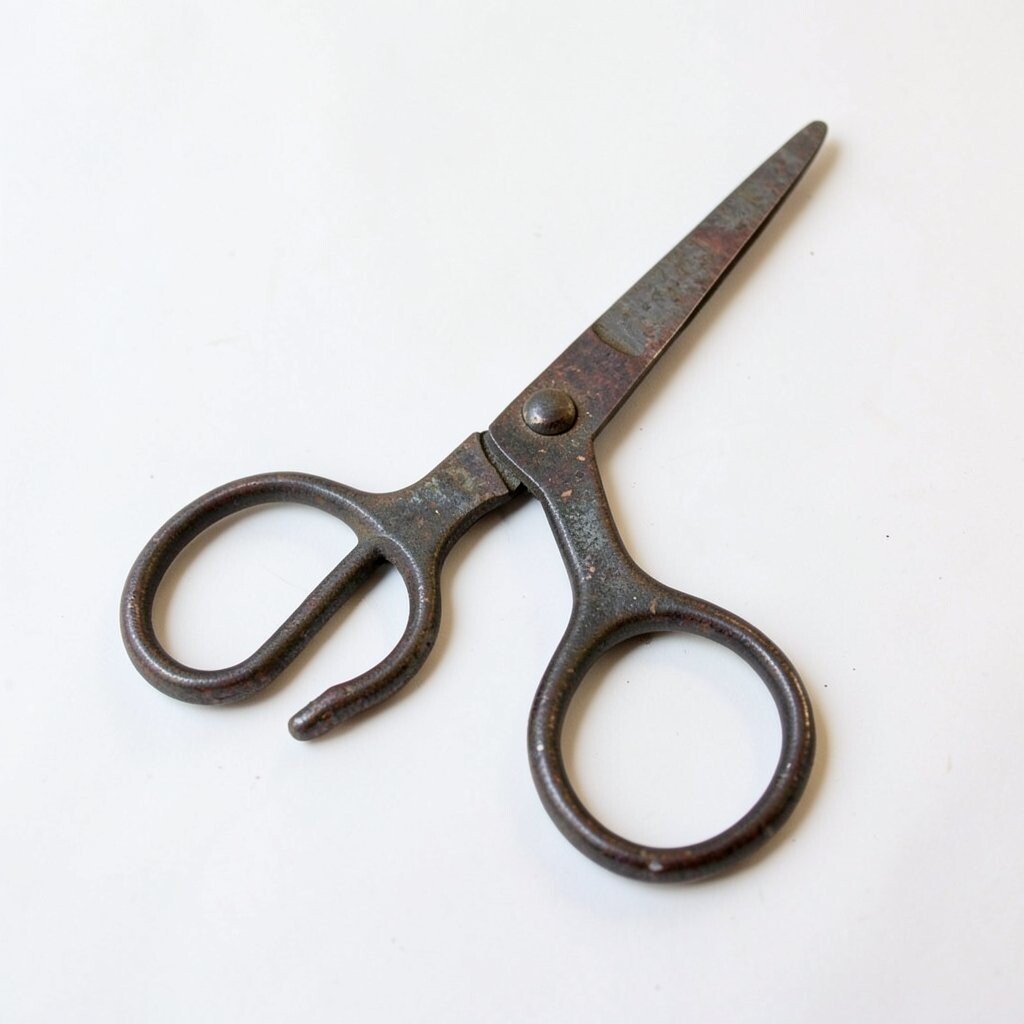
Vintage utility scissors from the war years can show a rugged patina that looks like warm gray and dark olive. You might see faded stamping, worn edges, and a practical shape made for real use.
These are great for everyday cutting like packaging, thick paper, and sturdy craft cardboard. Because they were built to last, many still perform well, but you should check the alignment of the blades before committing. A bit of careful cleaning and oiling can make them feel smoother without changing their old-school character.
9. Vintage Left-Handed Scissors with a Rare Curve
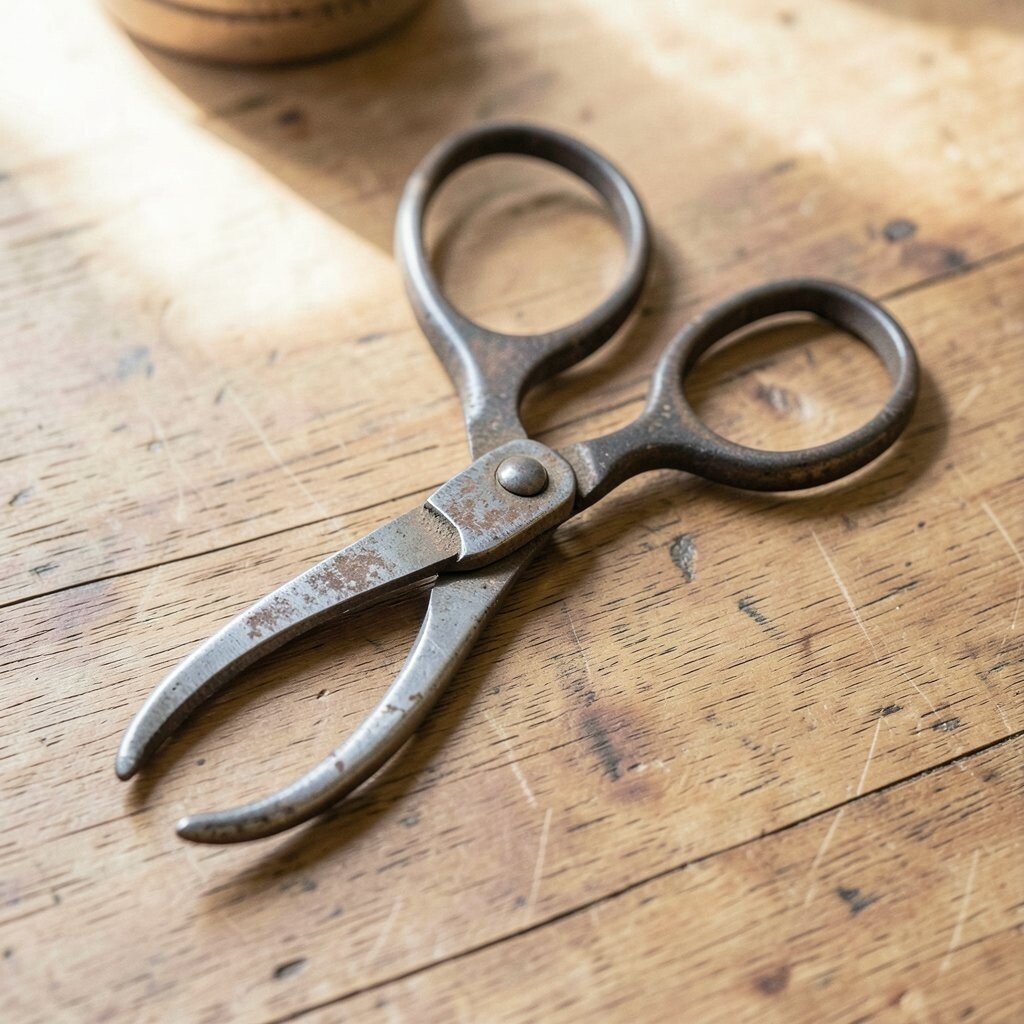
Left-handed vintage scissors can feel like a secret weapon, with a blade curve made for the way your hand naturally moves. The handles often look the same as right-handed models, but the cutting angle gives away their purpose.
They’re especially helpful for sewing corners, cutting patterns, and crafting with less tugging. If you’re right-handed and trying them, you might notice how they change the line of sight, which is one reason comfort matters so much.
To personalize your craft room, keep them in a small labeled pouch with your other “special-use” tools. Pricing can vary because left-handed versions are less common, so set a budget and look for good alignment over perfect decoration.
10. Mid-Century Floral-Engraved Scissors

Mid-century scissors often feature floral engraving that looks crisp even after years of use. You may notice a comfortable grip curve and a blade finish that still catches light when you open the handles.
They make a lovely match for crafting sessions with paper flowers, scrapbooks, and decorative edging. For practical tips, use them for materials that suit their cut style, like medium cardstock and fabric blends, and save tougher jobs for heavy shears. If you want them to last, keep them dry and avoid cutting directly on surfaces that can dull blades quickly.
People today love mixing vintage charm with modern organization, so pair these with a sleek magnetic strip or a small wooden caddy. Even if the engraving doesn’t affect performance, it can encourage you to keep your tools in reach, which means more projects actually get made.
When shopping, check that the pivot screw isn’t stripped and that the handles aren’t loose. This small check can prevent frustration and help you invest with confidence.
11. Leather-Sleeved Vintage Pocket Scissors
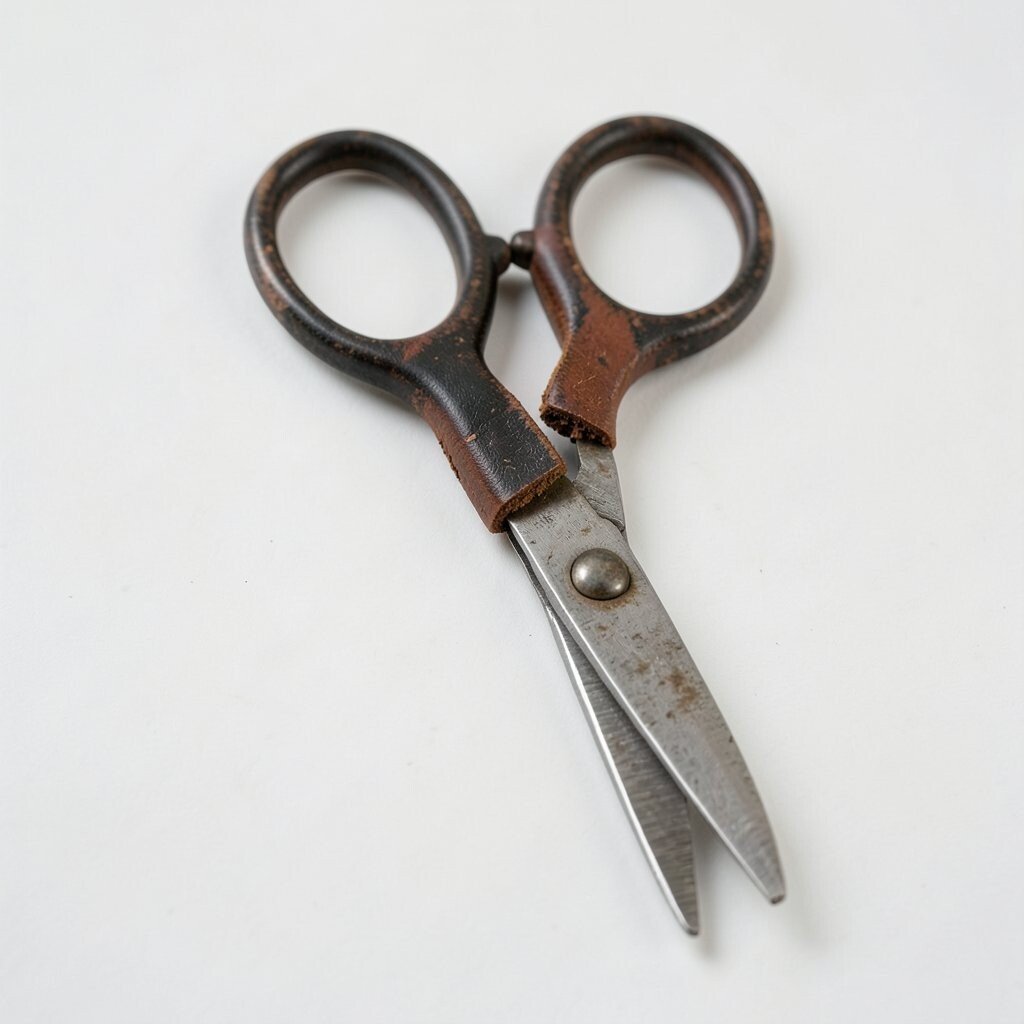
Some vintage scissors come with an original leather sleeve, which instantly gives them a tidy, made-for-travel vibe. The leather often smells faintly like old shops, and the scissors feel protected the moment you slide them back in.
Use pocket scissors for quick snips on the go, like cutting thread, trimming receipts for crafts, or adjusting craft supplies before you start. They’re also perfect for mixed-media work where you need small cuts all the time. To personalize, emboss a small initial on the leather sleeve with a stamp tool, if the surface is ready to take it.
12. Vintage Serger or Overlock Scissors with Fine Tips
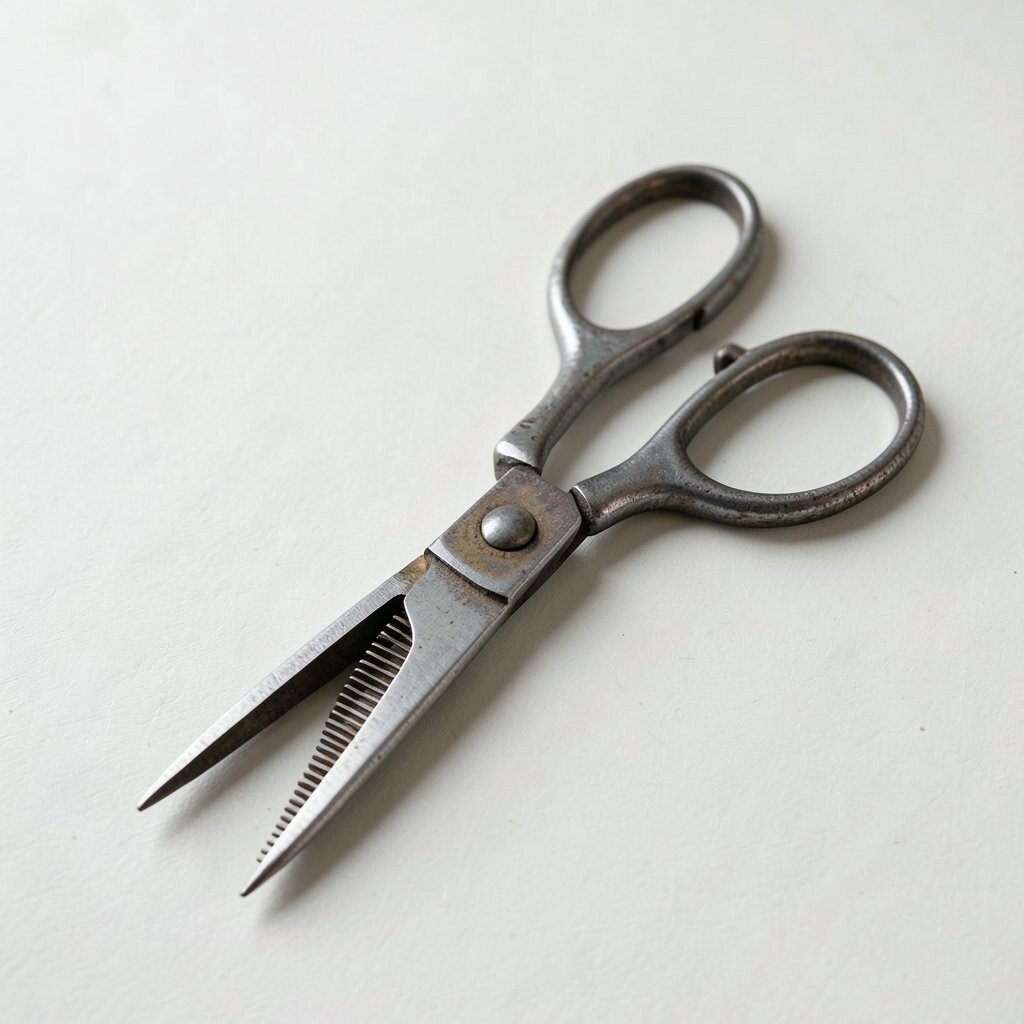
Scissors made for serging or overlock work often have fine tips that help you get close to seams without snagging. Their point feels precise, like you’re aiming at the exact place you want to cut.
These are ideal for cutting threads near finished seams, trimming excess, and opening small fabric sections for repairs. Keep them in a separate zone from fabric-picking tools so they don’t pick up lint and dust that can gum up the pivot. A quick wipe after each use keeps the blades moving smoothly and reduces rust risk.
If you want current trend energy, you can keep a pair like this on your sewing desk where it’s visible, since many crafters now style their tools like accessories. Vintage versions can be more budget-friendly than specialized modern tools, especially if you find one that’s been well stored.
Before buying, test cutting on scrap fabric to see how clean the tips handle delicate work. That simple step can save you from a pair that looks great but doesn’t perform.
13. Oversized Industrial Scissors for Craft Cutting Boards

Oversized vintage industrial scissors look dramatic on a workbench, with heavy blades and a firm, grounded stance. Even when you don’t pick them up, their size makes you imagine bigger projects like banners, fabric panels, and paper backdrops.
They’re great for cutting craft boards, thick felt, and large sheets of paper when you need a confident first cut. Because they’re big, use a cutting board sized for your work so you get control and protect your table surface. If you have limited space, store them flat in a drawer or on a shelf with the blades safely facing the same direction.
To personalize your setup, add a small measured guide on the board for repeat sizes, and pair this pair with a ruler you love. Cost can be higher for truly heavy-duty vintage models, but they often last a long time with proper maintenance and can replace multiple modern tools.
14. Vintage Snips with Enamel Handles in Bright Colors

Enamel-handled vintage snips can look cheerful in a way that feels like sunshine in your craft room. The color might be mint, coral, or deep teal, and the finish often holds a glossy charm even after many years.
These are fun for everyday crafts like cutting cardstock for labels, snipping ribbon, and trimming decorative paper strips. Since the handles are bright, they’re also easy to find when your desk gets busy, which is a small but real benefit. A practical habit is to keep a cloth nearby and wipe the blades after cutting sticky materials like tape or glitter glue.
Colorful tools align with today’s creative trend of using playful objects, not just neutral ones, to make workspaces feel inviting. If you’re shopping, check for chips in the enamel, since small surface damage might worsen over time.
15. Antique Silver Scissors with a Polished, Mirror-Like Edge
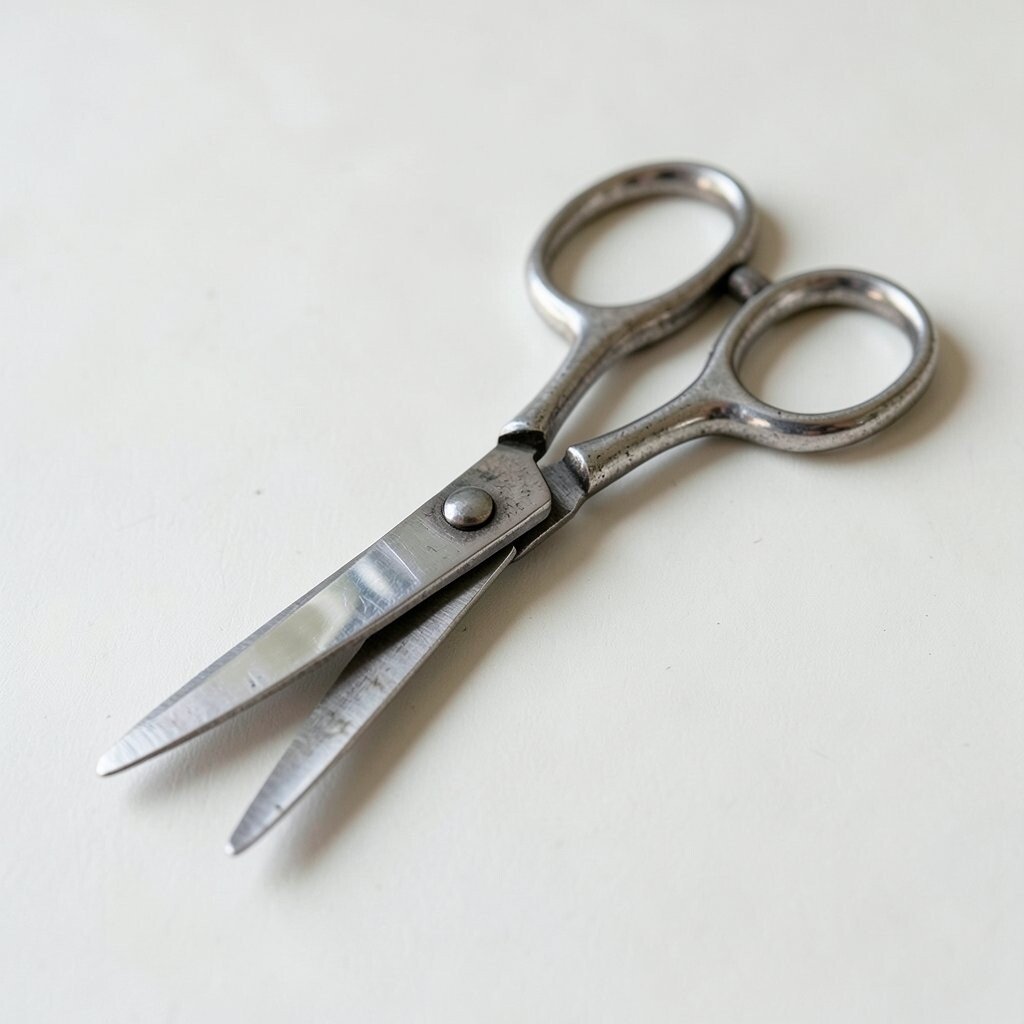
Some antique scissors look almost silver-smooth, with blades that reflect light like a tiny mirror. The handles may be carved or subtly patterned, giving the set a calm, classy look that still feels friendly to use.
They’re great for fine paper, delicate crafts, and clean trimming where you want minimal fraying. For practical tips, pair them with a quality cutting mat and avoid cutting through abrasive surfaces that can dull the edge quickly. If the blades need attention, take them to a professional sharpening service that respects older metal rather than forcing a generic grind.
Personalization can be simple, like adding a small tag to your tool jar that matches the color scheme of your room. Cost considerations depend heavily on maker and condition, but even a modest vintage pair with a polished edge can feel like a “special occasion” tool in daily use.
This is the kind of scissors that fits modern craft aesthetics too, since many people now want beautiful tools that are meant to be seen, not hidden. With a little care, they can keep cutting well while also making your craft room feel styled and ready.