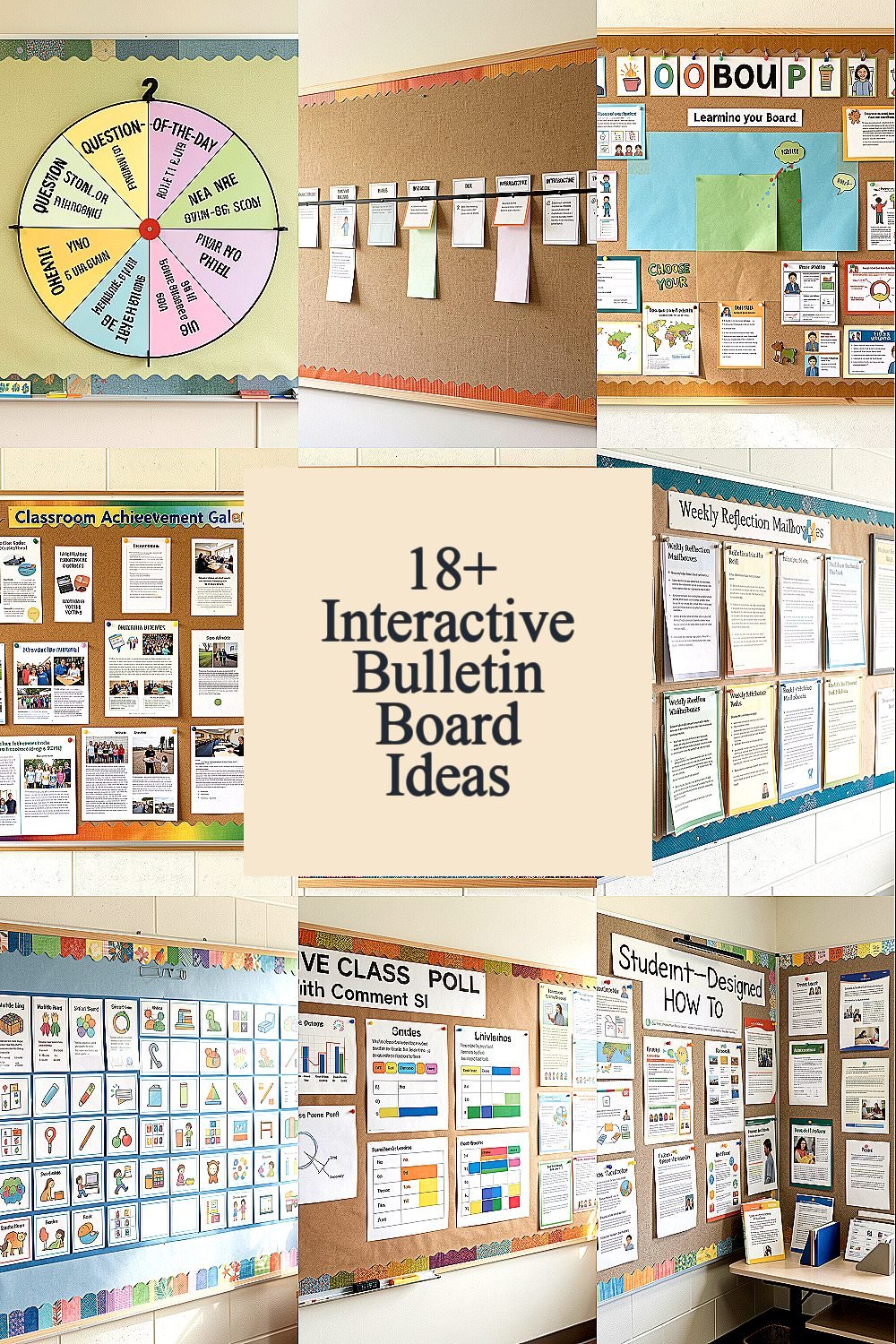
Students light up when a wall feels alive. A bulletin board can become the class’s busiest corner of the room.
With smart planning and a little creativity, you can turn everyday announcements into hands-on learning moments. The best boards invite participation every day, not just during special events.
1. Question-of-the-Day Spin Wheel
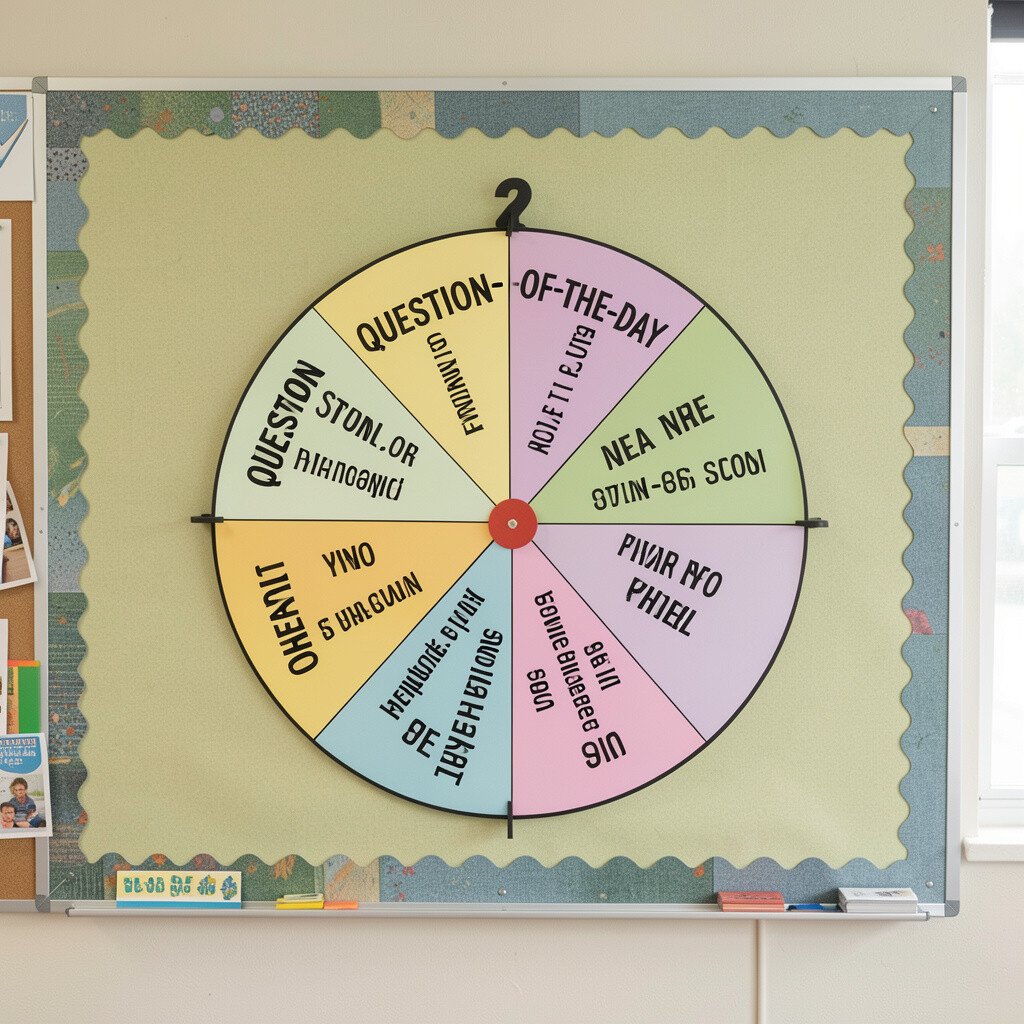
The board shows a paper “spin wheel” with four or five question cards hidden under flaps. Each morning, students lift a tab and reveal a new prompt about the current unit.
After reading the question, they add their answer on a sticky note and place it in a matching circle. Keep questions short so everyone can respond quickly, even on busy mornings. Rotate the topics weekly so every student sees something that fits their interests.
2. Interactive Timeline With Removable Tabs
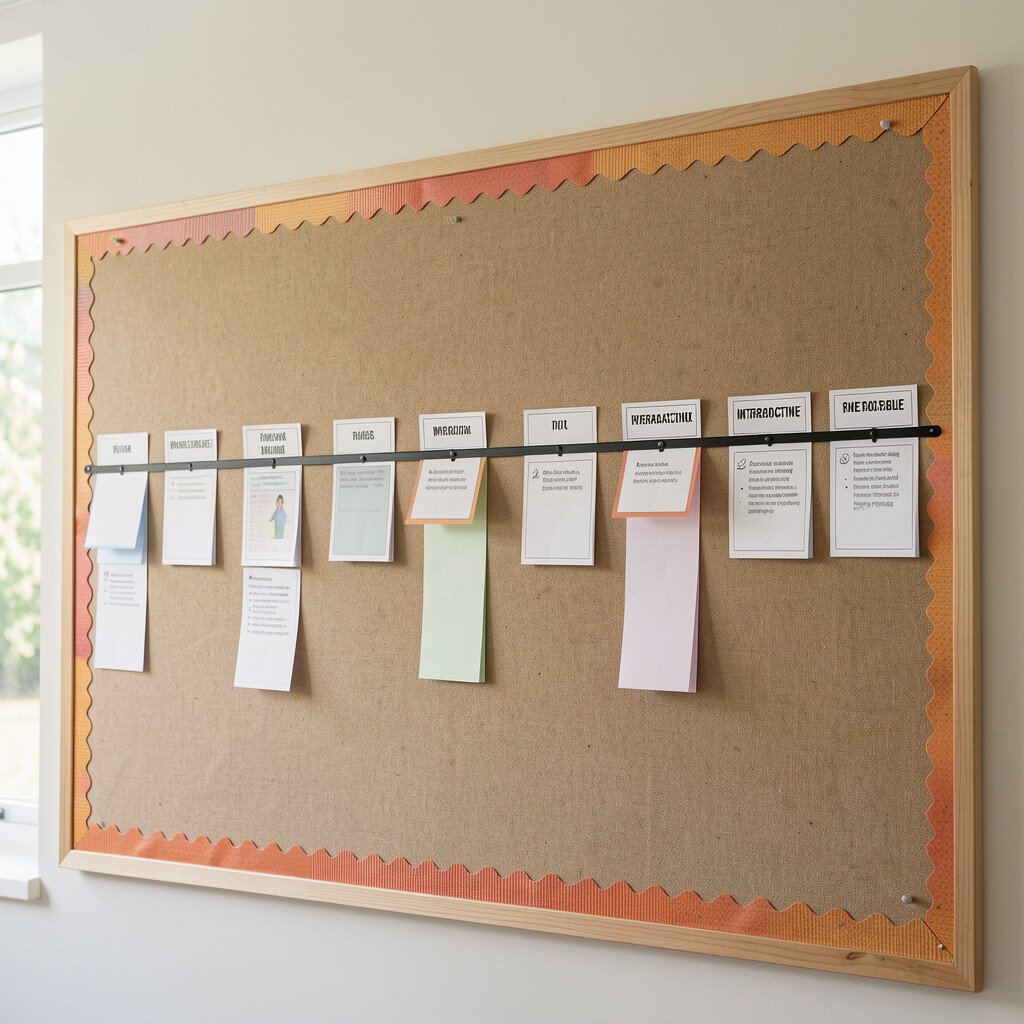
A long strip across the board becomes a timeline with dates, events, and key vocabulary shown on small cards. Students slide removable tabs along the strip to show how ideas connect over time.
When a class finishes a reading or lesson, learners find the next event card and tape it into place. Use color coding for different themes so students can scan fast and feel confident. This board supports review, because the timeline makes cause-and-effect feel visible.
To keep it affordable, print on cardstock and reuse tabs by storing them in labeled envelopes. Personalize it by allowing students to decorate one event card each week with drawings or mini photos they bring from home. If you want a current trend, include QR codes that link to brief audio clips or student-created recordings.
3. “Choose Your Path” Learning Board
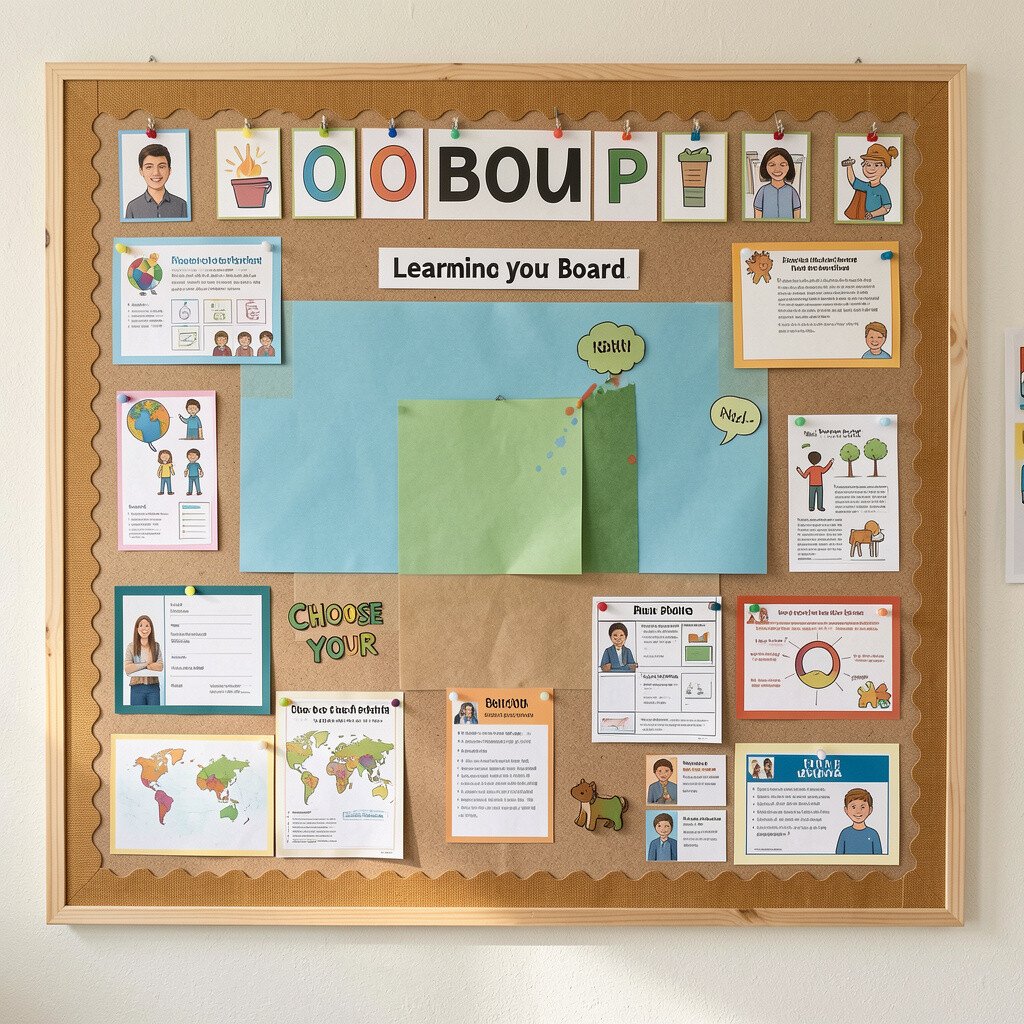
The center of the board features a simple map with branching choices, like “Level Up” and “Try a Challenge.” Students pick a route based on how they feel that day, and the board shows what happens next.
Each choice leads to a pocket sleeve holding a card with a task, such as vocabulary practice, reading response, or math problem sets. Keep the tasks doable by using clear directions written in student-friendly language. When students choose, they feel ownership, and participation rises naturally.
Build personalization by letting students write their own next-step cards after they finish. Store the cards in inexpensive plastic sleeves or paper folders clipped to the board. For cost control, reuse old folder inserts and update content each week with new prompts.
Use a trend-friendly design by including one “creator route” option where students make a mini poster, sketch notes, or a short audio explanation. The board becomes a menu of meaningful work, not just assignments.
4. Classroom Achievement Gallery With Voting
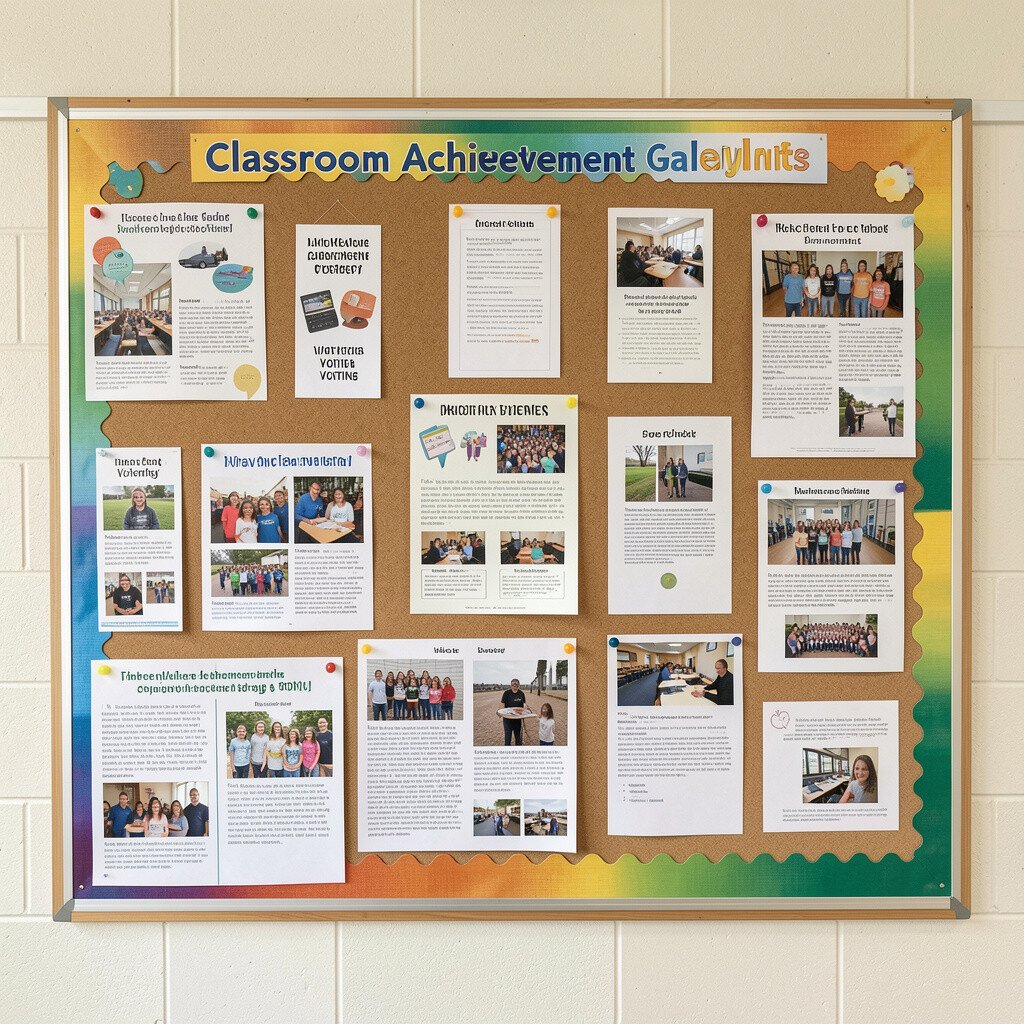
A bulletin board becomes a gallery wall where students post photos of work, drawings, or writing samples. Each piece is displayed with a short caption written by the student, using neat handwriting or a typed label.
Students vote using small paper ballots that match different categories like “Most Creative,” “Best Evidence,” or “Great Team Work.” This builds friendly motivation because learners celebrate each other’s progress. Make voting simple by using pre-printed strips of dots so nobody has to guess how to mark votes.
5. Mystery Bag Vocabulary Pockets
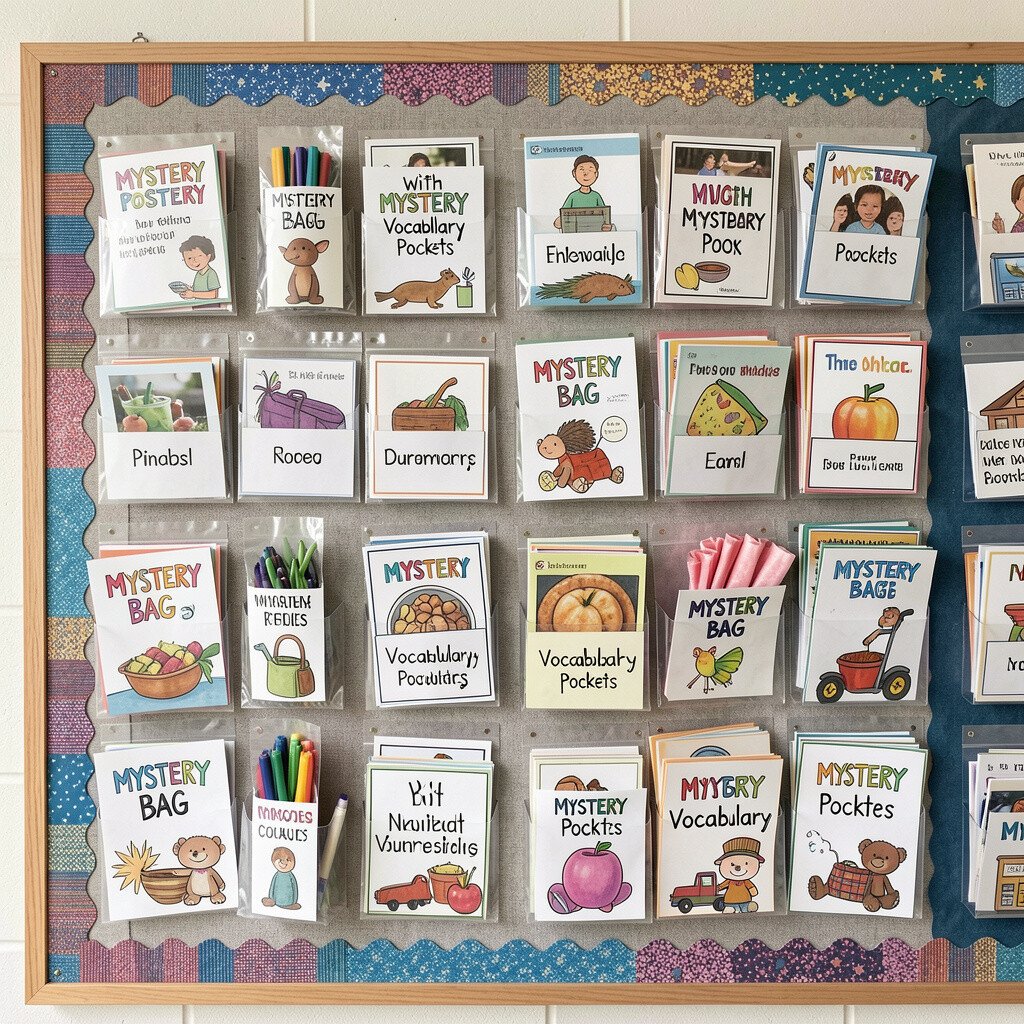
The board includes a row of small pockets, each labeled with a word family or theme rather than a full list. A “mystery bag” sits nearby with word cards inside, and students pull one card when it’s their turn.
They match the pulled word to the correct pocket and then add a sentence to a tiny note attached to the pocket. Keep instructions short so students can move smoothly without waiting. This boosts engagement because the activity feels playful, not like a worksheet.
Personalize the board by letting students choose an image sticker for each word when they add it. For cost, use cereal box cardboard to build sturdy pockets and cover them with tape for durability. If you want a current trend, add QR codes that link to short student-made definitions recorded during class.
6. Weekly Reflection Mailboxes
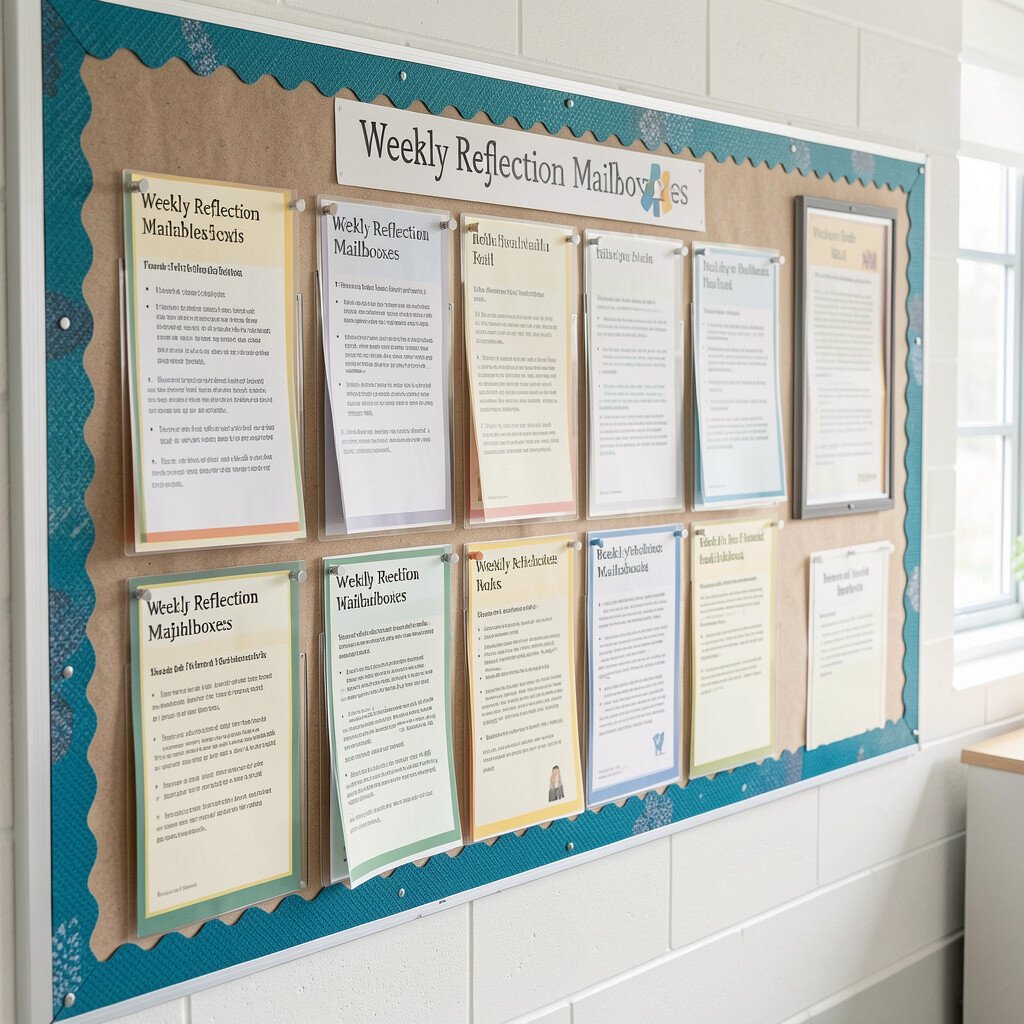
The board features several labeled mailboxes made from folded paper cartons or recycled shoeboxes. Each mailbox holds reflection cards for a weekly question connected to class goals.
Students drop one card after completing an activity, answering how they worked, what they learned, and what they will try next. This supports better self-awareness and helps teachers spot patterns quickly. Keep the question consistent for a whole week so students know what to expect and can write more comfortably.
7. Matching Game Board for Skills Practice
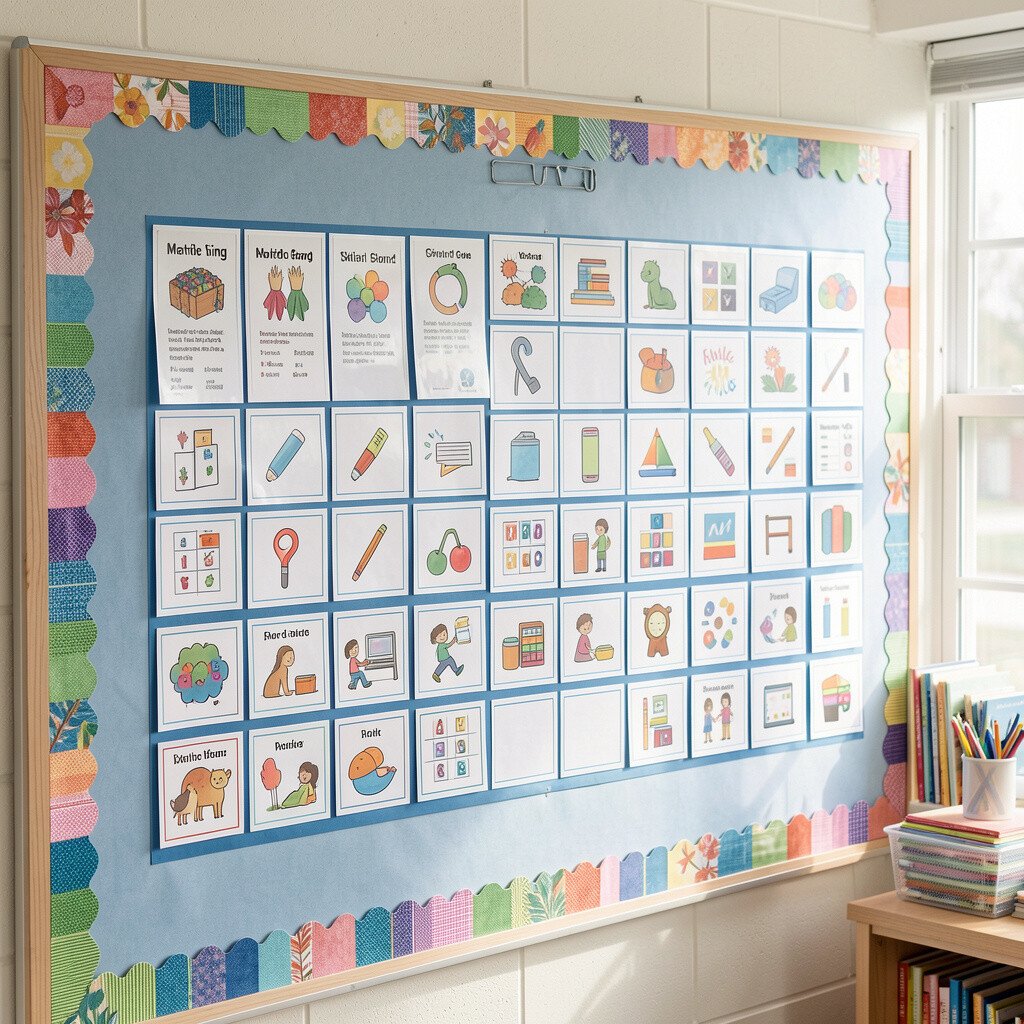
A colorful board can show two columns, one with terms and another with matching definitions, examples, or diagrams. Students work in small groups to connect items using clothespins or Velcro dots.
For instance, one column might hold science vocabulary and the other shows a simple picture or short explanation. When students match correctly, they move the connected pieces into a “solved” section. This visual setup makes practice feel like a game, which supports stronger recall.
To make it practical, laminate the cards or use clear plastic report covers for durability. Personalize by adding student-created examples as the “correct match” prompts. Keep costs low by using index cards and reusing the same board year after year while changing the content.
8. Live Class Poll With Comment Sliders
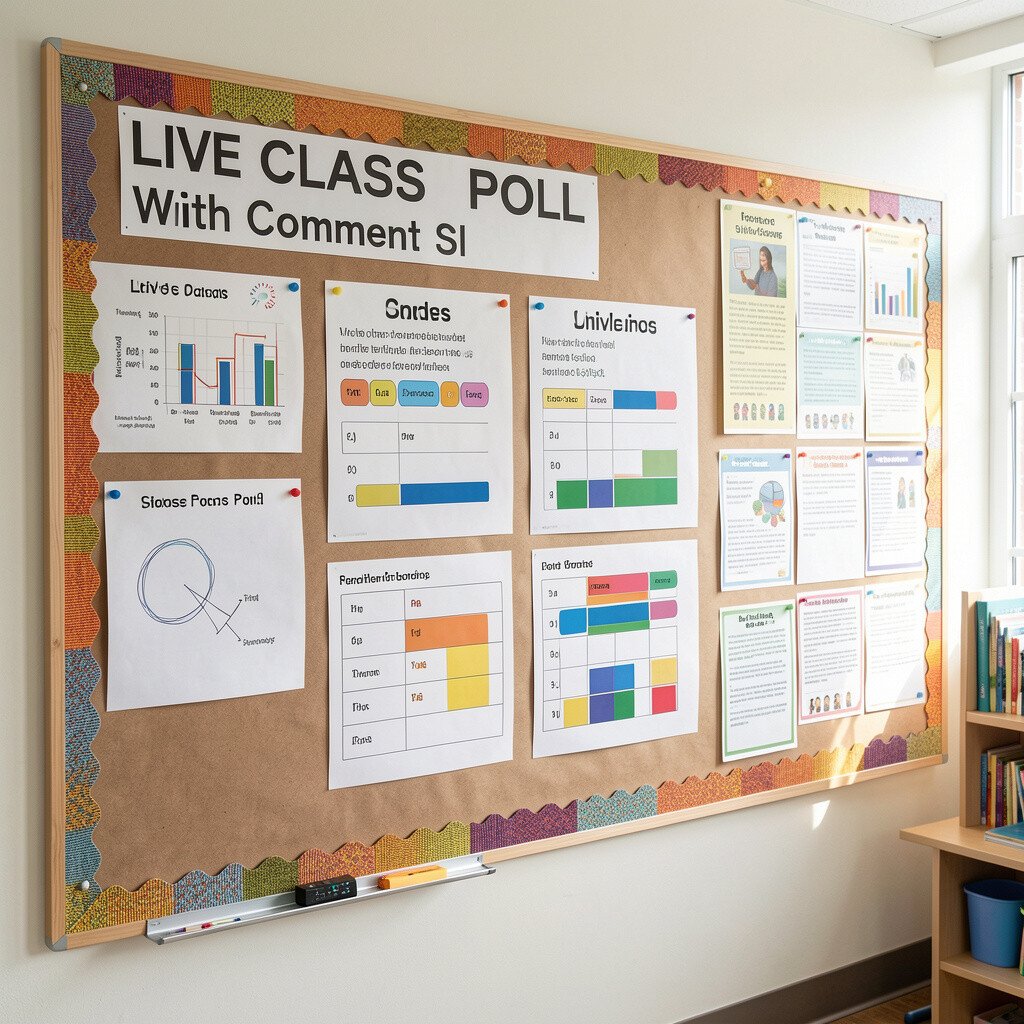
The board displays a row of polls with a slider line for each question. Students move a small handle card left or right to show their choice, and the board shows results at a glance.
Next to each poll, a pocket holds “because” cards where students add a short explanation. This turns opinions into learning because students practice speaking with reasons. Use gentle norms like respectful language so every voice feels safe and valued.
9. Student-Designed “How To” Corner
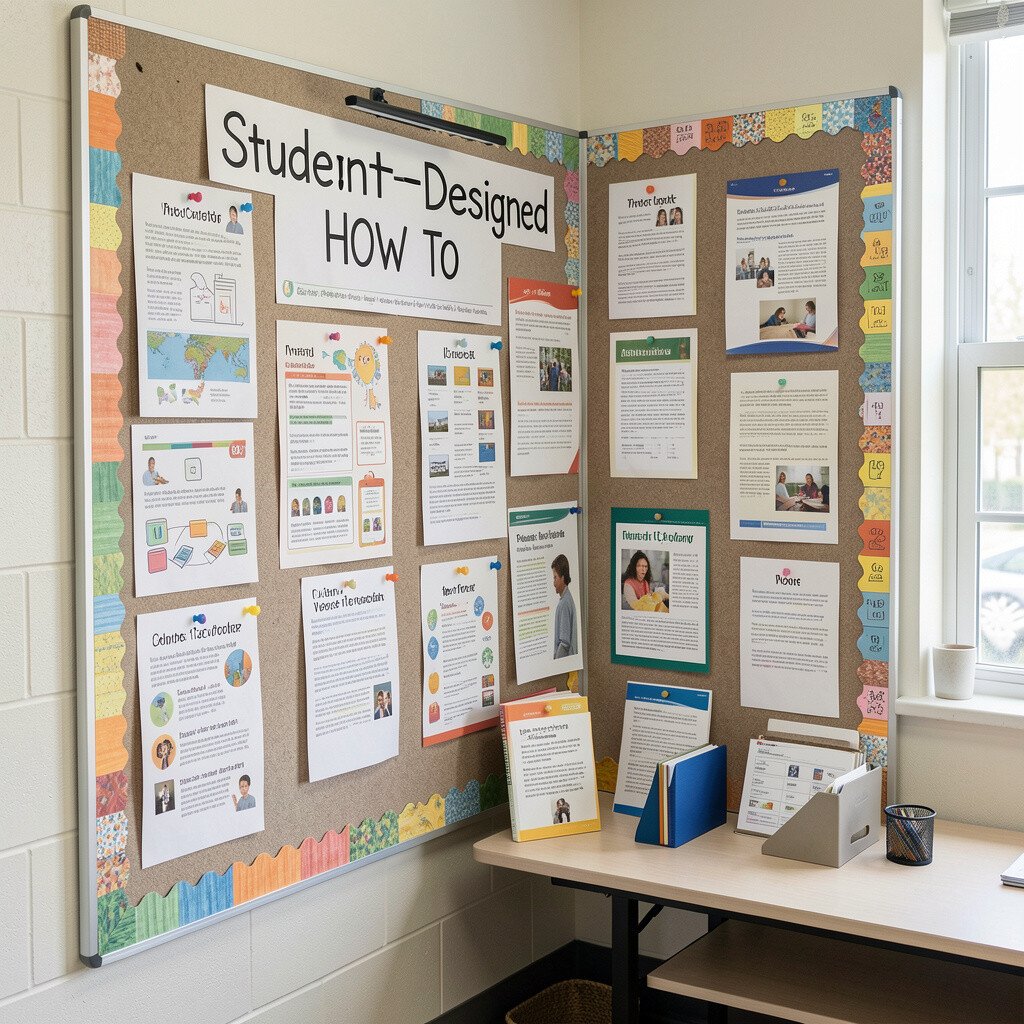
A section of the board becomes a place where students post “how to” mini guides for classroom routines. Instead of an adult writing everything, students create step-by-step notes after they learn a process.
Visuals help a lot, so ask for quick sketches or flow arrows next to the words. This boosts engagement because learners become helpers, not only listeners. Personalize by letting each student pick a format like bullet steps, comic panels, or a simple chart.
For cost, use craft paper and binder rings to hold the guides in a clean, rotating display. Add current relevance by including guides that match new classroom tools or tech apps you use. Students feel proud when their work helps others succeed.
10. Book Spine Story Stacks
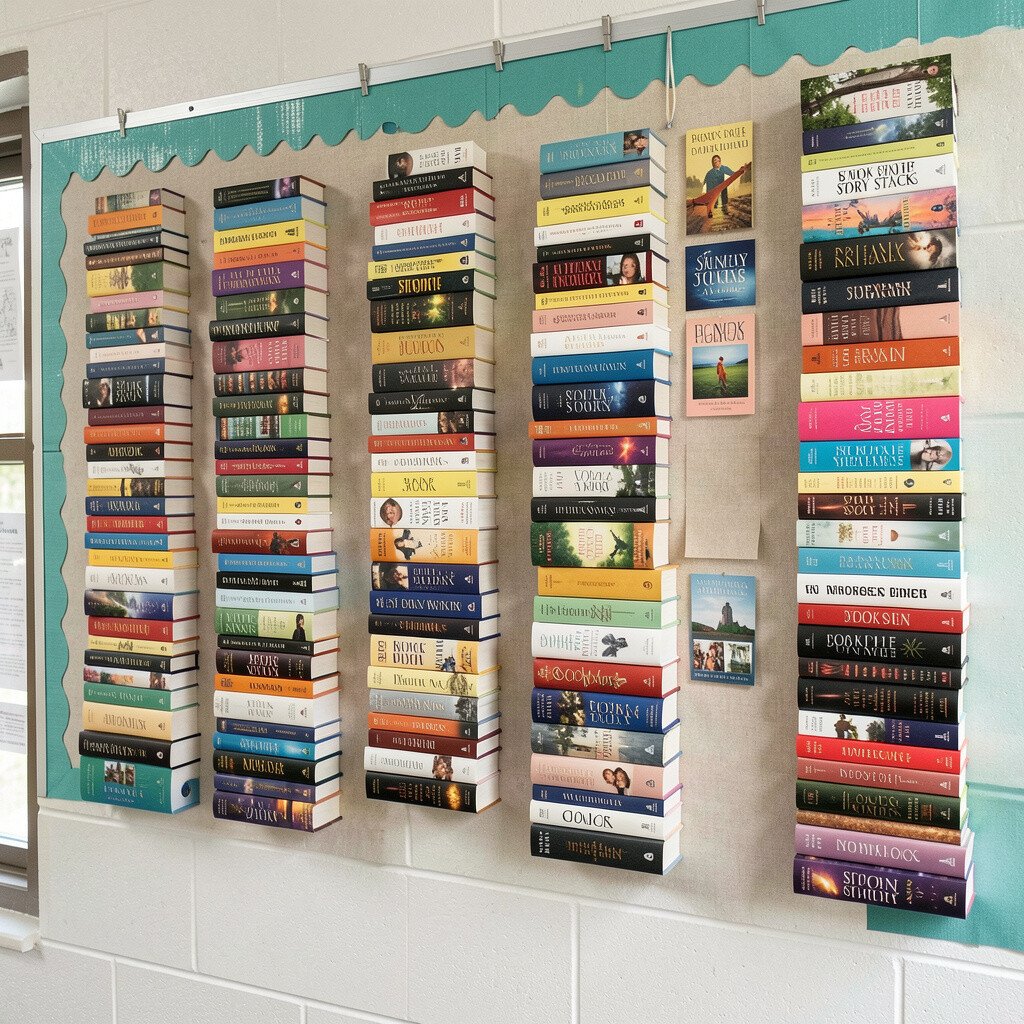
A hallway-style board can display “book spines” made from paper rolls and labeled with story clues. Under each spine, students add a one-sentence prediction about the story or theme.
When a class finishes reading, they write how close their prediction was and swap the note for a new reflection. This boosts engagement because reading becomes interactive and students can see patterns across stories. Make it practical by using identical-sized templates so the board stays organized.
Personalize by asking students to add a “mood color” strip, like calm blue or excited orange, based on how the book felt. For cost, reuse scrap paper and decorate with markers rather than buying fancy supplies. If you want a current trend, include short audio QR codes where students read their predictions aloud.
As students add notes, the board becomes a growing map of ideas, and the classroom conversation gets louder.
11. STEM Maker Challenges With Checkpoints
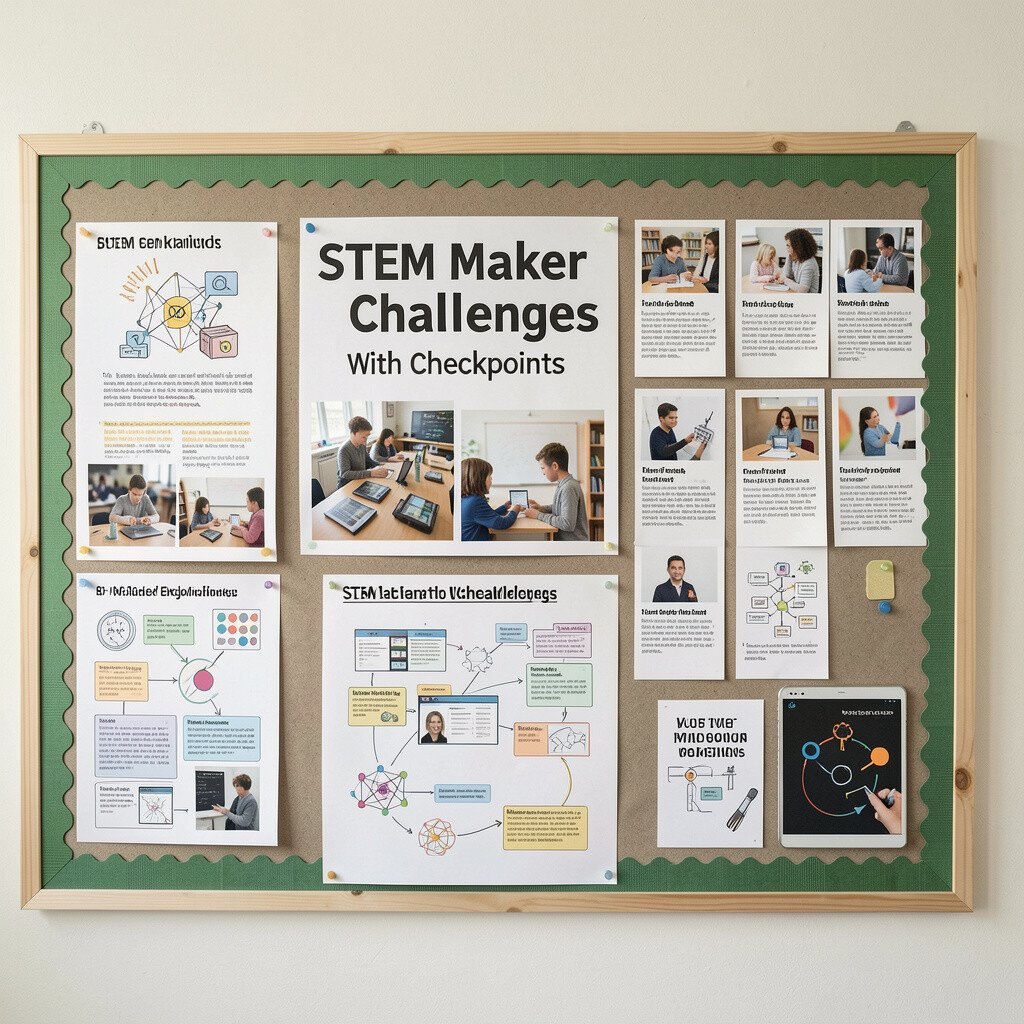
A board dedicated to maker challenges shows a simple pathway with checkpoints, like “Plan,” “Build,” “Test,” and “Share.” Students add a small badge to the next checkpoint when they complete that stage.
The visuals can include photos of real prototypes, even simple ones made from cardboard and tape. This helps students stay focused because the board shows what “next” means. Include practical tips on the checkpoint cards, such as testing one change at a time to improve results.
12. Culture Wall With Choice Cards
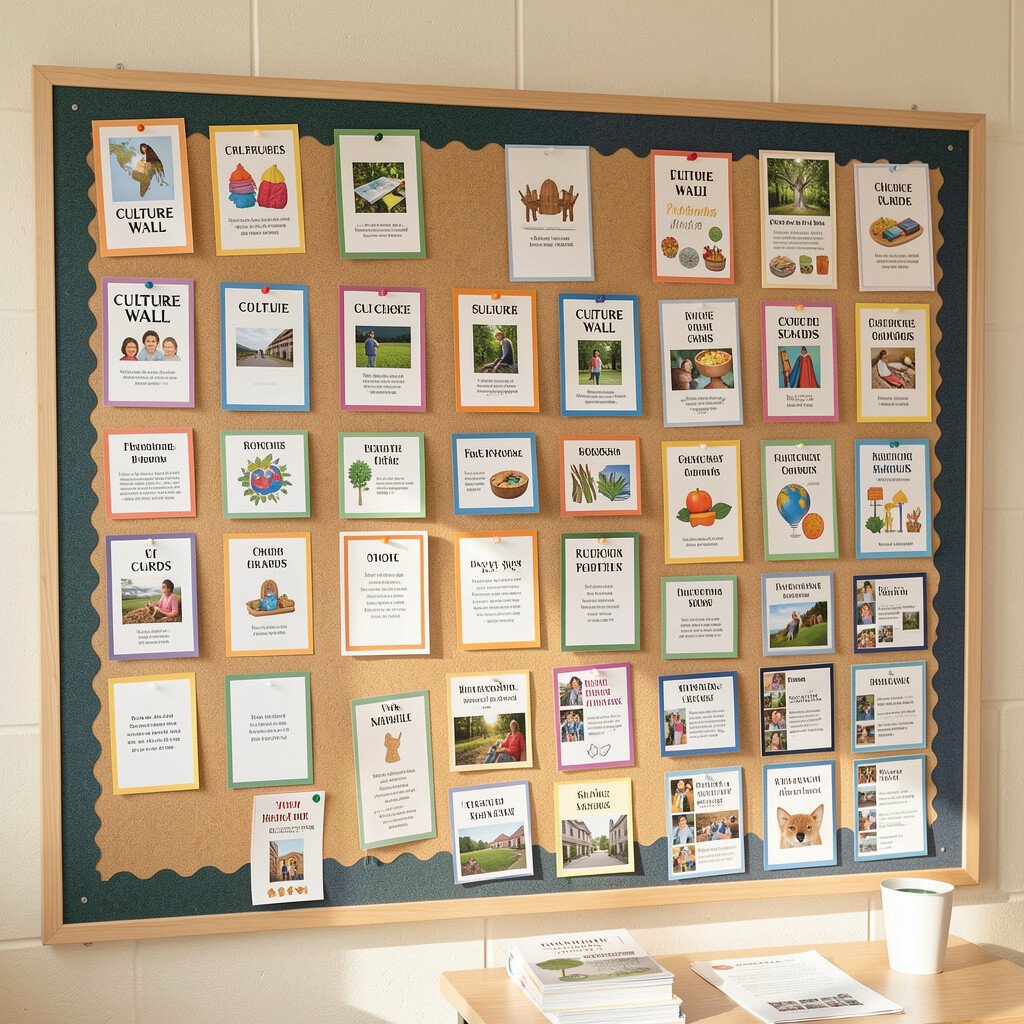
A culture wall can include rotating choice cards that highlight traditions, languages, and community connections. Students pick a card and add a short item, like a question they want to learn or a fact they already know.
Use images and student-written captions so the wall feels warm and welcoming. The benefit is real engagement because students share identities and learn from classmates. Keep it personal by allowing students to add small symbols, like flags, music notes, or hometown sketches.
For cost, print card templates and ask families for permission-based photos only when needed. A current trend to consider is bilingual mini labels, which help students see many ways language works. When students see their home experiences honored, participation rises naturally.
13. “Teach It” Peer Lesson Boards
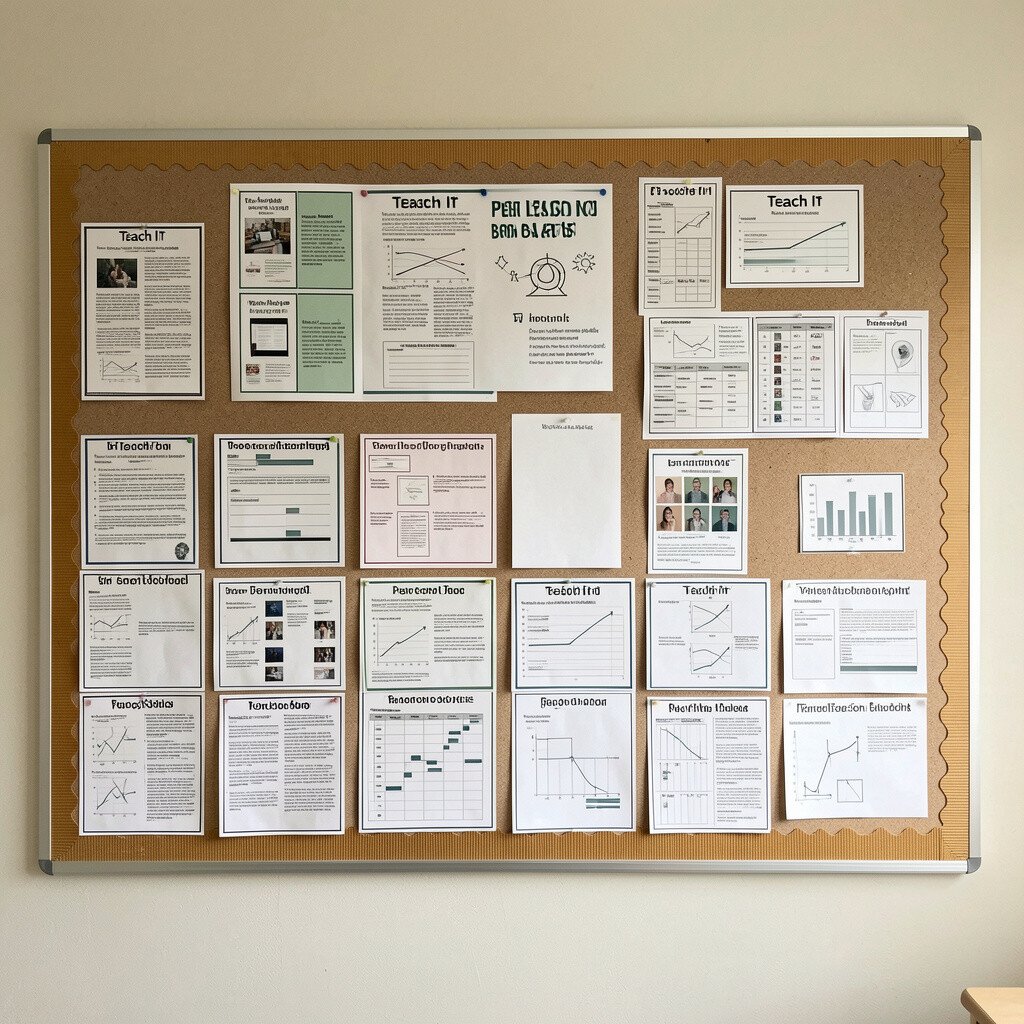
The board becomes a lineup of peer lesson stations, each with a student name and a topic. Students prepare a simple guide, a diagram, or a mini practice set that their classmates can try.
During review days, classmates rotate, choose one station, and try the mini lesson. This improves confidence because students practice explaining, not just listening. Make it actionable by giving students a template for what to include, like key steps, one example, and one question.
14. Class Goal Thermometer and Momentum Tokens
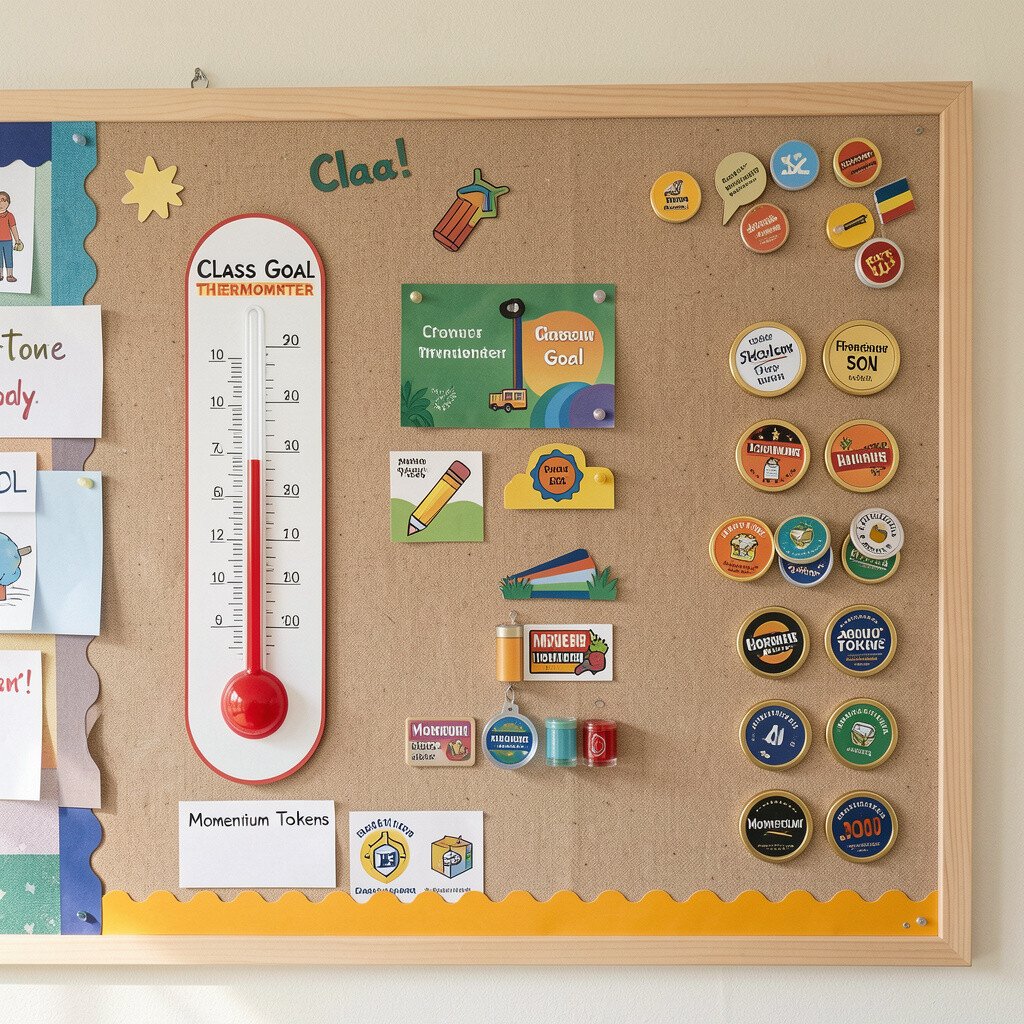
A thermometer-style visual shows class progress toward a goal, such as reading minutes or calm teamwork habits. Students move a marker up as the class reaches milestones during the week.
Alongside the thermometer, add momentum tokens that students earn for specific behaviors like helping a classmate or staying on task. Each token can be shaped like a star or heart to keep the board cheerful. This supports engagement because students can see that effort creates results, and it builds a shared sense of pride.
To keep costs low, create tokens from cardboard and cover them with clear tape for durability. Personalize the progress markers by letting students design them based on the goal theme. For a current trend, include a digital timer poster style with simple numbers and cheerful colors, even if it’s paper-based.
15. “One-Minute Model” Visual Steps
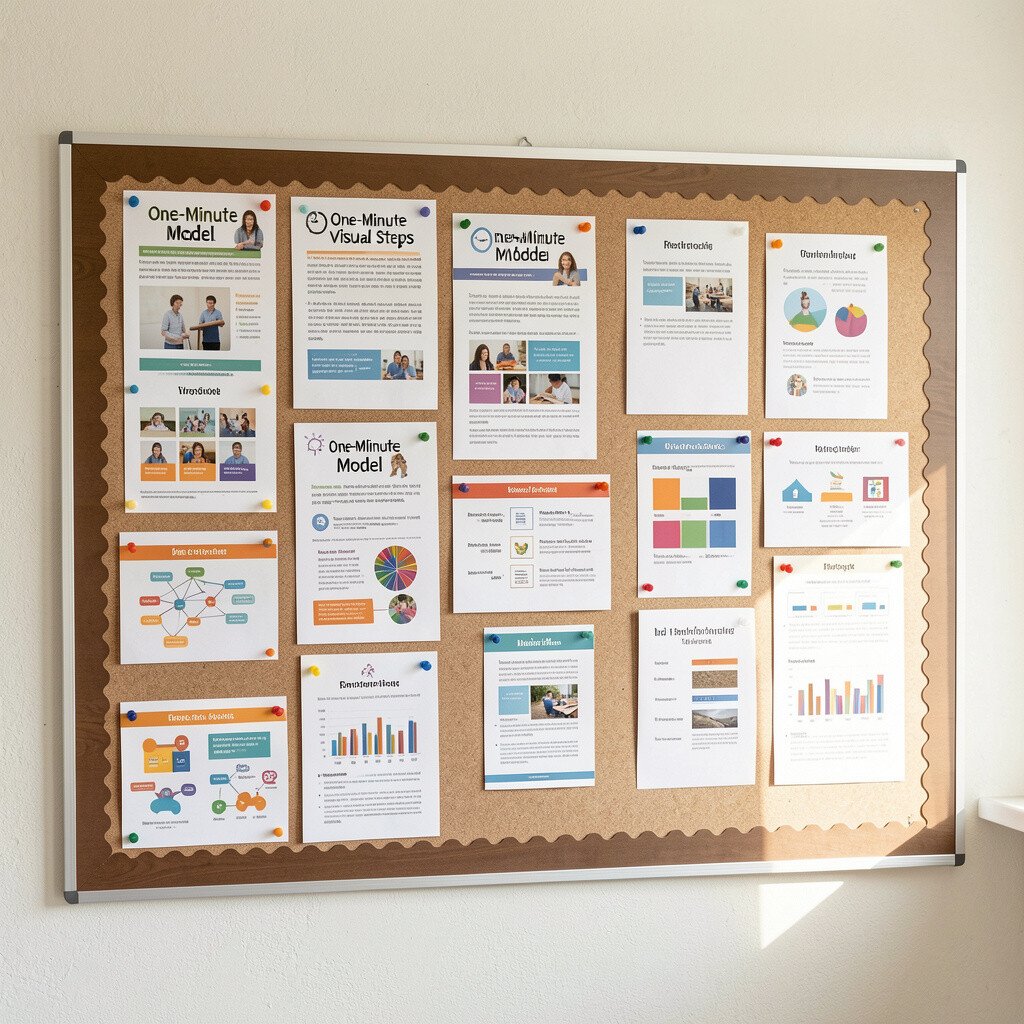
The board features short visual steps for common tasks, like how to cite sources, solve a problem type, or write an intro paragraph. Each model is posted as a small card students can reread quickly.
Students add their own “I tried it” sticky note when they use the model successfully. This boosts engagement because it shows immediate application, not vague reminders. Keep directions short and include one example that matches what you practiced in class.
16. Feedback Loop Wall With Growth Prompts
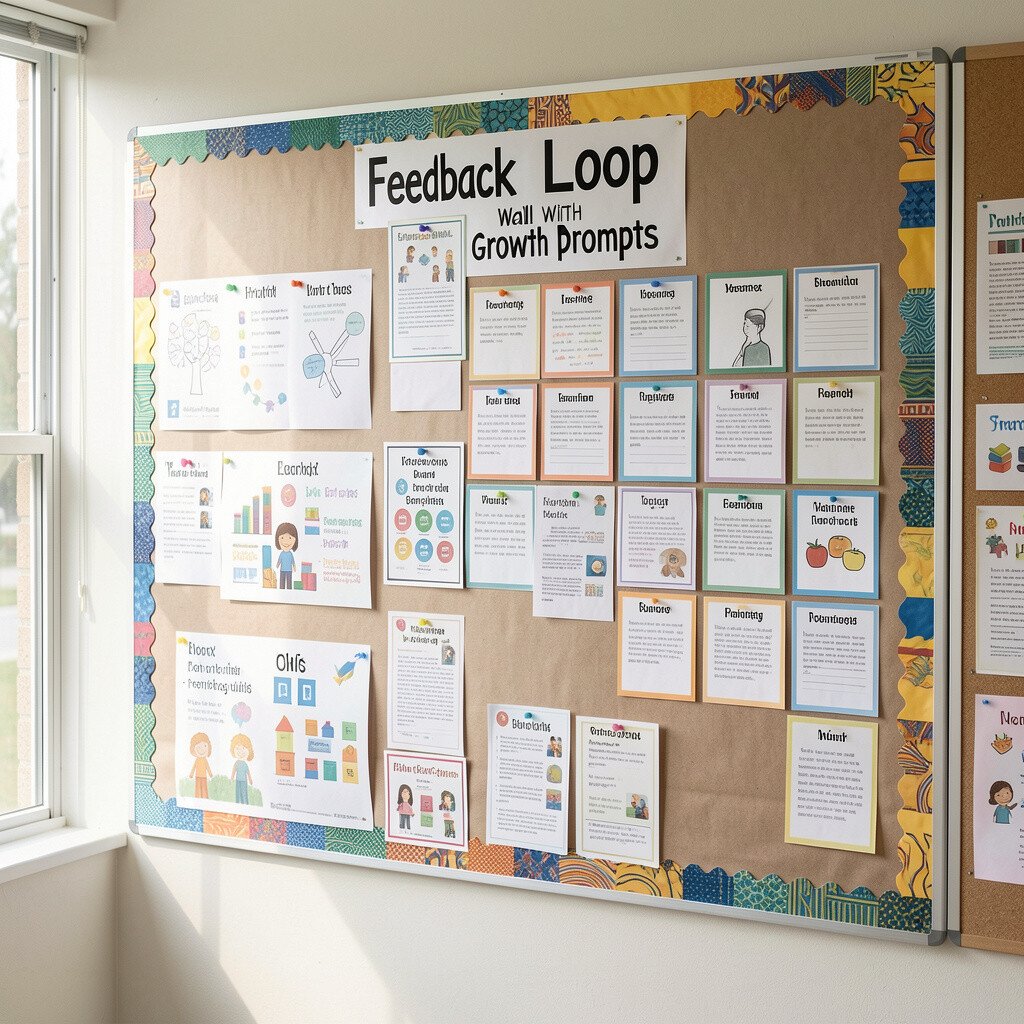
A feedback wall holds student drafts in pockets, but the board includes growth prompts instead of red-pen notes. Students use color-coded sticky notes to give feedback based on a specific focus, such as clarity or evidence.
Visual cues make feedback easier, like a green sticky for strengths and a yellow one for next steps. The benefits include stronger writing and more respectful conversations because students learn how to talk about work kindly. Use rotating prompts so students practice different feedback skills over time.
Personalize by letting students choose what shape represents each feedback type, like circles for strengths and triangles for next steps. For cost, use inexpensive sticky notes and simple index-card prompt cards. If you want a current trend, include a “student voice” option where students add one question for the author to answer.
17. Attendance Adventure Map
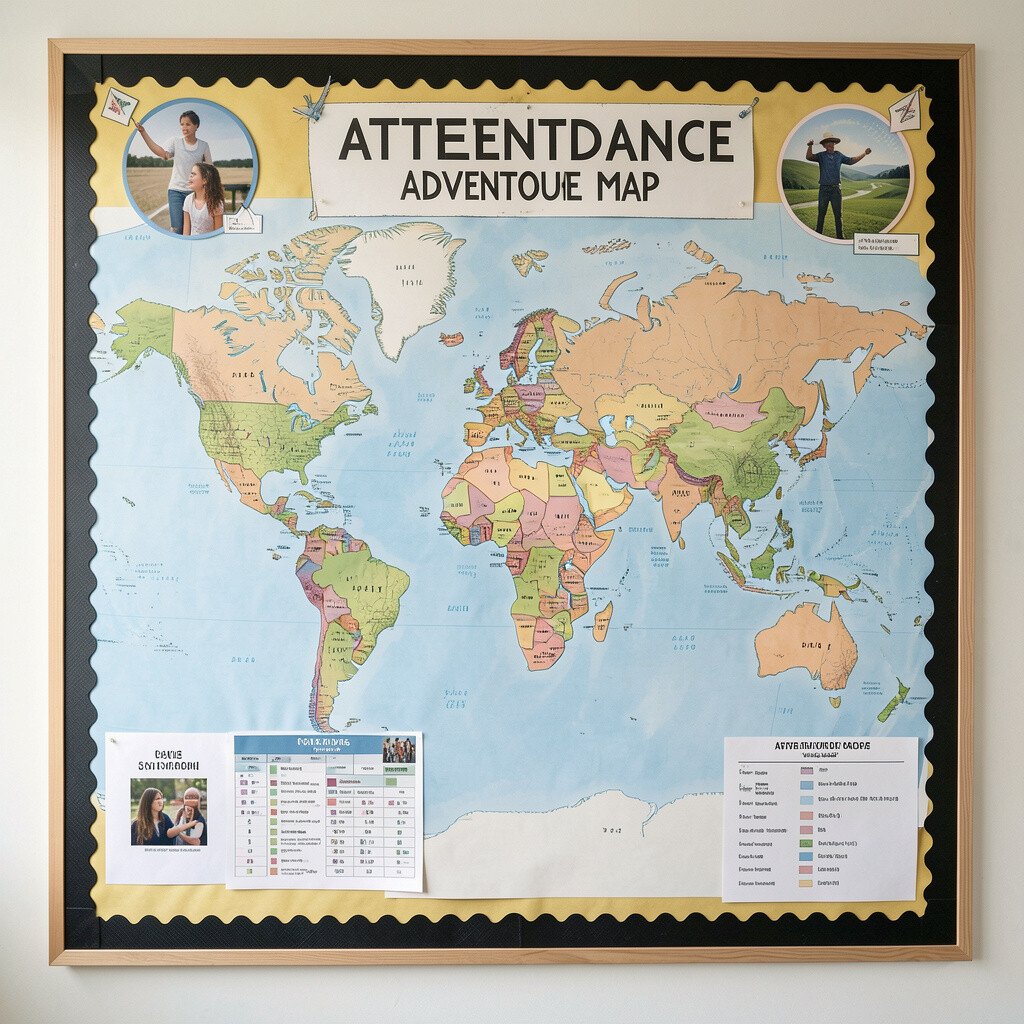
An “adventure map” board turns attendance into a fun visual routine without putting pressure on anyone. Students place a token on a location that matches their schedule or class activity group, like “Morning Builders” or “Book Explorers.”
Each day, the board includes a small note about what the class will do next, written in friendly language. This helps students feel ready because the map shows where the day is headed. Keep it practical by using magnets, Velcro dots, or lightweight paper tokens you can move quickly.
18. Digital and Paper QR Challenge Board
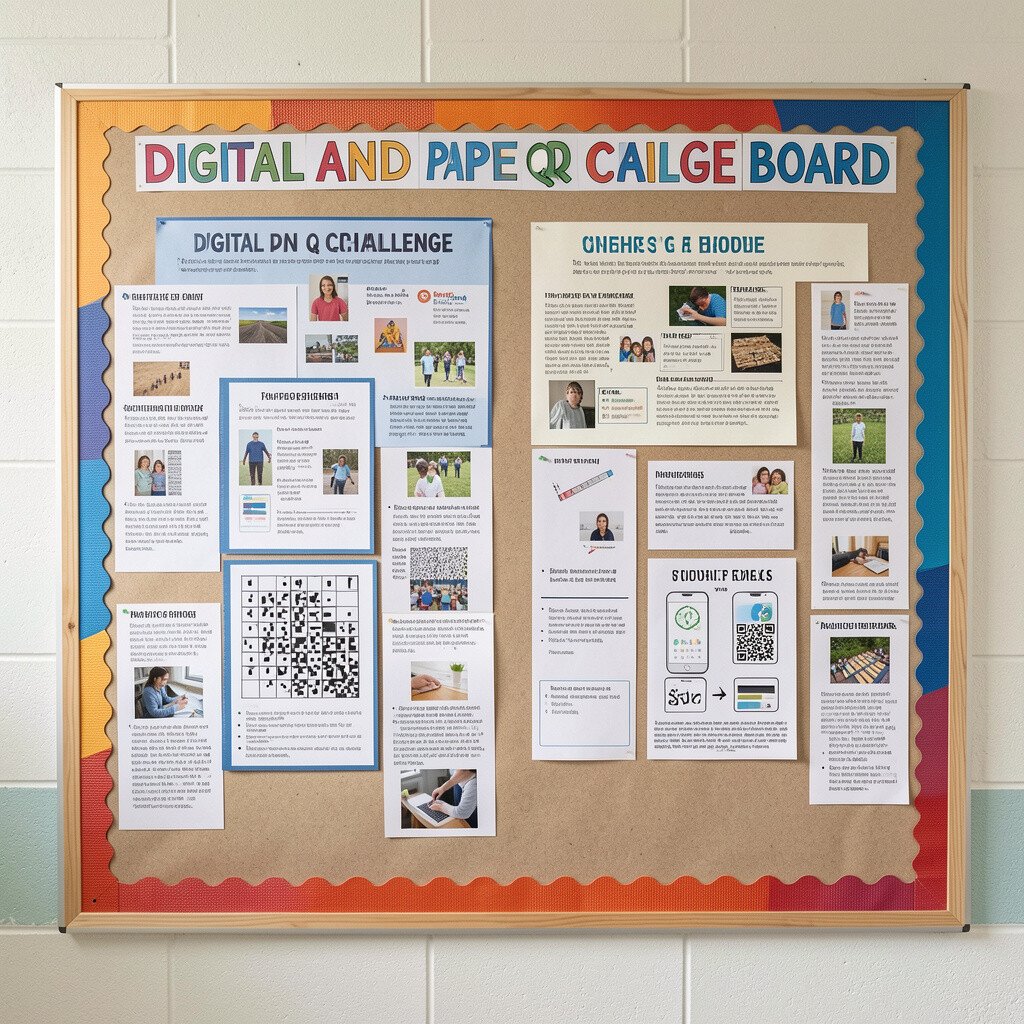
The board includes QR codes printed on cardstock, each linked to a short activity like a quick quiz, a listening clip, or a student-created explanation. Students scan at stations, then return to record what they learned on a paper exit strip.
This blends hands-on and tech in a way that fits modern learning styles. The benefit is instant feedback, which keeps students interested and helps them correct mistakes faster. Make it practical by limiting each activity to a short time window and offering a “no-tech” alternative like a matching card set.
Personalize the QR tasks by letting students propose one new code each month, with teacher approval for accuracy. For cost considerations, start with free tools and simple QR code generators so you don’t spend much money. To match current trends, include student audio reflections and real classroom recordings that feel authentic.
When students earn the right to contribute a code, the board becomes a team project, not just a display.
19. Class Weather Forecast for Learning
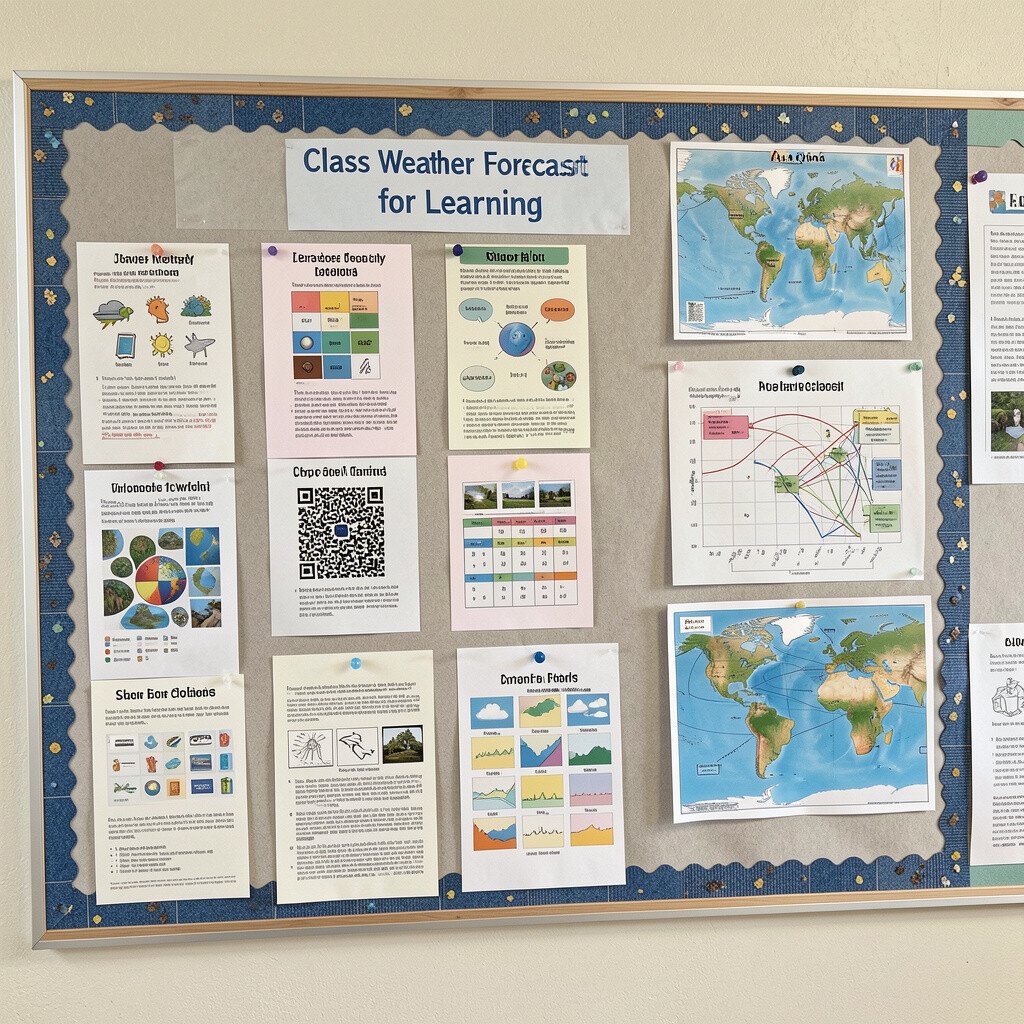
A weather forecast board uses clouds, sun, rain, and wind symbols to show the class learning mood each day. Students choose the symbol that fits how they feel about today’s lesson and explain one reason on a small slip.
When the class sees patterns, they can plan together, like adding quiet time, doing a quick practice round, or working in pairs. This boosts engagement because students guide the class climate with respectful input. Keep the process simple by using a small set of symbols and pre-printed explanation starters students can complete in seconds.
Personalize the board by allowing student artists to design the weather icons, which makes the display feel uniquely theirs. For cost, print symbols on thick paper and reuse them each month. A current trend is using social-emotional learning visuals, and this board fits right in while staying fun and friendly.
Over time, students learn that their feelings can lead to real improvements in how the class works.