
The road leaves marks you can’t always see right away. When you make small choices on purpose, those moments stick longer than you expect.
Even simple trips can feel personal and bright when you plan for meaning, not just distance.
1. Carry a “Tiny Museum” Mindset
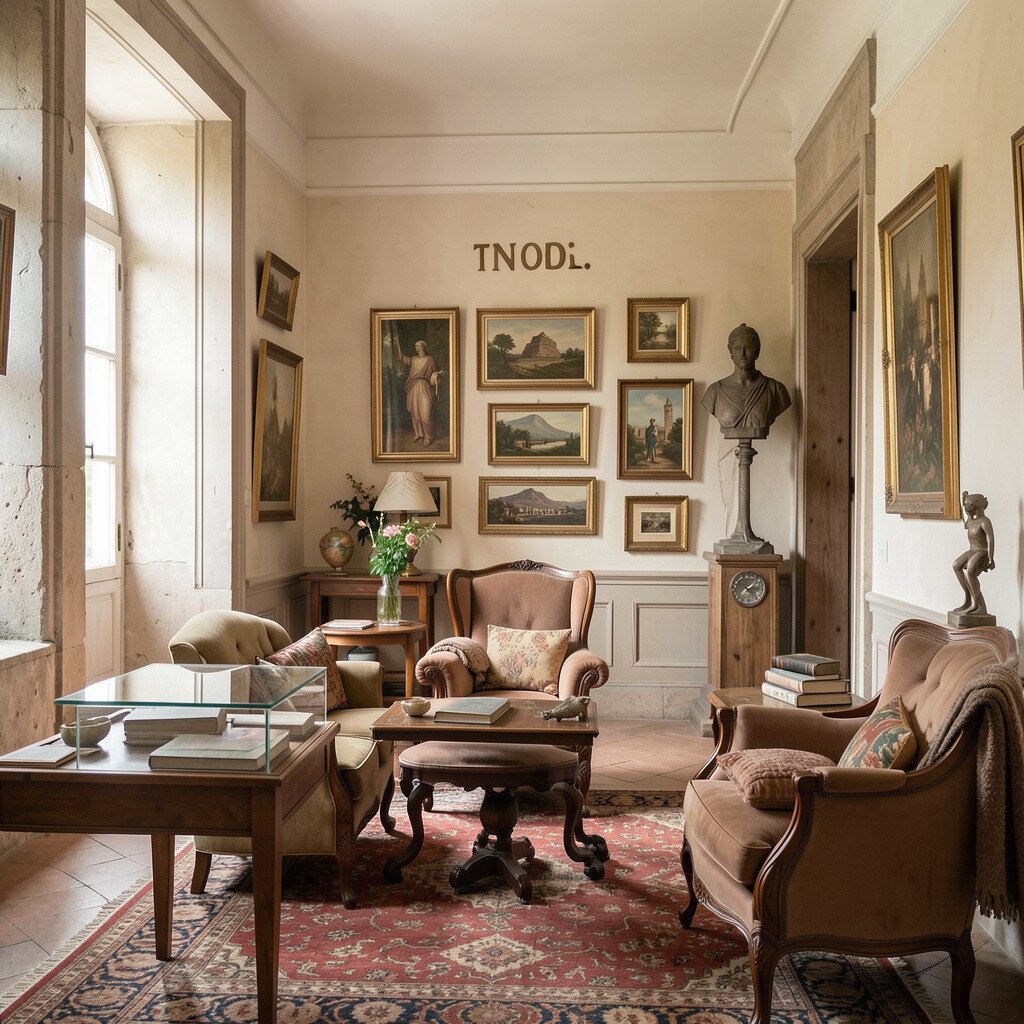
Before you go, imagine each day as a room you get to curate. You’ll start noticing colors, textures, and sounds like they are exhibits made just for you.
Pick one object or scene per stop that feels worth saving in your mind. It might be a tiled doorway, a street vendor’s chalk sign, or the shine of wet pavement at dusk. Take a photo, then write one quick sentence about why it matters to you.
2. Train Your Eyes With a Daily Photo Rule
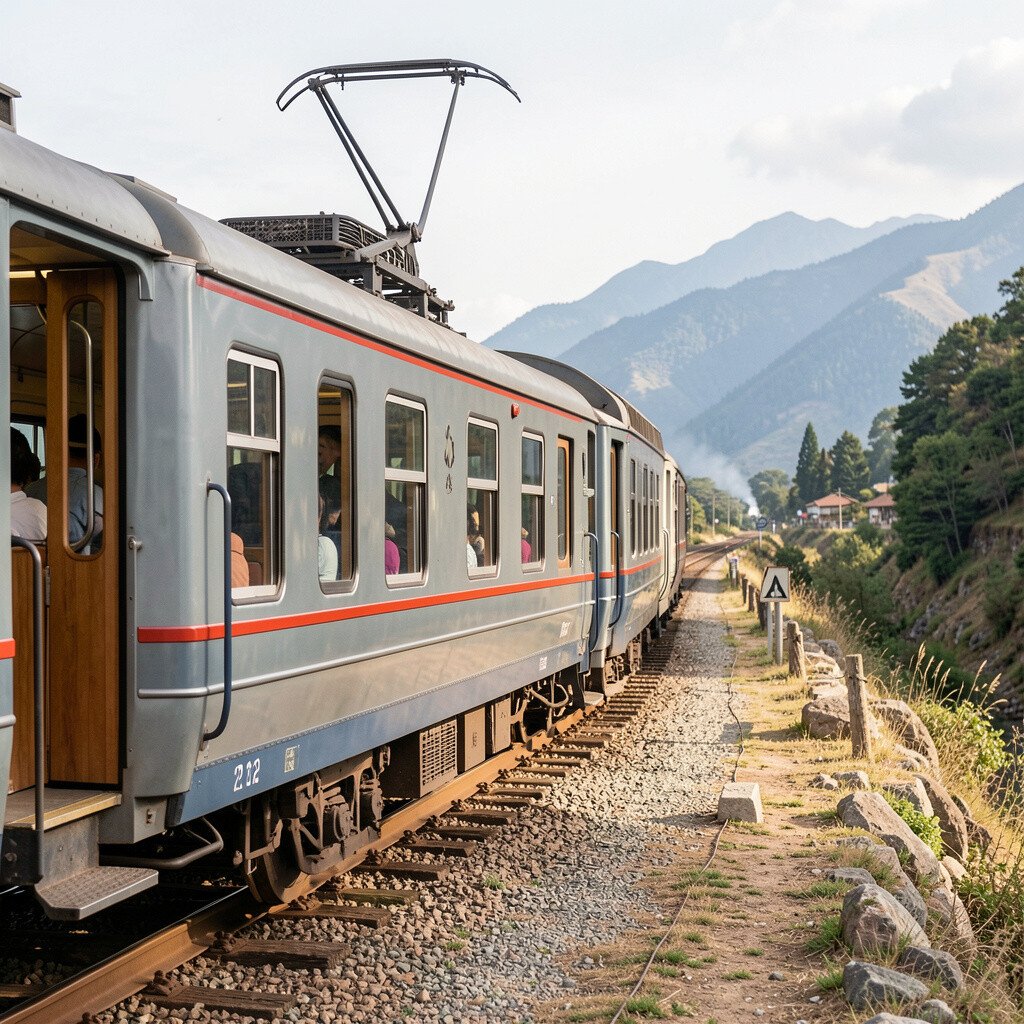
Choose a simple photo rule so your camera doesn’t stay idle. For example, only photograph things that show local life, like hands cooking, window light, or transport signs.
This keeps your visuals focused and helps you remember details later. After your trip, those pictures feel like a story instead of a pile of images.
If you travel with a phone, clean the lens and turn on grid lines so framing looks neat. Low-cost editing apps can brighten photos without making them look fake.
3. Talk to One Person Like a Local Friend

Small conversations can become the most memorable part of a journey. You don’t need fancy words; a warm smile and real curiosity go a long way.
Ask about everyday things, like what snack locals grab, where families picnic, or which bus route feels easiest. Listen for small details, then repeat the best one back to show you cared.
Even one kind chat can change how you see a place, because you’ll remember a voice, not just a landmark. If you worry about cost, free walking tours and community events often bring great chances to meet people.
4. Build a “Soft Schedule” for Unplanned Magic
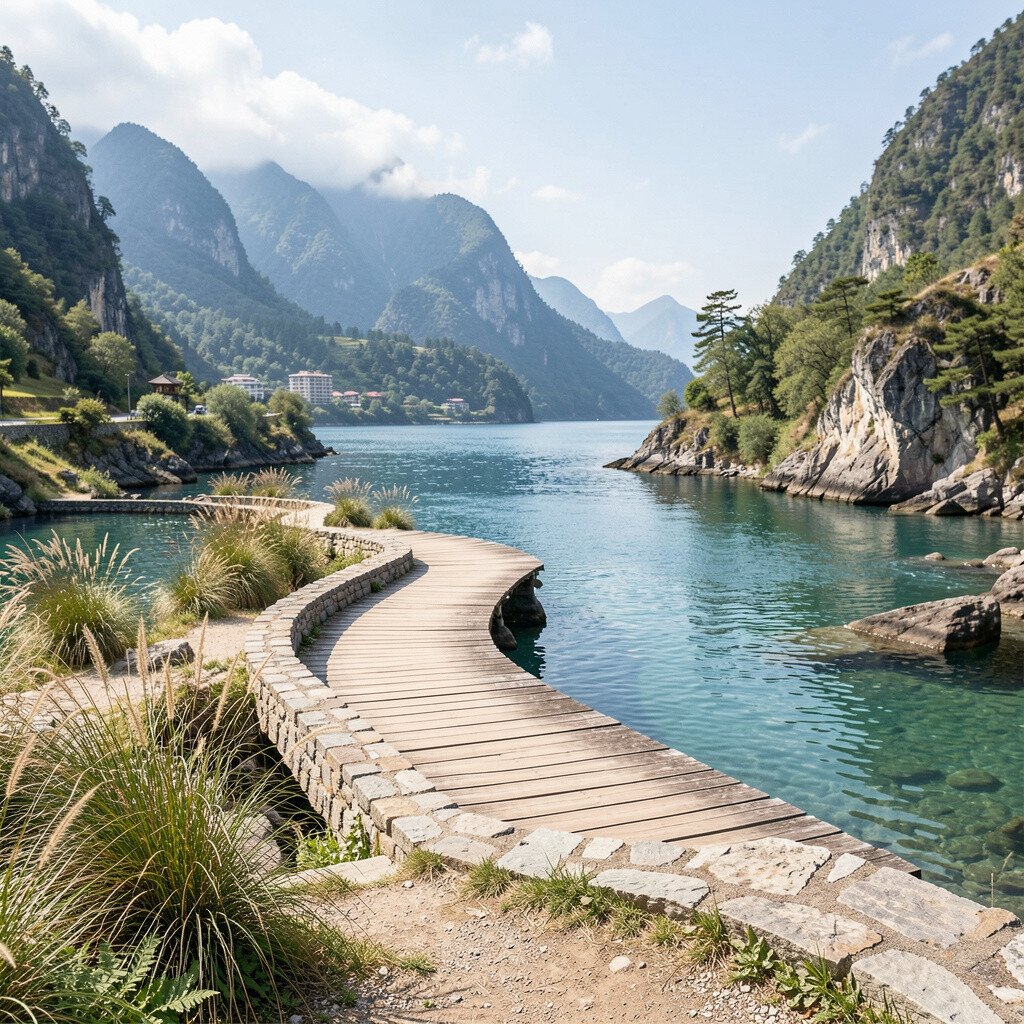
Make plans, then leave space for surprises. A soft schedule means you know the basics but you don’t clamp down on every hour.
Start with one main activity and one flexible block, like a morning market visit and an afternoon you can wander. This helps you catch festivals, quiet cafés, and viewpoints you would miss if you rushed.
5. Keep a Small Memory Journal That Fits in Your Bag
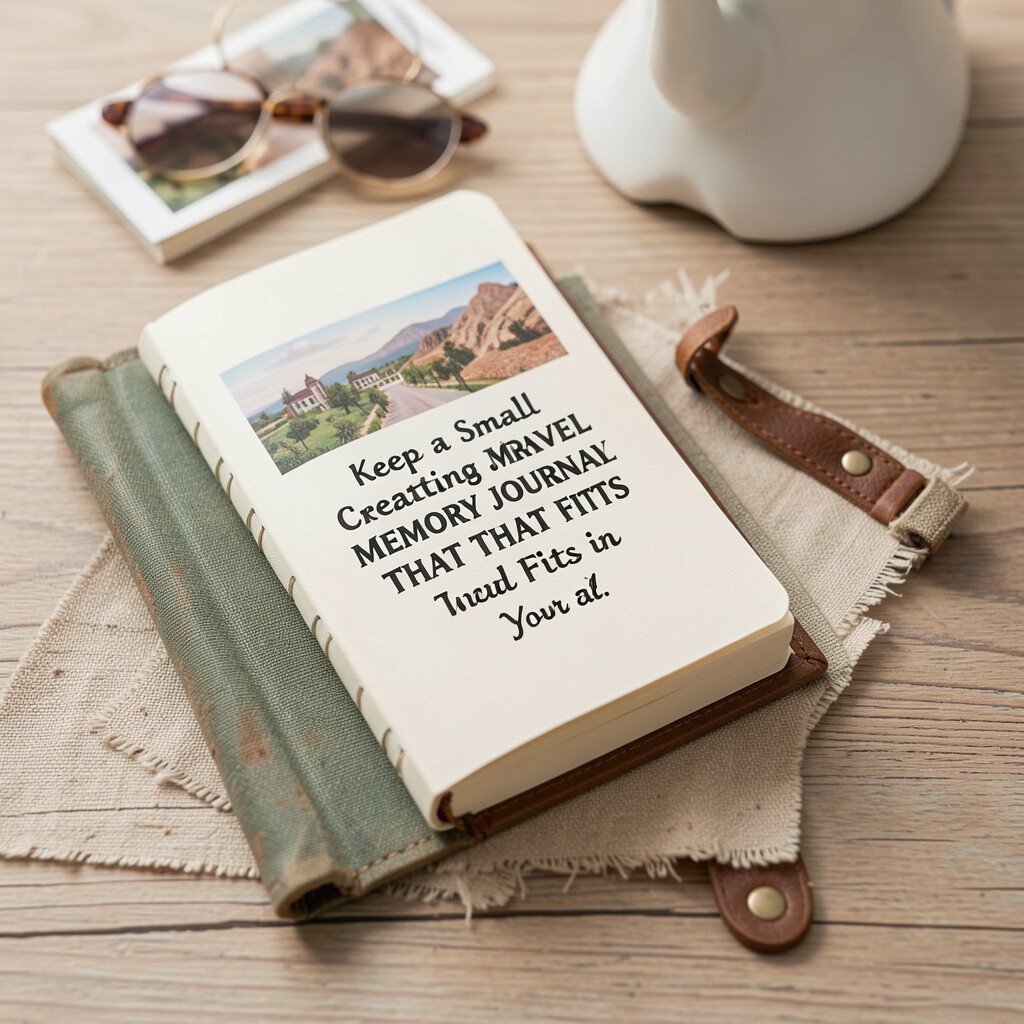
A journal that’s too big never gets used. Choose something small and simple so you can pull it out anywhere, even on a bus ride.
Write a few lines about what you saw, what you tasted, and how you felt in that moment. Use a mix of short notes and tiny sketches so it feels playful, not strict.
Make it personal by adding a color for the day, like “blue calm” or “orange adventure.” Cheap notebooks work, but you can also use a phone note if you prefer.
6. Collect “Proof” Artifacts, Not Just Tickets
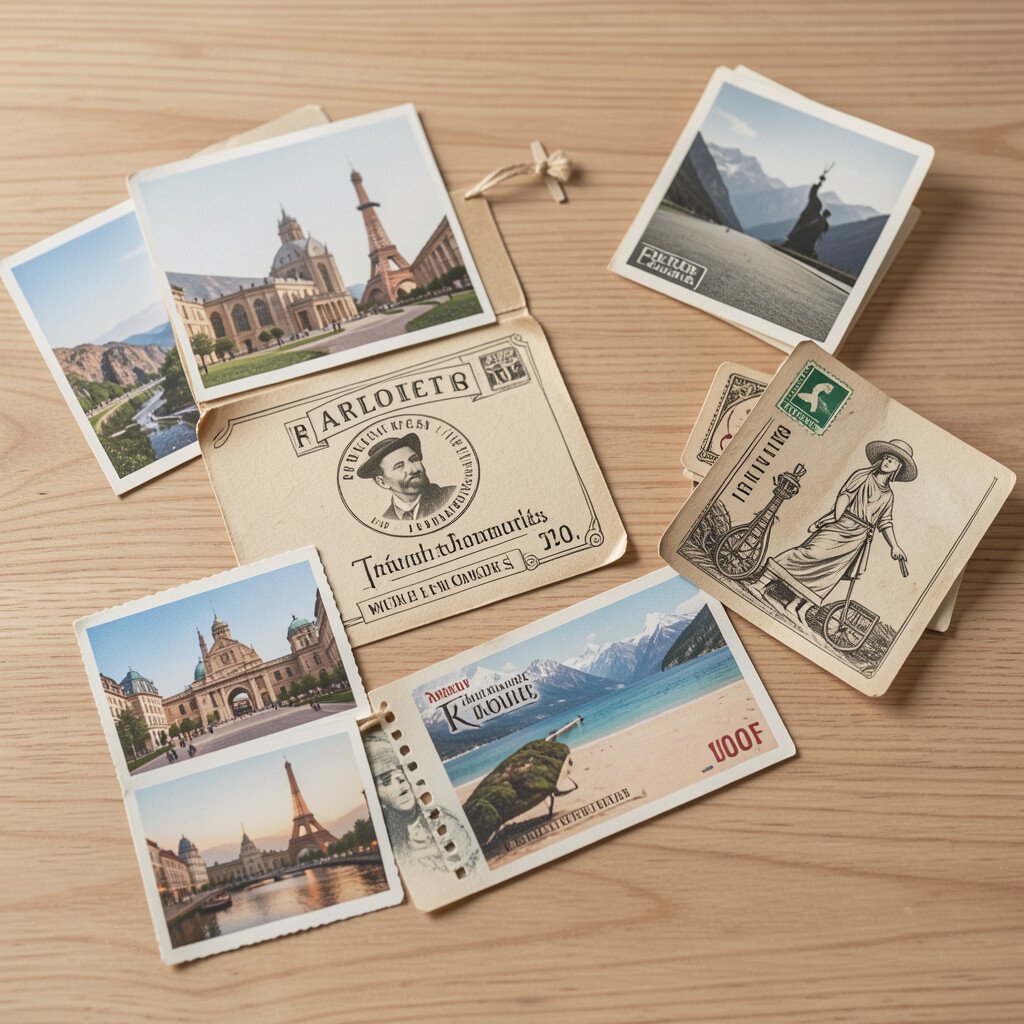
Instead of only saving tickets, gather small proofs that show you were really there. A receipt, a bus card, or a postcard stamp can become a memory anchor.
When you look at these later, the scene often returns in your mind. Pair an artifact with a short sentence so it doesn’t feel random.
7. Use Your Senses on Purpose at Every Stop
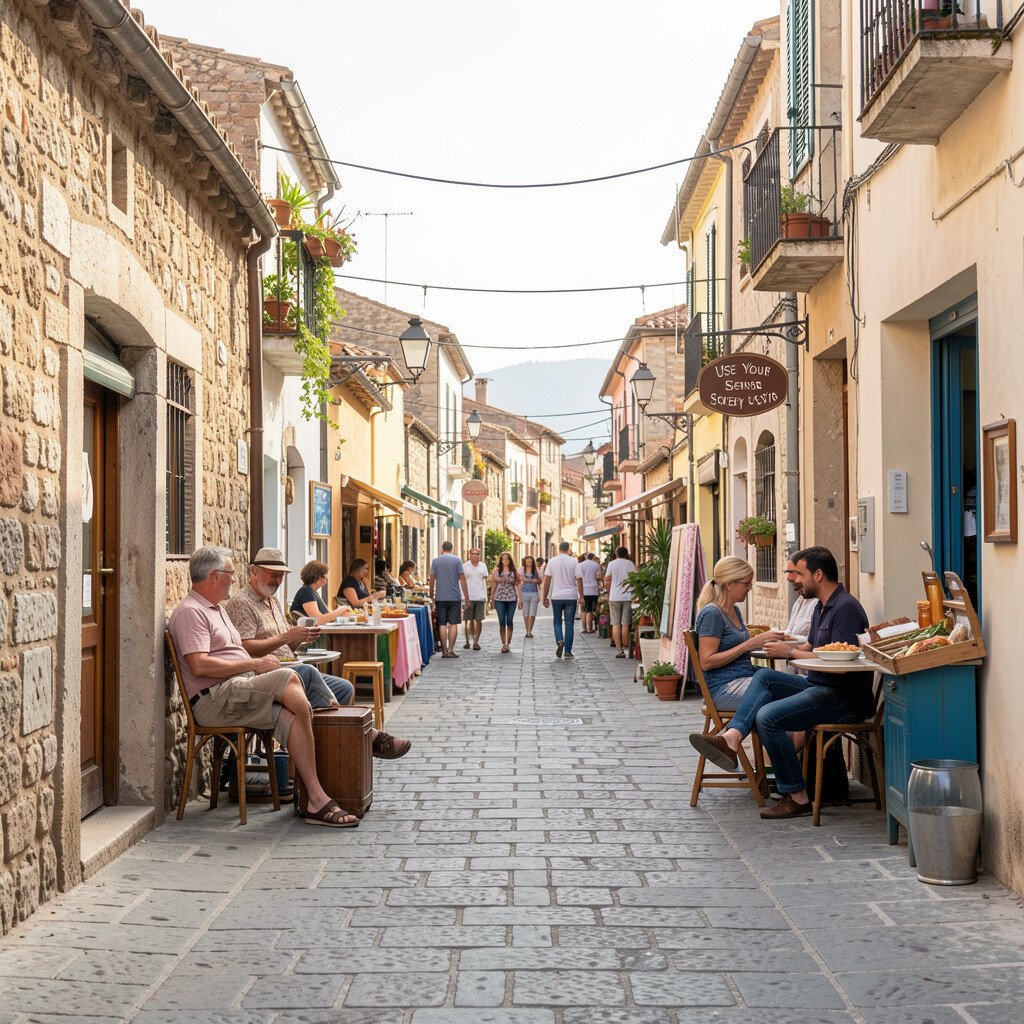
Memories get stronger when you involve more senses. When you arrive somewhere new, slow down and notice three things you can see, two you can hear, and one you can smell.
Try tasting one local item even if it’s small, like a drink or a street snack. You’ll often find that the flavors you remember are more meaningful than the biggest monument.
8. Make One “Ritual Photo” You Repeat Every Trip

Repeating one simple shot creates a familiar thread across all your travels. Pick a spot like a doorway, a sign, or a skyline view, and take the same type of photo each time.
Over the years, you’ll compare seasons, outfits, and moods, and the pattern becomes part of your story. It’s also a fun way to include friends because they know what to do when the moment comes.
9. Choose Stays That Match Your Way of Traveling

Your lodging shapes your days more than you think. If you like early starts, look for places near transit; if you like calm evenings, pick a quieter neighborhood.
Even cost-friendly stays can feel special when the location fits your style. Check recent photos, read reviews carefully, and consider if the room has details that will help you relax, like natural light or a comfortable desk.
Personalize your stay by packing a small comfort item, like your favorite tea bag or a tiny scented lotion. Those touches can turn a regular night into a memory you’ll want to repeat.
10. Plan for Rest Like It’s Part of the Adventure
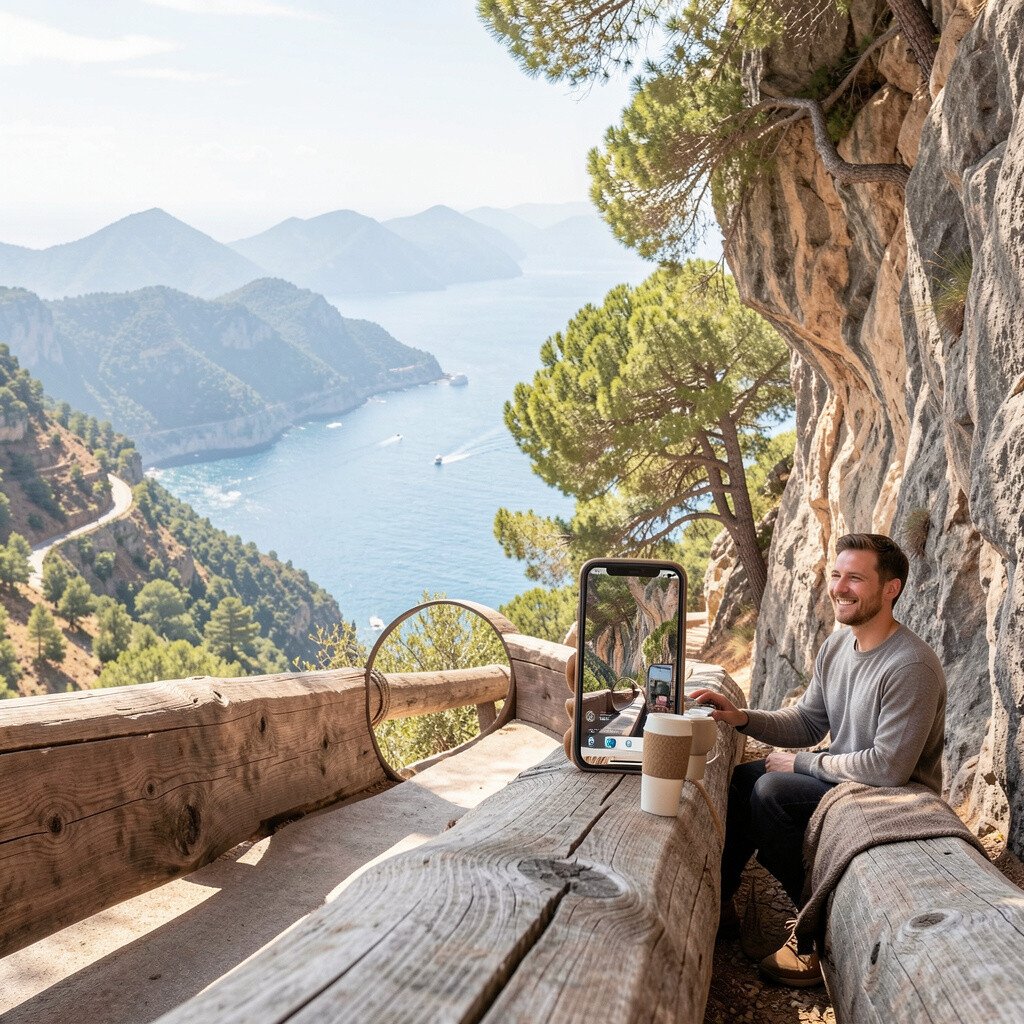
Travel memories don’t only come from motion. They also come from quiet breaks when your mind catches up.
Schedule recovery time after busy mornings, especially on long travel days. A short nap, a slow meal, or a scenic bench stop can make the next day feel brighter.
11. Learn a Few Local Phrases That Open Doors
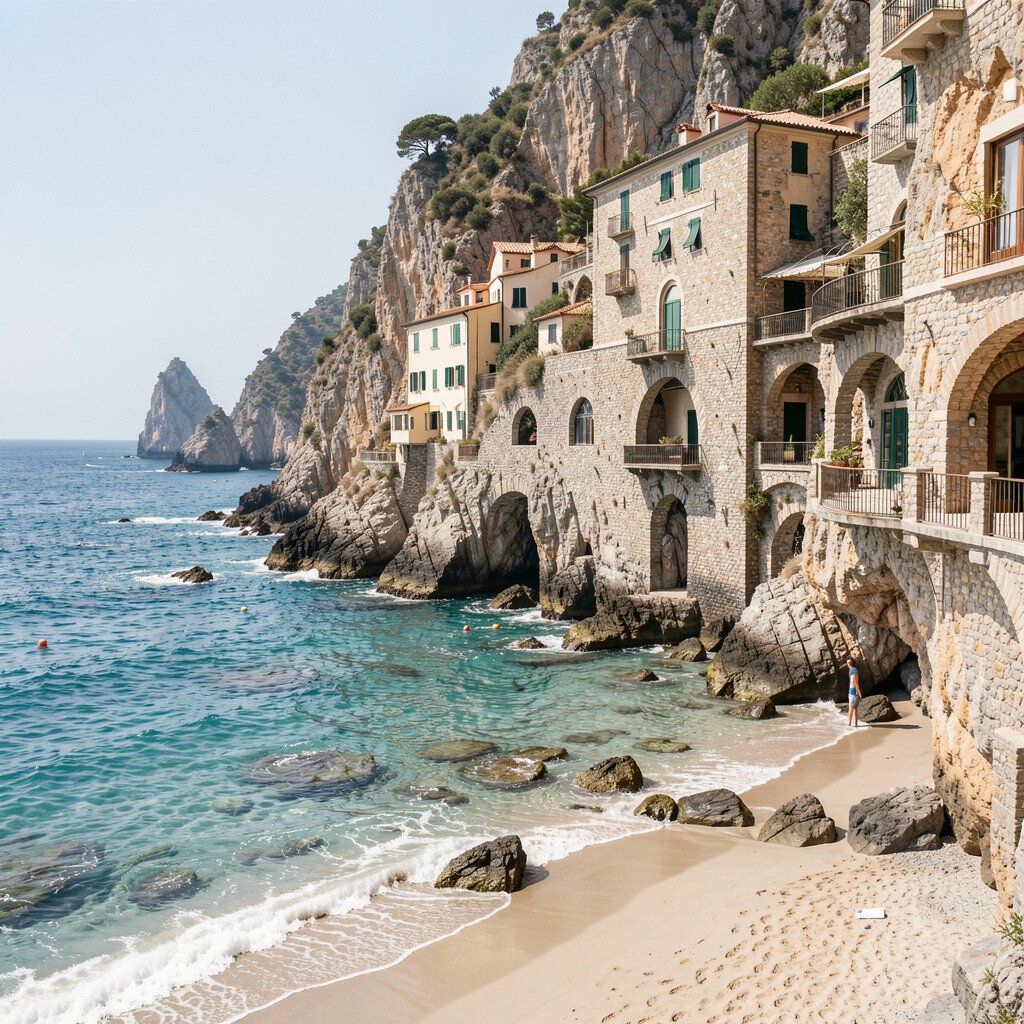
Two or three phrases can create instant warmth. Try learning “hello,” “thank you,” and a simple question about local favorites.
People often respond with patience and kindness when you try, even if your pronunciation isn’t perfect. Carry the words in your notes offline so you can use them without stress.
This also helps with practical moments like ordering food or asking for directions. It’s low-cost, and it makes everyday interactions feel personal and respectful.
12. Follow One Local Trend, Even If It’s Tiny

Trends can help you connect with what’s happening right now. When you arrive, check what locals talk about, like a popular drink, a weekend market, or a new walking route.
Then choose something small you can try without overspending. You might join a short guided art walk, buy a seasonal pastry, or rent a bike for an hour in a busy area.
13. Use a “Three-Stop Rule” for Food Decisions

Food is one of the easiest ways to make travel feel unforgettable. Still, too many choices can cause stress, especially when you’re tired.
Pick one well-loved spot, one place with a short line, and one casual shop where locals seem comfortable. This gives you variety while keeping your plan realistic.
If you’re on a budget, share dishes, order a drink you can enjoy slowly, and look for lunch specials. You’ll save money and end up with a better mix of flavors.
14. Save Your Best Notes for Later, Not Just While There
Write now, but also set aside a quick time to recap. Later that evening or the next morning, turn messy thoughts into clear memories.
Look at your photos and choose the one that feels most alive. Then add a detail you didn’t notice at the time, like a background conversation, a smell, or a small gesture from someone you met.
15. Turn Crowds Into Calm by Choosing Smarter Times

Big sights are more fun when you time them well. Early mornings and late evenings often feel quieter and more relaxed, and the light looks stunning.
If you can, plan popular places on weekdays or during slower hours. It’s a simple cost win too, because you’ll spend less time waiting and more time enjoying.
You’ll remember the view differently when you’re not rushing or squeezing through crowds. That slower pace helps your brain store the moment more clearly.
16. Make Souvenirs Useful So You Bring the Memory Home

A souvenir doesn’t have to sit in a drawer. Choose items you will use, like a mug, a scarf, a small spice blend, or a notebook made by local makers.
When you use it later, you bring the place back into your daily life. That keeps the memory active instead of fading.
17. Keep Your Costs Calm With Simple Spending Checks

Budget worries can shrink the joy if you ignore them. Do a quick check each evening so tomorrow feels manageable.
Look at the next day’s needs, like transport, food, and one activity, then decide what matters most to you. Cost planning doesn’t have to be strict, and it can still leave room for fun surprises.
18. Create a “Perspective Swap” by Visiting One Quiet Place
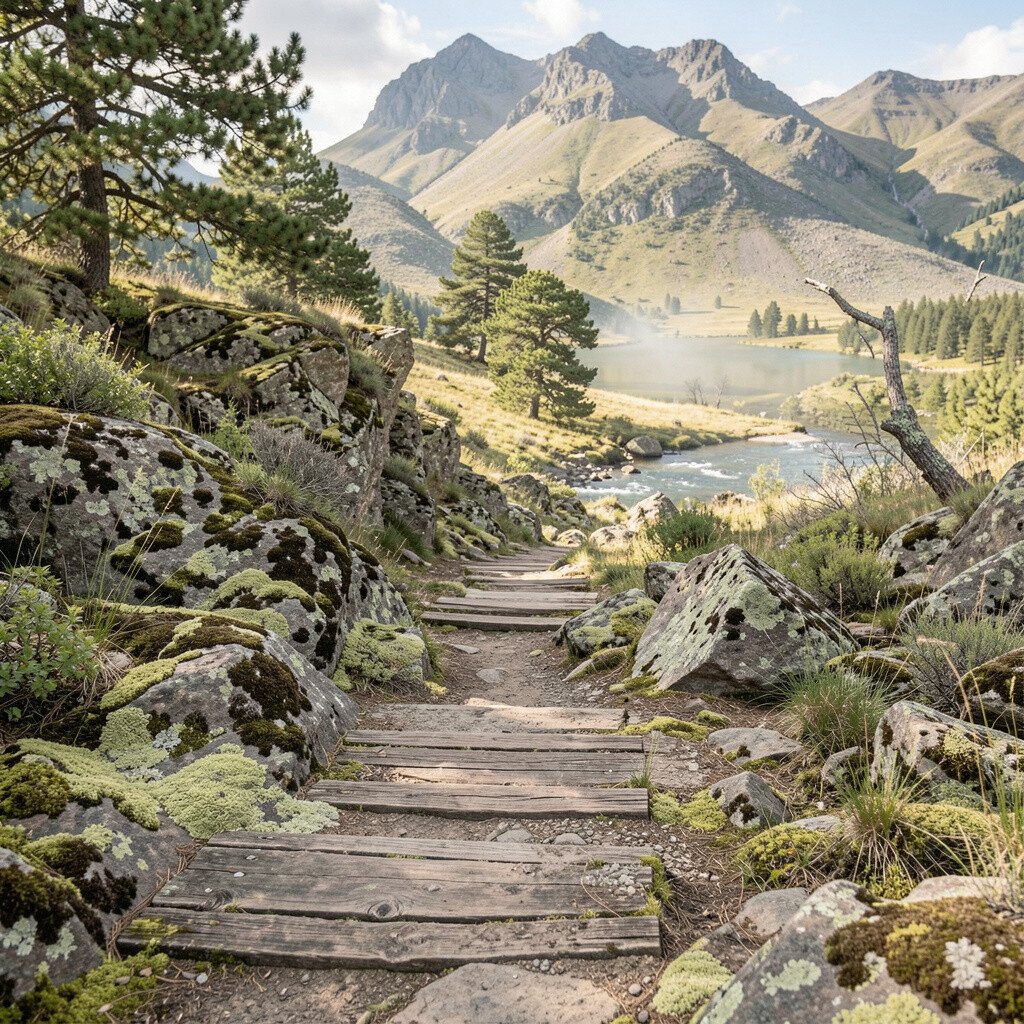
Every journey needs a pause that feels different from the busiest streets. Choose one quieter site, like a park, a neighborhood café, or a small museum corner.
Give yourself time to sit and watch, because people watching is a kind of storytelling. You’ll notice patterns you missed earlier, like how locals move through the day or how plants change in light.
That calm scene helps the loud memories feel even richer. It’s also a low-cost choice, since many parks and casual cafés cost less than major attractions.
19. Personalize Your Travel With a “Do One New Thing” Goal

Pick one small challenge you can handle each day. It might be trying a new food, learning a dance step at a community event, or taking a different bus route just to see what’s around the corner.
This goal helps you avoid feeling stuck in a routine. It also makes your memories feel uniquely yours, not like something anyone could copy.
20. Share Your Story in a Way That Feels Like You

Memories grow when you share them, but sharing can still be personal. Choose one friend to message with a favorite scene, or post a short set of photos that match your style.
Use a format that fits you, like a voice note, a simple photo caption, or a private album that you can revisit later. When your story feels true, you’ll remember the trip not just as events, but as feelings.
To keep it cost-friendly, you can rely on what you already have, like your phone and your notes app. And if you want extra polish, try a free photo editor to match color and mood across your pictures.