A sisal mat can make a room feel calm, grounded, and instantly more styled. With the right approach, it also brings texture without needing a big budget.
Use these ideas to shift the look of your floors and tie together your furniture, lighting, and colors.
1. Layer a Sisal Runner in an Entryway

Picture your front door opening onto warm, natural fibers that soften the first impression. A sisal runner adds a subtle pattern that feels welcoming without looking too busy.
Choose a runner that leaves a little space at the edges for a clean, tailored look. Vacuum it often and rotate it every few months so foot traffic wears it evenly. If you have pets or kids, use a non-slip rug pad to keep it steady and reduce fraying.
2. Pair a Neutral Sisal Mat With Bold Wall Art
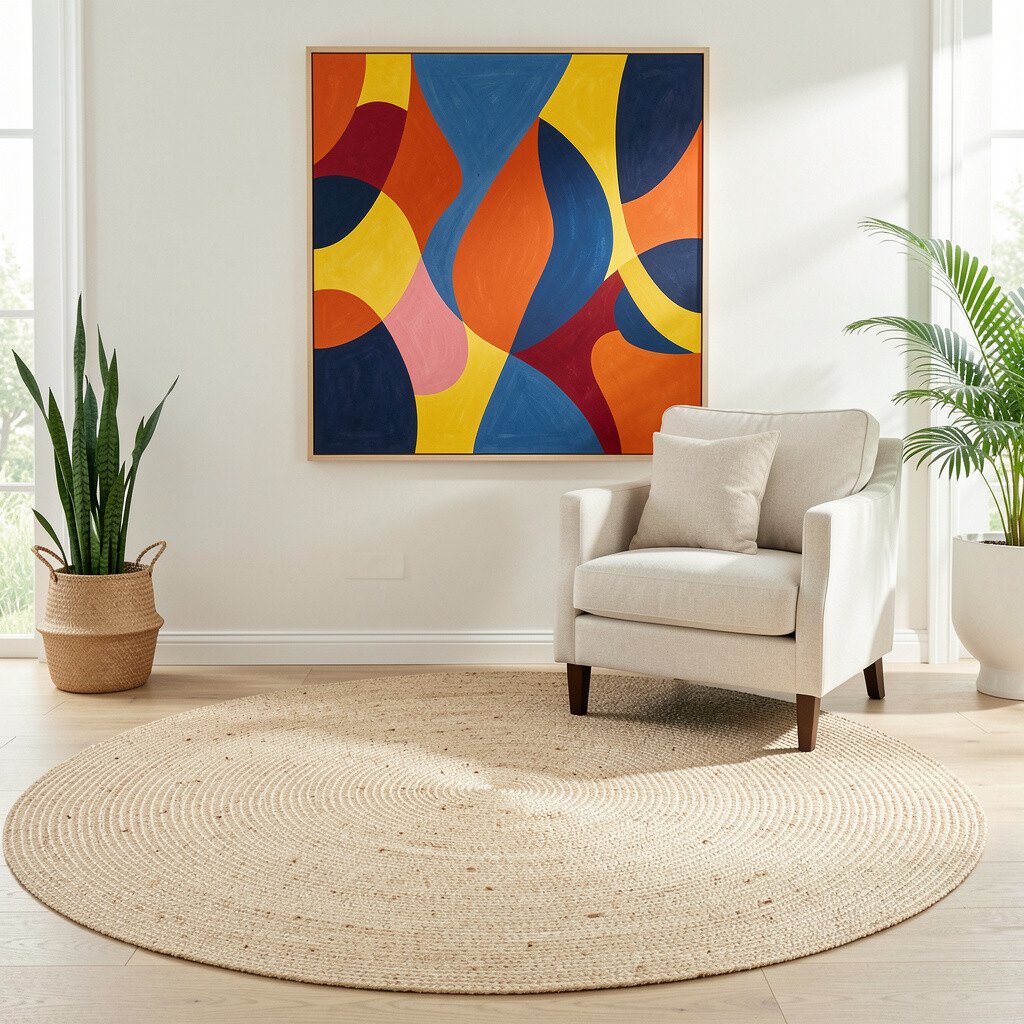
When your walls carry strong color or big shapes, a sisal mat becomes the quiet anchor. Its warm beige and gentle speckling help the room feel balanced instead of loud.
Keep the sisal finish natural and let the art do the talking, especially with modern frames or gallery-style prints. For a coordinated feel, match the art tones to the mat’s undertones, like honey, sand, or light caramel. A light steam from a distance can refresh the texture, but always let it dry fully.
If the room is high-traffic, use a sturdy underlay so the mat won’t shift when doors open and close. You can also trim the look by adding a small tray stand nearby, which pulls the eye toward the center of the entry moment.
3. Choose a Darker Sisal for a Cozy, Grounded Vibe
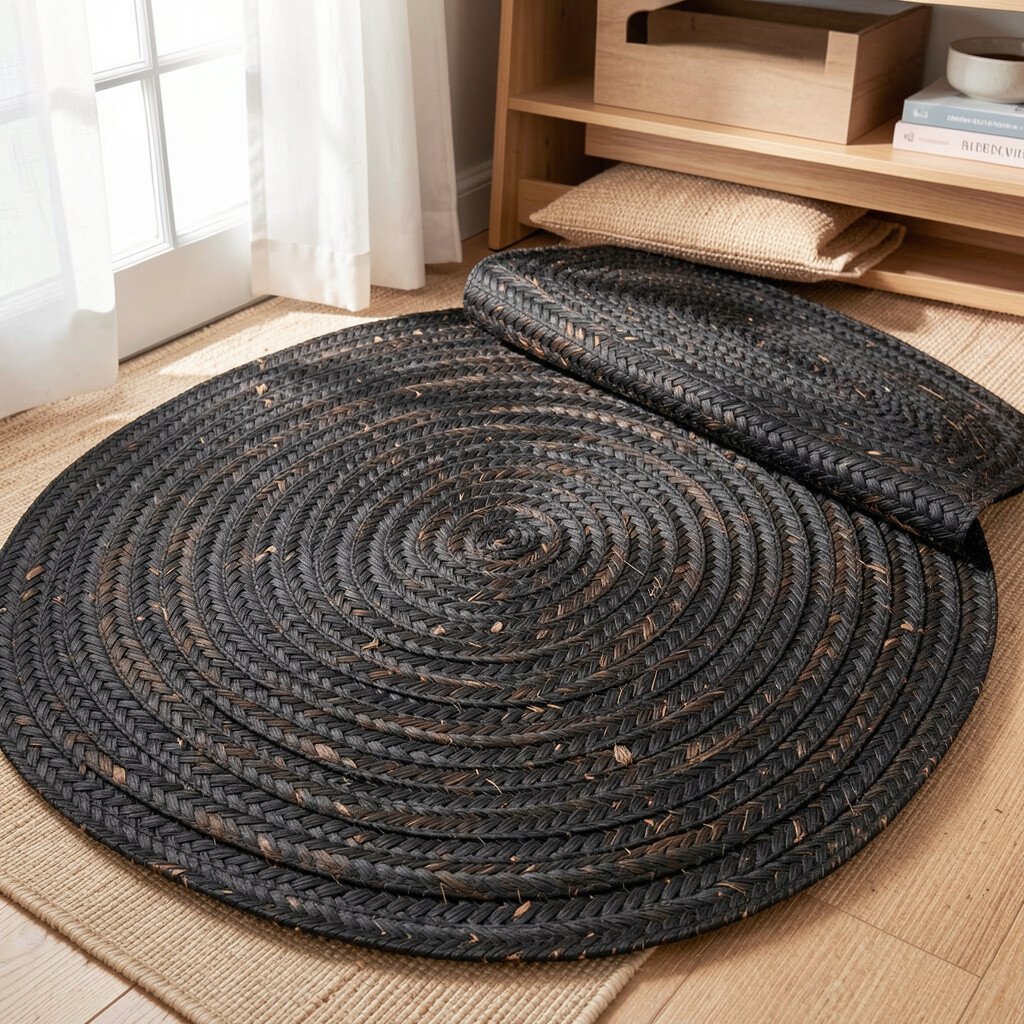
Dark sisal tones, like espresso or charcoal-brown, can make a space feel instantly more intimate. You get the same natural texture, but with a richer mood that works year-round.
Look for darker weaves if your furniture is black, walnut, or deep gray, because the mat will visually “hold” everything in place. To keep it looking crisp, blot spills quickly and use a soft brush attachment when vacuuming. A rug pad is still worth it, since it protects the fibers and prevents sliding.
Personalize the vibe by pairing the mat with warm lighting, such as amber bulbs or lamps with fabric shades. If you want a trendy look, layer a thin off-white throw nearby, since contrast between light textiles and deep floor texture feels current.
For cost control, consider buying a size that fits the main walking area rather than covering the whole room. That way you get the look where it matters most, especially under the front legs of your seating pieces.
4. Use a Sisal Mat Under a Glass Coffee Table
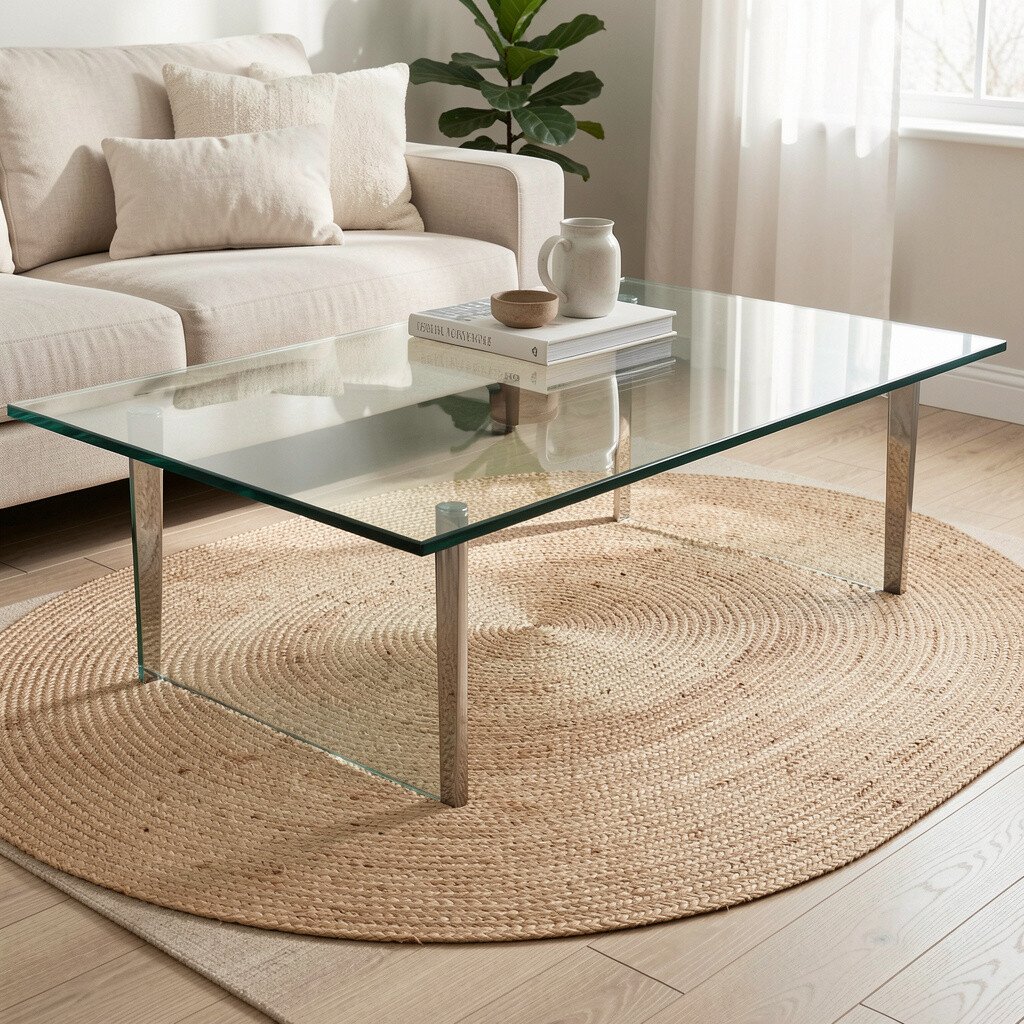
A sisal mat under a glass coffee table adds warmth under something sleek. You’ll see the natural weave through the clear surfaces, creating a light, textured glow.
Pick a mat with a tight weave so it stays neat when it meets hard furniture legs. Use felt pads on chair and table feet to prevent scratch marks and to reduce friction. This also helps the mat last longer, since movement can wear down fibers over time.
Keep the colors simple by matching the mat to nearby woods or metal finishes. If you’re aiming for a modern look, pair it with slim black frames and minimal decor so the texture reads clean. For maintenance, vacuum gently and avoid soaking, since sisal can change shape if it gets too wet.
5. Create a Reading Nook With a Soft Sisal Corner
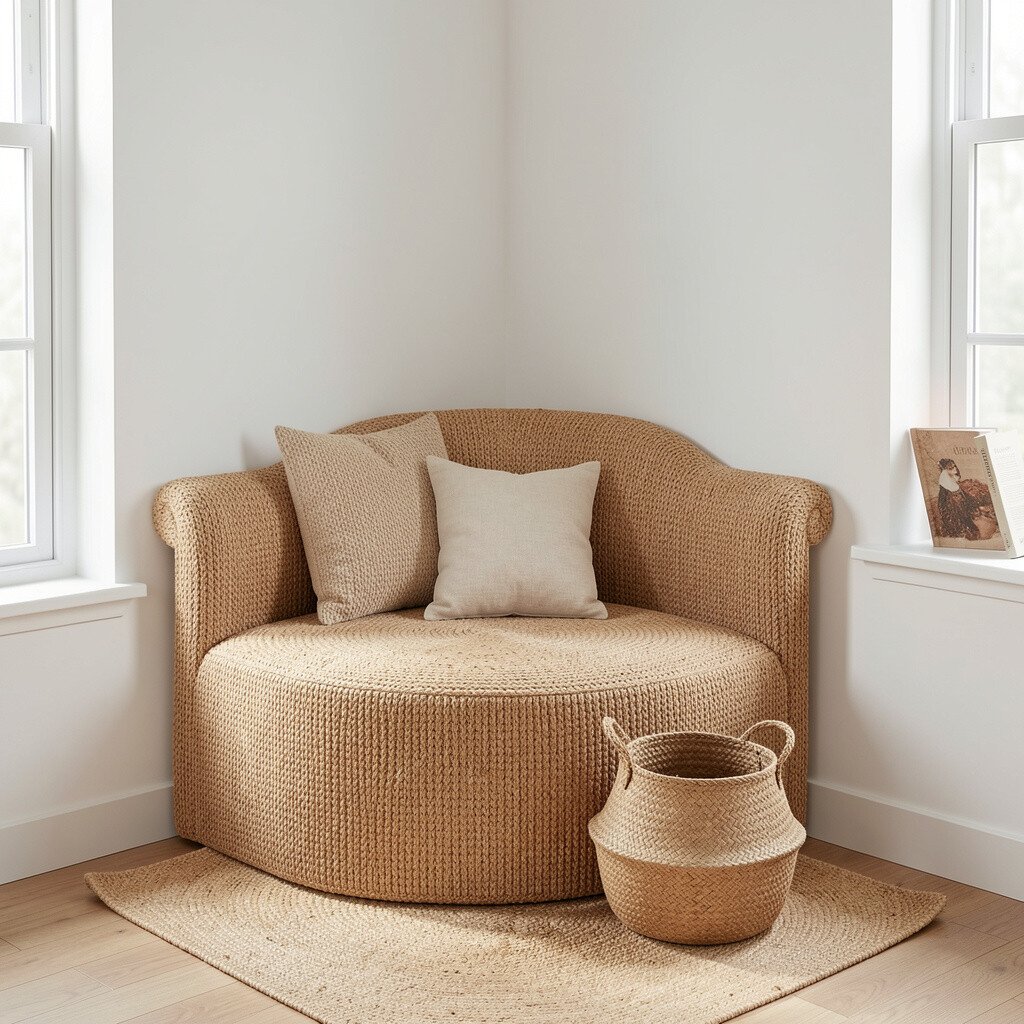
Think about a corner where your chair, lamp, and small shelf all feel pulled together. A sisal mat brings grounding texture so the nook looks intentional, not random.
Choose a mat that reaches at least under the front legs of your chair so comfort stays consistent. Add a wool or cotton throw on the chair, which softens the natural look and boosts cozy vibes. A rug pad helps with stability, especially if you move a lot while reading.
If you want it to feel personal, match the throw or pillow colors to the room’s accent, like terracotta, olive, or dusty blue. This kind of color echo is a popular trend because it makes spaces look “styled,” not just decorated. For budget planning, hunt for remnants or smaller sizes first, since a nook doesn’t always need a full large mat.
6. Switch to a Border Pattern for a Tailored Look
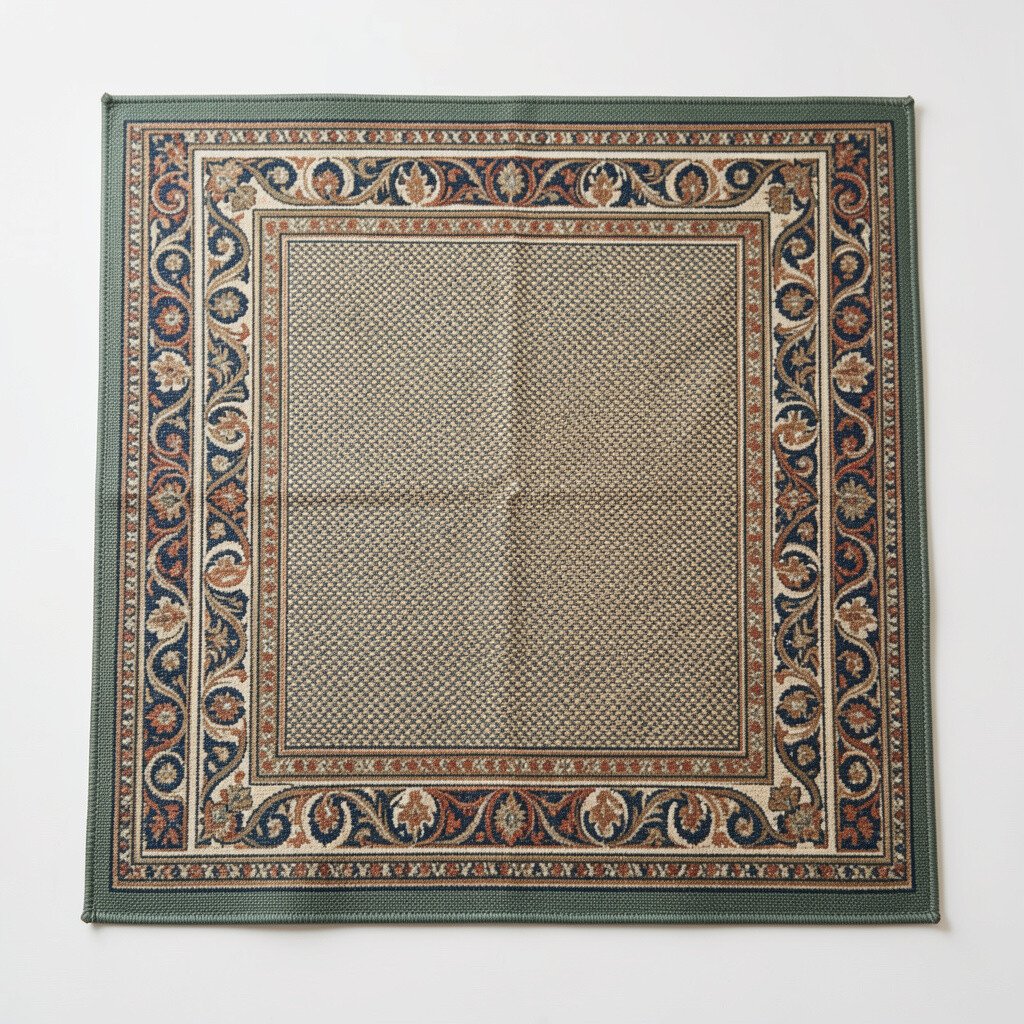
A sisal mat with a border looks more dressed up, like it belongs in a boutique hotel. The edge detail frames your furniture and gives the room a neat, finished feel.
When you pick a border, keep your furniture lines simple so the design doesn’t compete. Aim for a border color close to your floor undertones, such as warm tan, caramel, or muted olive, for a natural blend. Use a non-slip pad to keep the border from curling at the corners.
To personalize, choose a border that repeats a small element elsewhere, like the color in your curtains or a decorative bowl. This is a practical way to make the whole room feel coordinated without repainting or buying new furniture.
7. Make a Small Bedroom Feel Bigger With an Off-White Sisal
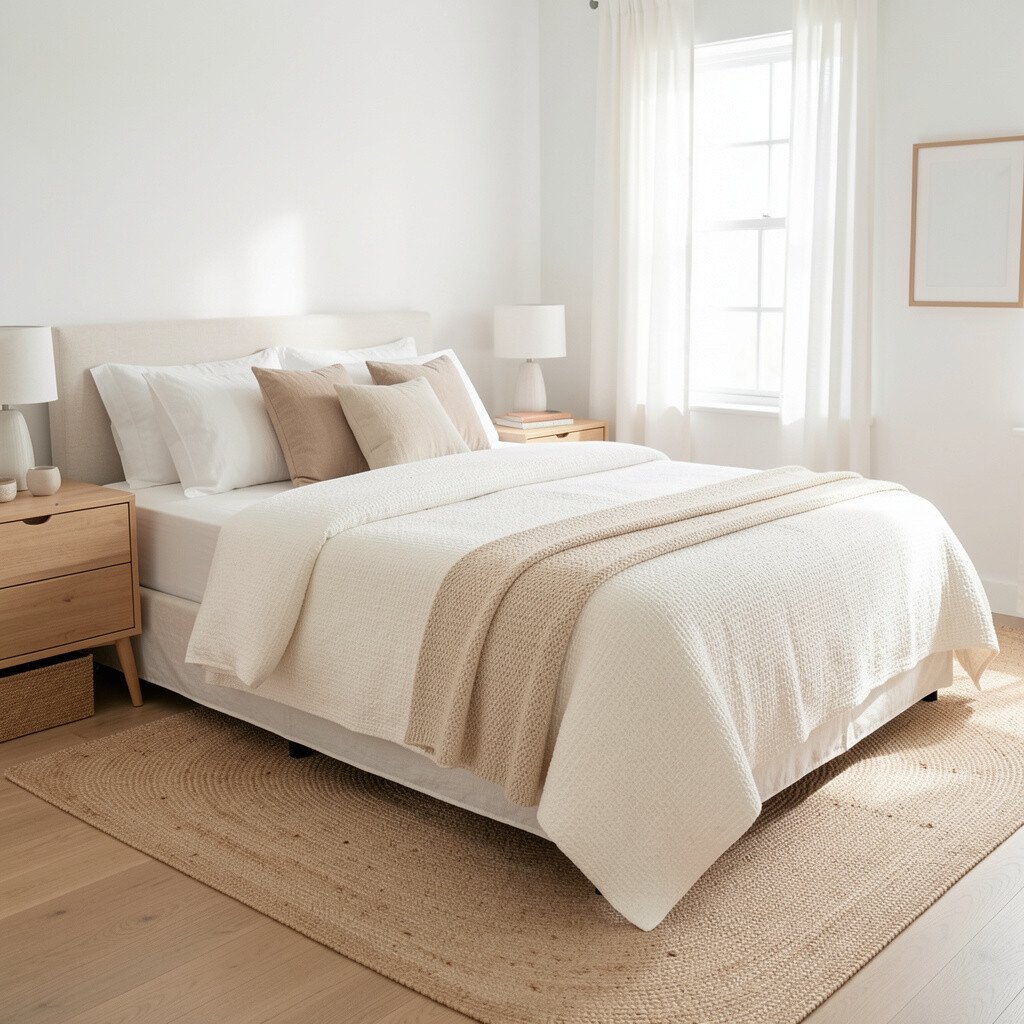
Light sisal tones can brighten a bedroom and make the floor feel more open. Even if your room is compact, the natural fiber texture adds interest without visual clutter.
Place the mat so it extends beyond the bed by a comfortable margin, which helps the room feel balanced. Pair it with crisp linens and simple curtains for a clean, airy look. For care, vacuum in the direction of the weave and use a stain remover meant for natural fibers only.
If you’re working with a limited budget, choose a size that covers the “walk zone” beside the bed. That small coverage can still change the vibe dramatically because your eyes land on the floor every time you get up.
To follow a current trend, match light textures with warm wood tones and warm metal accents like brushed brass. The combination feels modern but still cozy.
8. Add a Sisal Mat in the Dining Area for Warmth
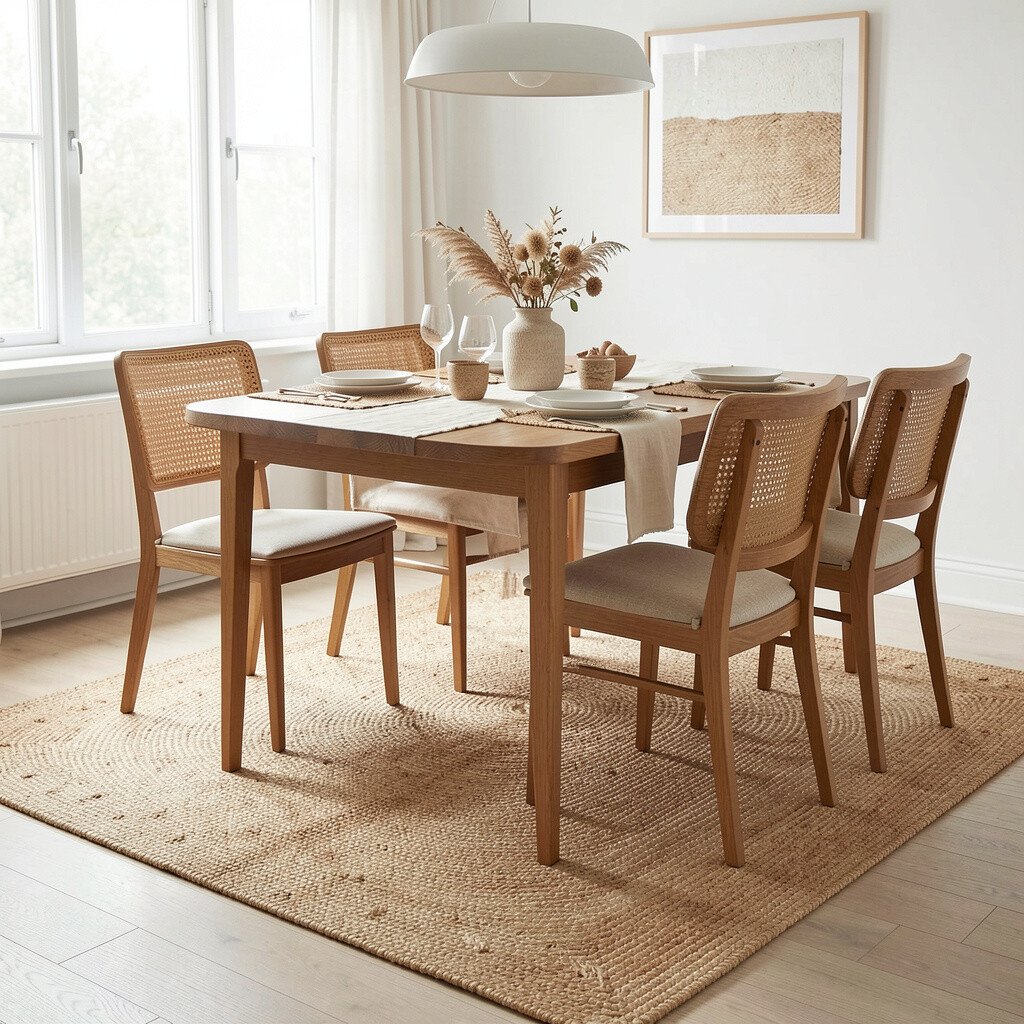
A dining mat can soften the sound of chairs and make the room feel more lived-in. The natural look also works well with wood tables, painted chairs, and mixed materials.
Choose a size that allows chairs to slide without snagging, ideally with enough width for regular movement. Use a rug pad rated for furniture so it stays put when you pull out chairs. For spills, wipe quickly with a damp cloth, then dry by blotting again so the fibers don’t hold moisture.
Personalize by matching the mat to your centerpiece style, like a woven basket, ceramic bowls, or fresh greenery. This is an easy way to make the dining table feel connected to the room rather than floating on bare flooring. If cost matters, consider replacing just the dining zone mat instead of upgrading wall-to-wall flooring.
9. Contrast Sisal With Soft Rugs for Layering
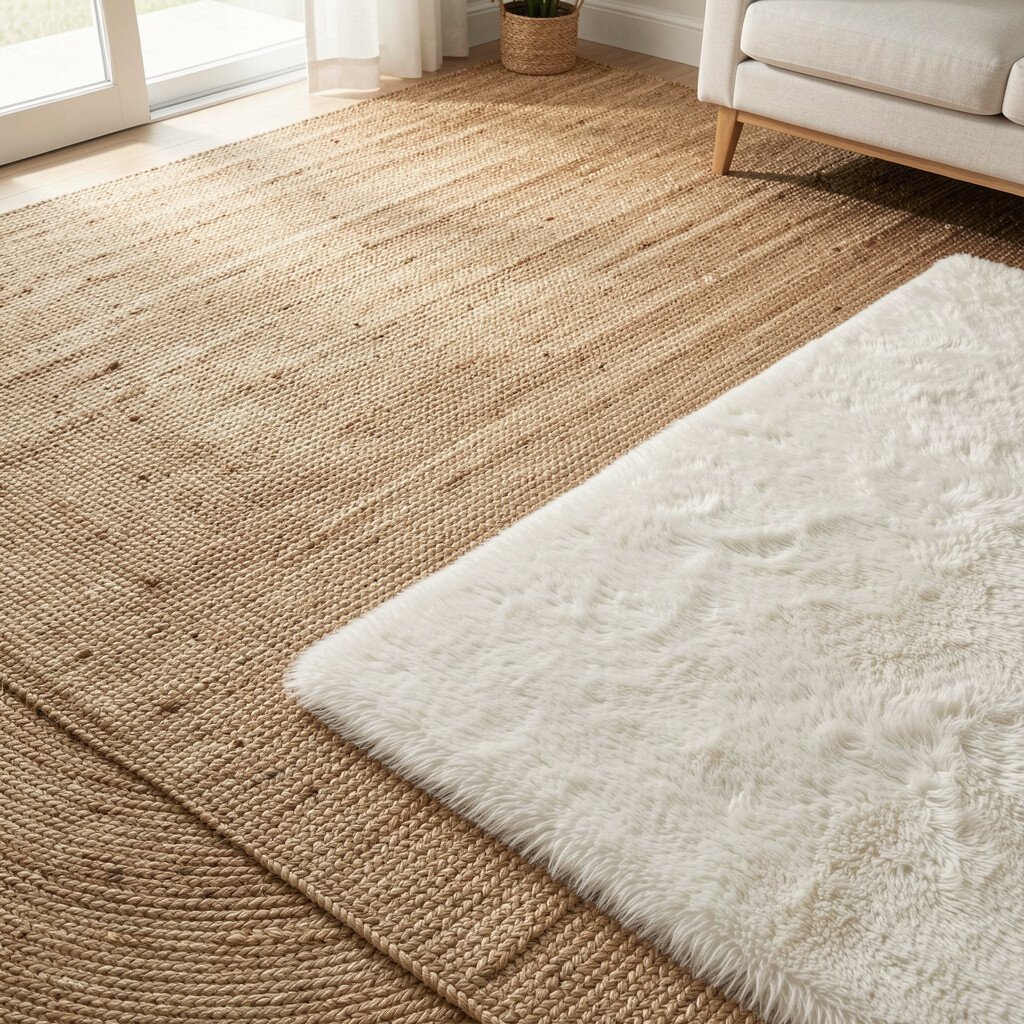
Layering a sisal base with a lighter accent rug creates depth that feels designer. The sisal brings texture, and the top rug adds comfort for feet and ankles.
Use a thin top rug so the layers don’t feel lumpy, especially in hallways or near seating. Keep the top rug colors calm, like cream, oatmeal, or muted sage, so the natural weave still shows through. A grippy pad under the top rug helps it stay aligned as people walk across.
If you like variety, try switching the top rug by season instead of replacing the sisal. That’s a practical way to refresh the look often without paying for a full new mat every time.
To keep it trending, look for simple geometric or minimal pattern accents on the top layer, since clean design pairs nicely with organic texture.
10. Frame a Sisal Mat With Matching Side Tables
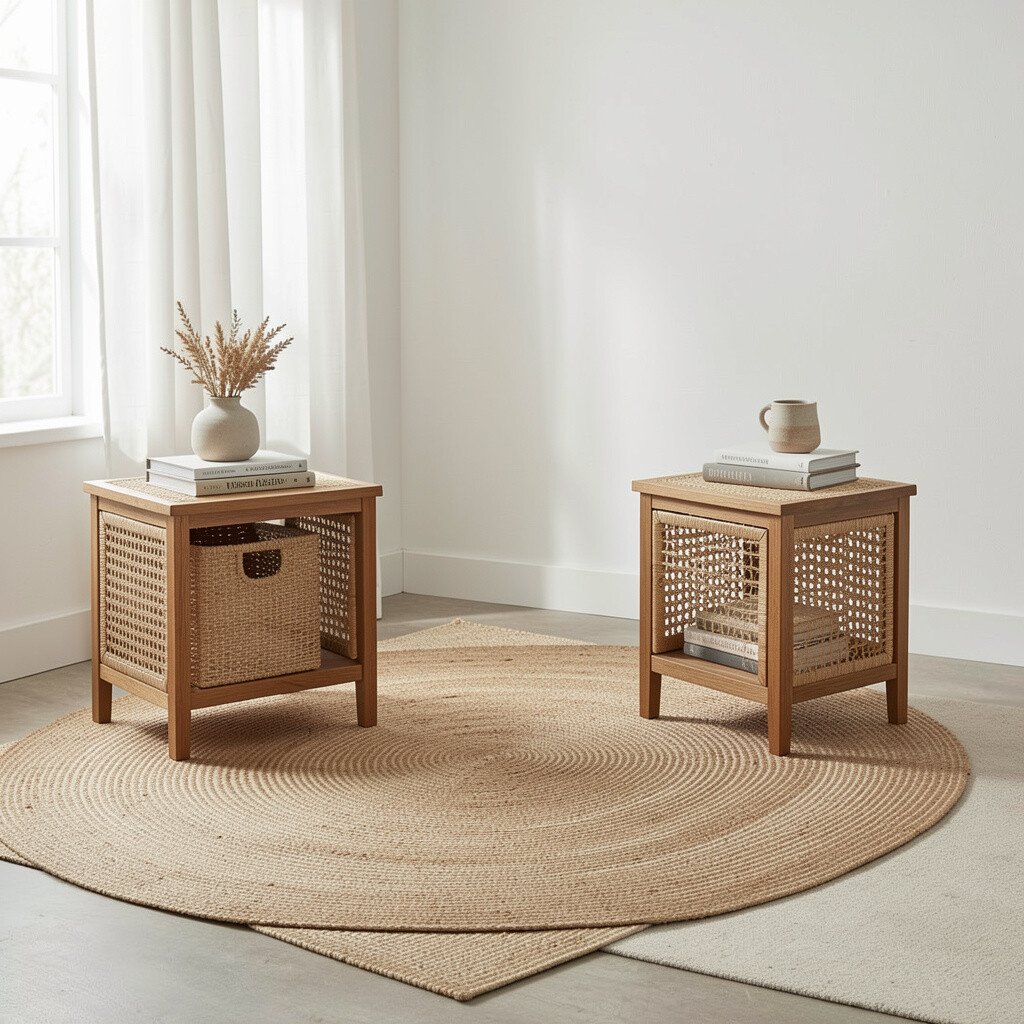
A sisal mat can act like a floor “stage,” especially when you style furniture around it. When the side tables match your flooring tone or mat undertone, the whole arrangement looks intentional.
Place your seating so the front legs sit partly on the mat, creating a visual boundary that feels cozy. Choose side tables in wood with similar warmth, like oak, ash, or walnut, so everything reads as one story. If you’re renting or moving often, this style choice is helpful because it works even when walls stay neutral.
For personalization, add a small vase or candle holder in a color that echoes the room’s palette. You can also bring in a seasonal element, like dried wheat for fall or fresh eucalyptus for spring, to keep the look fresh without changing the mat.
11. Create a Gallery Feel With Multiple Sisal Sizes
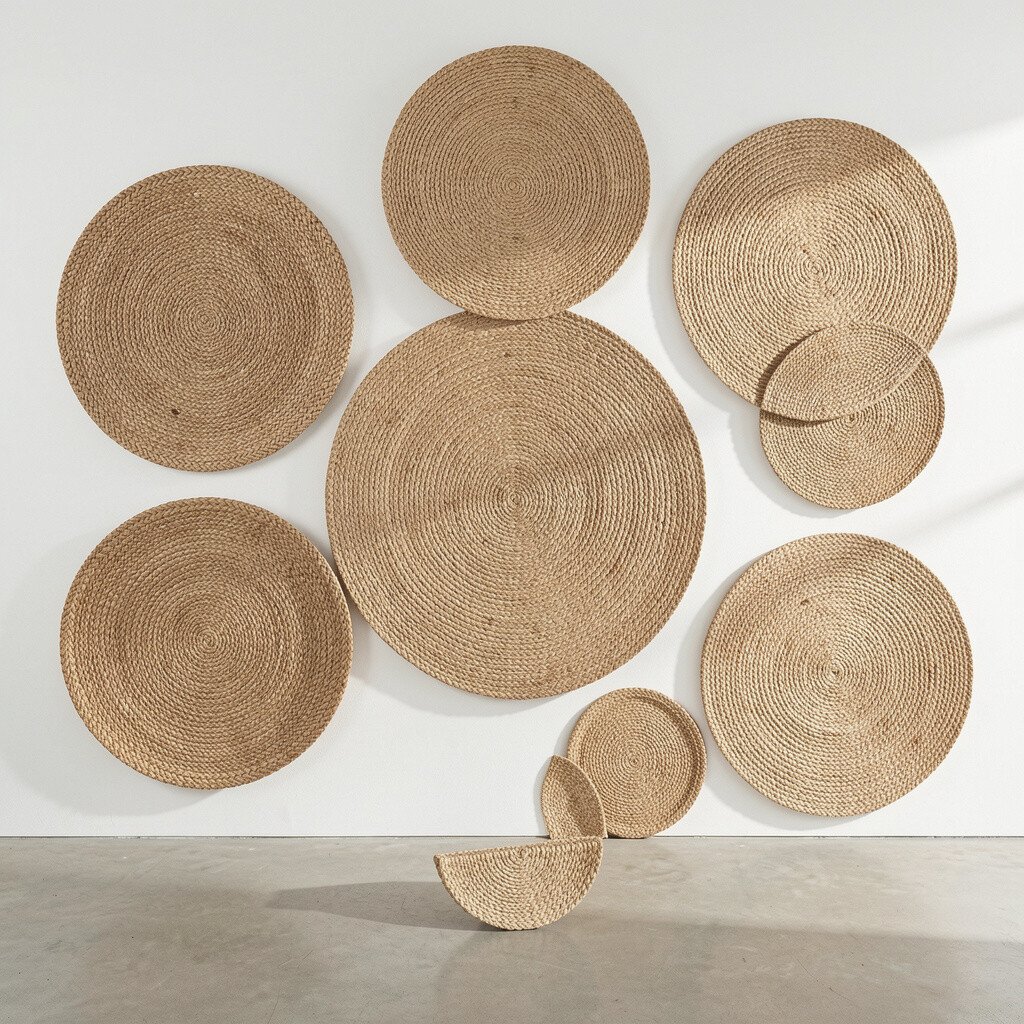
Instead of one big mat, use two smaller sisal pieces to create a layout that feels curated. This can be great in open-plan spaces where you want to separate zones.
Try placing one mat in the seating area and another under a reading chair or sideboard, then repeat a color tone across both. The visual rhythm keeps the space from feeling patchy, and it’s a smart way to avoid buying a size that feels awkward. Use rug pads for both pieces so each one stays flat and secure.
Personalize by choosing different textures, like one tight weave and one slightly looser weave, while keeping the color family consistent. That mix feels unique and still looks coordinated, which is a strong look right now. For cost reasons, buying two mid-size mats can sometimes be easier than finding one perfect oversized size.
12. Use a Sisal Mat in a Home Office for Focus
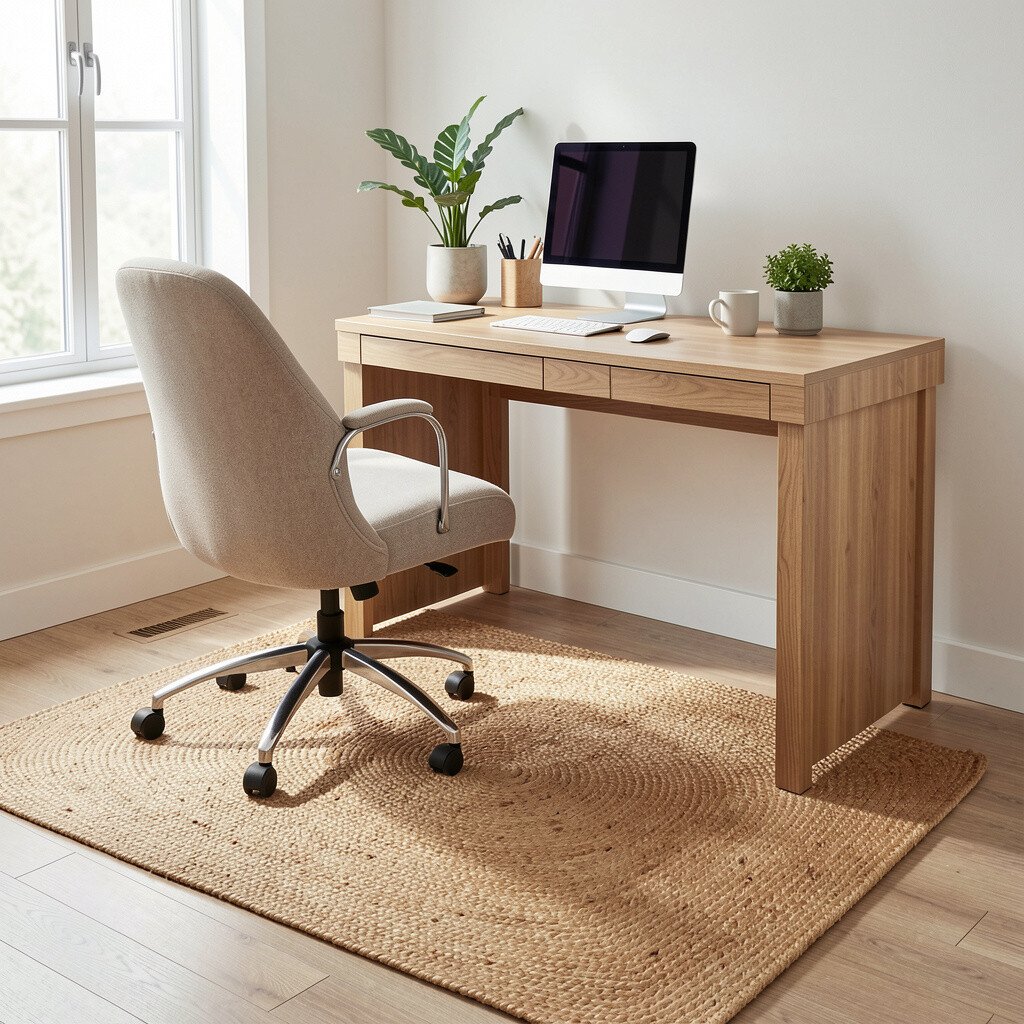
A home office needs calm, and a sisal mat can make your desk area feel steady. The natural texture adds a grounded touch that helps the space feel less sterile.
Place the mat under your chair and extend it enough so your feet land on the weave when you stand and move. A good rug pad reduces chair swivel noise and prevents the mat from shifting under movement. If your office has a lot of light, sisal can look beautiful because it doesn’t reflect glare like shiny materials.
To personalize, coordinate your desk accessories, like a pen cup, cable tray, or desk organizer, to match the warm tones of the mat. This small matching detail makes the room feel more “finished,” which is a popular styling approach today. For budget planning, measure your chair width and buy a mat that’s just large enough to protect the most-used area.
13. Go Bold With Color-Blocked Sisal Accents
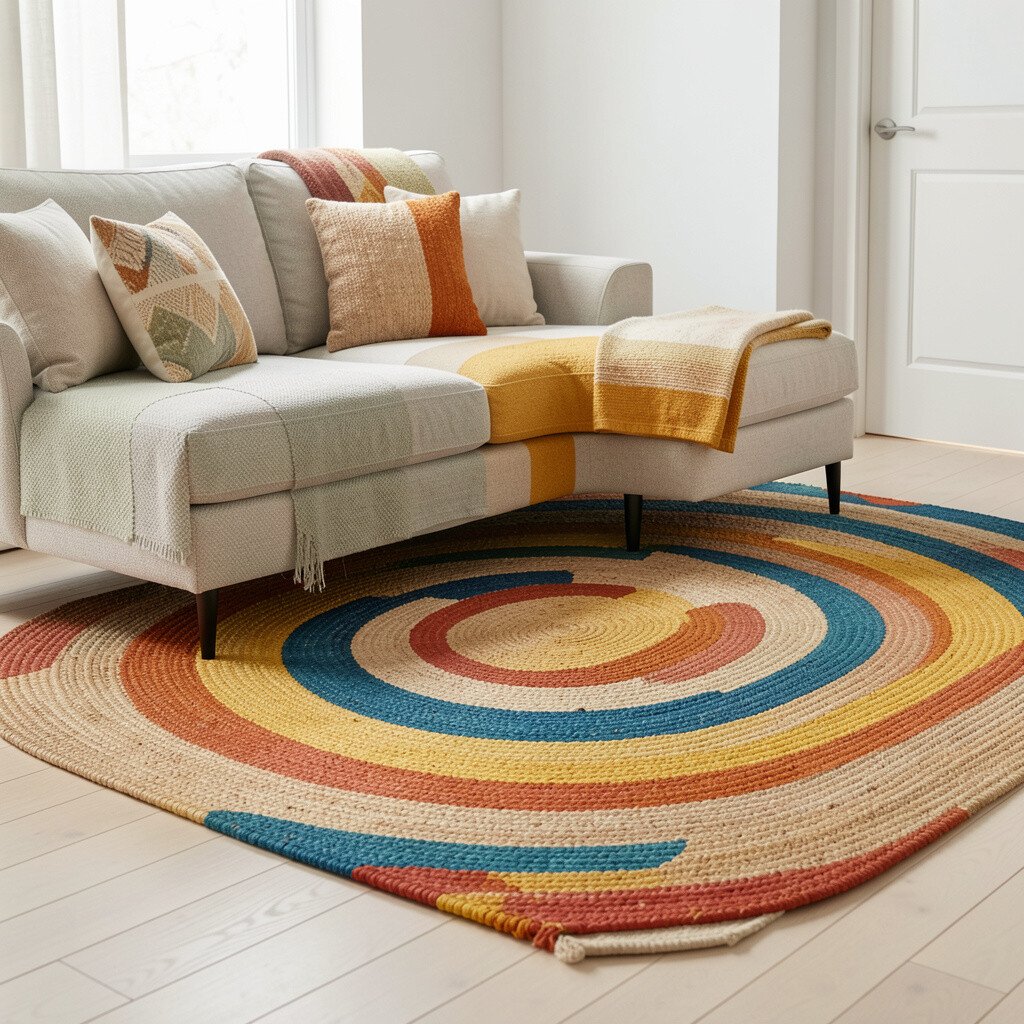
If you want your floor to feel like part of the decor, choose a color-blocked sisal mat with muted sections. The natural base keeps it grounded, while the colored bands add personality.
This works especially well in living rooms where you have colorful pillows, artwork, or a statement chair. Keep the rest of the palette simple so the mat becomes the hero without overwhelming the room. For practical care, vacuum regularly and blot stains quickly, because woven fibers can show marks if left too long.
Personalization is easy here, since you can pick colors that echo your throw blankets or the tones in your curtains. For current trends, muted color blocks in earthy shades pair nicely with modern furniture and natural wood textures. If you’re watching costs, consider a smaller entry runner or accent mat first, then scale up only if the look feels right.
To finish the look, place a simple plant nearby or add a woven basket for storage so the natural vibe feels intentional. When the setup feels cohesive, the mat doesn’t just sit on the floor, it shapes the entire space.