The suitcase always looks fuller than it should. A few small choices can make your trip feel smoother from the first minute.
You will still pack your essentials, but in a way that saves time, reduces stress, and helps everything stay easy to grab.
1. Build a “Grab First” Zone
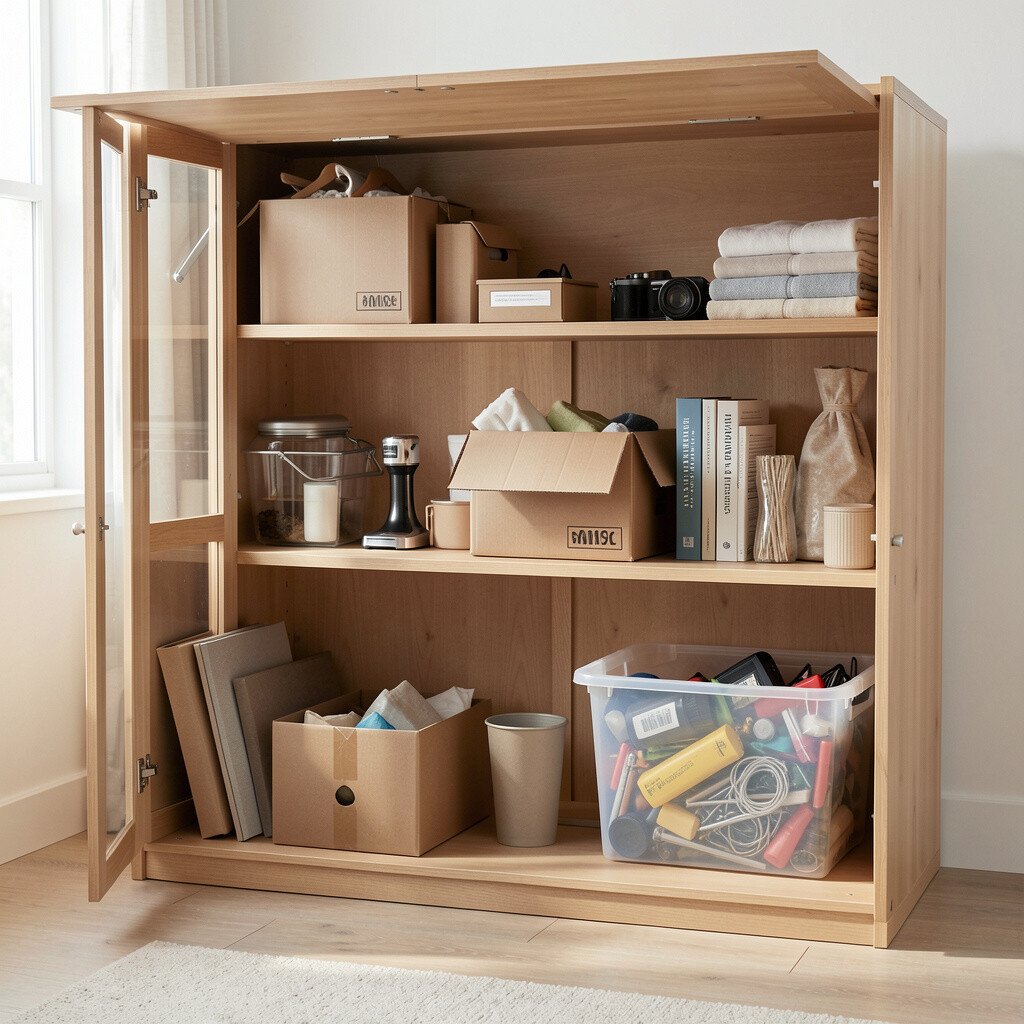
Pick one small pouch for the items you will need right away. Keep it on top so you do not have to dig after the plane, bus, or car ride.
Include things like lip balm, a power cable, a pen, and any quick comfort item. When you can reach everything in seconds, the whole travel moment feels calmer and more in control.
2. Wear Your Bulkiest Layer, Then Pack It Smart
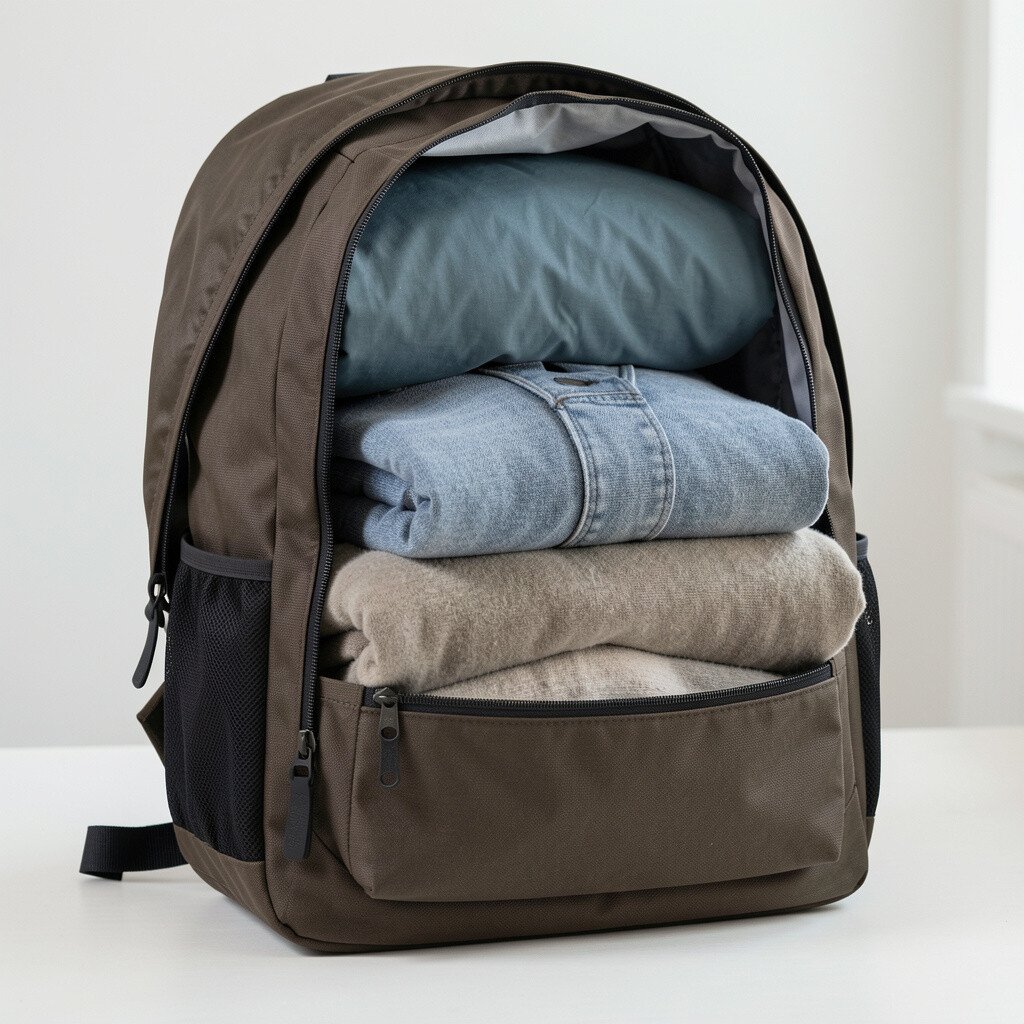
Choose the heaviest jacket or sweater and wear it during travel. You save space and your outfit feels ready for chilly terminals or late-night arrivals.
Fold the rest of your layers in flat stacks, then tuck the smaller items into the gaps. This creates a neat visual block that resists wrinkling and keeps your bag from turning into a messy tumble.
If you pack with intention, you also spend less time re-flattening clothes at your destination. It is a simple space move that feels like a quiet win, especially on longer trips.
3. Use a “One Bag Per Mood” Method
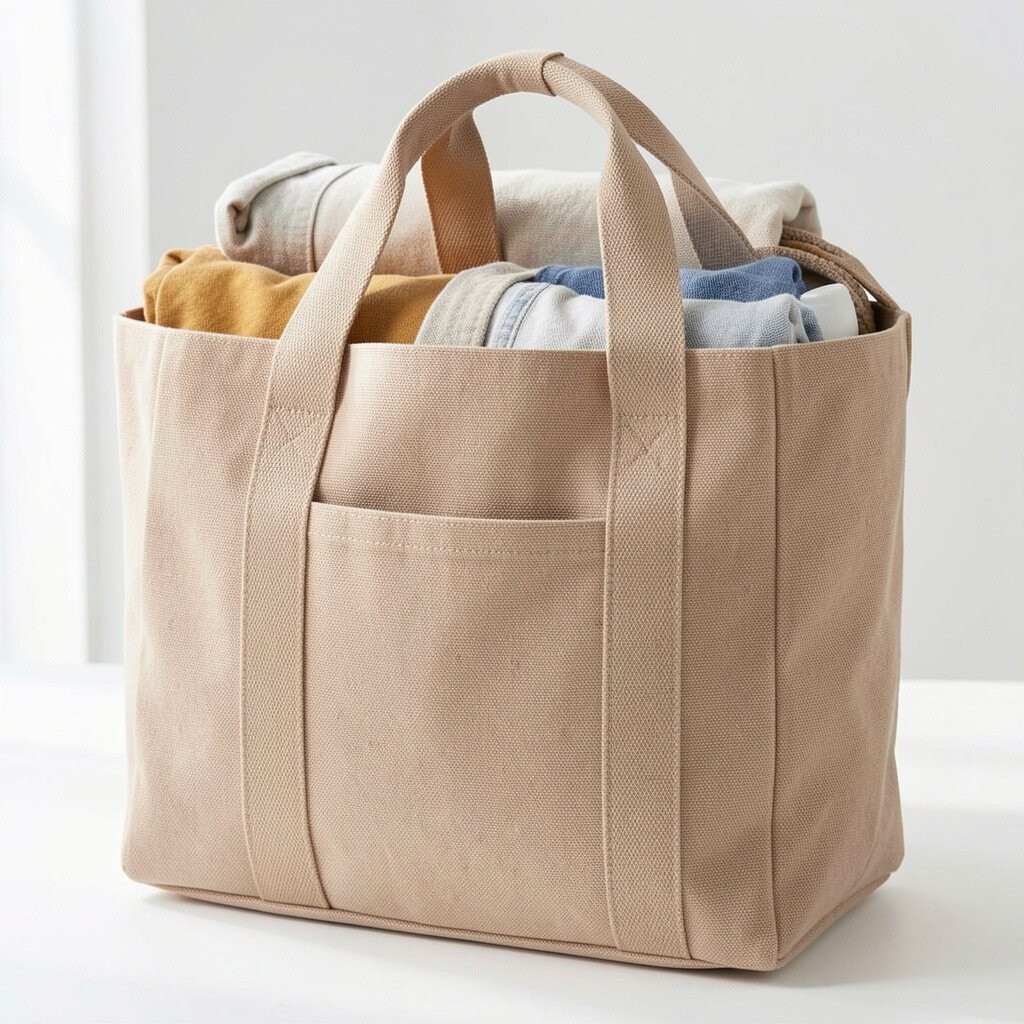
Instead of one giant pile, create mini groupings that match how you live. One small space can be for sleep items, another for daily outfits, and another for quick extras.
When you open your bag, you instantly see what matches the moment outside. This makes getting dressed feel like picking from labeled drawers, without actually labeling anything.
For personalization, match your groupings to your routine. If you do yoga, pack your kit in its own zone, and if you love museums, keep the same comfortable shoes and small essentials together.
It also helps you spend less on last-minute purchases because you can find what you already brought. The visual organization alone encourages you to use items fully instead of forgetting them.
4. Roll Outfits, But Keep Shoes Separate
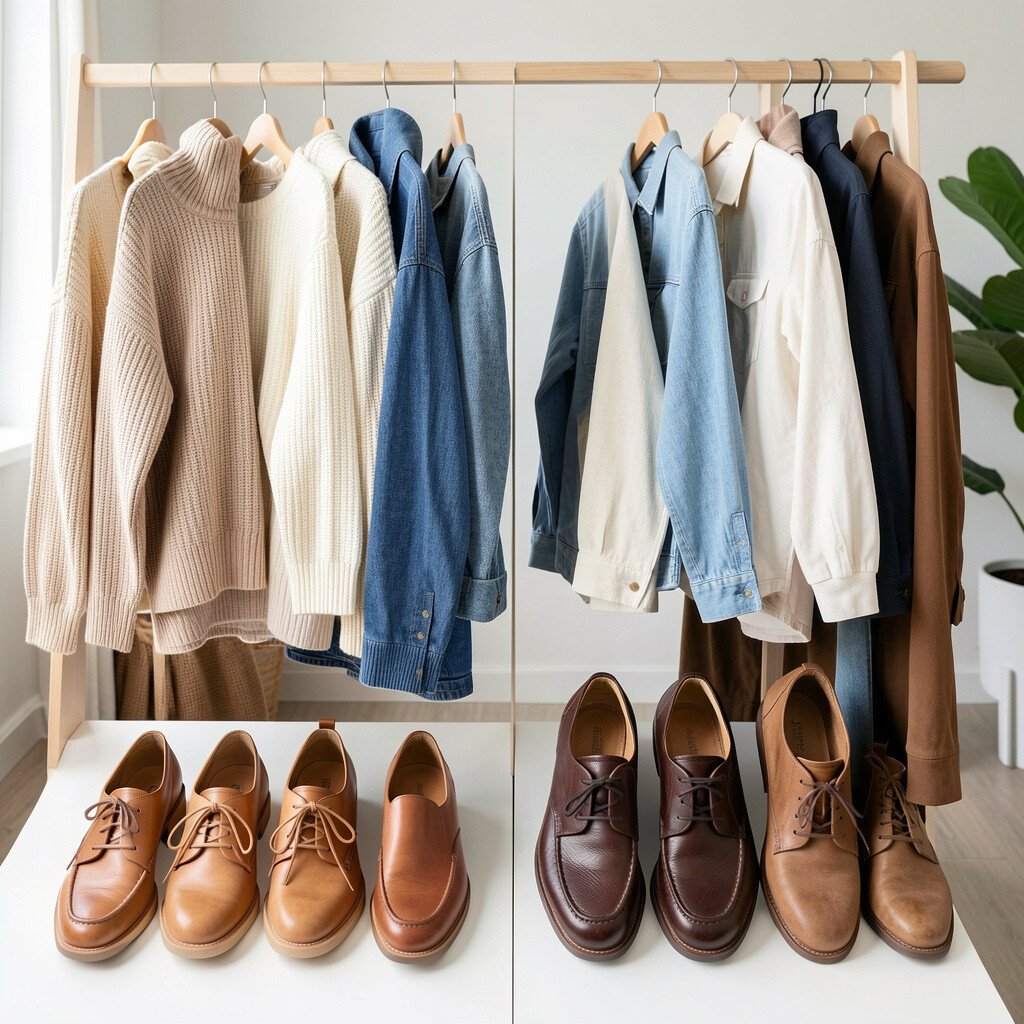
Rolling saves space, and it also makes clothes look tidy inside your bag. You can stack rolled shirts and pants like colorful coins that are easy to grab.
Keep shoes in a separate cover or pouch so they do not mix with fabric. This one change prevents scuffs, reduces odor, and keeps your bag feeling fresh.
5. Pack Small “Instant Comfort” Squares
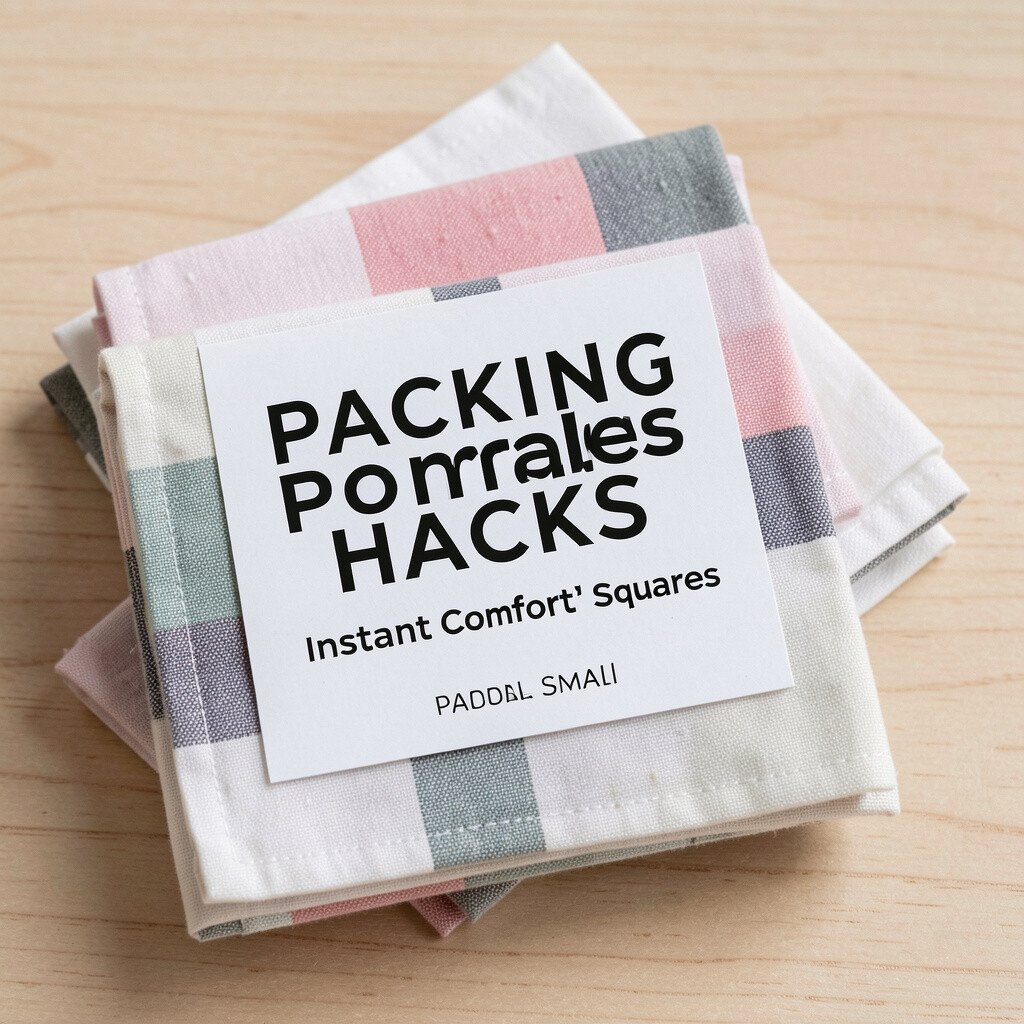
Make a few tiny folded squares with comfort items you love. Think face wipes, a mini lotion, an extra hair tie, and a small scent-free hand cream.
Put each square into its own zip pouch so you can grab one at a time. This helps you control what you use and when, which feels better than digging for loose items.
You can also tailor these squares to current trends like compact skincare or clean, travel-sized grooming. Many travelers are favoring smaller routines now, because it keeps the packing lighter and the daily habits easier.
6. Keep a Spare Key Strategy for Every Trip
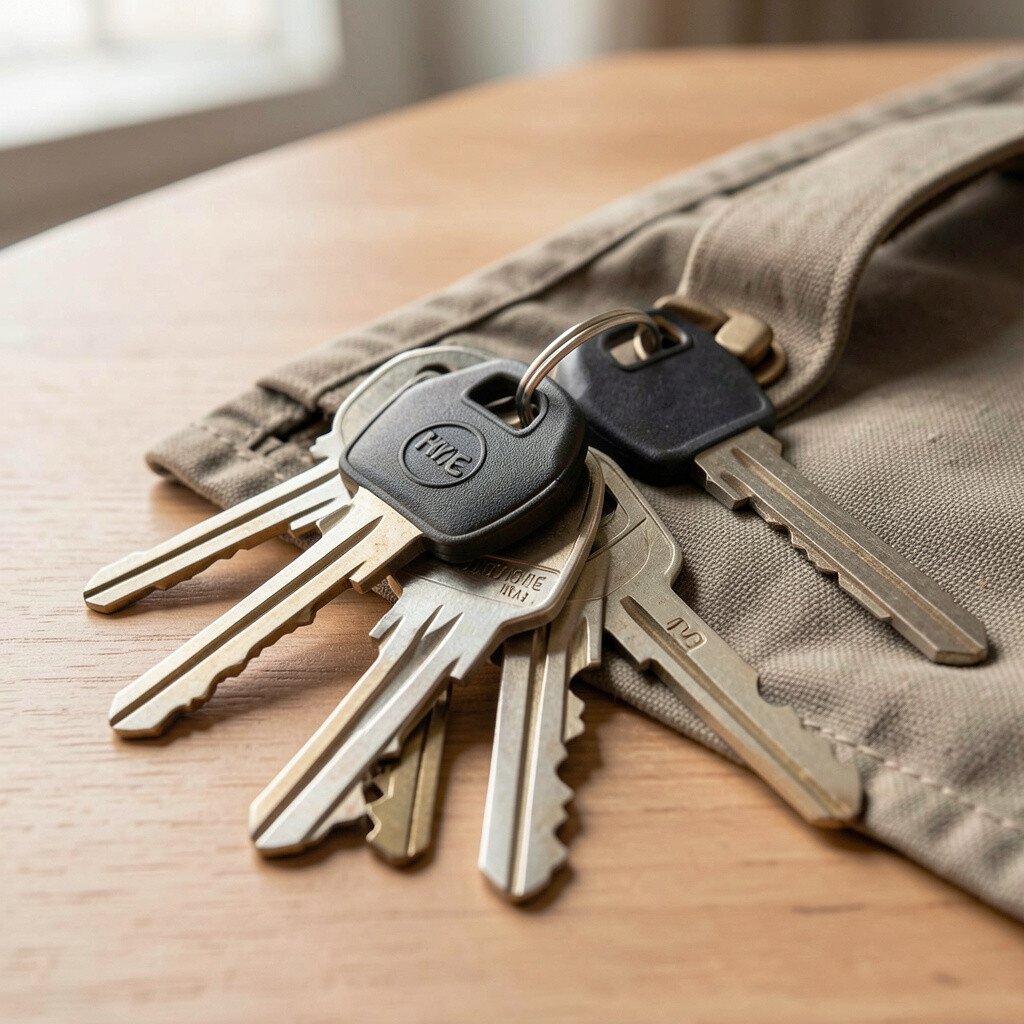
Before you leave, plan where your spare key goes. Choose a location that is protected, easy to reach, and not always tied to the same person.
Some travelers use a discreet key pouch inside a jacket pocket, while others use a small lockbox in a planned place at the lodging. The benefit is peace of mind when plans shift or someone misplaces their main key.
Make it personal by matching the method to how you travel. If you often share rides, keep the spare where the group already knows to look.
7. Photograph Your Packing Layout Before You Leave

Take one quick photo of how your bag is arranged. It sounds silly, but it becomes your visual checklist when you return to the room and unpack.
When you can remember where items were placed, you reduce rummaging and avoid forgetting chargers or documents. Your suitcase also stays more neat because you will replicate the same setup every time.
8. Use a “Squeeze Test” for Liquids and Bottles
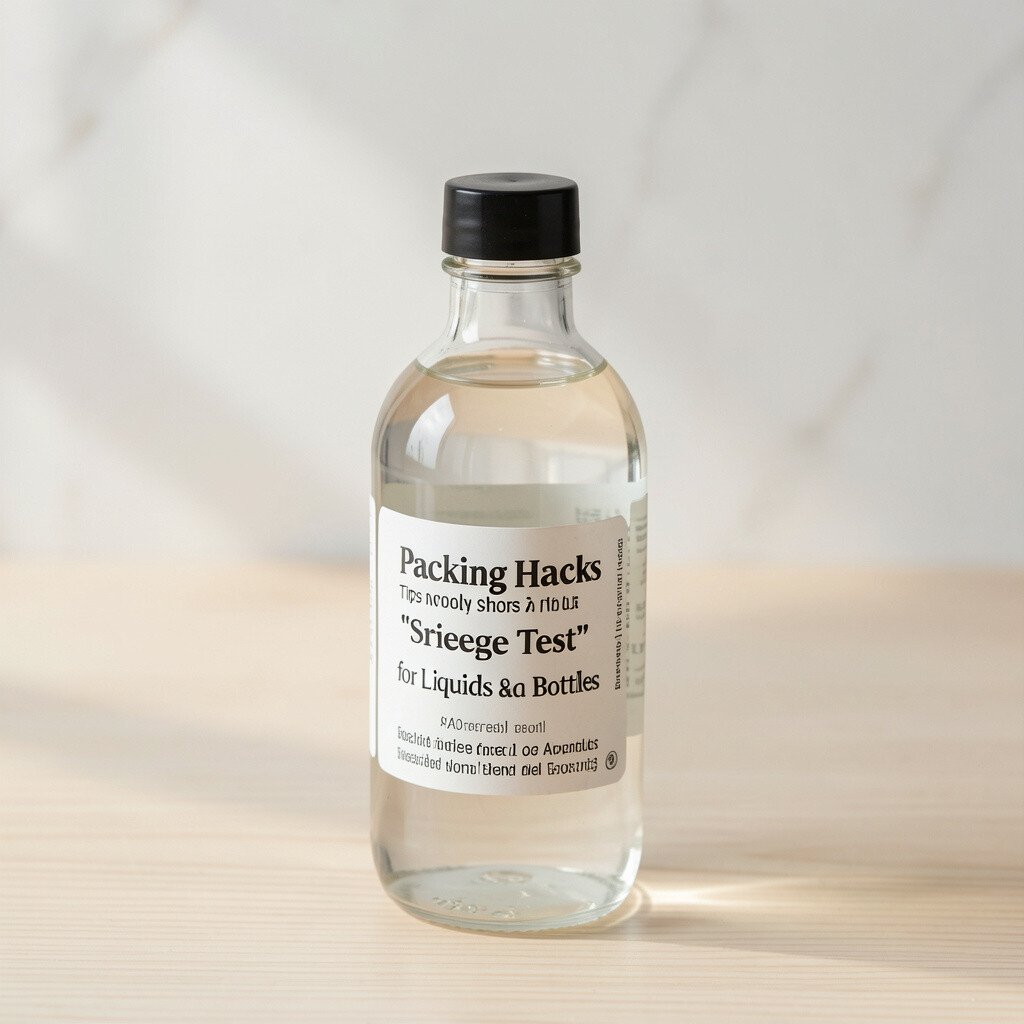
After packing liquids, press gently on the area and check for movement. If a bottle shifts, it can leak, and the leak can stain clothes you actually want to wear.
Use a secure pouch, wrap bottles in a soft layer, and keep caps facing upward. This simple habit protects your clothes and helps you avoid the messy surprise that no one wants.
9. Pack Layers in Color Bands, Not Random Stacks

Think about how your clothes look together in real life. When you pack layers in color bands, your outfits feel easier to build the moment you open your bag.
Keep a light set together, then a warmer set, then a “going out” set, all arranged in separate piles. The benefit is quick choices, and the visual system makes it hard to miss an item.
For personalization, choose bands that match your wardrobe style. If your closet is mostly neutral, use shades for speed; if you love bright outfits, group your colors so mornings feel fun.
10. Put Chargers in a Dedicated Cable Sleeve
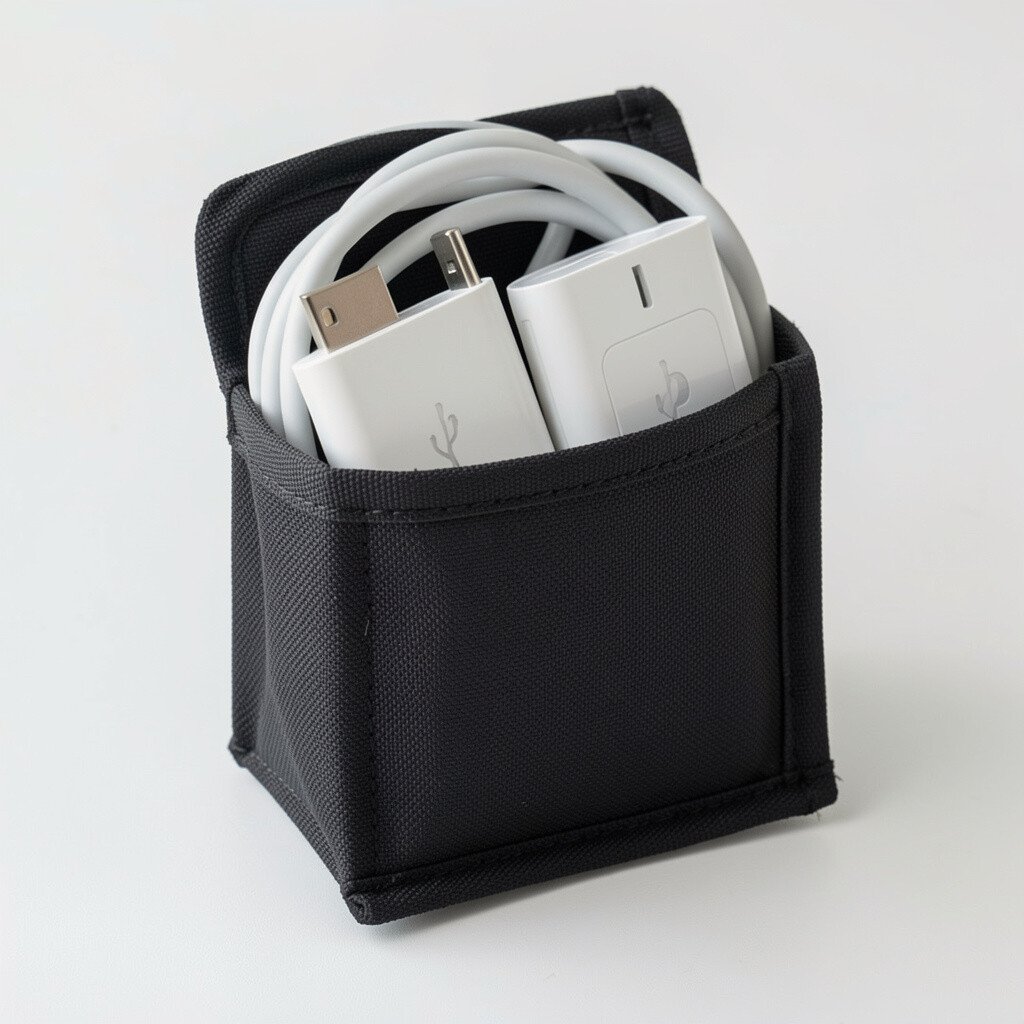
Charging mess wastes time and makes bags feel chaotic. Use a dedicated sleeve or pouch for cables and chargers so they stay in one place.
Wrap each cable neatly and secure it with a small fastener so it does not tangle. This keeps your travel day smooth when you are tired, rushing, or waiting for a connection.
11. Use Socks as Packing Foam for Breakables
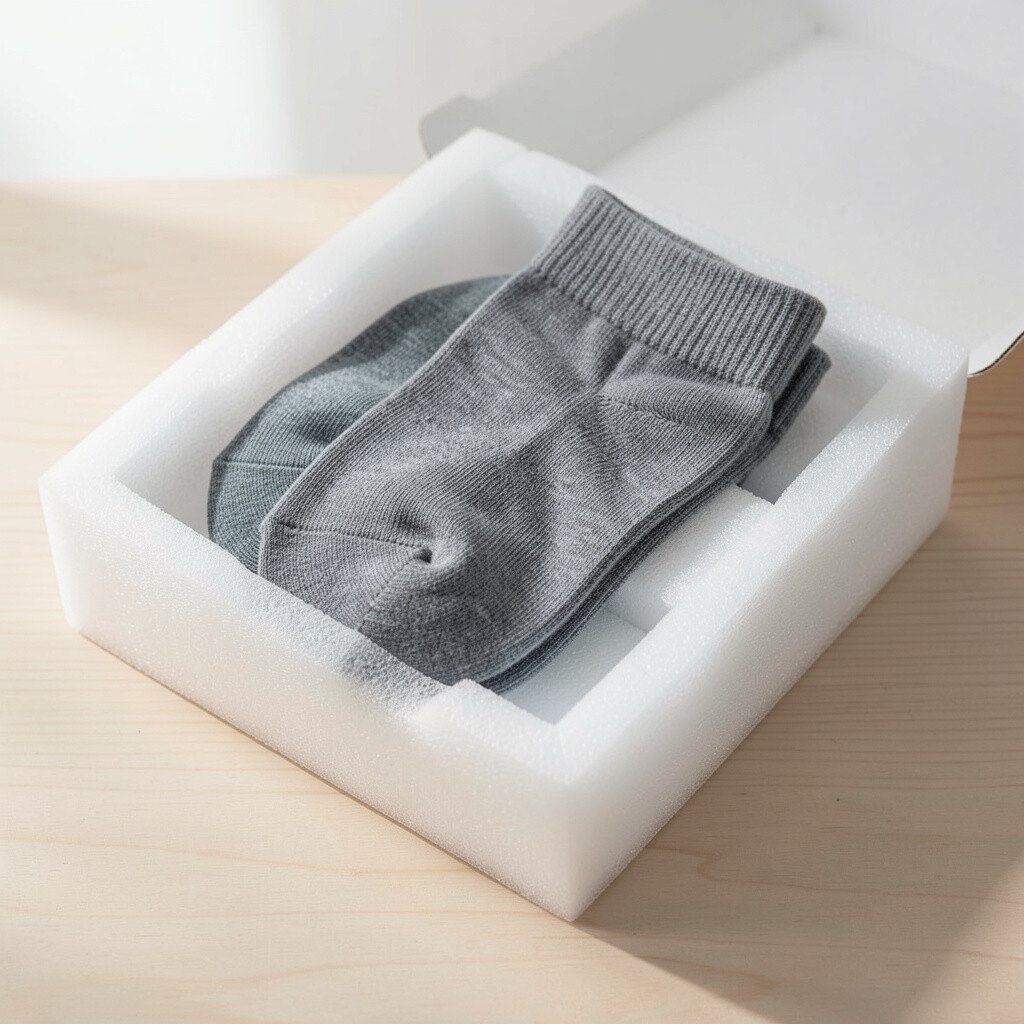
Socks are soft, flexible, and already part of your routine. Stuff them around small breakable items like sunglasses, mini toiletries, or compact electronics.
This makes a protective cushion while also saving packing space. You get better protection than with random paper, and the extra padding helps items survive bumps.
Make it personal by choosing thicker socks for more fragile items. The cost is low because you use what you already packed, and you avoid buying extra protective gear.
12. Pre-Fold Essentials Using a “Welcome Outfit” Plan
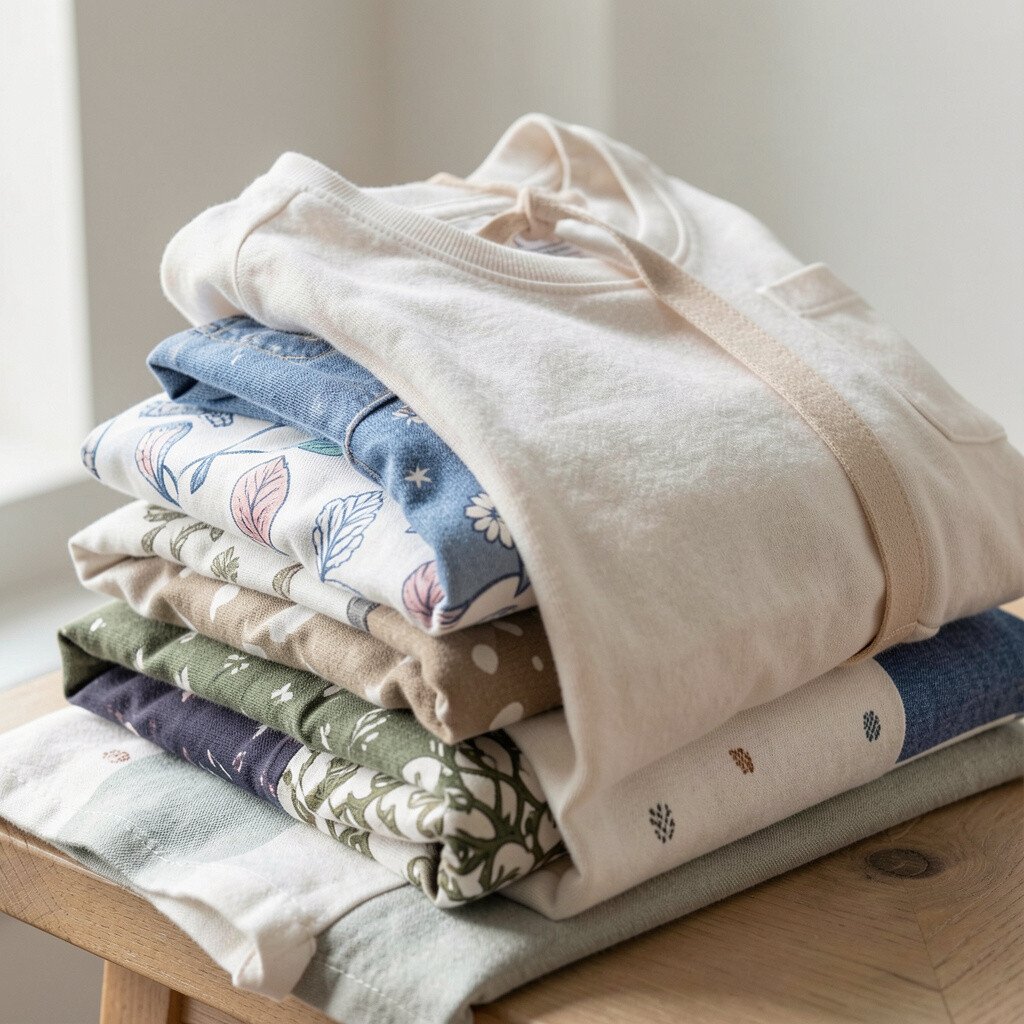
Choose a simple first outfit and pre-fold it where it will be easy to reach. When you arrive, you can change fast without hunting through a pile.
Set it up with clean underwear and a quick comfort layer so you feel refreshed. This is a practical trick for jet lag too, because you can move from travel mode to “settle in” mode quickly.
13. Leave Room by Packing a “Borrow-Style” Mindset
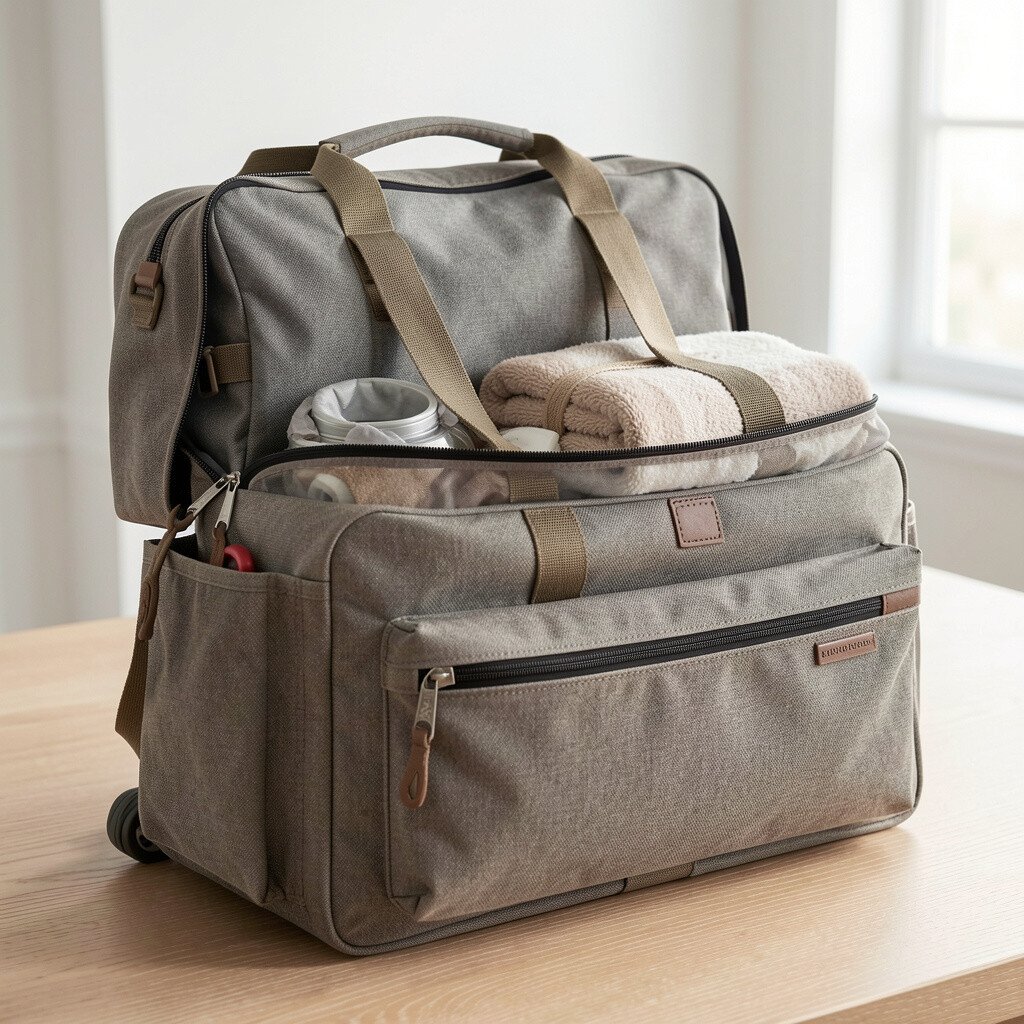
Instead of packing for every possible plan, pack for your most likely days. Keep a small amount of flexibility so you can buy or borrow what you end up needing.
Many travelers are leaning into renting gear, using local shops, and choosing experiences over extra luggage weight. That trend helps your bag stay light and your trip stay flexible.
14. Use a Laundry Bag Even Before You Need It
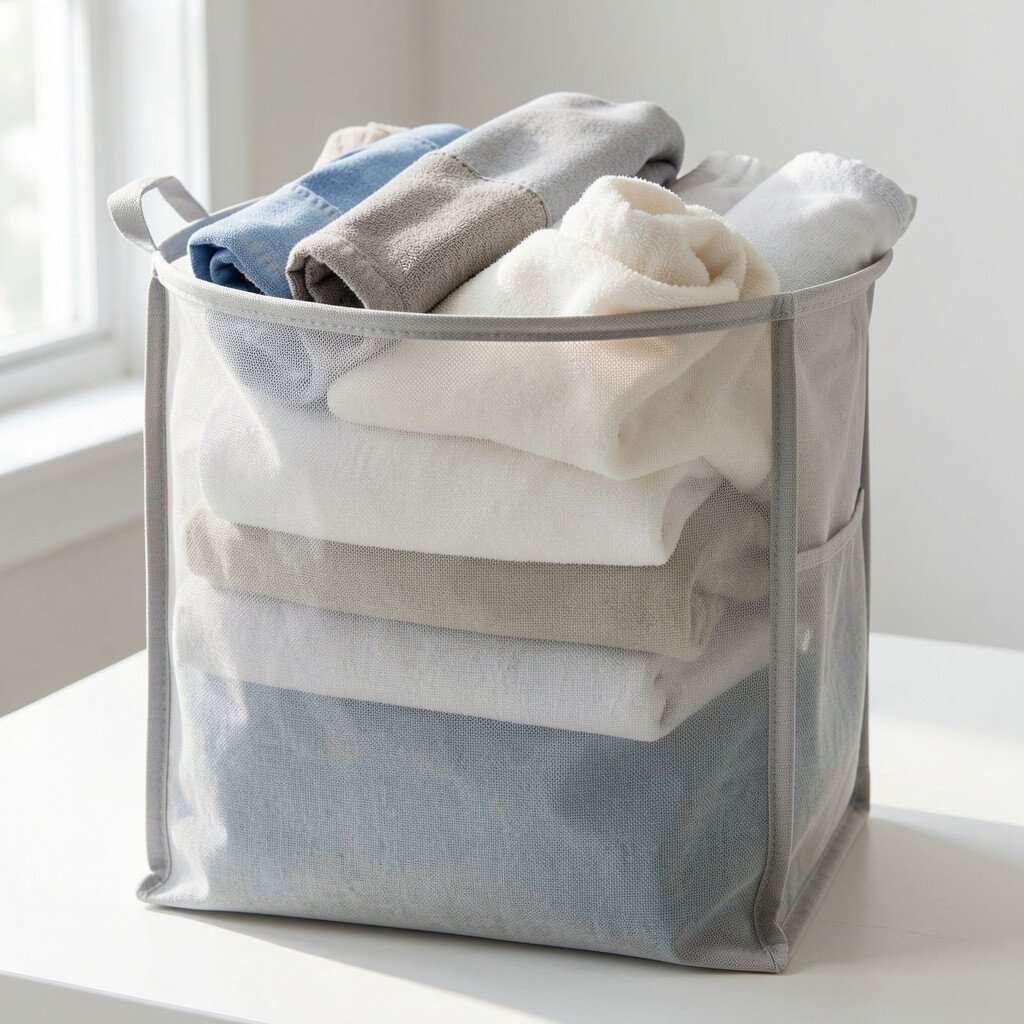
Bring a small laundry bag or liner and use it as soon as you take clothes off. It keeps your clean items separate, which makes unpacking feel effortless later.
When you maintain separation right away, you avoid the “everything is mixed” problem that happens on day after day trips. It also reduces the time you spend deciding what is clean enough to wear again.
Personalize it by choosing a bag that matches your style, like a lightweight breathable fabric. The cost is usually low, and the long-term comfort is high.
15. Create a Document Mini-Envelope With a Quick Check Window
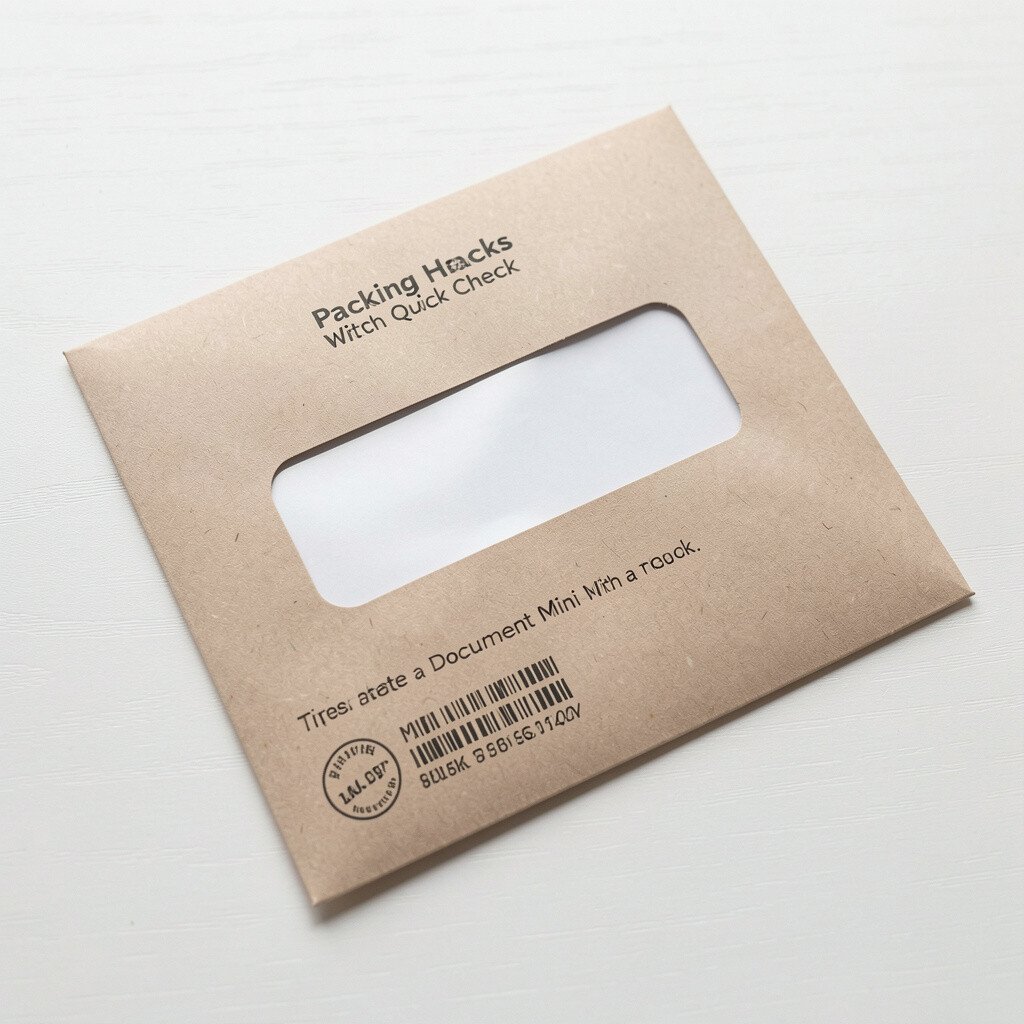
Store your passport, cards, and key documents together in one flat envelope. Make it easy to open without spreading papers everywhere in public spaces.
You can also add a small clear sleeve so you can check what you need fast. This reduces stress at airports or check-ins and keeps everything looking neat and official.
For a practical twist, keep a pen with the envelope and set it where you always grab documents first. The unique part is how it makes paperwork feel less heavy, even when you are busy.
16. Pack a Tiny Repair Kit That Matches Your Habits
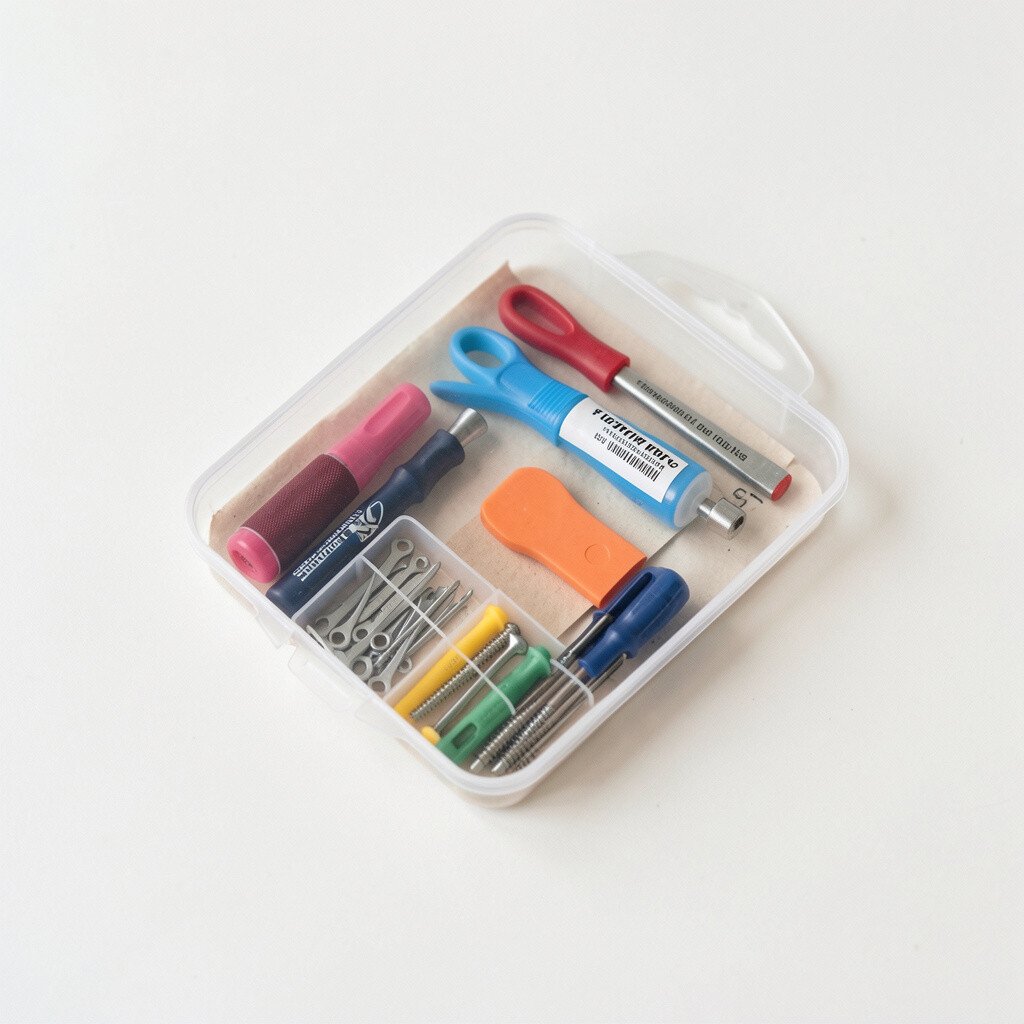
Bring a mini kit based on what usually goes wrong for you. If you lose buttons, add a few; if you get blisters, add blister strips; if you tear bags, add a small tape roll.
Many modern travelers are going for small, targeted fixes instead of big supplies. That trend saves space and helps you avoid carrying items you will never use.
Personalize the kit with travel-specific needs like a mini stain wipe, a small sewing thread, or a compact lint roller. It can cost a little at first, but it often saves money later by preventing you from replacing worn items.
17. Do a “Last Touch” Weight and Fit Check in the Doorway
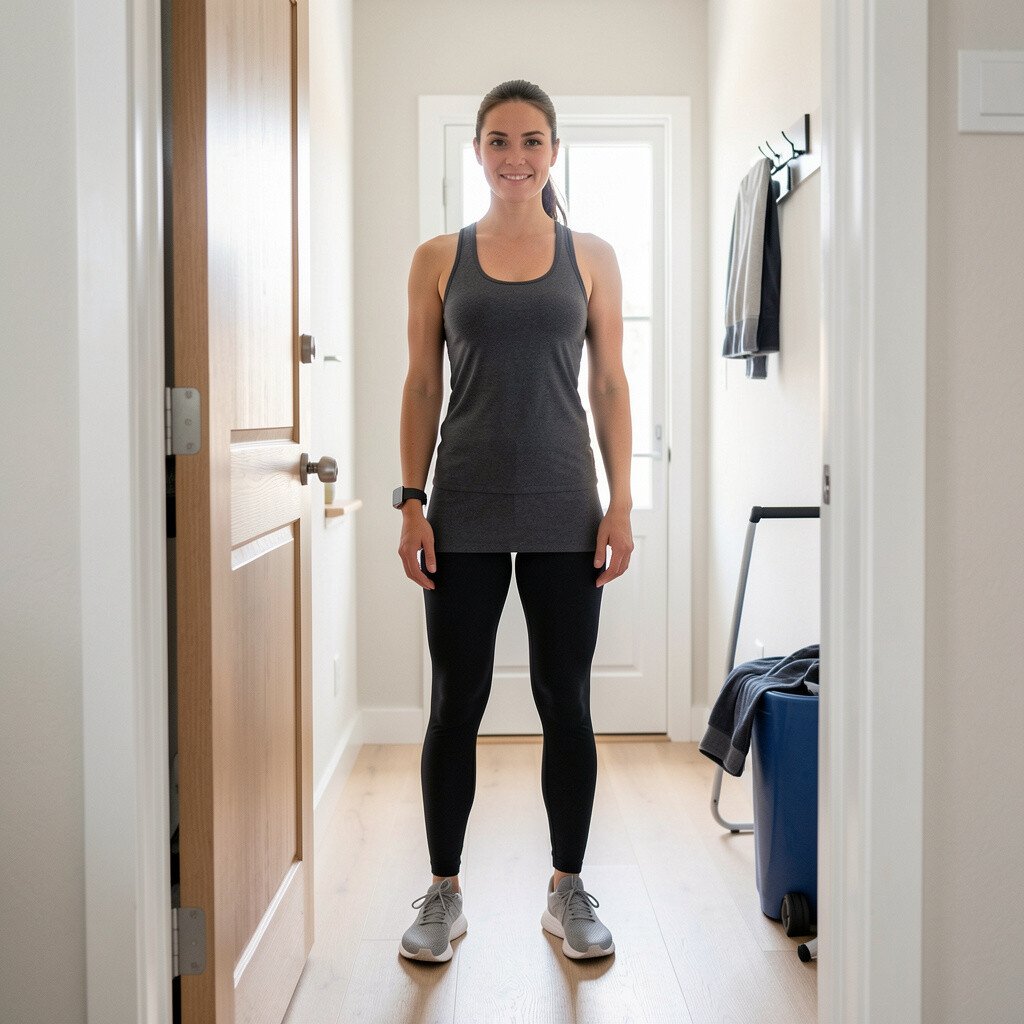
Right before you leave, do one final check where you stand and see everything clearly. Lift your bag, check zippers, and confirm you can grab your quick pouch without digging.
This doorway moment prevents common mistakes like overstuffing and forgetting chargers or tickets. You also get a clearer sense of whether your packing style fits your walking pace and daily plans.
For personalization, adjust based on your travel mode. A day-trip plan can be lighter and simpler, while a longer trip can need more careful groupings, but the fit check keeps it all manageable.