Your metal railing can look amazing when the prep is right. Small choices before cleaning make a huge difference in shine.
From quick safety checks to smart product picks, you can protect the finish and get a crisp result. Keep reading for practical ideas that fit real homes.
1. Inspect for Rust, Paint, and Loose Spots
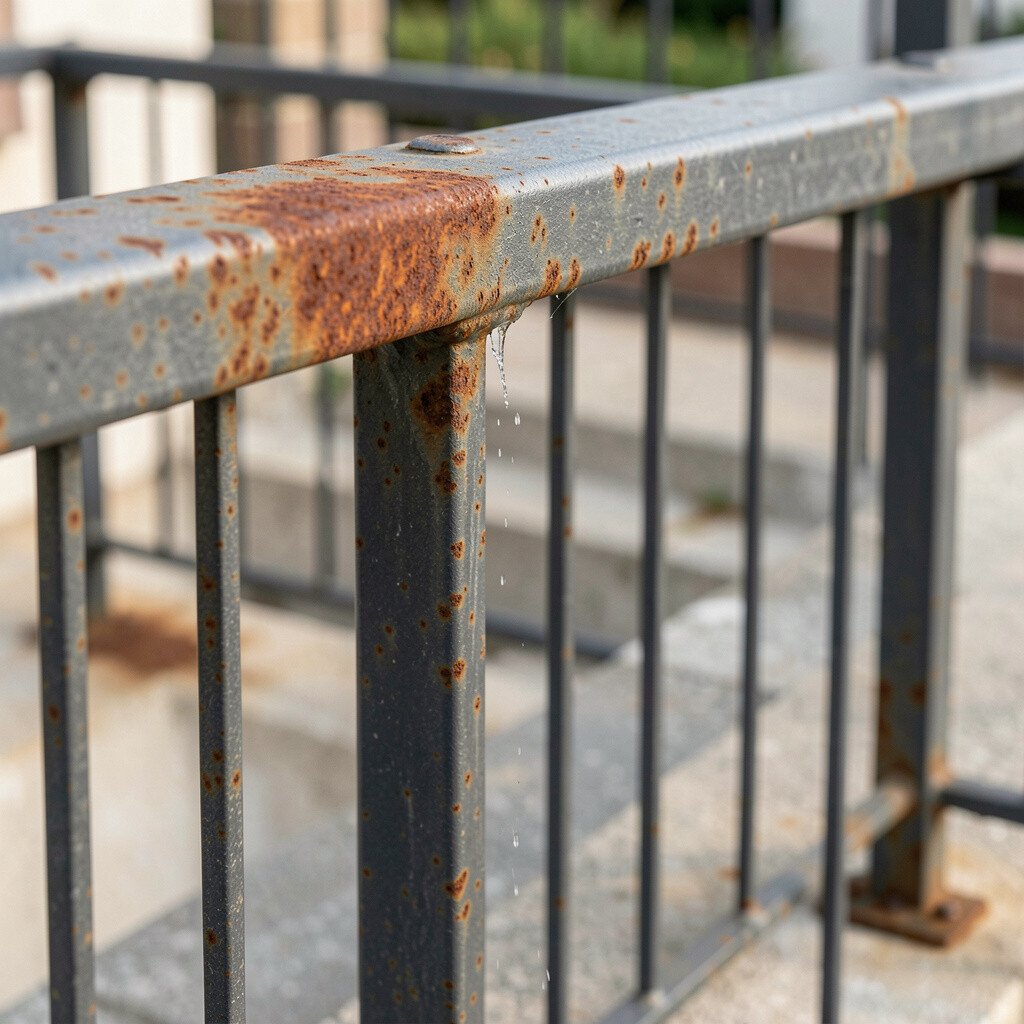
Start by looking closely along the whole railing in bright light. You want to notice rust freckles, peeling paint, or areas where the metal feels rough.
Walk your fingers gently along the surface to spot bumps and loose pieces. If something is flaking, cleaning can spread the problem instead of fixing it. Jot down where the worst spots are, so you can tailor your work to each area.
2. Check the Type of Metal and Finish

Metal railings can be steel, wrought iron, aluminum, or something else, and each reacts differently to cleaners. Look for labels, builder notes, or signs like magnet behavior for some metals.
Pay attention to the finish too, because powder-coated railings should be treated more gently. A satin finish can show scratches faster than a glossy one. Matching the cleaner to the finish helps you keep the original look while still shining up the railing.
3. Clear the Area and Protect Nearby Surfaces
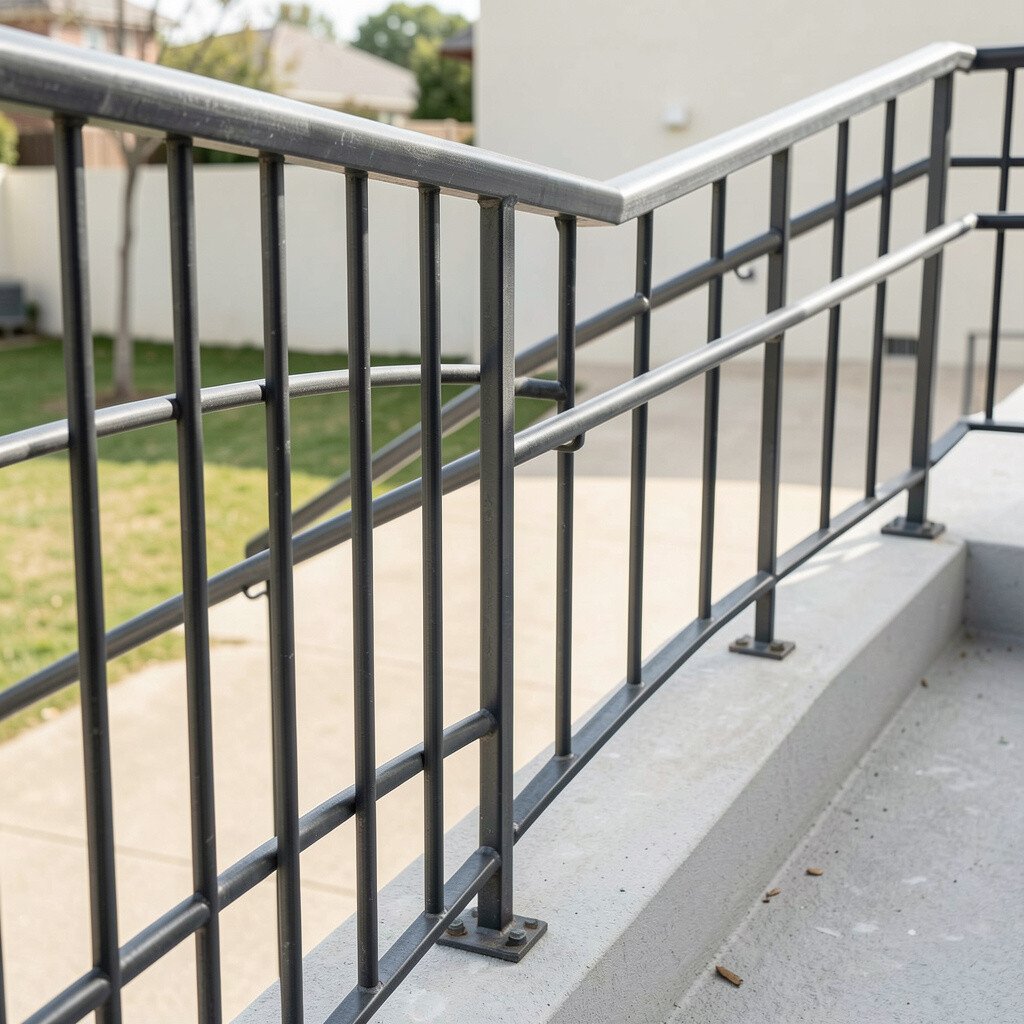
Before you scrub, move planters, decorations, and any wall items out of the way. Lay down a drop cloth so drips and dust stay off floors and paint.
Use painter’s tape to guard corners, railing posts, and any decorative details you love. This is also a great moment to cover nearby plants if your railing is close to landscaping. When everything stays protected, you can clean longer without worrying about extra mess.
Try to work in sections so nothing gets stepped on. Keeping the area tidy makes the whole job feel calmer. You’ll also notice grime more clearly when the surroundings are clean.
4. Choose Cleaning Products That Match the Job

Not every cleaner is right for every railing, and picking the wrong one can dull shine. Gentle dish soap works for everyday fingerprints, while tougher buildup may need a metal-safe degreaser.
For iron or steel with rust, you may need a rust-targeting product, but always test first. Baking soda paste can be mild on some finishes, while stronger removers can strip protective layers. Reading labels helps you avoid accidentally removing a coating you wanted to keep.
5. Do a Small Patch Test in a Hidden Spot
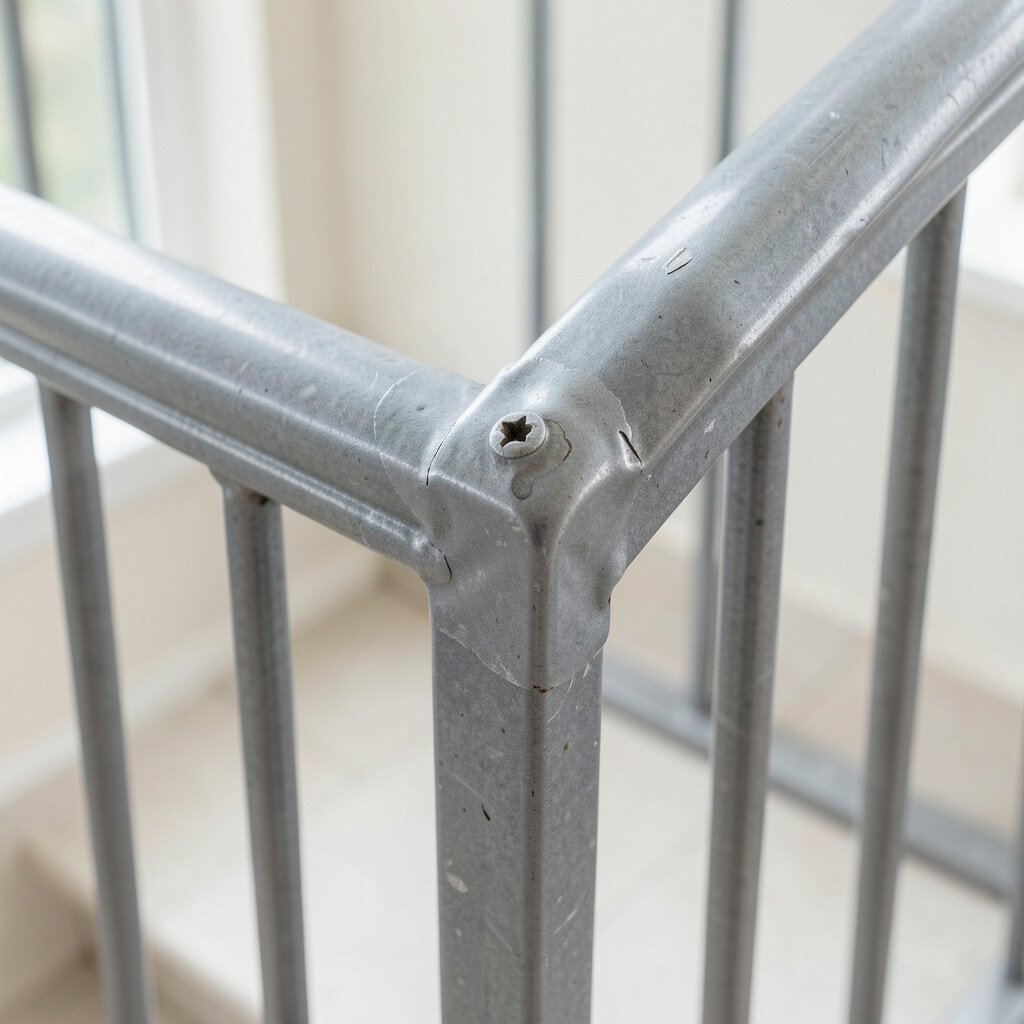
Find a less visible section, like the underside near a post, and test your cleaner there. Apply it, wait the recommended time, and wipe the area clean.
If the finish looks the same and the color stays even, you’re ready to proceed. If it turns dull, gets spotty, or changes texture, switch products before doing the whole railing. A short test can save you a lot of frustration and rework.
This also helps you figure out how much scrubbing is needed. The right amount of effort will bring out shine without scarring the surface. Think of it as a preview of the final look.
6. Gather the Right Tools for Gentle Scrubbing
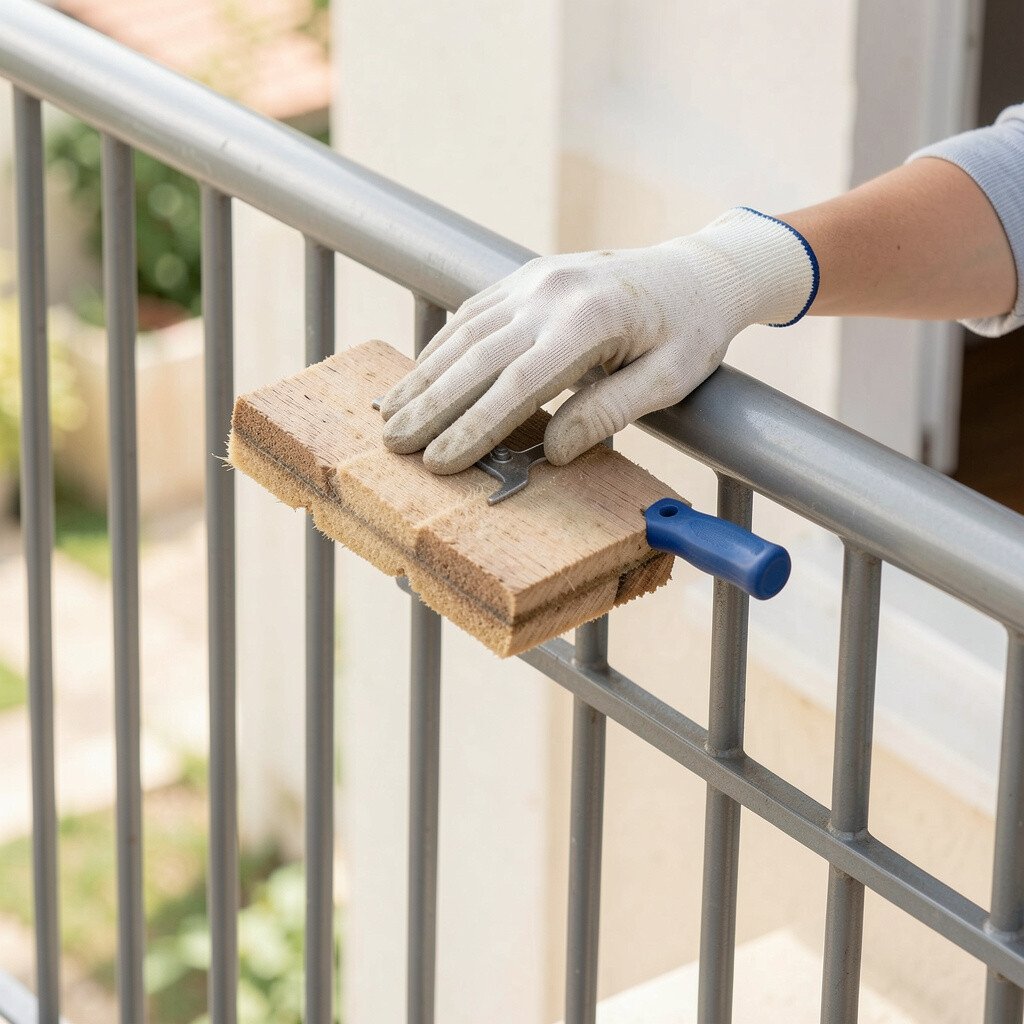
For most railings, soft microfiber cloths and a non-scratch sponge make a strong starting setup. A small detailing brush helps reach corners, scrollwork, and tight gaps.
If you use a pad, choose one meant for delicate surfaces so you avoid tiny swirl marks. You can also use cotton cloth for wiping and buffing instead of rough paper towels. Good tools reduce the risk of scratches that show up as dull streaks.
7. Protect Your Hands, Eyes, and Lungs
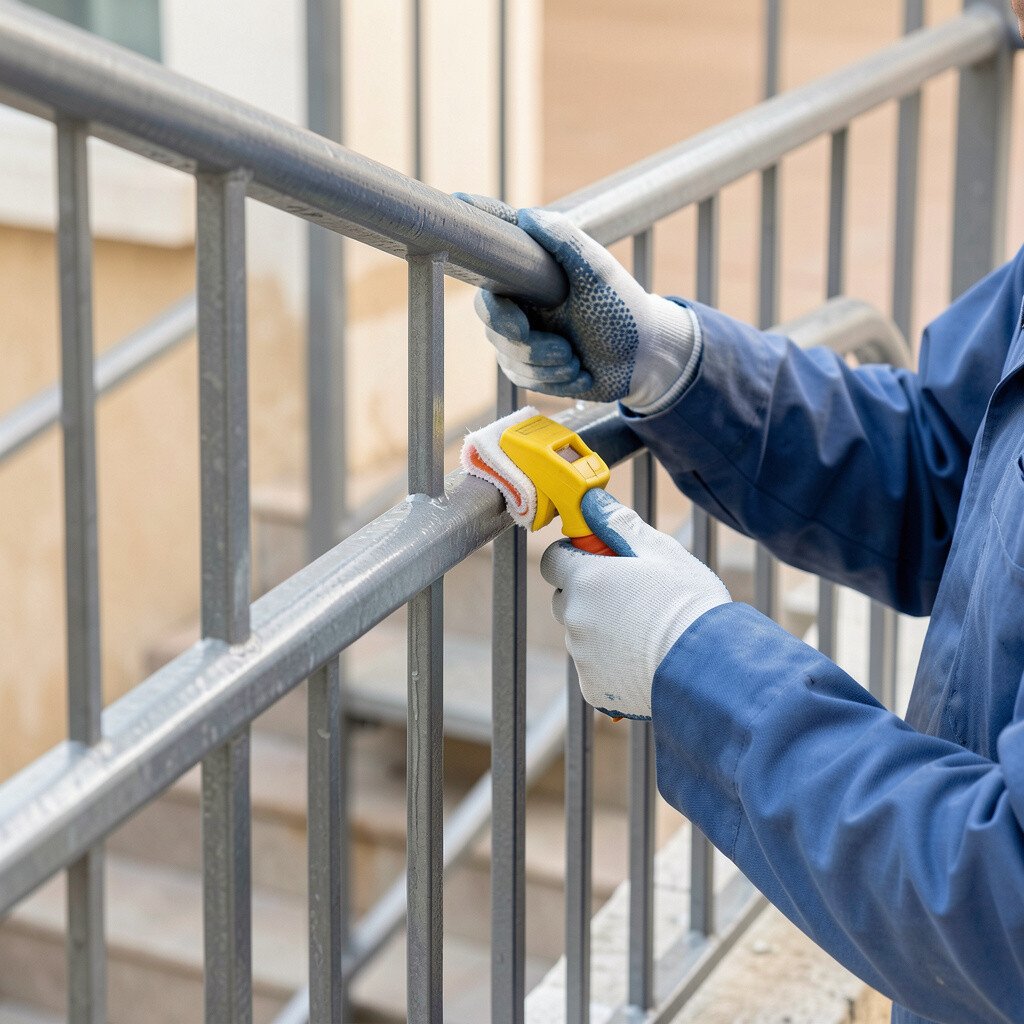
Even simple cleaning can irritate skin or spread dust, especially when rust is involved. Wear gloves that feel comfortable so you can maintain good control.
Use eye protection if you’re using sprays or working near overhead areas. If you’re dealing with heavy rust dust or strong-smelling products, keep air moving with a fan or open windows when possible. Feeling safe means you’ll work carefully, which leads to a cleaner, shinier finish.
8. Check Weather and Timing for Best Results
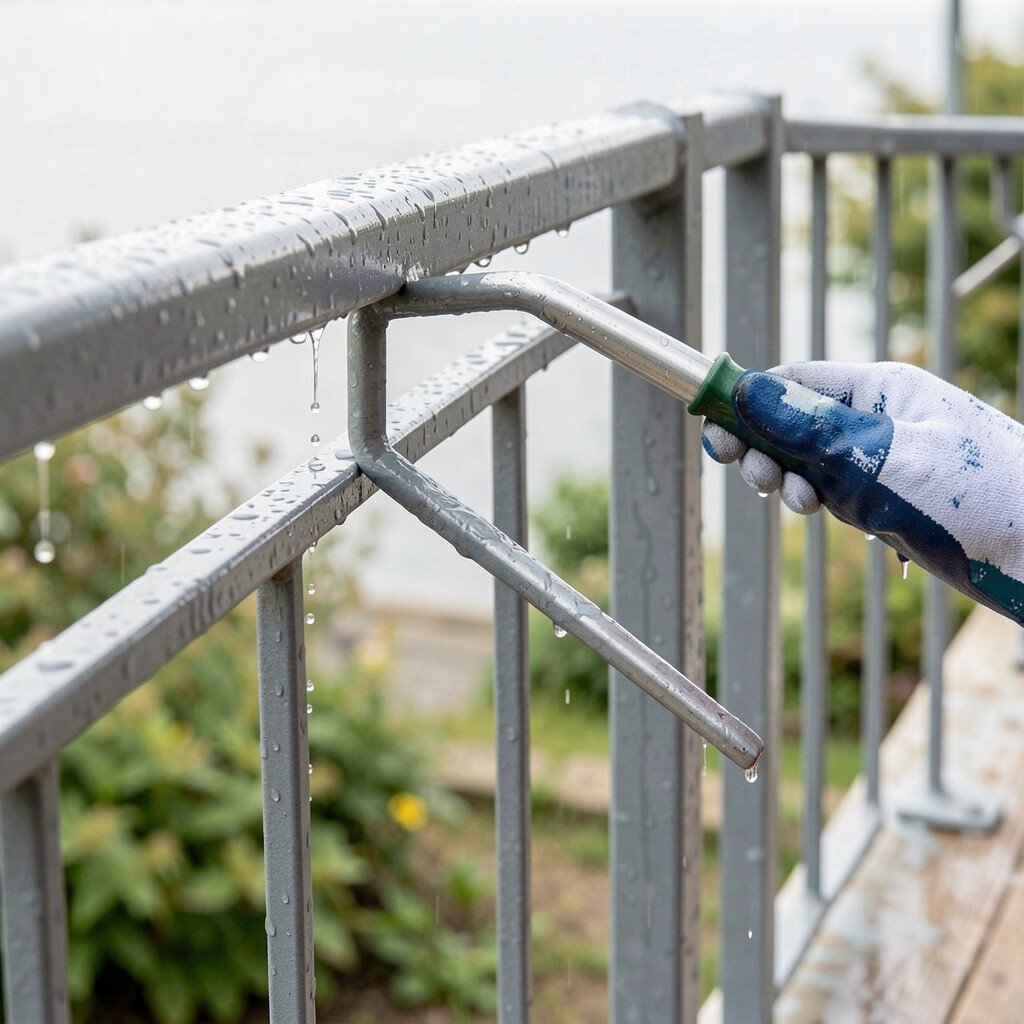
Plan your cleaning when the air is calm and not too humid. High moisture can slow drying and can cause water marks on certain finishes.
Pick a time when the railing won’t sit wet for long. Direct sun can dry products too fast, leaving streaks. When conditions are just right, the railing looks more even and polished after wiping.
9. Remove Loose Dirt With Dry Wiping First
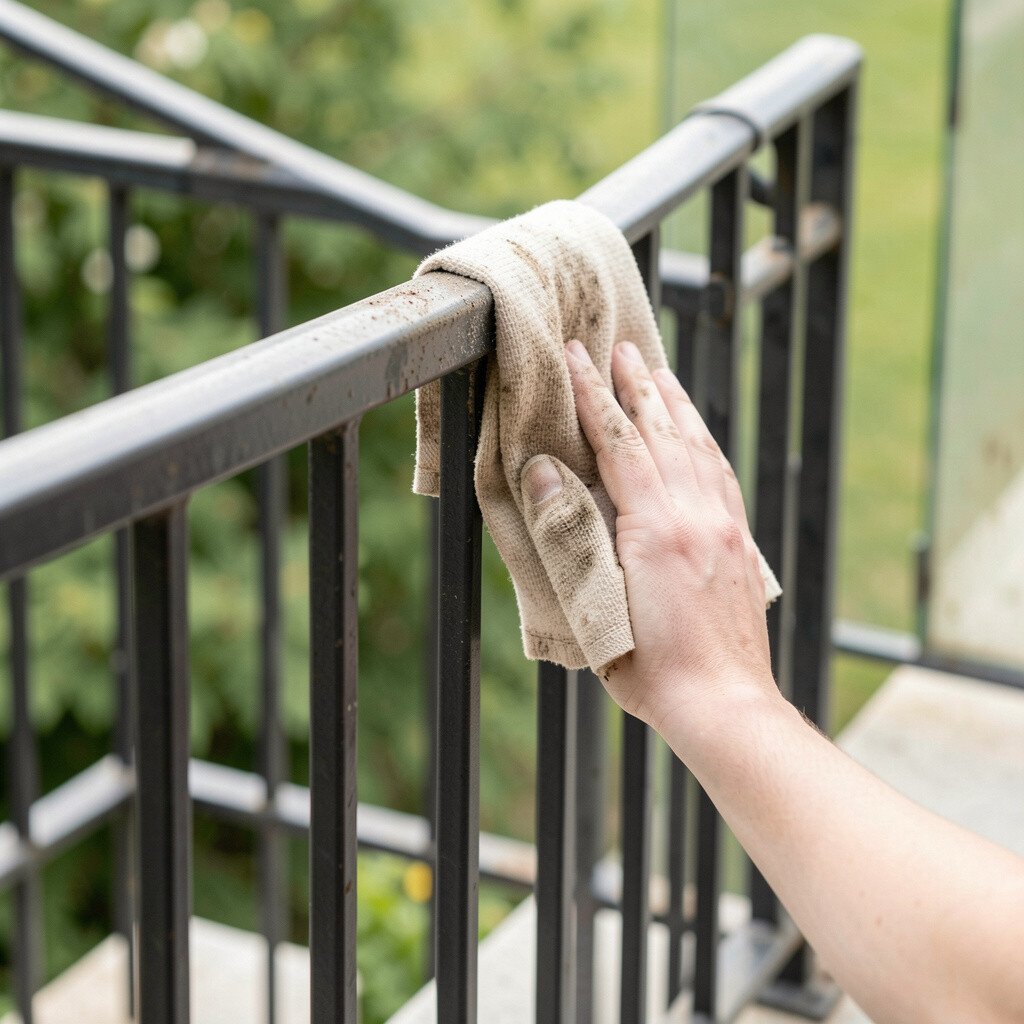
Before any wet cleaner touches the metal, wipe it with a dry microfiber cloth. This lifts dust, grit, and light grime that could otherwise turn into muddy smears.
Pay extra attention to the top rail where debris settles. If you skip dry wiping, rubbing can scratch the surface because tiny particles act like sandpaper. Starting dry makes the rest of the cleaning easier and smoother.
10. Tackle Grease and Fingerprints With Gentle Degreasing
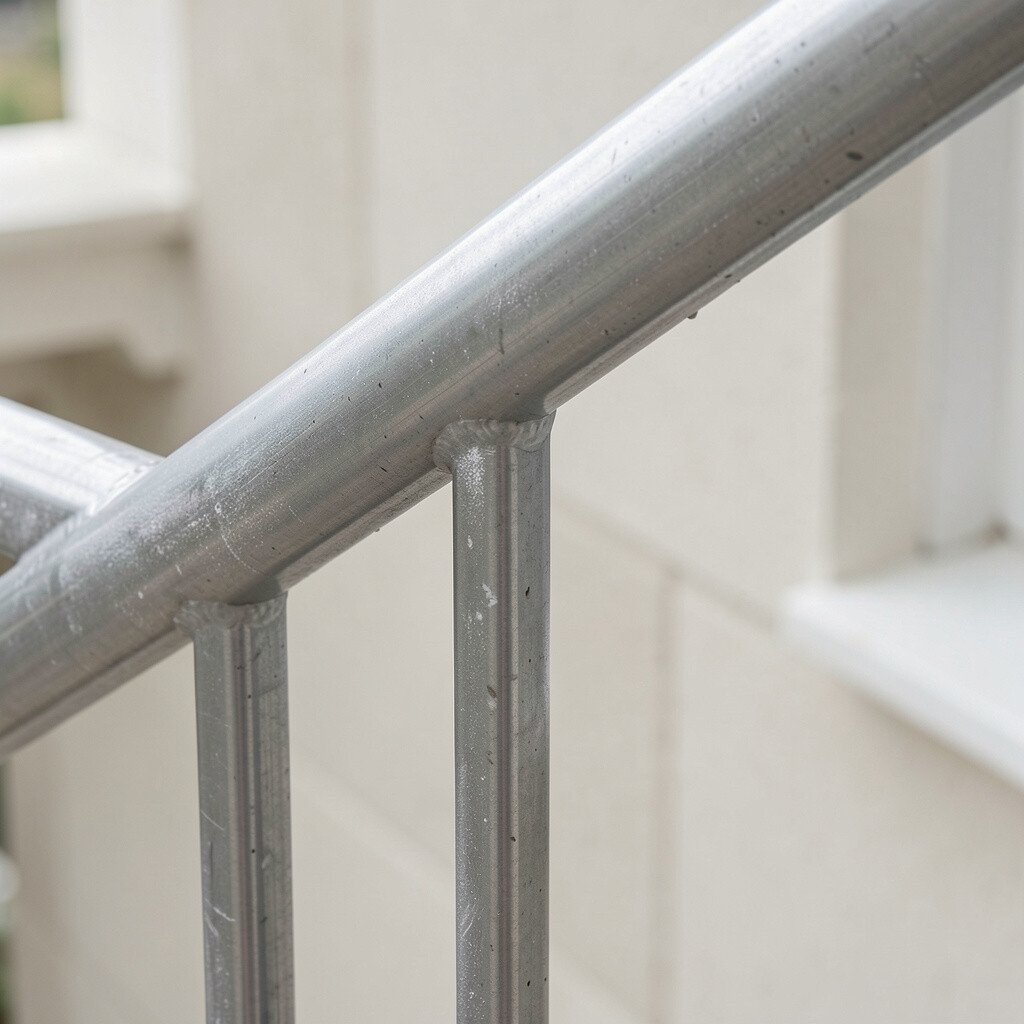
Handprints are common near doorways and stair landings, especially in busy homes. A mild degreaser or warm soapy water can remove the oily layer that hides shine.
Apply the cleaner to your cloth first, then wipe the metal with steady strokes. This helps you avoid soaking locks, wall anchors, and hidden seams. When grease lifts, the metal often looks brighter right away.
For stubborn spots, let the cleaner sit briefly, then wipe again. Over-scrubbing can dull a finish, so patience tends to win. Your railing will look clearer and more reflective once the oily film is gone.
11. Decide How to Handle Rust Without Damaging Coatings
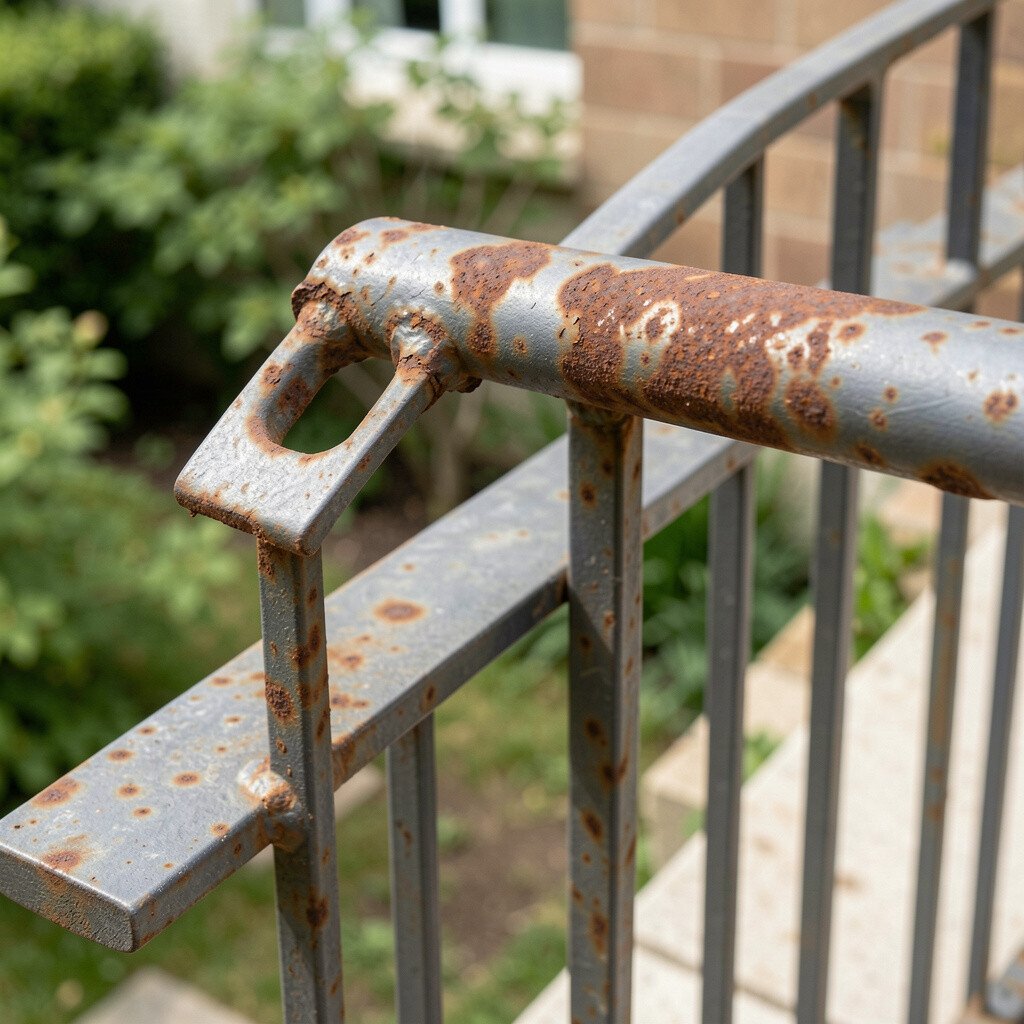
Rust doesn’t always mean you need a harsh method, especially on coated railings. Look for rust on bare metal versus rust that shows up under peeled paint.
If rust is mild, you may be able to remove it carefully with a rust-safe product and a soft brush. For deeper rust, you may need stronger treatment, but keep the area controlled. The goal is to stop the spread, then protect the surface so the shine lasts longer.
After rust removal, wiping thoroughly is key because leftover residue can keep rust stains active. You’ll also want to dry completely to prevent quick re-oxidation. When you handle rust in the right way, the railing regains a fresh look instead of looking patched.
12. Clean Between Balusters and Detail Grooves
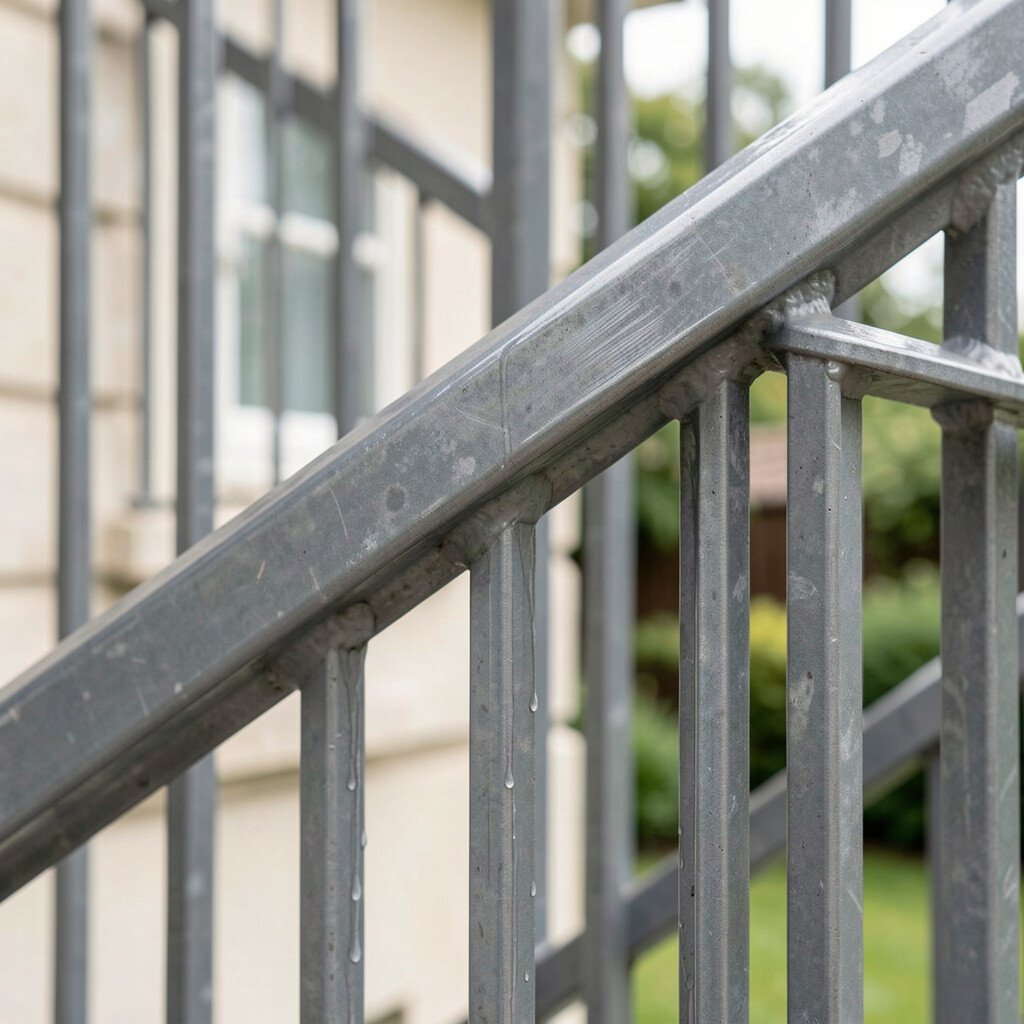
Many railings hide grime in small spaces between vertical bars or in scroll details. Use a narrow brush, cotton swabs, or a folded cloth to reach those spots.
Work slowly and keep your movements gentle so you don’t push dirt deeper. Those hidden areas are exactly where the railing loses its “new” look first. Once the grooves are clean, the entire railing starts to look more even and bright.
13. Focus on the Direction of Wiping for a Sleek Look
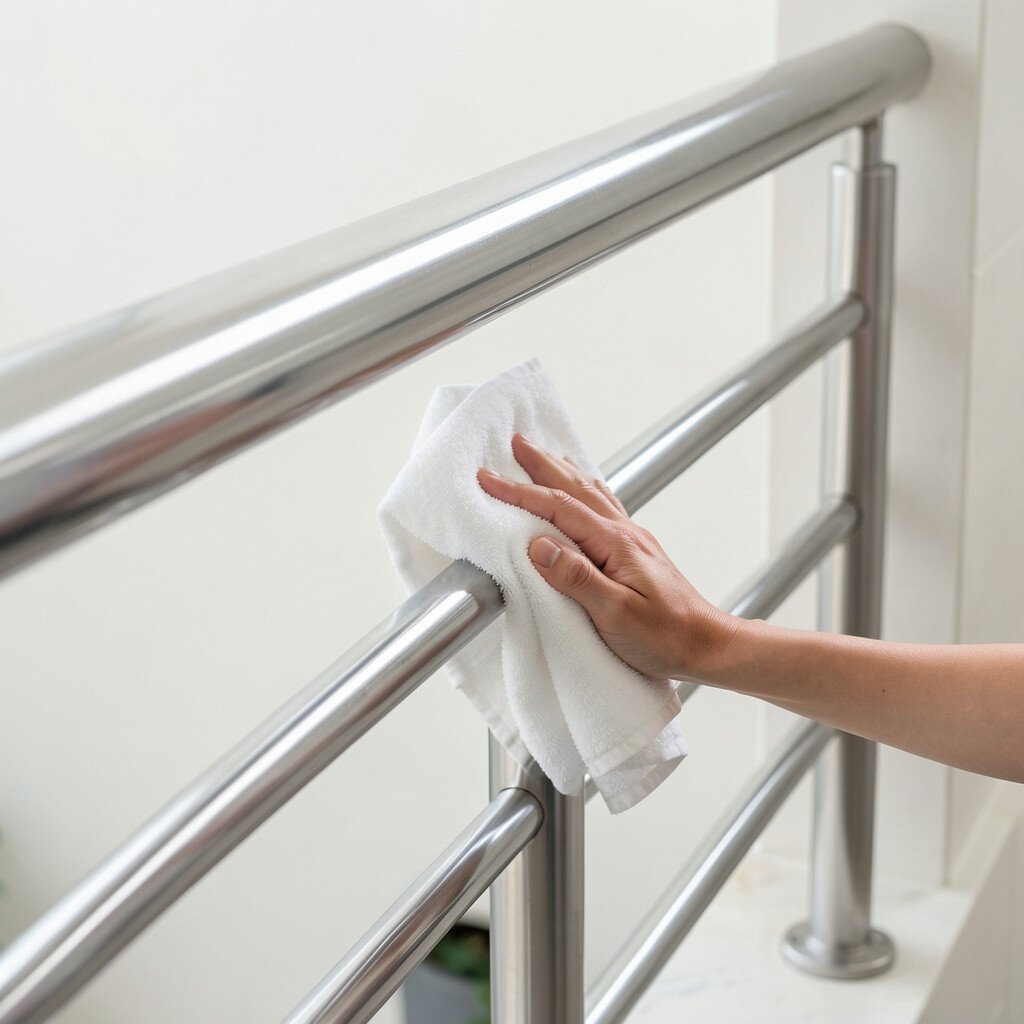
When you wipe metal, follow the natural grain or the direction of the brushed finish. This helps you avoid visible streaks and swirl marks.
Use one cloth for initial wipe and a second clean cloth for final buffing. Switching to a fresh cloth prevents re-smearing and keeps the shine crisp. Small habits like this make the difference between “clean” and truly “shiny.”
14. Dry Thoroughly to Prevent Water Spots
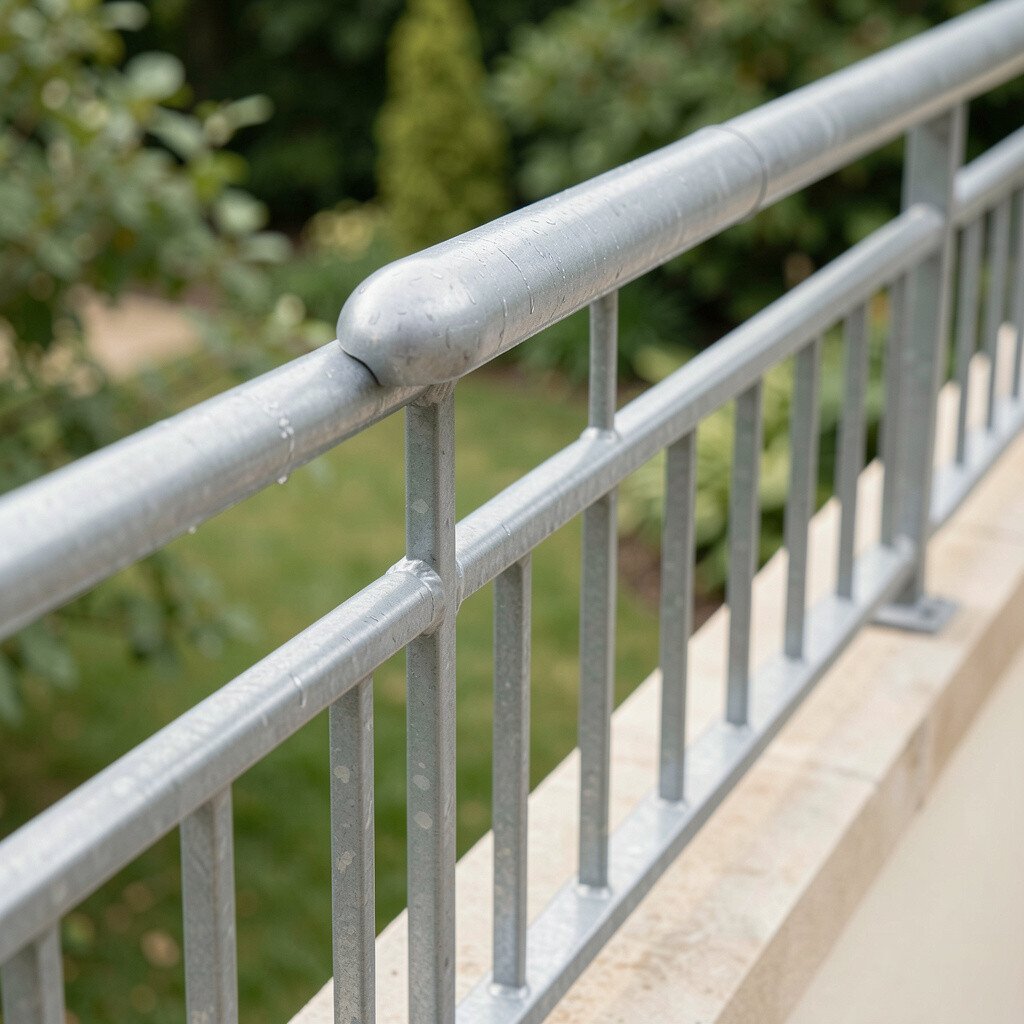
Even if the railing looks clean, water droplets can leave dull spots as they dry. After wiping, dry the entire surface with a soft towel.
For hard-to-reach areas, use a dry microfiber edge or a cloth wrapped around a slim tool. Taking this step helps the finish stay bright and reduces the need for redo work. Drying fully is one of the easiest ways to keep shine consistent.
15. Buff for Reflection Using a Safe Finishing Cloth

Buffing is where the railing starts to look like a polished display piece. Use a clean, dry microfiber cloth to gently rub until the surface looks even.
If your railing is stainless or has a bright finish, you can also use a metal-safe polish, but only after confirming it’s compatible. Too much product can create a residue layer that attracts dust. A light touch gives a glassy look without turning your railing into a fingerprint magnet.
16. Use Protective Coatings Only When Needed
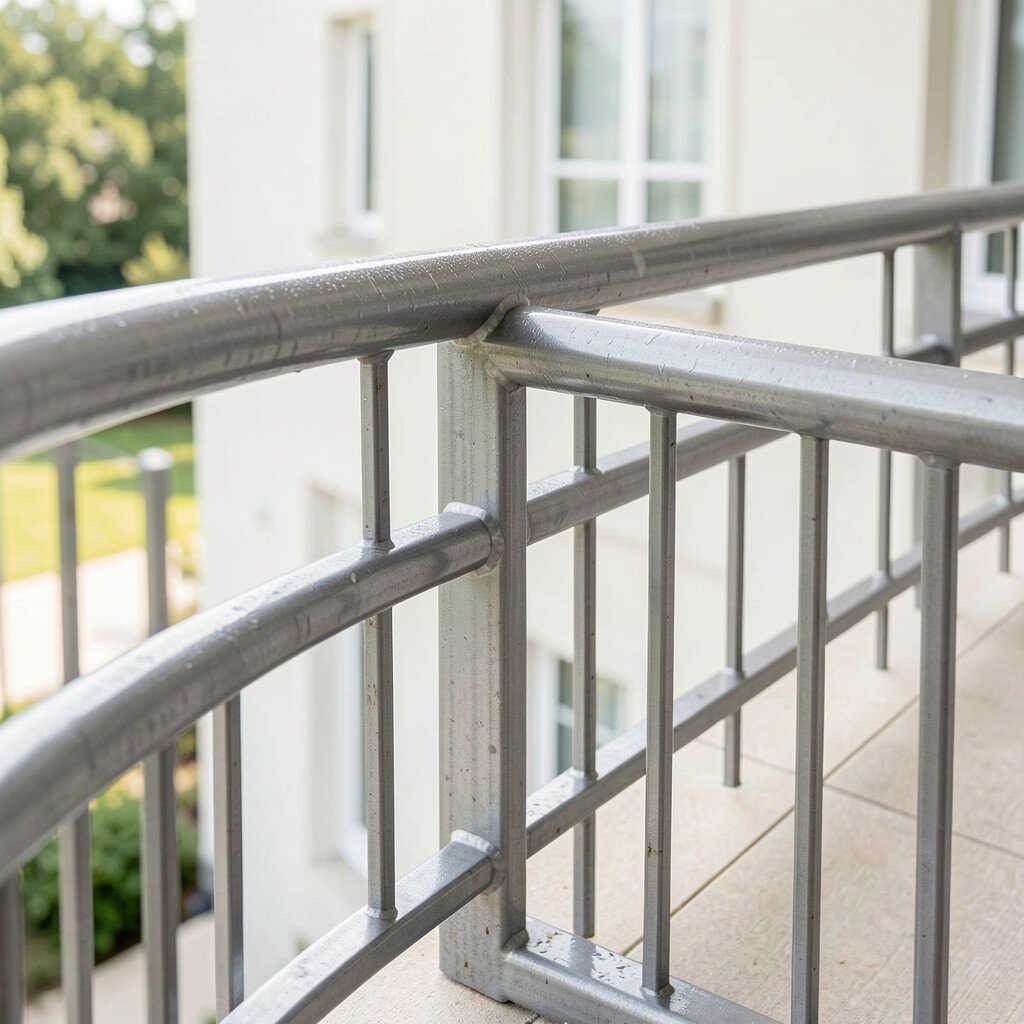
Some railings benefit from a protective wax or sealant, especially in outdoor settings. This can reduce grime buildup and make future cleaning easier.
Still, protective coatings may not suit all finishes, especially powder-coated surfaces. If you’re unsure, test a small area first and watch how it reacts over time. When chosen correctly, the railing stays cleaner longer and shines with less effort each season.
17. Remove and Reattach Hardware Carefully
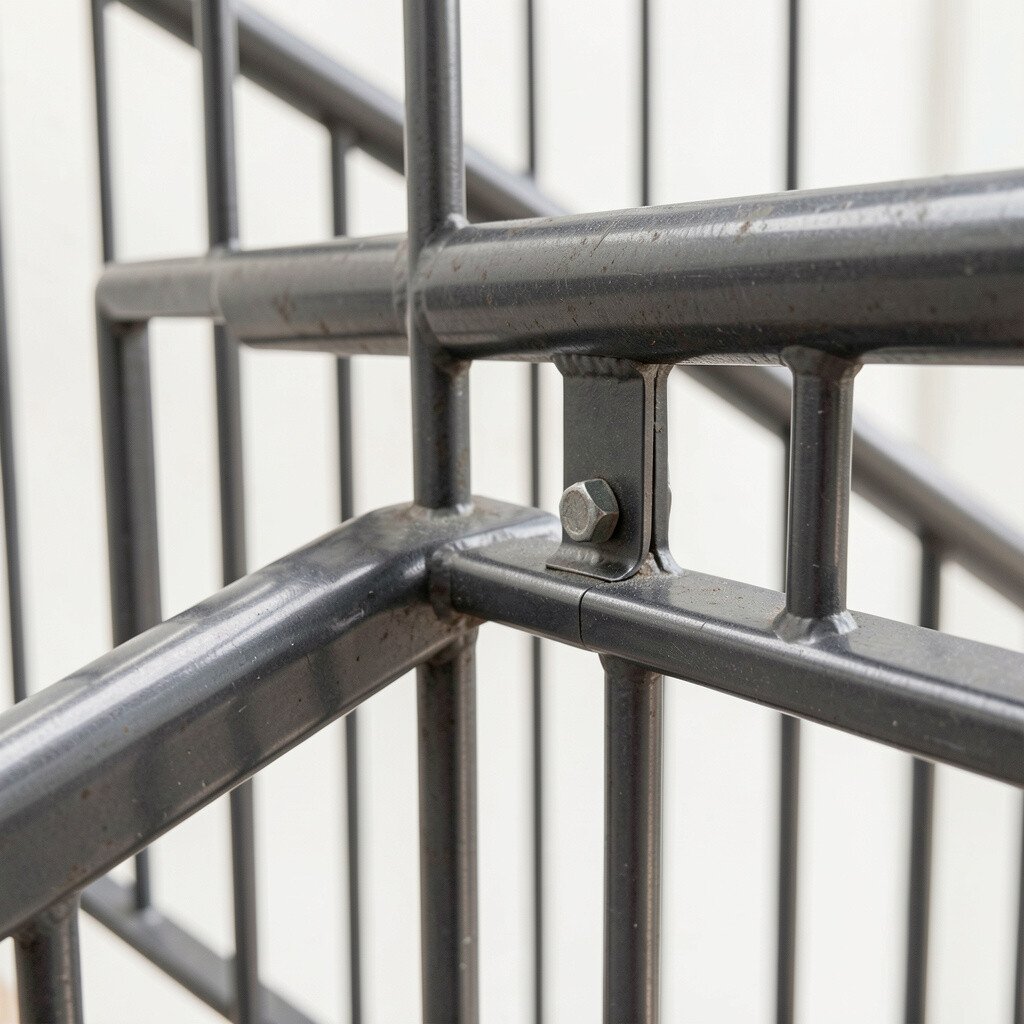
If your railing has brackets, end caps, or decorative hardware, avoid yanking parts while cleaning. Loosen anything gently so you don’t bend the metal or scratch nearby areas.
Cleaning around hardware matters because buildup often collects at screw heads and edges. A small brush plus a careful wipe can lift dirt without scratching. When parts are kept secure and clean, the railing looks tidy and feels sturdy.
18. Address Surrounding Grime That Makes Metal Look Dull

Sometimes the railing looks dirty because wall paint, dust, or nearby surfaces are shedding grime. After cleaning, glance at walls, stair treads, and nearby trim.
Wipe those areas too so the railing doesn’t get re-dirtied right away. Dust falling from ceilings or from air vents can settle on metal quickly. When the surroundings are kept clean, your railing’s shine stays noticeable for longer.
19. Personalize With Finishing Touches After Shine
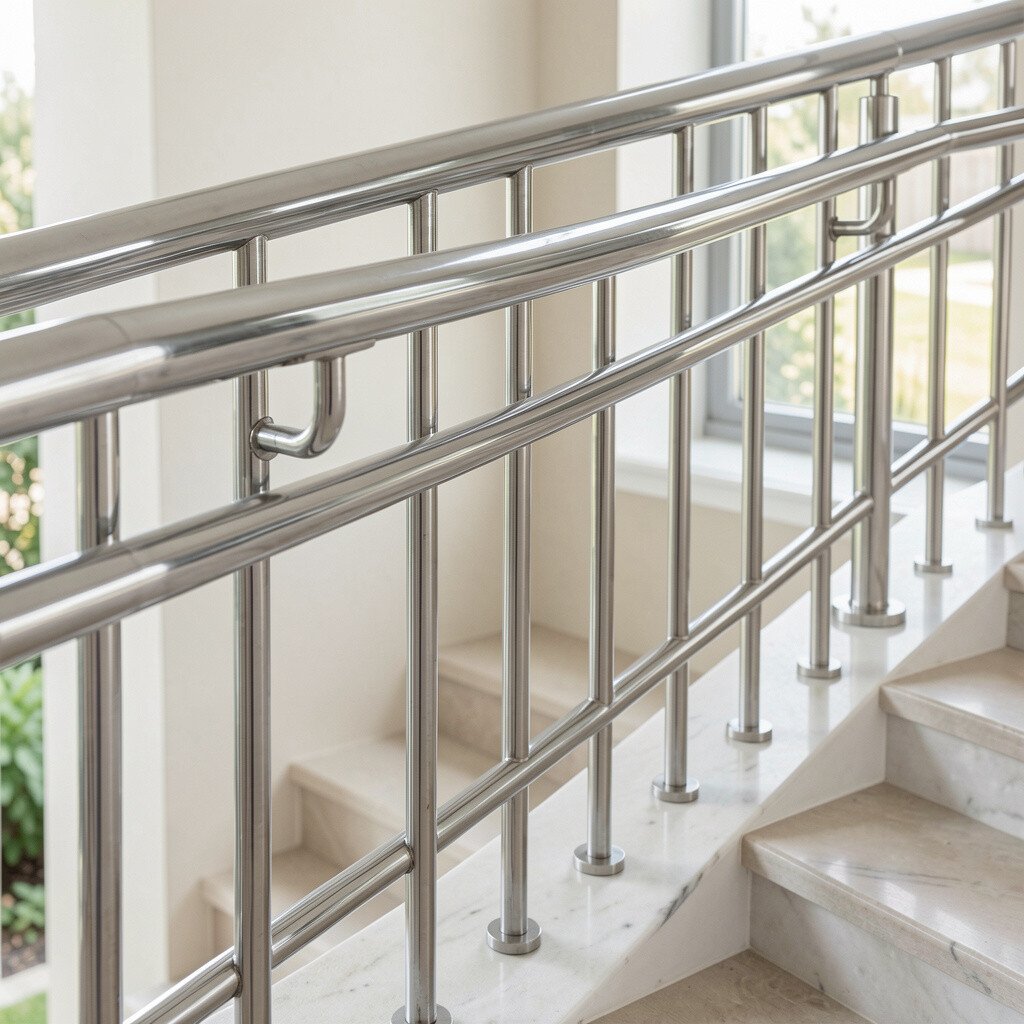
Once the metal looks bright, you can add small style upgrades that make the railing feel custom. Consider matching stair accessories, like runner rugs or wall art, to the railing’s color tone.
You can also adjust lighting so the reflection looks intentional. Warm bulbs often make metal look richer, while cooler light can highlight shine and texture. Personal touches help the railing feel like part of the design, not just a functional safety feature.
20. Consider Cost-Friendly Upgrades That Reduce Future Work
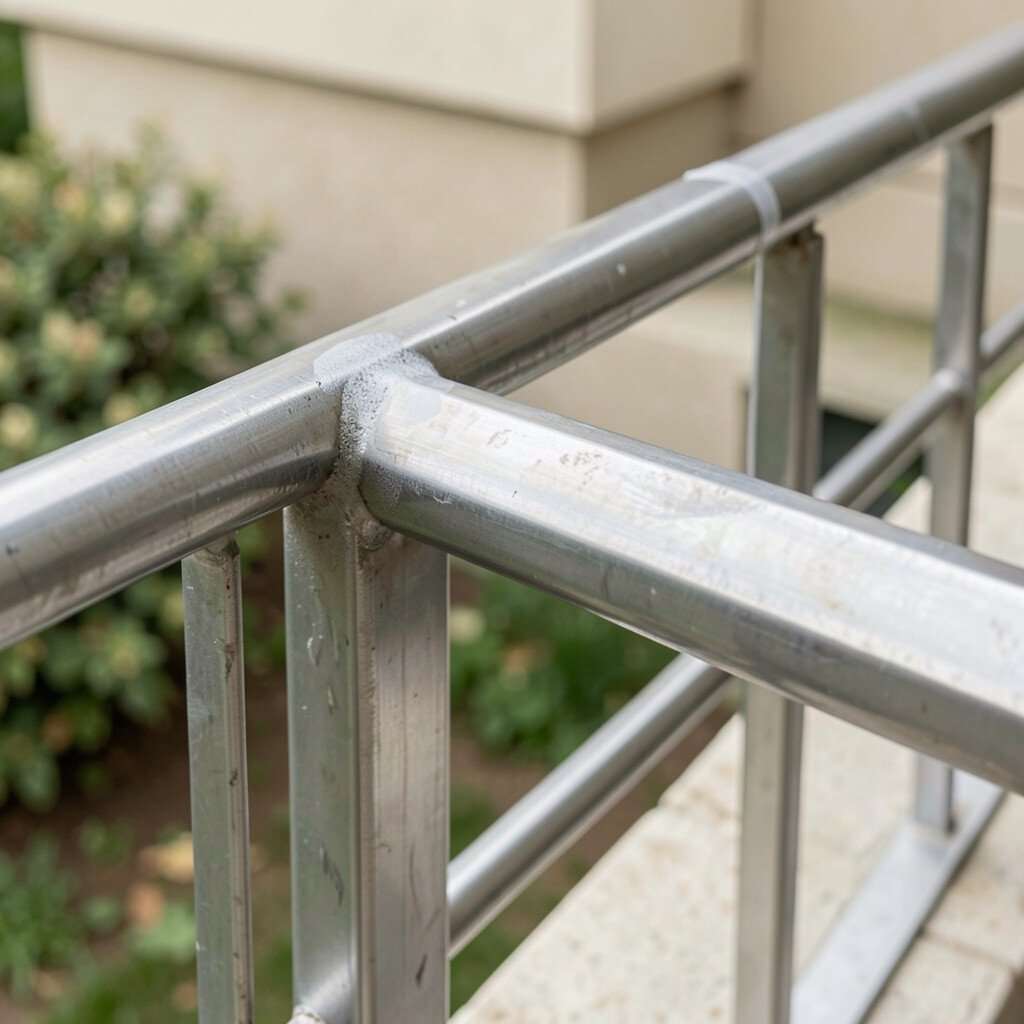
If your railing gets dirty quickly, a small change can save effort and money later. Adding a protective mat near entryways can cut down on dirt tracking onto nearby stairs.
For outdoor railings, regular seasonal cleaning plus a compatible protective layer often costs less than deep rust repairs. Paying attention to early signs means you stop grime before it bonds to the finish. When you prevent buildup, you keep the look bright without using heavy chemicals each time.
21. Keep Up With Current Looks Like Brushed, Satin, and Warm Tones
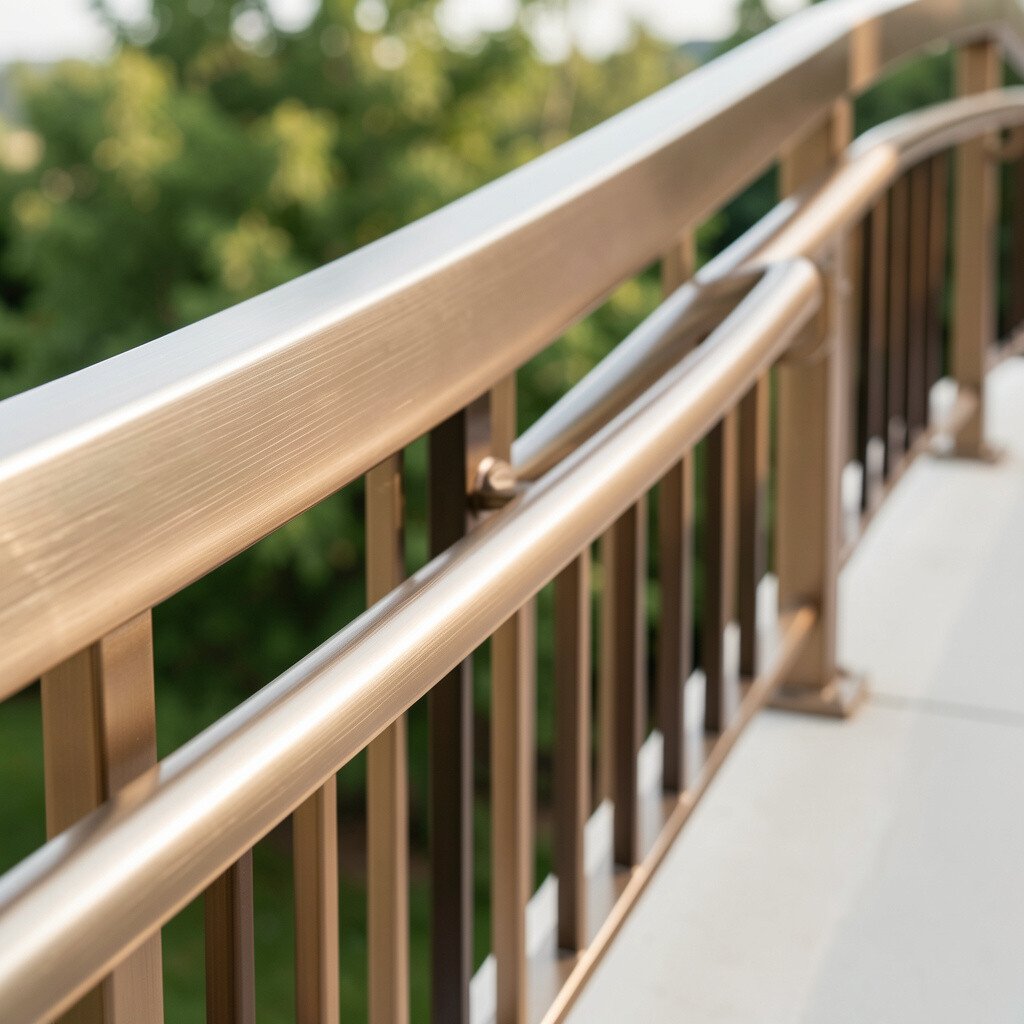
Right now, many homes lean toward warm metals and softer shine instead of extreme mirror glare. Brushed and satin finishes hide tiny imperfections while still looking clean and modern.
If your railing’s style matches that trend, choose cleaning and polishing methods that support a natural look. Heavy, high-gloss polishing can sometimes feel out of place with modern design. Staying mindful of the overall vibe helps your railing shine in a way that feels current, not overdone.
22. Make a Simple Routine So Shine Stays Easy
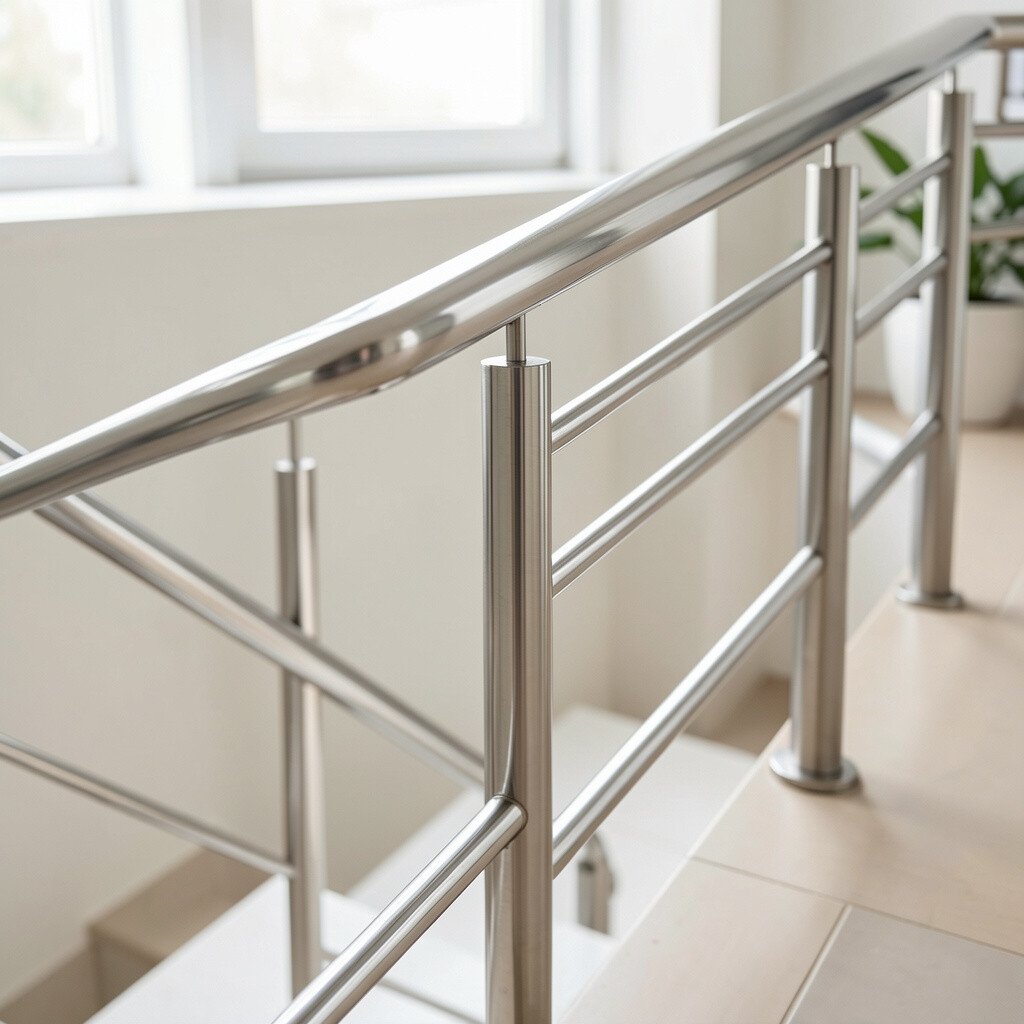
Instead of waiting for the railing to look dull, set a small routine that fits your schedule. A quick wipe with a microfiber cloth now and then can prevent grime from building up.
When you notice fingerprints or dust settling, clean early with a gentle solution. This keeps you from needing harsher products and saves time. A simple routine also makes the final shine more predictable, so you always get that fresh, bright look.