Your bedroom walls set the mood the moment you wake up. Small choices can make the space feel calm, or cluttered and stressful.
Let’s focus on the common slips that quietly ruin the look, then fix them with wall ideas that feel like you.
1. Ignoring the Purpose of the Wall
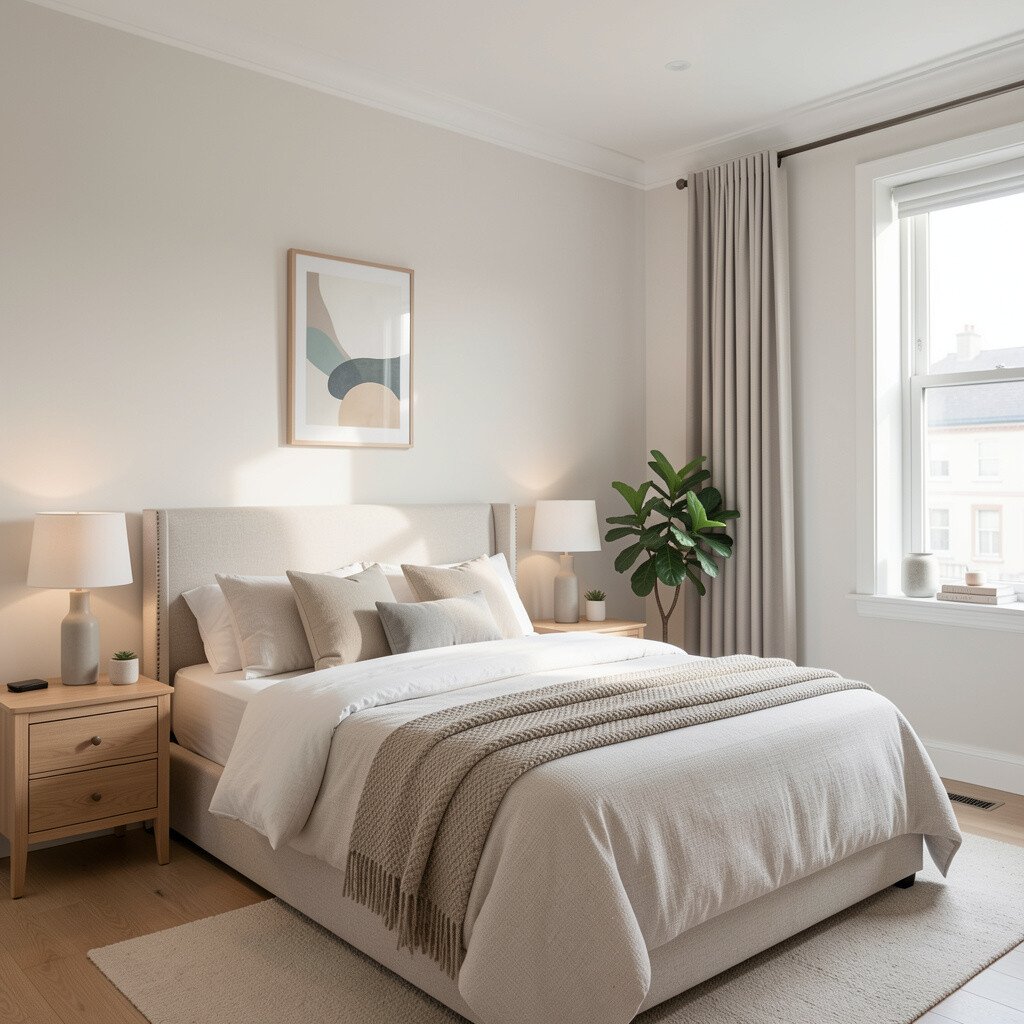
Before you hang anything, think about what your bedroom needs most. Do you want rest, energy, or a soft mix of both?
Some walls work best as a calm backdrop, while others can become a lively feature. When you match the wall’s job to your decor, the room feels more “right” and less random. Choose art, paint, or shelves that support your daily rhythm, like wind-down lighting or a reading nook vibe.
2. Choosing a Color Without Testing It
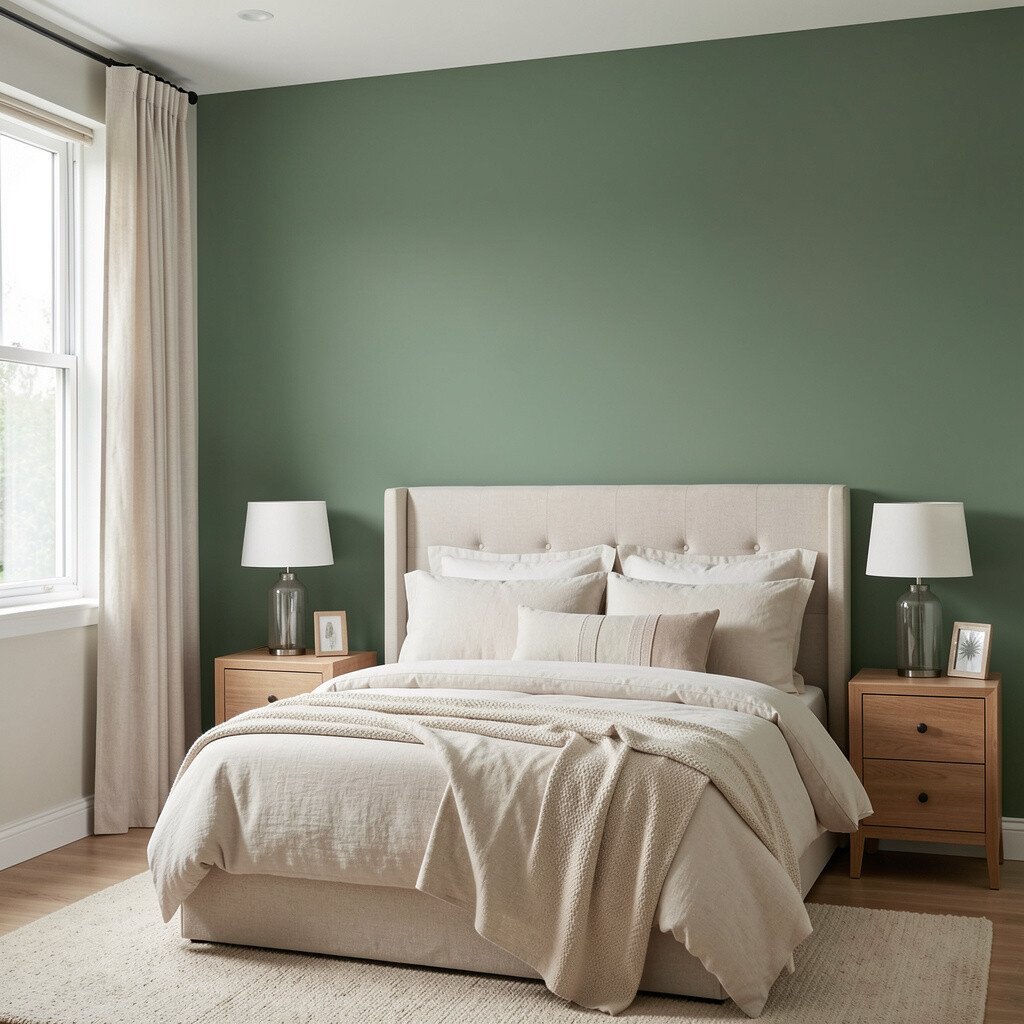
Picking a paint color from a screen can look great, but your room lighting changes everything. Morning light, evening lamps, and even wall texture shift how a color shows up.
Paint a small sample on the wall and live with it for a few days. You will notice undertones, like a hint of green or warmth that either flatters or clashes. This saves money because you won’t repaint after it feels “off.”
For a unique touch, pair the tested color with a contrasting trim or a softer shade on an accent wall. Current trends often lean into cozy neutrals, warm creams, and muted greens, but testing keeps the trend from becoming a regret. If you love bold colors, test them near your bed so your eyes relax at night.
3. Overloading the Wall With Too Many Pieces
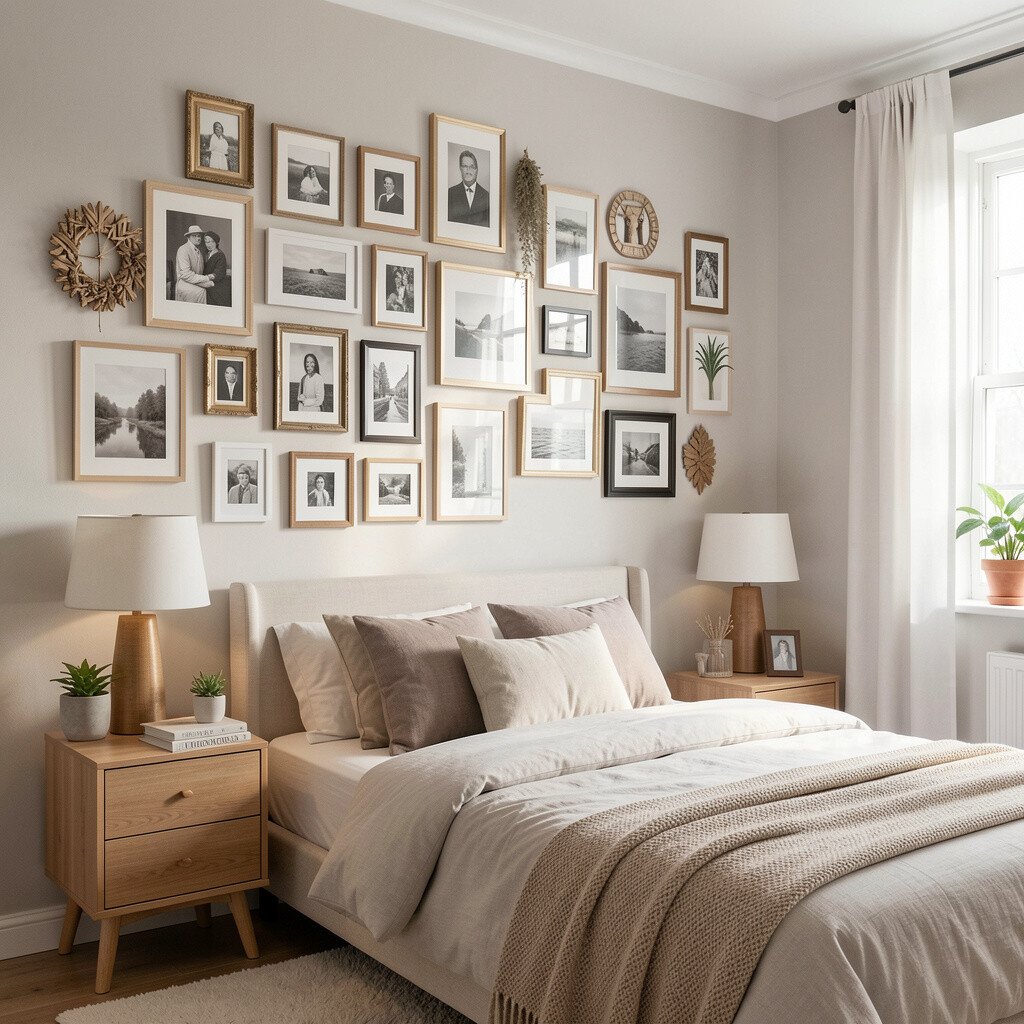
When you stack art, photos, shelves, and wall decals, the wall can start to feel busy fast. Even pretty items can fight for attention when they share the same space.
Try giving your wall a “breathing zone” so one or two elements feel like the main focus. Space frames farther apart or use larger art with fewer objects for an instantly calmer look. This approach makes the room feel cleaner and helps your brain settle.
If you want a gallery wall, keep it tight and consistent in frame style. Plan the layout on the floor first, then measure the final spot to avoid last-minute squeezing. A smaller, well-designed arrangement often looks more personal than a crowded mix.
4. Skipping a Lighting Plan
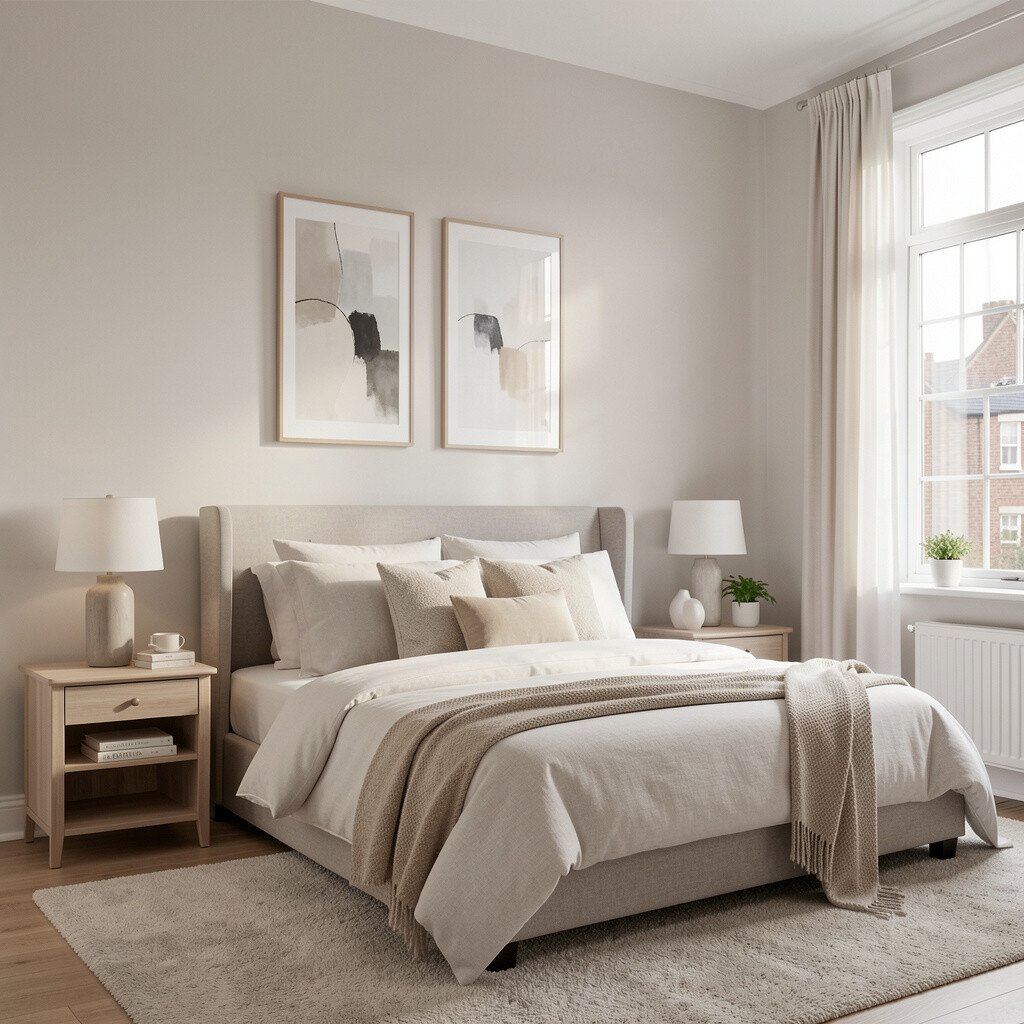
Walls don’t just show decor, they also reflect it. A dim room with strong overhead light can make colors look dull and shadows look messy.
Add lighting that flatters the wall, like a plug-in sconce, an LED picture light, or a warm lamp near the bed. Lighting helps art look sharper and makes textures, like wood frames or canvas, stand out. It also feels cozy at night, which is a big bedroom benefit.
5. Using the Wrong Scale for Art and Frames
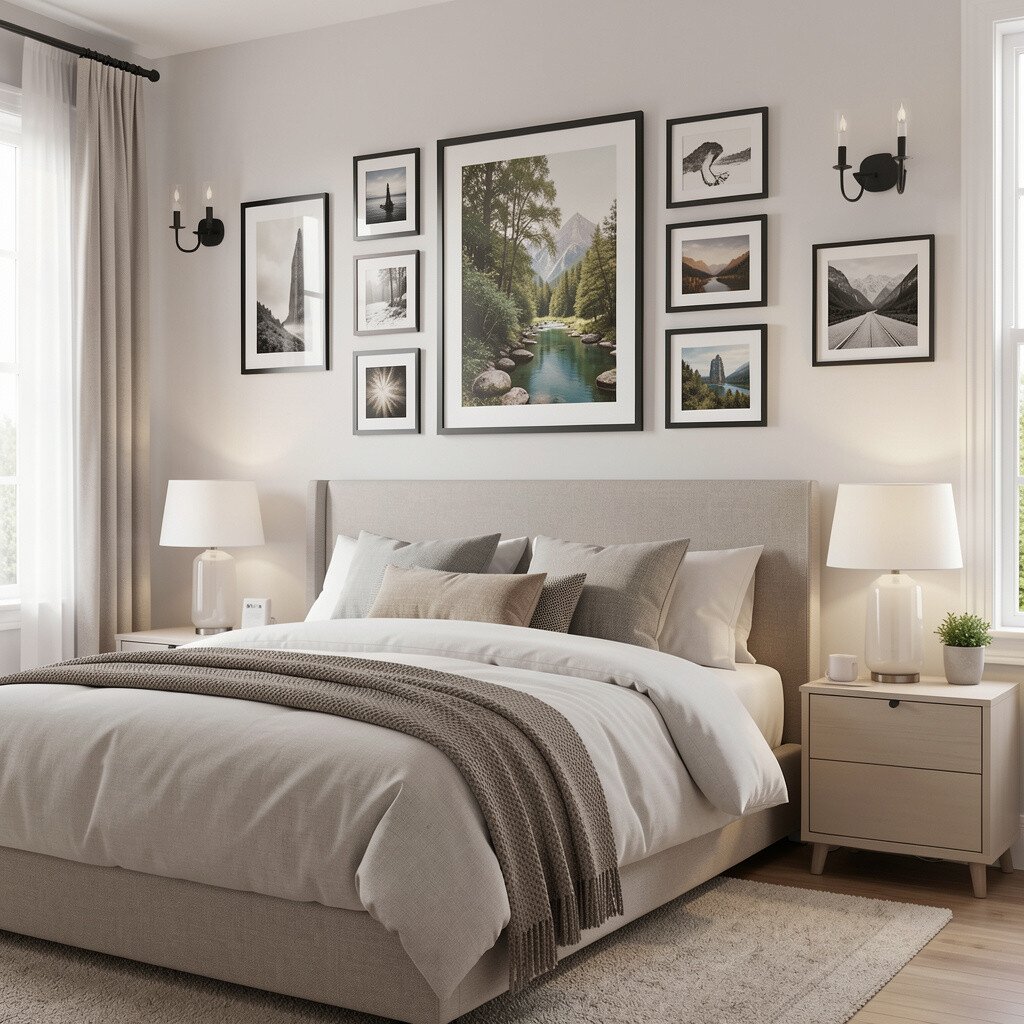
Small prints above a bed can look like they got lost, while huge art can swallow the wall. Scale matters because your eye wants balance, especially in a place for rest.
Measure the empty wall space and aim for a size that feels grounded, not floating. If you’re unsure, choose one larger focal piece first, then add smaller elements around it only if they truly fit. This keeps the wall from looking accidental.
For personalization, mix one statement piece with two supporting prints in a matching style. Current trends favor mixed media and oversized frames, so you can lean modern without losing warmth. Buying one right-sized piece usually costs less than trying to fix scale with multiple extras.
6. Hanging Things Too High or Too Low
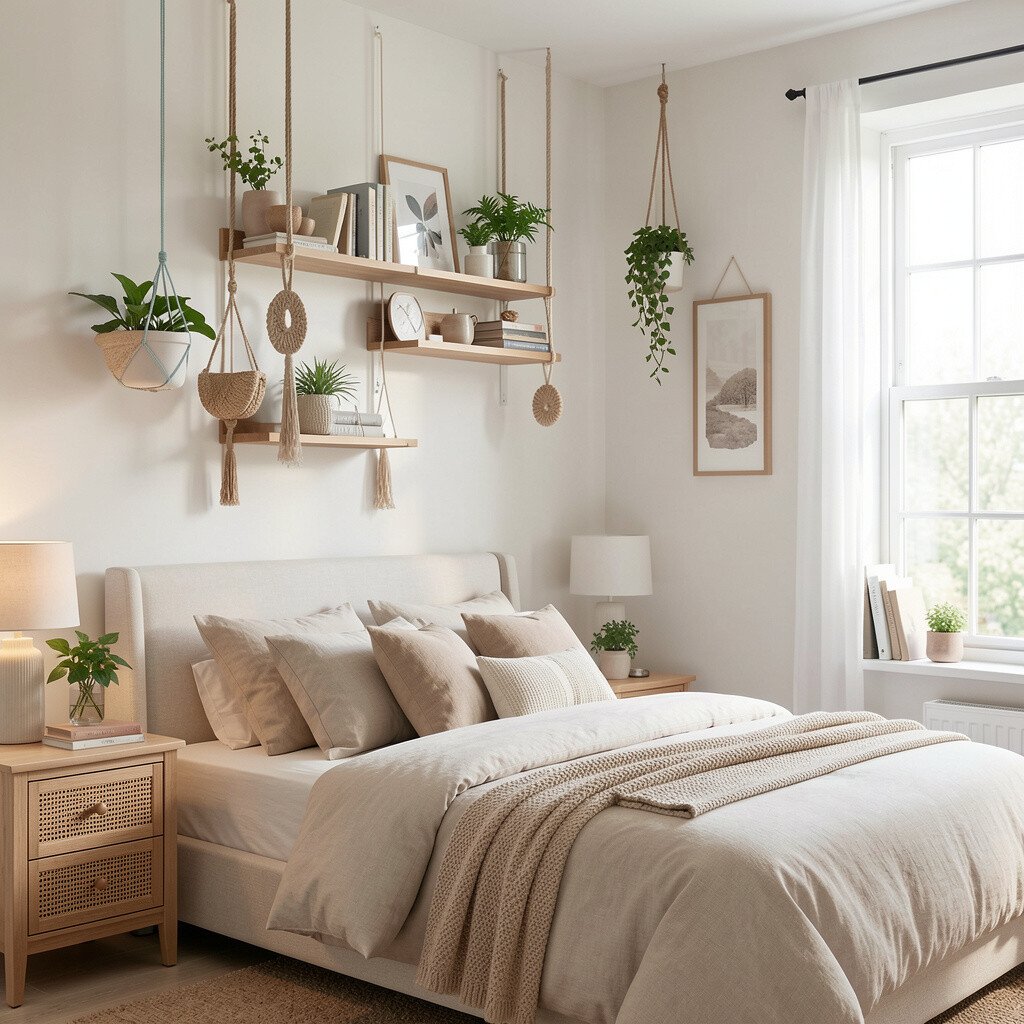
A frame can be perfectly pretty and still feel wrong if the height is off. Many people place art as if they are decorating for a living room, not a place where you look from bed.
When art is above the bed, keep the center of the piece around eye level when you’re lying down. Use painter’s tape to outline the spot, then step back and check the view. This simple step makes the wall feel intentional and helps you avoid extra drilling.
For shelves, place items so they don’t block the view from your usual spot. If you change your reading position often, consider mounting a little lower so bookmarks, candles, or books feel easy to reach. The best layout feels effortless day after day.
7. Forgetting Wall Texture and Finish
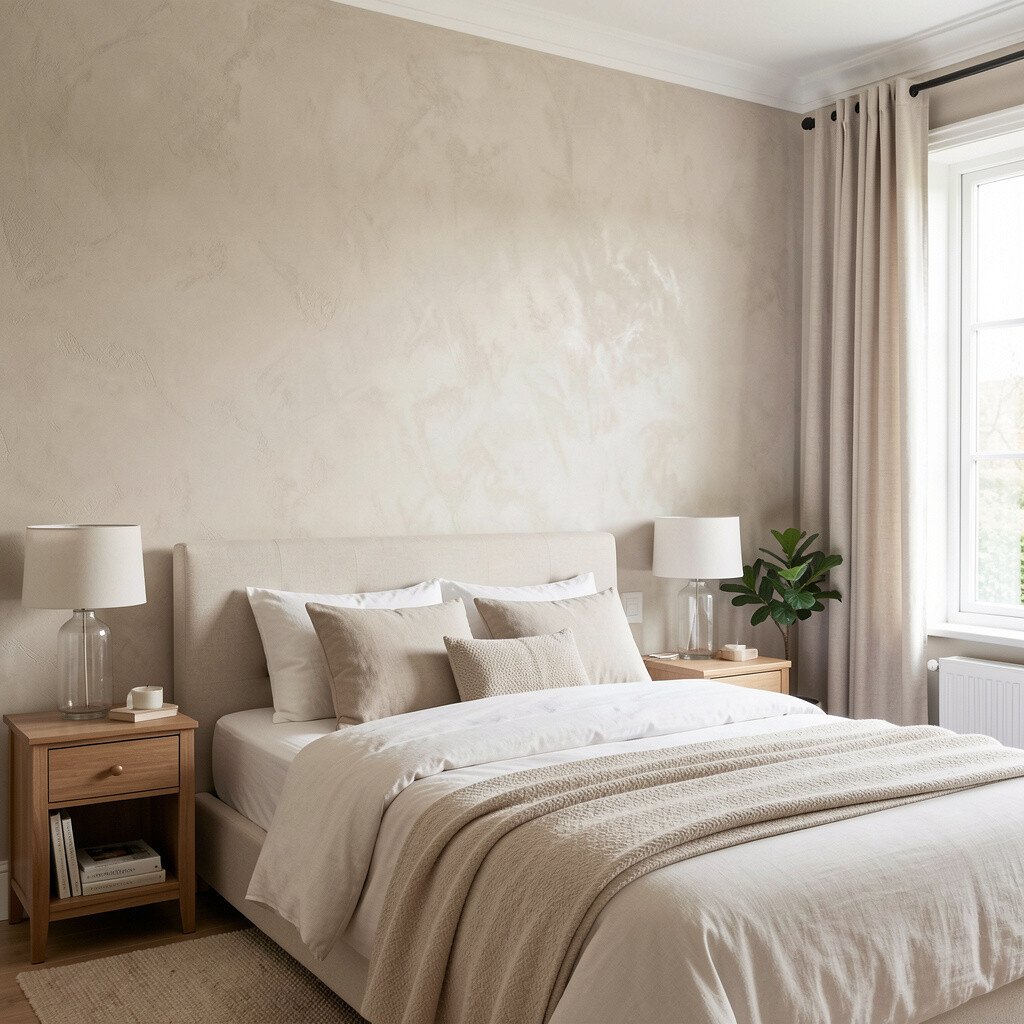
A smooth wall and a textured wall don’t behave the same way for paint, decals, and hanging hardware. Matte paint hides tiny flaws, while glossy finishes highlight them.
If your wall is rough, use paint techniques or tools meant for texture so the final look stays even. For removable decor like peel-and-stick art, test a small corner first to avoid damage or residue. This protects your budget because you won’t replace things or patch surfaces later.
To add uniqueness, embrace the wall’s personality by choosing frames with colors that echo the room. Wood, rattan, and linen textures are popular right now because they soften modern spaces. When you match texture to decor, the whole room feels layered, not slapped together.
8. Choosing Frames That Don’t Match the Room Style
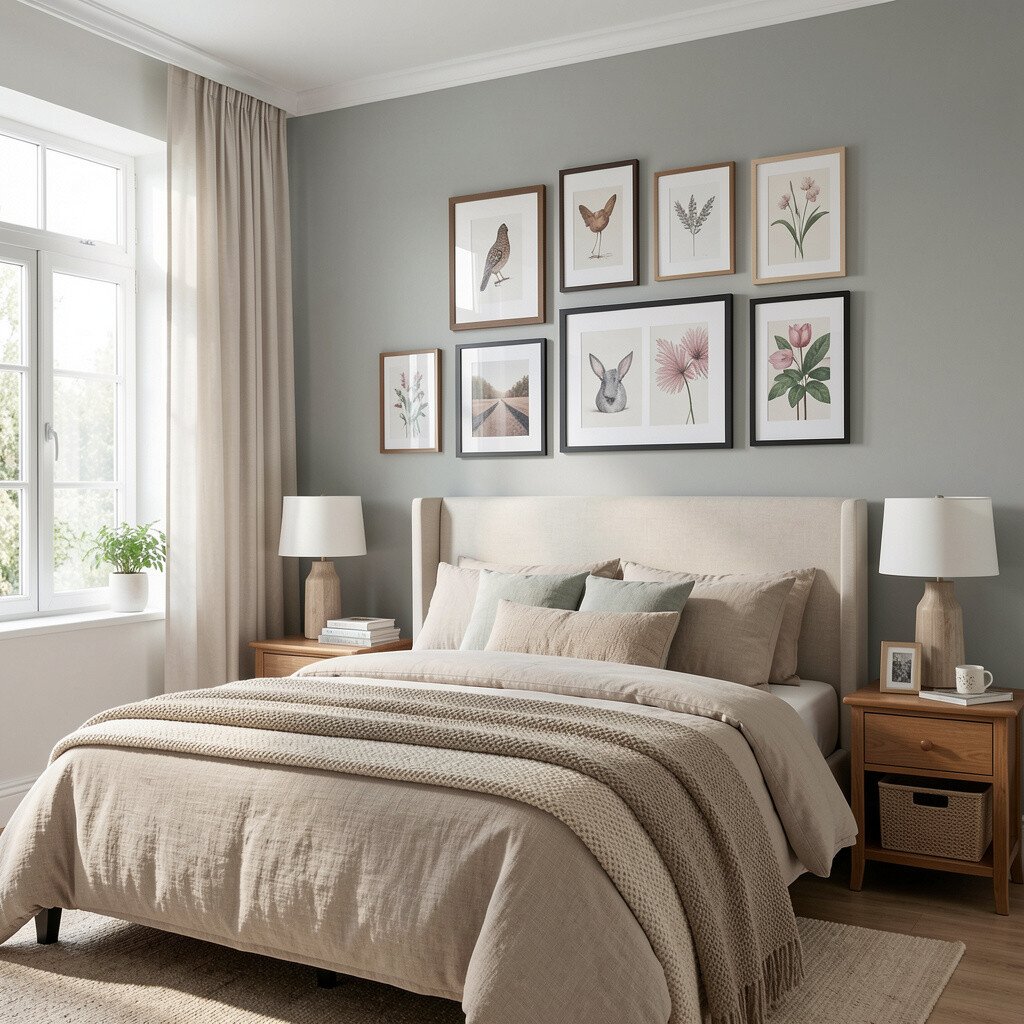
Frames can make or break the look, even when your art is gorgeous. A shiny black frame might feel too sharp for a soft, cozy bedroom.
Pick a frame finish that supports the rest of your room, like matching metal tones to your lamp base or matching wood to your dresser. Consistency makes the wall feel designed, not collected. This also helps when you add new pieces later, since you’ll know what “fits.”
9. Using Adhesives Without Considering Damage
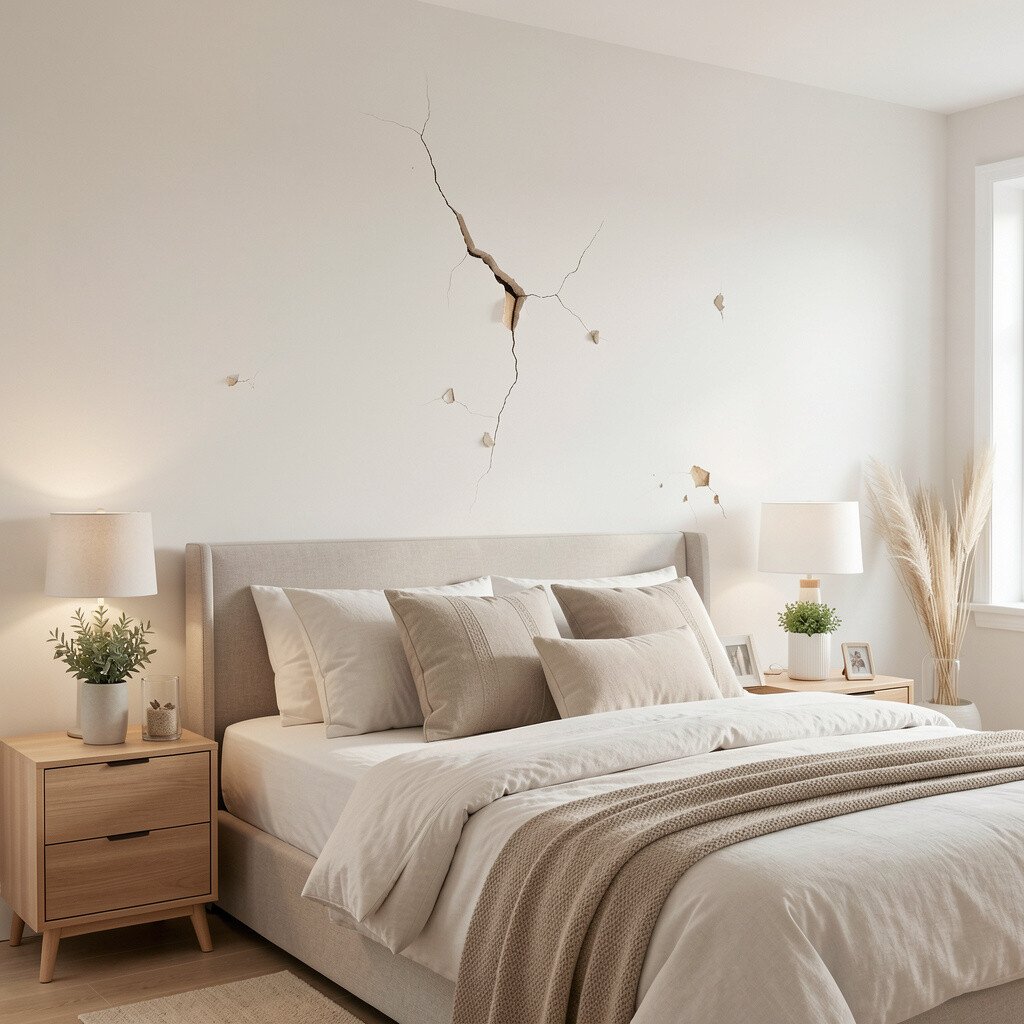
Temporary wall stickers can become permanent problems if they peel paint or leave sticky spots behind. Some adhesives work great on smooth surfaces and fail on others.
Before committing, read the product instructions and test on a less visible area. Removable mounting strips and gentle hooks can be lifesavers for renters, because they keep your deposit safer. This practical step also saves money by reducing repair work.
For personalization, build your wall like a mood board that can change with seasons. Right now, many people use mix-and-match wall hooks, lightweight art, and flexible layouts because it keeps the bedroom fresh without heavy renovations. You still get uniqueness, just without the stress.
10. Ignoring Color Harmony With Bedding and Curtains
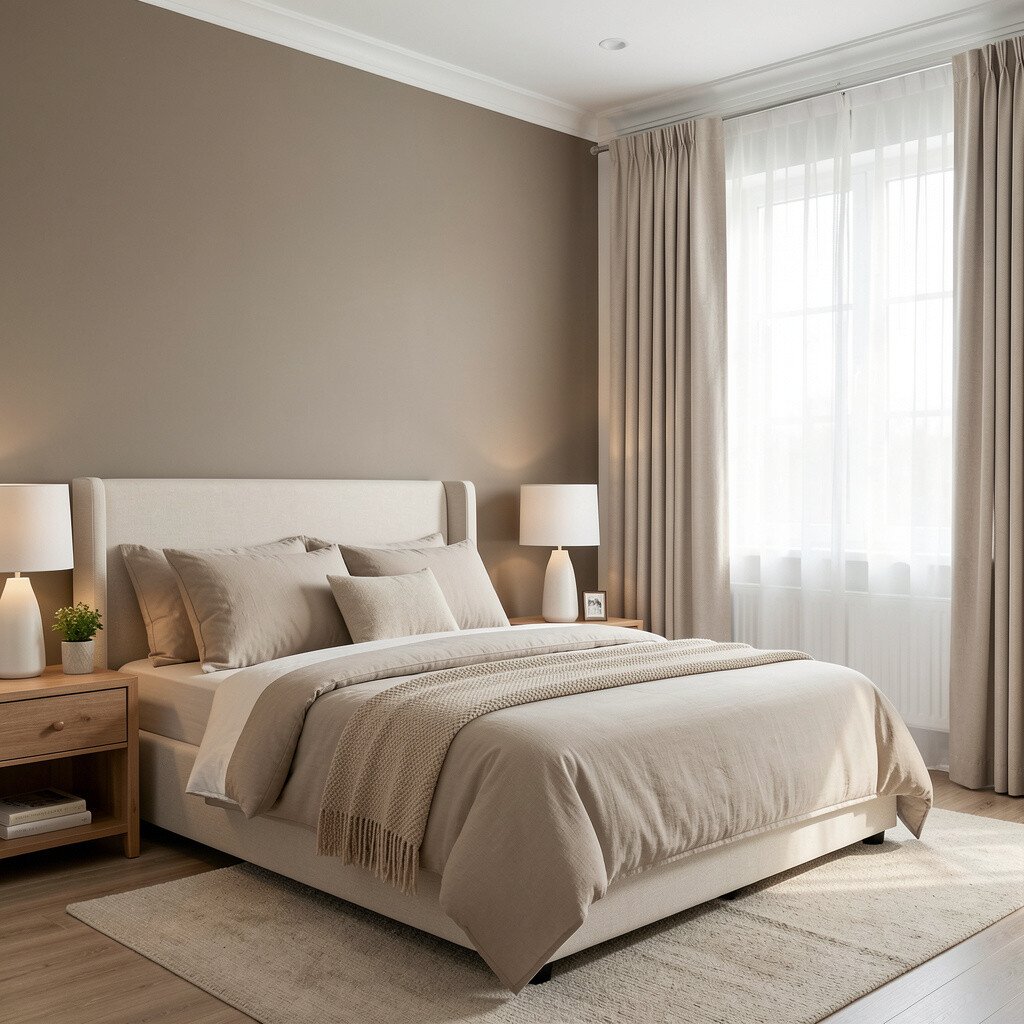
Your wall decor should play nicely with the colors you already use every day. If your bedding is warm and your wall art is icy, the room can feel split.
Look at your sheets, comforter, and curtain color first, then choose wall colors that echo them. You can match a pattern from your bedding into a piece of art, or pull one accent color into a frame mat. The benefit is that the room looks more put-together and restful.
If you want an easier upgrade, use simple frames with a mat color that echoes your textiles. This keeps the wall stylish even if you change your comforter later. It’s a smart cost consideration because you won’t need new wall art every season.
11. Leaving Empty Space With No Plan
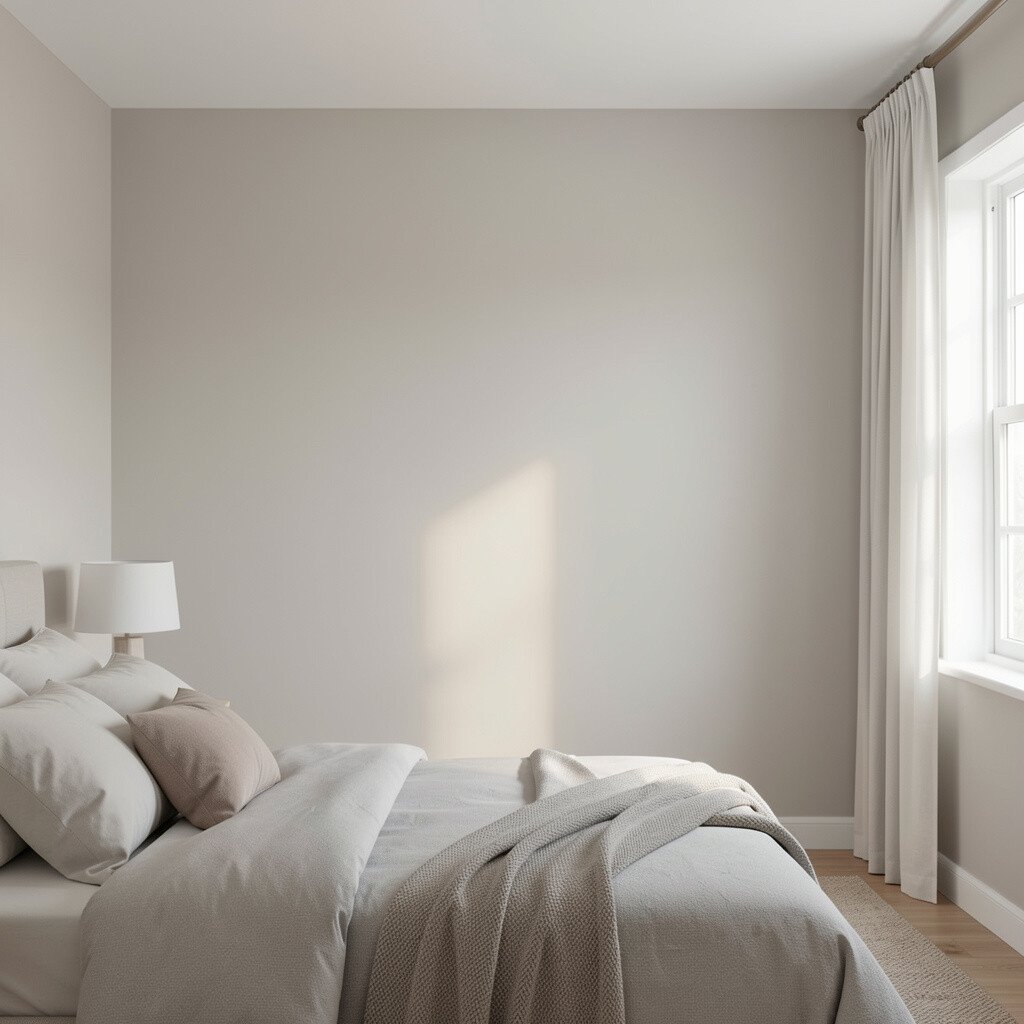
A blank wall can feel peaceful, but only when it’s intentional. If you have a busy room around it, empty space can highlight what feels missing.
Pick one anchor for the wall, like a large canvas, a mirror, or a simple shelf with a few meaningful items. An anchor gives your eye a place to rest, which makes the room feel calm. You can also use the empty space to make your room look bigger, especially with a well-placed mirror.
Mirrors are trendy for bedrooms because they bounce light and add depth. Choose a shape that matches your vibe, like rounded edges for softness or a clean rectangle for a modern look. When you plan the wall, you make the space feel designed instead of unfinished.
12. Choosing Art That Doesn’t Feel Like You
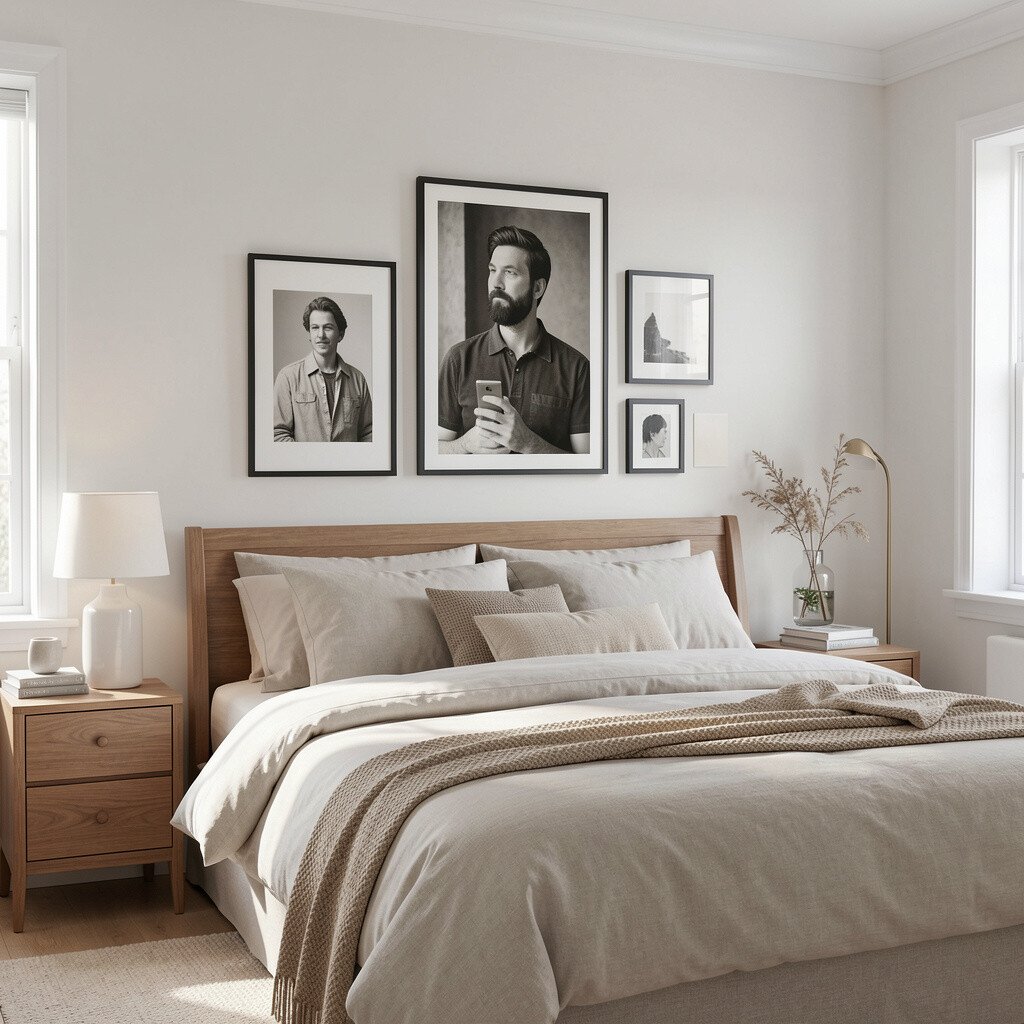
It’s easy to hang something you like in a store, then realize it doesn’t match your life at home. Your bedroom should feel personal because it’s where you breathe out after a long day.
Try adding one piece that holds a memory, like a photo from a trip, a letter-sized print from an artist you love, or a small painting you made. Unique walls come from choices that feel true, not from copying someone else’s feed. This also makes the room more comforting, which is a real benefit for sleep and mood.
If you want a modern look, you can still include personal items by using consistent frames and simple colors. A black-and-white photo set, for example, can keep the wall cohesive while staying meaningful. Budget-wise, DIY printouts and enlargements can look expensive without the high price tag.
13. Ignoring Storage When Adding Wall Decor
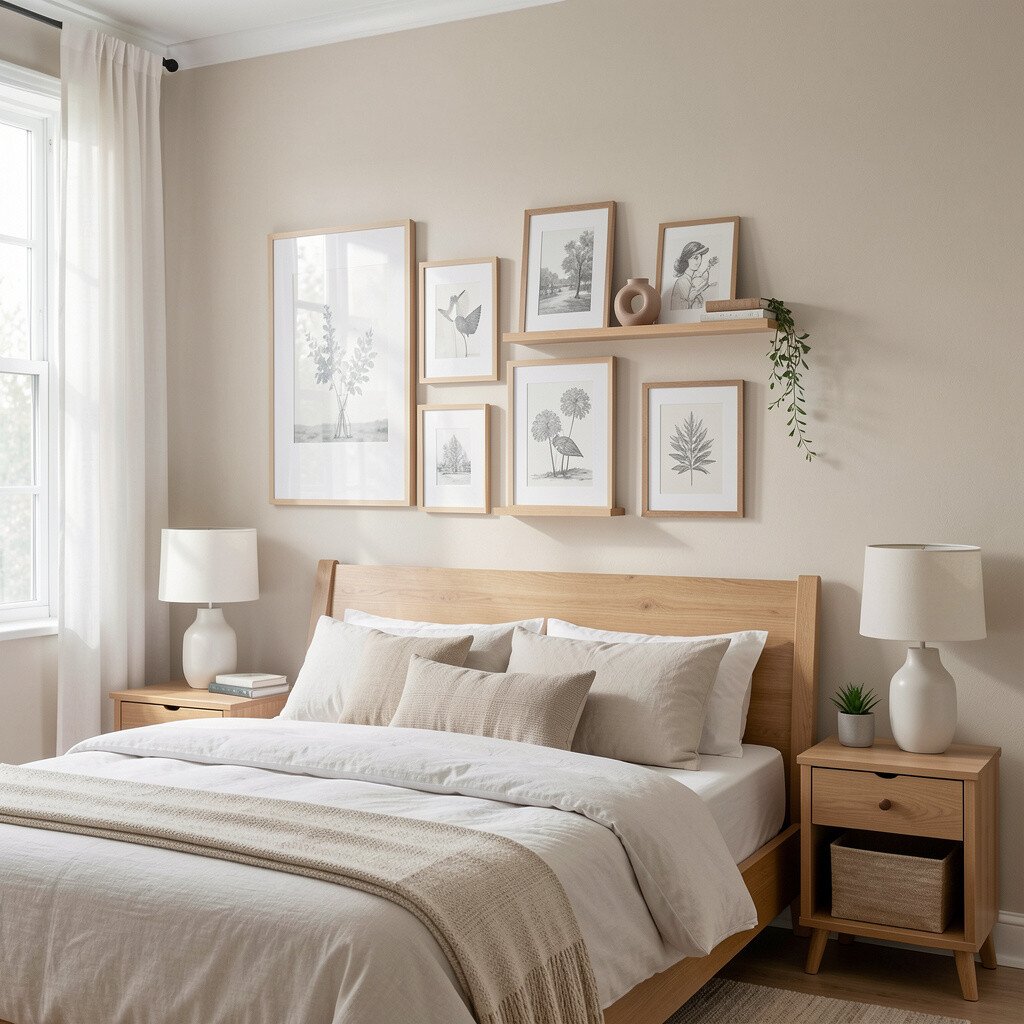
Beautiful walls can still be a problem if they don’t help you live in the room. A wall full of art that blocks where you place essentials can feel frustrating.
Add shelves thoughtfully so they hold items you actually use, like books, a nightly lotion, or a small plant. Floating shelves also keep surfaces clear, which helps your bedroom feel tidy. This is especially helpful in smaller rooms where every inch matters.
To stay unique, mix a few functional objects with decor so the wall reflects real life. Use baskets or small boxes on shelves to hide clutter without removing personality. When storage is part of the wall design, the room stays beautiful longer, which saves money on constant replacements.
14. Overlooking How Patterns Interact

Patterns can clash even when the colors seem compatible. The wall is a big surface, so pattern scale and direction matter a lot.
If your bedding has stripes, choose wall art with calm shapes or a simple pattern rhythm. If your curtains are patterned, keep the wall frames and mat colors quieter so the room doesn’t feel like it’s buzzing. This makes the visual experience smoother and easier to relax into.
For current trends, many bedrooms now pair bold patterns with minimal frames or solid color mats. That mix keeps the look stylish while still feeling restful. When you test combinations ahead of time, you reduce the chance of buying pieces that don’t work together.
15. Skipping Proper Measuring and Leveling
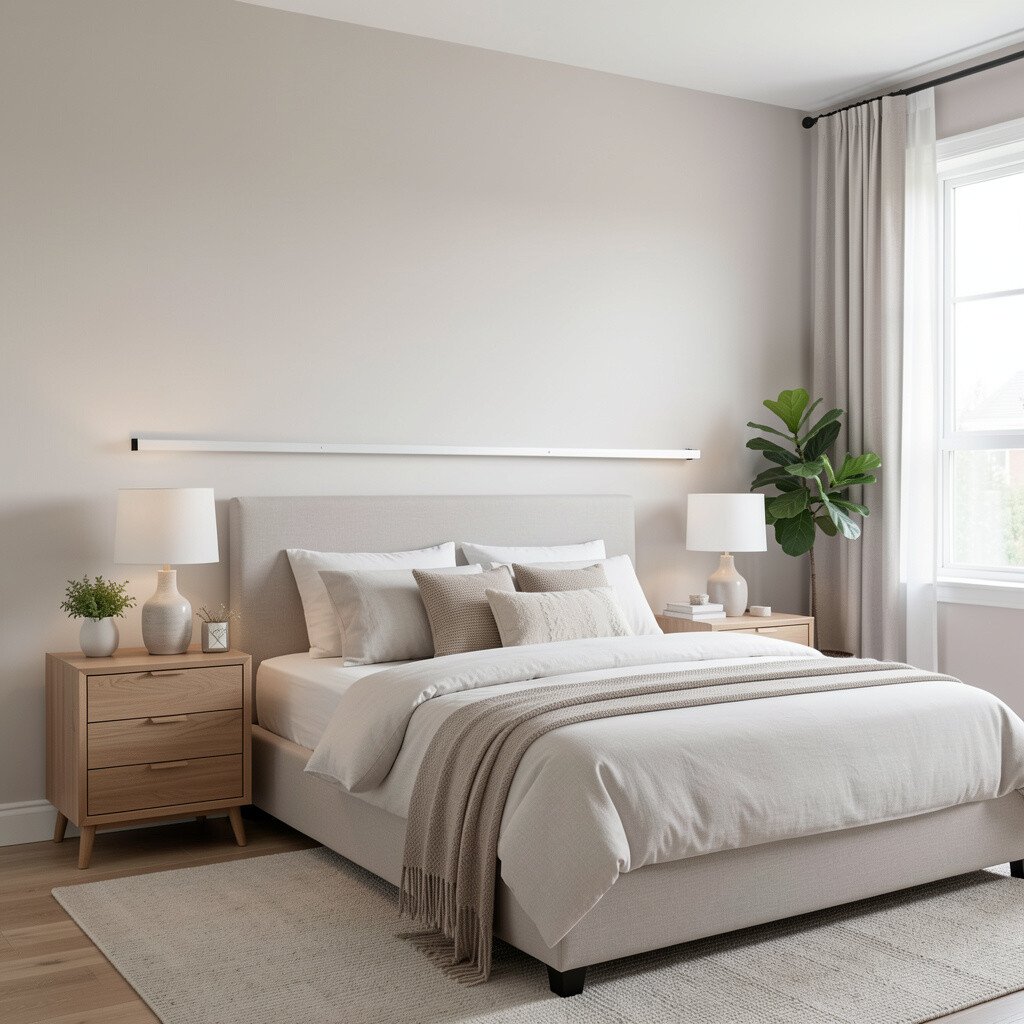
Even slightly crooked frames can make a whole wall feel messy. The issue is often the tiny measurement errors, not the final decor choice.
Measure the wall width, mark the center point, and use a level before drilling or hanging. Tape is a cheap way to test layout because you can move things without damage. This simple step protects your budget and prevents the frustrating redo cycle.
If you love gallery walls, plan the spacing and align edges so the wall looks structured. Consistency in spacing creates a polished look, even with mixed art. A little measuring now makes the wall look professionally styled for years.
16. Forgetting to Balance the Wall With the Rest of the Room
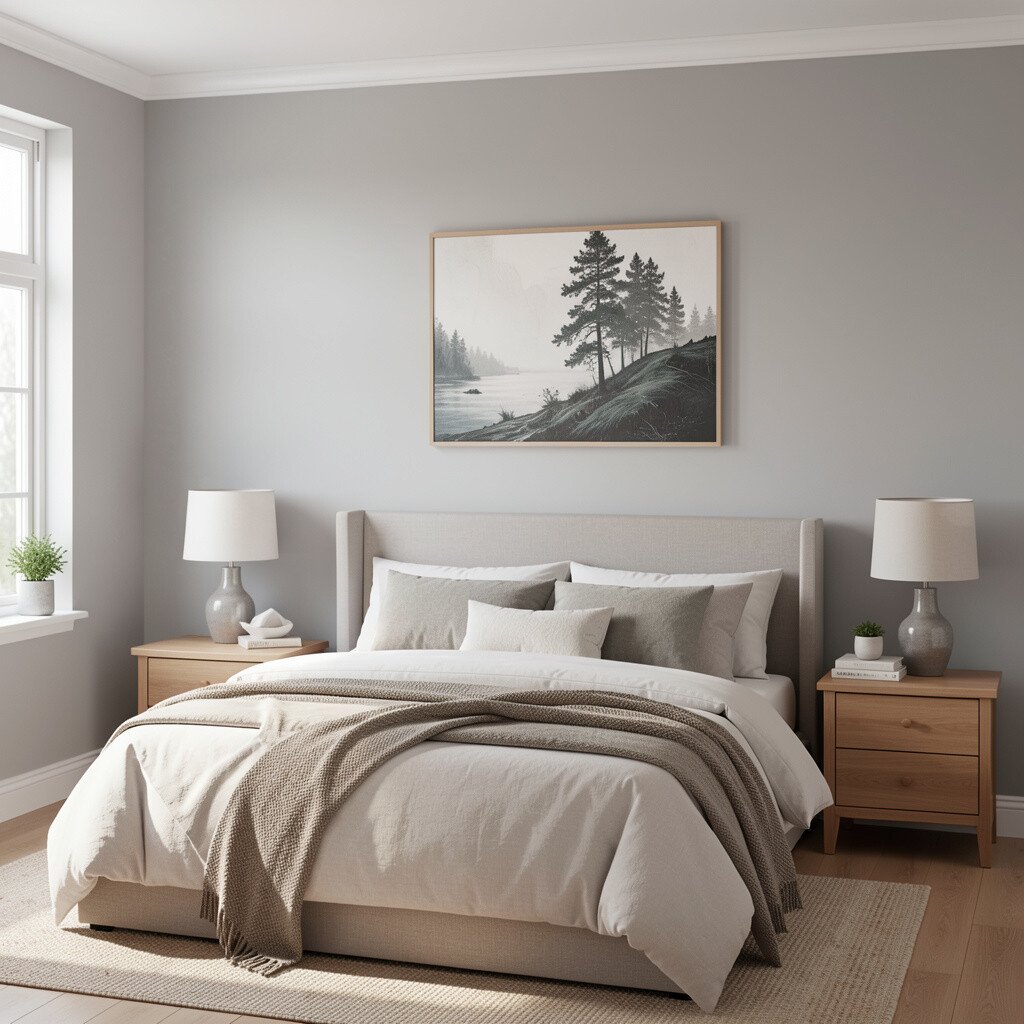
A wall can look amazing by itself and still feel off when you consider the bed, dresser, and doorway. Bedrooms have strong lines and sight paths, so balance matters.
Step back and look at the wall from the doorway and from the bed. If the wall decor feels heavy on one side, adjust it by moving pieces or using a larger anchor in the center. This helps your room feel calm and evenly weighted.
For uniqueness, repeat one element from the wall elsewhere in the room, like a color from your art in a throw pillow or a plant in a corner. Repetition ties the space together without making it boring. It’s an easy way to look intentional even if your budget is limited.
17. Trying to Follow Trends Without Personal Comfort
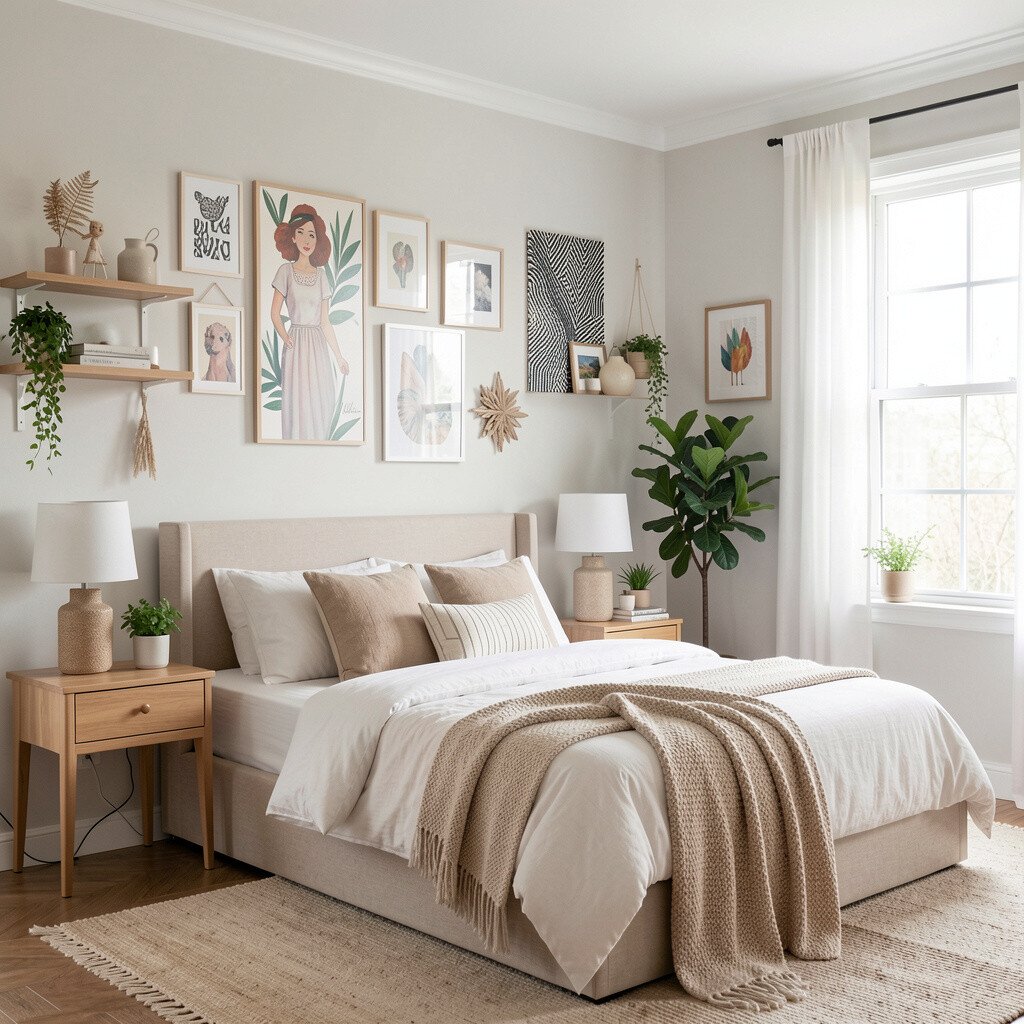
Trends can be fun, but a bedroom is not a showroom. If the wall style looks trendy but doesn’t feel comfortable, you will notice it every day.
Choose trends that support rest, like warm neutrals, soft textures, and calming art themes. You can add current flair with small changes, such as updated frames, a new print, or a fresh color mat, instead of a full redo. That keeps cost reasonable and still gives your room a modern feel.
Personalization is what makes the trend feel like yours, not copied from a magazine. Use your favorite colors, meaningful images, and textures that you genuinely enjoy touching. When the wall matches how you want to feel at night, the result looks stunning and feels even better.