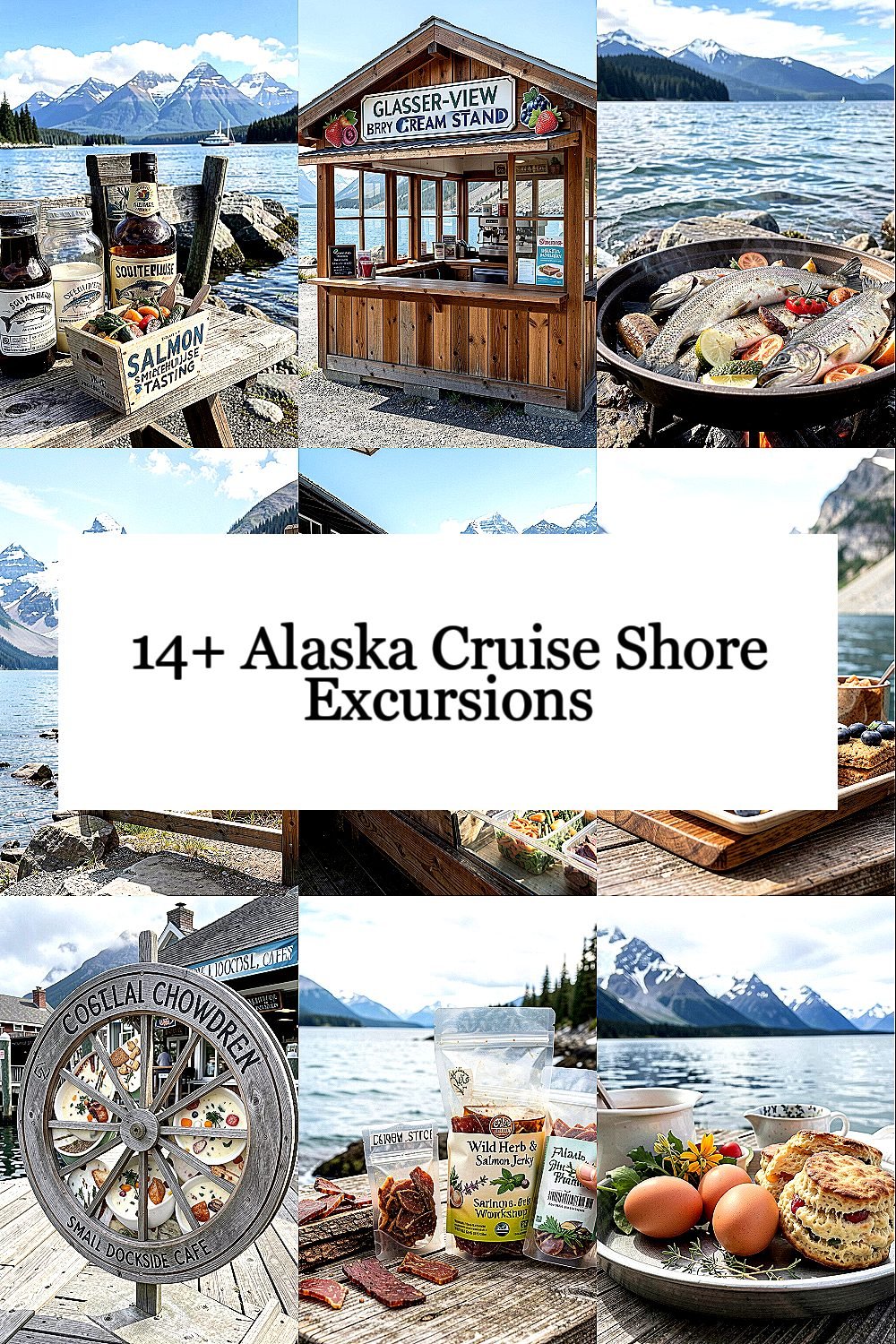
The smells of Alaska can start even before the ship docks. From smoky shoreside grills to cool, clean bites, food lovers have serious fun off the gangway.
Pick the right shore stop and you’ll taste a slice of the state’s coastline, forests, and farms.
1. Southeast Salmon Smokehouse Tasting
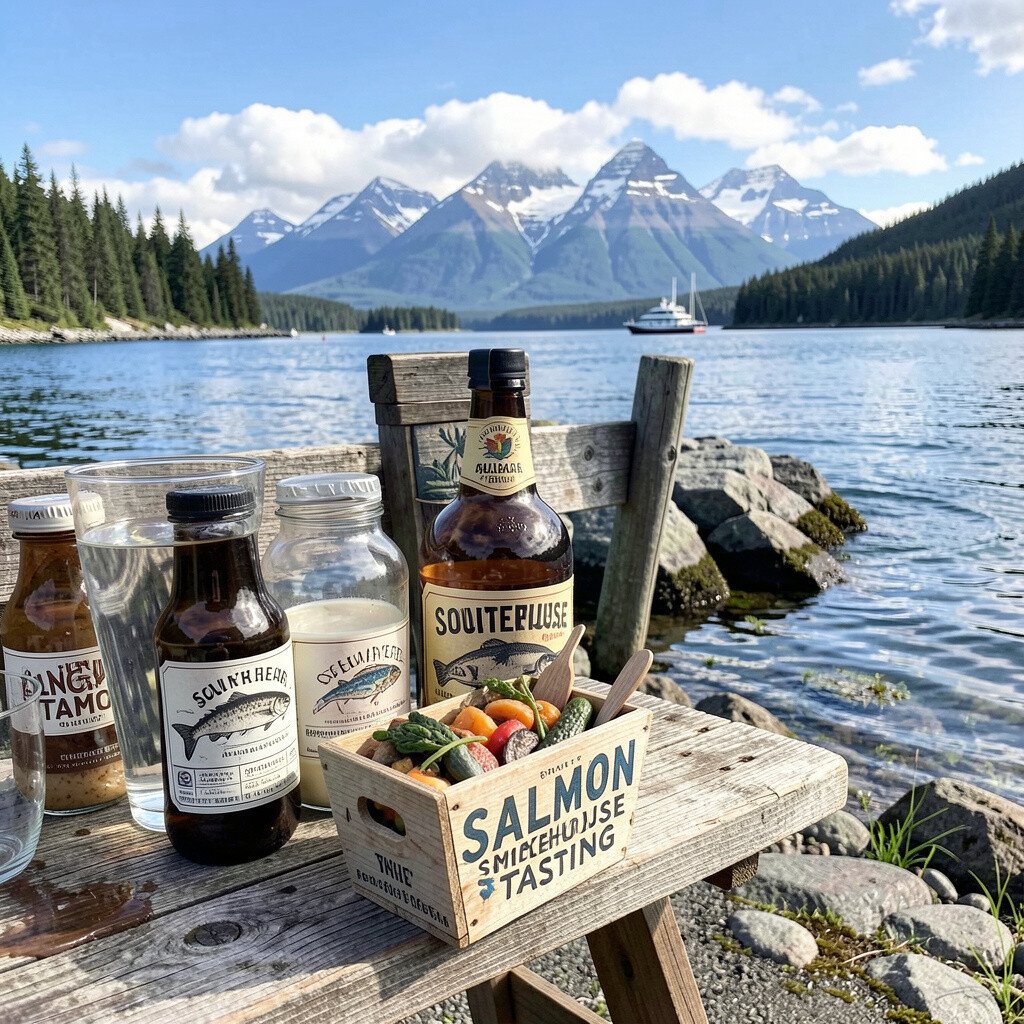
You’ll step into a warm, woodsy smokehouse where salmon glows like copper under soft light. Gentle heat and salty air make every bite feel both bold and comforting.
Many tastings include grilled sides and small samples so you can compare textures without overdoing it. This kind of stop is a great way to learn what makes local fish special, especially when you pair it with simple herbs and bright sauces. A practical approach is to arrive hungry but pace yourself, since samples can pile up fast, and you’ll want room for later meals. If you have dietary needs, ask ahead about salt level and any dairy in sauces, then bring your preferred hot sauce for personalization.
2. Glacier-View Berry Cream Stand
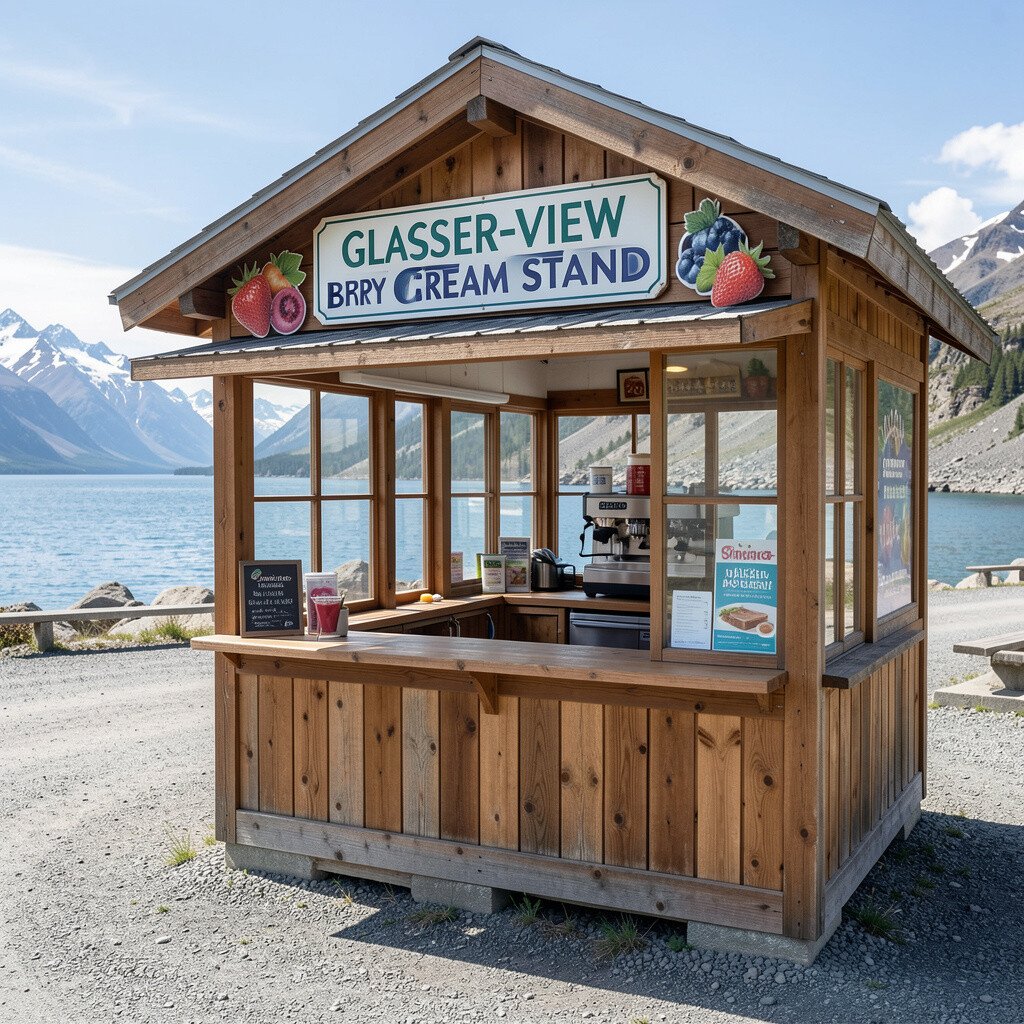
On a deck or sheltered roadside stand, you’ll see berries piled high like jewels against a backdrop of icy peaks. The air feels crisp, and the cream looks thick and smooth.
It’s a playful treat that makes a long day feel lighter, and it pairs nicely with savory meals afterward. Many visitors love it because it’s seasonal, locally made, and easy to grab without rushing. For practical planning, check the excursion time and bring a small container-friendly snack plan if the route is tight. If you want a twist, choose a berry swirl on top of vanilla, or ask for a berry drizzle with a splash of citrus for extra zing.
Cost stays manageable compared to fancier desserts, and you can treat it like a “starter sweet” rather than a full meal. Watch for current trends too, because more vendors are offering berry blends and less-sugary options for health-minded travelers. If you’re traveling with kids, this is usually an easy win since the flavors are familiar but still distinctly Alaskan.
3. Kenai Peninsula Halibut Cookout

At a waterfront gathering spot, halibut arrives hot from the grill, and the steam carries a clean ocean scent. You’ll see neighbors passing plates, and the scene feels lively and friendly.
Cooking up fresh fish right there gives you a front-row seat to what “fresh” truly means, and it’s a benefit beyond tasting. The uniqueness is in the simplicity, because the flavors come from the sea and a few classic seasonings instead of heavy sauces. For practical tips, wear shoes you don’t mind getting a bit damp, since coastal areas can be misty. If you’re a foodie who likes comparisons, ask how the fish is prepared and then try both a plain portion and a marinated portion.
Cost often reflects the experience, but you can soften the impact by skipping extra drinks and sticking to water. Right now, many operators are leaning toward lighter marinades and farm-fresh sides, which fits well with the trend toward cleaner eating. Personalize by telling the cook what you love, like garlic-forward flavors or a squeeze of lemon, so your plate feels made for you.
4. Hometown Glacier Trail Maple Syrup Tasting
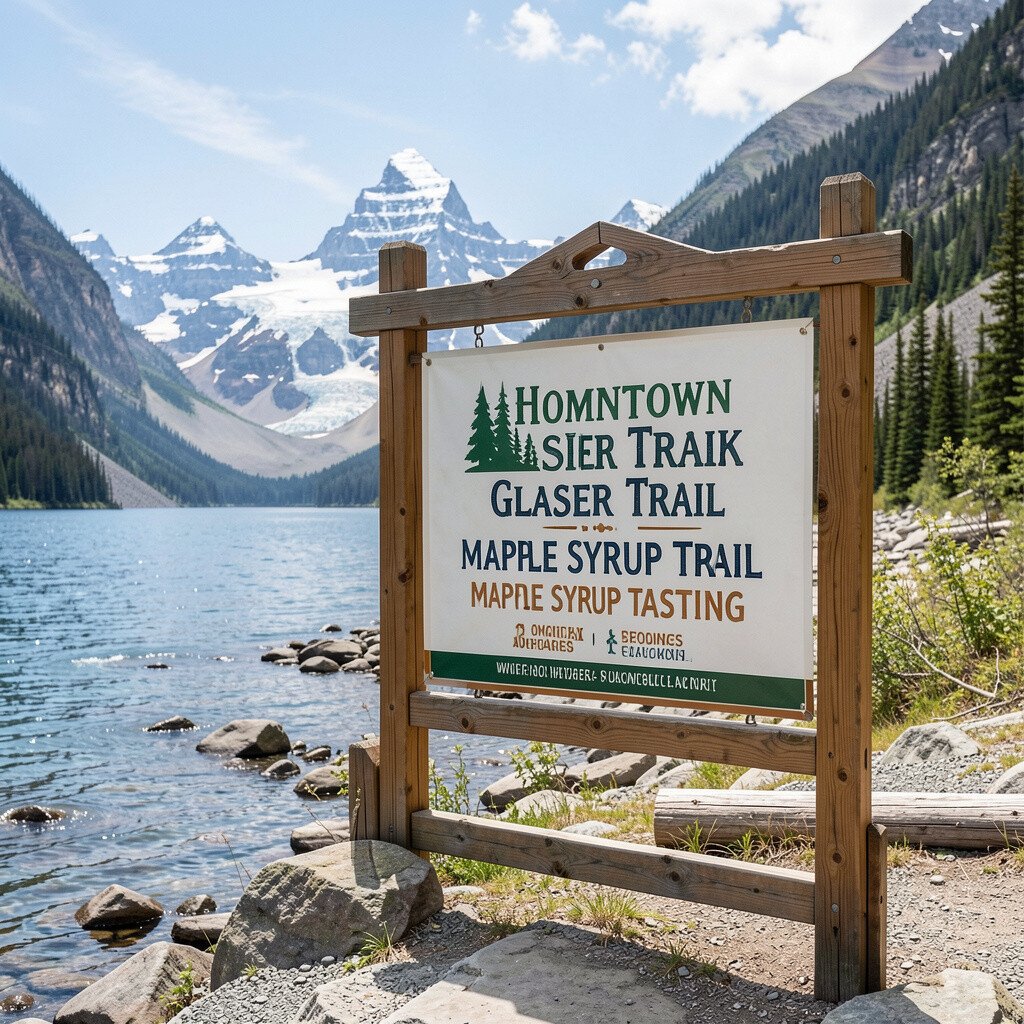
Along a gentle path toward a small local cabin, you might smell sweet steam and fresh wood. When you reach the tasting area, amber maple drips catch the light like slow honey.
Maple syrup tastings are a cozy break that can satisfy your sweet tooth without feeling overly heavy. Many include small pairings like biscuits, fruit, or even lightly smoked nuts, so you can taste how flavor changes with each bite. The uniqueness comes from learning how cold seasons shape the syrup and how locals use it beyond pancakes. Bring a small notebook or phone notes and write down your favorites so you can recreate them later at home.
5. Ketchikan Seafood Market Snack Walk
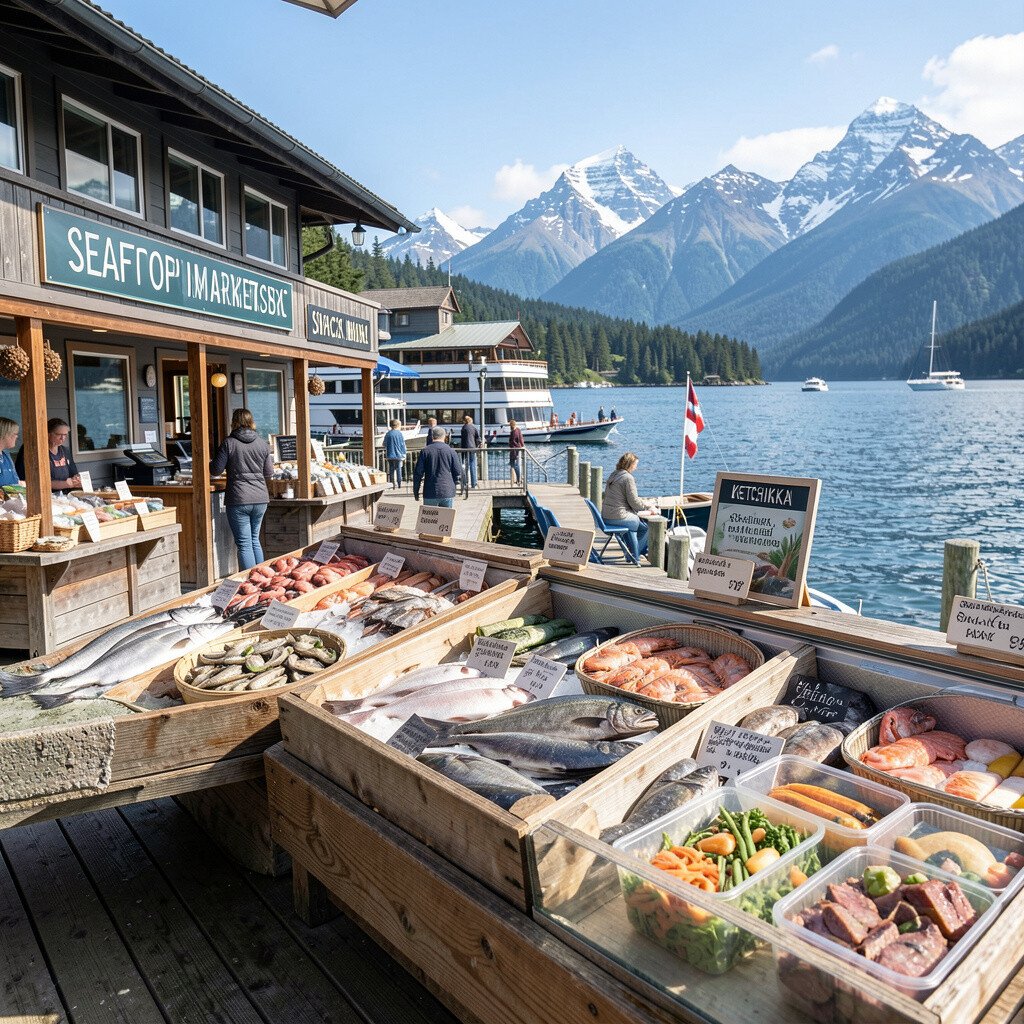
Imagine wandering a busy harbor market where seafood counters glow under bright lights. You’ll spot salmon, crab, and shellfish arranged like colorful displays, and everything smells fresh and briny.
This type of snack walk benefits foodies because you can sample a mix of textures across different vendors. It’s also unique since you get to see how locals shop, not just how tourists eat. For practical tips, wear layers and plan to spend a little time between stops, because crowds can build and lines can move slowly. To personalize, pick a theme like “smoky flavors only” or “crab-focused bites,” then ask staff what they recommend in that direction.
Cost considerations are often friendly because you choose bite-sized portions instead of paying for a full meal. A current trend you may notice is more people choosing lighter, sea-salt-forward seasoning rather than heavy breading. If you’re sensitive to shellfish, ask for ingredient lists and confirm cross-contact, so your experience stays stress-free.
6. Copper River Wild Berry & Snack Pairing

You’ll taste berries and fresh bites that feel as bright as the coastal sky. The color pops on your spoon, and the flavors feel both sweet and lightly tart.
This shore stop stands out because it ties berry flavors to regional seasons and real local sourcing. You’ll benefit from learning how to pair sweet fruit with salty items like nuts or cheese, which makes it easier to build your own snacks. Practical planning helps here, since berries can get messy, so bring napkins and consider wearing a shirt you don’t mind getting a tiny stain. If you love variety, ask for a tasting that includes more than one berry type and compare their sweetness levels.
7. Coastal Chowder Wheel at Small Dockside Cafes

Dockside cafes can be tiny and warm, and when the chowder comes out it smells like comfort in a bowl. You’ll watch steam rise while the view of water and boats makes the meal feel extra special.
Chowder is a foodie-friendly choice because it’s flexible, and every stop can have a different style. The benefit is that you can try a meal that feels hearty without being too complicated, and it’s a satisfying break from constant sightseeing. The uniqueness comes from local variations, like different fish blends or seasonal vegetables that change with the weather. For practical tips, order a smaller bowl if you plan to snack later, and taste with a bit of pepper first before adding extra toppings. Personalize by choosing whether you want it creamy or lighter, then add a squeeze of lemon for a bright finish.
Cost varies by cafe, but this is often a fair option when you want both flavor and warmth. A current trend is the rise of seafood chowders that use simpler ingredients and less heavy thickening. Keep it easy on yourself by checking menu options for gluten-free or dairy-free preferences early.
8. Wild Herb & Salmon Jerky Workshop
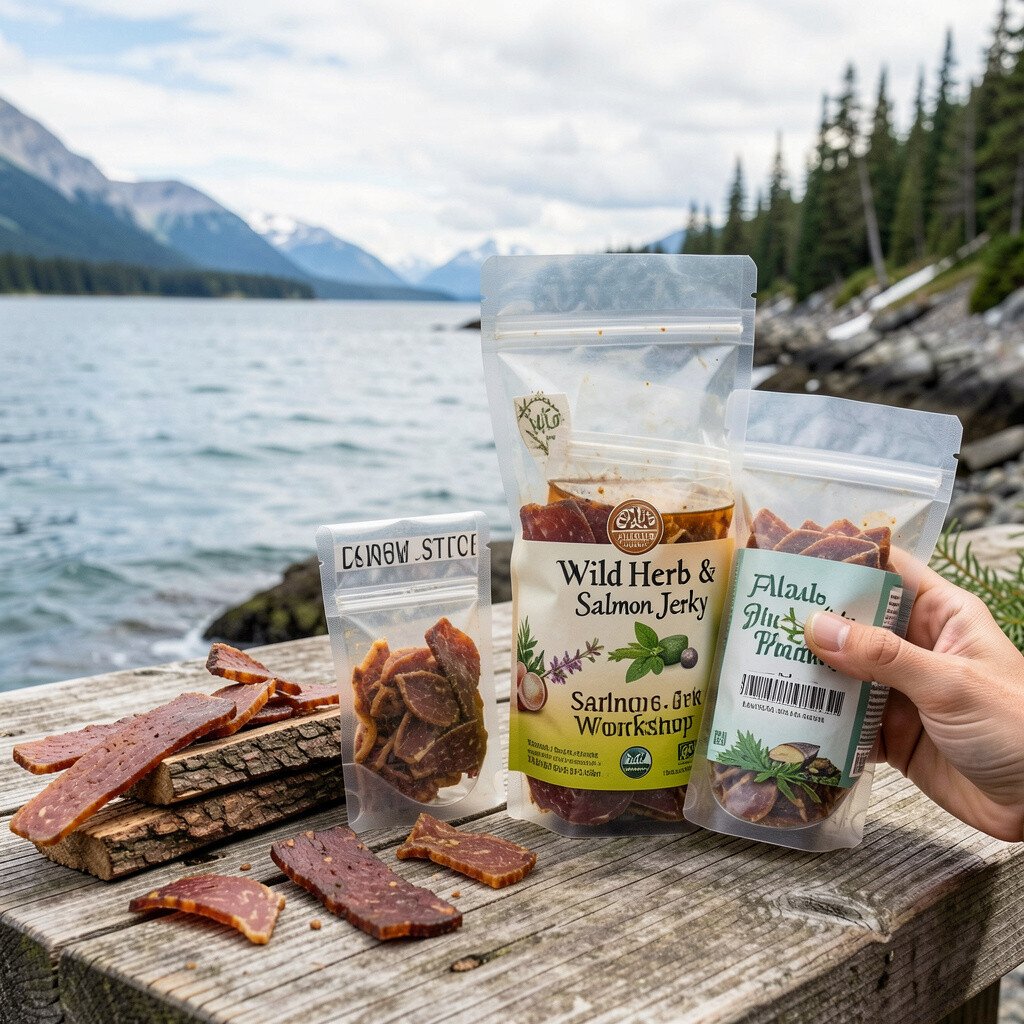
In a small workshop space, you’ll see herbs laid out like colorful paint, and jerky strips drying nearby. The air carries a mix of savory smoke and earthy greens.
This excursion benefits food lovers because you get hands-on learning rather than just tasting. It’s unique because Alaska ingredients often show up in unexpected ways, like spruce or coastal herbs used for flavor. Practical tips matter too, so wear comfortable clothes and be ready for a little stickiness from samples. If you like to cook, bring a small set of spices you enjoy, then compare how they match the workshop flavors for personalization.
Cost considerations are usually moderate since you may take home jerky as a snack for later. You’ll also likely notice a trend toward low-sugar or smoke-forward jerky styles, which many travelers prefer after a day of walking. For dietary needs, confirm ingredients such as sweeteners, salt level, and any allergen-containing marinades.
9. Farm Visit: Fresh Eggs & Bakehouse Scones

Farm buildings look sturdy and simple, and once you enter, the smell of warm bread pulls you in. Fresh eggs sit proudly, and scones cool on a rack under soft light.
This kind of stop benefits you because it adds a slower, homestyle flavor to the trip. It’s unique because Alaska farm food helps balance the seafood-focused days and gives you a taste of local agriculture. Practical tips include asking how fresh ingredients are used in baking that day, since that changes what you get. If you want personalization, choose a scone flavor that matches your mood, like berry or cinnamon, and ask for a local jam option if available.
Cost tends to feel fair for what you receive, especially when you include a drink or a meal-sized portion. A current trend is travelers seeking real ingredients and fewer artificial additives, and baked goods from farms fit that perfectly. If you’re traveling with picky eaters, scones and eggs are often a safe choice while still feeling special.
10. Crabbing Lesson With Chili Butter Tasting
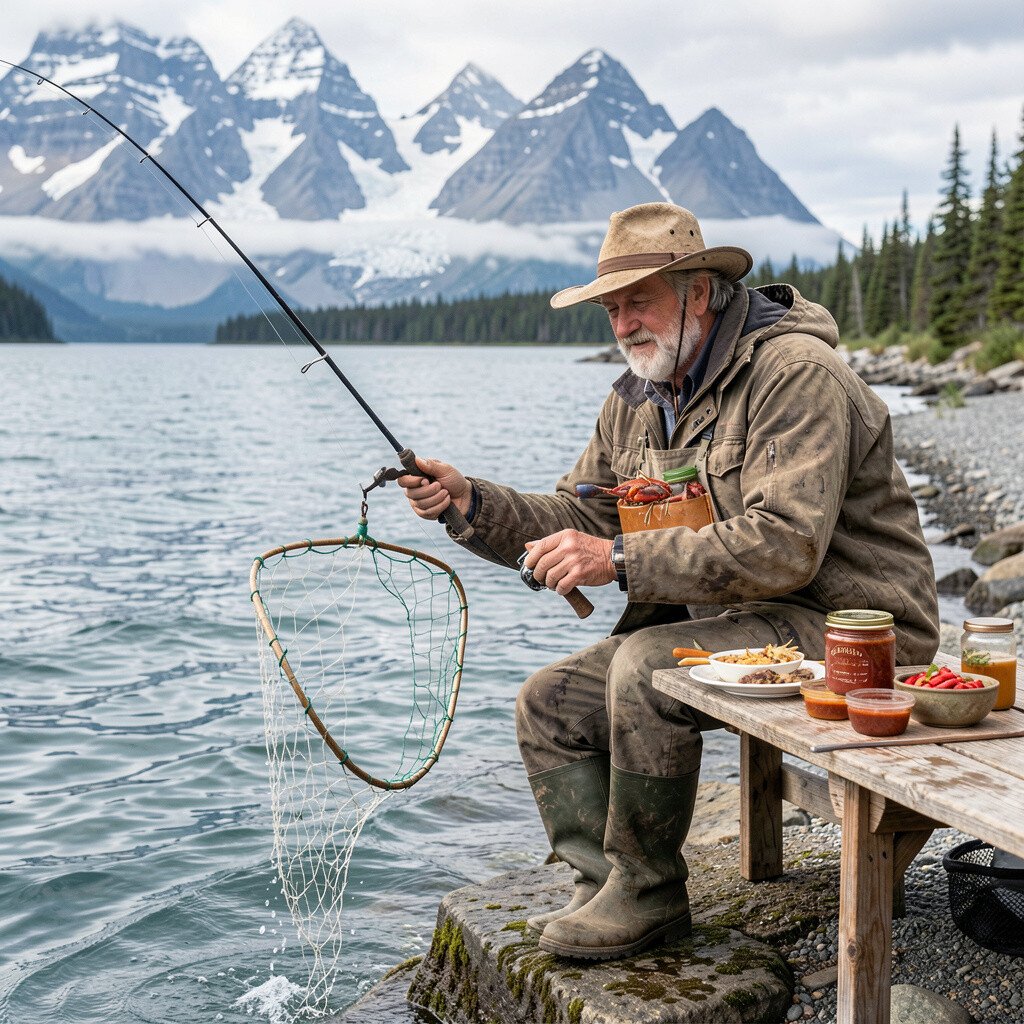
You’ll head out with a guide who talks you through gear and timing, and then you’ll taste the results. When the pot smells sweet and briny, it signals you’re in for a delicious seafood moment.
The benefit of a crabbing lesson is that it connects the food to the process, so the flavor feels earned. It’s also unique because the tasting often includes a chili butter or spiced sauce that turns plain crab into something memorable. For practical tips, bring sunscreen and a light waterproof layer, because coastal weather can shift quickly. Personalize by asking for different heat levels, then pair with crackers or bread so you can control the spice in each bite.
Cost can be worth it if you’re able to keep what you catch or enjoy a hearty portion at the end. Many current trends focus on bold sauces and house-made spice blends, so you may see variety beyond classic butter. If you’re watching salt, ask how the butter is seasoned and consider requesting sauce on the side.
11. Anchorage Food Stop: Smoked Salmon & Local Brew Pairing
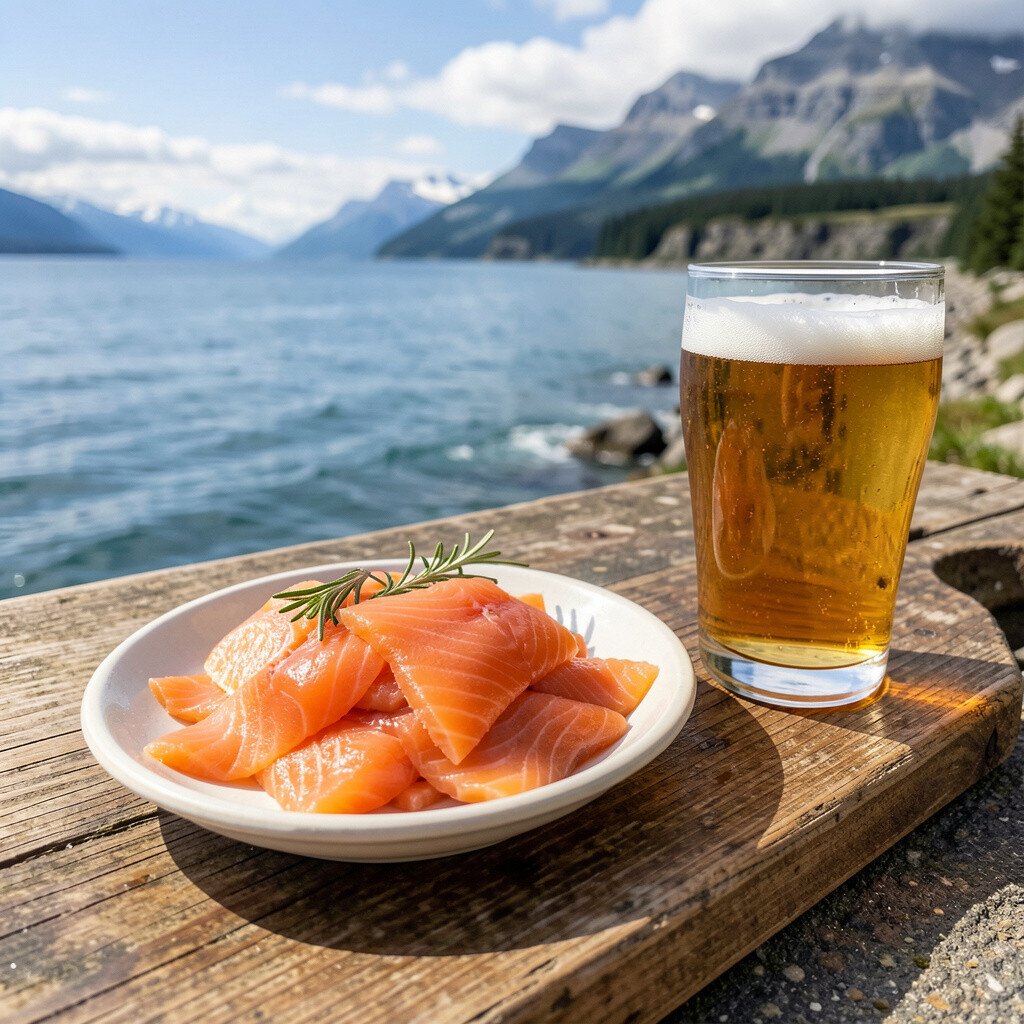
In Anchorage, you might sit in a lively spot where smoked salmon sits beside crisp bites like pickles and hearty breads. Nearby, a local brewery pours samples, and the aroma of hops mingles with fishy richness.
This excursion benefits foodies because it pairs flavors in a smart way, and you get to taste how beer changes the salmon experience. The uniqueness comes from mixing two Alaska favorites, especially when the brewery is local and the smoked salmon is regionally sourced. Practical tips include sipping water between tastings and choosing a pairing that fits your comfort level with alcohol. If you don’t drink, ask for a mocktail or a soda with citrus notes so you still get a bright contrast.
Cost considerations depend on how many tastings you choose, but you can manage the budget by ordering one tasting flight and one food plate. A current trend is more venues offering low-alcohol options and creative nonalcoholic pairings. Personalize by telling the server if you prefer sweet, smoky, or tangy flavors so they can guide your order.
12. Rainforest-Inspired Chocolate & Sea Salt Stop
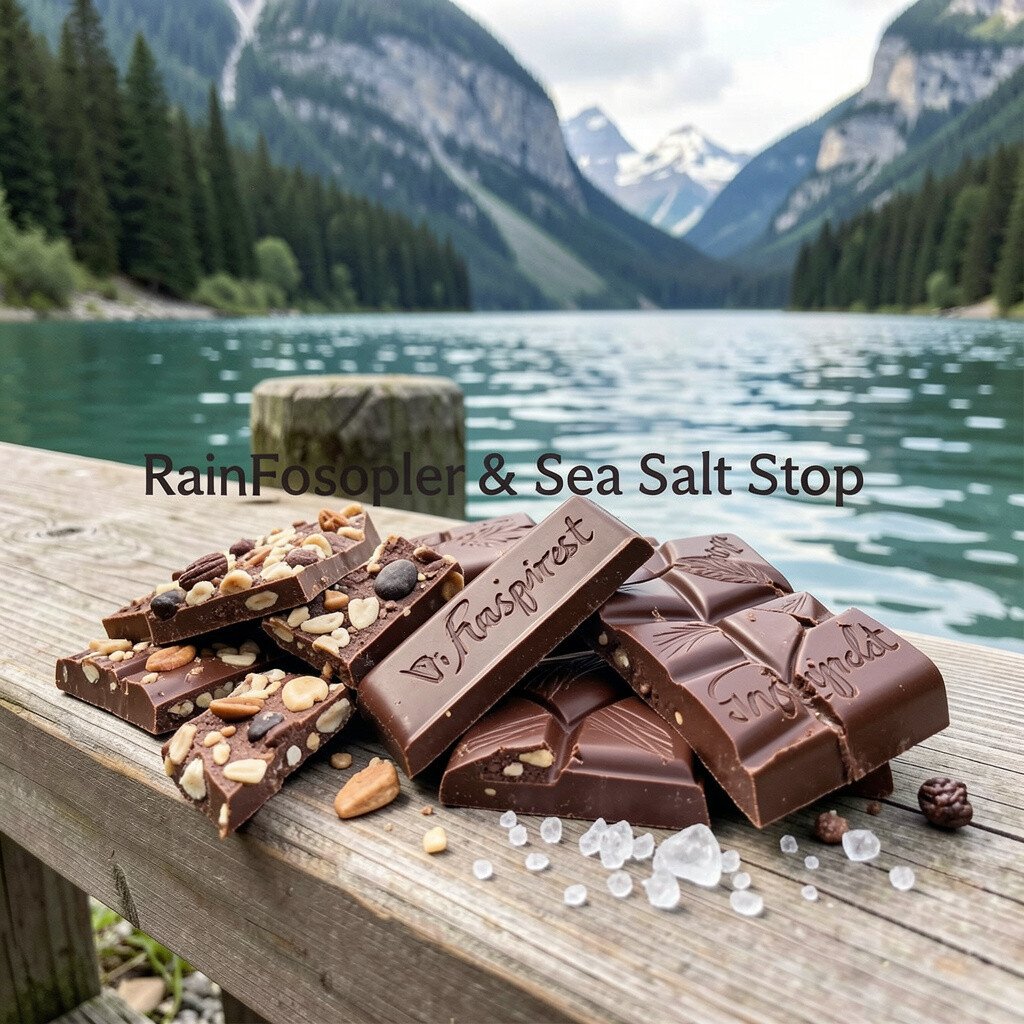
The setting feels cooler and wetter, and you might smell damp earth and sweet chocolate at the same time. When the treats arrive, rich cocoa meets a tiny sparkle of sea salt.
This is a sweet break that benefits your appetite by resetting your taste buds after savory meals. It’s unique because Alaska chocolate shops and small makers often blend flavors that feel tied to the landscape, like berries, spruce notes, or smoky accents. Practical tips include ordering one tasting flight rather than multiple full-size desserts, so you can try more variety without feeling stuffed. Personalize by choosing a sea-salt option if you like contrast, and add a fruit topping if the shop offers it.
Cost is usually easy to manage since you can scale your portion size. A current trend is “small luxury” tastings where travelers sample several flavors in one session. If you have allergies, ask about nuts and dairy ingredients early, since chocolate can vary widely by maker.
13. Tongass-Edge Picnic: Smoked Trout, Greens & Lemon Oil
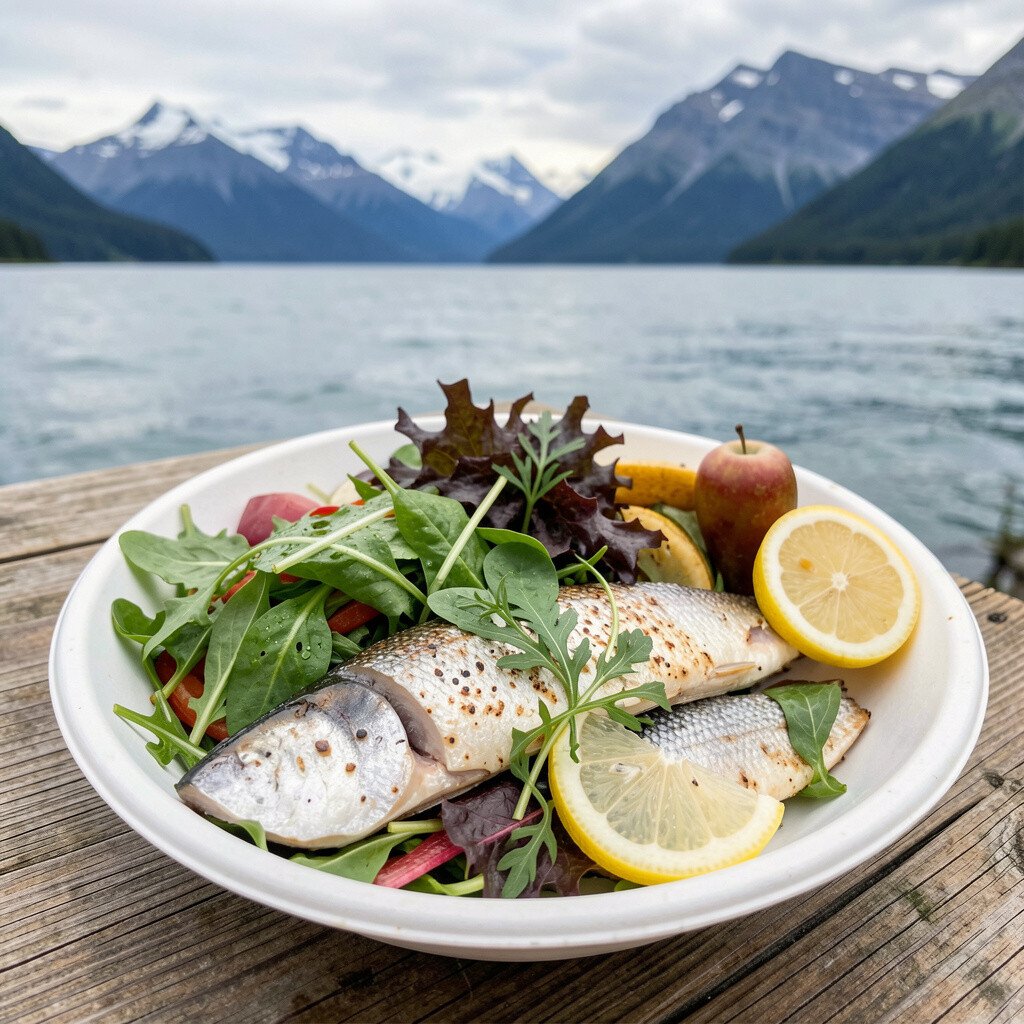
At a scenic picnic spot near the forest edge, you’ll open a basket and smell smoked trout and fresh greens right away. Sunlight filters through trees, and the meal looks clean and bright.
This excursion benefits you because it turns a scenic stop into a real meal instead of a quick snack. The uniqueness comes from balancing rich seafood with crisp greens and a lemon oil drizzle that cuts through the smoky flavor. Practical tips include bringing a small pack of wet wipes and a napkin set, since outdoor dining can get messy. Personalize by asking for extra lemon on the side, or swapping in a different protein if your preferences lean away from trout.
Cost can feel reasonable because you’re often getting a complete meal rather than paying for several separate items. Current trends lean toward lighter picnic spreads, with more vegetables and less heavy breading. If you want more variety, bring a small extra item like a packet of tea or a small dessert you already love.
14. Fairbanks Dessert Cart: Vanilla Ice Cream & Birch Syrup
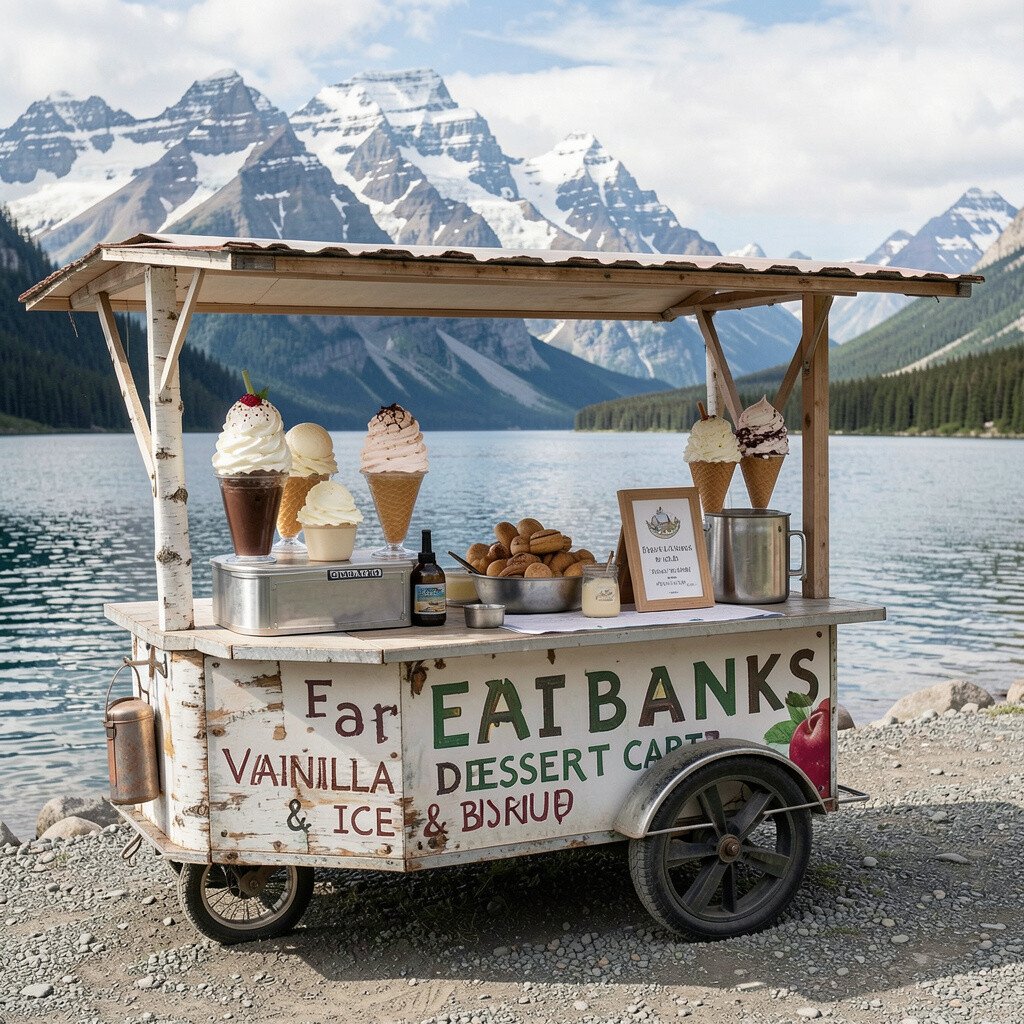
In Fairbanks, a dessert cart can feel like a cozy little celebration, especially when the air turns cool. Vanilla ice cream sits ready while birch syrup adds a gentle, wood-kissed sweetness.
This excursion benefits foodies because it introduces a flavor you might not get anywhere else, giving your trip real culinary memory power. It’s unique because birch syrup has a different aroma than maple, and it pairs nicely with simple desserts. Practical tips include grabbing it early in your day so the weather doesn’t make the experience rushed or too cold for comfort. Personalize by asking for a mix of toppings, like toasted nuts or berry compote, based on what the cart offers that day.
Cost is often friendly for a quick treat, and you can adjust your spend by choosing one topping versus many. A trend you may notice is interest in regional sweeteners and small-batch flavors, which fits perfectly with birch syrup. If you have lactose concerns, ask whether dairy-free alternatives are available or choose a warm topping instead.
15. On-Board Chef’s Table With Shore Market Ingredients
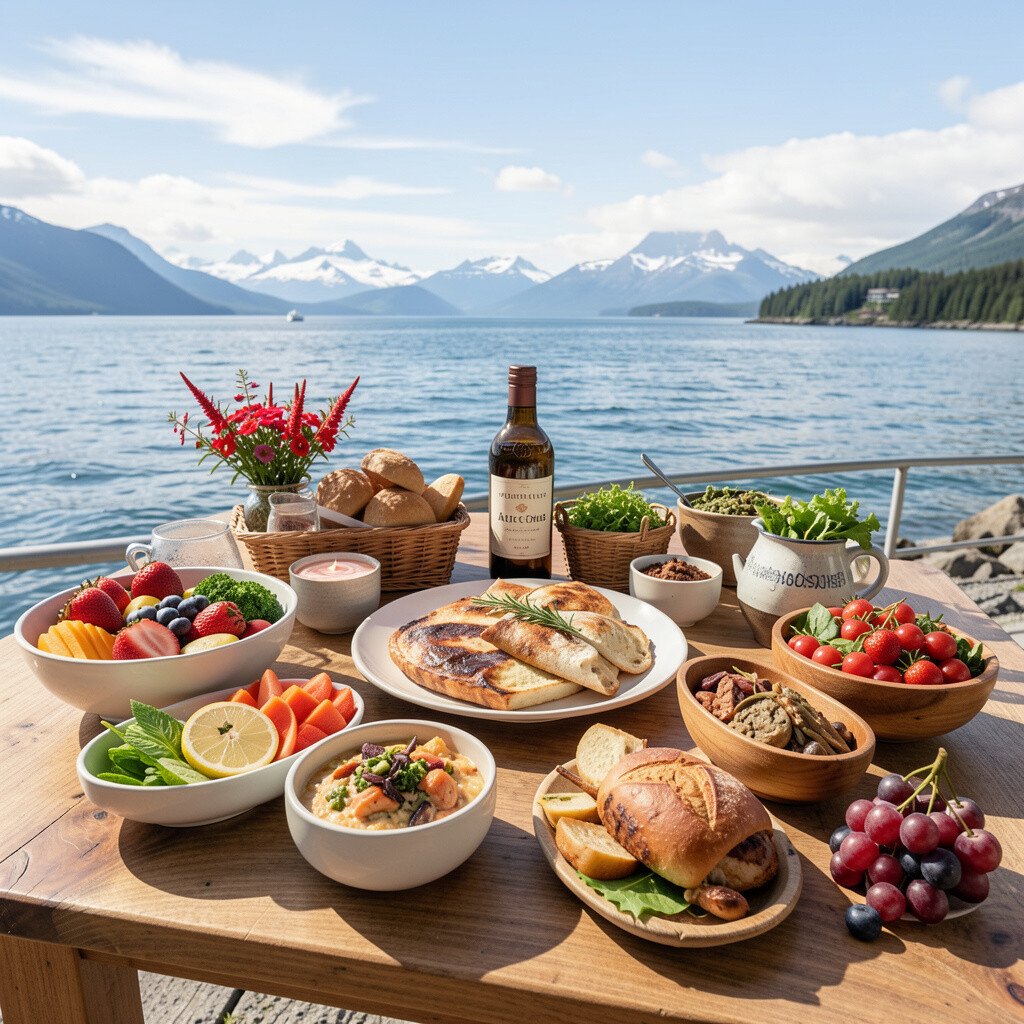
Back on the ship, a chef’s table meal can turn shore tastes into something polished and special. You’ll likely see ingredients arrive from local stops, and the plating looks like edible art.
This benefits foodies because you get a guided experience, and you can connect what you ate earlier with what you’re tasting now. It’s unique because shore market ingredients often show up as sauces, small bites, and creative sides instead of repeating the same menu items. Practical tips include asking the crew what ingredients came from which stop, so your memory becomes a clear flavor story. Personalize by telling the chef about your favorite taste style, like smoky, citrusy, or rich and savory, and watch how that shapes your course choices.
Cost considerations vary by cruise line, but it can feel like good value when the meal includes multiple courses and a drink pairing. A current trend is more chefs using regional sourcing and keeping menus fluid based on what’s freshest. If you have allergies, communicate early so the kitchen can plan safely, and feel confident enjoying every bite.