The right kind of quiet can make your home feel lighter. Small choices add up to a space that breathes.
1. Start With a Soft, Neutral Base
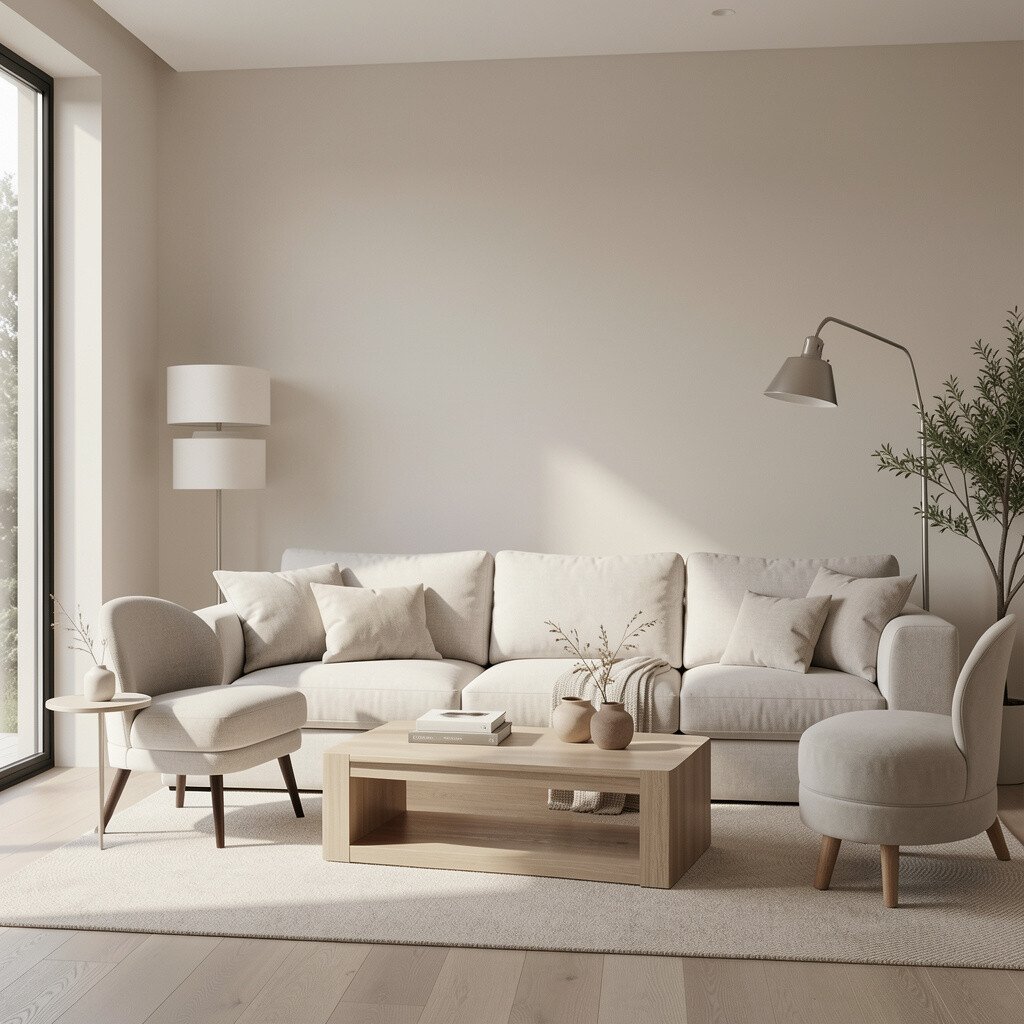
Choose warm whites, creamy beiges, and pale greys that sit calmly together. When your walls and big surfaces match, your eyes rest instead of bouncing around.
Try painting a single accent wall in a tone that is slightly deeper than the rest. Add a light rug with a gentle texture to keep the room from feeling flat. If you love color, pick one muted shade like sage or dusty blue and use it in small spots.
2. Choose Fewer Pieces, But Make Them Belong
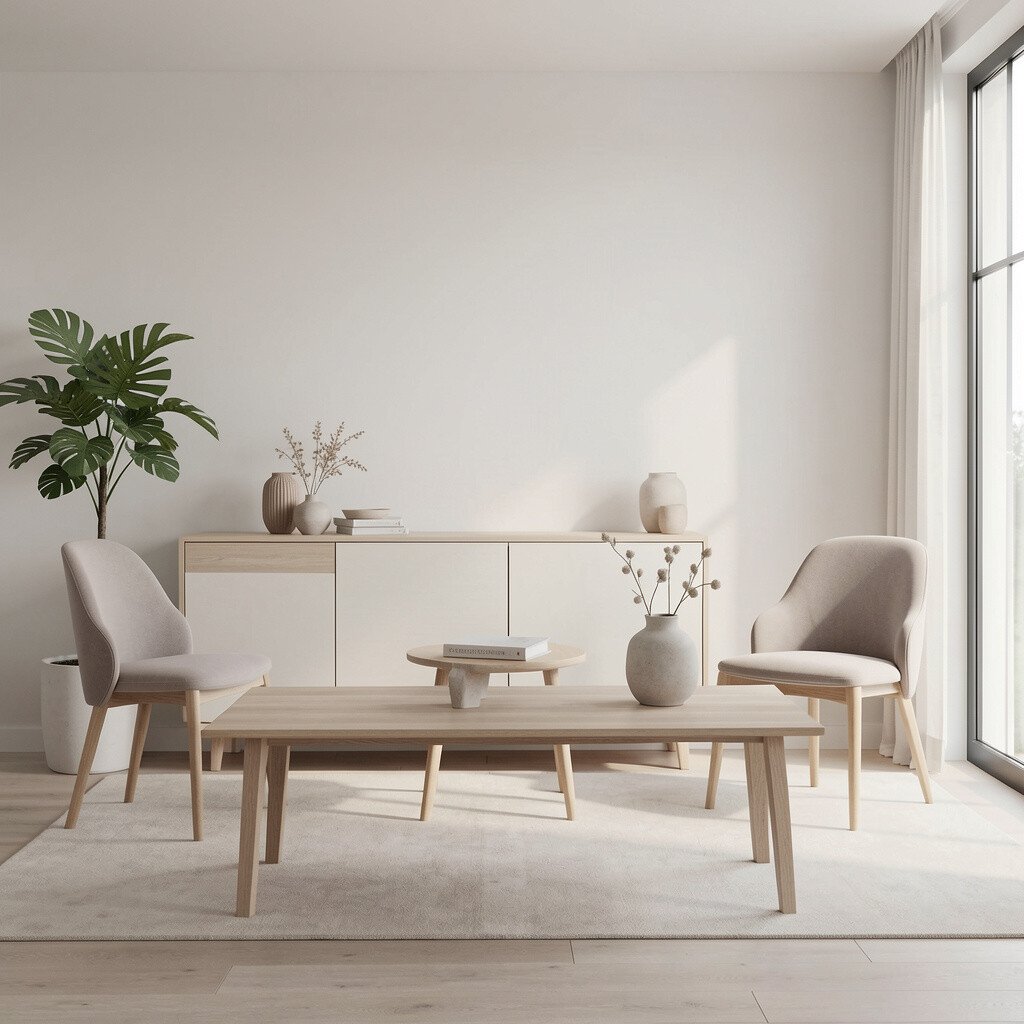
A calm room usually has items that look like they were meant to be there. Instead of filling corners, let each piece have a clear job and a clear spot.
Go slowly and keep only what you truly use or truly enjoy. A simple approach is to place furniture so you can walk easily, with open space that feels welcoming. If you move something twice in a week, it probably belongs somewhere else or needs to go.
3. Let Natural Light Do the Decorating

Minimalism feels best when light can move around freely. Big windows and uncluttered sills make even a small room feel more open.
Use sheer curtains or simple blinds in light tones, and keep the window area clear. Swap heavy drapes for something airy to make mornings brighter and evenings softer. In trend right now, people are using warm, diffused lighting alongside daylight to create a “glow” effect.
Keep a tall plant near a window to frame the light without making the space crowded. Rotate it each month so it grows evenly and stays visually balanced. If privacy matters, choose a light fabric that still lets brightness in.
4. Pick One Material Mood and Repeat It
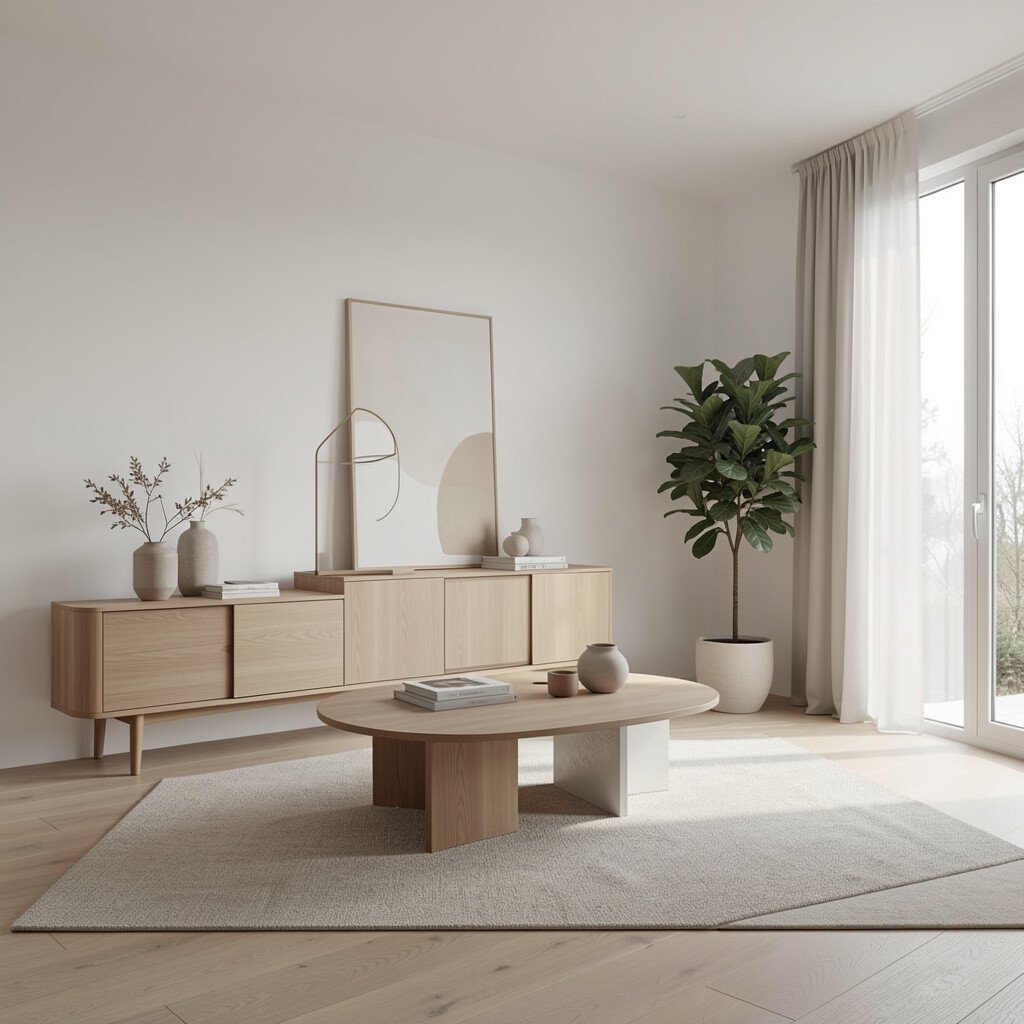
When materials repeat, the room feels organized even if it isn’t perfectly tidy. Wood, linen, rattan, metal, or stone can all work, as long as you don’t mix too many styles at once.
Try using two main materials and one supporting accent. You could choose light oak with linen textiles and add brushed black details in small ways. Keep hardware and frames in the same finish to reduce visual noise.
5. Use Closed Storage for the Daily Stuff

Many homes feel “busy” because everyday items are visible. A neat look often comes from hiding things that would otherwise scatter your attention.
Choose storage with doors, baskets with lids, or a sideboard that keeps counters calm. Labeling is optional, but grouping similar items in the same container makes finding things easier. Aim for one landing spot for keys, mail, and chargers so they don’t wander.
In smaller spaces, slim cabinets or floating shelves with baskets can keep the room tidy. If you rent, add removable hooks inside a closet door or behind shelving. This is a practical way to personalize your space without major changes.
6. Create Clear Visual Zones Without Walls
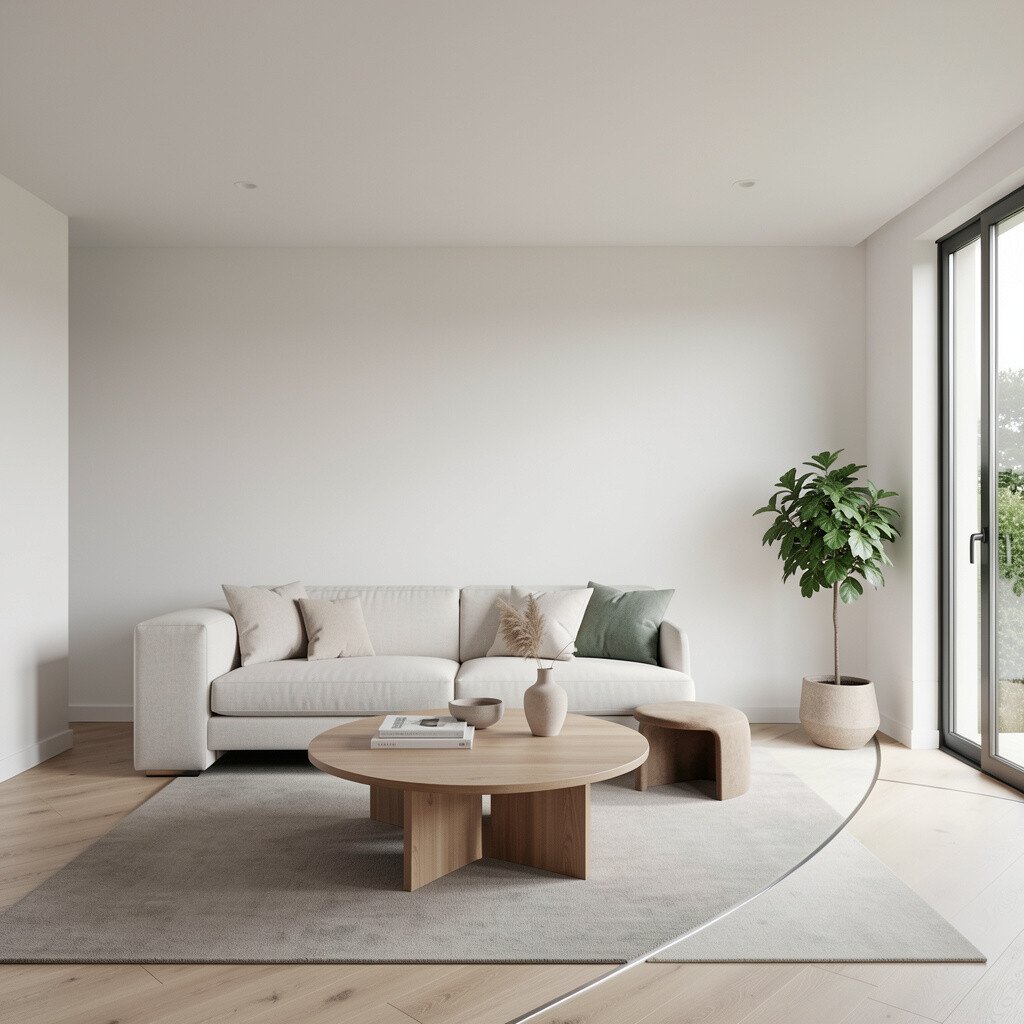
A calm home often has zones, even in open layouts. You can gently divide spaces using rugs, lighting, and furniture placement.
Place a rug under the seating area so your living space feels contained. Use a floor lamp or pendant light to mark the dining spot, and keep pathways open. This helps everyone understand where to relax, work, and move without feeling boxed in.
7. Go Big on Textures Instead of Clutter
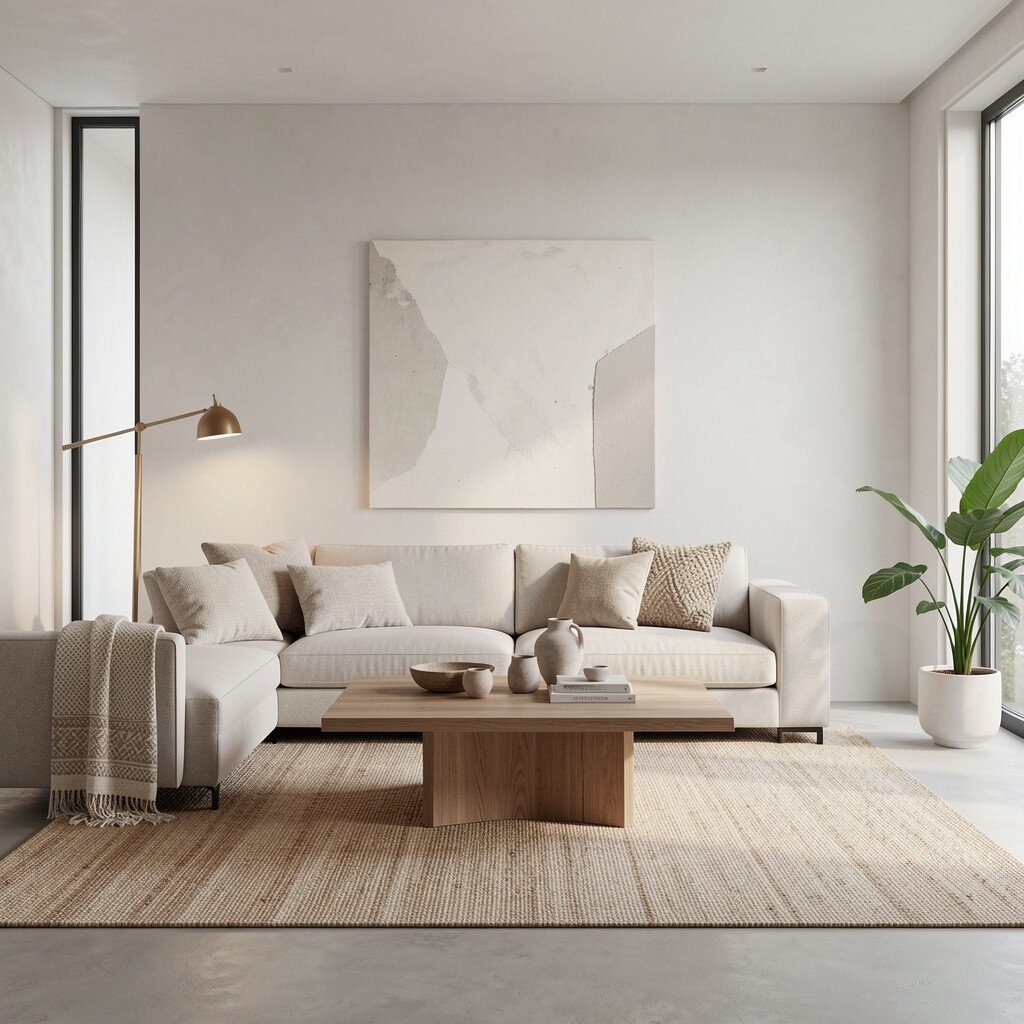
Minimalism doesn’t have to look cold. Texture brings comfort, especially when you keep colors calm and shapes simple.
Mix a chunky knit throw with a smooth cotton duvet and a woven rug. Choose items that feel good to touch and look good from a distance. People are leaning into “layered coziness,” where the room feels inviting without extra objects.
8. Keep Surfaces Mostly Clear and Make One “Landing” Area
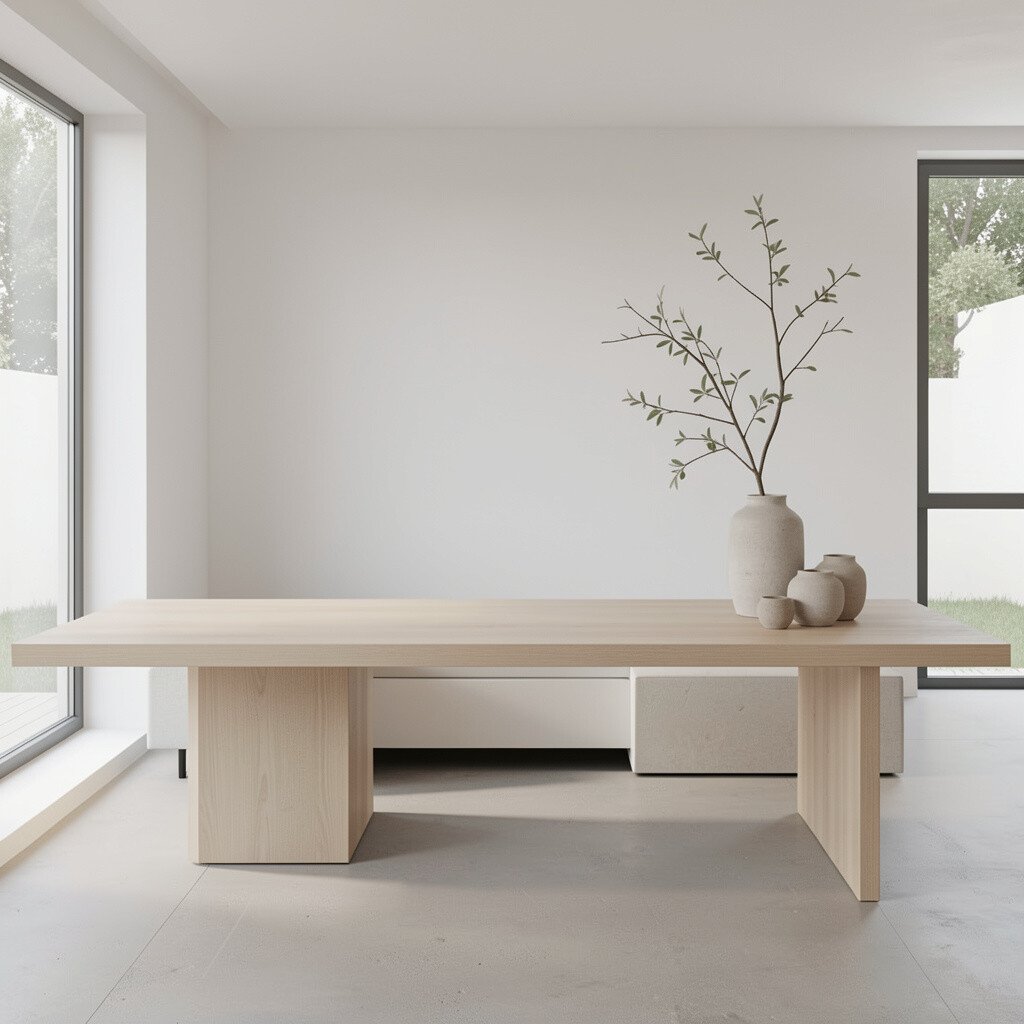
Counters and tables can quietly steal your peace when they’re always full. A little strategy helps your mind relax because there’s room for your eyes to rest.
Pick one surface that can stay mostly clean, like your coffee table or kitchen counter. Put one tray there for essentials, and store the rest away. You can also rotate decor seasonally so the space stays fresh without becoming messy.
9. Choose Calm Lighting With Layered Warmth
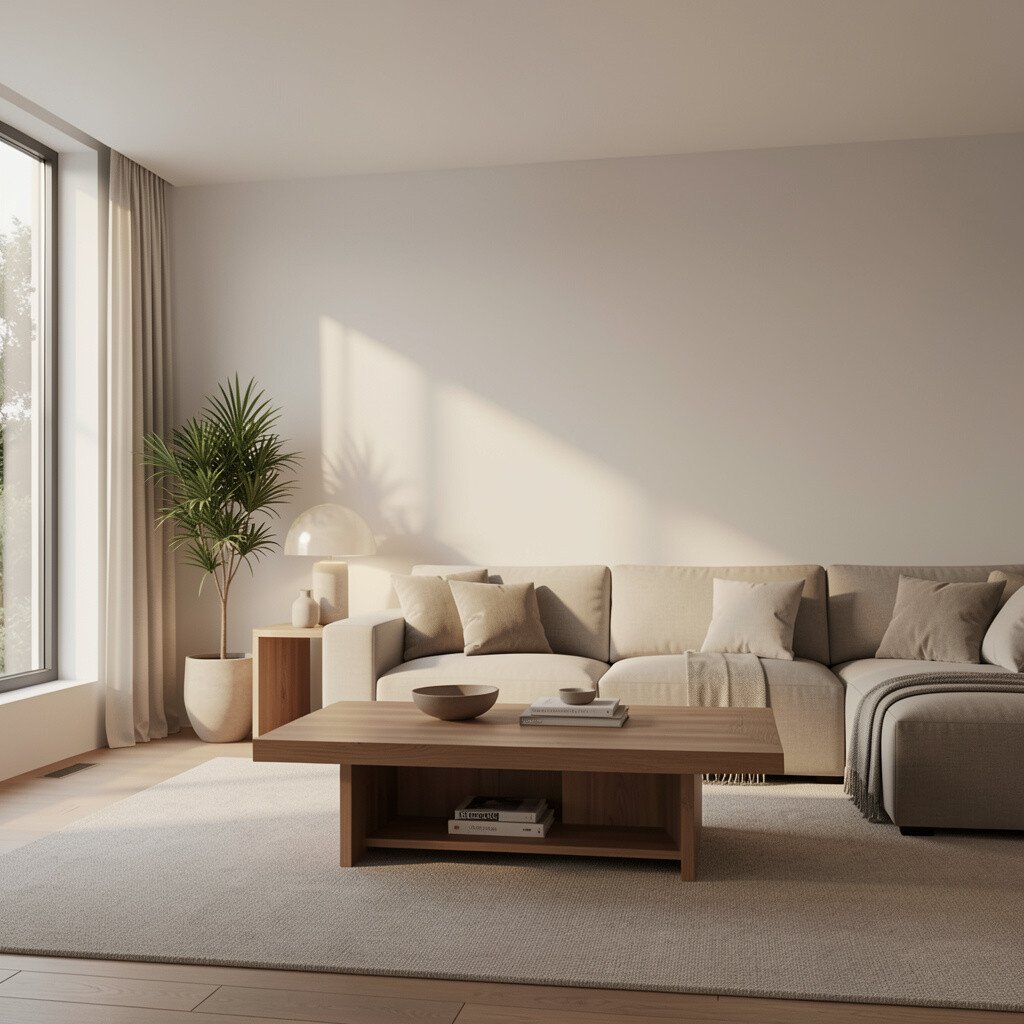
Lighting is one of the fastest ways to change how a room feels. Bright overhead light can feel harsh, while warm layered light feels gentle.
Use a mix of table lamps, floor lamps, and dimmable bulbs. Look for warm white tones that feel cozy, especially in the evening. A popular trend right now is using “scene lighting,” where the same space can feel bright for tasks and soft for winding down.
Place light near seating, not just in the center of the room. That way, corners glow instead of looking empty or shadowy. Try a simple lamp shade in linen or fabric to soften the overall look.
10. Edit Your Wall Art to Fewer, Bigger Pieces

Small frames and lots of prints can create busy energy. Minimalism looks calmer when your walls have fewer, stronger visuals.
Choose one large artwork, or a small set that matches in style and color. Leave breathing space between pieces so the wall feels intentional. If you love gallery walls, keep the frame styles consistent and limit the number.
11. Make Your Entryway Feel Like a Deep Breath
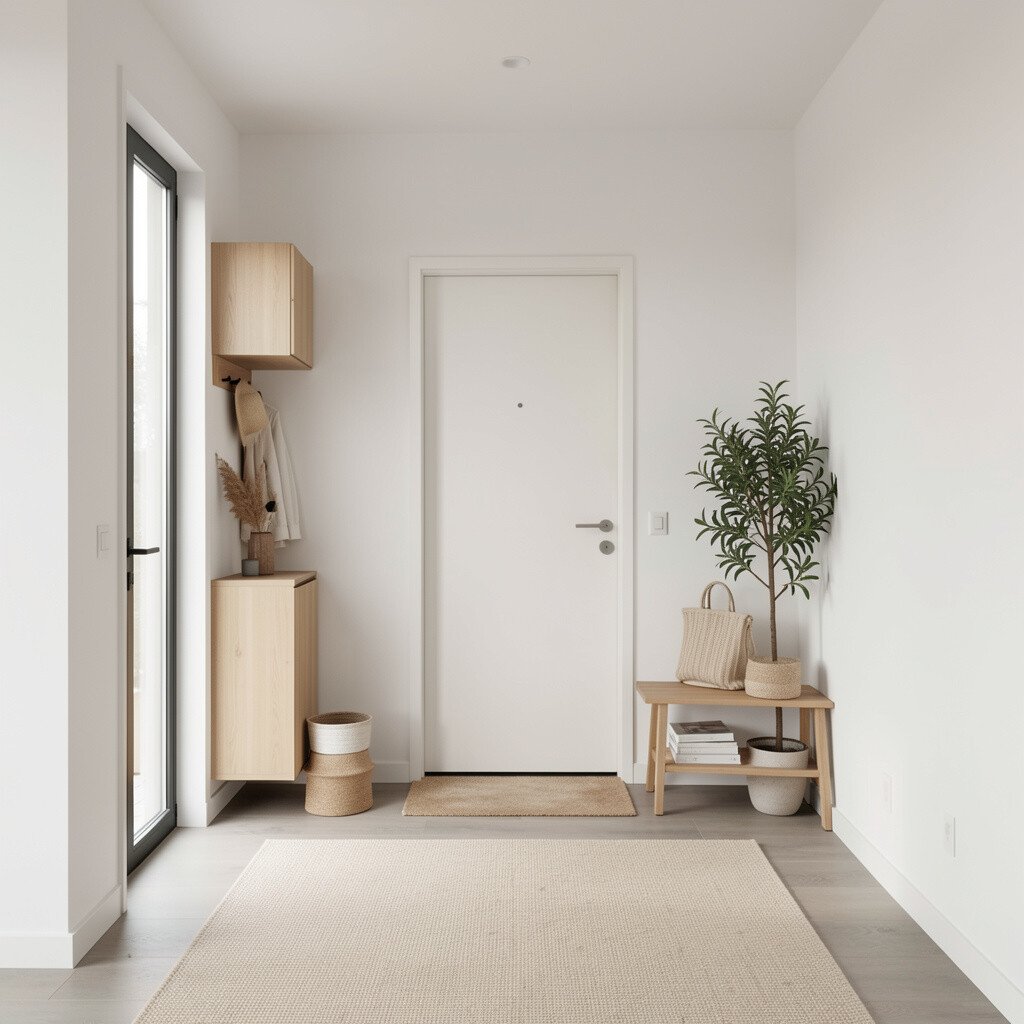
The entry sets the mood for the whole day. When it’s tidy, your home feels welcoming instead of stressful.
Add a simple bench or slim console with a clear tray for daily items. Use a closed cabinet or drawer for shoes so the floor stays clean. Even a small mirror with a warm light can make the space feel bigger and calmer.
Personalize it with one meaningful item, like a small framed photo or a vase you refill with fresh greenery. Keep seasonal decor minimal by swapping one piece instead of starting over each time. Cost can stay low by using what you already have and focusing on placement.
12. Select Storage That Looks Like Furniture
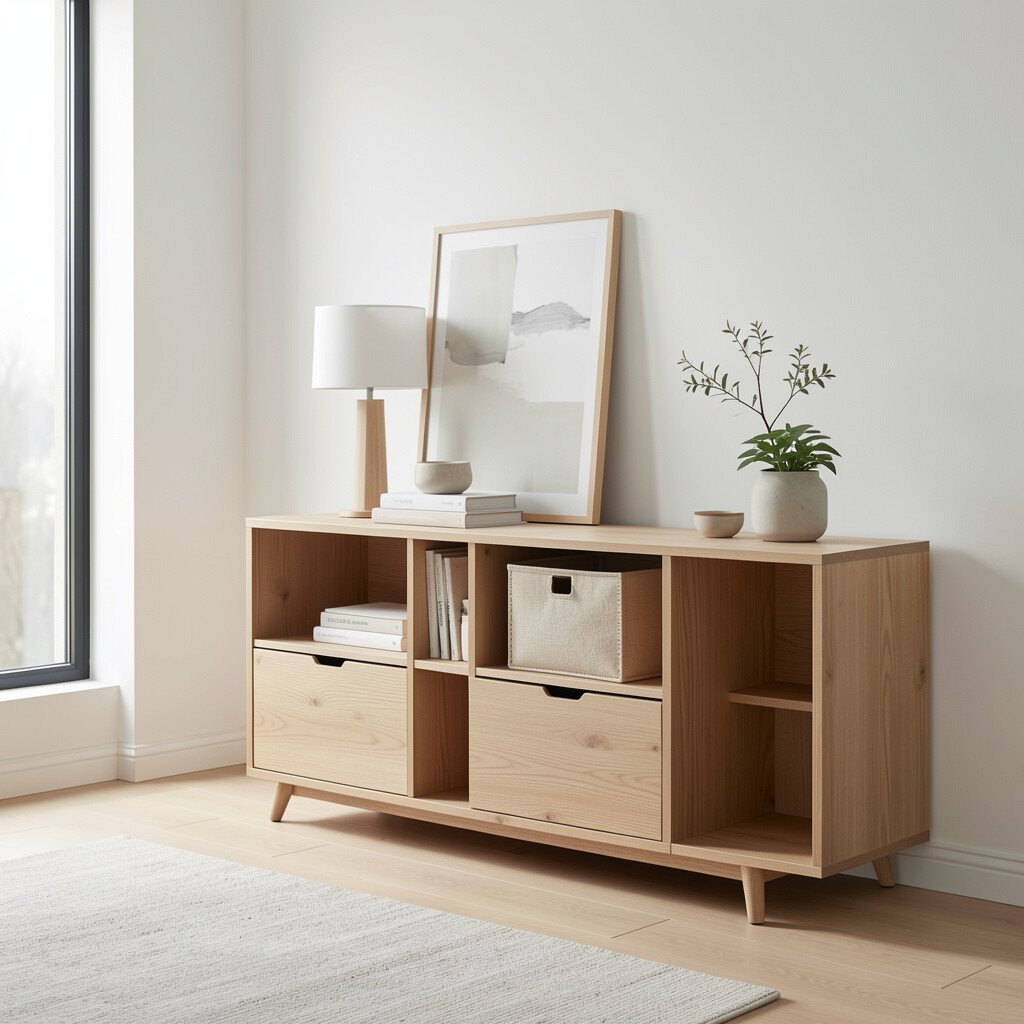
Built-in storage is beautiful, but you can get a similar calm feel without custom work. The trick is choosing storage that matches the room’s style.
Use a low dresser, a simple cabinet, or matching bins that fit the aesthetic. When storage blends in, your space looks intentional instead of temporary. Look for pieces with clean lines and calm finishes like light wood, matte paint, or soft fabric fronts.
13. Keep Cables and Tech Out of Sight
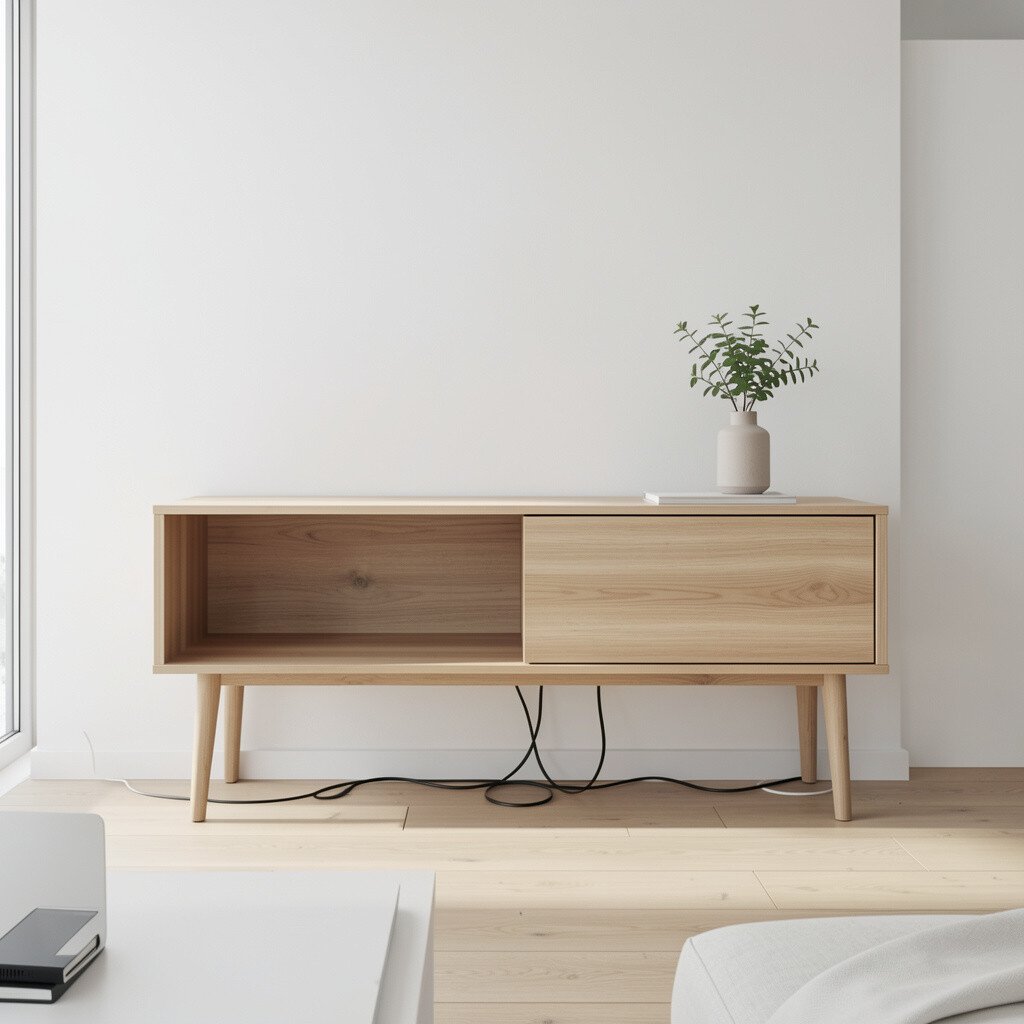
Visible chargers, cords, and power strips create visual clutter fast. When you tidy tech, your space instantly feels more peaceful.
Hide cables behind furniture, use cord clips, and run everything to a single power strip. Choose charging docks that keep devices upright and contained. If you work from home, consider a simple cable box under your desk for a cleaner look.
This is a practical upgrade that costs less than new furniture and pays off every day. Try setting a charging routine so devices return to the same spot. Over time, you’ll spend less time searching and more time relaxing.
14. Bring in Greenery With a Minimal Plant Plan

Plants add life and softness without needing extra decor pieces. Even one or two well-placed plants can make a room feel warmer and more grounded.
Pick plants that match your light level, like a low-maintenance pothos for bright rooms or a snake plant for lower light. Choose pots in similar tones so the look stays calm. In current trends, people are grouping plants by height to create a tidy “living corner” rather than scattering pots everywhere.
Wipe leaves regularly and rotate the plants so they look even. If you tend to forget watering, choose varieties that handle dry periods. This personalization helps your home feel cared for without turning into a busy hobby.
15. Use a Simple Color Strategy for Seasonal Changes

Minimalism isn’t about never changing things. It’s about changing in a way that keeps the room steady and calm.
Keep your base colors neutral and swap smaller items like pillow covers, throws, and a single centerpiece. For seasonal style, choose a consistent palette like warm earth tones for fall and soft pastels for spring. This makes your updates feel intentional instead of chaotic.
Look for affordable seasonal decor that you can reuse each year. Thrift stores are also great for finding simple, timeless pieces that fit a minimal look. Try storing seasonal items together so the change is fast and easy.
16. Personalize With Meaningful Objects, Not More Stuff

The best minimal homes still feel like yours. The goal is to show personality through a few meaningful objects rather than filling every space.
Choose items that reflect your story, like a travel bowl, a handmade ceramic, or a book you return to often. Keep them in curated areas, such as one shelf, one tray, or a single spot on a desk. This approach creates uniqueness without clutter, because each object has room to stand out.
If you want to add something new, try the “one in, one out” habit. Give away or store something you haven’t used, and make the replacement feel special. Over time, you’ll build a collection that feels calm, personal, and truly lived in.