The best family fun doesn’t have to cost a fortune. With a few clever moves, your home can feel like a whole new world.
1 tiny investment in time can turn an ordinary afternoon into a story you will tell for years. Let’s keep things simple, playful, and budget-friendly.
1. Poster-Paint Story Wall
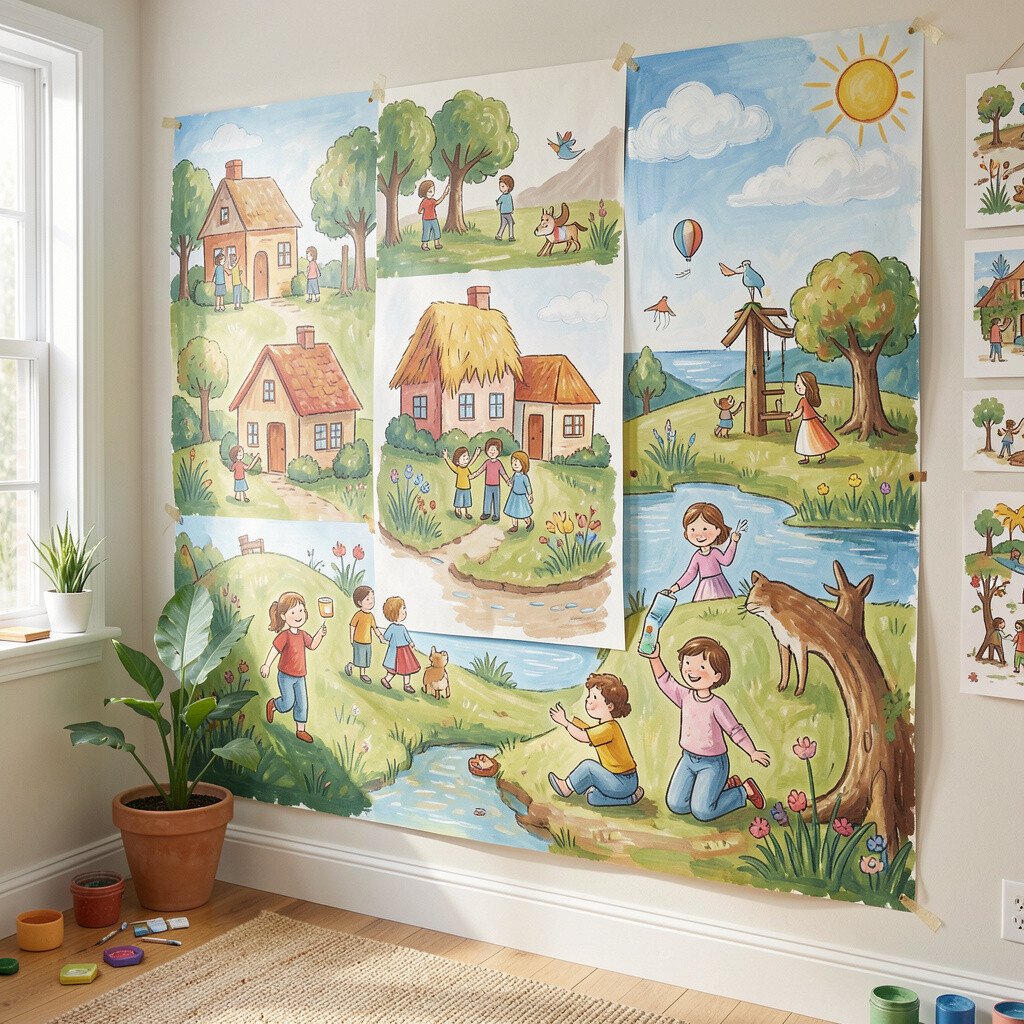
Grab cheap paper or old poster board and let everyone create a mini “chapter” on the wall. The room instantly looks colorful, like a gallery made by your own team.
Choose a theme that matches your week, like a beach day, space mission, or favorite animal. Each person draws a scene, adds a short sentence, and picks a bright color for the title. Rotate turns so younger kids get easy jobs while older kids handle details like borders and big letters.
2. Backyard Scavenger Hunt With Photo Clues

Step outside and hide objects around the yard, then use phone photos as clues. Everyone loves scanning the area like detectives while the air feels fresh and light.
Write clues that fit your space, such as “find something round” or “check near the shade.” Set a time limit, but keep it friendly, and let teams work together so nobody feels left behind. For personalization, tailor objects to your family interests, like sports balls, bug books, or toy cars.
Cost stays low because you can use what you already own, including socks, leaves, rocks, and kitchen utensils. A quick trend you can borrow is “photo proof,” where kids snap a pic of each find before moving on. This also helps you keep track of items that might wander off.
3. Cozy Blanket Fort Camp
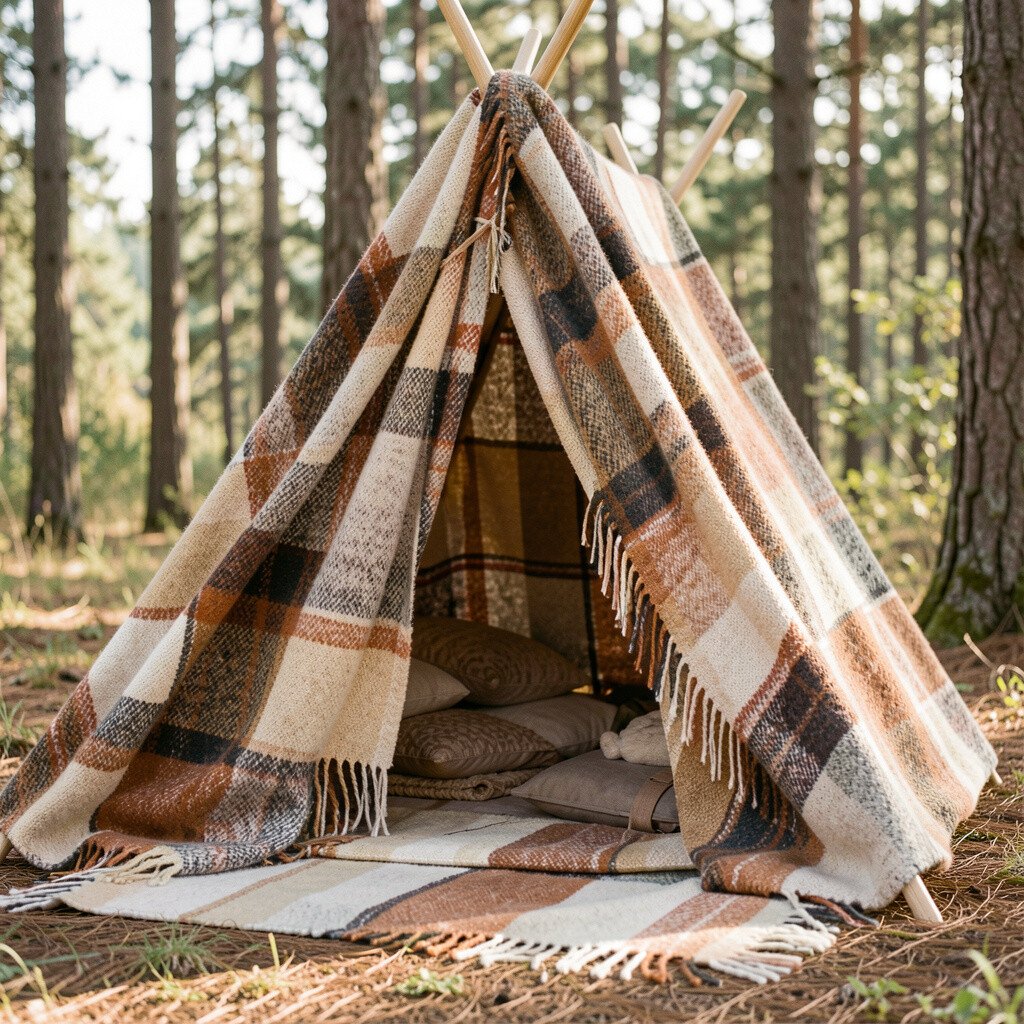
Use blankets, couch cushions, and chairs to build a fort that feels like a secret hideout. When the lights go dim, the space looks magical and safe at the same time.
Create a “camp schedule” with simple stops, like hot cocoa breaks, card games, and flashlight stories. Everyone can take turns being the camp leader by choosing the next activity. For practical tips, make a small snack tray, set a water bottle station, and keep a soft rug or towel for comfort.
This idea works year-round, and it costs almost nothing since you’re reusing household items. To personalize, assign each family member a “camp role” like navigator, snack chef, or animal watcher. Kids often remember these forts longer than any expensive outing.
If you want a current spin, try a “sound safari” where each person listens for one thing outside and describes it. That makes the fort feel modern while keeping the vibe calm.
4. Pantry Baking Swap: Make One Recipe Together

Choose one simple recipe from your pantry, then bake it as a team using shared tasks. The kitchen smells cozy, and the visuals of dough, sprinkles, and batter make everything feel special.
Let one person measure dry ingredients, another stirs, and another sets timers so everyone stays involved. For cost considerations, pick recipes that use staples like oats, peanut butter, bananas, or cocoa. Personalize by adding mix-ins you already have, such as chocolate chips, raisins, or chopped nuts.
5. Board Game Remix With Role Cards
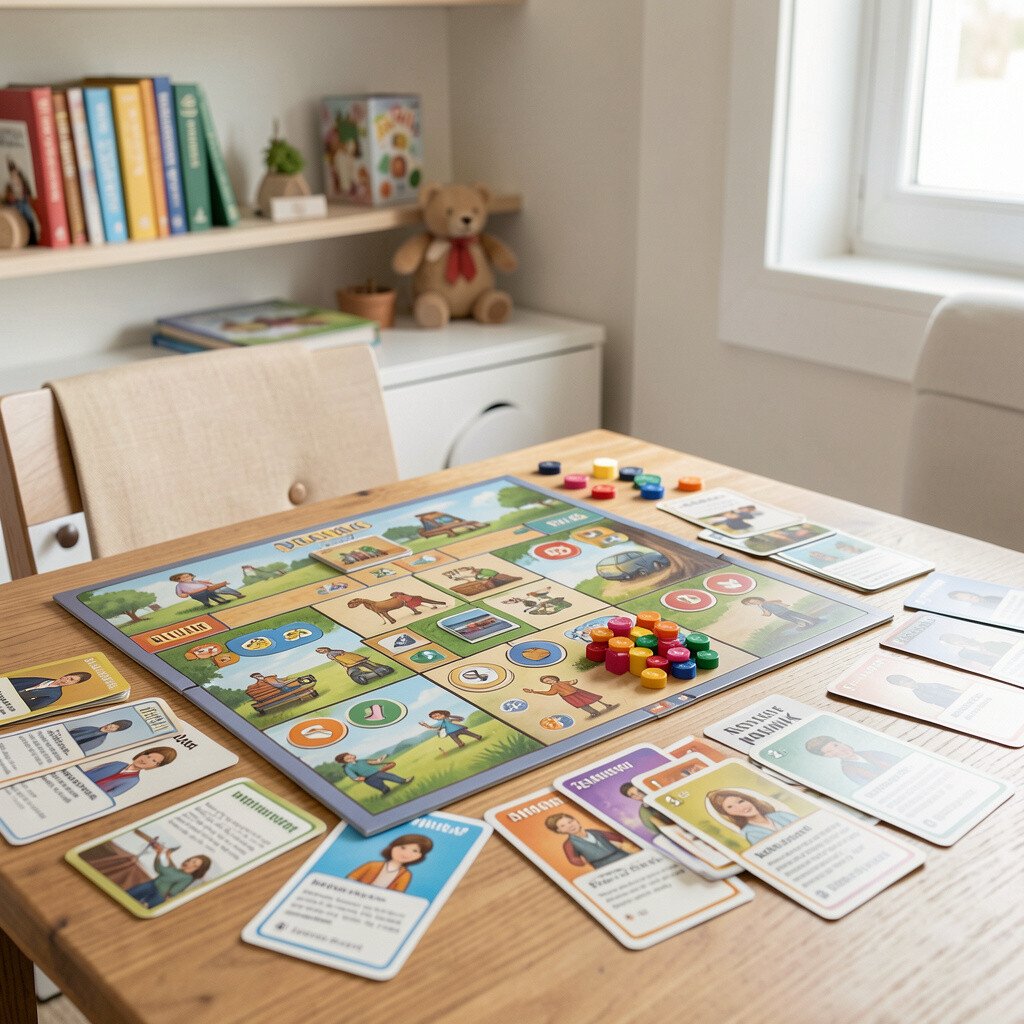
Pull out a favorite board game and add role cards made from scrap paper. The table becomes lively, with each person acting out a role that changes how they play.
Create roles like “time keeper,” “cheer captain,” or “lucky trader” using simple prompts. Players follow the roles for a set number of rounds, which makes the game feel fresh without buying anything new. This also benefits families because it encourages patience and teamwork, not just winning.
Keep it budget-friendly by using junk mail paper and a marker for the cards. For personalization, match roles to each child’s strengths, like letting a talkative kid be the cheer captain. A friendly trend is using short challenges, so try “two-sentence story” after each move to keep the energy upbeat.
6. Living Room Bowling With Water Bottle Pins
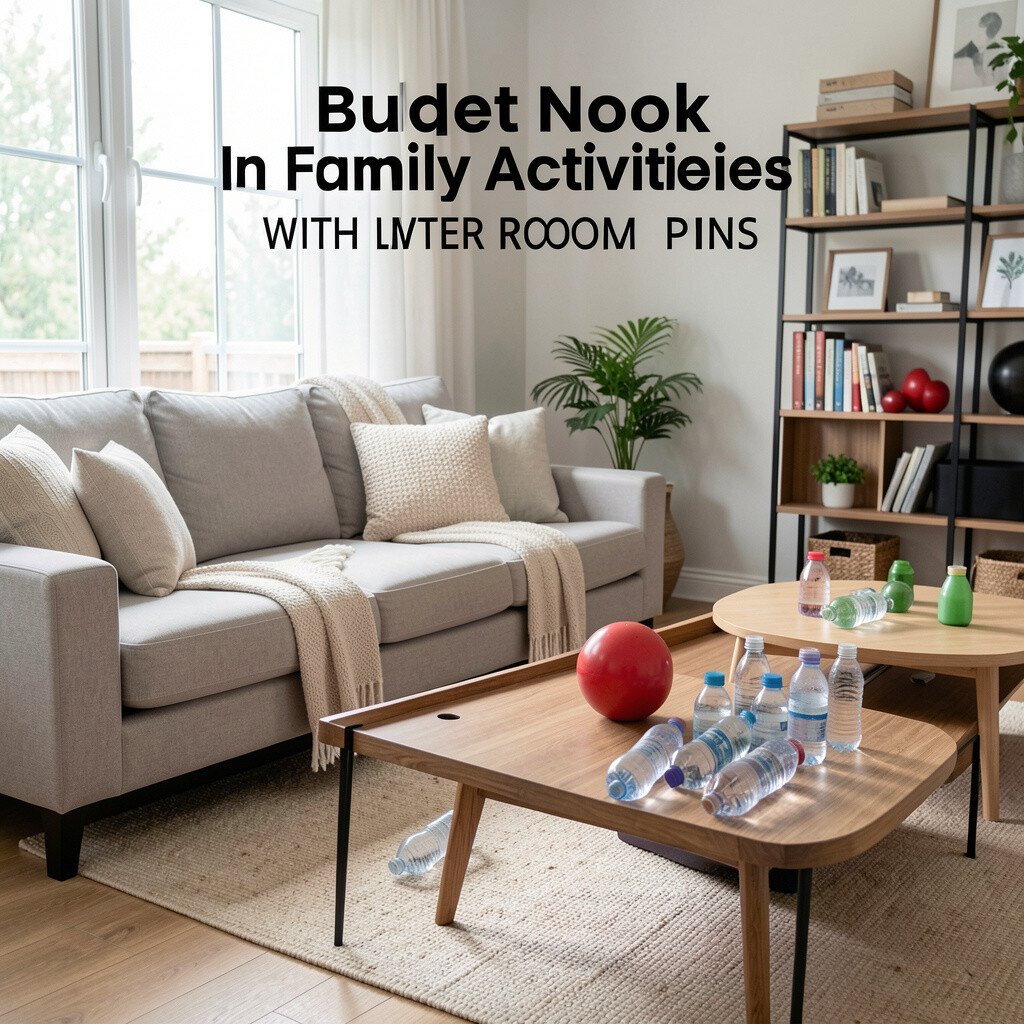
Set up empty water bottles as pins and use a ball to knock them down. The scene looks like a mini alley, and kids get instant excitement from aiming and rolling.
Mark a start line with painter’s tape and keep scoring simple with a few rounds. For safety, use lightweight bottles and keep the ball soft. Personalize the play by letting each person choose a special rule, like “knock down three pins to earn a story turn.”
Cost stays low because bottles and balls are usually already around. This activity also builds fine motor skills and confidence, especially when you let younger kids roll underhand. To match current trends, try “glow night bowling” by turning off overhead lights and using a small lamp at the far end.
7. Free Museum Night Using Household “Labels”
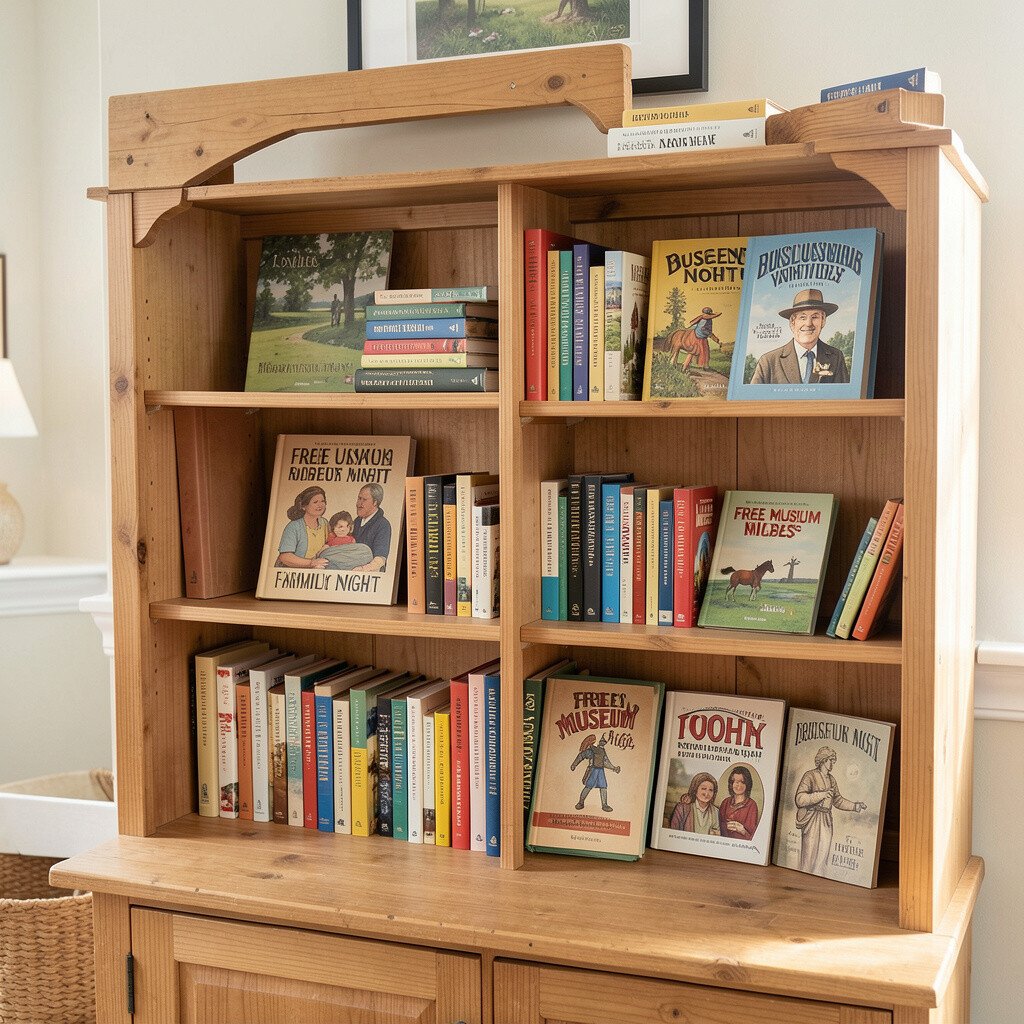
Pick a few items from around your home and turn them into a tiny museum display. You can line them up on a shelf, and the room will look like it has its own exhibits.
Create “label cards” on paper, describing what each item is and why it matters to your family. One person can be the curator and guide everyone through like it’s a real event. For practical tips, keep the display small so little hands stay safe, and use sturdy stands or a tray.
8. Sidewalk Chalk City Planning
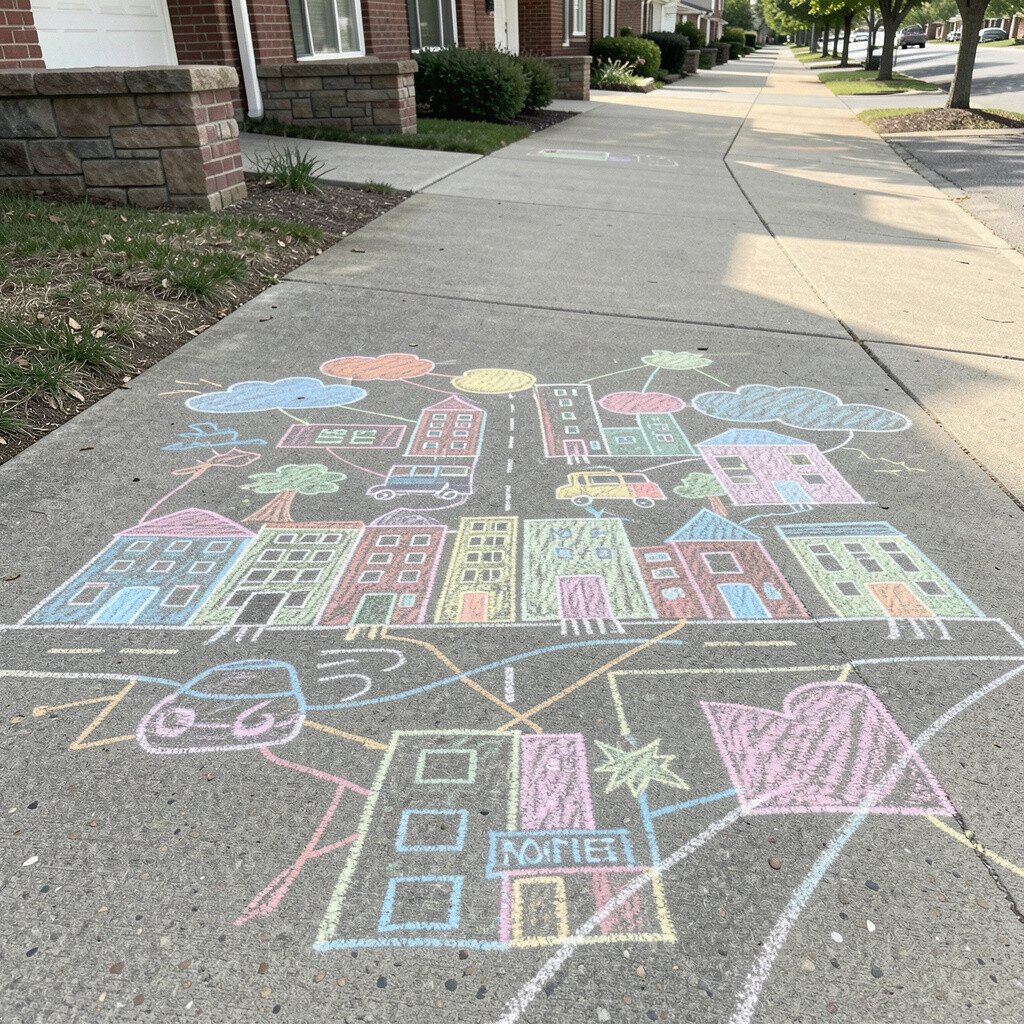
Bring out chalk and design a whole city on the driveway or sidewalk. Bright streets, tiny houses, and colorful signs make the area feel like a creative neighborhood.
Draw roads, parks, and bridges, then assign roles like mayor, builder, or mail carrier. Kids benefit from movement while working on shapes and planning steps. Cost considerations are great since chalk is inexpensive and can be reused for many days.
9. Paper Lantern Parade and Shadow Show

Make lanterns from paper bags or thin craft paper and add simple cutout patterns. When you shine a flashlight inside, the glowing shapes look like little theater lights.
After the lanterns are ready, place them around the room and do a shadow show with hand silhouettes. The benefit is that it turns quiet indoor time into something imaginative and shared. Personalize by choosing cutout themes, like stars, animals, or favorite sports logos.
For practical tips, keep a safe flashlight or LED light and avoid open flames. If you want a current trend, try a “slow reveal” where each person turns on one lantern at a time and tells a one-minute story. This keeps the moment exciting without needing any special tools.
Cost stays low because many supplies come from recyclables and spare paper.
10. Neighborhood Walk With “Choice Stops”
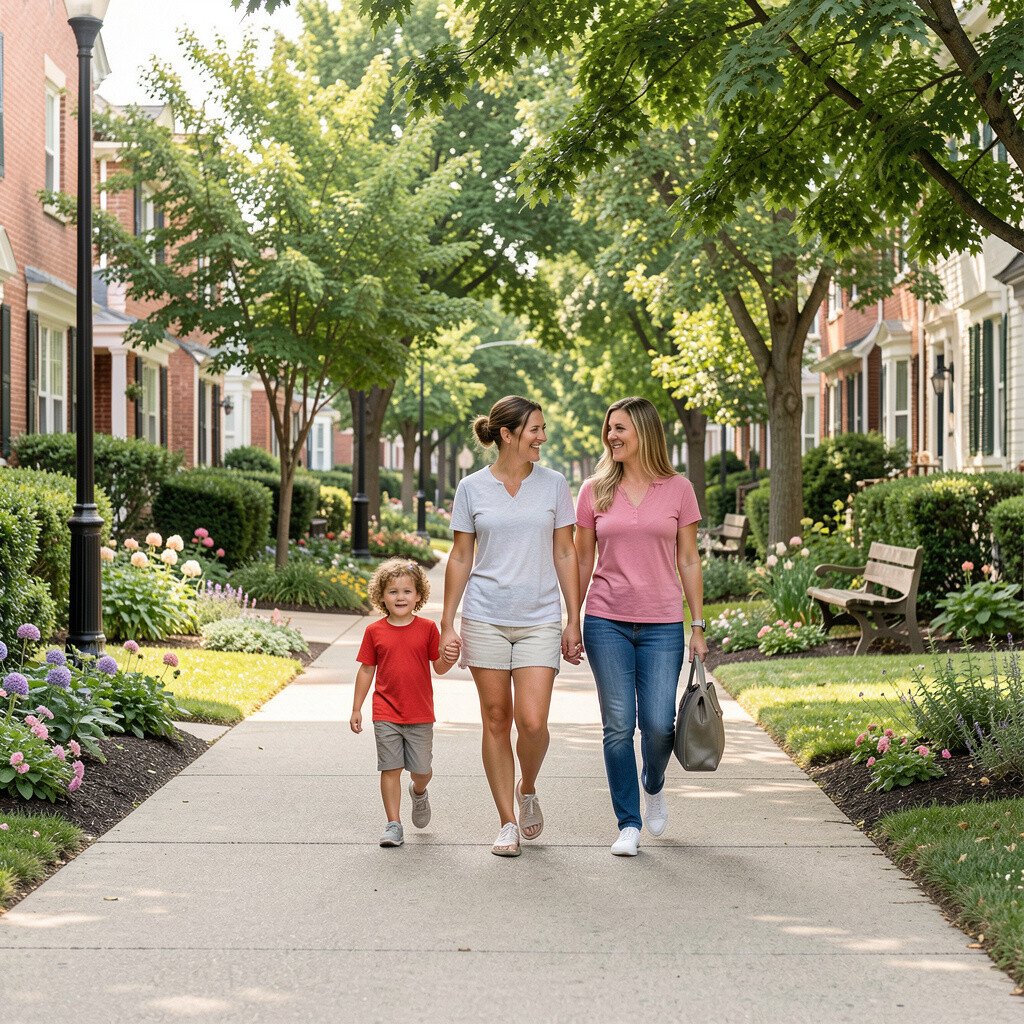
Plan a relaxing walk where everyone gets to choose the next stop. You’ll see different corners of your neighborhood in a way that feels new, even if you’ve passed by them before.
Bring a small bag with a few snacks and let each child pick one option, like a playground, a mural, or a quiet park bench. For personalization, make a list of places that match each person’s interests, such as trains, trees, or ducks. This activity helps families benefit from movement and calmer moods after busy indoor days.
Cost considerations are minimal, since the main “gear” is comfortable shoes and a reusable water bottle. A modern twist is adding a “nature bingo” list with simple items like cloud shapes, leaves, and birds. Kids enjoy checking boxes while you keep the pace gentle.
11. DIY Bookmark Quest for Reading Time
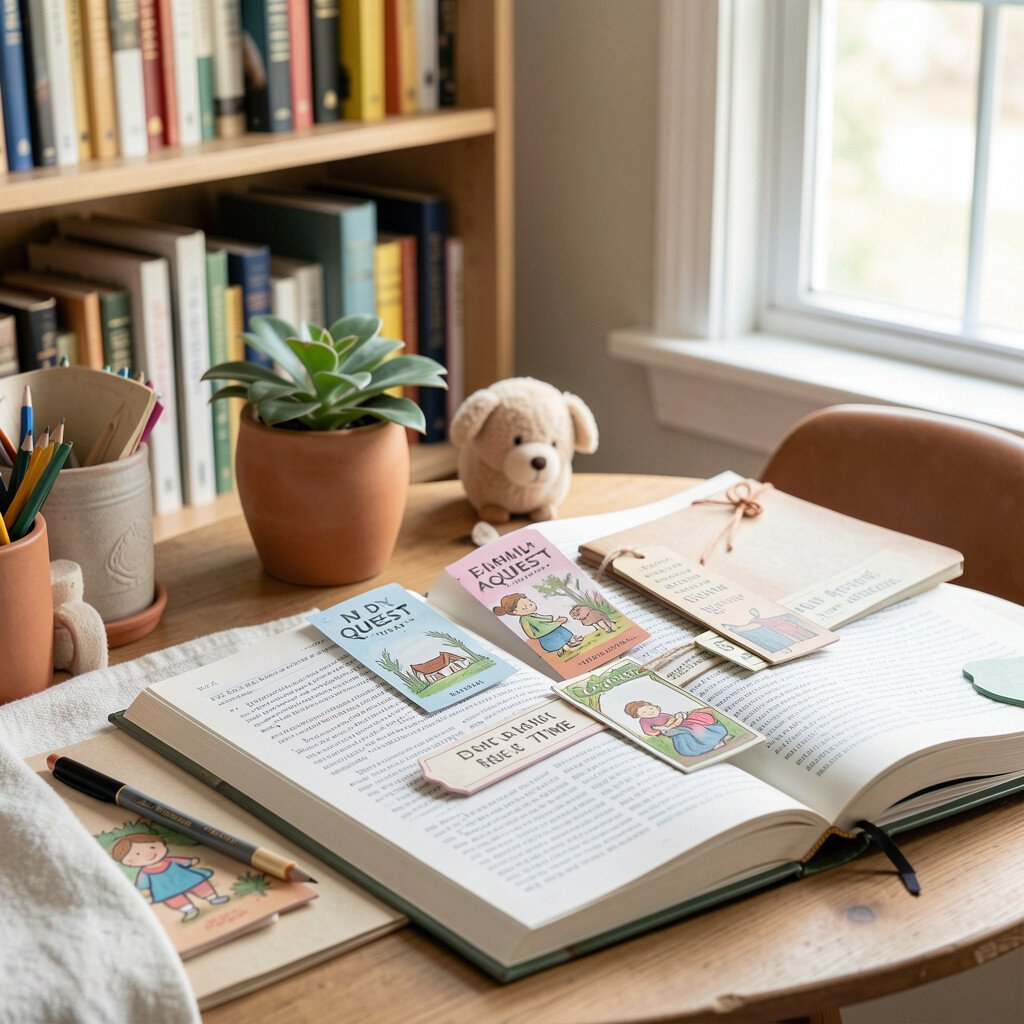
Turn spare paper, magazine pages, and colorful scraps into bookmarks for everyone. The stacks of books look more inviting when each person has a bookmark that feels made just for them.
Design bookmarks with unique features, like favorite characters, handwritten goals, or tiny drawings. This supports learning by making reading time feel personal and motivating. For practical tips, laminate with clear tape for durability and add a tassel from yarn if you have it.
Cost stays low because most materials are already at home. You can personalize by letting older kids write short “book recommendations” to motivate younger readers. For a current trend, try themed bookmarks that match popular hobbies, like art journaling, puzzles, or astronomy sketches.
12. Cooking Station: Build-Your-Own Snack Bar

Set up a snack bar where everyone builds their own plate from a few choices. The visual variety of colors and textures makes it feel like a mini restaurant.
Offer budget-friendly options like popcorn, yogurt, fruit, crackers, and homemade dips. Assign tasks so kids can practice helpful habits, like measuring, mixing, and portioning. Personalize the bar for your family, such as adding spice for adults or mild flavors for kids.
Cost considerations are easier when you choose one “base” and several simple toppings. For a practical tip, keep everything in small bowls so the bar looks tidy and clean. This is also great for picky eaters because they control what goes on their plate.
13. Talent Show With Skill Cards and Low-Pressure Wins

Host a family talent show where “talent” means anything you can do with your voice, hands, or imagination. The living room becomes a stage, and the energy feels joyful and warm.
Use skill cards made from paper scraps, like singing a short chorus, doing a silly dance, or telling a story with one prop. This helps kids feel safe trying something new because you celebrate participation instead of perfection. For practical tips, set a short time limit per turn and keep the audience gentle with supportive cheering.
14. Reusable Art Swap: Exchange Supplies and Create

Gather old craft items, buttons, ribbons, and scraps into a few piles for an art swap at home. The table looks like a creative treasure chest, and everyone can “shop” without spending money.
Each person picks a small bundle of materials, then creates something with a theme you choose together. Benefits show up quickly because kids practice planning and decision-making while working with limited tools. For personalization, let each person pick their theme, like “ocean friends” or “robot city.”
Cost considerations are excellent since you’re reusing what you already have. A fun current trend is “upcycling art,” where items become new creations, so lean into that by describing how each recycled piece becomes part of the design. Practical tips include sorting piles by texture and keeping scissors age-appropriate for younger kids.
15. Family Time Capsule With Memory Prompts
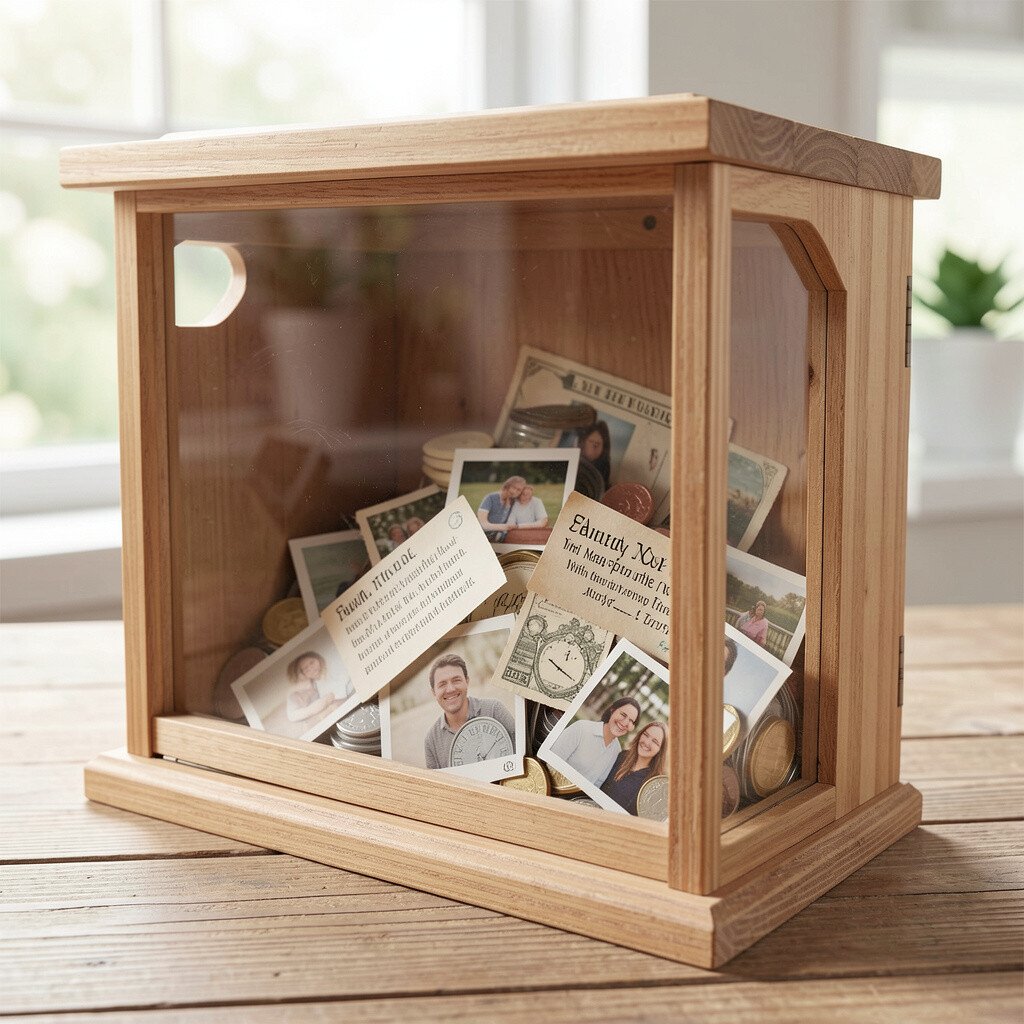
Make a time capsule using a box, jar, or envelope set aside for future you. The activity feels meaningful, and the visuals of written notes and keepsakes bring a sense of importance.
Write memory prompts on small slips, such as favorite moment of the week, a silly win, or a new thing learned. Everyone drops in their note, then you seal it and pick a future date. Personalization is easy because the prompts can match your family’s life, like school routines, sports seasons, or calm nights in.
Cost stays low because paper, pens, and a container are enough. This builds family connection, and it’s a gentle way to create benefits beyond entertainment. If you want a modern touch, include one short printed photo and one voice memo transcript on paper so the capsule mixes old and new.
16. Budget “Movie Theater” With Homemade Tickets
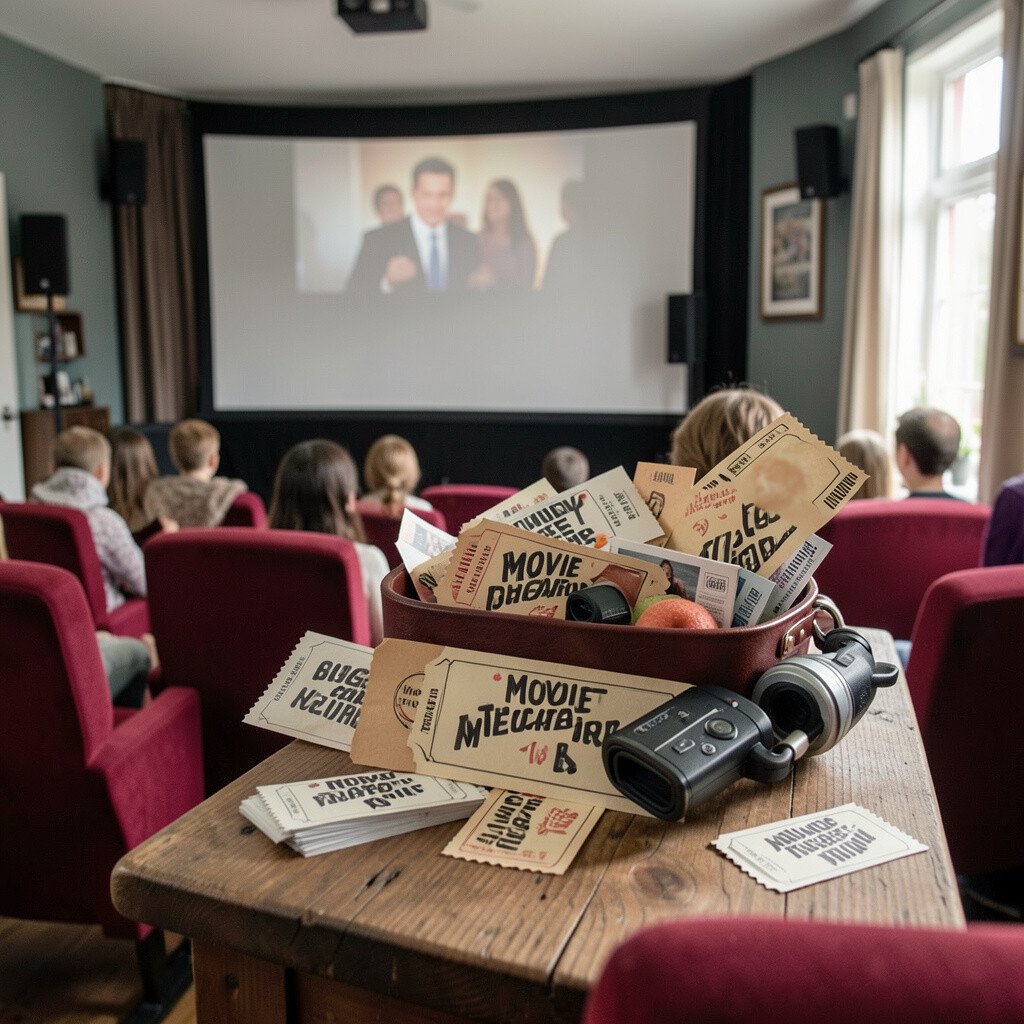
Set up a movie theater at home with homemade tickets and a cozy seating area. The moment you hand out tickets, kids feel like guests, and the room looks instantly special.
Create tickets from scrap paper, choose snacks, and let everyone vote on the movie afterward. This benefits families because it adds structure to screen time and builds anticipation. Personalize by matching ticket colors to each person’s seat spot and adding a simple “snack menu” on the wall.
Cost considerations are friendly because you can choose a free streaming movie and make popcorn with basic ingredients. For practical tips, dim the lights, keep blankets nearby, and set a start and finish time. A current trend is pairing movies with a mini activity, like drawing your favorite scene before the credits roll, so the night feels extra engaging.
After the movie, ask each person to share one sentence about what they liked most, and celebrate those answers like real reviews.