Light can feel different on the second floor. With the right wall art, your space can feel warmer and more lived-in.
Because upper levels often catch softer daylight, art can become the “glow” of the room. You’ll also get a fun way to show personality without major renovations.
1. Gallery Wall With a Soft, Layered Look

A gallery wall doesn’t have to feel rigid. Think of frames of different widths hanging in a gentle arc, like a calm rainbow across the wall.
Use prints that share a color family so everything feels connected. Add one or two pieces with texture, such as watercolor-style art or fabric-like wall hangings, to make the space feel cozy. Choose frames in a warm metal or light wood finish so the second floor looks inviting in the morning.
2. Oversized Botanical Prints for an Airy Feel
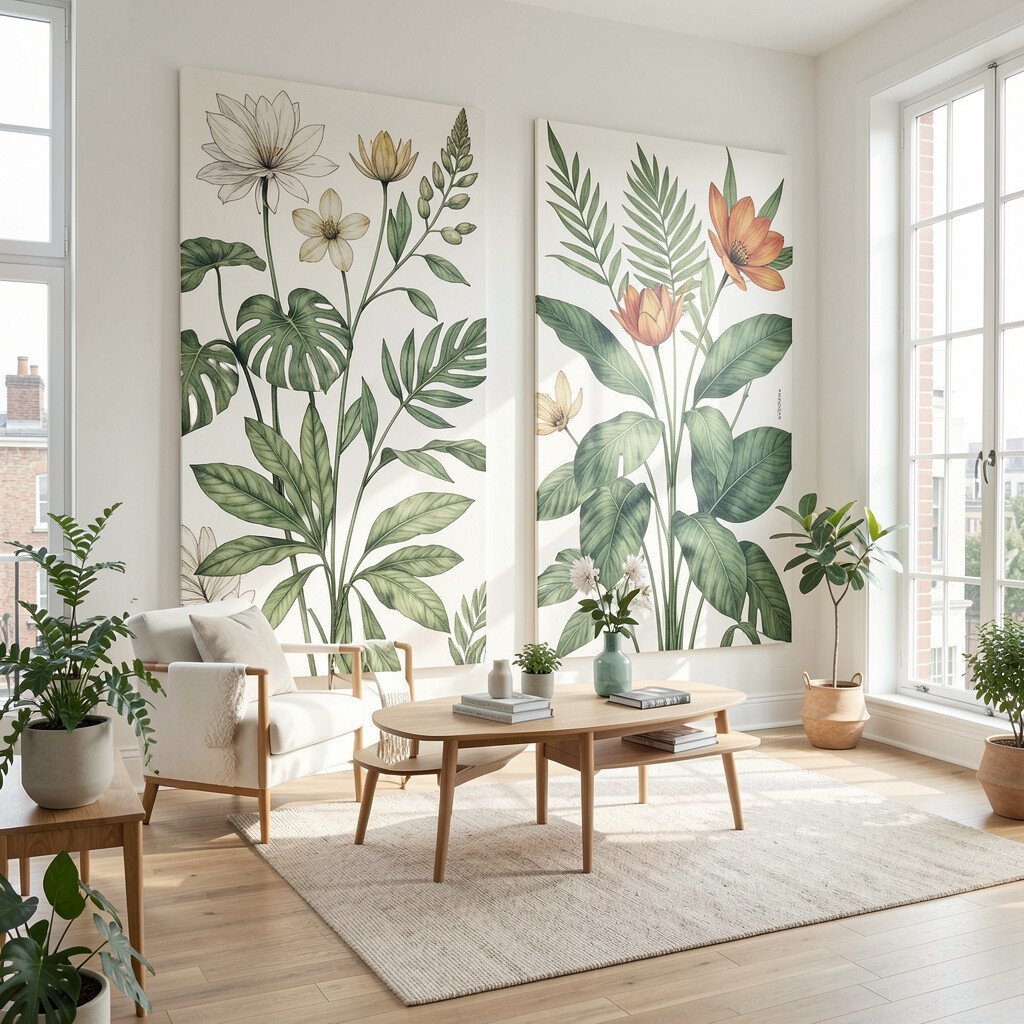
Big botanical prints can make a hallway or landing feel like it has fresh air. Imagine close-up leaves, soft greens, and tiny specks of gold catching the light as you pass.
They work especially well upstairs because daylight can make the colors look crisp and clean. Pick one main botanical print as the anchor, then place smaller coordinating pieces nearby for balance.
If you want a budget-friendly start, use affordable frames with matting so the prints look intentional. For a personal touch, select plants that match your real favorites, like eucalyptus, olive, or wildflowers, even if you can’t keep them alive.
3. Framed Fabric Art That Brings Warmth
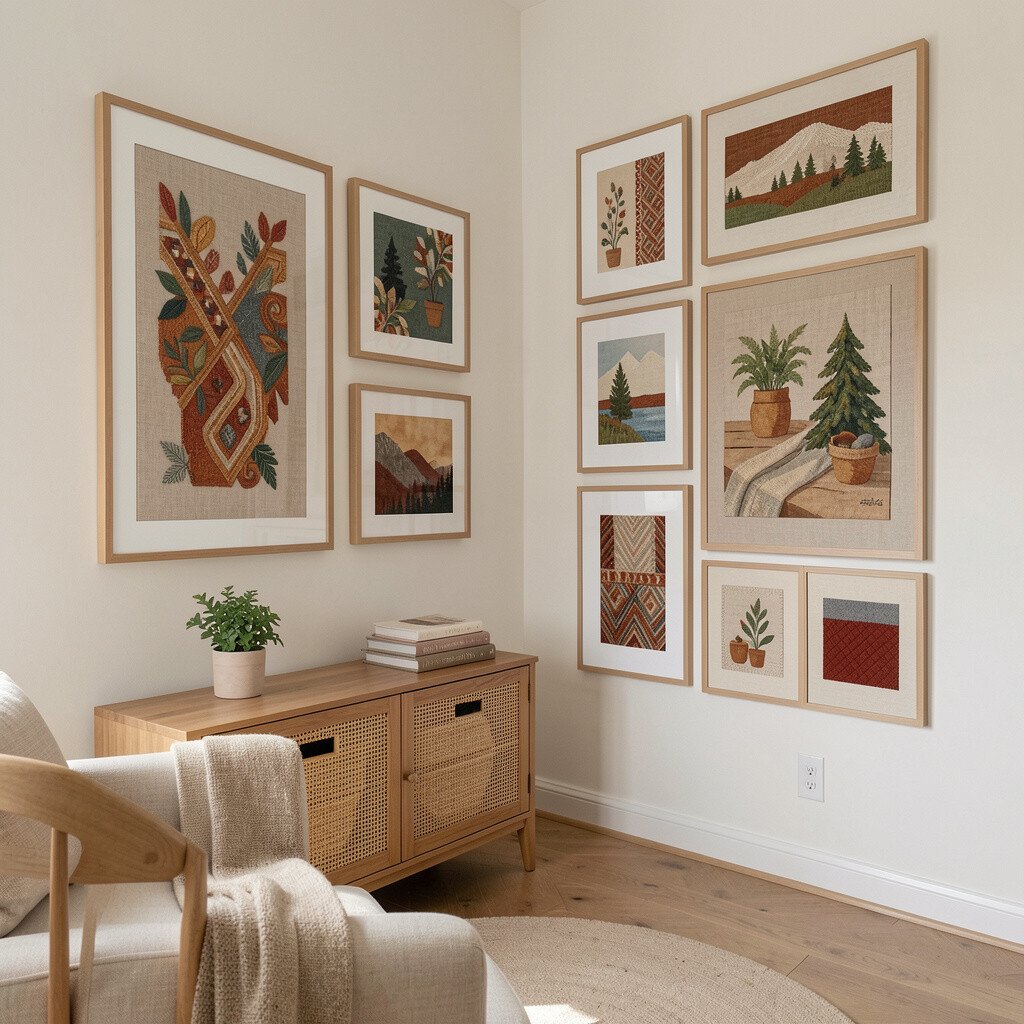
Fabric art gives your second floor a soft, warm personality. Picture a quilt-inspired piece or a stitched textile panel with gentle patterns like waves or tiny stars.
It’s unique because it adds dimension, not just color. When the light hits the weave, the artwork looks slightly different throughout the day, which keeps the space feeling alive.
For practical placement, hang fabric art a little higher than you think so it feels light and airy. Use a frame with a backing that protects the material, especially if the room gets direct sun.
To keep costs reasonable, look for vintage scarves, remnant textiles, or even a fabric sampler from a local shop. Personalize it by choosing colors that match your bedding, curtains, or rug tones.
4. Hand-Lettered Quotes in Unexpected Spots
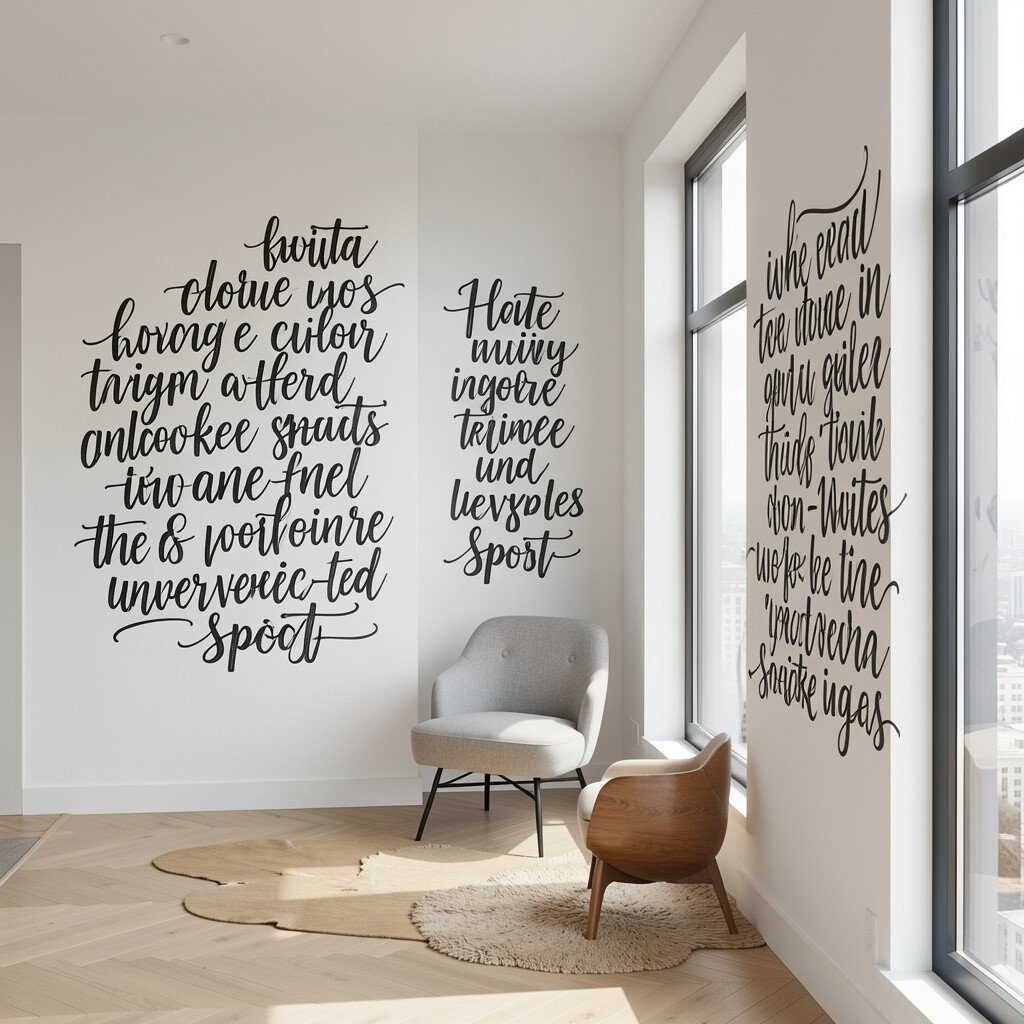
Hand-lettered quotes can add charm without clutter. Instead of placing them only in a living room, try them on the inside of a closet door, a stair wall, or near the top of the stairs where you’ll see them often.
Choose phrases that feel like you, such as small reminders for calm mornings or cozy evenings. Pair the quote with a simple drawing like a tiny sun or a leaf for a gentle, artsy vibe.
For a practical approach, use removable frame hooks if you’re unsure about final placement. Keep letter colors soft, like muted navy, terracotta, or warm charcoal, so they look classy upstairs.
5. Local Artist Posters in Modern Frames
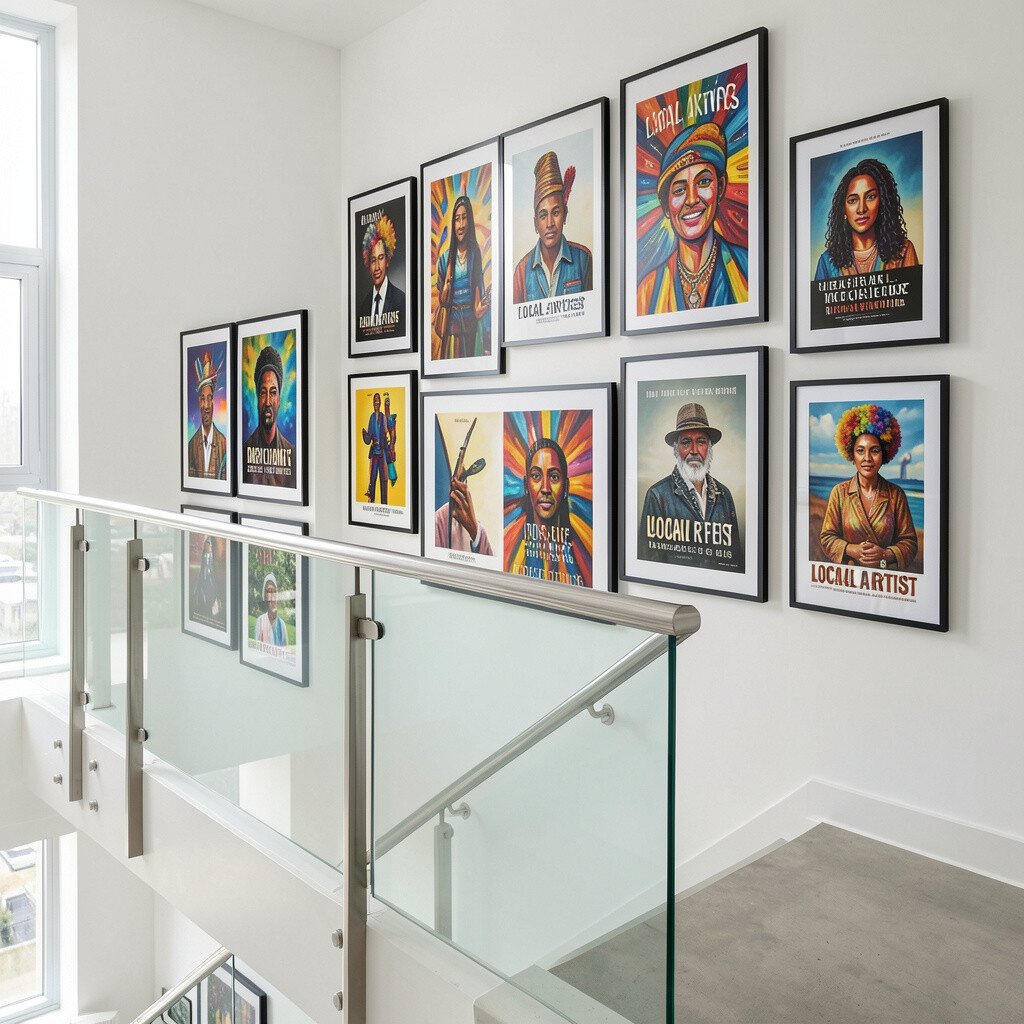
Local artist posters can make your second floor feel connected to your community. You might hang a striking city print, a colorful concert-style poster, or an illustrated map with bold lines.
They’re also trend-friendly right now because more people are mixing gallery aesthetics with everyday street energy. By using simple modern frames, the art looks polished without taking away its original character.
To make it practical, group posters by theme, like coastal scenes together or monochrome art together. If you want personalization, choose a piece that reflects a place you love, like a hometown street you miss or a café you visit.
6. Sunburst Mirrors With Artful Placement
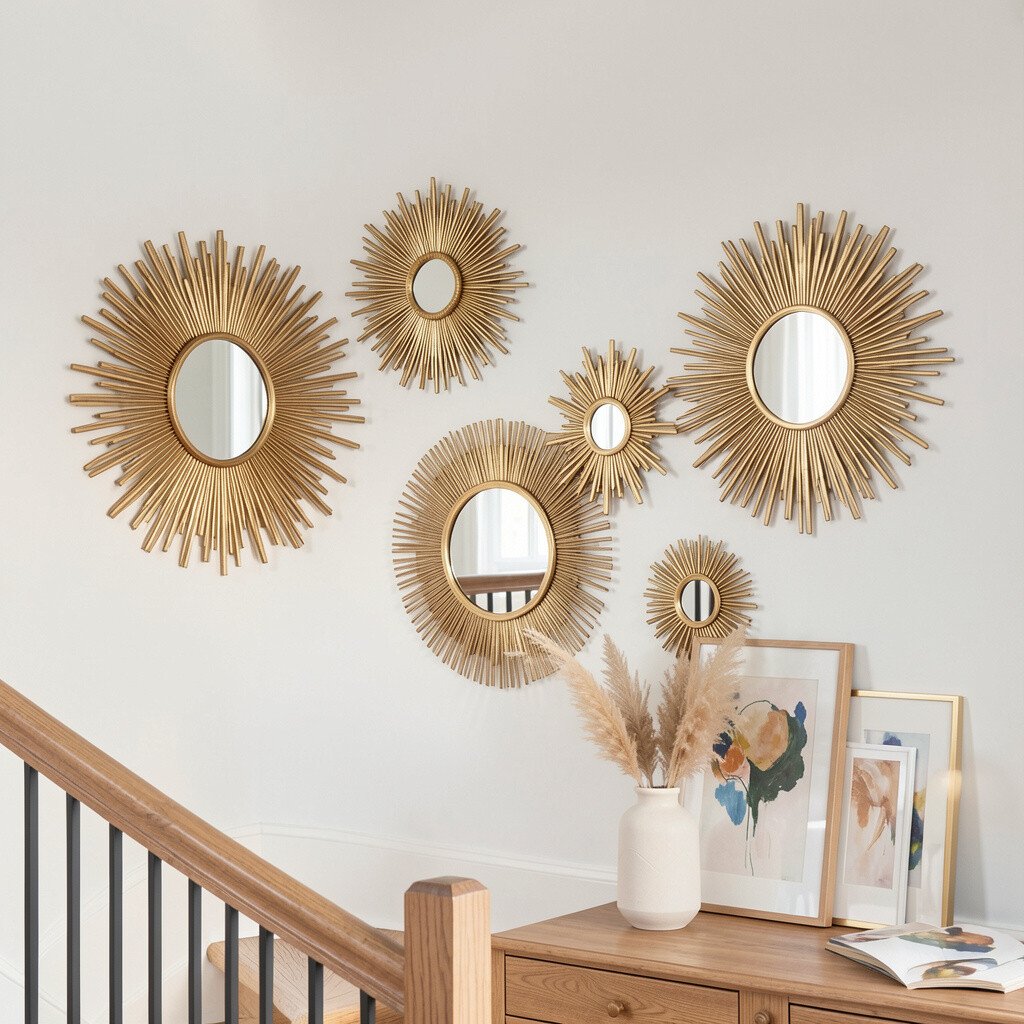
A sunburst mirror is part artwork and part light tool. Picture rays radiating from a round center, catching brightness and bouncing it around the room.
It brightens your second floor by helping light travel farther, especially in corners that feel dim. Pair the mirror with a painting or print so the wall feels balanced, not just reflective.
For cost control, look for smaller versions at home stores, thrift shops, or secondhand sites. You can also personalize the look by choosing a frame color that matches your hardware, like brushed brass or matte black.
7. Framed Family Photos With a Creative Twist
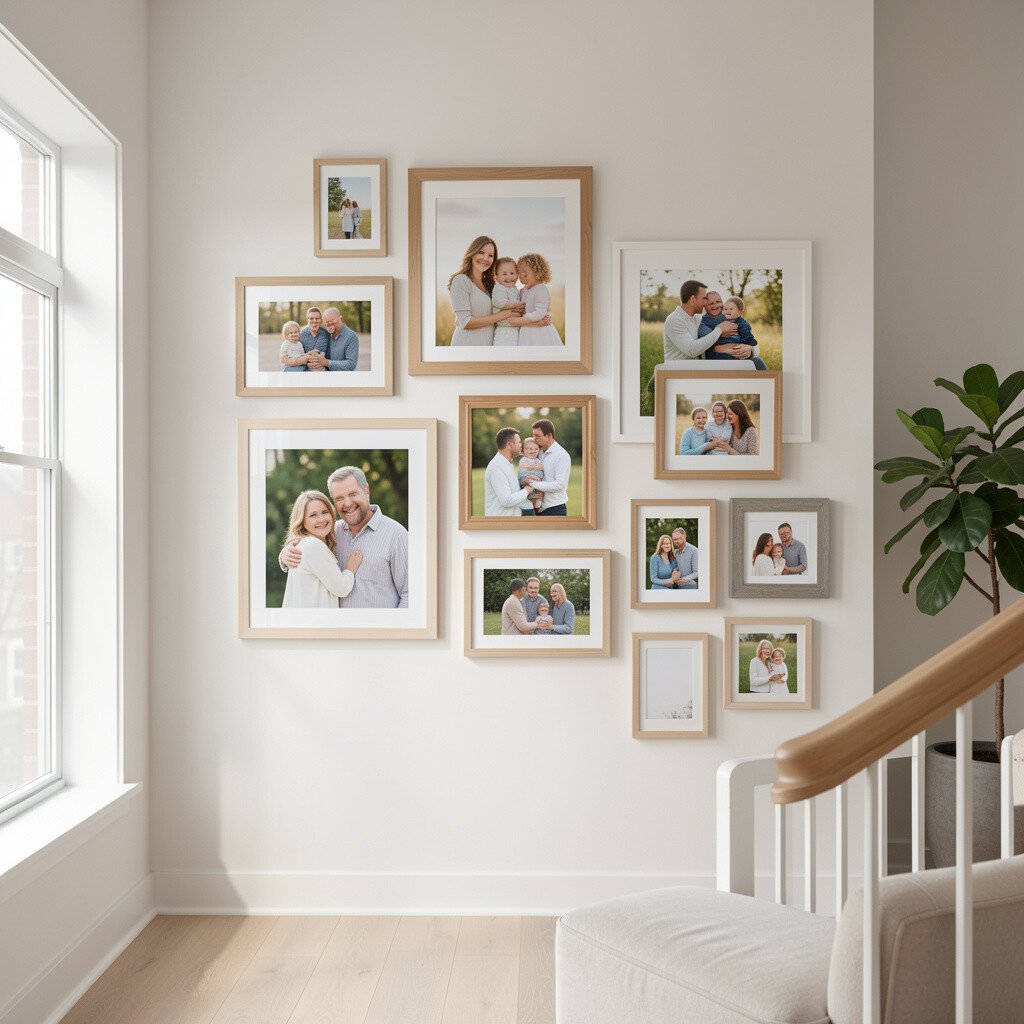
Family photos don’t have to be standard. Try grouping a few favorite portraits with one or two “in-between” images like candid moments, travel snapshots, or silly snapshots from home.
Make it feel more like art by cropping photos into consistent shapes. Use matching frames but vary the mat color for a layered, designer-like look.
To keep the space from looking busy, limit the photo set to a clear story, like one year, one trip, or a shared holiday theme. If you want extra uniqueness, add one frame with a handwritten note tucked behind the glass.
This also helps with personalization because the memories become a daily part of your home, not something stored in a drawer.
8. Watercolor Landscapes for a Calming Landing
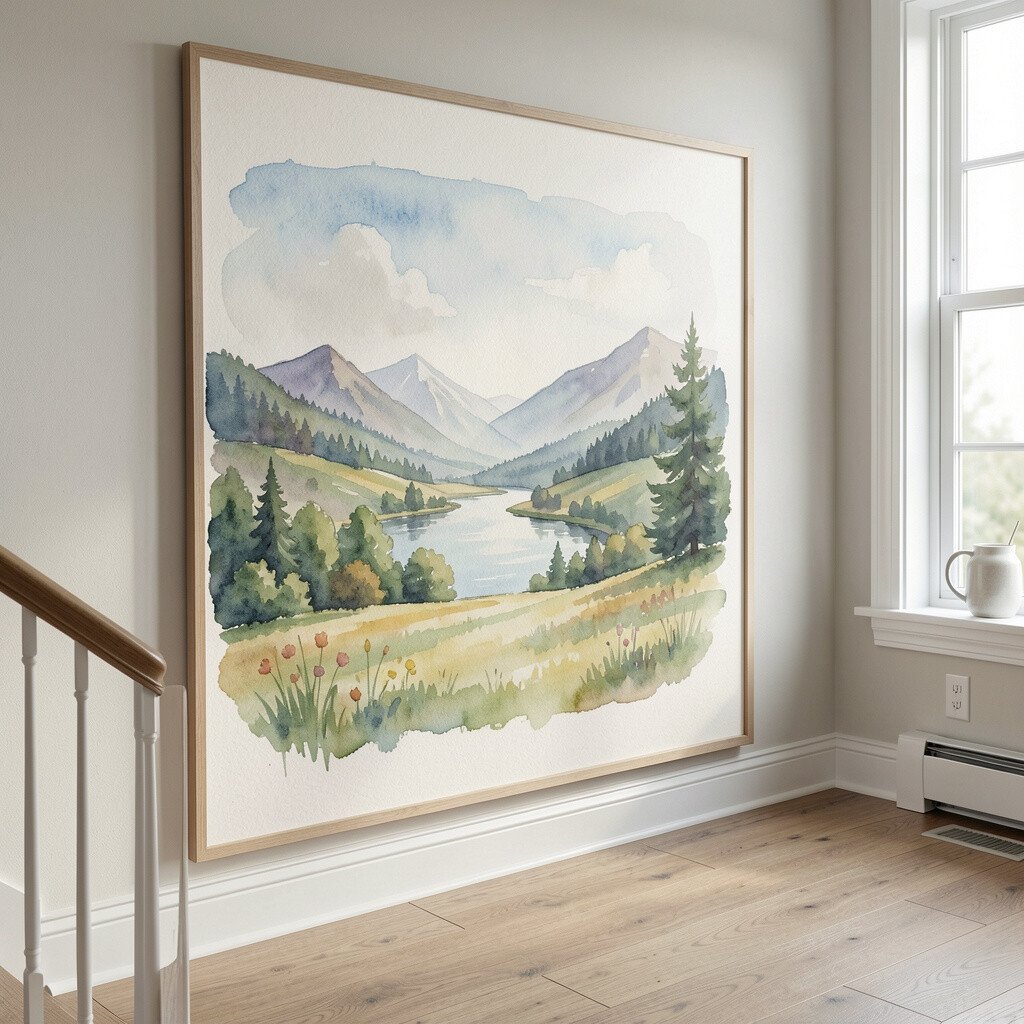
Watercolor landscapes can turn a landing into a peaceful pause. Imagine misty hills, soft skies, and gentle color blending that looks like it’s moving even when it isn’t.
This type of art is a great fit for the second floor because it feels light and airy. Choose pieces with pastel tones like blush, sage, and powder blue so your room stays bright.
For practical hanging, place the art at eye level in a spot where you naturally slow down. If you’re worried about cost, print watercolor-style art at good quality and use a matte frame to make it look more expensive.
Personalize by picking landscapes that remind you of weekends, hikes, or drives you love. Over time, the collection becomes a visual journal of your favorite calm places.
9. 3D Wall Panels or Relief Art for Texture
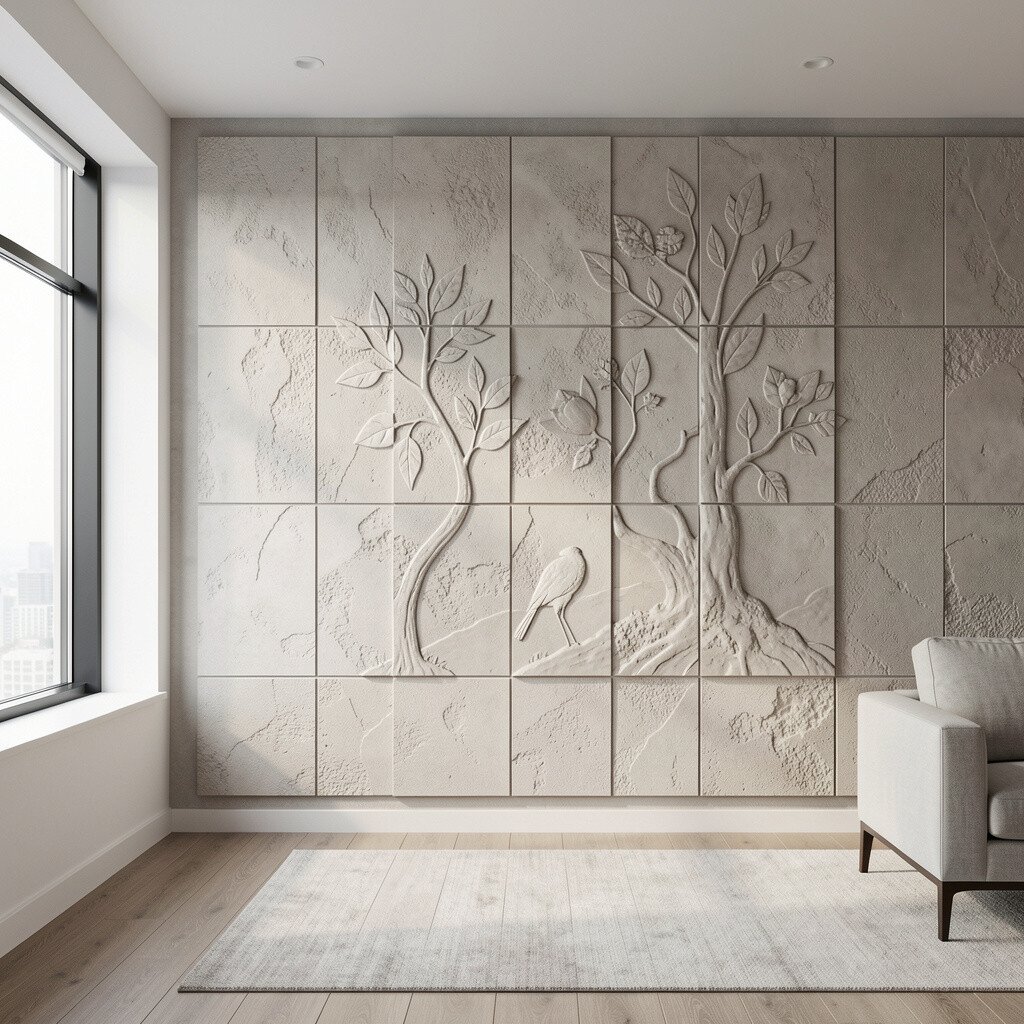
Texture can brighten a room in a surprising way. A simple 3D wall panel, wood relief, or plaster-style artwork creates shadows that shift as the light changes.
That shadow play makes your second floor feel more dynamic, even on cloudy days. It also adds uniqueness because the artwork has depth, not just flat color.
For practical styling, keep the surrounding wall colors neutral so the texture stands out. If you want to avoid installation stress, choose lightweight pieces that hang with strong picture hooks.
Cost varies, so shop based on material. Wood and foam-style options can be easier on the budget, while handcrafted relief art costs more but lasts for years.
Personalize by choosing patterns that match your taste, from subtle waves to geometric lines that feel modern.
10. Color-Blocked Abstracts for a Bold Burst

If your second floor feels plain, abstract art can bring instant energy. Picture color-blocked shapes in sunny yellow, ocean blue, and warm coral, arranged like playful building blocks.
This style is popular right now because it works with many decor types, from modern to eclectic. It also feels unique because abstract pieces let you interpret the shapes your own way.
To make it practical, pick a few colors already in the room, like from your rug, pillows, or lampshade. A single statement piece can do the job, or you can create a set of matching abstracts for a larger wall.
For cost considerations, look for art prints from poster companies, then frame them with thicker matting for a gallery feel. Personalize by choosing colors that match your mood, like calm blues for a quiet study or sunny tones for a family play area.
11. Statement Stairway Runners With Matching Art

Your stairway is like a hallway with drama, so it deserves style. Pair a runner or simple stair decor with artwork on the adjacent walls to guide the eye upward.
Think of a runner with soft patterning and wall art that echoes the same palette, like muted greens and warm neutrals. This makes the second floor feel connected, not random.
For practical tips, keep the artwork sizes proportional to the staircase wall height so nothing feels cramped. If you want personalization, choose motifs that fit your household, like playful doodles for a teen space or elegant line art for a more formal vibe.
Cost can stay manageable if you choose affordable frames and focus on quality prints. Even one or two pieces next to the stairs can change how the whole floor feels when you walk in.
12. Oversized Clocks and Artistic Timepieces
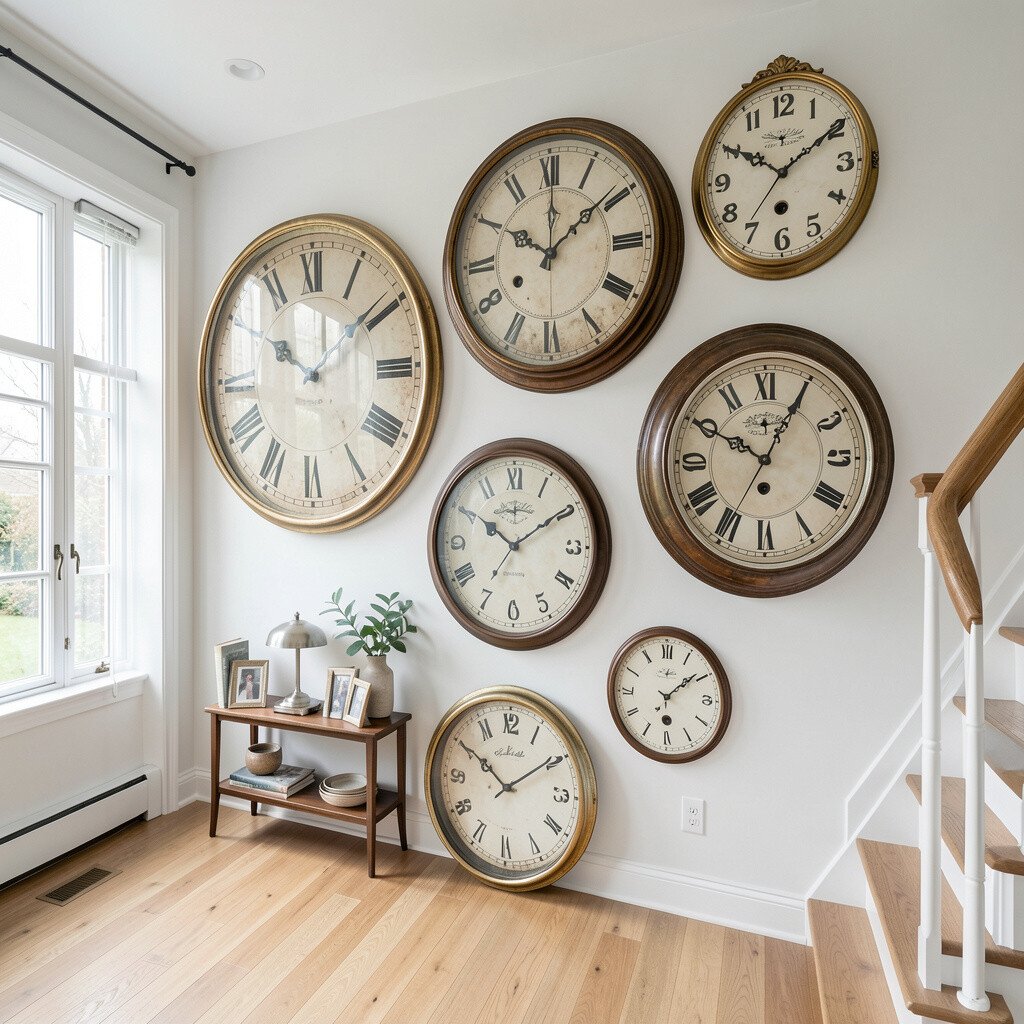
Art doesn’t always have to hang flat on a wall. An oversized clock with a creative design can be the main attraction, like a vintage-inspired piece with a modern shape.
It brings benefits beyond looks because it helps you orient quickly upstairs. When placed near a landing or common area, it also makes the space feel more functional.
For a visual description, imagine swirling hands, bold numerals, or a frame painted in matte black or warm brass. Pair the clock with small framed photos or a minimal print so the wall feels layered but not cluttered.
To manage cost, look for clocks with replaceable batteries and durable glass so you don’t worry about maintenance. Personalize by matching the clock finish to your door hardware, light fixtures, or curtain rods.
13. Seasonal Rotating Art Shelves and Small Works
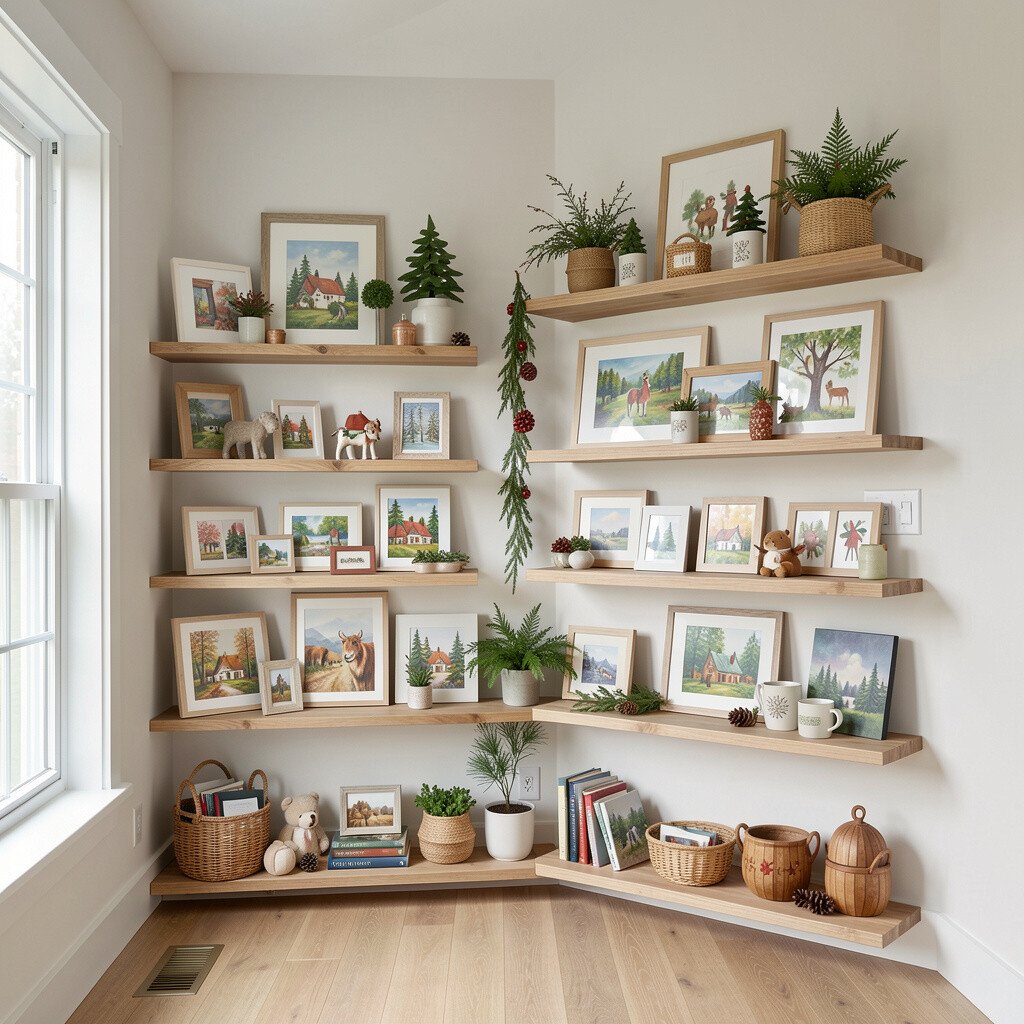
Rotating art keeps your second floor feeling fresh without major changes. Use a narrow wall shelf or picture rail so you can switch small works in and out with the seasons.
This is practical because you can update your space whenever you redecorate, like adding spring colors or cozy winter tones. You’ll also get uniqueness by treating your art like a living collection rather than a one-time purchase.
For visual interest, mix sizes, but keep styles related, such as botanical sketches, abstract mini prints, or small framed sketches. If you want personalization, add a few tiny pieces you’ve made, like scanned drawings from a child or printed photos with handwritten captions.
Cost considerations are easier with small works, since you can start with a few affordable prints and grow slowly. Current trends often favor this kind of flexible gallery wall, because it looks curated and feels personal even as it changes.
When you rotate, take a quick photo of the layout so you can recreate your favorite arrangement later. Over time, that simple system turns the second floor into a space that always feels new.