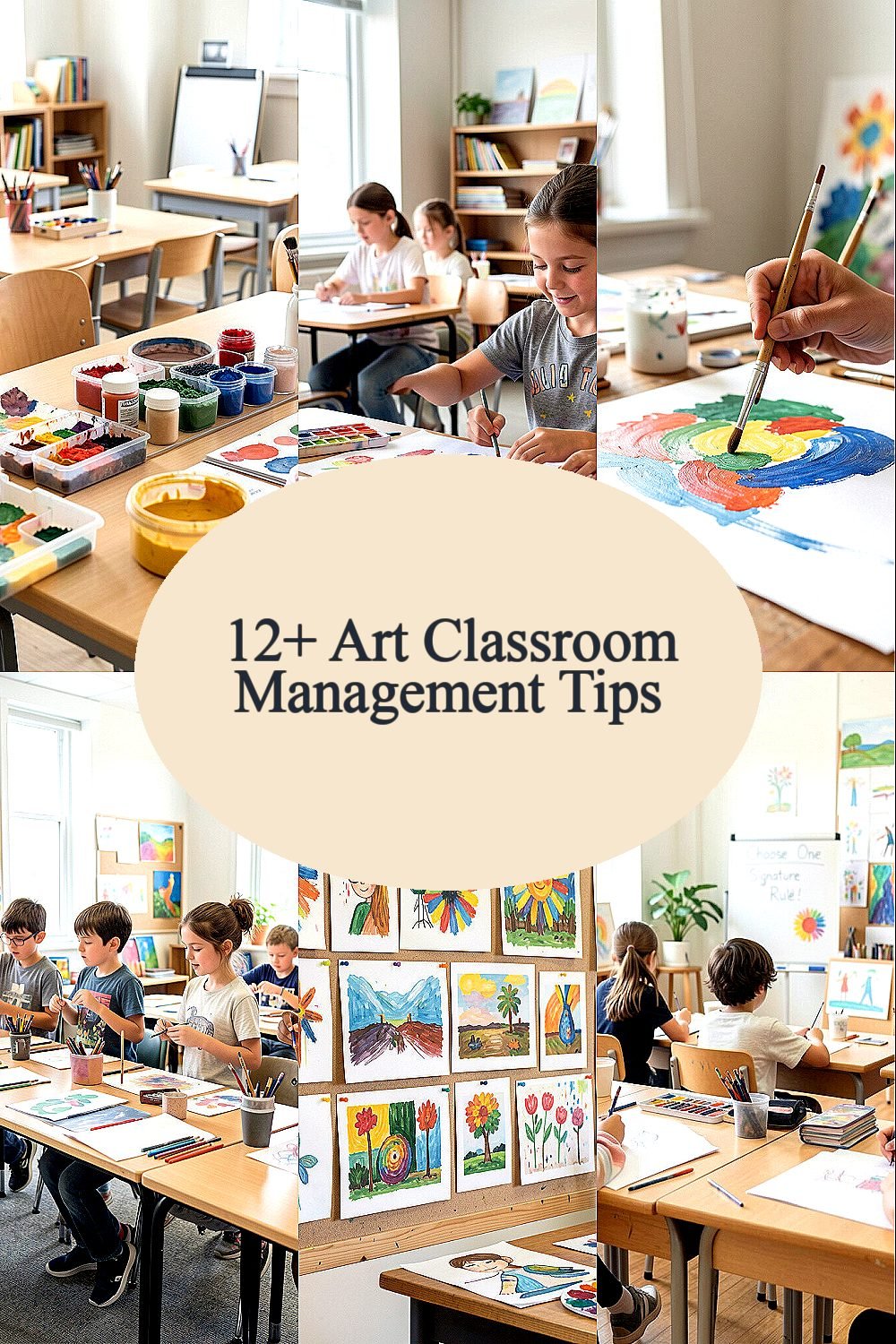
Art rooms can feel lively in the best ways, but chaos can pop up fast. With a few simple habits, you can keep students busy, safe, and proud of their work.
When routines are clear and materials are handled smoothly, creativity has room to breathe. The result is a classroom that feels calm, focused, and fun every day.
1. Set Up a Visual “Flow” for Materials
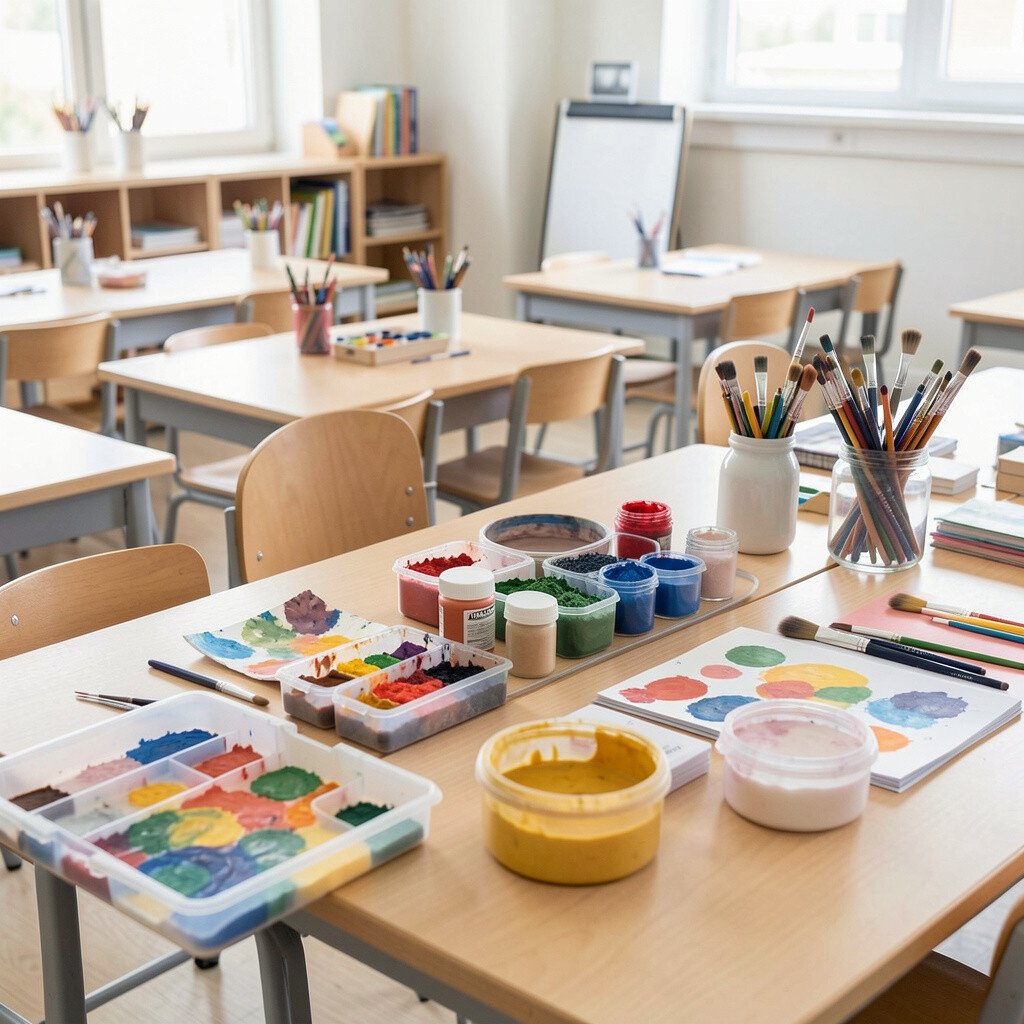
Arrange your art supplies so students can see what goes where at a glance. When they know the path from open to work to clean-up, transitions get faster and calmer.
Use matching bins for paper, pencils, paints, brushes, and tools, and label them with simple pictures students can recognize. Place the clean items on a “get it” side and the used items on a “return it” side to reduce walking around. You will notice fewer interruptions, because students spend less time asking and more time creating.
2. Teach Cleanup Like a Quick Game
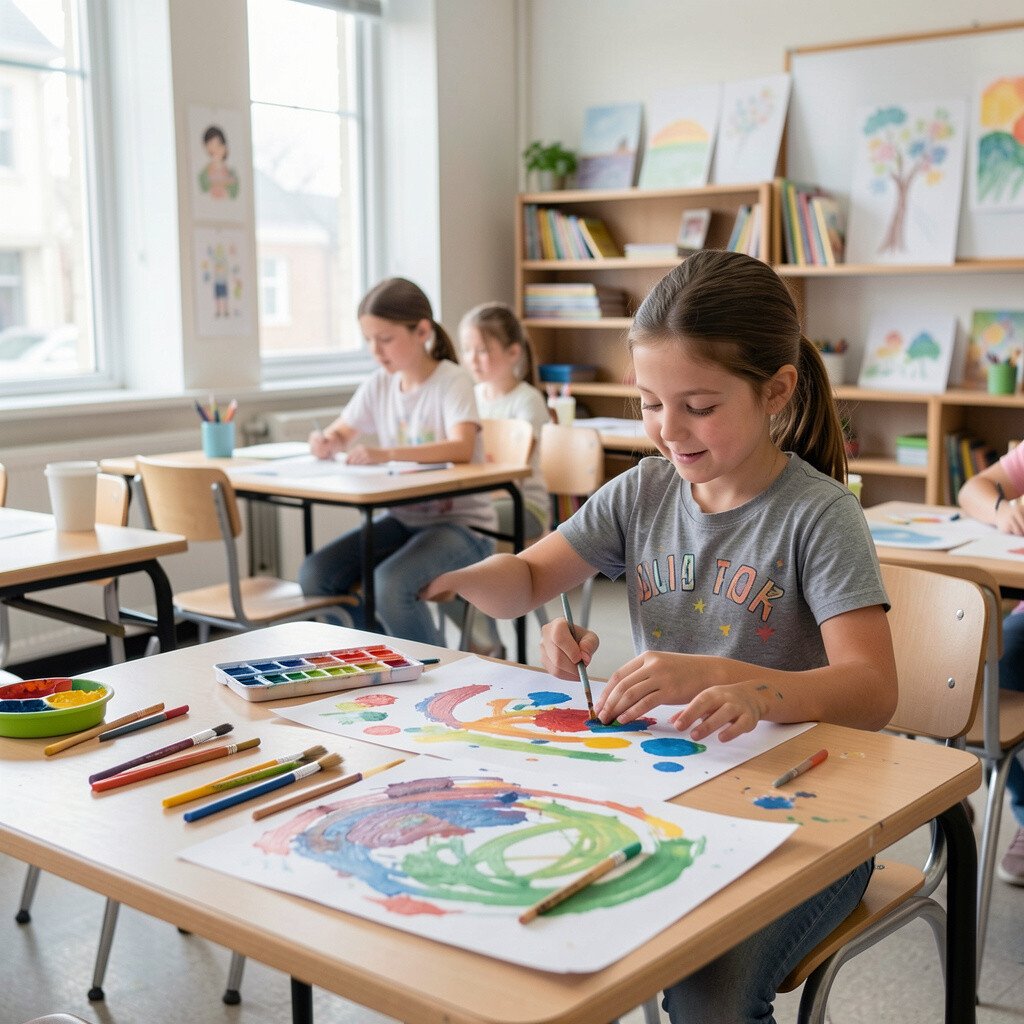
Cleanup does not need to be a long, stressful ending. If you make it routine, students will start helping without feeling rushed.
Try a short cleanup rhythm where you name what to do while students follow along, like putting caps back on markers and stacking paper neatly. Use a timer for each step so tasks feel like small wins, and end by checking workspaces from the doorway for a fast scan.
After a few weeks, students will remember the sequence even during busy lessons, and your time stays protected. You can also personalize this by letting student helpers choose the “sound signal,” like a drum beat for the final reset.
3. Start with Micro-Directions, Then Hand Off
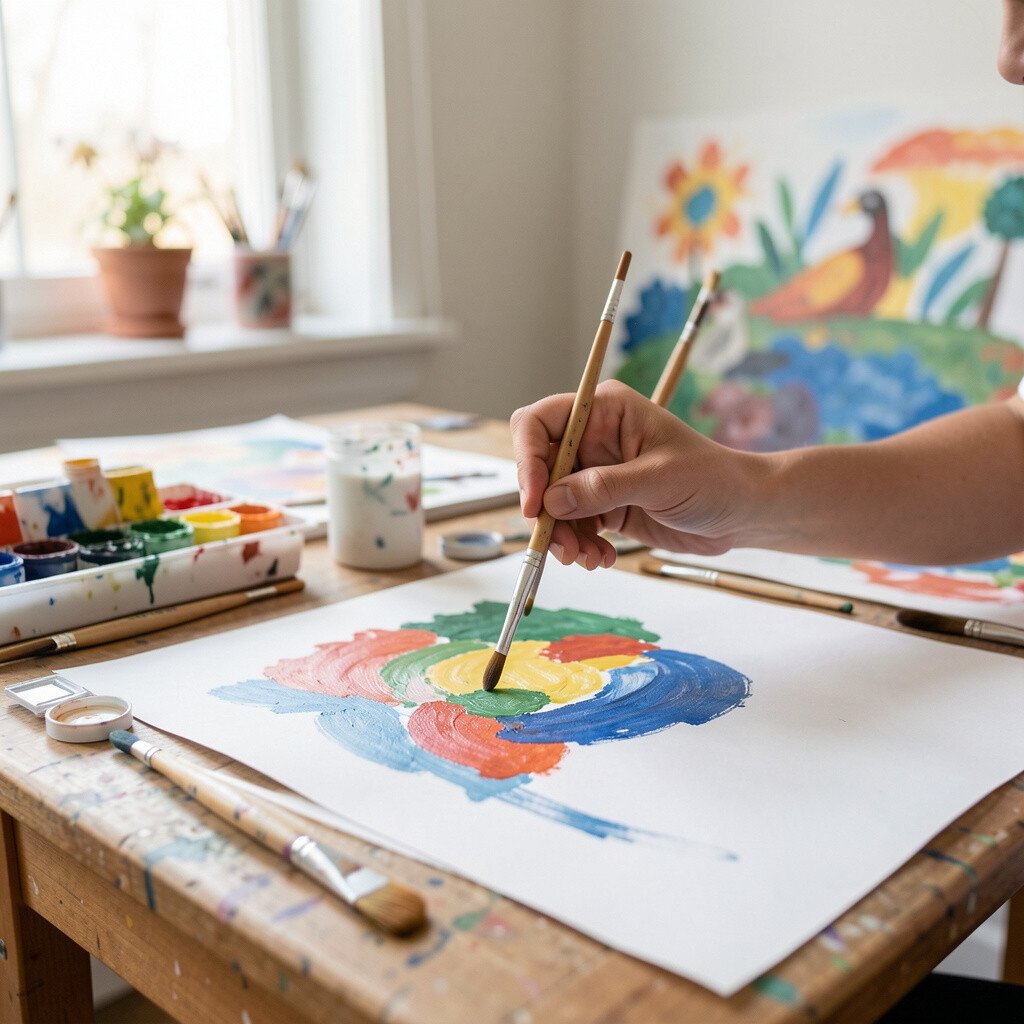
Instead of giving one long explanation, give short directions that match what they will do next. Your voice stays steady, and students know exactly what to begin.
After the first step, pause and let them start while you circulate. Once everyone has begun, give the second step, such as where to place brush water or how to test a color before painting bigger areas.
This keeps attention from fading and prevents the “wait, what do we do?” moment that often leads to off-task behavior. It also supports personalization, because students can ask for help right when they get stuck rather than after confusion grows.
To manage costs, keep directions consistent across units so you do not need new materials every time. Current classroom trends favor repeatable routines, because predictable setups reduce wasted supplies.
4. Use Stations Built for Movement and Choice
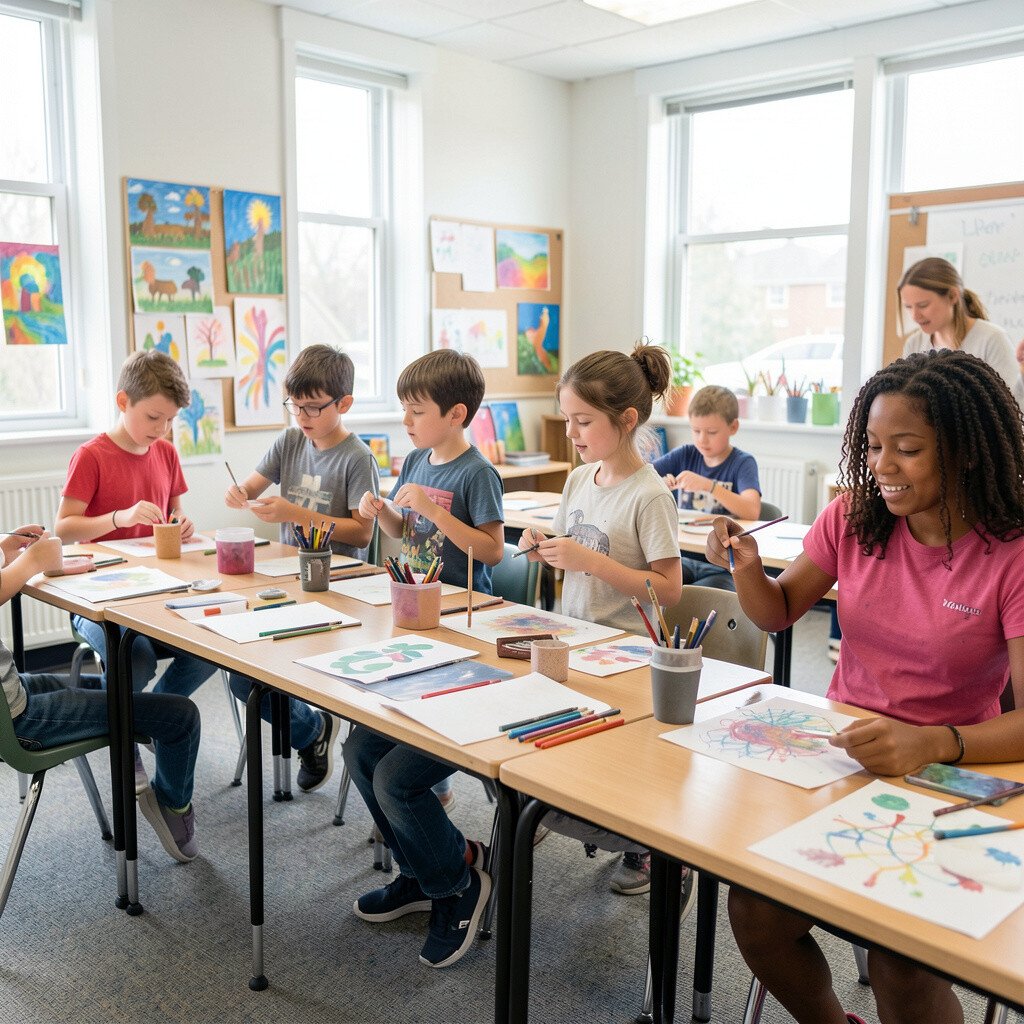
Even calm classes sometimes need a little movement, especially in art. Stations give students purposeful variety while you guide smaller groups.
Create two to four stations like drawing, color mixing, collage, and finishing details, and rotate on a clear schedule. Students stay engaged because they always know what comes next, and you can spend your energy helping where it matters most.
5. Make a “Common Mistakes” Display

When students see mistakes as normal, they take more creative risks. A simple display of past work can show how ideas grow over time.
Hang a rotating photo set or student sketches that demonstrate typical fixes, like how to lighten dark paint, soften messy lines, or crop a composition for better balance. This visual reminder supports uniqueness, because students learn that there is more than one way to improve.
It also helps classroom management, because you reduce repeated explanations. You can even tailor the display to your class culture by using student-written sticky notes that say what they tried and why it worked.
6. Choose One “Signature Rule” Students Can Remember

Pick a single rule that matches your classroom style and repeat it in friendly language. One clear focus beats a list of rules students cannot hold in their heads.
For example, you might center everything around using tools safely and returning them gently. When students follow the rule, the room feels respectful, and materials last longer for future lessons.
To keep it current, many teachers now use short, positive statements instead of strict wording. This shift improves morale and makes behavior easier to manage without fear.
7. Make Expectations Clear with a “Before You Start” Check
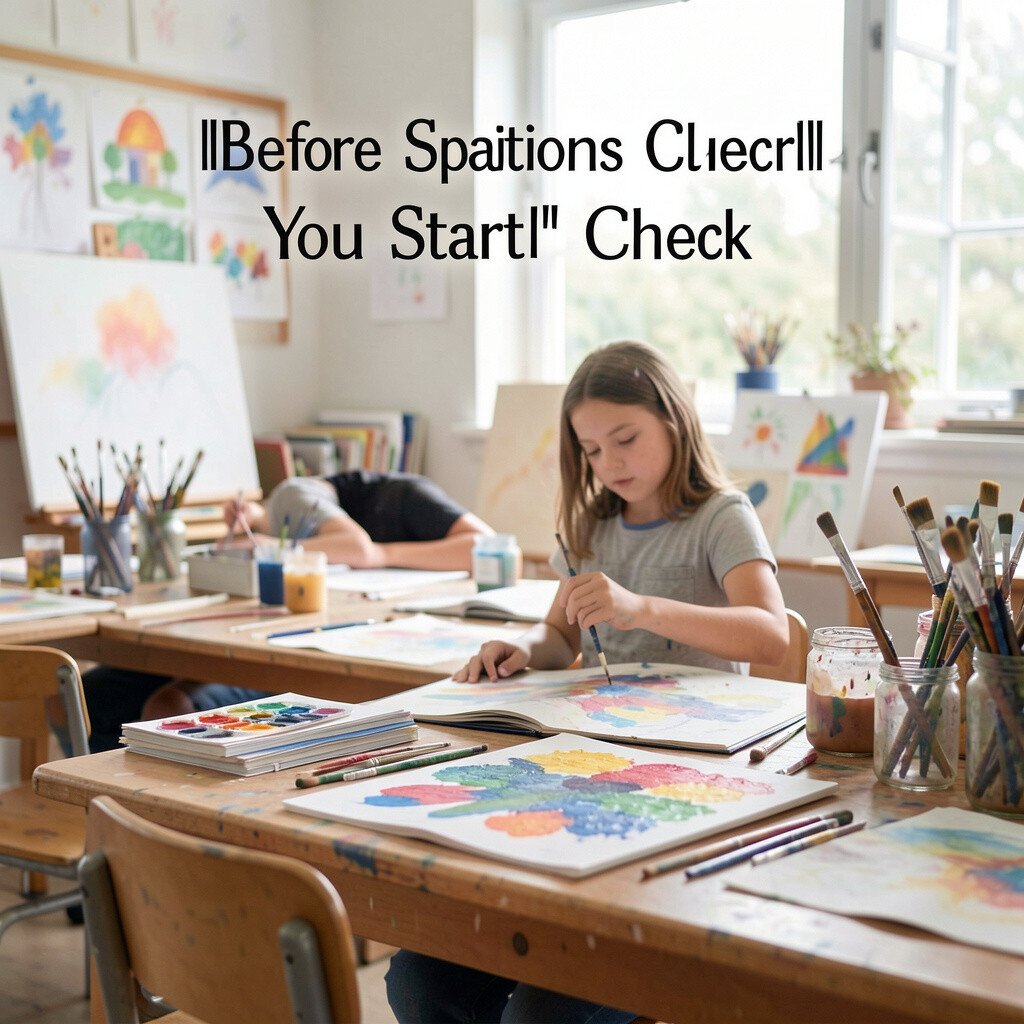
Before painting or gluing begins, take one quick moment to check readiness. Students learn faster when they know what a good start looks like.
Ask them to hold up their materials, show their sketch plan, and point to the place where they will work. If anything is missing, you address it immediately so they do not waste paint later.
8. Plan for Noise with Calm Voice Techniques
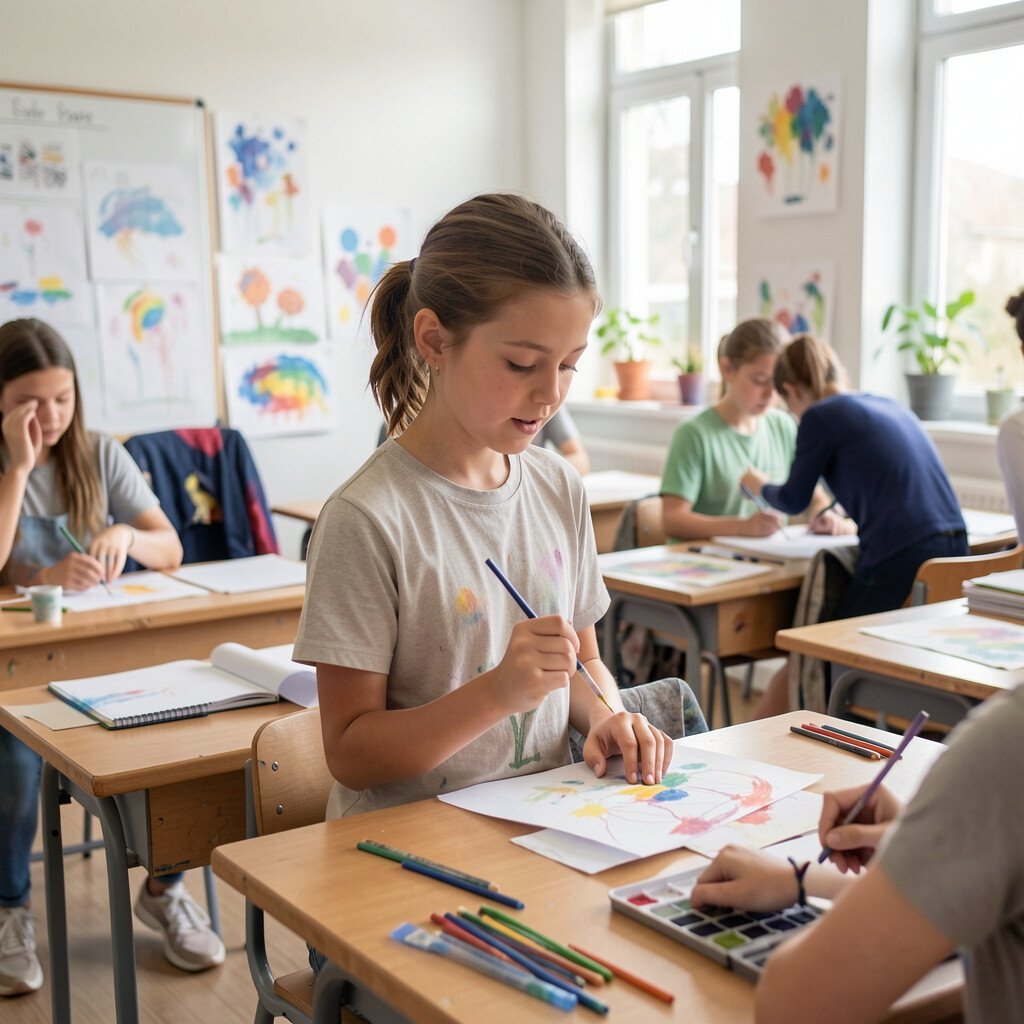
Art rooms can get loud, especially during group work. Instead of battling noise, guide it with calm, consistent methods.
Use a quiet signal that students practice, such as raising a hand and waiting for silence, or using a short call-and-response phrase. Pair that signal with clear timing, like “Listen for the next step after the music ends,” so students feel guided rather than scolded.
This strategy helps students regulate themselves, which is one of the biggest wins for classroom management. It also benefits inclusion, since learners who struggle with attention can track the pattern more easily.
9. Keep Supplies at the Right Height and in the Right Quantity
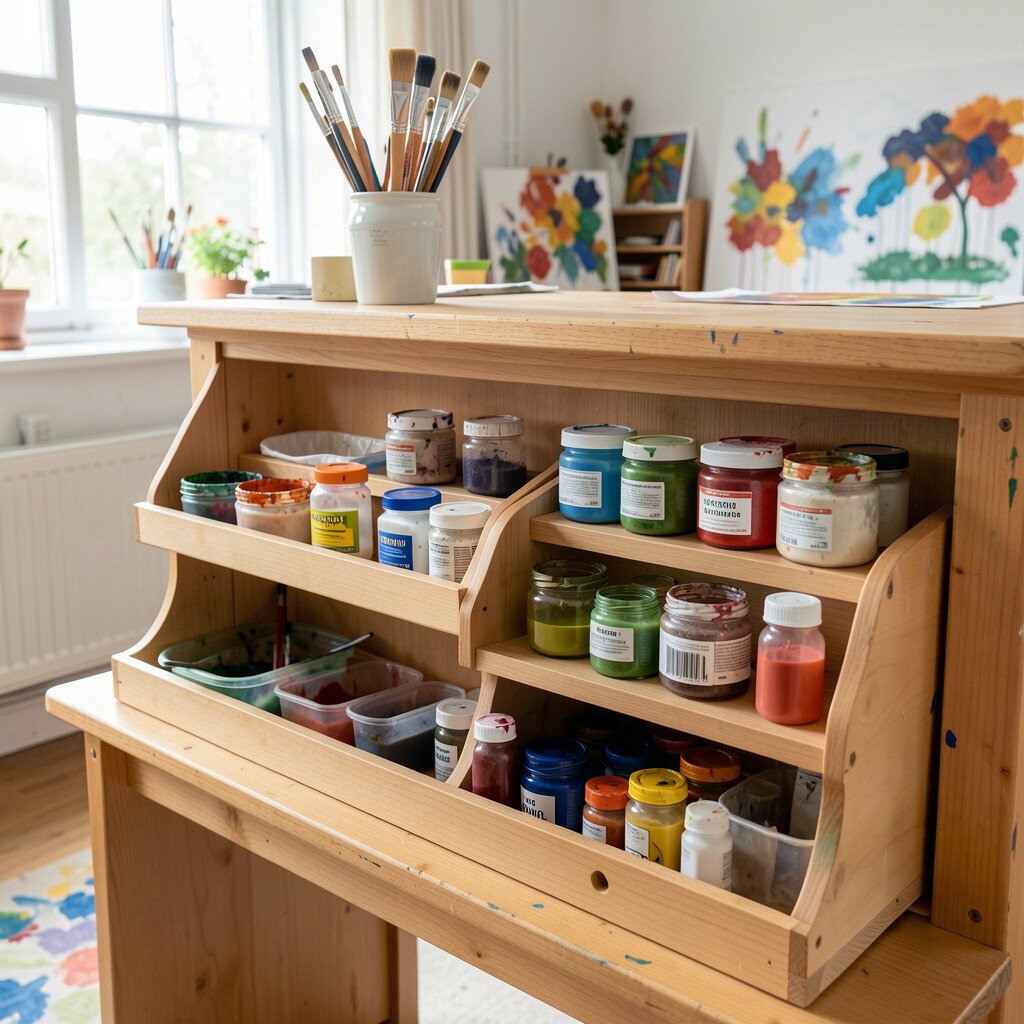
When supplies are too high or scattered, students scramble and lose time. A well-sized setup prevents that frantic energy.
Store shared tools where students can reach them, and measure out materials in amounts that match the lesson. For example, pre-portion paint in small trays so students do not dump and waste, and keep glue bottles capped and ready at each station.
These practical choices lower costs because you control what gets used and how often. They also support personalization, because students can choose from a limited set of colors that still feels exciting.
Many art classrooms are moving toward “just enough” preparation, since it reduces both waste and cleanup overload. You will also find it easier to support new students when the system is simple and consistent.
10. Rotate Roles So Everyone Helps
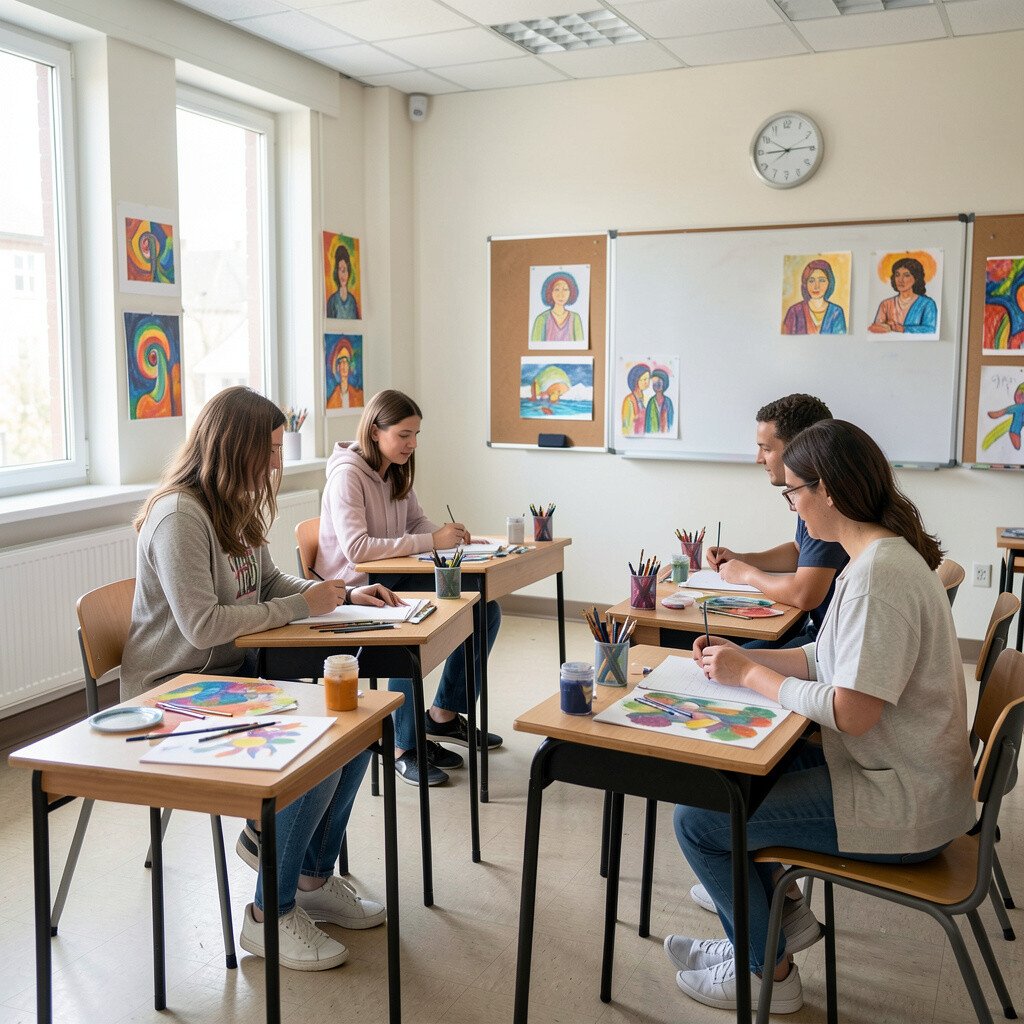
Give students jobs that feel important and specific, like material manager, brush washer, or gallery curator. When roles are shared, behavior improves because everyone has a place to contribute.
Rotate roles often so leadership does not get stuck with the same people. You can also include a student who documents steps with a phone camera for class slides, which turns the process into something they can show off.
This approach builds responsibility and reduces “teacher only” tasks. It also creates uniqueness, because students reflect on how the art room runs, not just what they make.
11. Use Simple Reference Images Students Can Touch
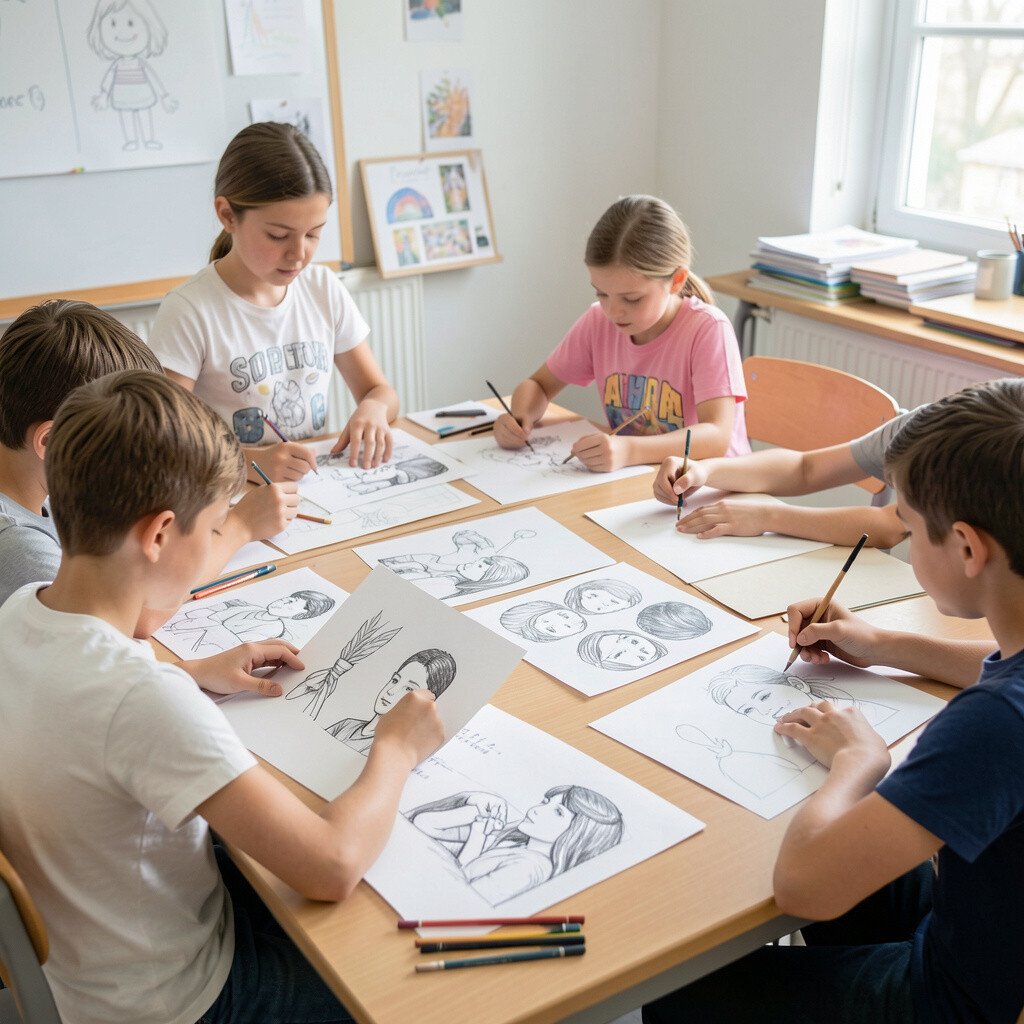
Reference helps students stay focused, and it can prevent wandering. When they have something real to look at, their hands move with purpose.
Use printouts, photocopied shapes, or laminates of texture examples that students can hold while they draw. If you are working on portraits, provide simplified face grids or highlight examples, and encourage students to copy only parts they need before making their own choices.
These materials boost benefits like better proportions and stronger details. You also save money, because you can reuse reference sheets for many units.
12. Offer Choice Within Clear Boundaries
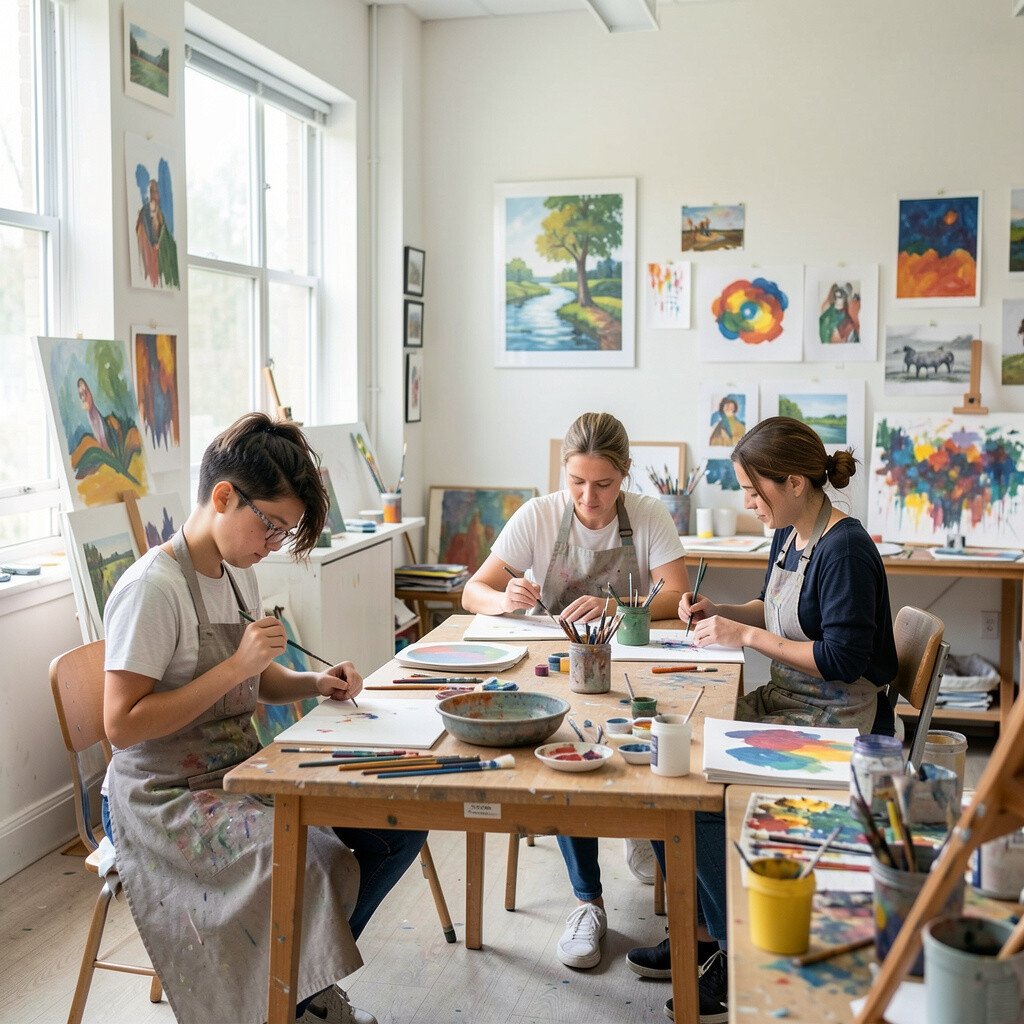
Choice makes students feel ownership, but boundaries protect the lesson flow. When you offer limited options, students stay engaged without turning it into chaos.
Let students pick from a small set of backgrounds, two or three color palettes, or different paper textures, while keeping the main goal the same. You can also give choice in sequencing, like whether to start with sketching or with collage pieces, as long as they follow your timeline.
This supports uniqueness because each student can make the work feel like their own. It also helps classroom management, since everyone still works toward the same expectations and cleanup stays easier.
13. Reflect with a Quick “Gallery Walk” Every Week
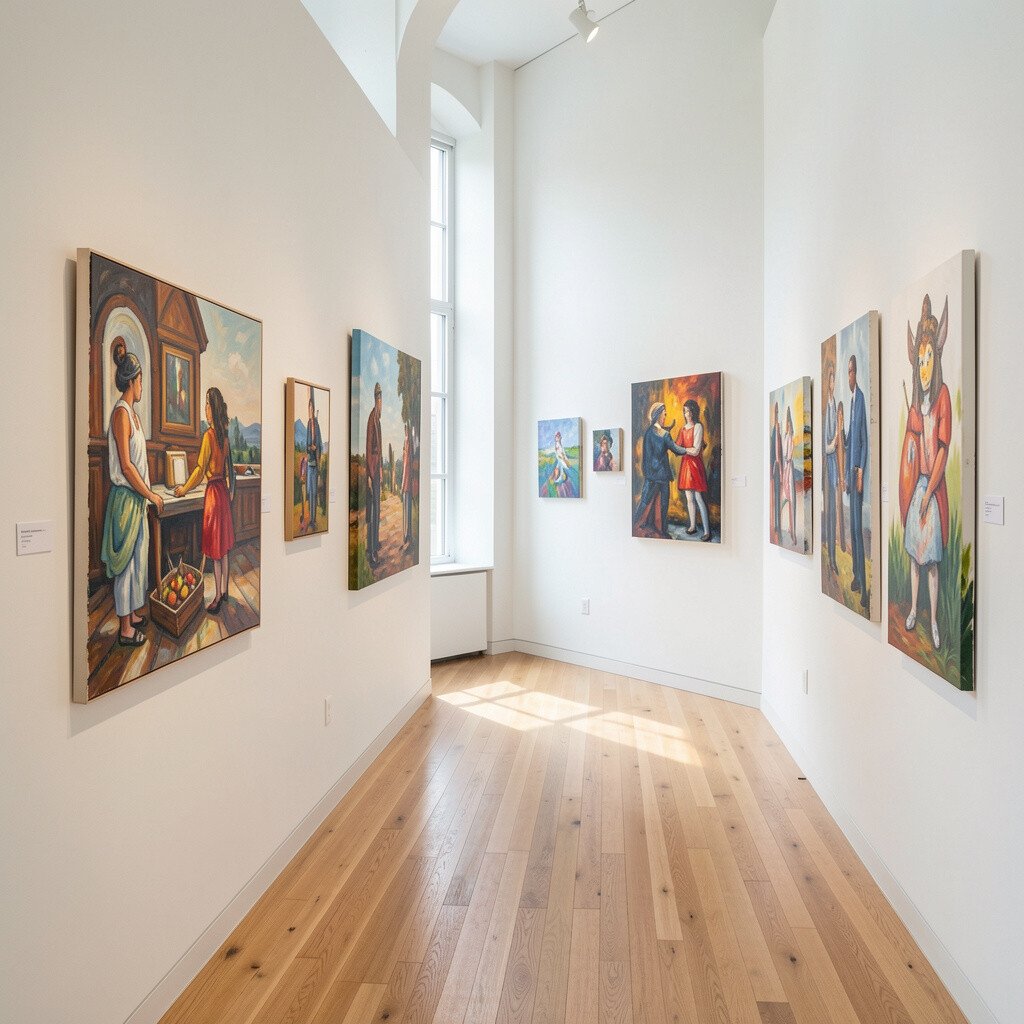
Spend a few minutes each week doing a gallery walk so students learn from each other. Seeing art up close reminds them that effort matters and helps them handle materials more carefully.
Choose a simple focus, like neat edges, strong color choices, or thoughtful texture, and ask students to look for one thing they like and one thing they might try next time. Keep it gentle and kind so it feels like encouragement rather than judgment.
This reflection improves classroom culture, which reduces off-task behavior over time. It also keeps your lessons aligned with current trends, since many educators now value student voice and peer learning as part of classroom management.
To personalize, let students create the gallery signs with short drawings or icons that match your class routines. You can manage costs by printing small labels and reusing them across projects.