The best care happens when a team feels steady, heard, and connected. Simple activities can turn “we work together” into real trust on shift.
Below are practical, nursing-friendly ideas that fit busy schedules and real unit life. Each one adds a clear teamwork boost without turning your day into a long project.
1. Micro-Shift Goals Huddle

Start with a short huddle at handoff, where the team agrees on one tiny team goal for the next shift. You will feel the room settle when everyone knows what “good” looks like.
Pick a goal that matches your unit, like closing gaps in rounding or keeping family updates consistent. Visually, you can picture a shared board with a few tidy sticky notes, each one written in plain language. Rotate who leads the huddle so it feels fair and fresh, and keep it realistic so no one has to rush to catch up.
2. Bedside Buddy Check-Ins

Pair up nurses for a quick bedside buddy check during a calm moment. The vibe becomes warmer when you see two staff members standing together, checking one another’s flow.
Use short prompts like confirming priorities, reviewing the plan for pain, and making sure meds timing stays on track. This builds benefits fast, because it supports safe handoffs and reduces last-minute surprises. Keep it personalized by choosing prompts that match your patient population, such as wound care or post-op needs.
For cost considerations, this activity is basically free since it uses existing supplies. A current trend in many hospitals is “small team huddles” that happen near care, not just in meetings, and this fits that style well.
3. Simulation Story Swap
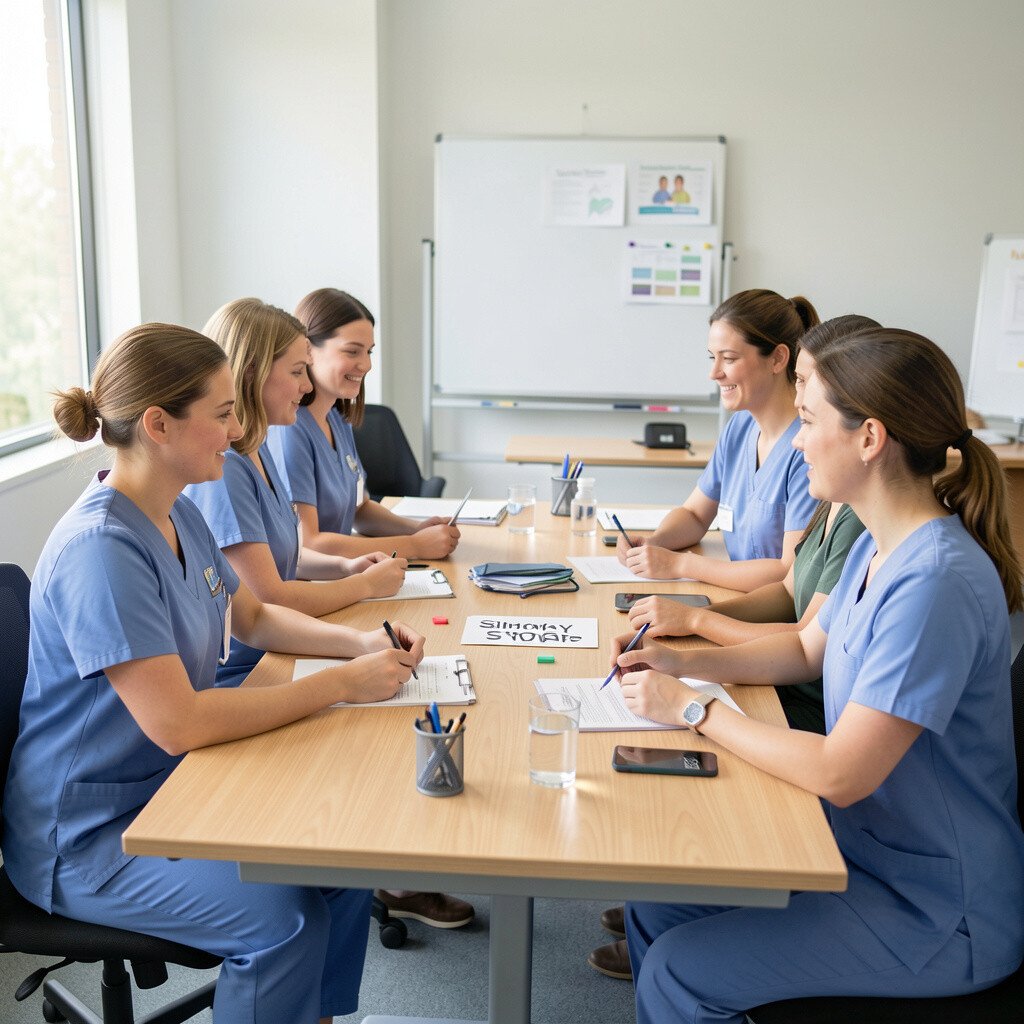
After a real or training scenario, ask each person to share one moment they felt uncertain and one moment they felt confident. The room feels open when you hear honest stories, not rehearsed lines.
Choose a simple visual format by using index cards with key moments, then place them in a shared pile to build a timeline. The benefits show up as faster decision-making, because people compare approaches and catch blind spots early. Make it unique by letting each nurse pick a theme, like teamwork during emergencies or communication with families.
To keep it practical, limit shares to short segments and use a timer so it stays respectful of time. Personalization ideas include matching themes to your most frequent unit challenges, like sepsis protocols or discharge teaching.
For cost, you only need paper and pens, and you can reuse the cards for months. Many teams now include storytelling in training because it supports psychological safety, and that helps learning stick during busy weeks.
4. Role-Cloud Communication Game

Write common roles on cards, such as charge nurse, bedside nurse, respiratory support, and pharmacy liaison. Then place the cards in a “cloud” on a table so people can rearrange them quickly.
Have the team build one patient pathway together and decide who communicates what and when. This creates benefits by clarifying handoff expectations and reducing confusion between disciplines. It is unique because it turns abstract teamwork into a visible map that you can hold and move.
5. Strengths Around the Unit Walk

Take a short unit walk and ask staff to spot one moment of good teamwork they personally experienced. You will notice how the hall looks different when you focus on helpful actions, not just tasks.
Have each person note a small strength, such as calm leadership, quick escalation, or gentle patient education. This builds benefits by encouraging appreciation, and appreciation makes people more willing to coordinate during stressful times. Personalization can happen when you connect strengths to your own role, like how a nurse documents to support the next caregiver.
Keep cost low by using phone notes or a shared clipboard, which almost everyone already has. A current trend is moving from blame to recognition, and this activity gives recognition a simple, repeatable place to live.
6. Team Timeline for One Patient Journey

Choose one common patient type, like a hip fracture or asthma flare, and create a team timeline together. Spread printed care steps on a table so the process looks neat and organized.
Then let the group place steps in order and discuss what information should move with the patient. This gives clear benefits by improving consistency across shifts and roles. It is unique because you are using a real patient pathway, not a generic teamwork script.
7. The Kindness Competency Relay

Set up stations where teams practice specific supportive behaviors, like introducing yourself, confirming understanding, or checking on comfort. Picture a line of friendly stations with clear prompts and short role plays.
Each station should last only a few minutes, so everyone gets a chance to practice. The benefits include stronger patient communication and smoother teamwork under pressure. Personalize by tailoring stations to your unit’s typical interactions, such as dementia-friendly communication or family coaching after procedures.
8. Conflict-to-Plan Micro Workshop

Bring one anonymized example of a teamwork hiccup and ask the group to rewrite it into a plan. The visual can be as simple as a two-column sheet labeled with “what happened” and “what we will do next.”
Keep the tone supportive, focusing on process instead of blame, so people feel safe. This activity builds benefits by improving how you handle misunderstandings during high stress moments. It is unique because it turns tough experiences into a shared playbook you can actually use.
9. Equipment Sharing Rhythm

Pick a shared resource that often causes delays, like a pump, scanner, or mobility aid. Then have the team design a simple rhythm for requesting, returning, and documenting.
Watch how the room changes when staff create a “who checks first” flow, displayed on a small board near the equipment area. This gives benefits by reducing downtime and preventing small frustrations from piling up. It is personalized when you adjust the rhythm to match your unit layout and staffing patterns.
For cost considerations, you can use existing supplies and add only a few labels or a checklist card. Many teams now track workflow bottlenecks like equipment access, and this helps you target one of the easiest ones to fix.
10. Communication Hand Signals at Handoff

Practice a set of quick, nonverbal signals for handoff situations, like “call back,” “need supplies,” or “urgent change.” When people stand close and see the same gestures used the same way, communication becomes more reliable.
Pair the signals with one spoken sentence every time so the message stays clear. The benefits are stronger coordination, fewer misunderstandings, and calmer transitions when the unit is loud. Make it unique by involving different roles in practice, including charge nurse support and unit clerks where appropriate.
11. Patient Voice Roleplay Circles
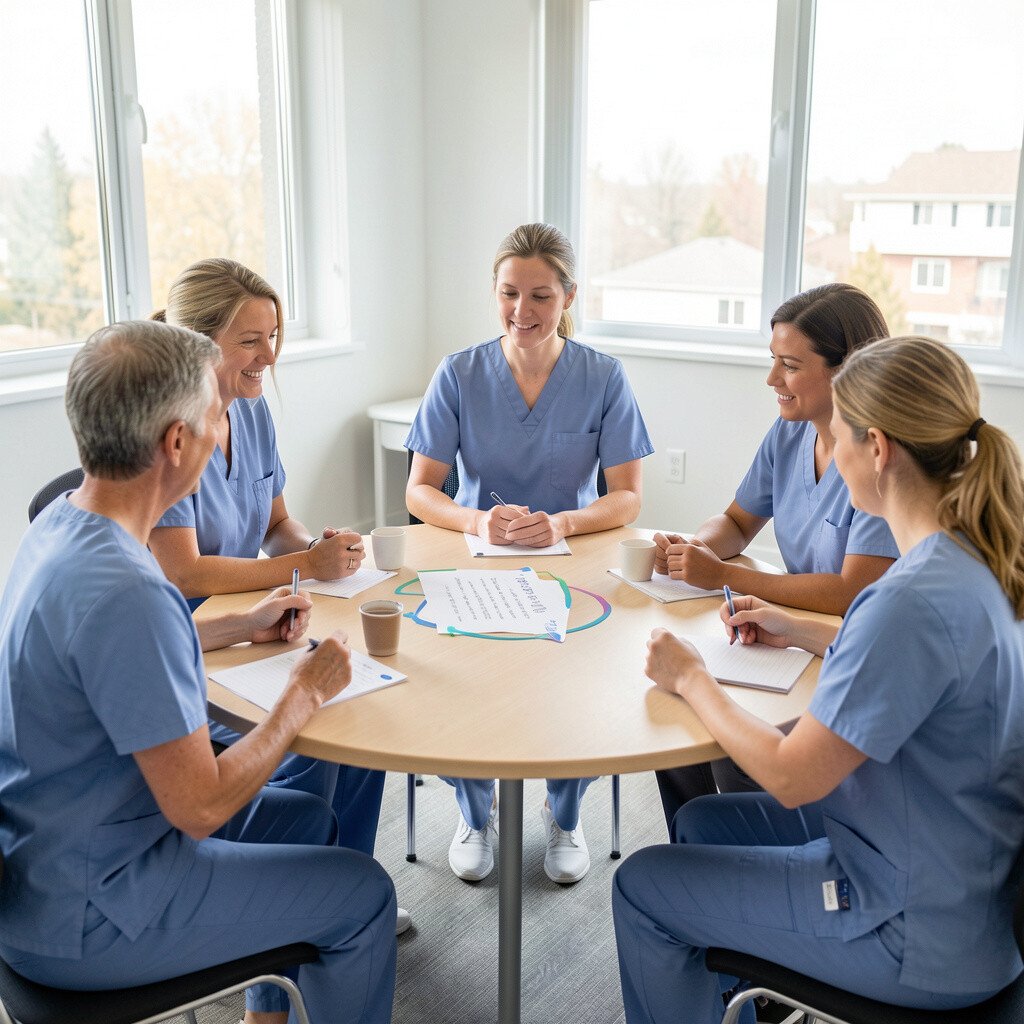
Form small circles and assign someone the role of patient, family member, or caregiver. You will notice the visual shift as nurses soften their tone and slow their wording for the role.
Give the nurse role a simple goal, like explaining a plan for tests or answering a comfort question. This builds benefits by improving empathy, which supports better cooperation from families. Personalize the scenarios by choosing topics your unit hears often, like pain relief expectations or discharge instructions.
Keep costs minimal by using plain index cards for scenario prompts. A current trend is making patient-centered care skills a routine part of team development, not just part of formal training.
12. Shift Swap Shadowing Day

Arrange a short shadowing day where one nurse from each shift pairs up to observe teamwork habits. The visual is calm and curious as people watch how another team moves from task to task.
Afterward, gather to share one thing they would keep and one thing they would change. The benefits include faster alignment across shifts and fewer repeating problems each day. It is unique because it uses real observation instead of theory.
13. Shared Language for Documentation

Create a shared mini glossary of common phrases and clarify what each phrase means on your unit. You can show this visually on one page that stays near the documentation area.
Work together to agree on the tone and detail level you want, so the next nurse can find key information easily. This builds benefits by reducing missed details and supporting smoother continuity of care. Personalization works when you adjust wording for your patient needs, like clear wound descriptions or mobility levels.
Cost considerations are small because you can print one page and update it as needed. Many hospitals are strengthening documentation culture now because it helps with safety, audits, and clearer communication across disciplines.
14. Team Problem-Solving Escape Route

Pick a realistic scenario, such as a sudden staffing gap or delayed imaging availability, and ask the team to plan next steps. Use a “route” map on paper so the plan looks like choices branching out.
Assign roles so everyone contributes, including someone focused on communication, someone on documentation, and someone on patient comfort. The benefits are clear because the group learns to coordinate quickly instead of working in isolation. It is unique because the planning feels like a game, yet the final plan stays practical for real emergencies.
15. Gratitude Notes for Handoff Helpers

Encourage nurses to write short gratitude notes to each other for specific help during handoffs. You will see a difference in the unit when notes appear quietly in a shared place, like a small basket on a desk.
Ask for details, such as “thanks for calling me early” or “thanks for clarifying the medication timing.” This gives benefits by strengthening trust and making people feel seen for good teamwork. Personalization can include writing notes based on each person’s style, like one-line reminders for doc culture or gentle support for anxious patients.
Cost is near zero since paper and pens are enough. A current trend is using micro-recognition so it happens often, not only during annual events.
16. Huddle Theater for Tough Conversations
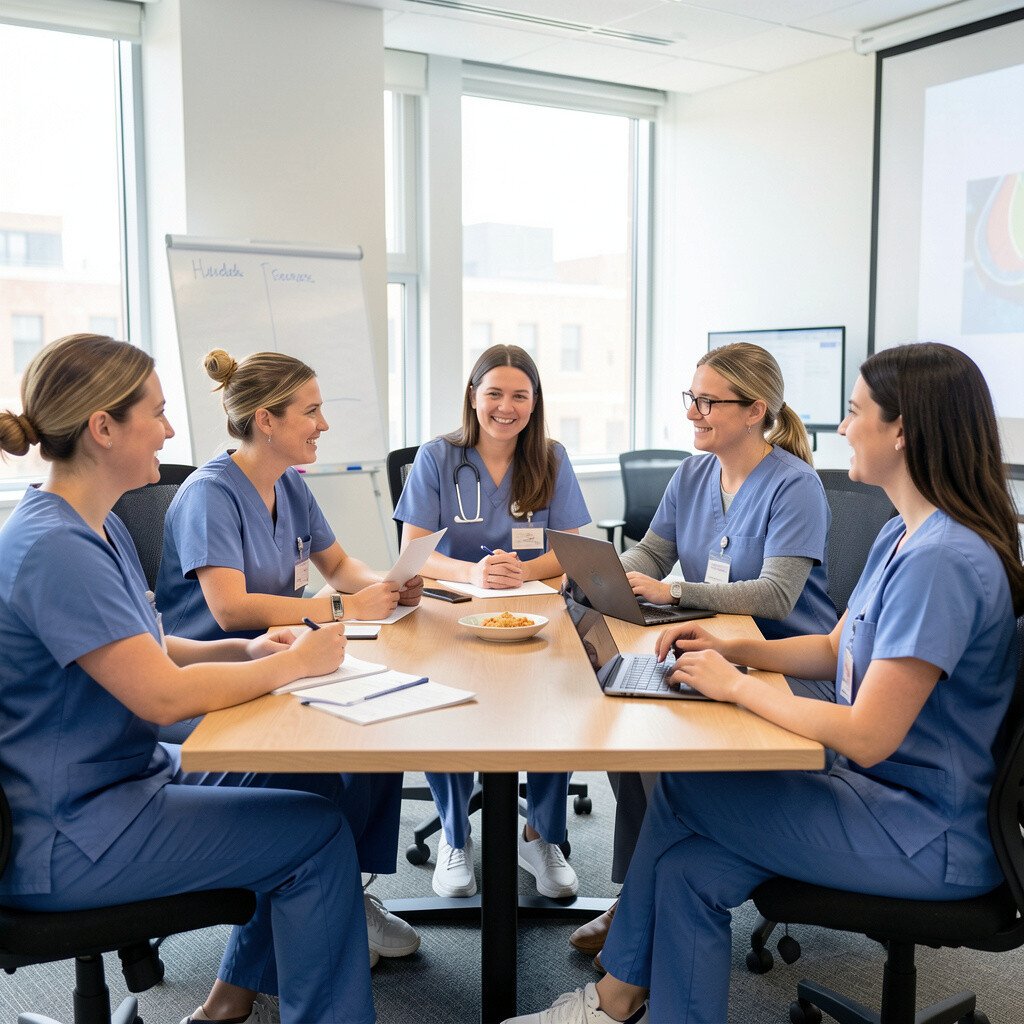
Create short roleplay scenes that mirror tough conversations, like addressing an error, clarifying unclear orders, or discussing patient concerns. The visual is simple, with chairs arranged in a small stage area in a break room.
Then let the group practice a respectful script style, focusing on calm voice and clear next steps. This builds benefits by helping nurses speak up safely and handle tension with professionalism. It is unique because it trains the tone, not just the facts.
17. Shared Equipment Inventory Sprint

Run a quick team check of key supplies, then assign ownership for restocking in small zones. You can picture shelves looking brighter as teams align bins and confirm labels.
Keep the sprint short and schedule it around lower census times so it does not interrupt patient care. The benefits are fewer missing items during emergencies and less time wasted hunting for tools. Personalization is easy by focusing on your most common gaps, like catheter kits, dressings, or mobility aids.
For cost considerations, use what you already have and only add labeling materials if needed. Many units now use lightweight visual management, and this activity supports that trend in a friendly way.
18. Team Music Mapping for Flow Timing

Choose a “flow” routine, like morning rounding, medication setup, or discharge preparation. Then ask the team to map how long each step takes and which steps depend on others, using a music-themed timing chart.
Play soft background music during a brief practice session and have the team adjust their steps to match the rhythm. The benefits include smoother coordination and better time awareness without making anyone feel policed. It is unique because it uses energy and pacing, which can be especially helpful when shifts feel chaotic.
19. Leadership Coaching in Small Circles

Organize small circles where nurses rotate through a coaching role, focusing on one teamwork skill at a time. The visual can be a circle of chairs with a simple prompt card that everyone can see.
Have each coach ask questions that guide reflection, like what worked and what should change next time. This builds benefits by strengthening leadership habits across the team, not only for formal leaders. Personalization happens when the skill matches the unit’s current need, such as clearer escalation or calmer prioritization.
Cost considerations are low since you only need a few prompt cards and a timer. A current trend is shared leadership development because it spreads responsibility and reduces burnout, especially in high-demand units.
20. Unit Craft Collaboration for a Common Purpose

Work together on a simple craft project that supports unit life, like a comfort wall for family resources or a bulletin board that celebrates teamwork wins. You will see people connect while hands move together, and the room starts to look more cared for.
Let each person add one personal element tied to their role, such as a message about patient dignity or a small reminder about handoff values. The benefits are deeper than the craft itself since collaboration builds belonging and makes teamwork feel natural. For cost considerations, choose budget-friendly materials and set a team limit so it stays fair and stress-free.
Personalization ideas can include patient-friendly wording that staff already use, or artwork that matches your unit culture and language needs. This fits current trends toward community-building and staff engagement, helping nurses feel proud of their environment without adding heavy workload.
Finish by taking a photo of the final project, then celebrate with a short round of what each person contributed. The next time your team meets near that space, it becomes a quiet reminder of how cooperation looks in real life.