A small kit can turn panic into control. With the right essentials, you’ll be ready for everyday bumps and bigger surprises.
1. All-Purpose Trauma Dressing
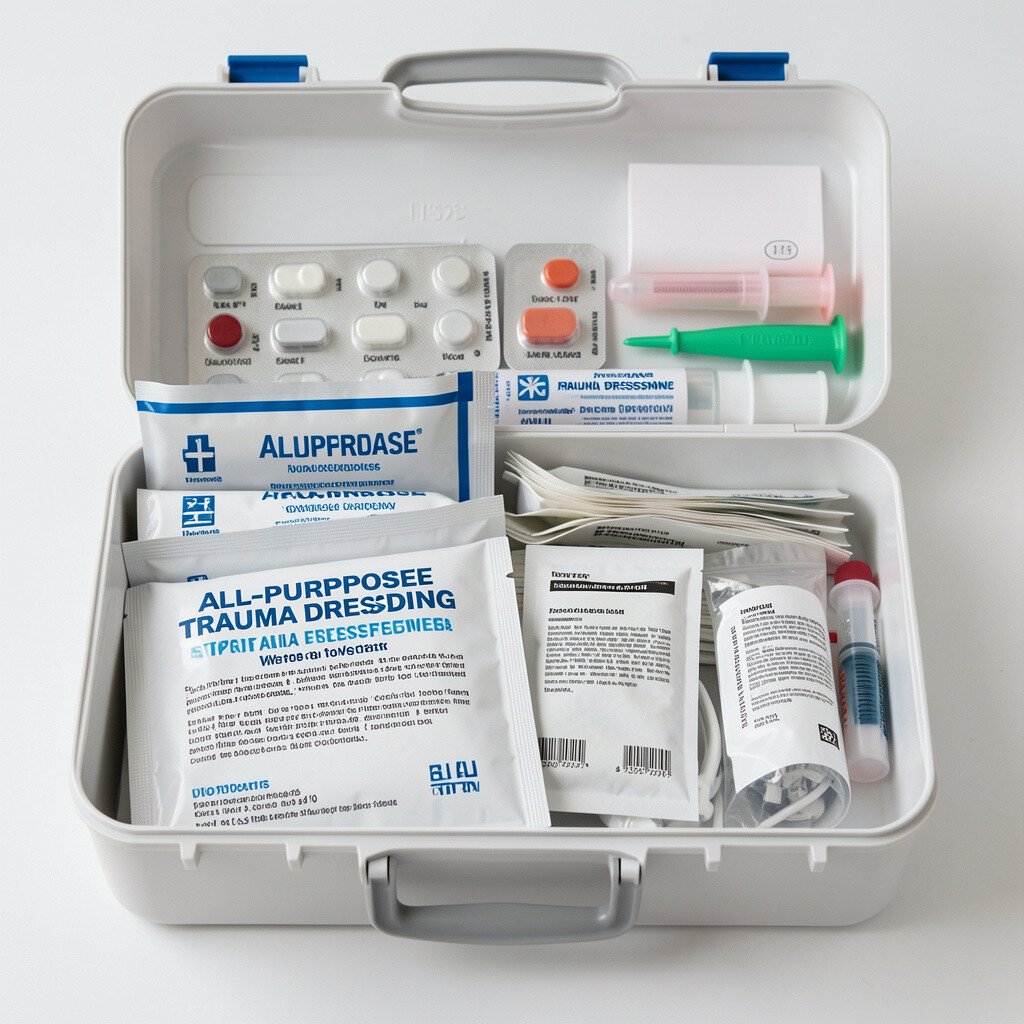
Imagine a compact stack of gauze that looks plain until you need it most. When a cut or scrape starts to bleed, firm pressure can help quickly, and a trauma dressing makes that job feel much simpler.
The fabric is designed to be absorbent and comfortable, so it can hold steady as you apply pressure. Keep it flat in a zip compartment so it’s easy to grab with one hand. For personalization, check how you travel and tailor the quantity for your household.
2. Compact Tourniquet for High-Risk Moments
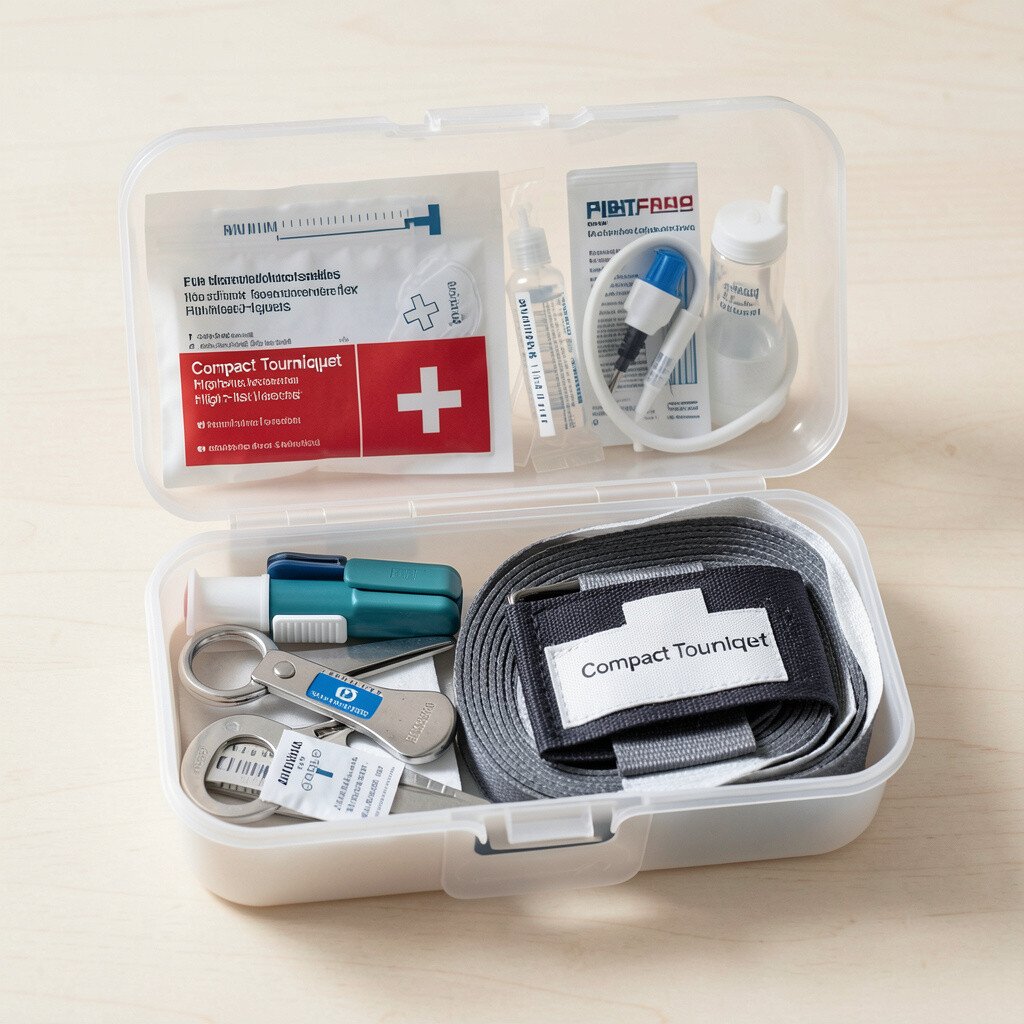
Some situations are stressful enough that you need gear you can trust fast. A compact tourniquet can help manage severe bleeding when time matters.
Its clear packaging and straightforward use make it more approachable for people who want readiness without guesswork. Store it where it can be reached quickly from home and from the car, and avoid burying it under extra items.
Talk with your household about who will grab it during emergencies and where it lives, then practice the location, not the method. Current trends also show more families adding bleeding control items because accidents can happen at playgrounds, camps, and job sites.
3. Quick-Grab Nitrile Gloves Variety Pack
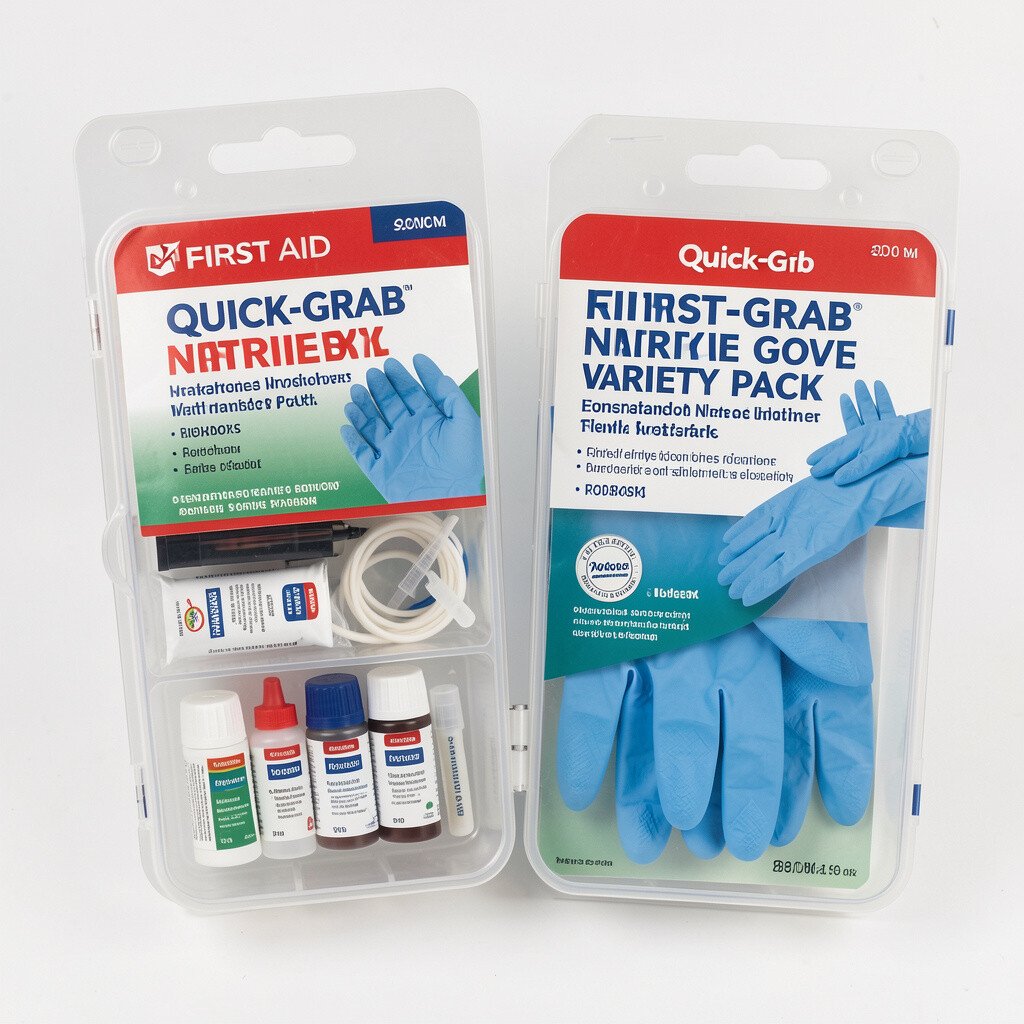
Slip-on gloves bring a sense of calm because you can protect yourself before you help someone. The visual difference between clear and colored gloves can help everyone find the right pack.
Nitrile is a practical choice for many people because it’s flexible and resists tearing during routine first aid. Add a few pairs in different sizes so the fit feels right, since a snug glove helps you handle gauze and bandages without fumbling.
To personalize, keep one small glove pack in each bag you actually carry, like backpacks or glove boxes. Pair them with wipes so cleanup feels less messy afterward.
4. Sterile Saline Wound Rinse
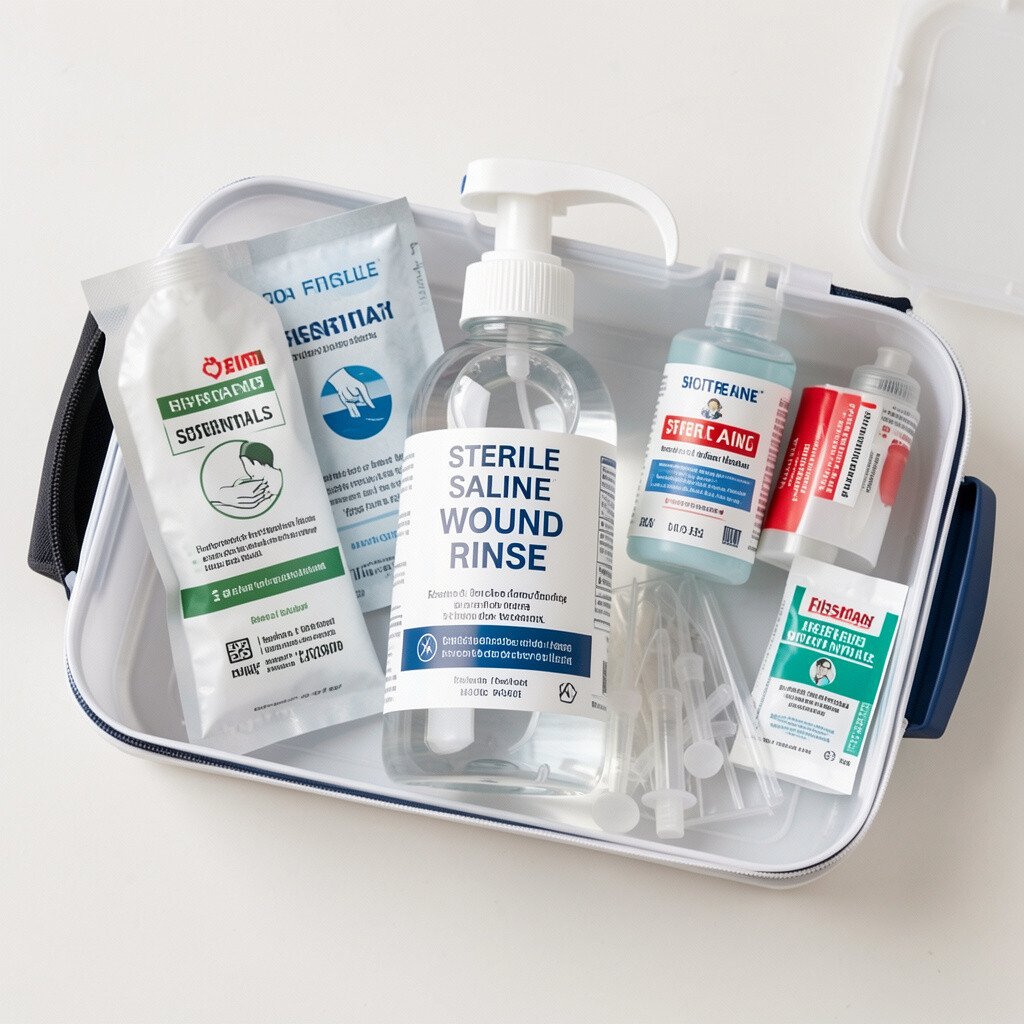
A clean rinse can make a visible difference on skin right away. Sterile saline looks like clear liquid, but it can help wash away grit without burning.
Using saline instead of improvised water helps you stay closer to a predictable routine, especially when you’re dealing with scrapes after outdoor play. Choose travel-sized bottles for portability and keep one in your home kit and one in your car kit.
5. Adhesive Bandage Assortment for Real Life
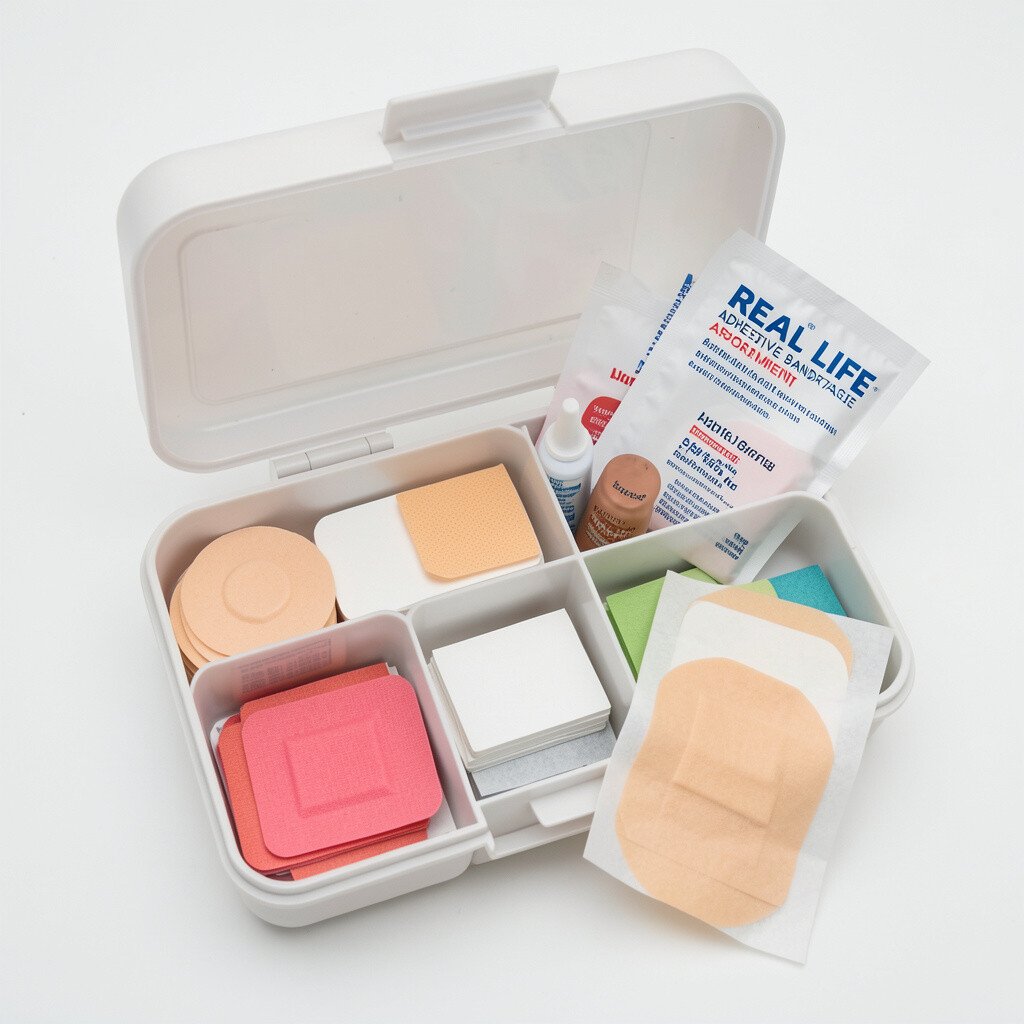
Bandages are small, but they’re the first thing people reach for when something happens. A mixed set of fabric and flexible adhesive strips can match the look and feel of different cuts.
Keep a mix of sizes so you’re not stuck with one tiny option for a bigger spot, and another large one that won’t stay put. Many people like waterproof styles because they hold up during handwashing, dishes, or rainy days.
For personalization, choose patterns your family actually enjoys, because colorful bandages can make kids more cooperative. Watch cost by buying a larger assortment during sales, then restock the most-used sizes first.
6. Hydrogel Burn Gel Sheets
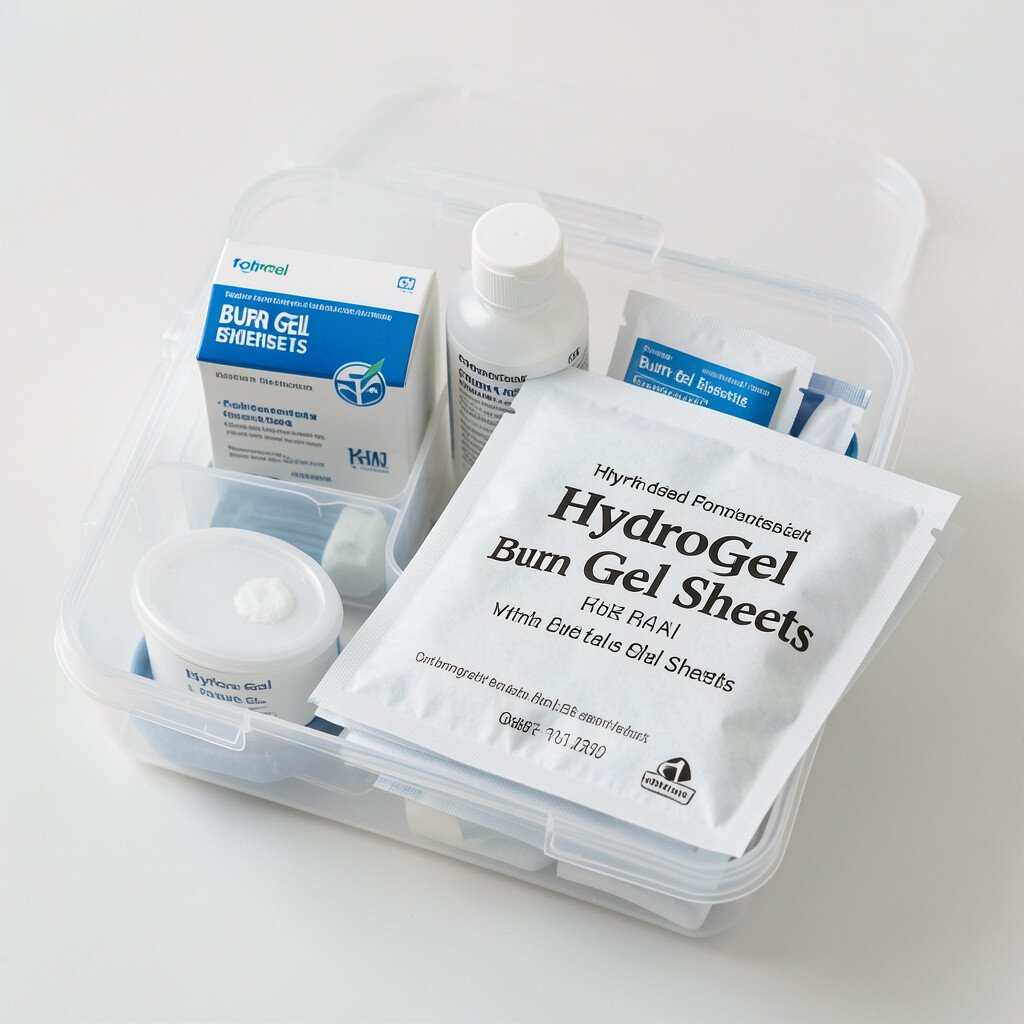
Burn care can look intimidating, but the right item makes it feel manageable. Hydrogel burn gel sheets have a soothing texture and a clear, calming purpose.
They can be helpful for minor burns by supporting comfort and reducing friction while the skin stabilizes. Place them where they’re visible in your kit so you can respond quickly instead of searching.
7. Cold Pack for Swelling and Sprains
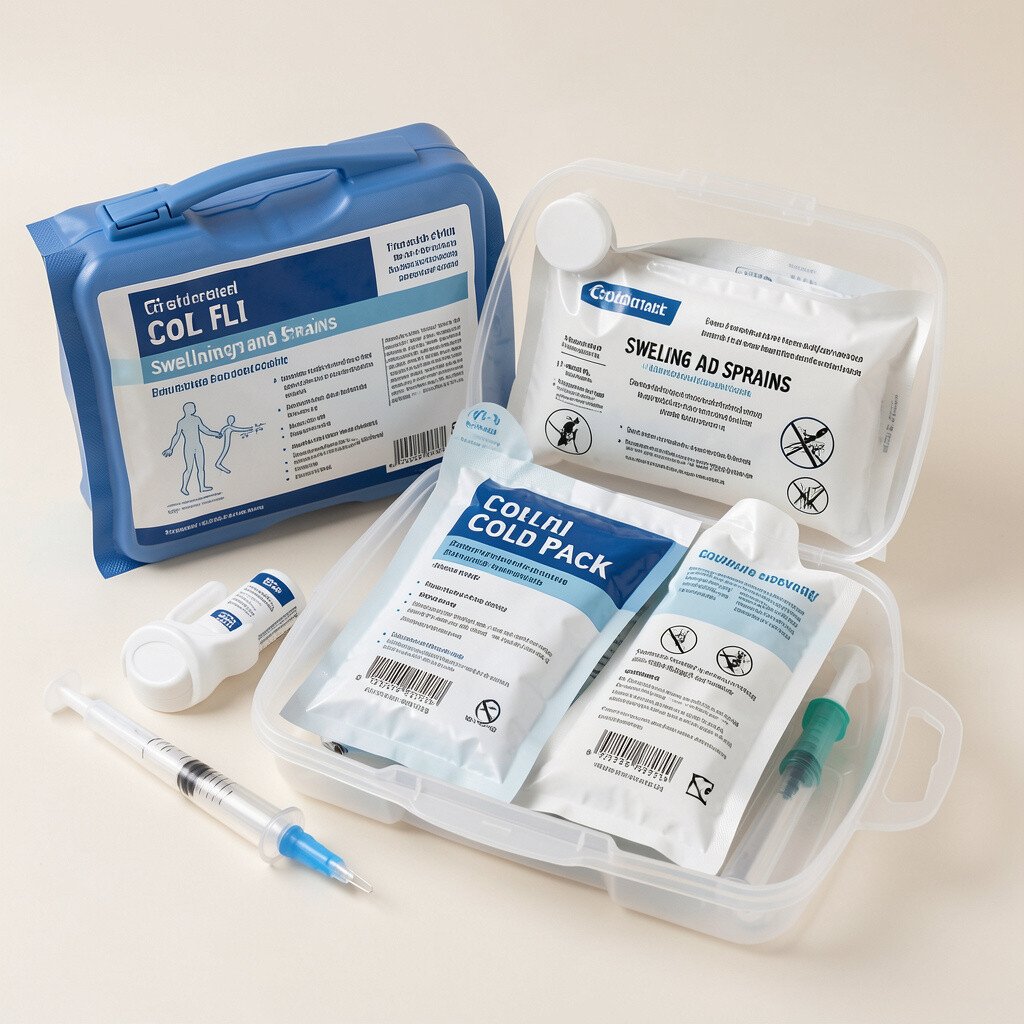
You can almost see the relief when a cold pack settles against a bump. Instant cold packs are convenient because they’re ready without digging for ice.
They help with swelling, discomfort, and the angry throb that follows a sprain or fall. Look for small packs that fit in a kit pouch and include a lightweight sleeve that protects skin.
Personalize based on who uses your kit, since older adults may prefer larger shapes for easier handling and children may need smaller ones. For cost planning, buy one durable multipack and rotate them by date during seasonal cleanouts.
8. Digital Thermometer and Simple Fever Guidance
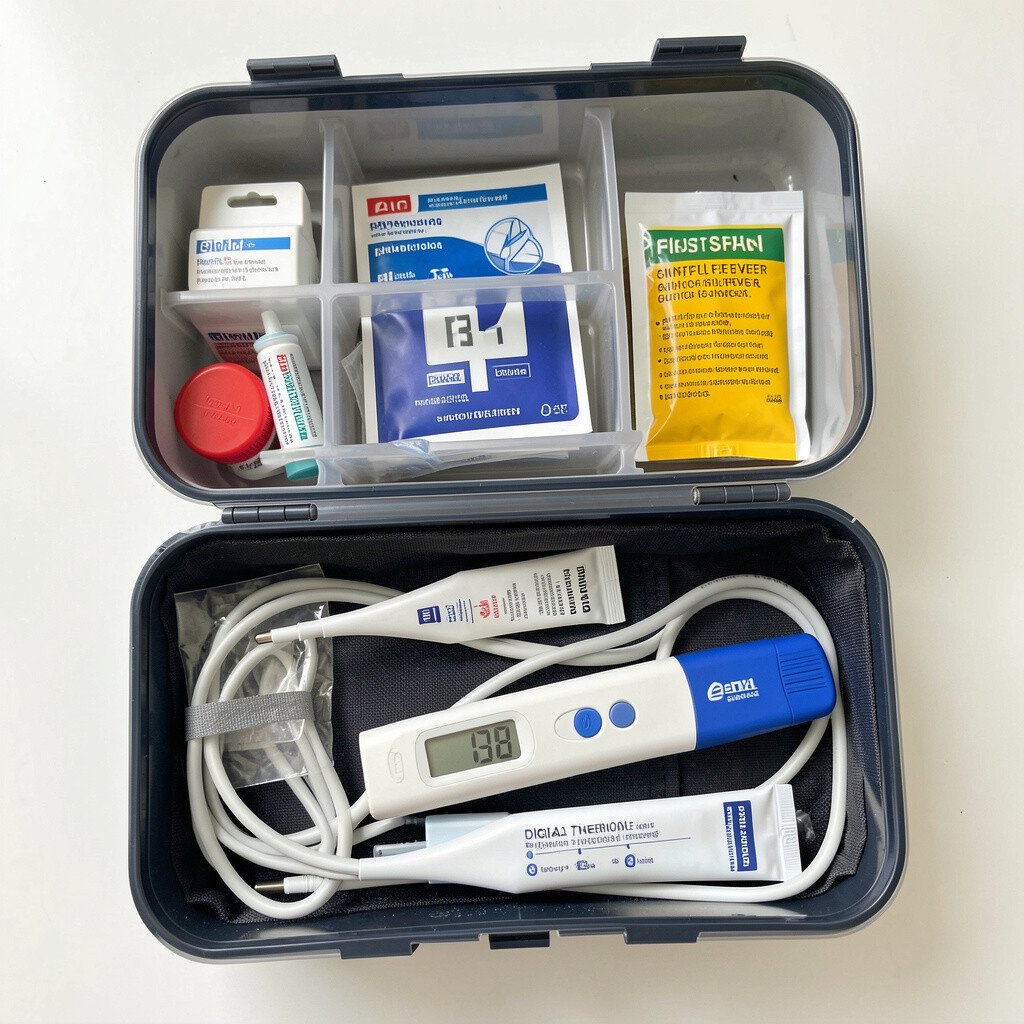
A quick temperature check turns guesses into something you can act on. A compact digital thermometer also has a clear display that’s easy to read at night.
Keeping it in your first aid area supports faster decisions about comfort, hydration, and when to contact a clinician. Choose a model with simple controls and clean storage so it doesn’t get lost in the bathroom drawer.
9. Emergency Contact Card and Medical Info
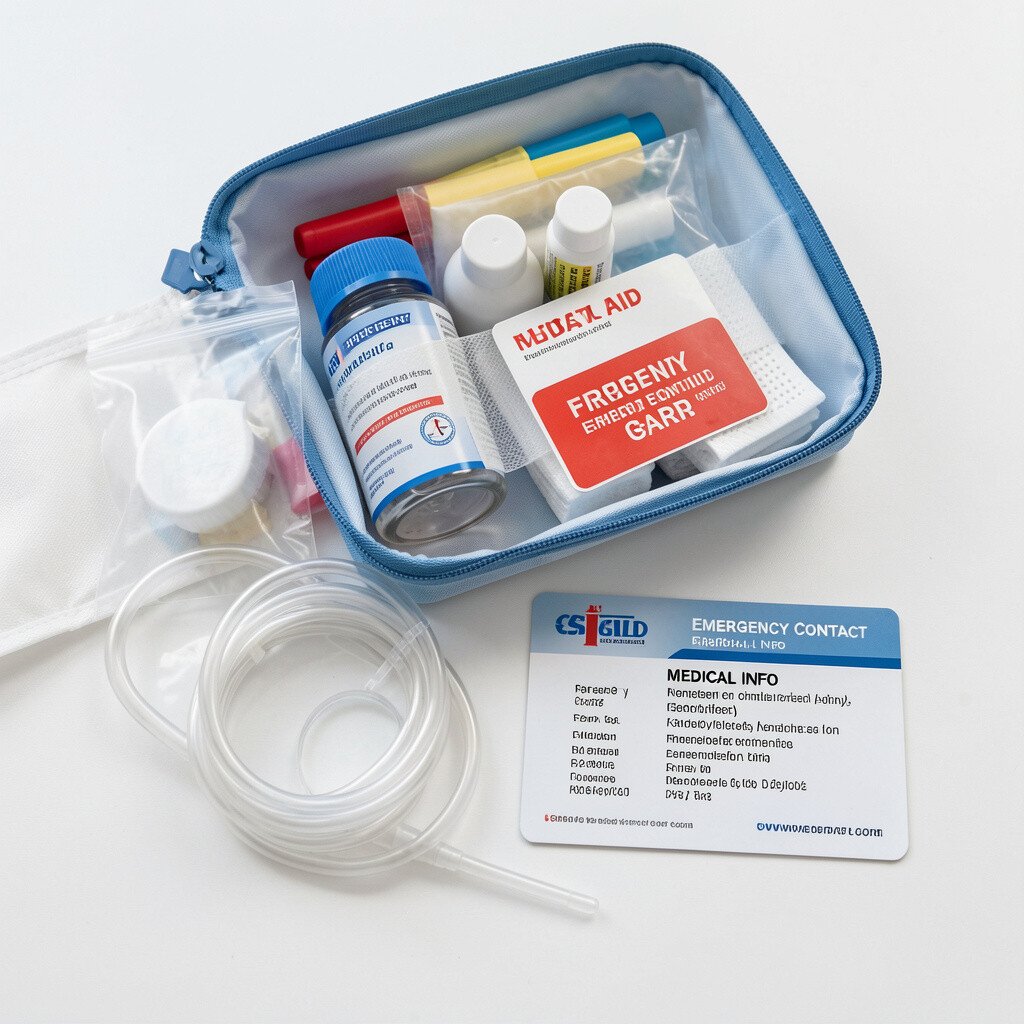
When people are stressed, remembering details can feel hard. A small contact card gives your kit a helpful “brain” that fits in your pocket or wallet sleeve.
Include names, key numbers, allergies, and any medications in a clear format that someone else can read. Make it current by reviewing it every few months and after any medication or allergy change.
For uniqueness, use a card holder that matches your kit style, like a bright color or a frosted sleeve. Costs stay low, and you can print fresh copies at home and replace the card as needed.
10. CPR Face Shield and Mouth-to-Mask Accessory
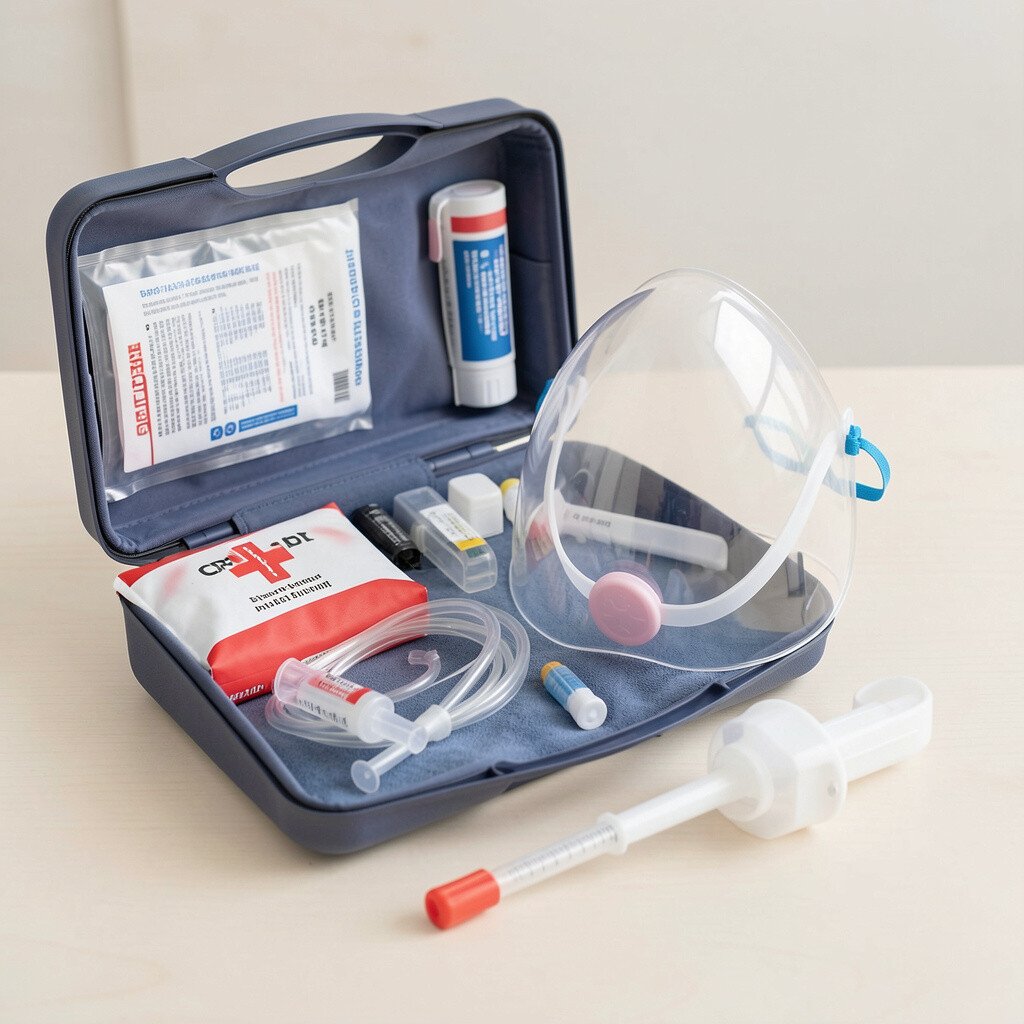
Good first aid gear removes barriers when seconds count. A face shield for CPR is designed to create distance while still allowing safe breaths.
Many kits now include respiratory protection items because training organizations emphasize safer responses for helpers. Store it in a sealed pouch so it stays clean and easy to find.
Personalization can be as simple as choosing a pouch color that stands out in your bag, and keeping a backup shield in your home kit if you carry one outdoors. Consider the long-term value since you may not use it often, but when you do, you’ll be grateful it’s there.
11. Oral Rehydration Salts and Comfort Supplies
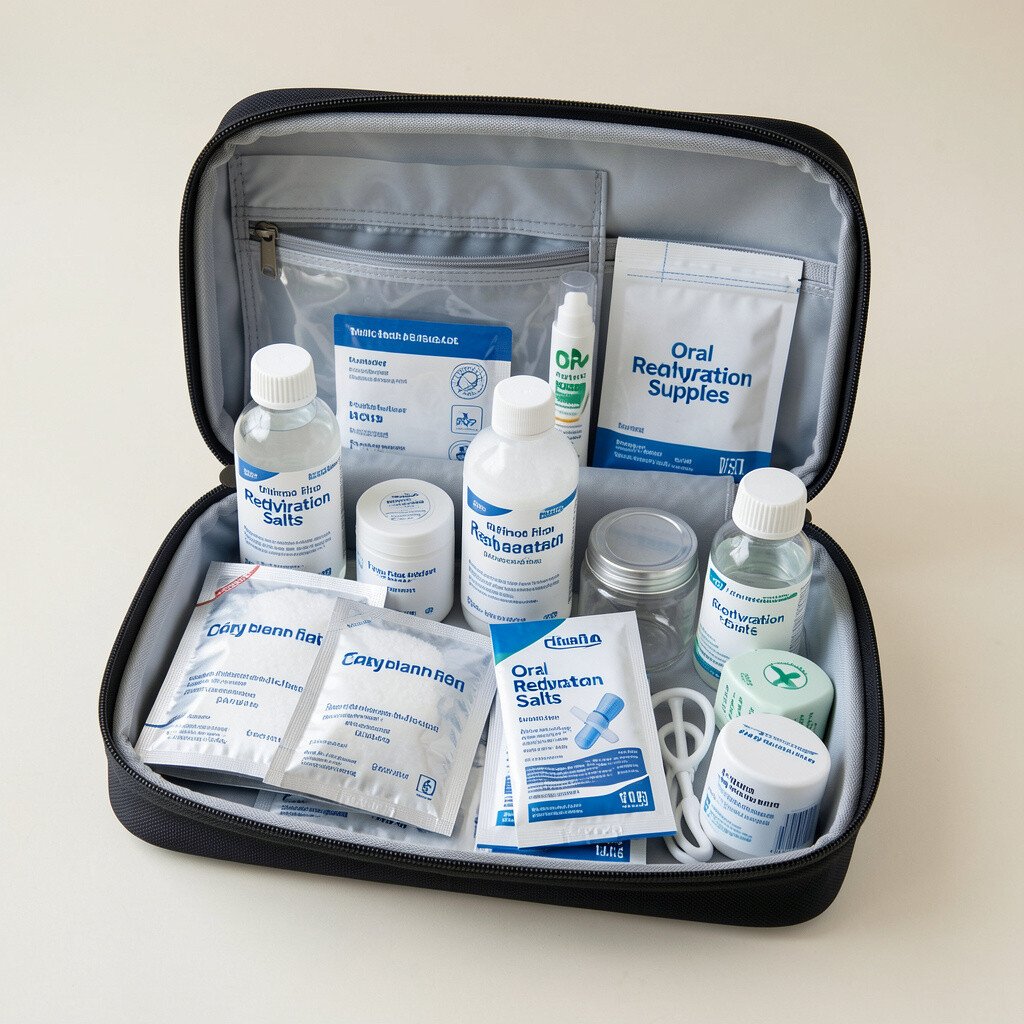
When someone feels awful from heat or stomach troubles, hydration can feel like the biggest missing piece. Oral rehydration salts look like a powder packet, but they support a practical routine for rebalancing fluids.
Add a couple of packets plus a small measuring scoop so mixing is quick and consistent. This is especially useful during travel, festivals, sports events, and long car rides where bathroom access can be limited.
12. Antiseptic Wipes and Hand Cleaning
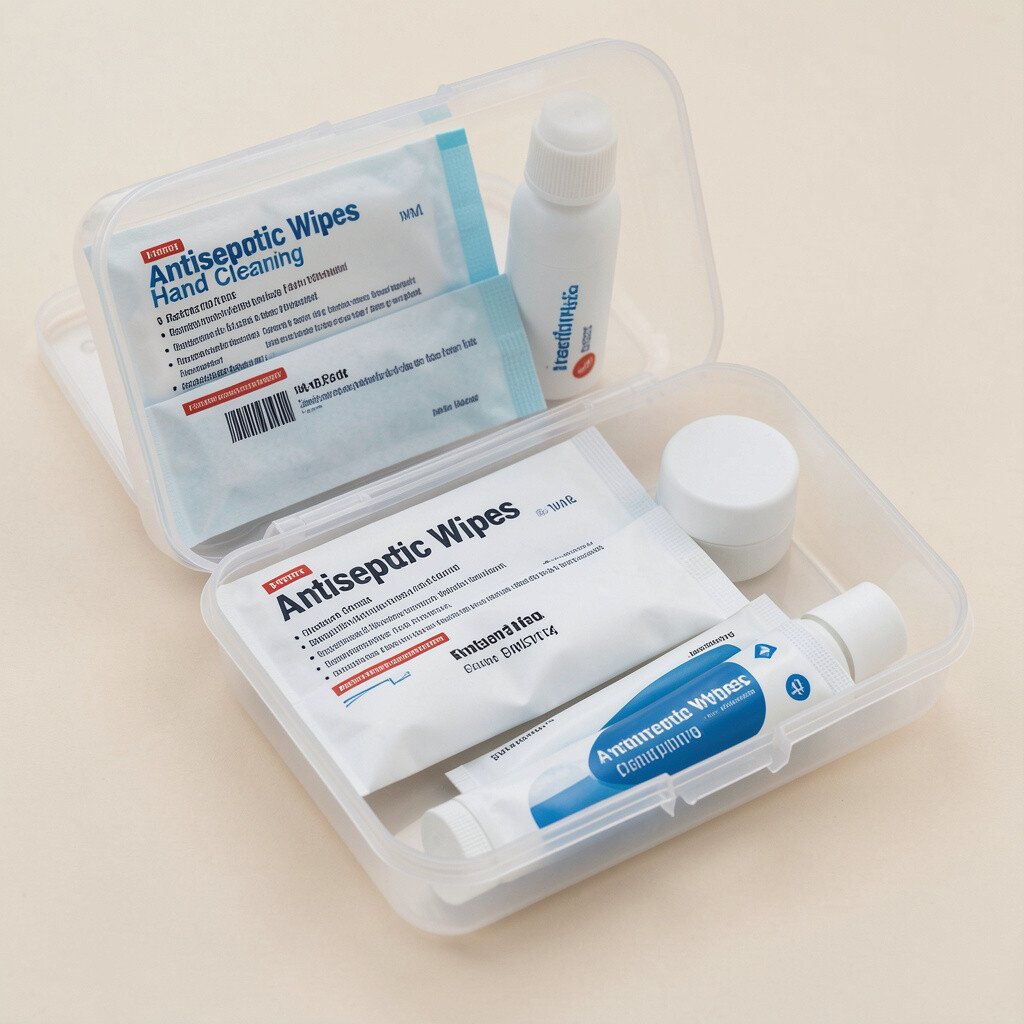
Before you treat skin, clean hands matter more than people think. Antiseptic wipes feel fresh and help you reduce germs while you work through the moment.
They’re also useful for quick cleanup around a cut, cleaning hands before bandaging, and wiping off minor messes from outdoor activities. Choose individual packets so you can stash them in backpacks and keep your main kit tidy.
13. Lightweight Splint or Finger Support
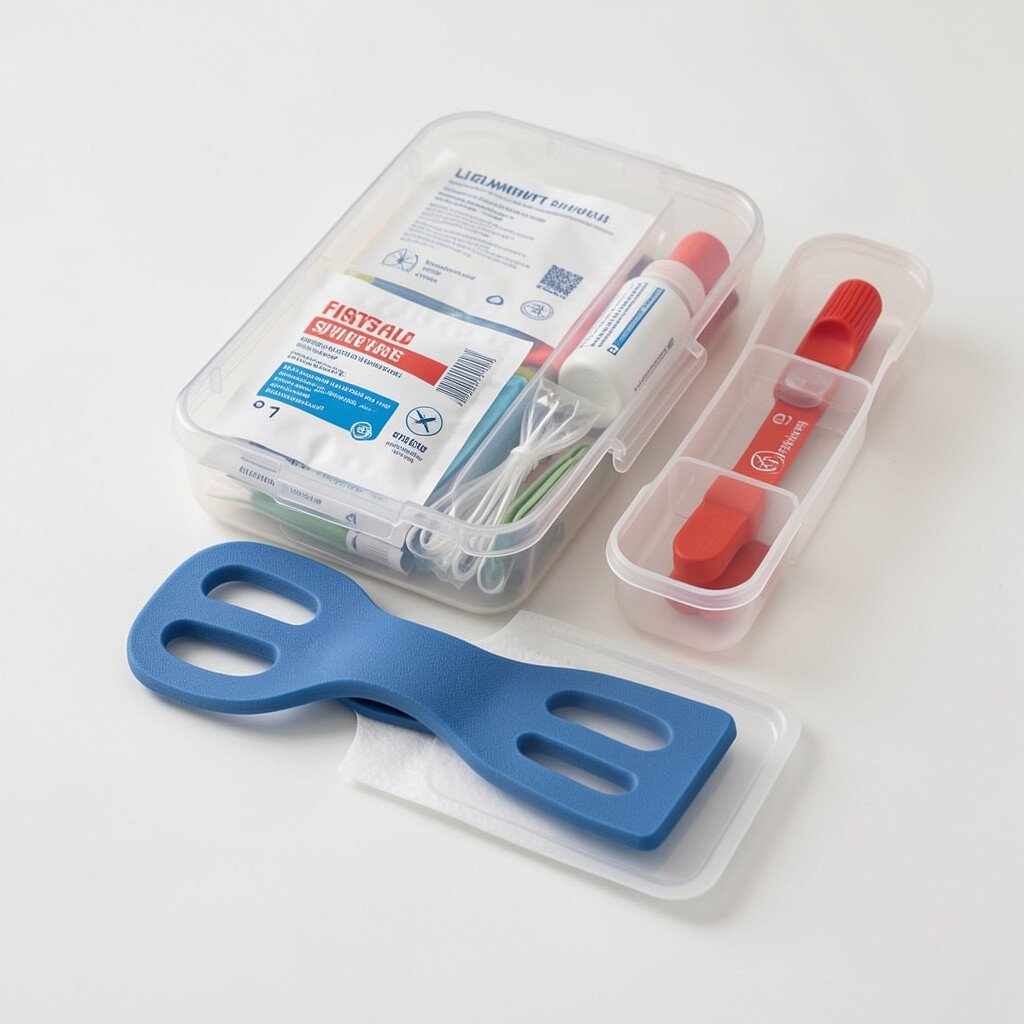
When a hand or wrist takes a hit, movement can make pain spike fast. A lightweight splint or finger support gives structure, making it easier to keep an injured area still.
It’s visually obvious when you open it, with stiff sections that feel different from soft cloth. Use it for sprains, minor strains, and moments when you need temporary support before professional care.
For personalization, match the splint size to your household needs and consider extra finger supports for active kids. Cost tends to be moderate, and a single durable splint can cover several injury types.
14. Portable Medication Organizer and Allergy-Friendly Basics
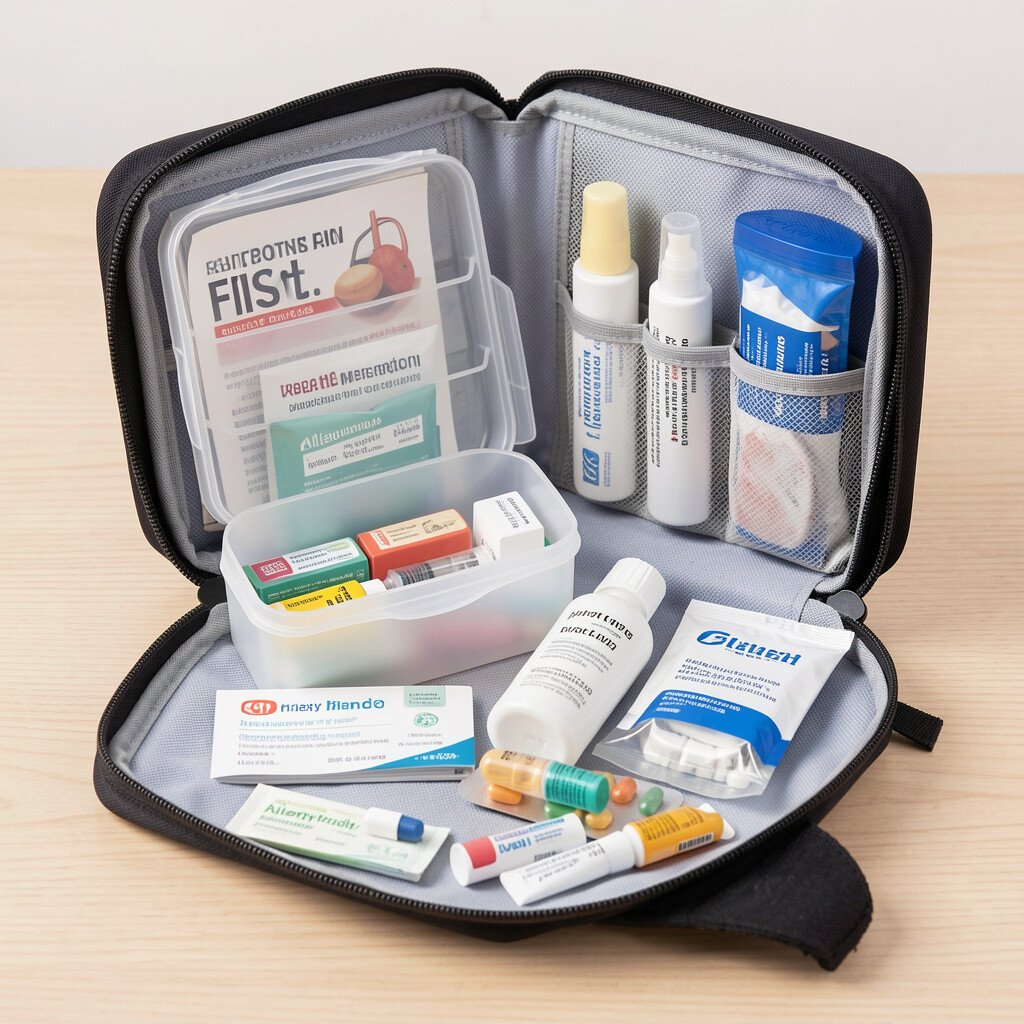
A first aid kit works best when supplies are arranged so you can grab what you need instantly. A portable medication organizer keeps small items together and helps you spot what’s running low.
Include allergy-friendly basics your household commonly uses, like antihistamine options, along with clear labels for strength and dates. Pair it with a note about who should take what so confusion is less likely when people are tired.
To stay current with trends, many families add organizers that are easy to scan at a glance and designed to survive being tossed in a trunk. When you shop, compare unit prices for refills and restock on schedule so your kit stays trustworthy.