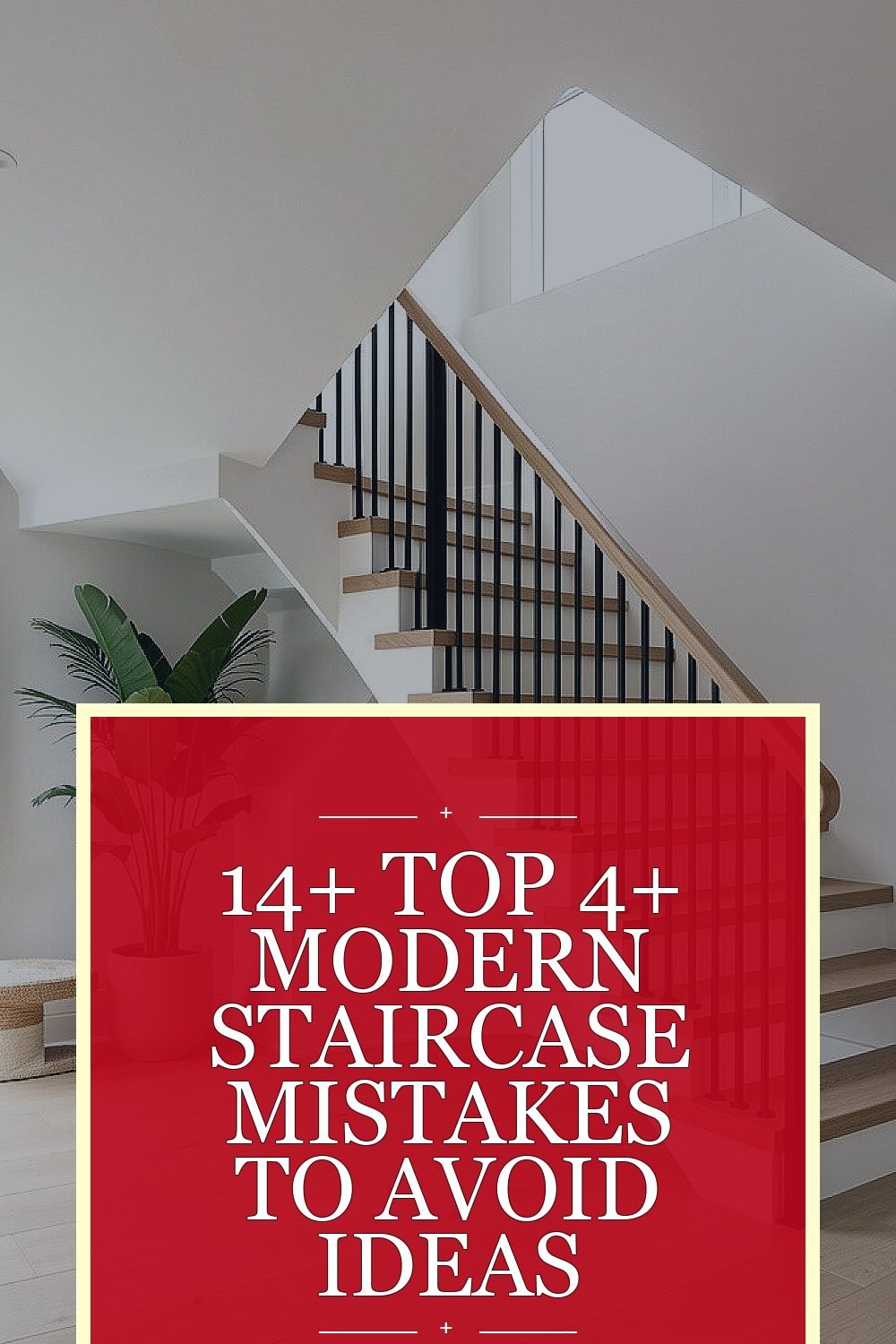
The staircase is where daily life stacks up into real moments. Small choices can make it feel smooth and safe or shaky and stressful.
Here are common modern mistakes people make when building or updating stairs, along with practical ways to avoid them.
1. Ignoring the Riser and Tread Ratio
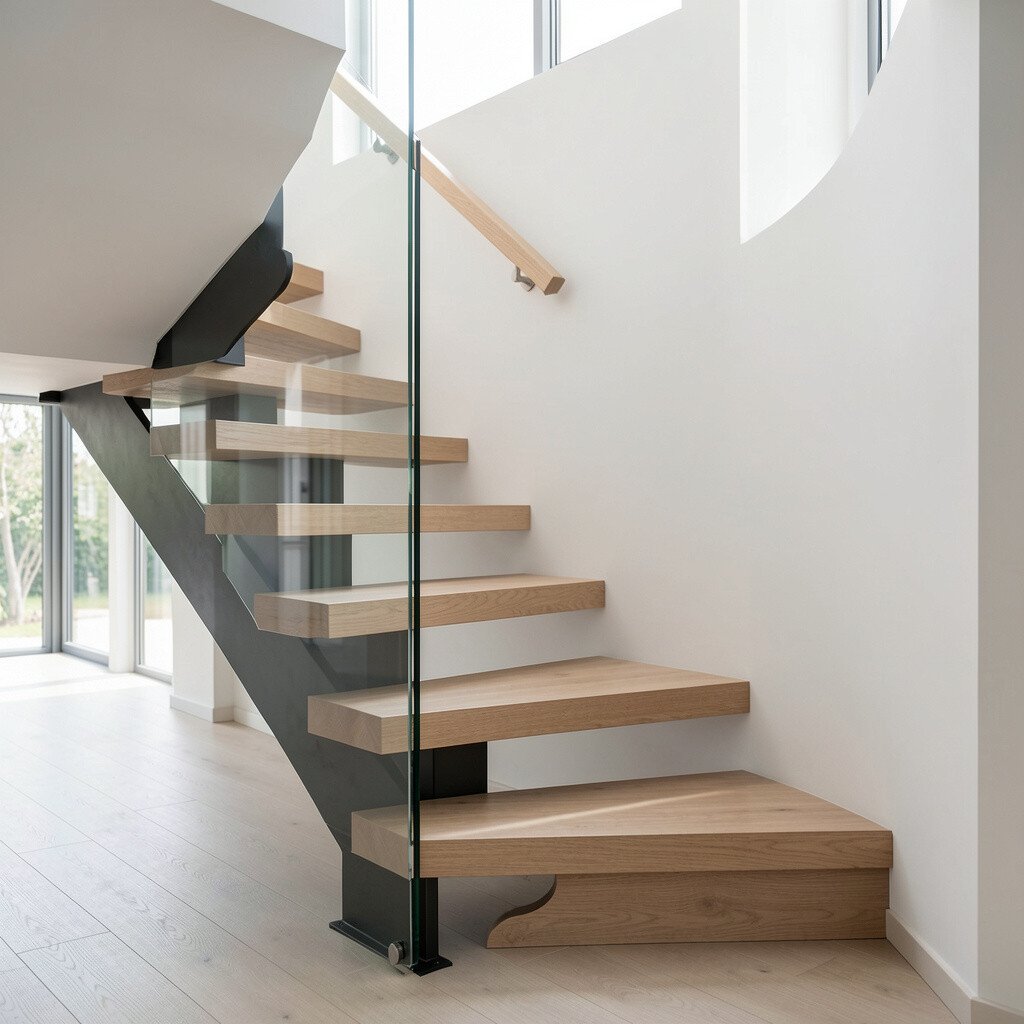
A modern staircase can look sleek, but it still has to feel right under your feet. If the risers are too tall or the treads too shallow, stairs start to feel like a guessing game.
You want a consistent rise and run so every step lands comfortably. A good ratio helps people move confidently, especially when carrying laundry, groceries, or a small child’s hand.
2. Choosing Style First and Safety Second
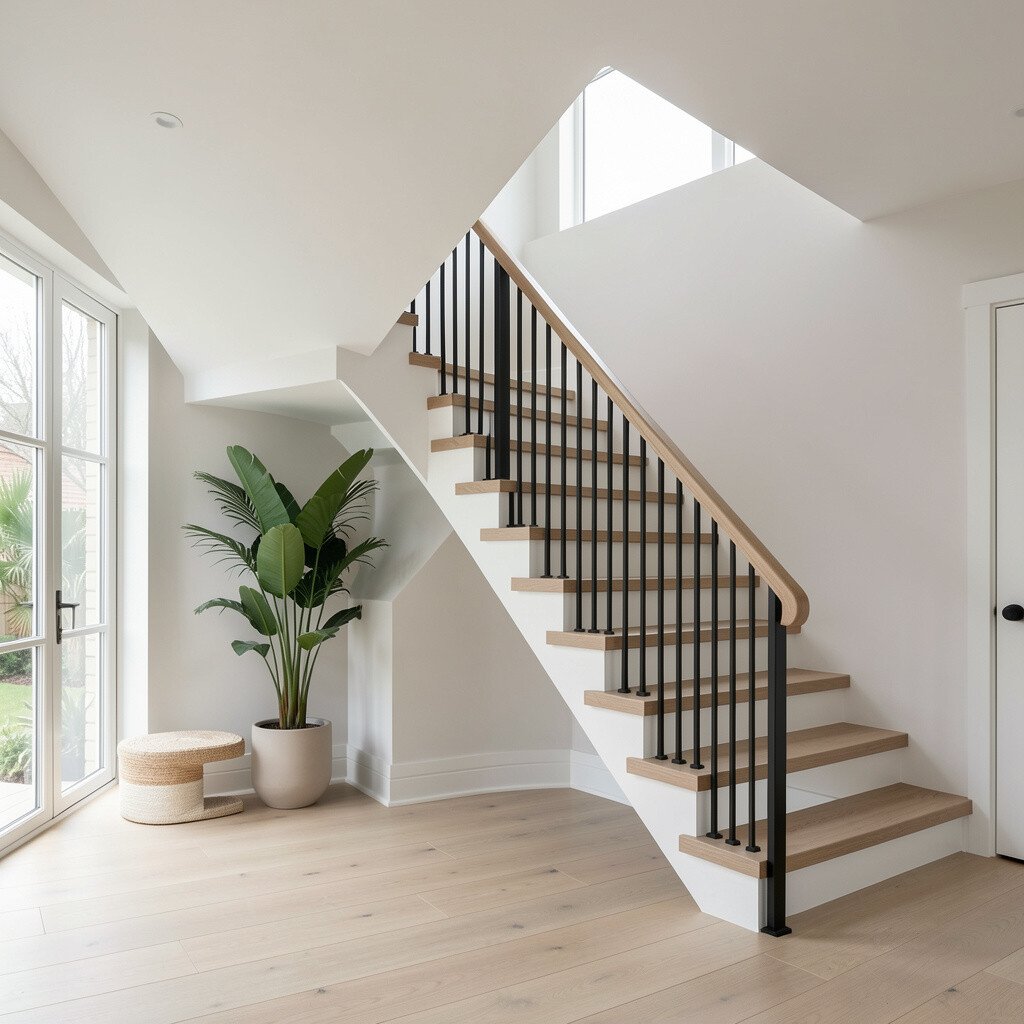
It’s easy to fall in love with a floating look, thin stringers, or glossy finishes. But if the design trims too much, the stairs may feel unstable or slippery.
Safety details like strong support, sturdy edges, and slip-resistant surfaces protect everyone. Adding contrasting nosing or a matte finish can make the steps easier to see in every light.
When you personalize the look, keep the safety hardware hidden but not compromised. Even a trendy open-riser design should still provide a secure feel at every foot placement.
3. Underestimating Lighting and Visual Clarity
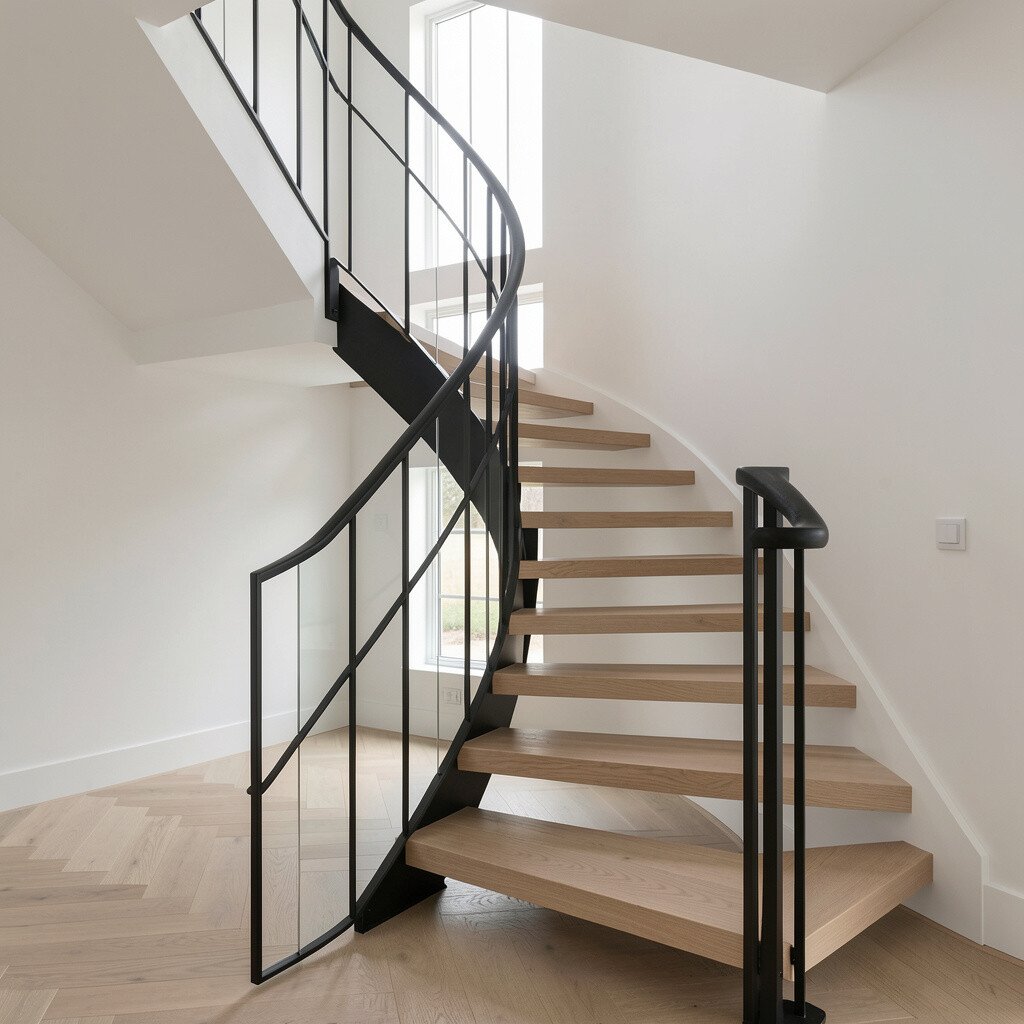
Modern staircases often use bold materials, like glass, metal, or dark wood. Those finishes can swallow light and make step edges harder to judge.
Good lighting brings out shape and reduces missteps. Consider lighting that washes the wall, steps, or handrail so your eye naturally tracks the path.
For personalization, warm white LEDs can make wood feel richer, while cooler tones can highlight clean metal details. If your home has big windows, plan for how the stairs look at night and on rainy days too.
4. Skipping Proper Handrails and Grips
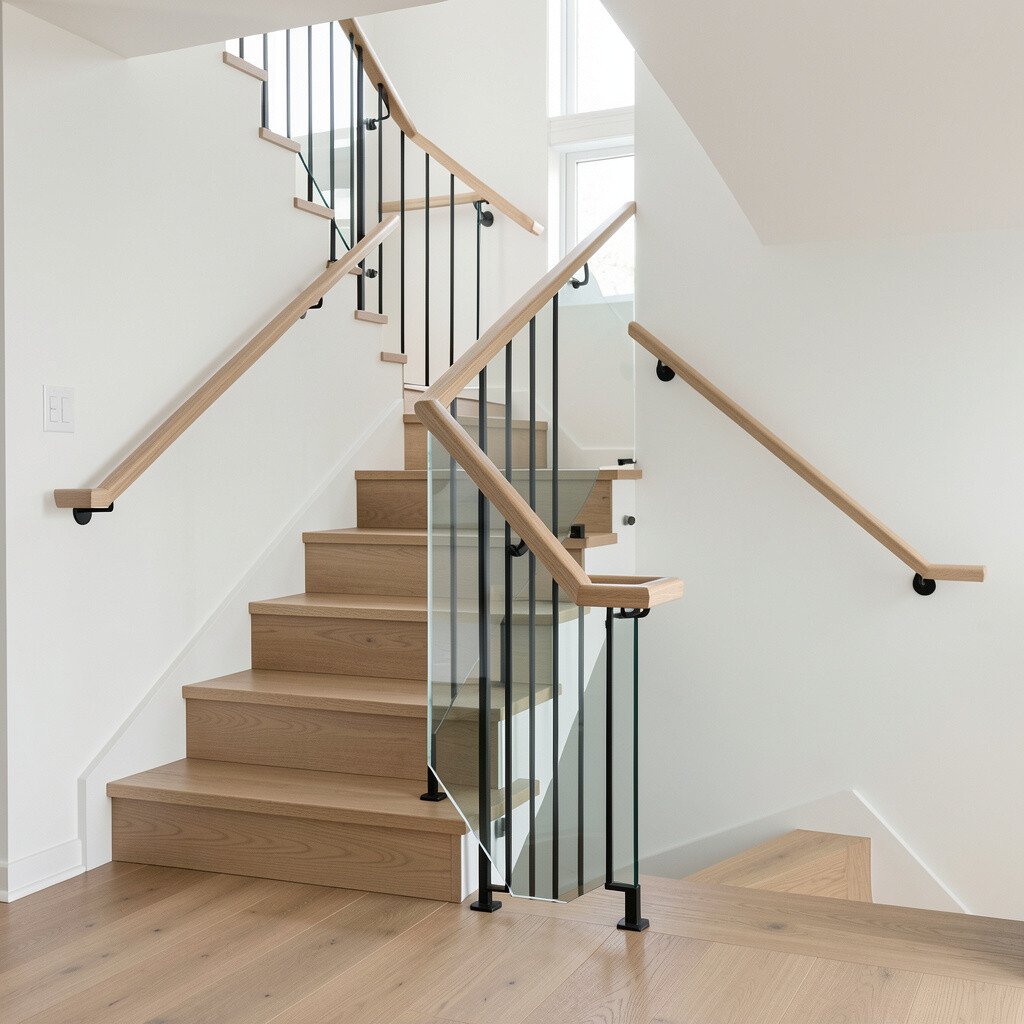
A handrail should feel like steady support, not an afterthought. If the rail is too thin, too high, or too low, people will grip awkwardly.
Strong handrails help with balance, and they also make the staircase feel calmer. You can upgrade with comfortable profiles, continuous runs, and returns at the top and bottom for extra control.
5. Overdoing Open Space Without Planning
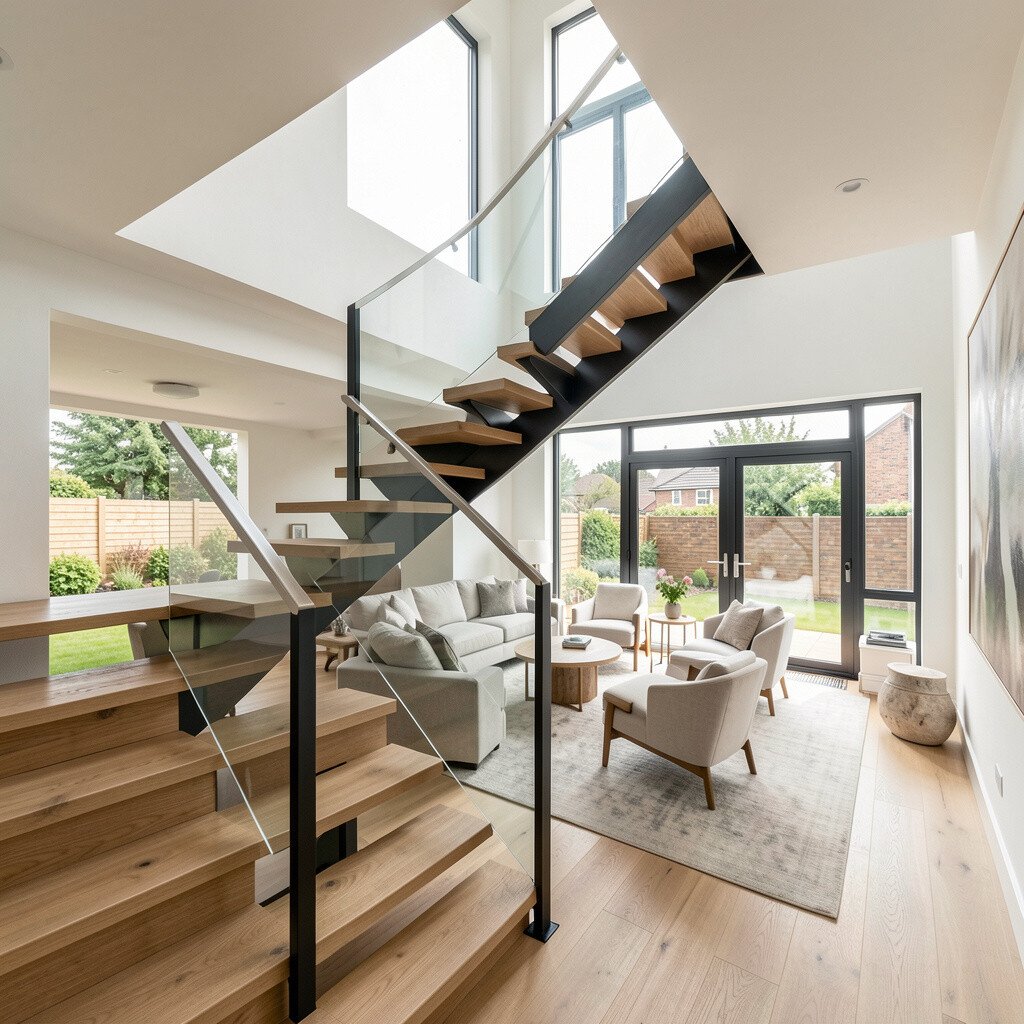
Open risers and airy designs can look modern and light. Yet too much openness can let small feet slip, and it can also create a chilly draft feeling in winter.
Fitting safety measures is part of making an open plan actually work. You can use glass panels, slim balusters, or hidden screens while keeping the clean visual style people want.
To personalize, choose materials that match your room, like clear glass for a floating vibe or tinted panels for a softer look. Think about families with pets and kids, and how they move on stairs every day.
6. Neglecting Building Codes and Local Requirements
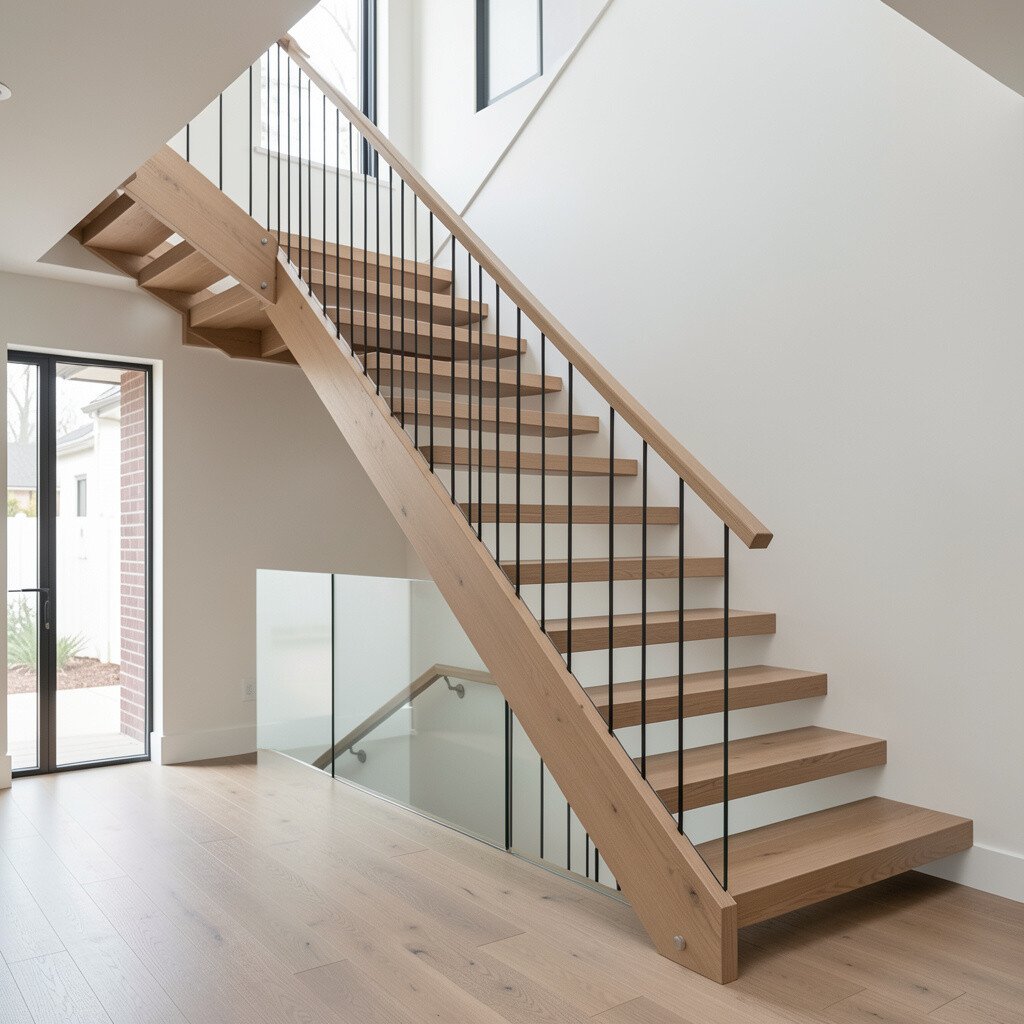
Staircases are governed by rules, even in stylish renovations. If you ignore local requirements, you may end up with costly corrections after the fact.
Codes usually cover dimensions, handrail placement, and safe access. Working with a knowledgeable designer or contractor helps you avoid surprises and ensures the finished stairs feel right for years.
7. Using the Wrong Flooring or Finish for Tread Safety
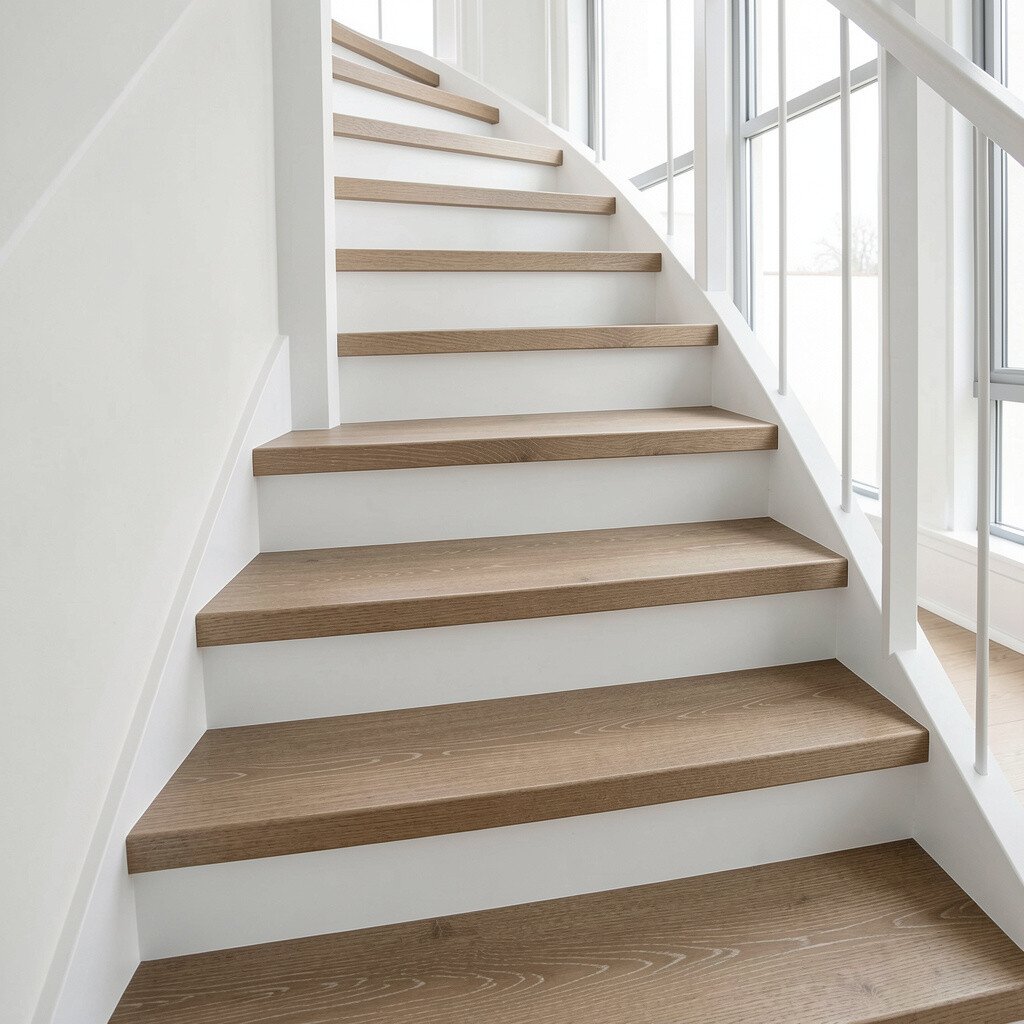
When homeowners pick a trendy stain or shiny topcoat, the stairs can become more slippery than expected. Smooth finishes may look gorgeous in daylight but cause trouble on socks or dusty shoes.
Choosing the right surface matters for grip, comfort, and upkeep. Textured treads, satin finishes, and quality tread coverings can give a modern look without sacrificing traction.
If you want a premium feel, pair wood or engineered materials with a finish made for high traffic. For easier cleaning, consider sealed surfaces that resist scuffs and grime.
8. Forgetting About Noise, Bounce, and Movement
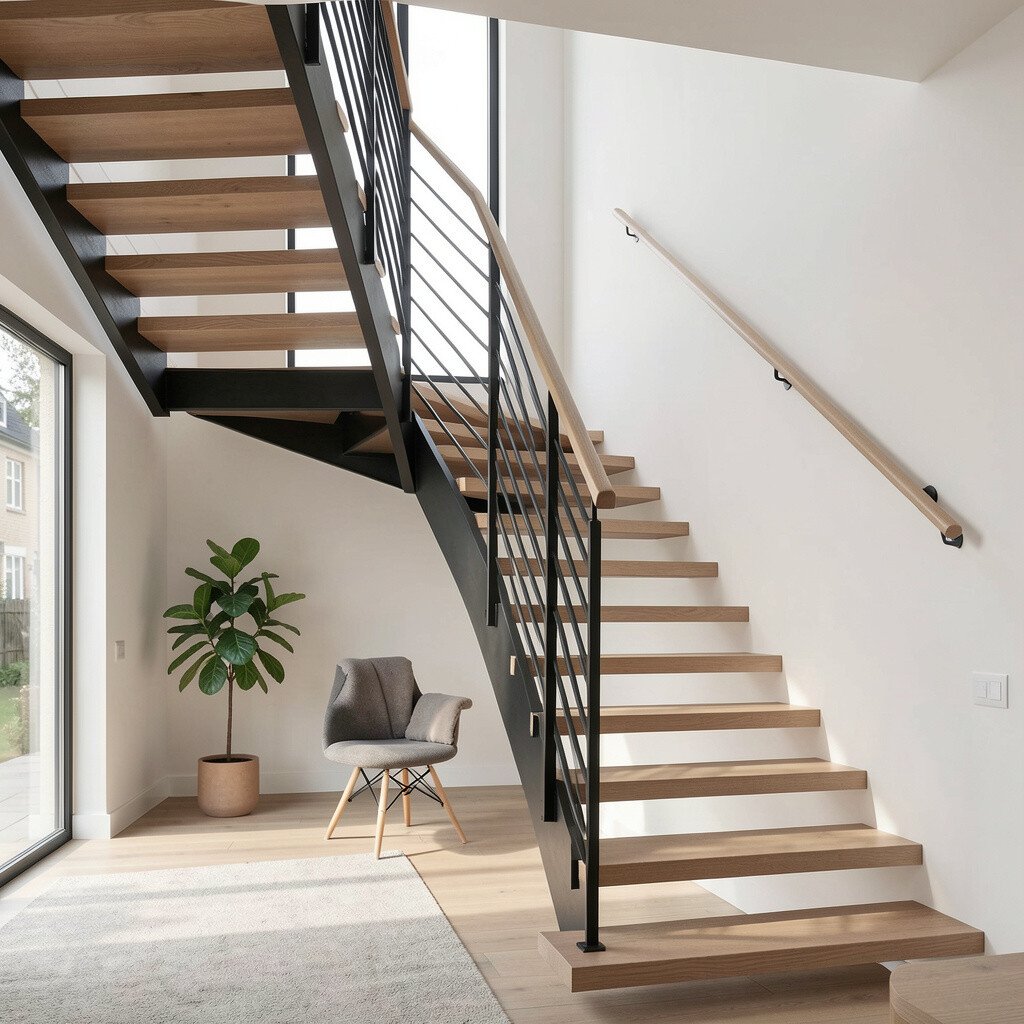
A modern staircase can feel loud and bouncy if materials are underbuilt. The sound of footsteps can travel through a home, and the shake can make people uneasy.
Stiff framing and proper fastening create a firm feel. You can also add sound-dampening underlay, choose sturdier stringers, or use quality subfloor details to reduce vibration.
9. Choosing a Handrail Style That Doesn’t Match Daily Use
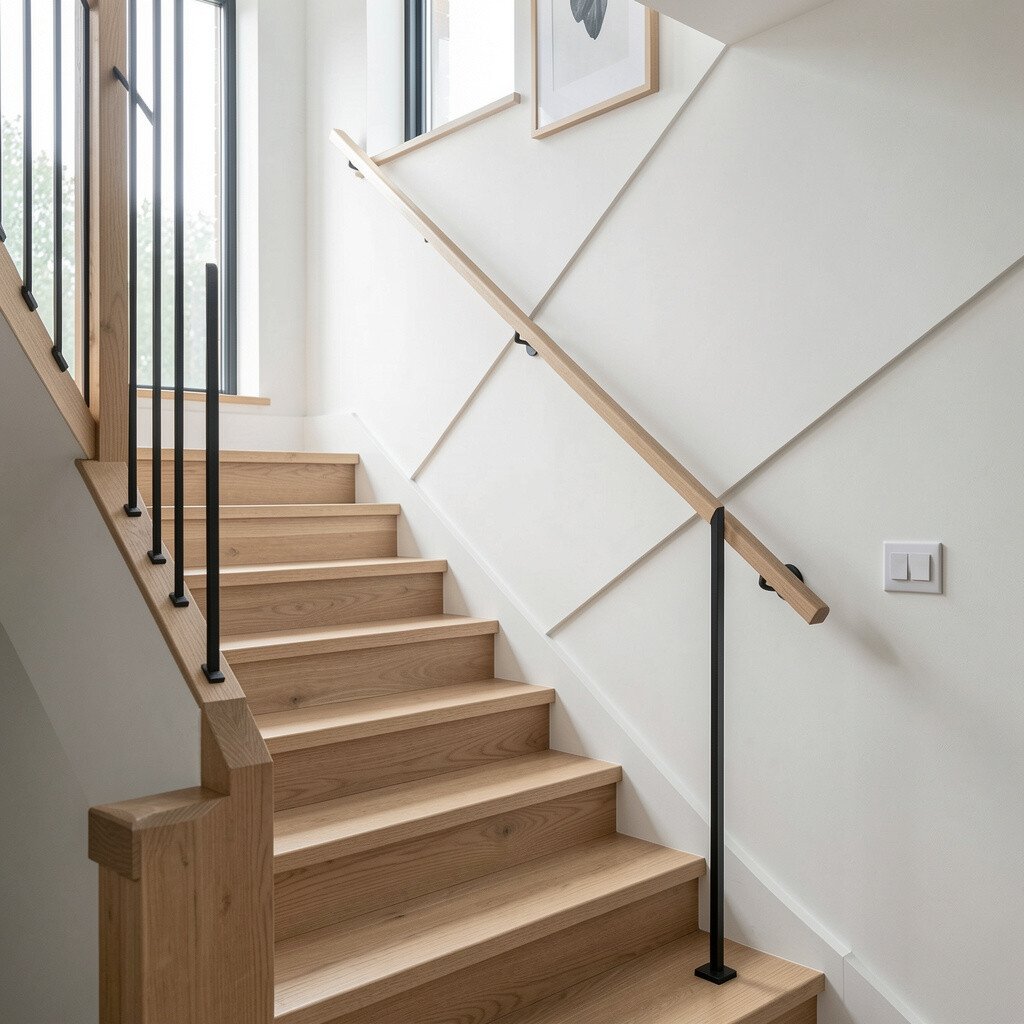
Some handrails look amazing in photos but don’t feel great in real life. A slippery metal rail, for example, can be too cold in winter or too hot in summer.
Comfort matters as much as style, especially for regular routines like morning commutes. Adding a warm wood grip, a textured coating, or an ergonomic profile makes the handrail feel more natural.
For personalization, match the rail finish to nearby trim, door hardware, or the kitchen cabinetry. That small choice can make the whole staircase feel designed as one connected space.
10. Planning Storage or Seating Without Checking Headroom
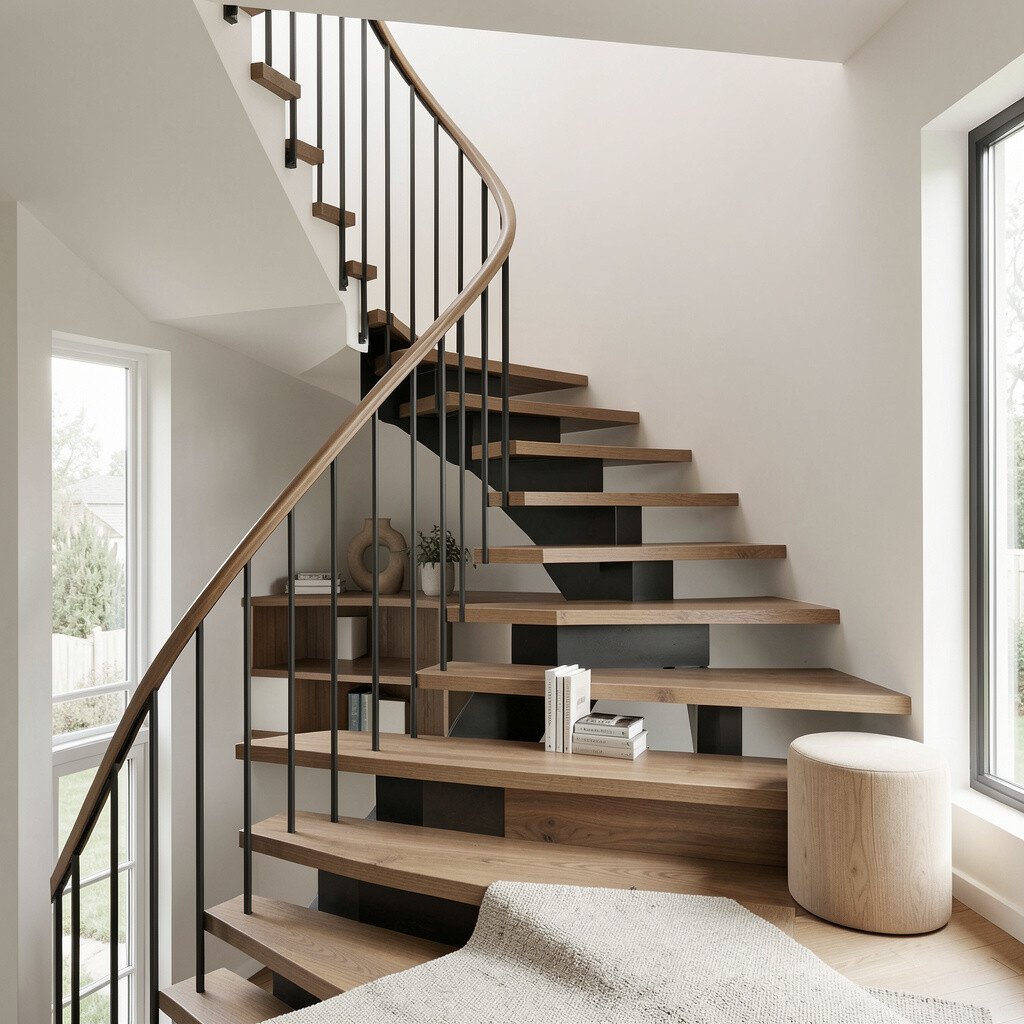
Modern homes love integrated storage under stairs, built-in benches, and ledges for decor. But those features can crowd the space and reduce headroom where people expect it.
Good planning keeps paths clear and prevents awkward bumping. Measure carefully and think about how people move while standing tall, carrying items, or wearing hanging light jackets.
11. Overlooking Stair Edge Details and Clean Transitions
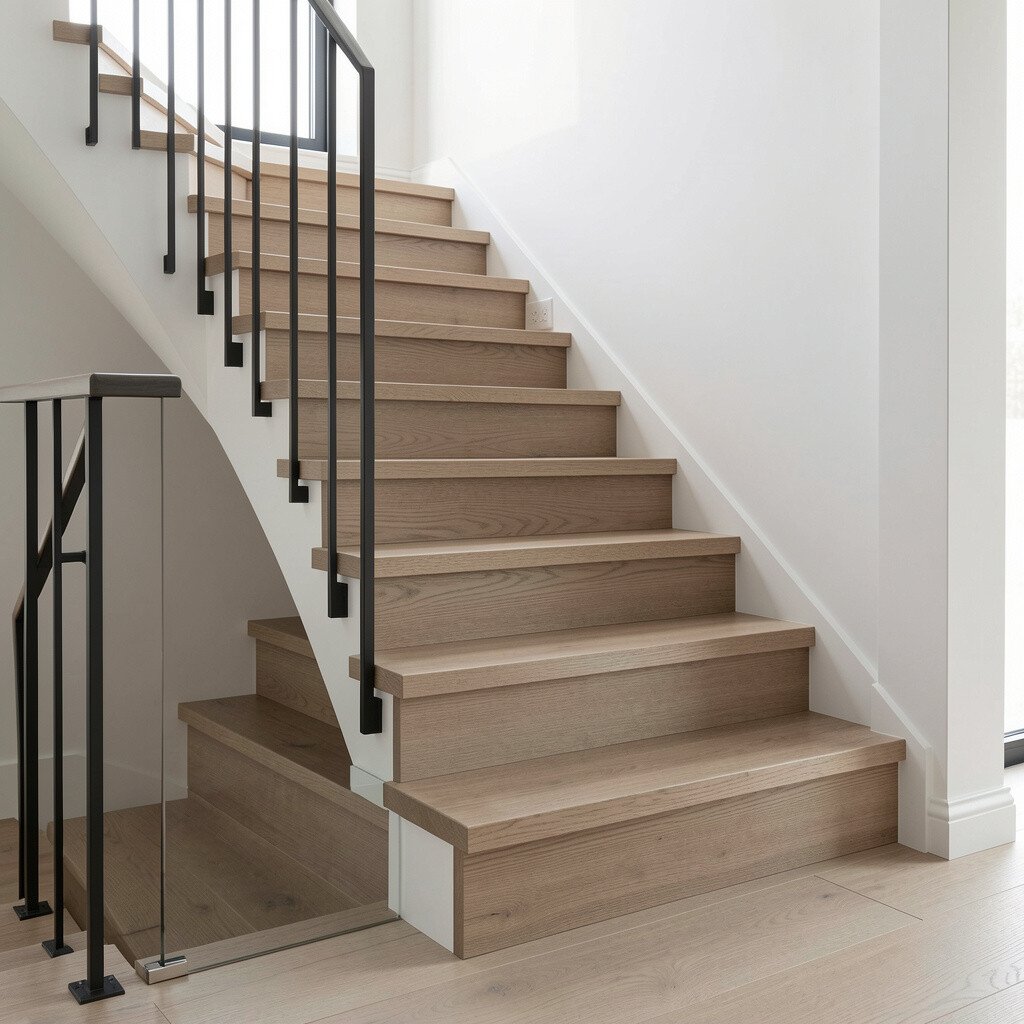
The edge where the tread meets the riser is where wear usually begins. If corners are too sharp, materials too thin, or transitions too abrupt, the staircase can look rough quickly.
Rounded edges, durable nosing, and careful joinery protect the finish. Clean transitions also make the staircase easier to clean, which matters for everyday dust and crumbs.
For a modern look, use crisp lines and consistent spacing while still choosing strong components. This balance keeps the style sharp and the steps practical.
12. Ignoring Climate and Humidity Effects on Materials
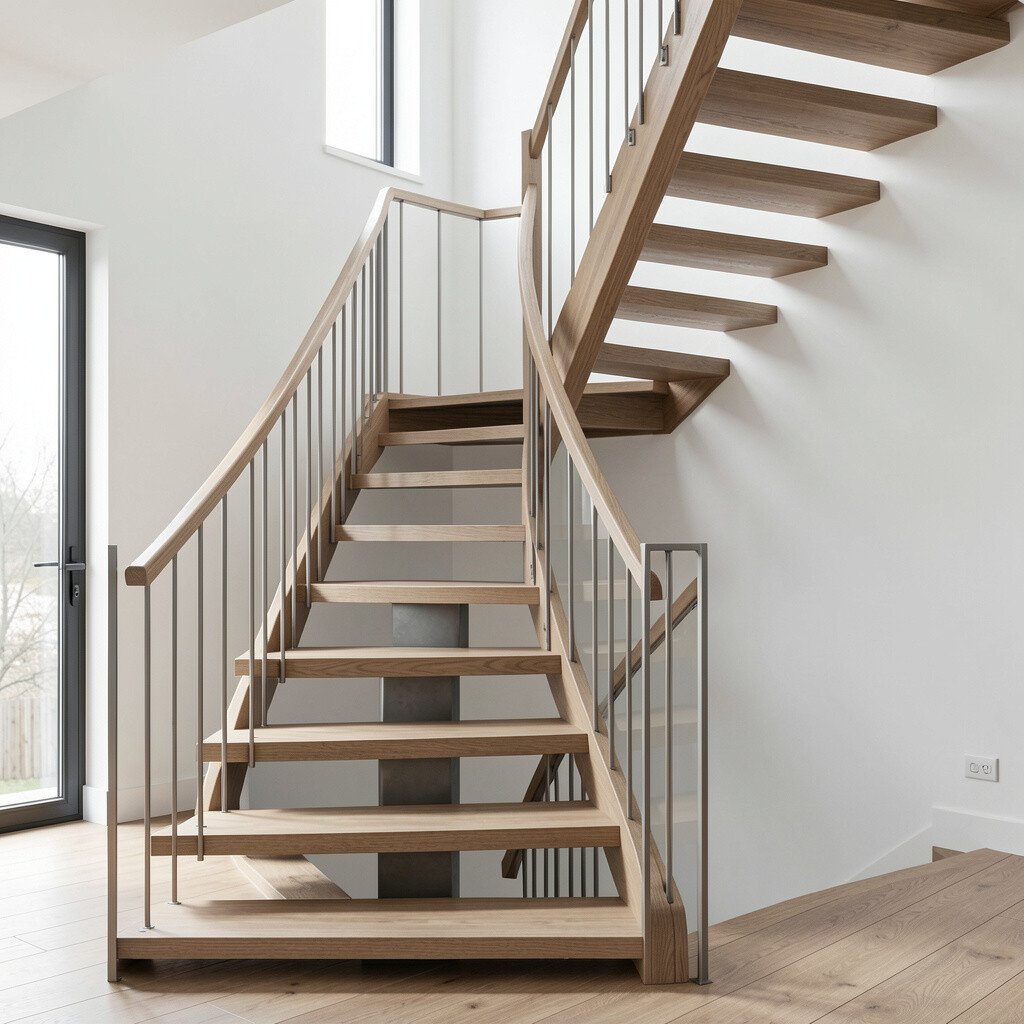
Wood behaves differently across seasons, especially near entryways, windows, or basements. If the stairs are exposed to swings in humidity, warping and squeaks can show up sooner than expected.
Choosing stable materials and sealing them properly helps maintain a steady feel. You can also leave room for seasonal movement and protect finishes from moisture.
13. Forgetting the Layout for Traffic Flow and Turning
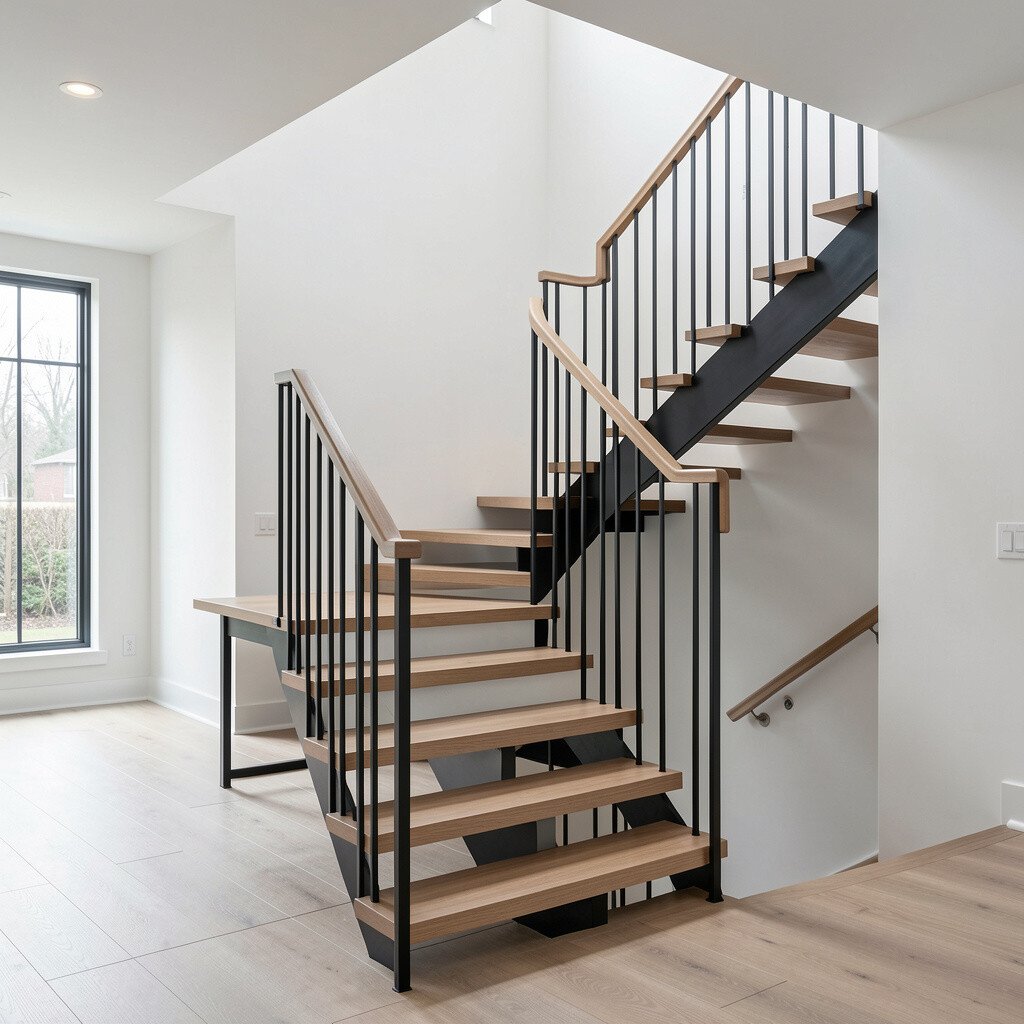
In many homes, stairs connect rooms like a hallway does. When the layout forces sharp turns or blocks sight lines, people slow down and feel unsure.
Think about how people climb when carrying bags, how kids rush, and how visitors navigate at night. A clear landing, smooth transitions, and a comfortable railing position make the whole route feel easier.
Personalize with decor that supports direction, such as art that lines up with the handrail path. That way, style helps people move confidently instead of distracting them.
14. Choosing Trends That Don’t Fit Your Home’s Use
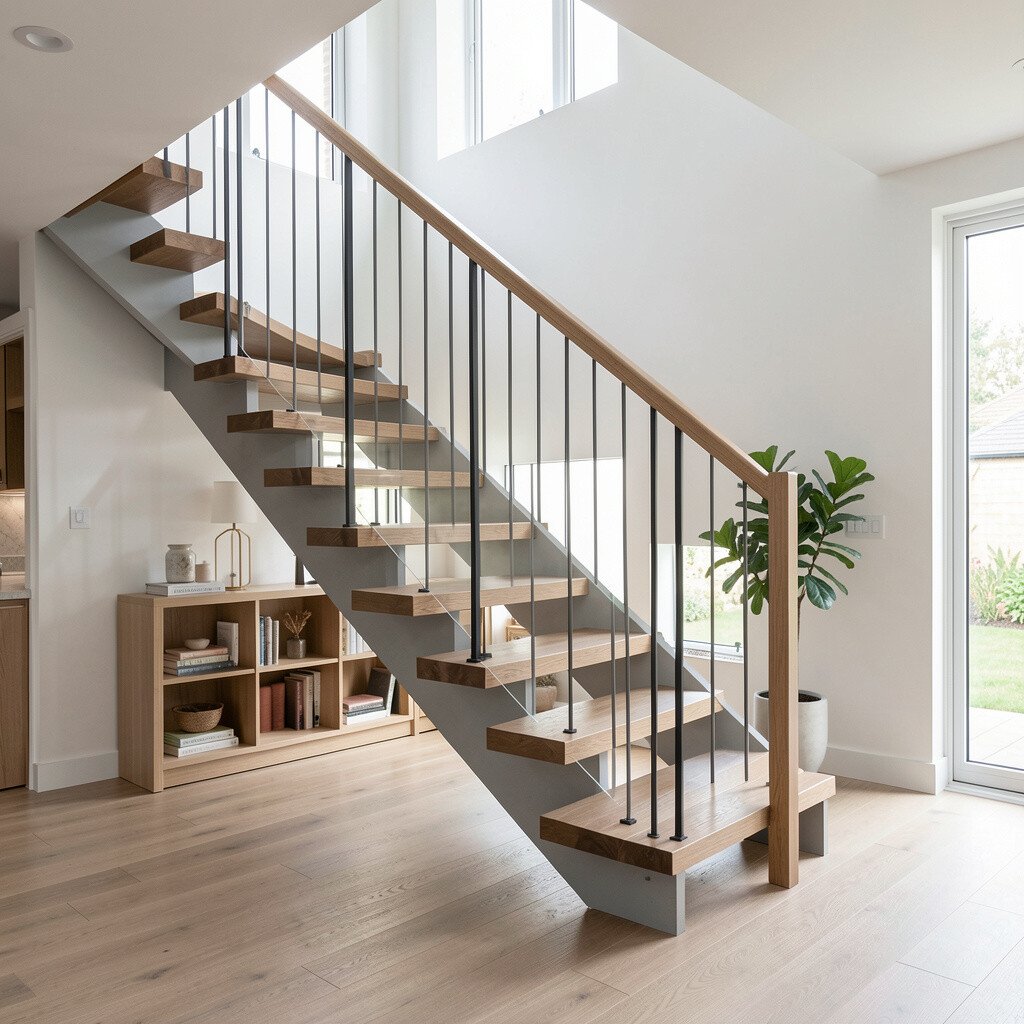
Trendy stair designs can look perfect in a showroom while ignoring how your household actually lives. A high-maintenance material might show every scuff, for example, or a very open design might feel exposed.
The best modern staircase fits your routines, not just your Pinterest board. If your home has pets, you might prefer durable, easy-clean surfaces and safer railings that prevent small accidents.
Consider the uniqueness of your home by matching the staircase finish to your flooring and lighting style. When the stairs fit the rest of the space, the look feels intentional and the daily use feels smoother.
15. Underplanning Budget, Timeline, and Maintenance
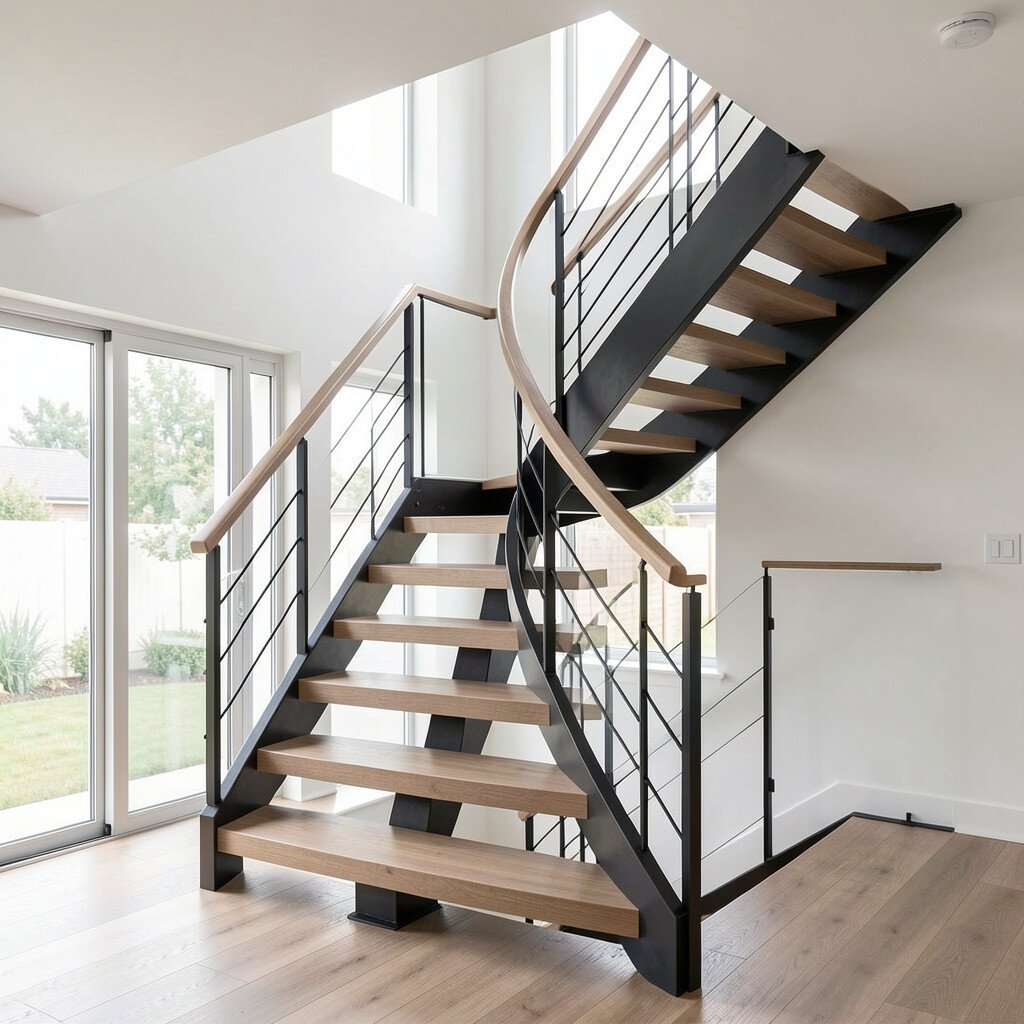
Modern stair projects can cost more than expected if details get overlooked during planning. Custom balusters, specialty lighting, and premium finishes add up quickly, especially when changes happen late.
A realistic budget helps you choose the right upgrades without cutting safety. Ask about maintenance needs too, since some finishes need more care, and some materials need periodic refinishing.
To keep control of costs, focus spending on what people touch most, like treads, handrails, and lighting at step edges. You can still get a modern look by selecting accents smartly while keeping the core structure solid and dependable.