A rental can feel welcoming without needing a full remodel. With a few smart upgrades, guests can move around more easily and feel more at home.
You can keep costs controlled while still making big improvements to safety, comfort, and daily routines.
1. Add Grip-Boosting Door Hardware
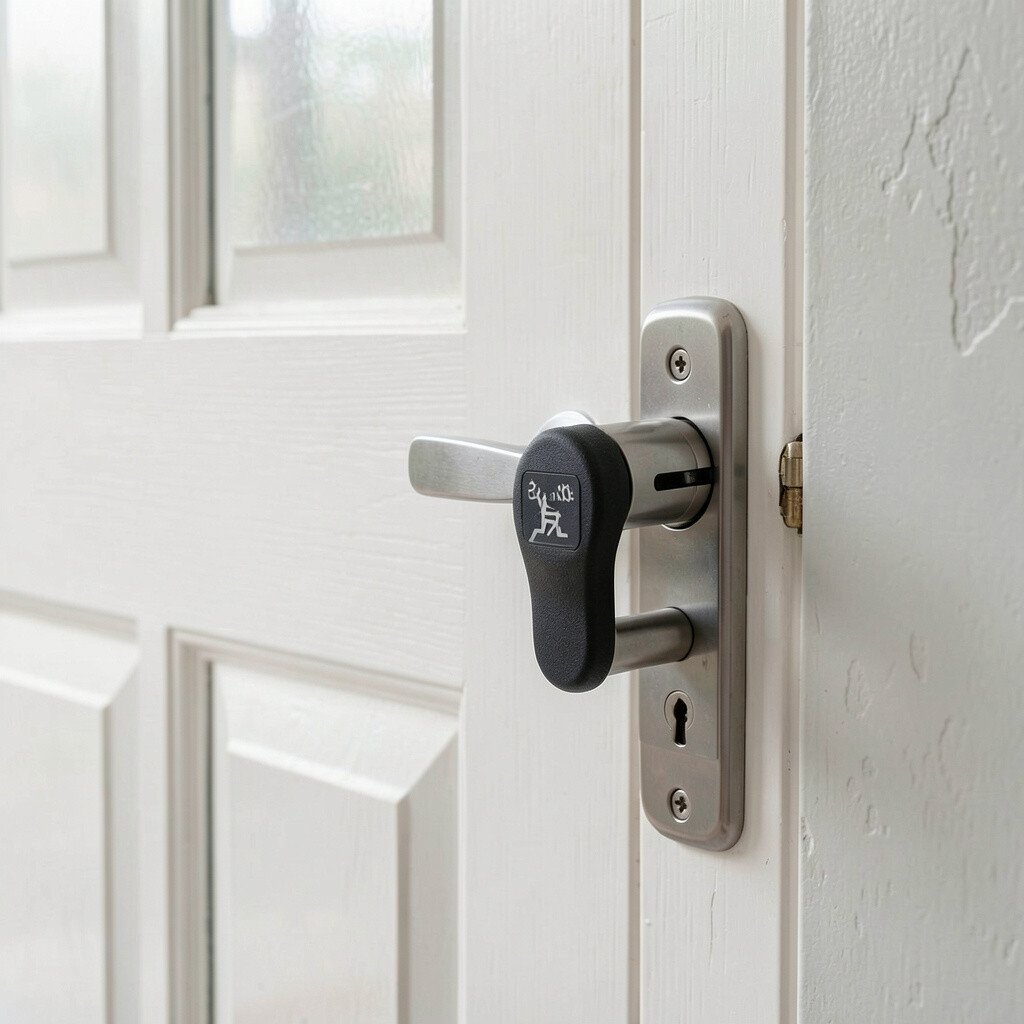
Switching to lever-style handles and adding grip-friendly pulls can make entry feel smoother. When a door is easier to open, the whole arrival moment feels less stressful.
Look for hardware with a firm, textured surface that works well with gloves or bare hands. Many renters also benefit when handles sit at a consistent height and require less twisting strength. This small change is unique because it upgrades the first touchpoint in the home, and guests instantly notice it.
For practical savings, shop for compatible parts that fit common door styles. If you rent, choose hardware that can be removed and reinstalled without damaging the door. Personalize the look by matching finishes to existing trim so it looks like it belongs from day one.
2. Install Low-Cost Threshold Ramps
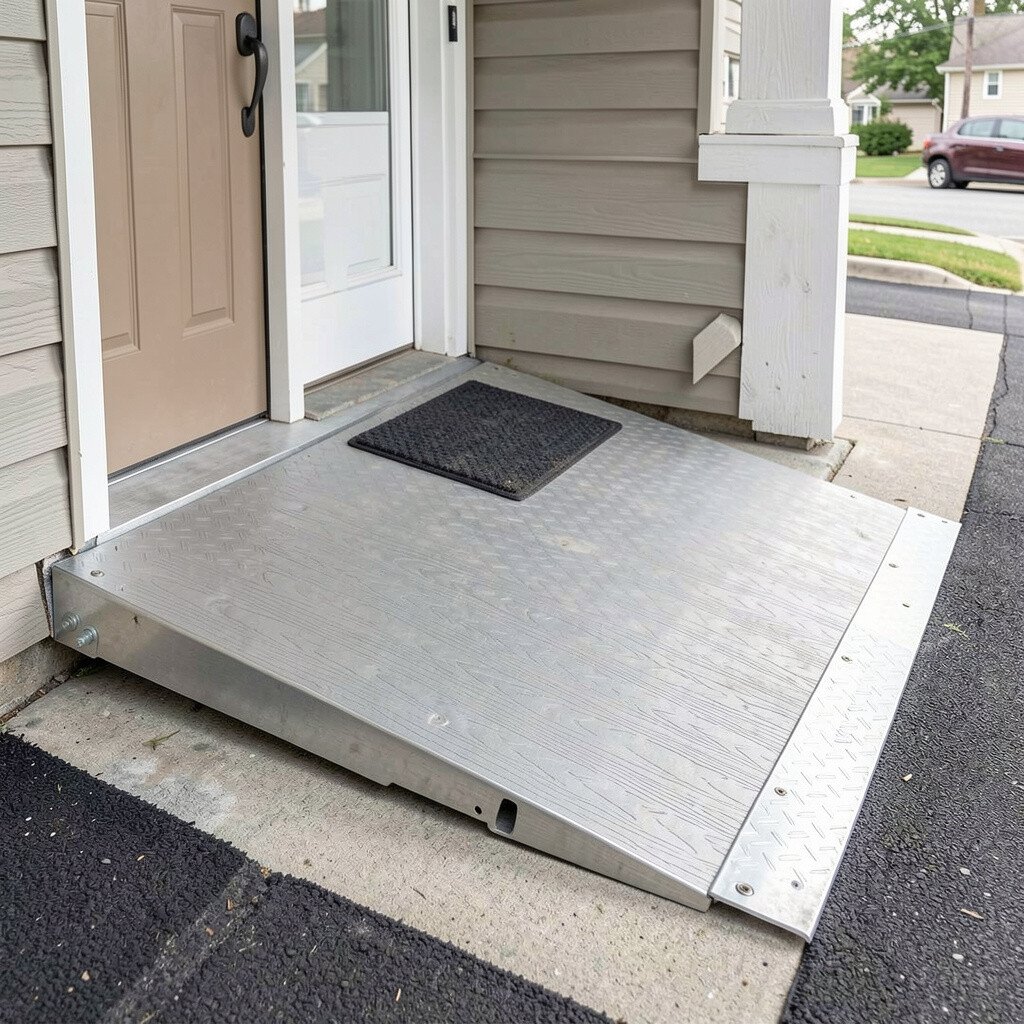
Small ramps can help with raised door lips and uneven flooring edges. A gently sloped surface makes wheel movement feel more continuous.
Choose ramps that are wide enough for stability and come with non-slip backing. Clear visual cues matter too, like a ramp edge that contrasts with the floor. Guests will appreciate how this modification turns tricky transitions into predictable paths.
Measure the rise and available width before buying, and confirm the ramp length supports the wheelchair style used. If the rental has multiple entry points, keep a compact ramp that can be moved where needed. Trends in rental accessibility lean toward modular pieces, because they stay flexible for different spaces and budgets.
3. Upgrade Bathroom Faucet and Shower Controls
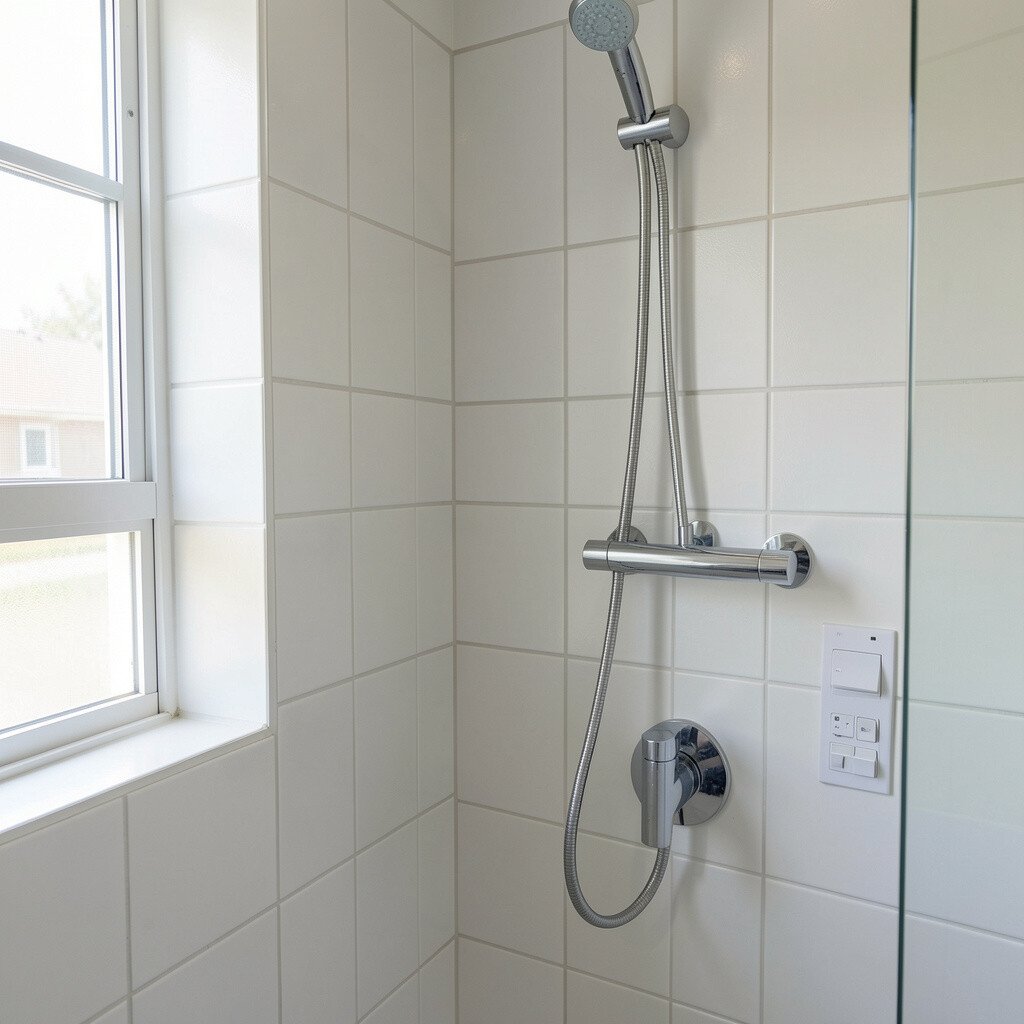
Replacing old knobs with easy-to-use levers can reduce strain during daily routines. Guests can adjust water flow faster and with more control.
Many people prefer mixer-style faucets or lever handles that don’t require tight grip strength. In the shower, consider a handheld wand with a simple on-and-off switch. The visual improvement can be striking too, since newer fixtures often look cleaner and more modern.
To keep it affordable, focus on one bathroom first, usually the one guests use most. Match finishes to reduce the chance of a mismatch that looks temporary. Personalize the setup by selecting a color that blends with existing tiles so the change feels intentional.
If you’re worried about installation, look for models designed for straightforward swap-outs. You can also keep receipts and notes so it’s easy to return it to the original if needed.
4. Add Non-Slip Flooring Strips and Mats
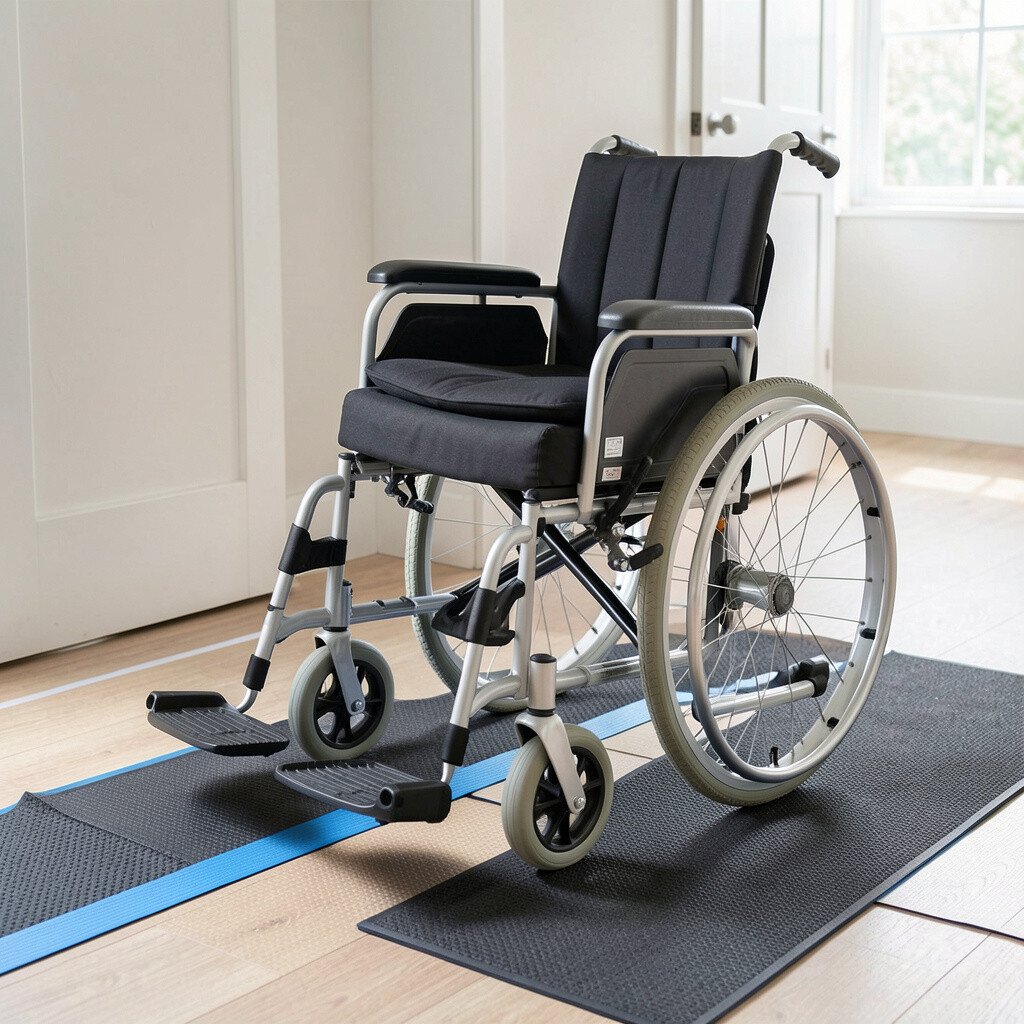
Slippery surfaces can be hard to manage, especially in the bathroom or near entryways. Non-slip strips create safer footing right where wheels and feet meet the floor.
Pick products with strong adhesion and a low profile so they don’t catch chair wheels. Add them near thresholds, bathroom entrances, and any spot that often gets wet. You’ll notice the visual change immediately because the floor looks “finished,” not neglected.
For practical tips, test a small area first to confirm compatibility with the floor type. Choose mats that can be removed and washed, since rentals see lots of everyday mess. This modification also supports personal comfort because different guests may prefer different drying habits, and mats help them manage moisture more easily.
5. Place Grab Bars Where Guests Actually Reach
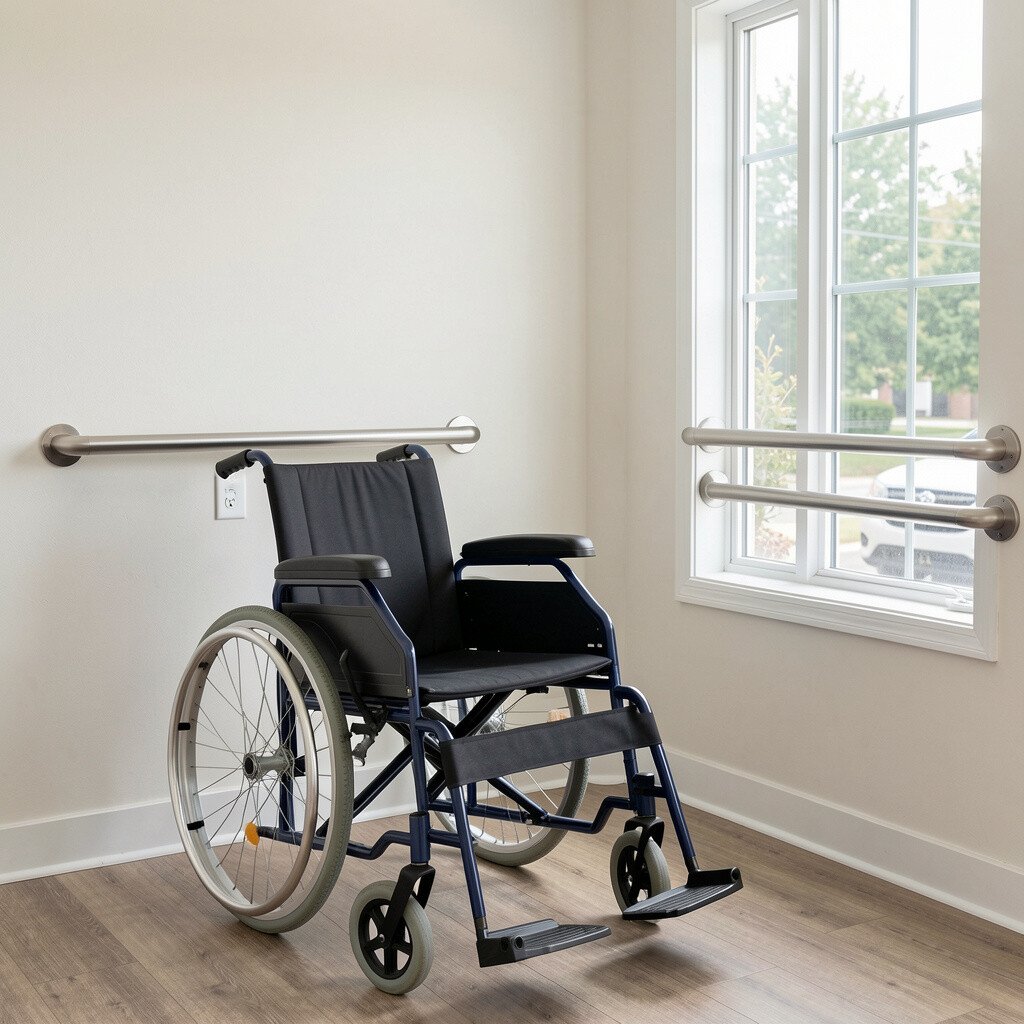
Grab bars can give confidence during transfers and bathroom movement. When they’re positioned where a person naturally reaches, they feel far more helpful.
Look for models designed for rental-friendly installation, such as secure mounting with minimal fuss. Use them near the toilet and along the shower area where support is most needed. This kind of uniqueness comes from how the bars change body positioning, not just safety.
Measure reach zones before installing so you don’t end up with bars that are technically “there” but not useful. If drilling isn’t allowed, consider removable supports designed for temporary use, though always ensure they’re rated properly. Personalize by adjusting placement based on the most likely guest routine, like assisted transfers versus independent mobility.
Keep the budget reasonable by prioritizing the wettest, most frequent-use spots first. A single well-placed set often does more than several poorly located pieces.
6. Widen Accessible Pathways With Smart Furniture Swaps
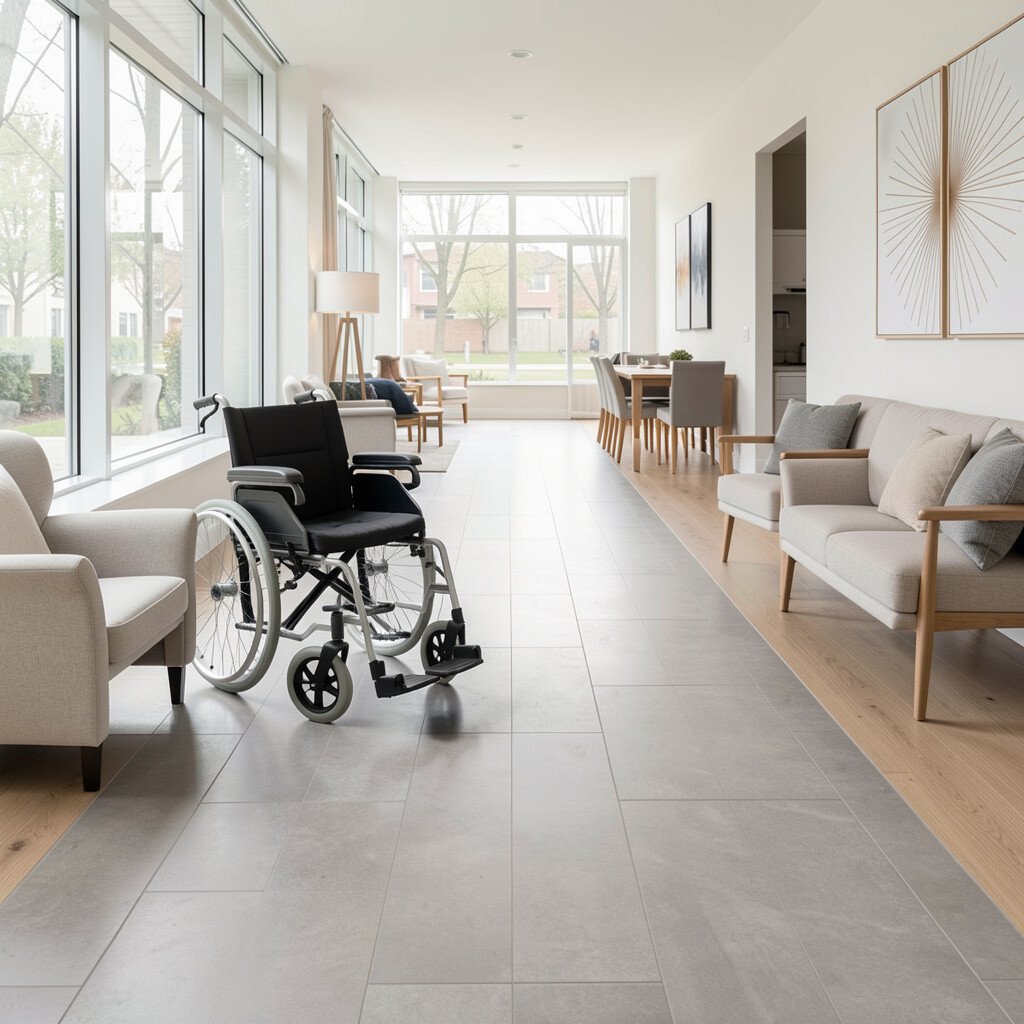
A cramped living area can make even a small chair feel stuck. Moving bulky pieces can open a clear path without touching the walls.
Try swapping a heavy coffee table for a lighter one with rounded edges. If possible, choose furniture that can slide slightly back or be moved quickly for guests. Visual openness helps too, because the room looks less crowded and more welcoming.
Consider storage under benches or slimmer shelving to reduce clutter that blocks wheels. Keep pathways consistent from entry to bathroom and from living area to sleeping area. This modification feels personal when you match the room layout to how your rental is used most, like quiet evenings or family gatherings.
7. Use Reach-Friendly Storage With Adjustable Shelving
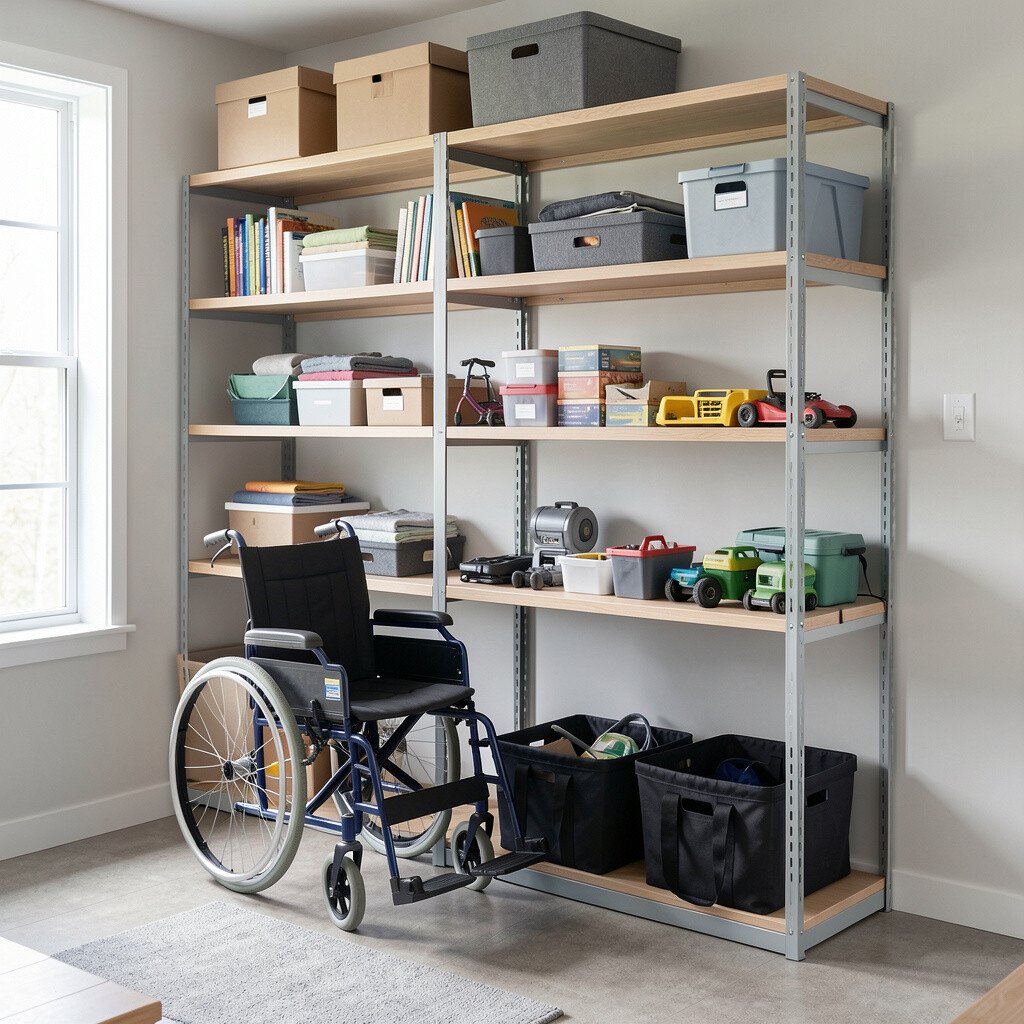
When items are too high, guests have to stretch or ask for help. Lowering everyday items makes the rental feel practical and kind.
Set up a small section of accessible shelves for toiletries, snacks, and basic supplies. Choose adjustable shelving so the same unit can fit different guest needs. The visual benefit is real too, because the space looks organized and ready instead of improvised.
Start by listing what guests usually reach for first, like towels, cups, and daily hygiene items. Then adjust storage heights to keep those items within comfortable reach. Personalization can be simple, like adding a small tray for frequently used items so a guest can grab everything in one motion.
To control cost, focus on a single closet or cabinet rather than redoing the whole home. Current rental trends favor simple, labeled-but-not-cluttered organization that stays easy to reset between stays.
8. Add Lever-Style Light Switches and Control Buttons
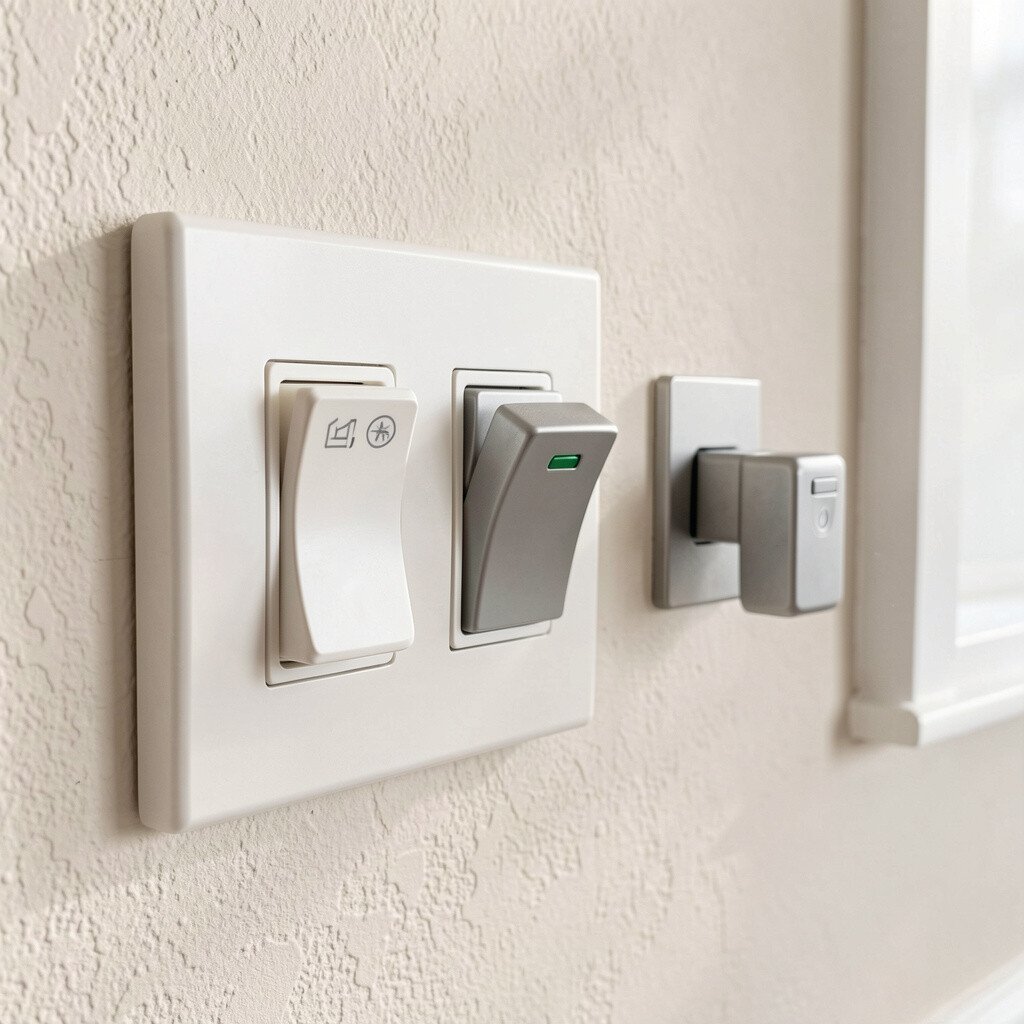
Light switches that require grabbing or twisting can slow movement and create frustration. Lever-style switches feel easier and faster to use.
Consider replacing at least the most-used switches, like the main entry and bedside controls. You can also add larger, high-contrast plates so the controls stand out visually. This upgrade is unique because it supports independence in the smallest moments.
For practical tips, check the wiring compatibility and look for models made for standard electrical boxes. If you can’t modify wiring, add grip-friendly covers that make existing switches easier to press. Personalize by selecting plates that match other hardware finishes so the rental looks cohesive.
Keep costs in check by upgrading the two or three switches guests use most. Many owners find that targeted upgrades deliver the best return on effort.
9. Improve Toilet Accessibility With Raised Seats or Risers
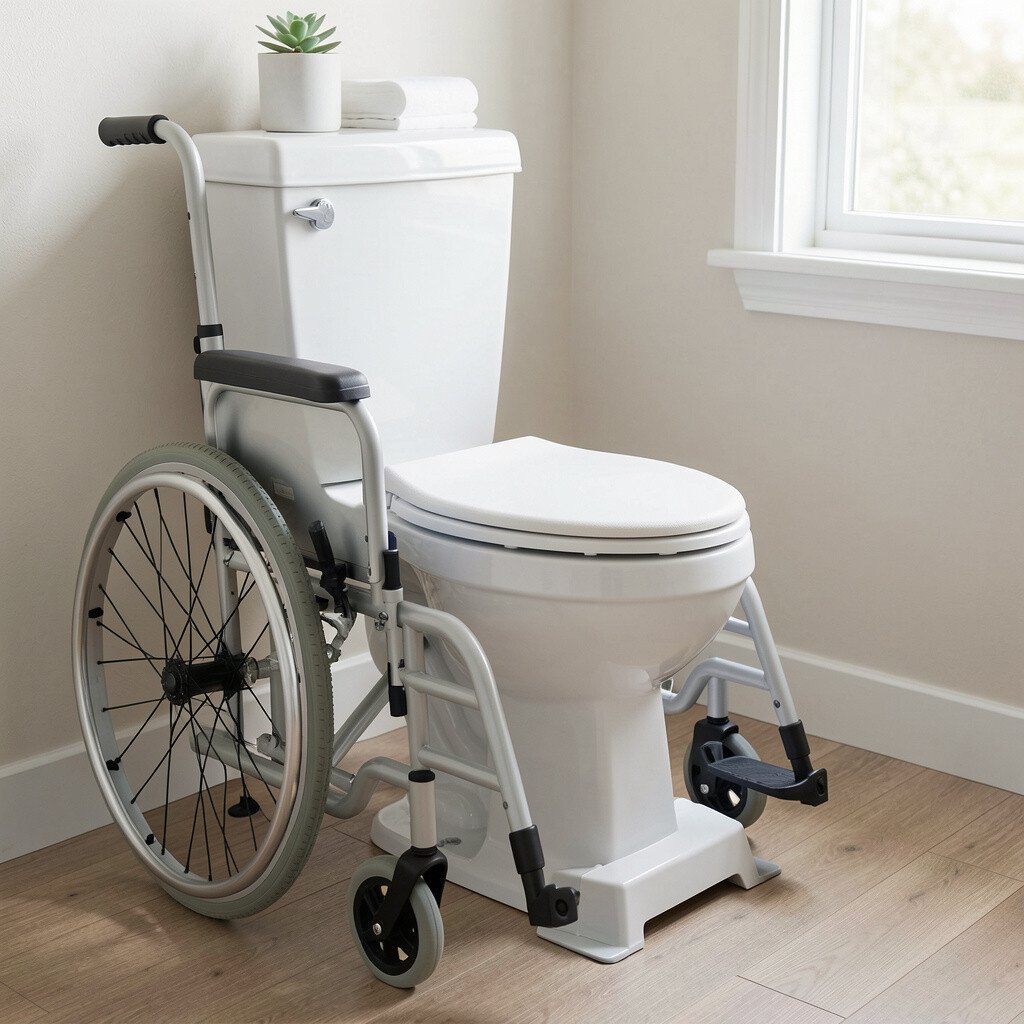
Toilets can feel hard to approach when the seat height is too low. A raised toilet seat can reduce strain and help with safer transfers.
Look for a stable riser with secure attachment and a design that doesn’t wobble. If you add a supportive rail, choose one that complements the space and feels easy to grip. Guests often notice comfort right away, which makes this modification feel genuinely welcoming.
Before purchasing, measure the toilet and check whether the rental has enough space beside it. Practical tips matter here, because tight room dimensions change what feels workable. Personalize by selecting a seat cover style and color that fits the bathroom’s look.
Cost considerations are straightforward since many options are inexpensive compared to major remodels. Also, removable products can simplify return to original condition after a lease ends.
10. Choose Adjustable Seating and Transfer-Friendly Bedroom Setup
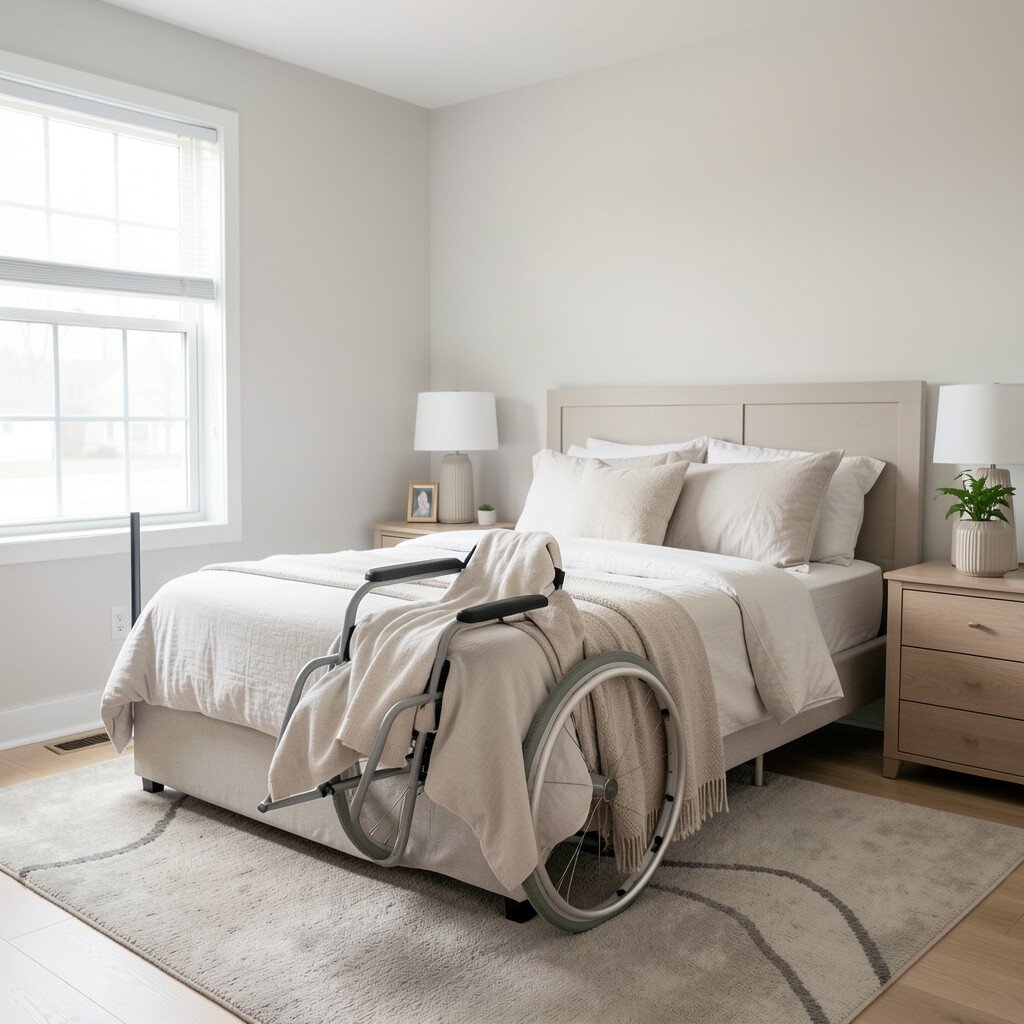
A bedroom can become much easier to use when the bed and seating support movement. Small changes can help guests transfer with less effort.
If replacing furniture is too expensive, consider a bed height adjustment platform that brings the mattress closer to a comfortable transfer zone. Add a firm, supportive chair with armrests so guests can pause and reposition safely. The visual impact can be surprisingly nice, since a well-set room looks tidy and calm.
Arrange the bed so there’s a clear approach space and avoid blocking it with nightstands that intrude into the pathway. For personalization, place a bedside tray with essentials so guests can reach items without stretching. Current rental preferences also lean toward “comfort on arrival,” so a clean, reachable setup feels modern and thoughtful.
11. Add Corner Radiused Edges and Soft Wall Protection
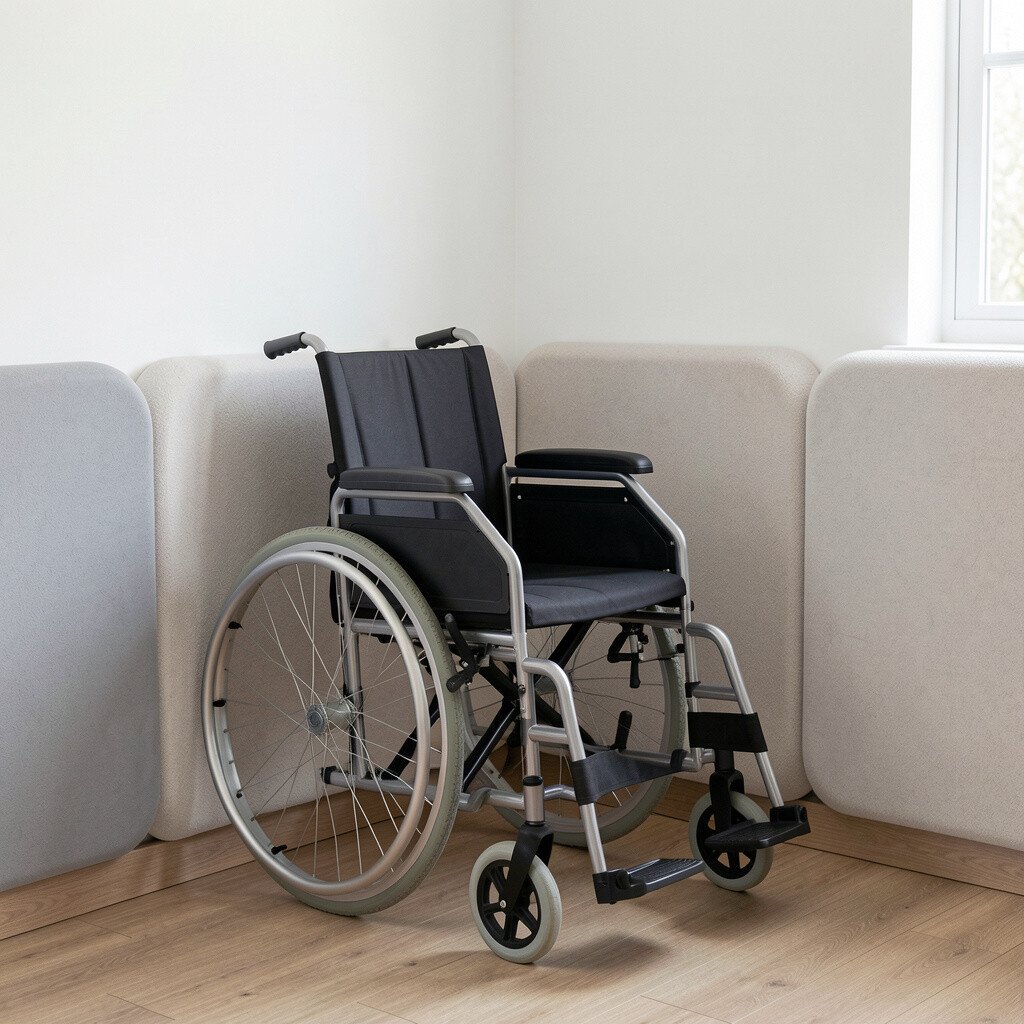
Hard corners can be risky when wheels turn close to walls. Rounded or protected edges reduce bump injuries and help movement feel safer.
Use corner guards or foam protectors on sharp edges in hallways and near commonly navigated routes. The visual improvement can be subtle but valuable, because it makes the home look cared for rather than fragile. This uniqueness shows up in how safe the rental feels during everyday turns.
To keep it practical, install guards only where collisions are likely, such as near doorways or between furniture legs. Choose durable materials that can handle scuffs from daily use. Personalize by selecting protective coverings that match wall colors or blends with trim so they don’t look out of place.
12. Use Smart Rugs With Low Profiles and Secure Backing
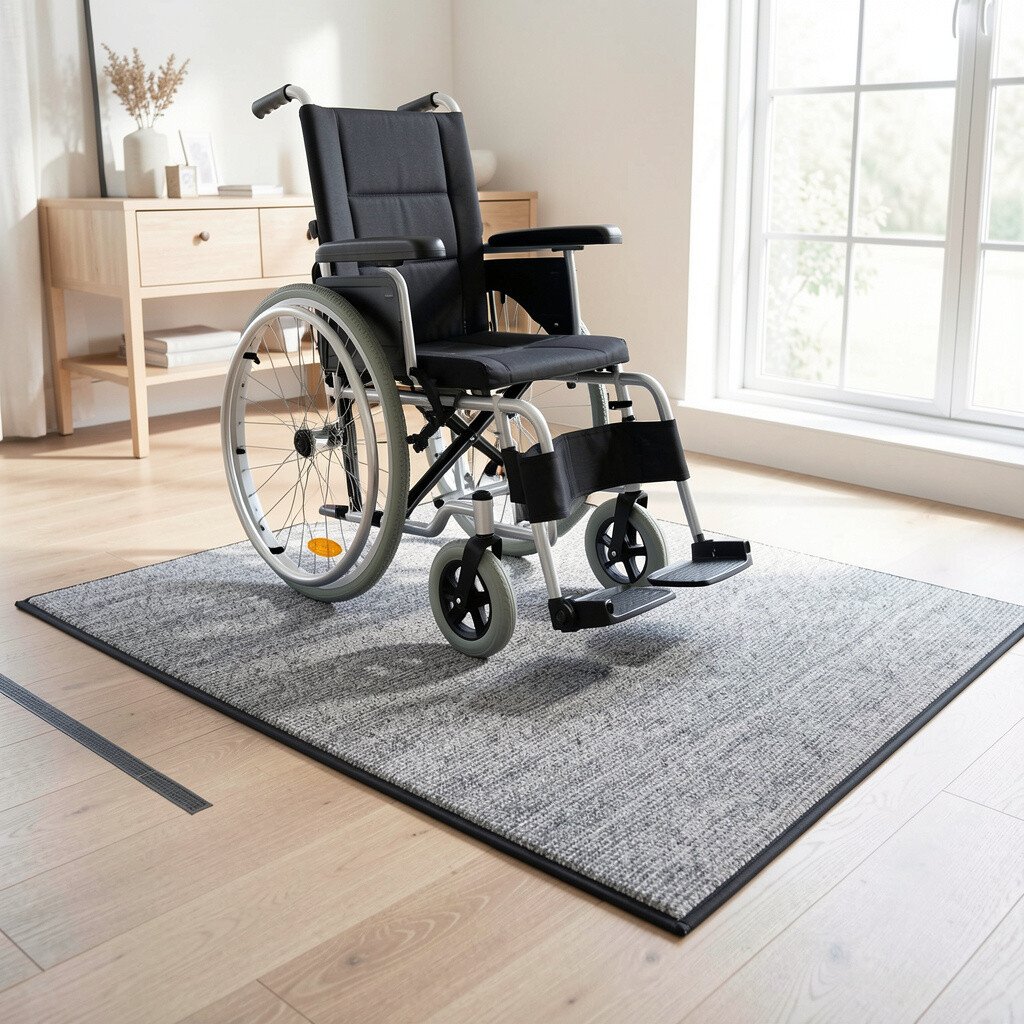
Rugs can make a home feel cozy, but high edges can trap wheels. Low-profile rugs with secure backing keep the room warm without adding obstacles.
Place rugs in areas where they won’t sit across main travel lines. If you love patterns, pick smaller designs and keep them centered on clear floor space. Guests benefit because the room stays comfortable while wheels glide more smoothly.
Choose rugs that are easy to clean, since rentals need fast turnover. Consider machine-washable options or non-slip rug underlay that stays put. Personalization is easy here too, because you can match colors to the overall style without sacrificing accessibility.
Cost considerations are helpful since you can improve safety with one or two key rugs rather than covering everything. This approach also supports current trends toward “staging for real life,” where style and function go together.
13. Create Accessible Kitchen Zones With Slide-Out or Pull Baskets
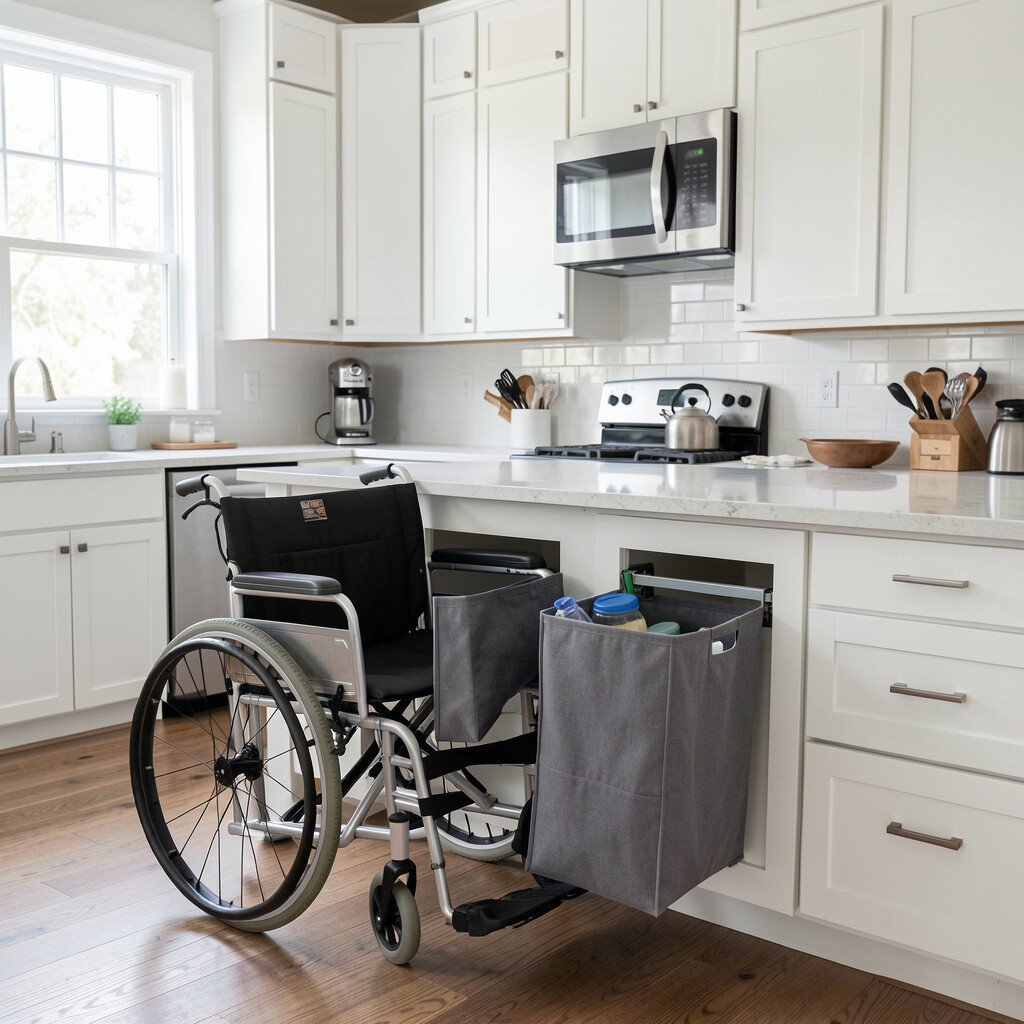
Kitchen items often sit in deep cabinets, which can be hard to reach from a wheelchair. Pull-out baskets turn a hard-to-use space into a reachable one.
Install pull-out organizers in the most-used cabinet areas like near the stove and counter. Use lightweight baskets so guests can access items without heavy lifting or awkward bending. The visual difference feels clean and modern because open space looks intentional.
For practical tips, focus on a few cabinets first and keep cookware and daily supplies within easy reach. Add a small removable tray to organize frequently used items like cups, utensils, and spices. Personalization ideas include adding a labeled collection of basic cooking tools for guests who prefer simple meal prep.
These modifications can stay affordable because you can buy modular organizers without replacing entire cabinetry. Trends in rental hosting now emphasize quick-access convenience, and this fits right in.
14. Set Up Portable Seating, Transfer Supports, and Emergency-Friendly Lighting
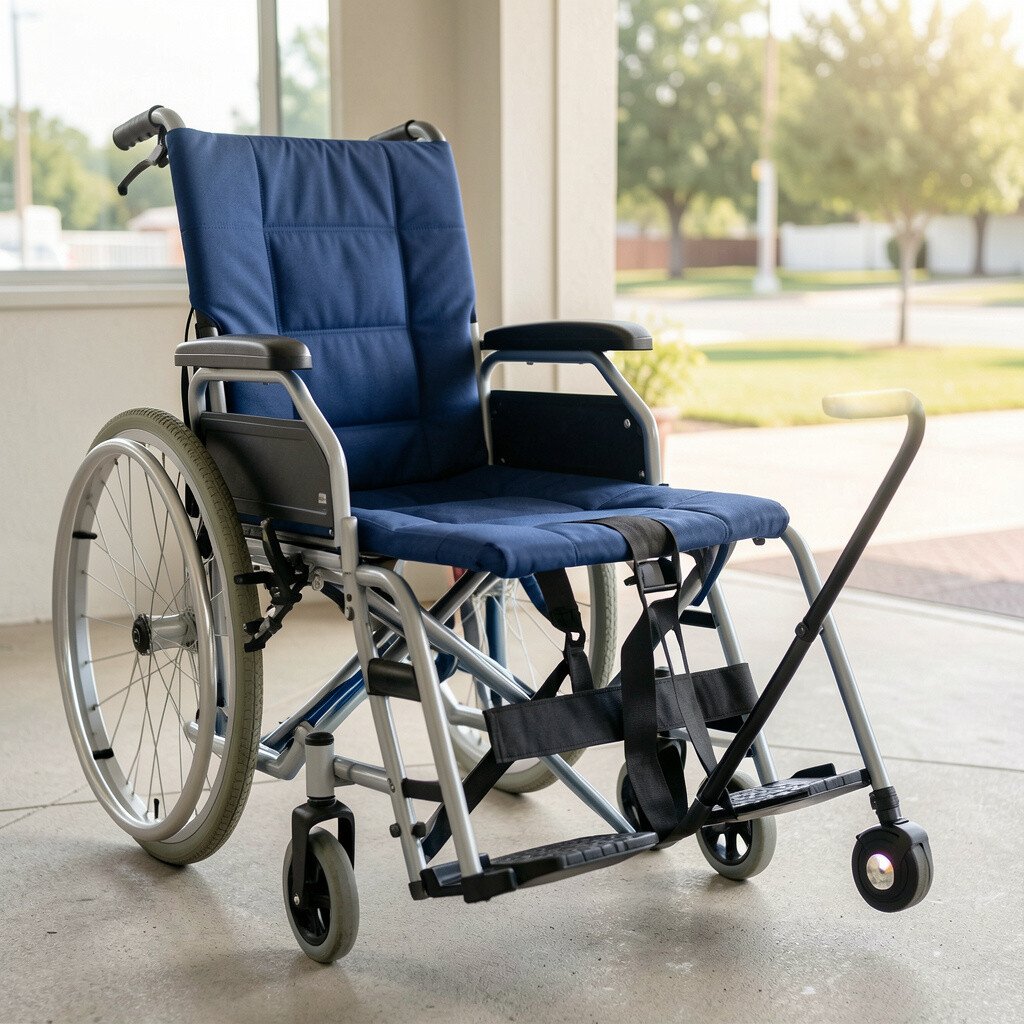
When mobility needs change, having flexible tools helps guests feel prepared. Portable supports and clear lighting can make a big difference in comfort and safety.
Use a portable transfer-friendly chair or supportive seating option placed in a predictable spot near key areas. Add bright, easy-to-find floor lighting paths or motion-sensing night lights so the home feels safe after dark. This modification is unique because it supports the whole stay, not just one routine task.
For practical savings, choose multi-use tools that can serve different rooms and different guests. Keep cords managed and avoid clutter so mobility stays smooth. Personalize by placing small essentials within easy reach, like a drink holder tray and a charging station for common devices.
Cost considerations can vary, but many affordable items are designed for quick setup and reuse. Current trends in vacation rentals focus on “friction-free movement,” and these flexible upgrades strongly match that goal.
Always check tool stability and verify the lighting placement so it doesn’t cast glare. A rental that feels safe and responsive creates repeat guests and better reviews, which matters for long-term hosting success.