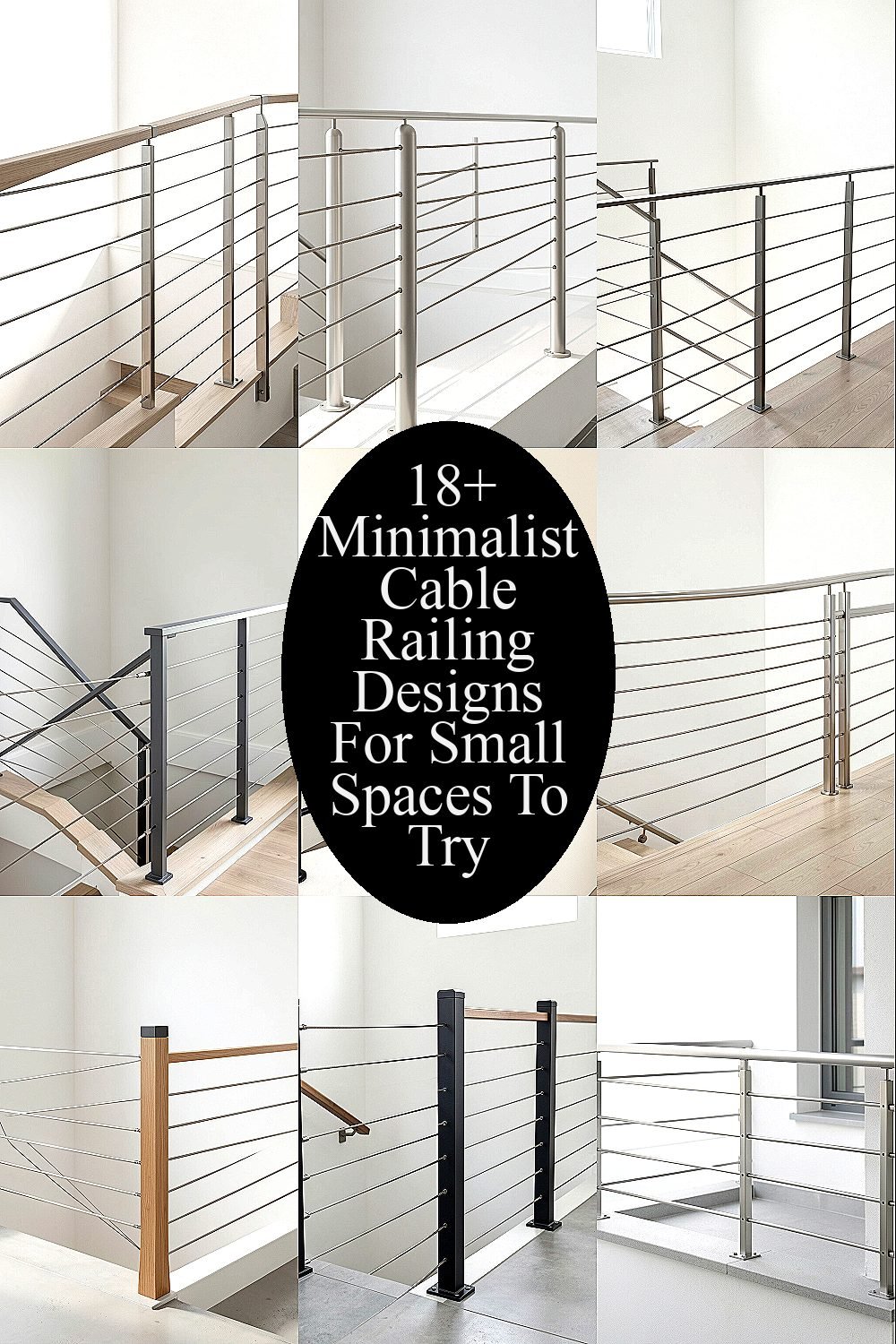
Small spaces deserve details that feel airy, not crowded. Cable railings can do that while still looking sharp.
They keep lines clean, light moving, and views open, even when your balcony, stairs, or loft feels tight.
1. The Floating Line Look
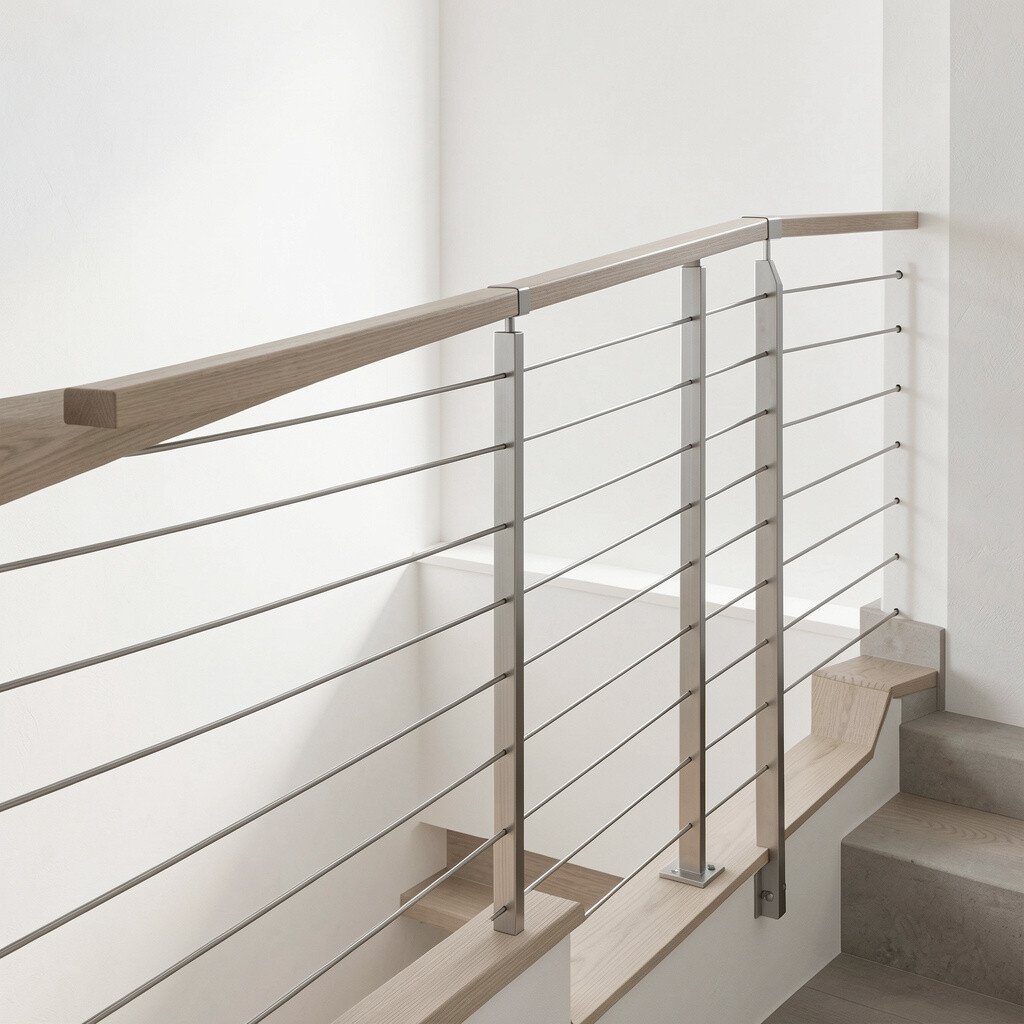
Think of a railing that feels like a thin line across the edge, with cables running straight and calm. The posts stay slim, so your eye reads the space as bigger and brighter.
For small areas, this style works because it reduces visual weight while keeping safety solid. Use a darker post finish against light walls, or go satin aluminum if your room already leans warm and natural.
To personalize it, choose cable tensioners that match your hardware color, like brushed steel or matte black. Keep the cable spacing consistent and measure twice so the run looks crisp from every angle.
2. Round Posts With Tight Cable Rhythm
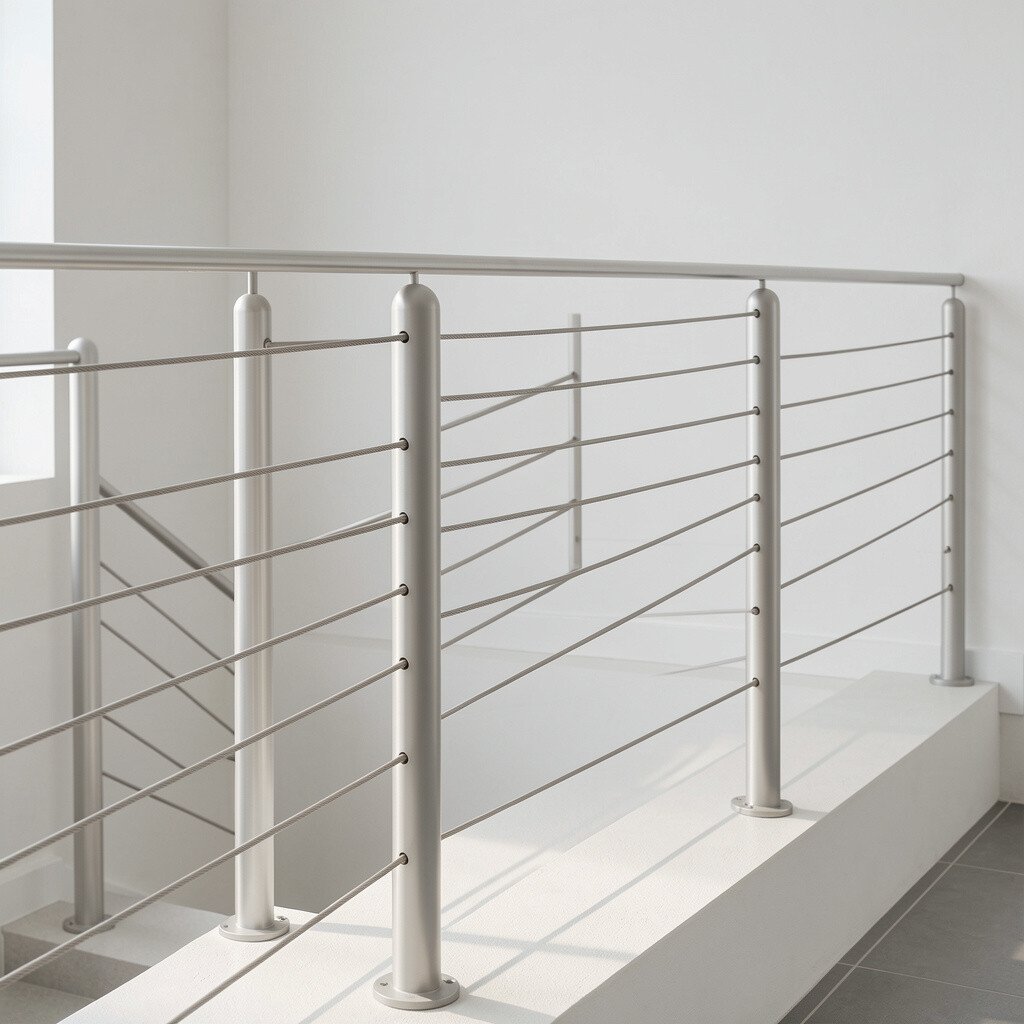
Round posts soften the look and make the railing feel friendly, not harsh. When cables follow a steady rhythm, the whole section looks organized and calm.
This design helps in compact stair landings because it frames the view without blocking it. It also pairs well with narrow hallways where you want continuity from step to step.
Choose post diameters that fit your space, and consider a slightly taller top mount for a more comfortable grip. If you like variety, wrap the posts with a subtle wood sleeve so the metal still feels connected to the room.
For cost planning, know that round posts can be slightly pricier than flat plates, but they often reduce the need for extra decorative trim. Shop for pre-cut kits if you’re trying to keep installation time and labor costs down.
3. Minimal Top Rail, Maximum Openness
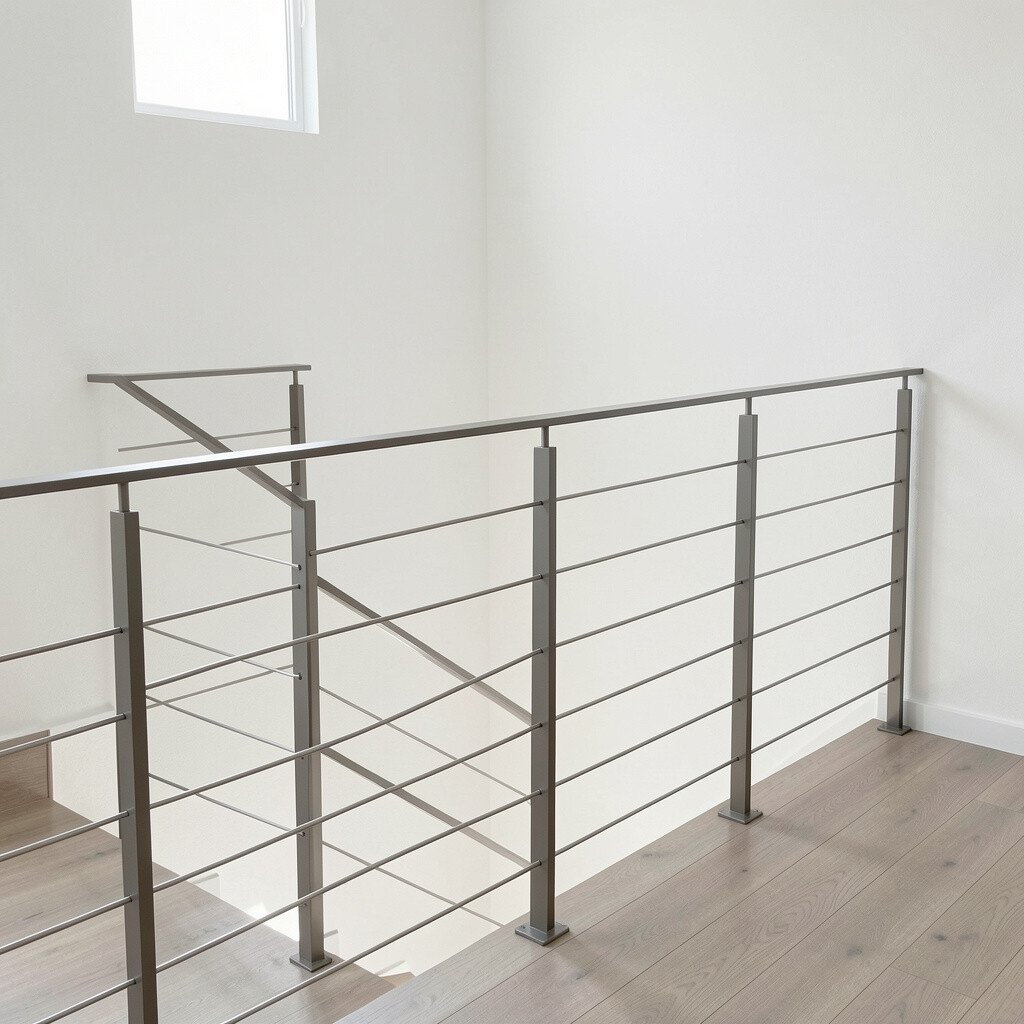
Picture cables that reach upward with almost no bulky top beam. The view stays clear, and your small balcony or stairwell feels like it has more breathing room.
This look is great when your space already has strong features like big windows, a gallery wall, or an open kitchen view. Fewer surfaces also mean easier cleaning, since there’s less to wipe down.
If you’re adding it to a loft, keep the top rail low-profile so you don’t block sightlines when you stand near the edge. You can also personalize with a thin wood rail cap that matches your flooring for a warm touch.
When you’re choosing materials, look for powder-coated posts that resist scratches. That small upgrade can matter a lot in busy homes with kids, pets, or frequent foot traffic.
4. Angled Cable Runs For Nook-Friendly Flow
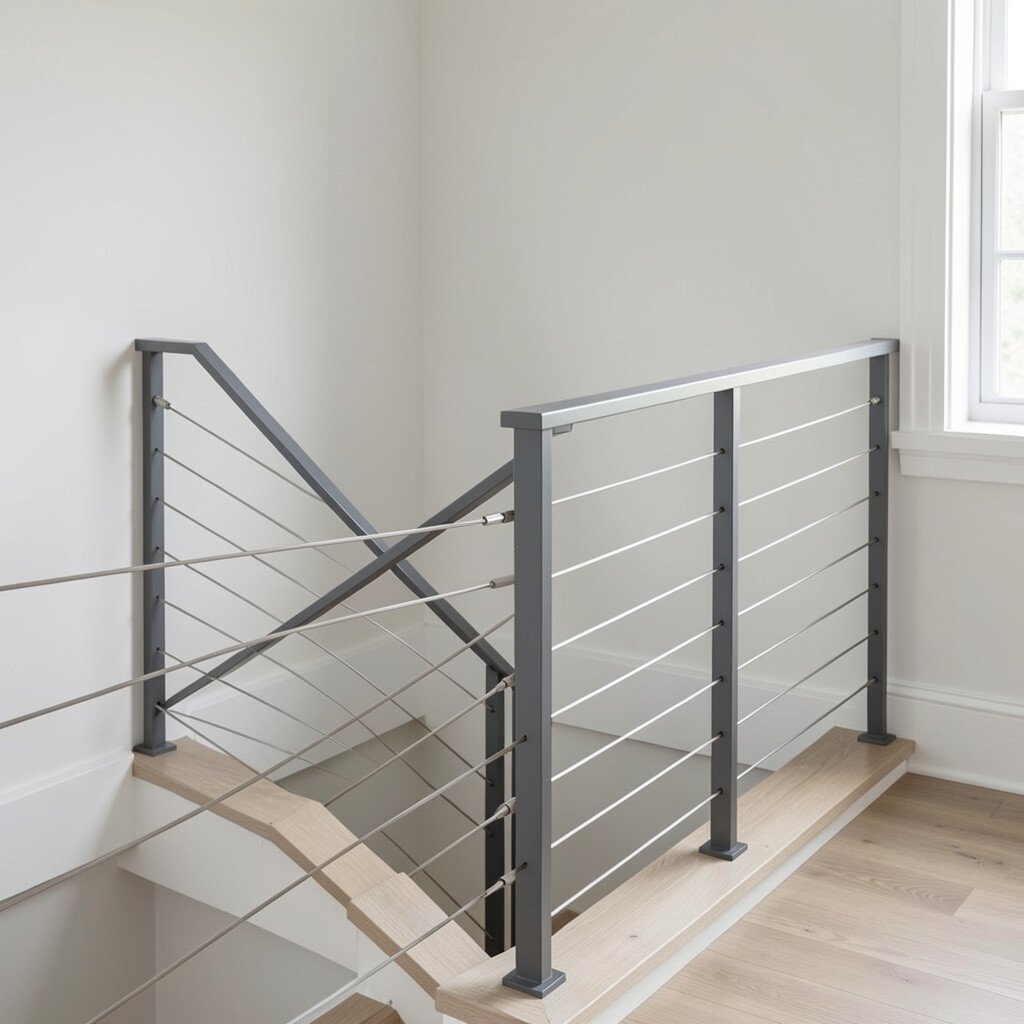
Sometimes your space isn’t a perfect rectangle, and the railing should follow the shape. Angled cable runs can guide the eye and make a corner feel intentional.
This helps small patios and stair turns by reducing the “stop and stare” effect at flat transitions. It’s also useful when you want the railing to align with a diagonal beam or a slanted ceiling line.
For a practical setup, plan your anchor points early and double-check how tension changes on corners. If you’re doing it yourself, pick a system with clear instructions for angled installation so you don’t fight the layout.
To keep it minimalist, stick to one metal finish and avoid mixing too many colors. A single color scheme keeps the angled cables looking clean, even when the geometry gets interesting.
5. Black Cables Against Light Surfaces
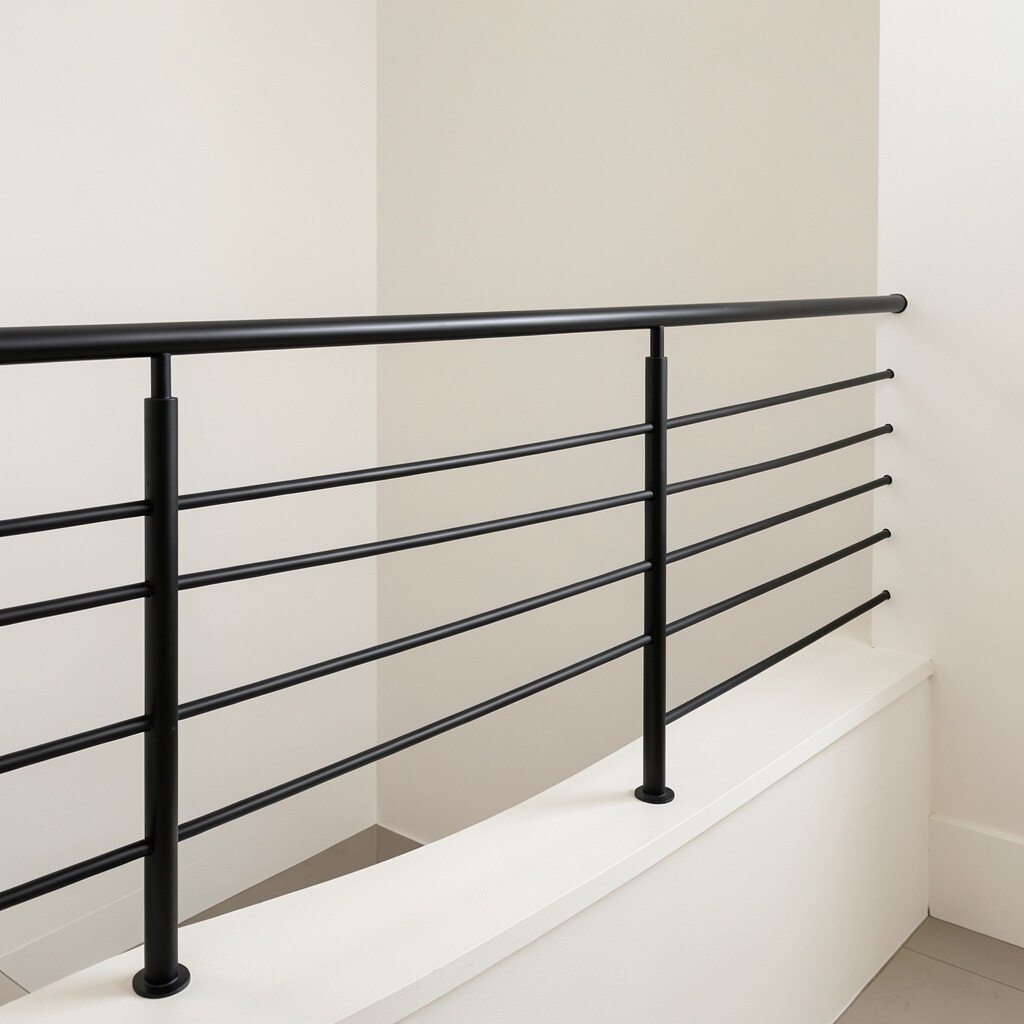
Black cables and matte black posts create a crisp contrast that looks modern and intentional. Against white walls or pale wood, the railing reads as sleek instead of bulky.
This style is especially nice in tight spaces because the contrast helps define edges while still keeping lines thin. Your room can feel styled without feeling crowded.
If you want a softer vibe, choose charcoal cables rather than deep jet black, which can look a little gentler in daylight. Add warm lighting nearby, like a slim wall sconce, to keep the area cozy rather than stark.
6. Clear View With Stainless Cable Transparency

Stainless cables can look almost invisible, which is perfect for tiny spaces that depend on light. You’ll notice how the railing fades back while still adding structure and safety.
This design works beautifully near windows because it won’t compete with the outside view. It also suits minimalist interiors that use neutral tones and natural textures.
To keep it looking clean, choose a finish that resists fingerprints and wipe with a gentle microfiber cloth. If you have hard water nearby, plan for occasional cleaning so the cables stay shiny and bright.
7. Wood-Capped Minimal Posts
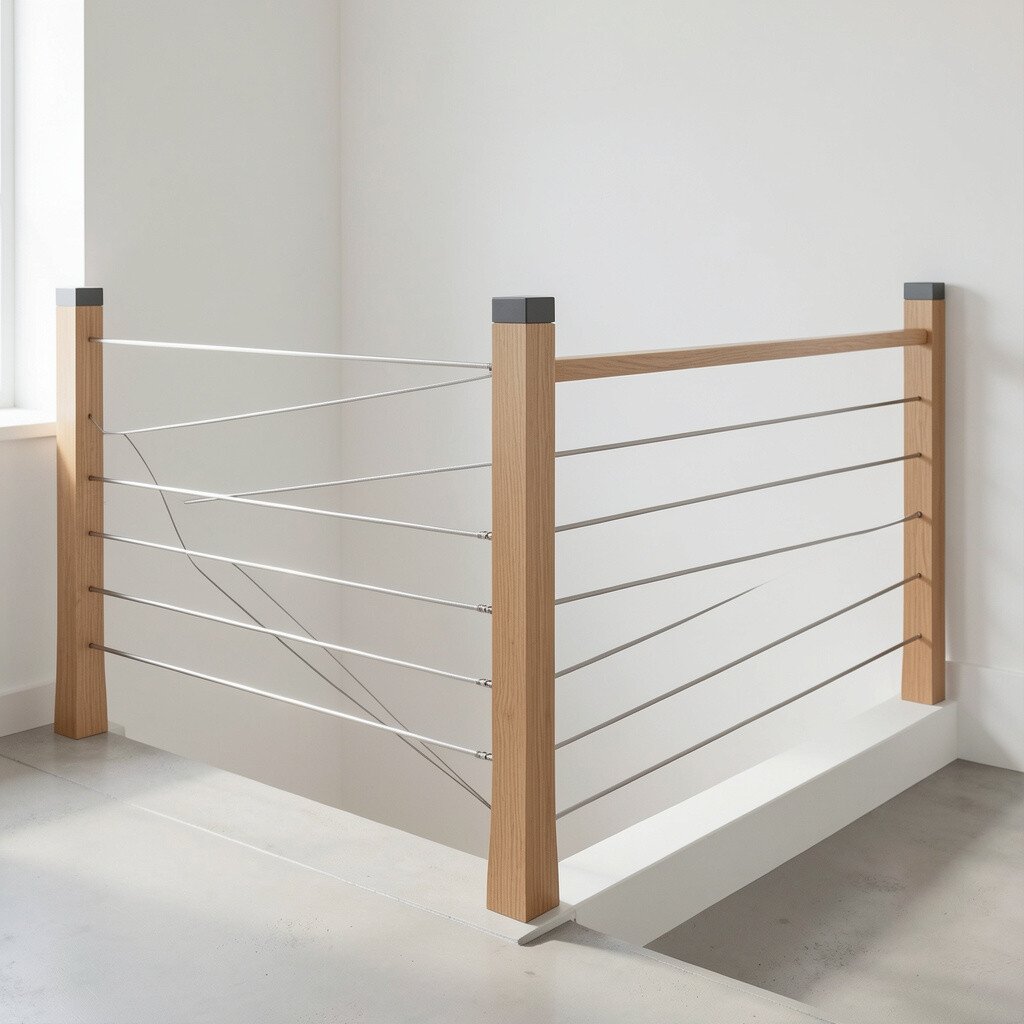
Wood-capped posts add warmth right where your hand touches most. The cables stay minimal, while the top and post details bring a softer, homey feel.
This is a strong choice for small rooms because wood visually connects the railing to other surfaces like trim, shelves, or flooring. It can make a stairwell feel less industrial without adding clutter.
Pick a wood tone that matches what you already have, like oak, walnut, or light ash, so it looks custom. You can even personalize with a slight edge profile on the wood cap for a more refined look.
8. Vertical Post Stops With Cable Continuity
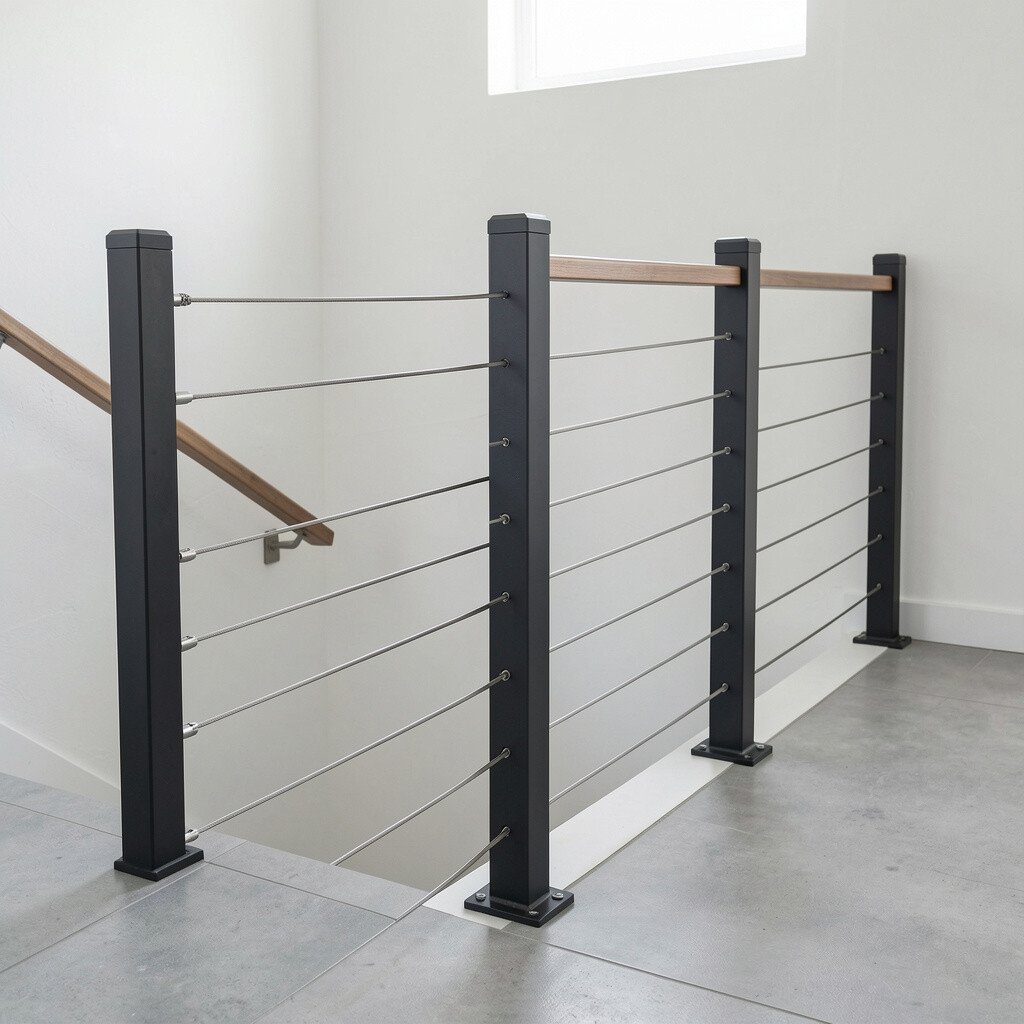
Some cable systems use clear vertical post stops that keep the look streamlined. When the cables run continuous between those posts, the whole railing feels like one smooth line.
This style helps in narrow hallways because the structure reads simple and consistent. It also makes your design easier to plan since you can repeat the same rhythm across short runs.
For practical results, keep the top rail aligned with your existing handrail or trim height. That way, the new railing feels like it belongs in your home rather than being an add-on.
If you want personalization without extra bulk, add small radius corners on the post edges or choose a slightly curved handrail end. These details make the railing feel thoughtful without turning it into a busy focal point.
9. Compact Balcony Rail With Side-Mount Anchors

A compact balcony railing can feel airy when you use side-mount anchors instead of bulky bases. The cables still protect the edge, but the framing stays tight and light.
This design is ideal for small outdoor spaces where every inch matters. It can also work on terraces with limited wall space because the anchors can follow the building layout.
When planning, think about how the anchor points line up with your deck boards and surface strength. A quick inspection of your mounting surface can prevent future worries about looseness.
To personalize, consider a handrail with a slim wrap or a textured finish that feels good in your palm. If you love a modern look, keep the hardware minimal and choose matching tensioners.
10. Curved Stair Edge With Cable Embrace
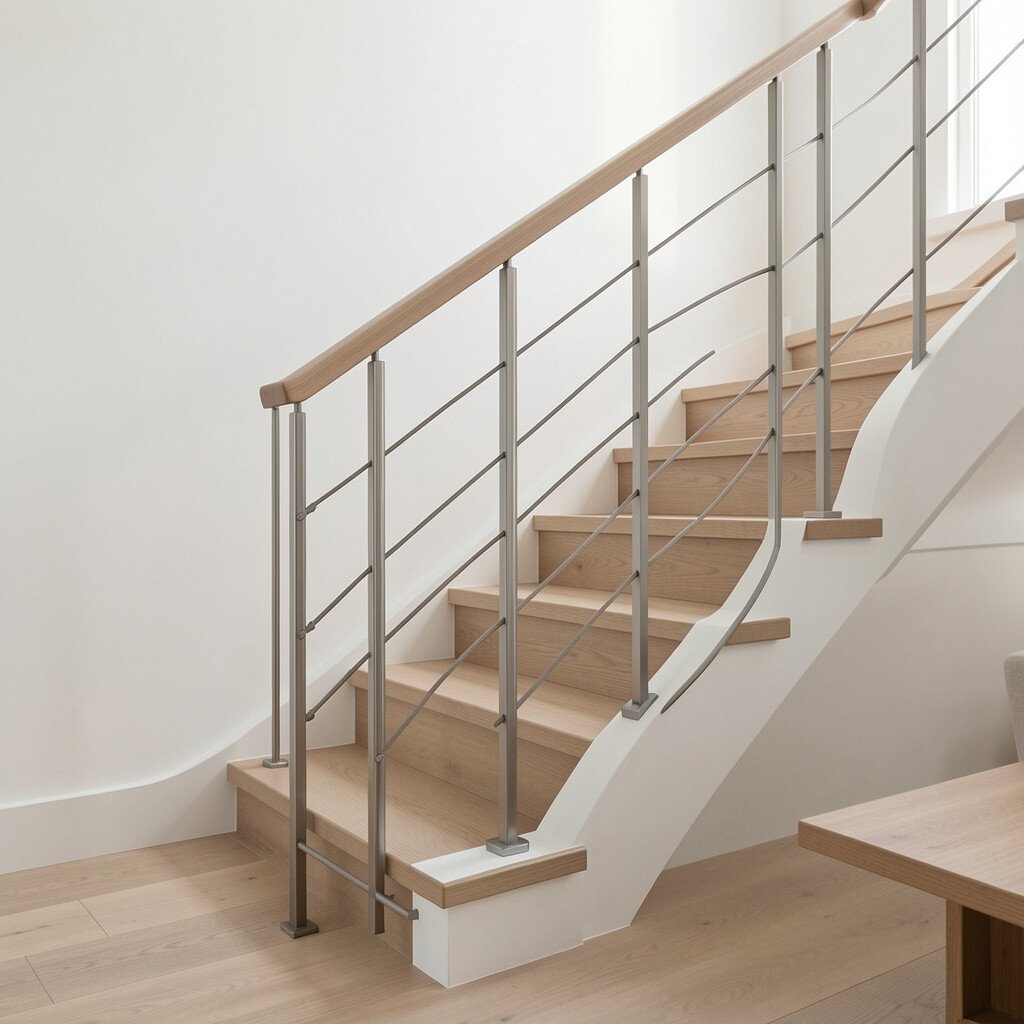
Curved stair edges can look elegant without needing thick balusters. Cable railings follow the curve, creating a smooth path that feels natural and stylish.
This is a great choice for small homes with spiral stairs or tight turns. The cables keep the curve visible while still giving a clean boundary for safety.
Use the correct cable layout for curves, because tension and spacing behave differently than straight runs. Consider hiring a professional installer if you want the curve to be perfectly balanced and symmetrical.
For personalization, match the finish to your stair hardware, like black metal brackets or brushed steel treads. That way the railing feels like part of a single design story.
11. Matte Ceramic Post Inlays For Soft Texture
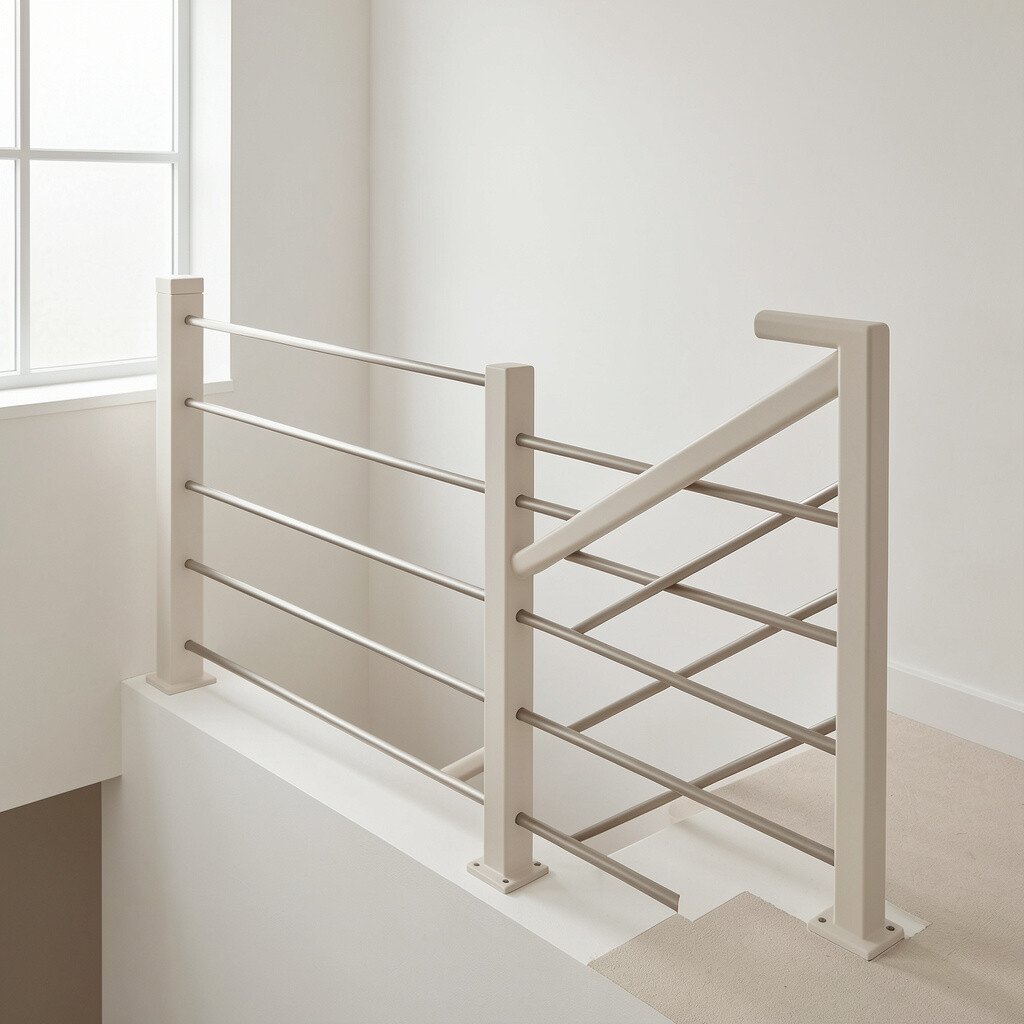
If you want something minimalist but not plain, add matte ceramic inlays to the posts. The cables stay sleek, while the inlay brings a gentle texture that feels calm and modern.
This approach works well in small spaces because texture adds interest without creating heavy bulk. It can also help hide minor scuffs that appear over time.
Choose inlay colors that relate to your room palette, like warm cream, cool gray, or muted green. Pair it with neutral cables so your eye stays focused on the clean line of the railing.
12. Minimal Corner Screen With Cable Grid
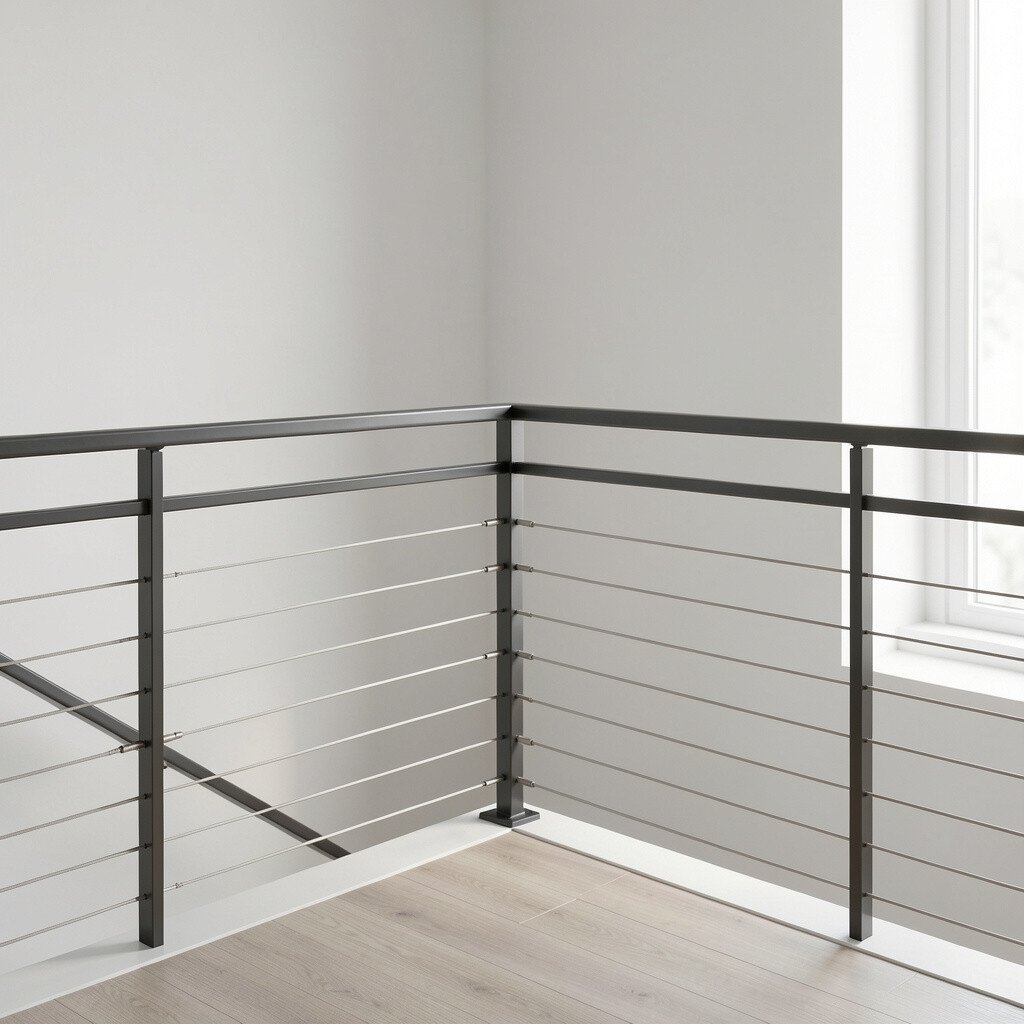
A corner screen made with cable grid lines can give you privacy while keeping the look light. Even in a small space, the thin lines make the corner feel open instead of blocked.
This design is especially useful for small balconies or interior nooks where you want separation from the main living area. It can also serve as a visual divider in open-plan homes.
For best results, keep the grid spacing consistent so the pattern feels intentional. You can customize the grid area with a higher top rail for more coverage or a lower height for a lighter feel.
Budget matters here, too, since more anchors mean more materials. If you’re cost-conscious, limit the length and focus on the most visible corner, then keep the rest of the railing minimal.
13. Slim Signage-Less Handrail Line
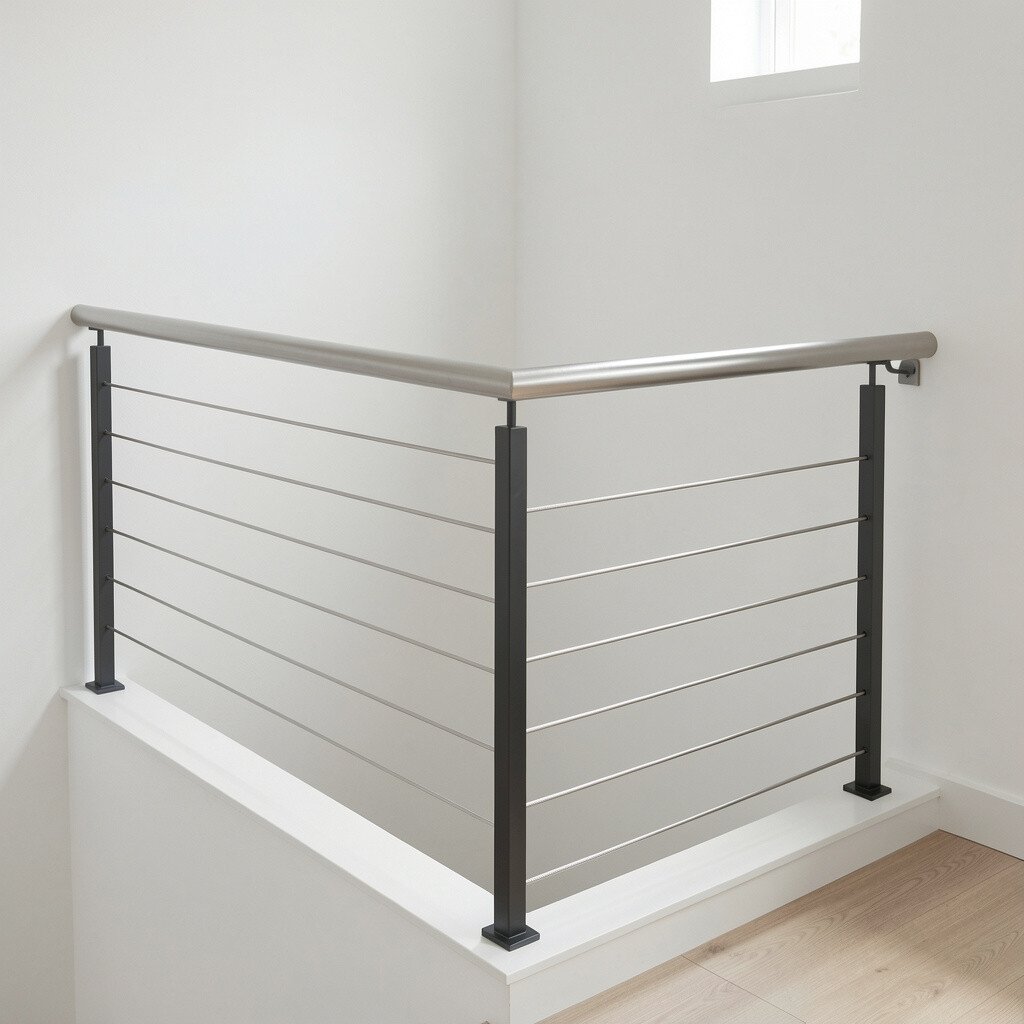
Sometimes the best minimalist choice is simply reducing anything that interrupts the line. A slim handrail that sits flush with the cable structure keeps the whole section clean and easy to scan.
In small spaces, this helps the eye move smoothly along the railing, which makes stairs and landings feel more open. It also reduces the “visual stops” created by thick rails or bulky caps.
For practicality, make sure the handrail feels comfortable and tall enough for your household. If you want a personalized touch, choose a handrail finish that matches your cabinet hardware or light fixtures.
14. Horizontal Cable Stack For Low-Look Safety
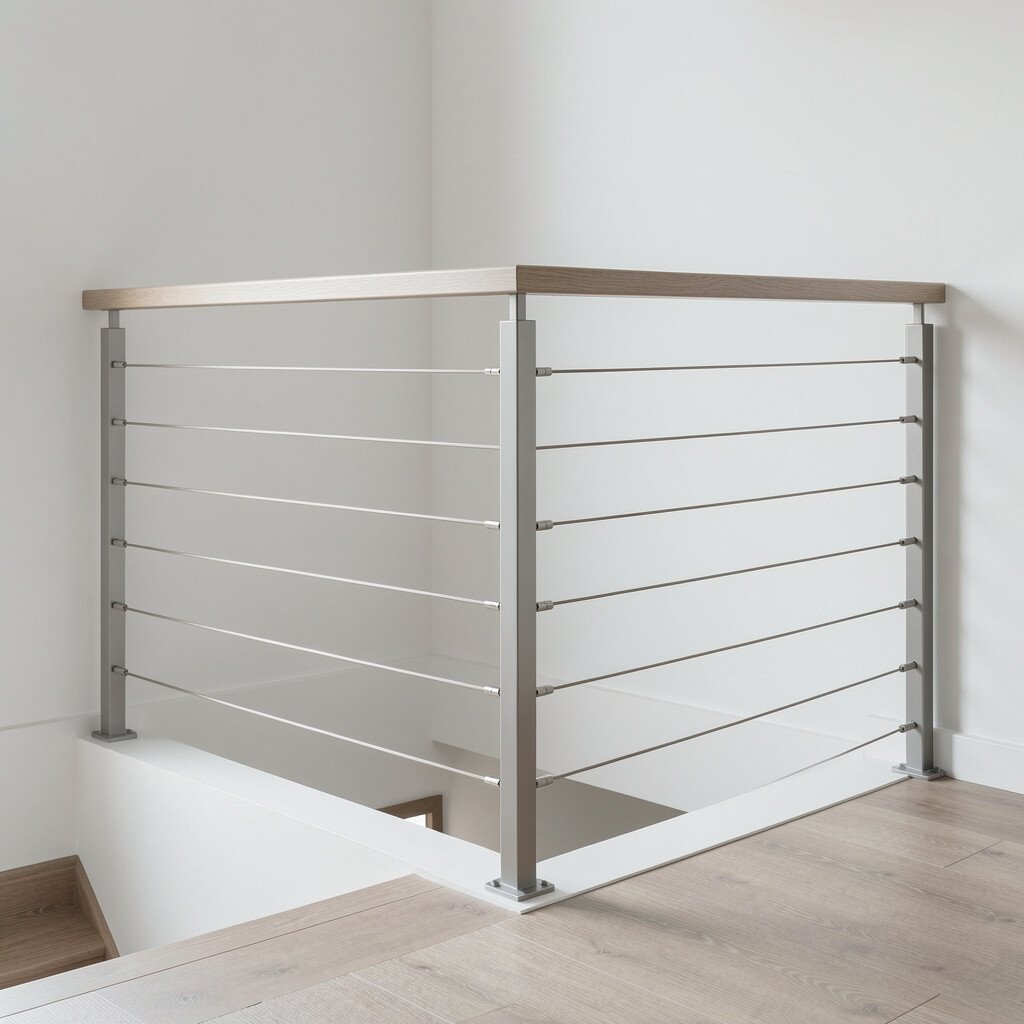
Horizontal cable stack designs use cables that run across in a controlled, layered way. The result can feel modern and architectural while still keeping the structure minimal.
This works well when you want a slightly different silhouette than the classic vertical feel. It can also help in small spaces where you want to visually anchor a wall section.
Keep the cables parallel and evenly tensioned so the layers look straight rather than wavy. If you have pets or kids, confirm the spacing meets your local safety guidelines so the design remains both attractive and responsible.
For personalization, consider a top and bottom rail that match the rest of your trim. A consistent finish makes the horizontal pattern look intentional instead of experimental.
15. Floating Bench-Ready Railing Interface
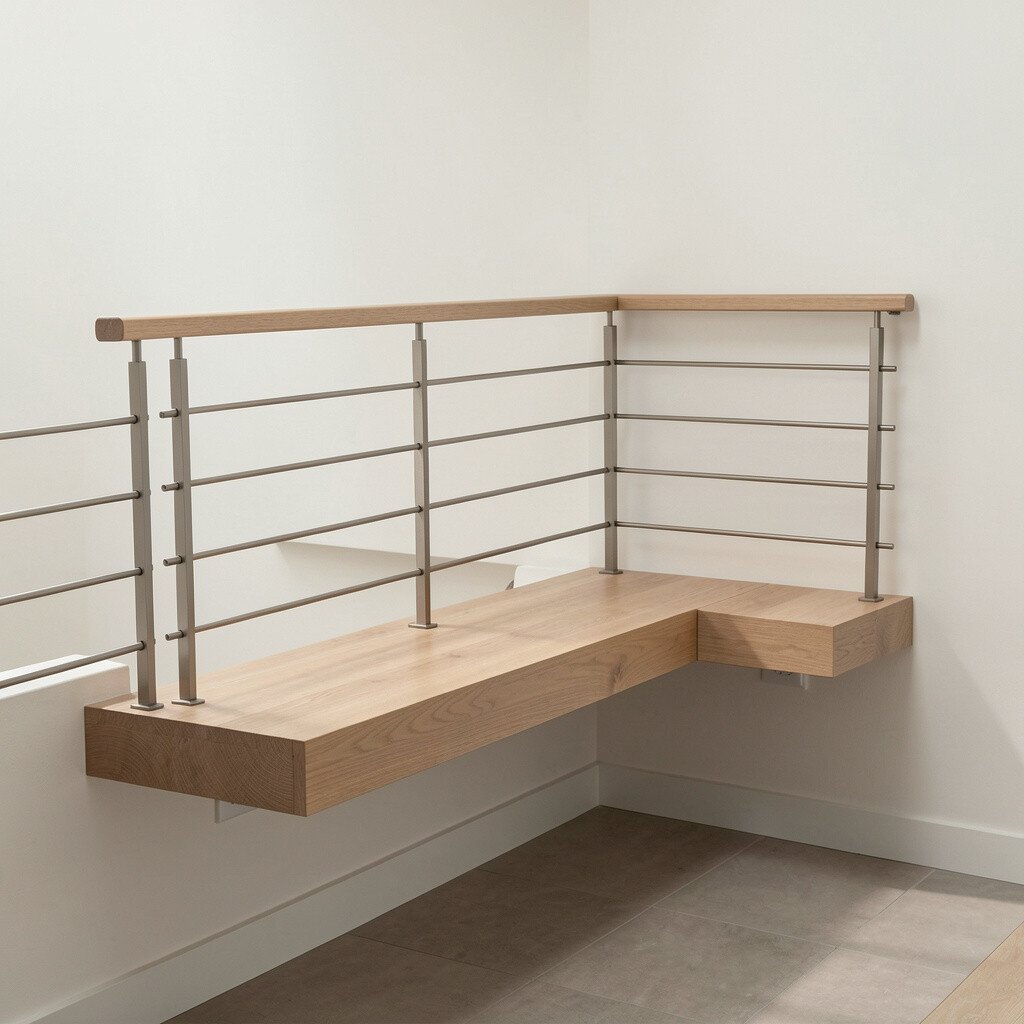
If you plan to add a small bench below or near the railing, make the interface between rail and bench feel seamless. A cable railing can create a “floating” visual line that pairs well with built-in seating.
This is a great option for small entryways where you want a place to sit and tie shoes without adding a heavy guard. The cables keep the area open while the bench adds function.
When building the interface, align the bottom of the posts with the bench height so nothing looks mismatched. A practical step is to check clearance so you can sit comfortably without hitting the structure.
Cost considerations are real here, since built-ins raise labor and materials. If you want a simpler route, choose modular pieces and integrate only one custom bench section.
16. Slender Wall-Mount Posts For Tight Corners
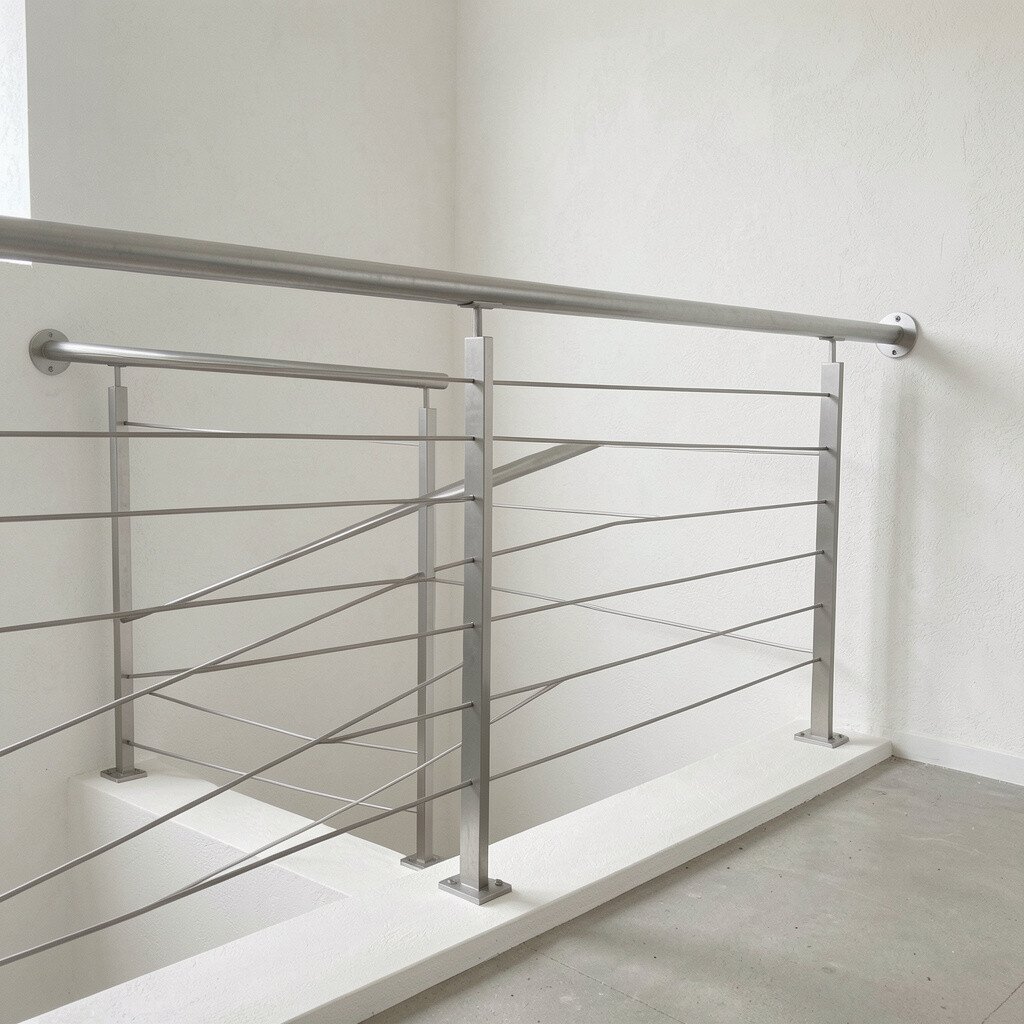
Wall-mount posts can be a lifesaver in small spaces where floor mounting isn’t ideal. They keep the footprint tight while leaving more open floor space in front of the railing.
This design works well for indoor stair sides that run close to a wall or a narrow hallway. It can also look great when your walls already have clean paneling or drywall details.
For a smooth look, keep the wall plates aligned and choose anchors rated for your wall type. If your wall is drywall over framing, plan for secure backing so the installation feels confident and solid.
17. Mixed Material Minimalism With Brass Accents
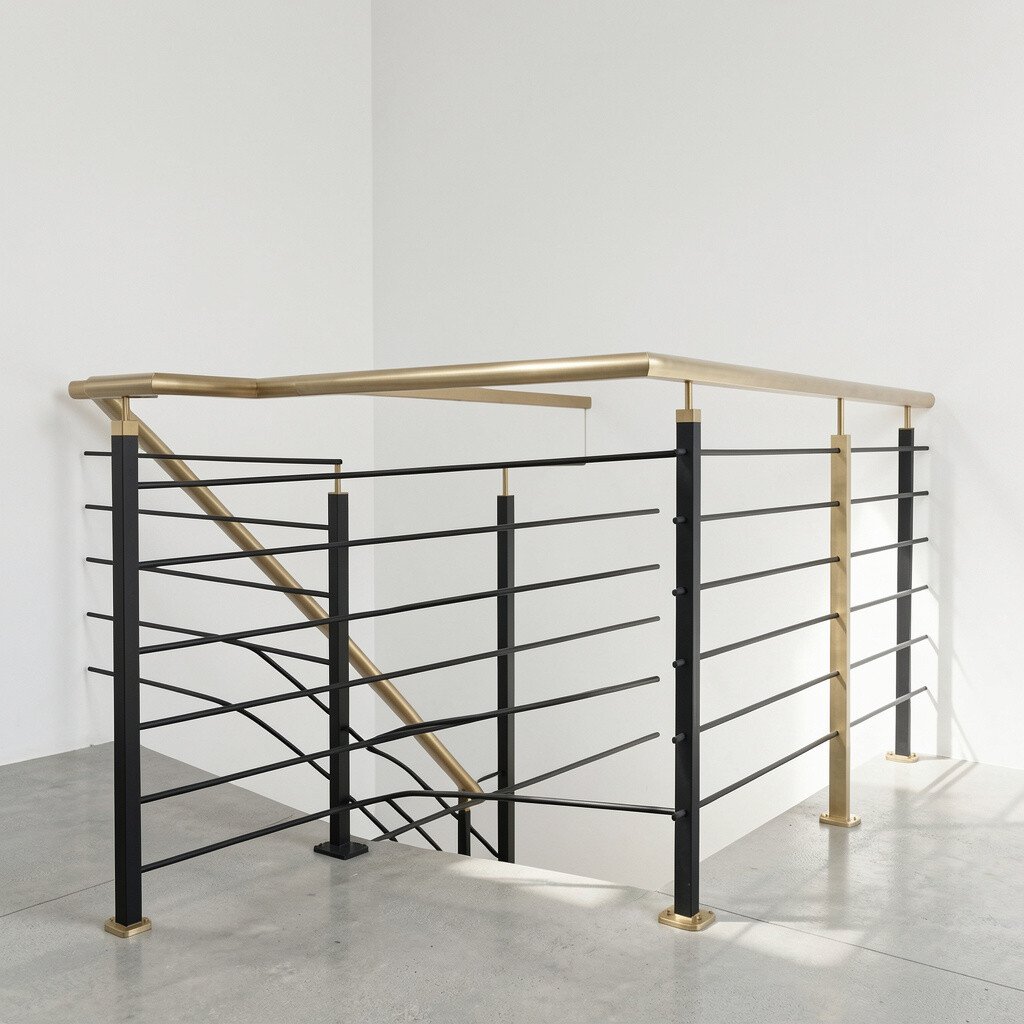
Minimal cable railings can still feel warm and special with small brass accents. Think brushed brass tensioners, handrail ends, or a narrow brass cap on posts.
This combination works beautifully in small spaces because it adds character without turning the railing into a loud statement. The brass catches light and makes the thin cables feel more intentional.
To keep it cohesive, match brass tones with other elements in the room, like faucets, cabinet pulls, or picture frame corners. If brass feels too bold, start with just one accent area and let the cables stay mostly steel.
When budgeting, brass hardware may cost more than standard finishes, so limit it to the visible focal points. That way you get the luxe look without overspending across every piece.
18. Low-Profile Cable Rail With Built-In Lighting
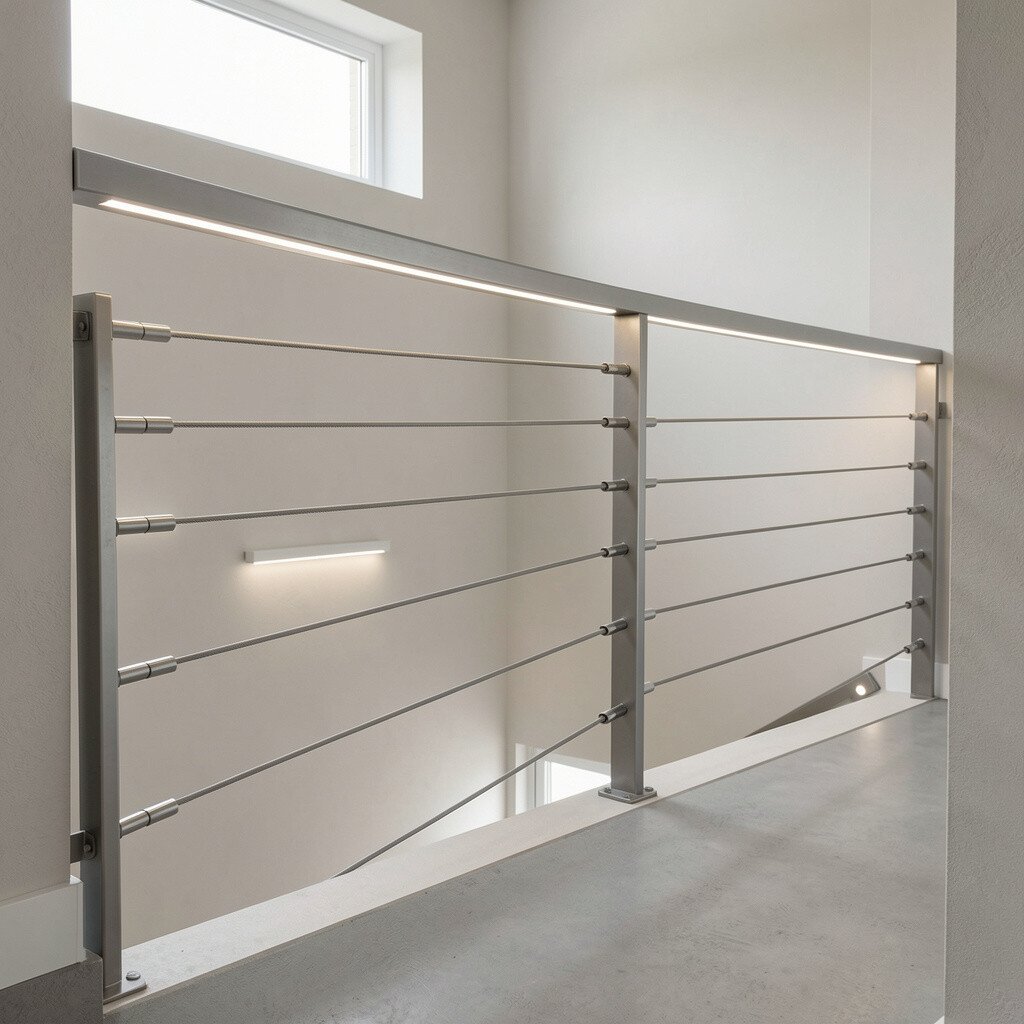
A low-profile railing with built-in lighting can make a small space feel cozy and secure after dark. Soft light along the posts and cable line highlights the railing without adding visual bulk.
This style is perfect for compact staircases where you want better nighttime visibility. It also gives your home a modern feel that looks great in photos and in everyday life.
For practical planning, consider how power will be routed and whether you want dimming. Warm white lighting usually feels friendlier for small interiors, while cooler tones can look crisp but a bit more clinical.
Personalize the look by choosing a subtle light diffuser finish so the glow feels smooth. Even small changes in light color temperature can make the railing feel more tailored to your home.
19. Minimal Cable Rail With Patterned Spacers
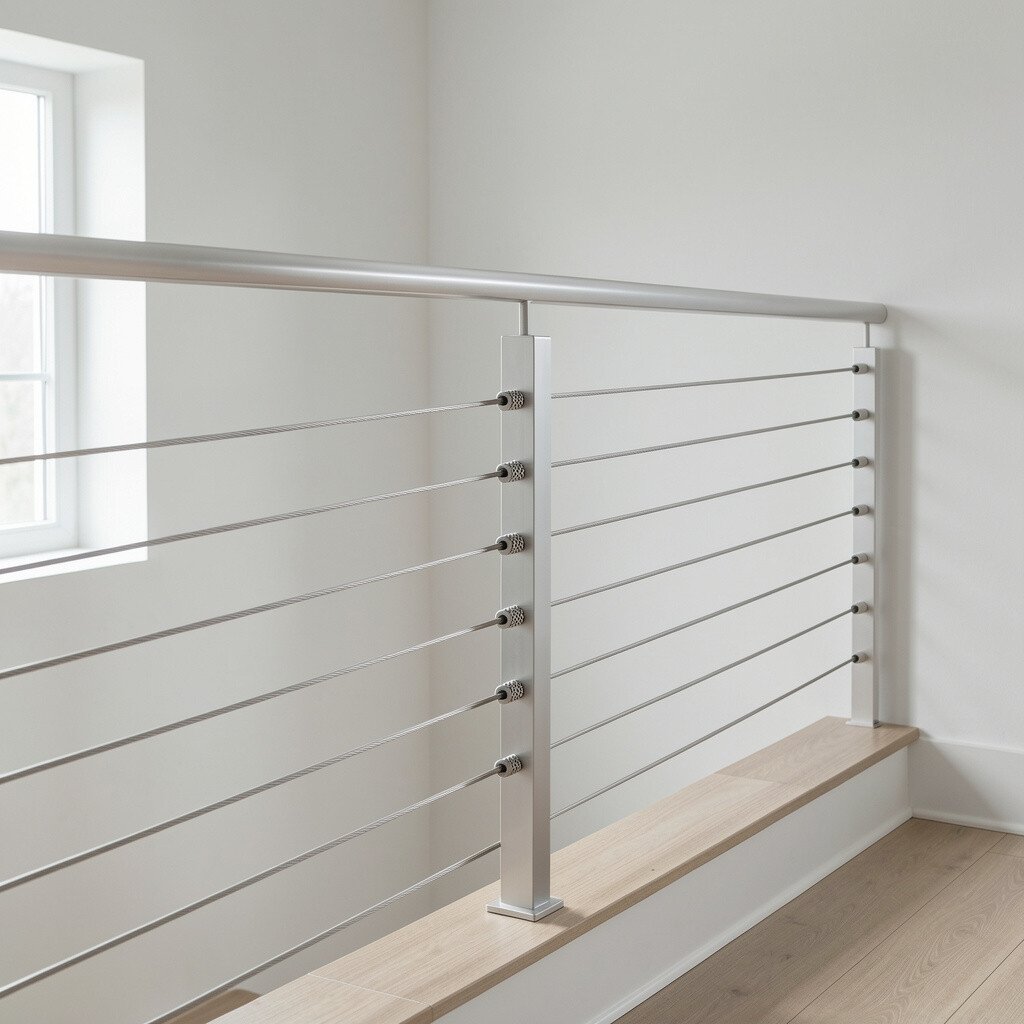
Patterned spacers can add a gentle design rhythm while keeping the railing minimalist. Small variations in the spacer shape create a quiet visual detail that doesn’t overwhelm a tight area.
This is a unique option for small spaces because it adds style at close range rather than demanding attention from across the room. It can make a stair edge feel like a thoughtful feature instead of just a safety element.
Choose a repeating pattern that matches the rest of your home, like subtle geometric trim or linear artwork. For personalization, you can align the pattern with a doorway frame so everything feels balanced and planned.
From a cost standpoint, specialty spacers may increase material prices, but they can reduce the need for extra decorative parts elsewhere. It’s often a smart tradeoff if you want the railing to do more style work without extra bulk.