Airy white cabinets can make a room feel light and calm. Add soft pastel accents and you get style that still feels warm and personal.
These ideas focus on small, practical choices that look great in real homes. You will find ways to mix color, texture, and function without making the space feel busy.
1. Crisp White Base With Blush Hardware Glow
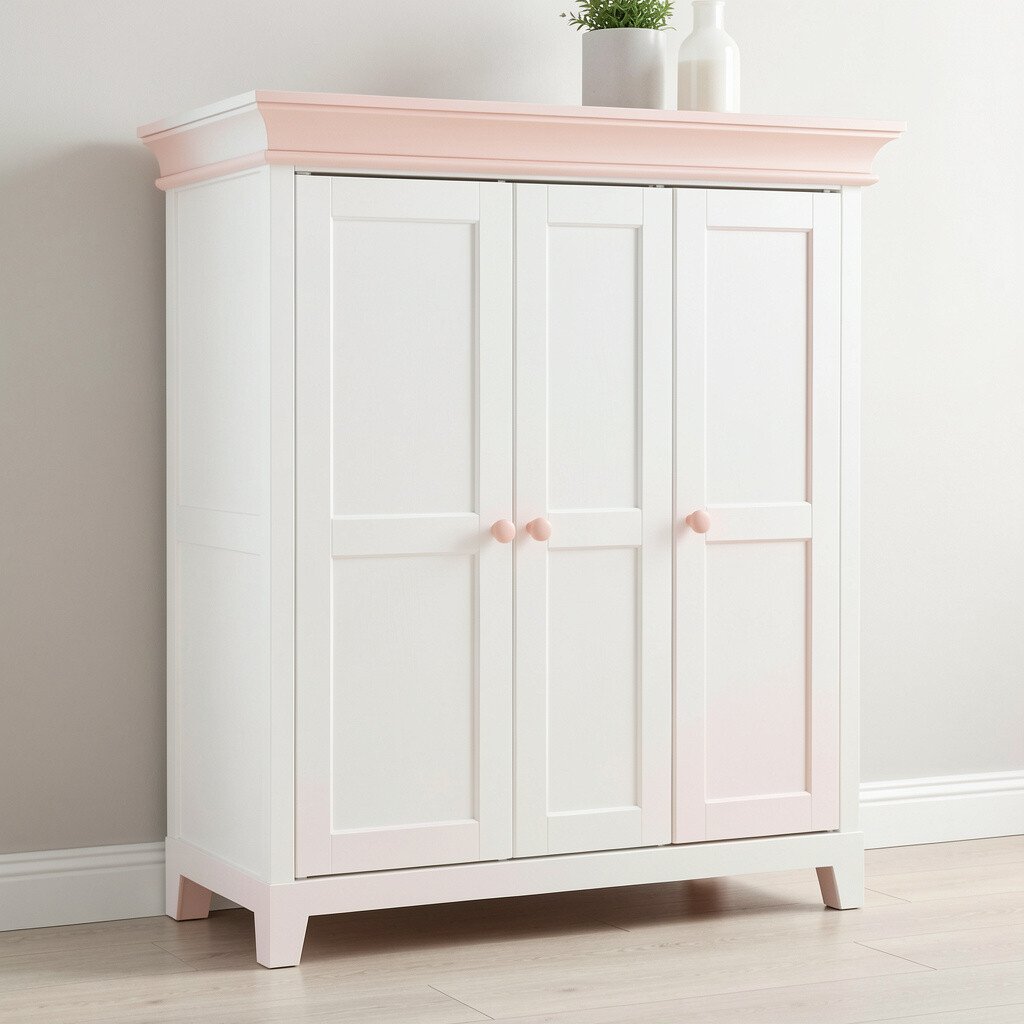
Start with an airy white cabinet finish that looks smooth and bright in daylight. Swap standard knobs for blush or rose-toned hardware that softly catches the light.
That gentle pink detail adds a friendly vibe without overpowering the rest of the room. It also helps your cabinets feel more “finished,” because the hardware frames the doors and drawers. For a practical move, choose a consistent metal finish such as brushed brass or warm nickel so the blush tones look intentional. If you want it to feel extra tidy, measure spacing carefully and keep all knobs aligned across the kitchen or bathroom.
2. Powder Blue Drawer Edges For A Light, Breezy Look
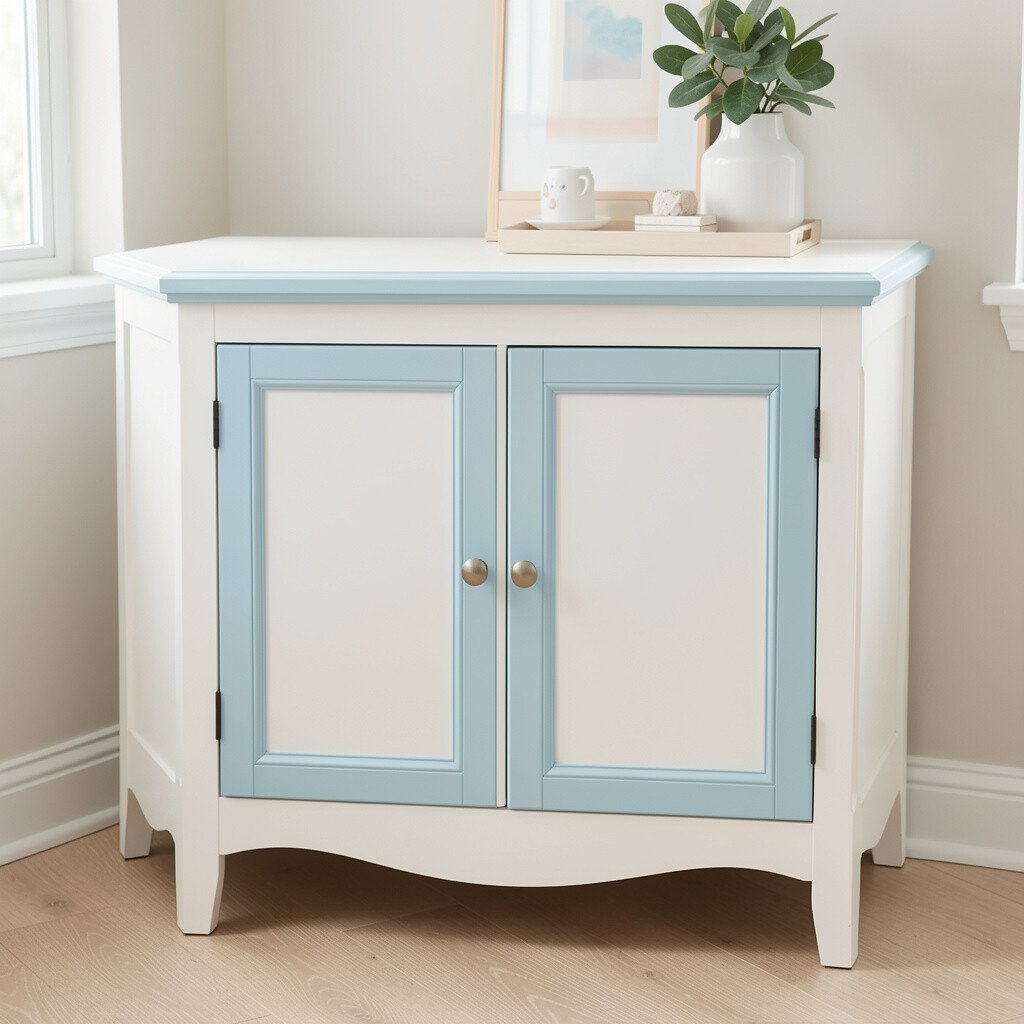
Paint only the drawer edges or the inner trim in powder blue while keeping the main cabinet body airy white. Even a narrow strip of color can make the whole cabinet line feel fresh and breezy.
This approach works well for people who want color but do not want bold stripes. It also helps you spot drawers quickly, which can be useful when you are cooking, packing lunches, or organizing toiletries.
To keep the look neat, use painter’s tape and apply thin coats for crisp lines. Consider using a semi-gloss finish for the blue so it wipes clean and holds up to daily use. If you are budgeting, do this only on frequently used drawers first, then expand later when you are ready.
3. Lavender-Tinted Glass Inserts For Quiet Drama
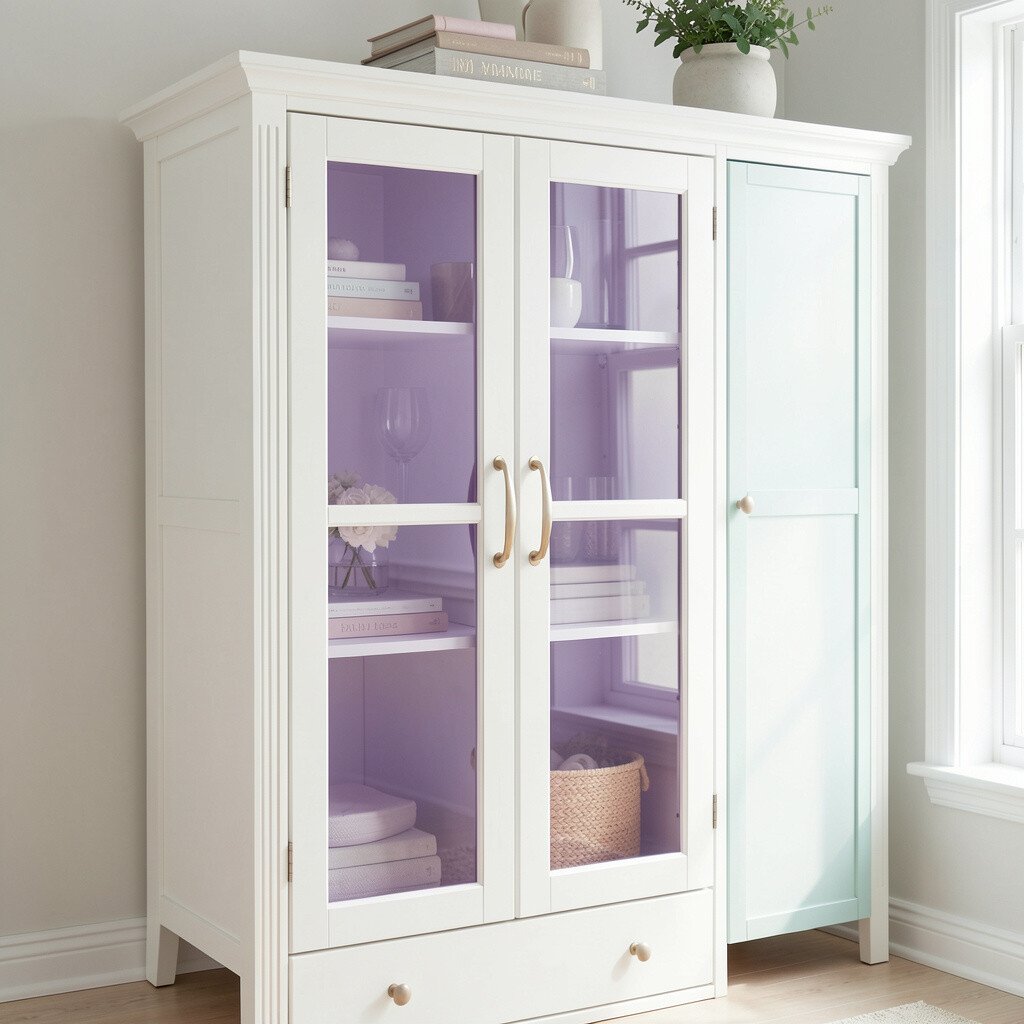
Replace a few cabinet doors with glass inserts that have a soft lavender tint. The cabinet stays airy, but the interior feels dreamy when lights hit the glass.
Lavender glass gives a unique look that feels more curated than plain cabinets. It also helps you display everyday items like matching jars or neatly stacked cups, so your kitchen or vanity stays functional.
Pick a tint that matches your room’s undertones, like cool gray walls or warm beige floors. Install the inserts gradually by starting with upper cabinets, since they set the visual tone at eye level. For easy personalization, mix one lavender door pair among mostly white doors so the accent feels special, not scattered.
4. Mint Green Shelf Liners For A Fresh Storage Feel
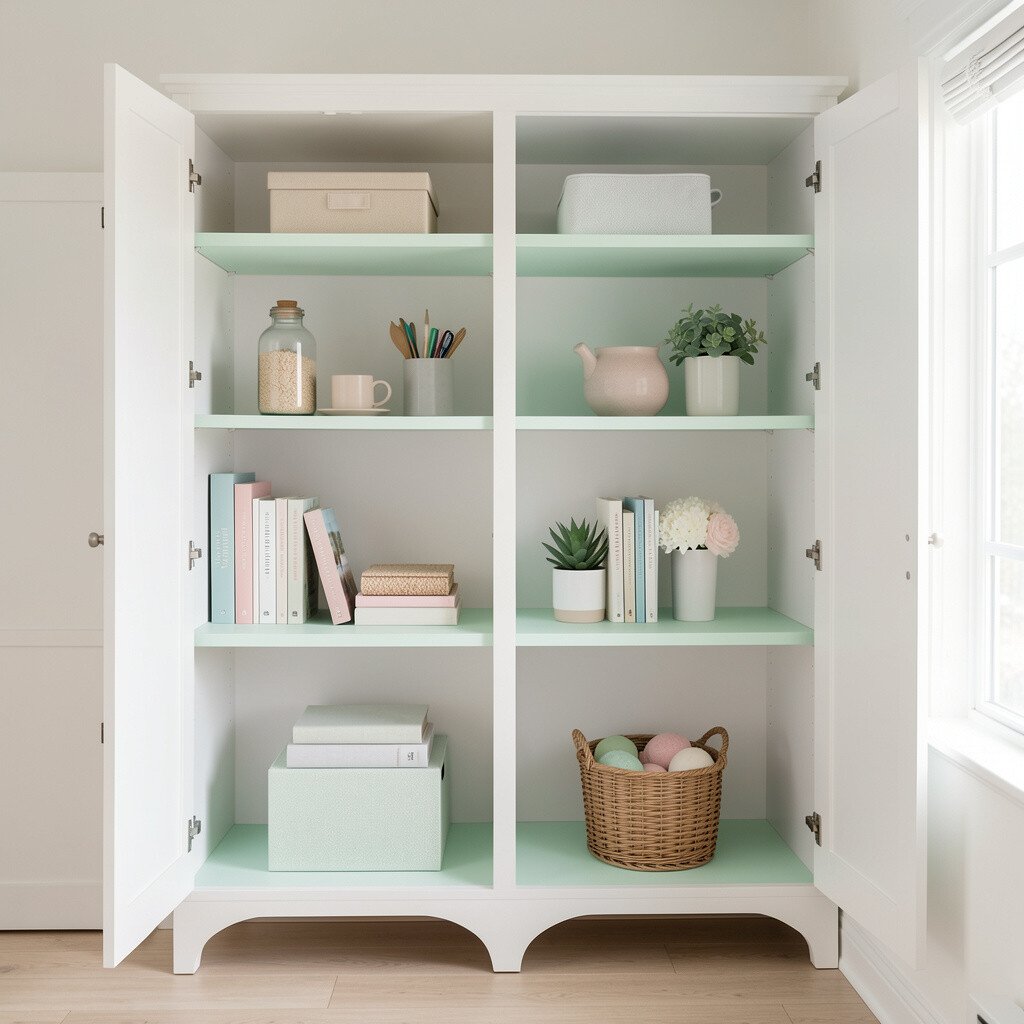
Keep the cabinet doors white, then add mint green shelf liners inside. The color appears when you open the cabinet, giving a small surprise that feels playful and clean.
This trick is great because it is low cost and easy to refresh. It also protects shelves from scratches and sticky spills, which means less scrubbing over time.
Choose liners that match your pastel style, such as a smooth satin look or a subtle pattern like tiny dots. Use contact paper with a matte finish so it does not glare under bright bulbs. If you like change, measure and cut extra liner pieces so you can swap them during seasonal cleanups.
5. Soft Peach Trim Around Cabinet Frames
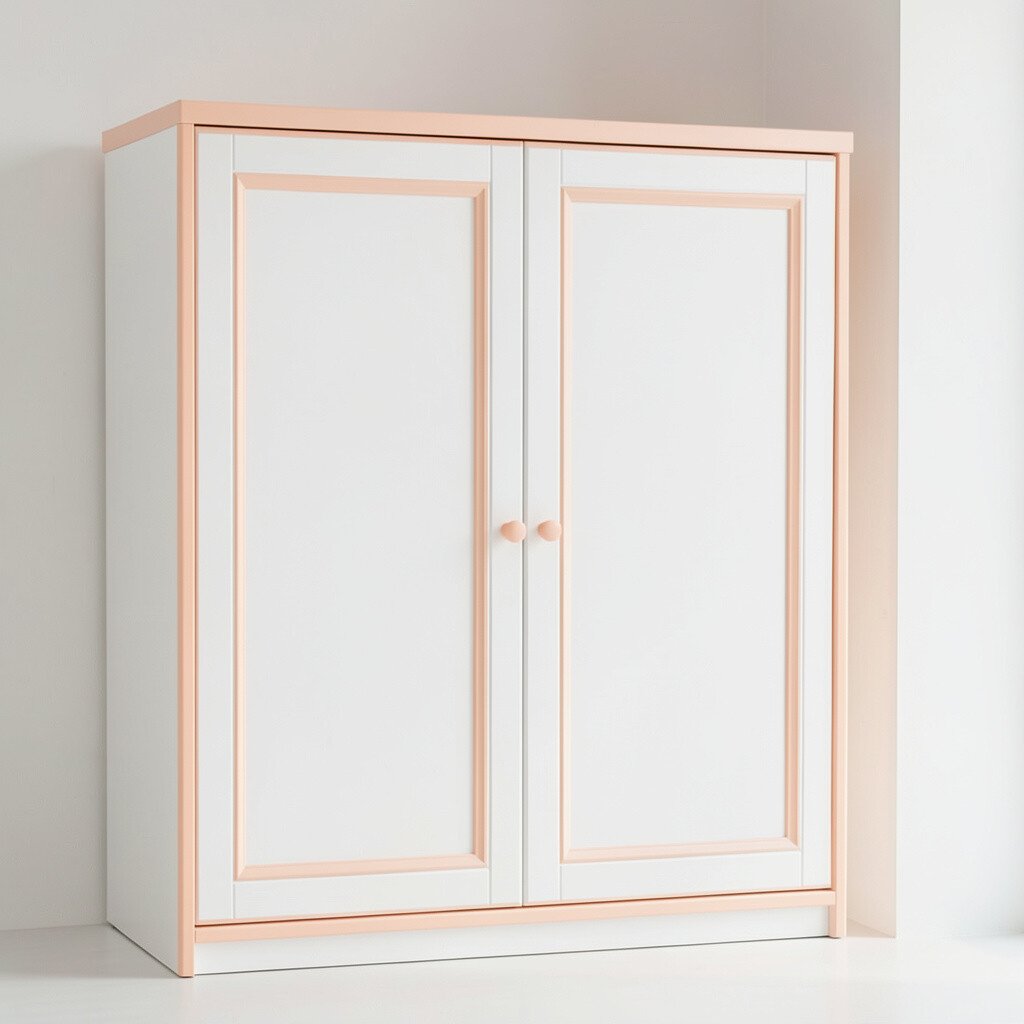
Add a thin peach trim around the cabinet frame or along the door borders. Keep everything else airy white so the peach detail feels like a gentle glow, not a heavy makeover.
Peach looks especially lovely in spaces with warm wood flooring or cream walls. It also helps define the cabinet shape, which makes your cabinetry look more custom.
To keep lines sharp, sand lightly, prime well, and use small foam brushes for the trim. If you want personality without big commitment, pick a peach shade with a milky undertone so it stays calm. For budget planning, focus on the cabinets that face the room most, then leave back shelves plain for now.
6. Pastel Color-Blocked Lower Cabinets For Balance
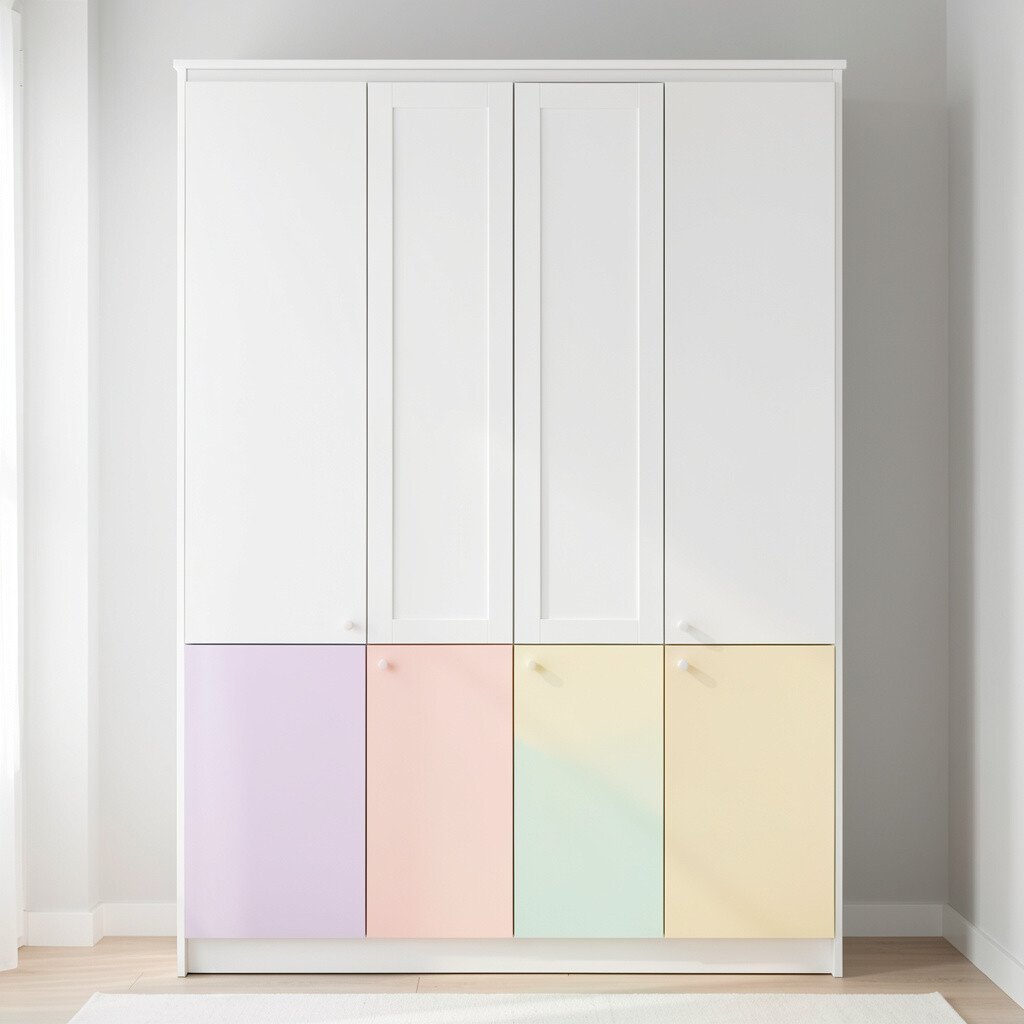
Paint only the lower cabinets in a soft pastel, leaving upper cabinets airy white. A muted sage, pale lilac, or faded sky blue can create a calm color block that still feels light.
This method adds a clear style statement while keeping the top line open and airy. It also helps define zones, especially in kitchens where countertops and dining areas feel separate.
Before painting, test your pastel color on a small cabinet sample and check it in morning and evening light. Use cabinet-grade paint and consider a protective clear coat for durability. If you are working with a tight timeline, ask about pre-primed cabinet panels to reduce prep time and keep costs steady.
7. White Cabinets With Sage-Stamped Drawer Fronts
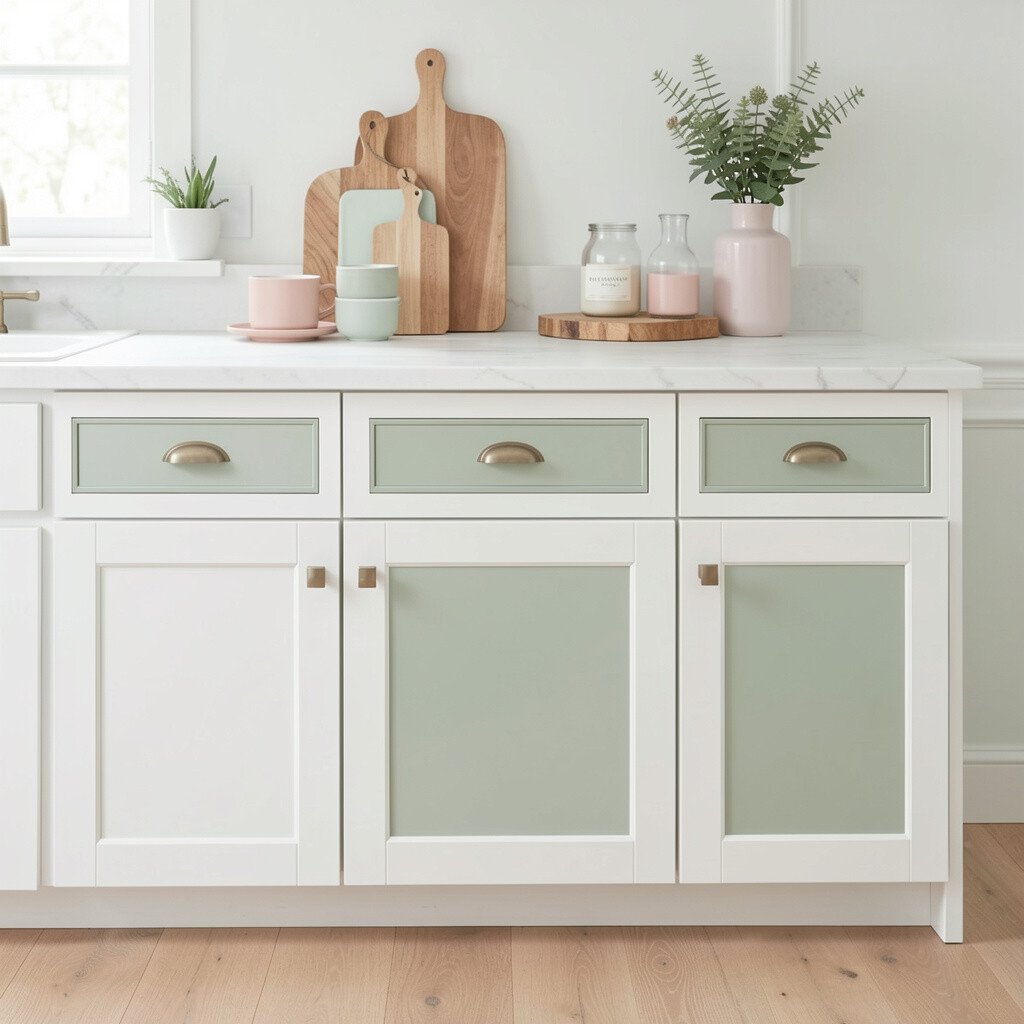
Keep the cabinet base crisp white, then add sage accents using a stencil or stamp-like pattern on selected drawers. The repeat design should be light and airy, like a gentle garden breeze.
This pattern choice feels unique because it turns plain doors into wearable art for your storage. It also helps hide small scratches, since the subtle design breaks up flat surfaces.
For a practical approach, limit stamping to drawers at counter height where you will see them often. Use a small foam roller for even coverage and let each layer dry fully before adding a second coat. If you want personalization, mirror the pattern on a nearby item like a cutting board or utensil can in the same sage tone.
8. Blended Pastel Inside Doors For A Surprise Detail
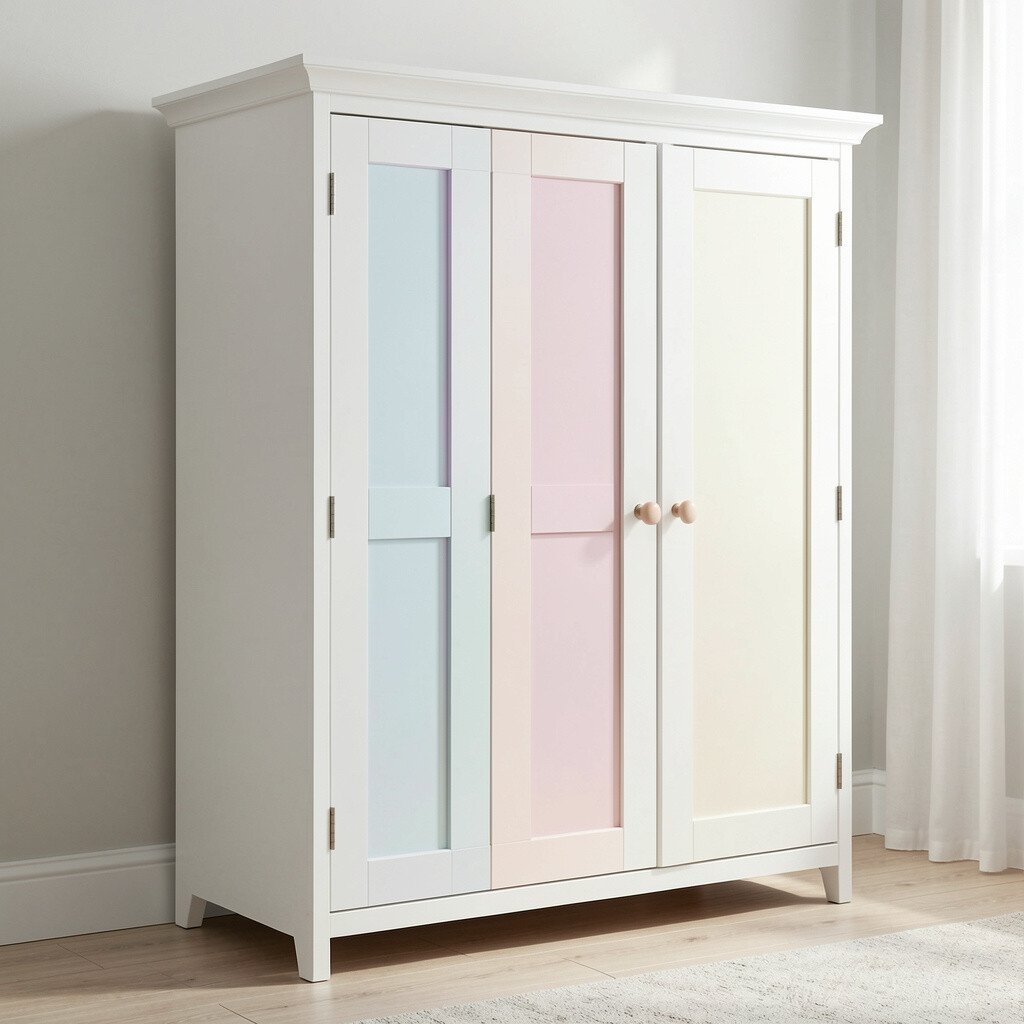
Paint the inside of cabinet doors in a soft pastel while leaving the outside airy white. When you open the door, you get a little pop of color that makes the space feel cared for.
This idea brings uniqueness without changing your main layout. It also encourages tidy storage because the inside looks pretty even when it is not fully packed.
Choose a pastel that matches nearby decor, like a dusty pink for warm rooms or a pale blue for cooler palettes. Use durable paint and consider sealing it so it wipes clean. For budget control, pick the pastel on just a handful of doors, then expand if you love the effect after living with it.
9. Off-White Cabinets With Pale Gray Soft-Edge Molding
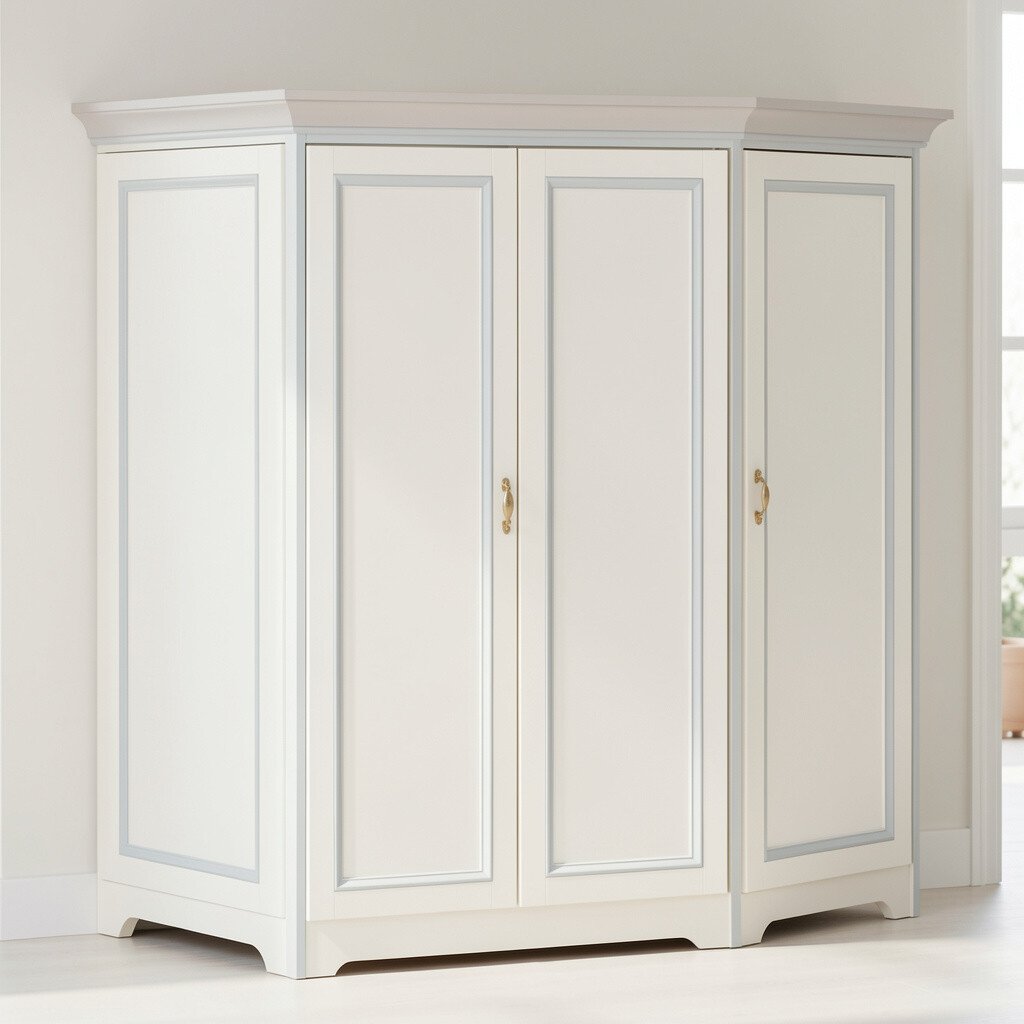
Instead of painting, choose an off-white cabinet tone and add pale gray soft-edge molding on the trim lines. The result feels modern and calm, with just enough contrast to feel styled.
Pale gray molding adds a refined look that still feels gentle, especially when the room has neutral floors or light walls. It also makes your cabinets look more structured, like boutique furniture.
Keep the molding width thin so it does not overwhelm the cabinet doors. For a practical finish, use caulk neatly and sand smooth before paint so the edges feel clean. If you are watching costs, consider updating only one cabinet section, like the pantry or a bathroom vanity, for a quick visual win.
10. Pastel Towel Bar And Pull Pairing For Matching Charm
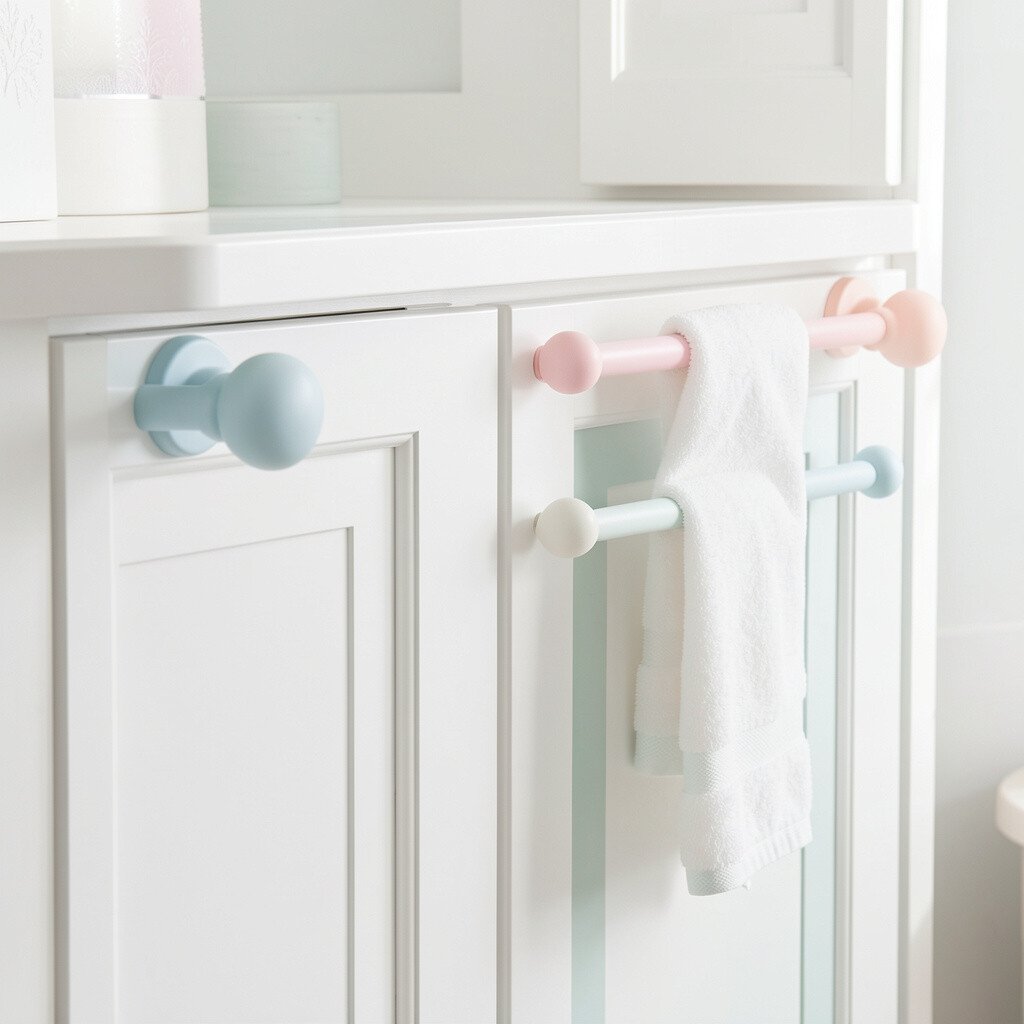
Use airy white cabinets, then pair them with pastel accents you can repeat across the room. A pastel towel bar, a matching soap dish, or a drawer pull in the same tone creates a cohesive look.
This is a simple way to build a theme without heavy painting. It also makes your space feel designed, because the colors talk to each other every time you open a door.
Pick one pastel family and repeat it twice or three times for a balanced feel. Consider using powder blue, soft blush, or mint depending on your existing wall color and lighting. If you want to keep spending low, search for small hardware accessories in bundles so you can update multiple items together.
11. Airy White With Color-Matched Cabinet Interiors And Jars
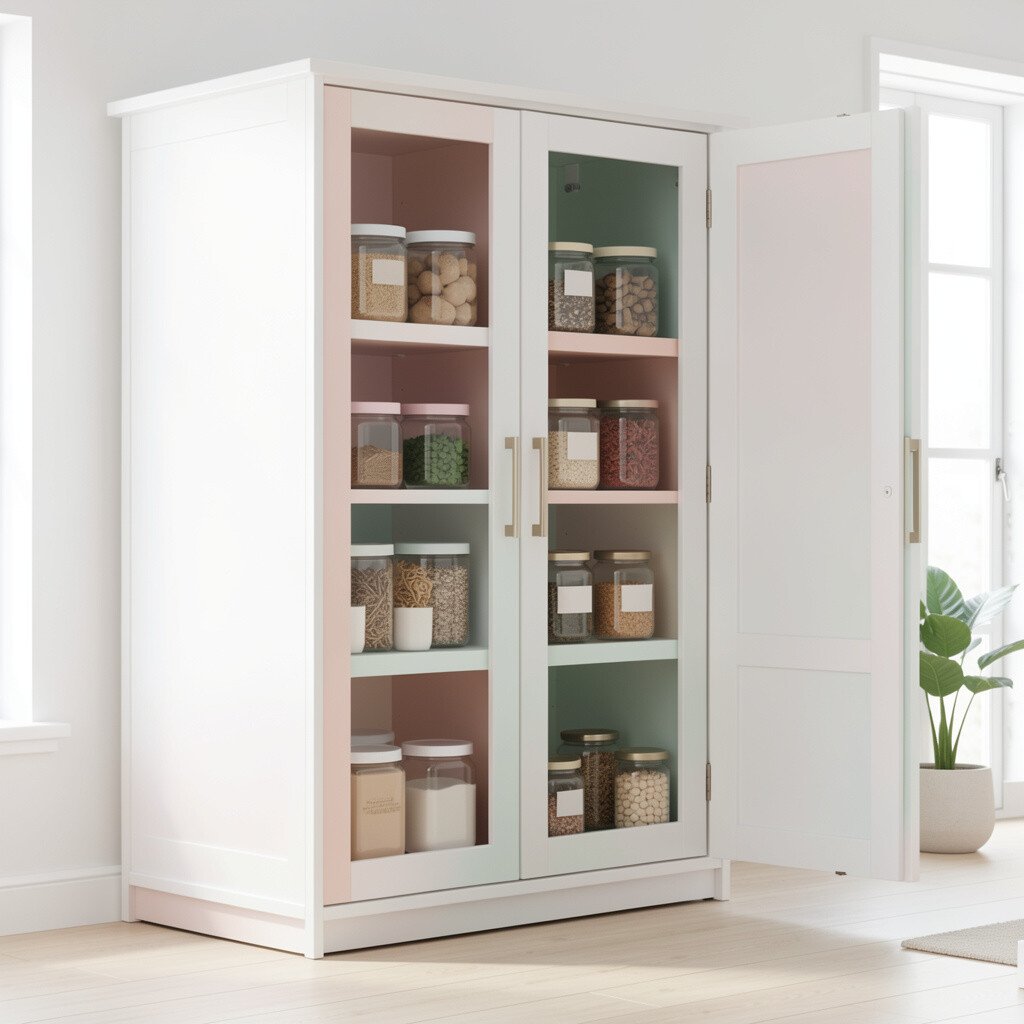
Paint the cabinet interiors in a very light pastel, then organize with clear jars or matching containers. Seeing soft color beneath clean storage turns routine organizing into something satisfying.
This idea is unique because it combines cabinetry color with everyday styling. It also improves function, since jars help you find what you need fast and keep ingredients or supplies visible.
Choose pastel interiors like pale butter yellow or soft sage, then keep your jar labels consistent and easy to read. For a practical setup, add a small tray at the front for the items you use daily. If you care about cost, start with one cabinet section and upgrade containers little by little instead of buying everything at once.
12. Pastel Accent Corners With Matte Protective Coating
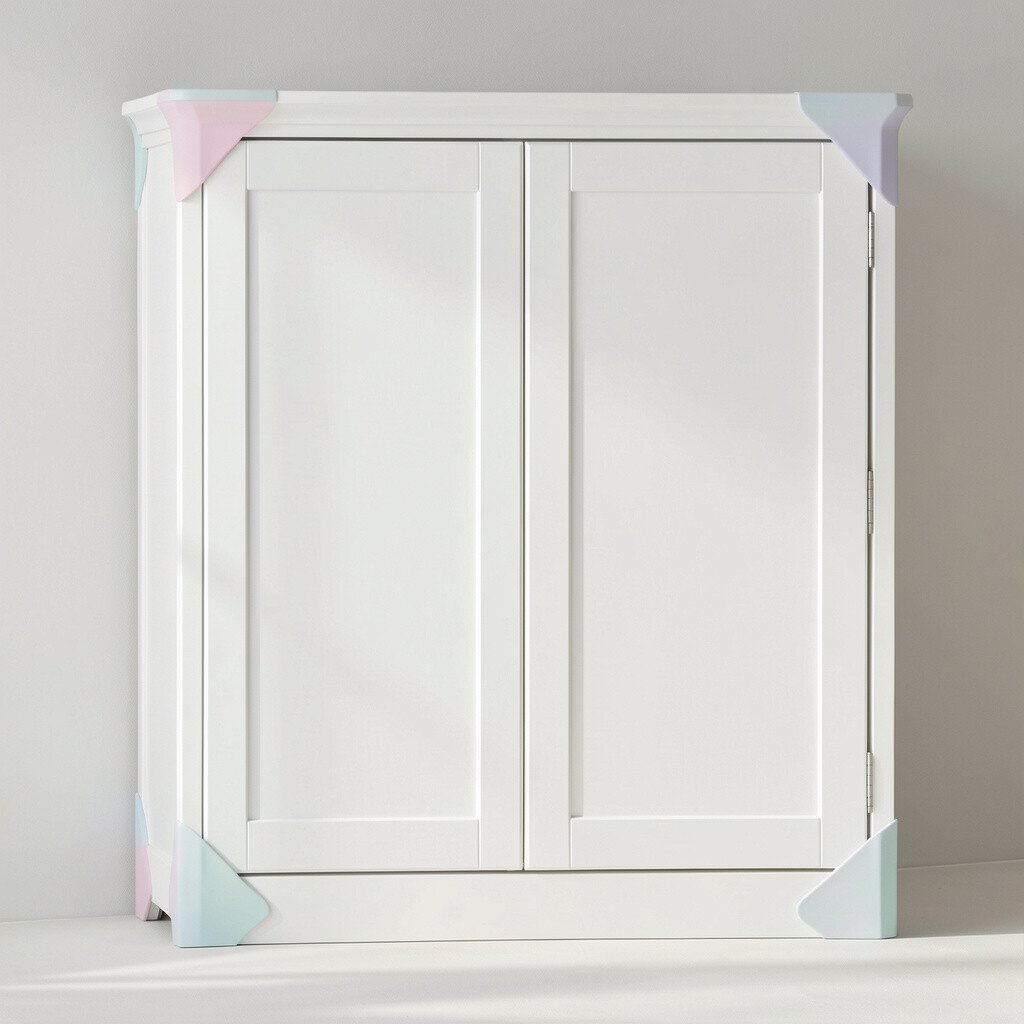
Add soft pastel accents only at corners or along the cabinet’s top edge, then seal the finish with a matte protective coating. This gives a tasteful glow that does not reflect too much light.
Corner accents look modern and tidy, which is great if you like subtle style. They also stay visually interesting even in small spaces because the pastel detail guides your eyes across the cabinet line.
Use painter’s tape to define small corner shapes and keep the pastel area controlled. A matte seal helps with daily cleaning and reduces fingerprints, which is helpful in kitchens. If you are planning a bigger project, do this as the last step after hardware and alignment checks so you do not have to redo fresh paint.