Some pages can quiet a busy mind fast. A few art marks can say what words cannot.
1. Watercolor Mood Washes

Soft pools of color can set a calm mood before any writing starts. A page with blue, green, or peach washes often feels open and gentle, and that can make hard thoughts seem less sharp.
This method is simple, low-cost, and easy to shape to your style with cheap student paints or even a small travel set. Try using one color for tired days, another for anxious days, and add tiny notes on top so the page becomes your own map of feelings.
2. Collage Thought Pages
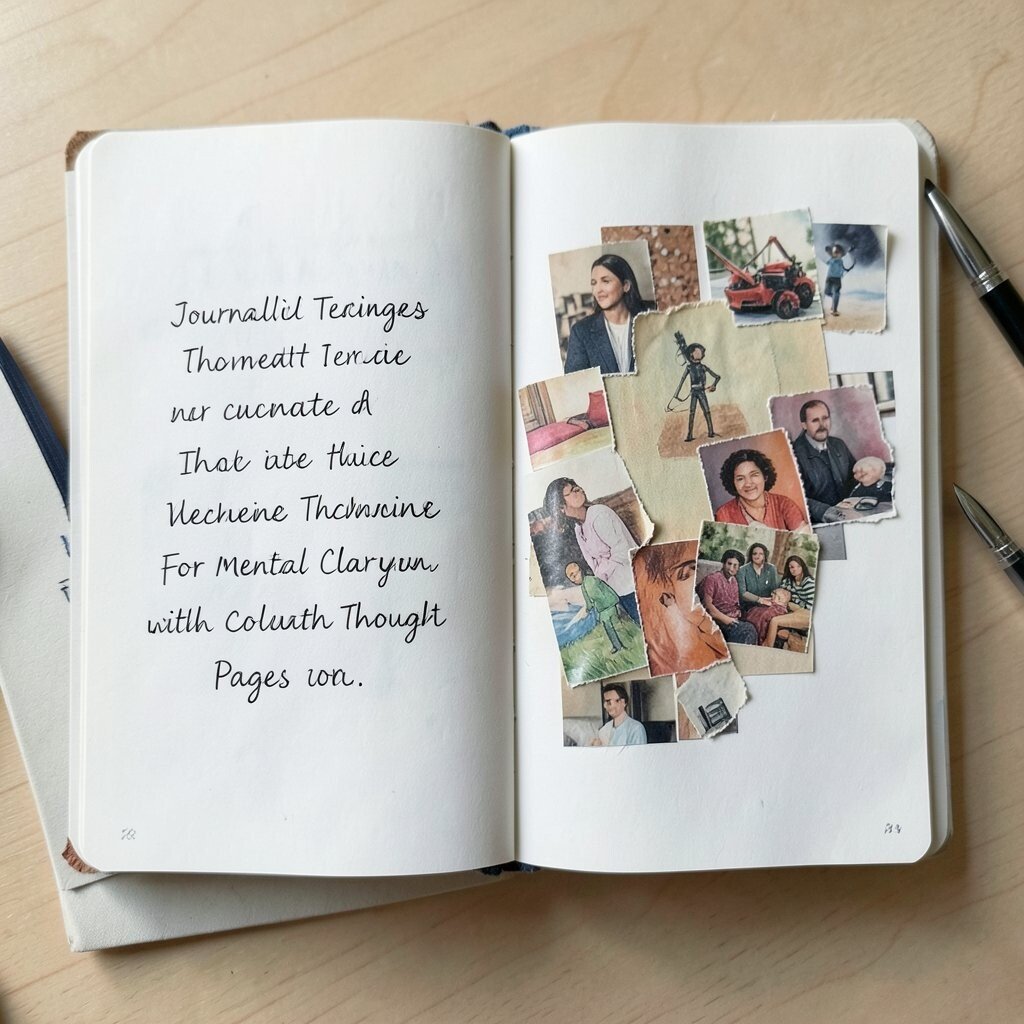
Cut paper, magazine scraps, old receipts, and bits of fabric can turn a blank page into a rich scene. The mix of textures gives your eyes something busy and pleasant to rest on, which can help the brain slow down.
Collage is also kind to beginners because there is no need for perfect drawing skills. You can keep costs down with free flyers, wrapping paper, or printed images from home, and you can make it more personal by adding song lyrics, ticket stubs, or photos from a favorite day.
This style fits well with a current trend toward mixed media journaling, since many people like pages that feel layered and handmade. For extra clarity, glue in pieces that match your present mood, then write one short line about why each piece feels right.
3. Doodle Release Margins

Wide page edges filled with little doodles can keep restless hands busy. Swirls, stars, leaves, and tiny faces often create a playful look that makes journaling feel less serious and more safe.
The real benefit is that doodles can loosen tight thoughts while your main writing stays clear in the center. A plain notebook works well, so this is a low-cost habit, and you can personalize it with your own symbols, like clouds for worry or suns for hope.
Many people now keep digital doodle references on their phones, but paper still has a warm charm that screens cannot match. If you want more calm, repeat the same small shape across the page and notice how that quiet rhythm settles your mind.
4. Black Ink Line Rain

Long lines, short lines, and looping marks in black ink can make a page feel focused and clean. The bold contrast against white paper gives your thoughts a strong frame, almost like a window opening in a crowded room.
This technique works well when you feel scattered because the repeated motion can steady your breathing. Use a pen you already own to keep the cost tiny, and try making the lines thicker or thinner to match your mood or energy.
5. Nature Stamp Pages

Leaf stamps, flower shapes, and twig prints can bring the calm of the outdoors into your notebook. The page becomes full of small natural forms, which can feel soothing and fresh to look at.
This is a nice way to add beauty without needing to draw every detail by hand. Rubber stamps, carved potatoes, or found leaves can keep costs low, and you can personalize the page by stamping only plants from your own yard or neighborhood.
Nature-inspired journaling is popular right now because many people want slower, earth-friendly crafts. If your mind feels crowded, repeat one stamp in a soft pattern and add a few words about where you saw that plant or why it comforts you.
6. Pocket Ticket Memory Pages

Small tickets, labels, and tiny paper keepsakes can be tucked into a page like little memories waiting to be read. The visual look is neat and layered, and it gives the journal a scrapbook feel that can be both pretty and useful.
This style can help you sort thoughts by linking them to real moments, which often makes them easier to understand. It costs very little if you save everyday scraps, and you can make it your own by writing the date, the place, or one feeling from that day beside each item.
Many journal lovers now enjoy pages that hold actual objects, not just drawings, because they feel real and personal. To keep things tidy, use a glue stick sparingly and leave a little open space so the page does not feel too crowded.
7. Color Block Check-Ins

Big blocks of color can turn a page into a simple mood chart without any complicated design. Bright rectangles or soft squares make the page look modern and neat, and that clean style can help a busy mind feel more ordered.
You can assign each color to a feeling, a task, or even a part of the day, which makes the page useful as well as pretty. Crayons, markers, or old paint samples keep the cost low, and you can personalize the blocks by adding tiny words, symbols, or dates inside them.
This technique fits well with current clean-aesthetic journal trends, but it still feels easy and friendly. For clearer thinking, keep the shapes large and simple so your eyes can rest instead of search around the page.
8. Mind Map Branching

A central idea with branches spreading out can make tangled thoughts look easier to handle. The page often looks like a tree or a firework, and that visual shape can help you see connections you missed before.
Mind maps are helpful when you need to sort worries, plans, or ideas into groups. You only need a pen and paper, so the cost stays very low, and you can make it personal by using branch colors that match your own way of thinking.
This method is popular for students, creators, and anyone with a full head and a short to-do list. If one branch gets too crowded, start a second page and keep going so the journal stays calm and easy to read.
9. Masking Tape Frames

Washi tape or plain masking tape can build neat borders around words, photos, or sketches. The tidy frame gives your page a finished look, and the playful patterns can add just enough color to feel cheerful.
Because tape is easy to move and trim, this technique is forgiving for quick journal sessions. It can cost a little more than plain paper, but a small roll lasts a long time, and you can personalize the frame with tape colors that suit your mood or season.
10. Splatters for Stress Release

Paint splatters and ink drops can make a page feel wild in a good way. The random shapes often look alive and energetic, which can be a relief when your thoughts feel stuck or tight.
This method gives you a safe place to release pressure without needing neat results. Use scrap paper under the page to keep cleanup easy and cheap, and try choosing one or two colors so the look stays lively but not messy.
Loose, expressive pages like this are part of a bigger trend toward emotion-first journaling, where the feeling matters more than the finish. To make it more personal, add a few words after the paint dries and let the splatters guide what you write.
11. Sticker Story Scenes

Stickers can build a tiny world on the page in just a few minutes. A mountain, a moon, a bike, and a cup of tea can become a little story that looks bright and easy to read.
This is a fun choice for days when writing feels hard because the stickers do some of the work for you. Sticker packs can cost more than plain supplies, but they are still reusable in spirit when they inspire a full page, and you can personalize the scene with labels or short thoughts that fit your life.
People often use themed stickers now for seasonal journaling, travel memories, or self-care pages. If you want more clarity, keep the scene small and choose stickers that match one main feeling instead of many at once.
12. Grid Planning Pages

Light pencil grids can bring order to a page that feels messy. The squares and boxes make the notebook look structured, and that tidy visual rhythm often helps the mind feel less overwhelmed.
This style works well for habit tracking, daily goals, or sorting worries into neat groups. A ruler and pencil are all you need, so the cost is almost nothing, and you can make the layout personal by changing box sizes or adding small icons that mean something to you.
Clean grid pages are still very trendy because they feel calm and modern without much effort. If you want the page to stay soothing, keep the lines light and leave some boxes empty so there is room to breathe.
13. Freeform Shape Writing

Writing inside circles, clouds, hearts, or wavy blobs can make your thoughts feel softer. The unusual shapes give each page a playful look, and that playful look can lower tension and make self-reflection feel less heavy.
This technique is a good fit when plain lines feel too strict for your mood. It costs almost nothing, and you can personalize it by choosing shapes that match your day, like raindrops for sadness or open doors for hope.
Many journalers now like pages that mix art and writing in one easy flow. To keep the page clear, use just one shape family per spread and write short phrases that fit inside without crowding the edges.
14. Photo and Handwriting Mixes

Printed photos paired with handwritten notes can make a page feel warm and real. The image gives your eyes something concrete to hold onto, while the words help you sort what the moment meant to you.
This is a strong choice for mental clarity because it links memory to meaning. Printing photos can cost a little, but home printers or cheap photo services help, and you can personalize the page by writing directly around the image in a frame of thoughts or feelings.
Scrapbooking styles are still popular because people like pages that feel rich with life. For a calmer result, use just one photo and leave plenty of white space so the page does not become too busy.
15. Repeated Symbol Pages

One small symbol repeated across a page can create a steady, calming pattern. Whether it is a moon, a wave, an arrow, or a tiny dot, the repeated shape can feel almost meditative to make and to look at.
This technique is great for people who want something artistic but not too hard. It costs almost nothing, works with any pen, and you can personalize it by choosing a symbol that stands for what you need most, like rest, courage, or focus.
Pattern pages like this fit well with current slow-living journaling trends because they invite patience. If your mind is racing, keep the symbol small and repeat it slowly while you breathe in a calm, even way.
16. Quote Frames With Art Borders
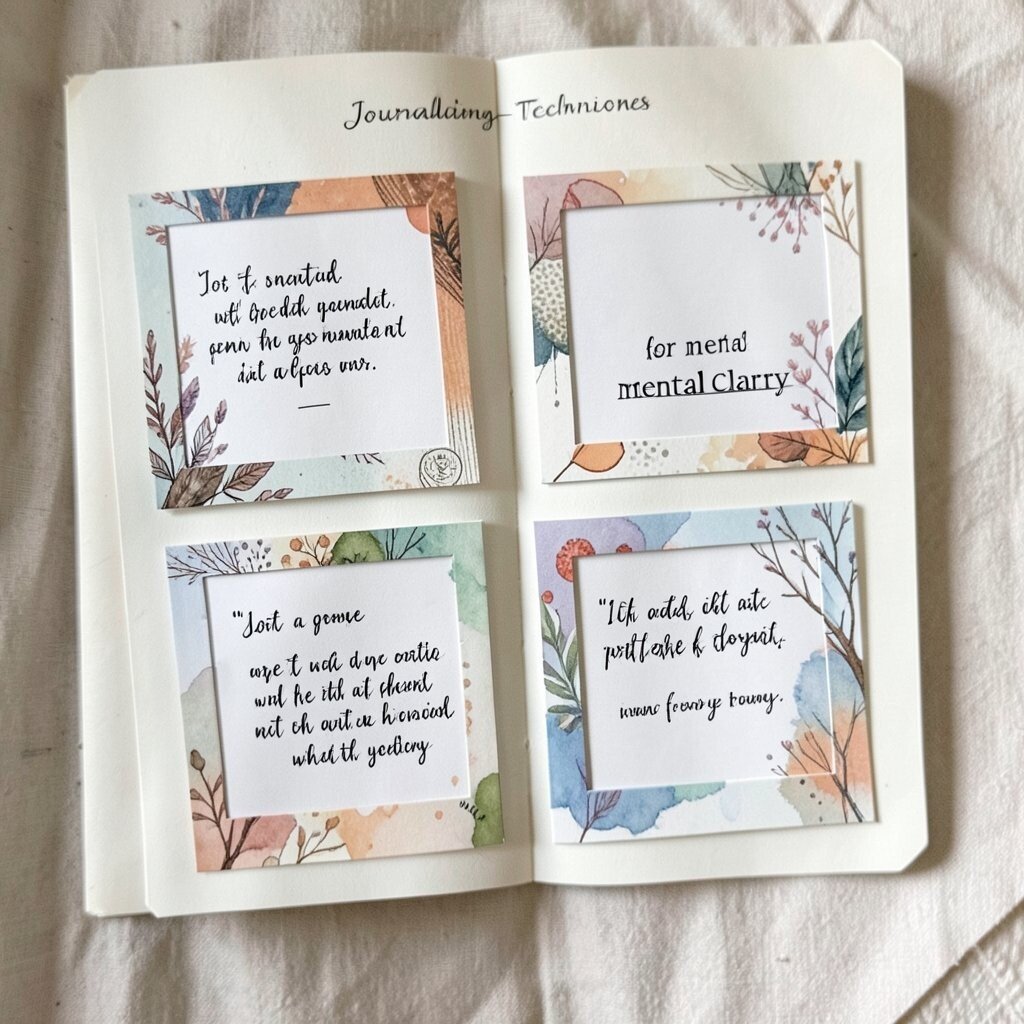
A favorite quote can sit in the middle of a page while colorful borders, leaves, waves, or tiny dots frame it. The page looks thoughtful and polished, and that clean center can give your brain one clear idea to hold.
This can be a low-cost project if you write the quote by hand and decorate with markers you already have. You can make it personal by choosing words that match your current season, and you can change the border style to fit your mood, from bold and bright to soft and simple.
People enjoy this style now because it blends inspiration with art in a way that feels easy to share. For more clarity, choose a quote that is short enough to read at a glance so the page stays calm and not crowded.
17. Evening Reflection Lantern Pages

Pages shaped like lanterns, stars, or small glowing windows can bring a peaceful end to the day. Warm yellows, oranges, and soft reds make the page feel cozy, and that gentle glow can help the mind settle before sleep.
This technique works well for evening check-ins because it encourages a short review of what felt heavy and what felt good. Use a pen, crayons, or soft markers to keep costs modest, and personalize the page with one grateful moment, one worry to leave behind, and one hope for tomorrow.
Night-themed journaling has a fresh, modern feel, especially when people want screen-free routines that calm the brain. If your thoughts are still loud, keep the page simple and let the lantern shape hold only a few words so the quiet feeling can do its work.