Wallpaper can hide more than a wall. It can hide stress, dust, and a few surprises too.
1. Start by looking for the wallpaper’s age and type
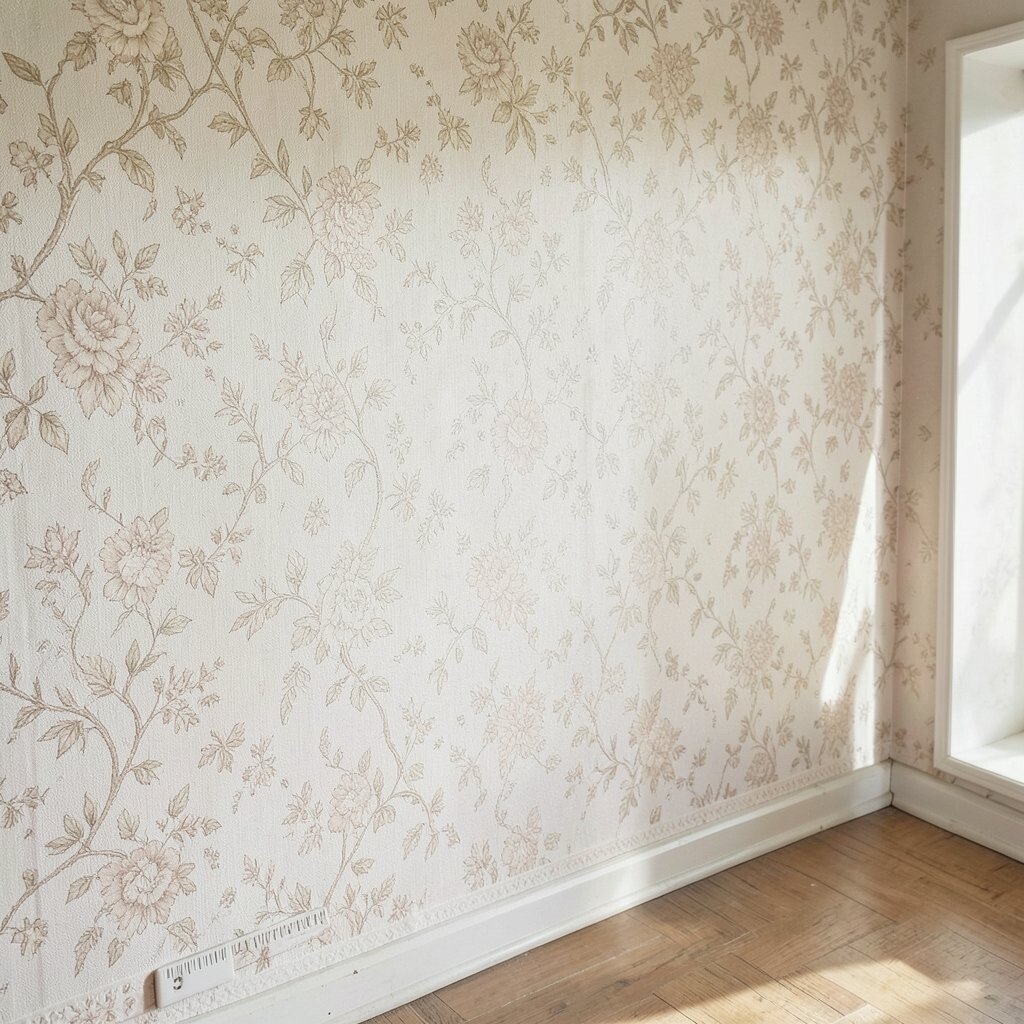
Old wallpaper often looks flat and tired, while newer paper may still feel smooth and bright in spots. Knowing what is on the wall helps you choose the right method and keeps the work from turning into a long, messy fight.
Some papers peel in big sheets, and others break into tiny scraps that cling like stubborn stickers. A small test area near a corner can save time, lower supply costs, and give you a better idea of the work ahead, which makes the whole room feel less overwhelming.
2. Water alone is not always the whole answer
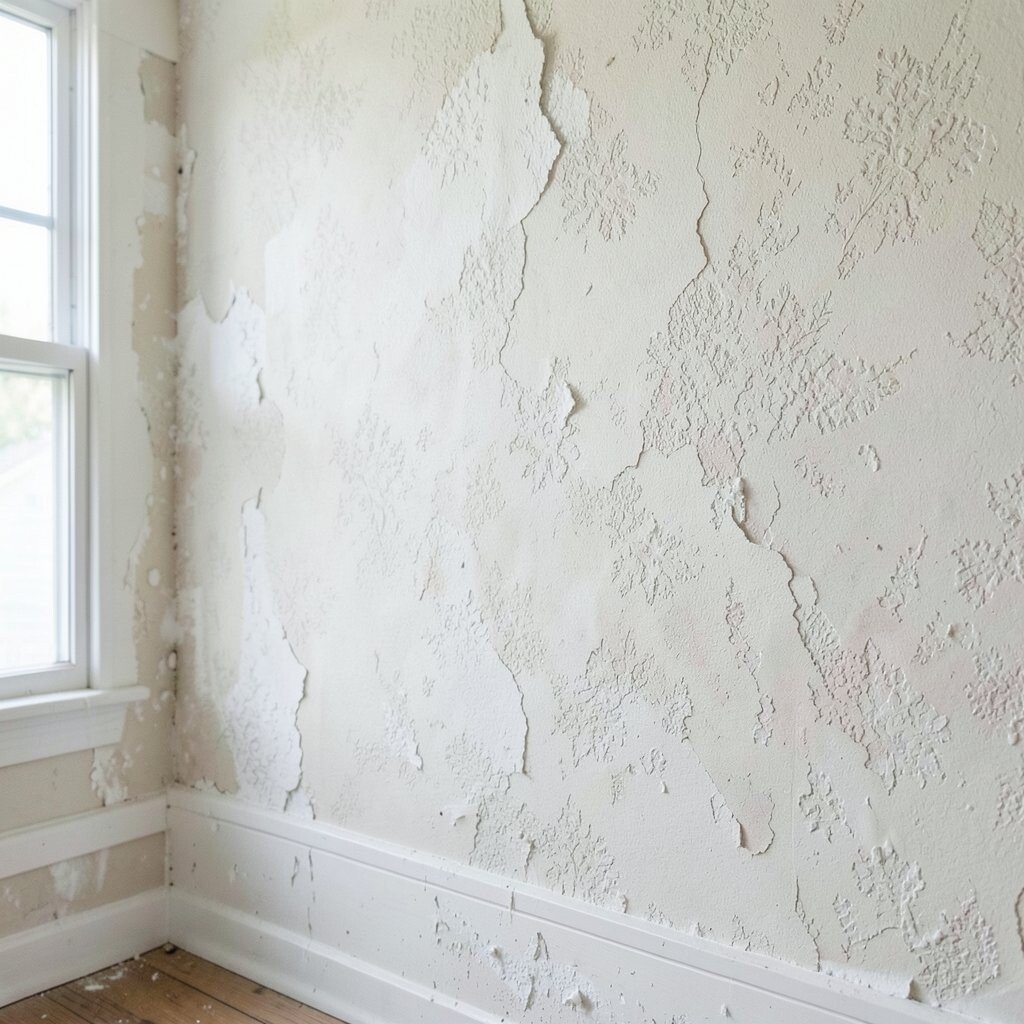
Many people expect warm water to soften wallpaper right away, but some walls act like they were sealed for battle. When that happens, a simple soak may not reach the glue, and the paper can stay stuck with a rough, torn look.
A score tool, wallpaper remover liquid, or a steamer can help break the bond in a cleaner way. These tools can also reduce hand scraping, which is good for tired arms, and they may save money by cutting down on repeated work and damaged drywall.
Different homes need different approaches, so it helps to match the method to the wall instead of forcing one trick to do all the work. If you are aiming for a smooth painted look, gentle removal is usually worth the extra time because it leaves the surface easier to patch and prime.
3. Dry edges tell you where the real work begins
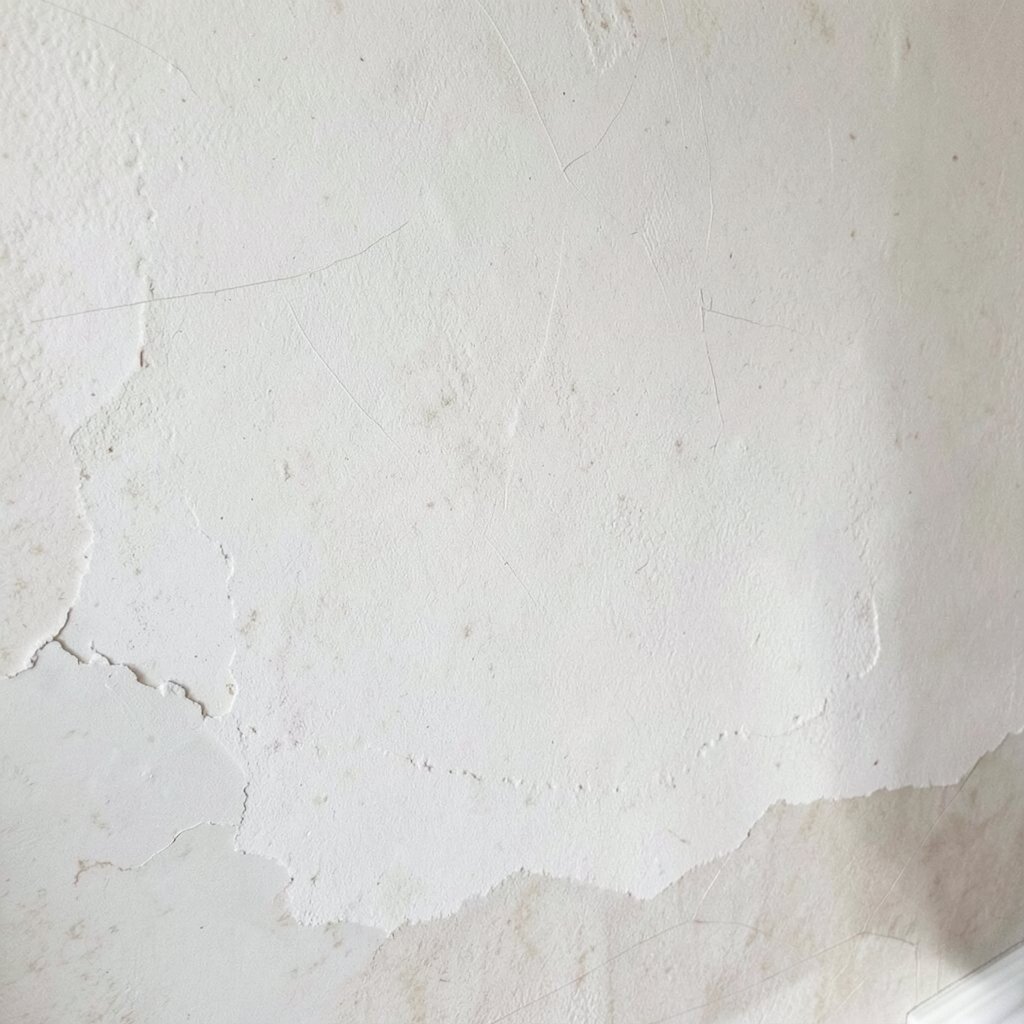
The corners, seams, and top edges often look the driest, and that is usually where wallpaper first starts to lift. Those spots can feel easier to handle, but they also show how strong the glue still is beneath the paper.
Pulling slowly from an edge may create long strips that look neat as they come off. If the paper tears, stop and add more moisture before pulling again, because this keeps the wall looking cleaner and can lower the chance of needing extra repair products later.
These edge areas are also a good place to notice special details like texture, older paint, or patched spots that may change how the paper comes away. A little patience here can make the rest of the room less frustrating and can even help you keep the removal style more personal if you want to preserve a small section as a memory board or sample.
4. Steam can be helpful, but it needs a calm hand
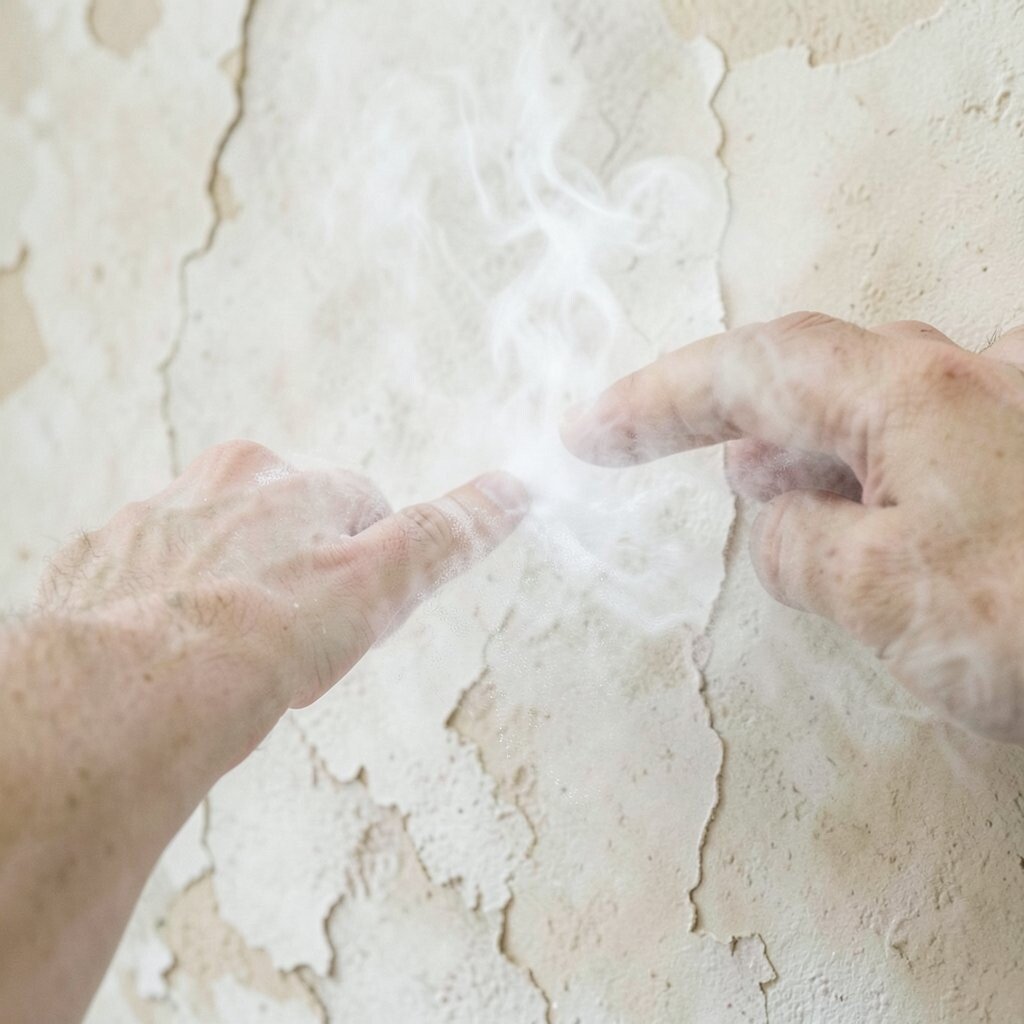
Steam looks almost magical when it softens stubborn wallpaper and the paper begins to curl away from the wall. It can be especially useful in rooms with thick layers, and the clean peel can feel rewarding because it cuts down on hard scraping.
The trick is to move slowly and keep the steamer in one place for the right amount of time. Too much heat can hurt the wall underneath, raise repair costs, and make the surface look wavy, so a steady pace is usually safer and more useful.
5. Floors and trim need more care than people expect
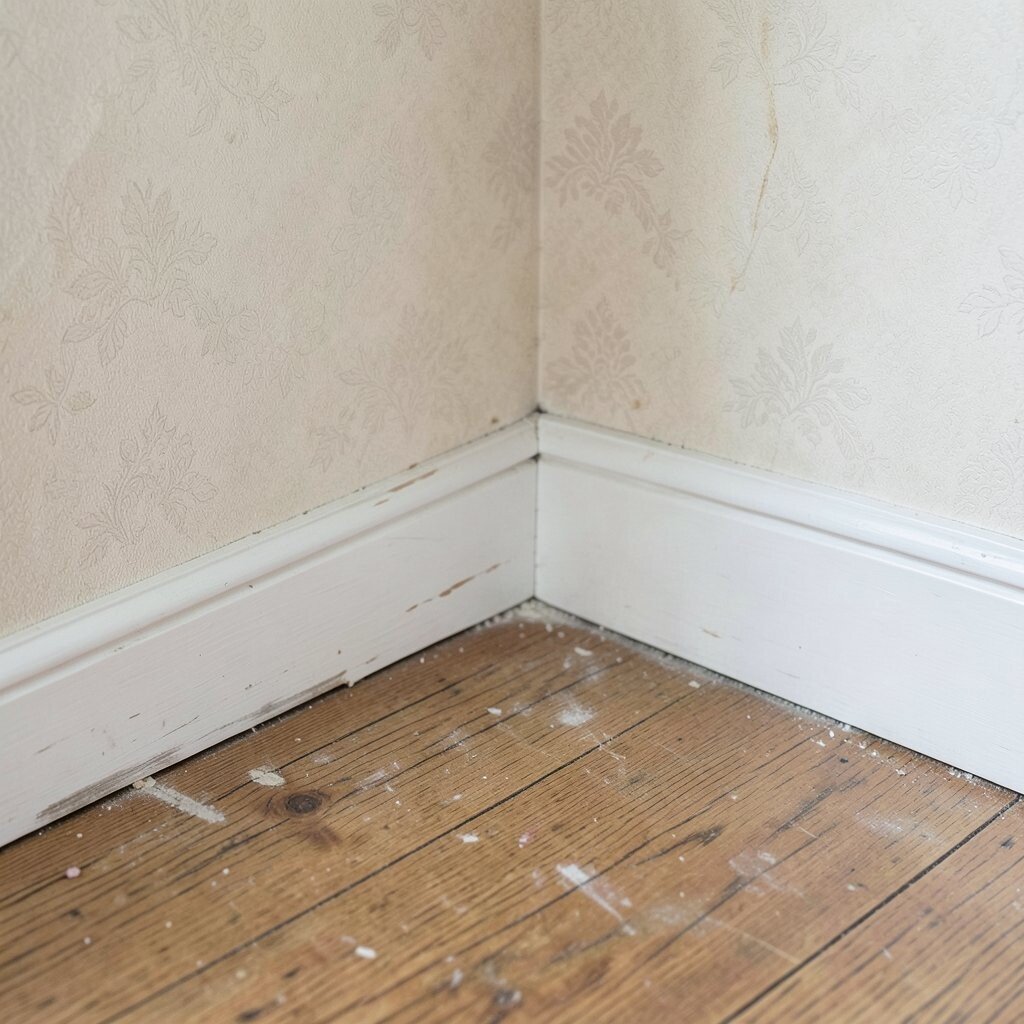
Wallpaper removal can send damp scraps, sticky paste, and dust all over the room, and those bits love to hide in trim grooves. A room that looked simple at first can suddenly seem much larger once you start covering the floor and taping off the baseboards.
Drop cloths, painter’s tape, and a few plastic covers can protect wood, carpet, and outlets from mess. That small setup may seem boring, yet it can save money on cleanup and make the room feel more organized, which is very helpful if you want a crisp modern finish afterward.
Clean edges around trim also give the whole wall a sharper look when the paper is gone. If you like a warmer style, you can leave one painted accent wall or choose a soft color that works with the room’s natural light, which makes the space feel more yours without adding much to the budget.
6. Paste residue matters almost as much as the paper itself
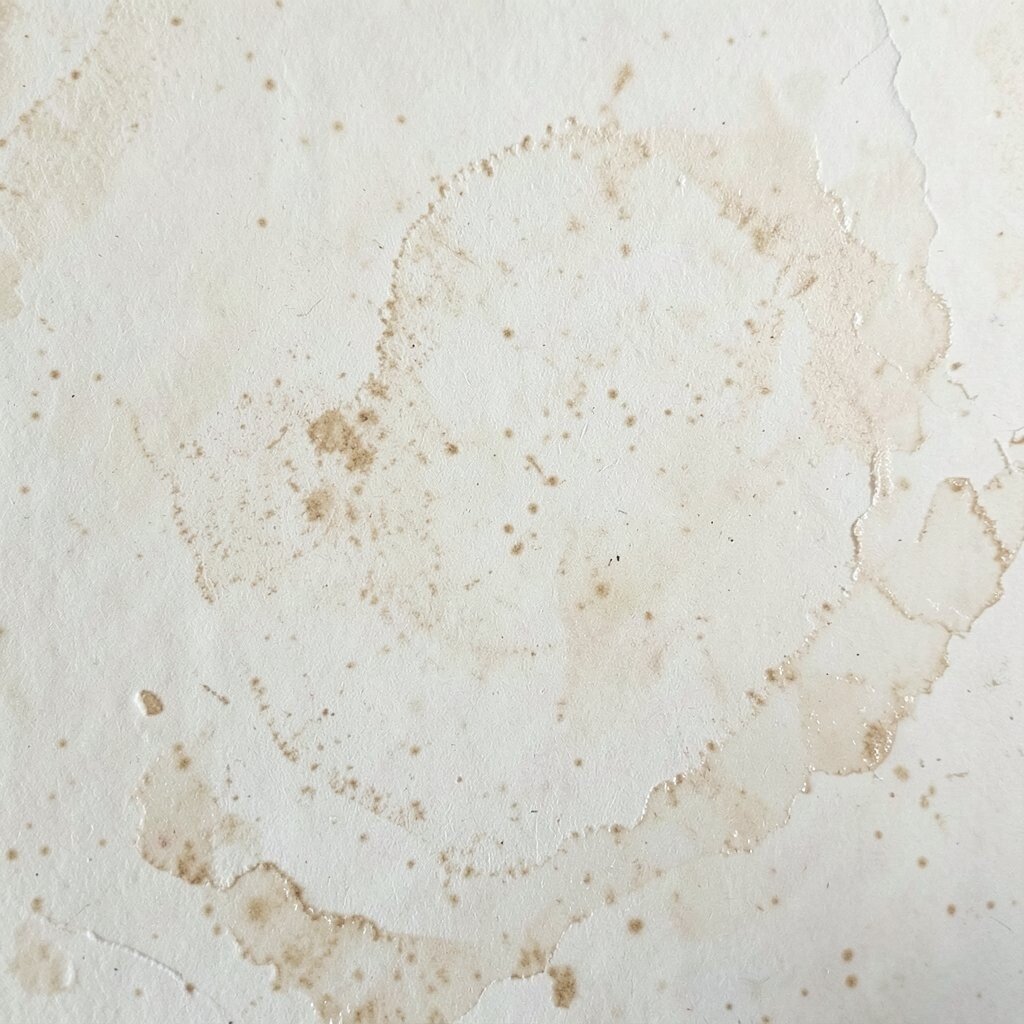
Once the paper is off, the wall may still feel sticky or rough because old paste often stays behind. That leftover glue can look shiny in the light and may cause paint problems if it is not washed away well.
A simple wipe with warm water and a gentle cleaner can make a big difference. When the wall feels smooth and clean, primer and paint sit better, which improves the final look and helps you avoid spending extra money fixing peeling later.
This step also gives you a chance to see the wall’s true condition, which can be surprising in older homes with small dents or hidden spots. If you want a more custom finish, you can use that clean surface to try a rich color, soft neutral, or even a subtle texture that suits the room’s mood.
7. Old walls often hide small damage that shows up fast
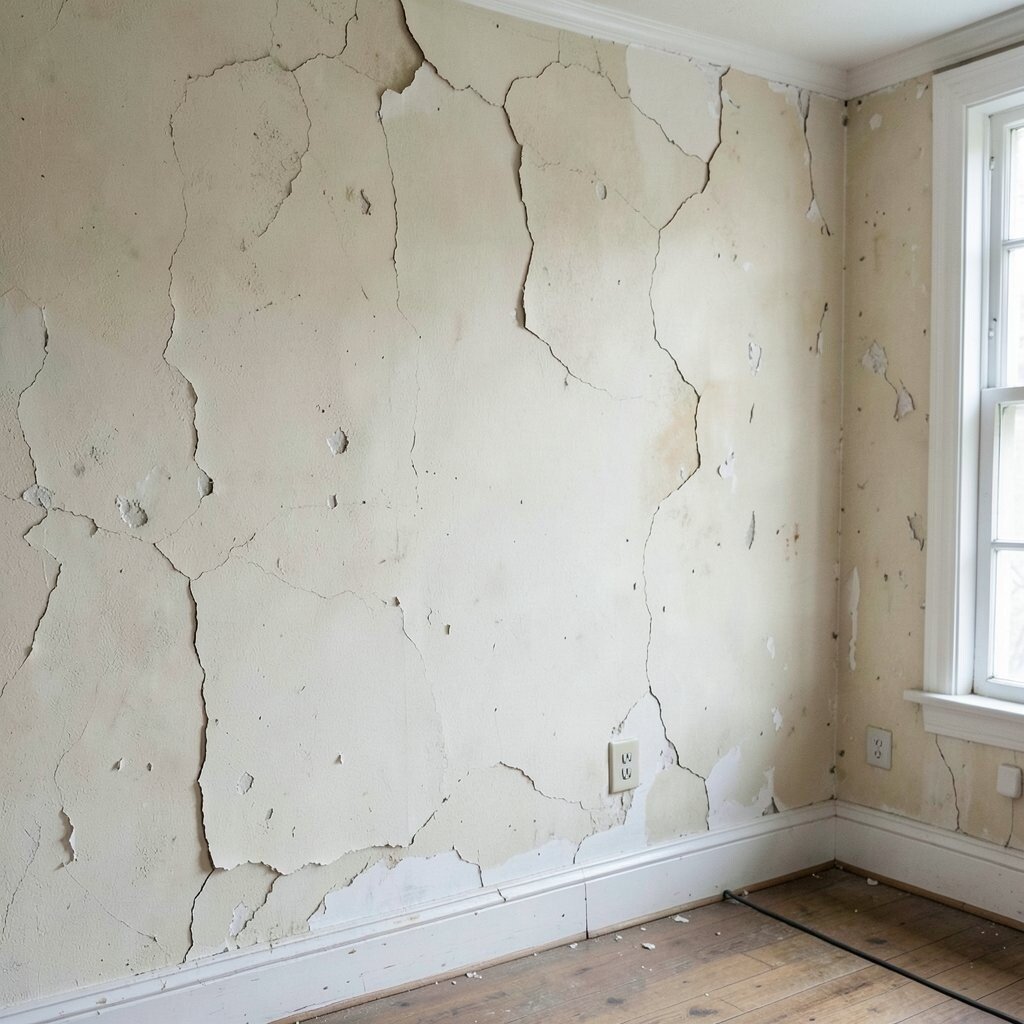
Wallpaper can cover cracks, nail holes, and patched areas that you might not notice until the paper is gone. The wall may look a little uneven at first, but that is normal and does not mean the room is ruined.
Spackle, sanding, and primer help smooth those flaws before paint or new wall treatment goes up. These repairs can be low-cost if the damage is small, and they often make the room look much better than the wallpaper ever did, which is why a careful finish matters so much.
Some people even use the chance to add a more personal touch, such as a soft limewash look or a single statement color that fits the furniture. Those choices feel current and stylish without needing a full remodel, and they can make the wall look fresh instead of just bare.
8. The room will look worse before it looks better
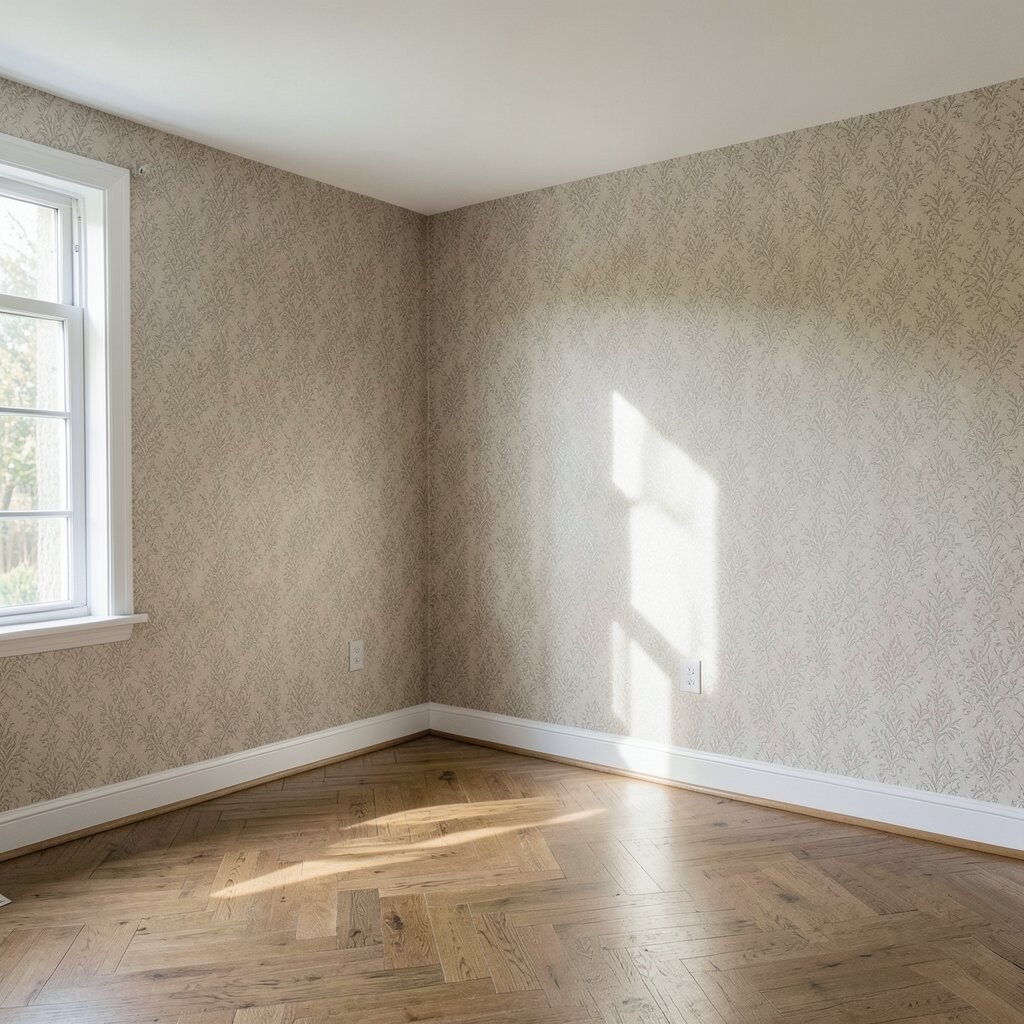
Freshly stripped walls often look patchy, dull, and a little sad, and that can surprise people who expected an instant upgrade. The first view after removal may show glue marks, torn paper bits, and uneven color from old repairs.
This messy stage is temporary, and it usually means the old layers are finally gone. Keeping the goal in mind helps you stay calm, and it also lets you plan the next steps more wisely, since you can choose repair supplies and paint colors based on what the wall really needs.
If you are working on more than one room, it can help to finish one wall at a time so the space still feels manageable. That approach can lower waste, keep costs easier to track, and give you a clearer sense of progress, which makes the whole project feel more rewarding.
9. Patterns can hide where the seams are strongest
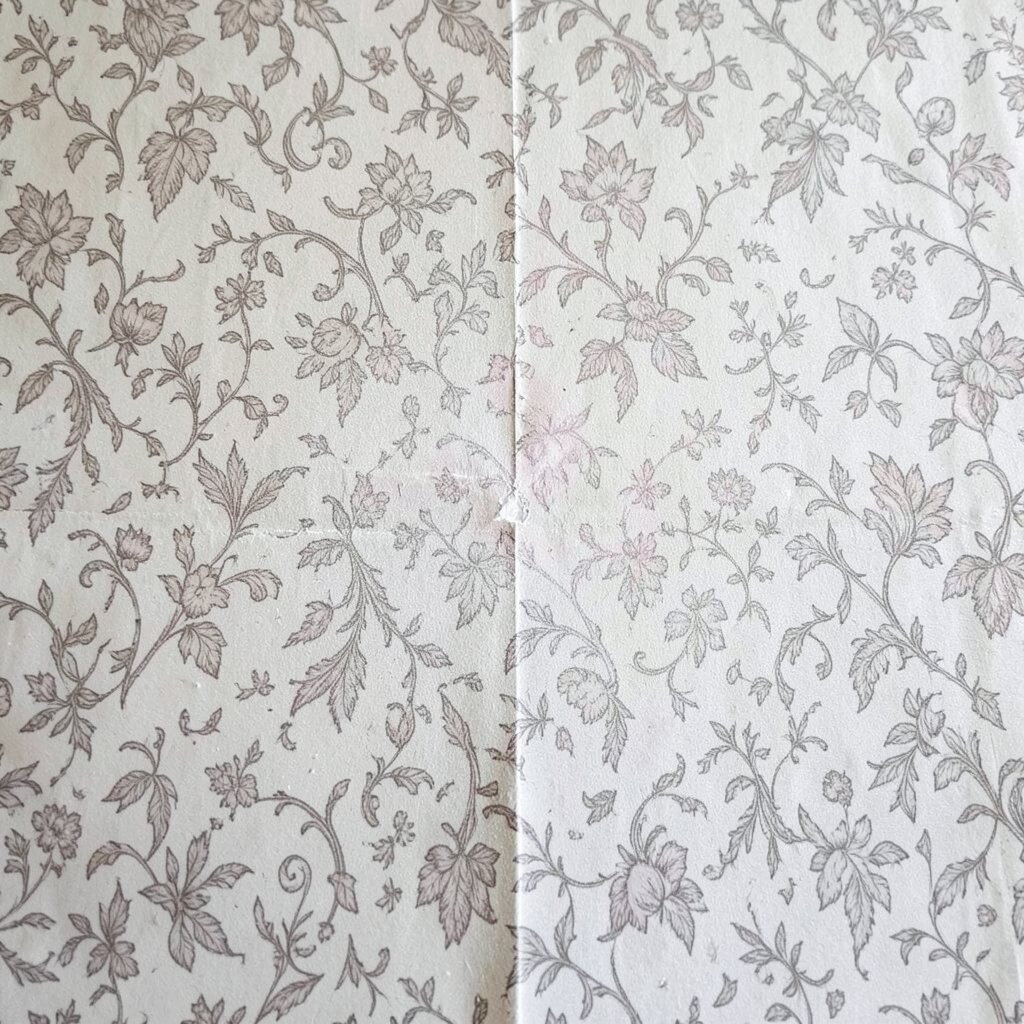
Some wallpaper looks smooth from far away, but close up you may notice seams, bubbles, or spots where the edges overlap. Those little clues show where the paper was installed tightly, and they can guide your removal plan.
When seams are easy to find, you can start there and often lift bigger sections with less effort. That saves time, cuts down on scraping marks, and gives the wall a cleaner shape, which matters if you want the room to feel neat and modern after the paper is gone.
Patterned paper also leaves behind a special kind of visual story, especially in older homes with bold florals or retro shapes. Some people even keep a small removed piece in a frame as a fun memory, since it adds character and reminds them how the space changed without needing expensive decor.
10. Not every wall is ready for the same finish
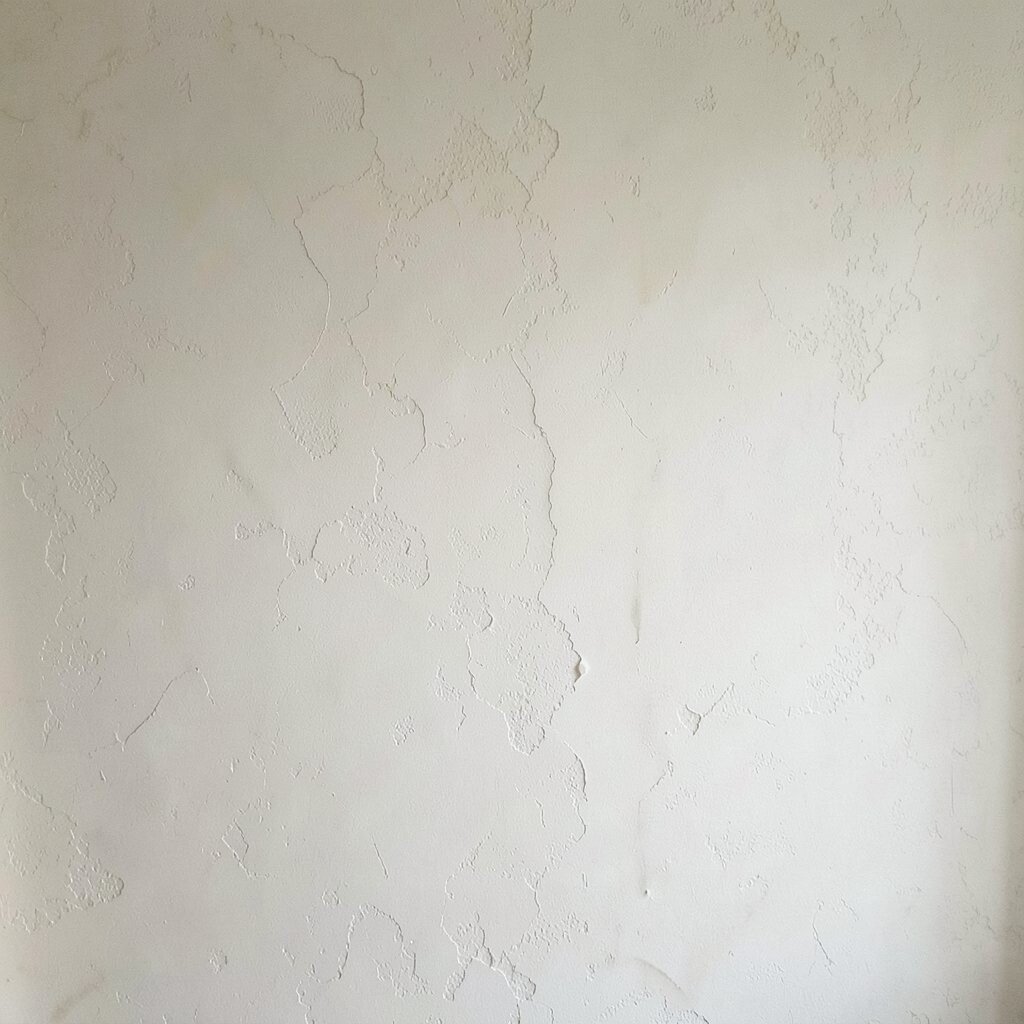
After removal, one wall may be perfect for paint while another may need more patching and sanding first. That difference is easy to miss until the light hits the surface and shows every bump.
Rooms with lots of sunlight often reveal flaws faster, while darker rooms may hide them a little more. Matching the finish to the wall condition can keep the project cost sensible, and it also gives you freedom to choose what looks best in each space instead of forcing one style everywhere.
This is where personalization can be fun, because you might use matte paint in one room and a soft washable finish in another. Current home style leans toward calm colors and simple surfaces, so a clean wall can fit right in while still feeling unique to your home.
11. The right pace makes the job easier than brute force

Pulling hard feels fast, but it often leads to torn paper, sore hands, and extra cleanup. A slower rhythm gives water, steam, or remover more time to work, and the wall usually responds better when you are patient.
Short work sessions can help too, especially in large rooms where the job can start to feel endless. Taking breaks lowers frustration, keeps the results neater, and can even reduce the need for extra tools or patching supplies, which is nice when you are trying to keep the project affordable.
12. Small style choices after removal make a huge difference
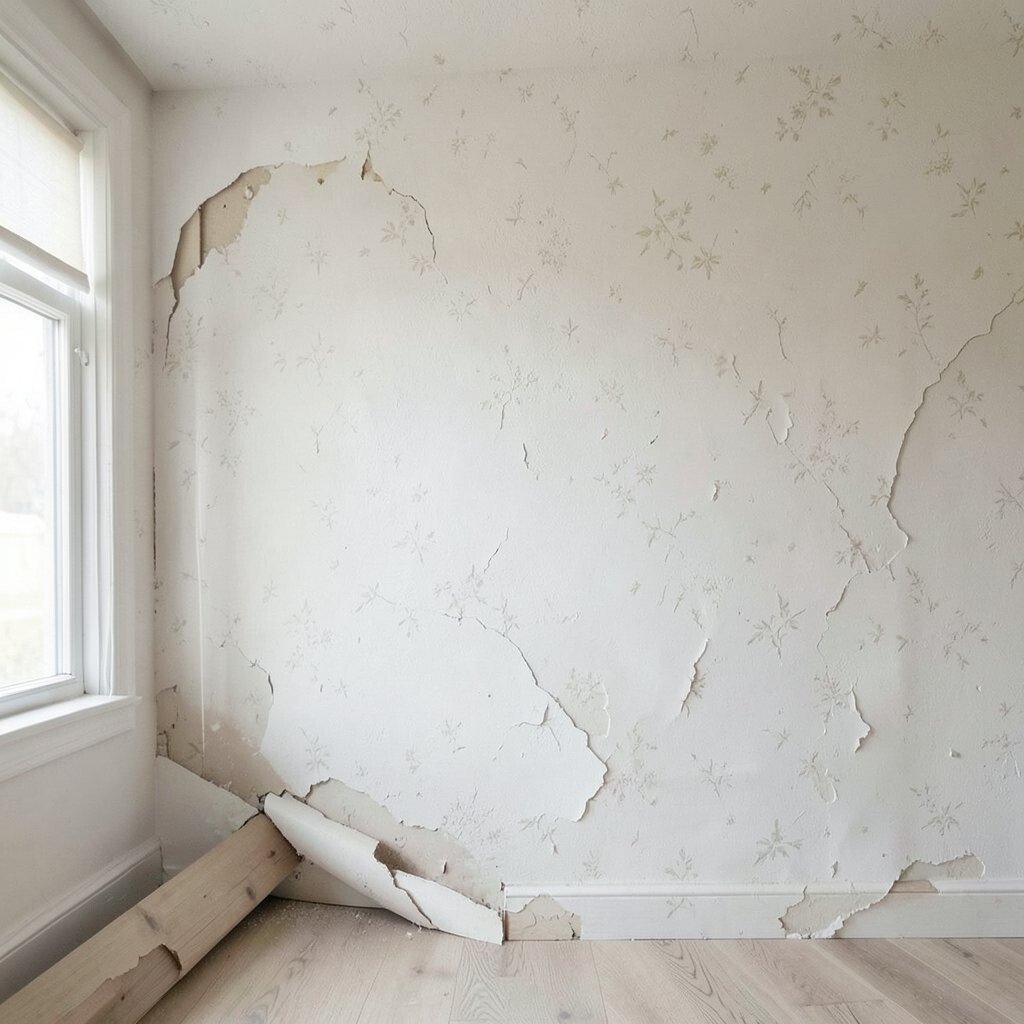
Once the wallpaper is gone, the room can feel open and blank in a way that is both exciting and a little strange. That empty look is a chance to choose a finish that matches your life, from a soft painted wall to a bold accent color or a simple textured coat.
Many people now like calm, cozy rooms with natural light, and a freshly cleaned wall is the perfect starting point for that look. You can keep the design light and airy, add art that feels personal, or use a color that makes old furniture look new, all while keeping costs under control because the wall is already prepared.
The best part is how different the room can feel once the paper is gone and the wall has been treated with care. A smooth, well-finished surface can make the whole space look brighter and more intentional, and that kind of change often feels bigger than the money spent, especially when the final result fits your taste so well.