
Your balcony can feel like a tiny park if you plan it with care. A few smart choices turn everyday air into something greener.
You will enjoy calmer mornings, better use of space, and plants that look great in every season.
1. Vertical Herb Wall for Everyday Cooking
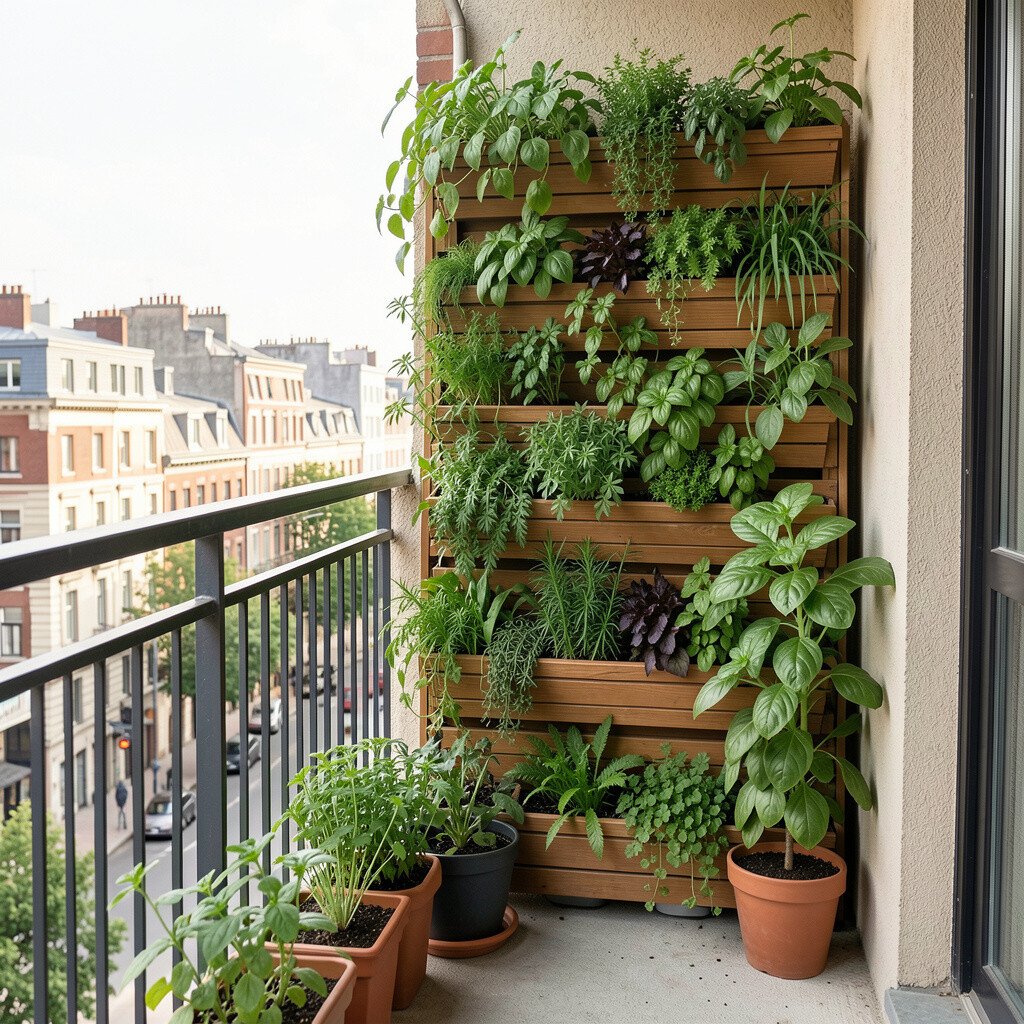
A vertical herb wall makes your kitchen feel closer to your balcony. Imagine clipping fresh basil, mint, or thyme while you cook, then smelling that bright green aroma all evening.
Use lightweight planters or wall-mounted pockets so you do not fight for floor space. Pick herbs you already use, and group them by watering needs so the wall stays tidy. Add a small drip tray or a simple saucer under each section to prevent mess and keep your neighbors happy.
2. Window-Box Color Blend With Seasonal Swaps
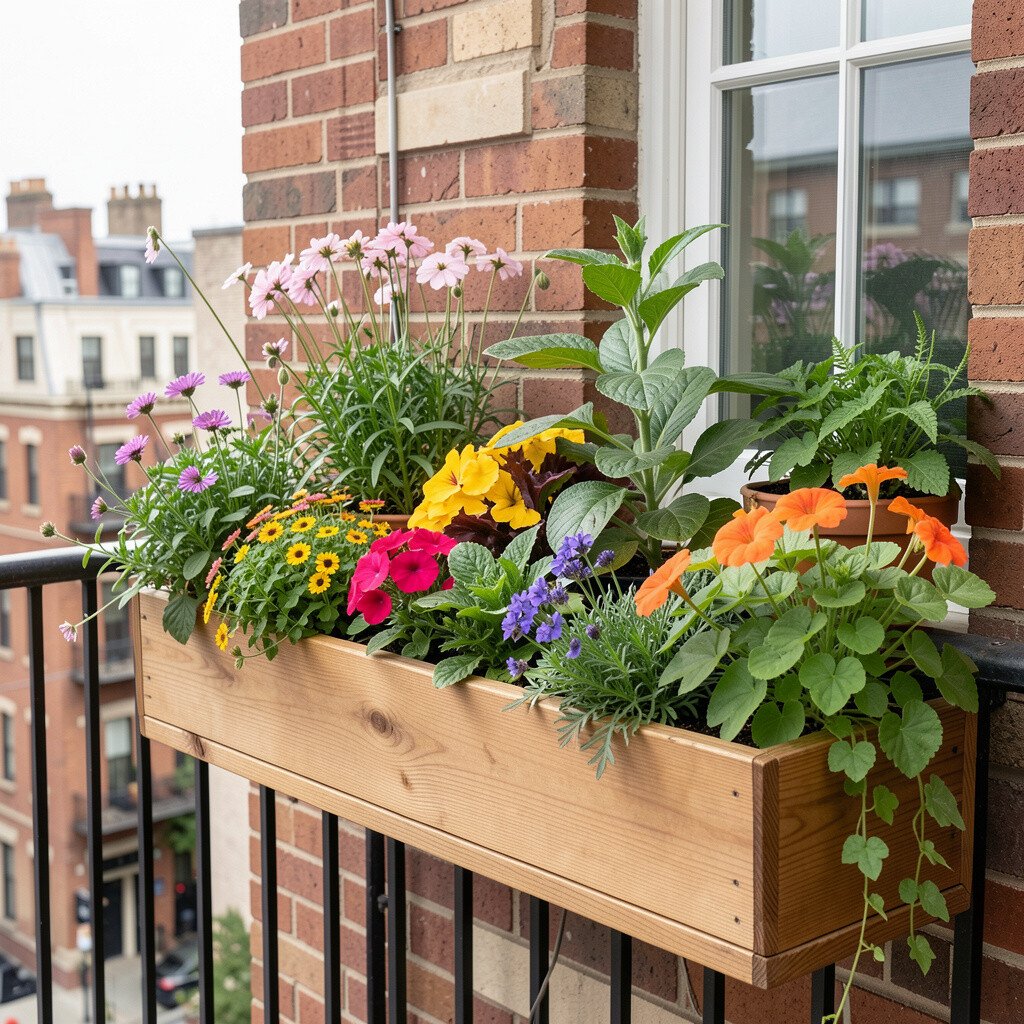
Window boxes can give your building a gentle, colorful look from the street. Try mixing one trailing plant, one tidy mid-height plant, and one upright accent so the arrangement feels “designed,” not random.
Choose plants that match the light your balcony gets, like petunias or geraniums for sunny spots and impatiens or begonias for shadier corners. Swap one plant at a time with the seasons so you keep the same style but enjoy new colors throughout the year.
To keep costs lower, buy smaller seedlings and grow them on in the same containers until they fill out. A simple watering routine early in the day helps flowers last longer and reduces plant stress.
3. Raised Container Garden for Cleaner Floors
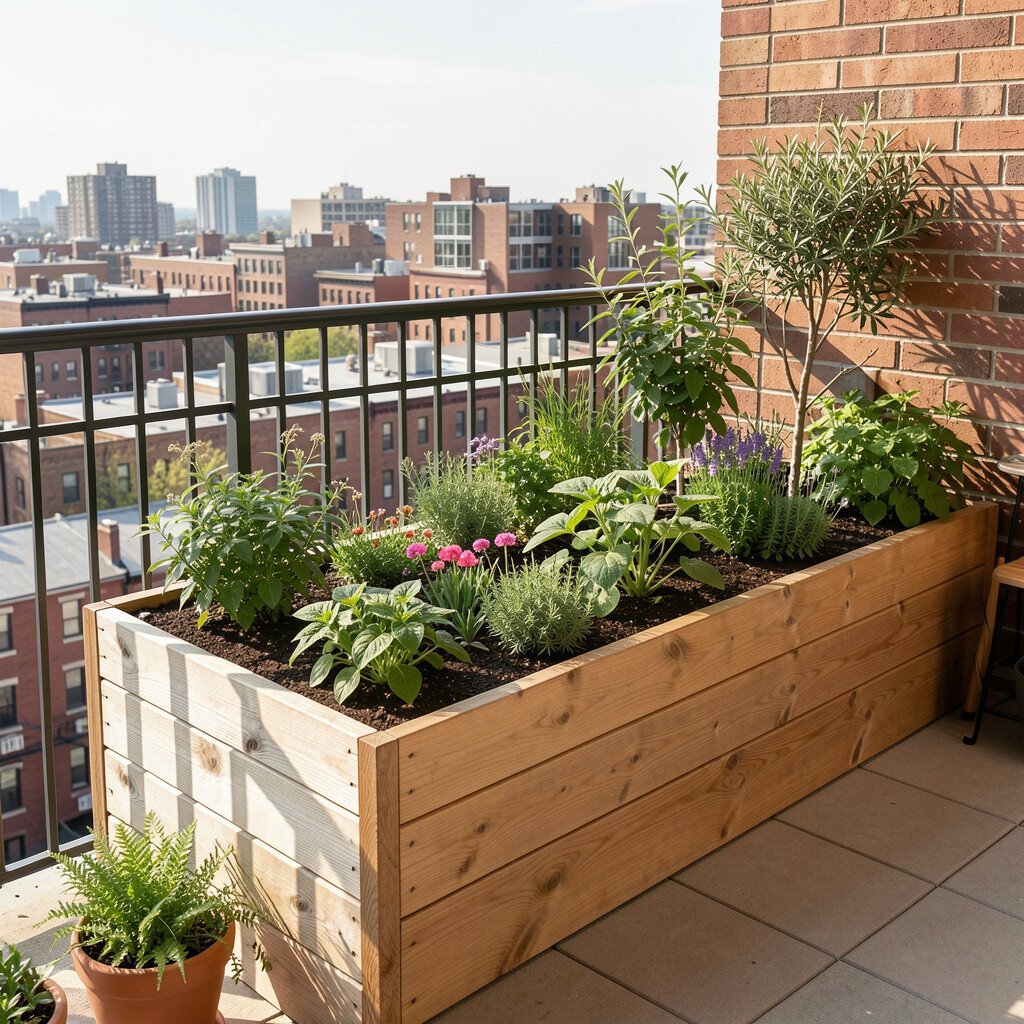
Raised containers make balcony gardening feel more organized. They lift soil up off the surface, which helps with drainage and makes spills easier to manage.
Choose sturdy, shallow raised planters so you can reach comfortably without bending. Add quality potting mix and a few slow-release nutrients to keep growth steady even when the weather swings.
For a practical twist, place the containers on coasters or roller trays so you can move them for sun and cleaning. A neat setup also makes pests easier to spot, since you can see leaf changes from above.
4. Self-Watering Planters for Busy Schedules
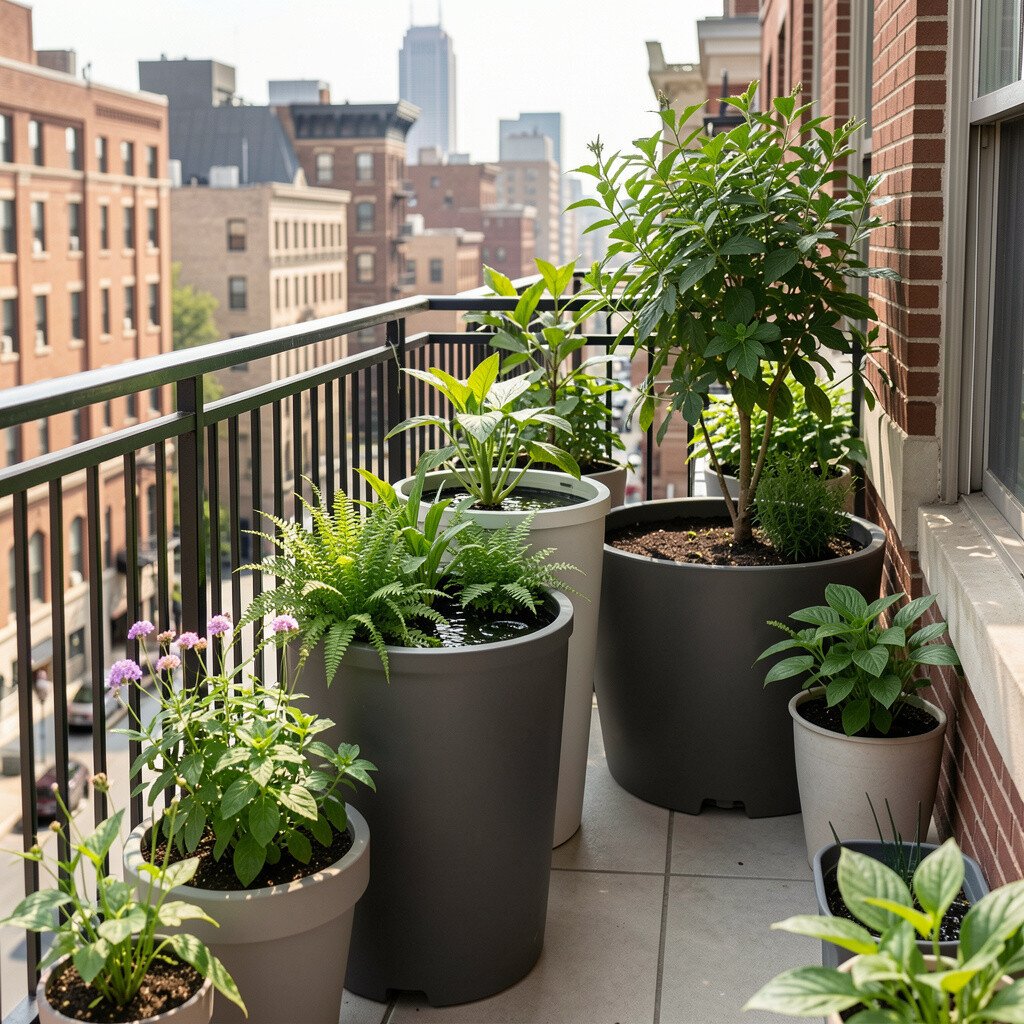
Self-watering planters are perfect when your week runs fast. The reservoir helps plants stay hydrated, so small forgetful days do not turn into sad wilted leaves.
This style also looks sleek, especially when you choose matching pots. Use a well-draining potting mix in the top section and keep the wick area clean so the system keeps working well.
5. Vertical Trellis for Climbing Vines and Privacy
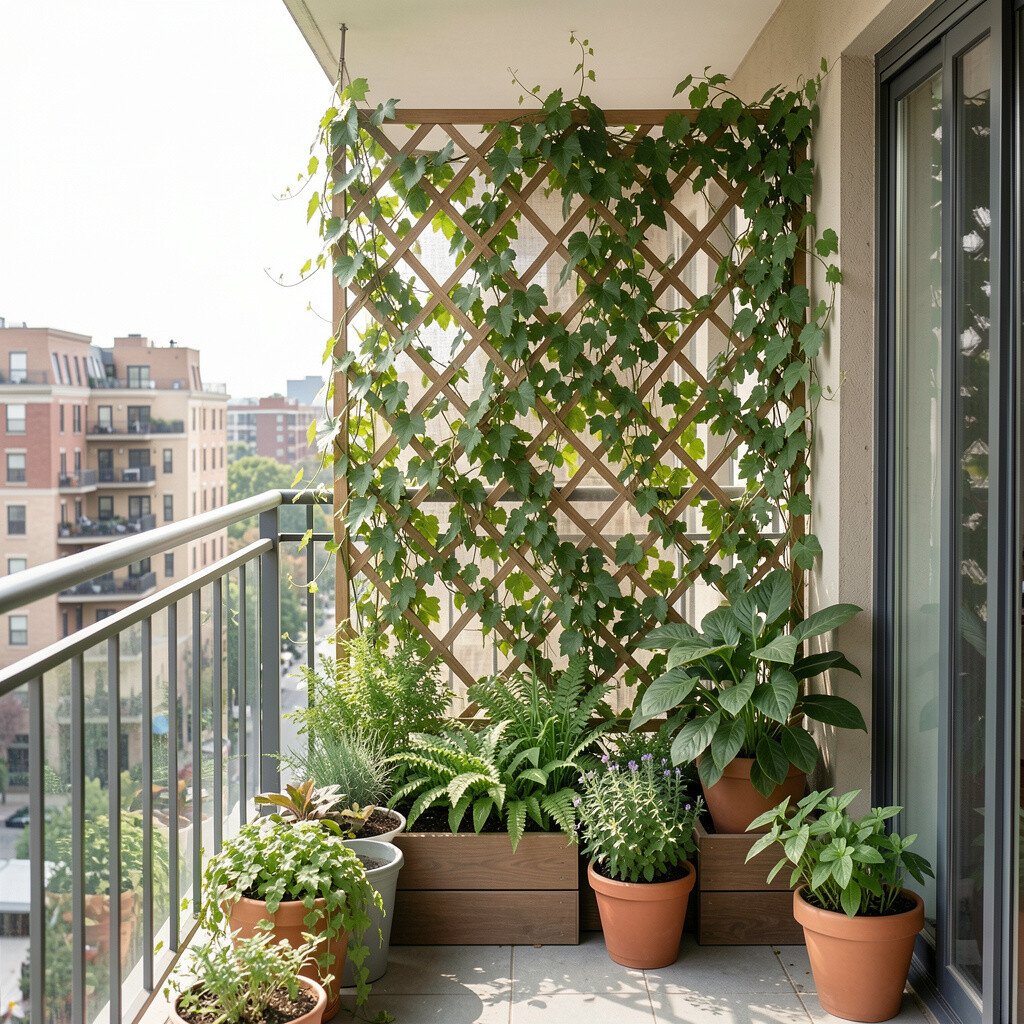
A trellis can turn a plain railing into a living wall. Picture fast-growing vines that soften edges and add privacy without building anything heavy.
Train climbing plants like ivy, sweet peas, or small cucumbers along the trellis so they grow upward instead of outward. Secure the trellis firmly and check ties every couple of weeks as plants stretch.
If you want a softer feel, choose flowering climbers for bursts of color and a light scent near seating. You will also notice cooler air around the balcony on hot afternoons, which feels great when you unwind.
6. Balcony Corner “Mini Forest” With Mixed Textures
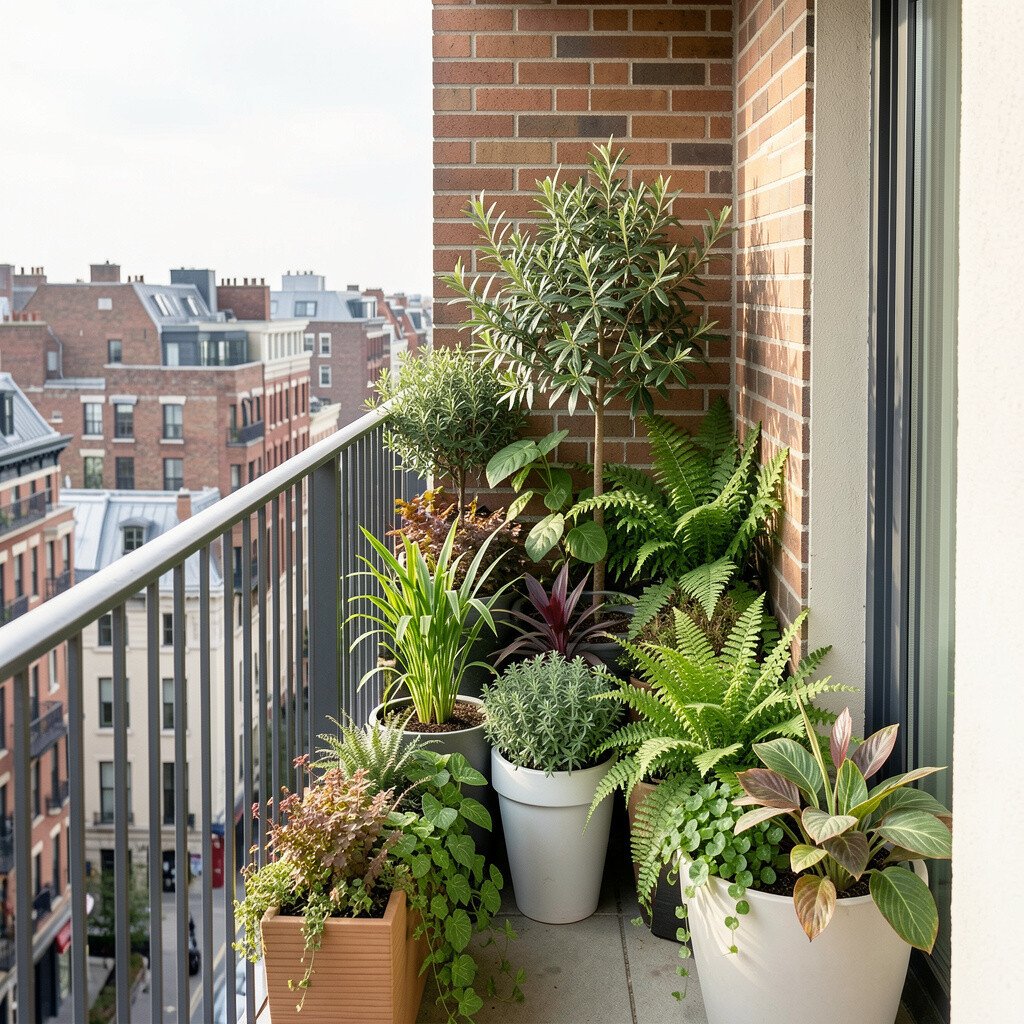
One corner can become a mini forest when you mix leaf shapes and heights. Think broad leaves for calm volume, spiky plants for contrast, and gentle trailing stems for movement.
Start with a focal plant, then add a medium filler, and finish with something that spills over the edge. This layering makes the space feel fuller even in small containers.
For an easy watering plan, group plants by how much sun they get. Many urban gardeners also like rotating pots a quarter turn each week so growth stays even.
7. Pollinator-Friendly Pots for Local Bees
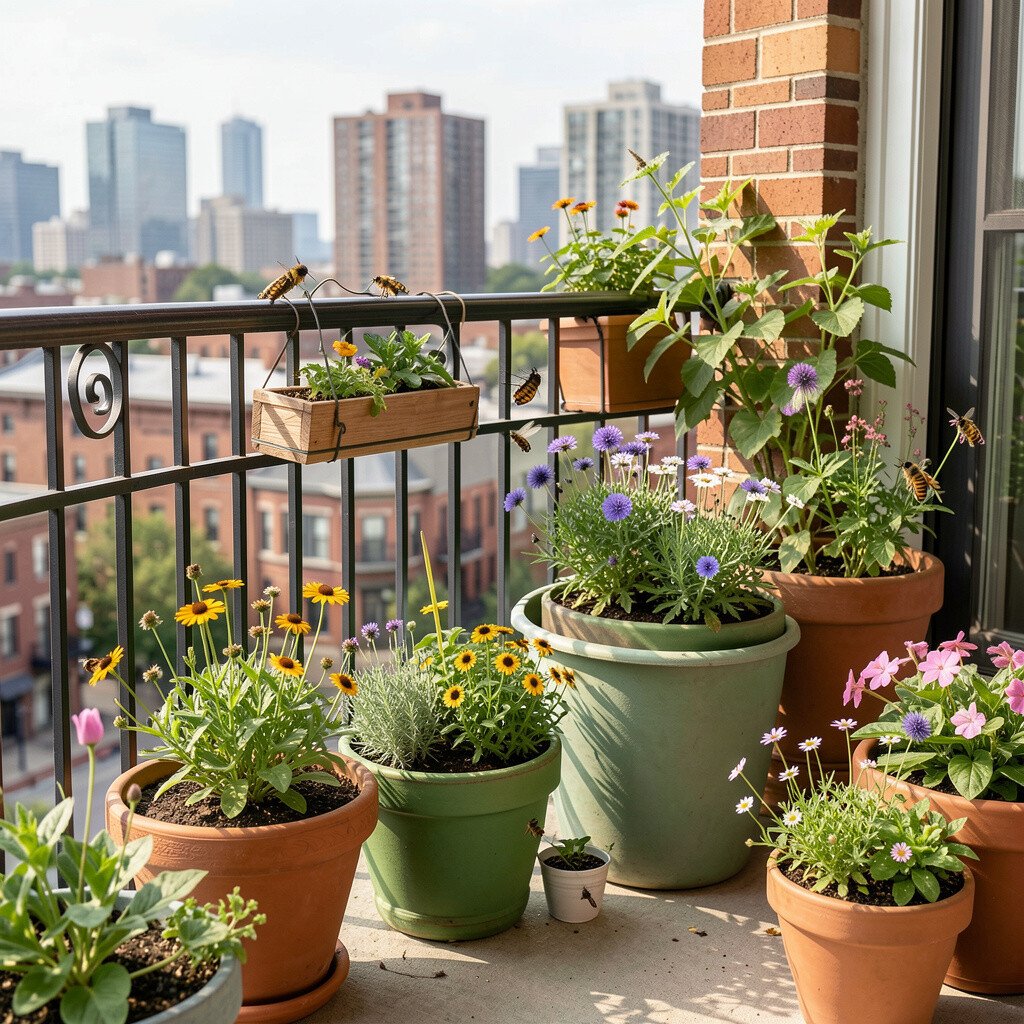
Pollinator-friendly plants bring busy little visitors right to your balcony. You will spot buzzing bees and fluttering butterflies when the flowers are in full swing.
Pick blooms that provide nectar and pollen, such as lavender, salvia, and flowering thyme. Choose colors that show up clearly against green leaves, and keep dead flowers trimmed to encourage new growth.
This is also a feel-good choice for the neighborhood, since local pollinators need steady food sources. Pair bright flowers with a few herbs so your garden supports both beauty and kitchen needs.
8. Container Soil Strategy for Better Drainage
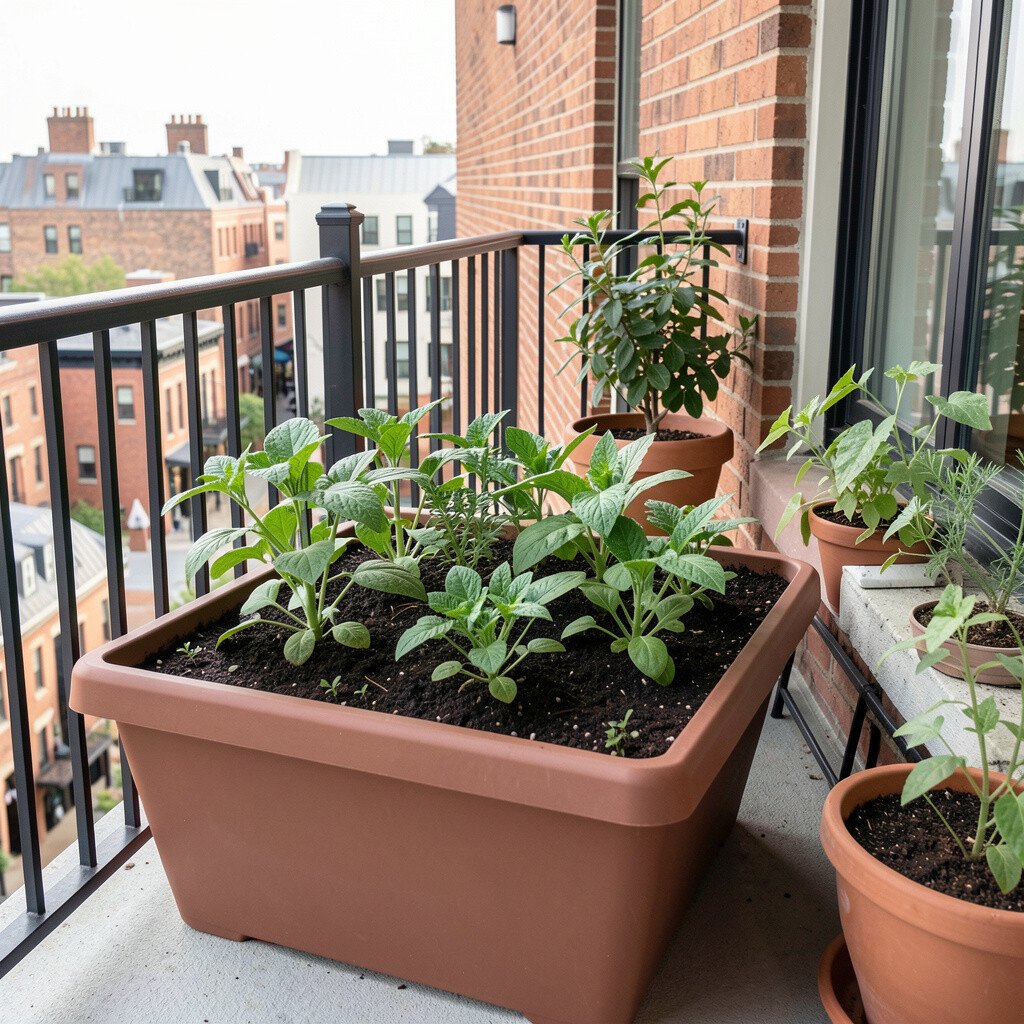
Healthy soil is the quiet secret behind strong balcony plants. When water moves well through the container, roots stay happier and the whole plant looks more vivid.
Use potting mix designed for containers, not garden soil, because it drains differently. Add perlite or small chunks of airy material to improve flow, and do not pack the mix too tightly.
If you notice soggy leaves or slow growth, check that your pots have drainage holes. A simple soil strategy saves money over time because plants recover faster and last longer.
9. Drought-Tolerant Succulents in Low-Light Areas
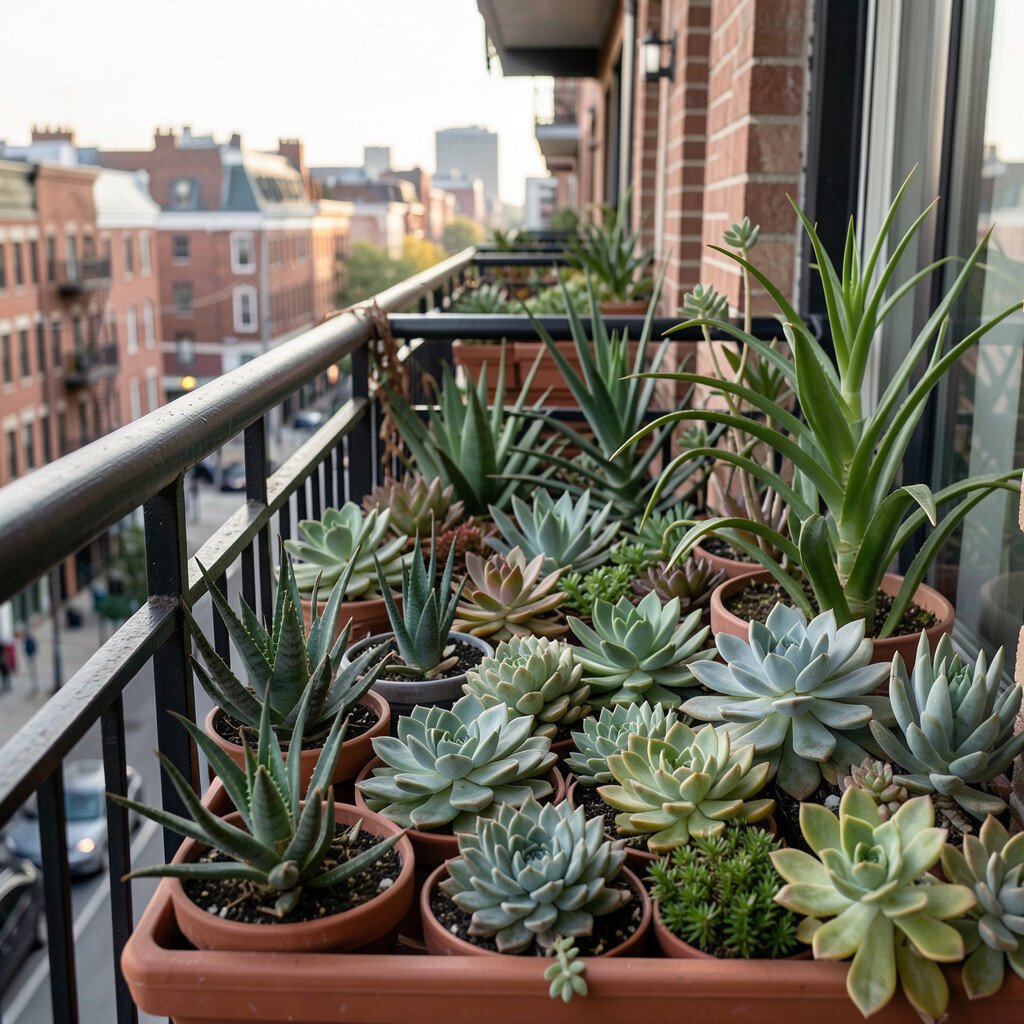
Succulents can thrive even when your balcony gets gentle light. Their thick leaves store water, so they handle small dry spells better than many leafy plants.
Pick varieties that match your light level, like jade plants for brighter spots and haworthia for softer corners. Use a cactus-style mix and a pot with a drainage hole so water does not linger.
For a unique look, combine different shapes such as rosettes, towers, and trailing stems. This creates a living sculpture feel, especially when you add a few decorative stones at the top.
10. Edible Salads in Shallow Trays

You can grow quick salad greens without needing deep planters. Shallow trays work great for lettuce, arugula, and leafy mixes, and they fit nicely on balcony rails or small shelves.
Sprinkle seeds, cover lightly, and water gently so the soil stays evenly moist at first. Harvest by snipping outer leaves, and you will often get repeated growth.
This style is popular right now because people want fresh food closer to home. It also helps with cost, since store-bought greens can add up quickly during busy weeks.
11. Colorful Flowering Hanging Baskets With Smart Spacing
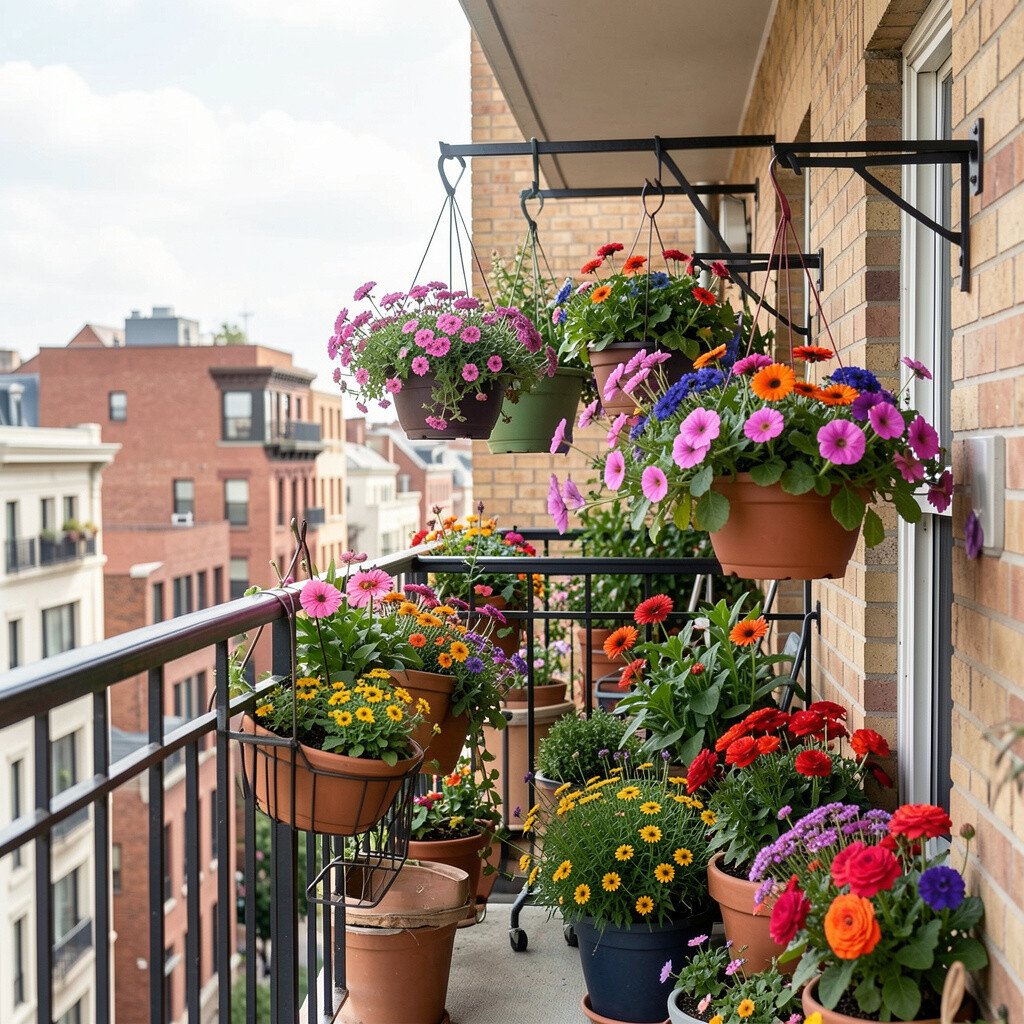
Hanging baskets add instant charm because the plants spill downward like living curtains. When flowers bloom, they catch the light and make the balcony feel brighter right away.
Use a lightweight basket and hang it at a height you can reach easily. Give plants enough spacing inside the basket so air moves between stems and leaves, which reduces disease.
Pick one main color theme, like warm oranges or cool purples, then add one green anchor plant. If you love variety, rotate baskets seasonally so your space stays exciting without redoing everything.
12. Bamboo-Style Planter With Lightweight Landscaping Look
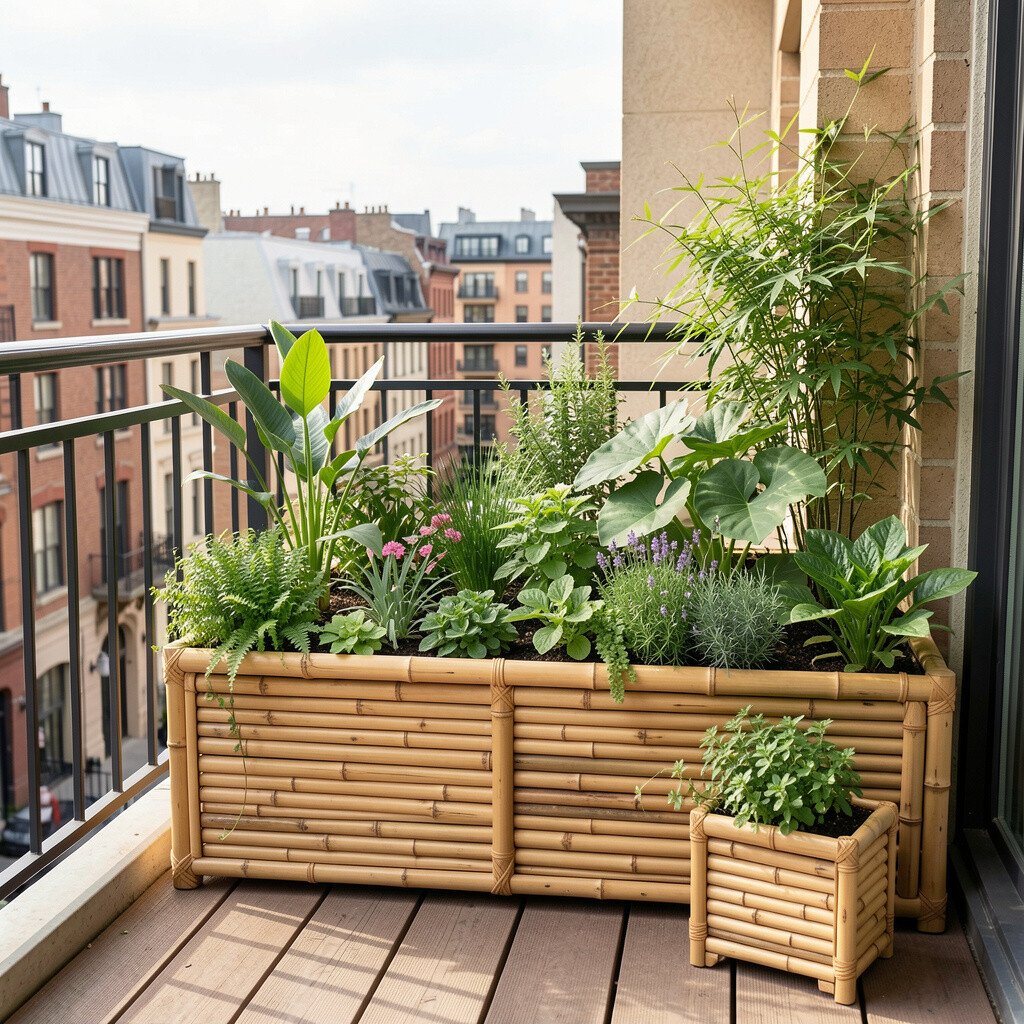
Bamboo-style planters bring a calm, natural mood even if you do not grow actual bamboo. The clean lines and tall shape make your balcony feel taller and more peaceful.
Choose lightweight planters made from plastic, fiberglass, or fabric liners if your balcony floor has limits. Fill them with taller grasses or decorative foliage plants to mimic a mini grove.
To keep the look tidy, use one type of mulch top dressing like small bark or smooth stones. This small change makes the whole arrangement feel intentional and helps slow moisture loss in warm weather.
13. Compact Berry Planter for Small Harvest Dreams
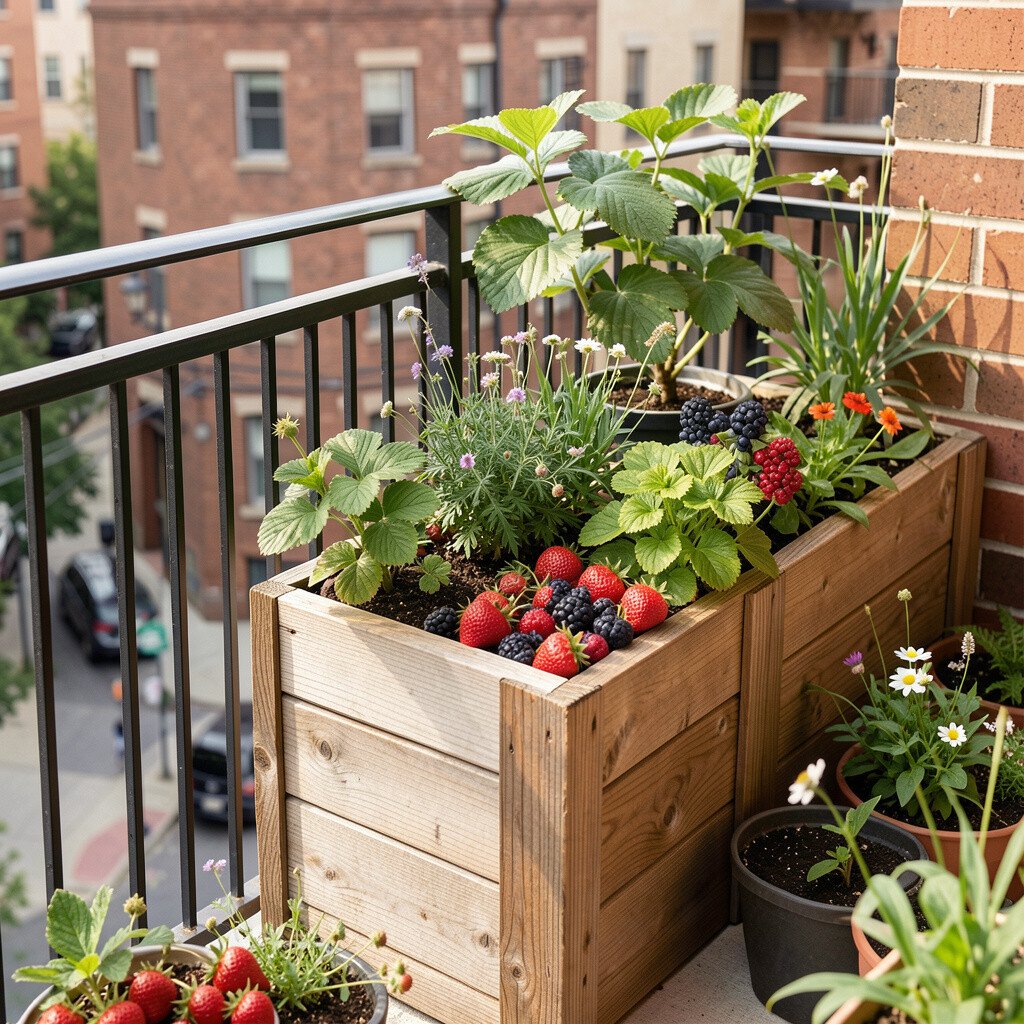
Berries feel magical because they turn a balcony into a tiny fruit stand. With the right container and care, you can grow strawberries and even some dwarf berry varieties.
Use a deeper planter than you would for herbs, and choose varieties bred for containers. Keep the plants near the sunniest part of your balcony and water consistently when flowers and fruit appear.
Fruit can be a little messy, so plan for a top layer that controls splashes and use saucers to catch drips. The payoff is huge, because you get fresh fruit and a sweet scent that makes the whole space feel warmer.
14. Indoor-to-Outdoor Transition for Houseplants

If you already have houseplants, your balcony is an easy next step. Many plants enjoy more light outdoors during mild seasons, and they can grow stronger with time.
Start by placing plants in filtered shade, then move them gradually toward brighter spots. Bring them inside before heavy cold snaps, and wipe leaves so dust does not build up.
This approach can save money since you are not buying everything new. It also gives your home and balcony a consistent style that feels connected, not separated.
15. Rock and Moss Mini Terrarium for Calm Visuals
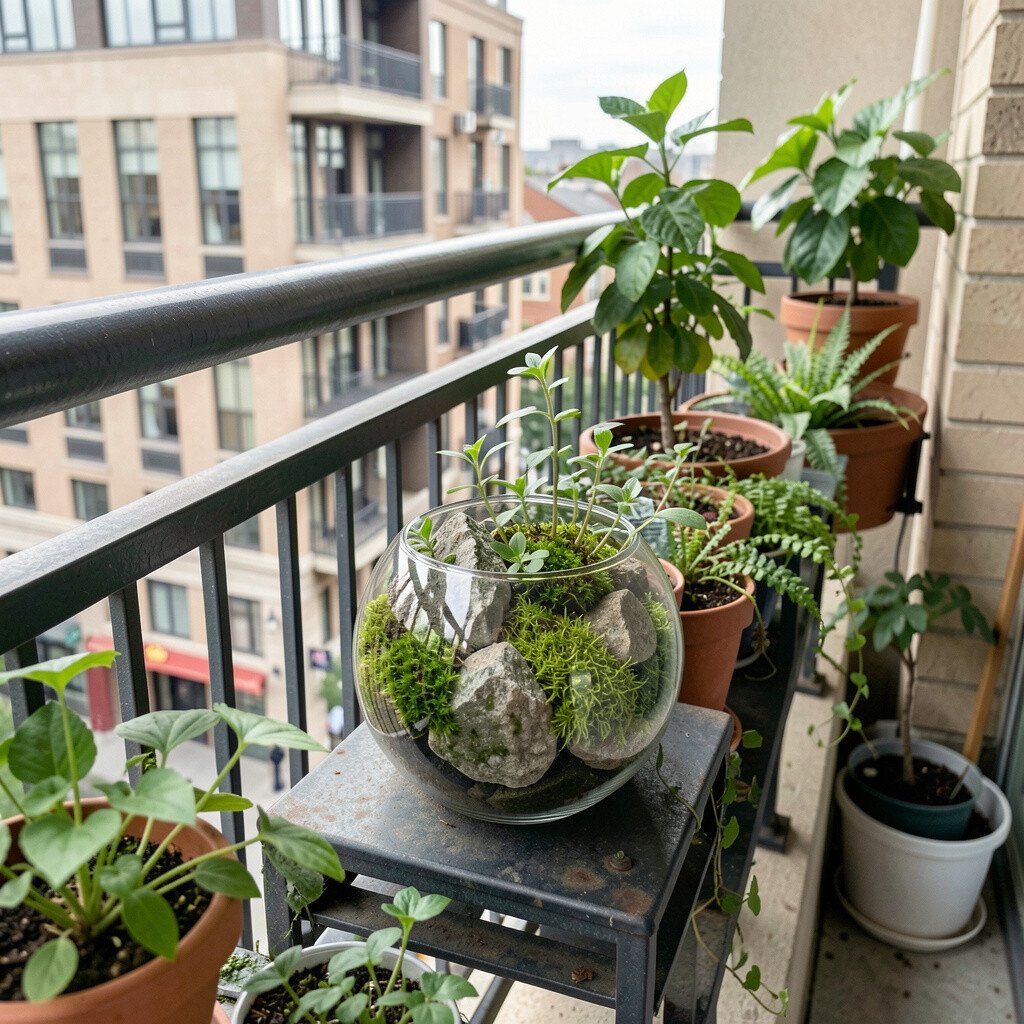
A mini terrarium can look like a peaceful snapshot of nature. Even without much floor space, it adds texture, color, and a quiet glow to your balcony.
Create one with moss, small ferns, and tiny stones, then place it in a glass container with good airflow. Choose plants that match your light, since terrariums can dry differently depending on the weather.
This is a unique option for people who want greenery without frequent watering. When you care for it like a small hobby, you will notice how quickly the ecosystem settles into a steady rhythm.
16. Recycled Planters and Upcycled Containers With Style
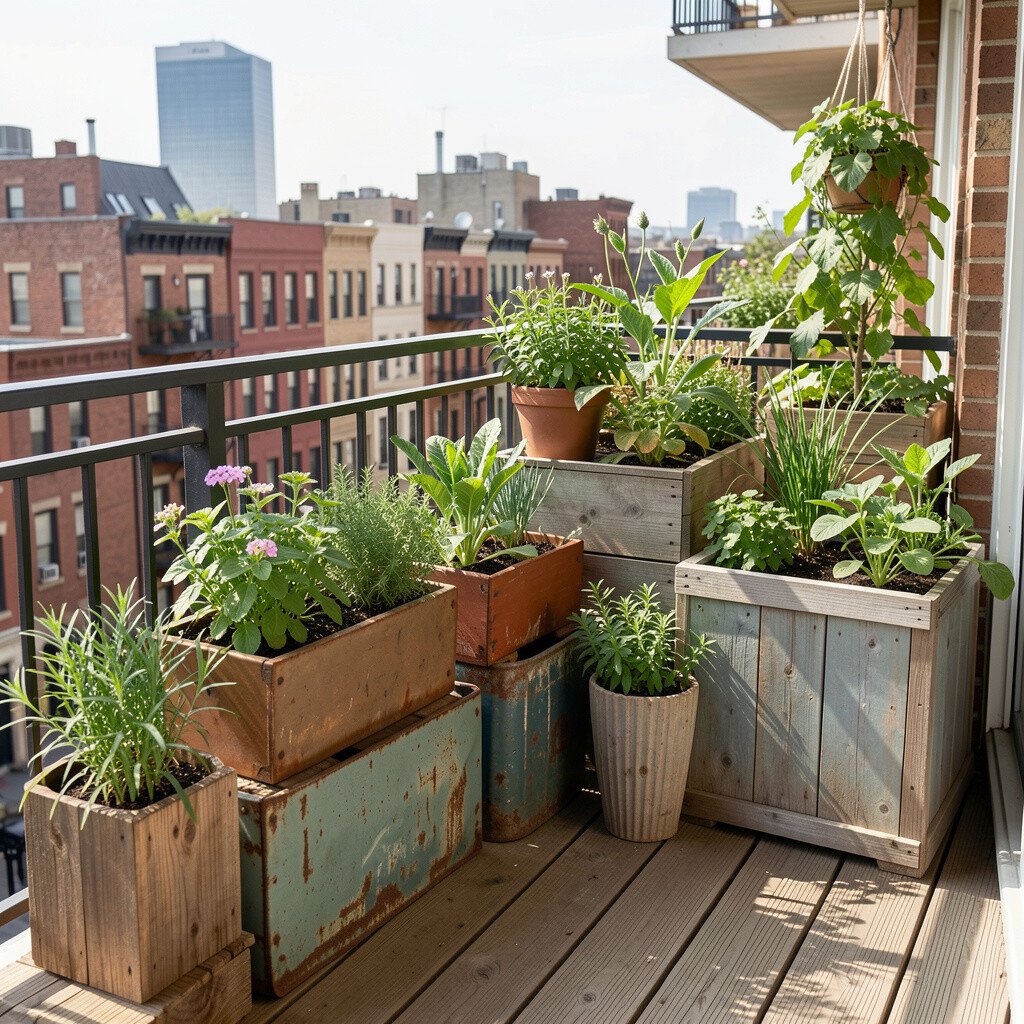
Upcycled planters are a fun way to make your balcony feel personal. When you reuse items carefully, you save money and build a garden story you can proudly repeat.
Use sturdy containers like food-grade buckets or old wooden boxes, then add drainage holes before planting. Paint the outside with weather-friendly coating so it looks clean and stays protected.
For best results, use quality potting mix inside so plants have the nutrients and drainage they need. This trend fits well with today’s “use what you have” mindset, especially in cities where people love smart reuse.
17. Balancing Light With Reflective Surfaces and Mirrors

Light can be the biggest challenge on balconies surrounded by tall buildings. Reflective surfaces can help, especially when you want plants to grow more evenly.
Try placing a reflective panel or a simple light-colored board near the plants so sunlight bounces gently. Make sure it does not create harsh glare, and keep it angled so heat does not build up too quickly.
This small trick can improve leaf color and reduce leggy growth. You will also find it easier to grow sun-loving plants on days when natural light is limited.
18. Container Hedge With Dwarf Shrubs and Training
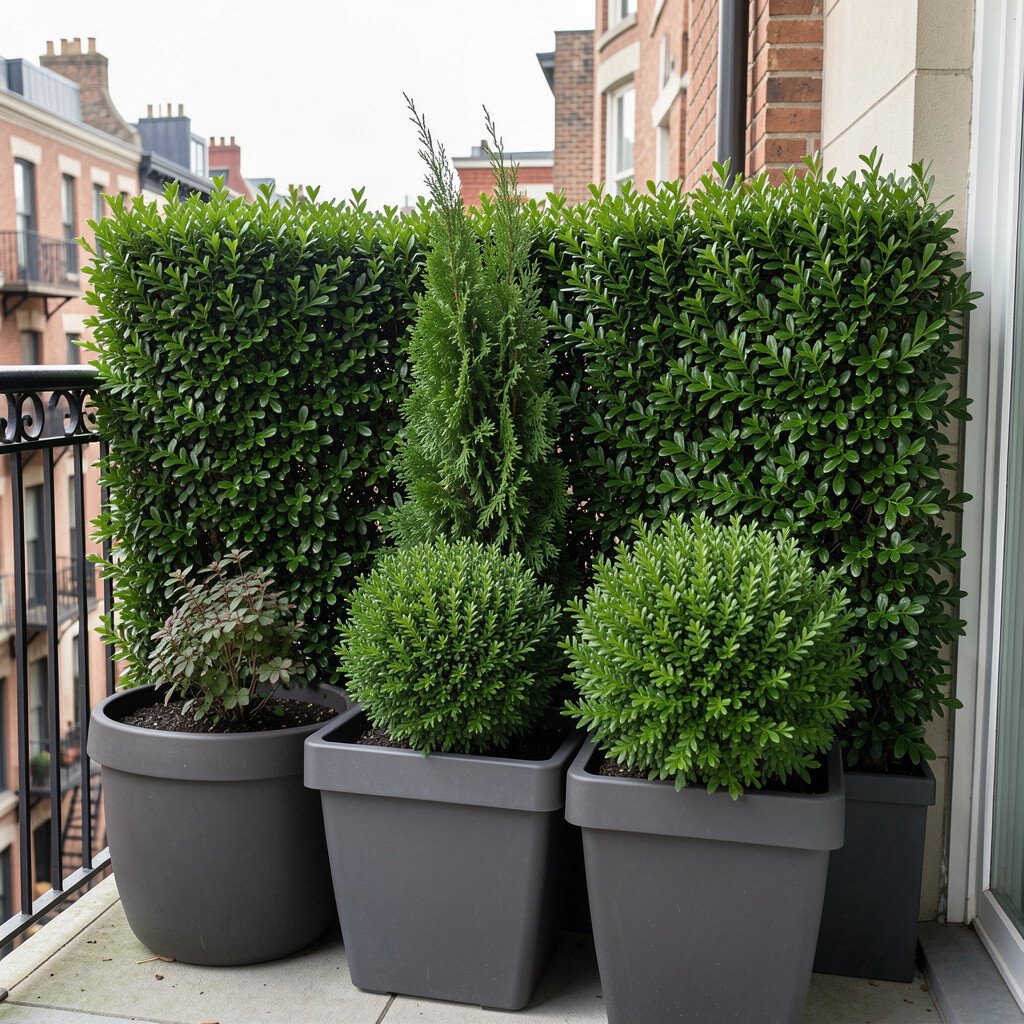
A dwarf shrub in a container can create a hedge-like look without taking over your space. This gives your balcony structure, like a green frame around your seating area.
Choose compact varieties and prune lightly to keep the shape. Regular trimming helps the plant branch out, so it looks fuller instead of tall and thin.
For cost control, buy one strong plant and shape it over time rather than buying many small ones. This style also feels unique because it gives your balcony a calm, architectural personality.
19. Seasonal Bulb Pots for Spring-to-Summer Color
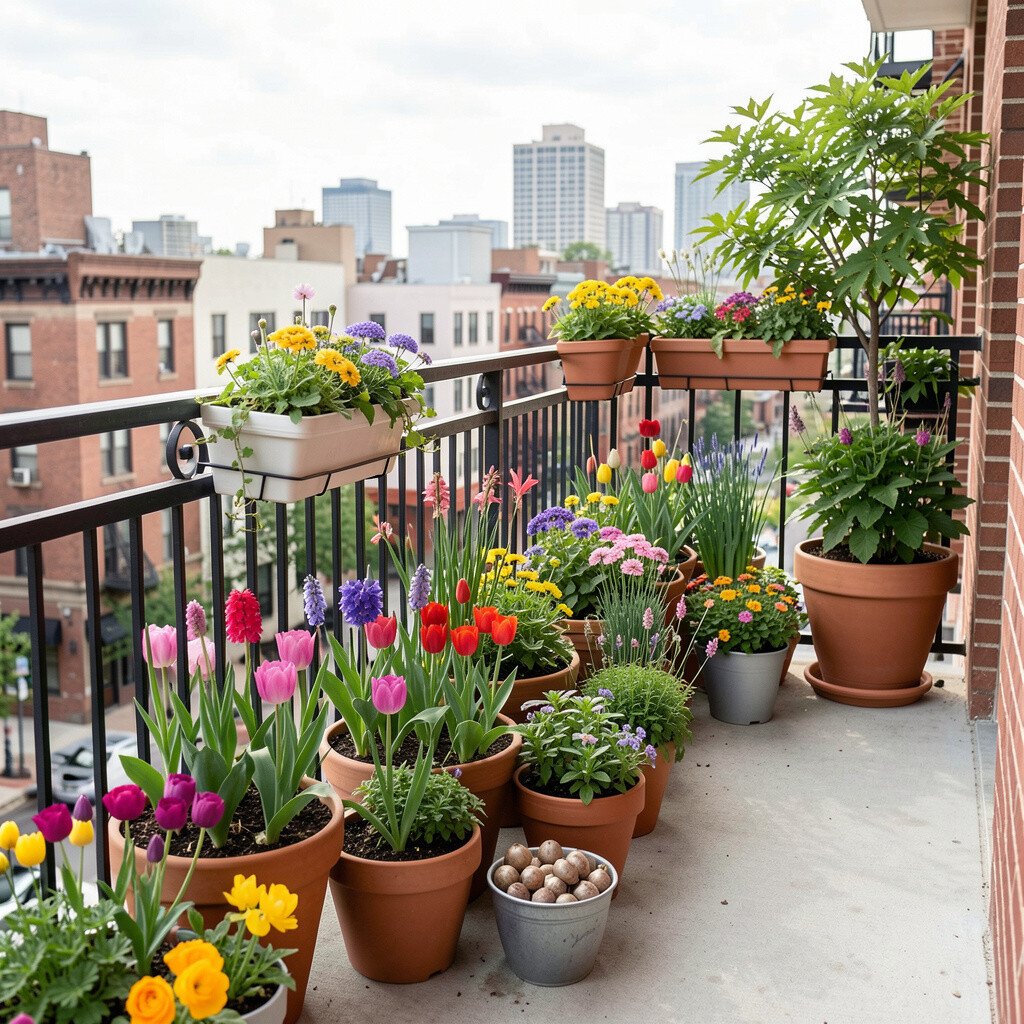
Bulb pots bring a dependable burst of color when you want it most. With careful timing, you can go from fresh green leaves to bright blooms in a short period.
Plant bulbs in containers with good drainage and enough soil to cover them properly. Water after planting, then follow a simple schedule based on your weather so the soil stays lightly moist.
Many gardeners love this because it feels like a reset, especially after winter. It can also be cost-effective since bulbs can sometimes be replanted or refreshed over multiple seasons depending on your local climate.
20. Balcony Lounge Plan With Plants Around Your Path
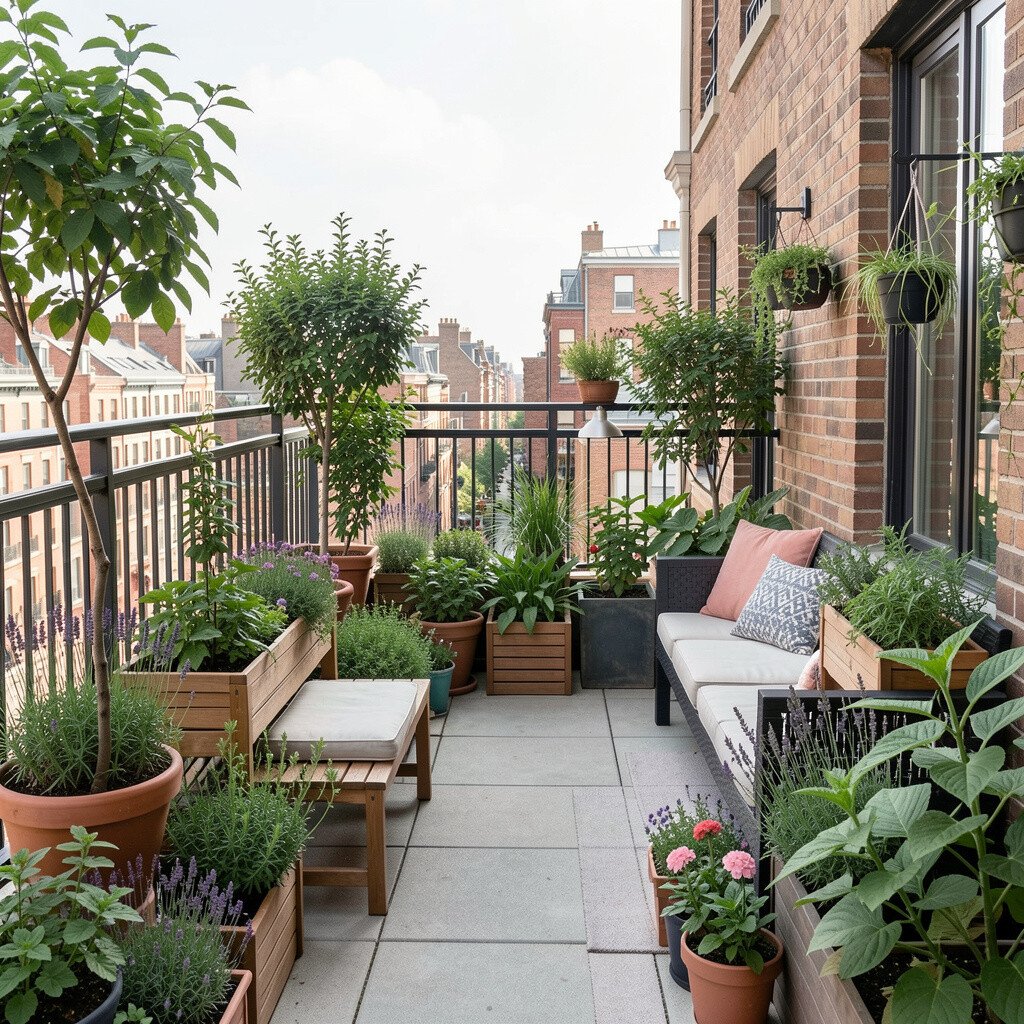
A garden looks best when it guides you, not when it blocks you. Instead of packing everything together, design plant positions around where you walk and sit.
Use a few larger containers as anchors and fill gaps with smaller pots at eye level. This makes it easy to water and also keeps your balcony safe and comfortable.
Personalize the vibe by matching plant colors to your cushions, rugs, or outdoor lights. Add a small tray or shelf for tools so the whole space feels like an inviting outdoor room you actually use.