
The bed can look crisp even when mornings feel rushed. The secret is choosing styles that help fabric behave.
You can keep sheets smooth, covers tidy, and pillows inviting without a lot of fuss. Try the ideas below one by one and make your own clean-looking routine.
1. The Fitted Sheet That Actually Fits

Start with a fitted sheet that matches your mattress depth so the corners stay anchored. When it hugs the bed evenly, it stops bunching that turns into wrinkles.
Choose cotton or a cotton blend with a good elastic grip. Pull each corner snug and smooth outward so fabric lies flat from the center. After you make the bed, tug lightly along the edges to confirm everything stays in place.
2. Use the “Hospital Corners” Method

Sharp corners make the whole bed look polished, and they also reduce fabric slip. Fold the sheet or duvet so the angle stays tight instead of sagging later.
Tuck the excess fabric under the mattress with clean, consistent folds. Add pressure with your palms to flatten the surface, especially near where people usually step on the bed.
If you want a quick upgrade, practice on one side first until the motion feels easy. Once you get the hang of it, the look becomes fast and repeatable every day.
3. Choose Wrinkle-Resistant Fabrics on Purpose

Some materials naturally fight creases, which is a huge help for busy households. Look for smoother weaves and finishes that keep fibers from crumpling.
Microfiber, brushed polyester blends, and certain wrinkle-resistant cottons can stay neat longer. Pair them with breathable layers so you still feel comfortable, not stiff.
When you shop, check fabric descriptions and feel samples if you can. Selecting the right weave means less steam ironing and fewer last-minute fixes.
4. Make a Neat Bed Base With a Flat Sheet Layer
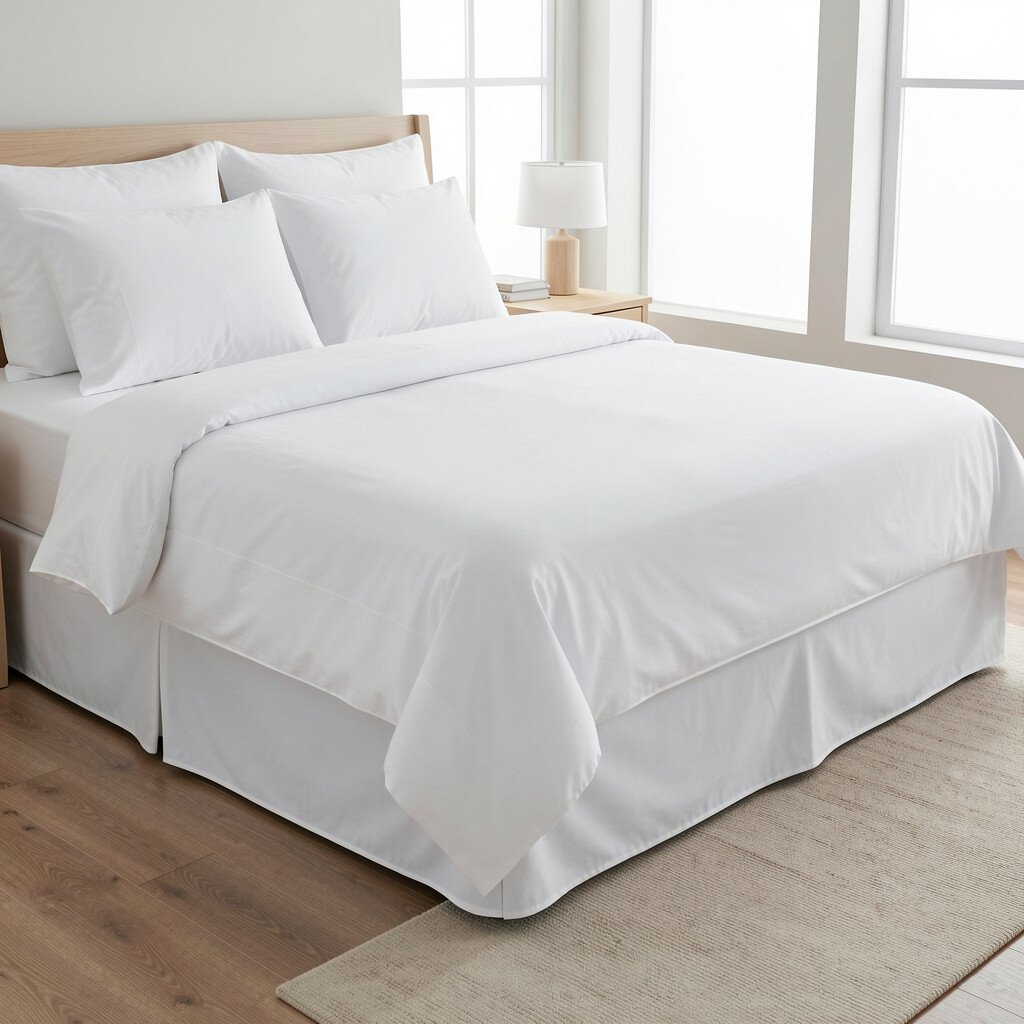
A flat sheet placed under your top layer can act like a buffer against bumps. It gives your comforter a smoother landing and helps cover wrinkles that start from below.
Lay the flat sheet smooth first, then layer your duvet or blanket on top. Tuck the edges firmly at the corners so the fabric doesn’t shift as you move around.
5. Pick a Lightweight Comforter That Lays Smooth

Heavy comforters can pull fabric down and create permanent-looking ripples. A lighter fill helps the top layer spread evenly across the bed.
Choose a comforter or duvet with enough loft to feel cozy but not so much that it drapes in waves. You can also shake it out after putting it on to reset the fibers.
This is a simple way to create a clean look that still feels soft. A neat, airy cover looks current and helps your bed stay tidy after you get up.
6. Steam Once, Then Maintain With Gentle Smoothing

If you steam or iron once at the start, the rest of the week can be much easier. A quick touch removes early wrinkles before they settle into the weave.
Keep a small steamer nearby and aim for short passes over visible creases. After that, smooth with your hands after making the bed so fibers stay aligned.
7. Rotate Your Bedding Schedule Like a Mini Routine

Bedding that gets used and washed often tends to stay in better shape. When you rotate sets, fabric has time to rest and recover between cleanings.
Try keeping at least two duvet covers so you can swap on laundry days without rushing. Fresh fabric tends to look flatter and more even in color and texture.
This also helps the look stay consistent, because each cover holds its shape. It’s a practical strategy that can fit different budgets by adding one set at a time.
8. Go for a Tight Duvet Cover Fit

A duvet cover that’s too roomy can cause sliding and rumpling. When the cover fits closely, the inner comforter stays put and wrinkles have less room to form.
Choose a cover size that matches your insert and keep the corners aligned. After inserting, zip fully and give the duvet a light shake so corners fill out neatly.
9. Use Straight-Line Folding for Throws and Blankets
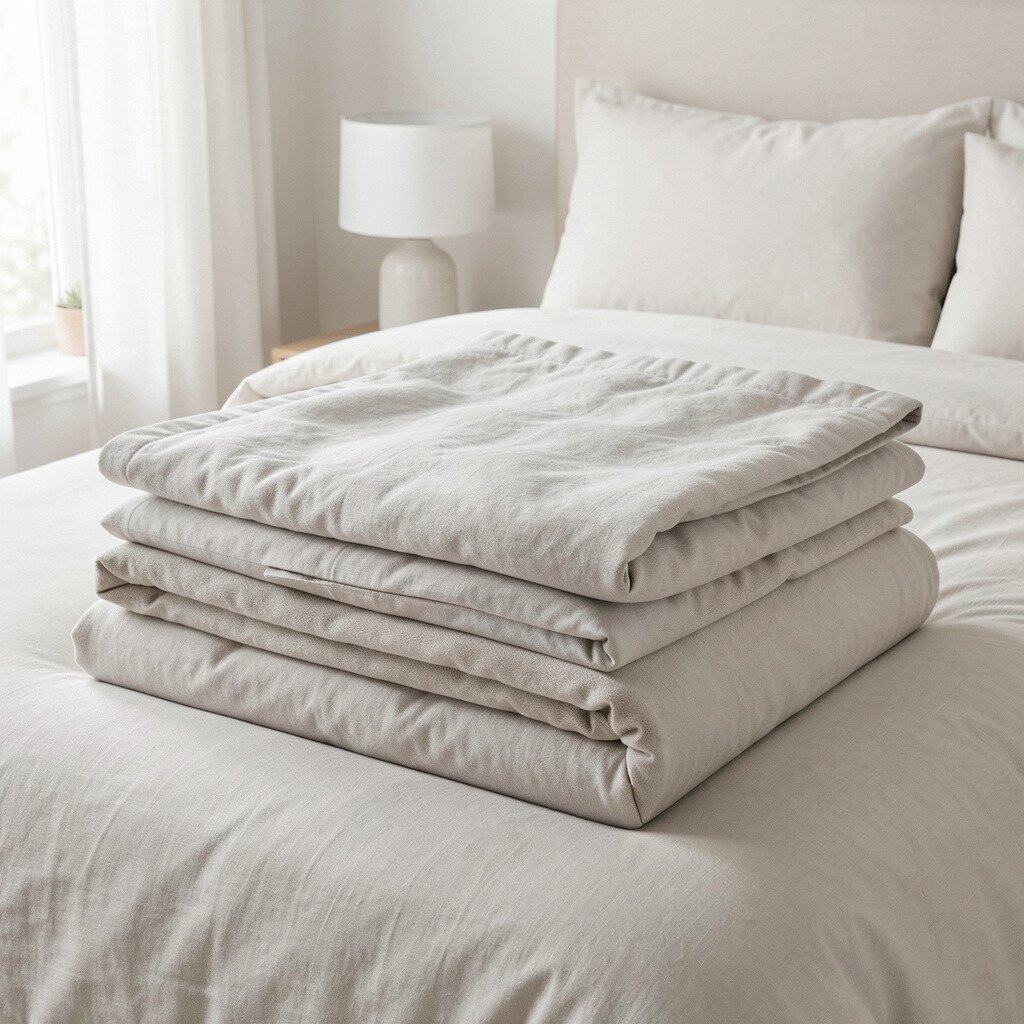
When throws are folded neatly, they hide uneven texture and keep your bed styled. Curvy, loose folds can encourage wrinkles in the layers beneath.
Fold the throw into a simple rectangle and place it with the edges lined up. Smooth the top layer with your hands where fabric meets the throw so the surface stays calm.
10. Pick Pillow Protectors That Stay Smooth

Pillows are the first place people notice, and wrinkled pillowcases make the whole bed feel messy. Protecting the pillow with a smooth cover keeps the top look crisp.
Choose pillowcases with a snug fit and a fabric that doesn’t wrinkle easily. If your pillowcase slides, adjust it so the seam sits flat and the corners don’t roll.
For extra neatness, consider washable pillow protectors that reduce buildup and odors. Staying fresh matters because cleaner fabric often looks better too.
11. Add a Base Layer of Sheet Clips or Grips

Sometimes wrinkles happen because layers drift, not because you did anything wrong. Grips and clips help keep the sheet from sliding when you move the duvet.
Use sheet anchors or clips at the corners and along the sides for steady tension. This keeps edges locked in place, which reduces bunching and that “wavy” look.
12. Coordinate Colors and Patterns for a Cleaner Look

Color choices can make wrinkles less noticeable, even if you’re not perfect with tucking. Busy patterns can camouflage tiny creases and small shifts during the day.
For a crisp vibe, try solid neutrals and subtle textures that look smooth at a glance. If you love bold patterns, keep the overall palette consistent so your bed still feels tidy.
Personalize by matching pillow colors to your room, then choose a duvet cover that visually balances the space. This style trick is budget-friendly because you can update the look using covers instead of full bedding.
13. Make the Top Layer Skirt-Free for a Sleek Profile

Bed skirts can look beautiful, but they also create extra fabric that gathers and wrinkles. If you want a cleaner, flatter appearance, consider a style without a skirt.
Use a tailored look by keeping the sheet tucked tight and letting the duvet drape straight down. When the front edge stays smooth, the bed looks modern and tidy.
14. Refresh Corners With a Quick Edge Fluff

Corners are where wrinkles usually start because they rub against the bed frame. A quick edge fluff helps the fabric sit correctly again after you sleep.
After you make the bed, pinch the corner lightly and smooth outward. Then lift and settle the top layer so the seam sits flat and the fold lines disappear.
15. Match Your Bedding Texture to Your Style Mood

Texture changes how fabric behaves, and it also changes what looks neat to your eyes. Smooth satin-like finishes often show creases, while textured knits can hide them more easily.
Try a mix like a soft matte duvet with a lightly textured throw for a balanced look. If you want a cozy trend feel, layered knits and brushed fabrics are popular right now because they look inviting even when life happens.
Personalize by choosing textures that match your routine, like something easy to wipe down or something that feels luxurious. When texture fits your lifestyle, you’ll enjoy keeping the bed looking fresh.
16. Style Like a Professional With Simple Symmetry

Symmetry makes a bed look intentionally designed, and it helps you notice less mess. When pillows and blankets line up, wrinkles look smaller because everything feels ordered.
Place two matching pillows evenly, then stack or lean accents in a balanced way. Smooth the duvet to keep the center line straight, and adjust until the edges feel aligned.
If you want a budget-friendly upgrade, swap pillow shams or duvet covers to match seasonal colors. The result is a clean, modern style that still feels comfy and livable.