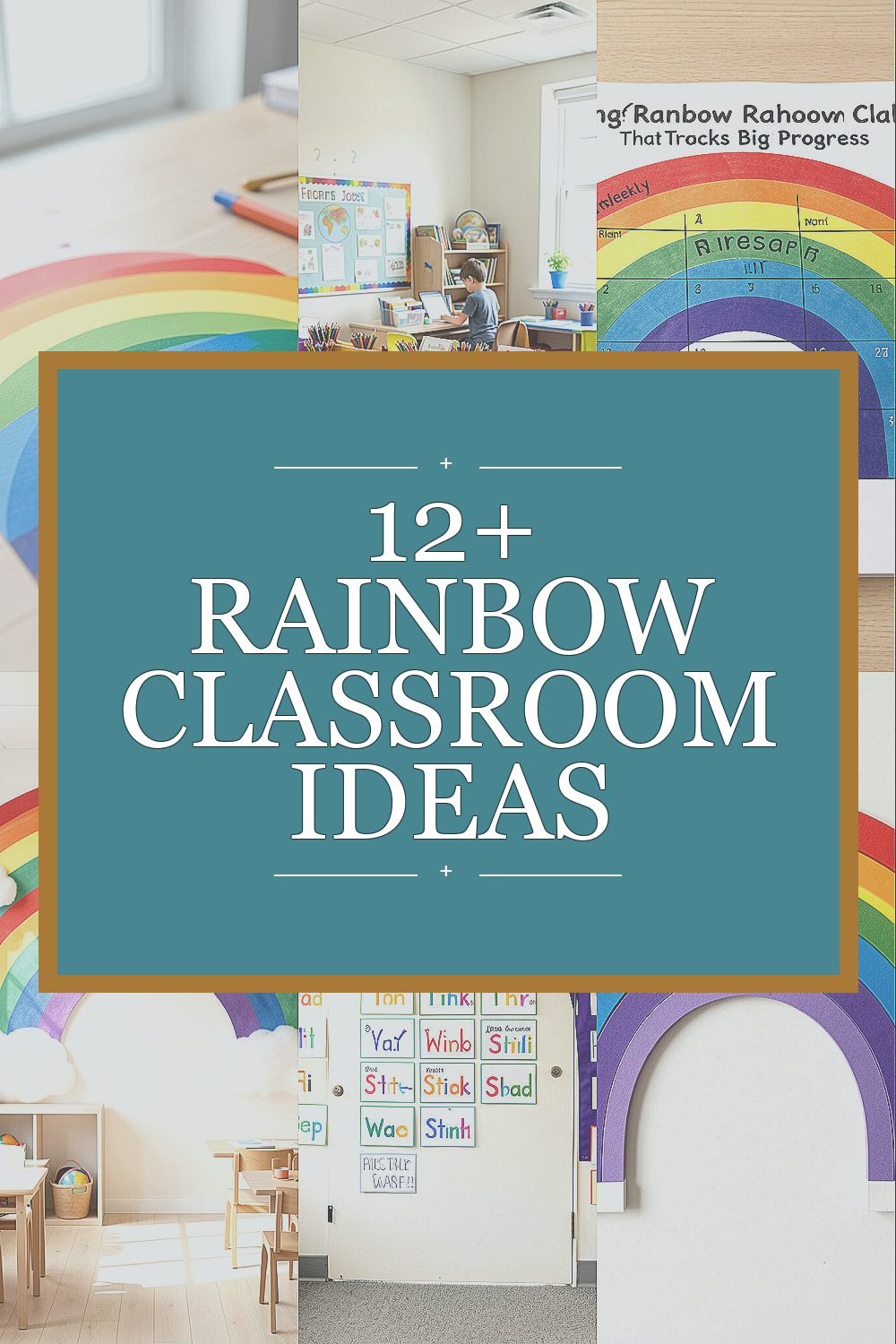
Color can be a calm promise that learning feels possible. When the classroom glows with rainbow energy, students lean in and stay curious.
1. Rainbow Name Tags That Spark Belonging
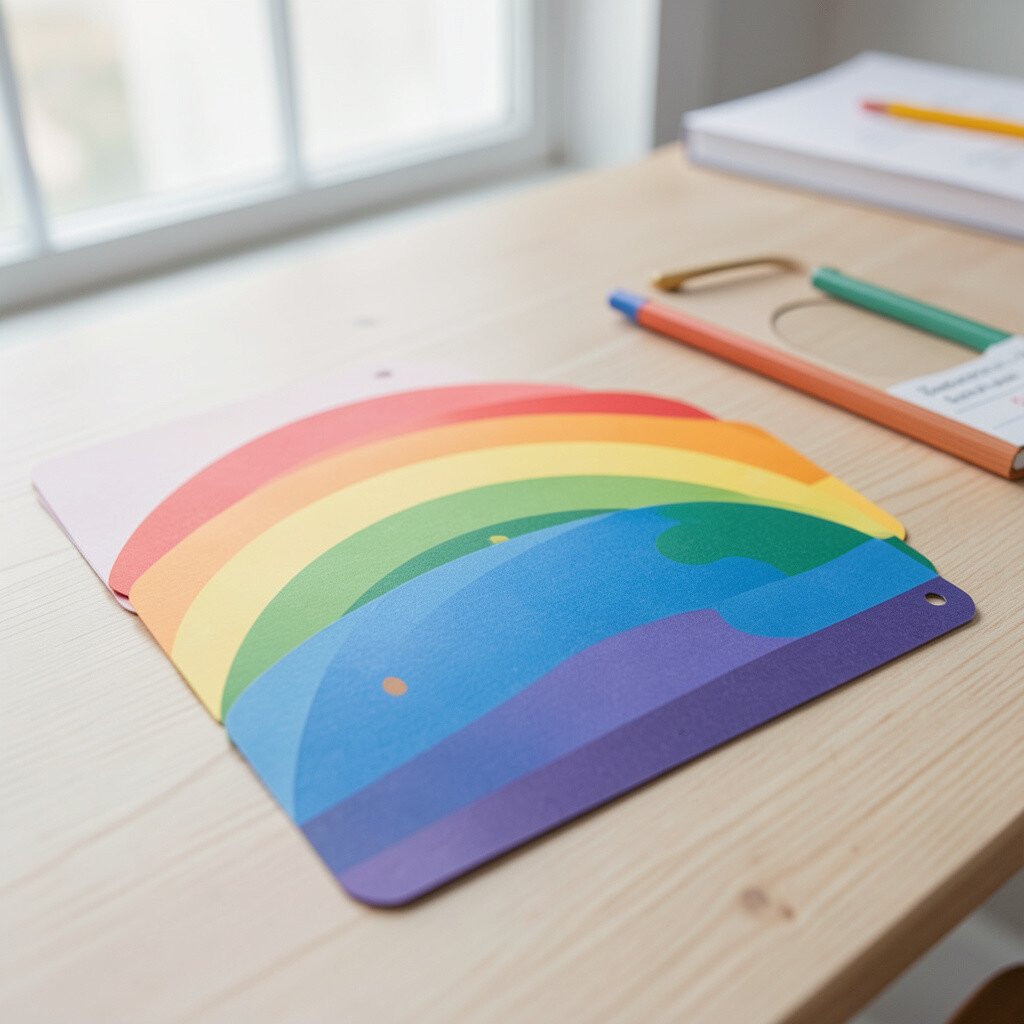
Seeing your name in bright colors can make the first day feel warm and friendly. Students enjoy finding their seat when each label looks like a mini rainbow.
Pick one color for each group, then let students choose a matching marker for their name. Add a small icon that matches their hobby, like a star, book, or soccer ball. For a practical twist, laminate the tags so they survive daily use and quick spills.
2. Color-Coded Learning Stations With Clear Jobs
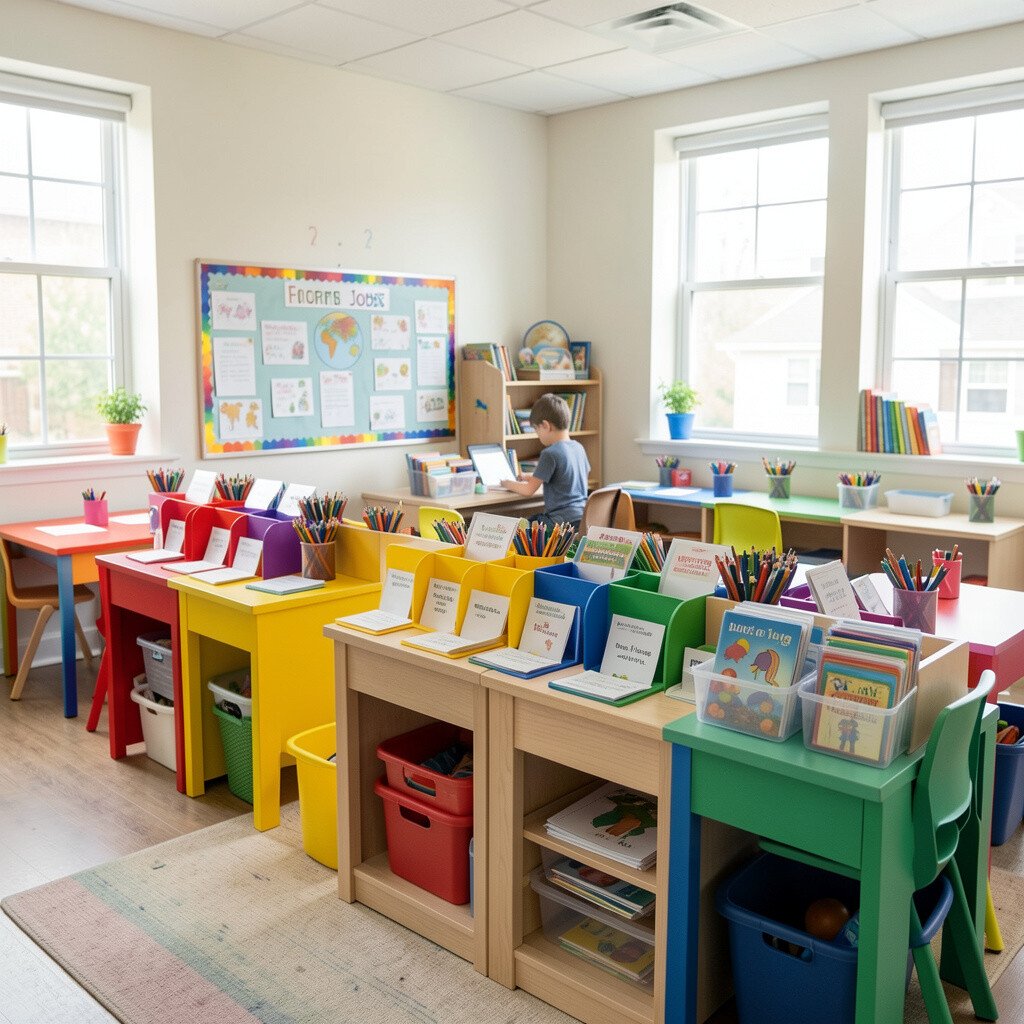
When stations match the rainbow, directions become easier to follow. Students quickly learn where to go because the colors act like quiet signs.
Choose a few stations such as reading, building, writing, and math games, and assign each station a color strip at eye level. Use simple job cards that match the color, so rotating through tasks feels organized. Keep supplies in matching bins, and you will save time during cleanup.
To personalize, let students help decide which color fits each subject based on what motivates them. A trend in classrooms is using movement and choice, so color-coded stations support that by making it simple to swap activities. If budgets are tight, use painter’s tape and old shoe organizers, then upgrade to bins later.
3. A Weekly Rainbow Calendar That Tracks Big Progress
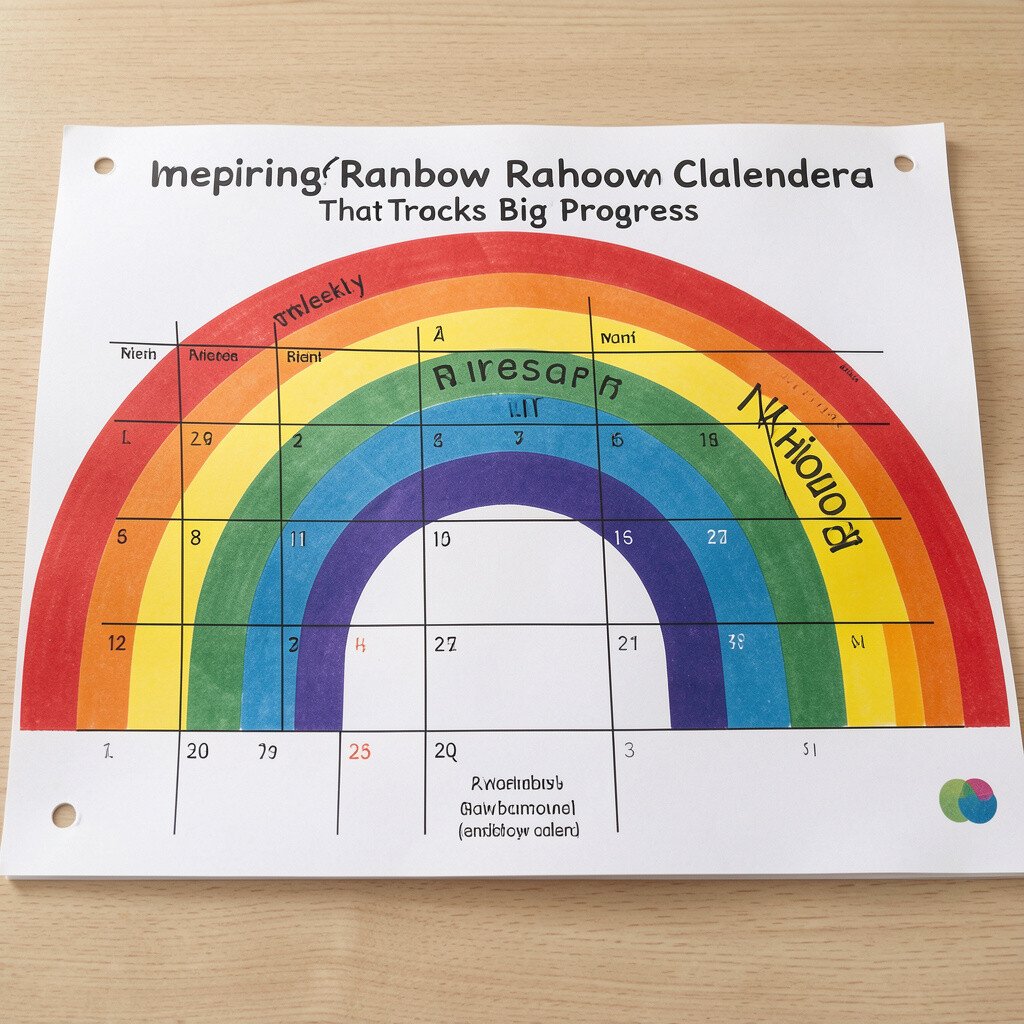
A calendar that shifts through rainbow colors helps students see time as something they can manage. Each week feels fresh, not stuck in the same routine.
Mark important events with rainbow bands across the days, and choose a different color theme each week. Try writing a “today focus” sentence in the corner so students know what matters most. Add a small checkbox column so learners can mark off goals, then celebrate with a quick thumbs-up when tasks are done.
Make it unique by letting students add a sticker after completing a reading goal or a team challenge. This kind of visual progress tracking matches current interest in goal-setting habits. It costs very little if you use index cards, washable markers, and sticker packs from discount stores.
4. Classroom Mood Weather With Rainbow Feelings
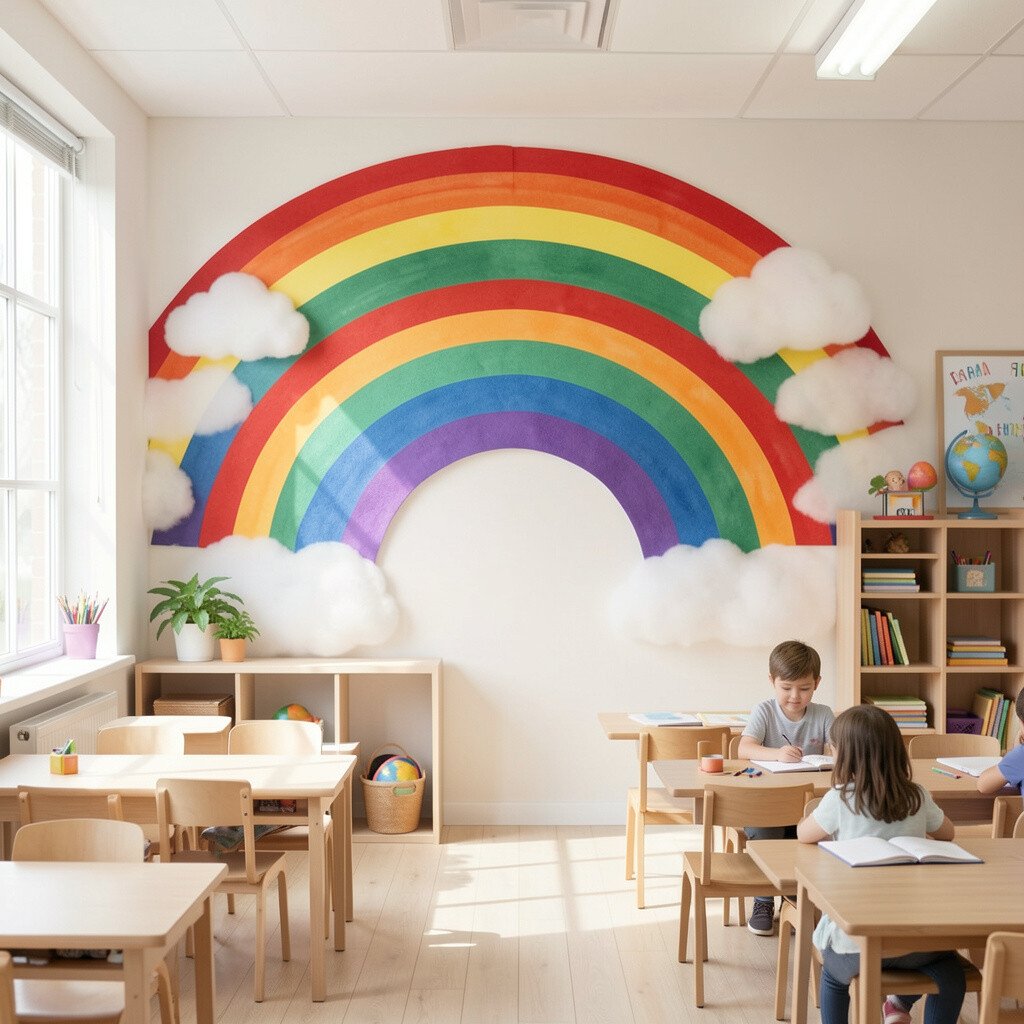
Students often carry big feelings into the room, and visuals can help them share safely. A rainbow mood “weather” chart turns check-ins into something students understand right away.
Create four or five color zones that represent feelings such as calm, focused, excited, worried, and tired. Students place a small magnet or paper cloud in the area that matches their moment. Keep it practical by giving a short set of coping choices tied to the colors, like deep breathing, quiet reading, or a quick stretch.
To personalize, let each student pick a cloud shape that looks like them, and keep it on their desk for quick access. This approach fits the current trend of social-emotional learning using everyday routines. You can make magnets from thick cardstock if you do not have real ones yet.
5. Rainbow Word Wall With Sticky-Swap Practice
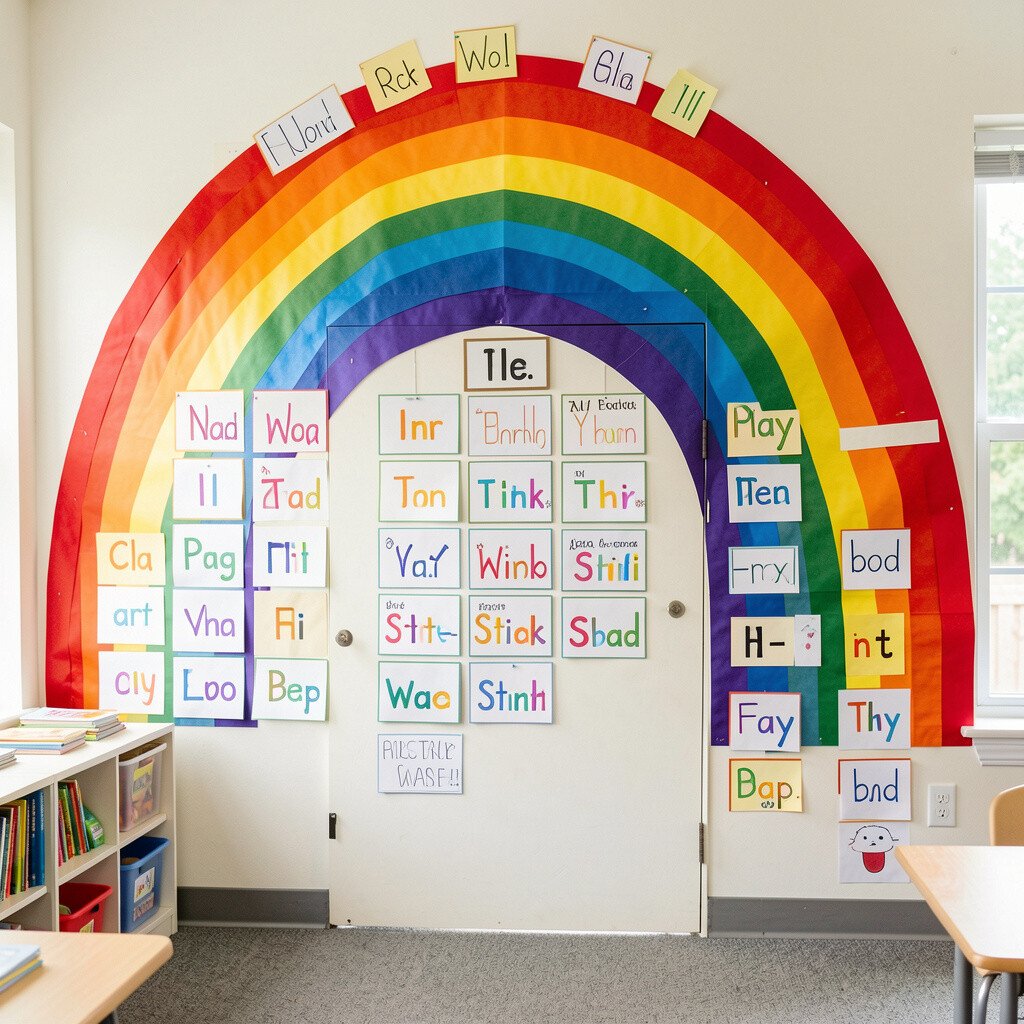
A word wall with rainbow categories makes vocabulary feel organized and inviting. When students can see patterns, spelling and reading get easier.
Sort words by type using color, such as sight words in one color and high-frequency verbs in another. Use small sticky notes so students can move words after lessons, like turning “today” words into “review” words. To make it actionable, add a quick game where partners find matching words within a time limit and then use them in a sentence.
Keep costs down by using colored paper labels and printing word cards on cardstock. Personalize by letting students earn the right to add new words they discover in books. This aligns with today’s focus on student agency, because learners help shape what stays on the wall.
6. Rainbow Reading Path With Choice Tickets
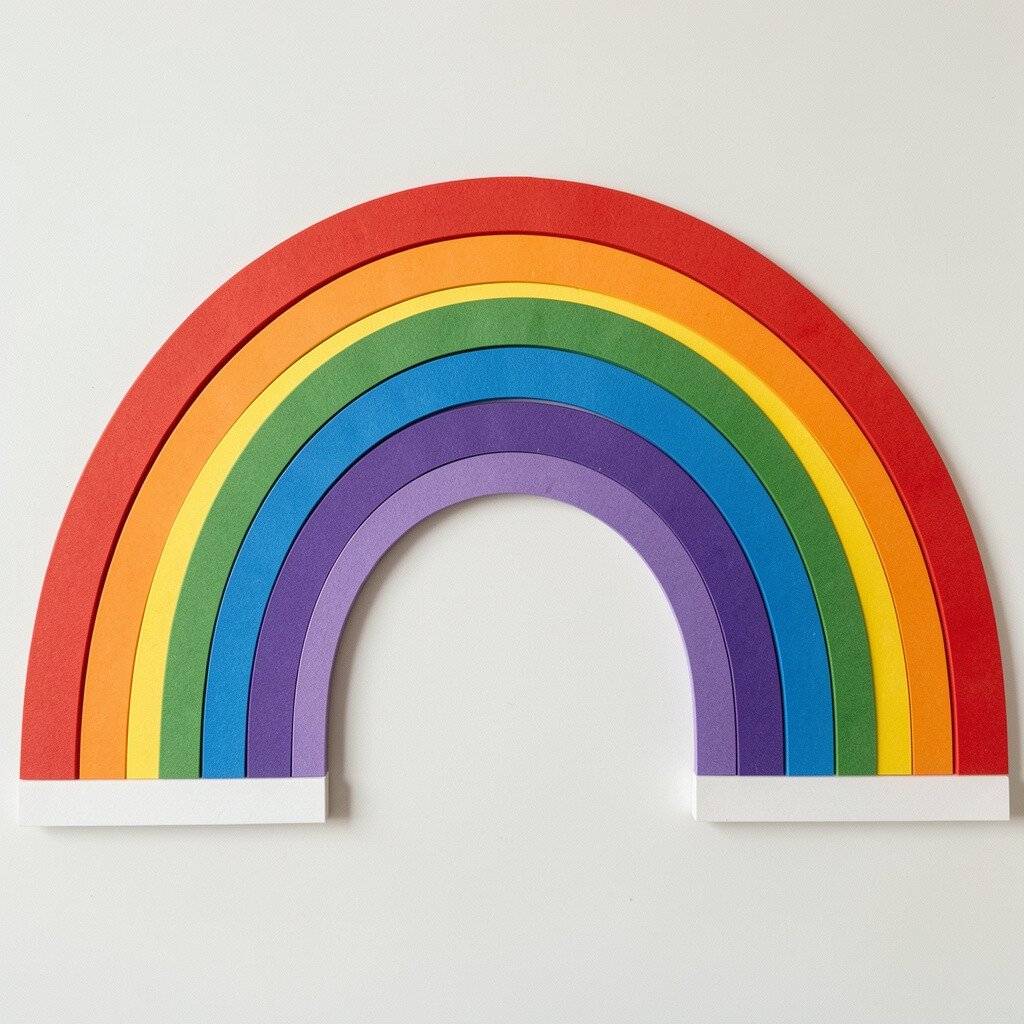
A reading path turns “finish your book” into an adventure students want to win. Visual steps also help readers feel the progress they are making.
Place a long strip of colored paper on the floor or along a wall, like a trail that moves from red to violet. Each time a student completes a chapter or reaches a goal, they place a token on the next color. Give choice tickets that match the color, such as a bookmark challenge in the green section or a partner retell in the blue section.
For uniqueness, include a “surprise stop” color where students switch genres, like science for one week or poetry for another. This mirrors a current trend in classrooms that supports reading motivation through choice and variety. If you want to keep costs low, use paper and crayons, then store tokens in small jars.
7. Watercolor Rainbow Art Corners With Guided Stations
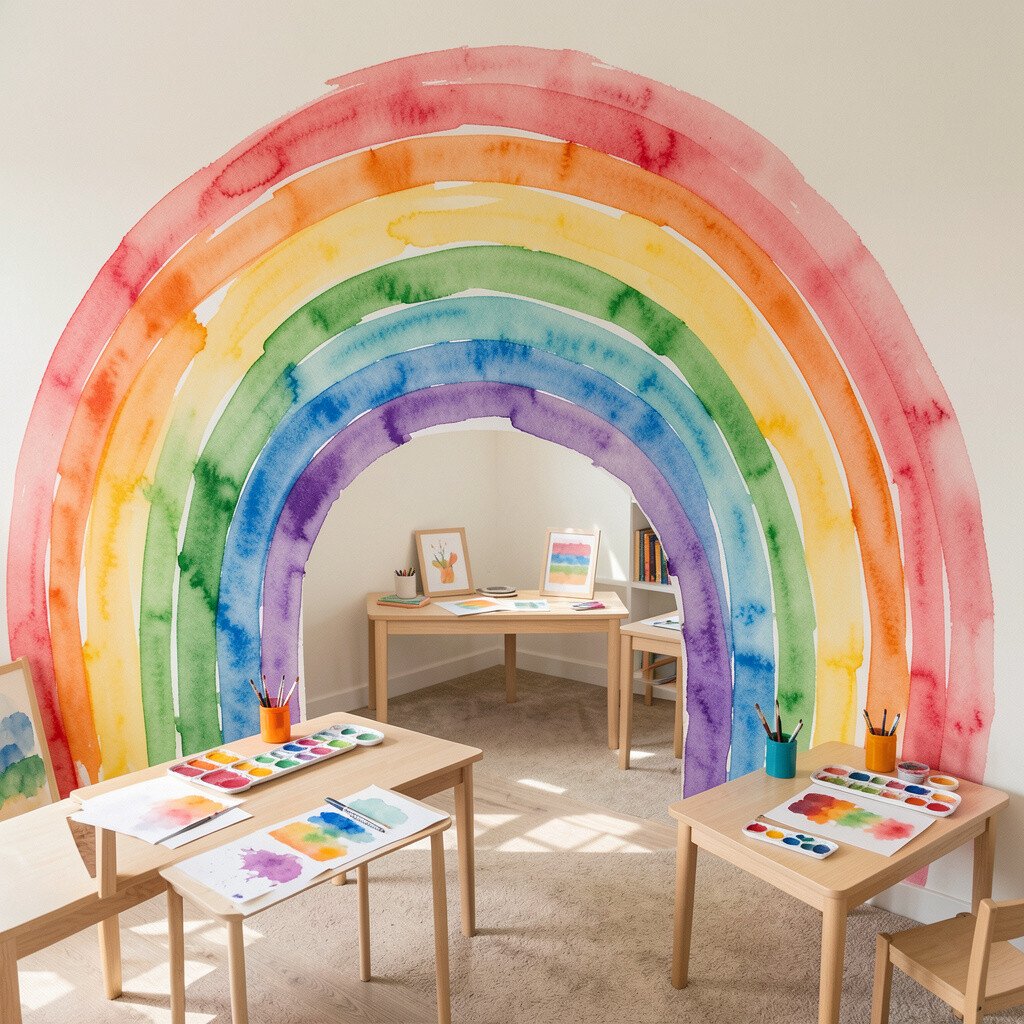
An art corner can be a quiet engine for language and thinking. When students create with color, they often speak more confidently about their ideas.
Set up small guided art stations using watercolor pencils or washable paint, with each station tied to a learning goal. For example, students can draw a “math pattern rainbow” while practicing repeats, or paint a map that includes directions. Keep the setup simple by using trays and labeled cups so cleanup stays smooth.
Personalize by letting students choose a background color and then match the rest of the colors to a story theme they read that week. This kind of hands-on creativity is a strong trend in modern classrooms because it blends movement, creativity, and academic talk. Consider cost by starting with a limited palette, like three or four colors, and building up over time.
8. Rainbow Timeline Posters That Build Sequencing Skills
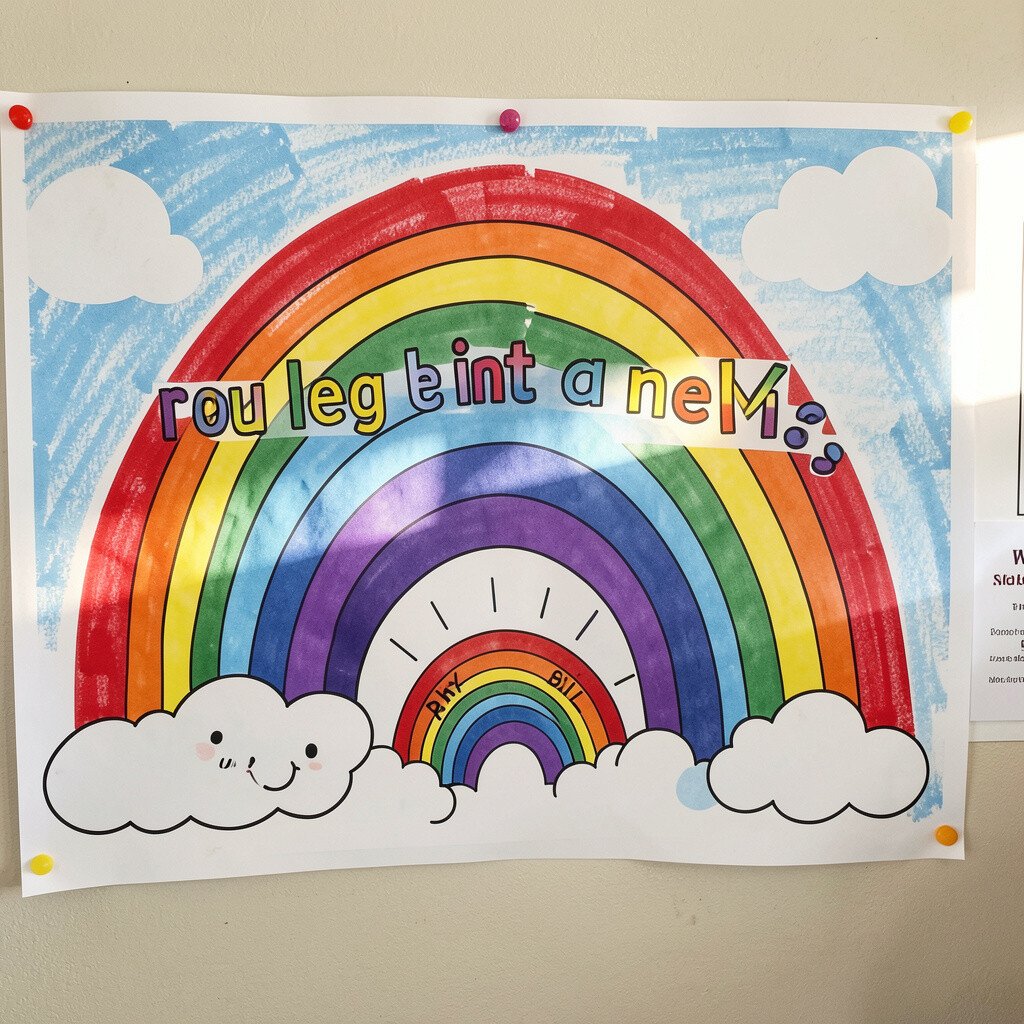
Sequencing gets easier when students can see order clearly. A rainbow timeline poster gives structure without feeling dull.
Create a timeline with different colors for each step of a process, such as start, middle, and end. Use it for science cycles, story plot points, or steps in writing. Students can add small cutouts of events beneath each colored band, then practice telling the story using those colors as cues.
To make it practical, laminate the poster and let students use dry-erase markers or velcro pieces to update it. That way, you reuse the same space all year. Add personalization by letting student teams choose which story to model on the timeline, then rotate the artwork during display time.
9. Rainbow Math Manipulatives With Real-World Connections
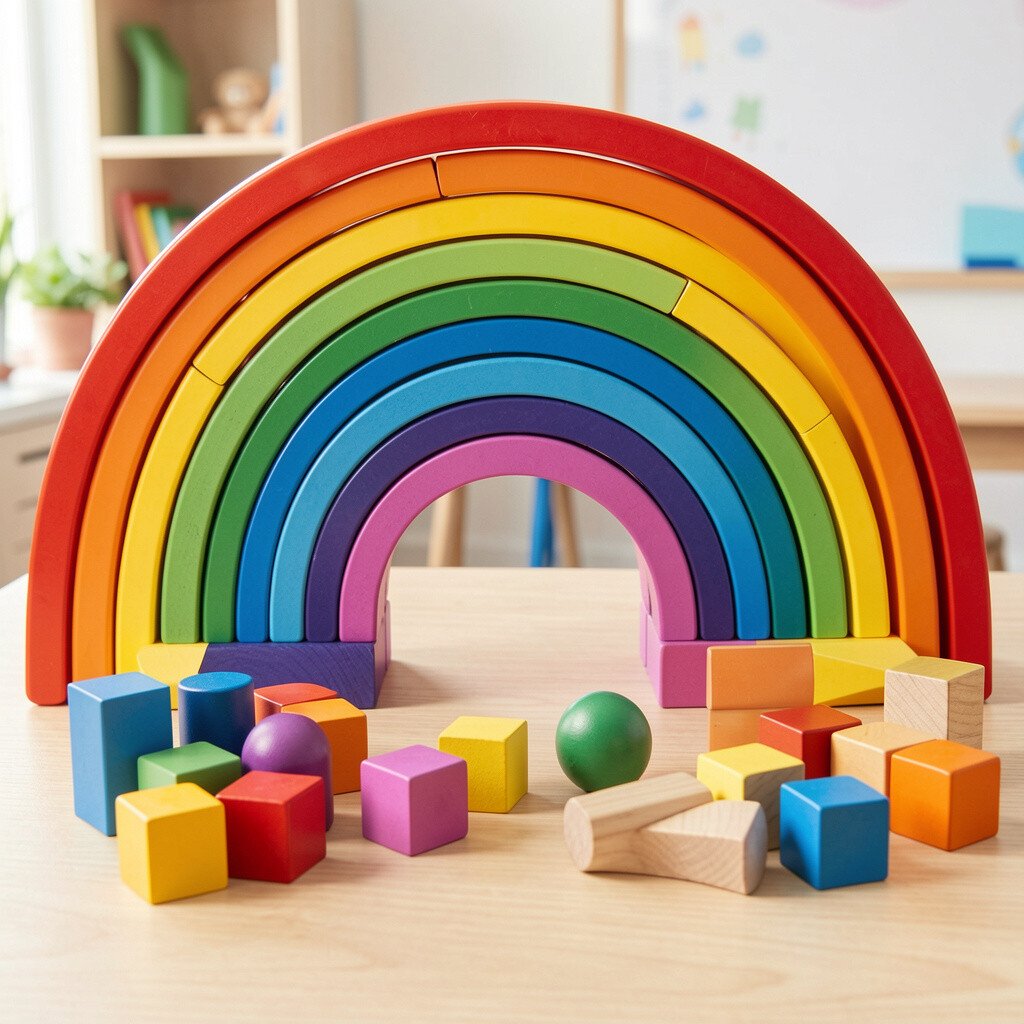
Math becomes more fun when students can touch it and see it. Rainbow manipulatives turn practice into a hands-on moment that feels less like worksheets.
Use color-coded cubes, counters, or paper number lines to represent number bonds and patterns. Have students build equations using grouped colors, then draw what they built on a small recording sheet. A practical strategy is to match colors to skills, like red for subtraction practice and blue for geometry work, so students remember faster.
Uniqueness comes from asking students to show a “real-life rainbow math story,” like counting supplies for a pretend market. This approach fits current interest in contextual learning, where math connects to daily life. Costs can stay low with dyed pasta, bottle caps, or homemade paper counters, and you can recycle them each semester.
10. Rainbow Science Journals With Section Tabs
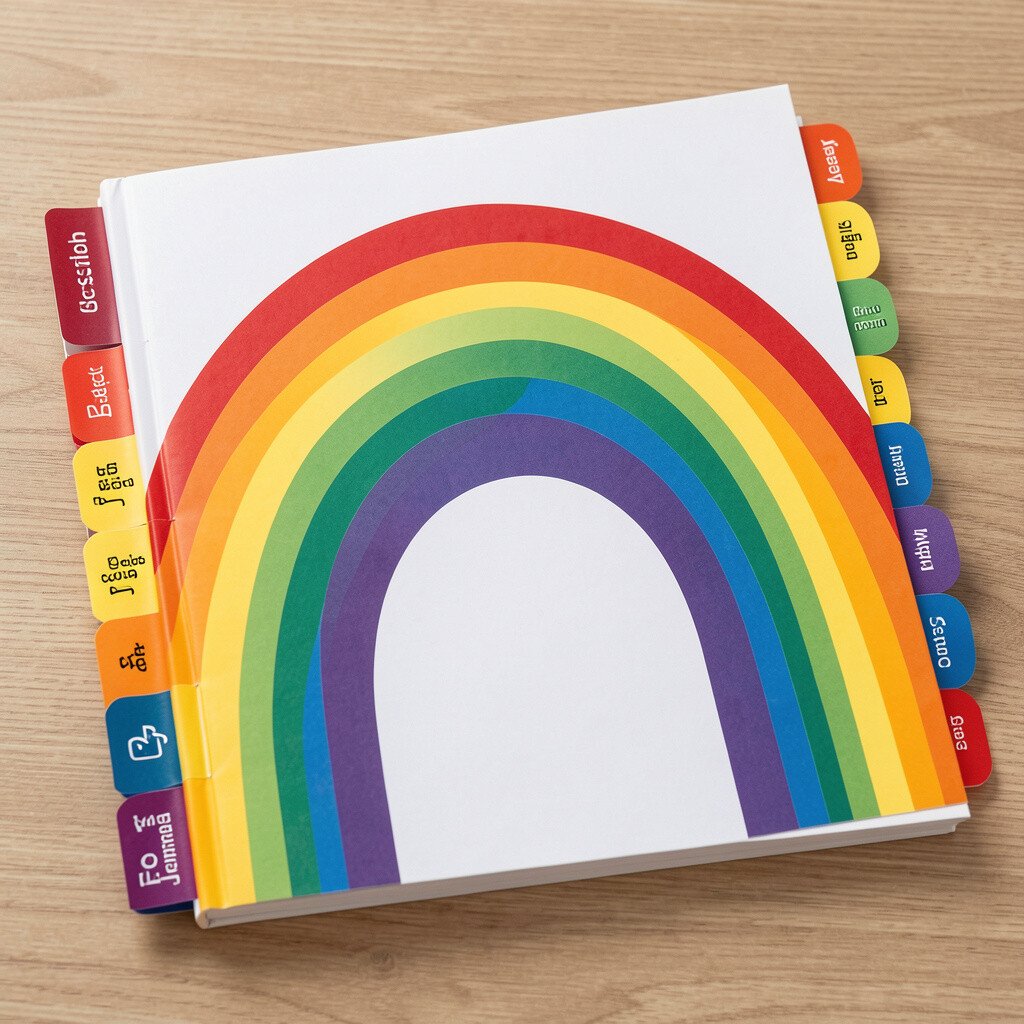
A science journal with rainbow tabs makes note-taking feel organized and student-friendly. When students know exactly where to write, experiments stay meaningful instead of messy.
Create tabs that separate observation notes, questions, predictions, and reflections, and match each section to a color. Students can paste picture notes, draw diagrams, and write vocabulary in the matching space. This helps learners review later because the color cues guide them back to key information.
Personalize by letting students choose their journal cover color and add a “favorite question” sticker on the page divider. Many classrooms now use interactive notebooks, and rainbow tabs support that style without much extra work. If you are working with a tight budget, use plain notebooks and simple file-folder tabs made from cardstock.
11. Rainbow Math Riddles That Promote Talk and Thinking
Riddles encourage students to reason out loud, not just get answers. A rainbow set of math riddles adds energy and helps students practice different strategies.
Write riddles on colored cards, with each color representing a skill such as place value, number sense, measurement, or logic. Students choose a card, solve it, then explain the steps to a partner using a “show and say” approach. Use a small timer so the thinking stays lively and students rotate through partners.
To keep it practical, store cards in a rainbow envelope set so they are easy to grab. Personalize by letting students draft one riddle per week, then vote on the class favorites for the next round. This type of peer-generated content is a current trend because it builds confidence and shared ownership.
12. Rainbow Classroom Library With Theme Bins
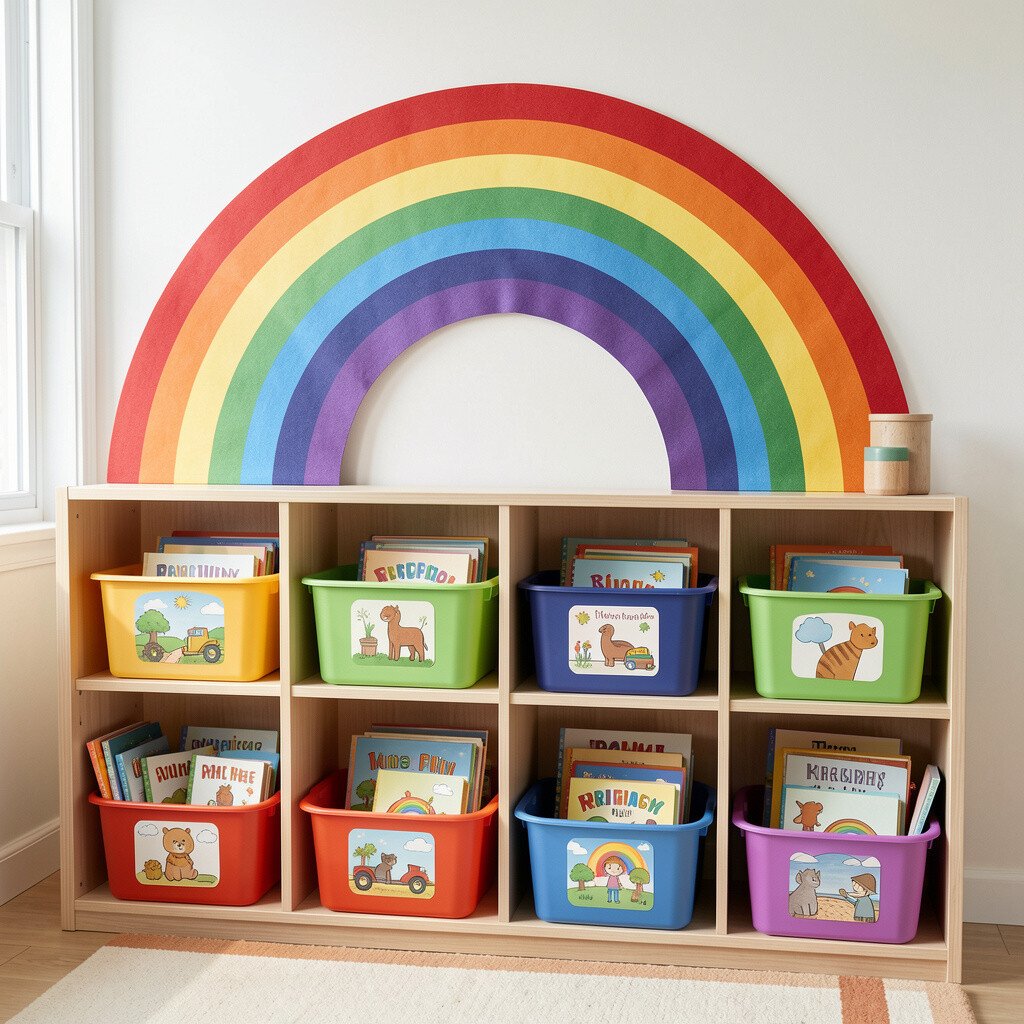
A rainbow library helps books feel inviting instead of hidden away. When students can find books quickly, reading time becomes smoother and more joyful.
Arrange books into bins by theme or genre using rainbow colors, then add a short cover-label card that hints what the bin includes. Students can practice sorting skills by returning books to the correct color bin during book care time. This also strengthens routines, because everyone knows what “return” looks like.
For uniqueness, include a “mystery color” bin where you rotate staff-selected books and surprise students with quick blurbs. Keep costs in check by using recycled containers, sturdy shoeboxes, or inexpensive plastic bins. Many classrooms are moving toward more visible, student-led libraries, and a rainbow layout supports that goal naturally.
13. Rainbow Celebration Wall With Student Shout-Outs
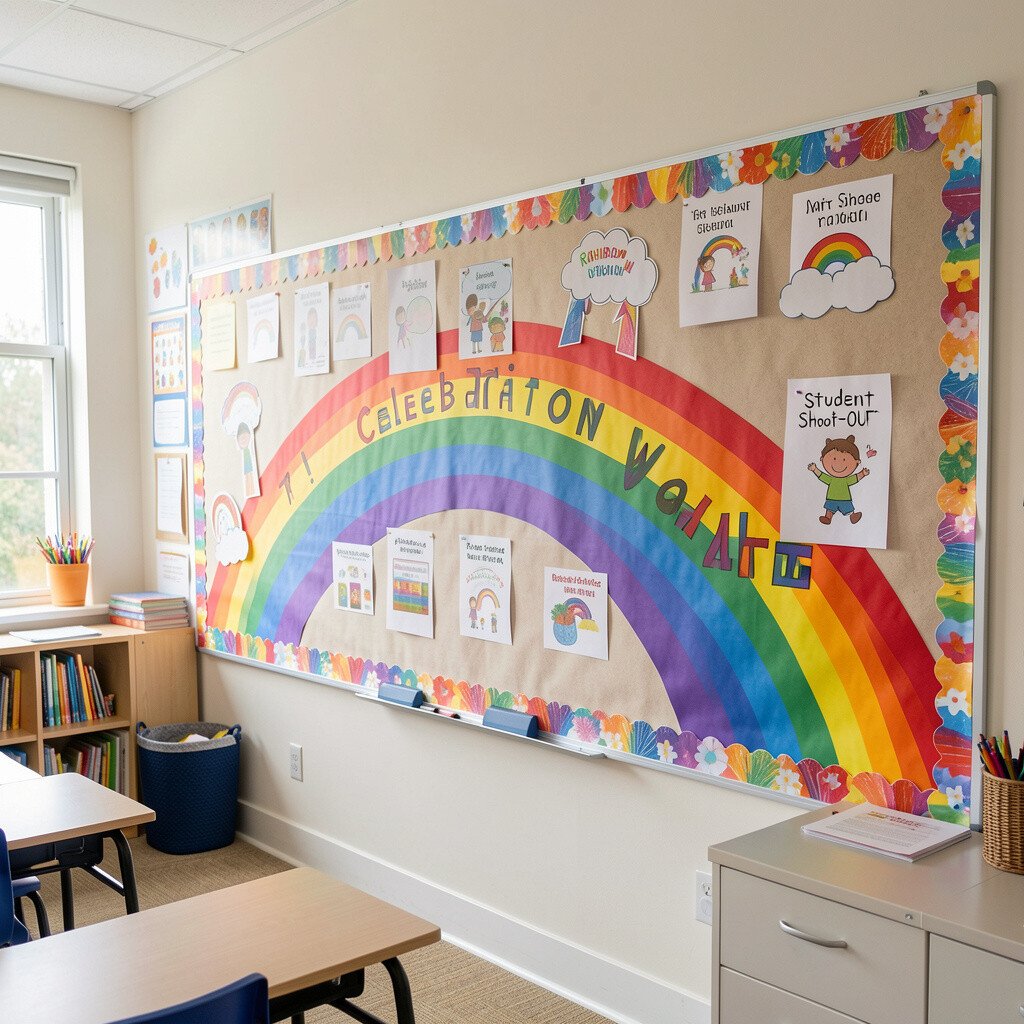
A celebration wall turns effort into something students can see and feel. Rainbow shout-outs make recognition more memorable and encourage a positive classroom culture.
Create a rotating display where students add paper strips in rainbow colors for moments like kind acts, strong teamwork, or improved writing. Each strip can include a student-written sentence about what they did and what they learned. Keep it practical by setting a weekly moment for adding strips, so the wall stays current.
Personalize the wall by letting students choose the shape of their paper strip, like hearts for kindness or stars for achievement. This matches a trend toward strength-based feedback, where progress is celebrated, not just graded. If you want to manage costs, use scrap paper, old coloring pages, and simple markers, then upgrade the supplies when the year allows.