Fancy doors can make a home feel special. Small mistakes can make them look out of place fast.
1. Choosing Style Without Thinking About the House
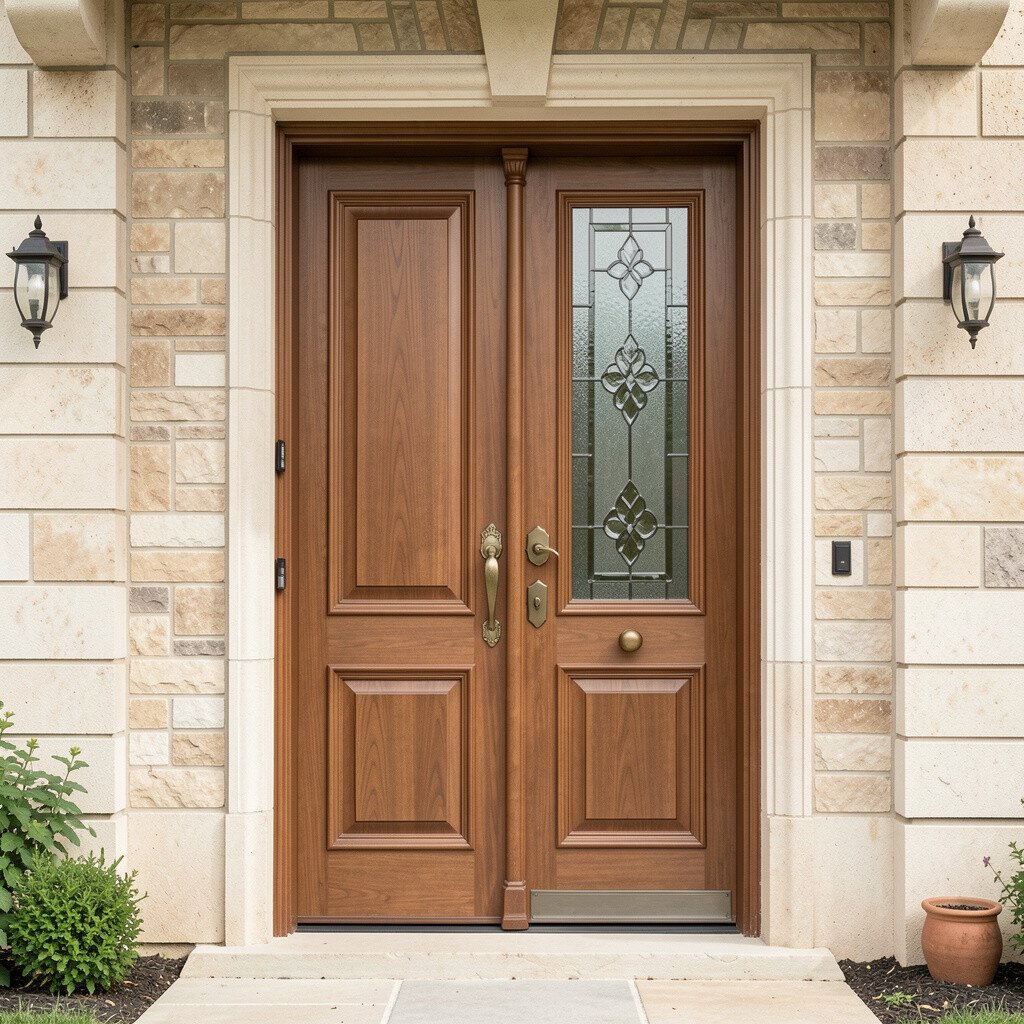
A door can look stunning on its own, but it still needs to fit the rest of the home. A sleek black pivot door may look sharp on a modern house, yet it can feel odd on a soft cottage front with curved trim. When the style matches the walls, windows, and roofline, the whole entry feels calm and polished.
It helps to hold door samples next to photos of the house and look at them in daylight. This simple step can save money because a mismatch often leads to repaints, swaps, or extra trim work. A door that feels unique without fighting the home style will usually age better and stay lovely longer.
2. Ignoring the Door’s Scale
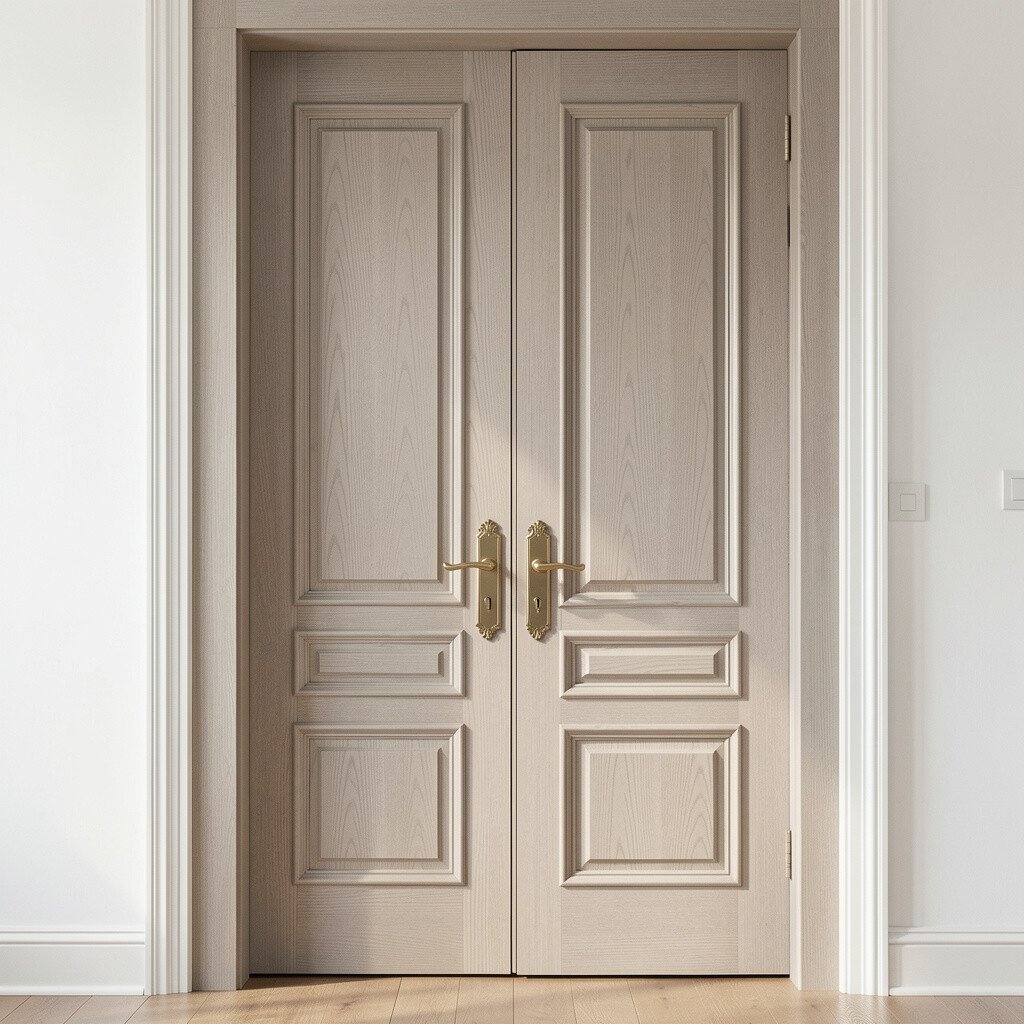
Fancy doors can be dramatic, but size matters just as much as shape. A tall ornate door on a low entry can look cramped, while a tiny door on a grand facade can seem lost. Good scale makes the entrance look balanced and makes the door’s details easier to enjoy.
Measure the opening carefully and think about nearby steps, sidelights, and porch columns. A custom size may cost more, but it can give a cleaner look and avoid awkward gaps. Many homeowners now like oversized doors with slim lines because they feel bold without looking busy.
3. Forgetting About Daily Use
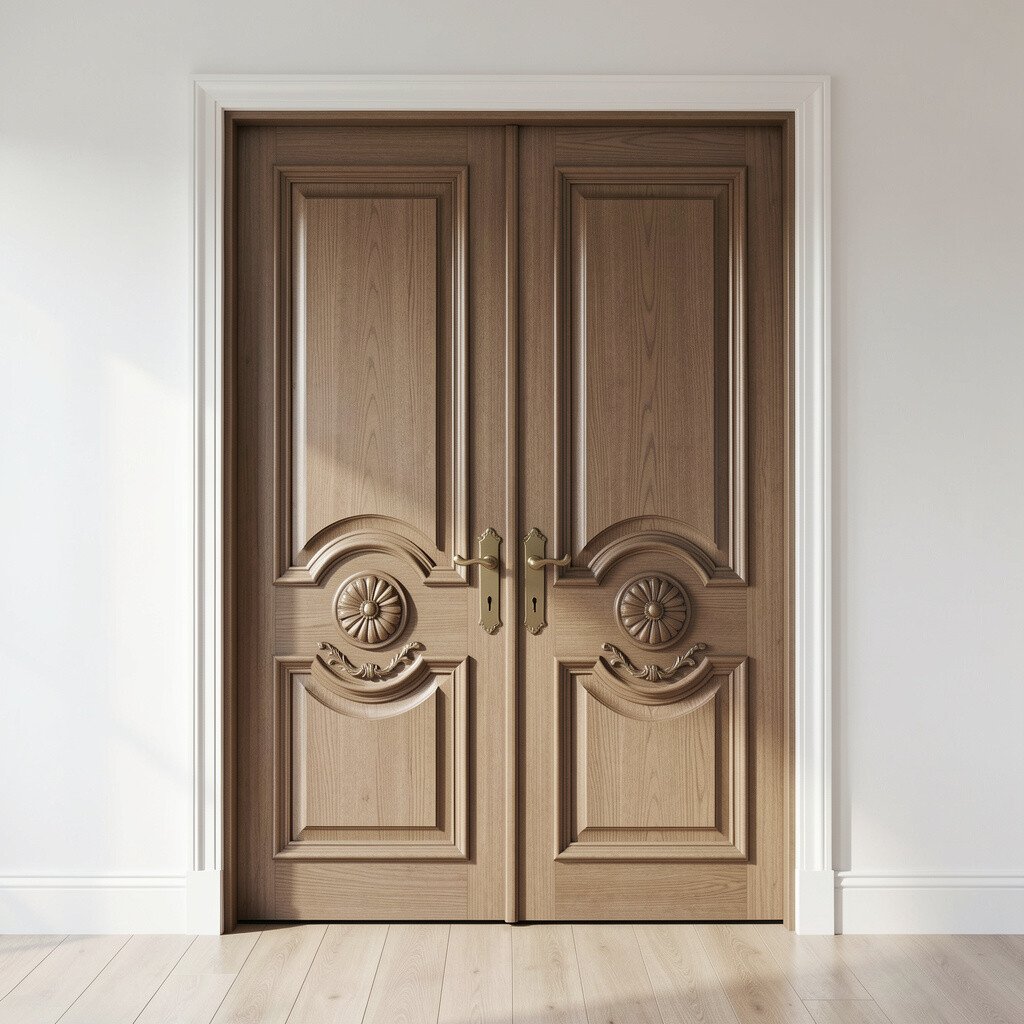
Some doors look like art pieces, but they still need to work for busy life. If a door is heavy, hard to open, or tricky with packages and kids, the beauty can wear thin fast. A stylish home feels better when the entry is easy to live with every day.
Think about how often the door will open, who will use it, and what weather it will face. Soft-close hardware, smooth hinges, and smart locks can make life easier, and these features often fit current home trends. Spending a bit more on comfort now can prevent repair bills and frustration later.
4. Picking the Wrong Material
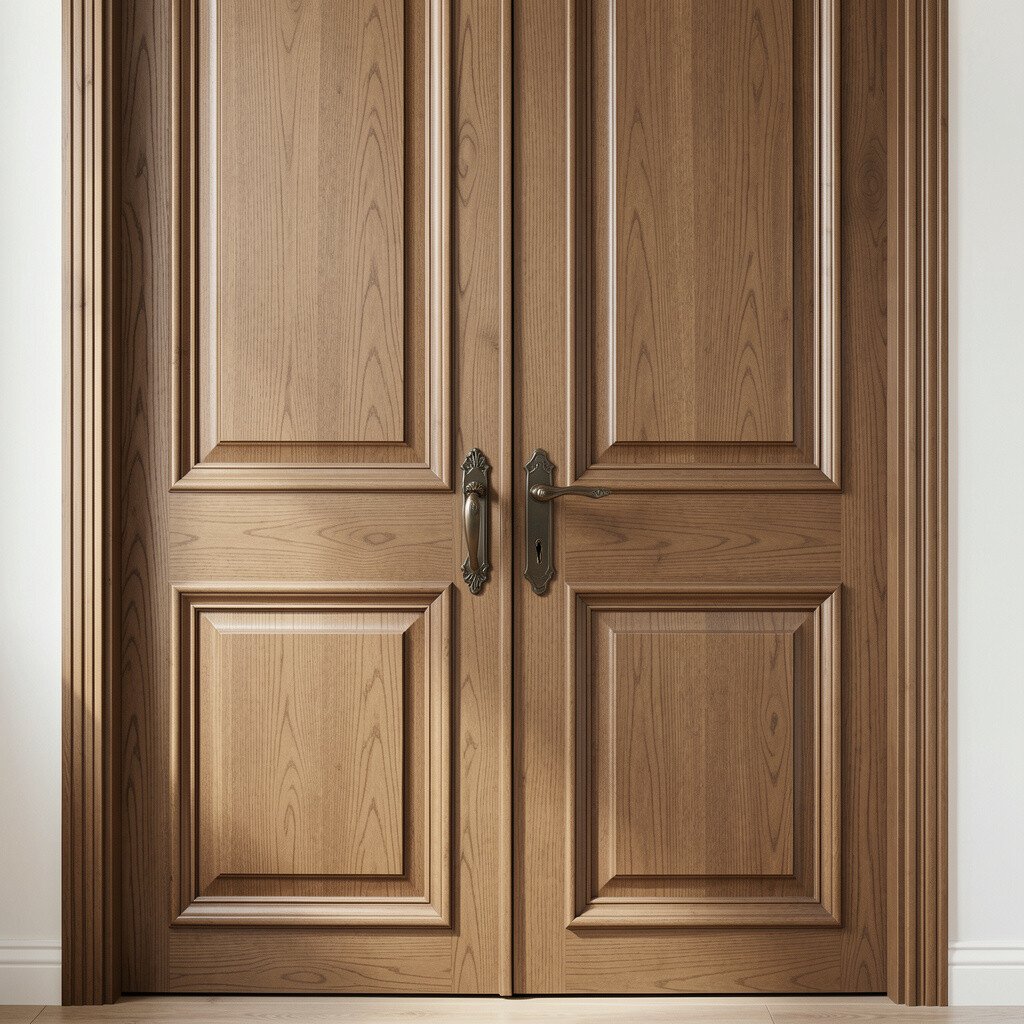
The wrong material can ruin a fancy door idea even when the design is lovely. Wood feels rich and warm, metal feels crisp and modern, and fiberglass can copy both looks at a lower price. Each choice brings its own shine, grain, and care needs, so the best one depends on the home and the climate.
A salty coast, wet yard, or hot sun can change how a door lasts and how much upkeep it needs. A cheaper material may look good at first, but peeling, warping, or fading can make it costly later. Matching the material to the weather is one of the smartest ways to keep a door pretty and practical.
5. Overlooking Color Harmony
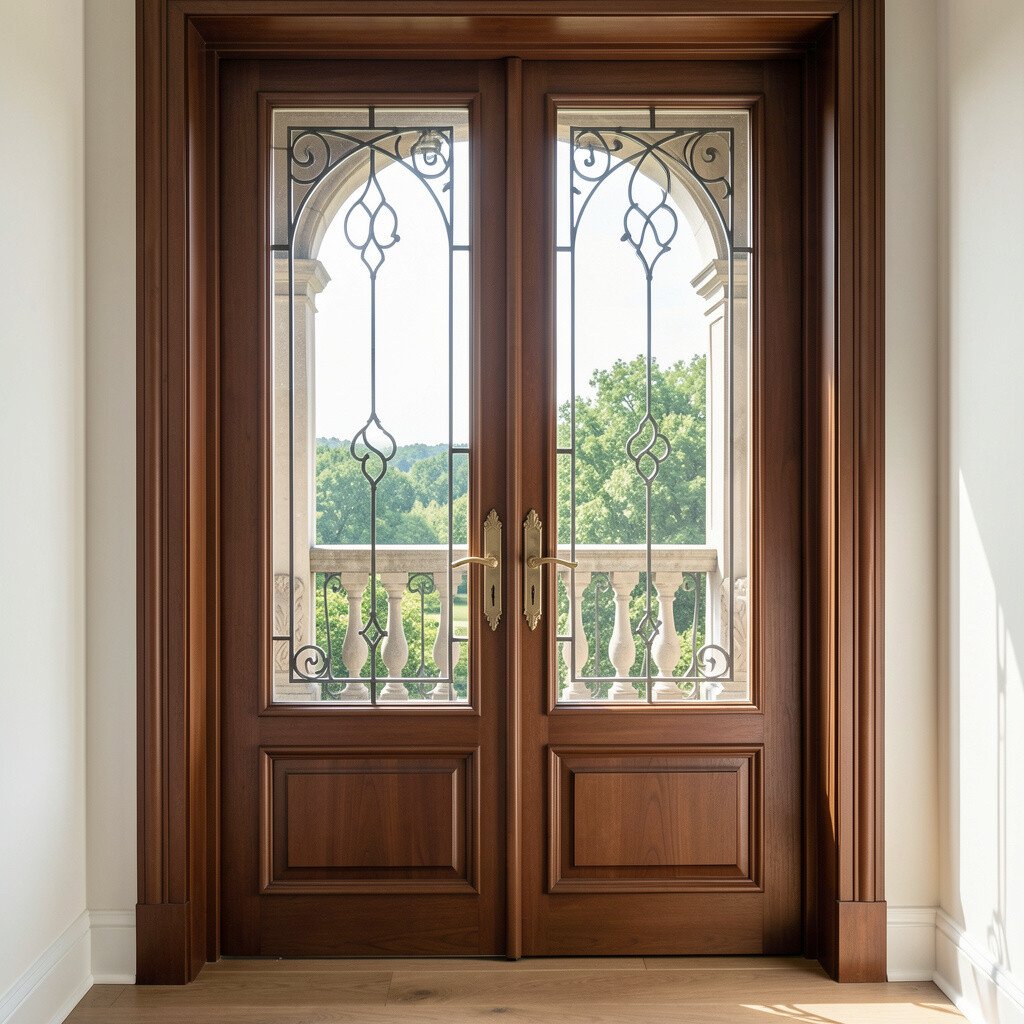
A bold door color can add charm, but it should still work with the rest of the palette. Deep green, rich blue, and warm red are popular because they add personality without needing a full remodel. Even a black or soft white door can feel fancy when it has the right sheen and trim around it.
Hold paint samples against brick, siding, stone, and hardware before making a final choice. The best color can make the entry feel fresh and unique, while the wrong one may clash and look cheaper than it is. If you want a custom feel without a large price tag, color is often the easiest place to start.
6. Using Too Many Fancy Details
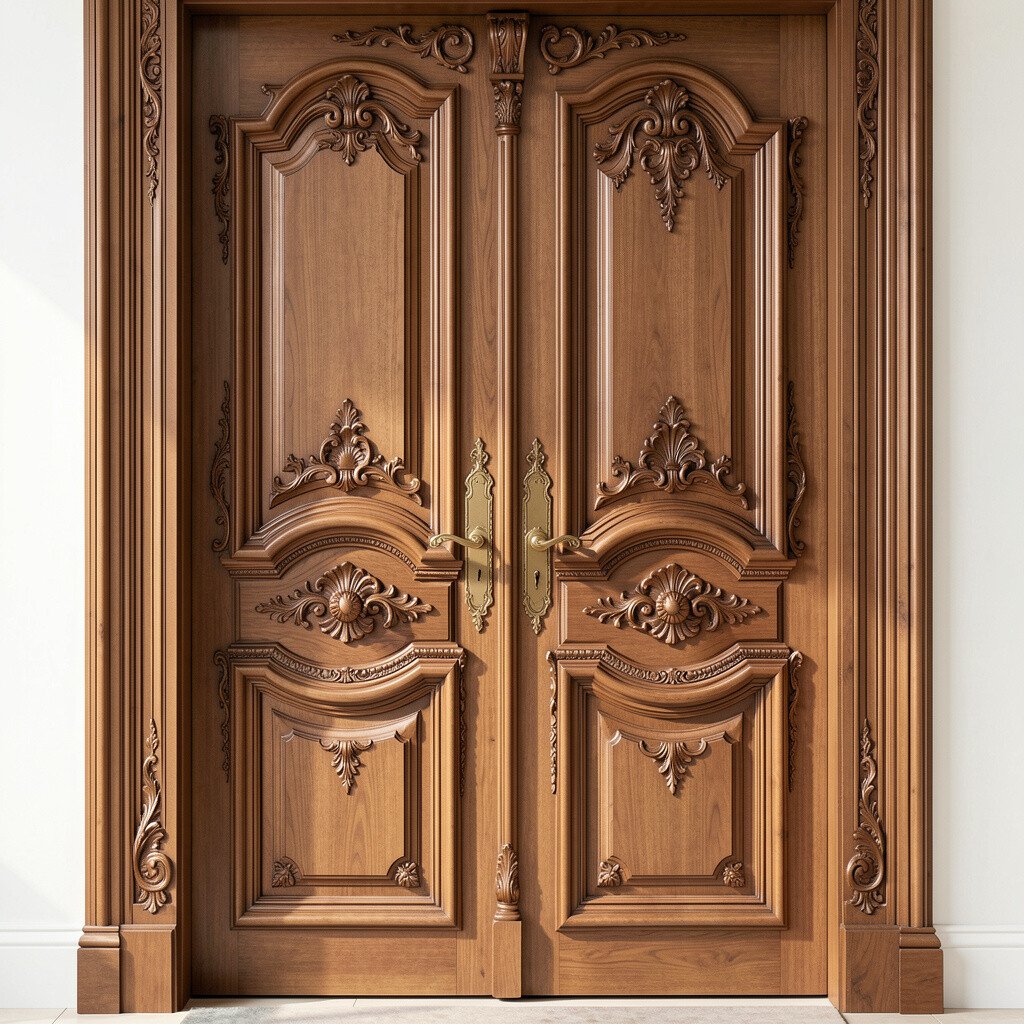
Carvings, glass, metal bands, and bold handles can be beautiful, but too much at once can feel crowded. A door with one clear focal point usually looks more elegant than one packed with extra shapes. Clean lines can make fancy details stand out in a more graceful way.
It is often better to choose one strong feature and let it shine. That could be a rich wood grain, a striking panel pattern, or a single piece of decorative glass. This approach can also help with cost, since fewer extra parts usually mean a simpler build and easier upkeep.
7. Forgetting About Natural Light

A dark entry can make a gorgeous door look flat, especially if the front porch gets little sun. Glass inserts, slim side windows, or a lighter finish can brighten the space and show off the door’s lines. A well-lit entry also feels safer and more welcoming at night.
Think about privacy as well as brightness so the room inside still feels calm. Frosted glass and textured panes are popular because they give light without giving away too much. These choices can make a door feel custom and stylish without needing a huge budget for extra lighting.
8. Skipping the Hardware Plan
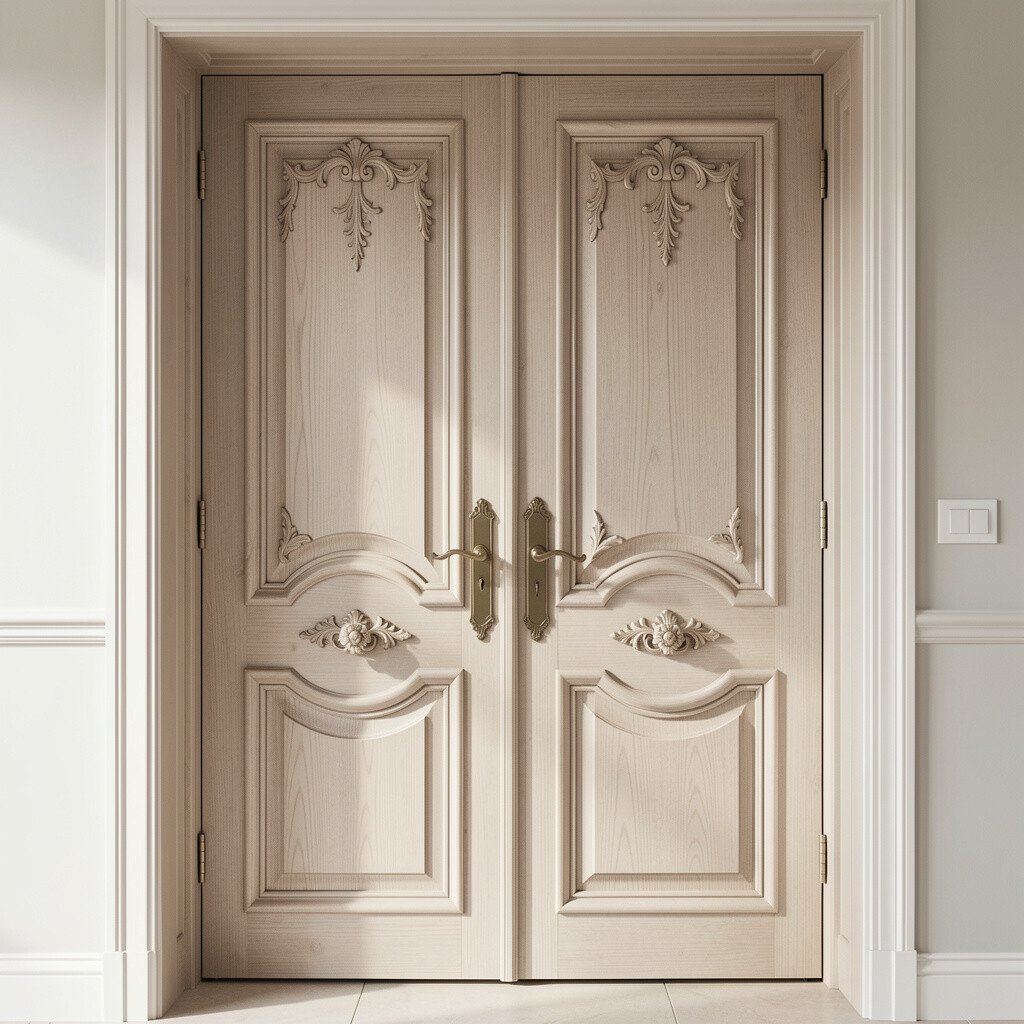
The handle, knocker, lock, and hinges are part of the look, not just the function. A beautiful door with dull or mismatched hardware can feel unfinished, while the right pieces can make it feel rich and intentional. Simple brass, matte black, and brushed nickel finishes are all common because they pair well with many styles.
Pick hardware early so the finish, size, and shape all work together. A long pull bar may suit a modern entry, while a round knob can feel softer on a classic door. Good hardware may add to the cost, but it also adds daily ease and often makes the whole entry look more polished.
9. Neglecting Weather Protection
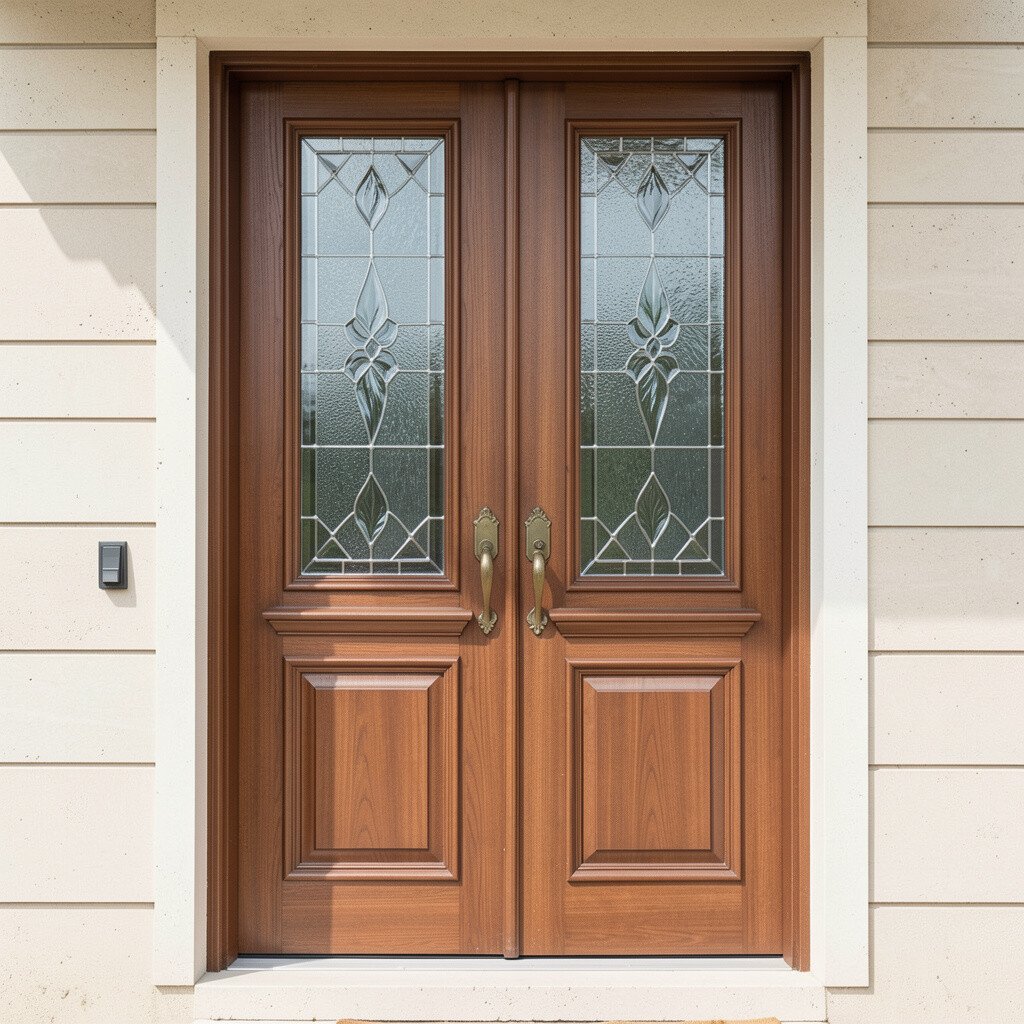
Fancy doors need to handle rain, heat, and cold without losing their charm. If the finish is not sealed well, wood can swell and paint can fail, which makes even a beautiful door look tired. A smart weather plan keeps the door looking rich and helps protect the home inside too.
Check the threshold, sweep, and seal before the door is installed. These small parts are not glamorous, but they can save a lot of money by reducing drafts and damage. Many homeowners now want energy-saving doors that still look elegant, so protection and style can work together nicely.
10. Choosing a Finish That Is Hard to Maintain
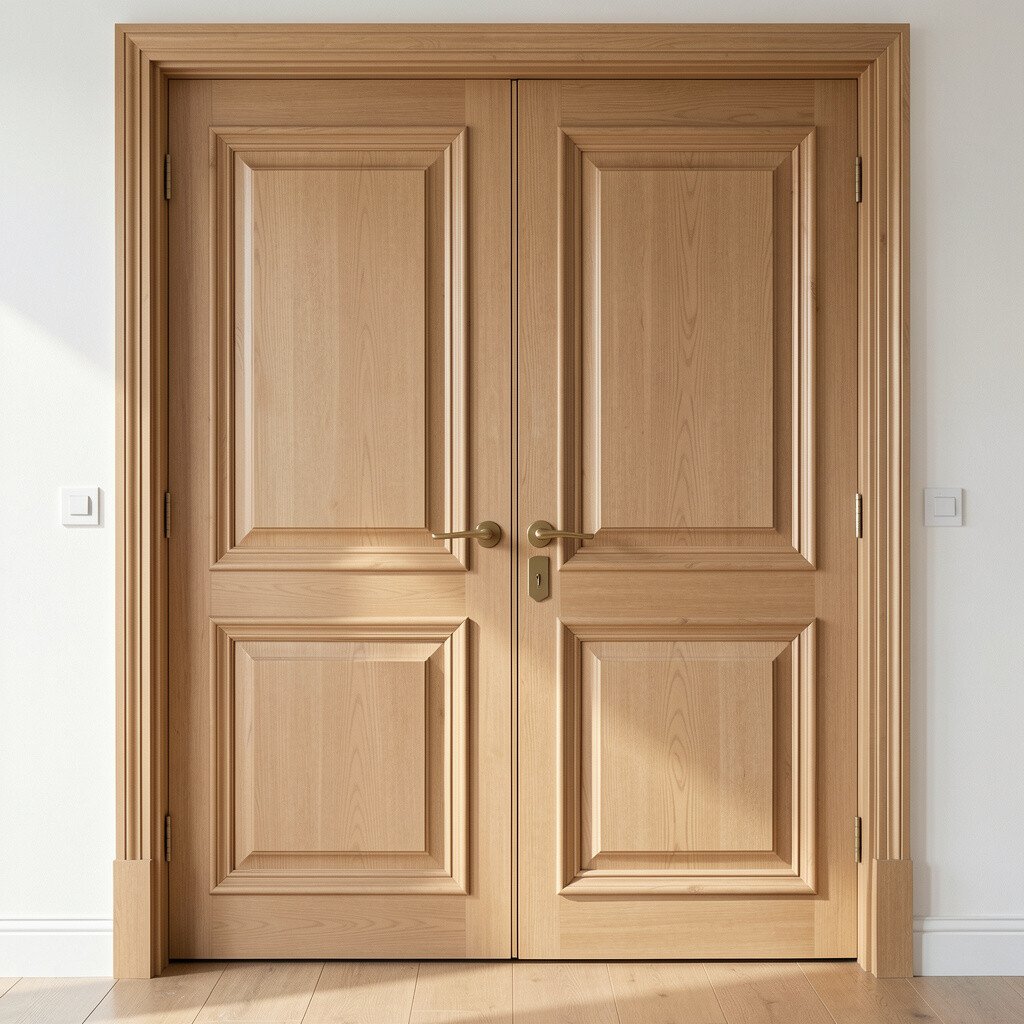
High-gloss finishes can look sharp, but they may show fingerprints, dust, and small scratches fast. A satin or soft matte finish often feels more relaxed and can be easier to live with, especially in a busy family home. The right finish should make the door look rich without turning cleaning into a chore.
Think about how much touch traffic the door will get each day. Front entries with kids, pets, and guests often do better with finishes that hide marks well. A lower-maintenance finish may keep labor costs down over time, and that can matter just as much as the first paint or stain price.
11. Ignoring Interior Sides of the Door
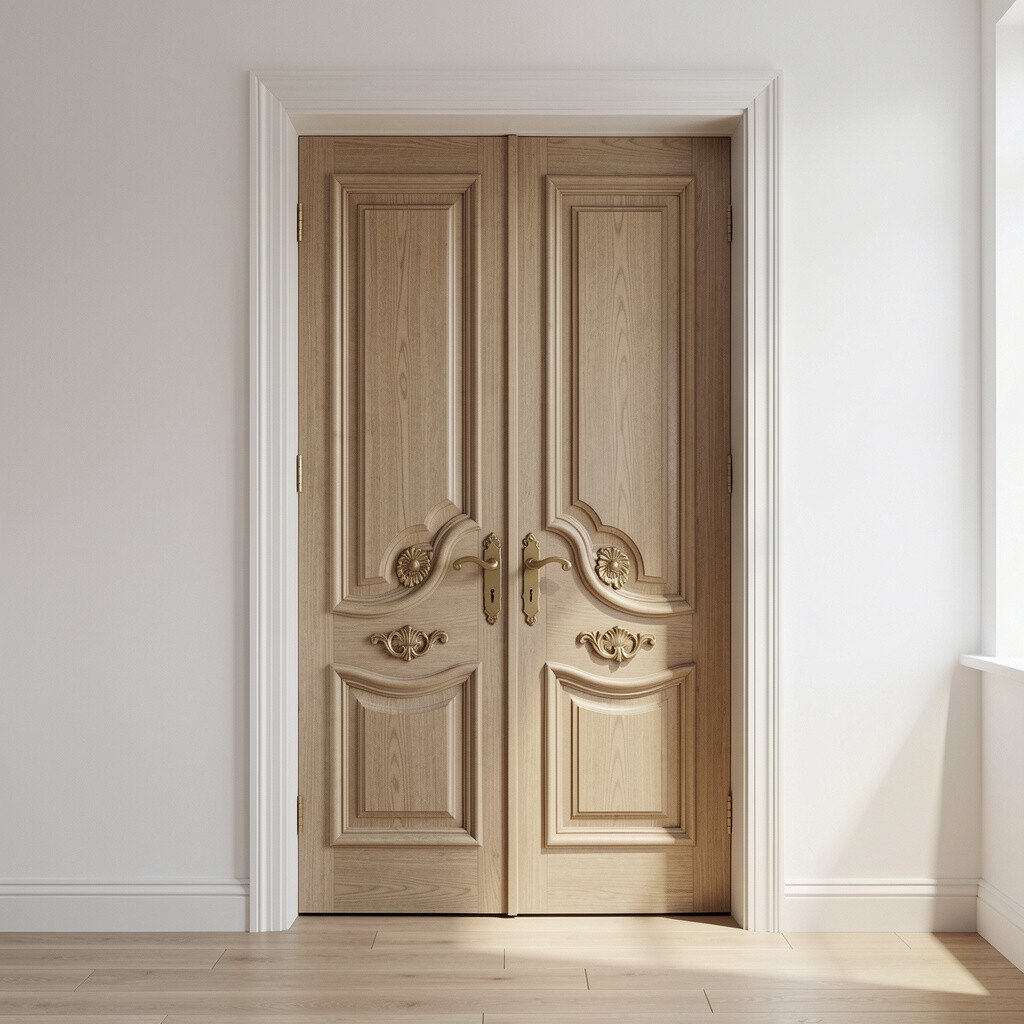
Many people focus only on the outside face, but the inside view matters every day. A door can be bold on the street and still feel warm and calm indoors if the inner finish suits the room. That balance is part of what makes a home feel truly stylish.
Consider how the door will look from the foyer, hallway, or living room. Matching the interior side to floors, trim, and furniture can make the whole space feel more put together. This also gives you room for personalization, since the outside can be dramatic while the inside stays soft and welcoming.
12. Forgetting the Entry Surroundings
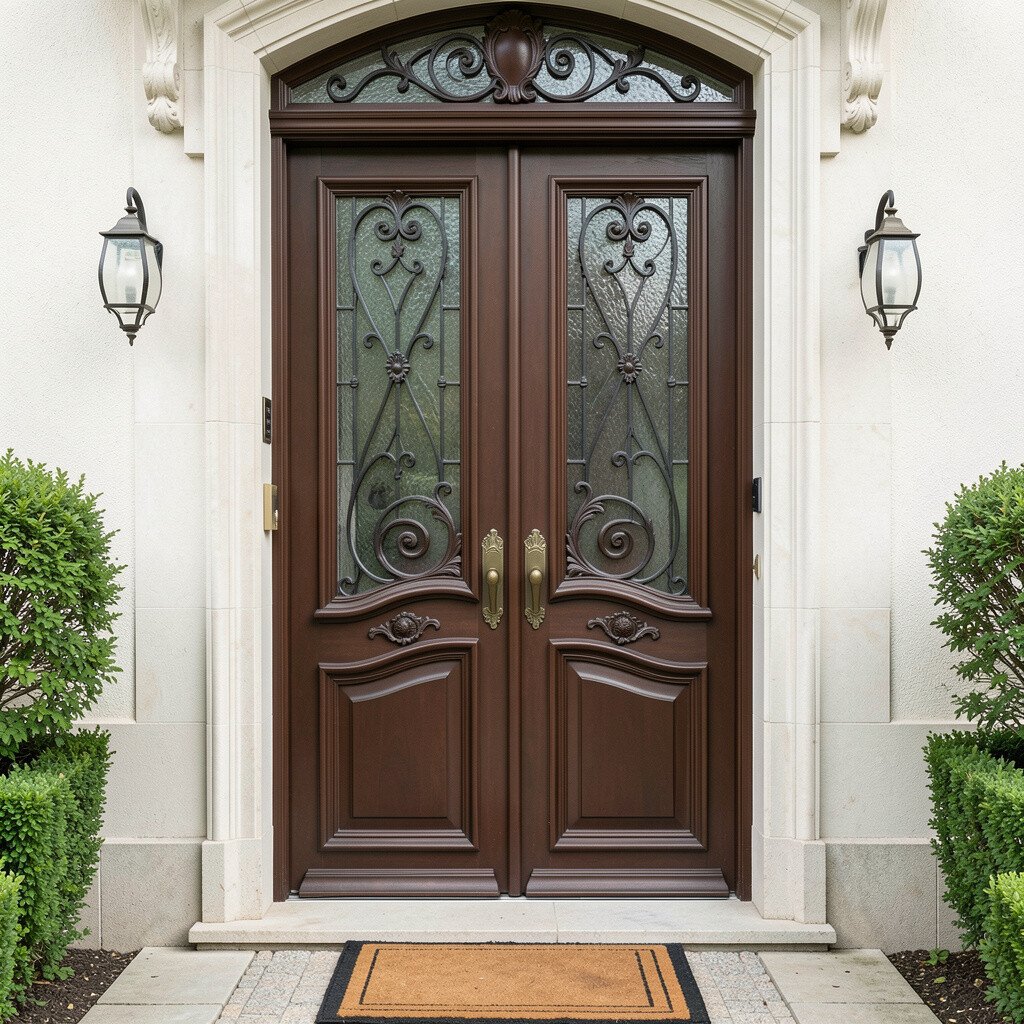
A fancy door rarely stands alone, and the space around it can make or break the look. Porch lights, planters, house numbers, and rugs all shape the first impression. When these items work with the door, the whole front area feels more complete and stylish.
Use textures and colors that support the door instead of fighting it. A wood door may glow beside stone planters, while a modern metal door can pop against clean concrete and simple greenery. This kind of planning can be low cost and still make the entrance feel custom and unique.
13. Overlooking Security Features
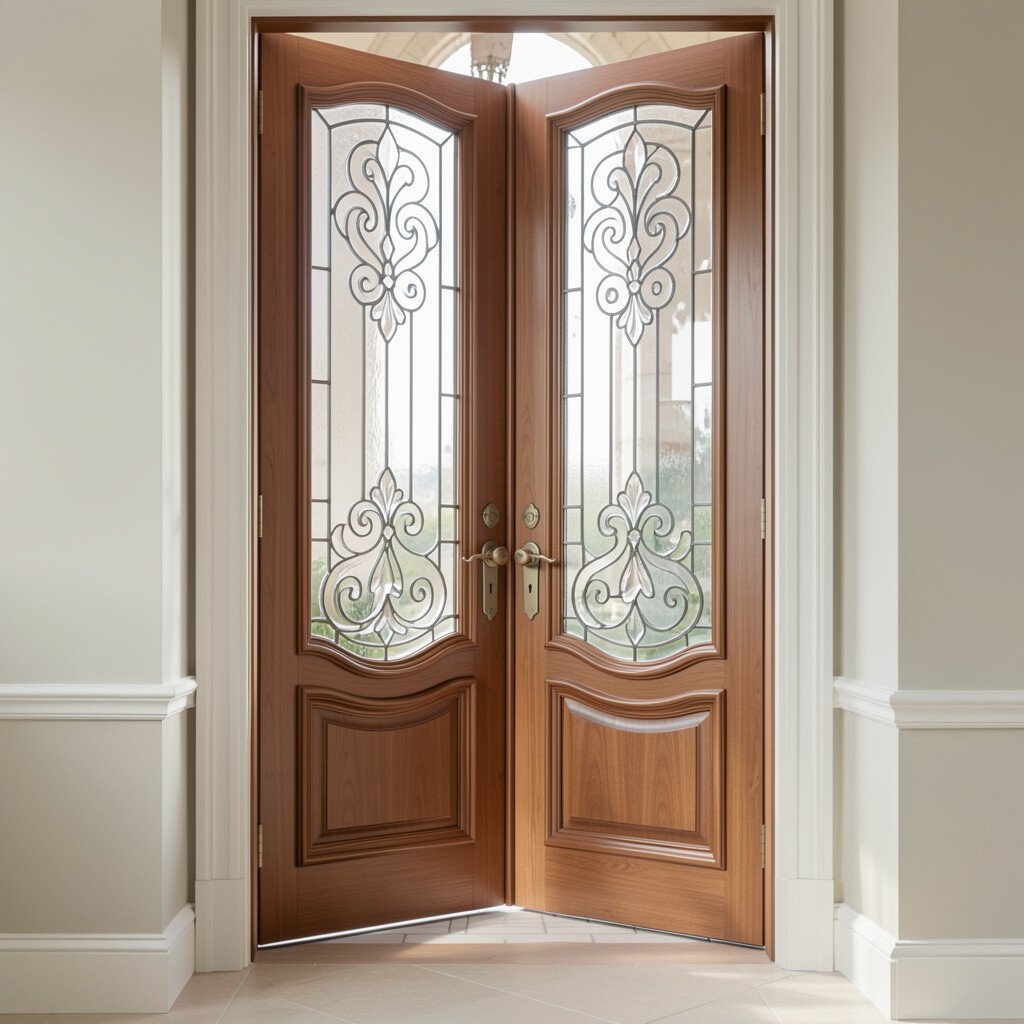
Fancy does not have to mean fragile. A stylish door should still have a strong frame, solid lock set, and good deadbolt so it protects the home as well as it looks good. Strong security can even add to the design because sturdy hardware often looks bold and confident.
Ask about reinforced cores, smart locks, and impact-resistant glass if the door includes windows. These features are popular now because they blend safety with clean style. They may raise the price a little, but many homeowners see that as money well spent for peace of mind.
14. Buying Without Testing the Swing

How a door opens can change the whole feel of the entry. If it swings the wrong way, blocks furniture, or bumps into walls, even a gorgeous design will cause stress. A smooth swing makes the door feel thoughtful and easy, which supports the stylish look you want.
Check the layout before ordering so you know where the door will move and what it will touch. This is especially important for narrow halls, small porches, and double doors. Adjusting the swing plan early can avoid costly changes later and keep the entry neat and user friendly.
15. Picking Glass Without Thinking About Privacy
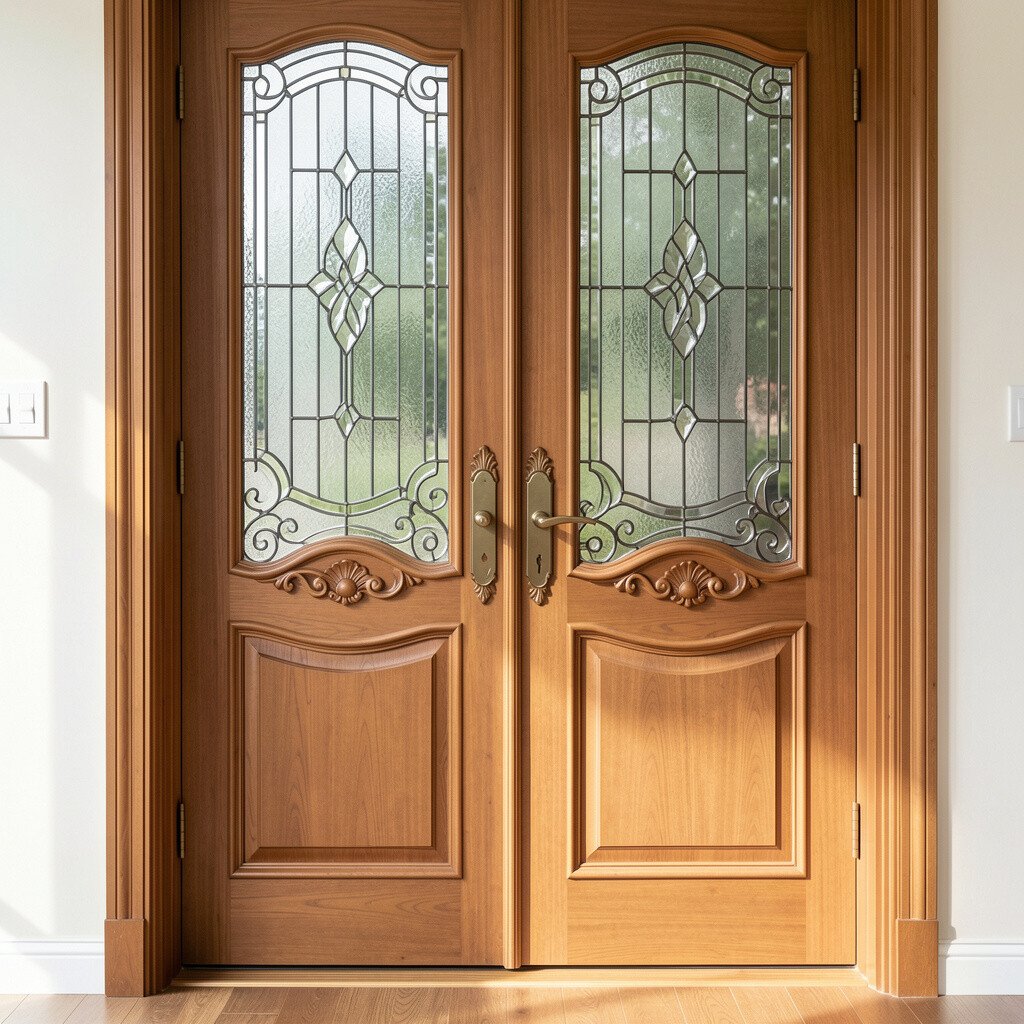
Glass can make a fancy door feel lighter and more graceful, but clear panes may not suit every home. If the front door faces a busy street, people inside may feel on display. Textured, tinted, or frosted glass can still look stylish while giving a better sense of comfort.
Try to balance openness with privacy needs from the start. You can use narrow glass strips, small inserts, or patterned glass for a custom look that still feels safe. This kind of choice often fits modern trends because it keeps the entry bright without losing a cozy home feel.
16. Forgetting About Frame and Trim
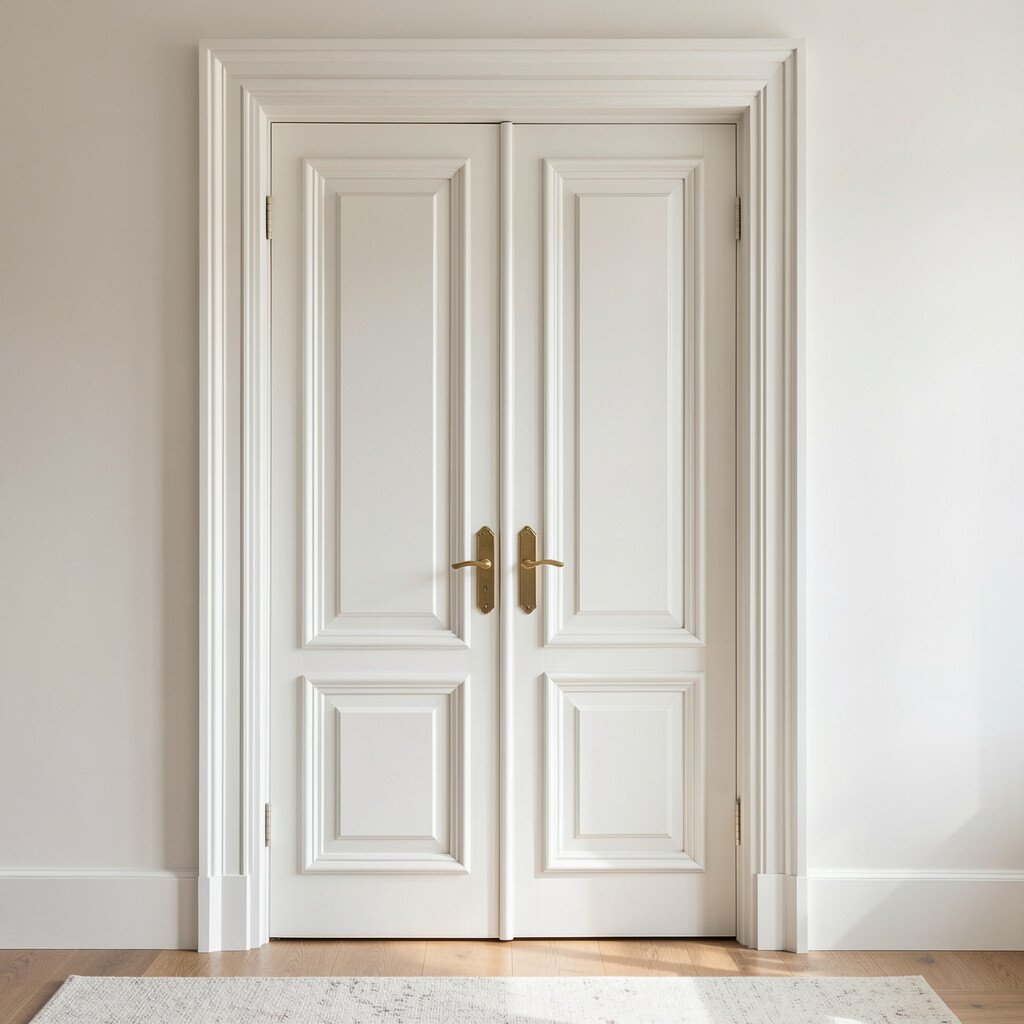
A fancy door can look unfinished if the frame and trim are plain or damaged. Clean trim helps the door stand out and gives it a crisp outline, almost like a picture frame for the front of the house. Even a simple door can look richer when the surround is well chosen.
Painted trim, wider casing, or a new stain on the surround can make a big difference. These updates are often cheaper than replacing the whole door and can still raise the style of the entry fast. If you want a more personal look, trim details are a smart place to add it.
17. Ignoring Climate and Sun Exposure
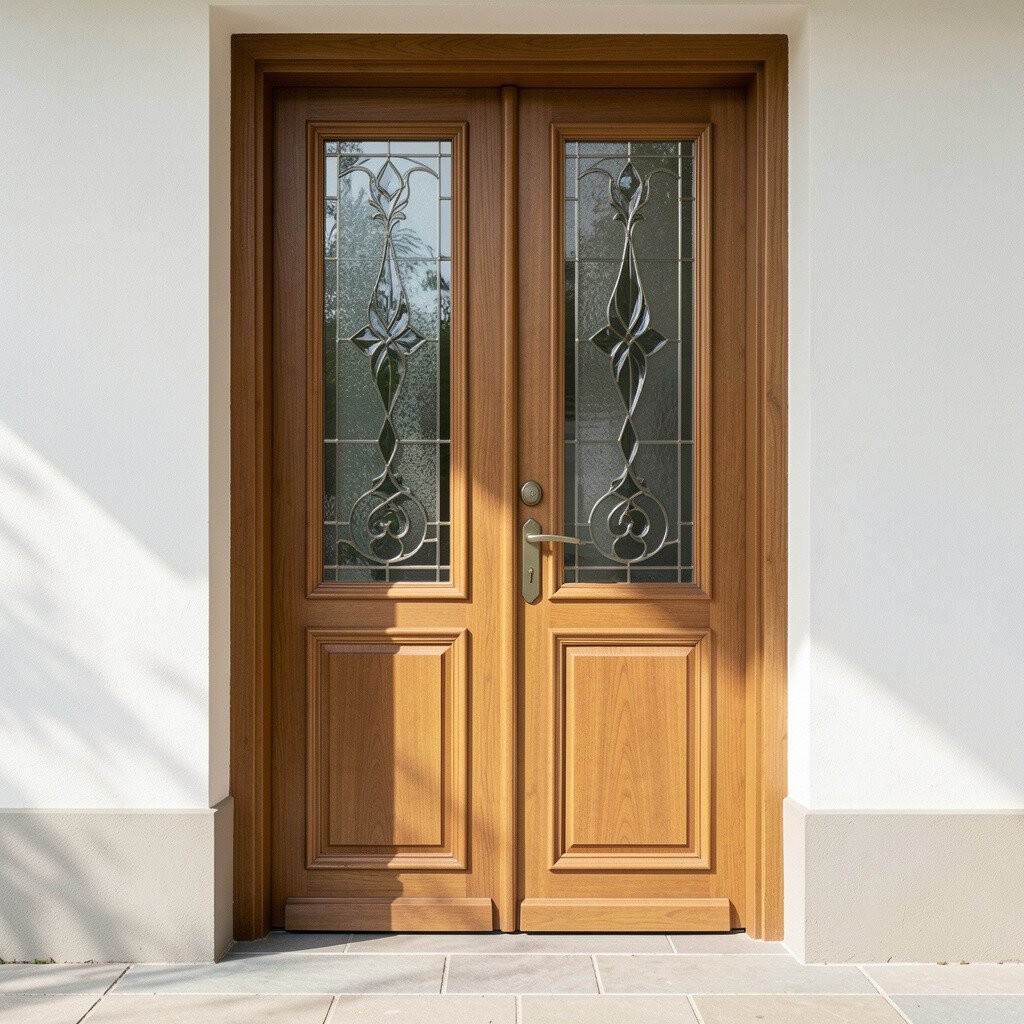
Direct sun can fade color, dry out wood, and make some finishes wear faster than expected. Cold and wet weather can create other problems, like swelling, cracking, or rust on metal parts. A door that suits the local climate will keep its beauty longer and need fewer fixes.
Look for UV-resistant coatings and materials that handle moisture well if the door gets a lot of weather. In hot areas, lighter finishes may stay cooler and age better, while in wet regions, sealed surfaces matter most. This practical choice can protect your budget and keep the door looking fresh.
18. Making the Door Too Trendy
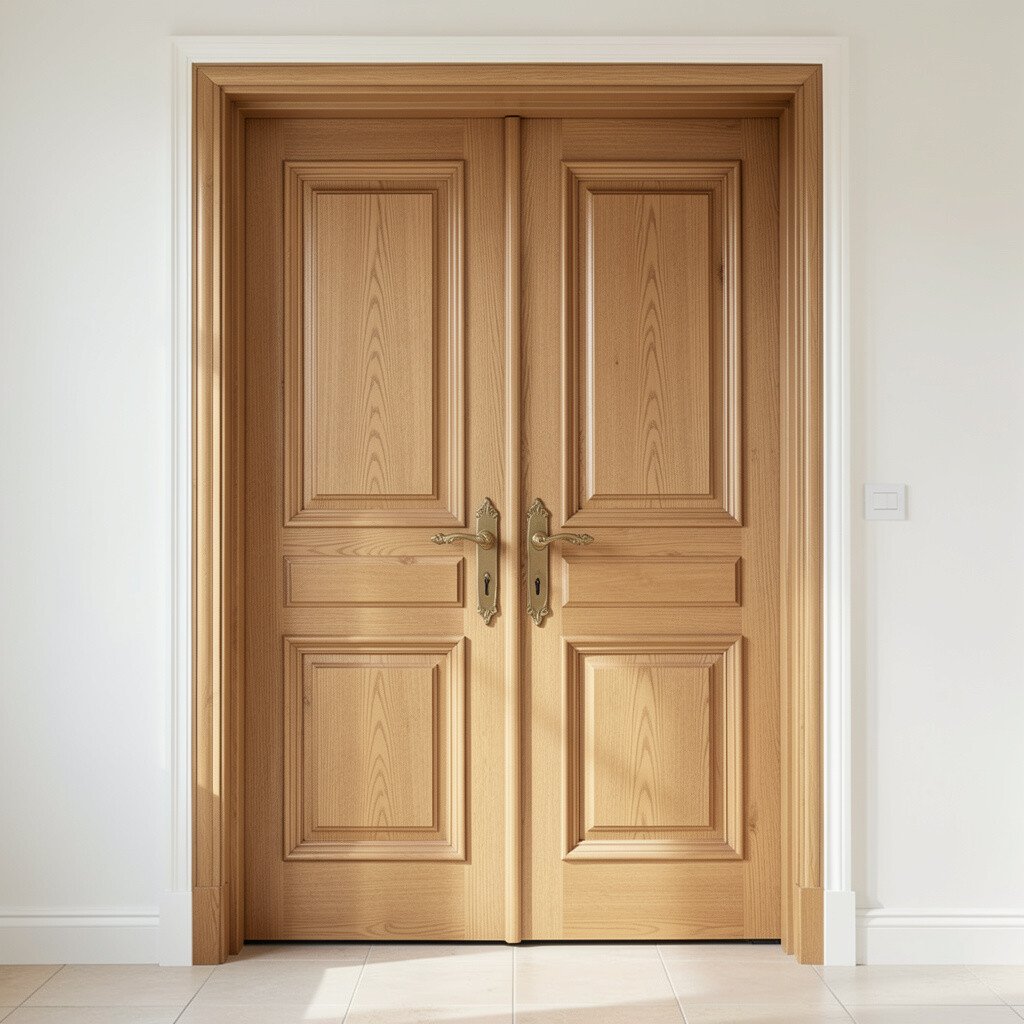
Trendy doors can look exciting now, but some styles age fast. A very bold shape or extreme color may feel fun for a short time and then seem tiring later. A better plan is to use current trends in small ways so the door still feels special after the trend moves on.
Choose a classic base and add one or two fresh details, like modern hardware or slim glass panels. That way the door stays stylish without locking you into a look that may feel dated soon. This approach can also protect your spending because a more timeless door usually holds value better.
19. Not Considering Sound

A fancy door should look good, but it should also help the home feel peaceful. Thin doors or loose seals can let in street noise, which can make a pretty entry feel less comfortable. A solid build can give the door a richer feel when it closes, which many people notice right away.
Ask about core materials and sealing strips if sound matters in your home. A heavier door may cost more, but the quiet feel can be worth it for bedrooms, offices, or homes near traffic. Soft-close hardware can also add to the calm, making the whole entrance feel more refined.
20. Forgetting Simple Cleaning Needs
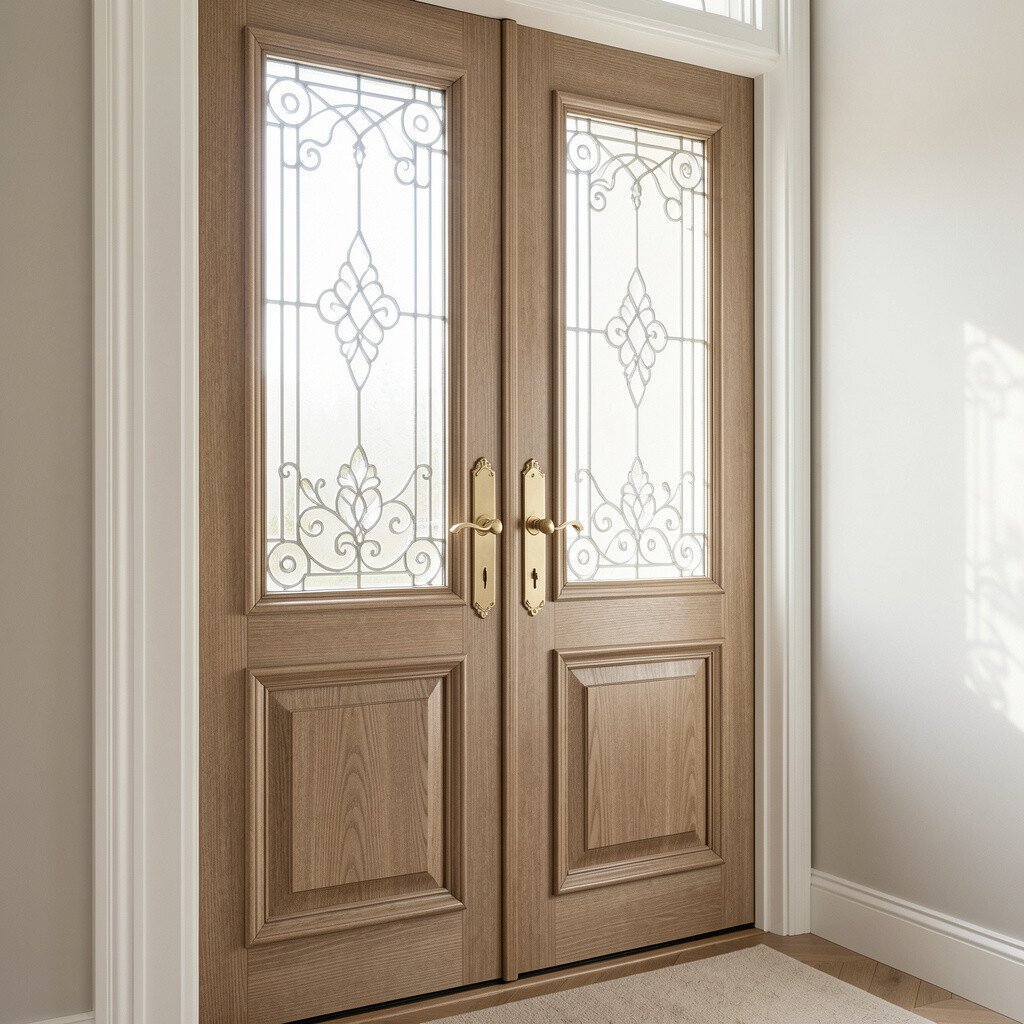
Some designs collect dust in grooves, carvings, and tiny corners that are hard to wipe. That can make a door lose its shine even when the rest of the home is tidy. A beautiful door should still fit real life, where quick cleaning is often the goal.
If you like detail, choose features that are easy to reach with a cloth or brush. Smooth panels and simpler lines can be just as elegant and often easier to care for. Lower cleaning effort can also save money over time because the door stays looking good without special products or extra work.
21. Installing Without Professional Help When Needed
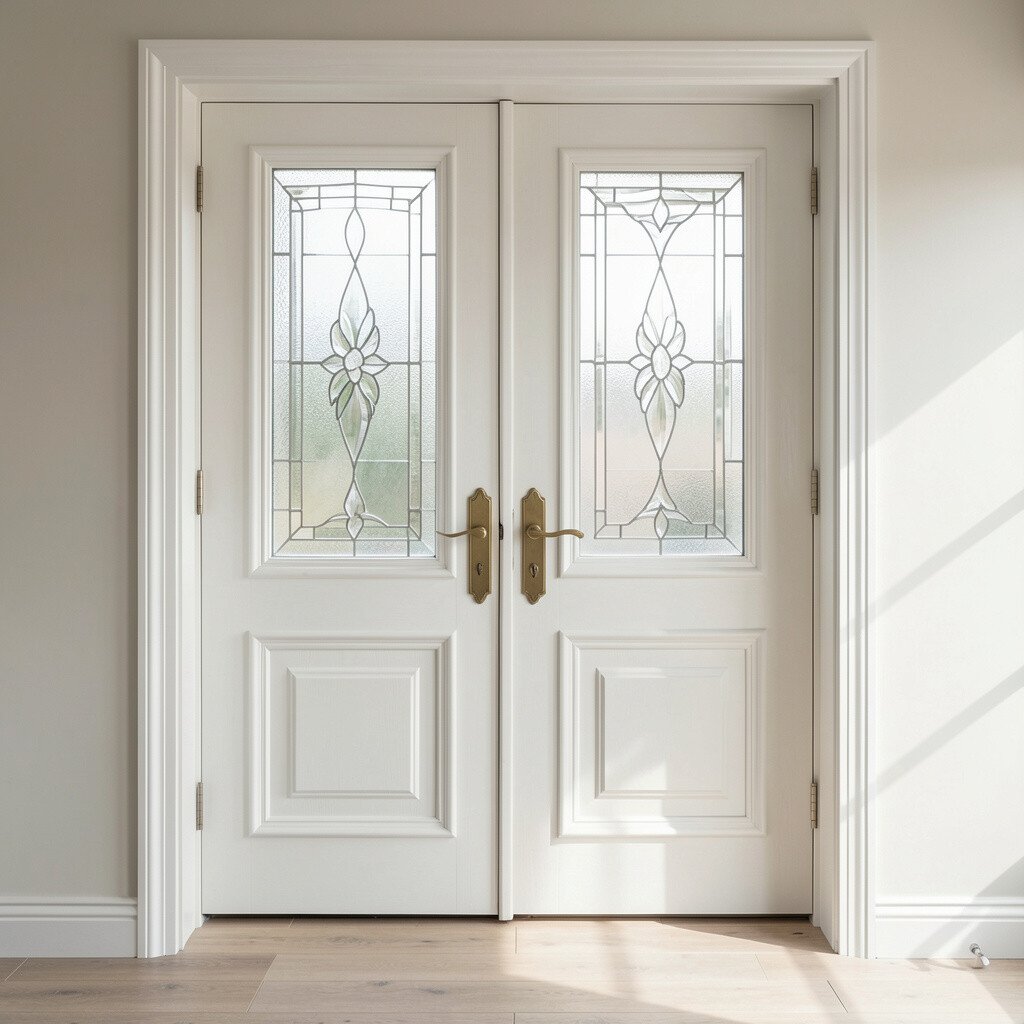
A fancy door can be heavy, precise, and expensive, so poor installation can hurt both looks and function. Gaps, sticking, and bad alignment can make even a high-end door seem cheap. A clean install lets the design shine and helps the home feel finished.
Bring in a pro when the door is oversized, custom, or part of a tricky frame. Professional help may add to the upfront price, but it can prevent damage, drafts, and repeat labor. That is often the smarter path when the door is meant to be a standout feature.
22. Buying Without a Clear Budget Plan

It is easy to focus on the door itself and forget the extra pieces that come with it. Hardware, trim, finishing, labor, and delivery can all raise the final bill. A clear budget helps you choose a door that looks rich without creating stress later.
Start by setting aside money for the full project, not just the door slab. Then decide where to spend more, such as on the material or hardware, and where to keep things simple. With a good plan, you can still get a unique and stylish entry that feels worth every dollar.