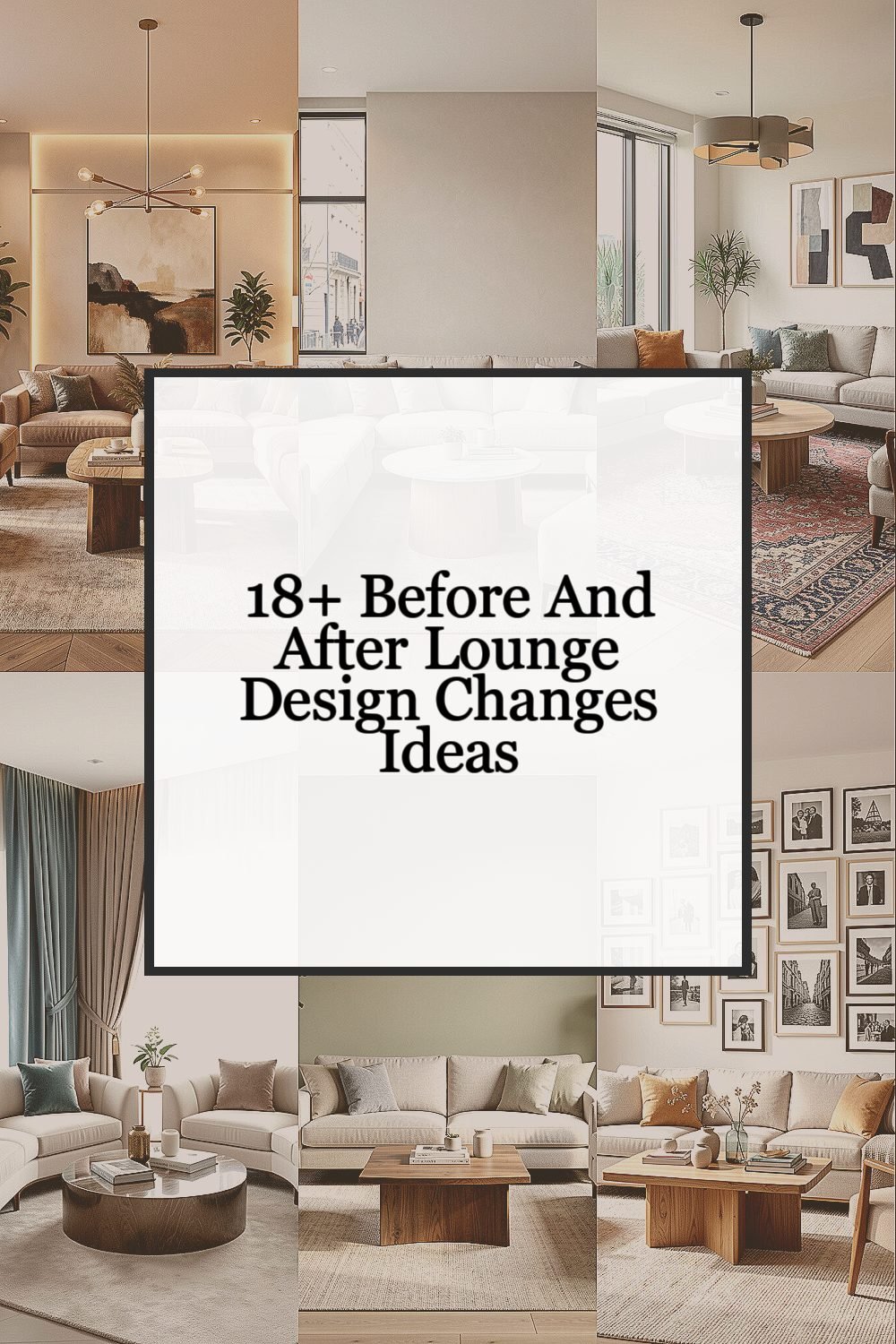
Your lounge can feel like a whole new place with a few smart swaps. Small changes add up fast when every choice has a purpose.
Now picture how guests would react when they step in and immediately notice comfort, style, and good flow. Let’s make that feeling real with practical ideas you can plan today.
1. Warm Up the Lighting Like a Cozy Glow
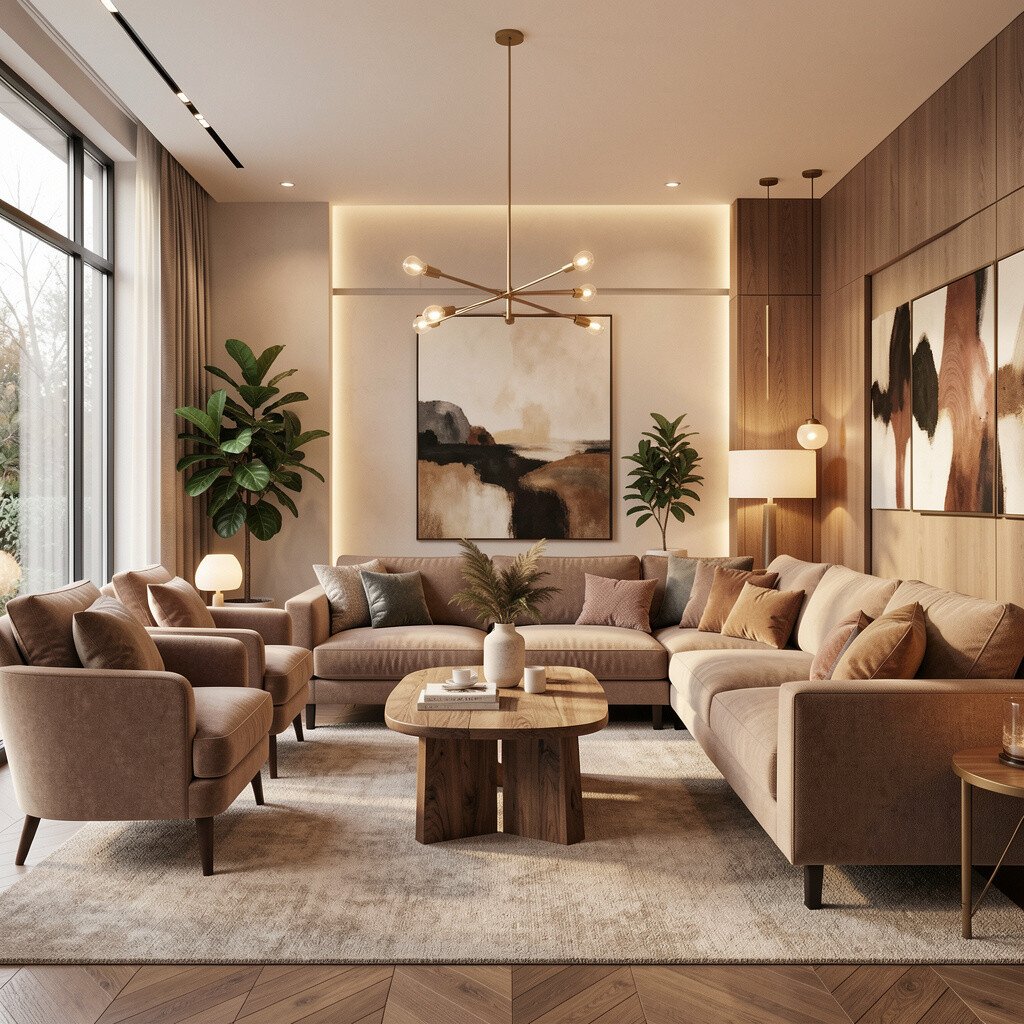
Swap harsh overhead bulbs for layered lighting that softens the whole room. Place warm lamps near seating so people feel invited to stay longer.
In the before look, the space may feel flat and a bit tiring on the eyes. After, you’ll see gentle pools of light that highlight textures like wood, fabric, and rugs, making the lounge feel calmer and more premium.
For a practical upgrade, use dimmers on key fixtures and choose bulbs with a warm color temperature. Consider adding one floor lamp for height and one table lamp for balance so the light feels intentional, not random.
2. Replace the Main Seating to Change the Mood
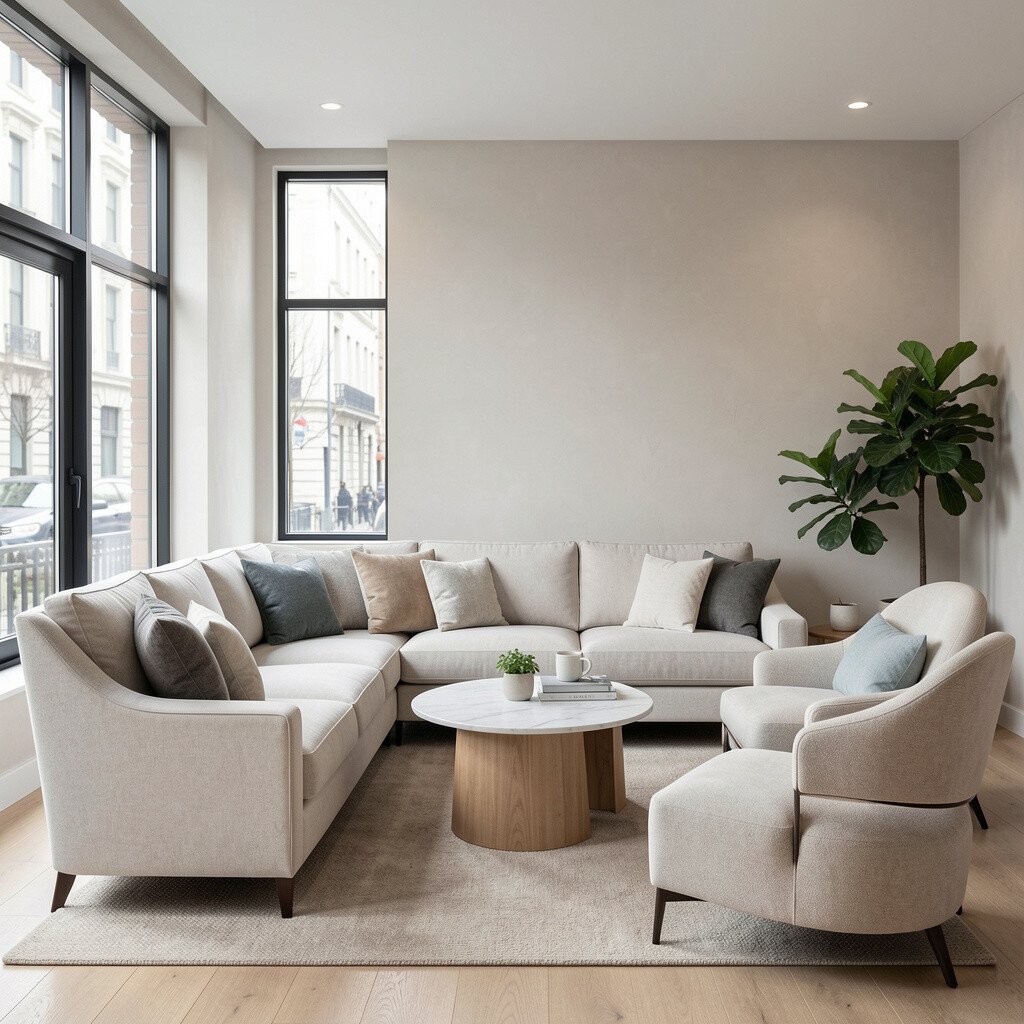
If your lounge seating is outdated or mismatched, the room often feels restless. Choose a main piece that anchors the space and makes conversations easier.
Before, cushions might look tired and the arrangement could block sightlines. After, you’ll likely notice better spacing, plus a clearer “home base” where everyone wants to sit.
When you pick a new sofa or sectional, test comfort in-store and check how deep the seats feel. For personalization, add removable covers or a throw in a color you love so the look can evolve without a full redesign.
Keep cost in mind by shopping during seasonal sales, measuring carefully, and considering modular pieces that can grow with your space. A slightly smaller but better-quality seat can feel like a bigger upgrade than a bulky option that doesn’t fit right.
3. Add a Statement Rug to Define the Lounge Zone
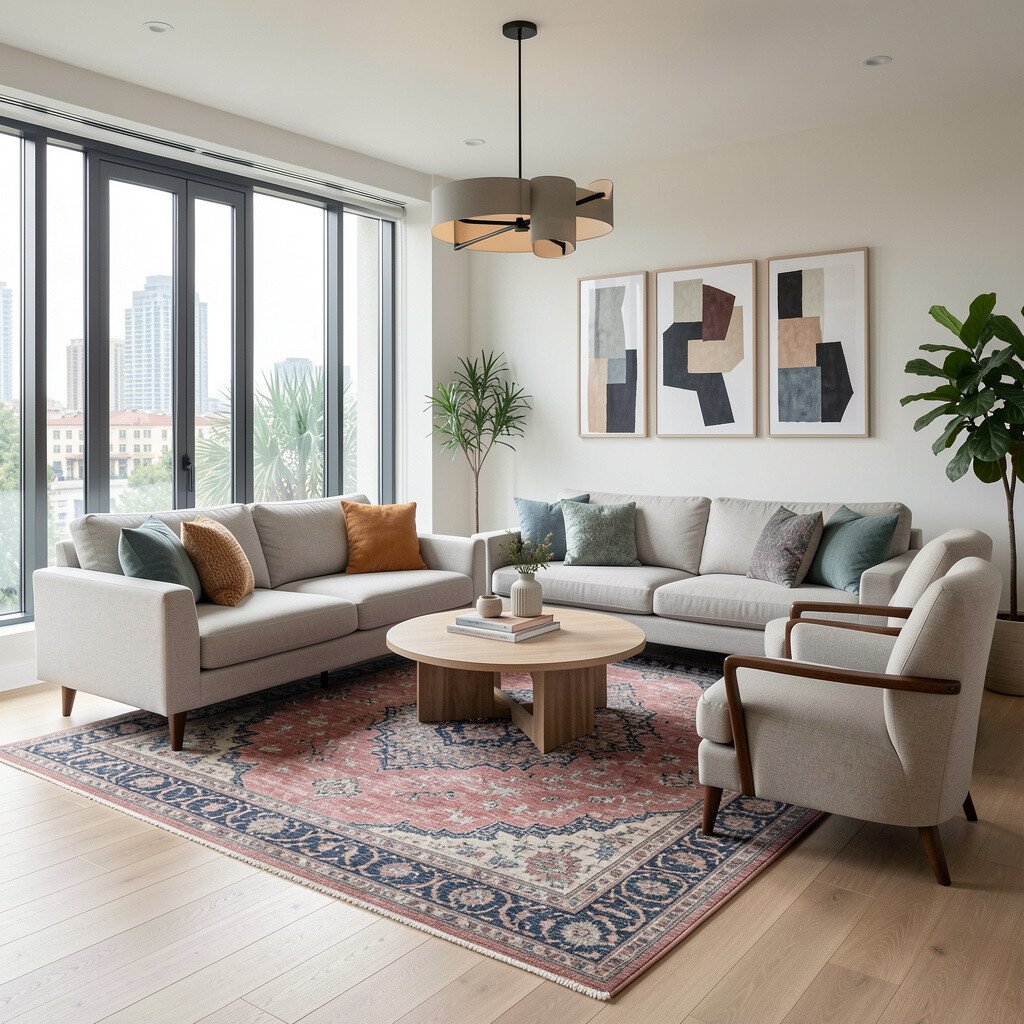
A big rug can instantly turn a casual seating area into a designed room. Choose one that fits the size of the conversation layout, not just the floor plan.
In the before version, the space may blend together, and furniture can look like it’s floating. After, the rug creates a visible boundary, helps anchor chairs and tables, and adds comfort underfoot.
Try pulling the front legs of seating onto the rug so the grouping looks neat and intentional. For practical comfort, pick a rug with a texture that hides everyday wear, especially if you have kids or pets.
4. Swap Curtain Styles for Higher-End Shape
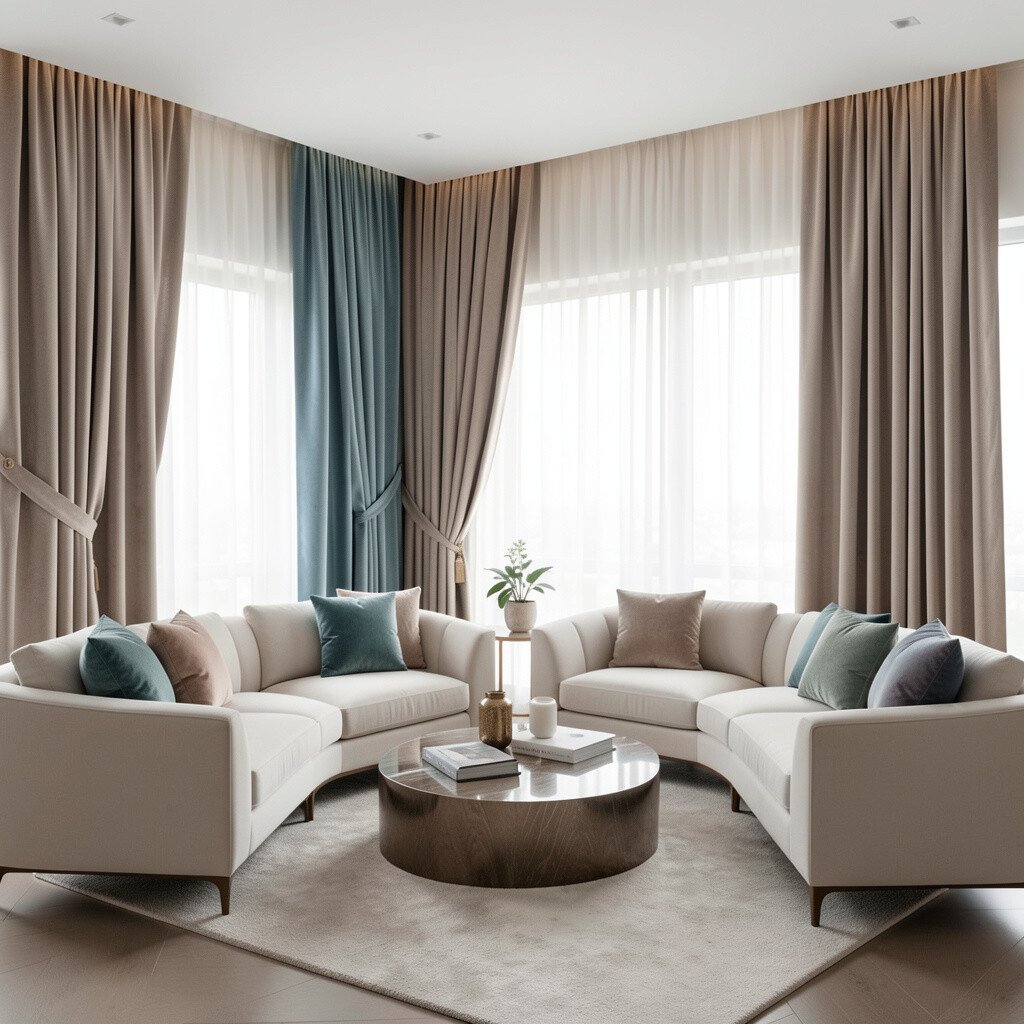
Changing window treatments is one of the fastest ways to make a lounge feel tailored. Choose curtains that hang higher and reach closer to the floor for a more polished look.
Before, your windows might look short or unfinished, even with nice furniture. After, you’ll see taller lines, better framing, and a softer feel that makes the room more relaxing.
For an easy win, use a track or rod mounted near the ceiling, then choose fabric that drapes well. If privacy matters, pair sheer panels with thicker blackout layers for flexibility through the seasons.
Consider your budget by choosing ready-made panels in a matching color family, then add budget-friendly curtain hardware that looks substantial. When you personalize, select a subtle pattern that brings warmth without overpowering your seating colors.
5. Refresh the Wall Color With a Calm, Modern Shade
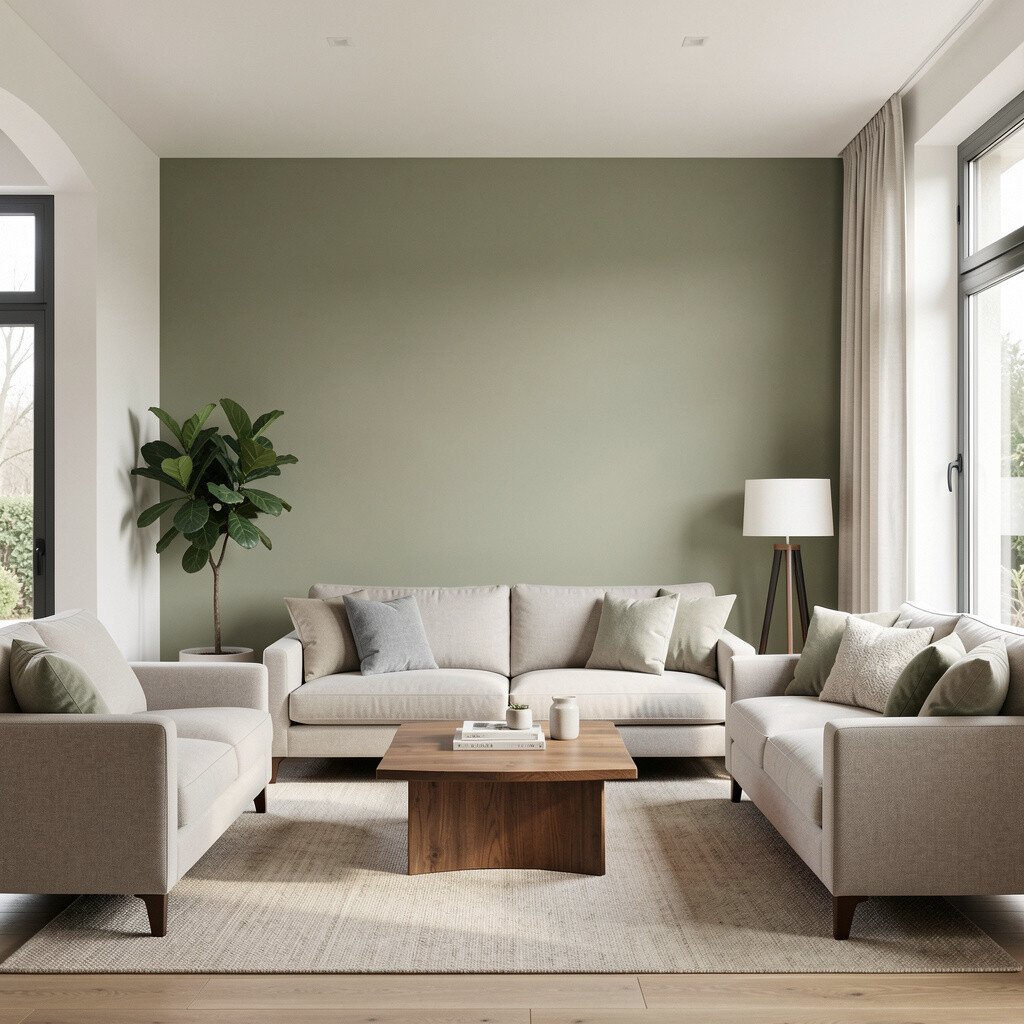
New paint can make the same furniture feel completely different. Pick a color that matches how you want the lounge to feel at night and in the morning.
Before, the room may feel dull or too busy, especially if walls compete with prints and textures. After, a calm neutral or gentle accent hue gives your decor room to breathe.
Test paint samples on different walls because light changes everything through the day. If you want personalization, paint one accent wall behind a console or media area, then echo the tone in pillows or artwork.
6. Create a Gallery Wall That Feels Collected
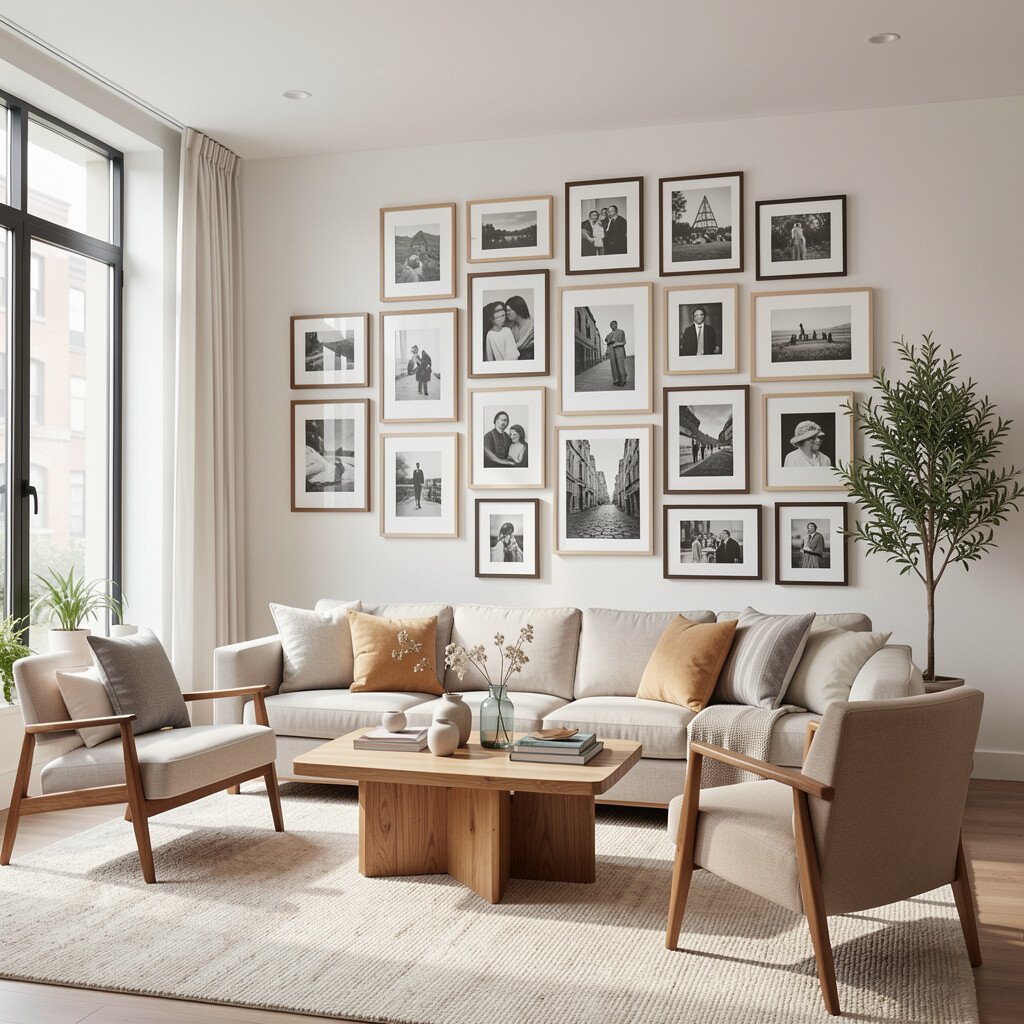
A gallery wall adds personality while keeping your lounge from feeling empty. Mix frames in a style you like, then repeat a color or material to keep it unified.
In the before look, bare walls can make the room feel temporary. After, you’ll get visual rhythm that draws the eye across the space and sparks conversation.
Try using art with different sizes, but keep the height centered so it looks balanced. For practical tips, lay frames out on the floor first, then measure spacing for consistent gaps.
If you’re thinking cost, shop for prints you love and place them in affordable frames, or reuse frames you already own. Personalize by including one piece that means something to you, like a photo print with a meaningful memory.
7. Upgrade the Coffee Table With Better Function
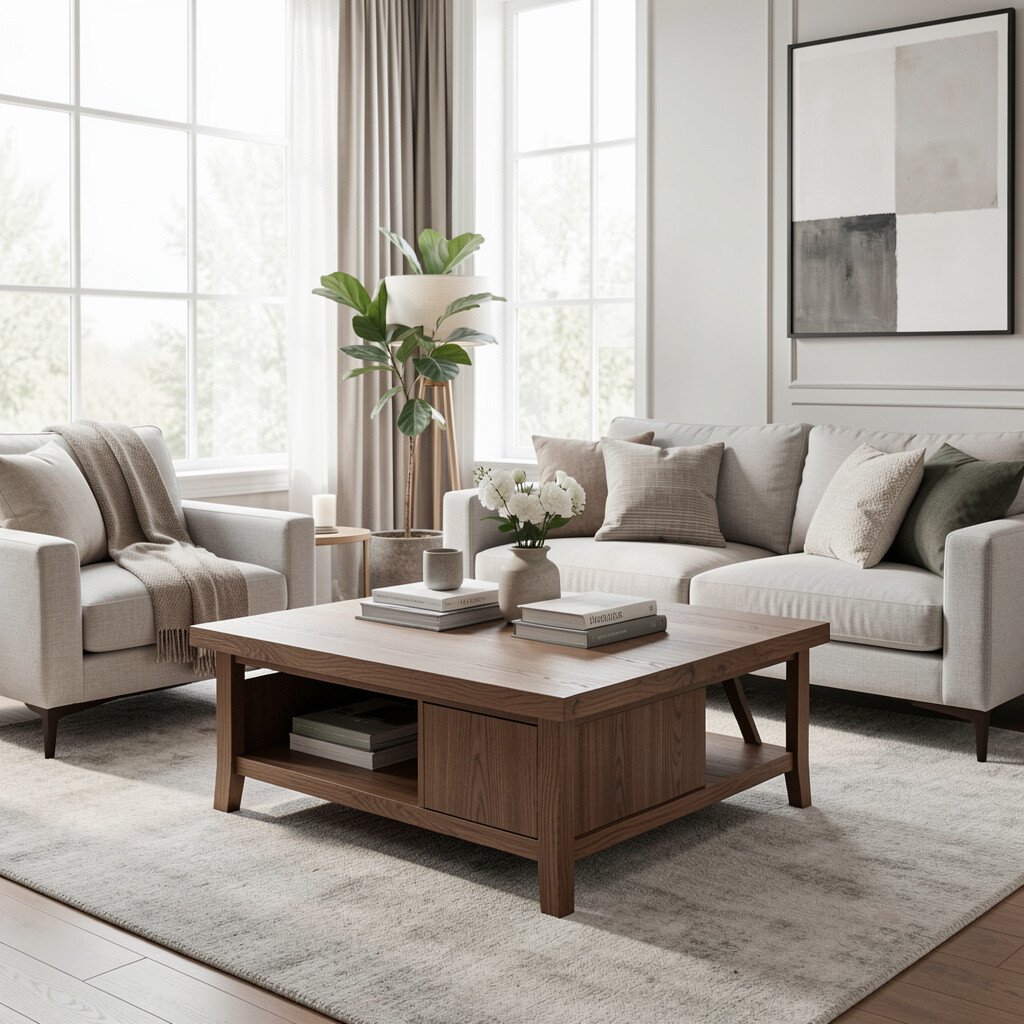
Your coffee table does more than look nice, it shapes how you live in the lounge. Consider a table with storage or a surface that makes everyday use easier.
Before, the table might be too small, too tall, or clutter-prone. After, you’ll see a smoother flow for snacks, books, remotes, and coasters that actually get used.
Look for features like a lift-top, hidden shelf, or nesting design so the space stays tidy. For personalization, choose materials that match your style, like a wood finish for warmth or a metal frame for a lighter feel.
Cost can be managed by selecting a secondhand piece with good bones and updating it with paint or a new top. A fresh finish often costs far less than a brand-new table and can look custom.
8. Add Smart Storage to Clear the Clutter
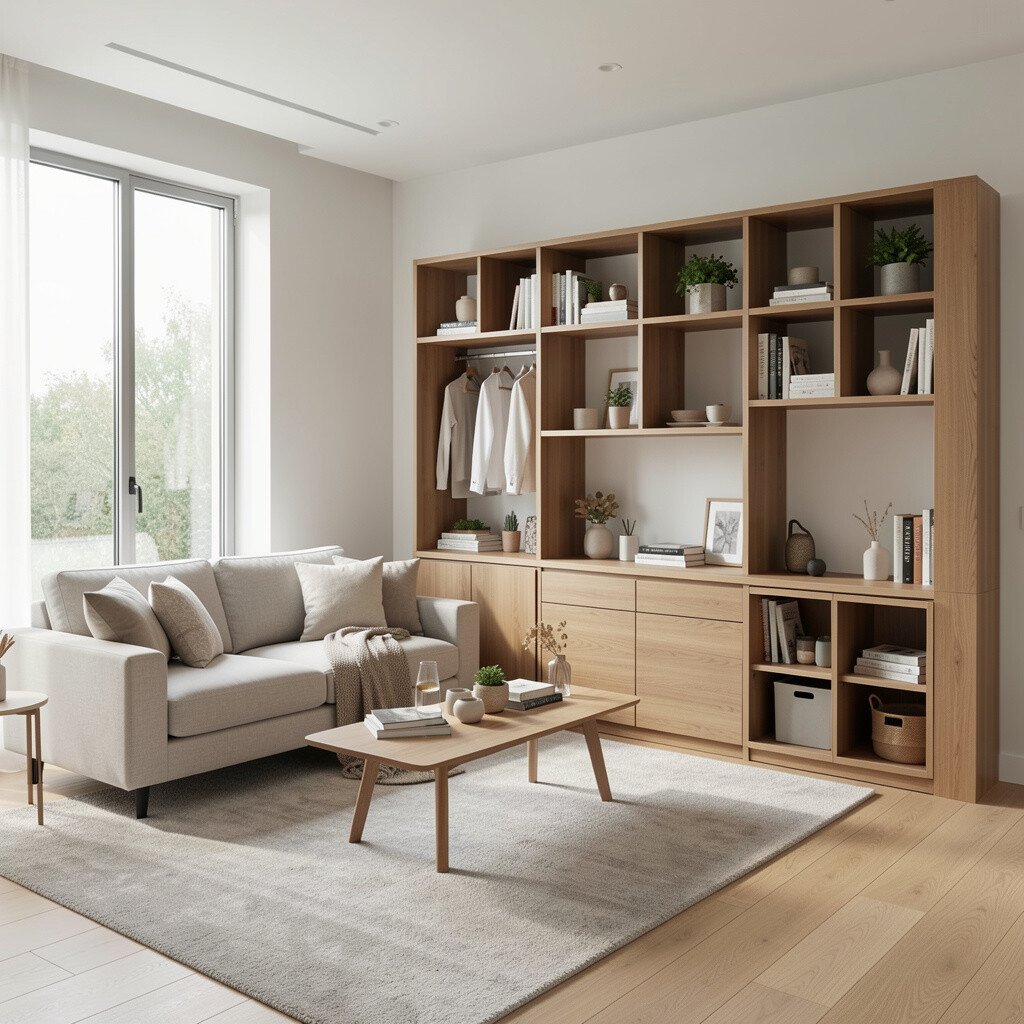
When items have no home, the lounge starts to feel messy, even if everything is “mostly fine.” Storage keeps the room looking calm and ready for guests.
In the before version, you might see electronics, magazines, or blankets scattered around. After, you’ll spot clean surfaces and a place for everything, which makes the lounge feel more grown-up.
Try a low cabinet, a sideboard, or baskets that match your color theme. A practical trick is to store frequently used items in front-facing containers so you still get quick access.
If you want personalization, add labels on the inside of doors or use a woven basket pattern that fits your decor. For cost, focus on one main storage piece that solves the biggest problem, then add smaller organizers as needed.
9. Improve Airy Flow With a Smarter Layout
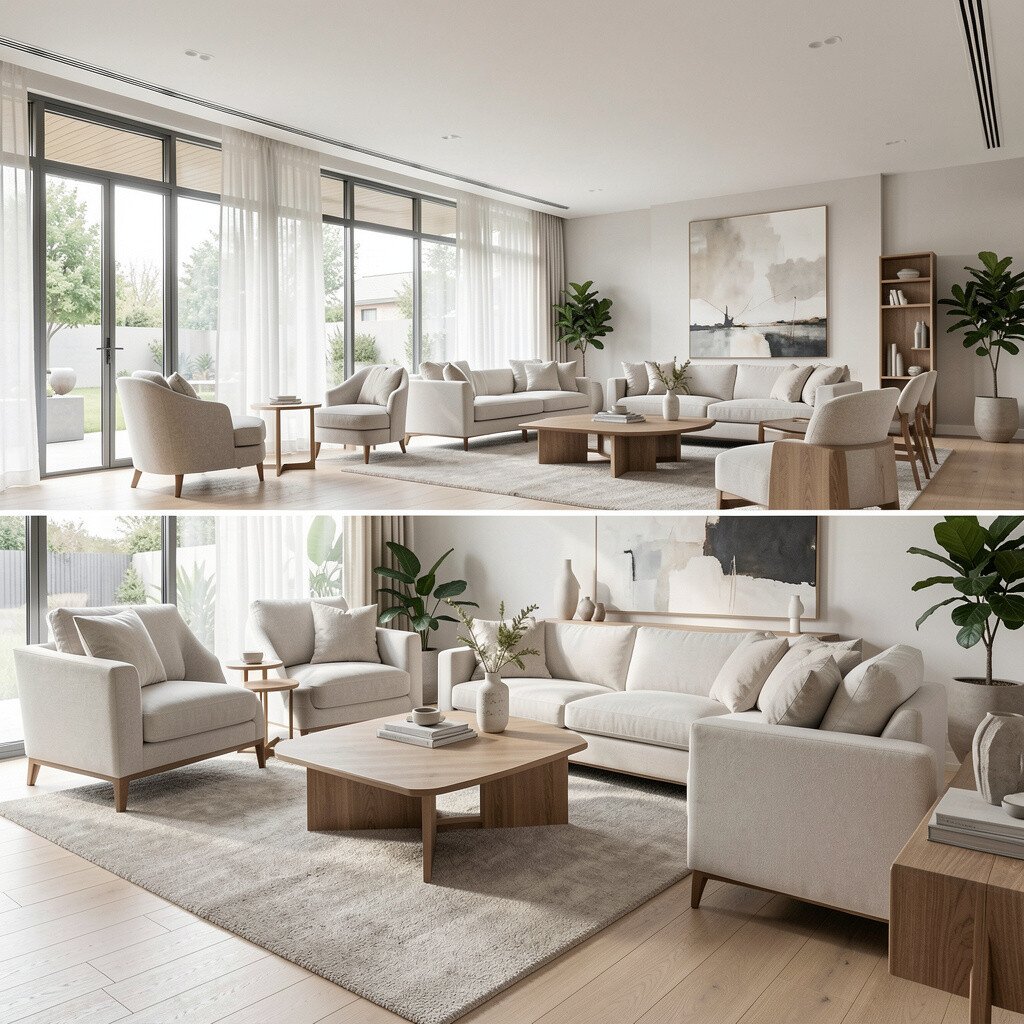
Layout changes can create a “before and after” feeling without buying much. Move furniture to improve walking paths and make seating feel closer.
Before, the room may have awkward gaps where people pause, or seating might face the wrong direction. After, you’ll feel a natural rhythm that supports chats, movie nights, and easy hosting.
Use a simple rule when arranging: leave enough space for people to pass comfortably. If your lounge is small, float the main seating slightly off the wall and center the conversation around the coffee table.
10. Choose Curtains and Blinds for Better Light Control
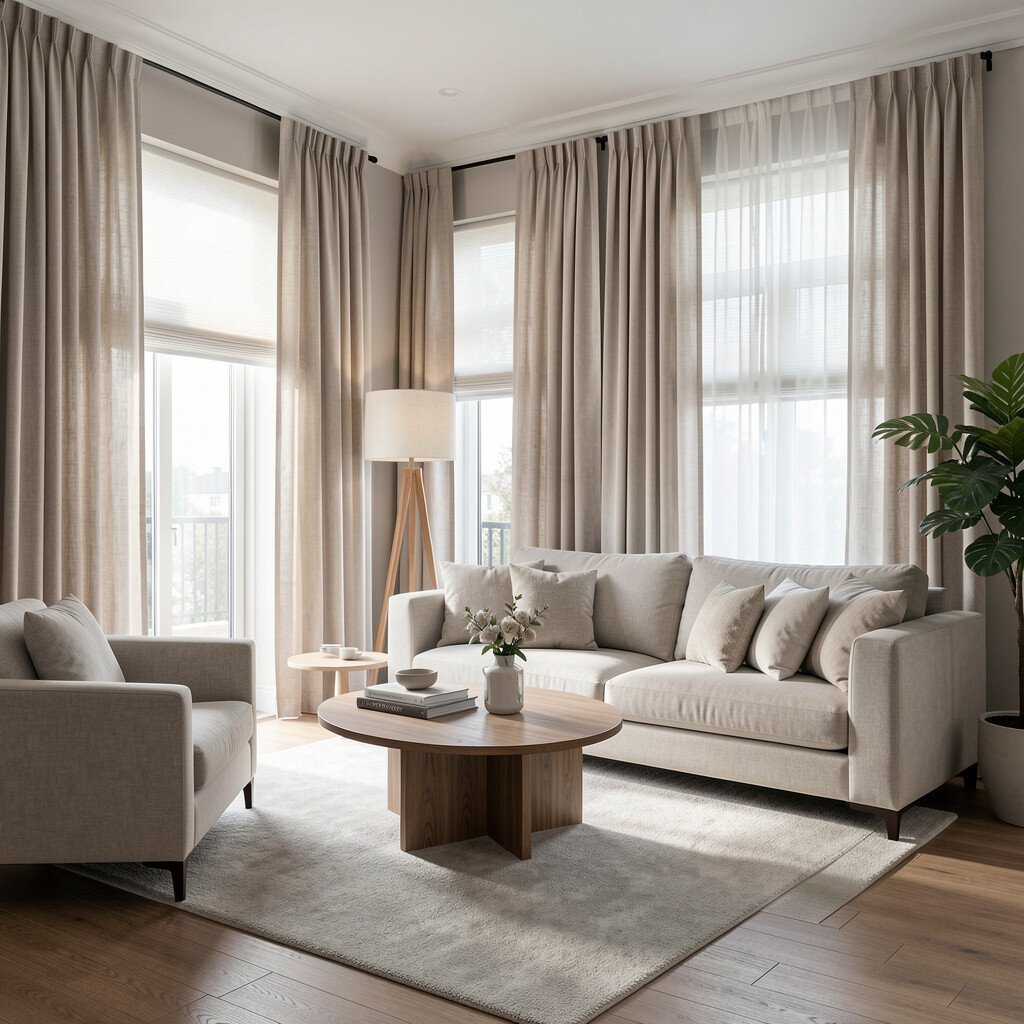
Good window control makes evenings feel cozy and mornings feel easier. Add blinds or curtains that help manage glare and privacy.
Before, bright sun may wash out TV screens or make the room too hot. After, you’ll get more comfortable lighting that supports reading, relaxing, and watching.
Try layering shades with curtains so you can fine-tune brightness throughout the day. For personalization, choose a fabric or color that complements your rug and wall tones for a unified look.
To handle cost, start with one window at a time, especially the one that gets the most sun. You can also reuse existing rods and upgrade just the shade panels or hardware for a noticeable shift.
11. Style the Mantel, Shelf, or Console Like a Story
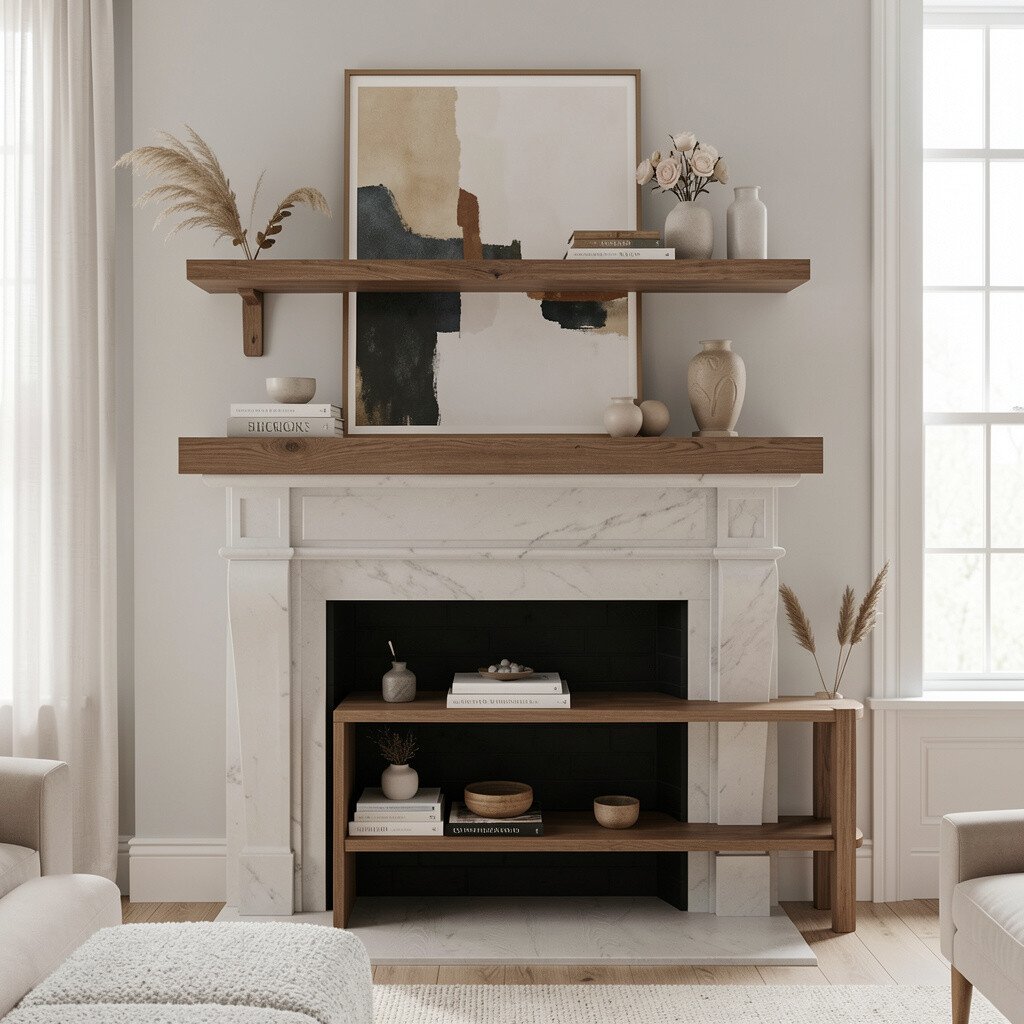
A well-styled surface makes the whole lounge feel intentional. Choose a few items that work together and leave some breathing space so it doesn’t feel crowded.
Before, shelves might hold random objects or sit empty and awkward. After, you’ll see a tidy lineup with height, texture, and a focal point that looks good from across the room.
Try mixing a larger frame or mirror with smaller pieces like candles, books, and a plant. A practical tip is to keep most items in a matching color range, then add one pop color for interest.
12. Bring Comfort With Texture Through Pillows and Throws
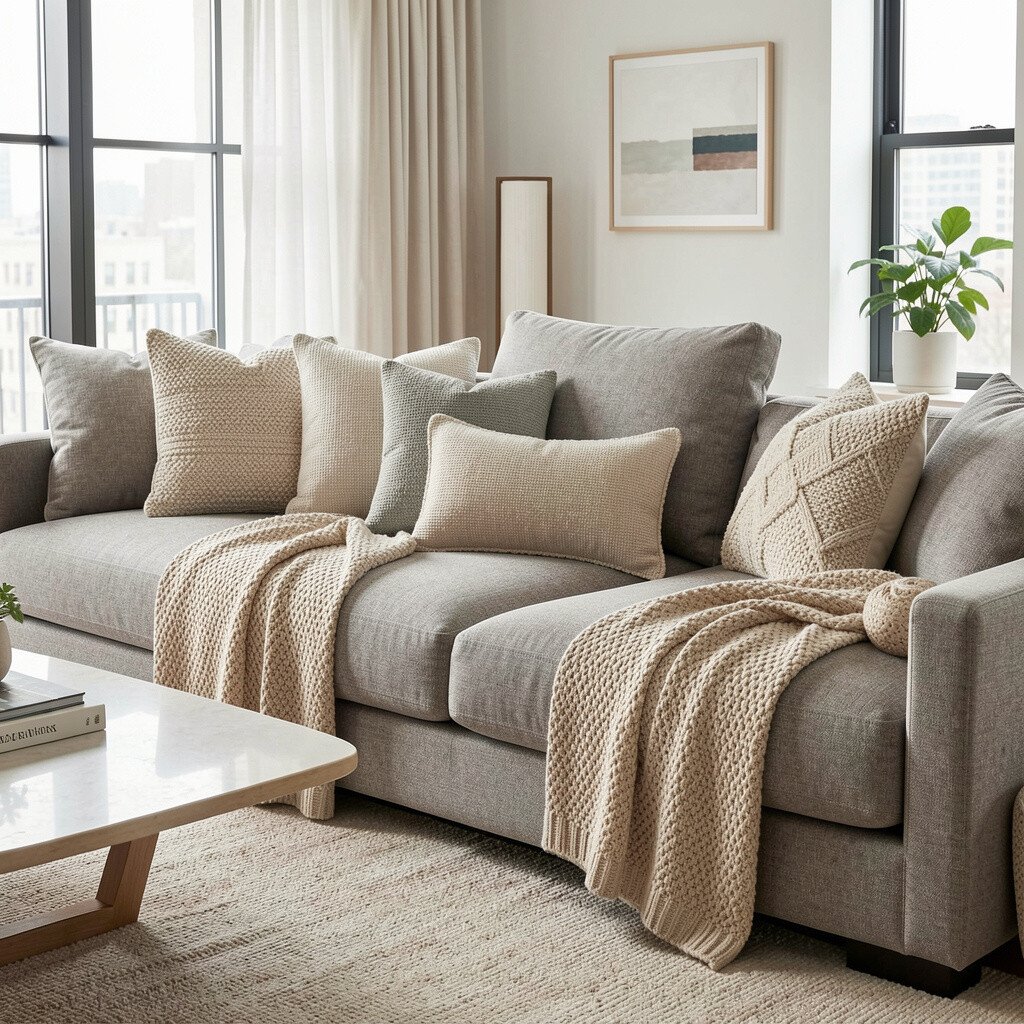
Texture is what makes a lounge feel soft and inviting. Swap flat-looking cushions for layered fabrics that you want to touch.
Before, your seating might look nice but feels a bit stiff or plain. After, you’ll notice cozy depth from knit throws, patterned pillows, and smooth upholstery that catches light.
For personalization, choose a repeat theme like warm neutrals plus one accent color. Practical comfort matters too, so pick pillow covers you can wash and throws that are easy to move around.
If you’re watching costs, buy one or two standout pillow designs at a time and rotate them seasonally. This keeps the room fresh without forcing a full redesign every year.
13. Add a Floor Lamp for Height and Personality
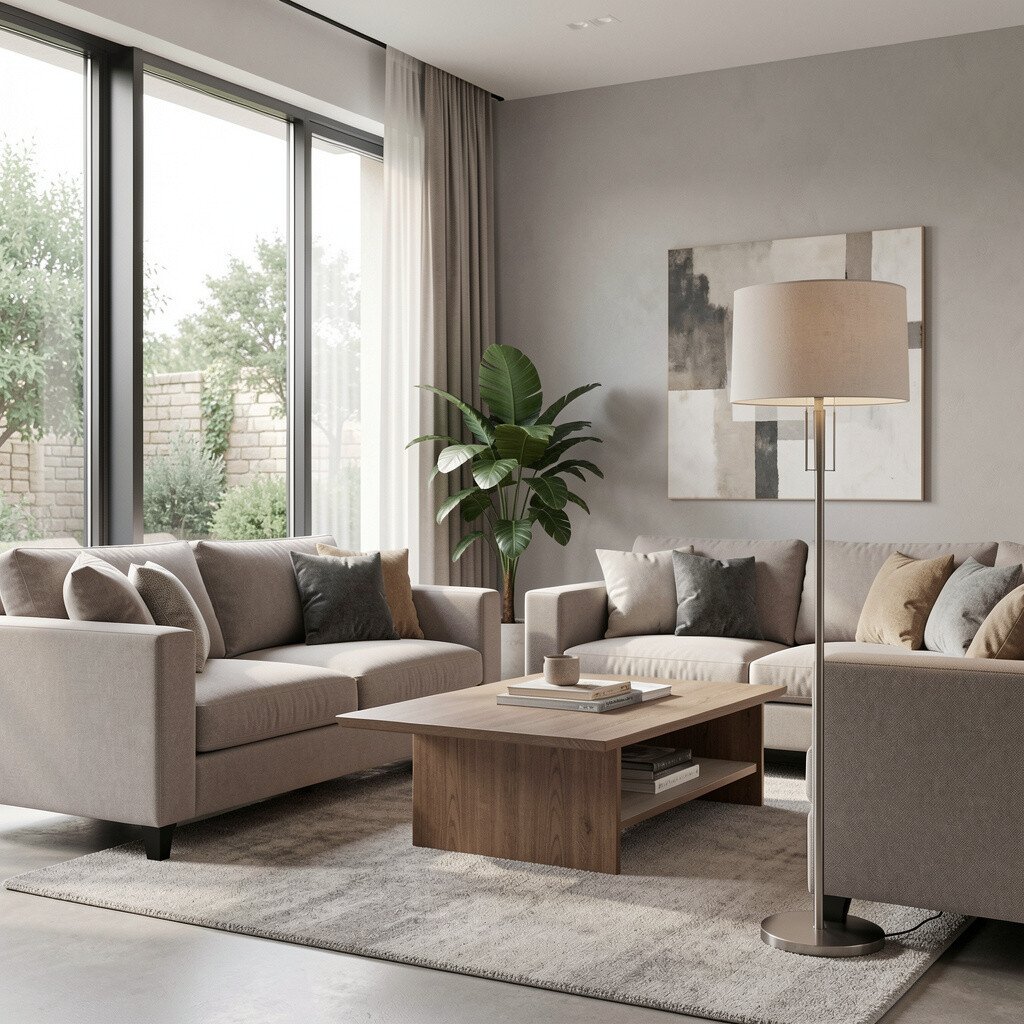
Floor lamps add vertical style and make the lounge feel more layered. They also help create flattering light without relying on ceiling fixtures.
In the before look, corners can feel dark and underused. After, the lamp brightens a reading spot and gives the room a warmer, more welcoming glow.
Pick a lamp with a shade shape that matches your style, like a linen drum shade for softness or a sleek metal shade for a modern feel. For practical placement, keep the lamp within reach of seating so it becomes part of daily comfort.
Cost considerations are easy here since many floor lamps come in wide price ranges. If you want personalization, choose a base color that echoes your hardware or light fixtures and swap shades later if you change your palette.
14. Upgrade Hardware and Switch Plates for Instant Neatness
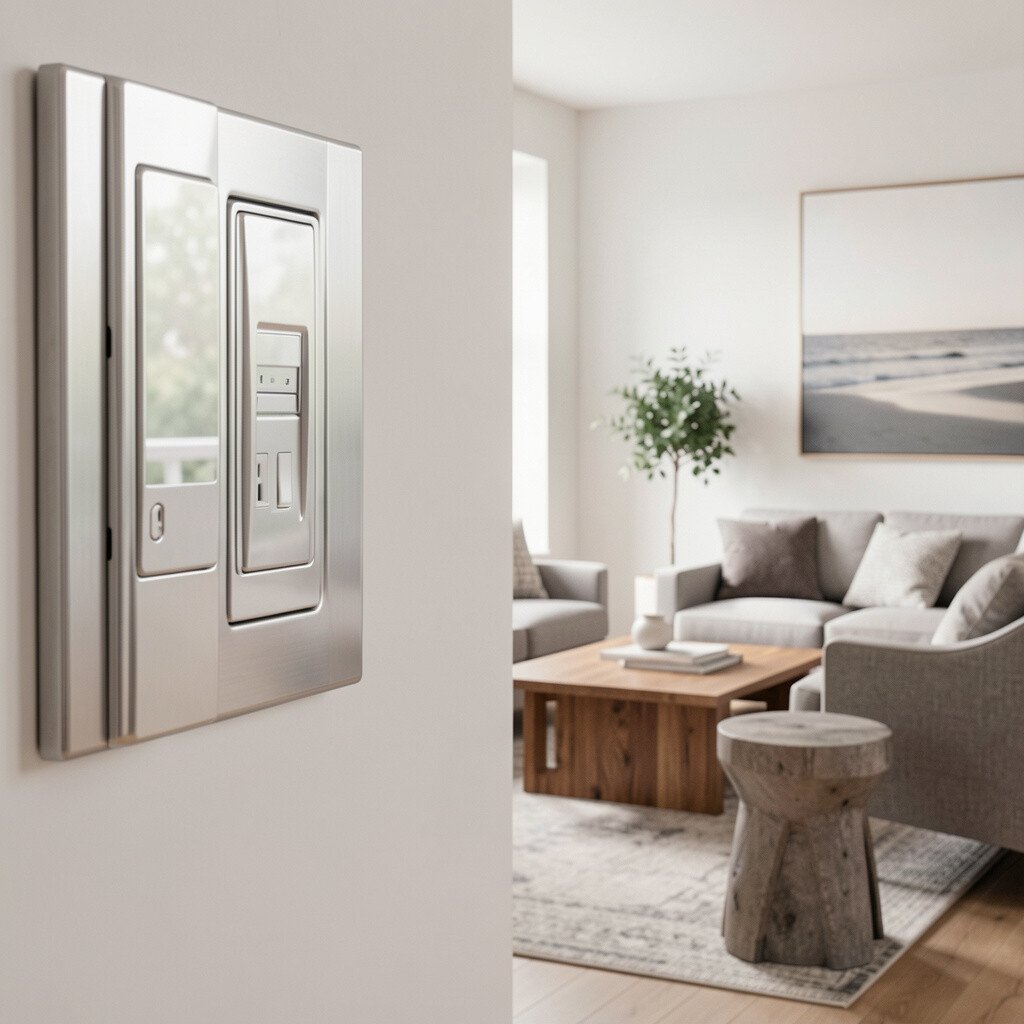
Small details can make a room feel freshly finished. Swapping switch plates, cabinet pulls, and outlet covers can make everything look more cohesive.
Before, mismatched hardware may distract from your decor. After, you’ll notice a smoother visual flow where the room feels more carefully put together.
Choose finishes that match your existing accents, like matte black for a modern vibe or brushed brass for warmth. For practical tips, use the right measurements and turn off power when replacing anything electrical.
Cost can stay low because these upgrades often require only a few items. Personalization is simple too, since hardware gives you a chance to pick the exact finish you want without repainting or replacing big furniture.
15. Use Mirrors to Make the Room Feel Larger
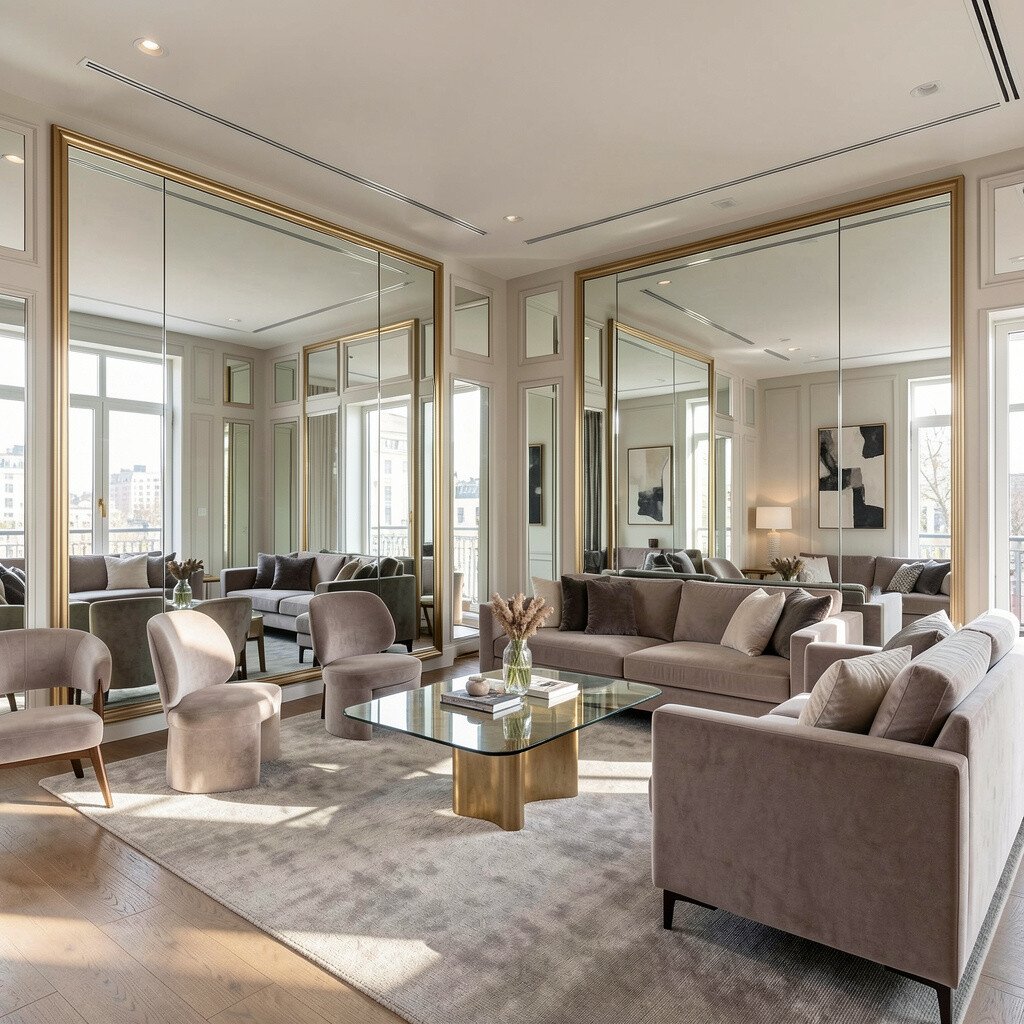
Mirrors add light and make a lounge feel more open. Place one where it reflects a pleasing view or a light source.
Before, the room might feel cramped and heavy, especially if the layout blocks daylight. After, you’ll see extra brightness and depth that makes the space feel more comfortable.
For practical placement, hang a mirror opposite a window or near a lamp to bounce glow around. Personalize with a frame style that fits your decor, like arched for softness or geometric for a modern edge.
16. Add a Cozy Reading Nook Within the Lounge
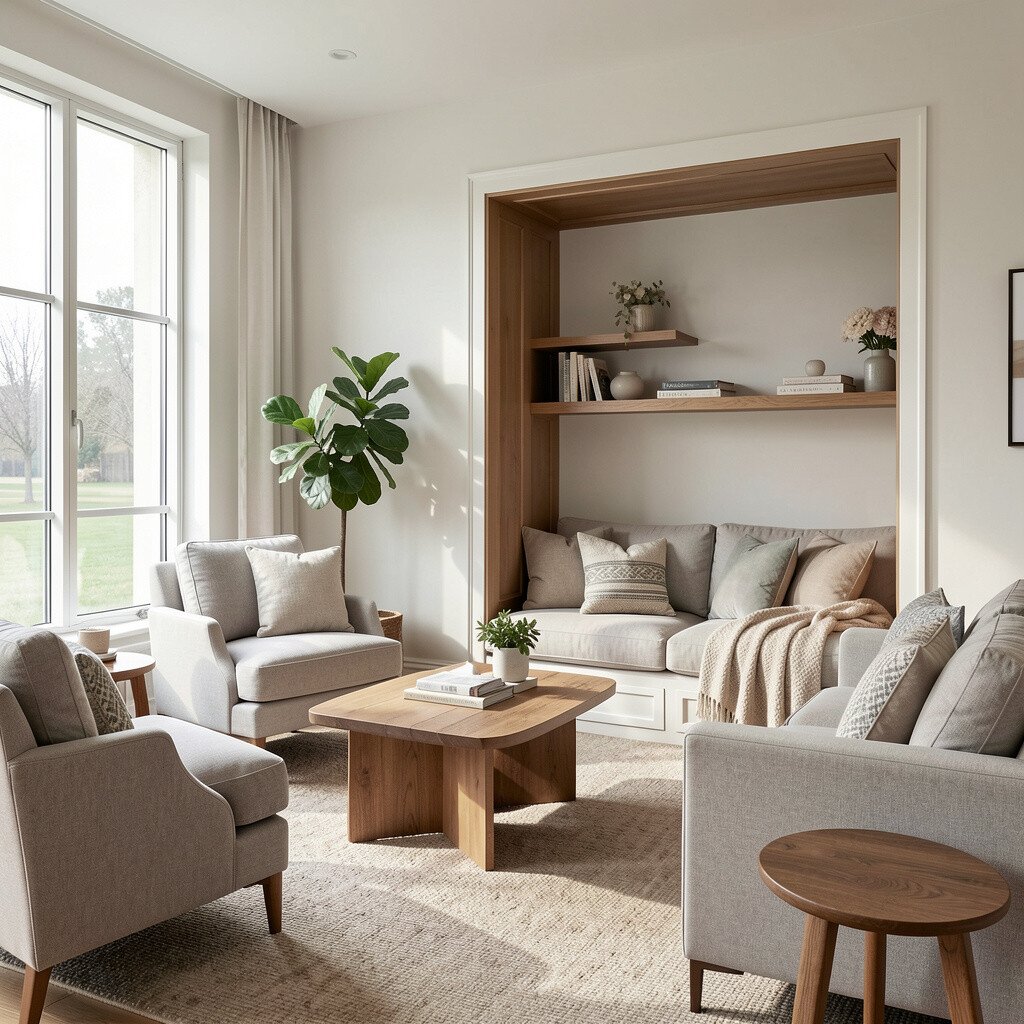
You can carve out a small retreat inside the larger lounge area. Choose a comfy chair, add a side table, and make the lighting perfect for slow evenings.
Before, everything might feel the same, with no special spot to look forward to. After, your lounge gains a purpose, and the room feels more lived-in and inviting.
Try positioning the chair near a window or under a lamp, then layer a throw and a small rug to define the zone. For personalization, pick a color story for the nook so it feels cohesive but still special.
Cost considerations can be gentle since you can start with lighting and a chair you already love. If you shop new, look for sale bundles like lamp plus side table to stretch your budget.
17. Style Electronics With a Media Setup That Looks Clean
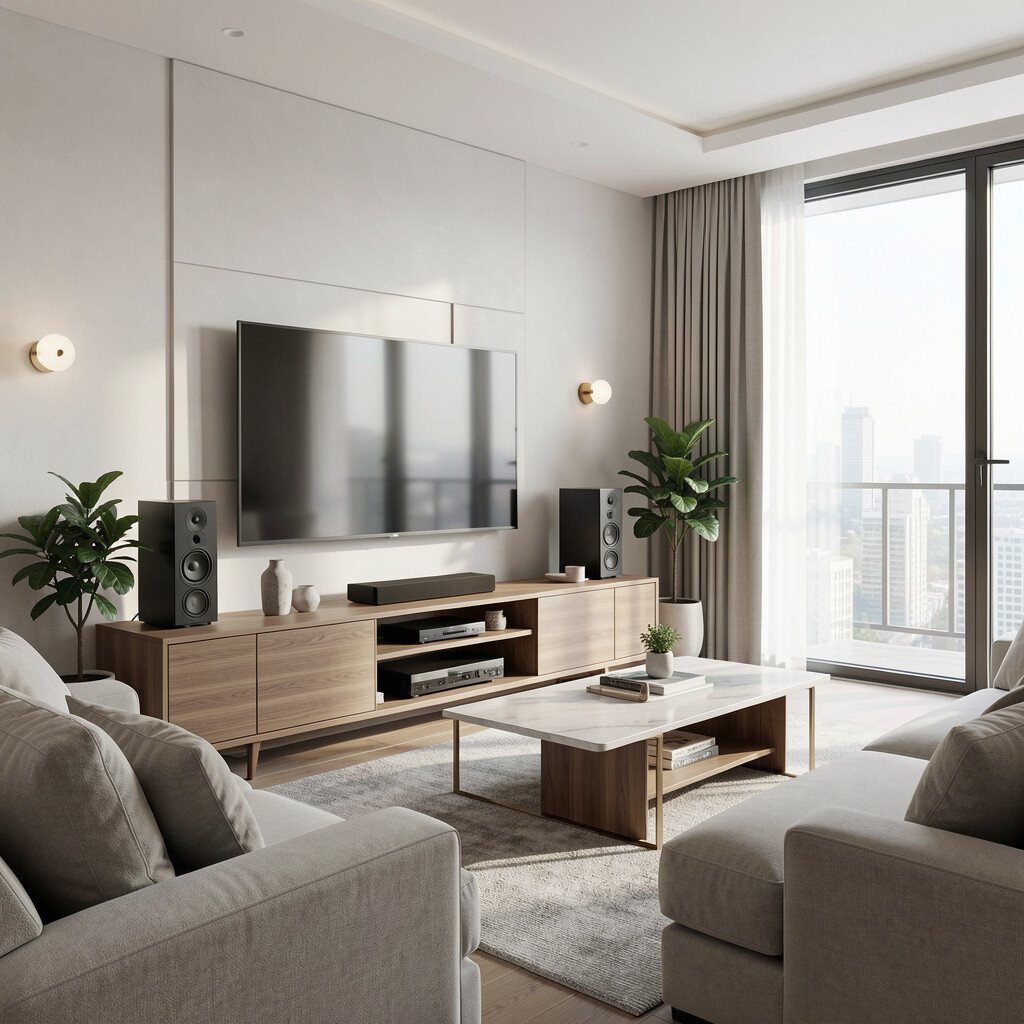
Media gear can look messy, even when it works perfectly. A cleaner setup makes the lounge feel calmer and more intentional.
Before, you might see tangled cords, a cluttered console, or screens that dominate the room. After, the area becomes a focal point that’s neat, stylish, and easy to use.
Try hiding cords with cable covers and using a console with doors to hide extras. For personalization, choose decor around the TV such as framed art or a couple of matching storage boxes for a curated look.
If you’re cost-conscious, manage the biggest visual problems first by covering cables and improving console styling. Later, you can upgrade speakers or add a soundbar when your budget allows.
18. Switch Up Style With Bold Accent Colors in Small Places
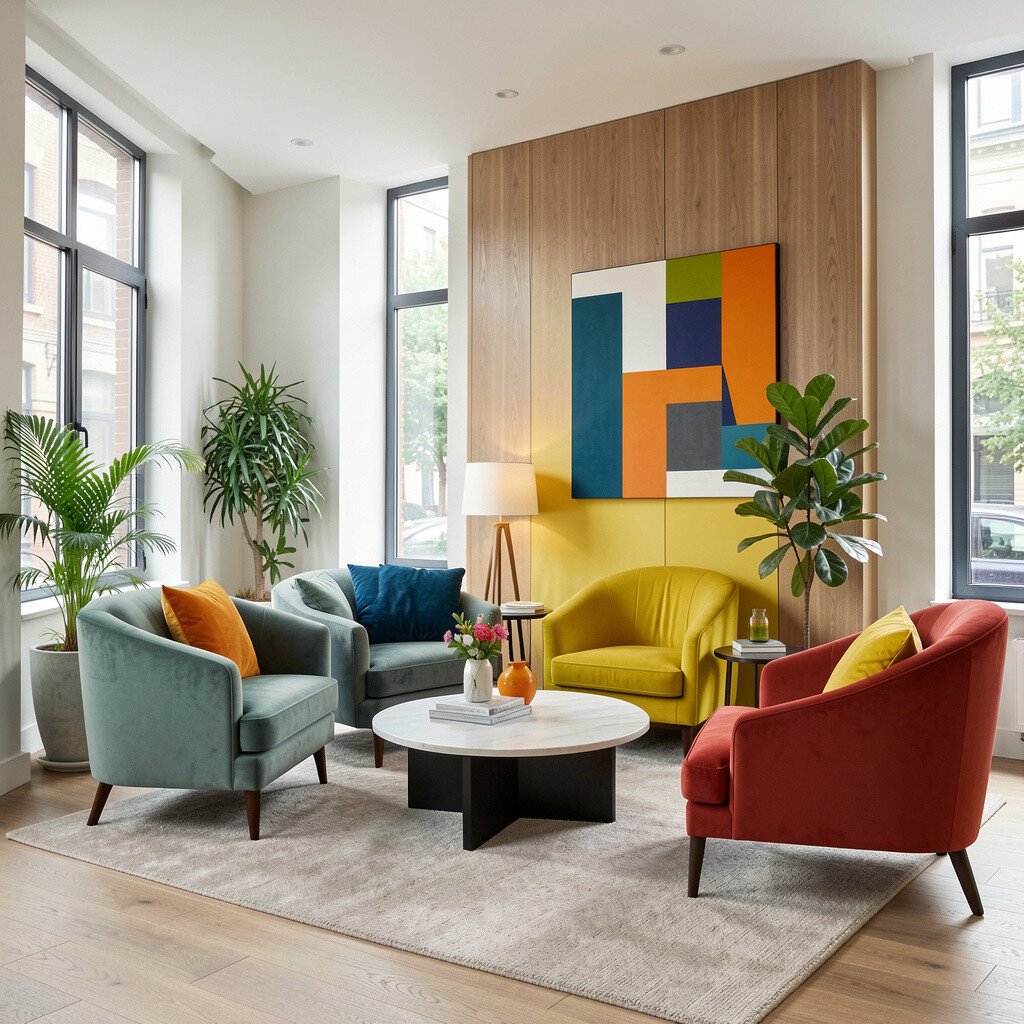
Accent color adds energy without forcing a full redesign. Use it in a few visible spots so the lounge feels lively but still balanced.
Before, the room might feel safe and neutral, but also a little too quiet. After, a bright cushion, a colorful vase, or an eye-catching frame gives the space a signature look.
Choose an accent that matches your personality, like teal for calm vibrancy or terracotta for warmth. For practical tips, keep most surfaces neutral and let accents appear in repeat places so it looks planned.
Cost considerations are friendly here because small decor items are easier to swap. Personalize by rotating accents by season, like changing pillow colors or artwork for holidays and weather shifts.
19. Choose Sustainable Materials for a Feel-Good Upgrade
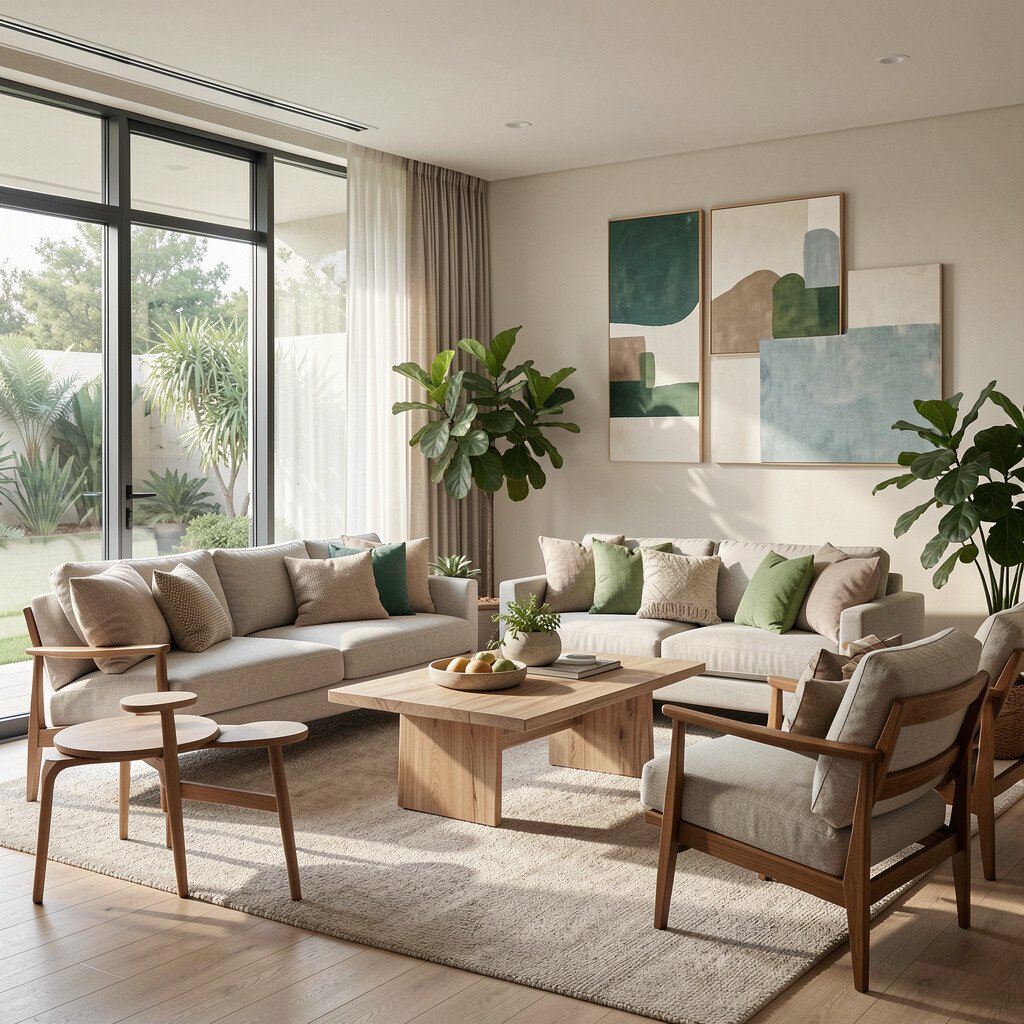
Sustainable choices can make your lounge feel better in more ways than one. Natural fibers and responsibly made furniture often look richer over time.
Before, your space may use materials that wear quickly or feel less comfortable. After, you’ll notice comfort, improved texture, and a warm look that feels grounded and unique.
Look for options like FSC-certified wood, recycled metal frames, or upholstery with durable fabrics meant for everyday life. For practical personalization, blend sustainable pieces with your favorite patterns so the room still feels like you, not like a showroom.
Cost considerations matter, since some sustainable items cost more upfront. However, buying fewer higher-quality pieces and choosing timeless colors can help you spend smarter and enjoy the lounge longer.