
Minimalist apartments look calm from the street, but they work hard behind the scenes. Once you know what to expect, the style feels easier, not emptier.
Done well, a minimalist home gives you room to breathe, move, and think. It also changes how you shop, clean, and live day to day.
1. Choose Fewer Things Without Feeling Poor
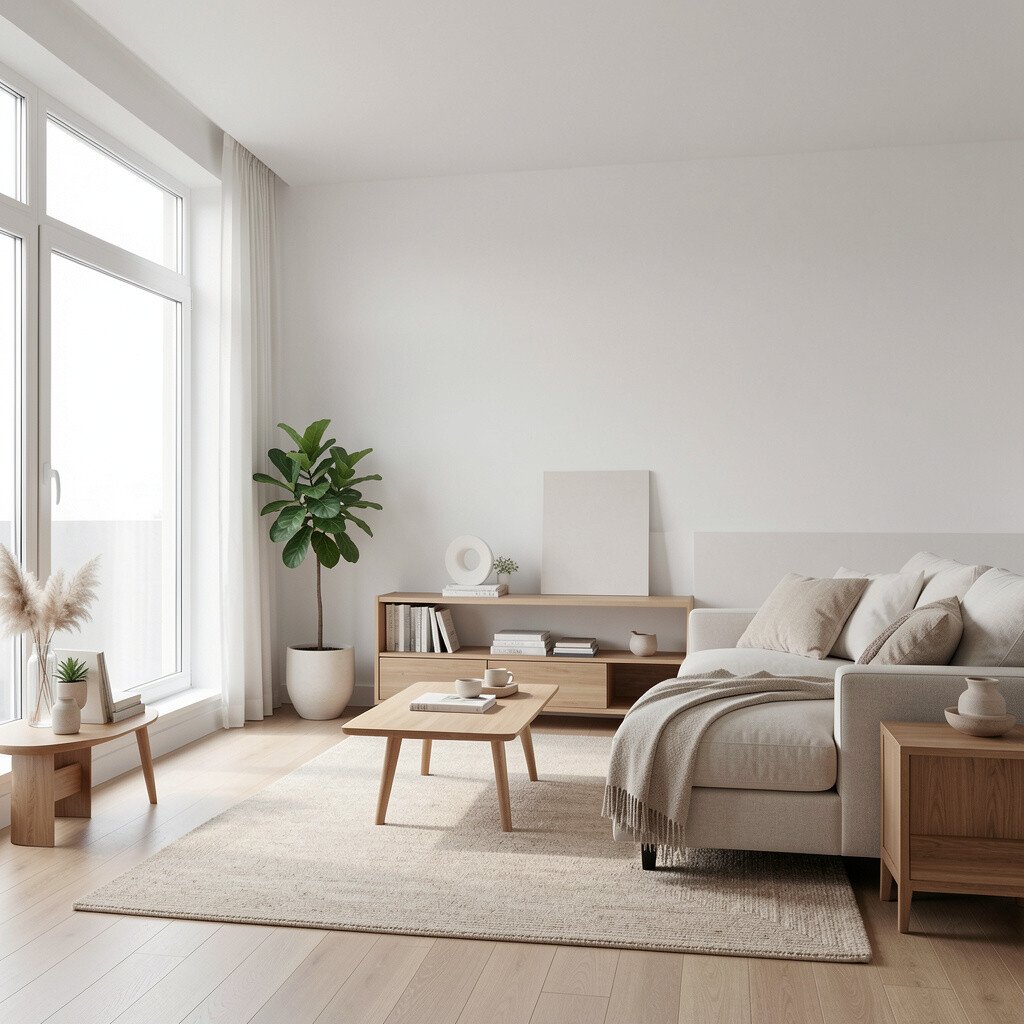
One of the first surprises is that “less” can feel expensive at the start. When you’re replacing clutter with better items, the budget can wobble.
Start by keeping what already works, then improve only one category at a time. A great minimalist apartment often uses a few higher-quality pieces and lets them be seen, not hidden.
2. Let Natural Light Do the Decorating Work
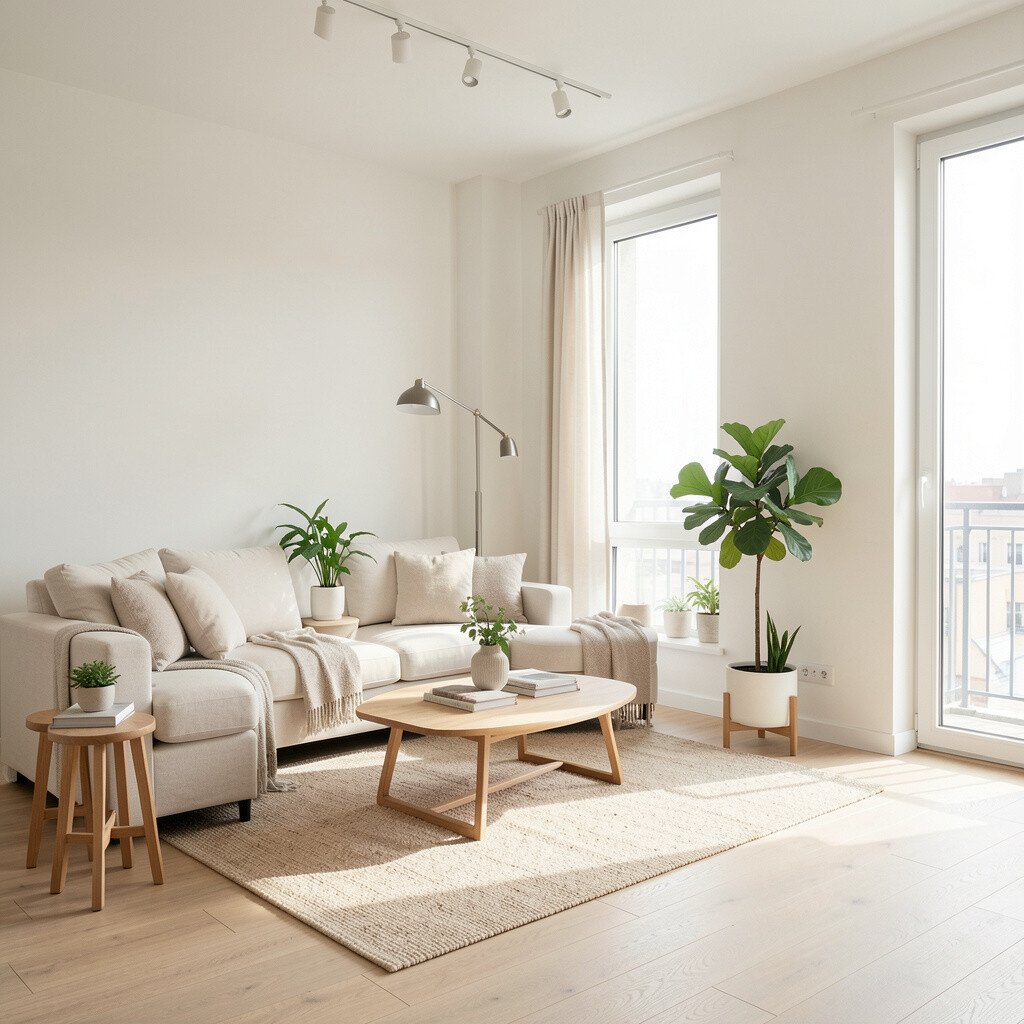
Picture your living room during the day. Light pours in, bounces off pale walls, and makes everything feel larger without adding more furniture.
Choose window treatments that soften glare instead of blocking it, like sheer curtains or light blinds. This is one of the easiest ways to get that airy look while still keeping privacy.
When you place a mirror across from a window, the room looks brighter and calmer. It also helps you notice dust and smudges faster, which keeps the space looking cared for.
3. Plan Your Storage Like a Map, Not a Closet

A minimalist apartment can feel organized even if your closet is messy. The secret is that storage has a purpose and a location.
Think about how you use your day, then put items near where you need them. Utensils near cooking, mail near the entry, and everyday bags where you can grab them on the way out.
Use simple dividers, bins, or trays so small things don’t drift. Even one clear organizer can prevent the “where did it go?” feeling that ruins the vibe.
When storage has a system, you spend less time tidying and more time living.
4. Watch How Sound Changes in Open Space

Minimal rooms often have smooth surfaces and open sight lines. That can make echoes more noticeable, especially with hard floors and bare walls.
Add softness through rugs, curtains, and even a few fabric-covered items. You get warmth and comfort, and the apartment feels less like a showroom.
5. Make One “Landing Zone” for Daily Life
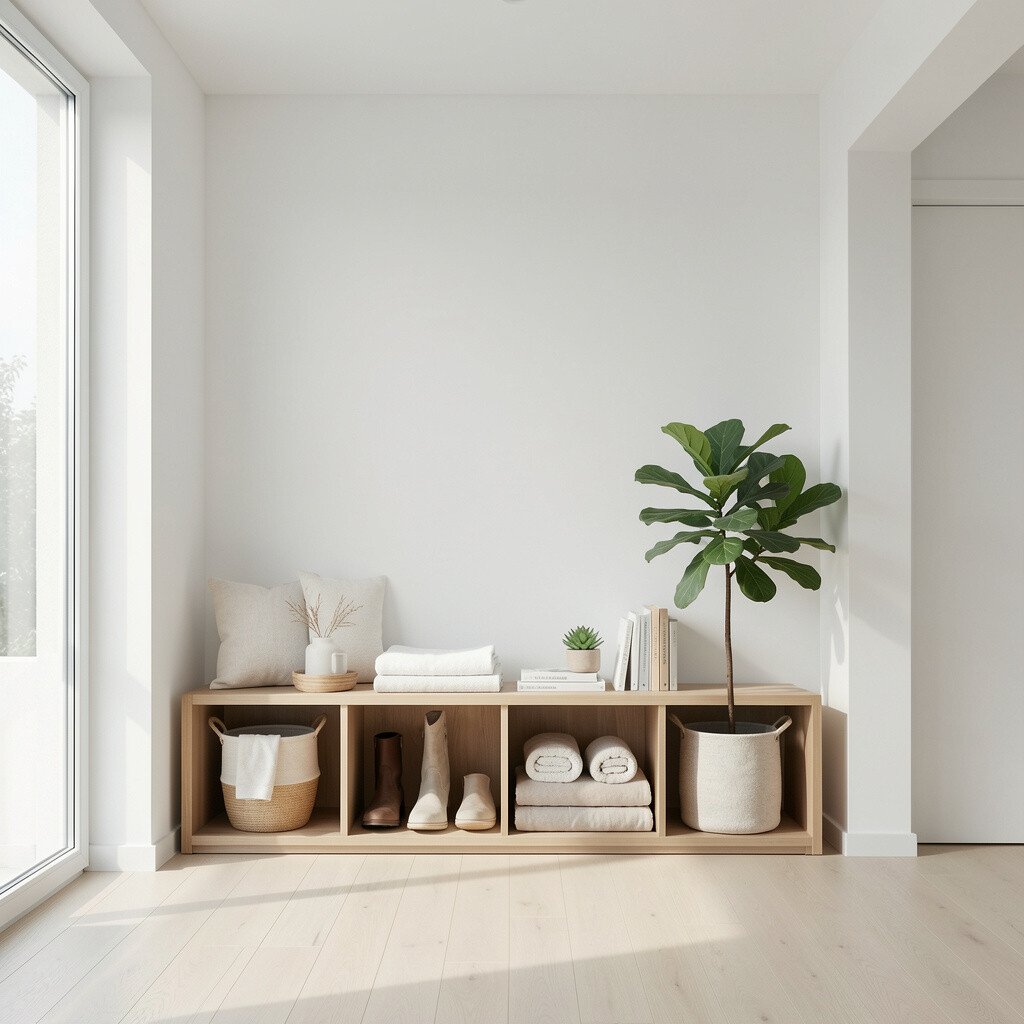
People underestimate how much you need a place for the stuff you touch every day. Keys, chargers, a reusable bottle, and a casual bag all want to land somewhere.
Pick one spot near the door or near where you drop in after work. Put a small tray, wall hook, or narrow shelf there so items stay together.
When your landing zone is reliable, you stop seeing little piles everywhere. That alone makes the whole apartment look intentional.
6. Empty Space Is a Design Tool, Not a Mistake
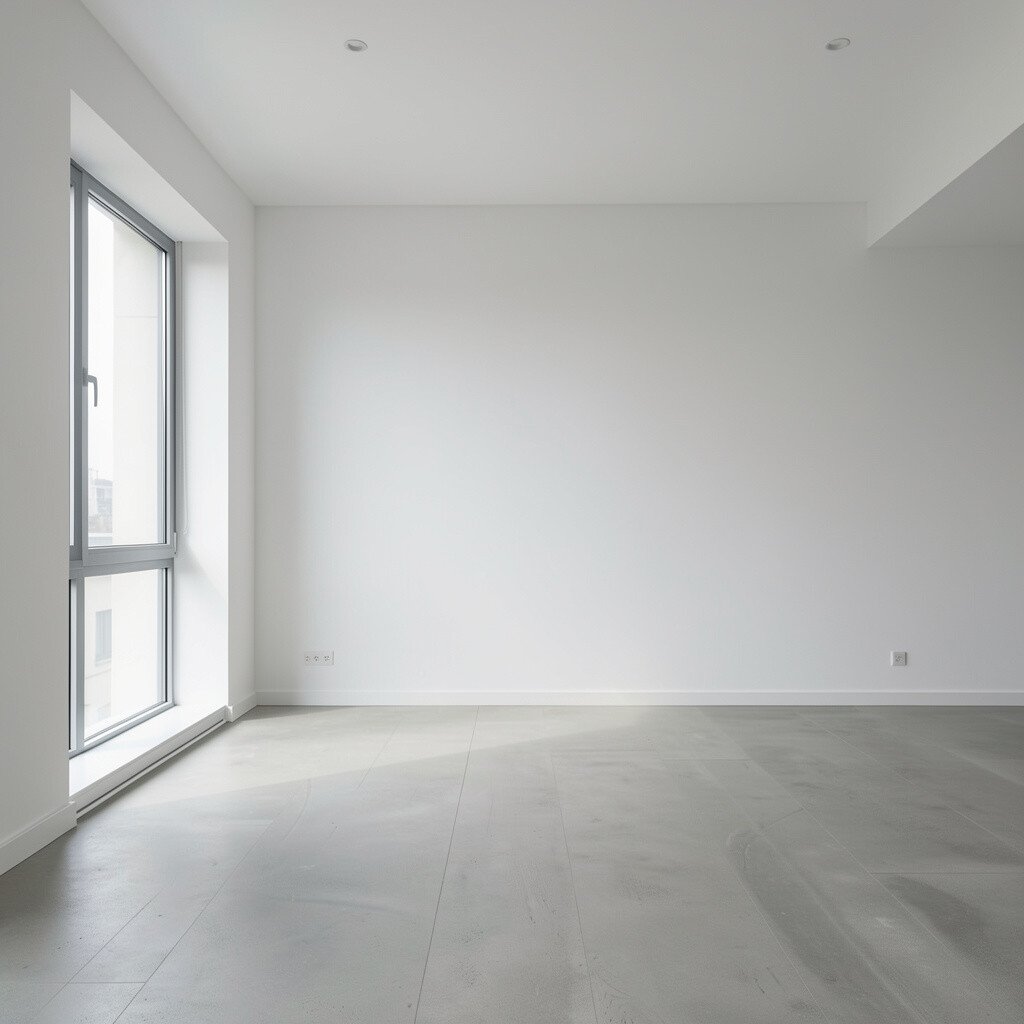
At first, blank wall space can feel awkward, like the room is missing something. But empty space actually guides the eye and creates breathing room.
Choose a few focal points, such as one framed print, a plant, or a sculptural lamp. Everything else can stay quiet so those choices feel meaningful.
7. Treat Cleaning Like a Routine, Not a Project
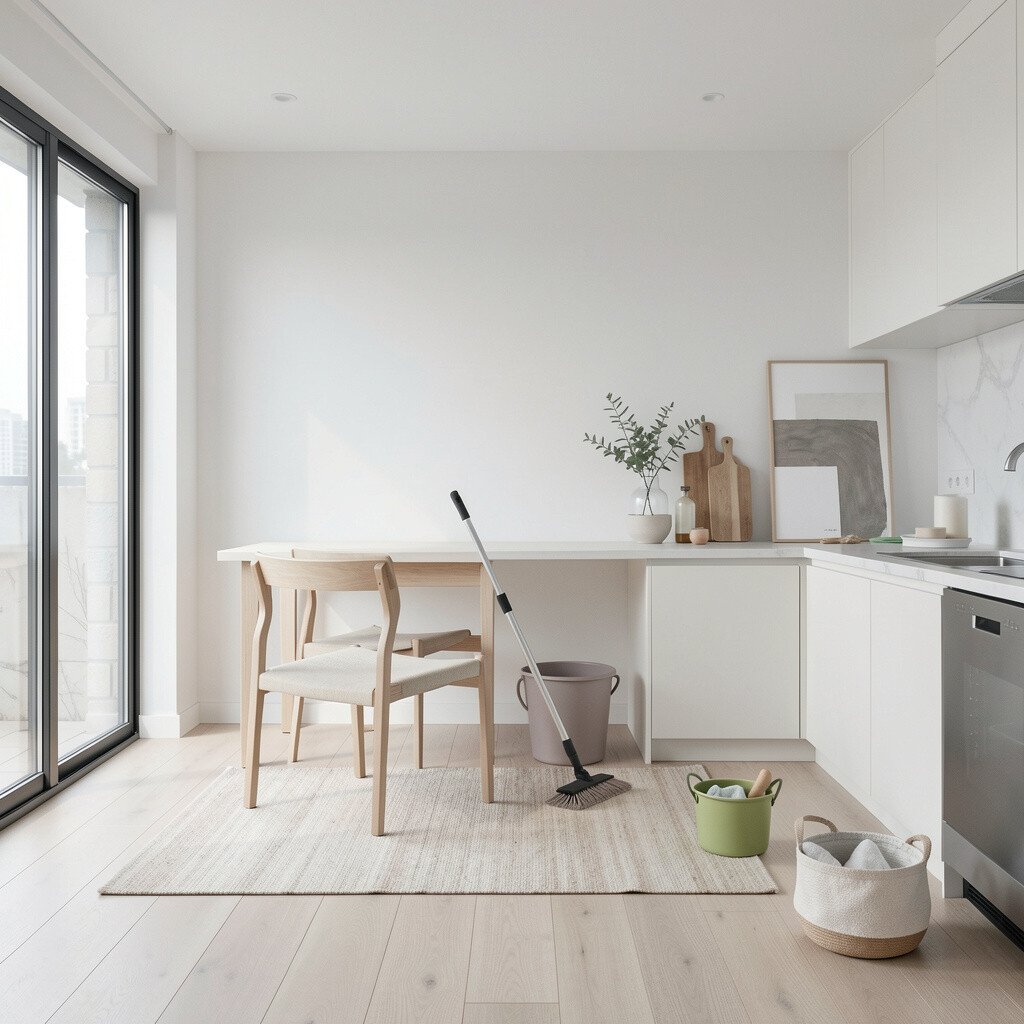
Minimalist apartments shine when they’re wiped down often. Because there are fewer items, cleaning takes less time, but it becomes more frequent.
Use a quick daily reset like putting away items, flipping a throw blanket, and clearing surfaces. For weekly cleaning, focus on the places that show wear first, like floors, handles, and bathroom counters.
If you keep a small cloth and a mild cleaner in an easy spot, you’ll actually use it. The apartment stays fresh without turning cleaning into a weekend mission.
8. Buy Furniture That Works in Real Foot Traffic
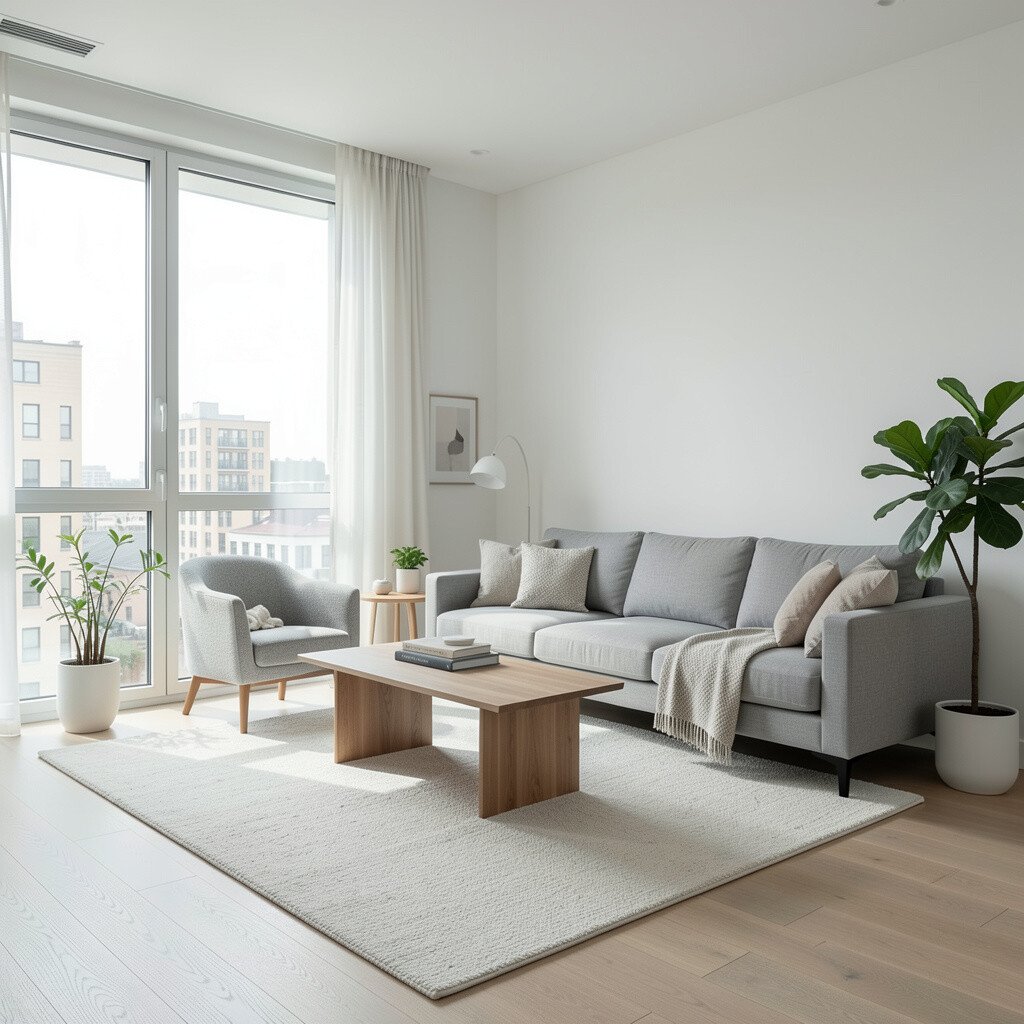
Minimal style can hide a big problem if furniture blocks walking paths. You might love the look, but you notice it every time you move around.
Measure your pathways and think about what you do most often. If you frequently move from kitchen to couch to bedroom, keep the route smooth and simple.
A slim side table or a low-profile cabinet can reduce visual weight too. The room feels spacious because it’s easy to navigate.
Comfort matters as much as style, so sit on pieces before committing when possible.
9. Use a Color Theme That Feels Like Your Personality
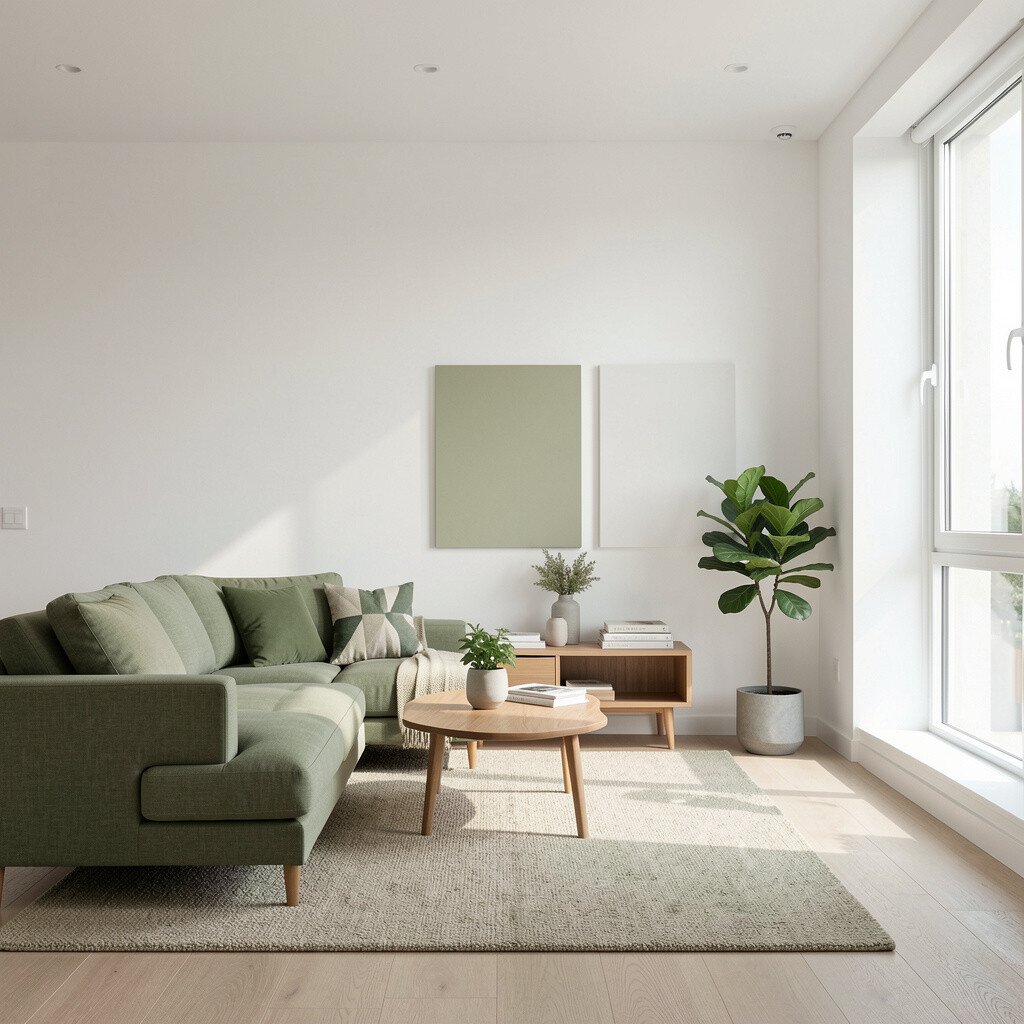
Minimalist apartments often look “neutral,” but that can still be personal. You can lean warm with soft beiges and honey woods, or go cool with crisp whites and gray tones.
Pick two or three main colors and repeat them in small ways. This makes the space feel connected, not random, even when items change.
Personal touches can still be minimal, like one meaningful art piece or a single patterned pillow. When the palette stays steady, the apartment feels calm instead of busy.
10. Let Your Bed Be a Quiet Centerpiece
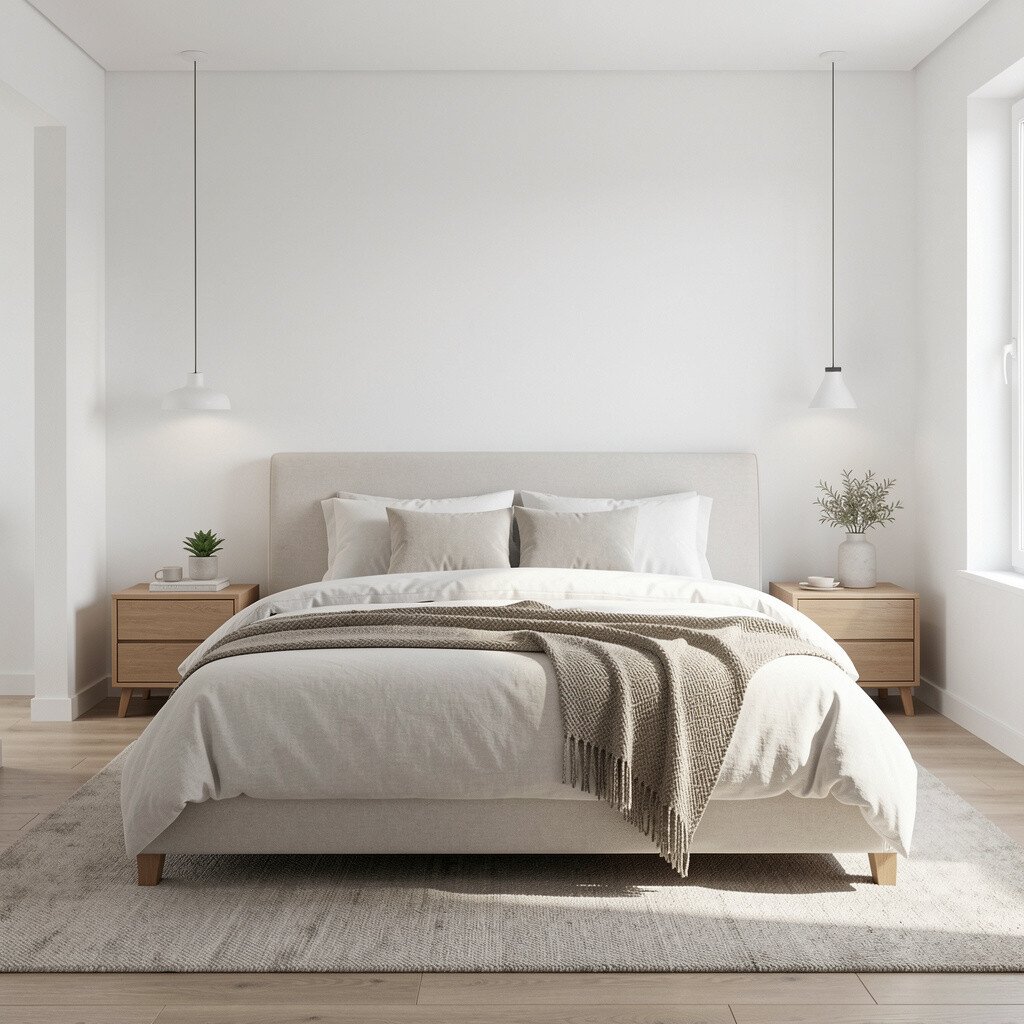
Your bed is where the room’s mood starts. Minimal bedrooms usually look good because bedding is neat, cohesive, and easy to refresh.
Choose linens that feel good against your skin and keep the color consistent. A simple set in a soft fabric can make your space feel like a hotel, without the extra décor.
If you fold or tuck your bedding every day, the room instantly looks organized. It’s one of those small habits that pays off fast.
Adding one low basket for extra blankets keeps everything tidy and still practical.
11. Choose Lighting That Flatters, Not Harshens

Overhead lights can make minimalist spaces feel sterile. When you rely only on bright ceiling bulbs, the room loses its cozy side.
Use lamps, dimmable bulbs, and layered light sources. Warm tones in the evening help you relax, and daylight keeps the space looking clean and open.
Place light near where you read, eat, or unwind so the room feels useful. The right lighting also makes textures, like wood and fabric, look richer.
12. Keep Art Limited, But Not Silent
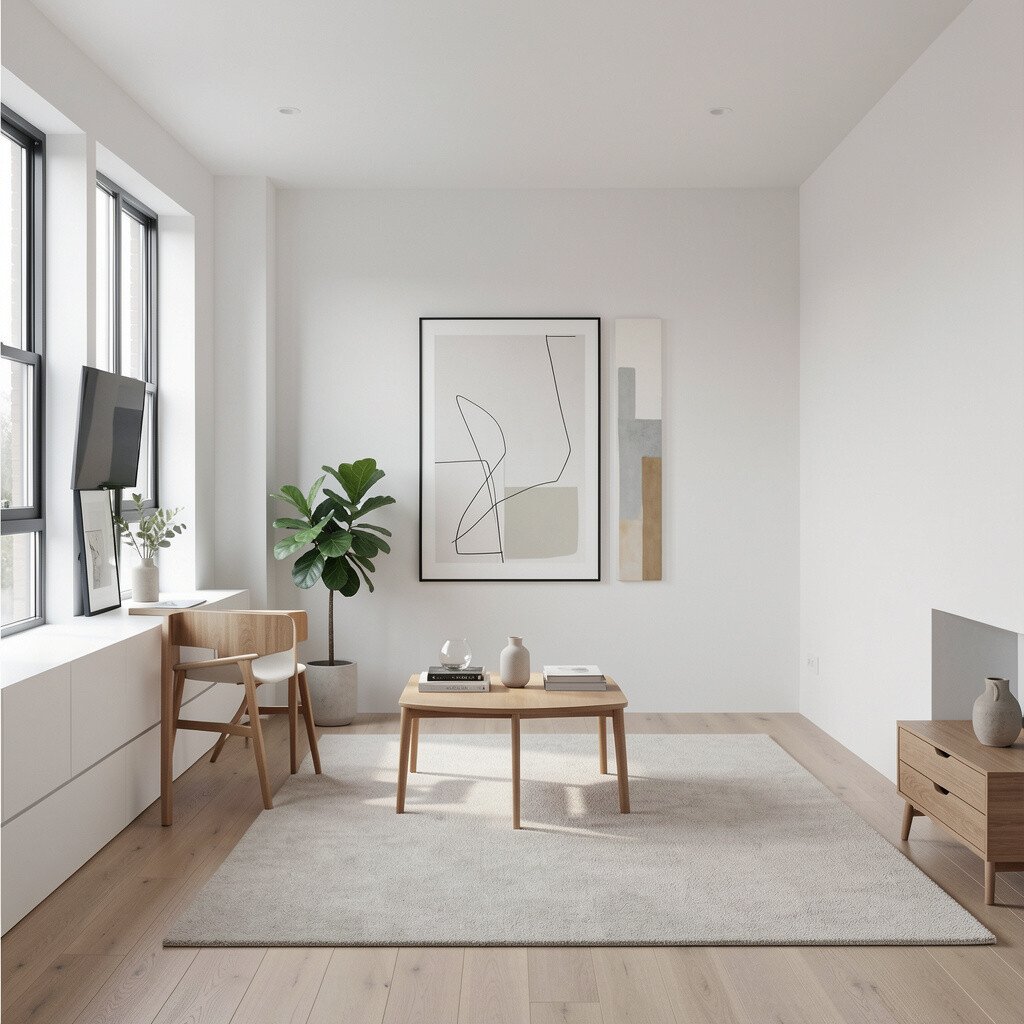
Sometimes people think minimalist art means nothing bold. In reality, one strong piece can carry the whole room and make it feel more “you.”
Try a medium-sized artwork or a gallery wall with matching frames. When the frames match, the display looks organized even if the pictures differ.
Rotate art based on the season or your mood so the space never feels stale. This can also help you keep purchases intentional instead of accidental.
13. Use Plants as Living Architecture
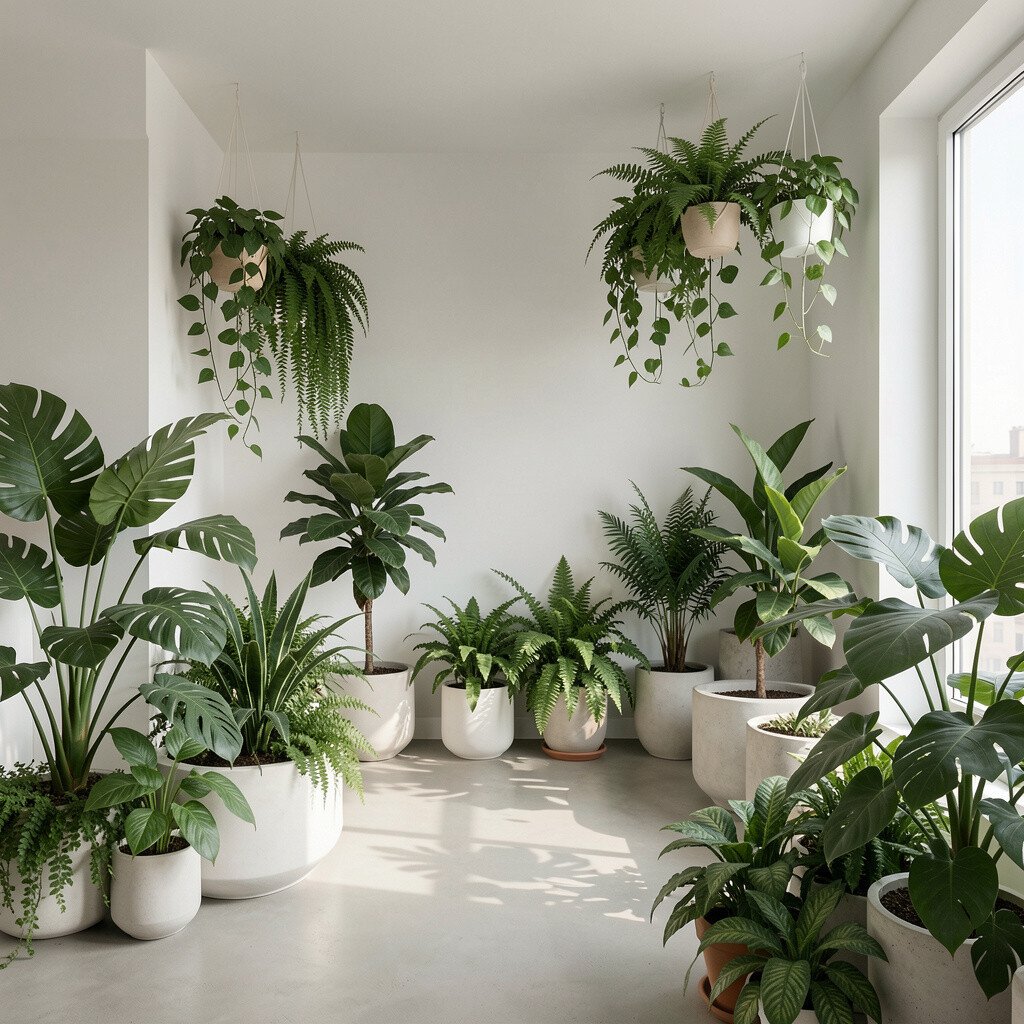
A plant can change the feeling of a room more than most décor items. It adds color, motion, and a sense of time passing.
Pick plants that match your lifestyle, like easy-care pothos, sturdy snake plants, or herbs if you want a practical touch. Grouping plants can look minimalist while still feeling lush.
Use simple pots and repeat pot colors so the plants look curated. When the plant collection feels planned, it looks like part of the design, not a spill.
14. Make Electronics Disappear Without Hiding Everything

Minimalist apartments often include screens, chargers, and streaming devices, even if they don’t show off. The goal is to keep cables and clutter from taking over the look.
Route cords along the back of furniture or use cable covers that blend with your wall or desk. A small charging station on a shelf can reduce daily mess.
When devices are stored or controlled neatly, the room feels calmer. You also waste less time searching for a forgotten charger or remote.
15. Use Mirrors to Fix Layout Frustrations
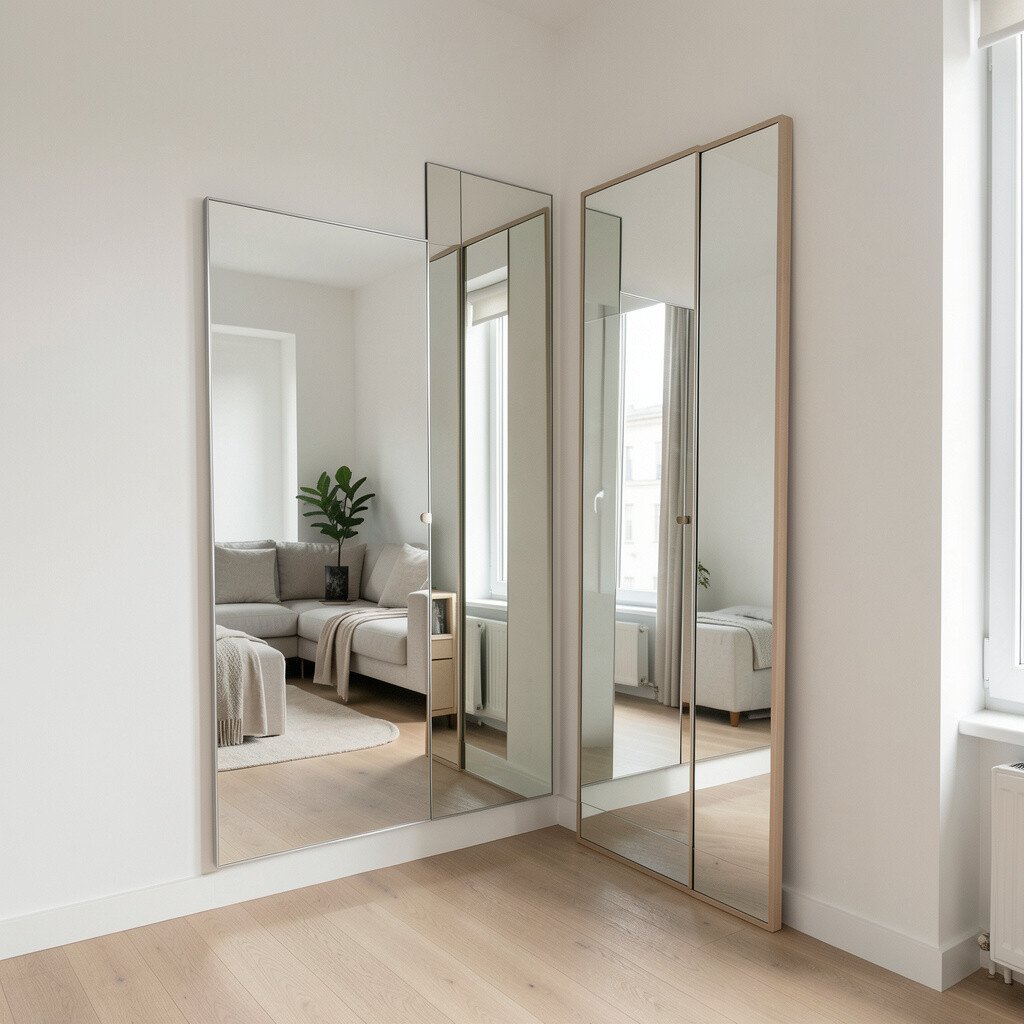
Some apartment layouts feel awkward even when you choose the “right” furniture. Mirrors can soften those problems by changing how space is seen.
Place a mirror where it reflects a window or a tidy surface. That trick makes the room feel bigger and more balanced without adding more stuff.
If your entryway is narrow, a tall mirror can help people feel less boxed in. Keep the frame simple so it stays minimalist and doesn’t compete with other items.
16. Plan Out Where Mess Will Happen
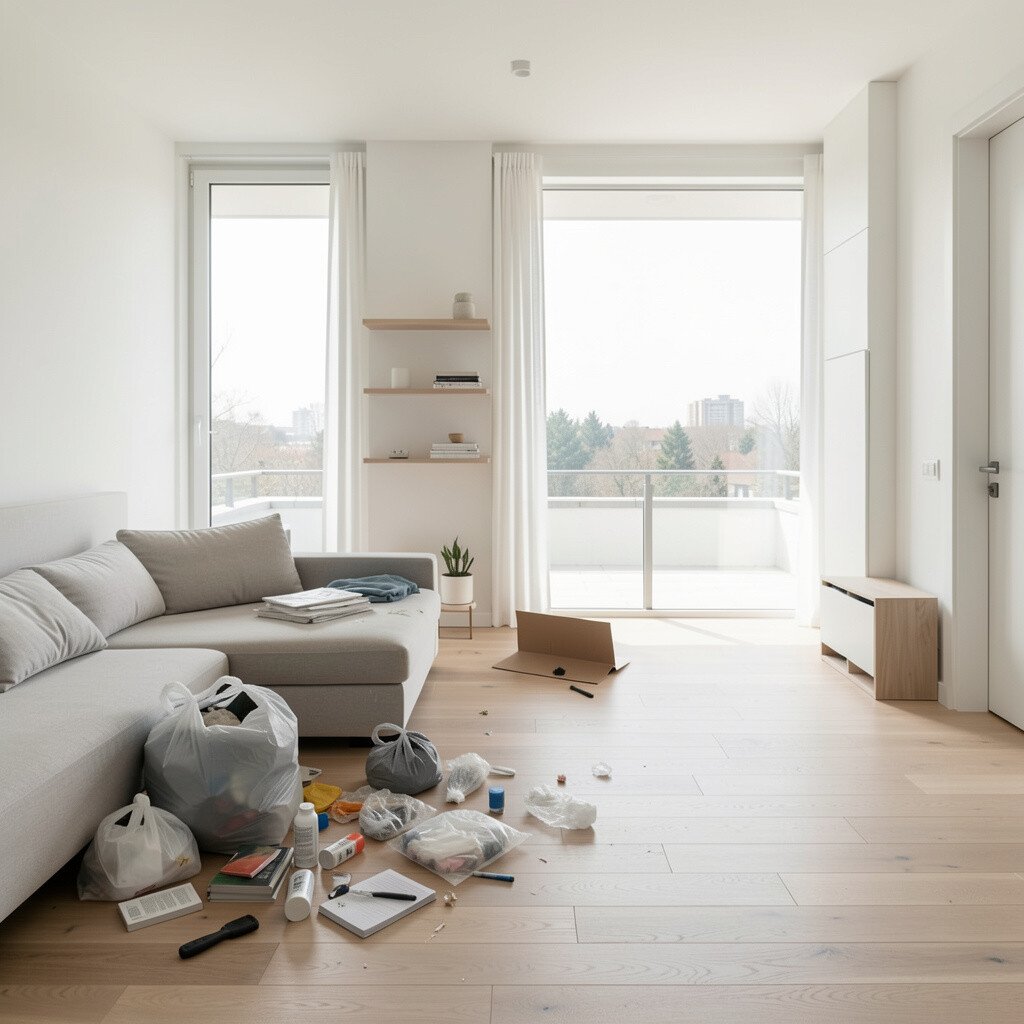
Minimalism doesn’t mean mess never occurs. It means you plan for it so it doesn’t spread across the whole home.
Think about your real life, like cooking splashes, mail piles, or kids’ school papers. Put a small basket or container where those items can wait until you sort them.
This approach reduces stress because you’re not relying on perfect behavior. Over time, your space stays visually calm even when life is busy.
17. Buy Less Often, But Choose With Better Criteria
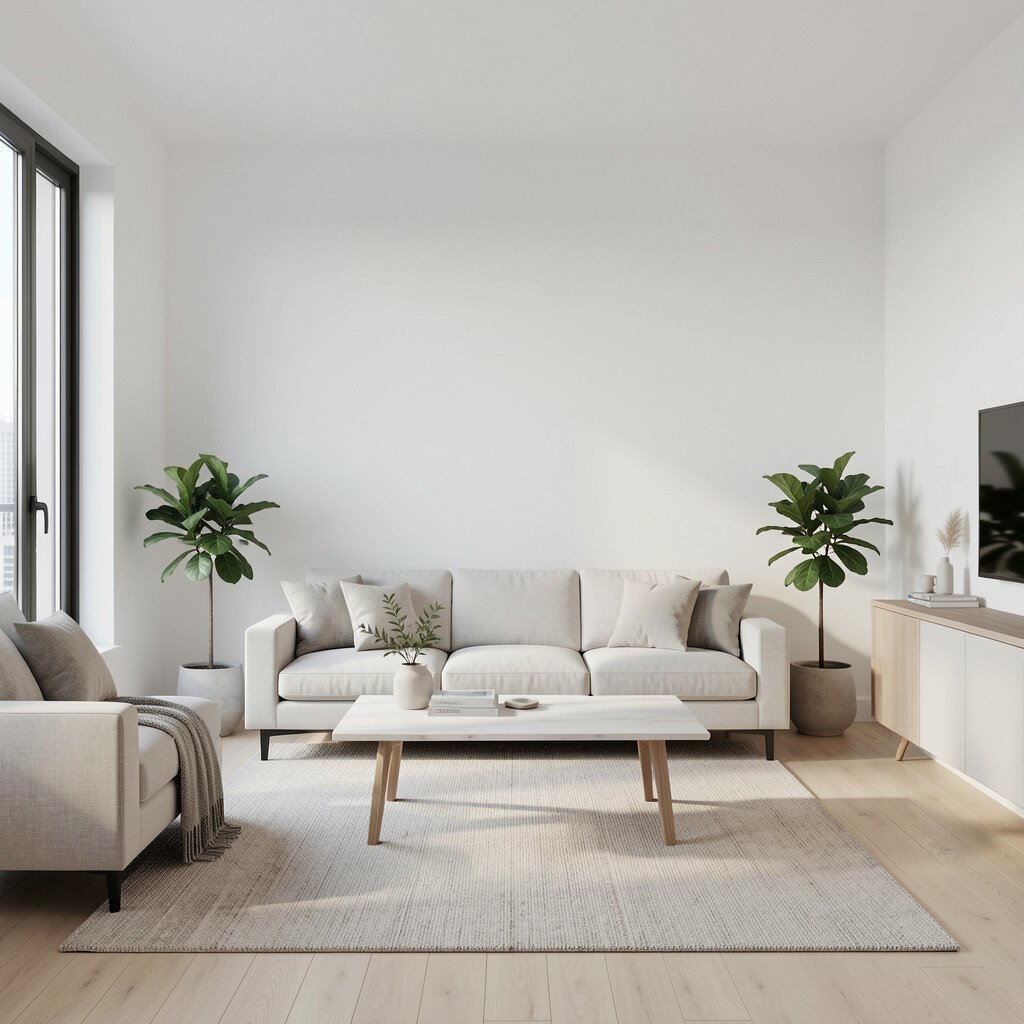
A minimalist apartment teaches you to shop differently. Instead of buying on impulse, you start asking practical questions.
Does it fit your space, your routine, and your style theme. Is it something you’ll use every week, not just on special occasions.
When you choose slower, you often spend less in the long run. You also stop collecting duplicates, which is one of the biggest hidden reasons minimalist homes look so clean.
Consider secondhand for many items, because quality pieces can cost less and have history.
18. Treat Textures as Your Secret Décor
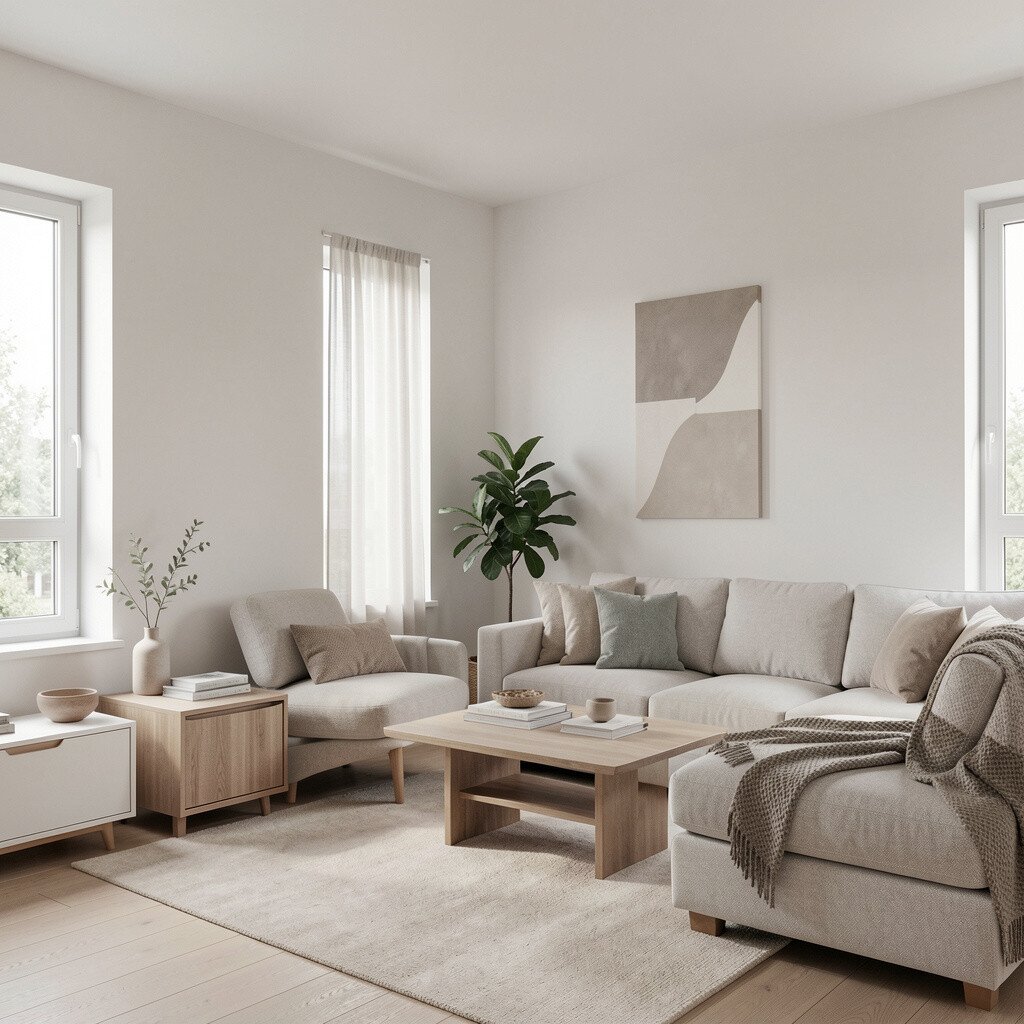
Minimalist spaces can feel warm even with few items when textures do the work. Think about linen, wool, wood grain, and soft rugs.
Mix textures in the same color family so everything feels cohesive. A chunky knit throw on a clean sofa instantly adds depth without adding “more” stuff.
Textures also help rooms feel less echo-y and more comfortable to sit in. This is a minimalist strategy that looks good and feels good.
19. Create Personal Systems for Clothes and Towels
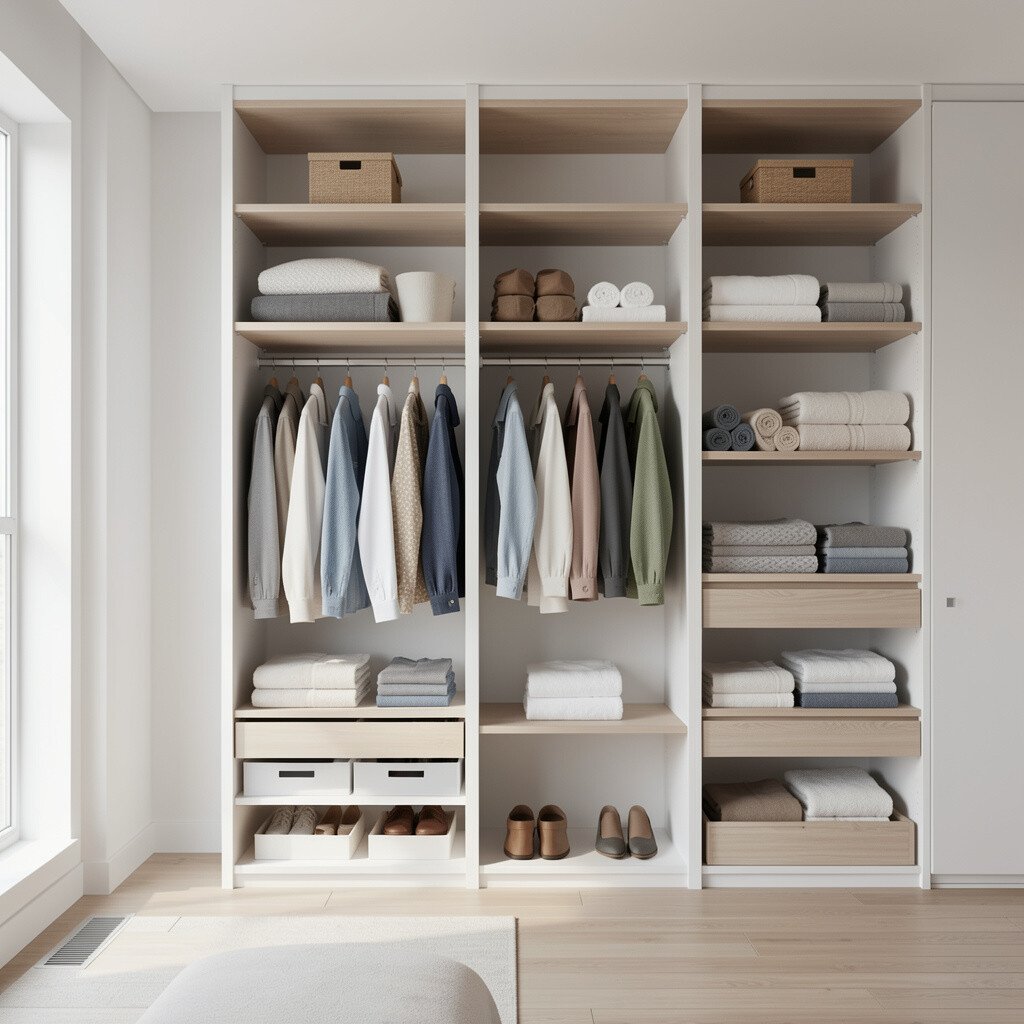
Closets can still be minimalist if you keep items visible in a controlled way. The key is choosing what you truly use and arranging it so you can find it quickly.
Fold towels the same way every time and store them in one consistent spot. For clothes, try grouping by type, then color, so the look stays neat even when you’re in a hurry.
If you use a small drawer for daily basics, you’ll stop digging through the closet. That saves time and makes your outfit choices feel easier.
Seasonal swaps keep your space fresh without adding clutter all year.
20. Use Temporary Solutions for Real Life Changes
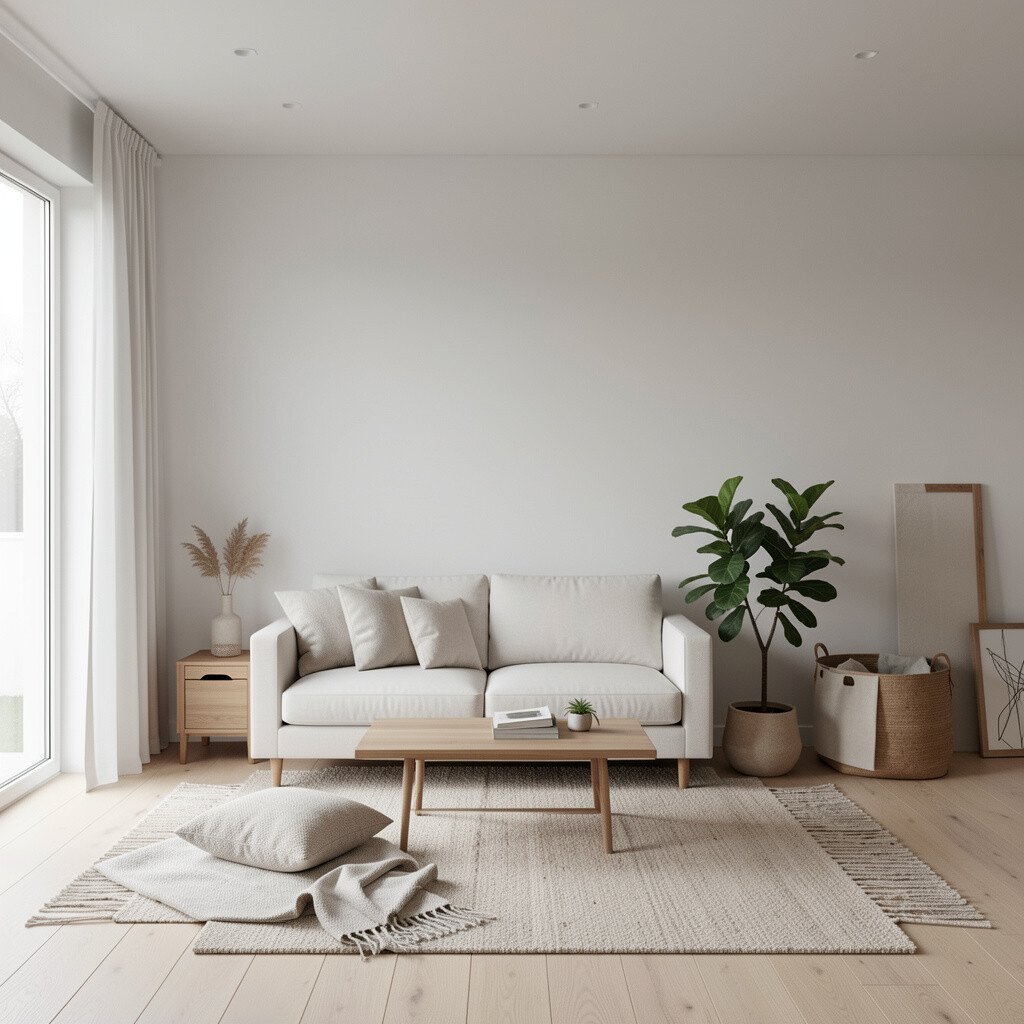
Moving into a minimalist apartment doesn’t happen in one day. Your needs change as you learn what you use most and what you keep ignoring.
For a while, use simple containers, hooks, or flexible shelving so you can adjust. Temporary setup can prevent the stress of buying the “perfect” system too early.
As you learn, upgrade the items that matter most, like better storage or nicer lighting. This keeps your apartment feeling organized while still letting it grow with you.
21. Remember Minimalism Should Feel Like Relief

The best minimalist apartments don’t feel empty, they feel free. You notice the calm, and you spend less energy deciding where things go.
If a style choice makes you anxious, it’s not serving you. Adjust the plan until the space supports your life and your comfort, not just a look you admire online.
Personalization can be gentle, like choosing one meaningful scent, keeping a favorite mug, or arranging books you actually read. When your apartment feels like relief, the minimalist approach stays worth it.
And that’s the real point: fewer distractions, clearer routines, and more room to enjoy your everyday moments.