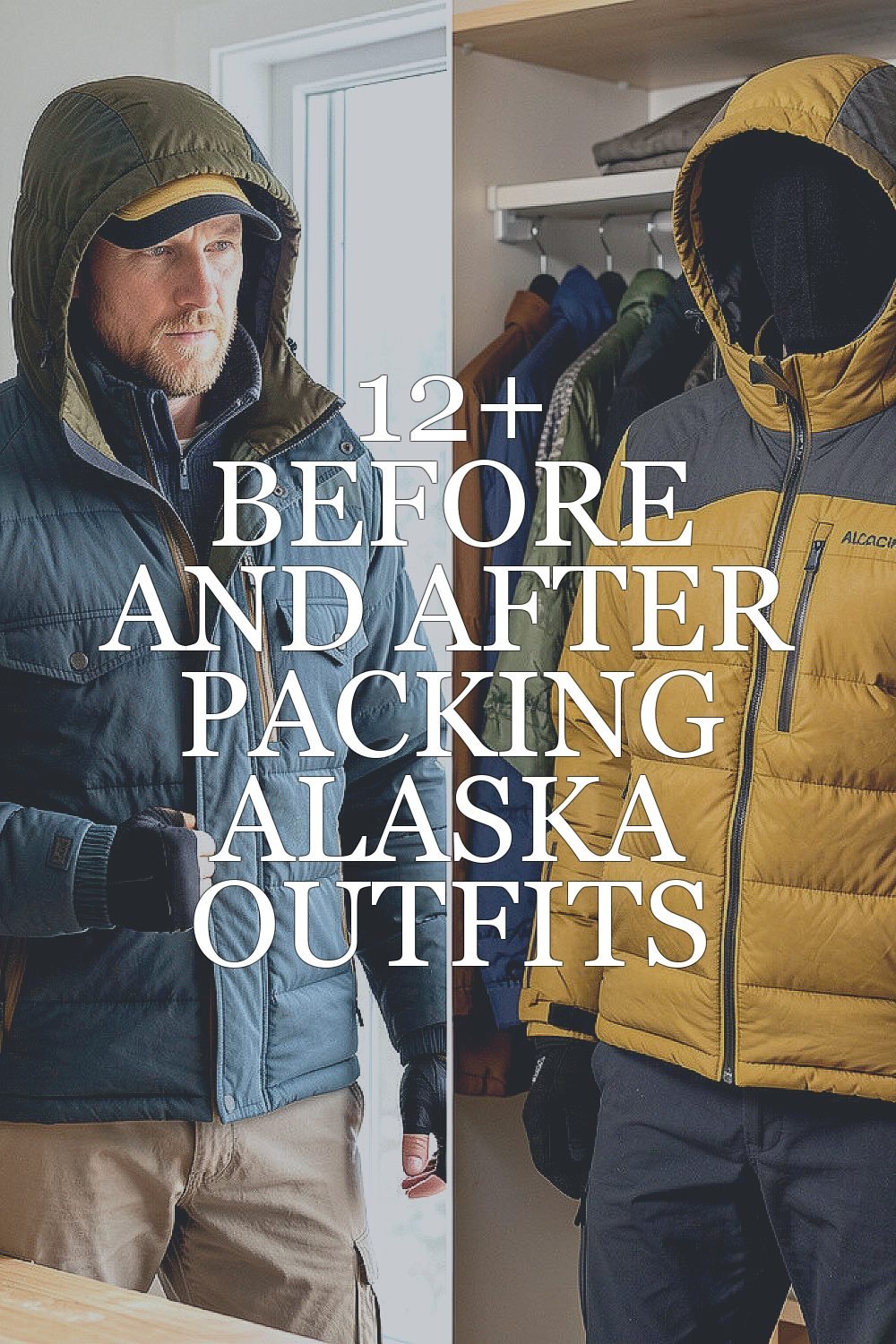
The first time you pack for Alaska, everything feels urgent and every item looks important. The second time, your choices start to feel calm, smart, and personal.
Use this list to see how a great outfit plan changes from “before” to “after,” and how you can pack with confidence while still having fun in the cold.
1. The Base Layer That Saves Your Day
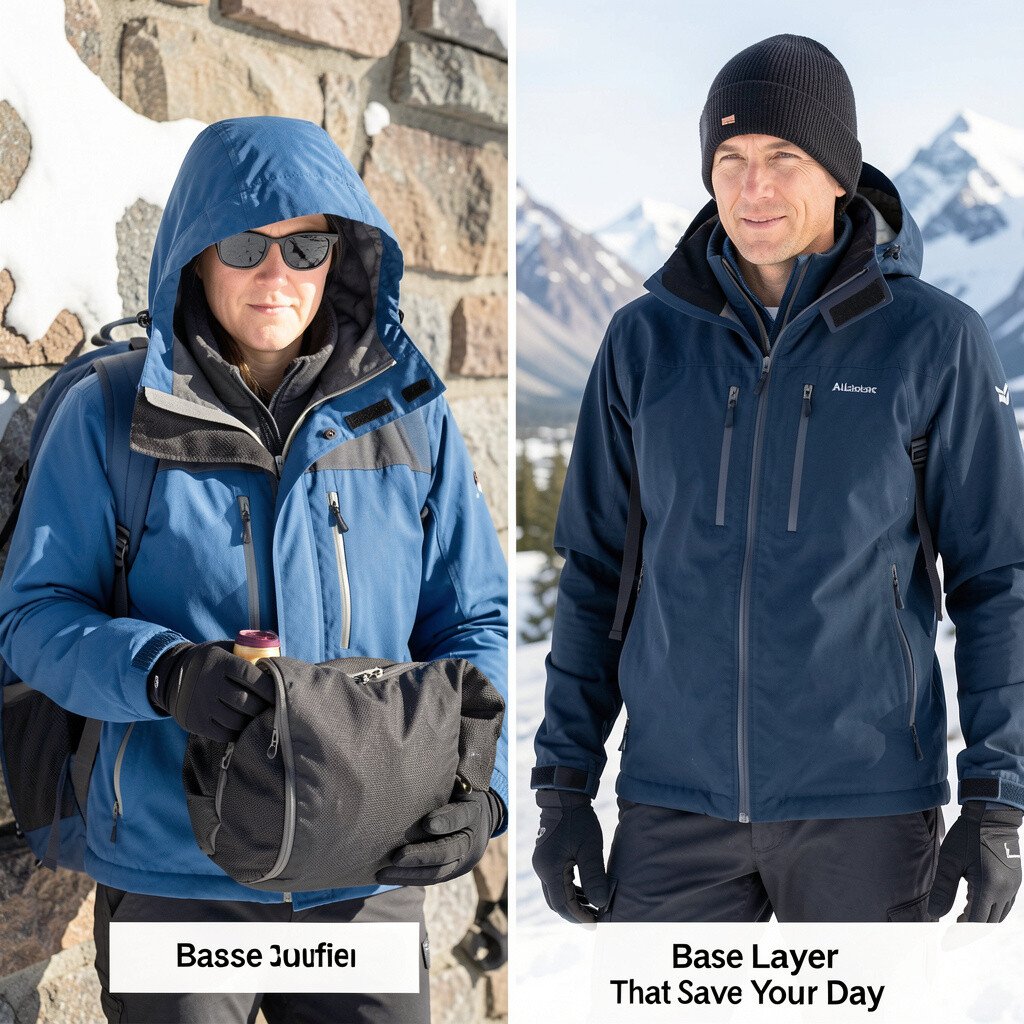
Before, you might grab one thick shirt and hope it works for every hour. After, you pick a snug base layer in a breathable fabric that stays comfortable when you move and warm when you pause.
You’ll notice the difference fast because the fabric manages sweat instead of trapping it against your skin. This keeps you drier on hikes and more comfortable on windy days, and it reduces that clammy feeling that can ruin an outfit. A practical move is to pack a spare base top, especially if your trip includes snow or lots of activity.
2. The Puffy Jacket Decision That Stops Overpacking
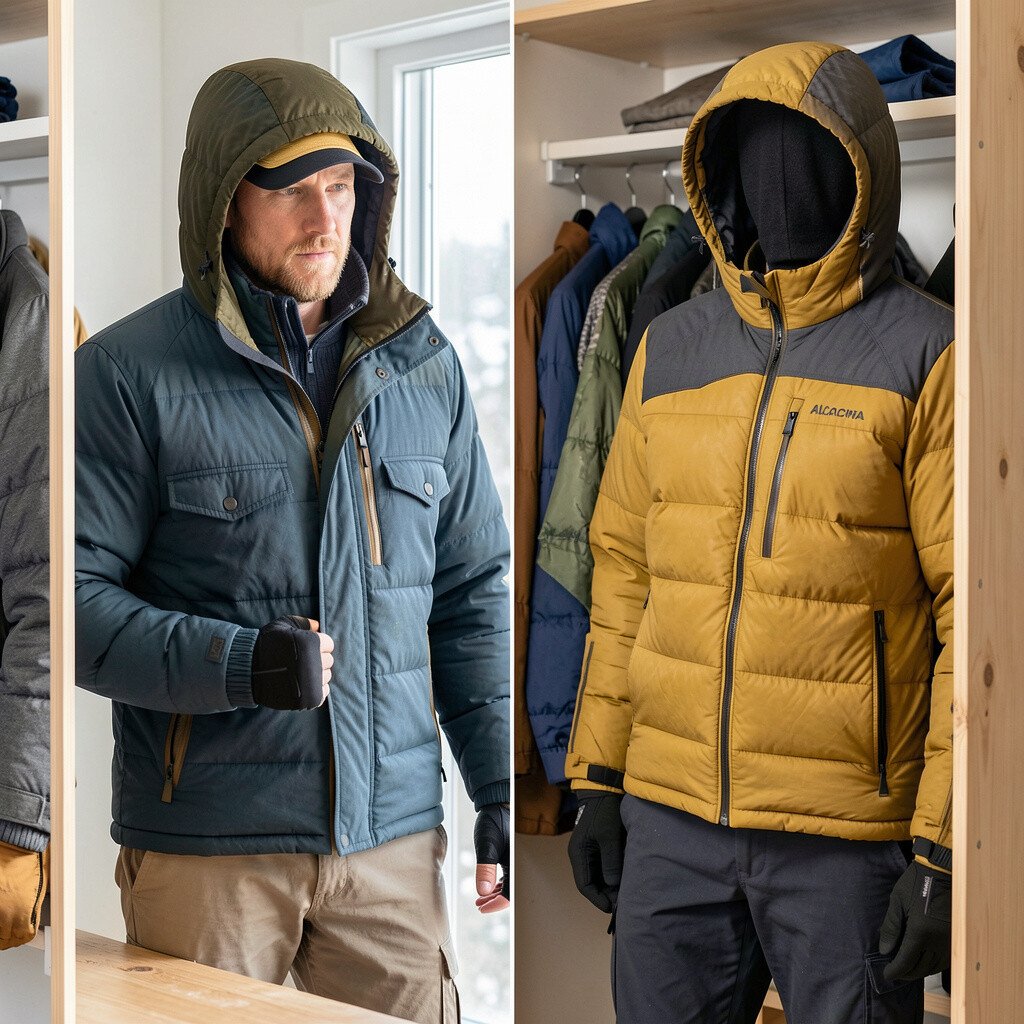
Before, a bulky coat can seem like the safe choice, and you might pack one “just in case” option too. After, you choose a lighter insulated jacket plus a shell, so you can adjust without lugging a heavy bundle.
In a mirror, you’ll see a more layered look, with your middle layer visible and your outer layer ready for wind. The benefit is flexibility, because you can wear the jacket for cold mornings and add the shell when gusts hit. For personalization, match the jacket color to your accessories, like gloves or a beanie, so the outfit feels pulled together even on messy weather days.
Cost usually lands in the middle once you buy quality insulation, but you can save by choosing one core jacket and using the shell as the weather shield. If you follow current trends, you’ll notice more people going for packable insulation that fits into a day bag for quick changes.
3. Boots From Clunky to Confident
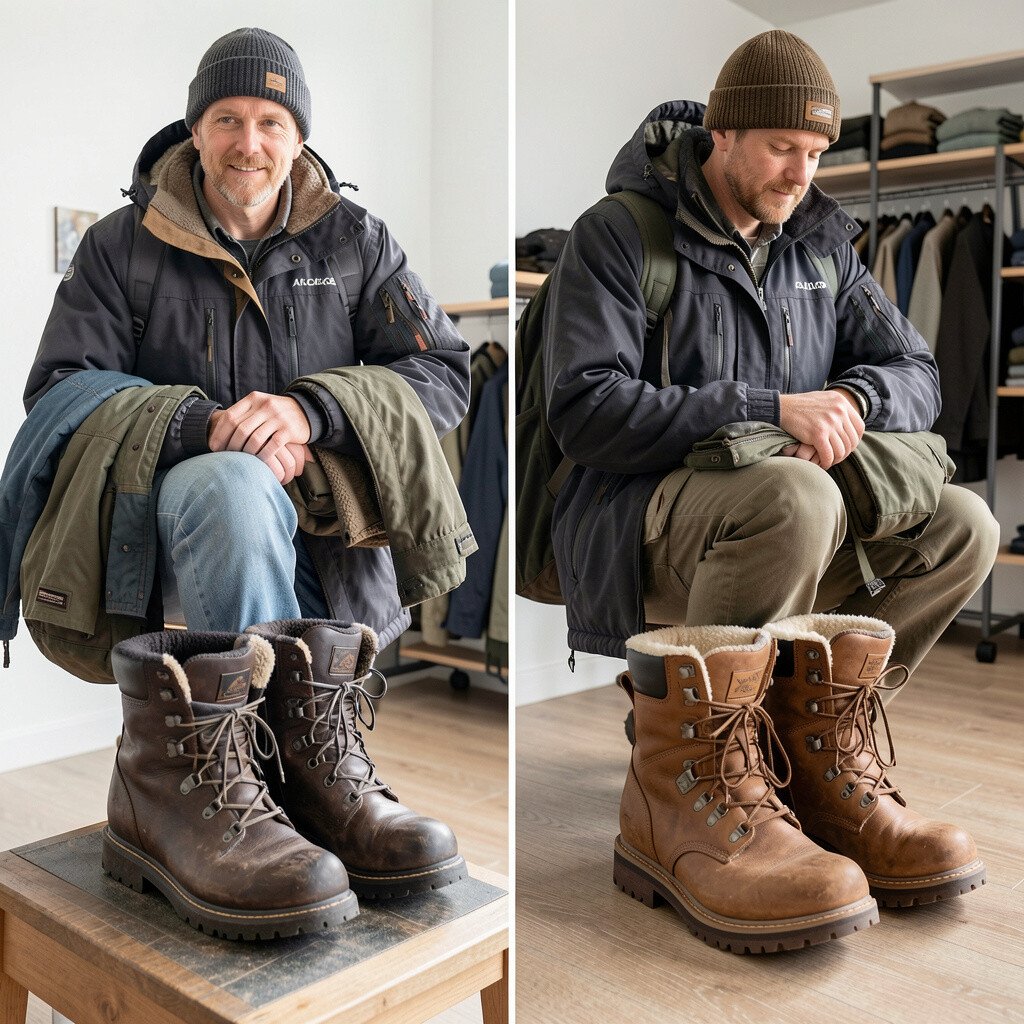
Before, you might pack the heaviest boots you own, even if they feel stiff and slow on uneven ground. After, you bring boots that fit well, have good traction, and feel easy when you walk for a long time.
You’ll see the change in how your feet sit inside the boot, with less bunching near the toes and better support around the ankle. That matters because Alaska ground can switch from wet to icy fast. A practical tip is to try on boots with the socks you plan to wear, then do a short walk around your home to check for pressure spots.
Uniqueness shows up in the details, like adding grippy traction covers for icy paths or choosing a boot color that looks great with your pants. For cost, you can stretch your budget by focusing on traction and fit, since those features matter more than flashy branding. If you want to match trends, consider boots that look rugged but still pair nicely with slim pants for a modern, clean look.
When you pack “after,” you also think about drying space, so you bring a second pair of insoles or quick-dry liners if your trip is wet.
4. Pants That Handle Snow and Still Look Good
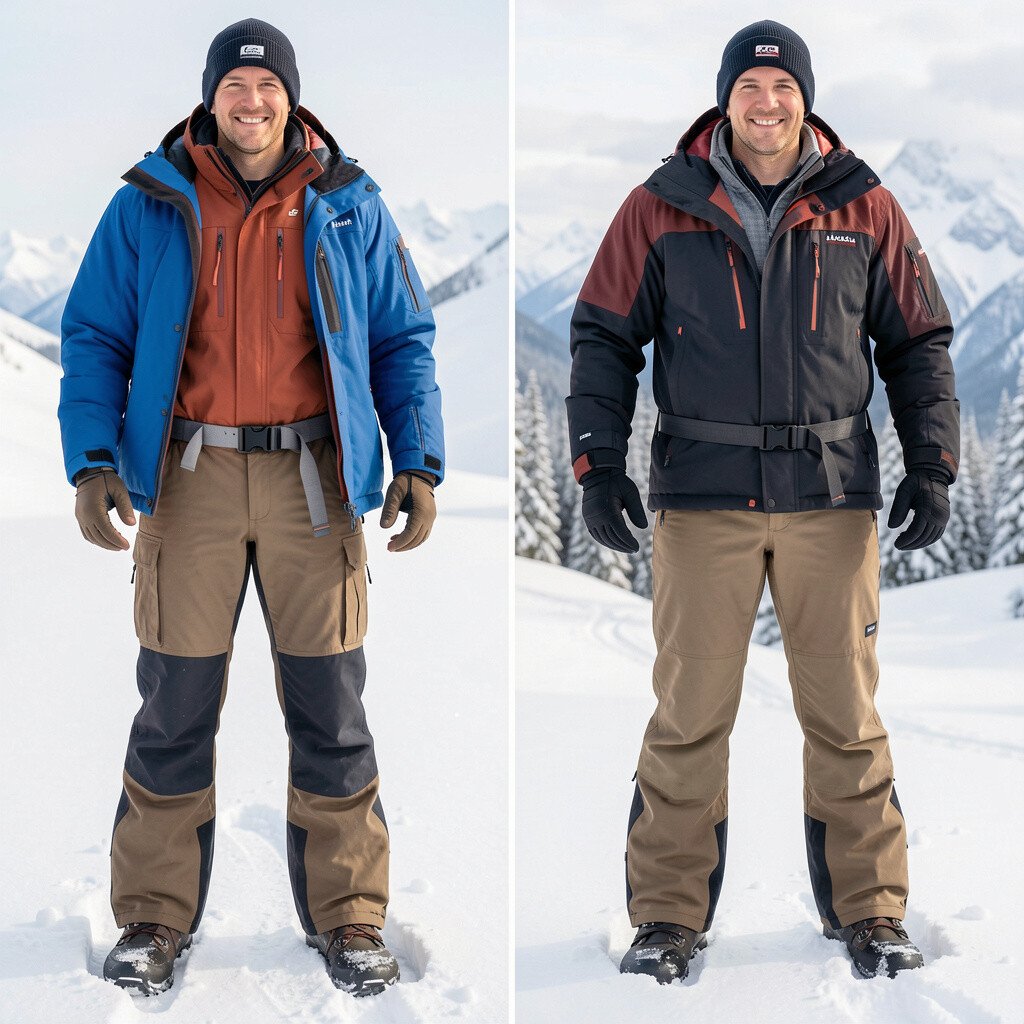
Before, you might rely on jeans because they feel like your everyday style. After, you switch to insulated or weather-resistant pants that keep warmth in and moisture out without making you feel like you’re wearing a tent.
In photos, the outfit looks smoother because the fabric falls cleanly and holds its shape around boots. The benefit is comfort while sitting on snow, standing in lines, or walking on slushy trails. For practical packing, bring one main pair and one backup layer you can swap if you get wet.
To personalize, choose a cut that fits your movement, like tapered athletic fits for walking or roomier legs for winter activities. Cost-wise, you can find solid options in seasonal sales, especially when you focus on fabric quality instead of extra features you won’t use. A current trend is wearing technical pants with simple tops, creating an outfit that feels outdoorsy but still stylish in city streets.
5. Gloves and Mittens With Real Warmth
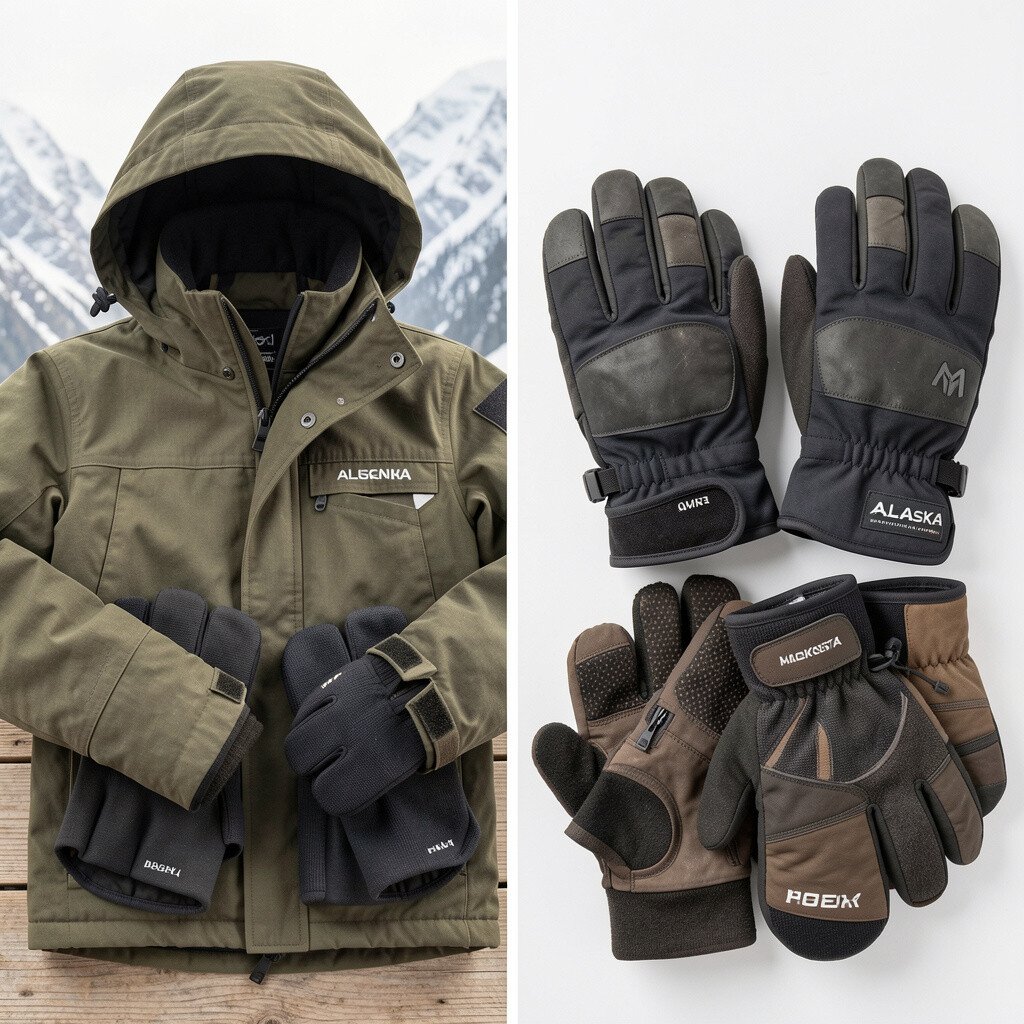
Before, you may pack gloves you like for style and hope they do the job. After, you bring a system that warms your hands reliably, often pairing a liner with a warmer outer layer.
You’ll feel it when you can handle zippers, phone screens, and trail maps without yanking everything off. This setup is uniquely useful because it keeps your fingers flexible while still trapping heat in cold wind. A practical tip is to check how easily you can grip and pinch with your gloves, since winter tools need real control.
For cost considerations, you can spend less by choosing liners that work with your existing outer gloves, then upgrade only the outer layer if it fails in wind. Personalization can be simple, like picking a color that matches your jacket and adding a clip so you never lose them. Current trends include brighter accessory colors that pop against snowy scenes, making your outfit look lively even when everything else is muted.
6. Hats That Fit Your Face and Your Wind
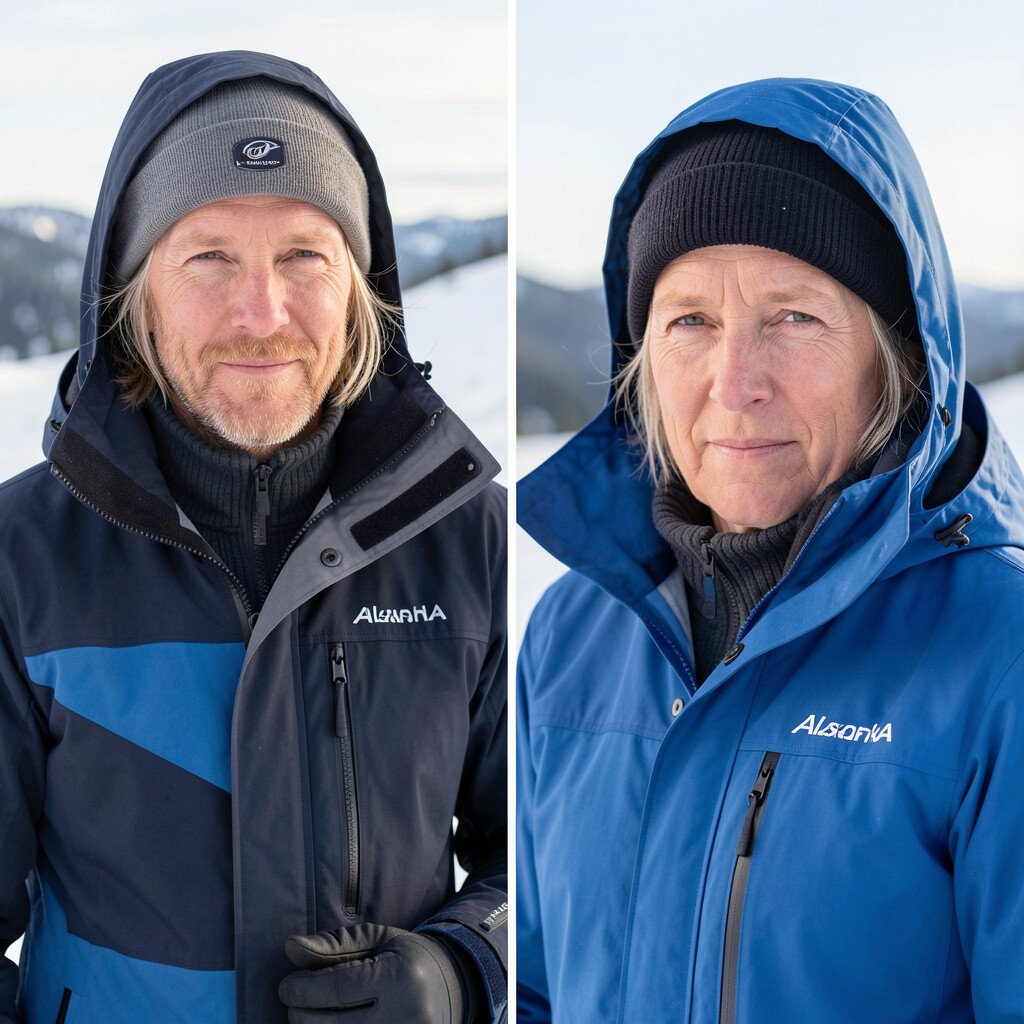
Before, you might toss in any beanie that looks fine in a store photo. After, you choose a hat that covers your ears and stays put when the wind pushes.
It changes the whole look because your head shape looks intentional, and your outfit feels complete with one clean layer. The benefit is comfort, since ear warmth helps you feel warmer overall even when temperatures drop. A practical packing idea is to bring a hat with a soft lining and also pack a backup in case one gets damp.
7. Scarves and Neck Gaiters for Different Ways to Breathe
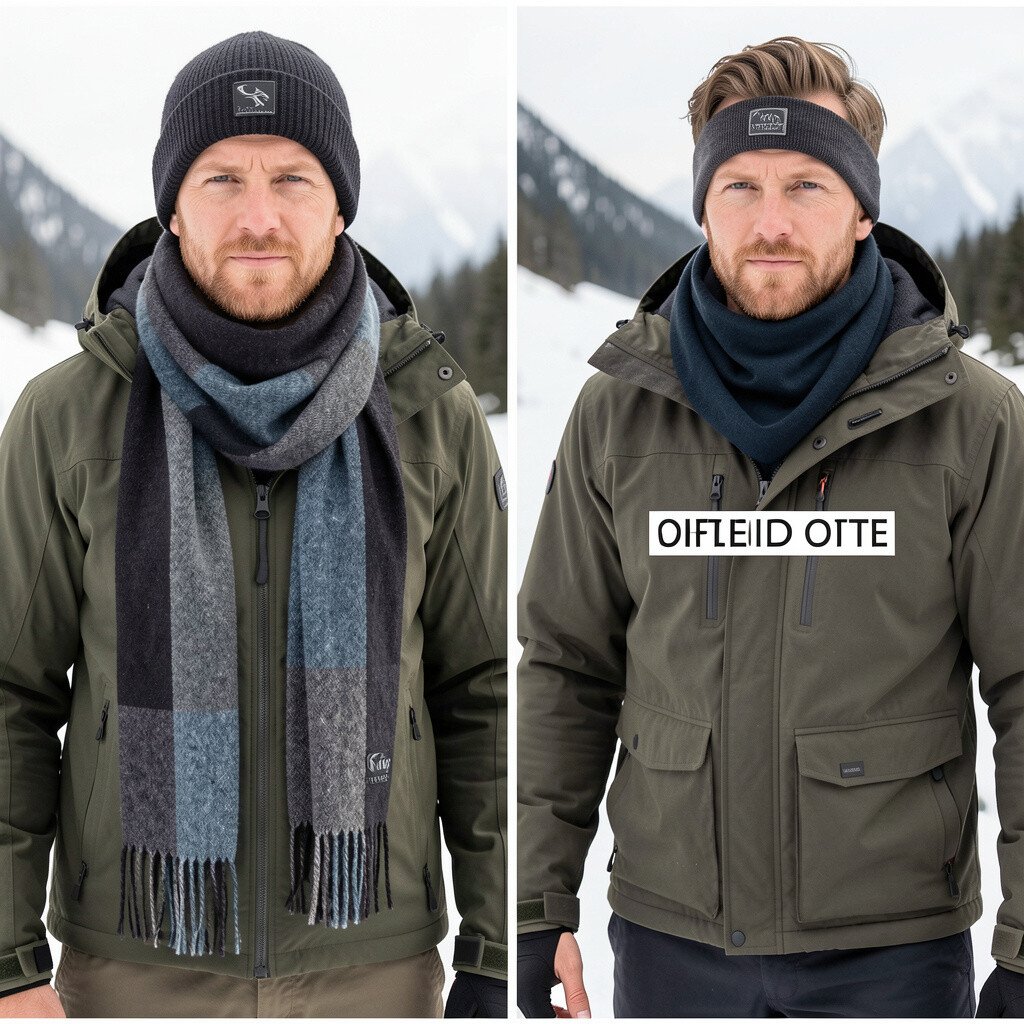
Before, you might use one scarf style and wear it the same way all day. After, you pack a neck gaiter or a flexible scarf that can be worn higher, lower, or pulled tight when the air turns sharp.
You’ll notice a smoother outfit line when the neck piece sits evenly and doesn’t bunch at your jacket zipper. This is unique because it lets you adjust comfort for breathing, which matters when you’re hiking in colder air. A practical tip is to choose a fabric that feels soft against your skin and dries quickly.
Personalization can be playful, like picking patterns that match your gloves or a subtle solid color that makes your jacket look richer. Cost-wise, you can keep it simple by buying one high-quality neck gaiter rather than many thin scarves. For current trends, people often mix sporty neck gear with sleek coats, so the outfit feels modern and practical.
8. Layers That Look Good in the Cold Wind
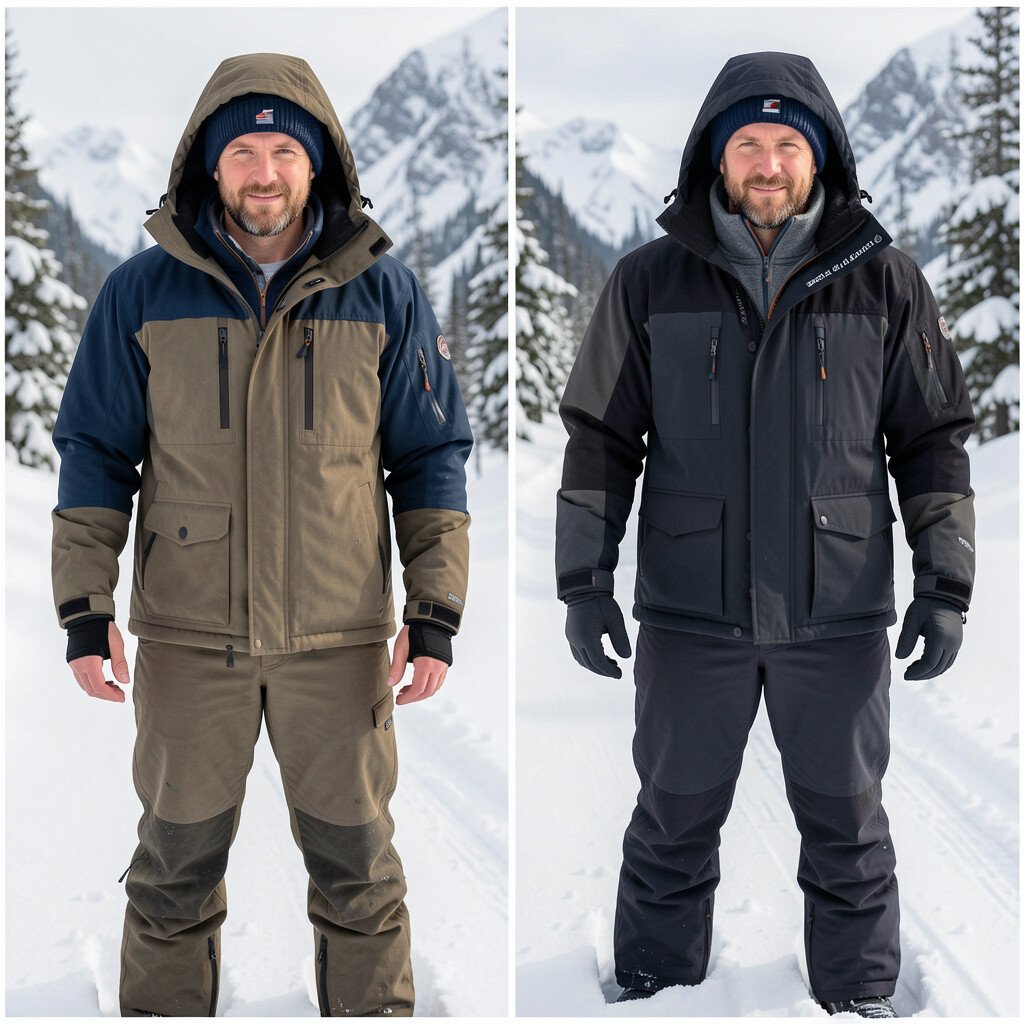
Before, you might pack one bulky sweater that feels heavy even indoors. After, you build a layering set with a warm mid layer that you can remove, plus a top layer that blocks wind.
Visually, your outfit shifts from one big mass to a clear set of layers, which looks more put together and feels easier. The benefits include better temperature control and less sweat buildup when you move. For practical packing, roll or compress your mid layer so it fits your bag and doesn’t take up too much space.
To personalize, match thickness to the activities, like a lighter fleece for city days and a warmer option for longer outdoor stops. Cost considerations are kinder to you when you think in systems, since one mid layer can work with multiple outfits. A current trend is choosing neutral base colors with one colorful layer, so your pictures look coordinated without being boring.
9. Dresses and Skirts With Smart Winter Proofing
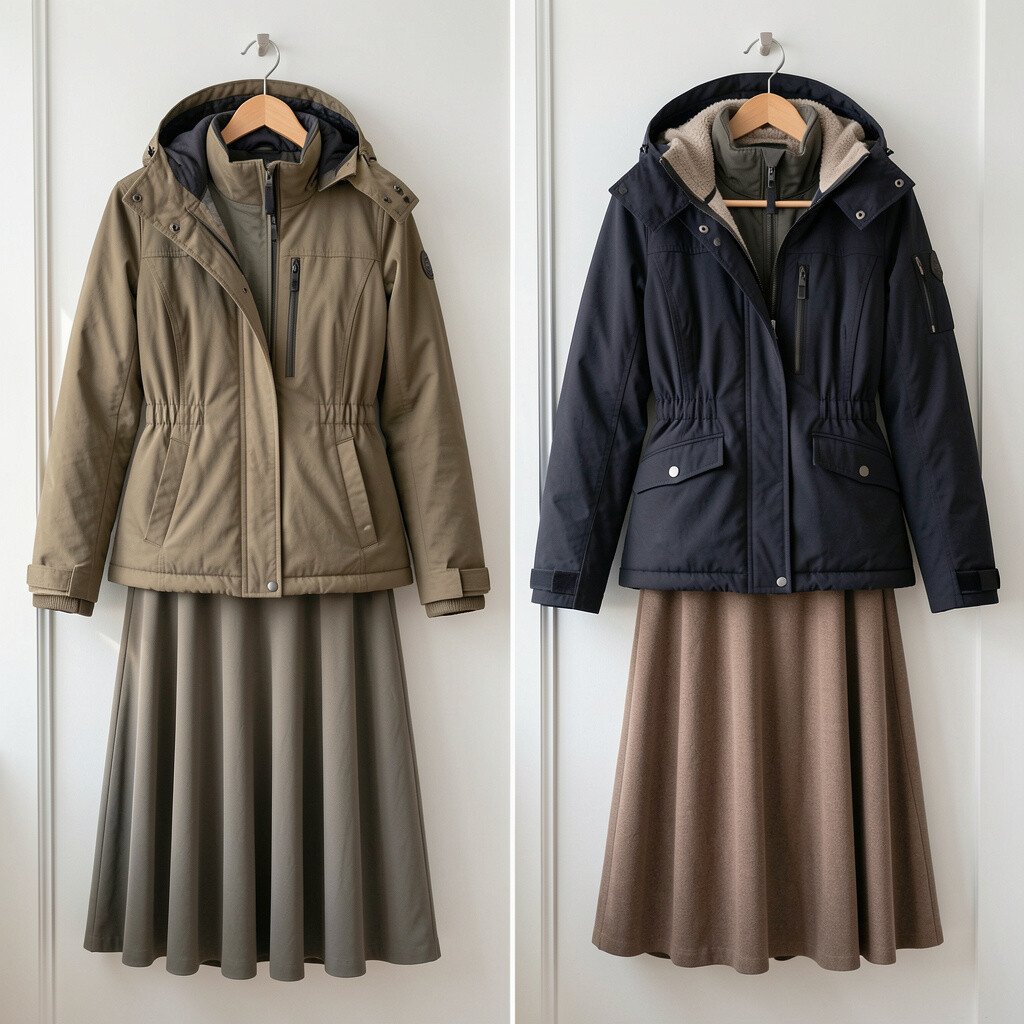
Before, you might want to wear a dress because you love the look, but you may pack it without a plan for cold. After, you pair it with warm leggings, insulated tights, and a longer coat so the outfit stays comfy even when the air bites.
You’ll see the outfit still looks feminine, but the layers make it practical and grounded for snow. The benefit is you get variety without sacrificing warmth, and you can still enjoy the view without rushing back inside. A useful tip is to choose a hem length that stays above heavy slush and to bring one extra pair of thermal tights in case conditions get wet.
Uniqueness comes from texture, like a sweater dress paired with a sleek coat and boots that contrast nicely. Cost can be managed by reusing items you already own, like tights and thermals, and investing only in one strong outer layer. For current trends, more travelers mix classic silhouettes with technical warmth, so you feel stylish and ready.
10. The “After” Outfit: One Jacket, Many Looks

Before, you might think every outfit needs its own outer coat, which can fill your suitcase fast. After, you center your plan around one reliable jacket and build multiple looks using tops, layers, and accessories.
It’s a smart visual strategy because photos show consistency, and your jacket becomes the anchor of the style. The benefit is packing less while still feeling like you have variety each day. For practical tips, choose tops in coordinated colors and keep a simple scarf or hat that can switch the vibe quickly.
Personalization is easy when you rotate small items like belts, patterned socks, or a favorite knit. Cost considerations improve because you spend on one strong piece instead of duplicating similar coats. Current trends favor mix-and-match wardrobes, especially for outdoor trips, because it looks intentional and saves space.
When you pack after, you also think about how your jacket pockets help you carry essentials, like charging cables and lip balm, so your day stays smooth.
11. Sunglasses and Sun Protection for Bright Snow Days
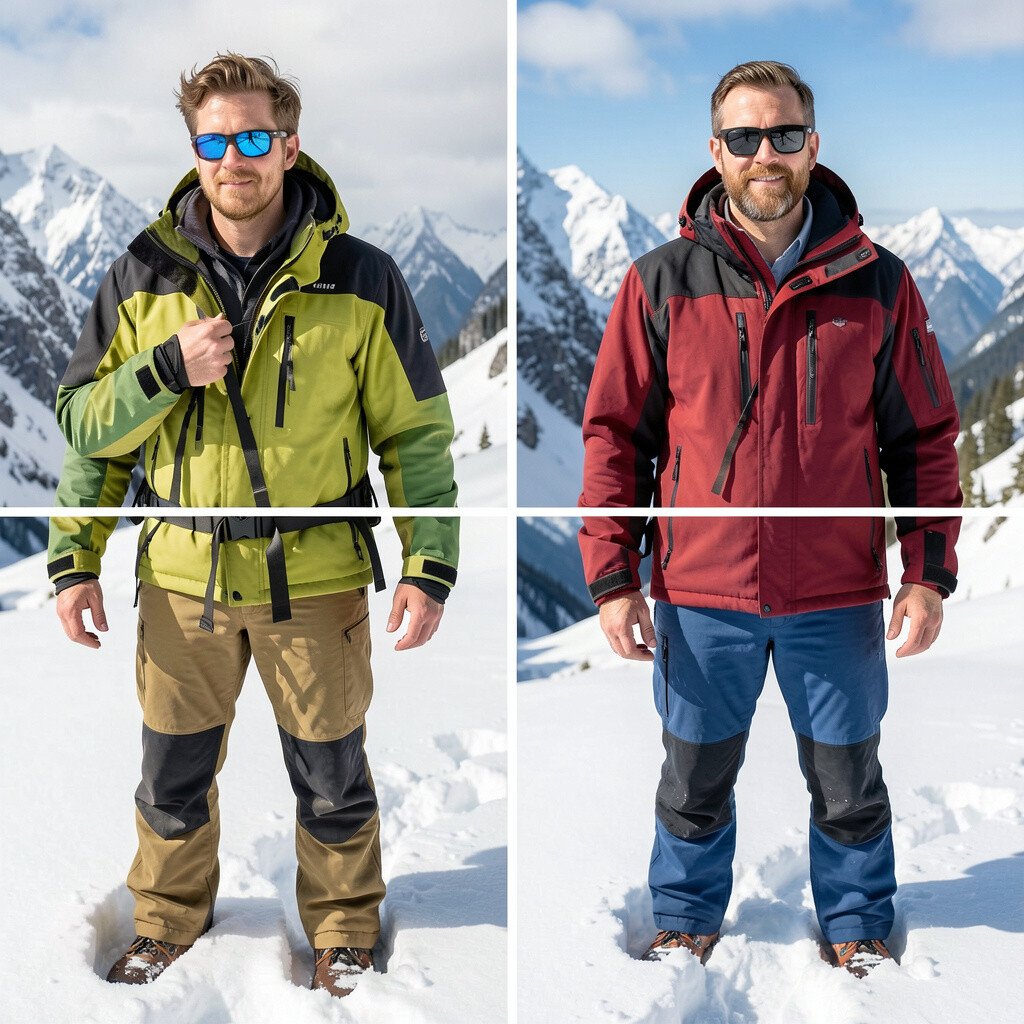
Before, you might pack only what feels necessary for cold and forget eye comfort. After, you include sunglasses, sunscreen, and lip protection because bright snow reflects light and dries skin.
You’ll feel the benefit when glare eases and your eyes don’t water, even on crisp morning walks. This is uniquely helpful in Alaska because snow can make the sky feel harsher than you expect. A practical tip is to choose sunglasses with strong coverage and bring a small sunscreen tube that fits in a pocket.
For personalization, pick frames that match your style, whether you like sporty shapes or classic silhouettes. Cost-wise, you can choose mid-range sunglasses and still get solid comfort. If you follow current trends, many travelers use sleek wrap designs, which also work well when wind or light changes quickly.
12. Day Pack Packing That Keeps Hands Free
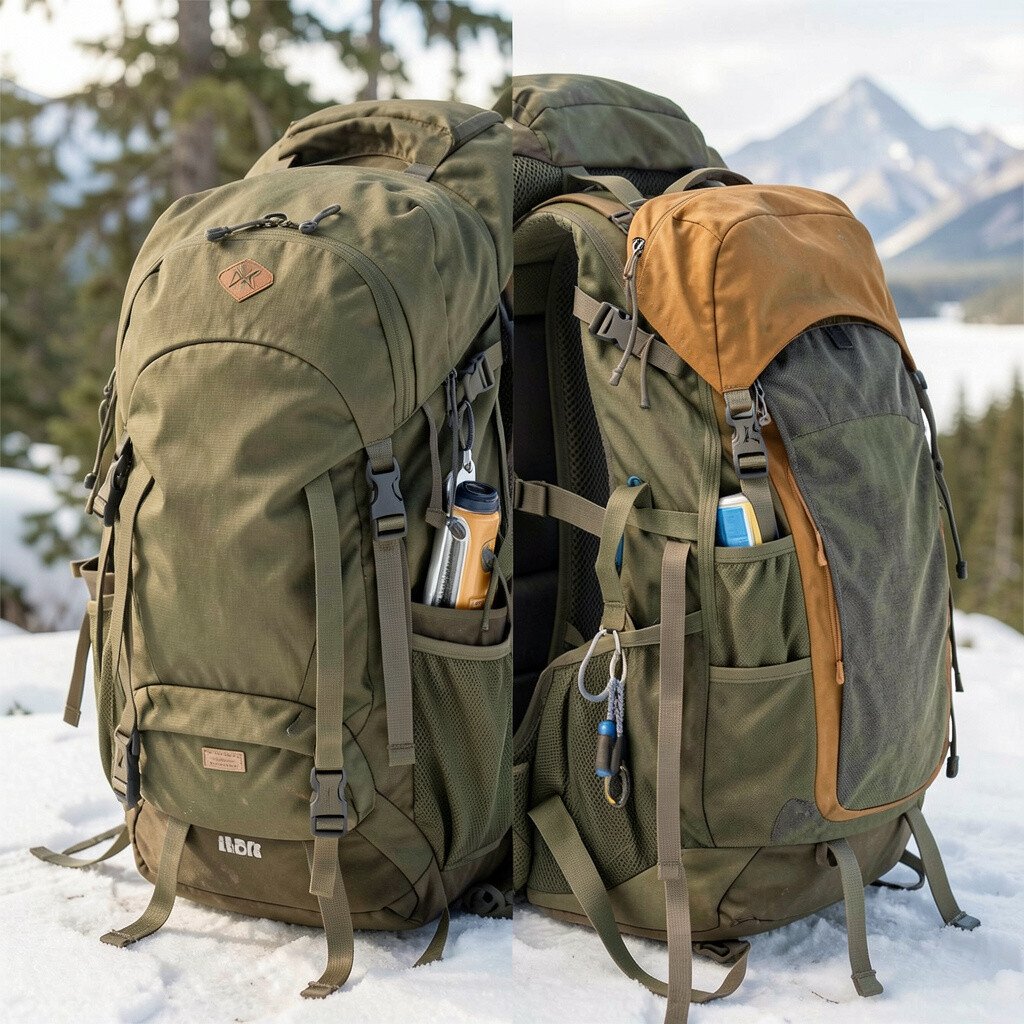
Before, your bag might feel messy, so you spend time digging for chargers, snacks, or gloves. After, you pack a small system that keeps the most-used items reachable.
Your outfit works better too because you aren’t standing around in the cold while you search. The benefit is smoother days, especially when weather changes and you need to move fast. Practical tips include using small pouches for cords and snacks and keeping a spare base layer where you can grab it quickly.
Uniqueness comes from how you personalize your carry, like attaching a small carabiner for keys or using a bright strap cover that matches your hat. Cost considerations can be friendly because you don’t need a huge pack, just one that fits your essentials comfortably. Current trends show more minimalist day packs with smart organization, so your trip feels light and controlled.
13. The Finishing Touch Layer: Socks and Small Extras
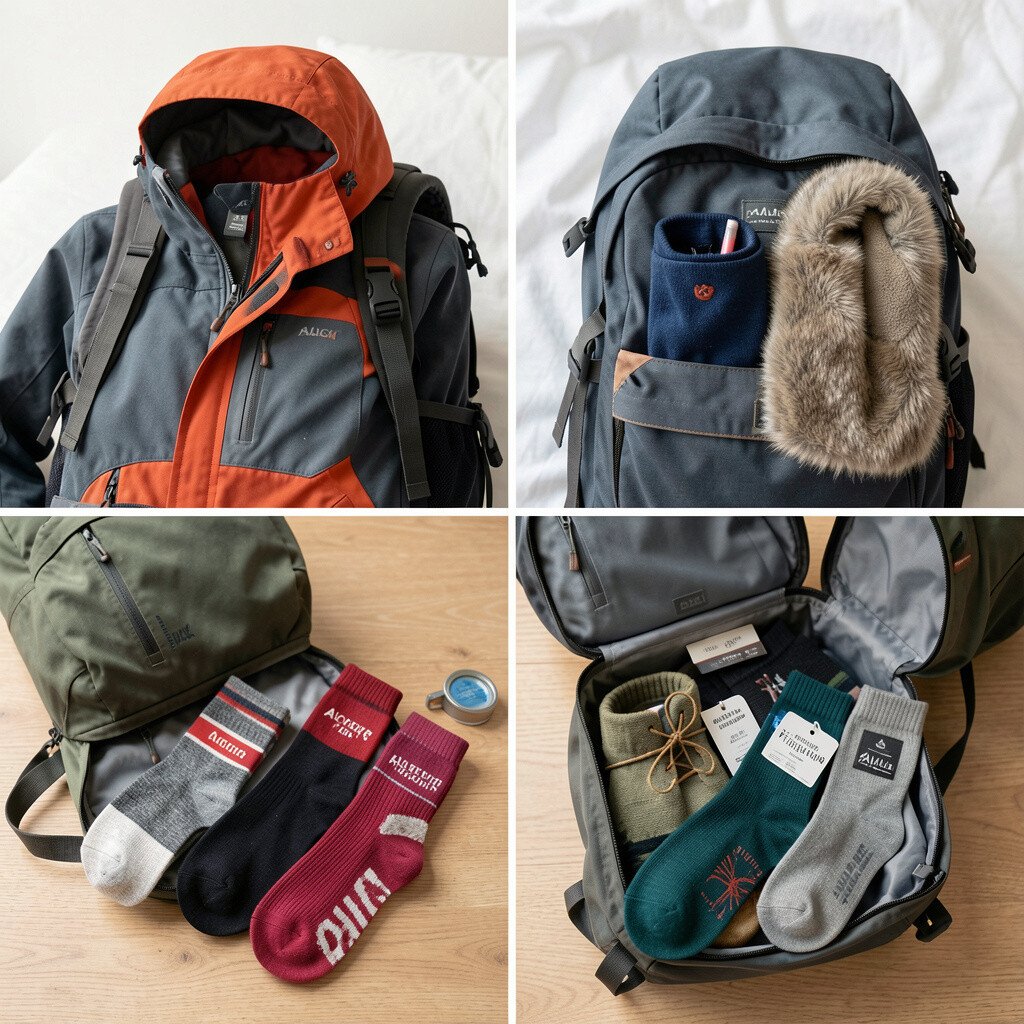
Before, you might pack socks that look fine but aren’t warm enough once the day cools down. After, you choose socks based on activity and pack extras so you can swap if your feet feel damp.
In the final look, socks matter because they show under boots and can add a pop color when your pants ride up slightly. The benefit is comfort and warmer feet, which makes every step feel easier. A practical tip is to bring one dry spare pair in a separate bag, so it’s easy to change without hunting.
Personalization can be simple, like choosing thicker socks for outdoor days and thinner ones for casual evenings. Cost-wise, sock upgrades are often affordable, and they pay off quickly because they affect comfort all day. If you want to follow current trends, people are paying more attention to quality socks and warm insoles, since those small extras make the whole outfit feel more polished and intentional.
When you pack the after version, you also think about small extras like hand warmers or a compact towel, because Alaska weather can surprise even well-prepared travelers.