Your room can change its mood without needing a full rebuild. Small choices, made in the right order, can make everything feel new.
1. Paint With Personality Instead of Plain Walls
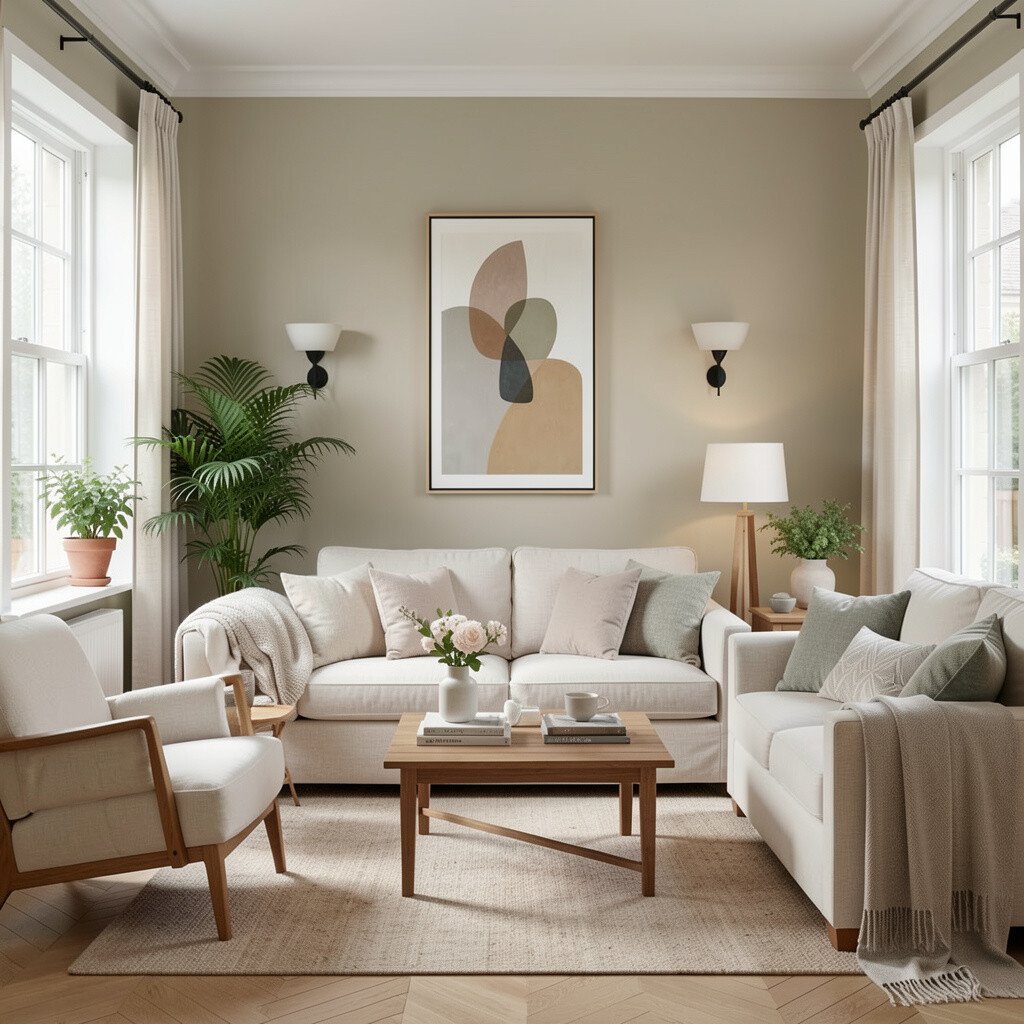
Before, the walls might feel flat and quiet, like they are holding their breath. After, a bold yet cozy color can give the whole space energy and warmth.
Try a main wall in a rich shade while keeping the other walls soft and balanced. Pair it with lighter curtains or a pale rug so the room stays airy. For practical results, use sample pots first, paint a small test patch, and observe it in daylight and at night.
2. Swap Dull Lighting for Layered Glow
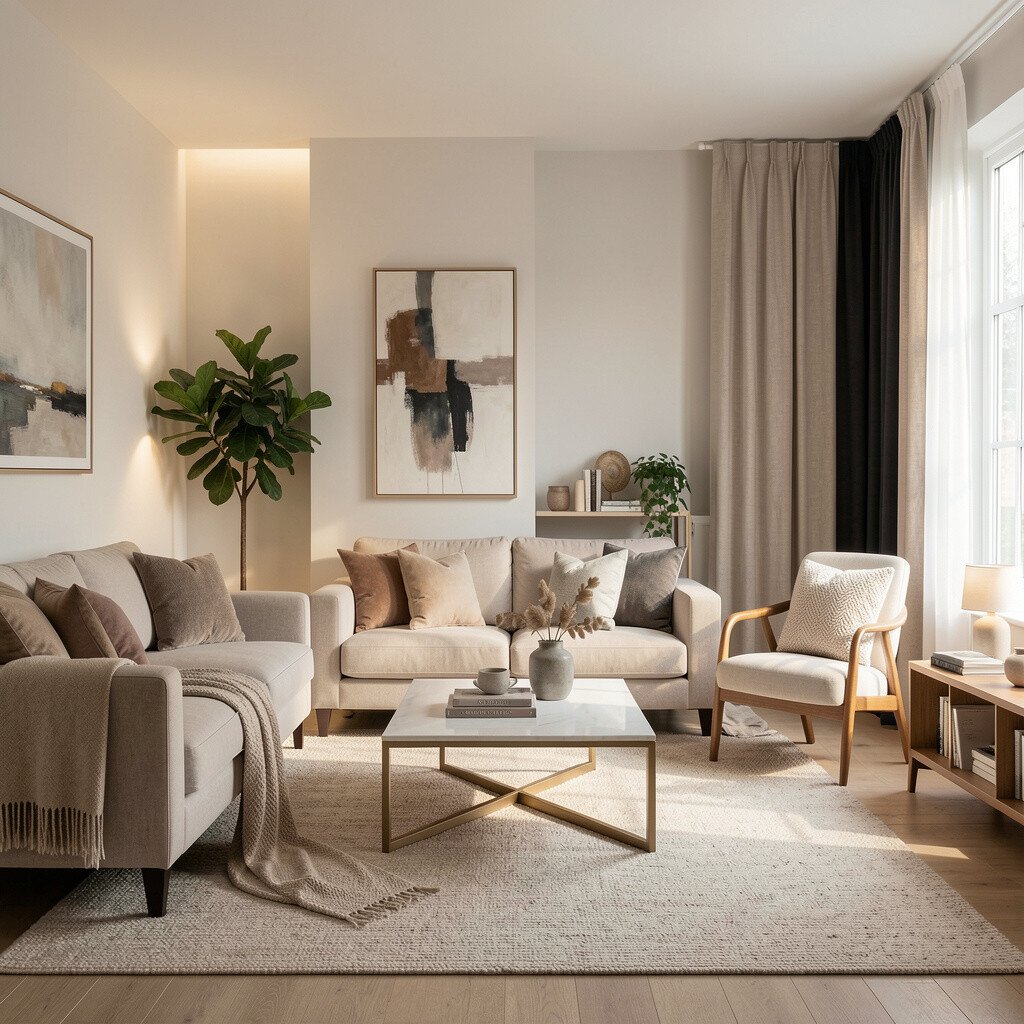
Before, the room may rely on one overhead light that makes corners look gloomy. After, layered lighting creates a gentle glow that feels welcoming and stylish.
Combine a warm ceiling fixture with a floor lamp and a small table lamp for an easy rhythm of light. Choose bulbs that match a cozy tone, and use dimmers if your wiring allows. This approach makes reading, relaxing, and hosting feel effortless.
For cost considerations, start with one lamp and a couple of affordable bulbs, then grow the setup over time. Current trends often lean toward warm brass finishes and linen shades because they soften the look. You can personalize by matching lamp colors to your pillow covers or artwork frames.
3. Reface Cabinets or Refresh Furniture Fronts
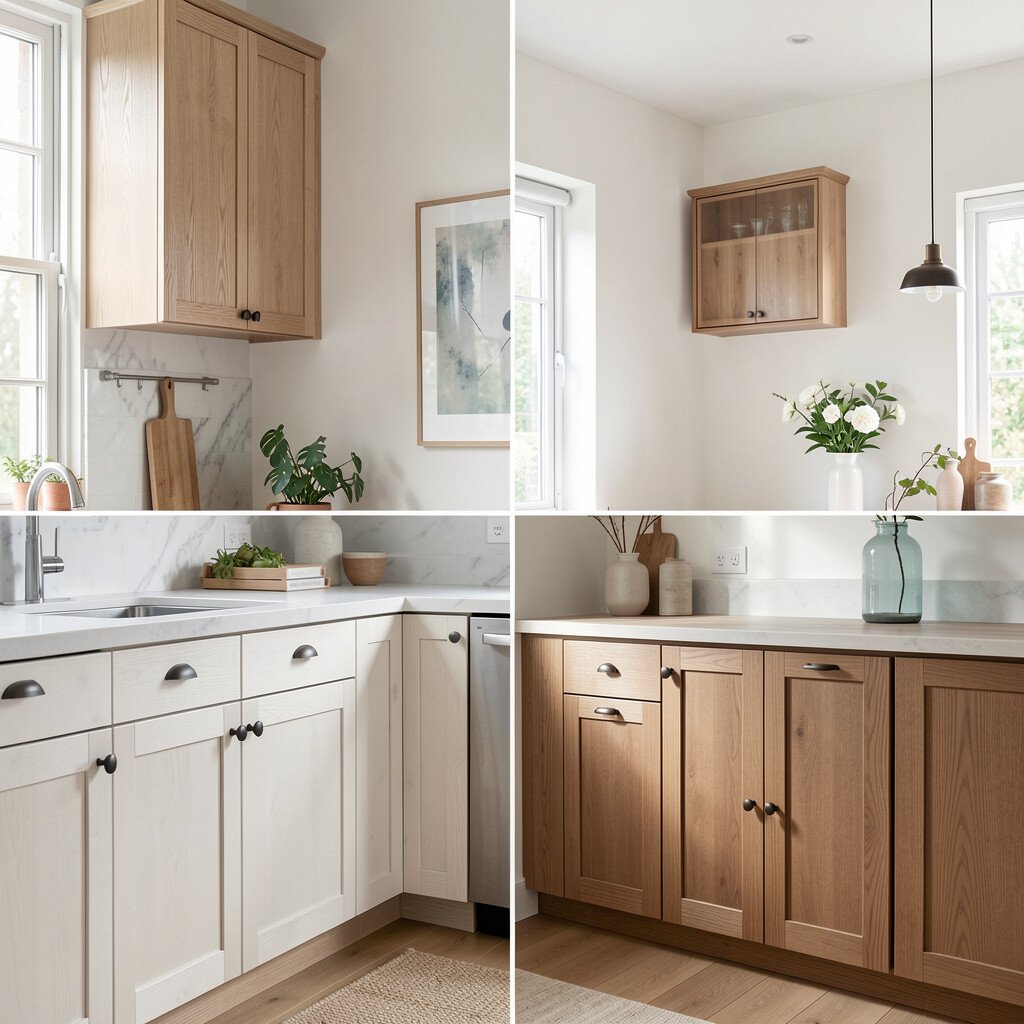
Before, dated cabinet fronts or worn furniture can pull attention away from everything else. After, updated surfaces make the room feel cared for and more put together.
Consider painting cabinet doors in a crisp satin finish or swapping hardware for modern shapes. If you love texture, try a peel-and-stick veneer for a quick refresh on small sections. To keep it practical, clean surfaces well and use quality primer when you paint.
Unique touches, like matte black knobs or vintage-inspired pulls, can make the room look custom without a big budget. This is a smart move if you want a “before and after” feel that still fits real life. Measure carefully and plan for extra time so the alignment looks neat.
4. Style a Feature Wall With Texture
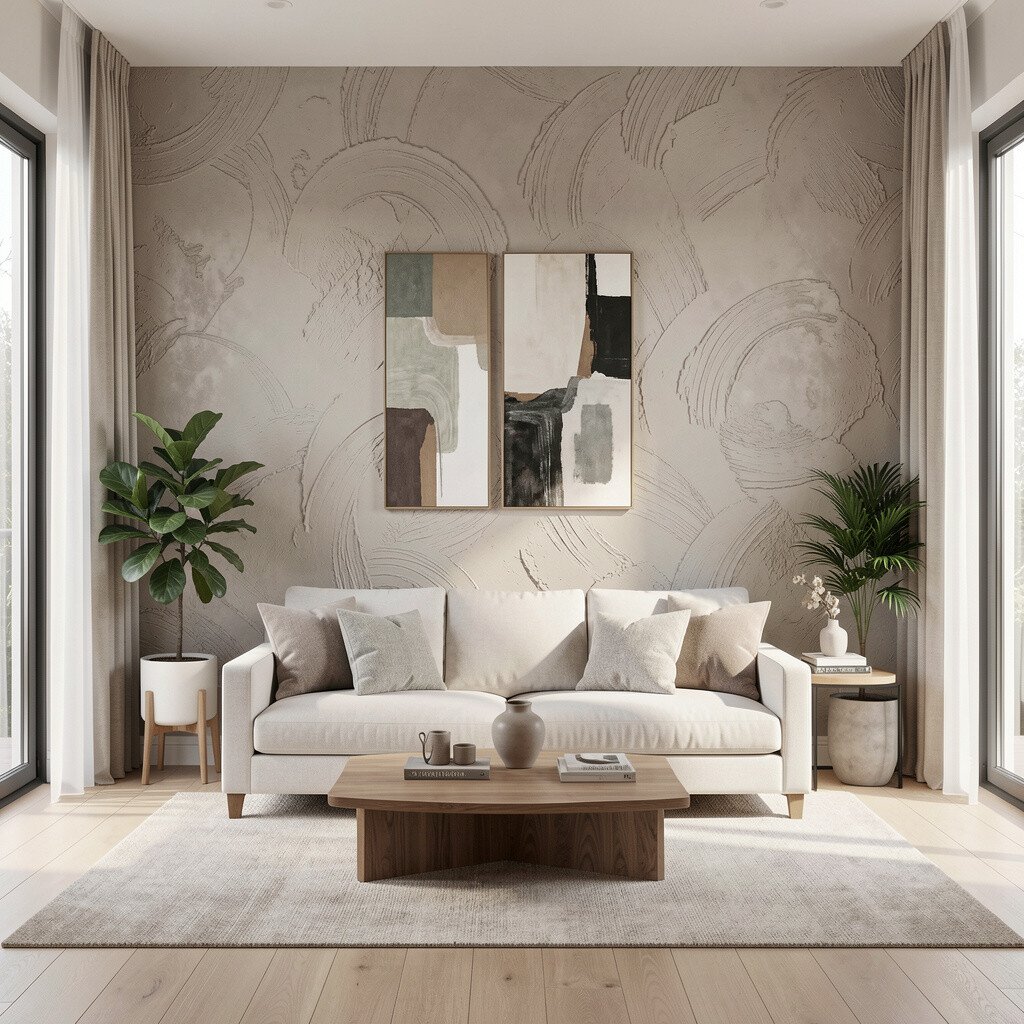
Before, every wall might look the same and nothing feels like it has a focal point. After, a textured feature wall adds depth you can see from across the room.
Try removable wallpaper, a small-scale wood slat panel, or fabric wall panels for a softer look. Keep the rest of the room calmer, so the texture becomes the star. Choose colors that match your existing flooring tones, and test samples to see how they sit in different lighting.
5. Choose Curtains That Actually Change the Room
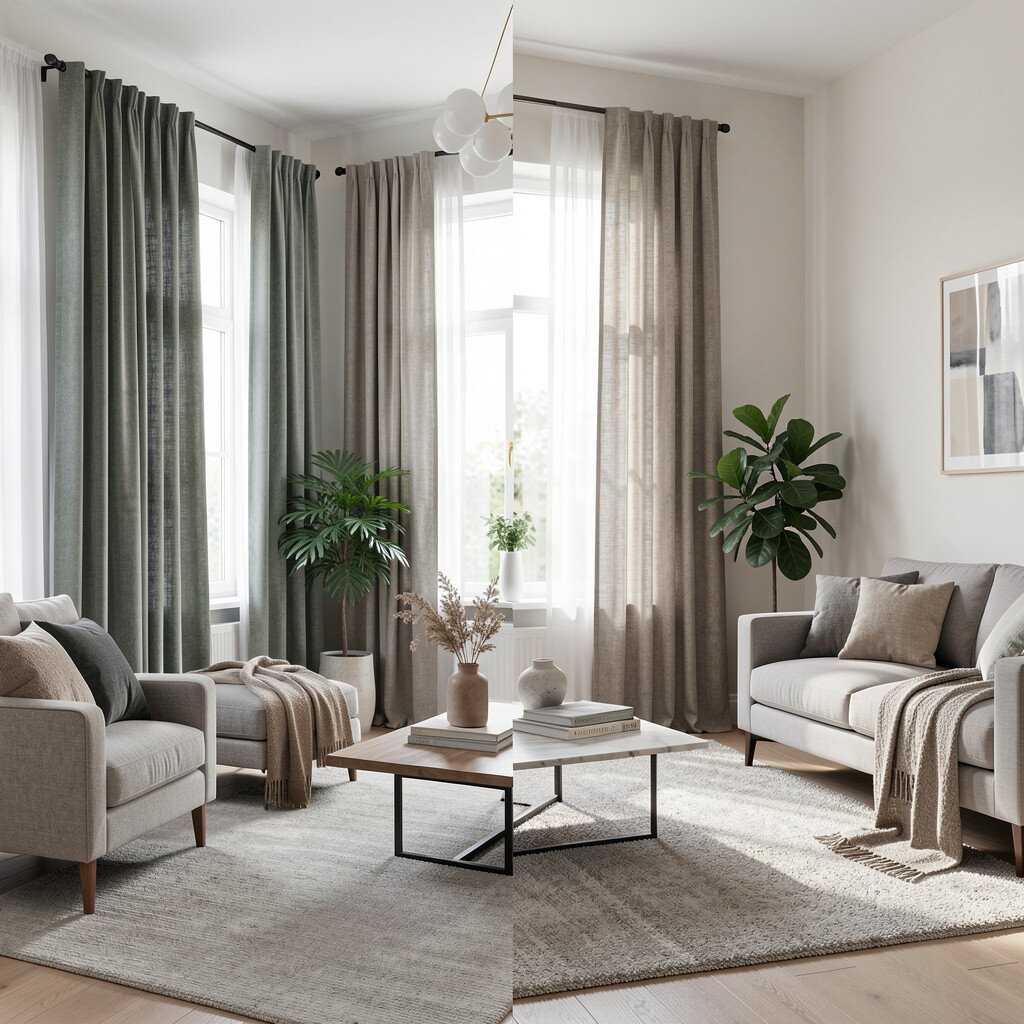
Before, short curtains or thin panels can make the windows feel small. After, floor-length curtains add height and make the room look taller and more elegant.
Pick a fabric with movement, like linen blends or textured cotton, so the window feels dressed. Use a higher curtain rod placement to create a lifted look, even if you do not change the wall height. For personalization, tie the curtain pattern into a throw pillow or piece of art.
If you want to manage costs, consider ready-made panels in a slightly richer color instead of custom drapes. A current trend is using neutral textures with bold hardware, so you can still keep things modern. Steam or iron before hanging, because crisp fabric makes the biggest difference.
6. Upgrade Your Rugs for Instant Comfort and Color
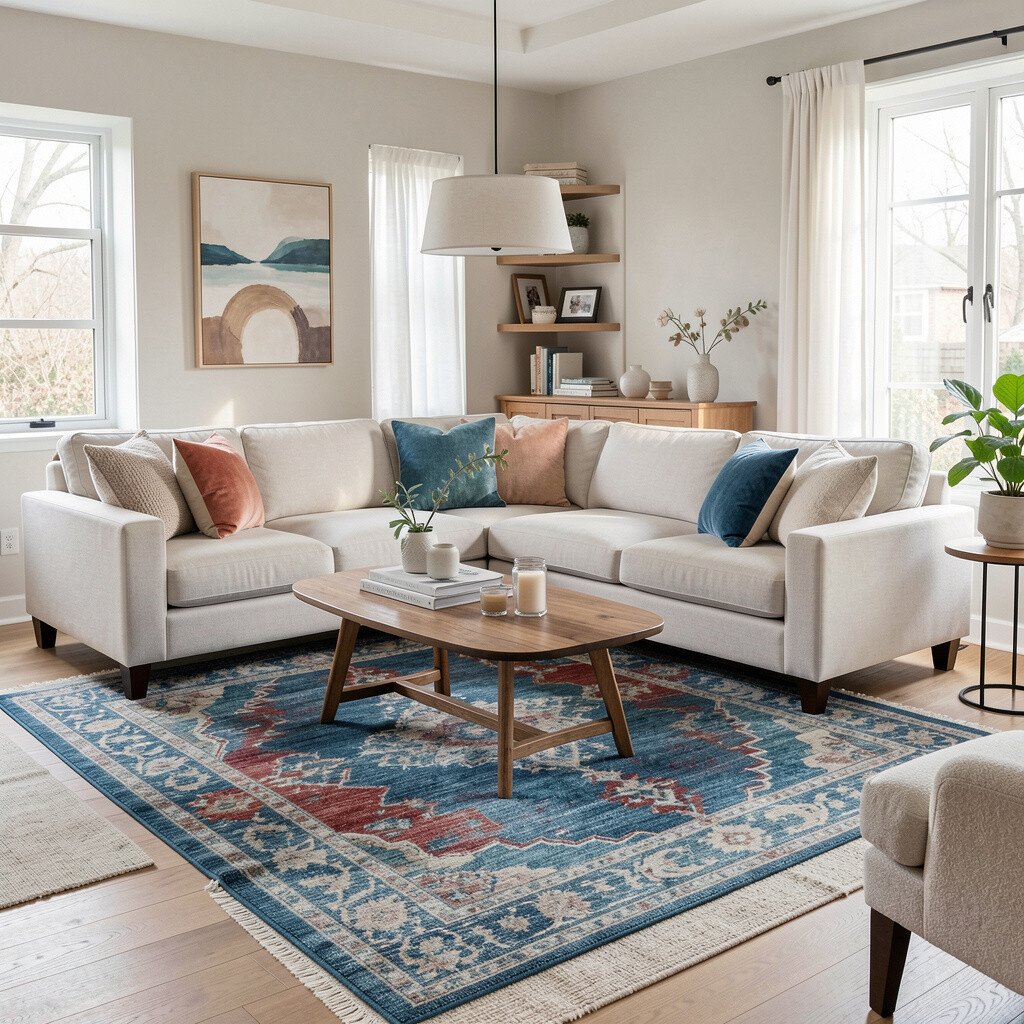
Before, the floor might look bare or busy in the wrong way. After, a well-chosen rug anchors the room and makes everything feel more comfortable.
Choose a size that lets the front legs of your furniture sit on the rug, creating a connected layout. Match the rug tone to your wall color, then add contrast with furniture or decor. If your room is small, lighter colors can keep it open, while deeper tones feel cozier.
For practical tips, check the rug thickness so it feels good underfoot and works with doors. If you have pets or kids, look for stain-resistant materials. You can personalize with a pattern that fits your style, from soft stripes to warm geometric shapes.
7. Build a Gallery Wall With a Simple Rule
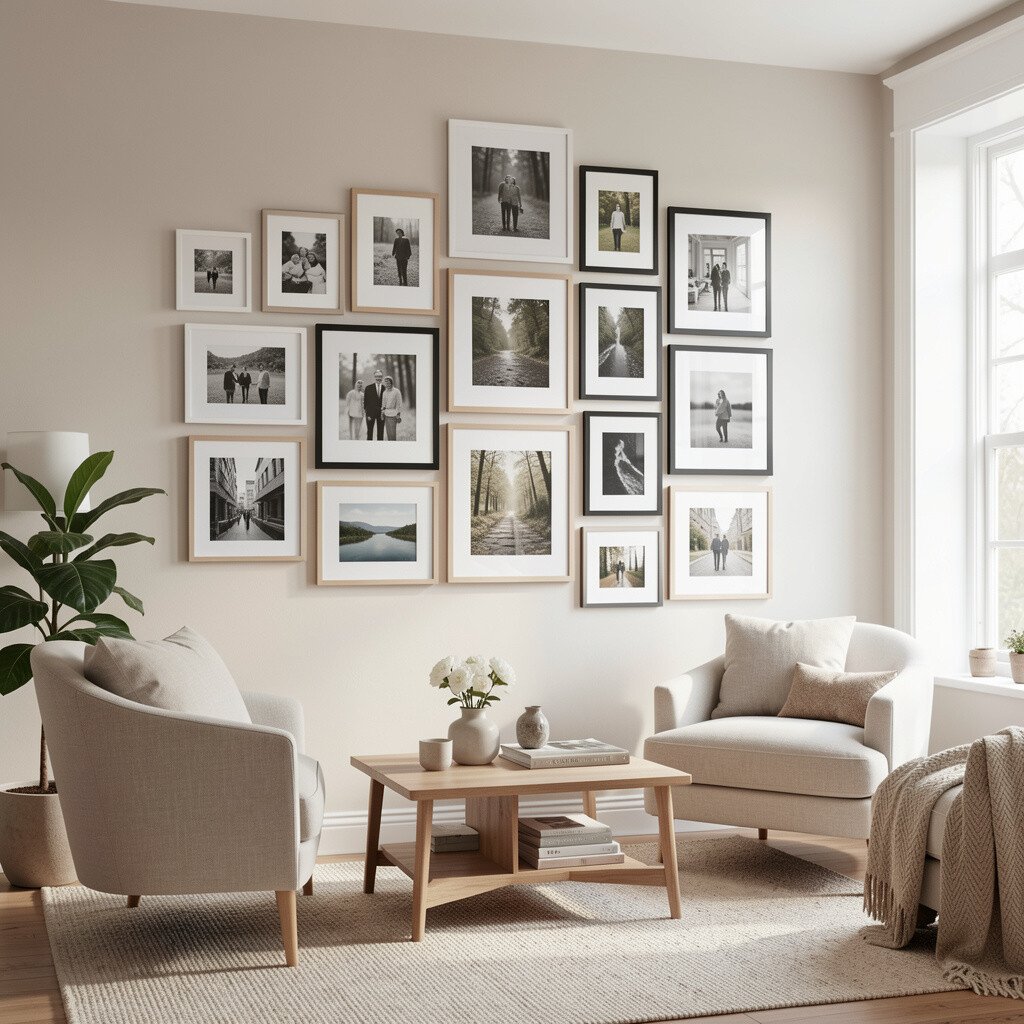
Before, artwork might be scattered or hung at random heights. After, a gallery wall turns blank space into a personal story.
Use one simple rule: keep a consistent spacing and align the center line of the group. Mix frame finishes gently, like wood with black, so it looks intentional. Choose prints that share a theme, such as landscapes, typography, or family memories.
Uniqueness comes from spacing and scale, so include one larger piece to prevent the wall from looking flat. For costs, thrift frames and repaint them, or print digital art at local shops. Keep it easy by planning the layout on the floor first, then transfer with painter’s tape.
These current trends often favor slightly larger frames and airy layouts, which look great in modern homes. A gallery wall also makes the room feel like you live there, not like it is staged. When you change your mind later, you can swap just one frame and refresh the whole vibe.
8. Add a Statement Mirror to Multiply Light
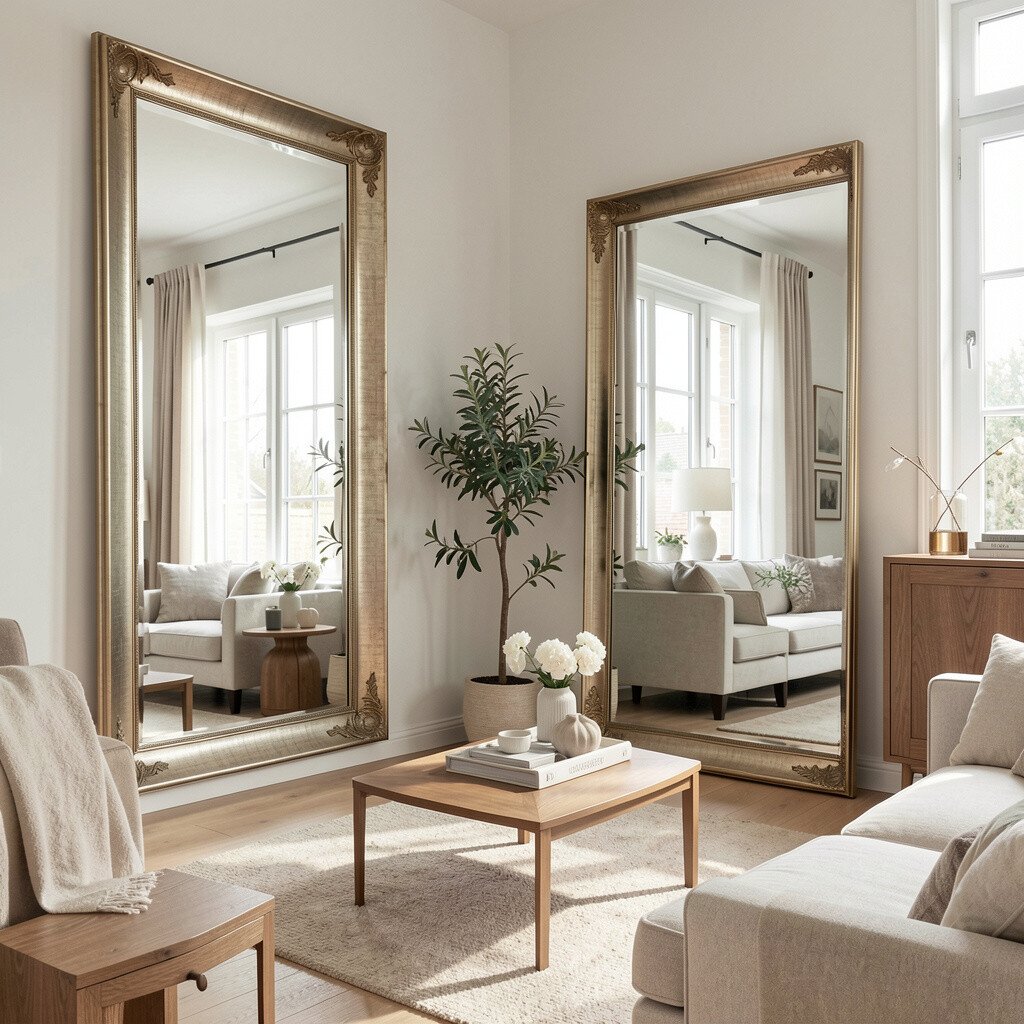
Before, natural light may feel trapped and the room can seem dim. After, the right mirror bounces light around and makes space feel bigger.
Try a mirror with an interesting shape, like an arched frame or an oval with clean lines. Place it across from a window or opposite a lamp so it reflects the warm glow. For practical placement, keep it at eye level and avoid blocking doorways.
Cost-wise, mirrors range widely, so look for one solid frame at a mid-range price. Unique styles today include thin gold metal and bold dark frames that still feel modern. Personalize by choosing a frame color that matches your hardware, such as cabinet pulls or light fixtures.
9. Swap Hardware for a Quick Style Upgrade
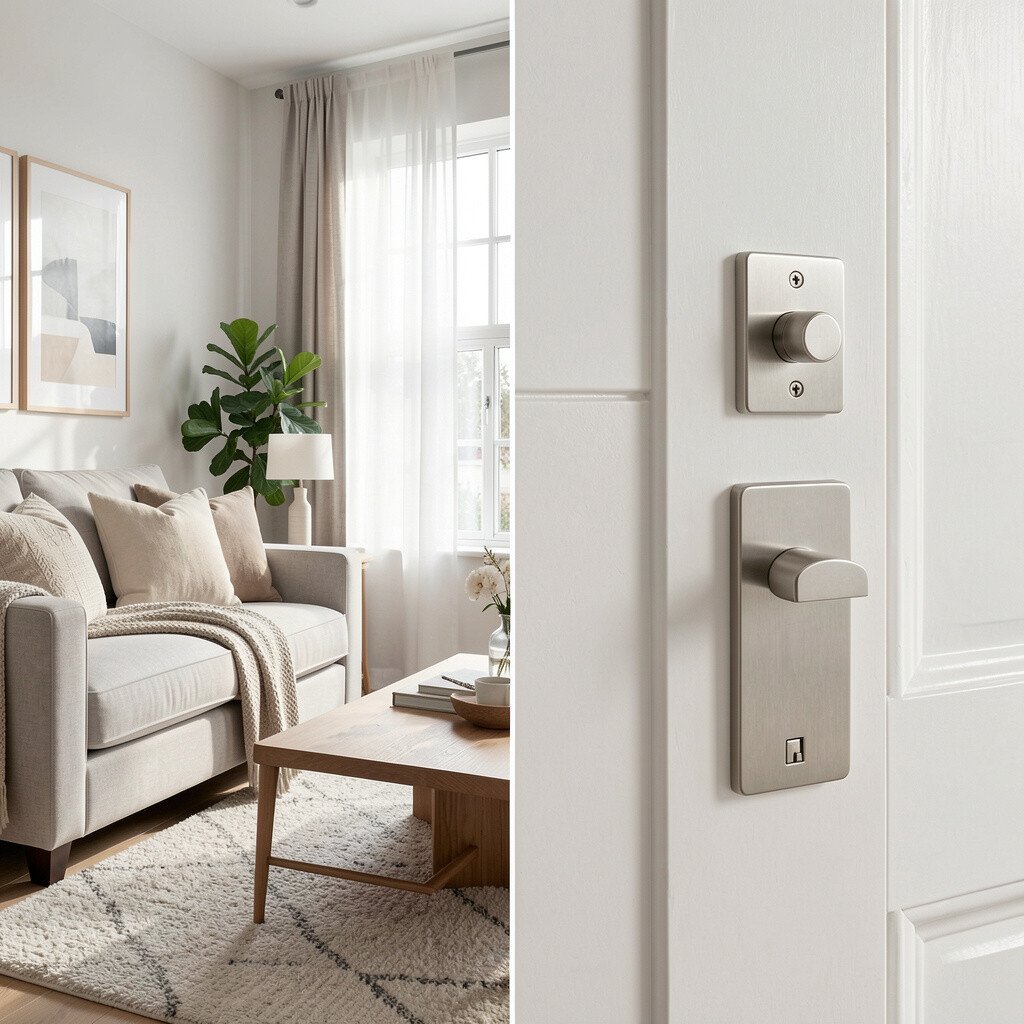
Before, small details might look worn or mismatched, even if the rest of the room is decent. After, new knobs and pulls can make a whole room look newly designed.
Choose hardware finishes that match key elements like faucets, hinges, or lamp bases. This creates a pulled-together look without repainting anything. If you want a unique twist, mix one accent finish, but keep the majority consistent.
For practical tips, measure the spacing between screw holes and bring a sample when you shop. Most projects only take a short block of time, especially for dressers and bathroom vanities. If you rent, look for hardware that does not require permanent changes or stick with updates on freestanding furniture.
10. Make Your Bedding Feel Like a Hotel
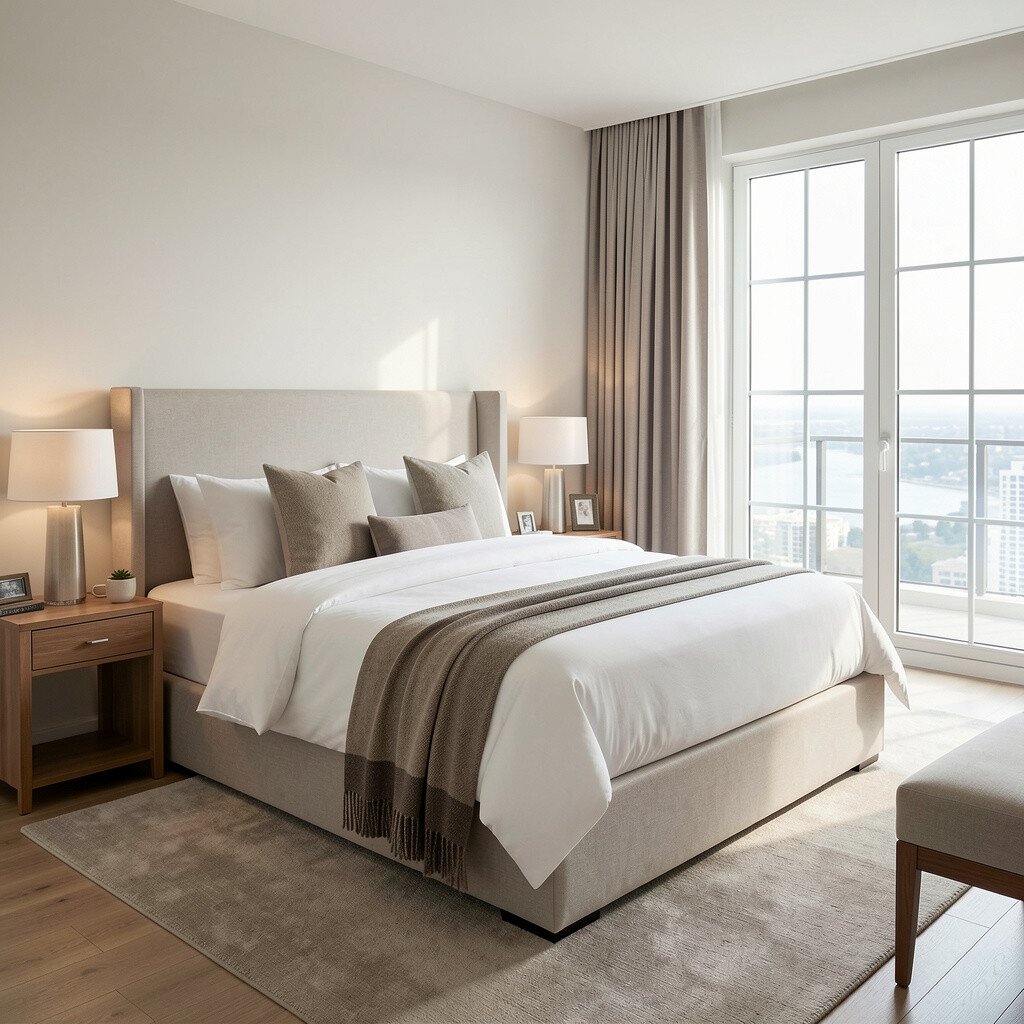
Before, your bed might look messy even when you keep it tidy. After, crisp layers and the right color palette make it look calm and inviting.
Try adding a textured duvet cover, a lightweight throw blanket, and two matching pillow styles. Choose a calming color for your main bedding, then add contrast with a patterned pillow or warm accent. A practical benefit is that layered bedding looks good even if you do not perfectly fold everything daily.
Unique personality comes from fabric choices, like waffle weave or subtle embroidery. For cost considerations, you can keep your existing mattress and buy covers and throws first, then upgrade more later. Current trends include earth tones, soft contrast edging, and natural fibers that feel cozy in every season.
11. Refresh the Look With a New Accent Chair
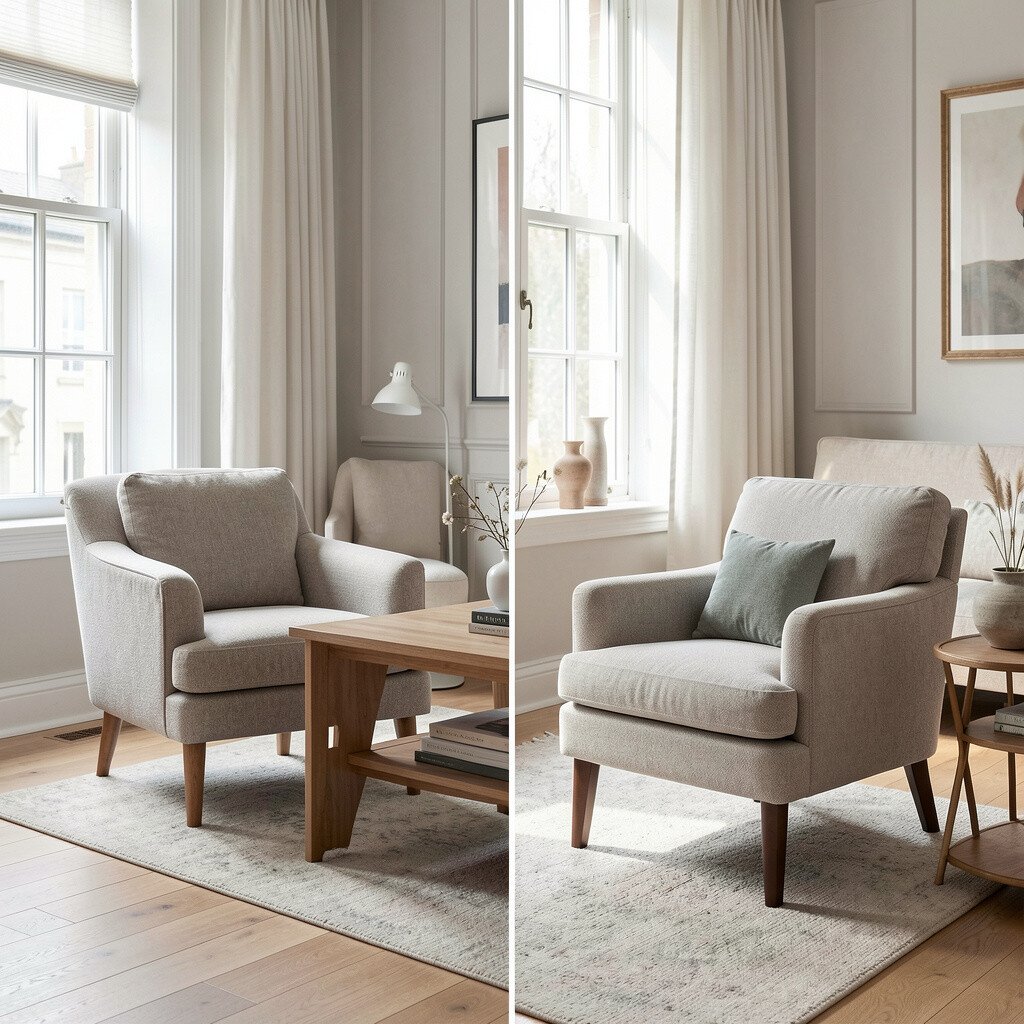
Before, there may be too much plain seating or the room might lack a comfortable conversation spot. After, one accent chair can define a corner and make the space feel intentional.
Choose a chair that matches your room scale, not just your taste. A curved silhouette can soften a room, while straight lines feel crisp and modern. Use throw pillows in coordinating colors to tie the chair into the rest of the decor.
If your budget is tight, look for a used chair and reupholster or recover just the seat cushion. This is also a great personalization path because you can pick fabric that reflects your style. Unique details like nailhead trim or a textured boucle weave can make the chair feel like it came from a design showroom.
12. Organize With Style Using Open Shelves
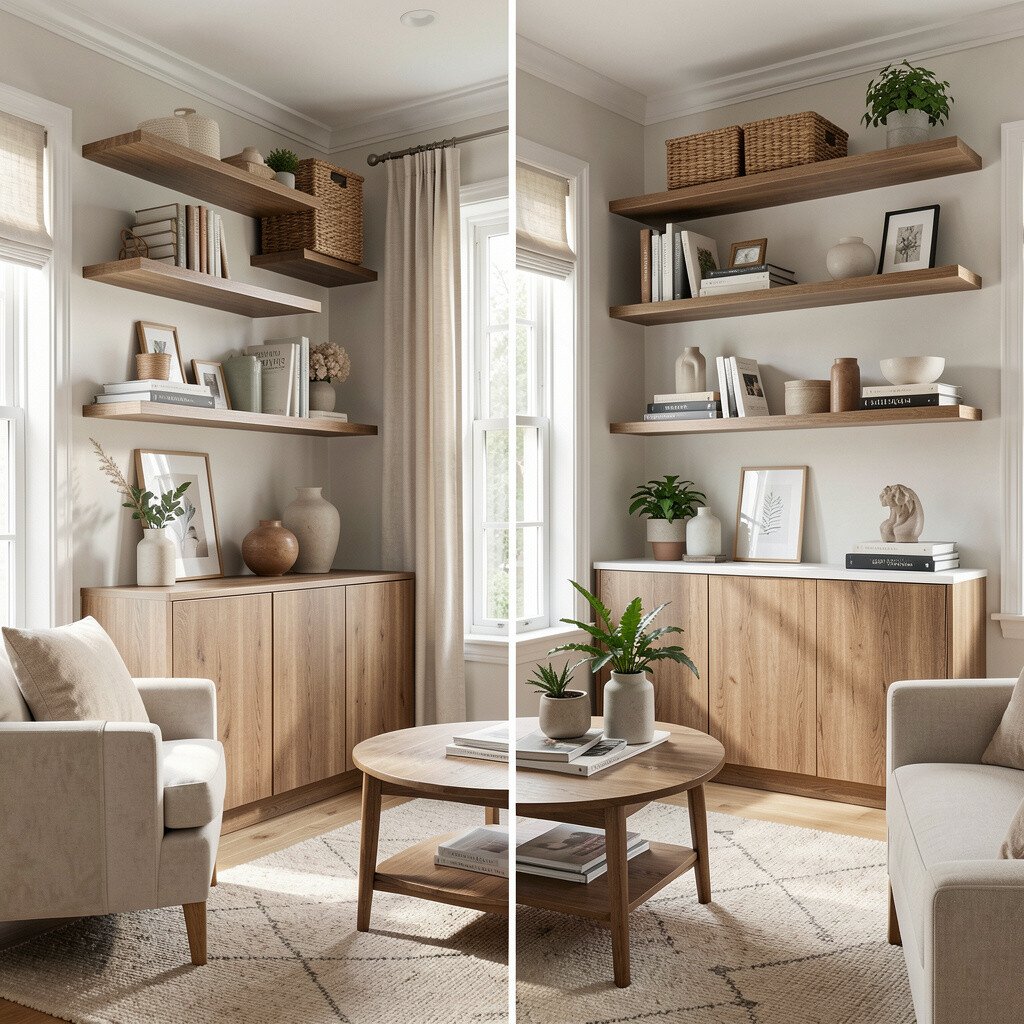
Before, storage might feel hidden, messy, or impossible to find quickly. After, open shelving gives you a neat place for daily items and pretty displays.
Keep items grouped by color and height, and leave some negative space so the shelf does not look crowded. Use baskets for small things, but keep bigger objects visible. If you love personalization, style shelves with books, framed photos, and a few curated objects that tell your story.
Cost considerations are friendly here because you can start with one shelf unit or even repurpose a cabinet. Current trends often favor warm wood tones and simple black brackets. A practical benefit is that open storage can make routines easier because you see what you have.
To keep the after look lasting, dust shelves regularly and avoid putting everything out at once. If you notice clutter fast, limit shelf items to what you genuinely use. This keeps the room looking polished without extra effort.
13. Style Tabletops With Trays and Curated Sets
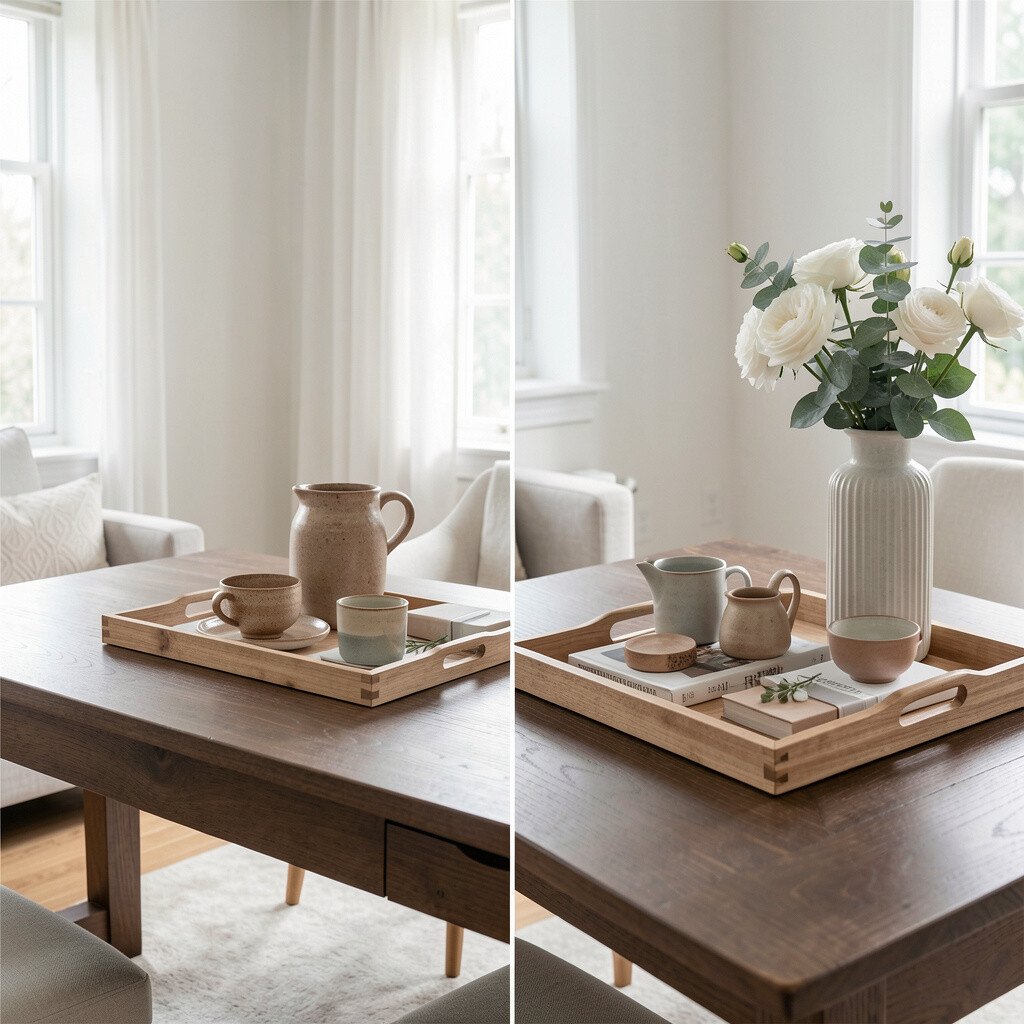
Before, side tables might hold random items that shift throughout the day. After, trays and styled groupings make the surface look tidy and designed.
Use one large tray to corral items like a candle, a small plant, and a remote or coasters. Keep a consistent color family across your decor so it looks calm. Personalize with one meaningful object, like a souvenir or a ceramic piece you love.
For practical tips, choose tray materials that match your room, such as wood for warmth or metal for a modern feel. This also helps when cleaning because you can lift the tray and tidy in seconds. Cost-wise, trays are usually affordable, and you can upgrade gradually as your style evolves.
14. Swap Your Paint Finish for a Better Feel
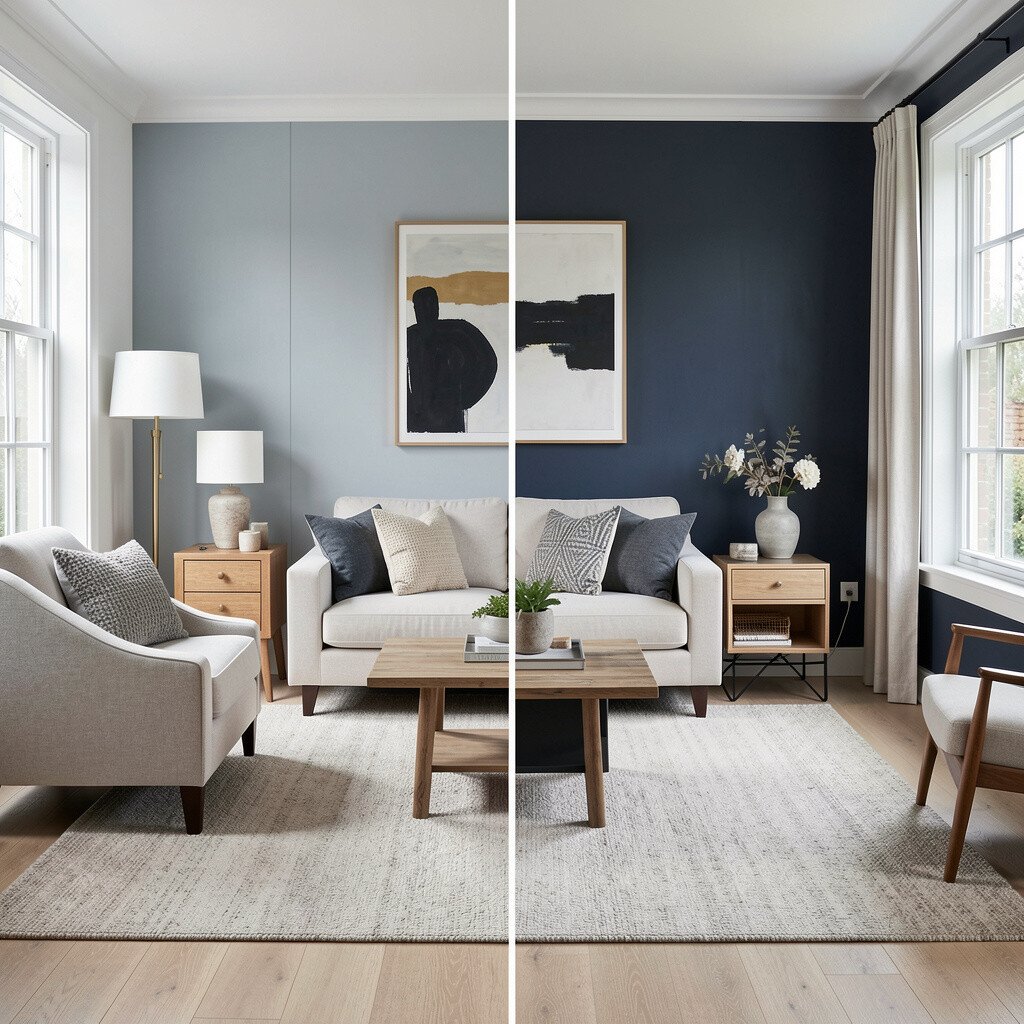
Before, walls might look too shiny or too chalky under light. After, the right paint finish can make surfaces look smooth and comfortable.
Consider eggshell or satin finishes in most rooms, since they handle everyday life better than flat paint. Matte finishes can hide imperfections, but they might scuff more easily. A practical win is choosing the finish that matches how you live, especially in busy households.
Uniqueness shows up through color depth, but finish affects how light behaves, too. For personalization, pair a matte wall with glossy trim or a soft sheen for a clean contrast. Trend-wise, many people now prefer warm neutrals with layered textures, so your paint finish matters even when the color seems simple.
15. Create a Cozy Reading Corner With One Smart System
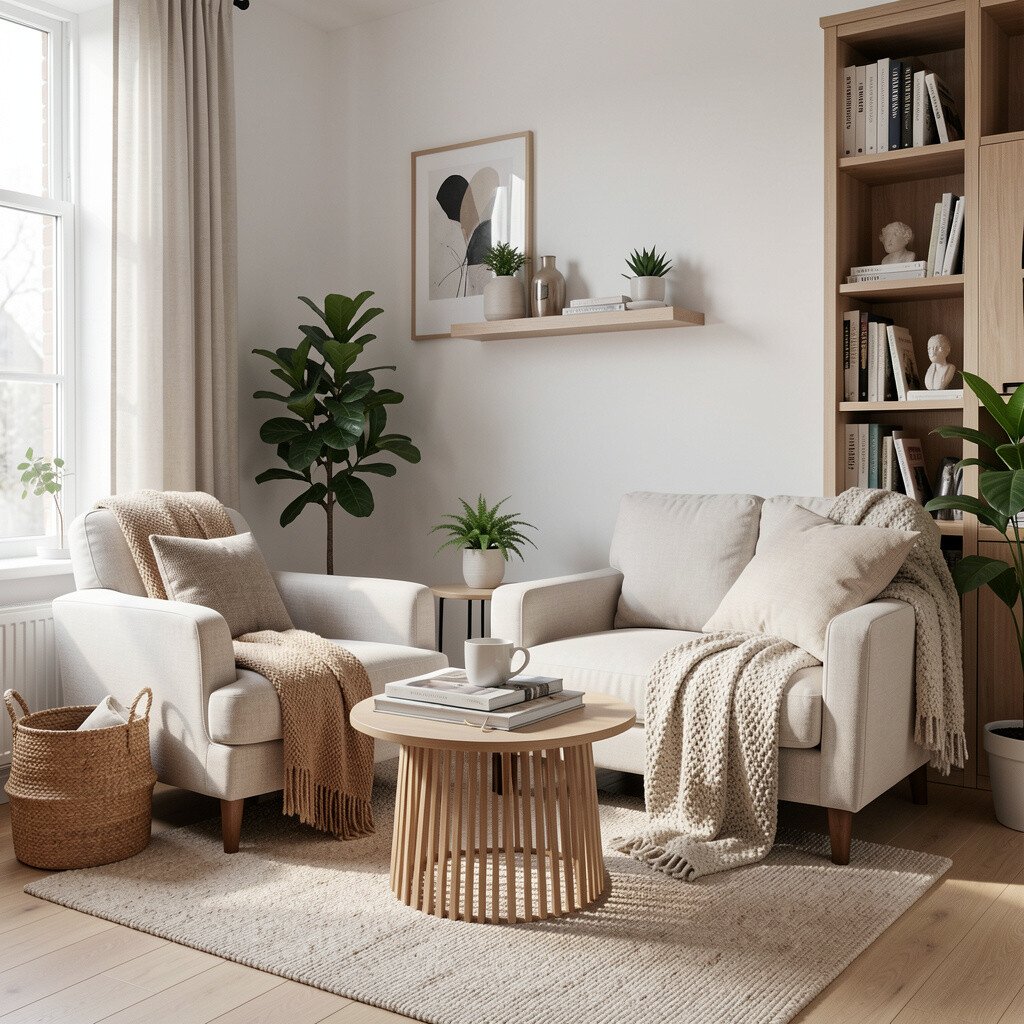
Before, the room may have no dedicated spot for relaxing, so it feels busy and unfocused. After, a reading corner gives you a place to slow down without thinking.
Choose a comfortable chair, add a small side table, and place a warm lamp within reach. Add a basket or ottoman for blankets, so everything stays close and neat. For practical tips, measure the space first so the chair and table do not block walkways.
Personalize with a small bookshelf or a rotating shelf for your current reads. Uniqueness comes from little touches like a floor cushion, a textured rug, or a throw with a color that matches your curtains. Cost considerations can be kept reasonable by using what you already have and focusing spending on seating and lighting.
16. Upgrade Your Storage Bins and Make Them Part of the Style
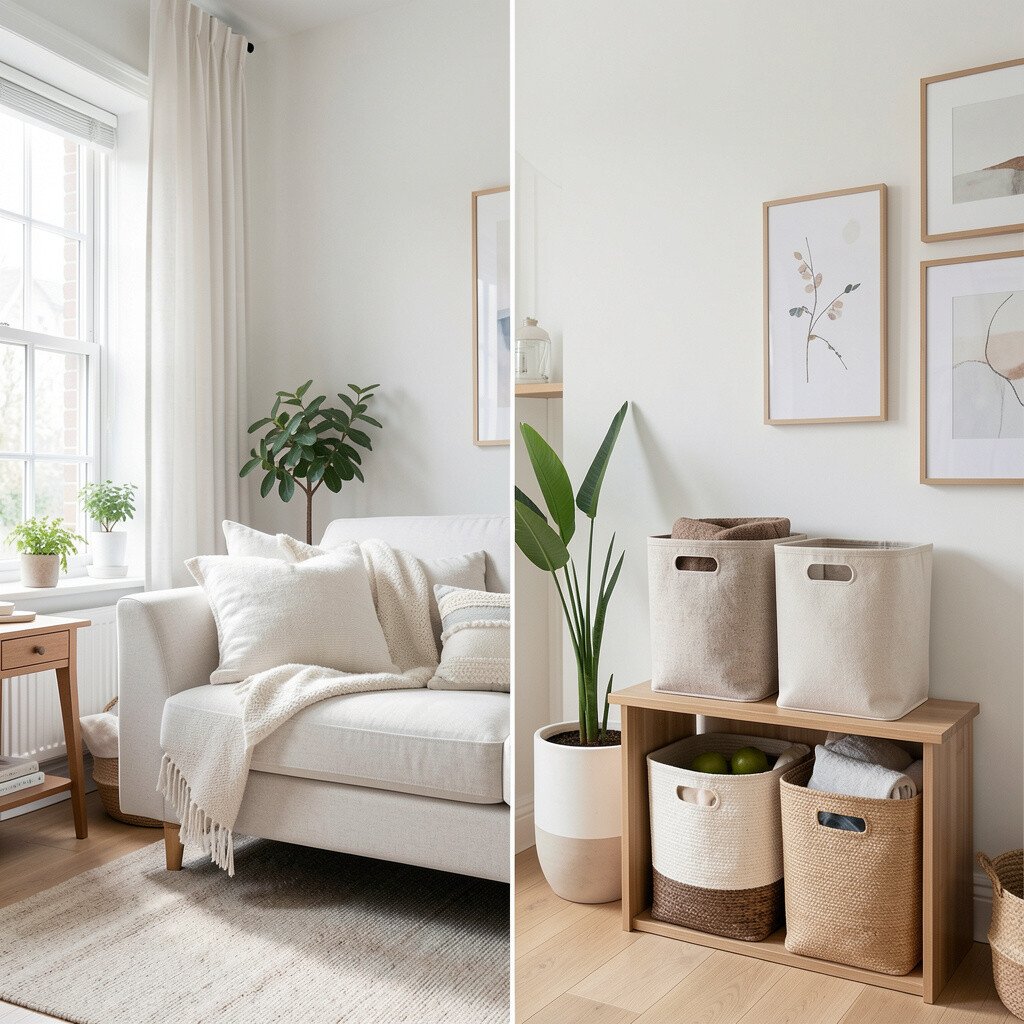
Before, bins may look mismatched or hidden, so clutter creeps back quickly. After, matching storage makes the room feel tidy and easy to maintain.
Use labeled or color-coordinated bins that match your room’s palette and textures. For example, woven baskets look warm, while sleek fabric bins look calm and modern. This provides a practical benefit because you can return items to their place fast.
To keep it unique, choose one pattern or accent color that shows up throughout the space, like a gentle stripe or a warm terracotta tone. Cost-wise, start with bins for the areas that bother you most, such as entryways, closets, or laundry areas. Current trends often favor natural materials and neutral organization systems.
17. Make the Entryway Feel Like a Welcome, Not a Drop Zone
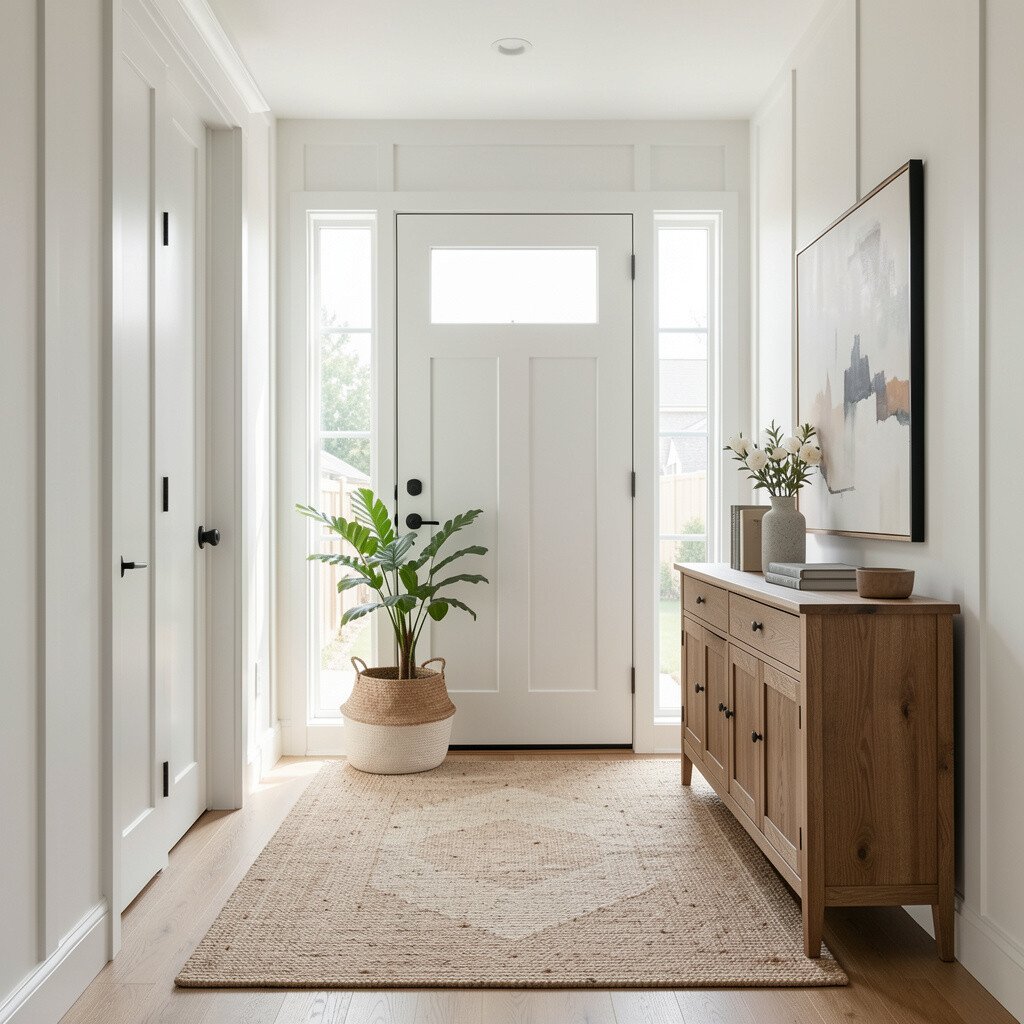
Before, coats, bags, and shoes might pile up because there is not enough structure. After, a tidy entry area makes coming home feel easier and nicer.
Add a simple console table or slim shelf, plus hooks for keys and a spot for everyday bags. A small bench or shoe storage helps keep shoes out of sight. For practical tips, use a tray near the door for small items so you never hunt for them later.
Personalize with a mirror, a small plant, or wall art that matches your style. Uniqueness can come from a bold runner rug that adds color underfoot. For cost considerations, prioritize the organizing pieces that handle daily mess, then add decor after the area stays functional.
18. Bring in Warmth With Wood, Woven Textures, and Soft Metals
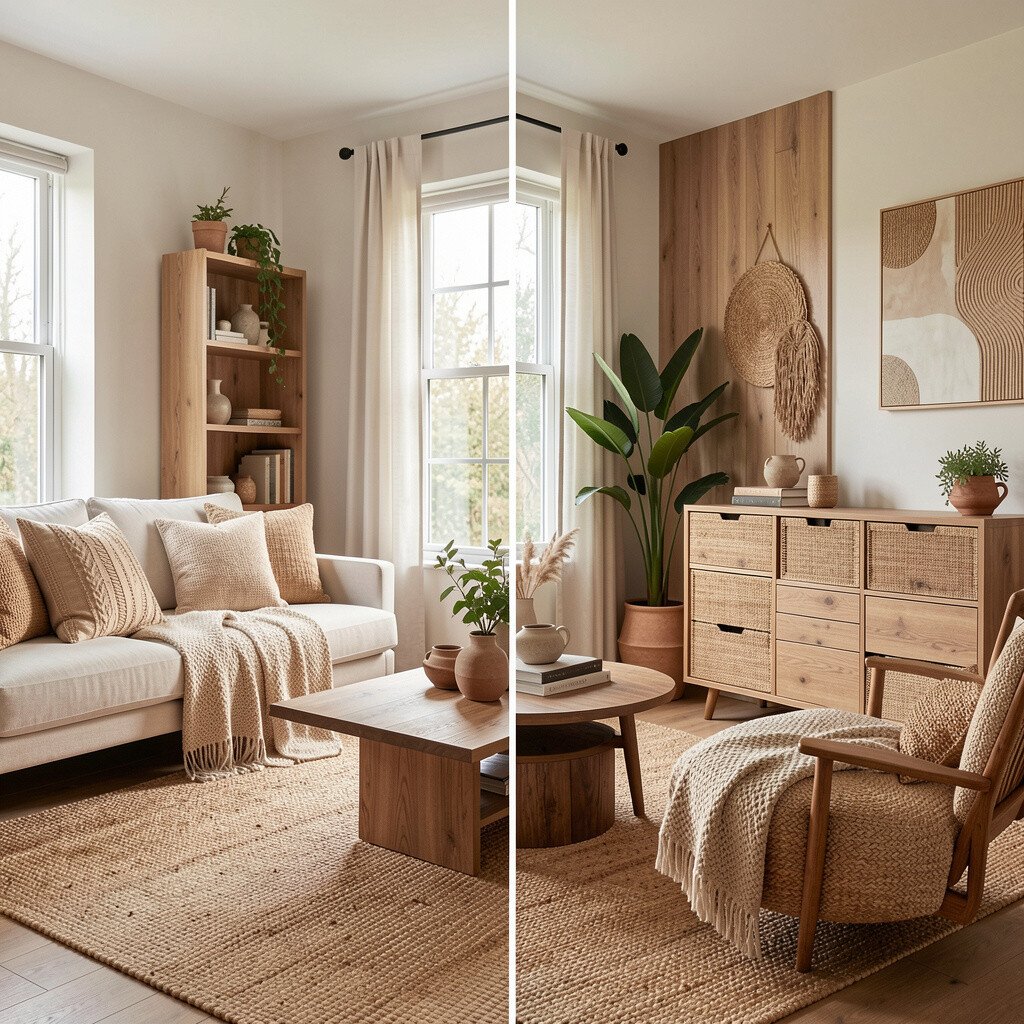
Before, the room might feel cool if everything is shiny plastic or hard surfaces. After, warm materials make it feel lived-in, calm, and friendly.
Mix wood tones with woven baskets, rattan accents, or soft textiles like boucle throws. Add small touches of metal finishes like brushed brass or antique bronze for a subtle glow. This layering helps the room feel richer without needing expensive pieces.
For personalization, repeat one material across the room, such as light oak in shelves and a matching picture frame. Unique styling feels best when textures vary, not when colors fight. Cost considerations can be managed by using wood-look finishes and affordable woven accents first, then upgrading bigger items later.
19. Redesign the Layout by Moving One Key Piece
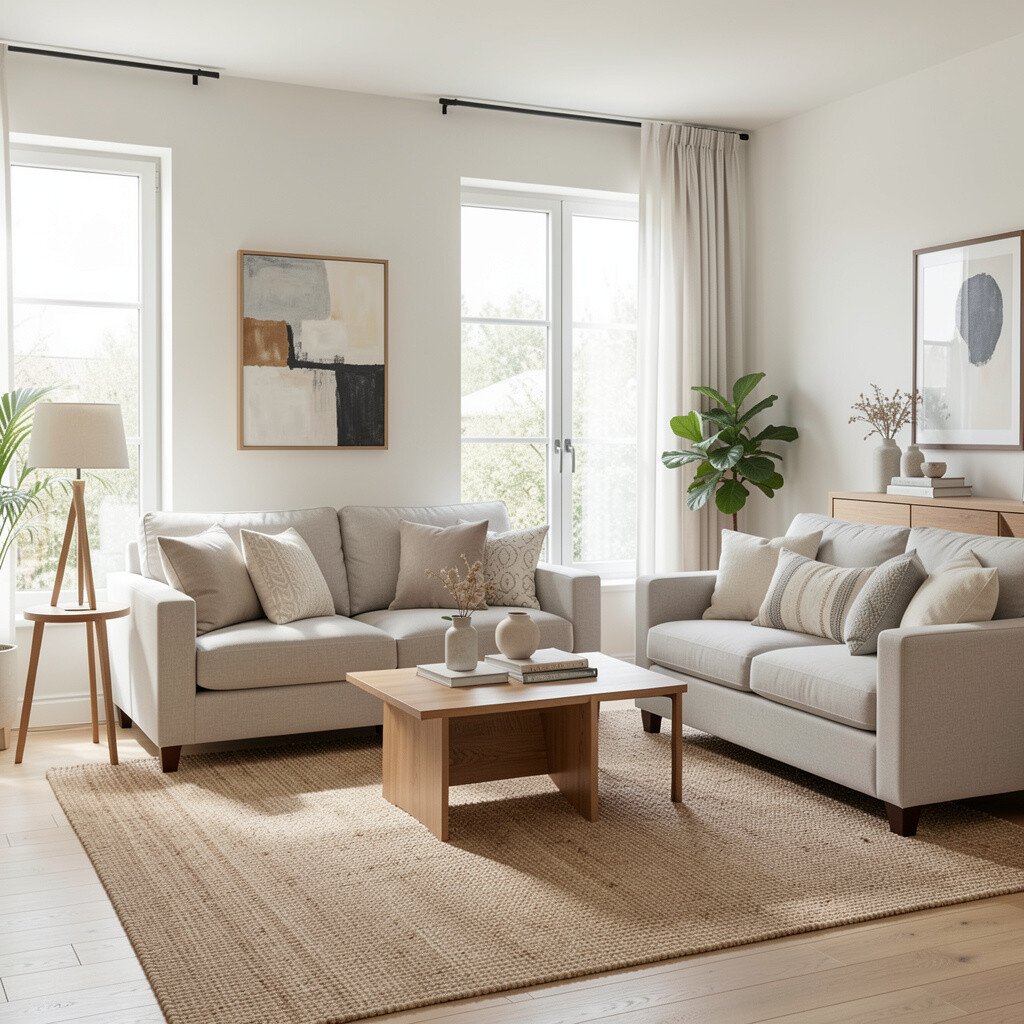
Before, the room might feel awkward because the layout makes traffic hard. After, a small move of a major piece can improve flow and make the room feel balanced.
Try shifting your sofa or bed to center the main sight line, then place smaller items around it. Use rug alignment to guide where furniture should sit, because rugs naturally define zones. For practical tips, measure the walking paths and keep enough space for doors to open freely.
Uniqueness comes from how you create zones, like a mini dining spot or a cozy TV nook. Personalize by arranging seating toward conversation rather than only toward the screen. Cost considerations are excellent here because layout changes are mostly free, and the after effect can still feel dramatic.
20. Add Color Through Art, Not Just Large Furniture
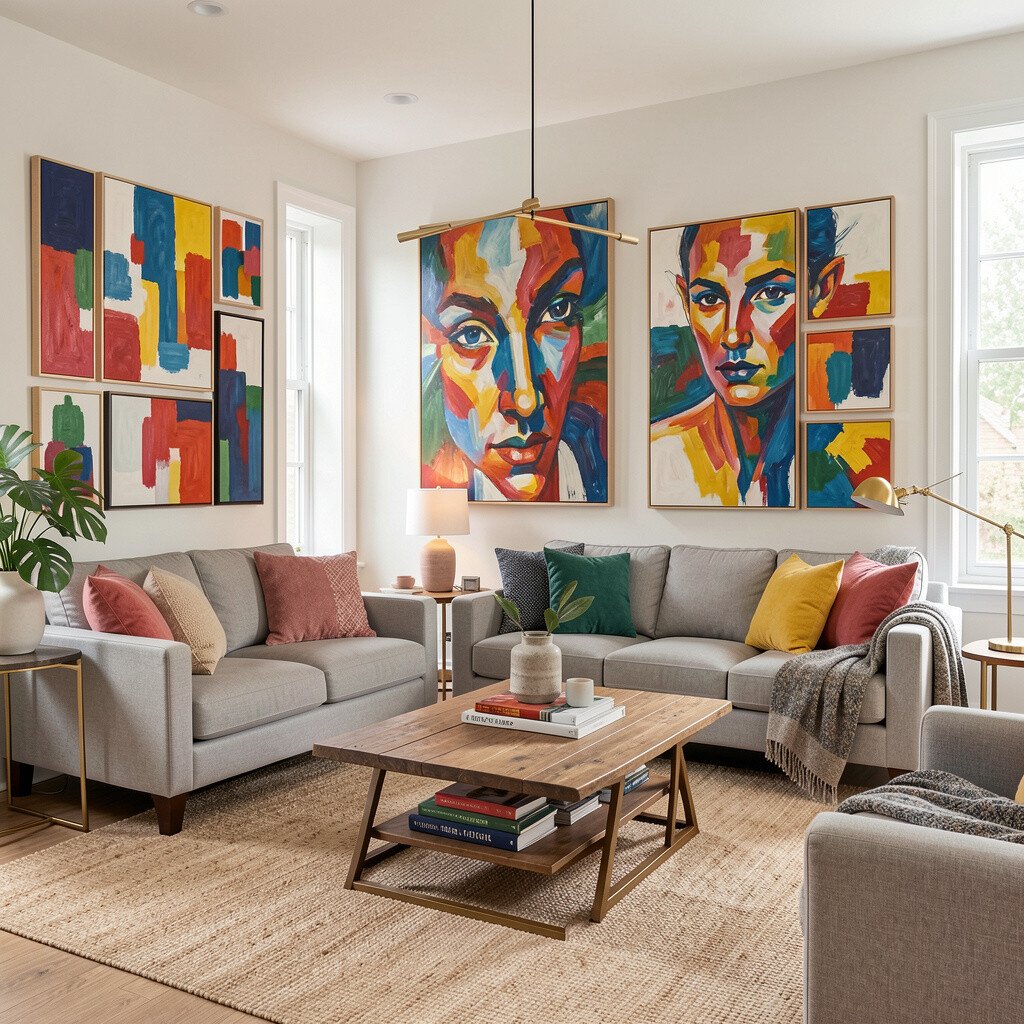
Before, your room might rely only on neutral furniture, so it can feel safe but boring. After, art adds color and personality without locking you into one big purchase.
Choose one large piece or several smaller prints that share a color theme. If you like a bold look, pick art with colors you already own in pillows or throws. For practical tips, consider the wall lighting and keep art at eye level for an instant polished feel.
Personalization is easy because art can reflect your hobbies and memories, like travel photos, sketching, or favorite quotes. Unique style comes from mixing frame types gently or using a mix of matte and glossy finishes. Cost considerations can be friendly by shopping for prints, frames, or local art fairs, then updating the lineup as your tastes shift.