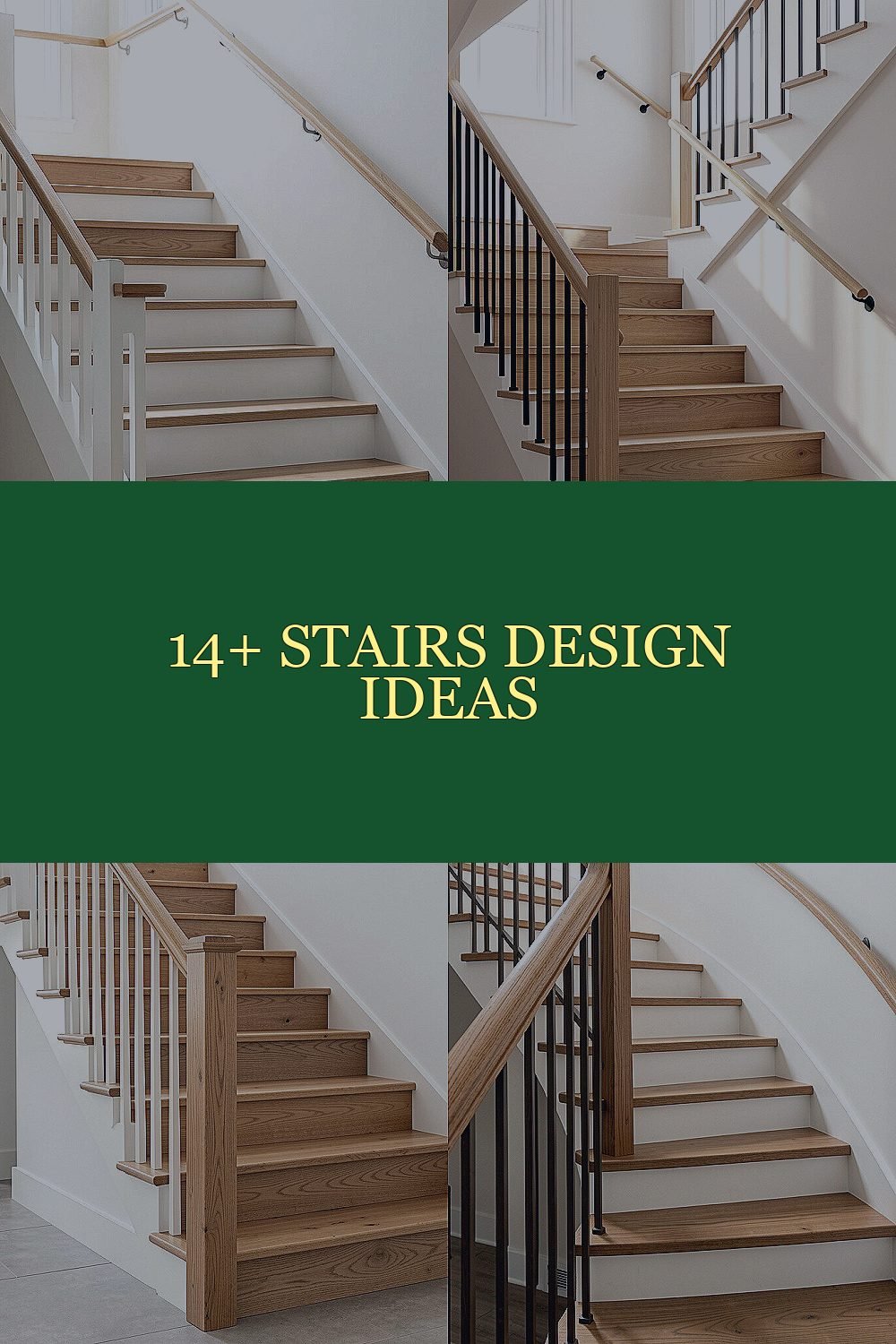
The staircase is where your home’s style starts telling its story. A few smart choices now can make every step feel smooth and personal.
1. Start by Measuring the Feel, Not Just the Size

Before you choose materials, check how the stairs will feel when you walk up them. Even a small change in height or depth can make steps feel easy or tiring.
Use a tape measure and double-check measurements twice, especially the run, rise, and total height. Stand at the bottom and imagine your everyday rhythm, like carrying laundry or moving furniture. If you’re unsure, ask a local builder or designer to review your plan so your design stays practical.
2. Pick a Style That Matches Your Light and Layout
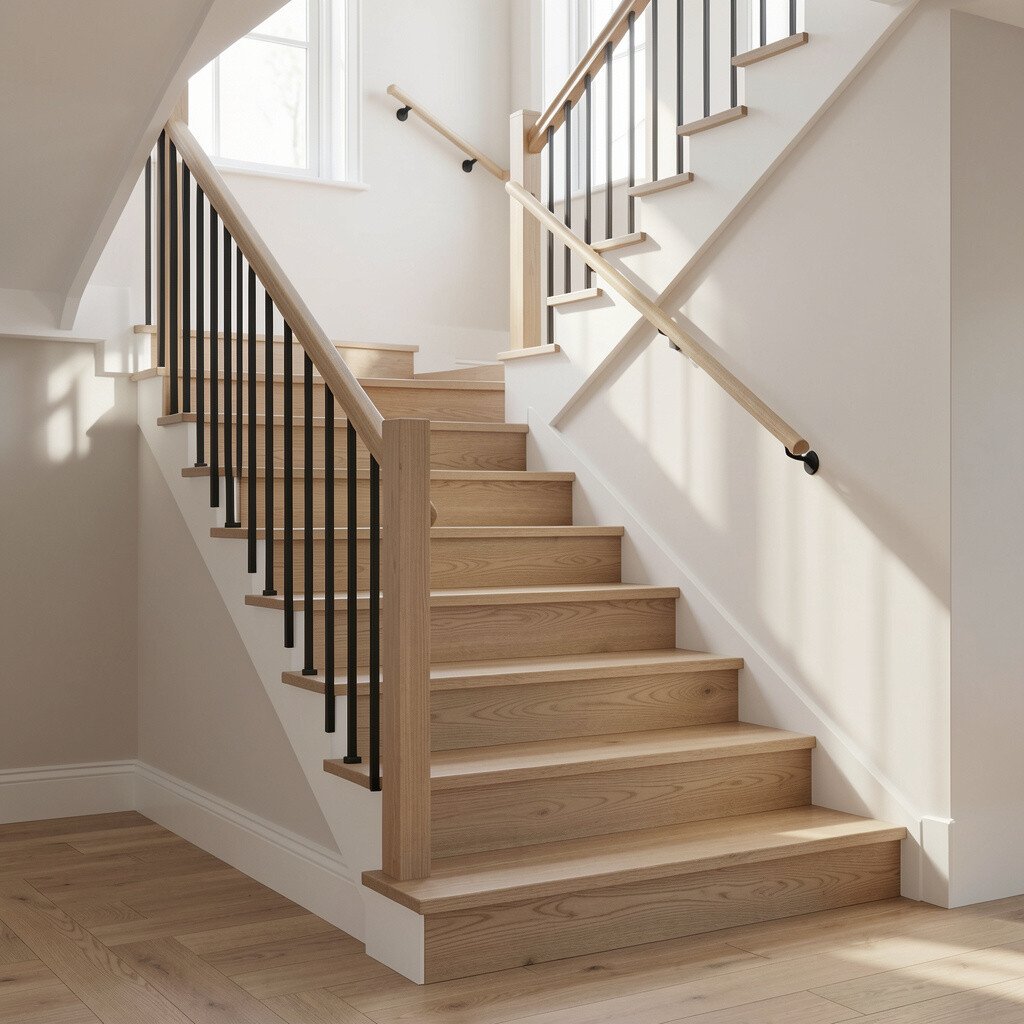
Look at your space like a photographer would, focusing on where daylight falls and how rooms connect. A staircase with open lines can make a narrow hallway feel wider.
If your entry gets lots of sunlight, choose finishes that look warm and inviting, like light wood or soft matte metal. In darker spaces, you can brighten the look with pale treads, clean railings, and details that reflect light.
Try drawing a simple sketch of your layout and mark the “sight lines,” like what people see from the front door. Then choose a design that fits those views, because stairs are always in motion around your home.
3. Choose Materials That Look Great and Hold Up
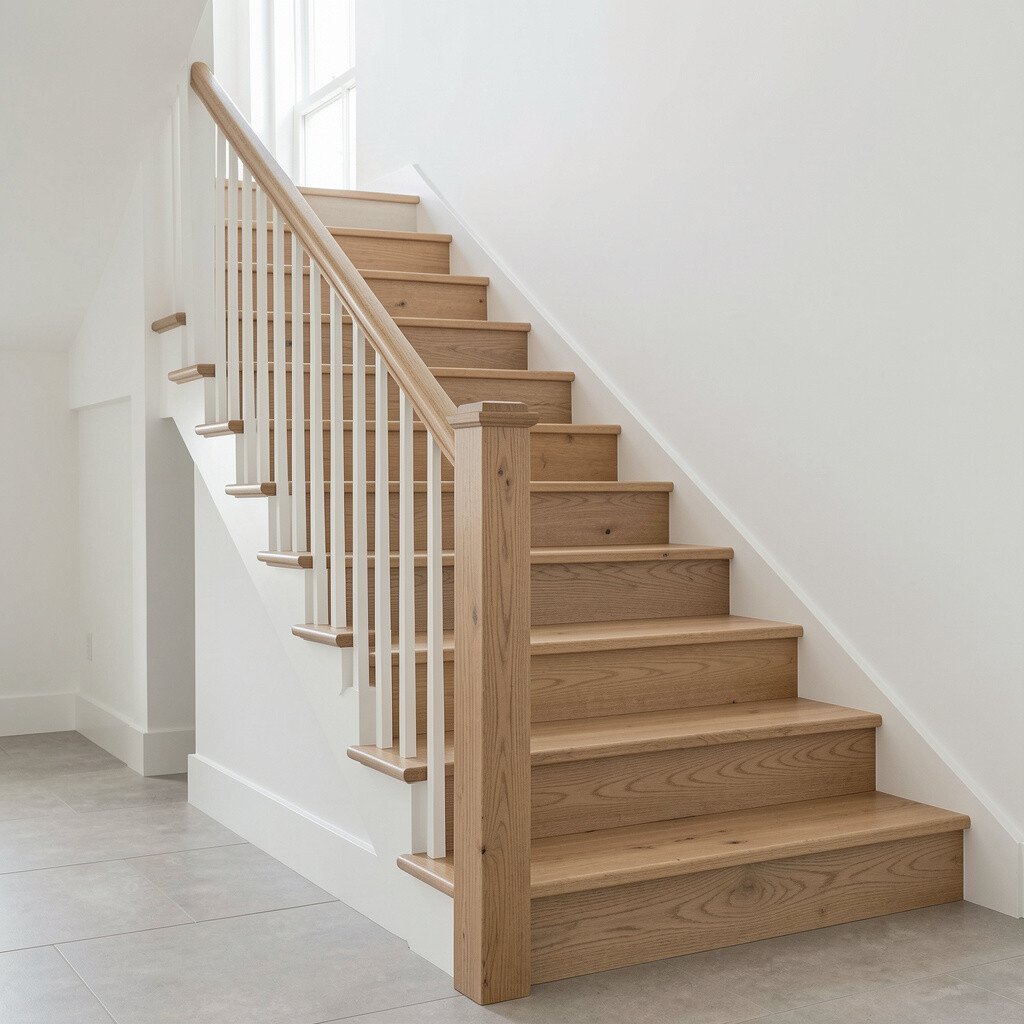
Stairs take daily wear, so a pretty surface still needs real strength. Wood, metal, and stone each bring a different mood and maintenance level.
For a classic look, hardwood treads give a cozy feel and can be refinished later if scratches appear. If you want a modern edge, metal rails and clean composite treads can look crisp and stay steady.
Think about your household too, like pets, kids, and how often you move heavy boxes. A durable finish with good traction helps prevent slips and keeps the look sharp for years.
4. Decide on the Railing Style That Shapes the Whole Look
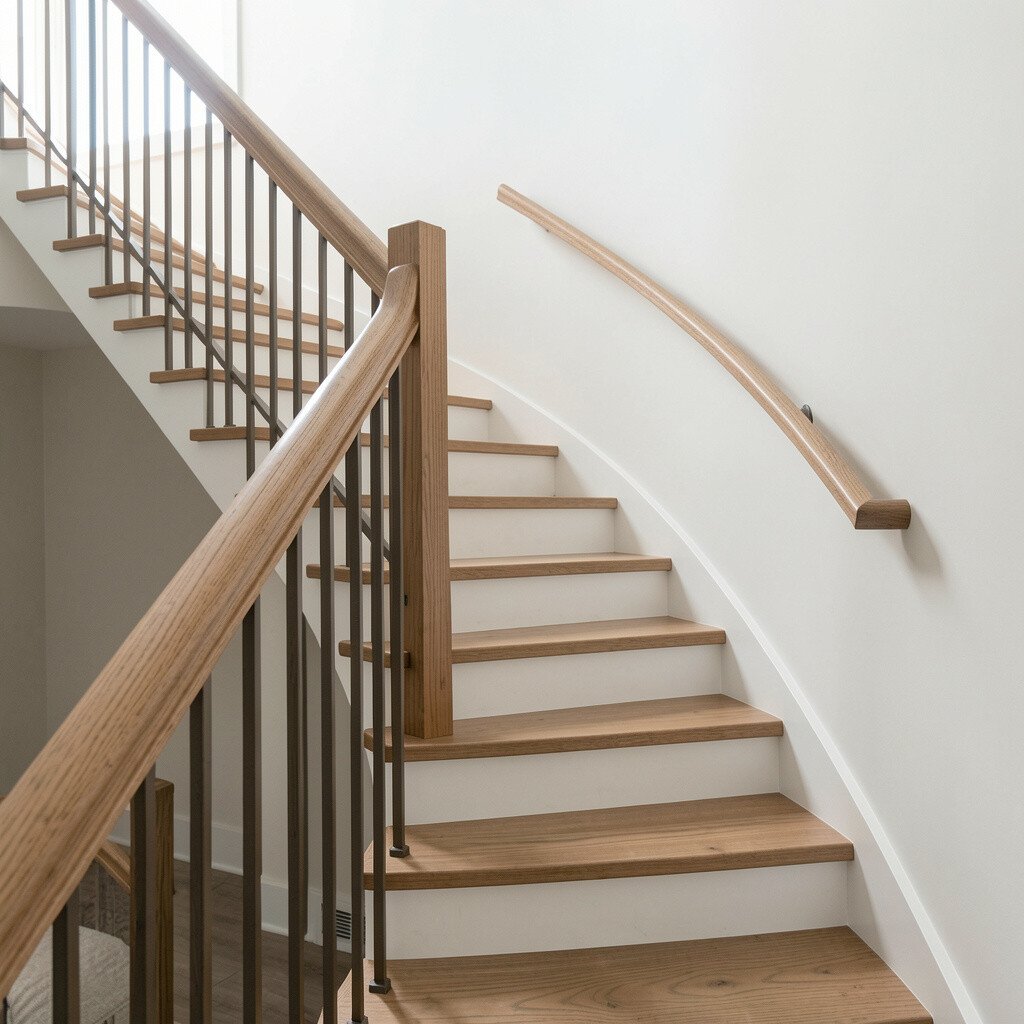
The railing is a big visual frame for the stairs, so it changes the entire personality. Sleek metal bars can feel airy, while thicker wood balusters feel warm and traditional.
Match the railing to your home’s other details, like door handles, window frames, and lighting fixtures. If you like a soft, welcoming vibe, choose rounded edges and consistent spacing that feels comfortable to hold.
5. Plan Storage Opportunities in the Hidden Spaces

A staircase can do more than carry you upward, and hidden storage can make your home feel calmer. Under-stair cabinets, drawers, and shelves can store shoes, books, or seasonal items.
Open risers can make the space look lighter, but closed risers can help you hide clutter and protect items from dust. If you want storage without a heavy look, use thin doors or glass-front sections to keep things visually neat.
Measure the under-stair space carefully, and think about what you actually use every week. Customizing storage depth for boots, bags, or board games turns a design choice into daily convenience.
6. Use Lighting to Make Stairs Feel Safer and More Beautiful

Good stair lighting improves safety and also makes the design look intentional. Bright steps with gentle shadows help you see each tread clearly.
Consider wall-mounted sconces, a railing light strip, or recessed lights that highlight the landing. Warm light bulbs tend to feel inviting, while cooler tones can look crisp, so pick what matches your home’s style.
7. Pick Treads and Risers That Work with Your Walking Habits
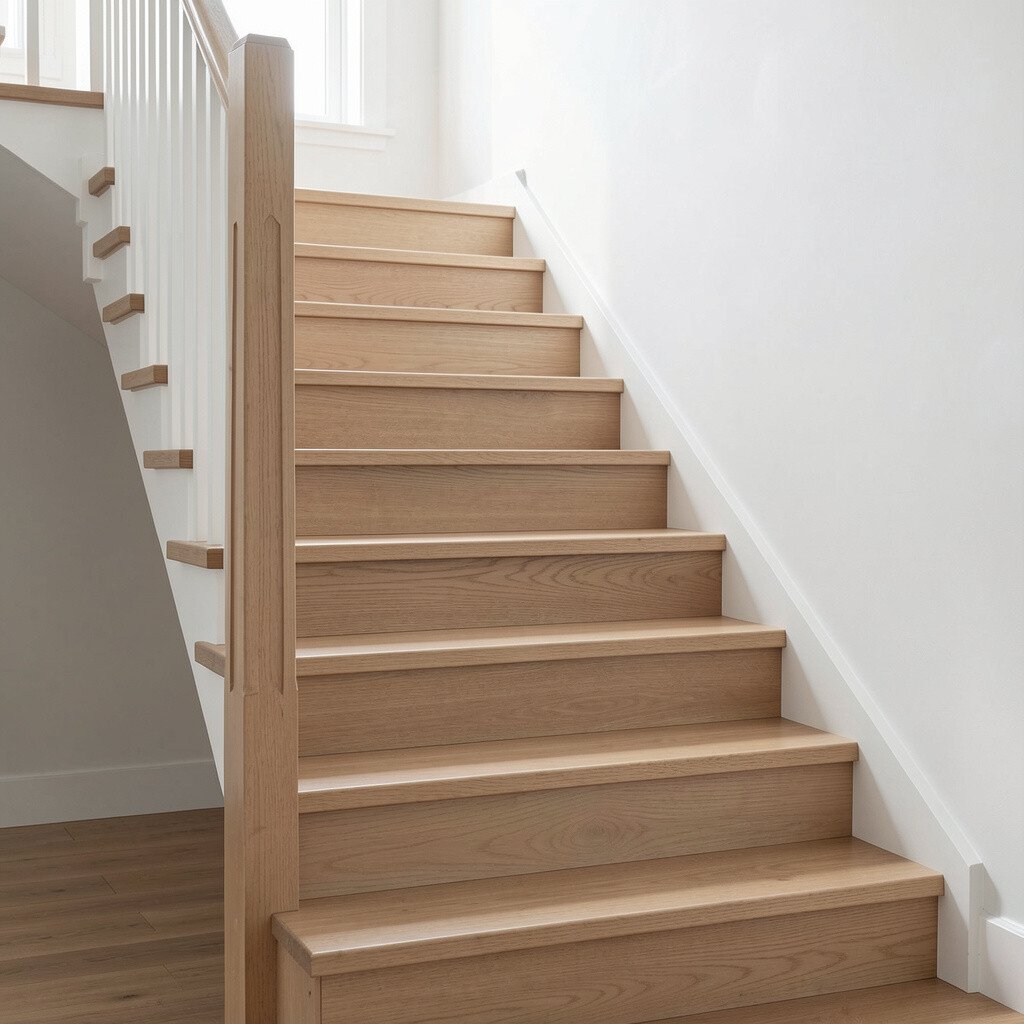
Treads and risers influence comfort more than most people expect. When the tread surface feels stable and the rise isn’t too steep, walking feels natural.
Choose a tread depth that gives your foot enough room, and pay attention to tread edge shape for comfort. Slightly rounded front edges can feel softer underfoot than sharp corners.
For grip, consider textured surfaces, anti-slip nosing, or a subtle pattern that looks good in everyday light. If your household moves in the evening, contrast between treads and risers can help you see step edges.
8. Match New Finishes to Existing Colors and Flooring
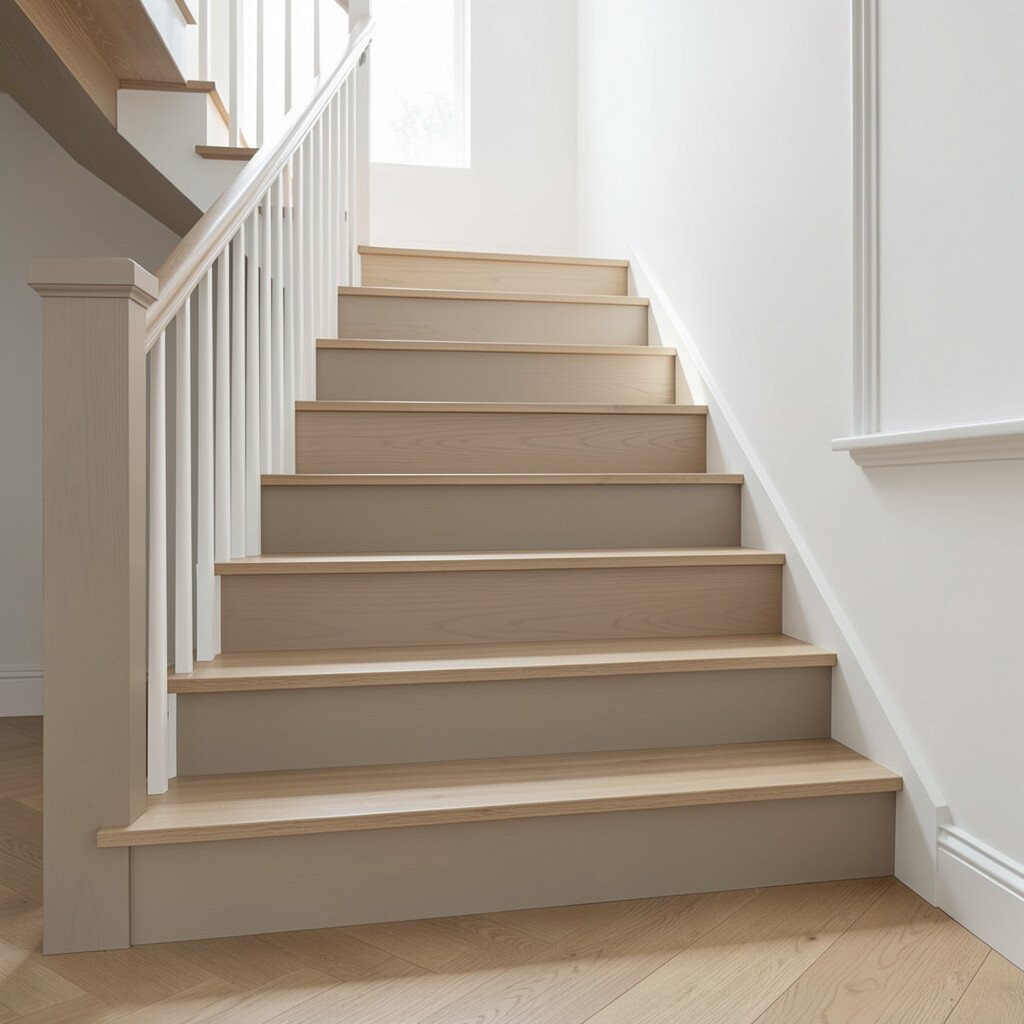
Your staircase should connect smoothly to the rest of your home. If the new stairs fight with your floors, the space can feel busy even when everything is well made.
Pick finishes that share at least one visual “family,” like warm wood tones, cool gray metals, or stone colors. You can also use transitions, such as matching stair landing trim to baseboards.
Bring home samples and view them at different times of day since lighting changes how colors show up. When you choose intentionally, your stairs look like they belong, not like they were added later.
9. Think About How the Stairs Will Handle Noise
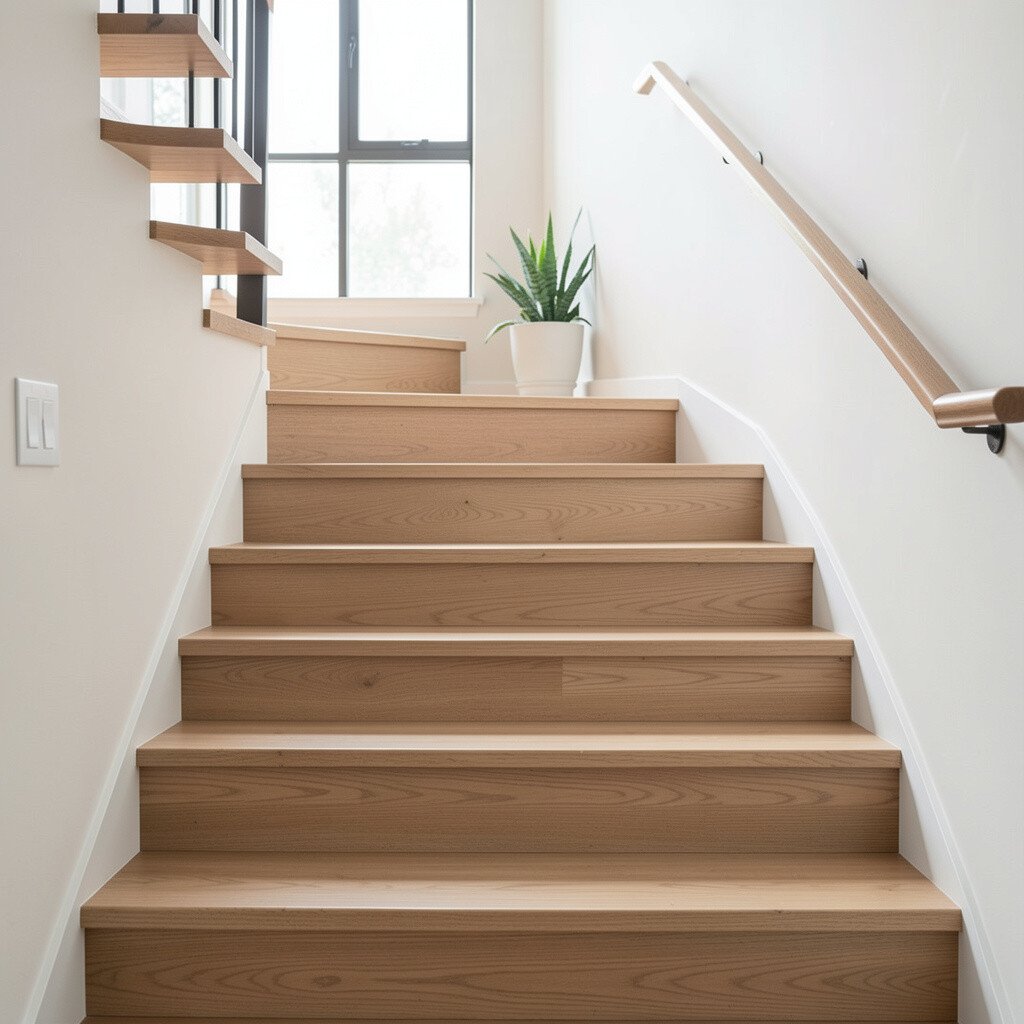
Noisy stairs can be annoying, especially in quiet morning hours. The right build helps reduce creaks and vibrations as people move up and down.
Using proper underlayment, tight joinery, and quality fasteners makes a difference you can feel. Some materials, like thicker wooden treads or well-fitted components, also dampen sound.
If you’re remodeling, notice where the noise starts by walking the stairs yourself and listening for movement. Once you find the weak spots, you can reinforce those areas without changing the whole design.
10. Choose a Stair Shape That Fits Your Space and Lifestyle
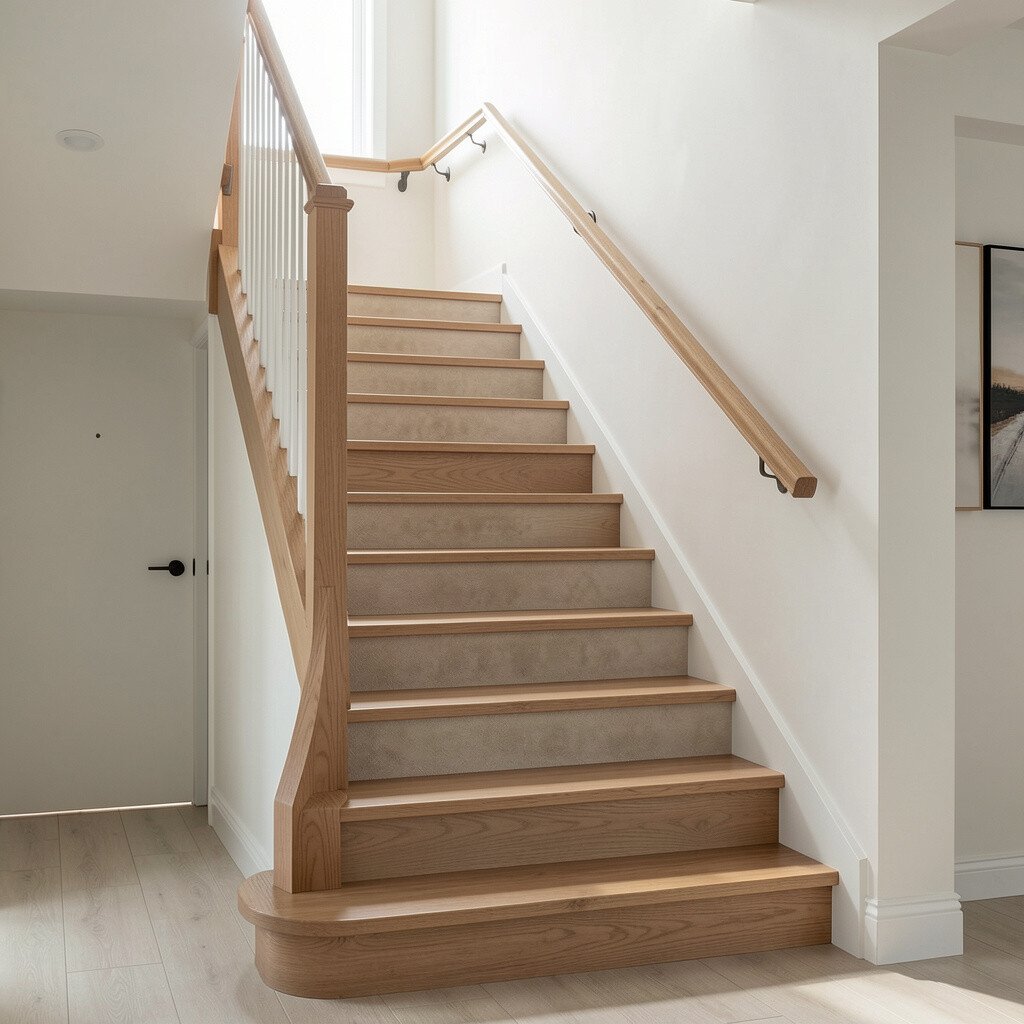
Stair shape affects how much room your home needs and how traffic moves around it. Straight stairs are simple and clean, while L-shaped or U-shaped designs can save space and guide movement.
If you have corners, landing space can help you turn comfortably with groceries or moving boxes. A curved staircase can look dramatic, but it may require more careful planning for consistent tread spacing.
Consider your furniture plans too, because some shapes make it easier to move large items between floors. When your layout supports real life, the stairs feel effortless rather than complicated.
11. Add Design Details That Feel Personal, Not Random
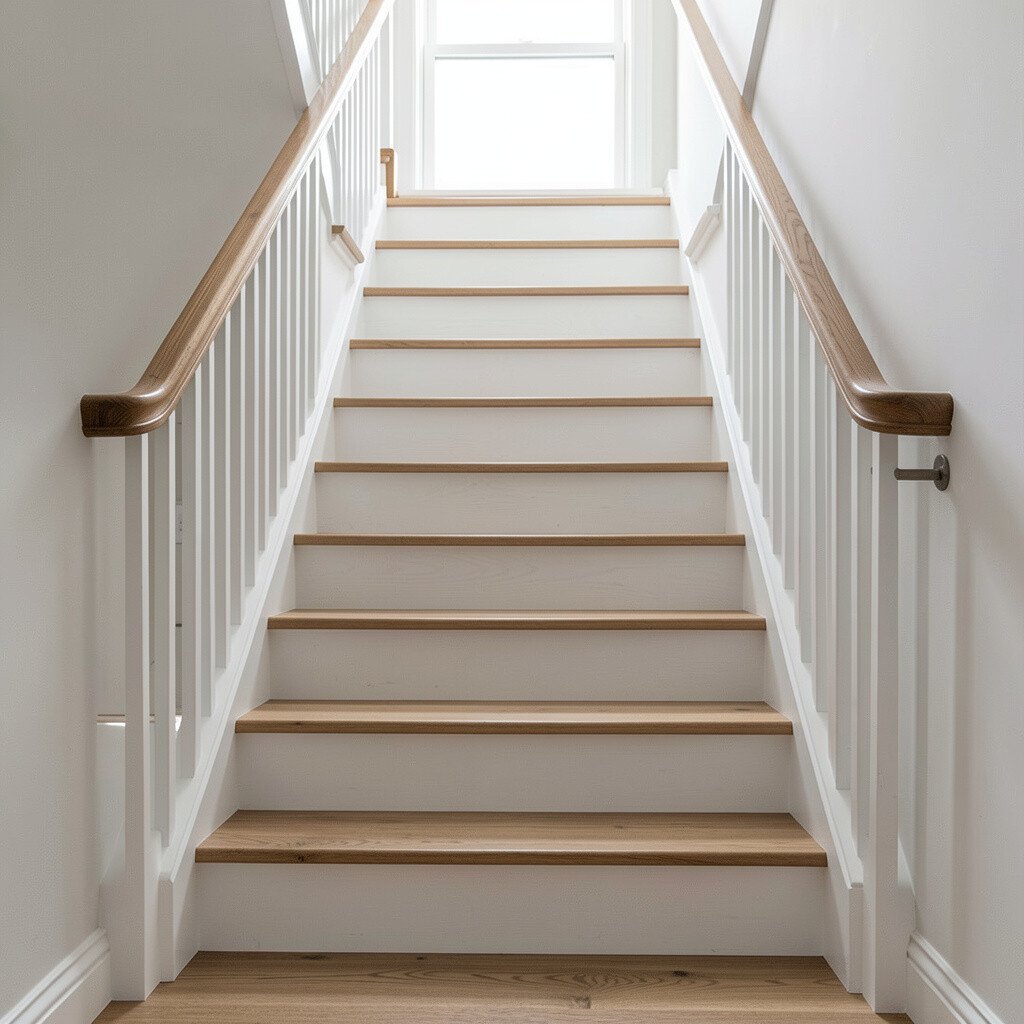
The best stair designs include small choices that feel like you. Maybe you love a certain wood grain, a favorite metal color, or a pattern you want to repeat.
Incorporate a feature like a decorative stair post, a custom landing panel, or a subtle inlay that catches the light. Even a simple color pop, like a handrail finish in a deeper tone, can make the whole staircase look custom.
Keep it cohesive by repeating one theme from your home, like natural textures, gentle curves, or clean geometric lines. When the details match your style, the staircase becomes a signature moment.
12. Keep an Eye on Budget Before You Fall in Love
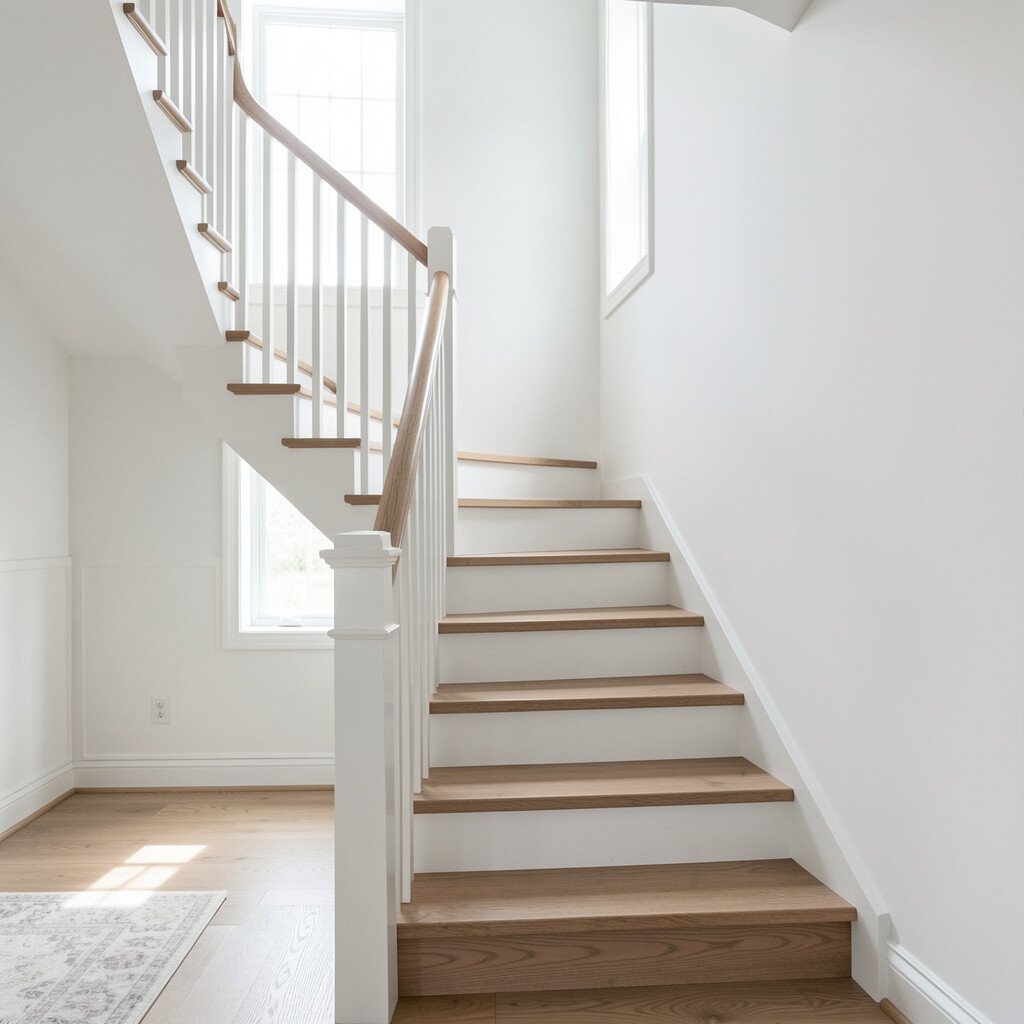
Stair projects can rise in cost quickly, so it helps to plan early and stay clear about priorities. Materials, labor, and custom components all add up, especially if changes happen late.
Start by deciding what you want most, like premium treads, a standout railing, or extra lighting. If you’re working within a set budget, you can save by choosing simpler baluster designs while investing in the parts people touch every day.
Also consider installation complexity, because unusual shapes, steep constraints, and custom storage can increase labor time. Request clear quotes and ask what’s included, so you can compare options without surprises.
13. Use Current Trends to Shape the Look, Not Copy It
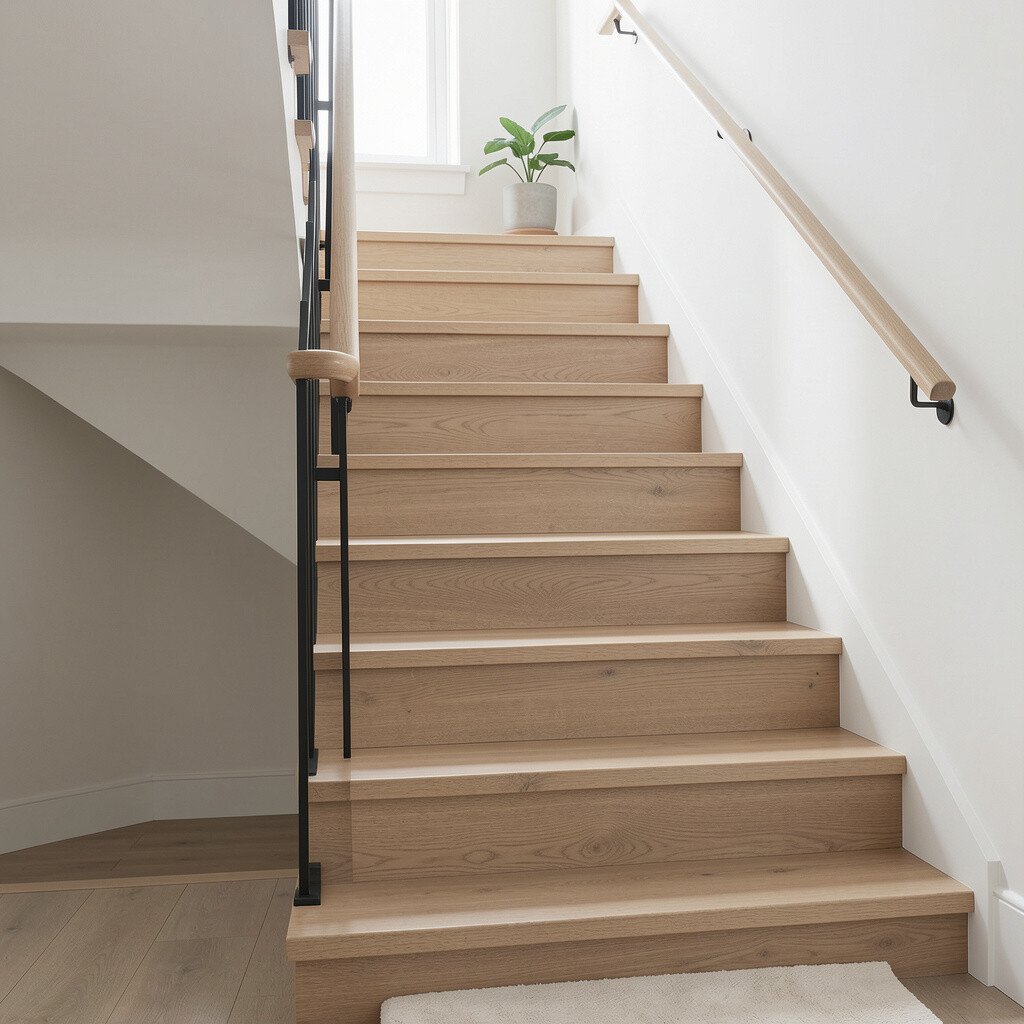
Design trends can guide your staircase style, but it’s smarter to blend trends with your home’s character. Right now, many people like warm minimalism, where clean lines feel cozy thanks to wood and soft finishes.
Floating-style treads and slim railings can look modern and light, especially when paired with warm lighting. Contrasting materials, like dark metal with light wood, remain popular because they create clear visual rhythm.
When you follow trends carefully, you avoid chasing something that won’t feel right later. Choose a trend element as an accent, then let your base design and materials anchor the look for the long run.
14. Plan for Code, Safety, and Comfort from Day One
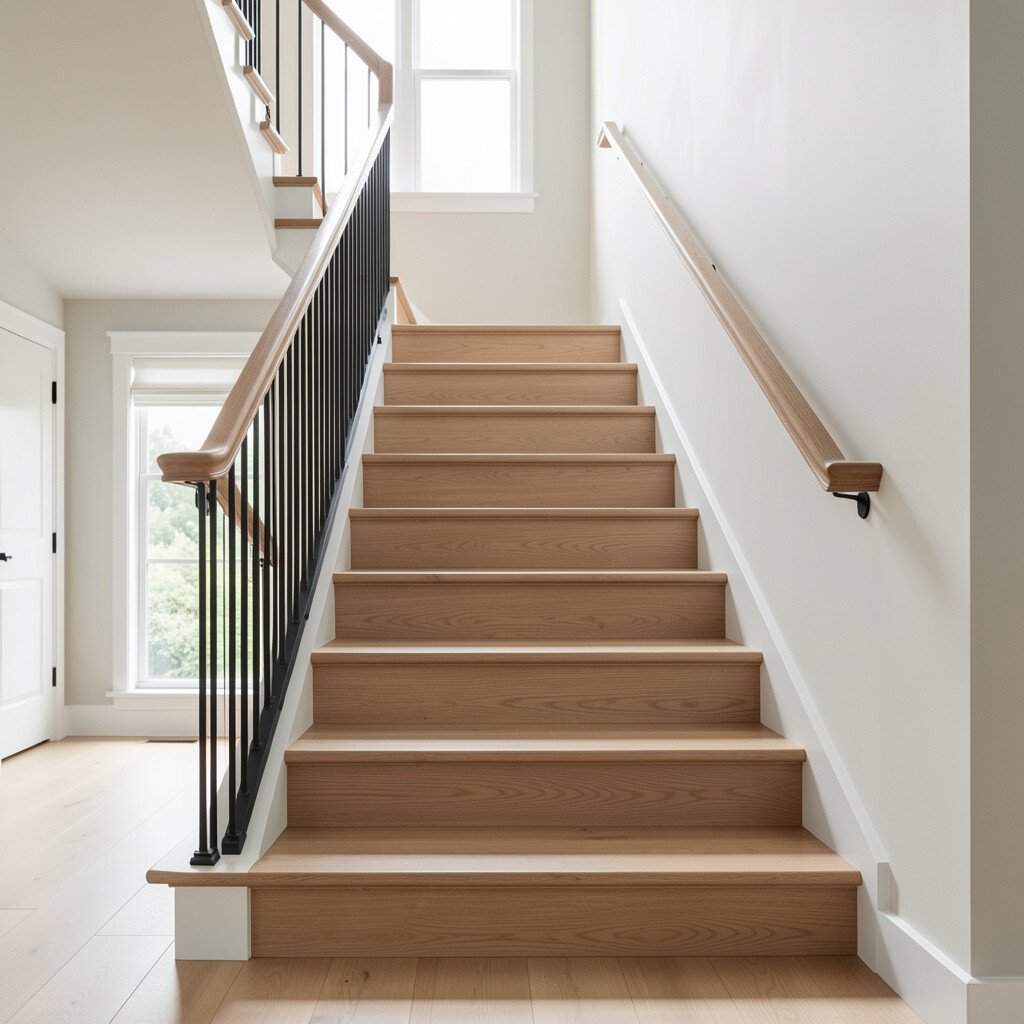
Even the prettiest staircase must be safe and comfortable for everyday use. Safety needs include proper spacing, stable handrails, and tread surfaces that prevent slipping.
Check local building requirements for stair dimensions and railing height so your design fits real rules. If you have kids, pets, or extra mobility needs, consider features like consistent grip surfaces and clear step visibility.
Comfort also matters, so make sure turning landings and handrail placement support how your family walks. When your stairs meet safety needs, you can enjoy the style without worrying about day-to-day usability.
15. Visualize the Finished Stairs with Samples and Mock Layouts
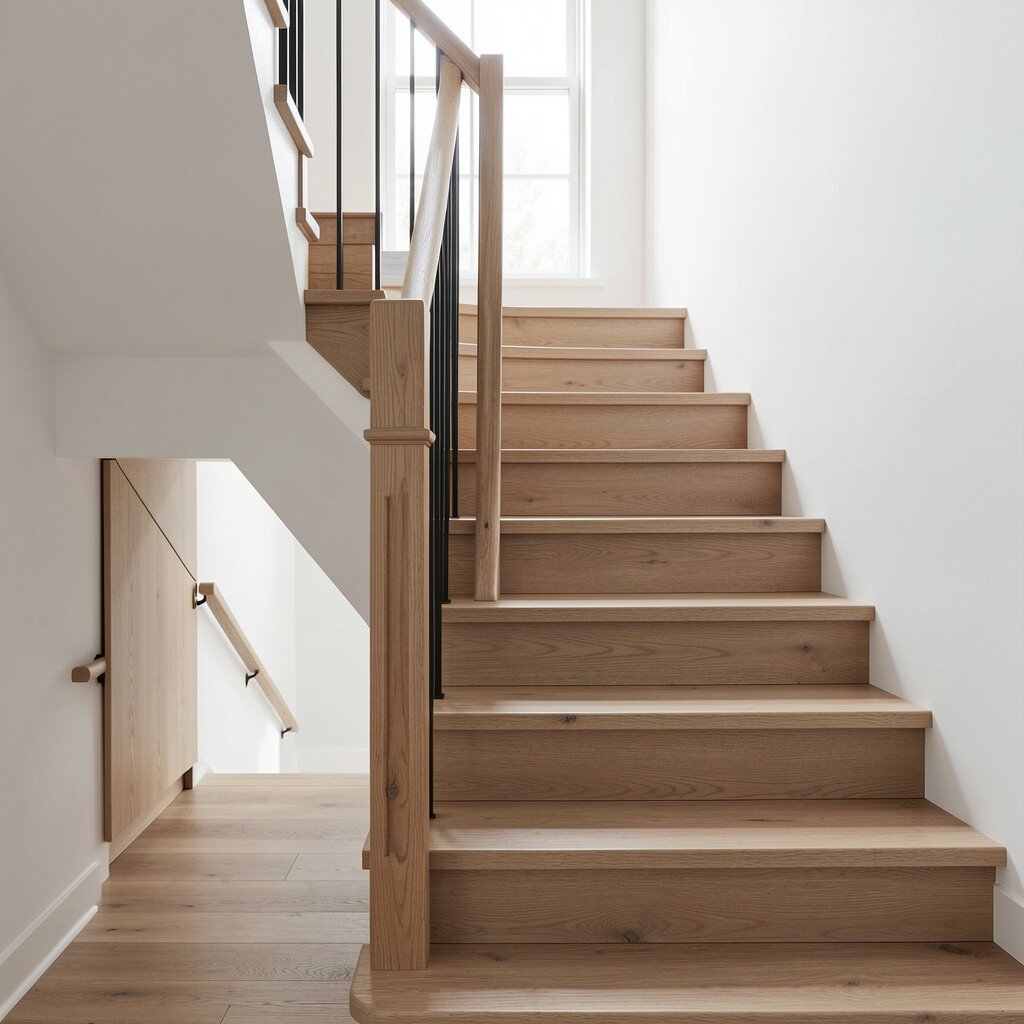
Before construction starts, use real samples to see how choices work together in your home. Paint swatches, wood stains, metal finishes, and tread textures can look totally different once they’re near your flooring and light.
You can also create a simple mock layout by taping down sample materials on the stairs area, then stepping on the pattern to judge comfort. This hands-on check helps you spot things like glare, contrast issues, or tread edge comfort.
If possible, use a photo of your space and compare it with finish samples under the same lighting. When you test before you commit, the final staircase feels like a confident decision instead of a risky guess.