You notice a towel hook the moment you reach for a fresh towel. When it’s designed well, it feels effortless every single day.
When it’s not, it can lead to sagging towels, cluttered bathrooms, and small annoyances that add up fast.
1. Choosing Hooks That Are Too Small for Real Towels
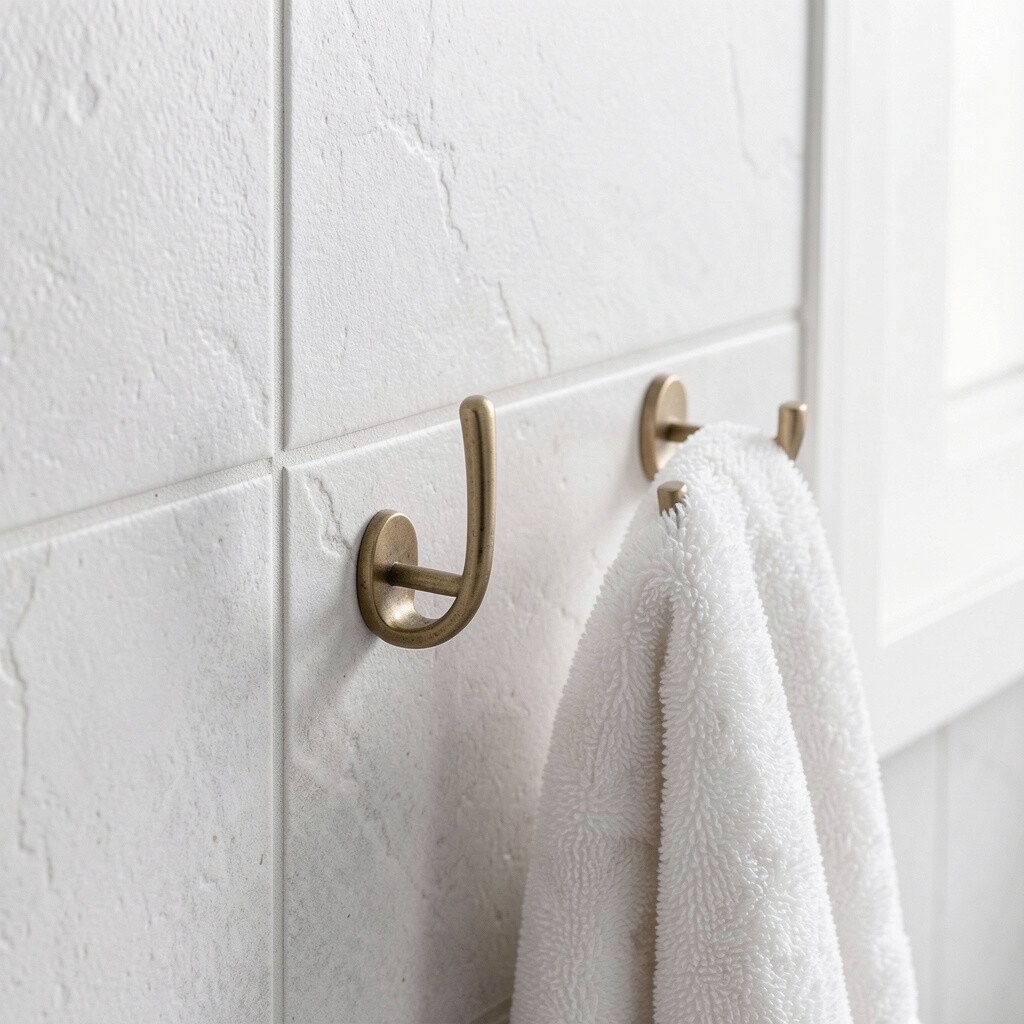
A hook that looks cute can still be too tiny for a bulky bath towel. If the towel bunches up and won’t drape, it dries unevenly and looks messy.
Go for a hook shape that lets the towel hang with room to breathe. Taller towel hooks or wider curved profiles help the fabric drop naturally, and that simple change keeps the bathroom looking neat.
Measure your thickest towel and picture how it will fold over the curve. A little extra space usually means faster drying and a cleaner look, especially when guests come over.
2. Installing Hooks at the Wrong Height
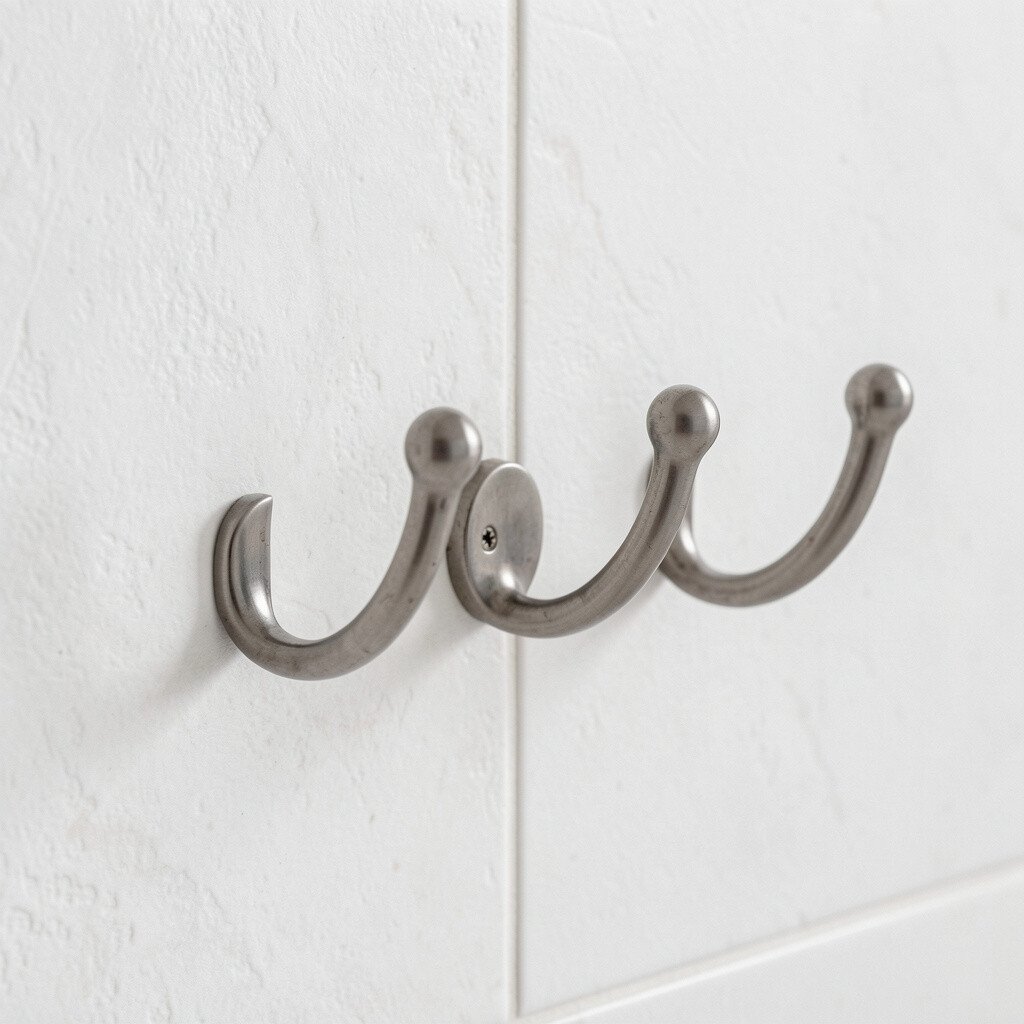
Low hooks force towels to drag along countertops and floors. High hooks make you stretch and tug, which can leave the towel crooked.
Think about who will use the hooks most often, including kids, tall adults, and anyone with mobility needs. A comfortable hanging height makes daily routines smoother.
Try a quick test by holding the hook height in place with painter’s tape before drilling. This also helps you judge sightlines, so the towels look tidy in photos and in everyday use.
3. Ignoring Wall Strength and Mounting Details
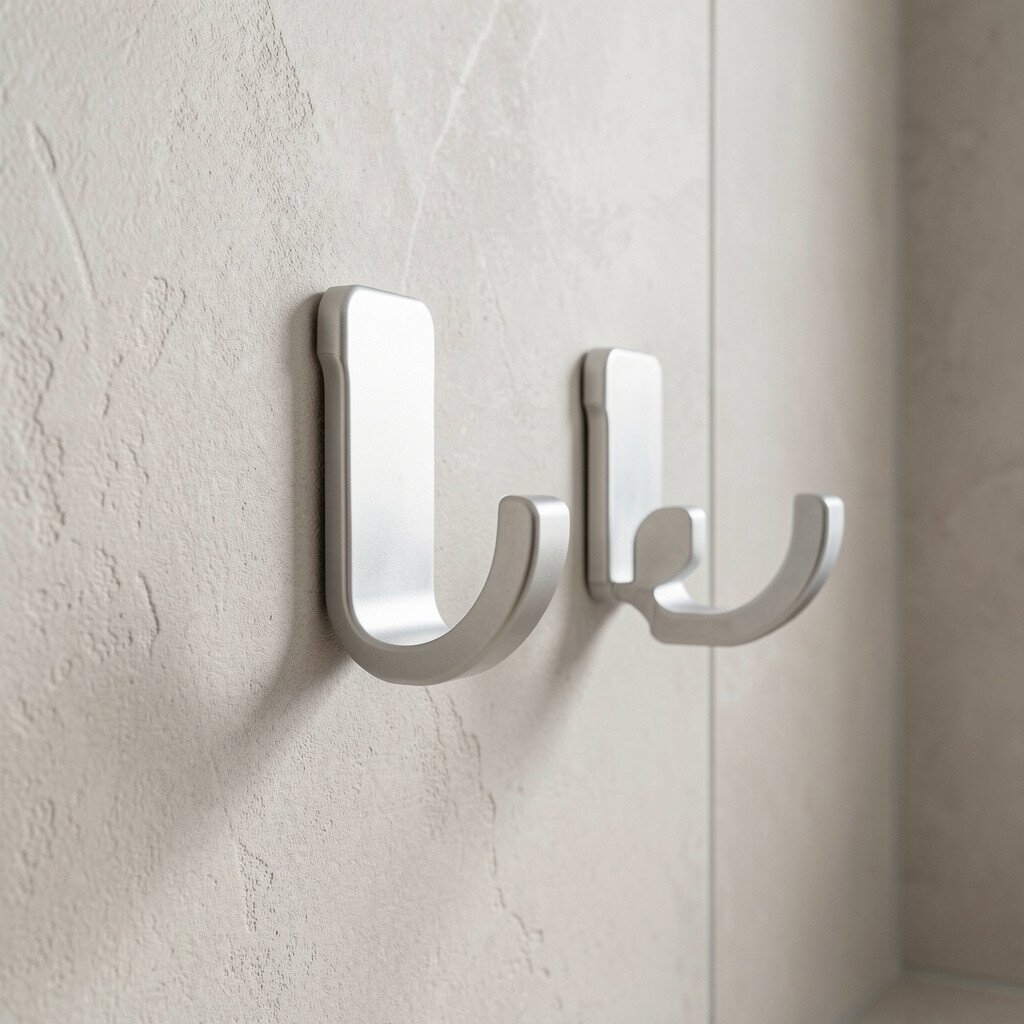
Some hooks look solid, but the wrong mounting system can loosen over time. If the wall can’t hold the load, towels slip and the hardware starts to wobble.
Choose mounting methods that match your wall type, like drywall anchors for certain setups and studs for the strongest hold. Using the right screws and anchors keeps the hook secure, which protects your towels and prevents repeated repairs.
Check the hook’s weight capacity and consider how wet towels get heavier. A reliable mount also reduces scratching on tiles because the hook stays aligned.
When in doubt, plan for sturdier mounting. It may cost a bit more now, but it saves money later from replacing bent hooks or damaged walls.
4. Picking a Style That Doesn’t Match the Bathroom’s Look
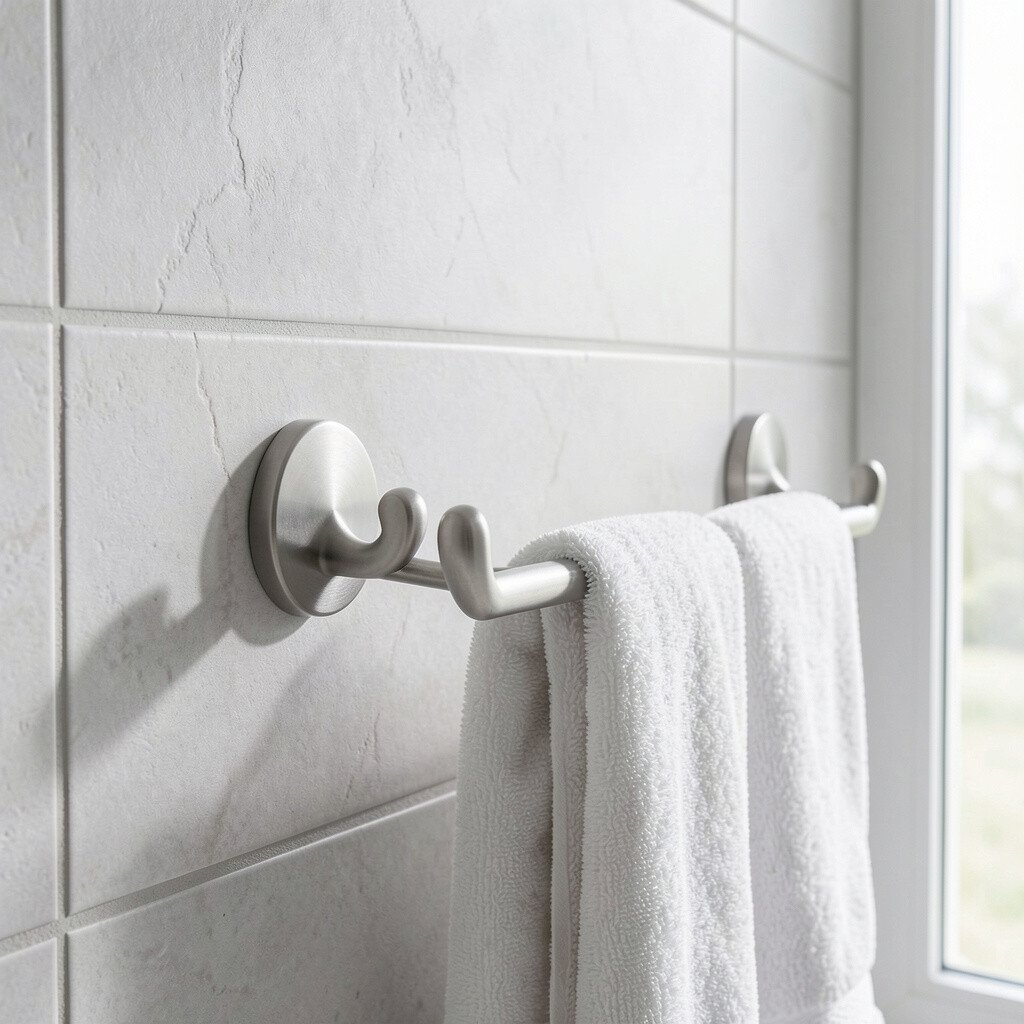
A bath towel hook should blend with the room, not fight it. If the finish clashes with faucets, light fixtures, or cabinet handles, the whole bathroom can feel off.
Look at the dominant metals and colors in your space before deciding. Matching finishes like brushed nickel, matte black, or warm brass gives a calm, put-together vibe.
You can also choose a hook with a unique silhouette that still fits the theme. A simple round knob may suit modern bathrooms, while a classic scroll shape can complement traditional design.
5. Overlooking the Hook Shape for Hanging Comfort
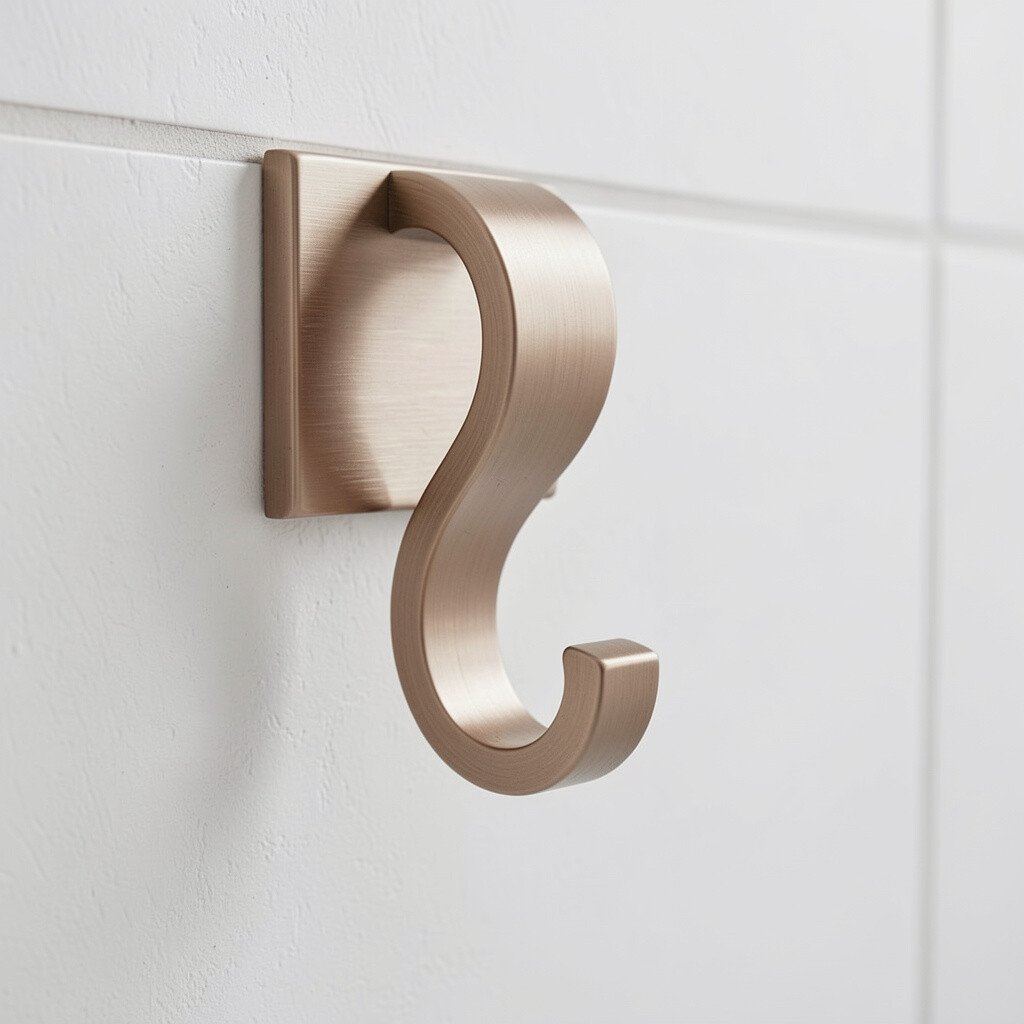
A hook can be technically strong but still awkward for towels. Sharp edges can press into fabric, and straight hooks may cause towels to slide.
Curved hooks are often kinder to fabric because they support the towel’s weight. If you want a clean visual, look for gentle curves that guide the towel to hang evenly.
Some designs include a secondary bar or a slightly angled face, which helps the towel sit flat. That extra contact keeps the towel from twisting, and it also helps it dry faster.
6. Placing Hooks Too Close Together
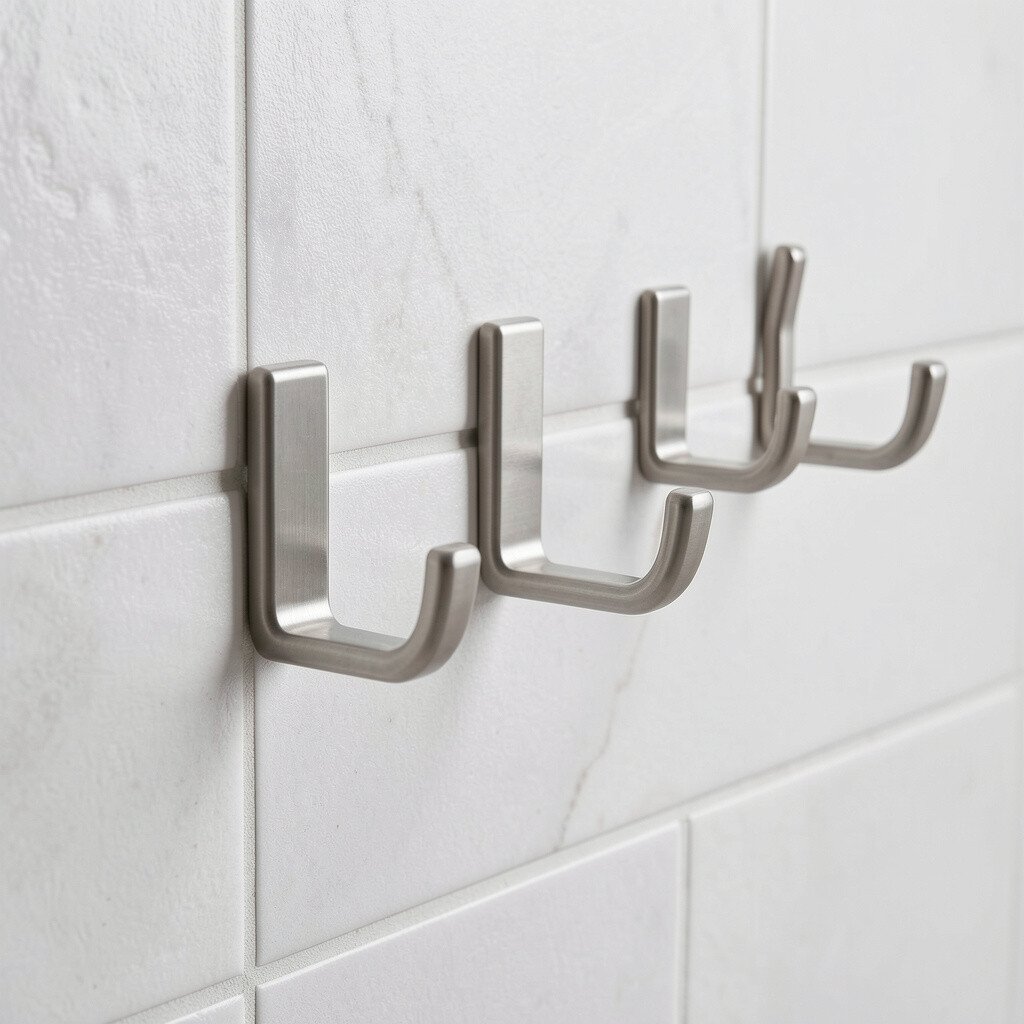
When hooks are crowded, towels overlap and stay damp longer. The fabric rubs, folds, and catches on other towels, which creates wrinkles and a cluttered look.
Give each towel enough space so it hangs cleanly on its own. Spacing also makes it easier to grab one towel without disturbing the others.
Consider how your household uses towels during busy mornings. If multiple towels are used at once, wider spacing keeps everything looking orderly and drying properly.
7. Choosing Materials Without Thinking About Moisture
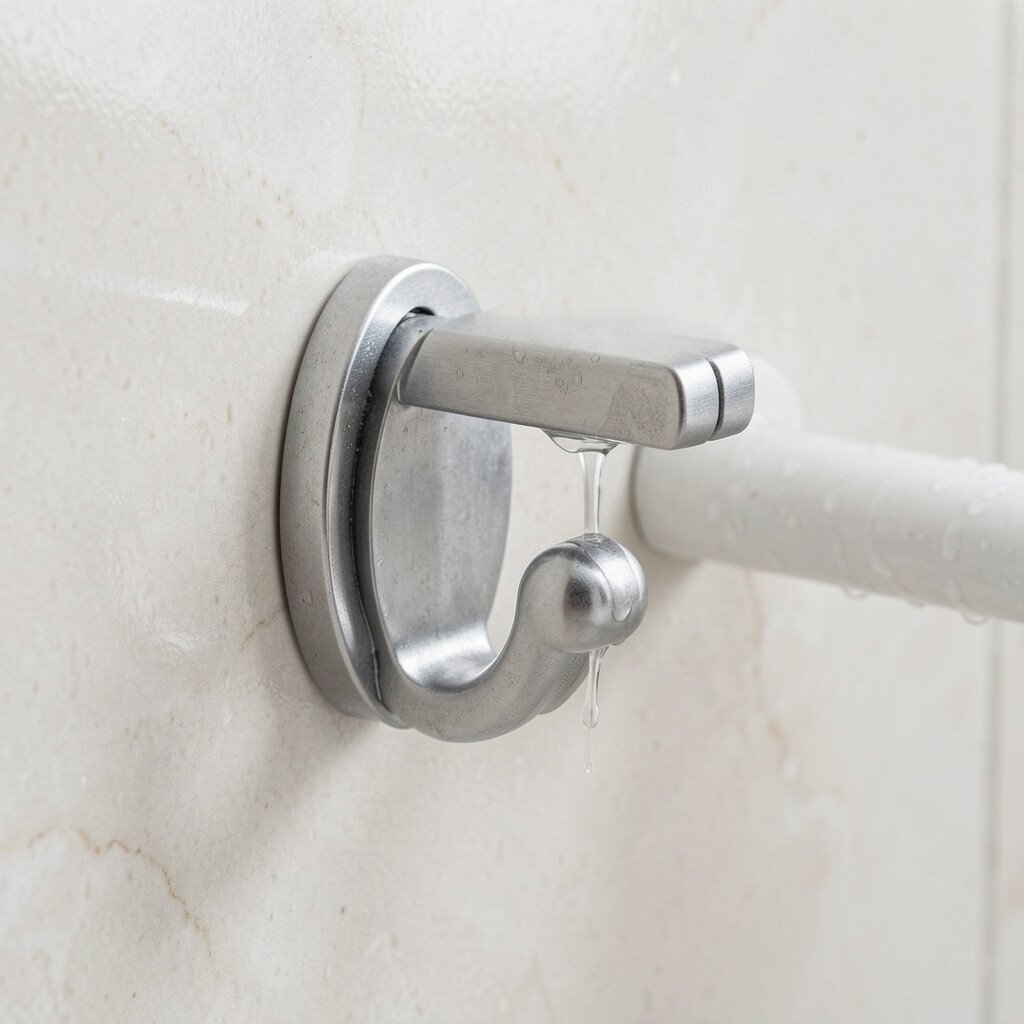
Baths are humid, and materials must handle that everyday wet air. If the hook is prone to rust or corrosion, it can stain towels and look ugly fast.
Look for finishes that are rated for moisture and choose metals known for resilience. Stainless steel, solid brass, and quality coated finishes are popular for a reason.
Even if a hook looks fine today, salt air or heavy humidity can change things over time. Spending a little more on a moisture-friendly material keeps the design looking fresh longer.
8. Using Designs That Trap Water and Soap Scum

Some hook designs have tight crevices that collect water and soap residue. Over time, that buildup turns into a dull film you can’t easily wipe away.
Look for smooth surfaces with fewer hidden corners. A simple, rounded shape wipes clean in seconds, which matters when you’re busy.
If you love a detailed decorative hook, check how the details are shaped. Deep ridges can look beautiful but may require extra cleaning to stay shiny.
9. Forgetting About Placement Relative to Doors and Mirrors
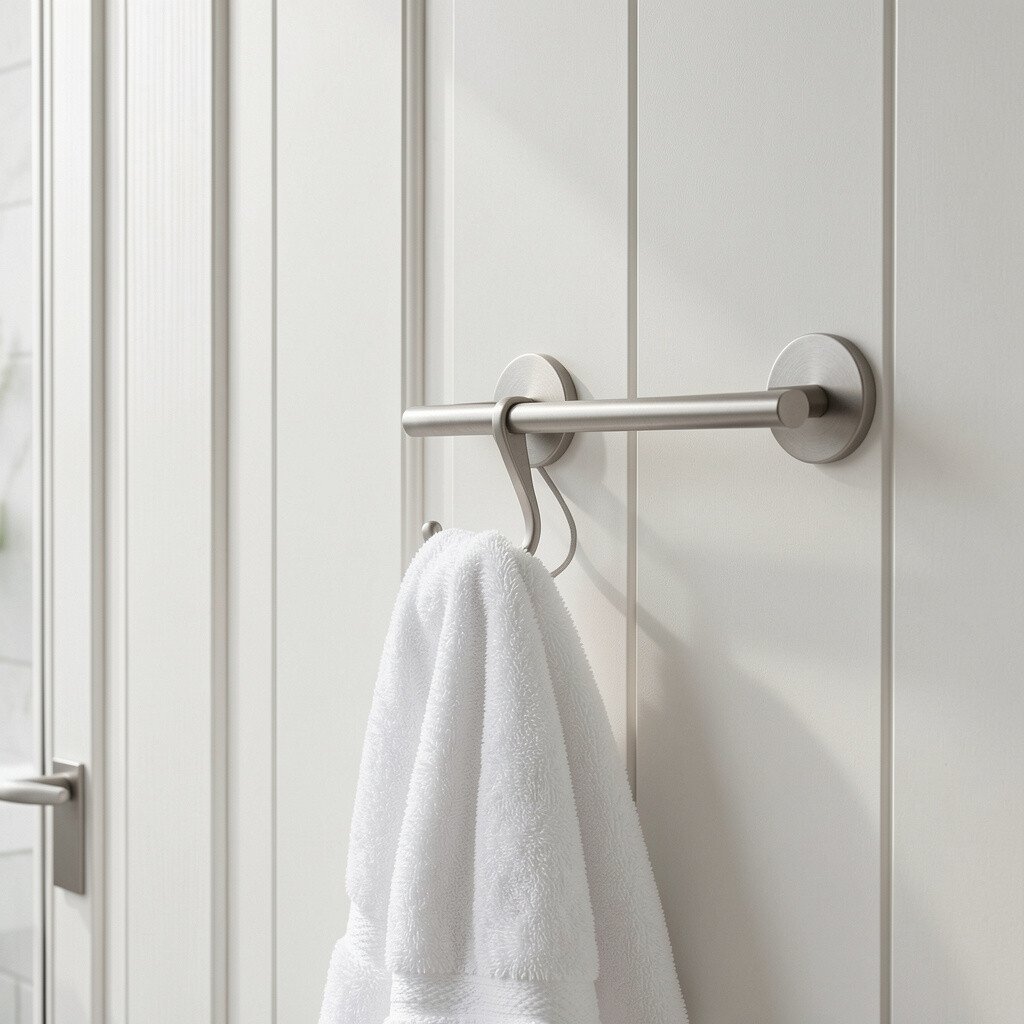
A hook can look perfect on the wall until a door swings and hits the towel. You don’t want towel corners flapping against the bathroom door every time someone exits.
Also consider where mirrors sit and how towels will appear in reflections. Thoughtful placement makes the bathroom feel tidy and photo-ready.
Try visualizing your daily path through the bathroom. If you know where you stand while getting ready, position the hooks so you don’t bump them while you move.
10. Making the Hook Hard to See and Hard to Reach
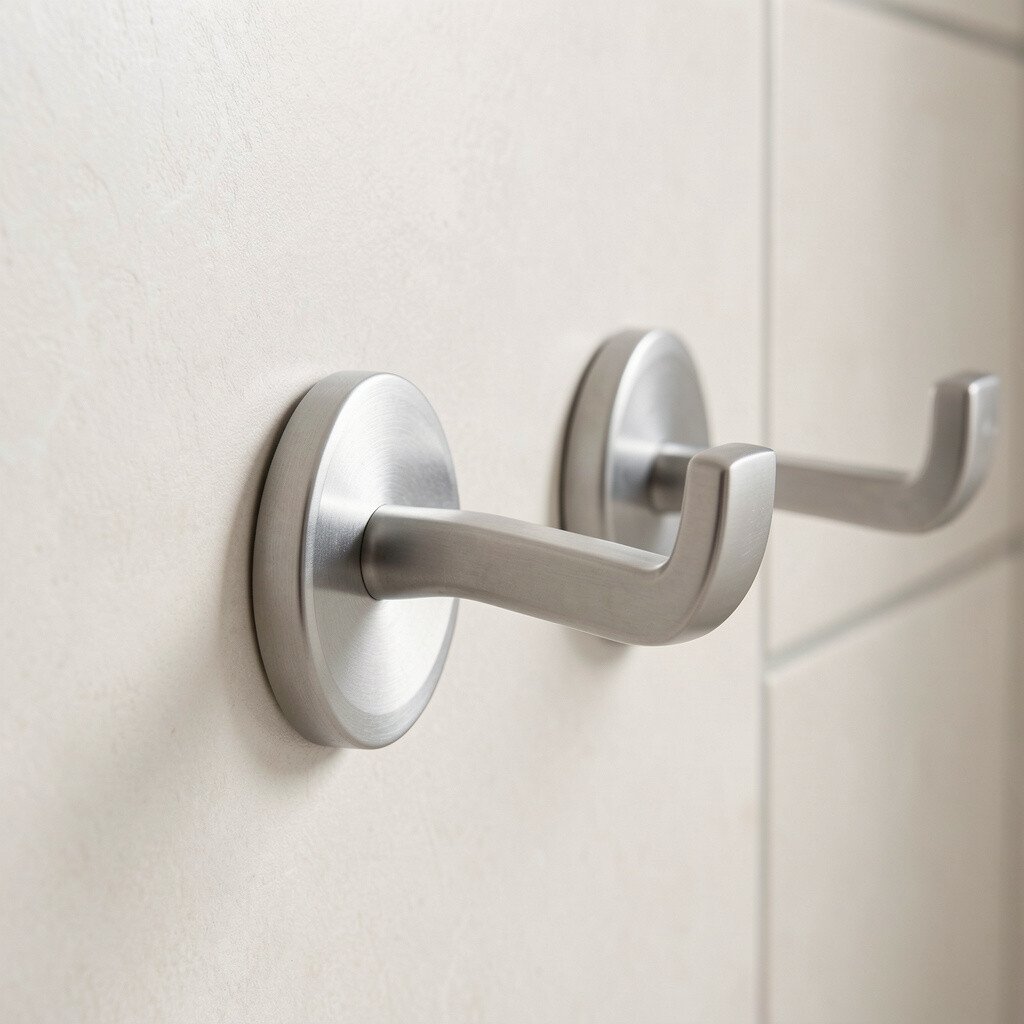
Some hooks blend into the wall so well that you forget where they are. In a small bathroom, that can feel inconvenient and make the space feel cluttered.
If visibility matters to you, use contrast through finish or color. Matte black hooks on light walls, or warm brass hooks on gray walls, stand out clearly.
Reach matters too, so consider clear space around the hook. When it’s easy to grab a towel without bending or stepping, daily use becomes smoother.
11. Choosing One Hook When You Need Multiple Zones
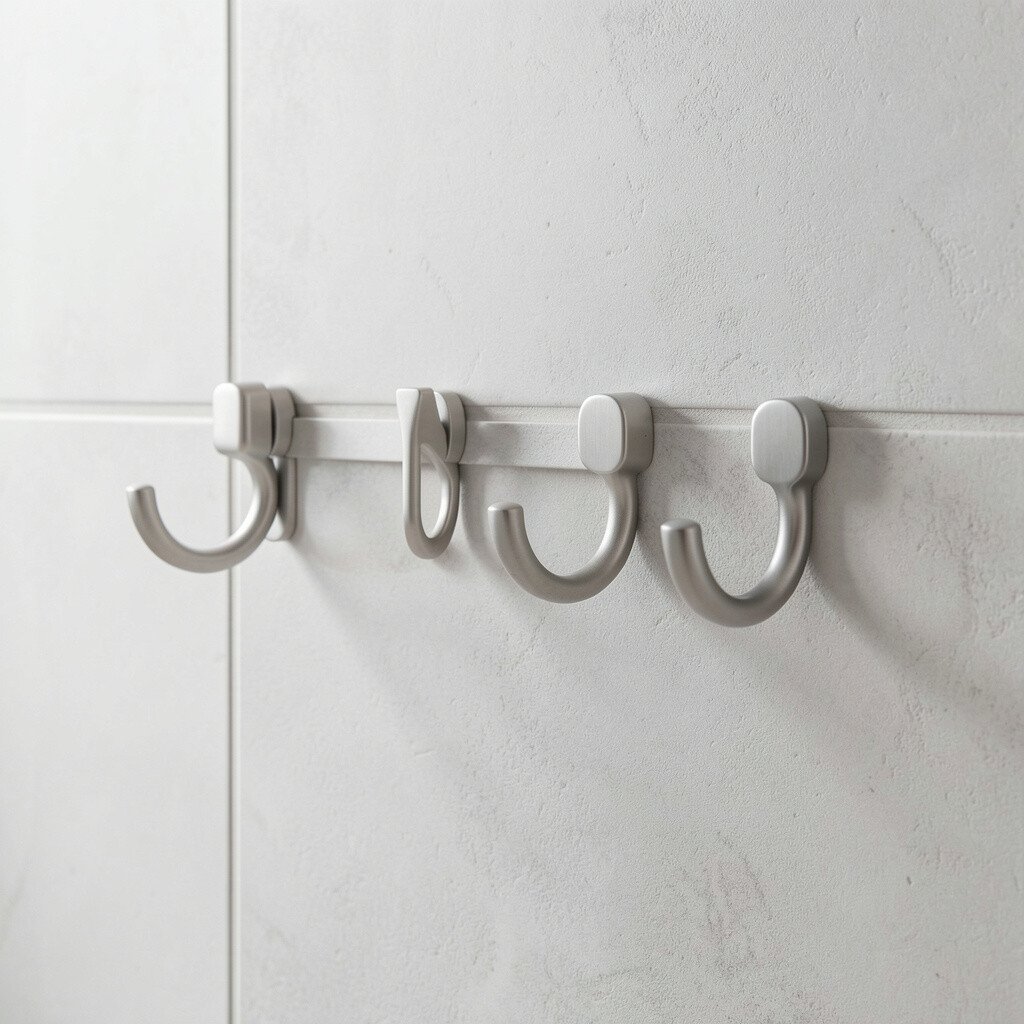
One hook might work for a single person, but most households need more. Guests, family routines, and daily shower habits create different towel needs.
Separate drying areas help towels stay organized and easy to grab. A dedicated bath towel hook and a separate hand towel hook keep the bathroom neat and prevent mix-ups.
If space allows, place hooks near the shower or vanity so towels land exactly where you want them. That placement also makes the room feel intentionally designed.
Multiple hooks can look cohesive when they share the same finish and shape. It’s an easy way to add function without clutter.
12. Overpaying for Decoration Instead of Daily Function
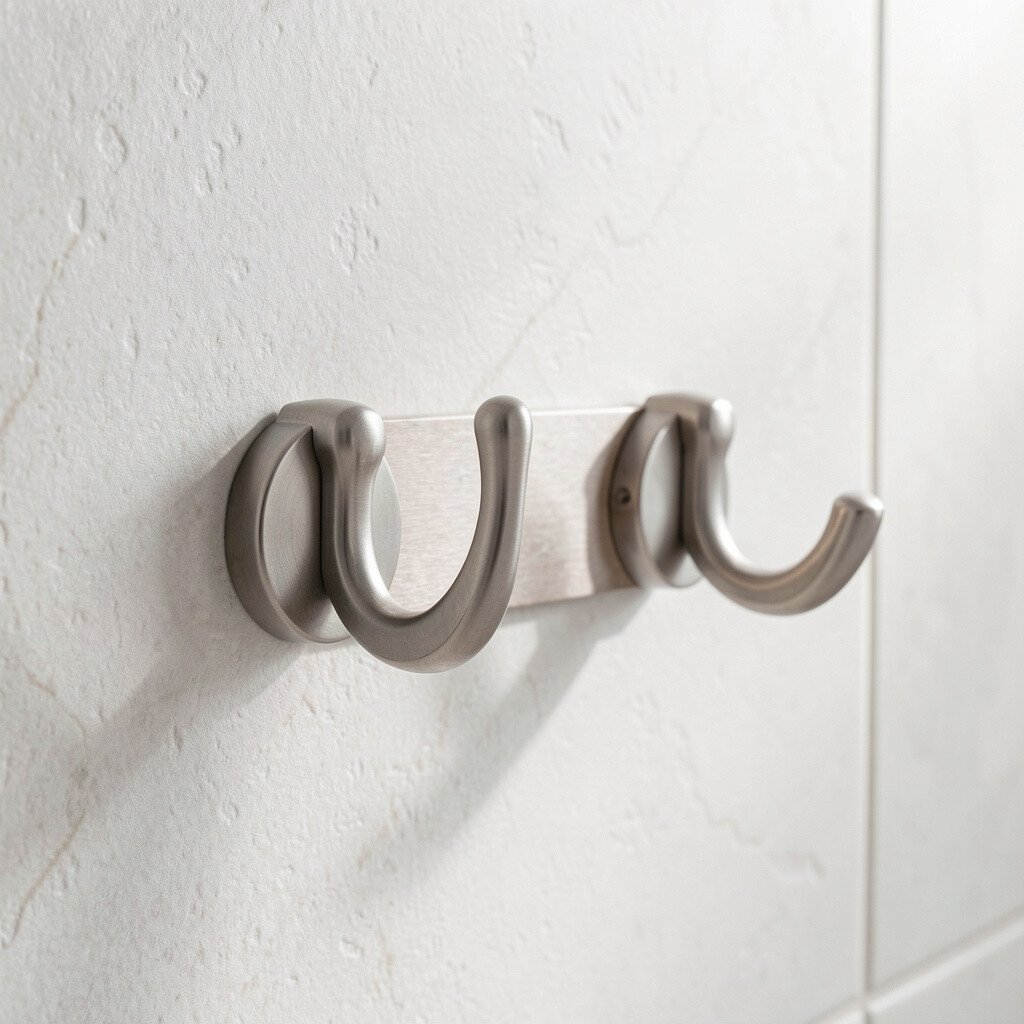
High style can be tempting, but towel hooks are used constantly. If the design is fragile or awkward, you’ll feel the cost every day.
Focus on how the hook supports the towel and how it feels in daily use. A practical hook that holds firmly and dries towels well often beats a fancy one that doesn’t.
Consider the long-term value of durable finishes and solid construction. Spending a bit more on quality can reduce the need to replace hooks, which is a smart budget move.
You can still enjoy style, just make sure it supports real life first. That balance keeps your bathroom looking great and functioning even better.
13. Ignoring How Hooks Fit With Existing Hardware and Fixtures

Bathroom hardware tells a story, even when you don’t think about it. If your towel hooks don’t relate to your towel bar, robe hooks, or cabinet pulls, the design can feel random.
Look at the lines and shapes already in the room. Matching square edges, round curves, or slender proportions makes the whole setup feel unified.
If you have a towel bar elsewhere, you can mirror its finish on the hooks. That small coordination helps the bathroom feel curated instead of accidental.
14. Skipping Personalization for Household Habits
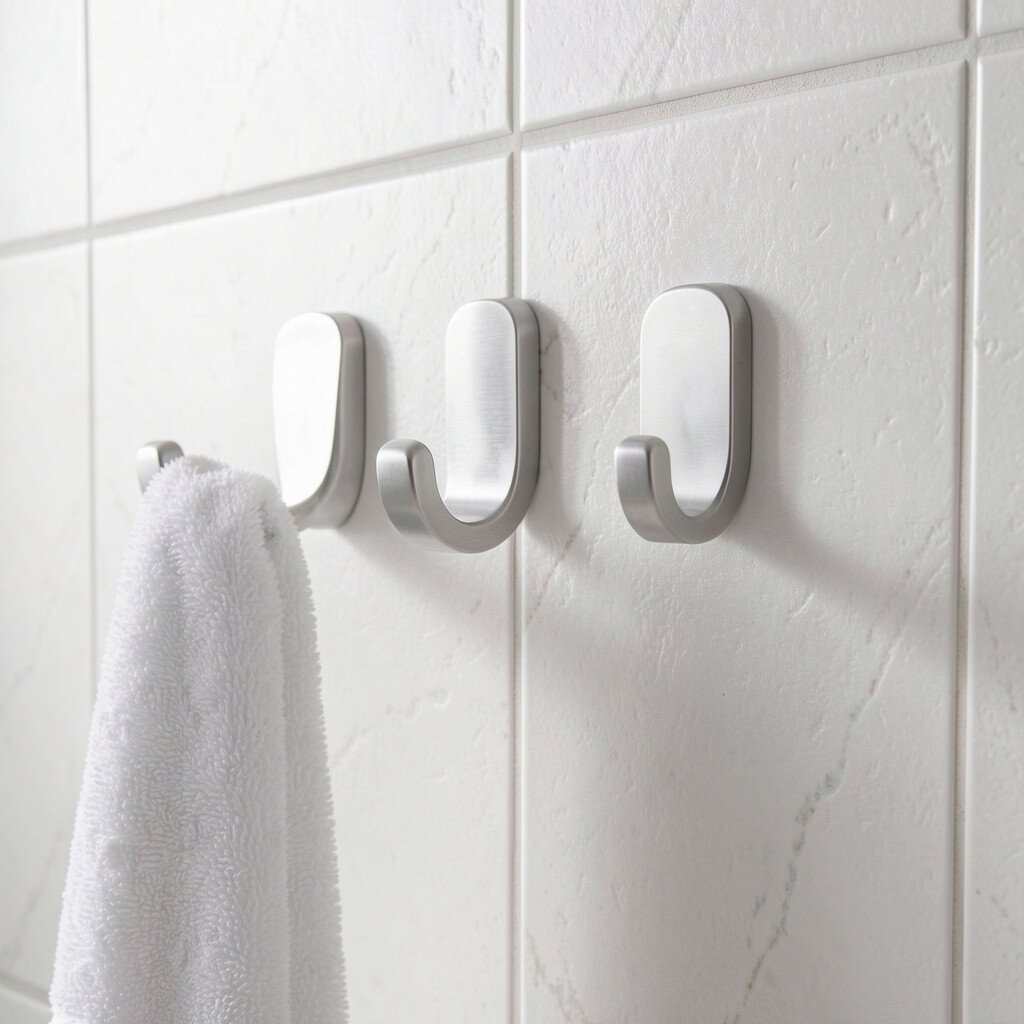
Personalization makes towel hooks feel like they belong to your routine. If your family uses different towel types, hooks should match how you live.
Try assigning hooks by use, like one for bath towels and one for smaller towels or robes. Even subtle differences like spacing or hook size can guide everyone without needing labels.
Some people also personalize with color-coordinated towels, which makes the bathroom look intentional. When towels match the hook finish and the color palette, everything feels calmer and more stylish.
Think about where guests might hang their towels too. A convenient, well-positioned hook helps them feel welcome and keeps your space tidy.
15. Choosing Trends That Don’t Suit Your Lifestyle
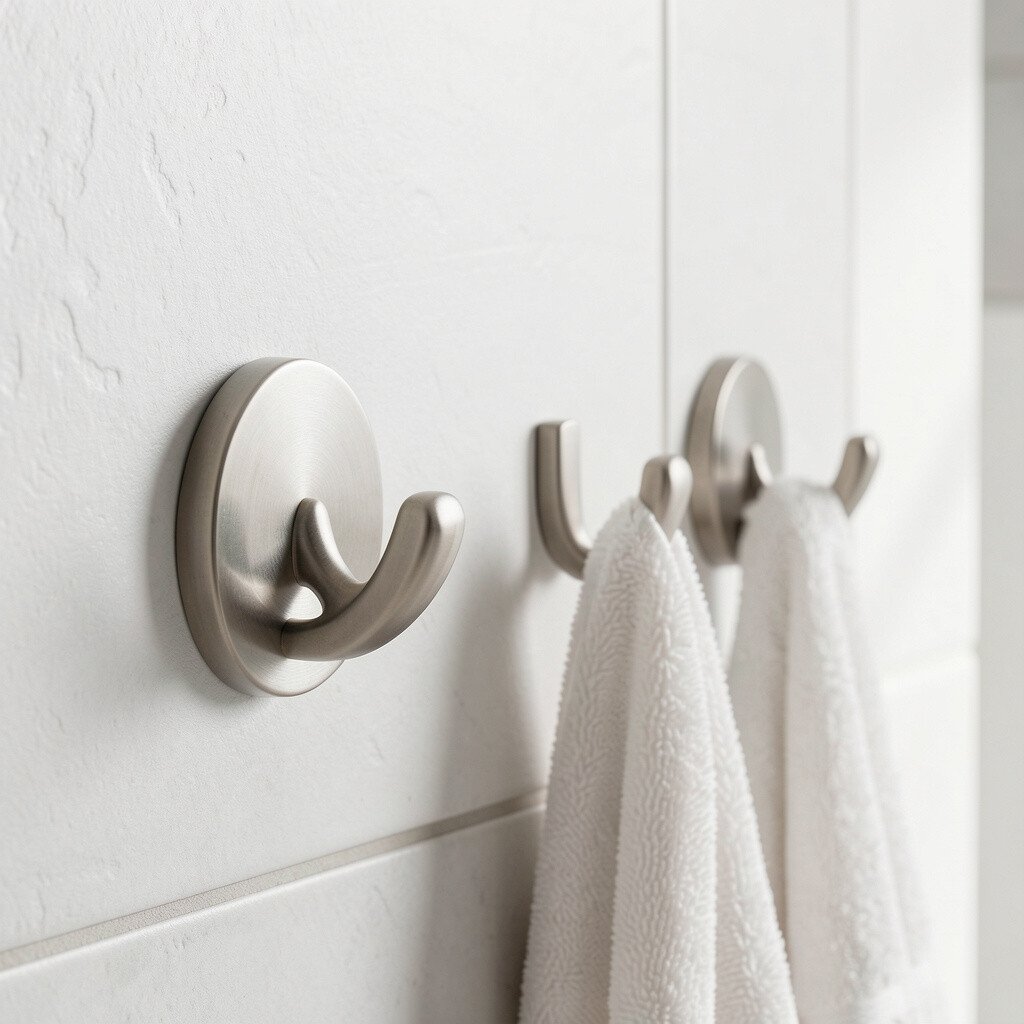
Trendy designs can look amazing in a showroom, but daily life tells the truth. If a trend emphasizes minimal coverage, towels may slip or dry slowly.
Consider your habits, like how often you wash towels or how many people share the bathroom. If the space gets used often, choose designs that handle regular loads and easy cleaning.
Current trends lean toward matte finishes, sleek lines, and easy-care surfaces. Those styles can be great, as long as the hook shape still supports towel weight and airflow.
16. Failing to Plan for Cleaning and Maintenance
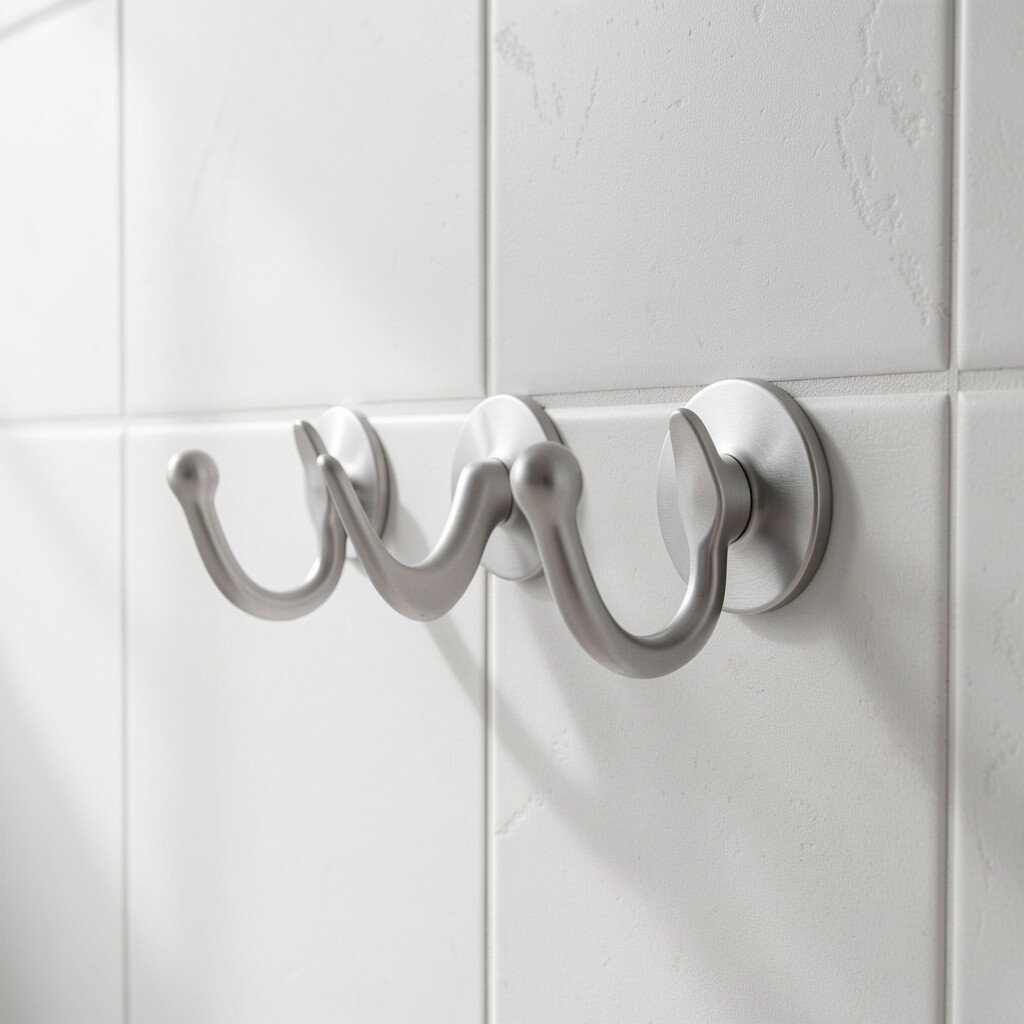
Even the prettiest towel hooks need care, especially in a humid bathroom. If you choose a design that’s hard to wipe, grime slowly takes over the look.
Pick hooks that match your cleaning routine. A smooth, accessible surface makes quick wipe-downs realistic, and that keeps towels looking brighter.
Also think about how you’ll remove buildup around the base. If the design has a tight gap behind it, cleaning can be annoying and may eventually lead to water staining.
Maintenance is also part of cost considerations. Quality hooks that resist corrosion and wipe clean help you avoid repeated replacements and keep your bathroom feeling fresh.