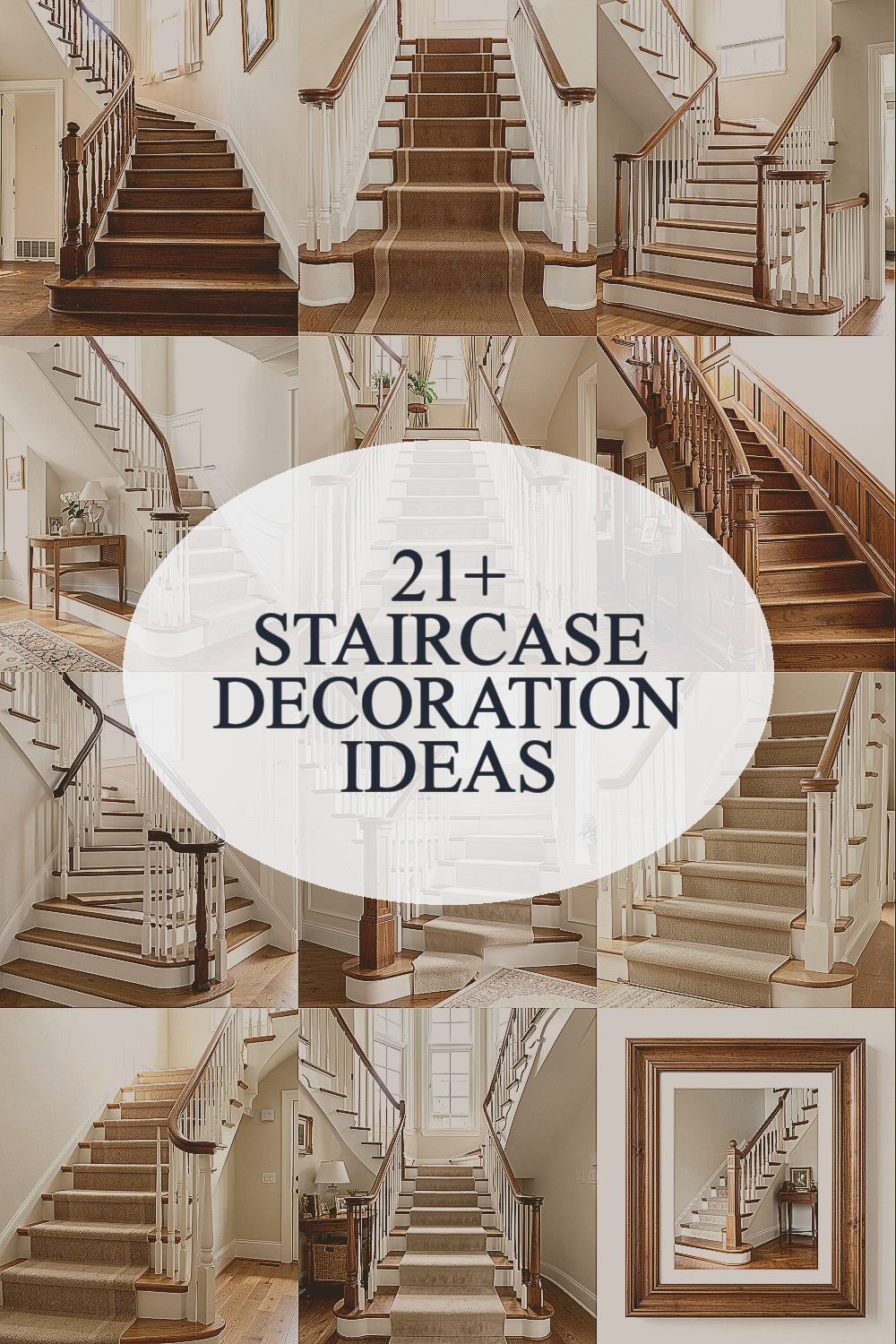
Your staircase already sets the mood for your home. A few smart decisions before you start can make it look timeless and feel personal.
Traditional stairs have character, and the right decor can highlight it. When you plan ahead, you avoid costly fixes and end up with a look that feels like you.
1. Walk the Staircase at Different Times
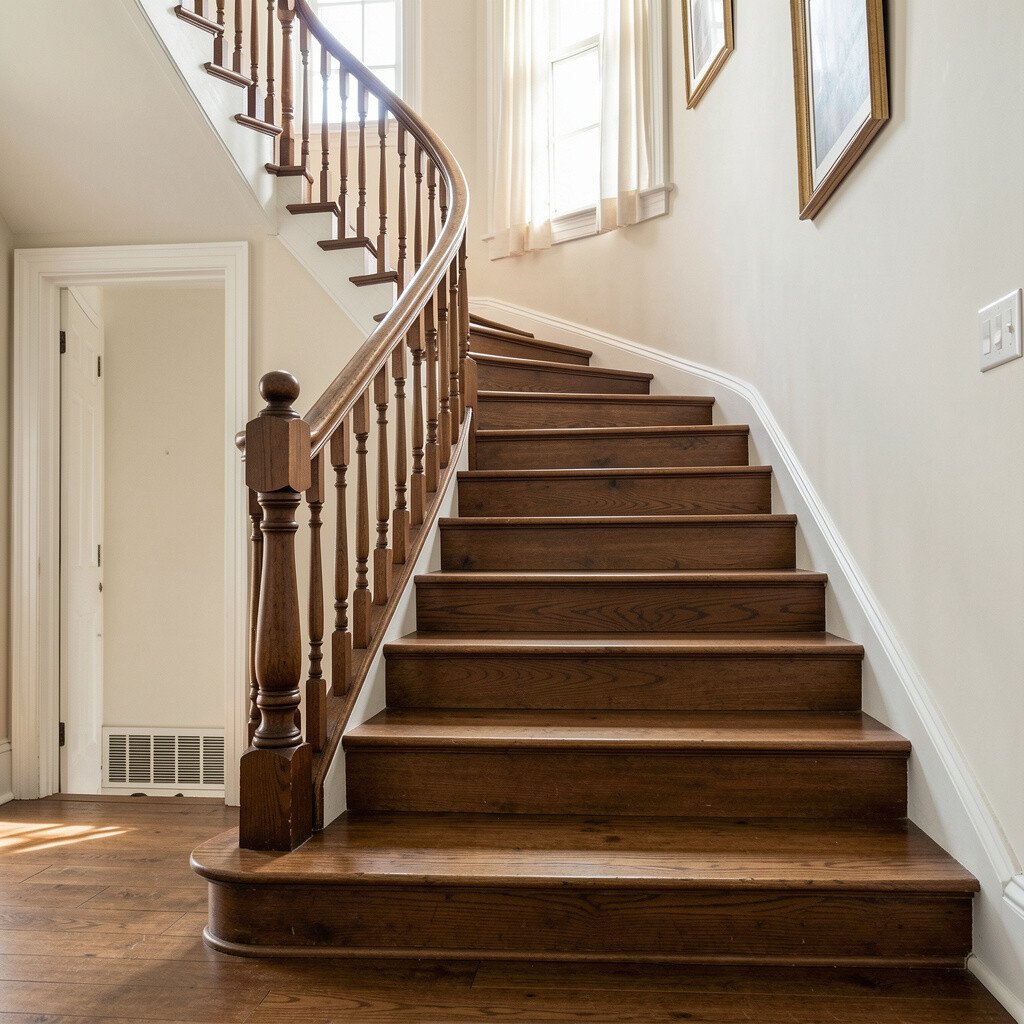
Notice how the stairs look in morning light and at night when lamps glow. You can spot shadows that hide details and highlight worn spots.
Take photos from the bottom and halfway up so you see the full “path” the eye follows. Try to imagine where a runner, wall art, or wall sconces will land when your family walks through. If a hallway light hits the steps at an angle, pick materials that look good in that exact mood.
2. Choose a Runner That Matches the Wood Tone

A traditional staircase often has warm wood tones, so the runner should work with them, not fight them. Look at whether the banister feels more honey, cherry, or walnut.
Pick a pattern that feels classic, like subtle stripes or gentle medallions, and keep the colors in the same family as the wood. A well-matched runner makes each step look cleaner and more intentional. If you want extra comfort, choose a cushioned underlay that reduces slipping and noise.
If your budget is tight, start with a runner and simple grips before buying extra decor. When you upgrade later, the runner will still anchor the style and keep everything cohesive.
3. Check the Railings Before You Add Anything
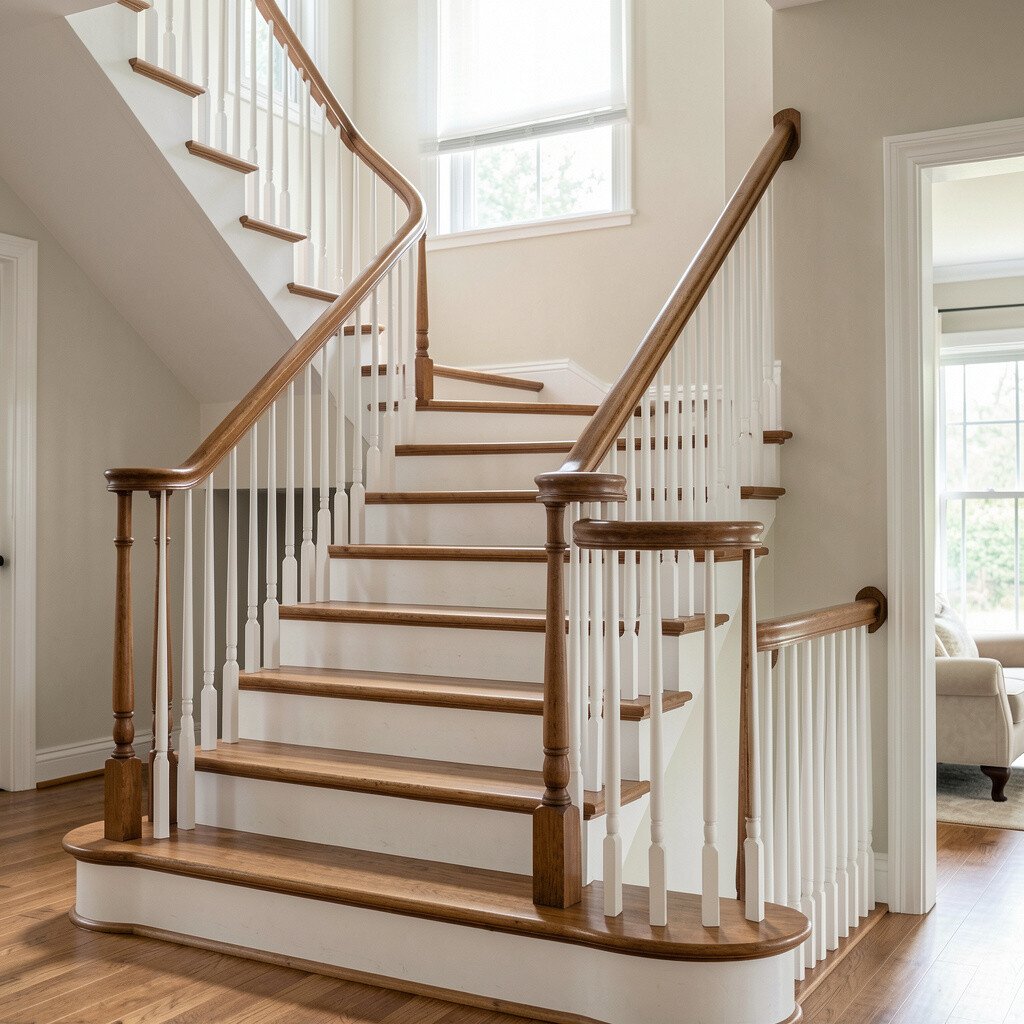
Traditional banisters can be gorgeous, but small issues matter when you decorate. Look for loose spindles, rough varnish, or spots where paint chips.
Fixing those first helps your final look stay smooth and polished. Tighten hardware and sand any rough areas so accessories sit nicely and don’t snag fabric. When the rail feels secure, you can confidently add elements like garlands, seasonal accents, or a rail-friendly runner tape.
It also affects cost, because rushed decor can lead to rework. A little prep now often prevents bigger repairs later.
4. Plan the Wall Space Around the Stairs
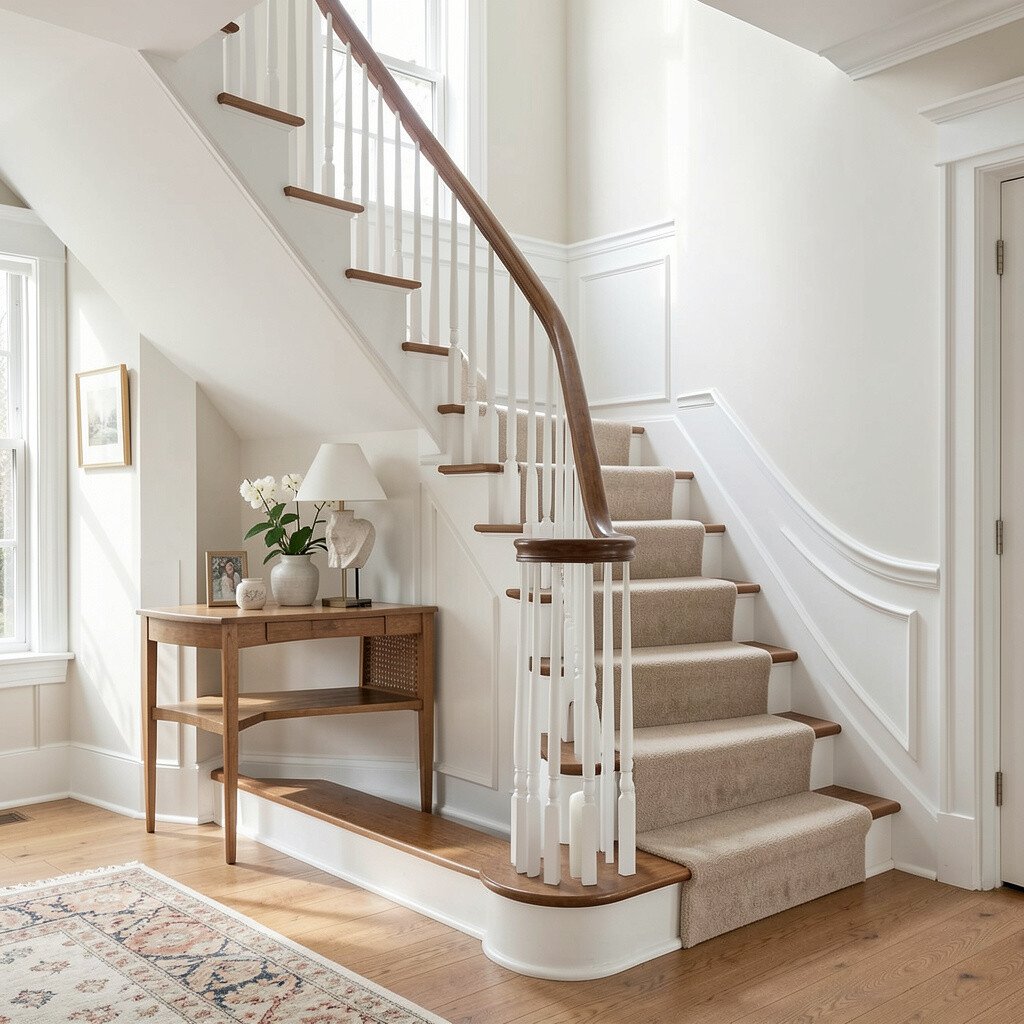
The wall beside a traditional staircase is like a frame for the whole scene. When you decorate it too fast, you can end up with art that feels crowded or too small.
Measure the height from the floor to the top rail and think about where your eyes naturally pause. A long, narrow gallery wall can work, but spacing matters. Keep artwork levels consistent so the stairs look neat instead of accidental.
5. Use a Color Palette That Feels Like Home
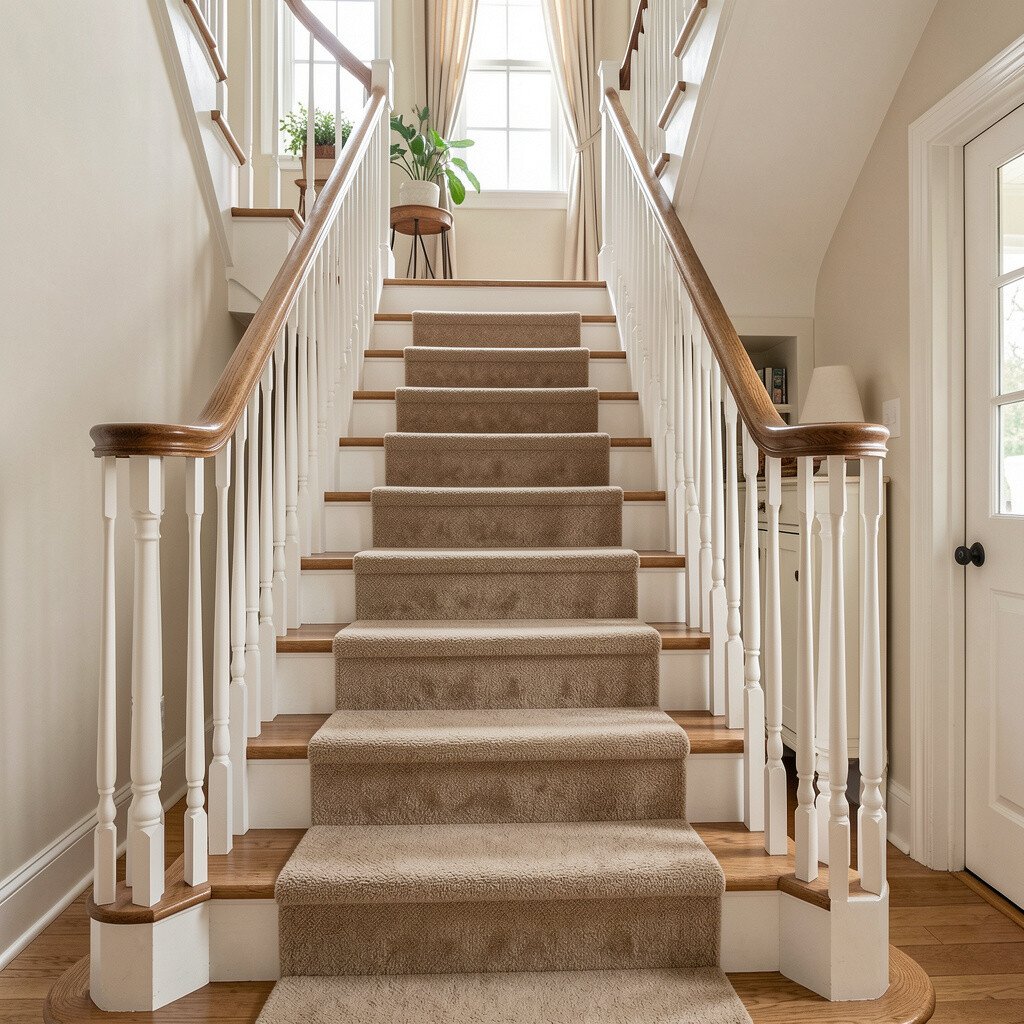
Traditional decor looks best when colors feel familiar. Pick shades that already show up in your living room, dining space, or hallway.
For warmth, pair wood tones with cream, soft tan, or muted gold. For a calm look, add sage green or dusty blue in small amounts. Even a simple runner pattern can guide your palette, so you know what to choose for frames and accents.
If you’re not sure, choose one dominant color for the runner and one supporting color for wall decor. This makes shopping easier and helps your choices look coordinated without overthinking.
6. Match Your Lighting to Traditional Materials
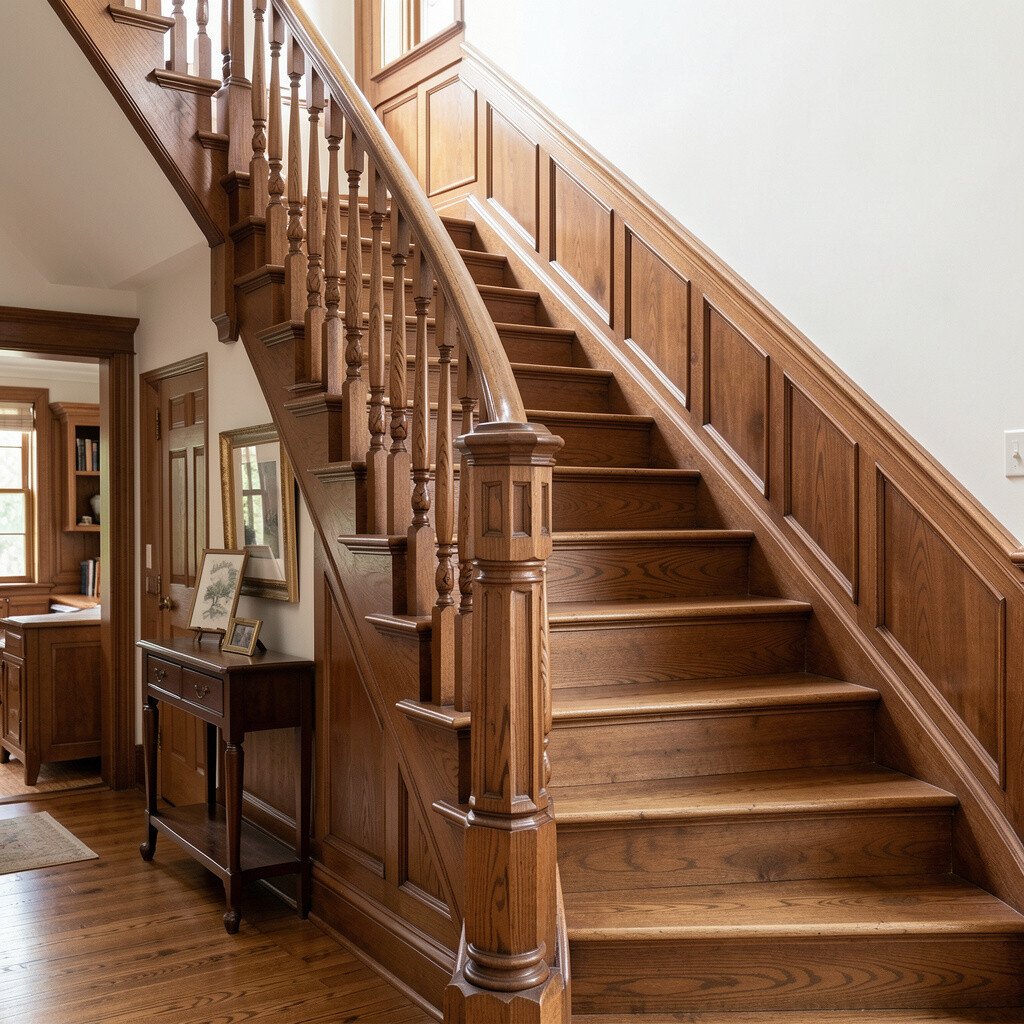
Lighting can make a traditional staircase look elegant or flat. If you use the wrong bulb warmth, wood can look dull.
Try warm-toned bulbs for a cozy glow that brings out varnish and fabric texture. If you have space, consider wall sconces or a small pendant that highlights the banister. Good lighting also helps you see small details like carvings, molding, and the weave of a runner.
7. Decide How Your Personal Style Should Show Up

You can keep it classic and still make it yours. Think about what you already love, like vintage prints, travel memories, family photos, or cozy textures.
Choose a theme that feels natural to you, such as botanical elements, soft florals, or a gentle geometric pattern that echoes the runner. Personal touches make the staircase feel welcoming, not just decorated. Even small changes, like a monogrammed doormat at the top or a tasteful wreath hook on the rail, can feel meaningful.
When you plan ahead, you can choose pieces that work together instead of buying random items that clash.
8. Consider the Sound and Comfort of Your Choices
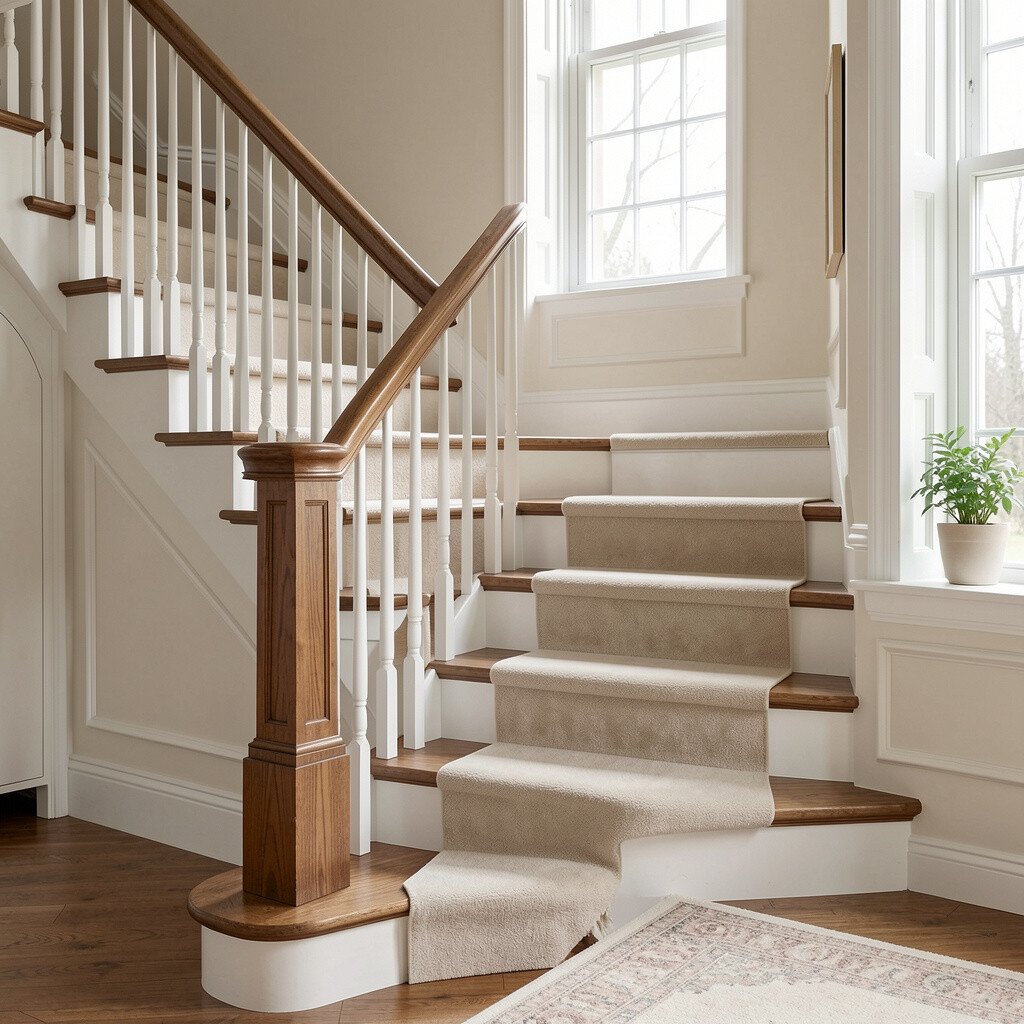
Decorating a staircase isn’t only about looks, it’s also about how it feels to use every day. Traditional stairs can sound echo-y, especially with bare floors.
A runner adds comfort underfoot and reduces noise, which many homeowners notice right away. If you choose underlay, look for something designed to grip and protect the steps. This small upgrade can feel luxurious without changing your entire style.
9. Keep the Runner Edges Neat and Safe
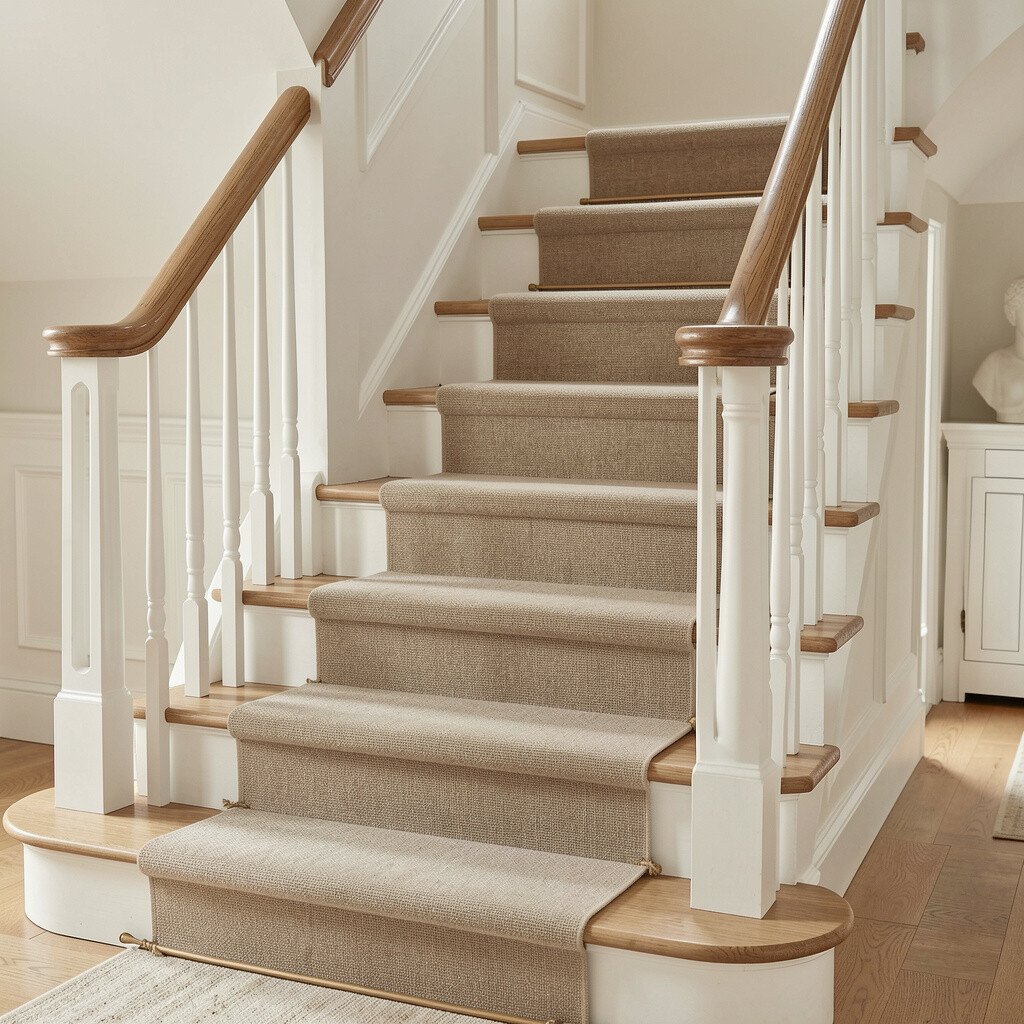
Runner edges can make or break the final look. If the edges fray or shift, the staircase suddenly looks messy.
Secure the runner using tacks, grips, or rail-friendly fasteners designed for stairs. Neat seams and straight lines create a polished effect that feels tailored. If you prefer a removable option, choose a method that allows you to lift and reposition without damaging wood.
Safety is part of beauty, so avoid loose corners. When the runner stays in place, it looks better and feels more comfortable every day.
10. Add Texture Without Overdoing It
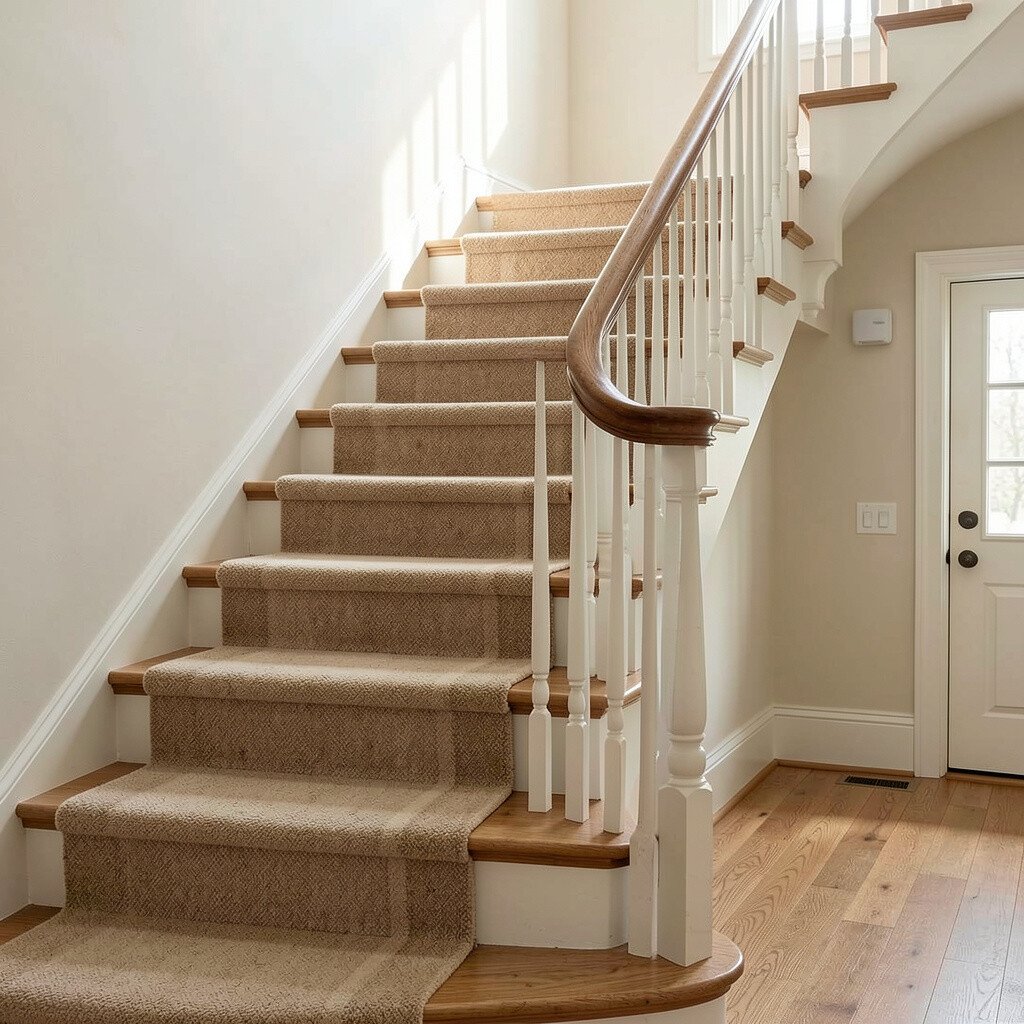
Traditional homes often look best when textures mix in a balanced way. A staircase can handle warmth from wool, linen, and wood grain.
Try layering a runner with subtle picks like a soft throw-like garland for seasonal moments. You can also add texture through basket accents, carved wood frames, or a woven wall piece. Too many different textures at once can feel busy, so choose a few key materials and repeat them gently.
11. Style the Landing Like a Mini Room
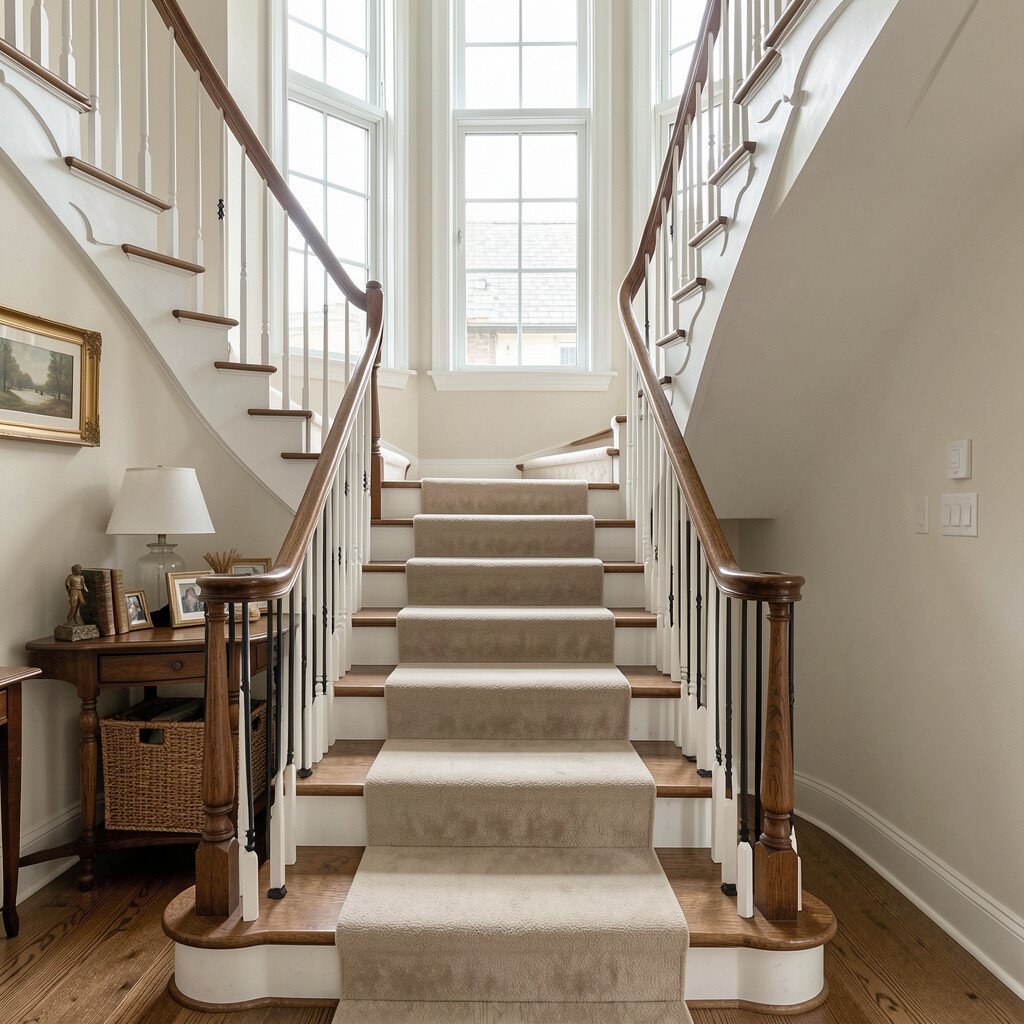
The landing is where the staircase pauses, and it deserves the same care as the rest of your space. Even if it’s small, you can make it feel intentional.
Place a narrow console table or a slim cabinet only if you can keep movement easy. A plant in a classic pot, a lamp with a warm shade, or a framed mirror can make the landing feel bright. If you like symmetry, align decor on both sides of the mirror for a calm traditional look.
Small furniture choices can also shift cost, because simpler pieces often deliver a big visual impact. Start with one hero piece and add smaller accents around it.
12. Build a Frame for Photos the Traditional Way
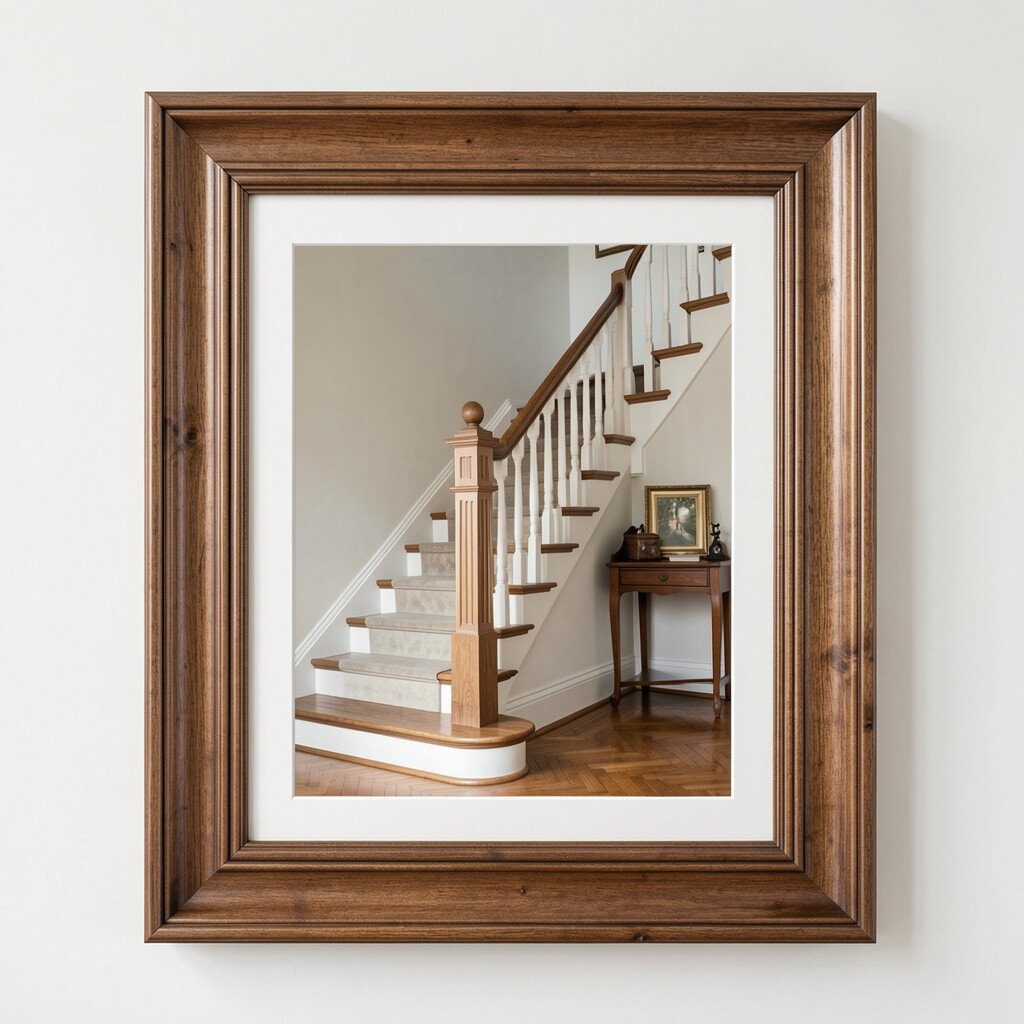
Family photos and vintage-style prints can look stunning on staircase walls. The key is choosing frames that match the home’s era and finish.
Go for wood frames in warm tones or simple metal frames with a soft antique finish. Keep sizes consistent, or use a gentle mix where larger images anchor the center. When you hang them at eye-friendly heights, the display feels inviting instead of overwhelming.
13. Think About Seasonal Décor You Can Swap Easily
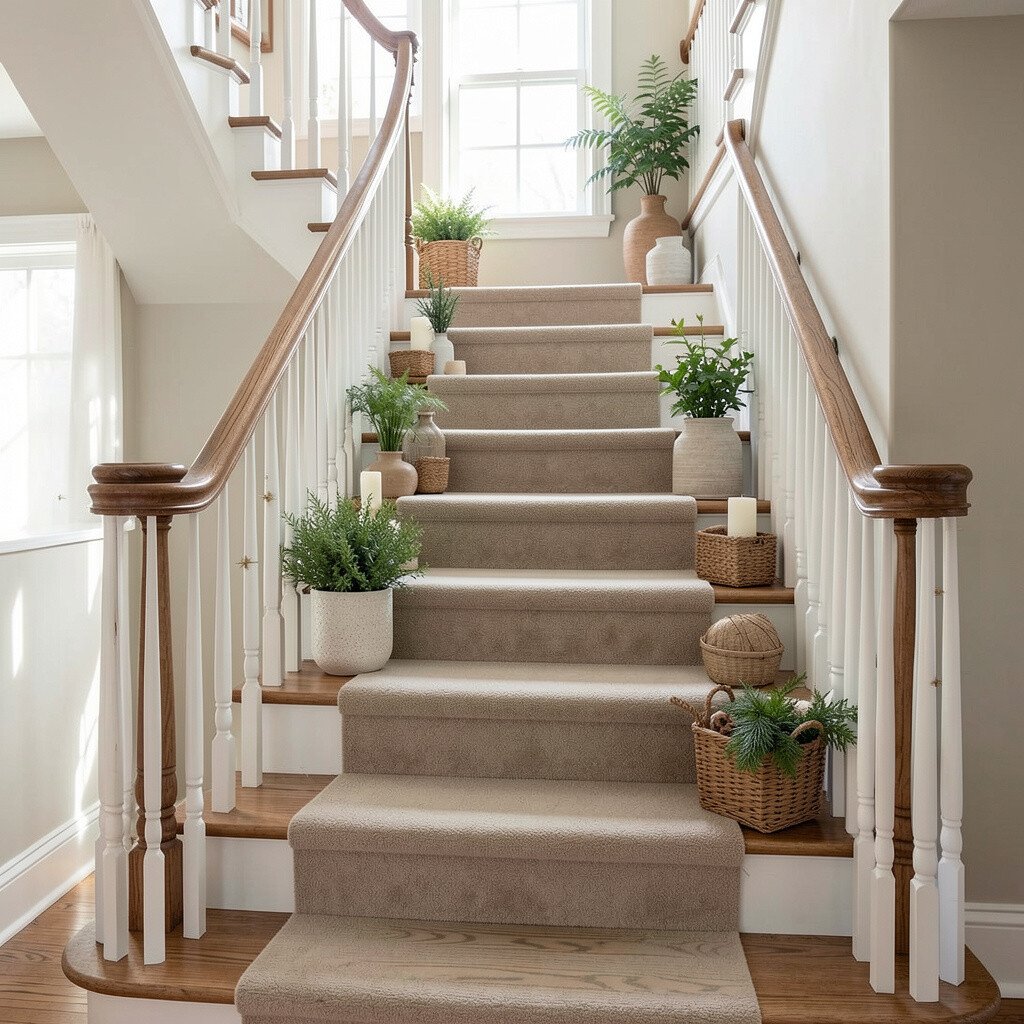
One of the nicest parts of a staircase is that it changes with the seasons. You can keep the main styling steady and swap small items often.
Use hooks, wreath rings, or rail-friendly holders so you can add garland, ornaments, or ribbon without heavy tools. Choose items that store neatly so you don’t spend time untangling. This approach helps you stay within budget because you can update the look without buying a whole new setup.
When decor comes off easily, you’ll actually use it, and that makes the staircase feel alive all year.
14. Clean and Prep Surfaces for a Better Finish
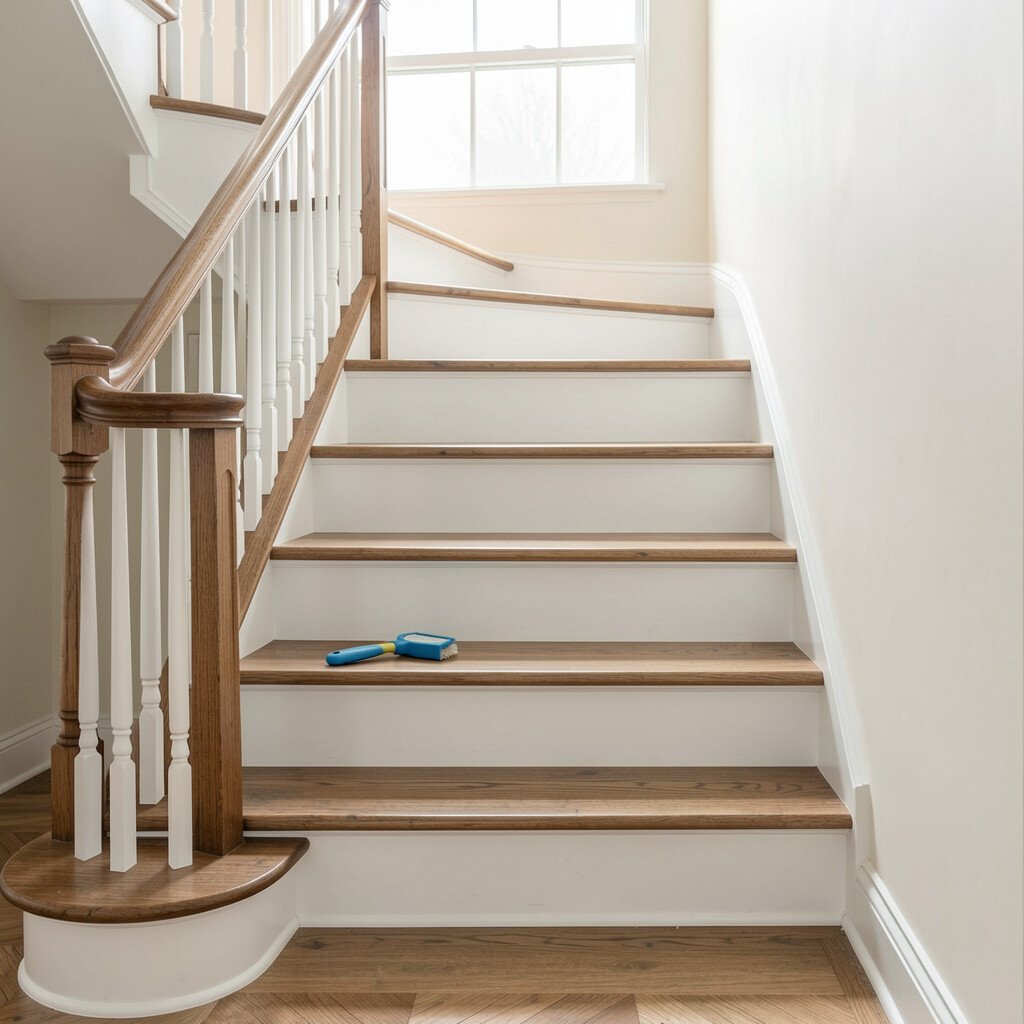
Before you add anything, clean wood, walls, and trim so decor sticks properly. Dust and oils can make tape and paint supplies act strangely.
Wipe the banister and steps with a gentle cleaner and let them dry fully. For walls, remove smudges and patch small marks so frames sit flush. This simple prep step helps everything look sharper and last longer, which saves money over time.
15. Choose Hardware That Looks Like It Belongs
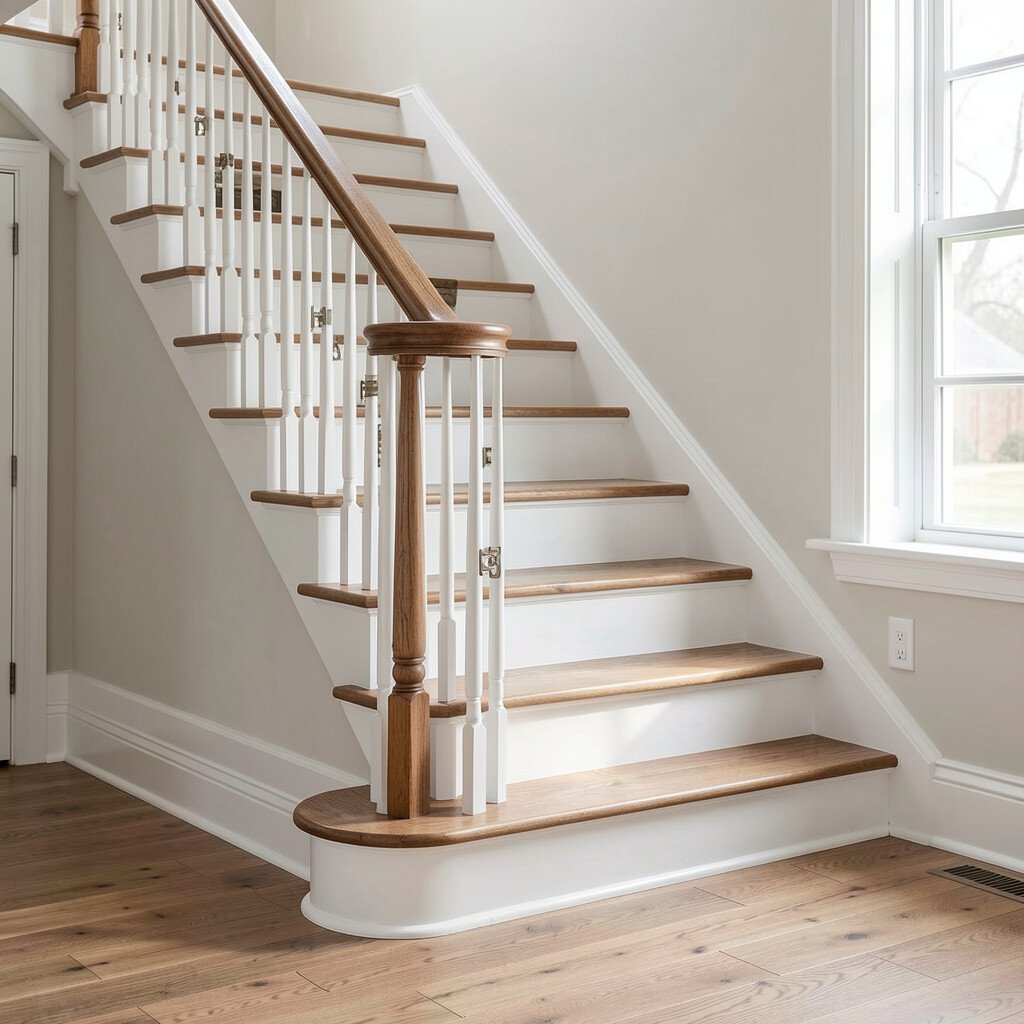
Traditional staircases often have matching hardware, like hinges, balusters, and drawer pulls. If you add new elements, keep them in the same family of finishes.
Brass and warm gold accents can look elegant on honey-colored wood, while oil-rubbed bronze can add depth. Even small things like picture-hanging hooks or garland clips matter. When hardware blends in, your decor looks custom-made instead of added later.
16. Use Art That Works with the Stair’s Shape
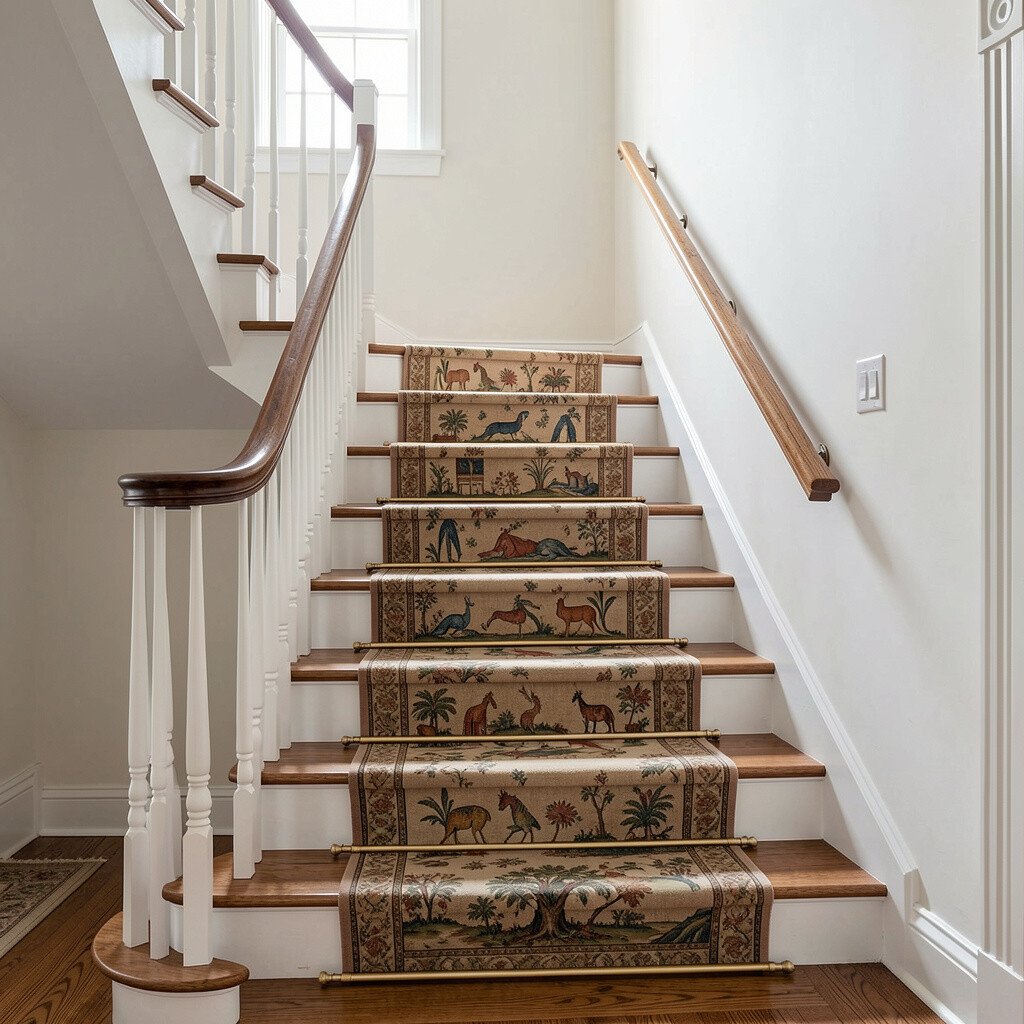
The staircase wall has a natural flow, and the art should respect that flow. Tall frames can look dramatic, but they must not fight the railing lines.
Try a mix of portrait and landscape pieces where the heights echo the banister height. If the wall is long, consider arranging art so the center sits near the most visible midpoint. You can also use one large statement piece for a simpler look that still feels rich.
When you pick art that visually “slides” with the staircase, your whole home feels more put together.
17. Plan for Kids, Pets, and Everyday Wear
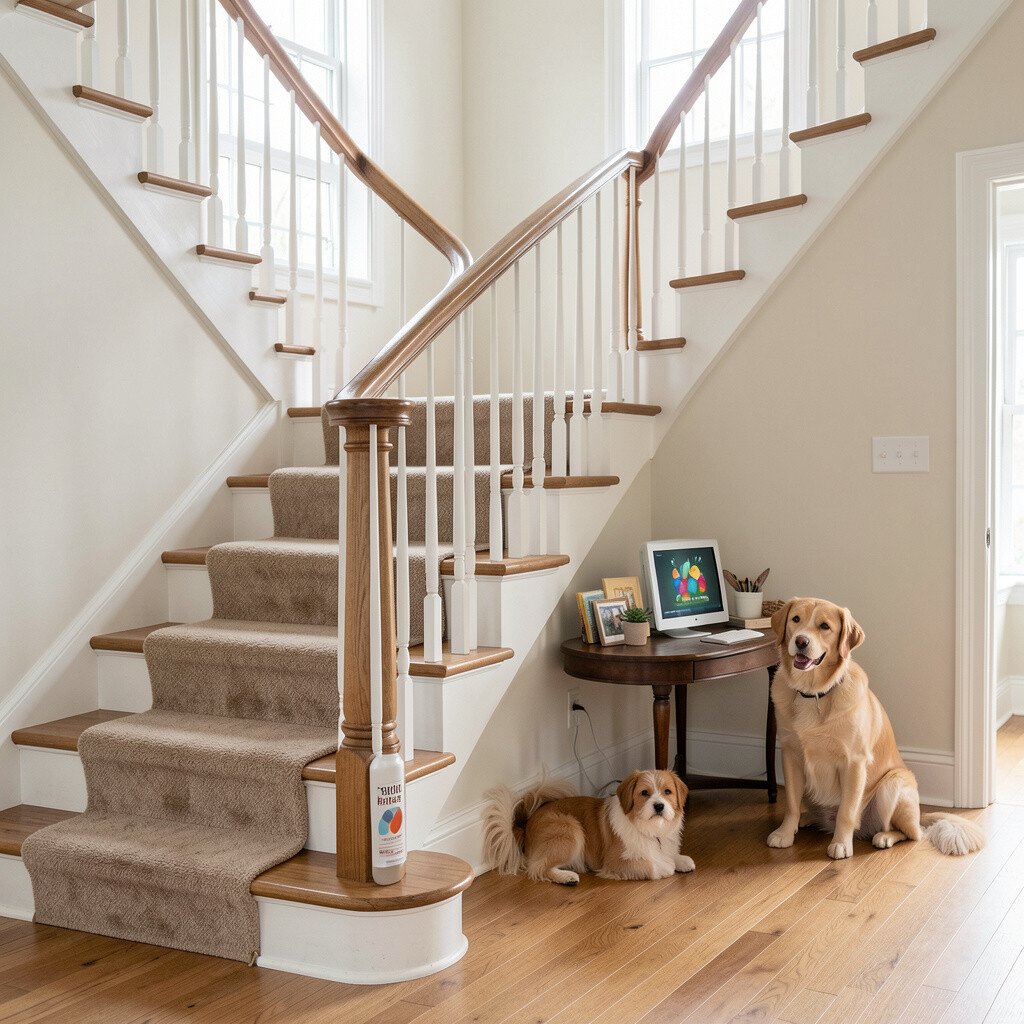
Decorations have to handle real life, especially on stairs. If you have kids or pets, durability is part of style.
Choose stain-resistant materials for runners and select hardware that won’t loosen under traffic. A thicker underlay helps with grip and reduces slipping, which gives peace of mind. When your staircase stays safe and clean, you spend less time fixing and more time enjoying it.
18. Use Stair Treads or Caps for a Polished Look
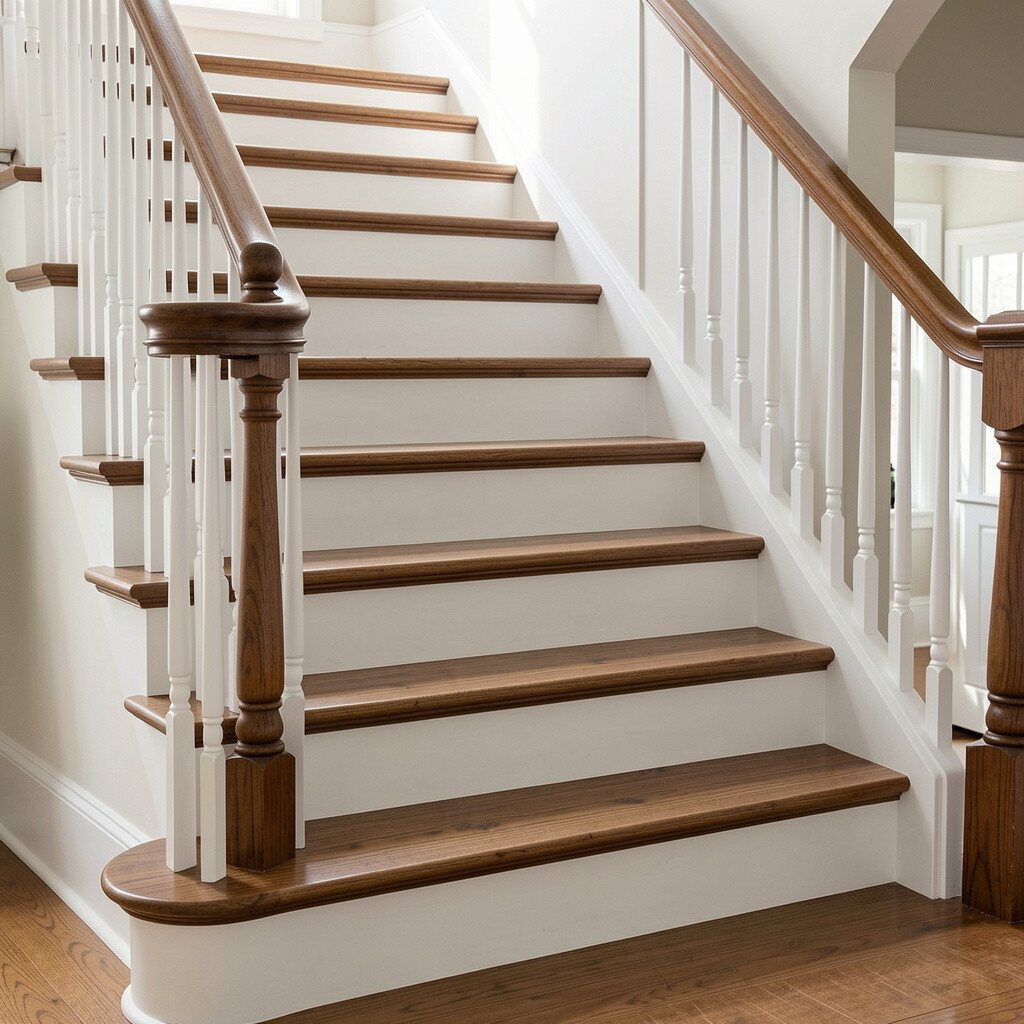
Stair treads and caps can add structure when you want something beyond a single runner. They can be especially helpful if your stairs are uneven or if you prefer more coverage.
Choose designs that blend with traditional details like beveled edges, classic patterns, or subtle borders. Treads can also protect high-wear areas and keep wood looking good longer. If you want a cost-friendly approach, compare the price of treads versus a full runner and pick what covers the most worn sections.
19. Add a Banister Accent That Doesn’t Clutter
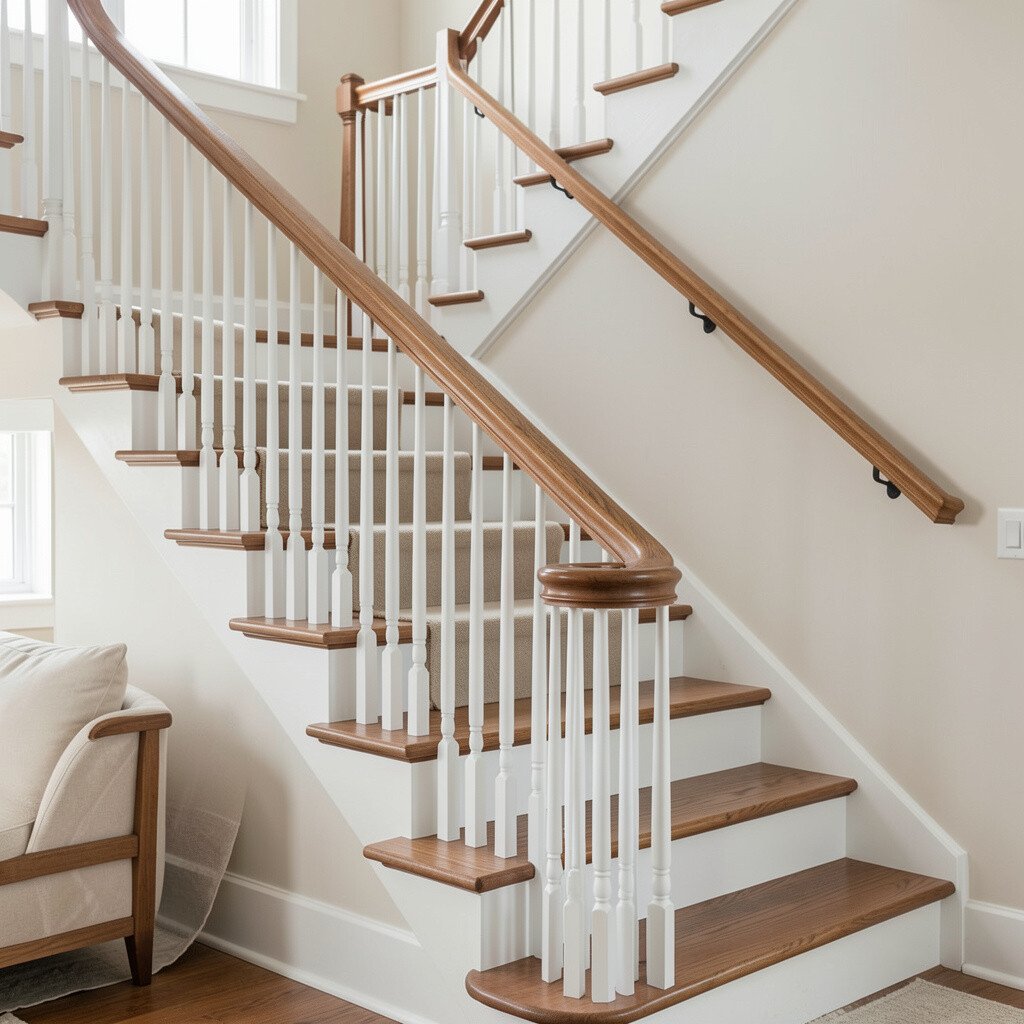
It’s tempting to hang a lot of items on a traditional banister, but restraint looks best. One well-chosen accent can feel elegant instead of crowded.
Consider a simple garland line, a small wreath at a landing point, or a long ribbon with a neat bow. Choose pieces that hang straight and don’t snag clothing. When the accent is tidy, the staircase looks styled, not decorated in a hurry.
20. Consider Current Trends While Staying Timeless
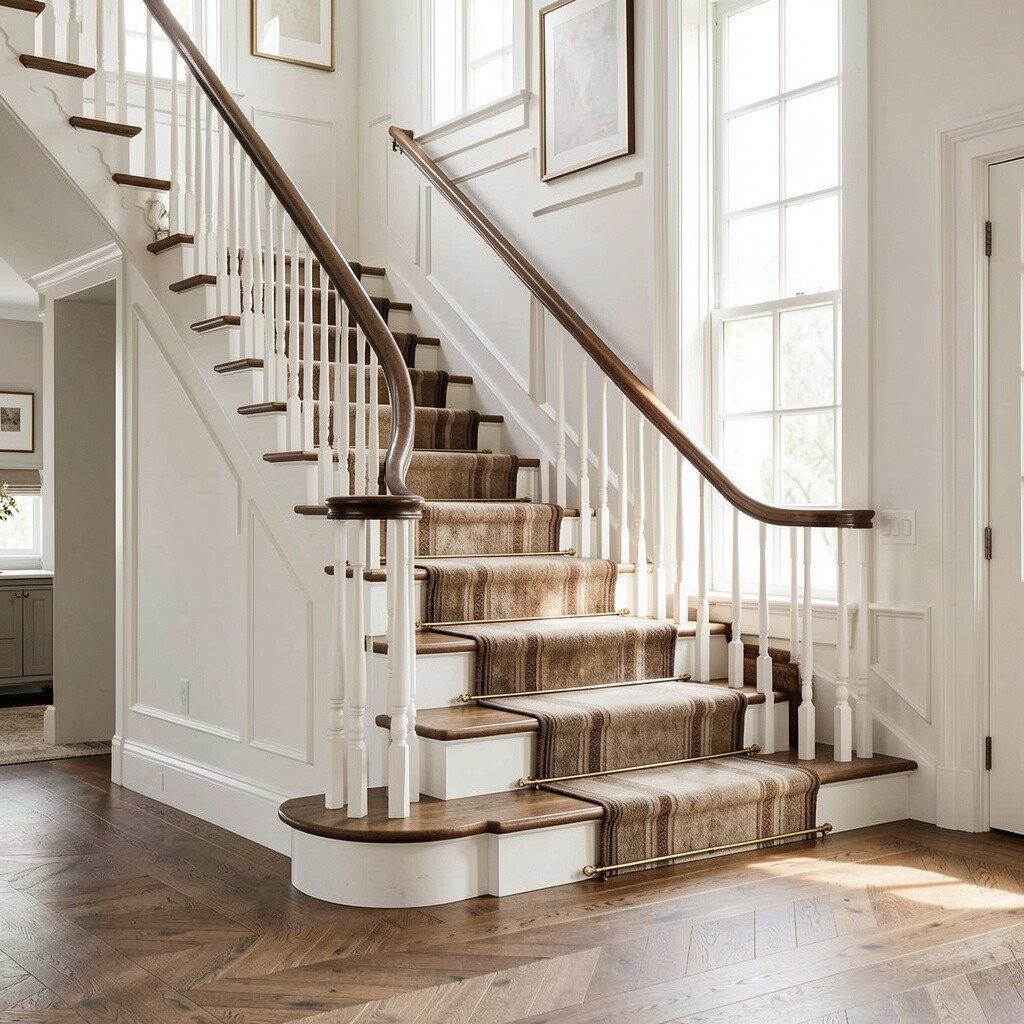
Even traditional staircases can benefit from today’s design habits. Many current looks focus on comfort, texture, and cohesive palettes.
Look for subtle updates like earthy tones, soft vintage patterns, and layered lighting. A modern trend that fits tradition is using fewer, better pieces rather than lots of small ones. When you add one trend element, keep the rest classic so the staircase still feels timeless.
This balance helps your home feel current now, not outdated later.
21. Set a Budget by Prioritizing What People Notice First
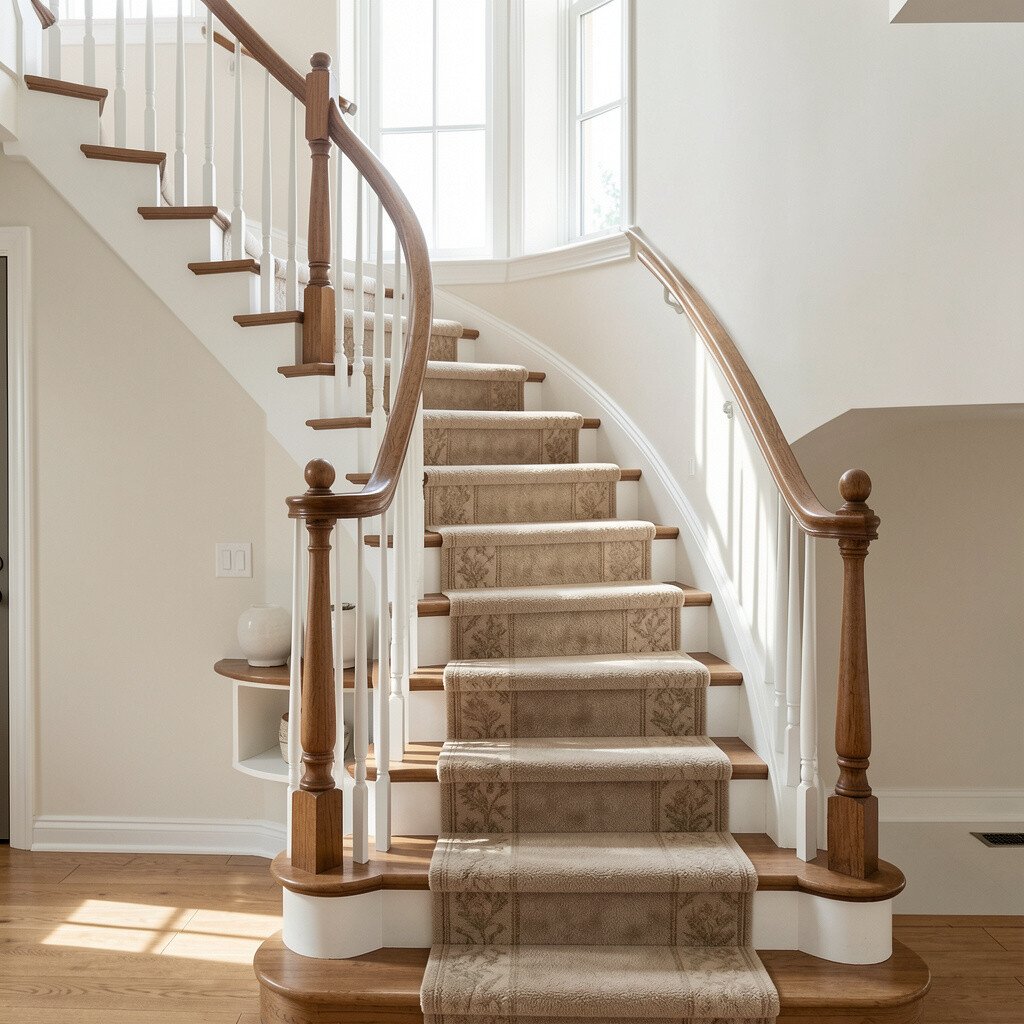
It’s easy to spend on details and forget the biggest visual drivers. Decide what people notice first when they enter your home.
For many staircases, that’s the runner area, the wall display, and the lighting around the entry. Focus money there, then refine with smaller accents like frames, garland, and hardware. If you’re working with a limited budget, choose durable basics and save more decorative items for later upgrades.
22. Test Layouts Before You Commit
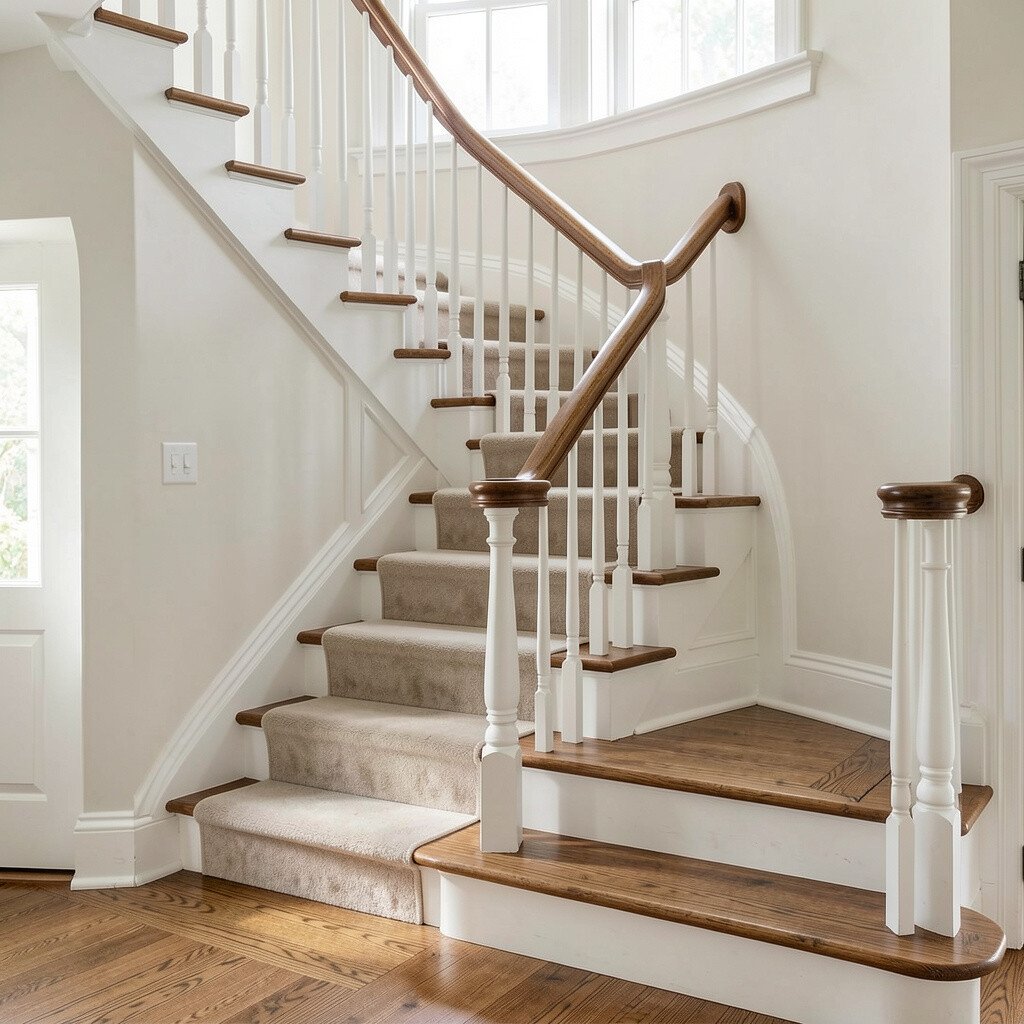
Before you drill, tape, or cut, test your layout. Traditional stair walls can look very different once everything is hung.
Lay frames on the floor or use paper templates on the wall so you can see spacing. Step back and check alignment from the bottom of the stairs, because that’s where most people form their first impression. When the layout feels balanced, then you can secure everything confidently and avoid costly mistakes.