The pause between projects can be your best design moment. Small changes here can make your whole home feel calmer and more you.
1. Reset a Room With a “Soft Landing” Zone
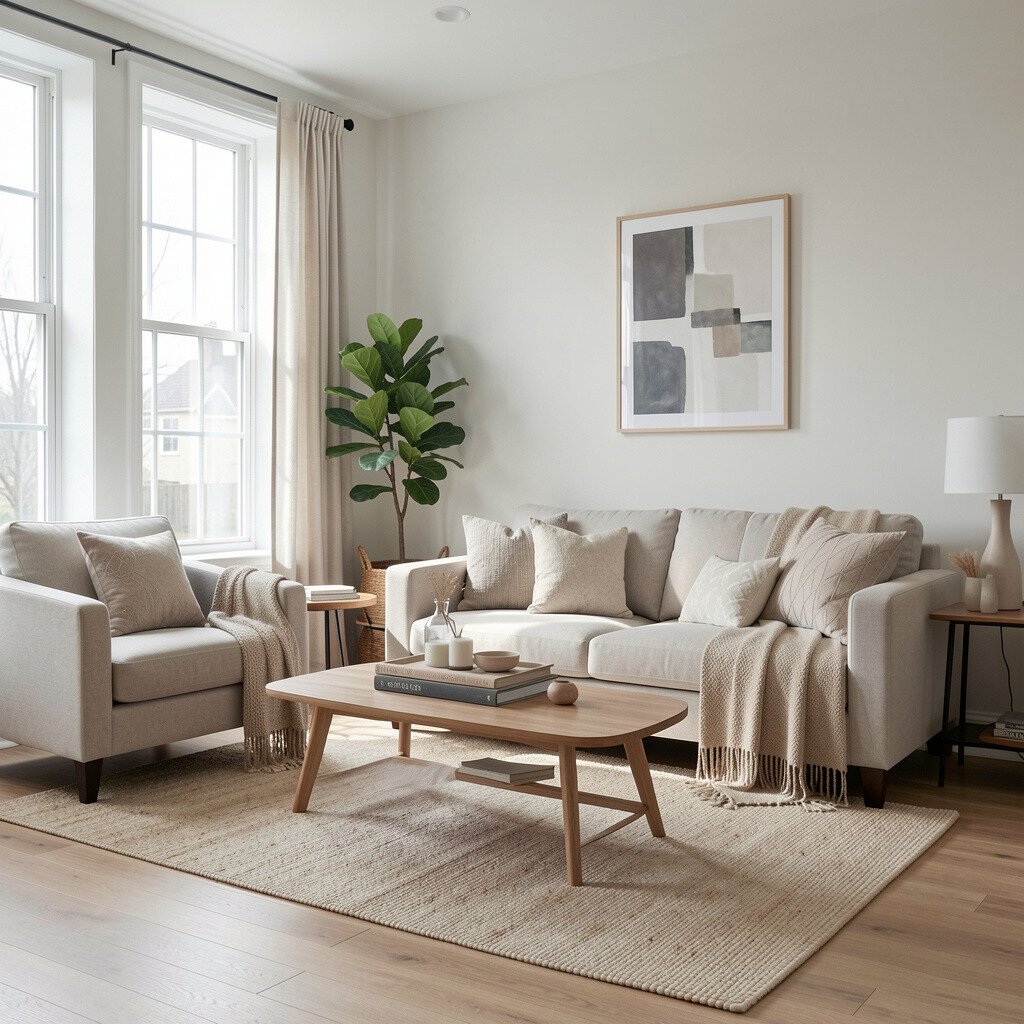
Pick one area that can feel like a gentle arrival point, like the corner by the door or the end of a hallway. Add a comfy chair, a small side table, and a lamp with warm light so your space greets you instead of rushing you.
Use a tray for keys, sunglasses, and hand lotion so items look neat even when your day gets busy. Add a throw blanket in a color you already love, and keep one plant or fresh vase nearby for life in the room. This setup works great for busy families and also for anyone who likes order without feeling strict.
2. Create a Layered Light Plan That Feels Like a Mood

Lighting can change how a room feels more than most furniture swaps. Start with one ceiling light, then add two or more sources like table lamps and a floor lamp to soften shadows.
Choose bulbs with similar warmth so the space looks steady, not patchy. Try a dimmer switch or smart bulbs so movie nights, reading, and dinners all feel right. Keep cords tucked away and use fabric shades or glass to get that cozy glow people notice right away.
For cost, you can begin with one lamp and one bulb upgrade, then grow it over time. A current trend is warm, layered lighting that mimics evening daylight, so aim for comfort and slower vibes.
3. Turn a Wall Into a Story With a Mini Gallery Rail
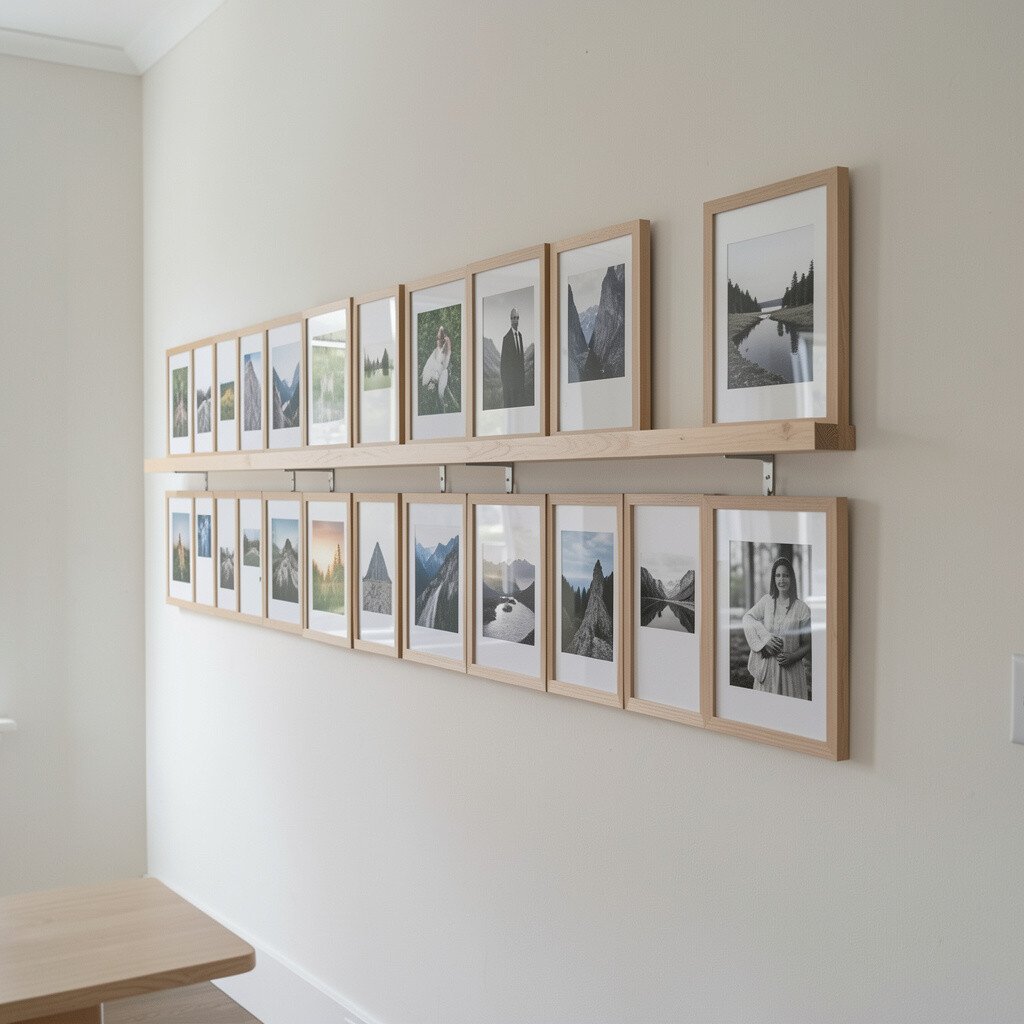
Choose a section of wall that feels blank and give it purpose with a simple rail or a grid of frames. Mix sizes, but keep the colors tied together so the whole wall looks intentional.
Swap in art that matches your real life, like travel photos, sketches from friends, or prints that match your couch fabric. You can also add one small shadowbox for a ticket, a dried bouquet, or a meaningful note.
For practical setup, measure the wall and hang the center piece first, then build out from there. If you rent, use adhesive hooks made for your wall type so you can change the gallery without damage. Personalize it with seasonal prints so the room feels fresh without buying all new decor.
4. Add Storage That Looks Like Decor, Not Clutter
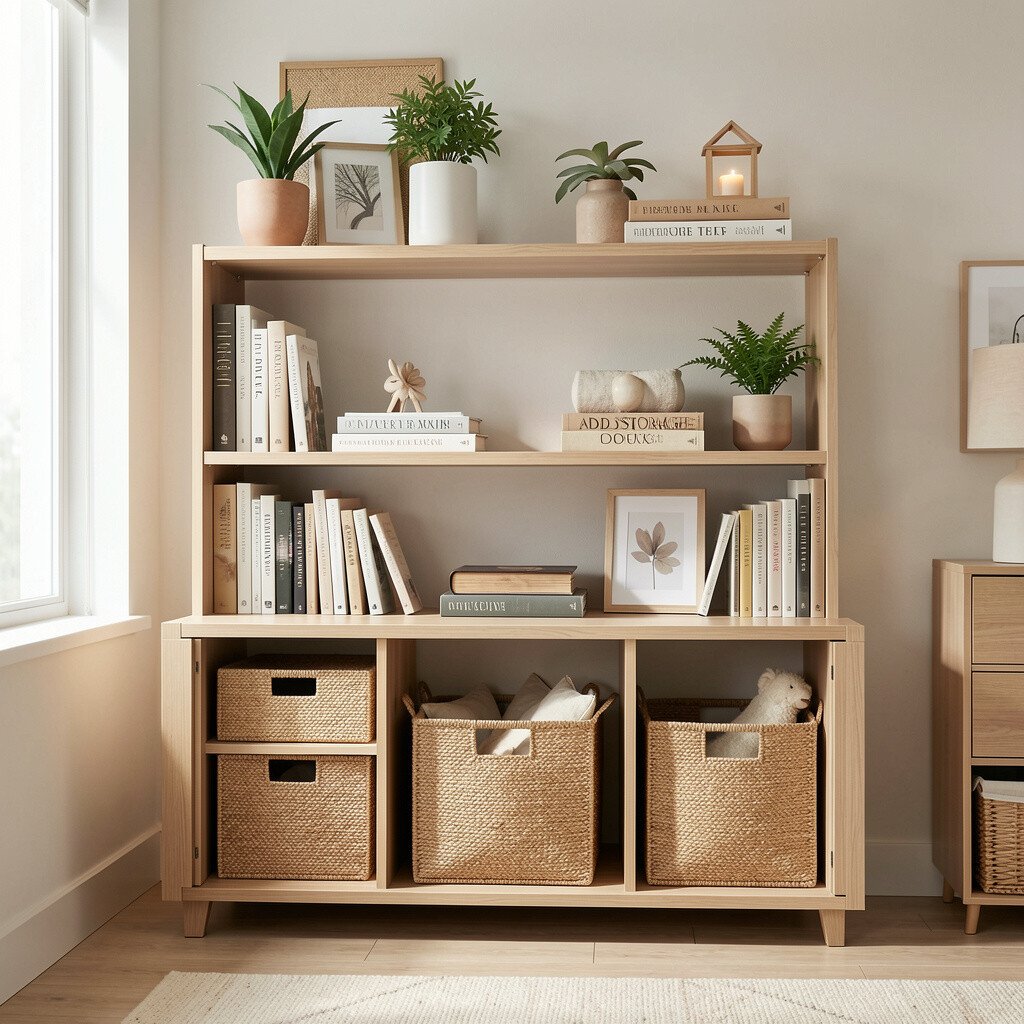
When storage hides the mess, your home feels lighter and calmer. Choose baskets, boxes, or cabinets that match your existing style instead of fighting it.
Set a “landing shelf” near common pathways for things like chargers, notebooks, and small mail. Labeling is optional, but using matching containers often makes the labels feel unnecessary.
Try one upgrade at a time, like adding a lidded bin under a console or a slim cabinet in a tight space. A lot of people are leaning into natural materials like woven fibers and wood tones because they blend well and look warm.
5. Refresh Your Entryway With a Tray and Small Rituals
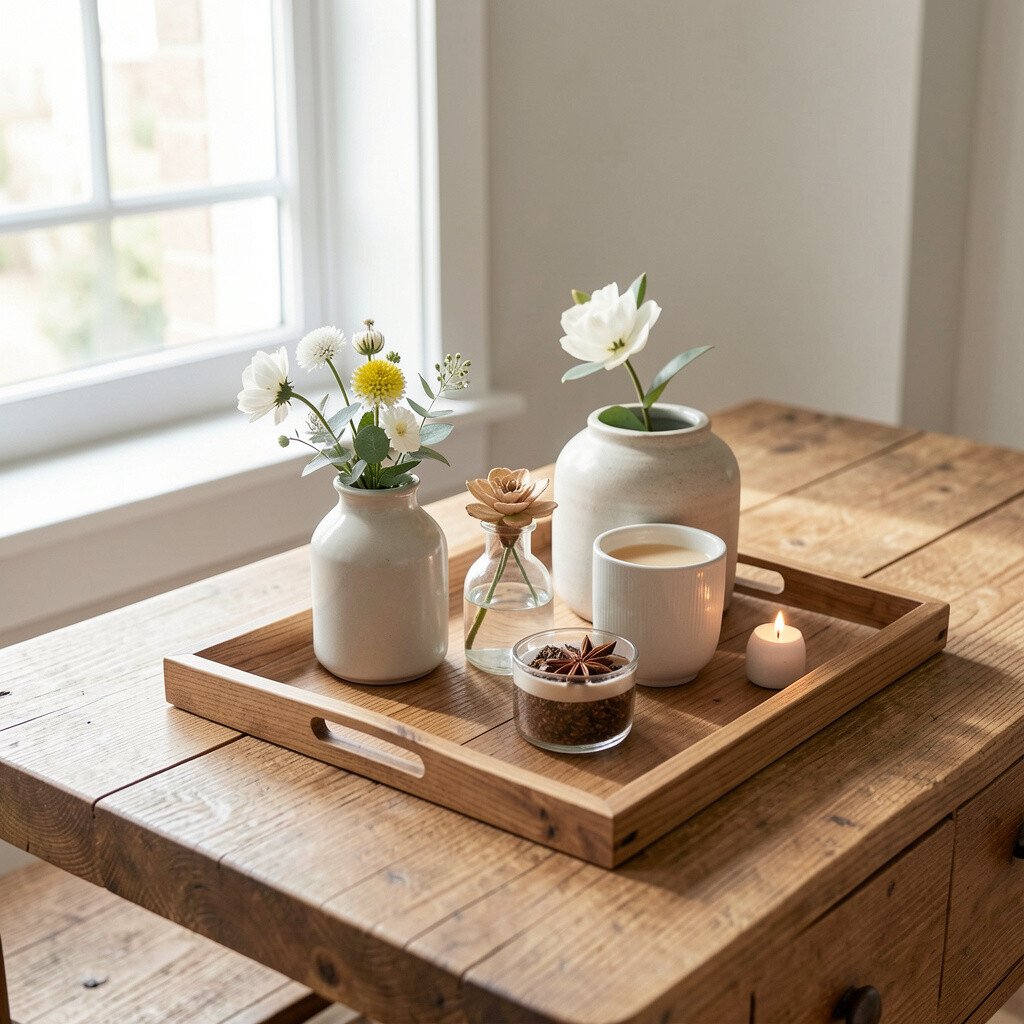
Your entryway sets the tone for the whole day, even if it is tiny. Place one wide tray for everyday items so you can toss and go without searching later.
Add a slim mirror to bounce light and a small basket for incoming letters, then keep a folded umbrella nearby if weather is unpredictable. A simple ritual, like wiping shoes or hanging a bag right away, helps the space stay neat.
For cost control, choose one key piece first, like a tray or a mirror, then add small extras that fit your budget. Trends right now favor simple, natural textures and calm color palettes that do not feel too busy.
6. Build a Cozy Reading Nook With One Comfort Upgrade
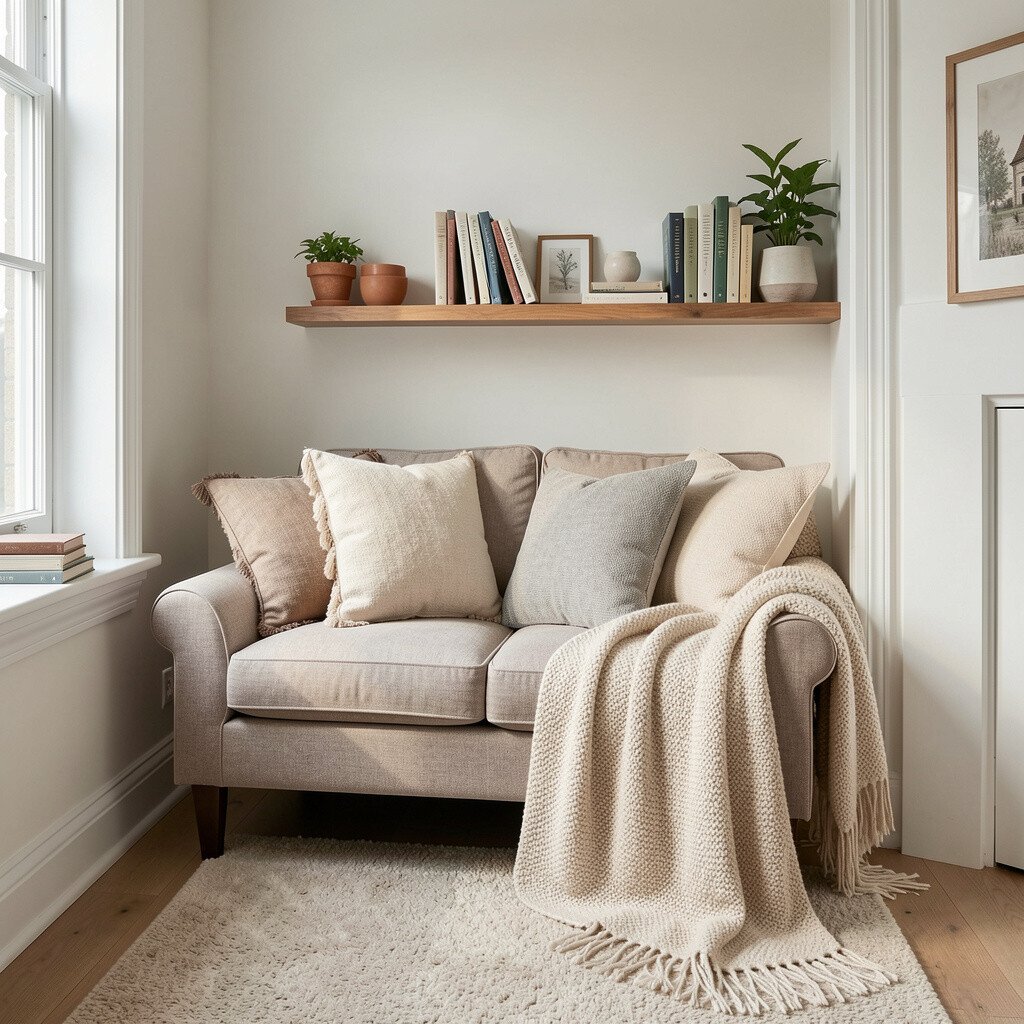
Pick a spot by a window or in a quiet corner and make it inviting with one comfort upgrade. A thick cushion, a soft chair pad, or a small floor rug can turn the area into a place you actually want to use.
Then add a side table for water, a book, and a warm lamp so your nook feels complete. Personalize the style with a reading blanket in your favorite pattern or a cover that matches your throw pillows.
If your space is small, wall shelves can hold books without cluttering the floor. People love this idea right now because it supports slow evenings and screen-free time, and it is easy to adjust as tastes change.
7. Use Color Accents to Make Neutral Spaces Feel Alive
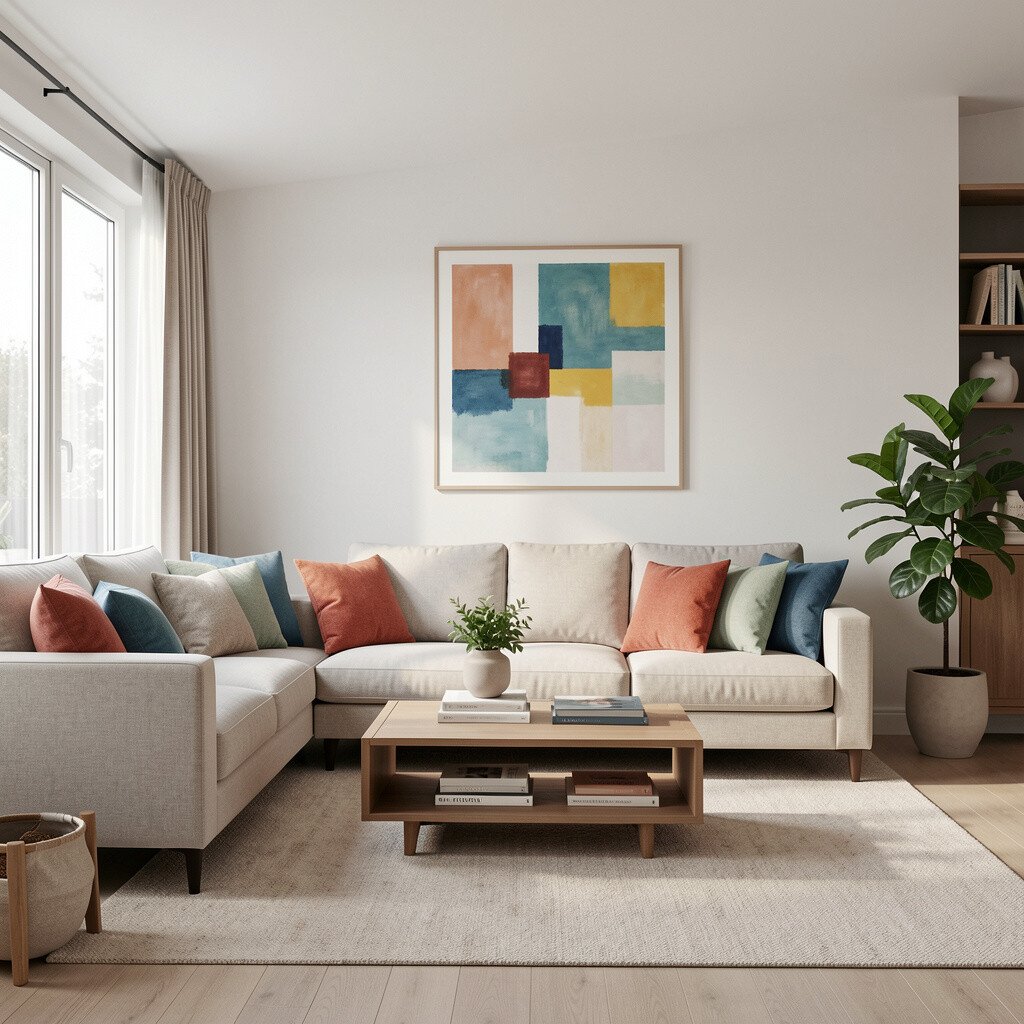
Neutral rooms can feel amazing, but they need a little spark to feel lived in. Choose one accent color and repeat it in small ways, like in a vase, a pillow, or a piece of art.
Try a soft blue, a warm rust, or a deep green to make the whole space feel grounded. Keep the rest of the room calm so the accent stands out, and swap accents seasonally for an easy refresh.
Budget-friendly options include thrifted frames painted to match and inexpensive fabric for pillow covers. This approach also helps you avoid big purchases while still making your home look current.
8. Make an “In Between” Room for Mail, Bags, and Tech
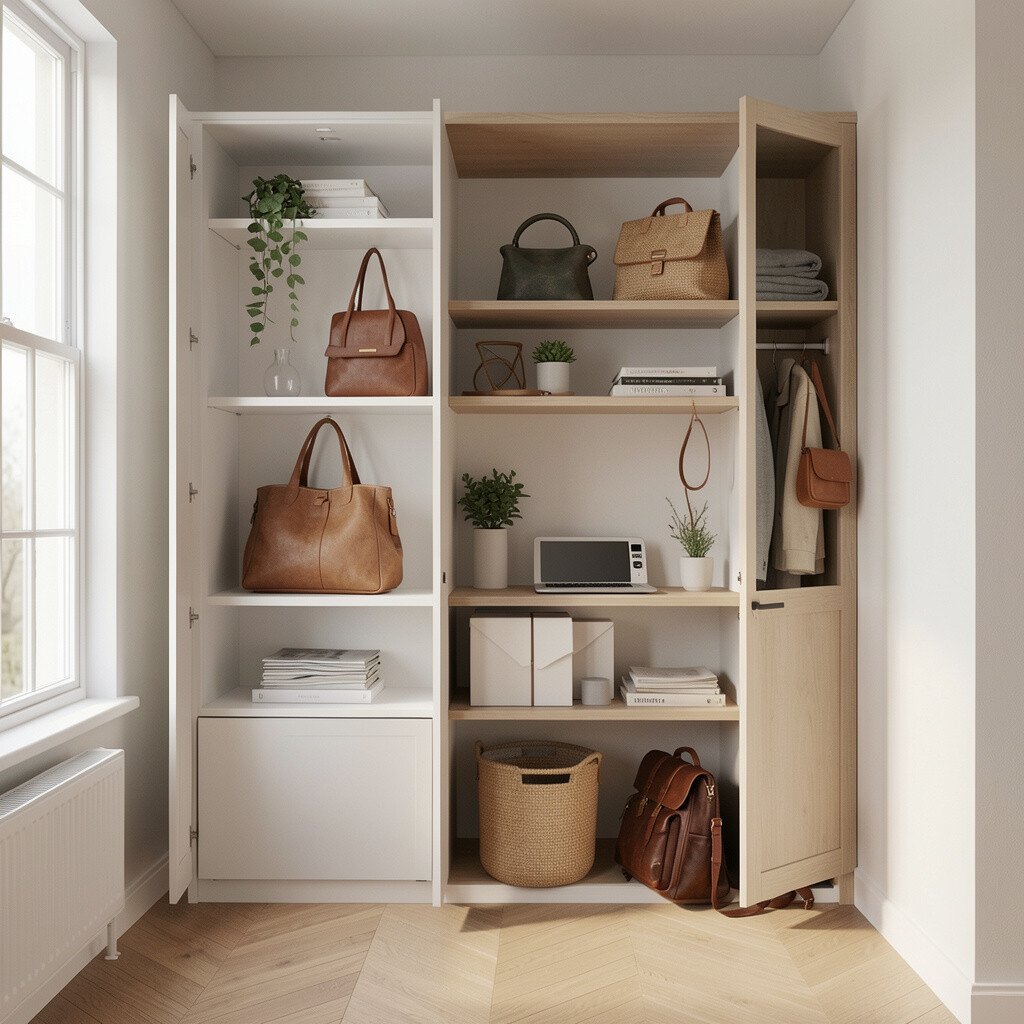
Not every home needs a separate office, but many homes need a place for the in-between stuff. Create a small station where mail, backpacks, and daily tech can live.
A simple console with a drawer, a charging strip, and two hooks for bags can do the job. Add a cork board or a small magnetic panel so notes and reminders can be seen without cluttering counters.
To keep it flexible, choose storage that can shift, like baskets on a shelf or a rolling cart. This is a practical trend because more people work from home and need quick, organized access to tools.
If you want personalization, place a photo or a tiny plant on top, so the station feels friendly. For cost, start with a tray and a charging solution, then build storage as your needs grow.
9. Upgrade Curtains for Instant Height and Softness
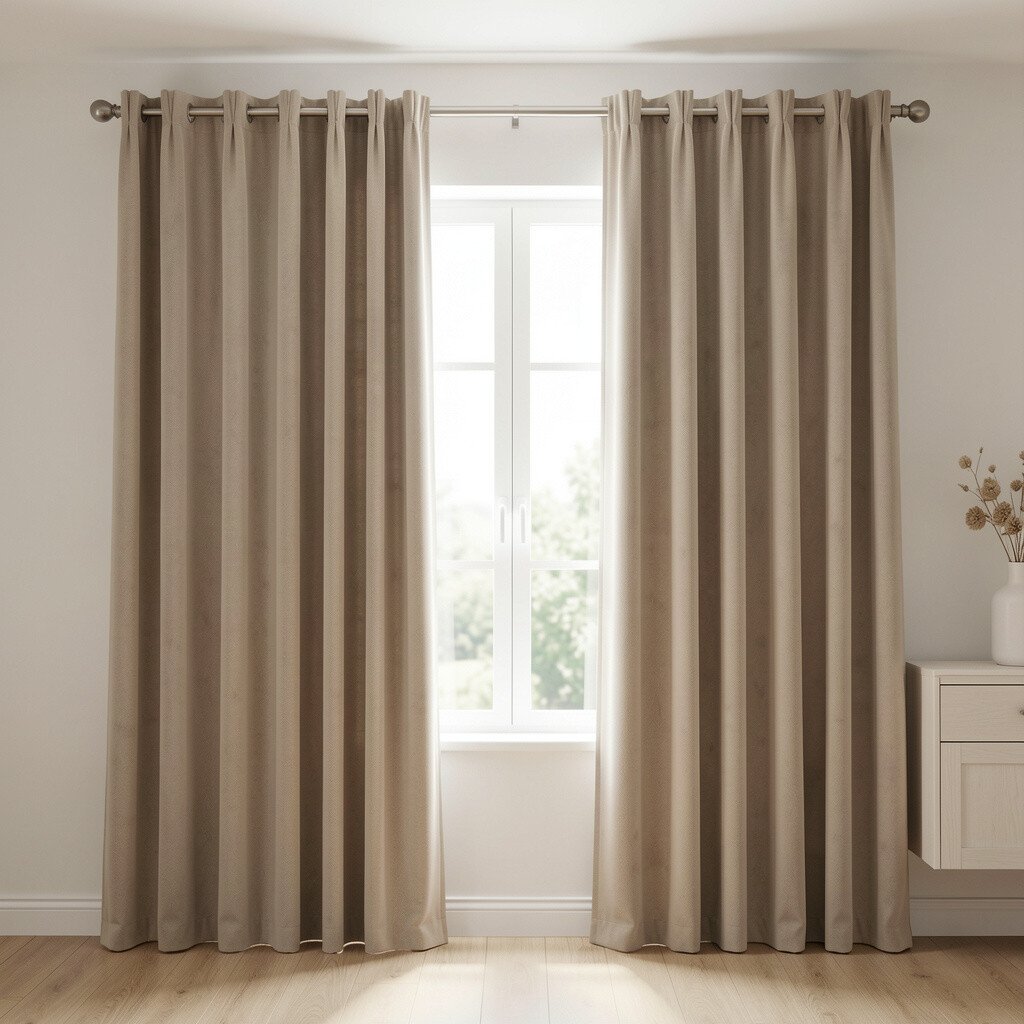
Curtains can make windows look taller and rooms feel more finished. Hang them higher than the window frame and let them reach near the floor for a smoother look.
Choose a fabric that matches your lifestyle, like thicker drapes for bedrooms or lighter sheers for living rooms. You can also add a simple curtain rod finial that matches your metal finishes so the look feels pulled together.
If you are renting, use tension rods or hardware designed for easy removal. This style is popular because it makes small rooms feel bigger without moving anything heavy.
10. Add a Rotating Display Shelf for the Things You Love
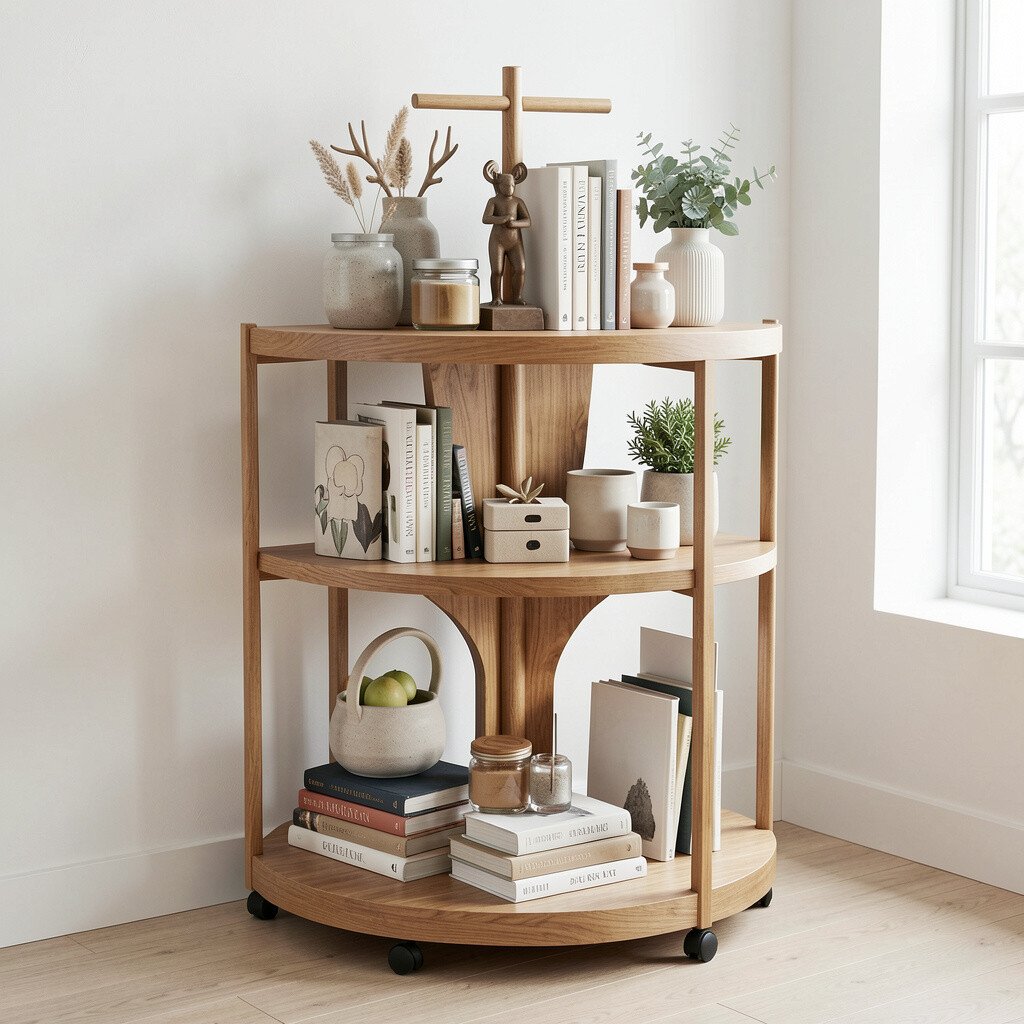
A shelf that changes often can keep your home feeling personal. Put your favorite books, a few framed photos, and a rotating mix of small decor like ceramics or mini sculptures.
Pick a rhythm that fits you, like switching the shelf every season or after a trip. Use similar shapes for balance so the display looks tidy, even when it is not perfectly arranged.
For practical planning, leave negative space so the shelf does not look crowded. Costs can stay low if you use existing shelves and simply swap items you already own. A current trend is display that feels curated but not fussy, and a rotating shelf does that naturally.
Personalize it further with handmade pieces, gifts from friends, or items tied to your hobbies.
11. Refresh Your Floors With a Runner or Area Rug Strategy
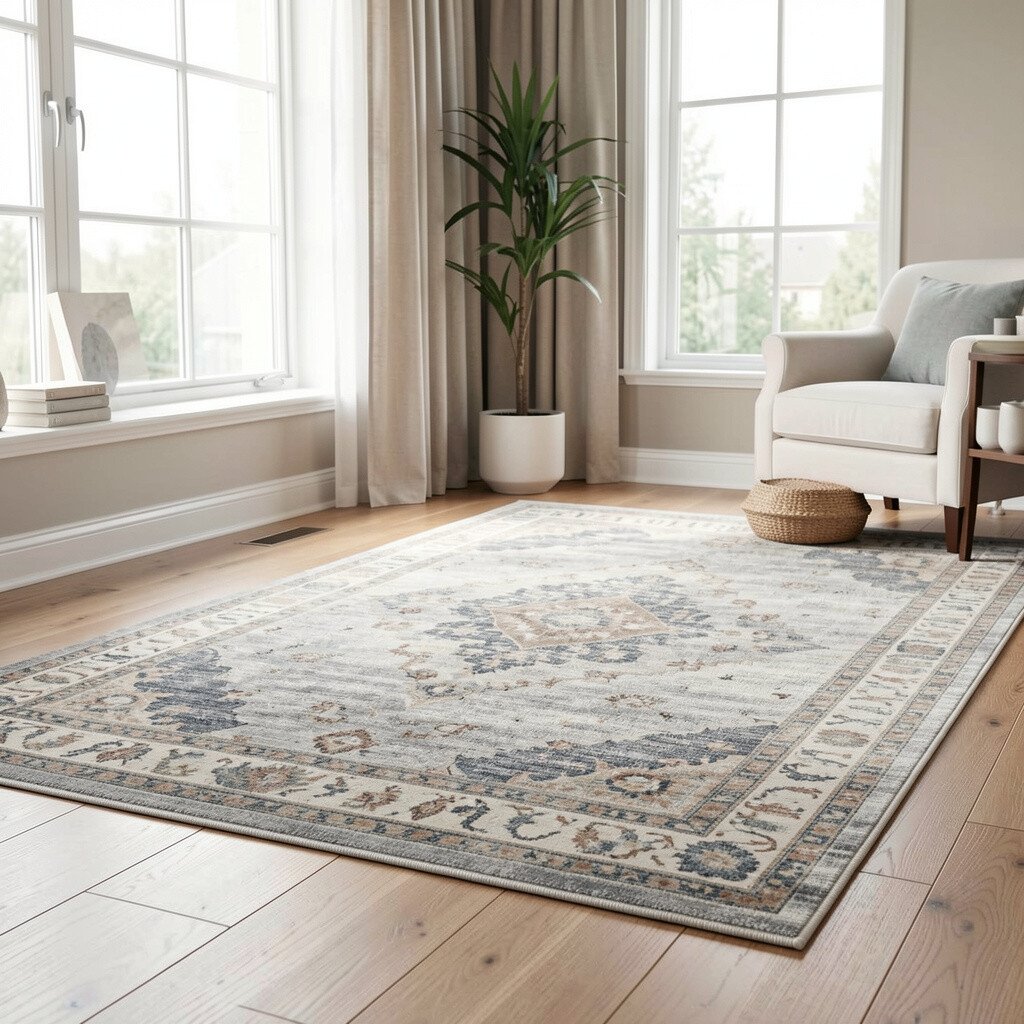
Rugs can anchor a room and make walking feel softer, especially in busy areas. If you have bare flooring, a runner can guide movement, while a rug can separate zones like dining from living.
Choose colors and patterns that work with your everyday mess, since darker tones often hide spills. For renters, washable or low-pile options can be easier to maintain and still look stylish.
When you pick sizes, think about how furniture will sit on top so the edges do not feel awkward. A practical tip is to use rug pads to reduce slipping and protect floors, even if it adds a little to the budget.
12. Turn a Closet Door Into a Convenient Message Board
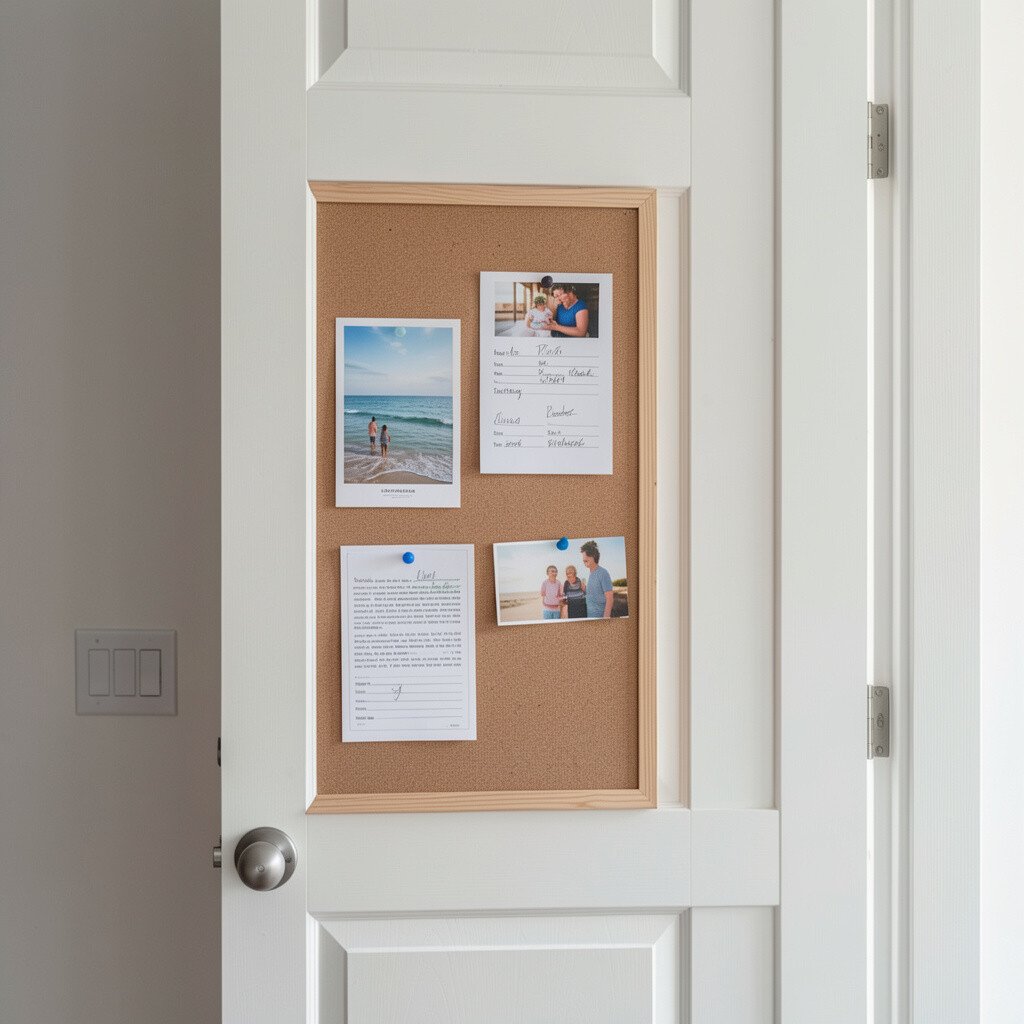
If your home has a closet door, you can use it as a helpful surface. Add magnetic strips or a small board so you can store reminders, schedules, and lightweight accessories.
This keeps notes out of sight but still reachable when you rush out the door. You can personalize it with a color theme, like matching magnets to your decor or using clips for a tidy look.
For cost, this is often a low-cost project because it uses simple hardware. Current trends lean into functional beauty, and closet-door organization feels smart without looking overly serious.
Keep it realistic by adding spots for only the things you check often, like keys, a grocery list, and a weekly calendar.
13. Create a Simple Outdoor Mini-Living Corner
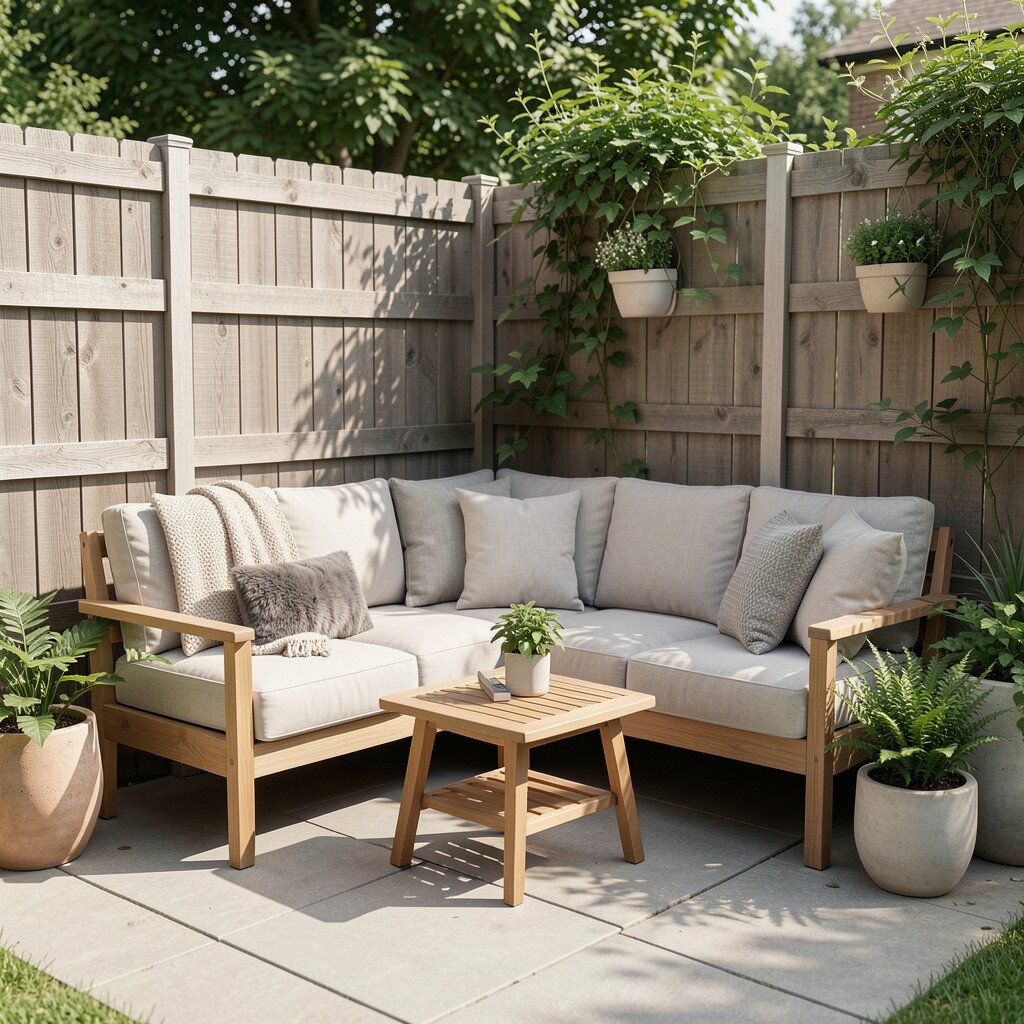
If you have a balcony, patio, or even a small yard, you can make it feel like an extra room. Start with seating that fits the space, like a compact bench, two chairs, or a small bistro set.
Add a weather-friendly rug and a couple of soft cushions so it feels inviting. For practical comfort, include a small side table where you can set drinks and a simple lantern for evenings.
This idea is unique because it treats outdoor time like daily living, not a special event. Trends are moving toward warm outdoor lighting and layered textures, so choose warm whites and fabrics that look good in daylight and at night.
If budget matters, look for end-of-season sales and consider reusable planters instead of expensive built-ins. Personalize the corner with an outdoor-safe plant that matches your climate and your style.
14. Design a “Weekend Swap” Basket for Quick Changes
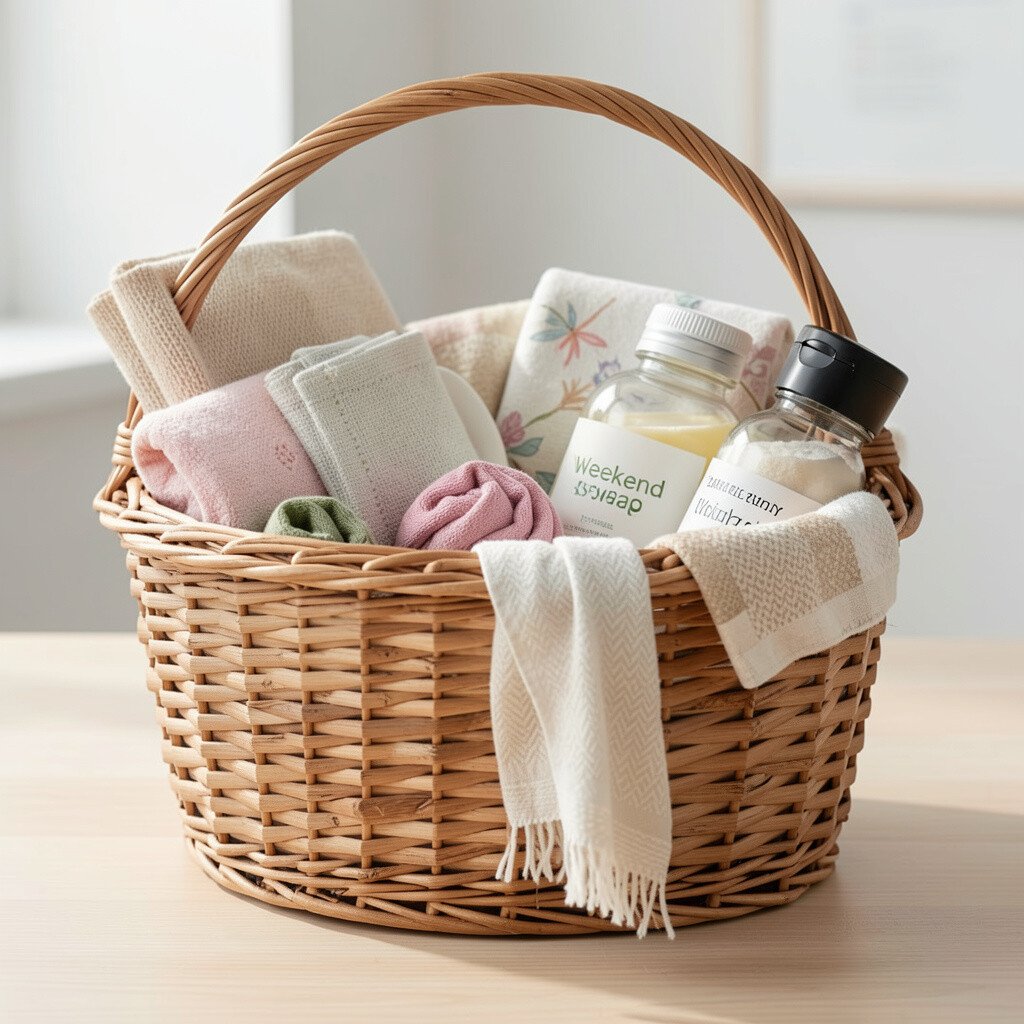
Instead of letting small decor sit untouched, create one basket for items you swap often. Put seasonal accents, extra pillow covers, or art prints in one place so the change feels easy and fun.
When the mood shifts, you can update your home in minutes without buying new things. Keep the basket in a closet, under a bench, or in a hallway cabinet so it stays hidden until you need it.
Choose a basket that looks good, because it might show sometimes, and line it with fabric to protect delicate pieces. This approach is unique because it builds a system for variety, not just a single look.
To keep costs reasonable, use what you already own and add only one new item at a time, like a new cover or a small framed print. If you want personalization, rotate items tied to your hobbies, like cooking tools for the kitchen shelf or small craft pieces for a desk area.