The fastest way to spend less is to stop making avoidable slip-ups. When you steer your habits toward smarter choices, your money starts to feel calm again.
1. Track Spending With a Simple Daily Glance
Picture a small notebook on your kitchen counter, or a phone screen open for a quick check each night. When you write down what leaves your wallet, you notice patterns you would miss otherwise.
This habit helps you spot sneaky costs like takeout drinks or late fees before they pile up. Keep it friendly by setting a routine that matches your life, such as doing it right after dinner. Try a theme for each week, like “food only” or “transport only,” so it stays personal and manageable.
2. Use a “Pause Before Purchase” Rule
Imagine you’re about to buy something online, and then you stop for a moment to breathe. That tiny pause gives your brain time to ask if it truly fits your needs.
You can save money by waiting a day before buying nonessential items, especially ones that feel exciting for only a short time. Many people like this rule because it turns impulse choices into thoughtful decisions.
To make it yours, keep a short list of must-haves on your phone, then compare every new cart item against that list. This also helps you avoid duplicate purchases and clutter that quietly drains your budget.
3. Switch to Generic Brands for Staples
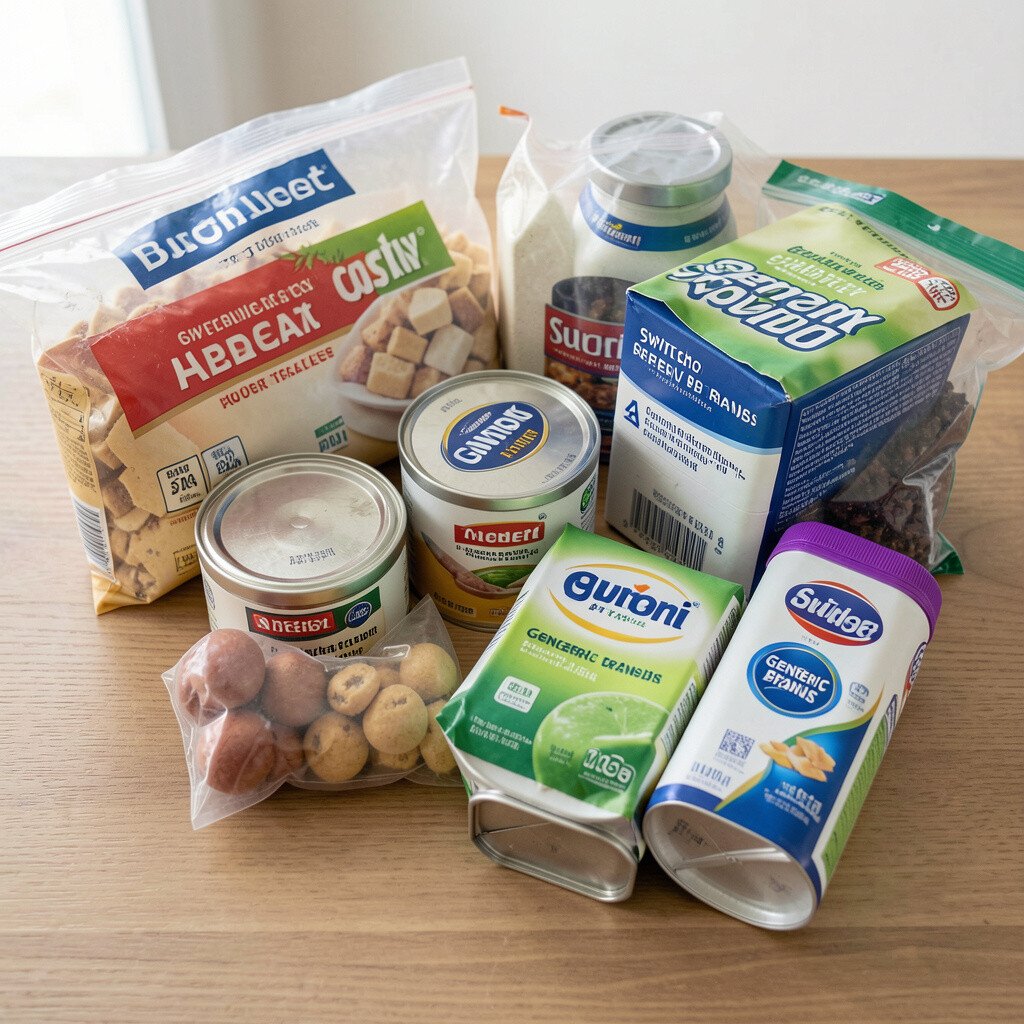
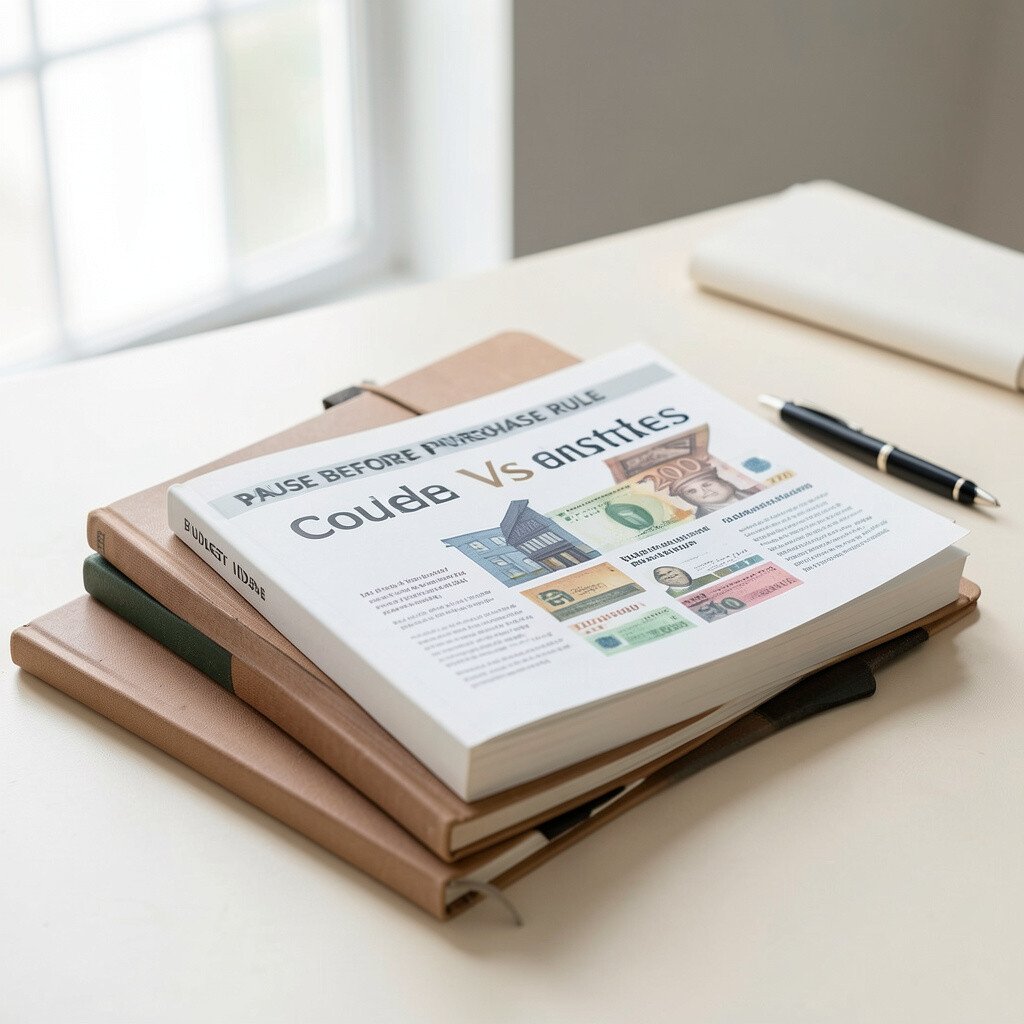
Think about the colorful shelves at the grocery store, where brand names jump out like bright posters. Generic products often sit quietly right beside them, with similar labels and size.
You get the same basic function for less money, which is especially helpful for foods you use every week. Many shoppers find it comforting because the texture and taste stay close enough for everyday meals.
Start with a few staples, like rice, oats, pasta, or cleaning supplies, and test them in small batches. Personalize your approach by keeping the name-brand only for items you truly love, then letting the rest become budget wins.
4. Ignore Subscription Clutter for Free Space in Your Budget

Picture your phone filled with apps you barely open, and streaming services you forgot you signed up for. It feels convenient at first, then it starts to look like money floating away.
Canceling unused subscriptions frees up room for things you actually use, like music, classes, or family events. A practical trick is to check your bank or card statement and circle recurring charges you no longer enjoy.
5. Buy in Bulk Only When You Know Your Rhythm
Imagine a pantry stocked with jars and bags, but only the items you finish on time. Bulk can be powerful when it matches your habits, like coffee, oats, or laundry detergent.
Buying bigger helps reduce cost per unit, especially for products with stable prices and long shelf life. It also cuts down on repeated trips, which is a real time saver.
To personalize your bulk plan, estimate how much you use in a typical month and buy just enough to cover that window. Keep a simple inventory photo in your notes app so you don’t overbuy and end up wasting food or supplies.
6. Avoid “Convenience Tax” Purchases

Think about grabbing snacks at a gas station or ordering delivery because it feels fast. The prices often look small in the moment, but they stack quickly like coins dropped into a jar.
By planning ahead, you can replace convenience purchases with simple, cheaper options. Pack a small bag with water, fruit, or a sandwich, and you’ll feel more prepared and less rushed.
7. Cook a Repeatable Weeknight Menu

Picture your kitchen with a few go-to meals that you can make without stress. When you repeat a small set of recipes, shopping gets easier and decisions get calmer.
This approach saves money because you buy ingredients that actually get used instead of one-time experiments. It also helps you avoid last-minute takeout when you’re tired.
Personalize your menu by choosing meals based on your schedule, like quick stir-fries on busy nights and slower soups on weekends. Keep a “swap list” where you match proteins to sauces, so you can keep it fresh without buying new ingredients every time.
8. Don’t Throw Away Food Because It “Looks Off”

Imagine a fridge full of containers, and one forgotten bin becomes a habit of waste. That moment of “I’ll deal with it later” can turn into a pricey loss.
Learning safe ways to use leftovers reduces waste and lowers your grocery bill. A practical step is to label containers with the date and give yourself a reminder to eat within a short window.
9. Set a Realistic Grocery Budget and Use It Daily

Picture a grocery trip with a clear number in your mind, like a fence that keeps spending from wandering. When your budget is realistic, it feels less like punishment and more like guidance.
You can control your costs by sticking to your plan and using your list as a filter for every aisle. This also reduces stress, because you’re not guessing about prices all the time.
To personalize, create a category system that matches your household, such as “breakfast,” “lunch,” and “snacks.” Watch current trends by looking at store deals and seasonal produce, since fresh items often get cheaper when they’re in peak season.
10. Skip Brand-New Tools Until You Need Them
Think about a drawer full of gadgets that never got used, each one bought for a future version of you. New tools can be tempting, but the real cost is space and money at the same time.
Buying only what you need now prevents “just in case” purchases that rarely happen. If a task is a one-time project, renting or borrowing can be a smart way to keep things practical.
11. Choose Secondhand for Clothes and Household Items

Picture a thrift store rack with mixed styles, tags, and hidden gems. Secondhand shopping feels like hunting for treasure, and your cart often becomes a story.
You save money while still getting quality items, especially for coats, books, and everyday decor. Many people also love the uniqueness of secondhand pieces, because no two finds look exactly the same.
Personalize your search by setting categories and sizes ahead of time, like shoes in your brand and mugs with your color theme. Keep an eye on current trends by checking what’s popular locally, then choosing similar styles at a fraction of the cost.
12. Avoid Buying “On Sale” Items You Don’t Need

Imagine a cart full of discounted items that don’t match your goals. Sale tags can look like wins, but they can also be traps when you buy beyond your plan.
Even a great discount won’t help if the item ends up unused. Try a quick test by asking if the purchase would still feel smart at full price, then adjust your cart based on your answer.
13. Make a Home Inventory to Prevent Duplicate Purchases

Picture walking into your closet and realizing you already own two similar bottles of cleaner. A simple home inventory helps you see what you truly have before you shop again.
This saves money because you stop buying duplicates and you use what’s already in your home. It also makes cleaning and organizing faster since you know where things are.
Create your inventory by taking a few photos of shelves and cabinets, then saving them in a folder by room. Personalize it by adding notes about favorite brands or quantities, so future shopping stays easy.
14. Don’t Ignore Electricity and Water Habits

Imagine your daily routine and how small actions affect your bill month after month. Turning off lights, lowering hot water use, and running full loads can add up without feeling hard.
Lower utility costs give you extra budget for goals like savings, healthier food, or better fun. A practical step is to find one habit to improve each week so it doesn’t feel overwhelming.
15. Use Free or Low-Cost Entertainment on Purpose

Picture a weekend plan that includes a park walk, a library event, or a movie night at home. When you choose entertainment intentionally, you avoid random spending.
Free activities keep you connected while protecting your budget. Many people like this approach because it supports local culture and community, which can feel more meaningful than expensive outings.
Personalize your list by matching it to your moods, like “calm” evenings with books and “active” days with sports. Watch current trends by trying local online community events and pop-up workshops that often cost less than ticketed shows.
16. Avoid Paying for Fees You Can Prevent
Think about late payments, overdraft charges, and surprise delivery fees that show up after the fact. These costs can feel harsh because they’re not tied to anything you truly chose.
Setting reminders and using automatic bill pay can reduce avoidable fees. It also helps your finances feel more stable because you’re not juggling surprises.
17. Reduce Transportation Costs With Small Smart Changes
Picture walking for short errands, sharing rides, or combining stops so you drive less. Small changes can cut fuel costs without changing your whole life.
Better routing and fewer trips can also lower wear and tear, which helps in the long run. Consider using public transit or carpool when it fits your schedule, especially during busy times.
18. Don’t Let Repairs Turn Into Full Replacements

Imagine a tiny crack in a mug or a loose door hinge that keeps getting ignored. The damage may look small today, but it can grow into a bigger cost later.
Fixing things early saves money and helps your belongings last longer. A practical tip is to do a quick weekly check for loose hardware, worn parts, or slow leaks.
19. Shop Your Home for “Practice” Before You Buy New

Picture opening a drawer and finding old supplies you forgot about, like fabric scraps, jars, or spare batteries. That hidden stash can be a budget-friendly creative spark.
This habit prevents unnecessary purchases by letting you try what you already own first. It also makes your projects feel unique because you’re building with your actual materials.
Personalize your practice by setting a small goal, like using what you have for a new snack plan or a simple DIY fix. Keep cost in mind by using low-cost upgrades, like labels or replacement accessories, instead of starting from scratch.
20. Avoid Credit Card Debt by Using a Spending Limit
Think about your credit card as a tool, not a blank check. When you treat it like a limited budget, you reduce the chance of carrying high balances.
Using a set spending limit helps you keep control and reduces interest costs. Many people find it easier when they link the card to a plan and pay it down quickly after each cycle.
21. Personalize Your Budget With Small Monthly Goals

Imagine saving for something you truly want, like a trip, a course, or a new hobby kit. When goals are specific, your spending feels purposeful instead of restrictive.
This approach boosts motivation because you can see progress, even if it’s gradual. It also helps you decide what to cut, since your goal gives you a clear reason to say no.
To personalize, pick goals that match your personality, like a “comfort fund” for rest days or a “home upgrade fund” for repairs. Watch current trends by choosing experiences that are popular right now, such as skill-building classes and local events, then fund them with smarter everyday spending.
22. Don’t Wait for Perfect Timing to Start Saving

Picture the future you, finally free to choose without fear of random costs. Saving feels easier when you start small and build consistency.
Even modest saving routines create protection against emergencies and unexpected bills. A practical step is to set an automatic transfer right after payday, then treat it like a normal part of your budget.
Personalize your start by choosing a method that matches your life, like a separate savings account for peace of mind or a simple weekly transfer. Keep cost considerations in mind by reducing a small recurring expense each month, so your saving grows without strain.