Classroom crafts turn ordinary supplies into moments students remember. A simple project can spark pride, patience, and teamwork in the same afternoon.
1. Glow Stick Terrarium Window
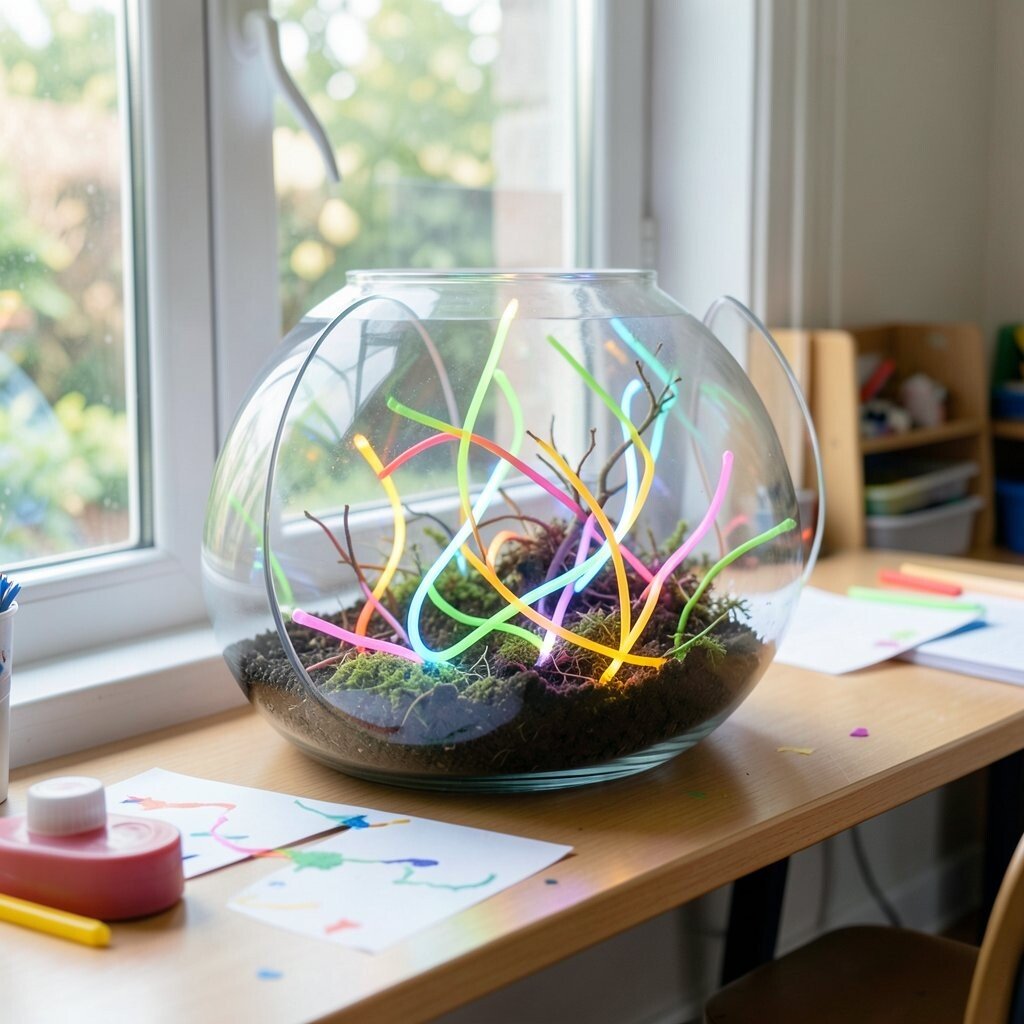
Picture a clear plastic cup turned into a tiny greenhouse on the classroom window. Students can layer colored sand, small pebbles, and miniature “plants” made from cut paper, then add a glow stick glow for a dreamy effect.
They’ll love how the light catches the materials during the day. This craft helps build fine-motor control and thoughtful planning while students practice measuring and layering. To keep it practical, use craft glue sparingly, choose washable materials, and seal the cup with tape so it stays neat through the school week.
2. Bubble Wrap Sunburst Art
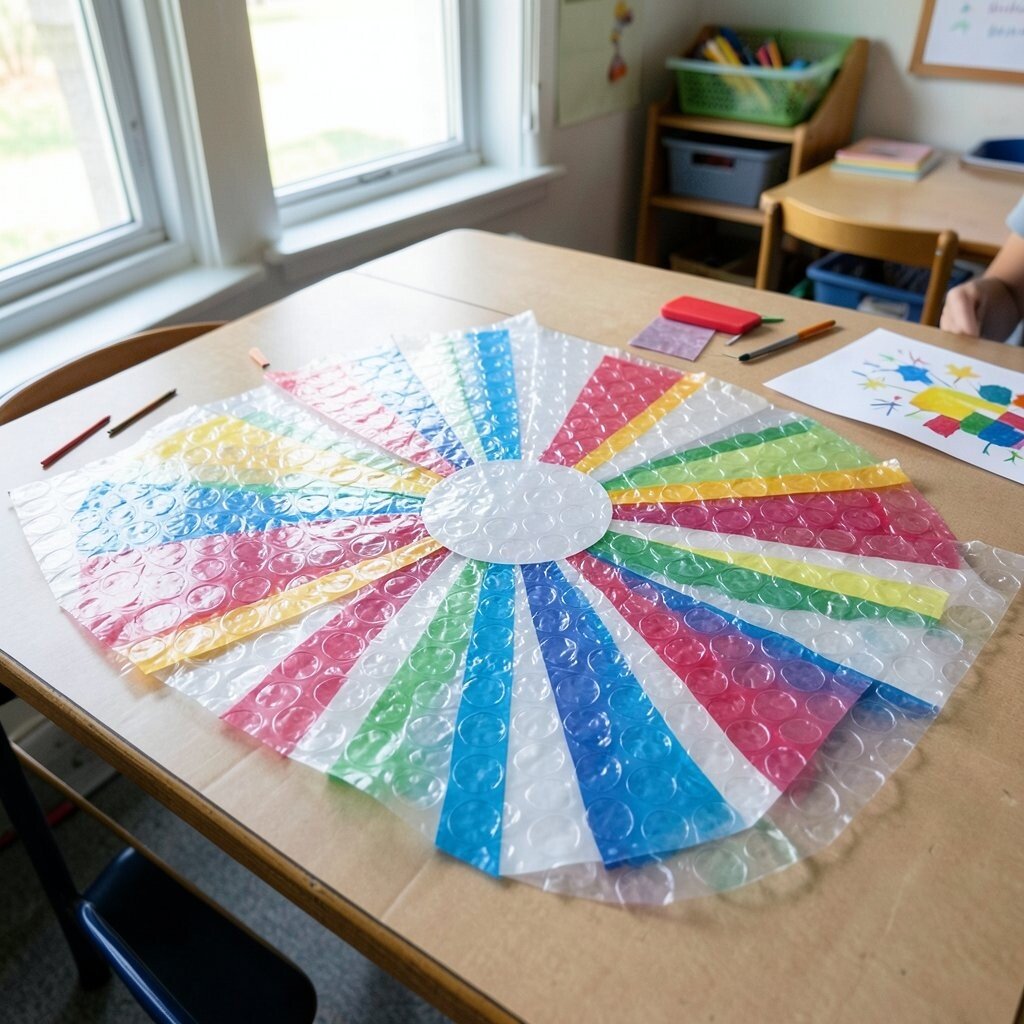
Start with bubble wrap pressed against thick paint, then pulled away to reveal bold sunburst lines. Students can rotate the bubble wrap for different patterns, and finish with marker accents that look like rays bursting outward.
The visual impact is immediate, which makes it great for mixed skill levels. For benefits, students practice careful press-and-lift movements and learn how texture changes the final design. Use washable paint and cover desks with newspaper so cleanup stays quick. Encourage personalization by letting students choose “sun” colors that match their favorite seasons, and consider using a single low-cost color set per class to control spending.
3. Book Spine Story Zines
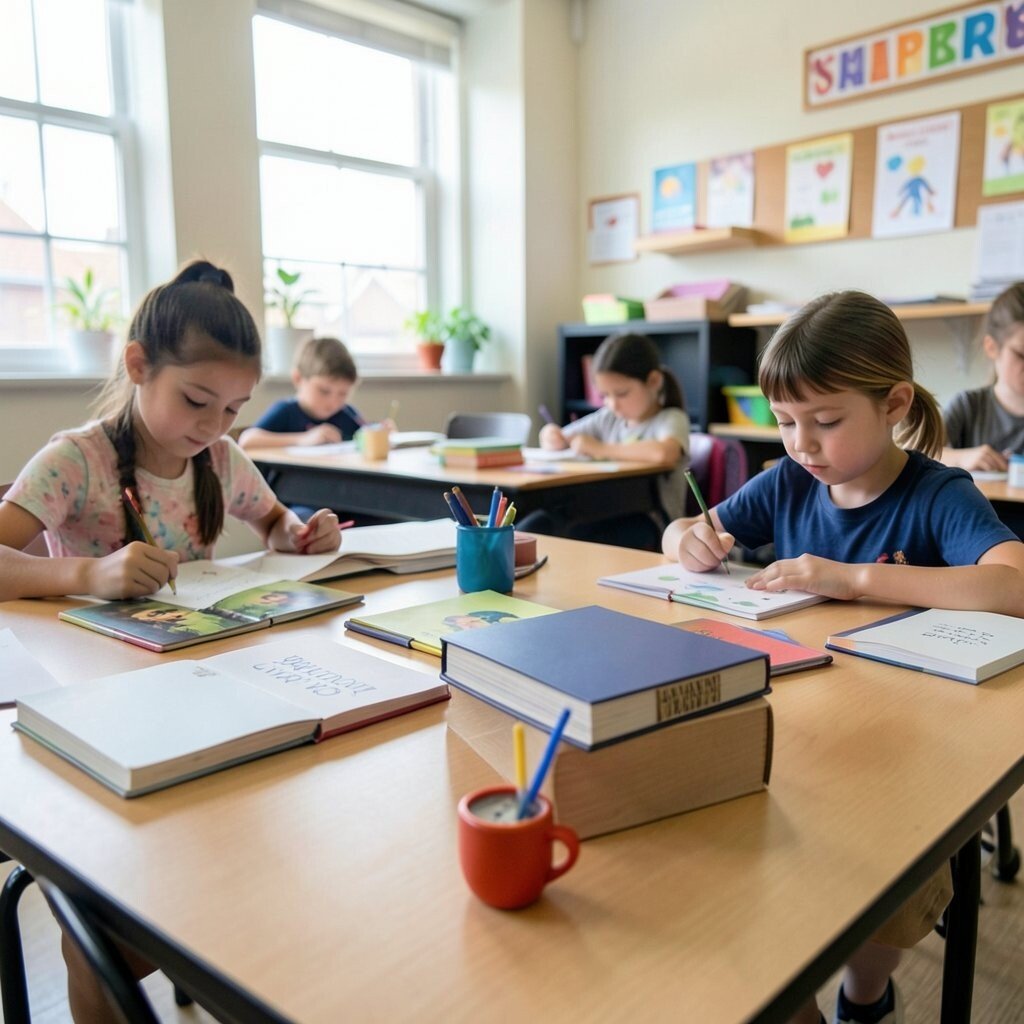
Have students make mini zines using old book spines or scrap strips, then fold and staple them into tiny booklets. Each zine can contain a micro-story, a poem, or even a comic panel sequence.
The result feels creative and personal, like every student is publishing their own voice. It supports language skills and sequencing while students plan beginning, middle, and end. Keep it budget-friendly by using recycled pages and basic staples, then offer a limited selection of crayons and markers. For trends, highlight how short-form “zines” and mini comics are popular in maker spaces, so students feel connected to what creators do outside school.
To make the craft actionable, provide a simple folding template and allow students to add a title page with their name. Invite them to swap zines afterward for friendly peer reading, and remind them that neat lines are optional as long as the story makes sense.
4. Seed Paper Name Tags
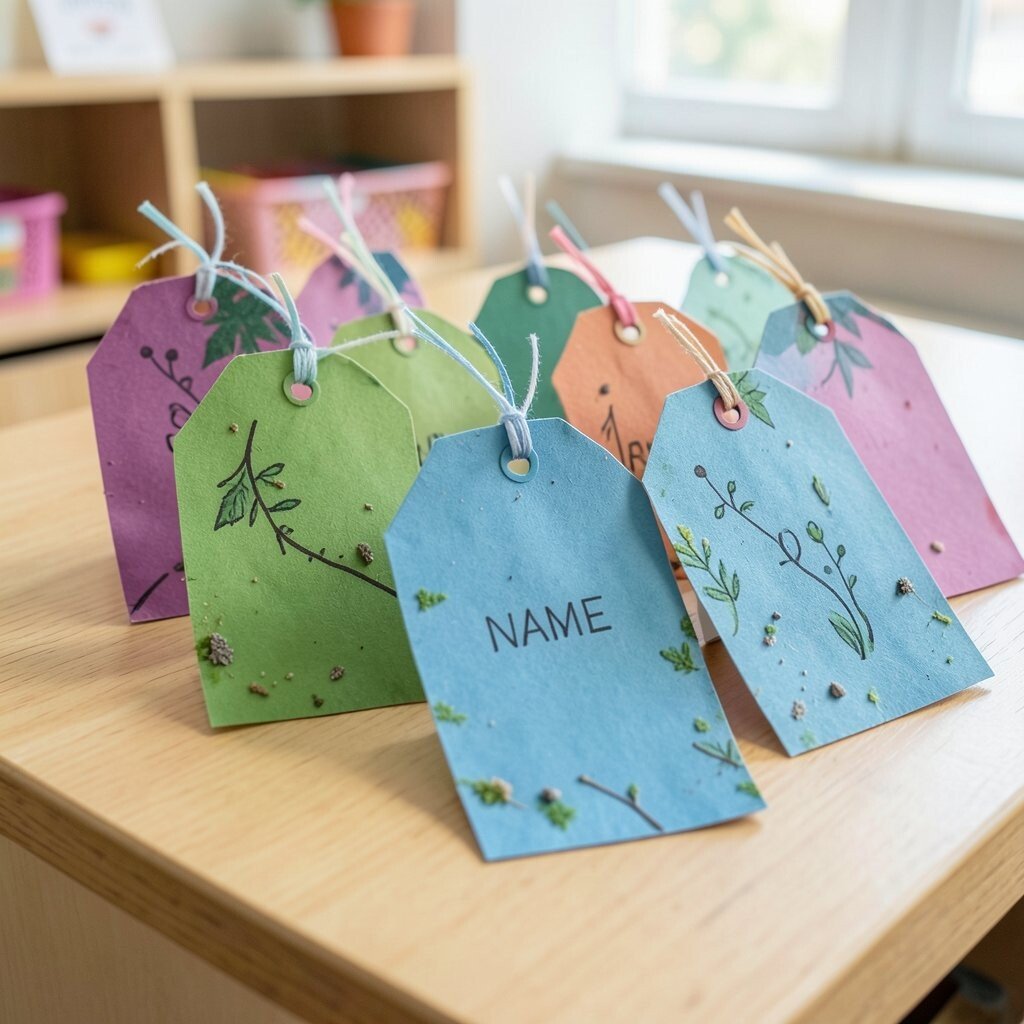
Cut simple name tag shapes from seed paper or handmade paper infused with seeds. Students can decorate the border with drawings, then write their names in a bold style that looks visible from across the room.
When class ends, they can plant the tags and watch something grow. This craft is unique because it pairs identity with real-world action, and it encourages responsibility. For practical tips, keep decorations small so the seeds aren’t covered, and use non-toxic glue so everything stays safe for planting. If seed paper is too costly, make your own with recycled paper and a pinch of seeds, then let it dry fully on a flat surface.
5. Mirror Mosaic Photo Frames
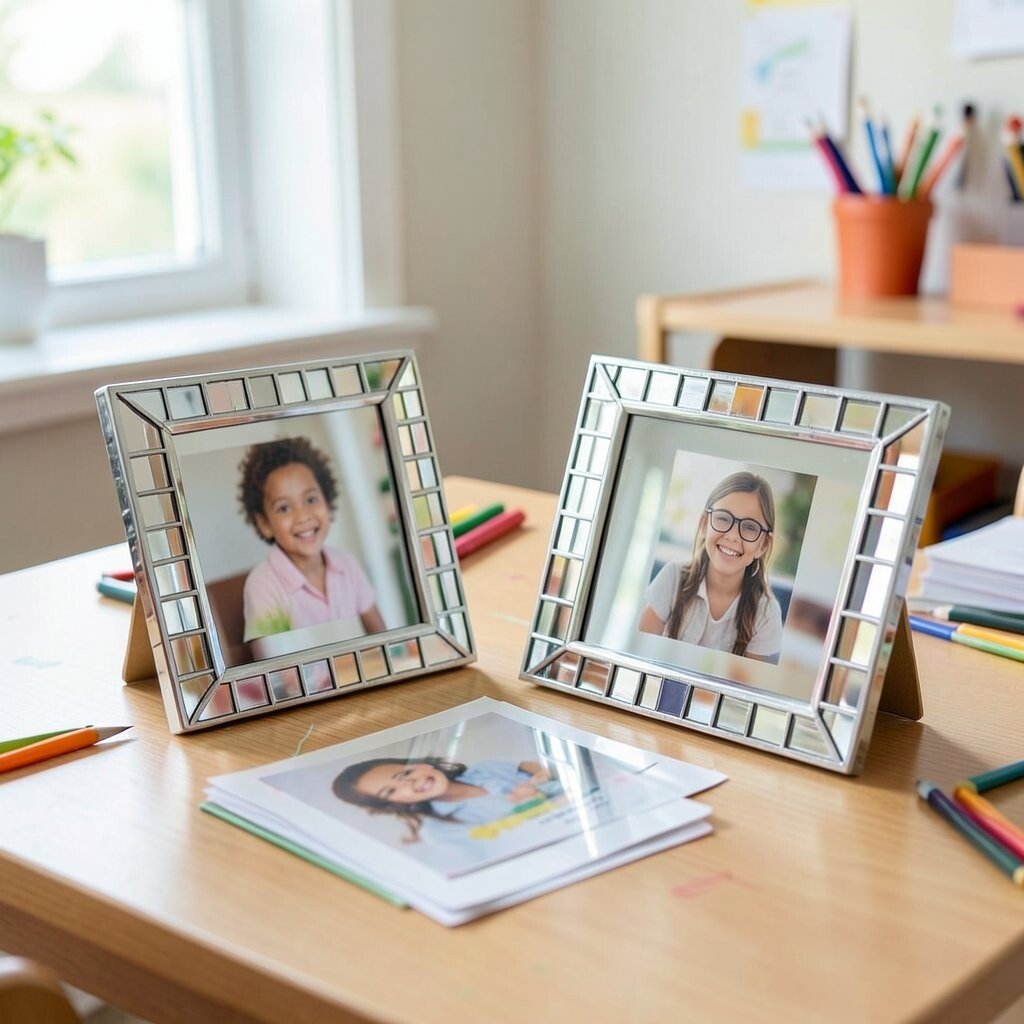
Create frames from cardstock and decorate them with broken mirror tiles, shiny paper squares, or reflective foil. Students can arrange pieces into patterns like rainbows, spirals, or geometric blocks, then glue them around the border of a printed class photo.
The sparkly visuals make the finished frame feel special every time someone looks at it. Students build perseverance through careful placement, and they also learn how symmetry and spacing make designs stronger. For a practical approach, pre-cut safe mosaic pieces, use kid-friendly adhesive, and give students a scrap paper tray so tiles don’t scatter. Students can personalize by adding a small “memory caption” on the back, such as a favorite class activity, and that little line makes the craft feel truly theirs.
6. Floating Cloud Foam Paintings
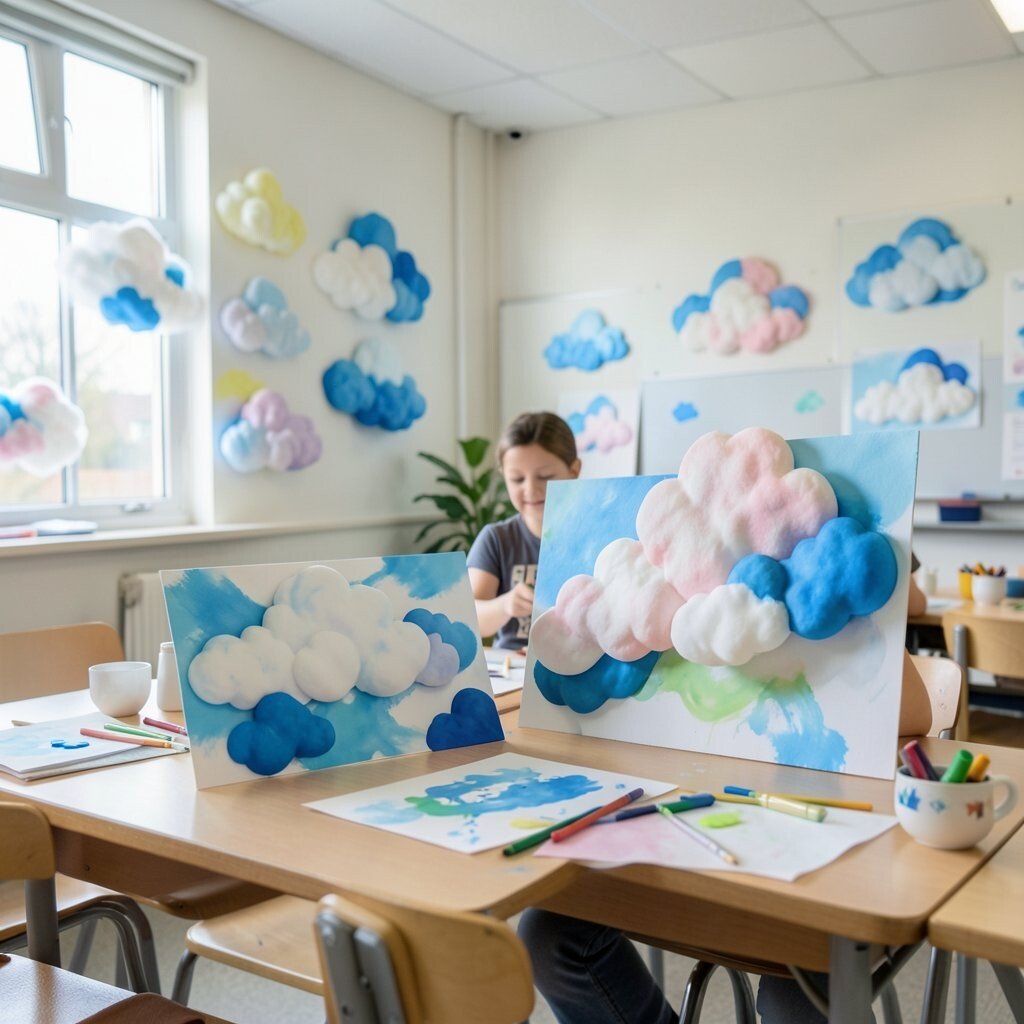
Students press cotton balls into a foam board background and paint over the raised texture for a soft cloud effect. They can add raindrop dots below using a fine brush and bright blue paint.
These paintings feel airy and calming, and the texture makes them stand out on the wall. The craft supports creativity and helps students practice controlled brush strokes. For cost considerations, use cotton from multipacks and washable paints that don’t require expensive supplies. Personalize the “weather” by letting students choose storm clouds, sunny skies, or gentle fog, and encourage them to add a short weather forecast line beneath the picture.
To make it classroom-friendly, lay down a plastic table cover and provide damp wipes for quick cleanup. Remind students to let each layer dry before adding details so the colors stay crisp.
7. Recycled Crayon Melt Watercolor Pots
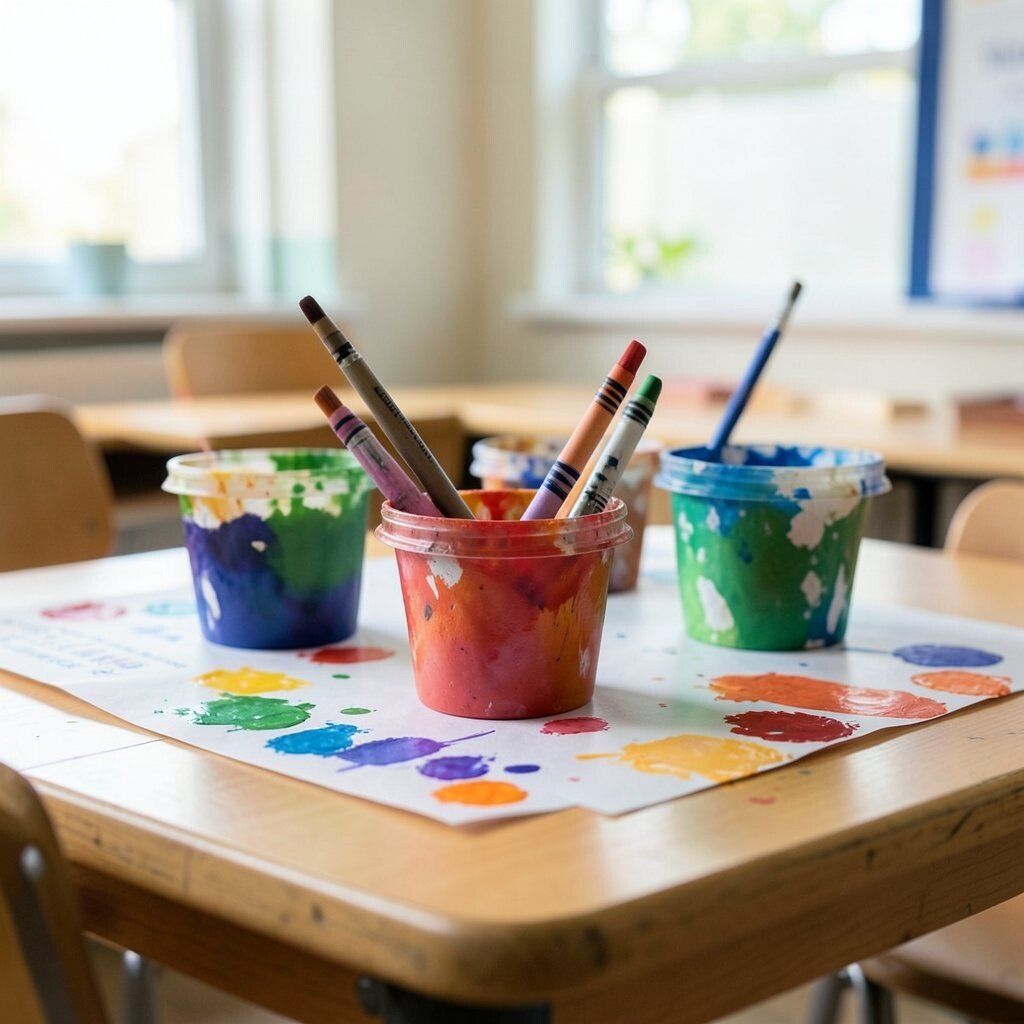
Students build small “crayon melt” cups using muffin liners and leftover crayon bits. After melting in a controlled, teacher-supervised setup, the colorful wax turns into a stained-glass look.
This project feels magical, and it’s unique because the final colors blend naturally. Students benefit from learning about materials and predicting outcomes while practicing careful placement of wax pieces. Keep it safe by planning a clear workflow, using a tray, and keeping hot tools out of reach. For personalization, students can choose an emotion theme, like “calm colors” or “energizing neon,” then label each pot with the mood.
8. Toilet Paper Roll Marble Run
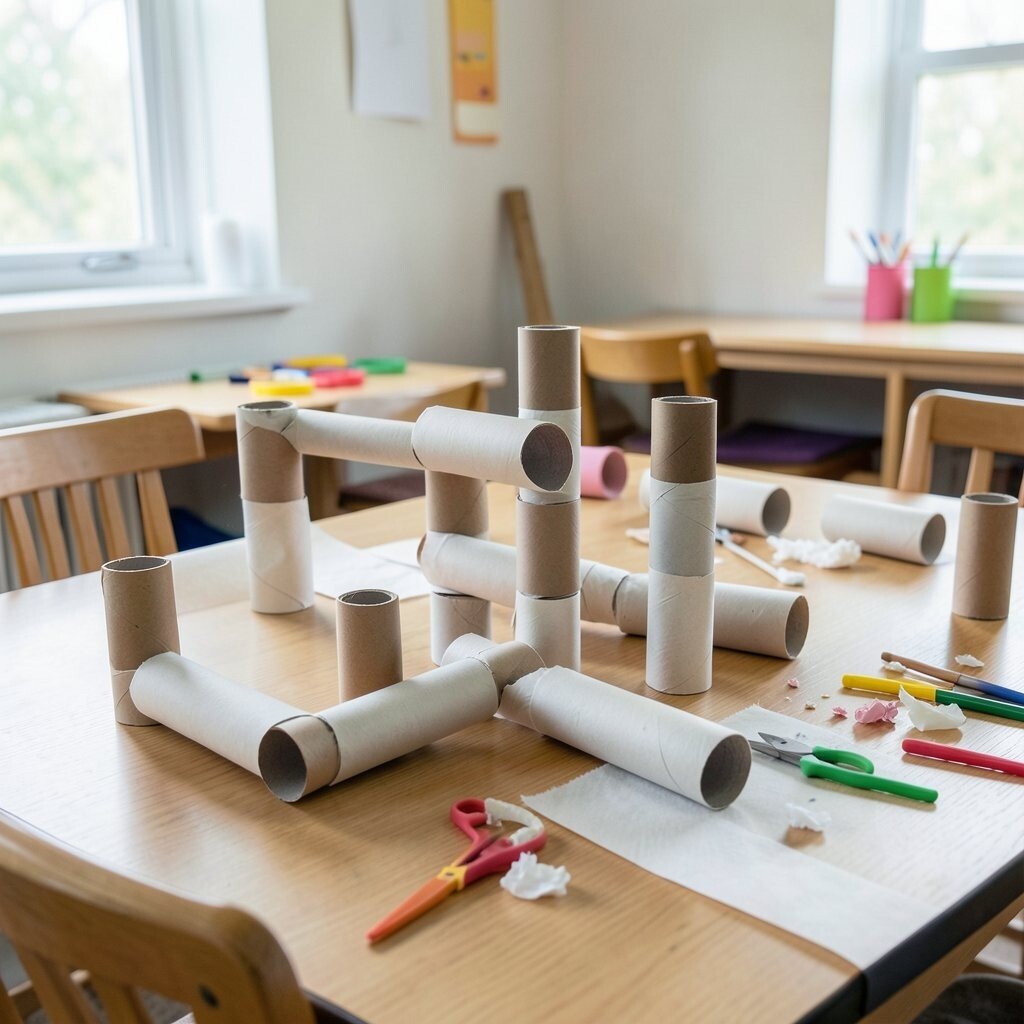
Turn cardboard tubes into a mini marble run with tape, cardboard ramps, and paper bridges. Students can design their own route by sketching a path first, then building it step by step.
Kids love the moment the marble rolls through and the structure holds. This craft is great for problem-solving and engineering thinking, plus it strengthens teamwork when students test and adjust designs. Use affordable materials by saving tubes and recycling boxes, then provide limited tape so it doesn’t become messy. Encourage trends by tying the project to STEM maker ideas, where simple prototypes are celebrated, not just final results.
To keep students productive, suggest a goal such as “make it travel farther than your first attempt.” Personalize by letting groups choose theme colors or add tiny “stops” like a smiley face station for extra fun.
9. Paper Plate Planet Journals
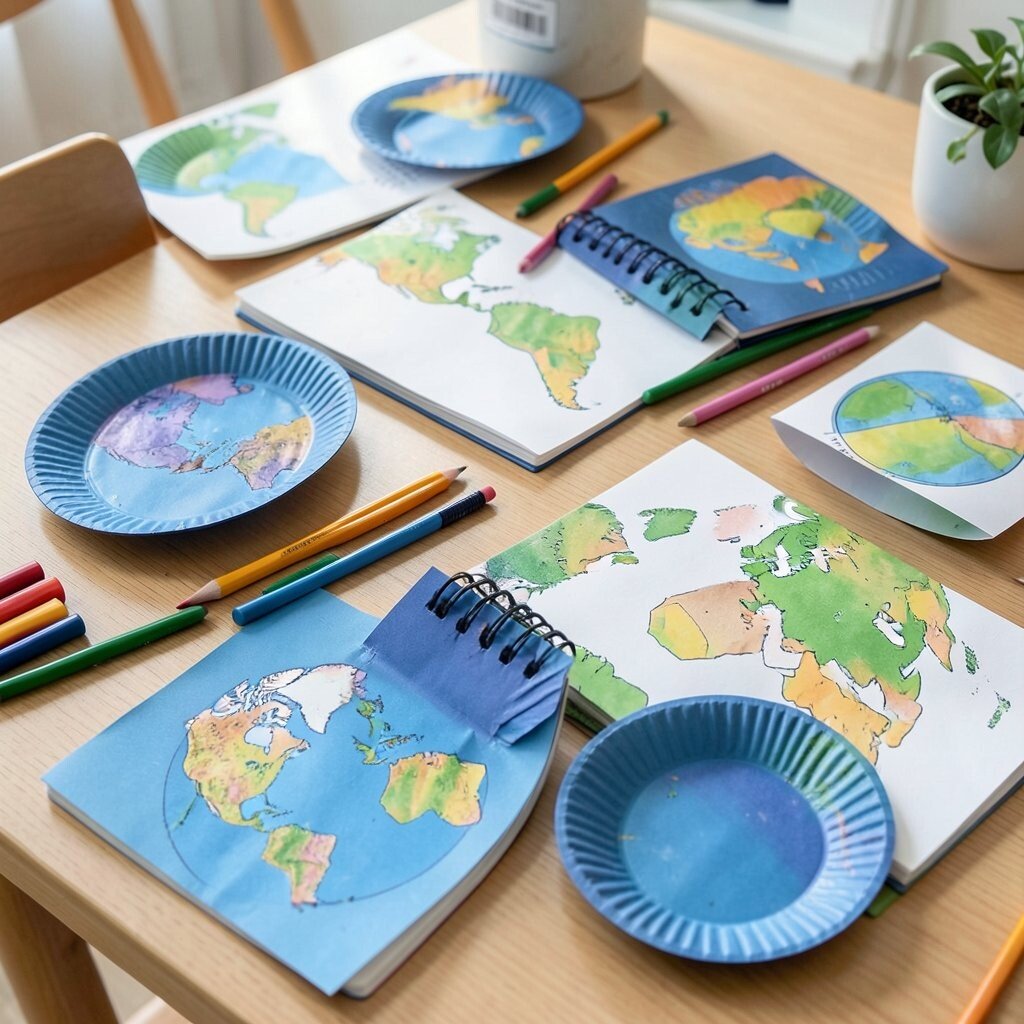
Students decorate paper plates as planets, then attach them to foldable journal pages. Each journal page holds a “planet fact” and a small illustration of what life might look like there.
The visual becomes a full mini gallery, and the journal keeps the creativity organized. This craft supports writing skills and science curiosity while students practice adding details to match their planet design. Keep cost low by using markers, recycled paper, and simple glue sticks. Students can personalize by choosing a planet color palette inspired by current space photos or favorite fictional worlds.
For practical tips, punch holes for a binder ring early and provide lined cards if handwriting support is needed. Let students share their “planet stories” in pairs so everyone gets an audience without pressure.
10. Nature Rubbings and Texture Wallpaper
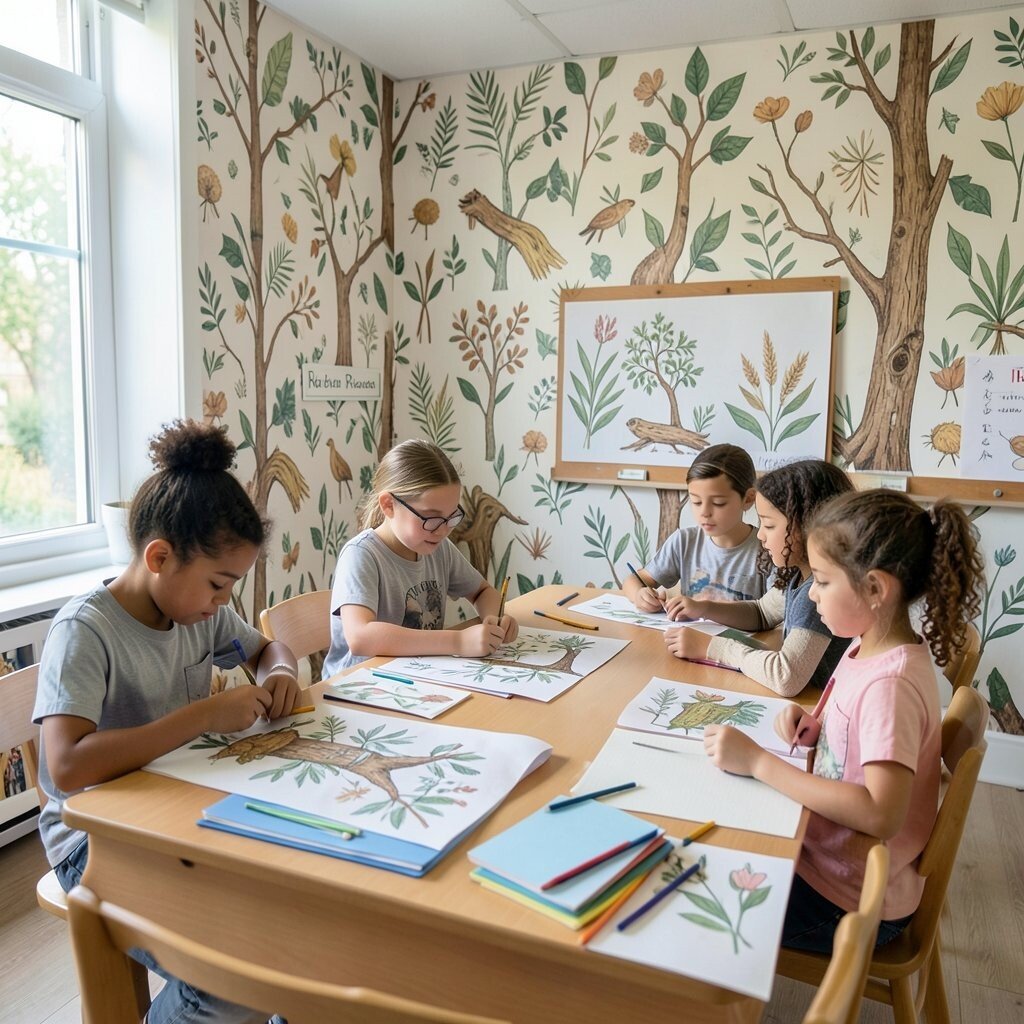
Go outside or use indoor “texture hunts” to collect leaves, bark, and fabric swatches. Students place a textured object under paper and rub with crayons or chalk to make patterns like mini landscapes.
Then they tape or glue their rubbings into a long classroom “wallpaper strip.” The benefit is that students learn observation and comparison while practicing steady hand movements. This craft feels unique because every rubbing depends on what nature provides that day, so no two strips look the same. Use cost-friendly tools like crayons, recycled paper, and painter’s tape that peels clean.
11. Clothespin Character Puppets

Students paint or color clothespins, then add yarn hair and paper faces to create friendly characters. They can attach small arms using brads and simple craft sticks to help the puppet move.
Watching a puppet “talk” makes the classroom lively, and it’s naturally engaging. Students benefit from storytelling skills as they write a short dialogue and perform it for classmates. Keep it practical by setting out a limited color range for paint and pre-cut paper face pieces to save time. Personalize by letting students choose a character theme like “teacher’s pet,” “space explorer,” or “tiny detective,” and include a short catchphrase on the puppet’s chest.
For organization, use an assembly-line station setup and remind students to test arm placement before gluing permanently. This keeps the crafting smooth even with a busy schedule.
12. Watercolor Salt Galaxy Letters
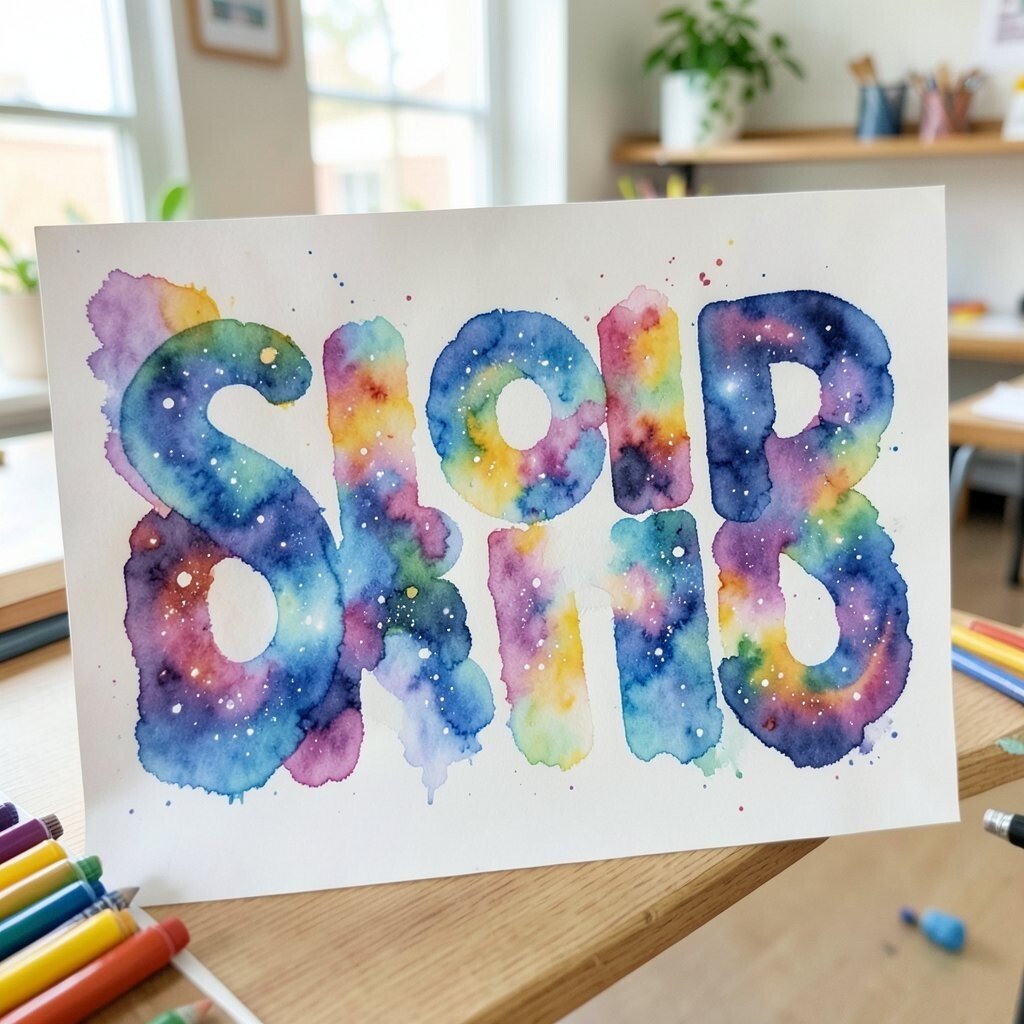
Students write their names or favorite words in thick watercolor, then sprinkle salt over the wet paint. As the salt dries, it creates star-like bursts and texture that looks like a galaxy.
The result is visually striking and feels trendy because it matches the popular look of “galaxy art” seen in many art circles. This craft supports fine-motor control, planning, and patience while students wait for the magic to show. For cost considerations, salt and basic watercolor sets are inexpensive, and the salt can be reused for classroom science demos if it stays clean.
Encourage personalization by choosing a word that matters, like “kind,” “brave,” or “try.” For practical cleanup, place a tray under the paper and use a gentle brush to lift extra salt once everything is dry.
13. Cardboard City Skyline Dioramas
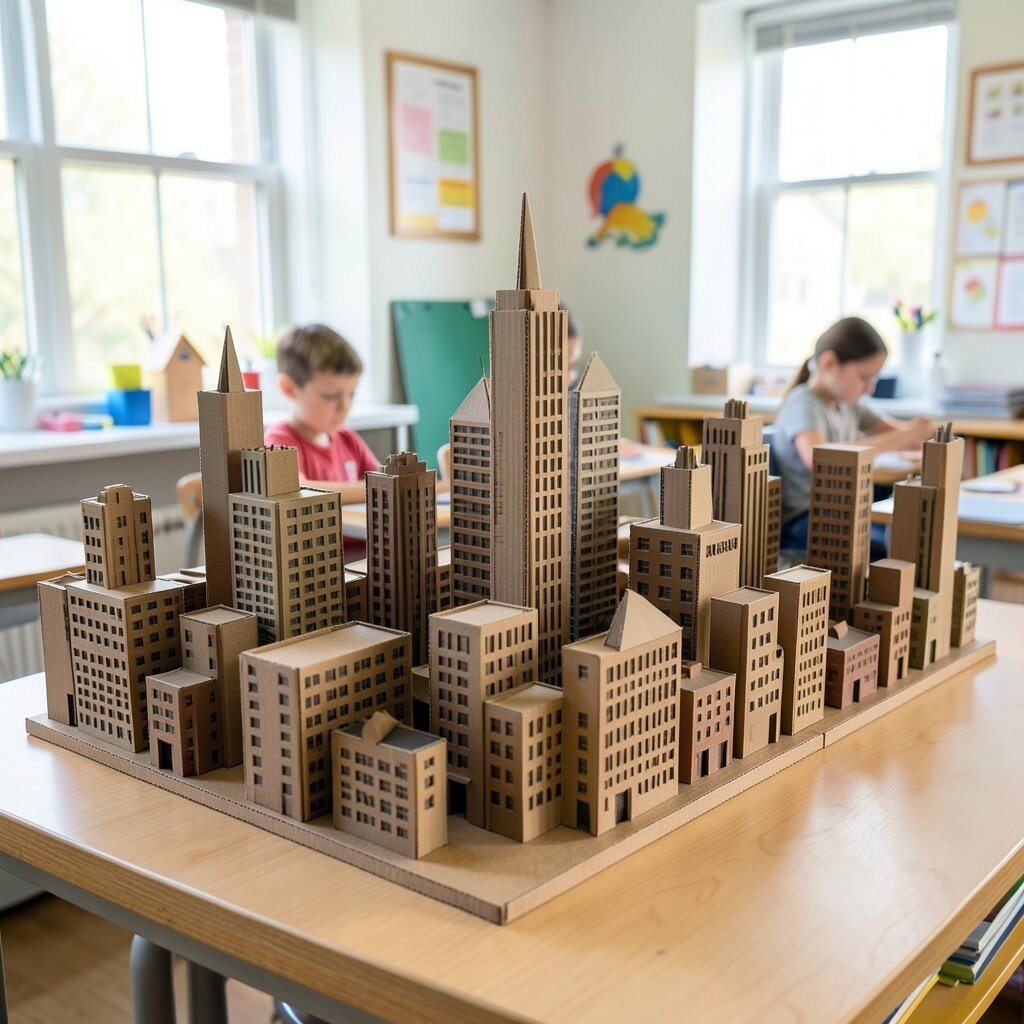
Students build tiny city skylines using cereal boxes, scrap cardboard, and paper windows. They can glue buildings onto a base, add roads with marker lines, and paint details like storefront signs.
The visual payoff is big, and the dioramas add personality to the room display. Students gain benefits in spatial thinking and planning as they estimate sizes and arrange layers for depth. Keep it low cost by using recycled packaging, and offer a small set of colored paper for signs so supply use stays manageable. Personalize the city by letting students choose a theme such as seaside town, rainy night city, or futuristic planet streets.
To make it easier, provide a few “building blocks” shapes ahead of time, like strips for fences or squares for windows. Remind students to build in layers so taller parts don’t topple over when the glue dries.
14. Friendship Bracelet Pattern Keychains
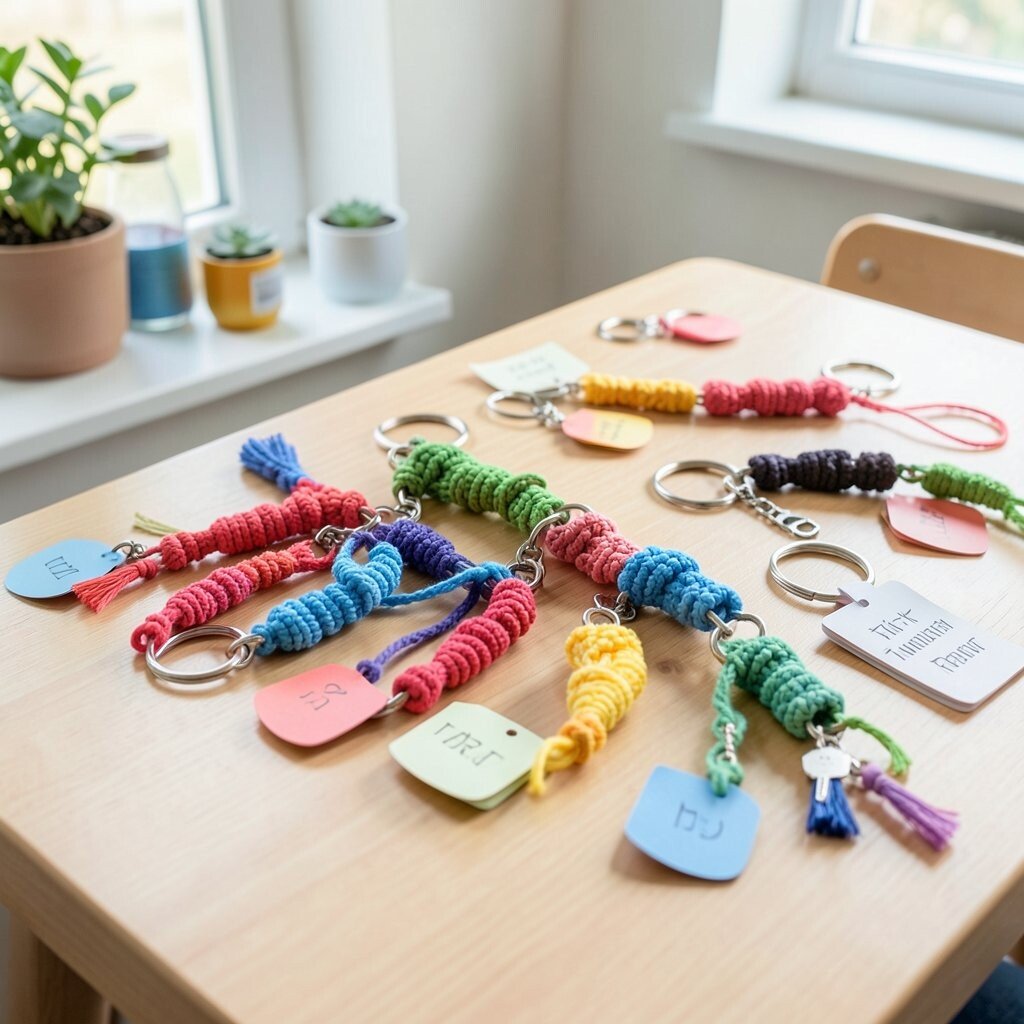
Students weave simple bracelet patterns using embroidery thread or yarn, then tie the ends to make keychains. They can add a small paper tag with a message for a friend.
The final keychain is small, bright, and easy to show off, which boosts pride. This craft strengthens concentration and helps students practice following a repeat pattern, a skill that transfers to math. For practical tips, choose smooth thread that won’t tangle and keep a limited number of colors available per student or per table. Cost is usually low because a little thread goes a long way, and the project can reuse scraps from older crafts.
To personalize, invite students to pick colors that match their favorite sports team or a personal value like “peace” or “teamwork.” For a trend connection, highlight how friendship-bracelet culture continues online, where people trade handmade accessories during events.
15. Chalk Resist Tissue Paper Flags
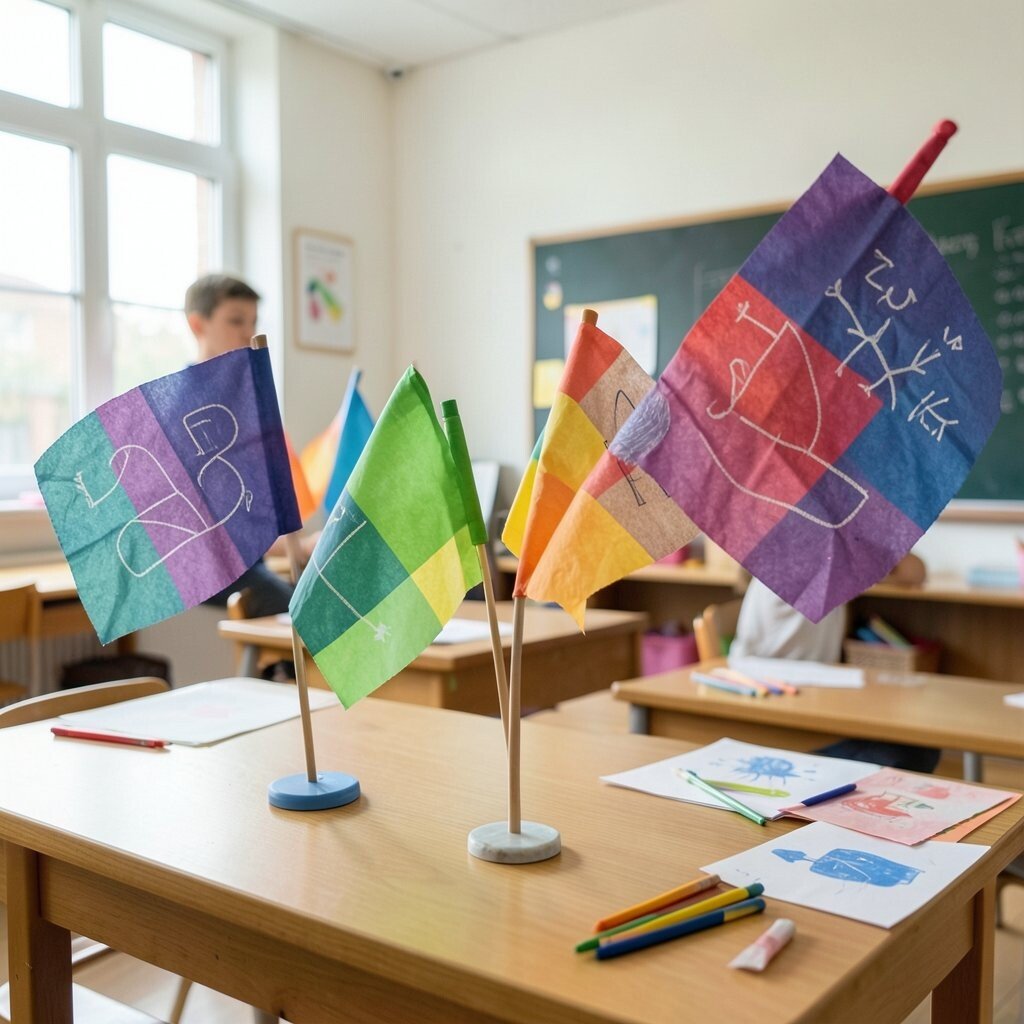
Students draw a flag design on tissue paper using chalk, then paint over it with water-based markers or watered watercolor. The chalk resists the paint and makes crisp shapes appear like a printed poster.
This craft feels unique because tissue paper holds color in soft layers, making the flag look like stained fabric. Students benefit from experimenting with material behavior and learning how to plan bold shapes that show through the paint. For cost considerations, tissue paper is affordable and lightweight, and chalk is a basic supply many classrooms already have.
16. Reusable Sticker Mosaic Learning Tiles
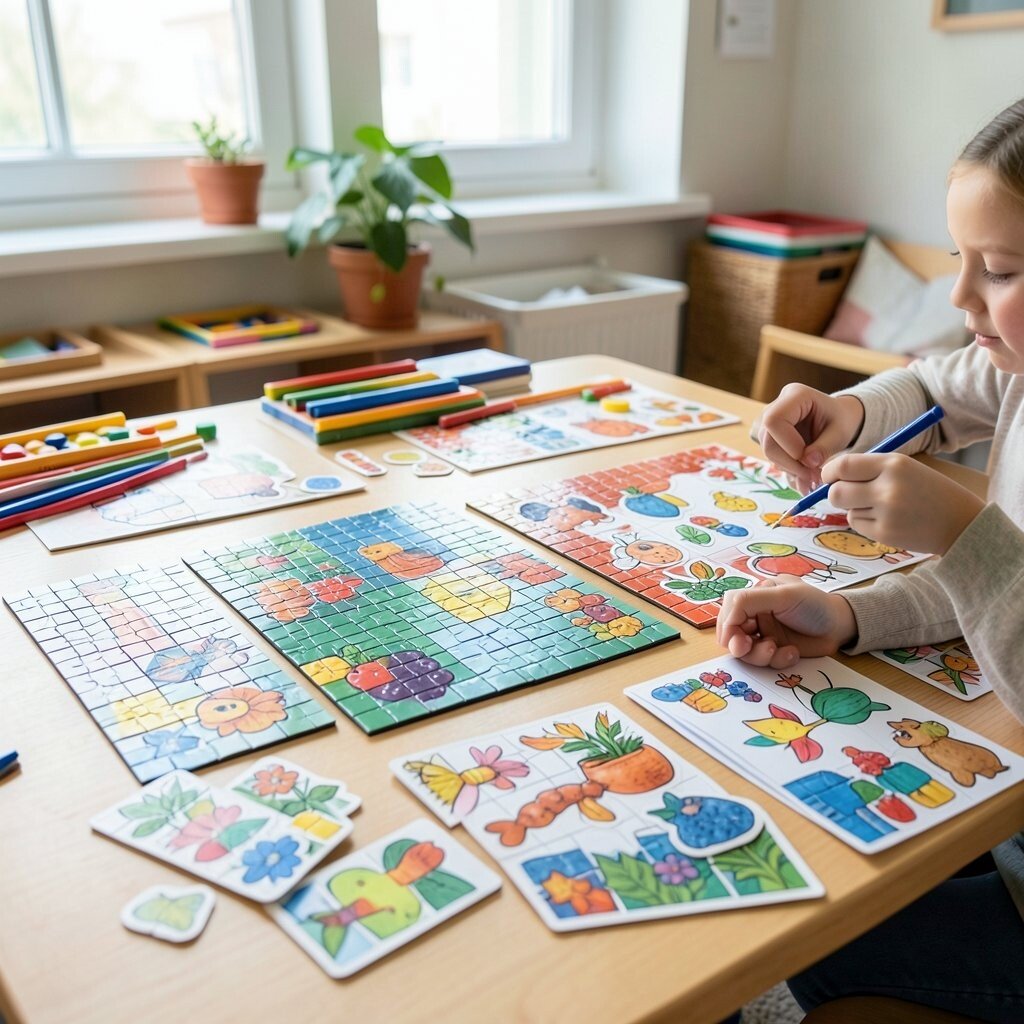
Students design learning tiles by placing small stickers, dot markers, or tape shapes onto a clear sheet sleeve. They can add letters, numbers, or vocabulary words, then swap tiles for quick practice games.
It’s visually playful, and the clean surfaces make it easy to use again and again. The benefit is that students get hands-on review while practicing spelling and recognition. Keep it practical by using permanent-safe sticker types and providing a few guiding shapes so students don’t waste time. Personalize the tiles by letting students choose theme sets like “animals,” “habitat words,” or “math symbols,” based on what they’re studying.
For trends, tie it to modern “interactive” learning, where students can build and reuse content instead of only using one-time worksheets. If budgets are tight, start with paper sleeves and have students create just a small set per unit.
17. Collaborative Rainbow Story Banners
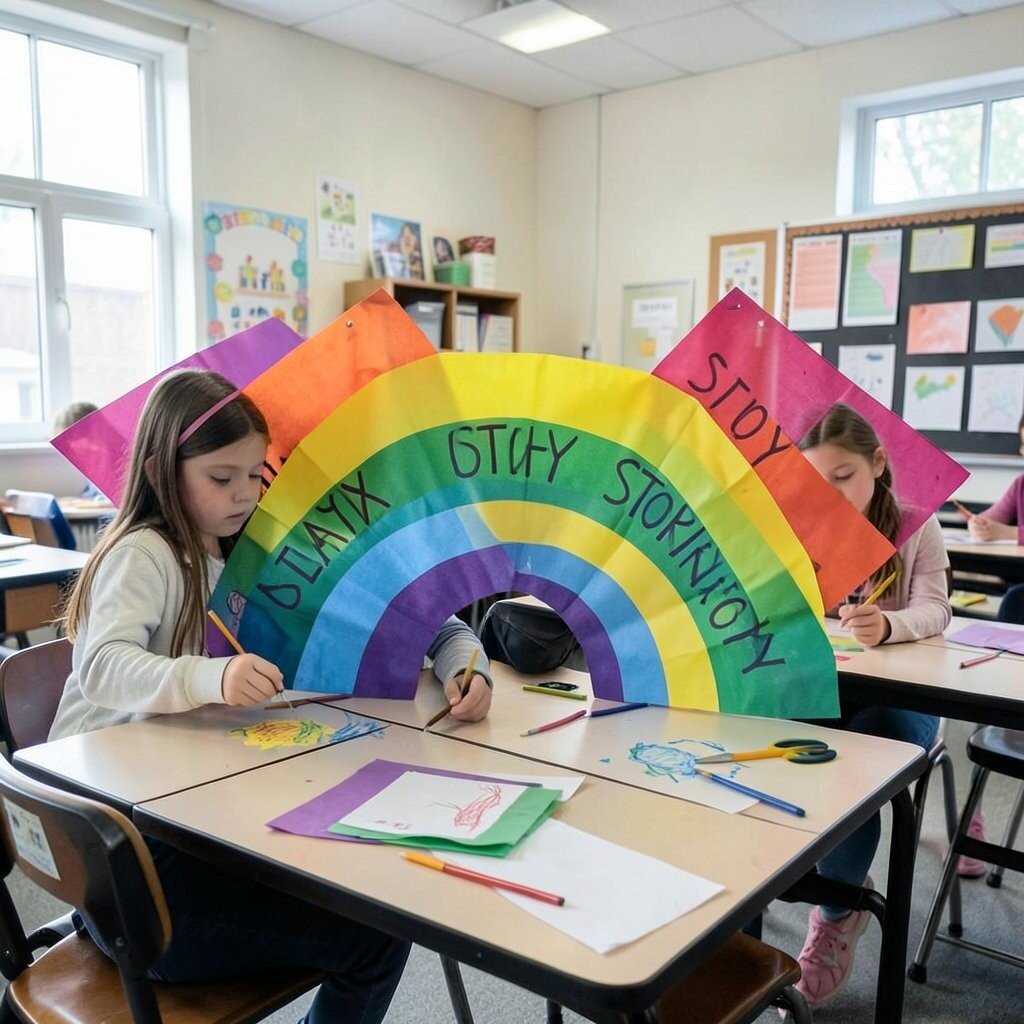
Class groups paint a long banner background in rainbow bands, then each student adds a panel of story writing. They can illustrate one sentence, or write a short scene that matches the color stripe assigned to their group.
The banner becomes a classroom timeline that changes as students contribute more. This craft builds confidence in writing while encouraging collaboration and listening to others. For practical tips, use masking tape to section the banner so paint stays clean, and choose washable markers for quick edits. Cost considerations are simple because banners can be made from butcher paper or reused craft paper, and painting uses inexpensive supplies.
Personalize by letting students choose a “story genre” such as mystery, friendship, or adventure, and add a tiny symbol that represents their role in the plot. Students will feel ownership when they see the finished banner hanging near their learning area.
18. Paper Circuit Heart Lights
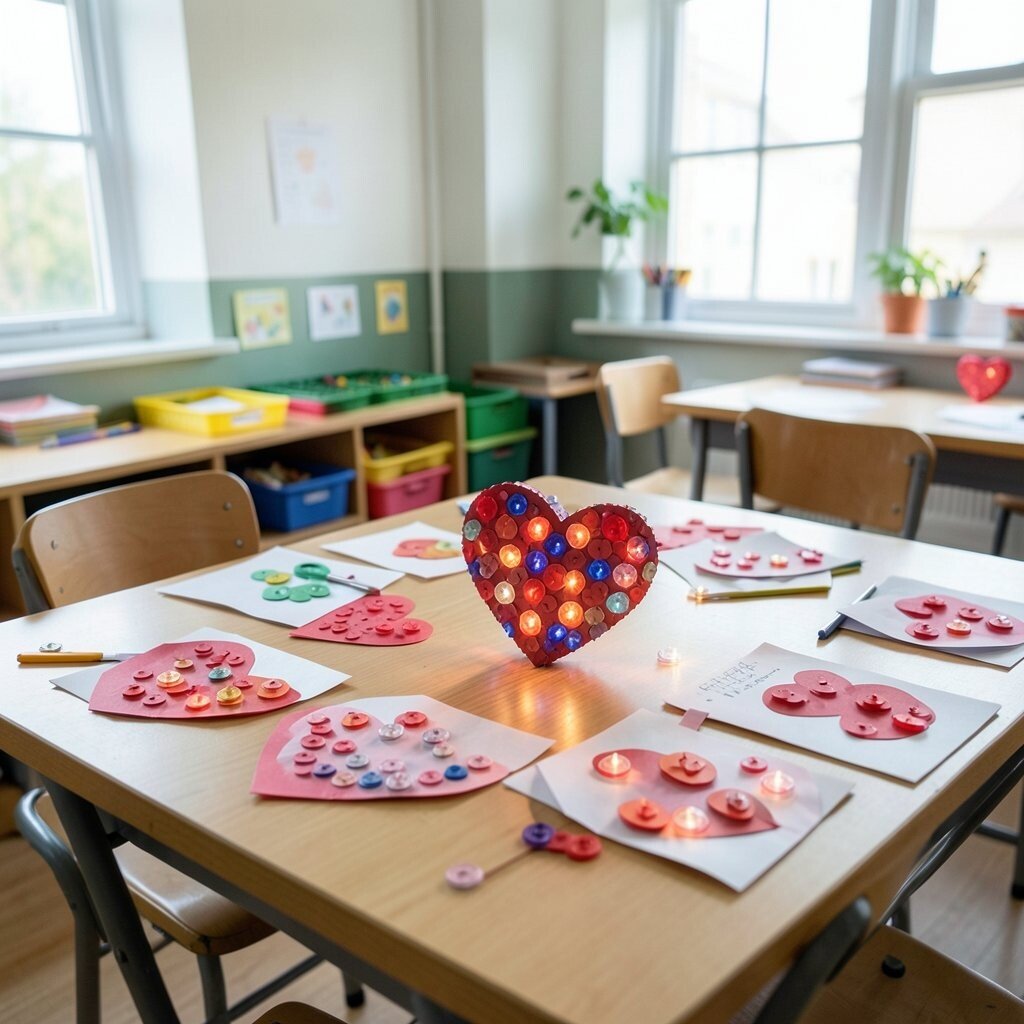
Students create a simple paper circuit shaped like a heart using conductive tape and a small battery holder kit. They decorate the heart with markers and draw a design that lights up when the circuit is complete.
The visuals are exciting, and the project feels hands-on and modern. Students benefit from science curiosity and persistence when troubleshooting, since every adjustment teaches a lesson. Keep it practical by using pre-made kit components to reduce errors and choosing materials that are safe and easy to handle under supervision. For personalization, let each student choose a theme color palette and add a short “spark” message inside the heart.
To manage cost, share kits among groups and reuse paper bases for multiple attempts by replacing only the conductive tape sections. When students share their working hearts, the classroom atmosphere becomes supportive and proud, like a gallery of small engineering wins.