Narrow rooms can feel tricky at first. They can also become some of the most stylish spaces in a home.
1. Light Walls and a Soft Color Flow
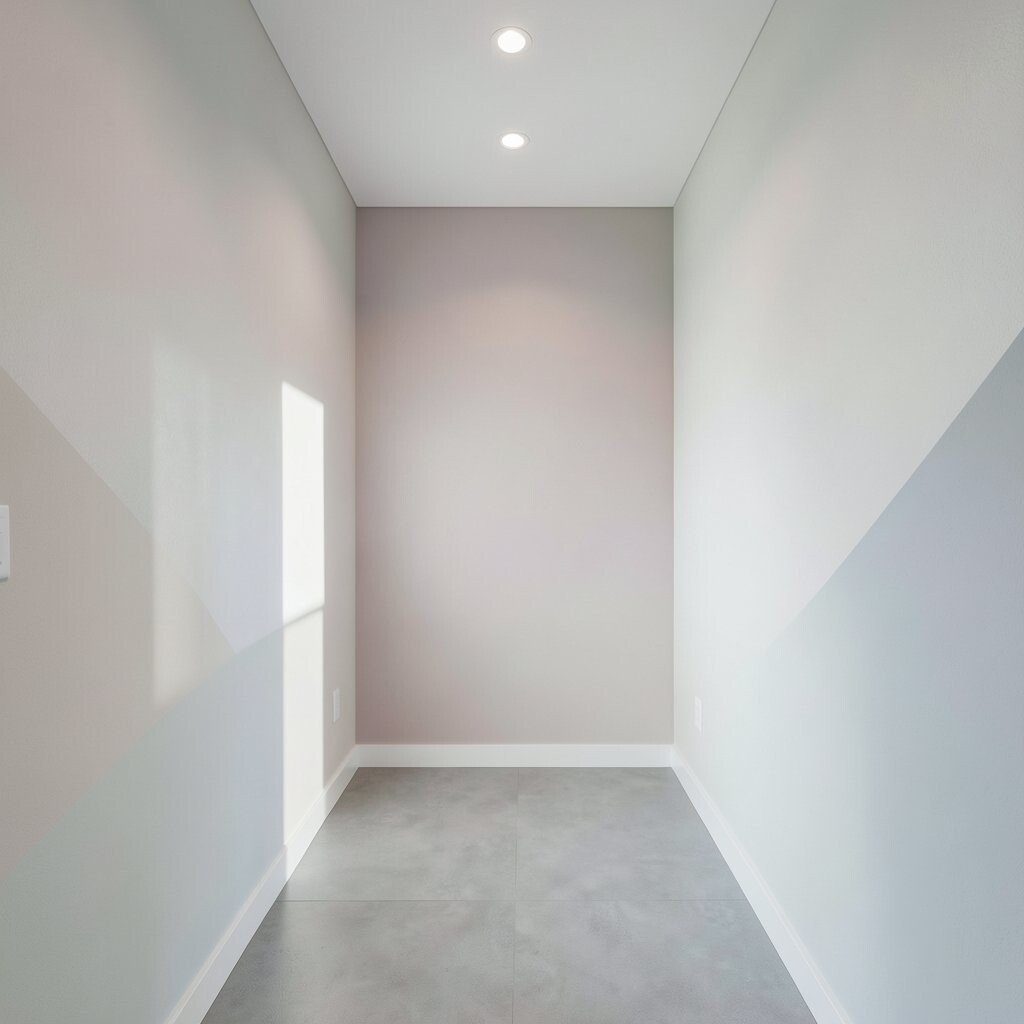
Soft paint colors can make a slim room feel open and calm. Pale white, warm beige, and gentle gray help the walls fade back, which gives the eye more room to move.
This look works well because it makes the space feel larger without much effort. It is also a smart budget choice, since paint is cheaper than many other updates, and you can add your own touch with art, pillows, or a patterned rug.
2. Long Furniture with Clean Lines
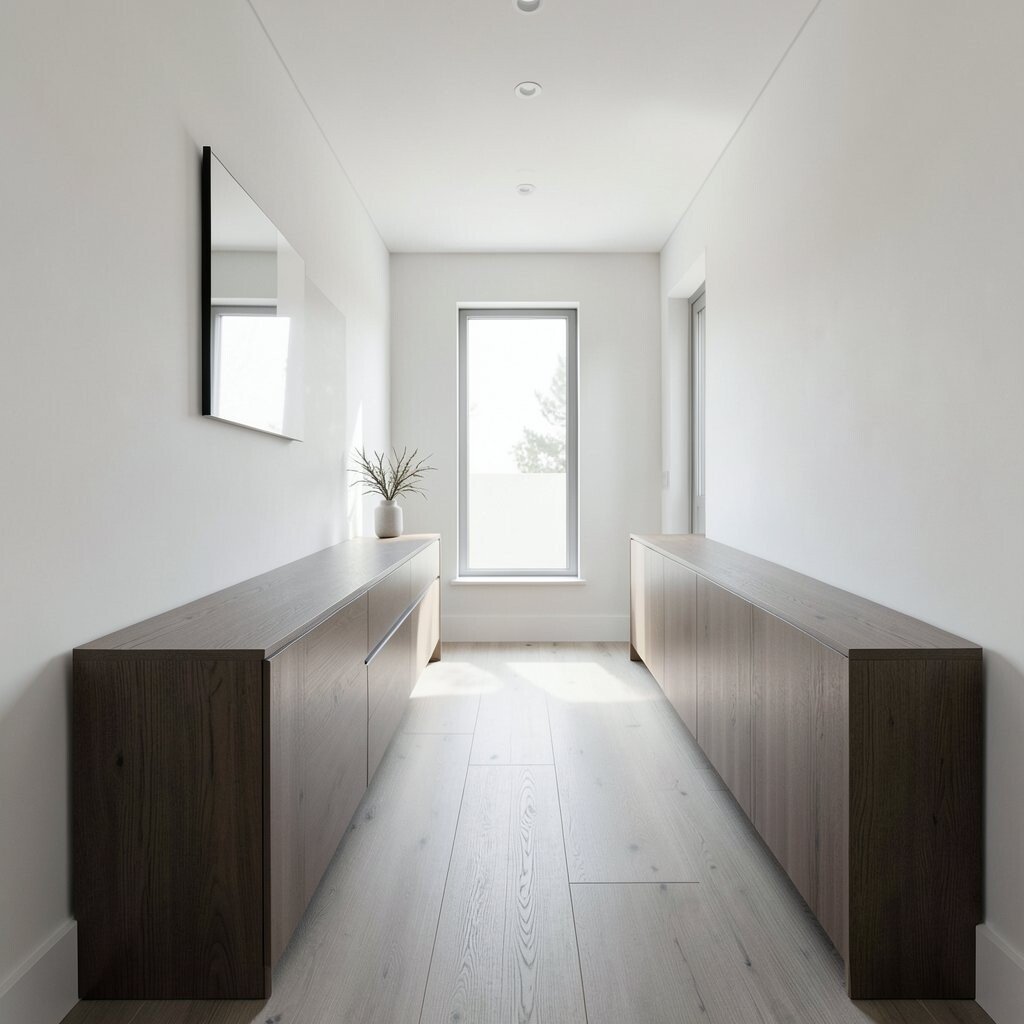
Furniture with simple shapes fits narrow rooms better than bulky pieces. A slim sofa, a narrow console, or a bench with straight edges keeps the room from feeling crowded.
This choice feels neat and modern, and it also leaves better walking space. Many current rooms use low-profile furniture for a lighter look, and you can personalize the style with wood tones, metal legs, or soft fabric that matches your taste.
It may cost more to find pieces made for tight spaces, but the room often looks more polished. Measure carefully before buying so the scale feels right and nothing blocks the flow.
3. Mirrors That Bounce Light Around
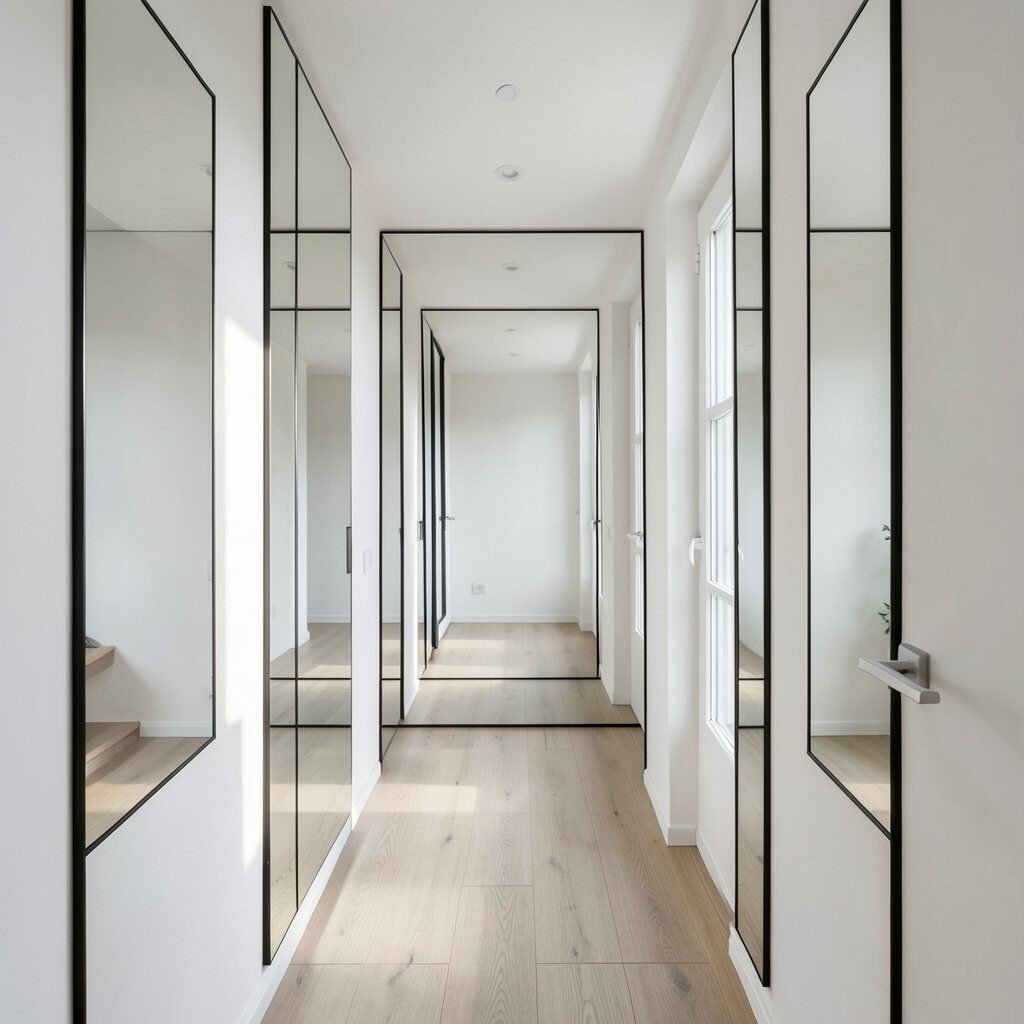
A mirror can do a lot in a narrow room. It reflects light, adds shine, and makes the room seem deeper than it is.
Large mirrors are especially helpful near windows or lamps. They bring in brightness, which makes the room feel friendlier, and you can pick a frame that fits your style, from rustic wood to sleek black metal.
Mirrors are often a smart low-cost choice, even when you want a high-end effect. Hanging one at eye level or leaning it on a wall can create a relaxed look that feels current and easy.
4. Built-In Storage That Hugs the Wall
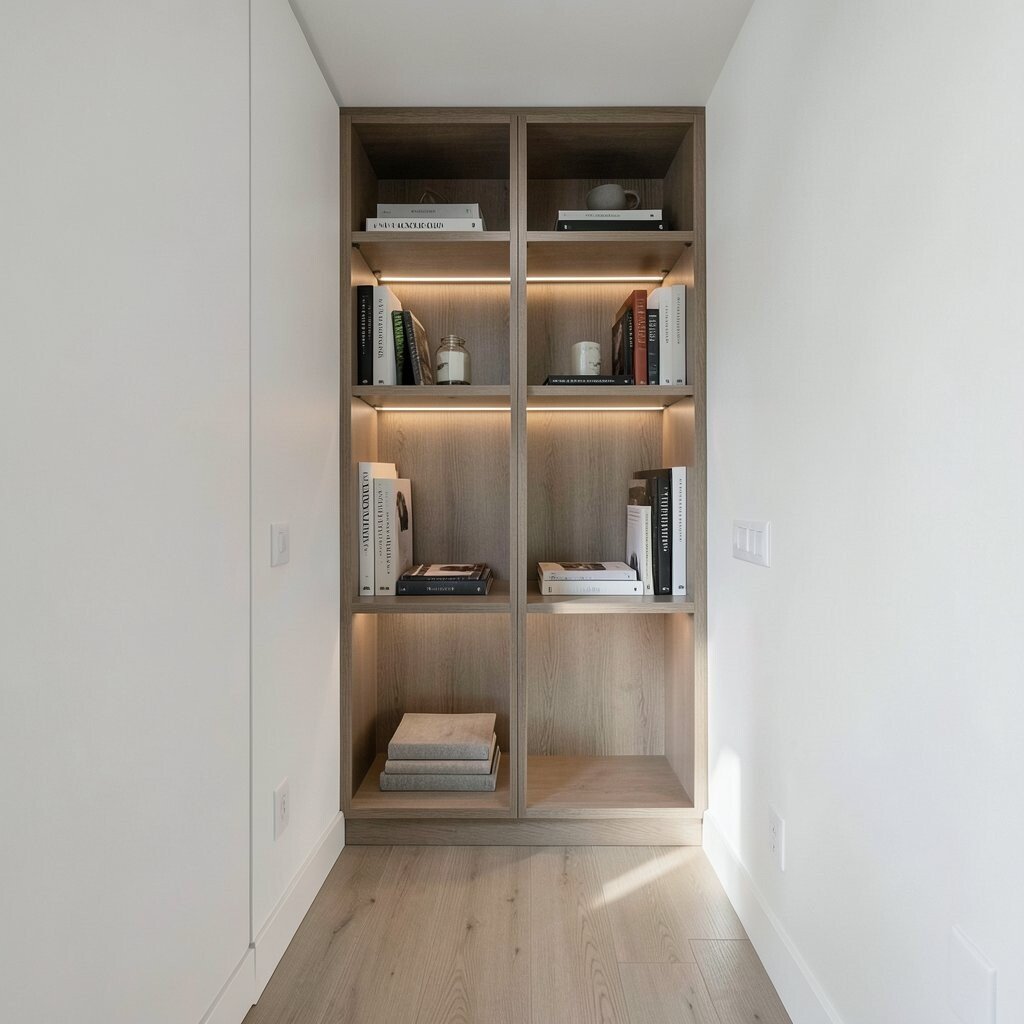
Storage that stays close to the wall keeps a narrow room neat. Floating shelves, slim cabinets, and built-in benches help hold things without eating up floor space.
This idea is great for rooms that need to do more than one job. It hides clutter, makes cleaning easier, and gives the room a smooth look, while also letting you choose finishes that match the rest of the home.
Built-ins can cost more at first, but they often save money later because they reduce the need for extra furniture. A simple painted finish can look fresh and modern, and small baskets or labeled boxes make the storage feel personal.
5. Vertical Decor That Pulls the Eye Up
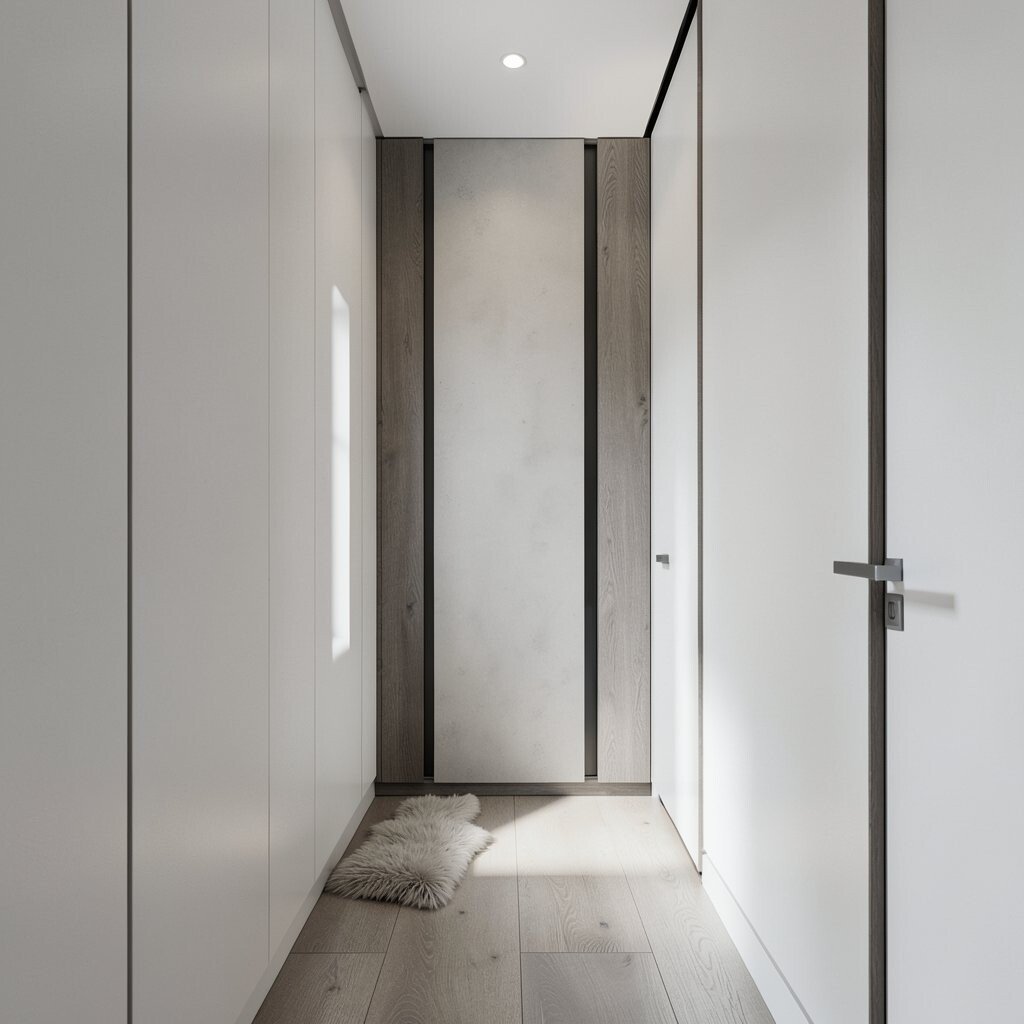
When a room is narrow, tall details can make it feel taller too. Tall bookcases, hanging art stacks, and high curtains draw the eye upward and help the walls feel less close.
This approach gives the room a sense of height, which brings balance to the tight shape. It also works well with today’s love of layered wall art, and you can keep it personal by mixing family photos, prints, and handmade pieces.
Using vertical decor can be affordable if you already have shelves or frames to reuse. Try to keep lower areas simple so the tall pieces stand out and the room stays easy to move through.
6. A Window Focus With Airy Drapes
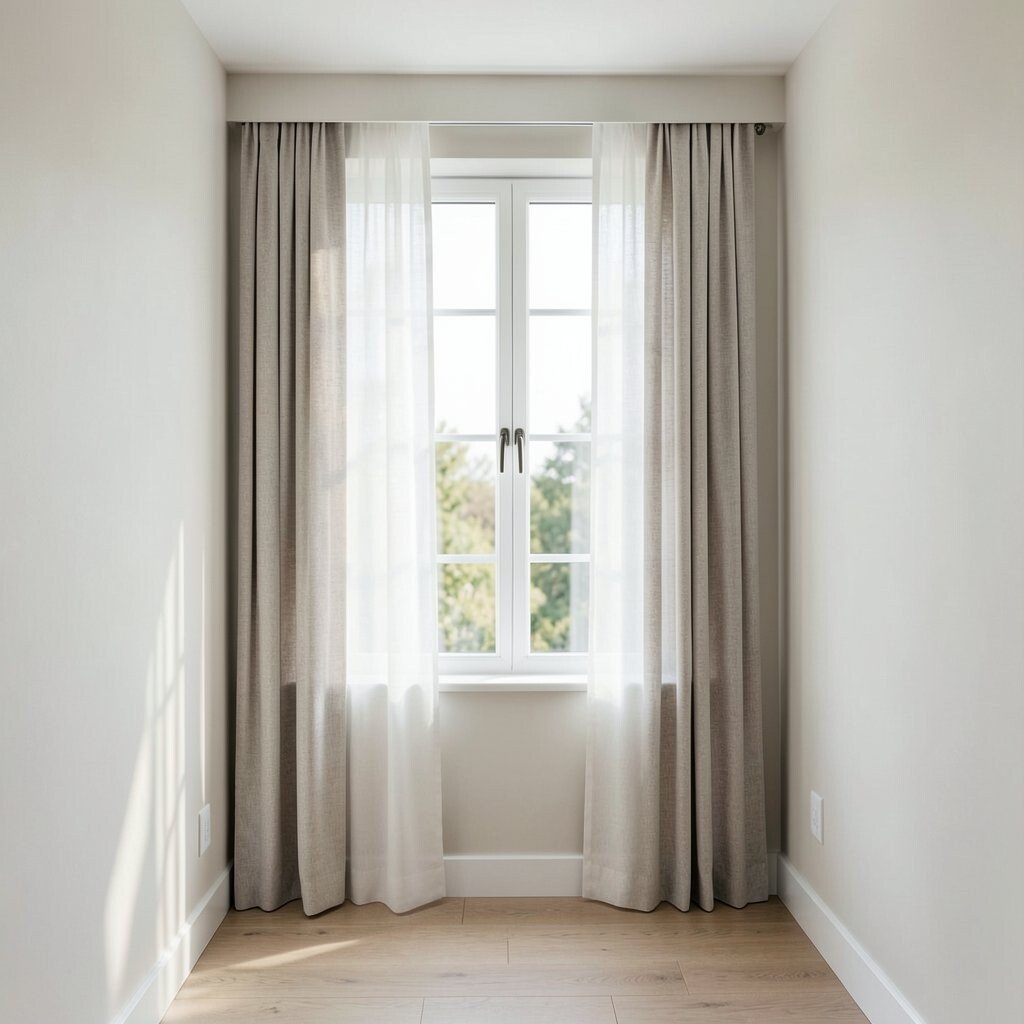
Windows can become a main feature in a narrow room when you dress them the right way. Light curtains or airy blinds let sunlight in and keep the space from feeling boxed in.
This brings in softness and movement, which helps a long room feel more relaxed. The look is popular right now because it feels light and easy, and you can personalize it with curtain colors that echo your rug, bedding, or sofa.
Airy window treatments often cost less than heavy custom options, and they are simple to switch out later. Hang curtains high and wide so the window looks larger, which can make the whole room feel more open.
7. Area Rugs That Guide the Layout
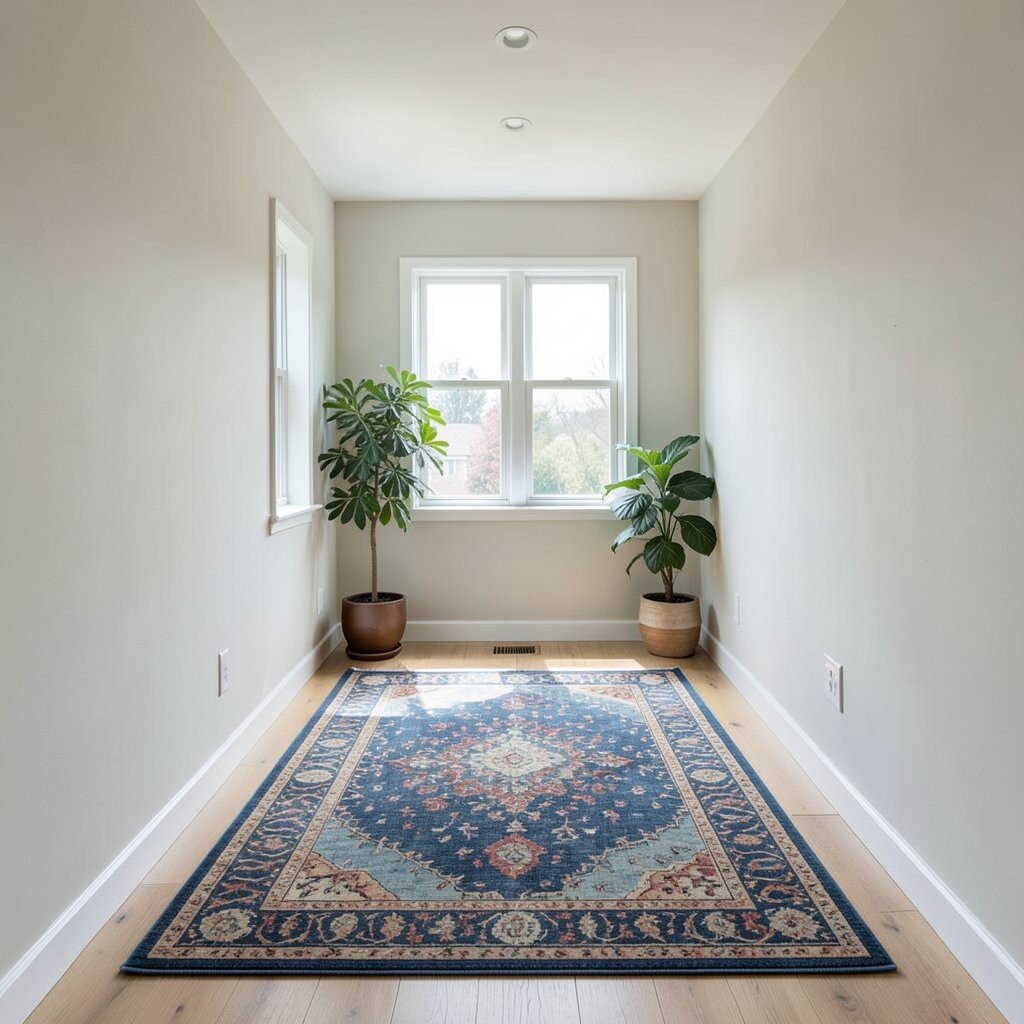
An area rug can help shape a narrow room in a clear way. It marks out seating, sleeping, or work zones and adds warmth underfoot.
This is useful because it makes the room feel planned instead of cramped. A striped rug can stretch the eye along the floor, and a bold pattern can give the room a fresh style that feels full of life.
Rugs come in many price ranges, so it is easy to find one that fits your budget. Choose a size that leaves a little floor showing around the edges, since that small border helps the room feel calmer and more balanced.
8. Sliding Doors and Space-Saving Openings
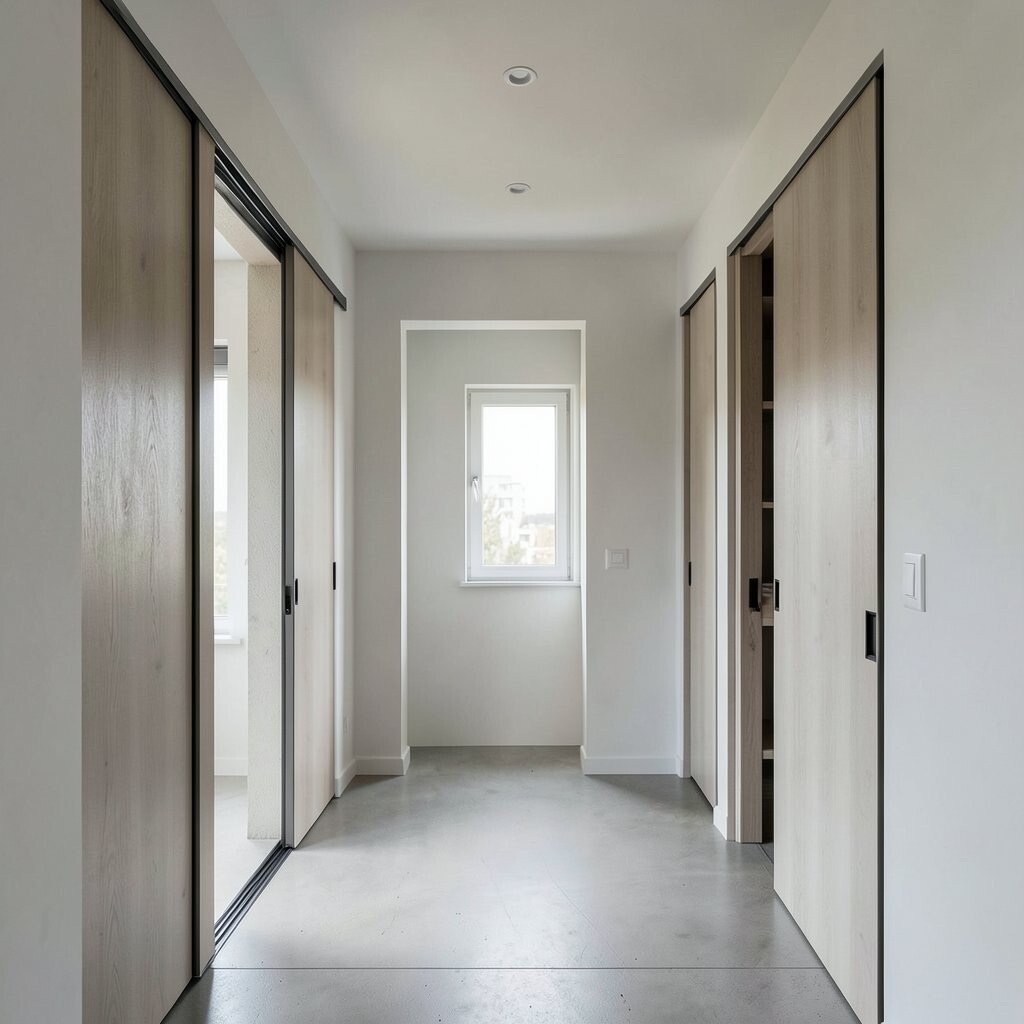
Regular doors can take up too much room in a tight space. Sliding doors, pocket doors, or even curtain dividers save space and make moving around simpler.
This design choice is helpful in bedrooms, bathrooms, and closets where every inch matters. It also gives a clean, modern look that many homes use now, and you can choose wood, glass, or painted panels to match your style.
The cost can vary, with simple sliding hardware being much cheaper than a full pocket-door project. Even so, the room often feels more open right away, and that makes the upgrade worth thinking about.
9. One Bold Accent Wall
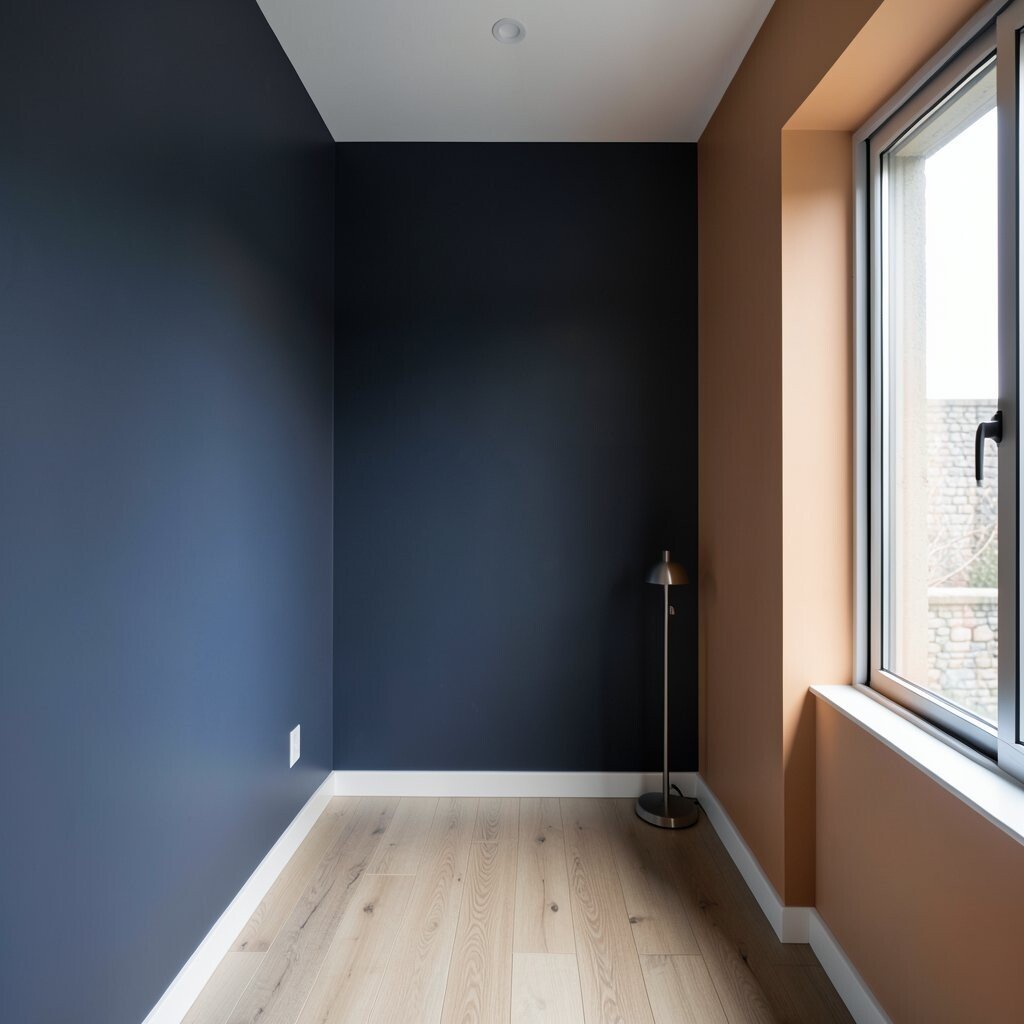
A single bold wall can give a narrow room strong personality. Deep green, navy, or warm terracotta can add richness without making the whole room feel heavy.
This idea works because it gives the room a clear focal point. It can also help shorten a long space by making one end stand out, and you can make it your own with framed art, a mirror, or a headboard in a matching tone.
Paint is one of the cheapest ways to create this effect, which makes it very practical. Keep the other walls lighter so the room still feels open and the accent wall gets the right amount of attention.
10. Layered Lighting at Different Heights
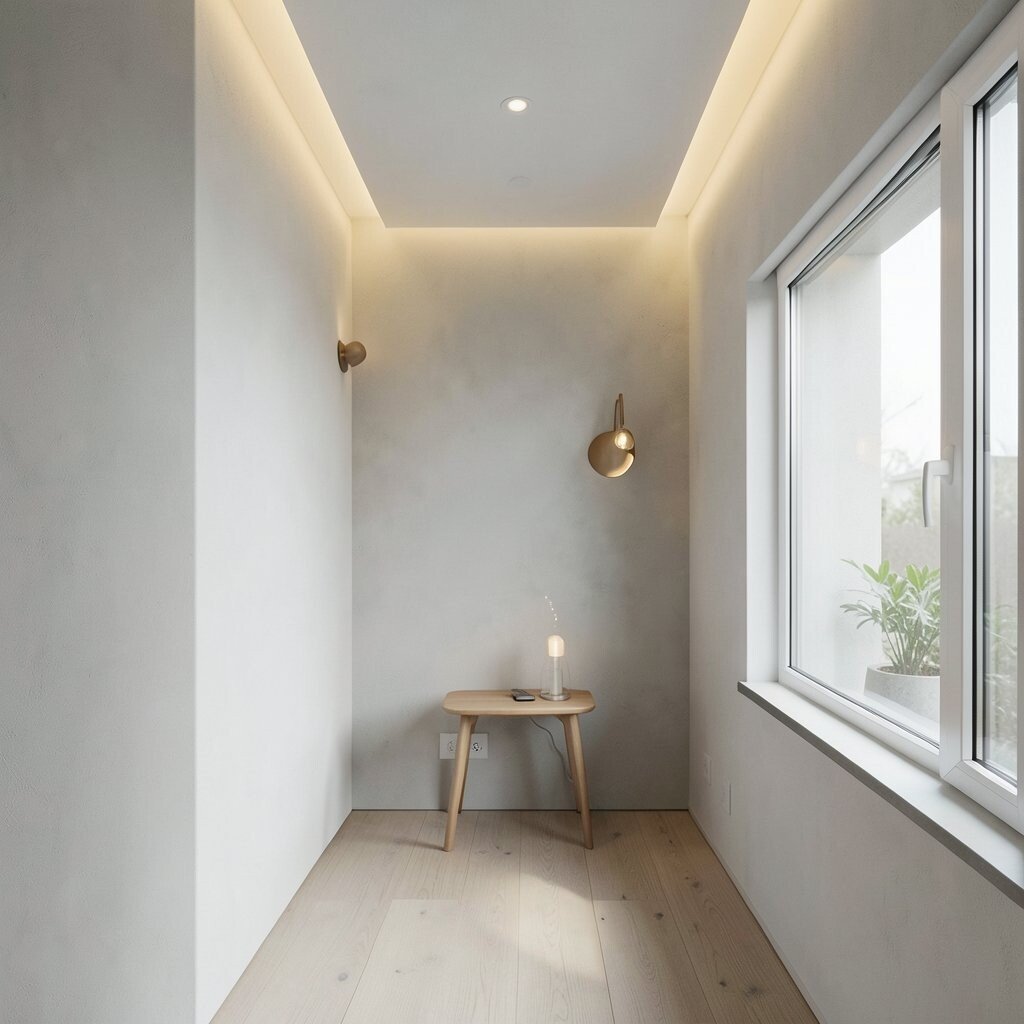
Good lighting can change the whole mood of a narrow room. Use table lamps, wall lights, and ceiling lights together so the space glows in a softer and more even way.
This helps remove dark corners, which can make a room feel smaller than it is. It also adds depth and comfort, and the mix of fixtures feels current because many homes now use warm, layered lighting instead of one strong light.
You can stay on budget by mixing expensive pieces with simple lamps you already own. Place lights at different levels to create a cozy path through the room and highlight the parts you want people to notice.
11. Clear Furniture That Fades Into the Room
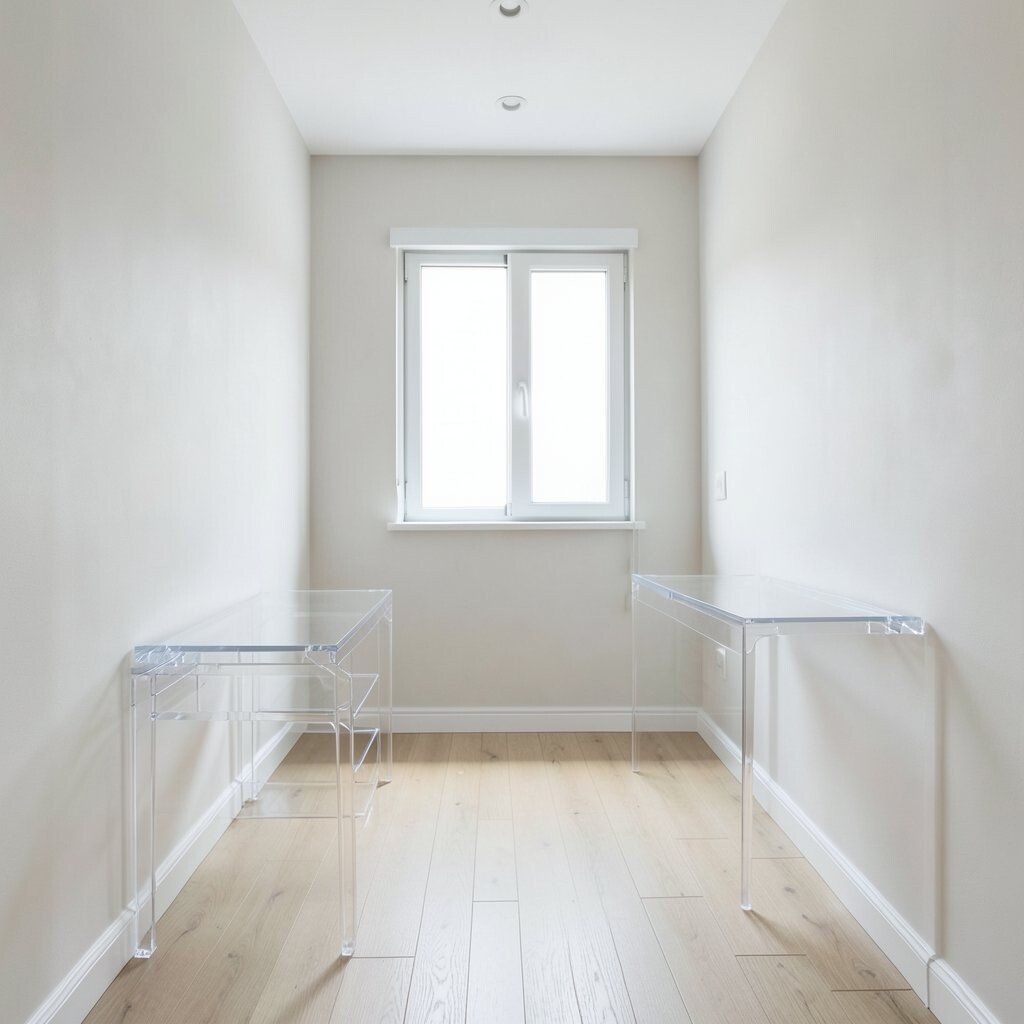
See-through furniture can be a clever fit for a narrow space. Clear tables or acrylic chairs seem to take up less room because the eye moves through them more easily.
This creates a light, airy feeling that works well in small dining areas, reading spots, or entryways. It also gives the room a unique style that feels fresh, and you can soften it with plants, woven baskets, or fabric cushions.
Some clear pieces cost more than basic wood furniture, but they can make a big visual difference. If you want the room to feel less crowded without losing function, this is a smart place to start.
12. A Simple Gallery Wall With Breathing Room
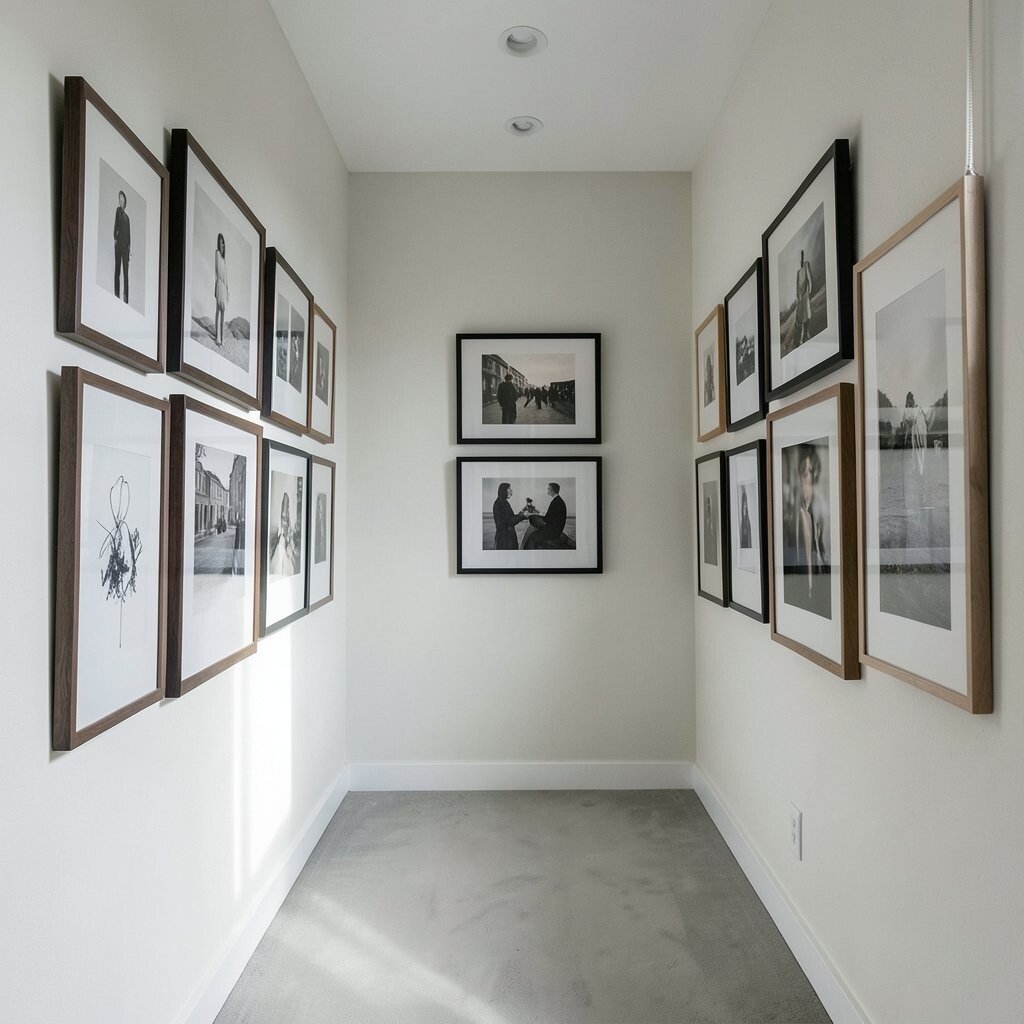
A gallery wall can add story and style without making a narrow room feel busy. The trick is to keep the spacing clean so each frame has room to shine.
This gives the wall personality while still feeling calm and organized. It is a great way to show family photos, travel art, or children’s drawings, and the mix of frames can reflect your own taste in a warm, friendly way.
You do not need costly art to make this look work. A few matching frames and careful planning can look just as nice as a pricey set, especially when the art pieces share a color theme.
13. Zones That Give the Room a Job
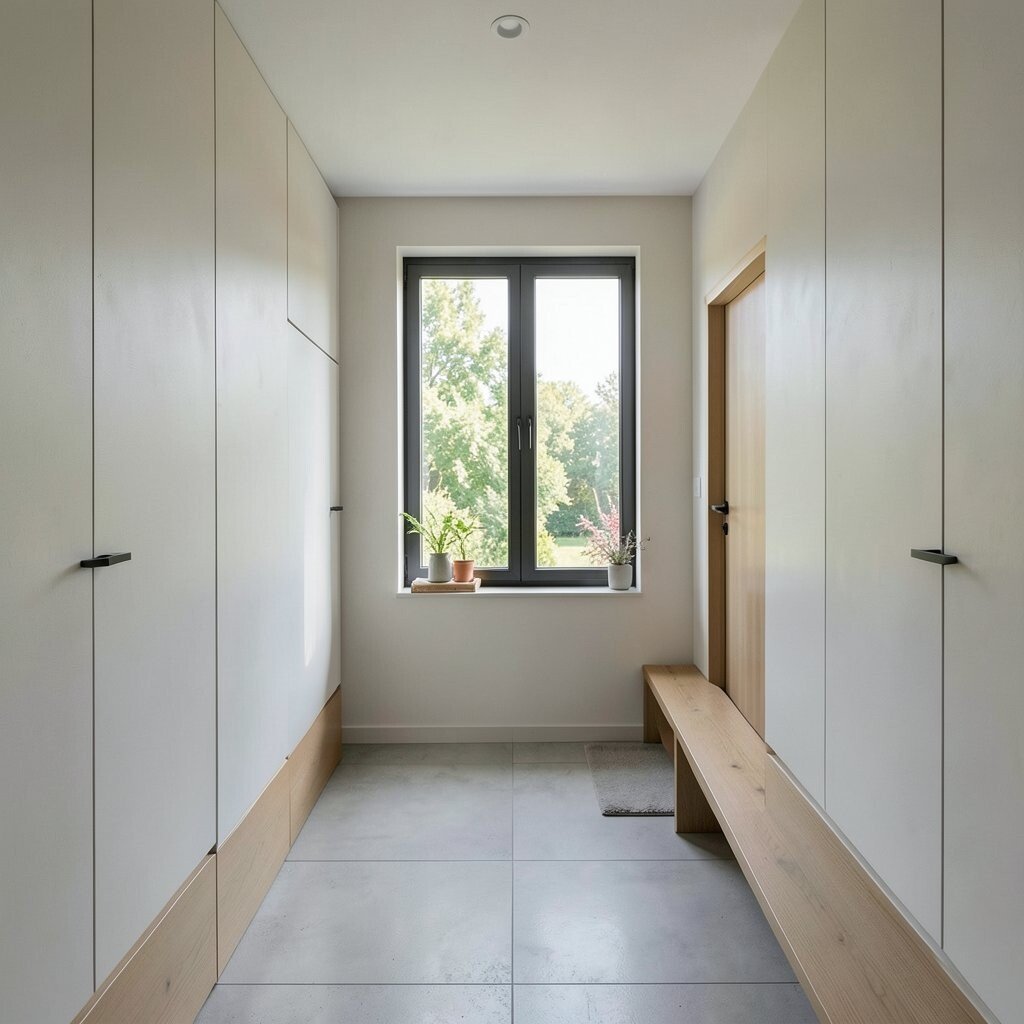
One narrow room can do more than one thing when the layout is clear. A reading corner, a small desk, or a tiny dining nook can each have their own place.
This makes the room feel useful and less confusing. It also helps the eye understand the space, which is why zoning is so popular in small homes and apartments right now, and you can shape each area with rugs, lamps, or different wall art.
Creating zones does not have to be expensive, since you can use furniture you already have. Keep each section simple so the room still feels open, and choose one style thread, like color or wood tone, to tie everything together.
14. Rounded Shapes That Soften Tight Corners
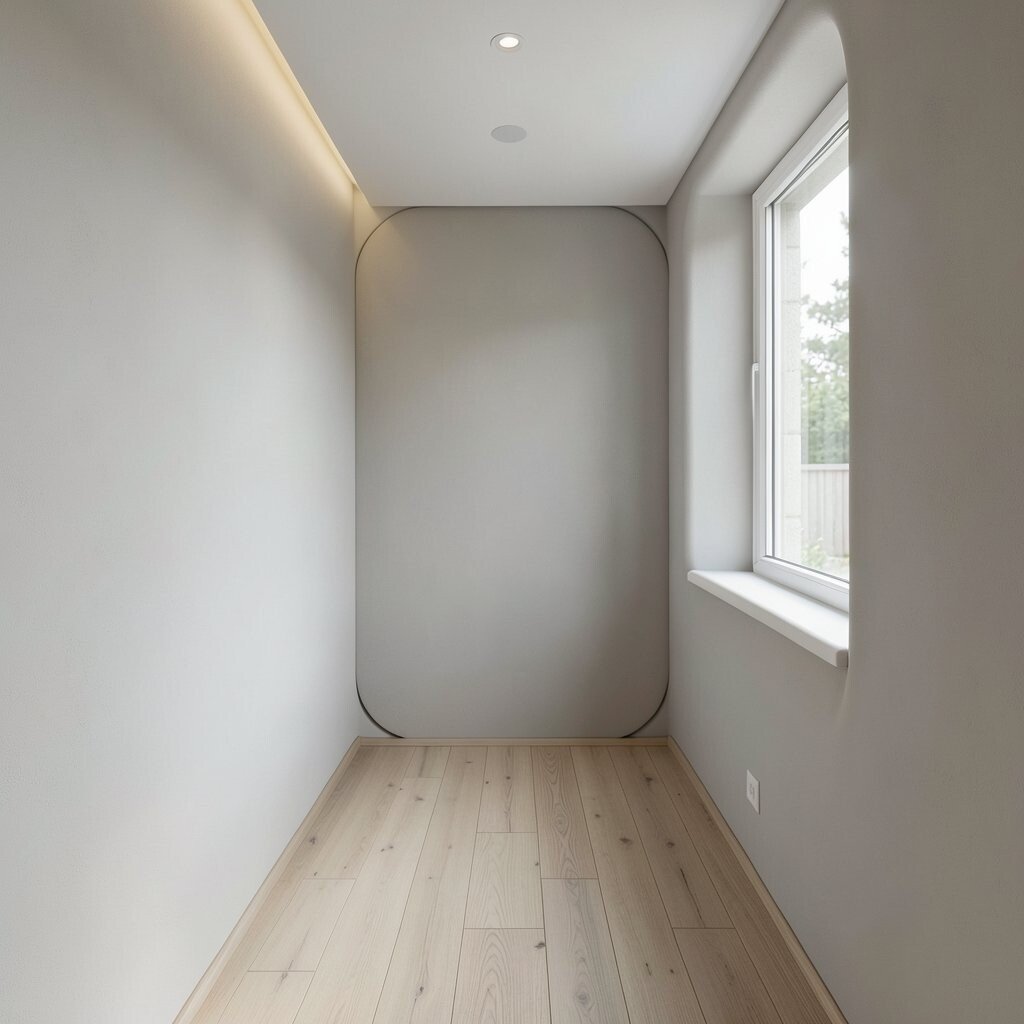
Curved chairs, round tables, and oval mirrors can help a narrow room feel gentler. Sharp corners can make a tight layout feel even tighter, while rounded shapes ease the view.
This kind of shape adds charm and makes the room feel less stiff. It also fits current design trends that favor softer lines, and it is easy to personalize by choosing a rounded lamp, a curved vase, or a circular rug pattern.
Some curved furniture costs more, but smaller accent pieces can give the same feeling for less money. Even one round table can change how the room flows and make moving around feel smoother.
15. Matching Storage Baskets and Hidden Spots
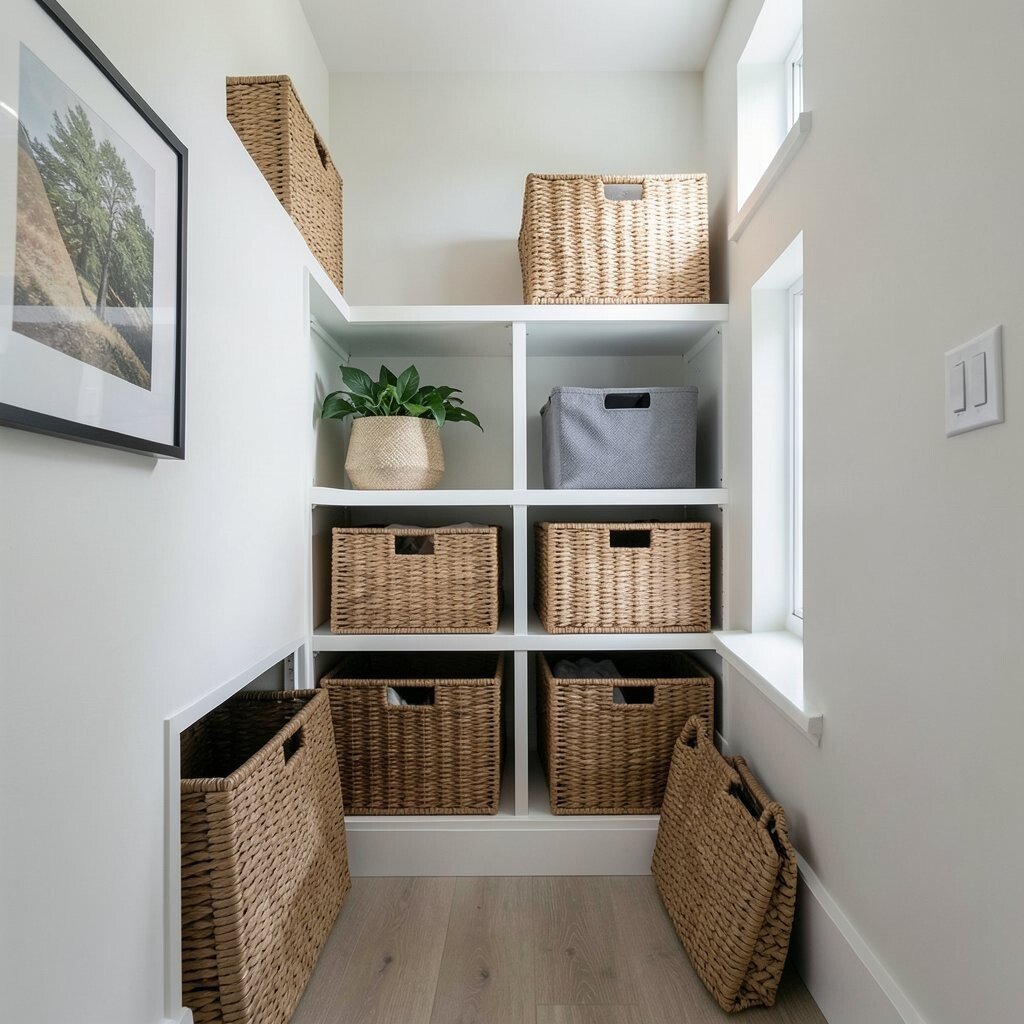
Matching baskets can tidy a narrow room in a way that looks warm and natural. They help hold blankets, toys, books, or extras while keeping the room visually calm.
This is useful because clutter stands out fast in a slim room. A set of woven baskets, fabric bins, or lidded boxes can create a neat look, and the texture adds a cozy feel that works with many styles.
Baskets are often a budget-friendly fix, especially when you need storage fast. Put them under benches, on shelves, or beside a sofa so useful items stay close but do not interrupt the room’s clean lines.
16. A Personal Style Mix That Keeps It Interesting
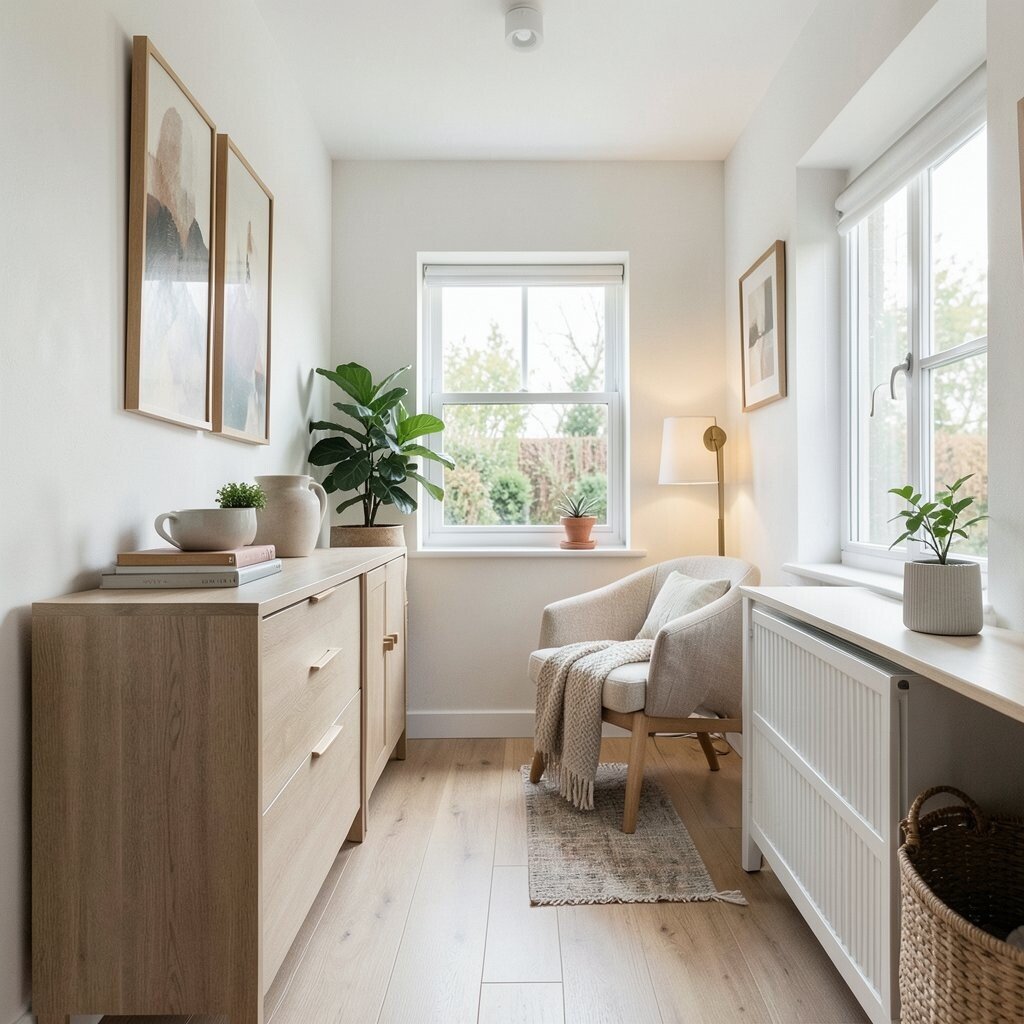
The best narrow rooms often feel personal, not perfect. A mix of favorite colors, a meaningful print, a special lamp, or a cherished chair can make the room feel like it belongs to you.
This matters because a narrow room should still feel warm and lived in. Personal touches give it uniqueness, and the space becomes more inviting when it reflects your taste instead of looking copied from a catalog.
You can keep costs low by using items you already love and arranging them with care. Current design style leans toward more personal rooms, so a simple, thoughtful mix can feel both trendy and timeless.