The room can feel bigger when learning gets easier. Small changes can make a big difference fast.
1. Reuse Paper in Clever Ways
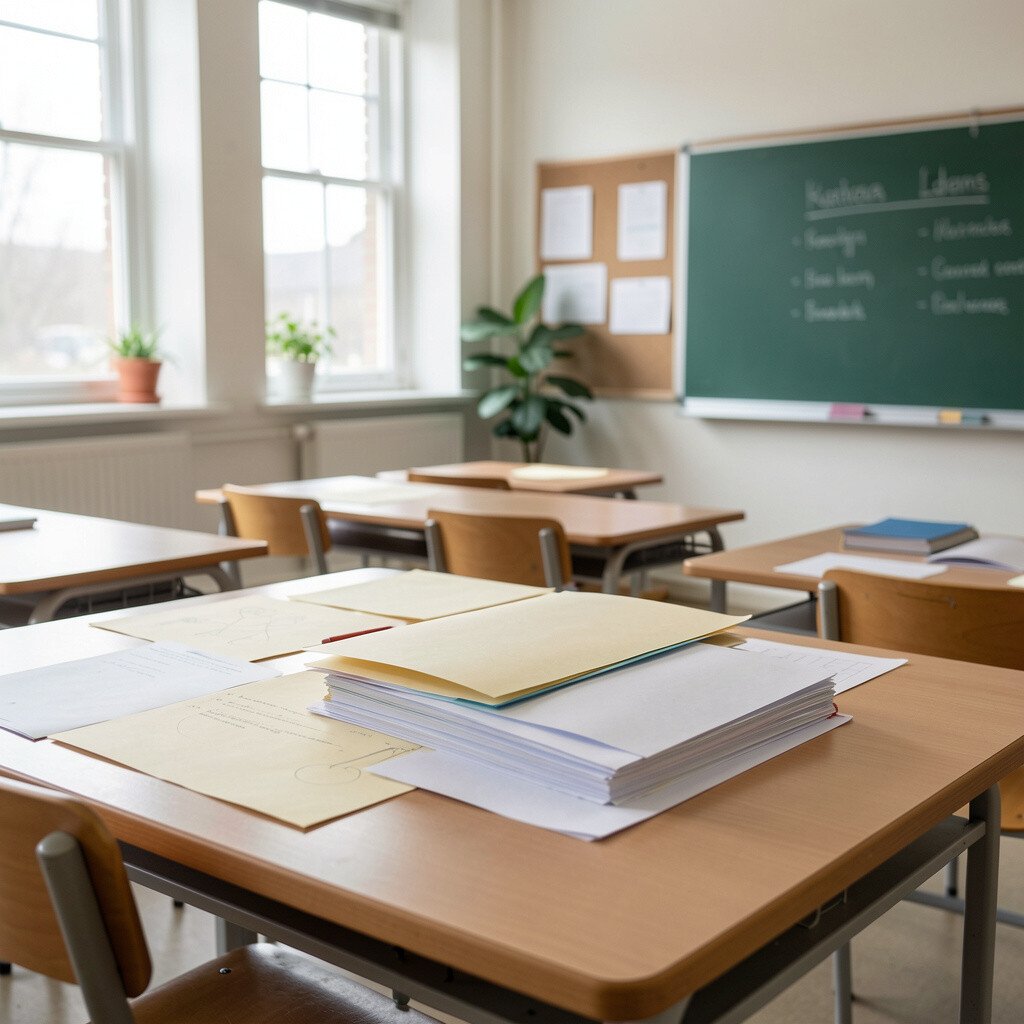
Old paper can become new learning tools in minutes. A stack of scrap sheets, clean envelopes, and blank backs can turn into daily practice materials.
Write short word lists on one side and use the other side for quick quizzes. Students can cut out rectangles for flashcards, then sort them on desks like a mini library. Keep a simple “scrap station” in the classroom so everyone knows where to grab materials and put them back.
2. Create a DIY Word Wall with Student Help
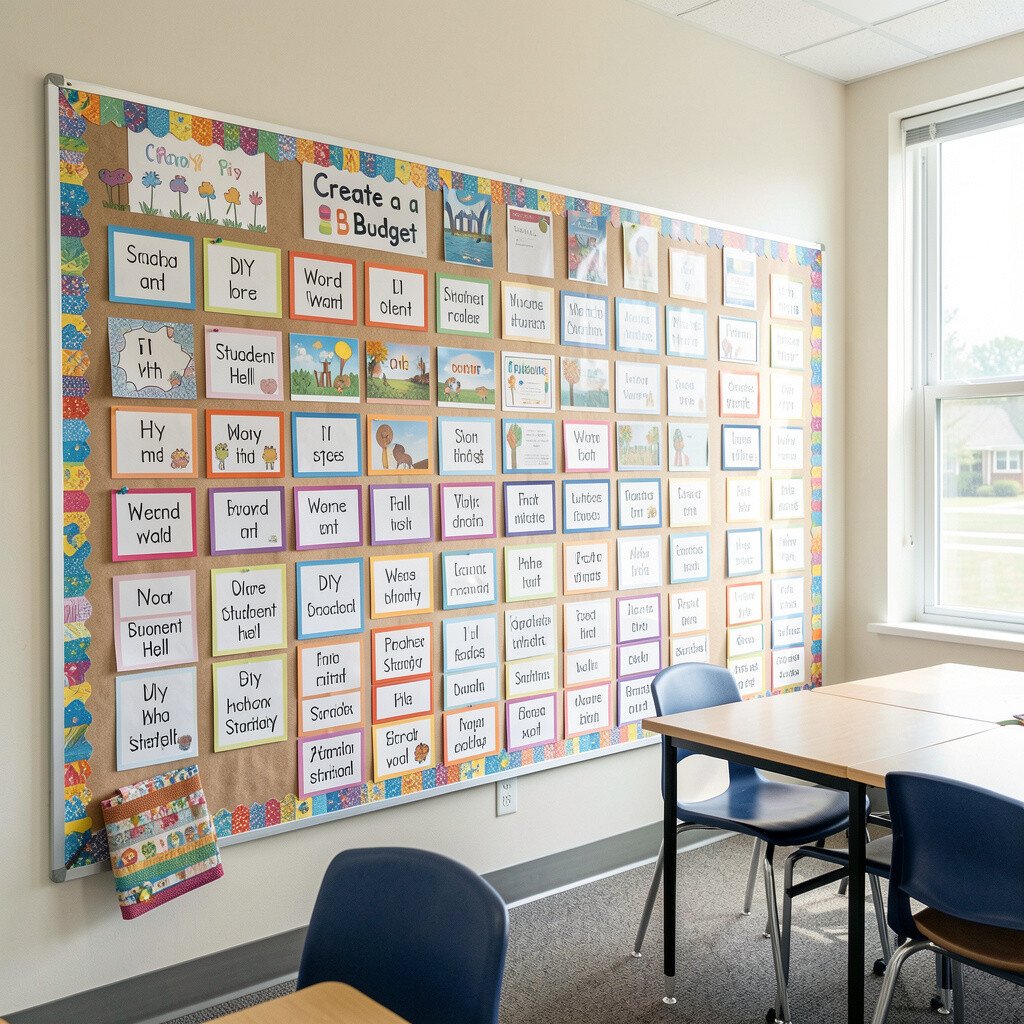
When students add words, the wall feels like theirs. Use index cards or magazine clippings to build a colorful display of key terms.
Let learners choose a word, draw a small symbol next to it, and read a one-sentence example aloud. Rotate the cards each week so new topics get fresh attention. You will notice stronger participation because the wall becomes a place to talk, not just a place to stare.
For personalization, match words to what the class is reading, and keep a few “starter” cards for students who need support. If supplies are tight, use recycled cardboard, and print only the hardest terms. This approach fits today’s trend of student-led learning and visual supports while keeping costs low.
3. Turn Desks into Learning Labs
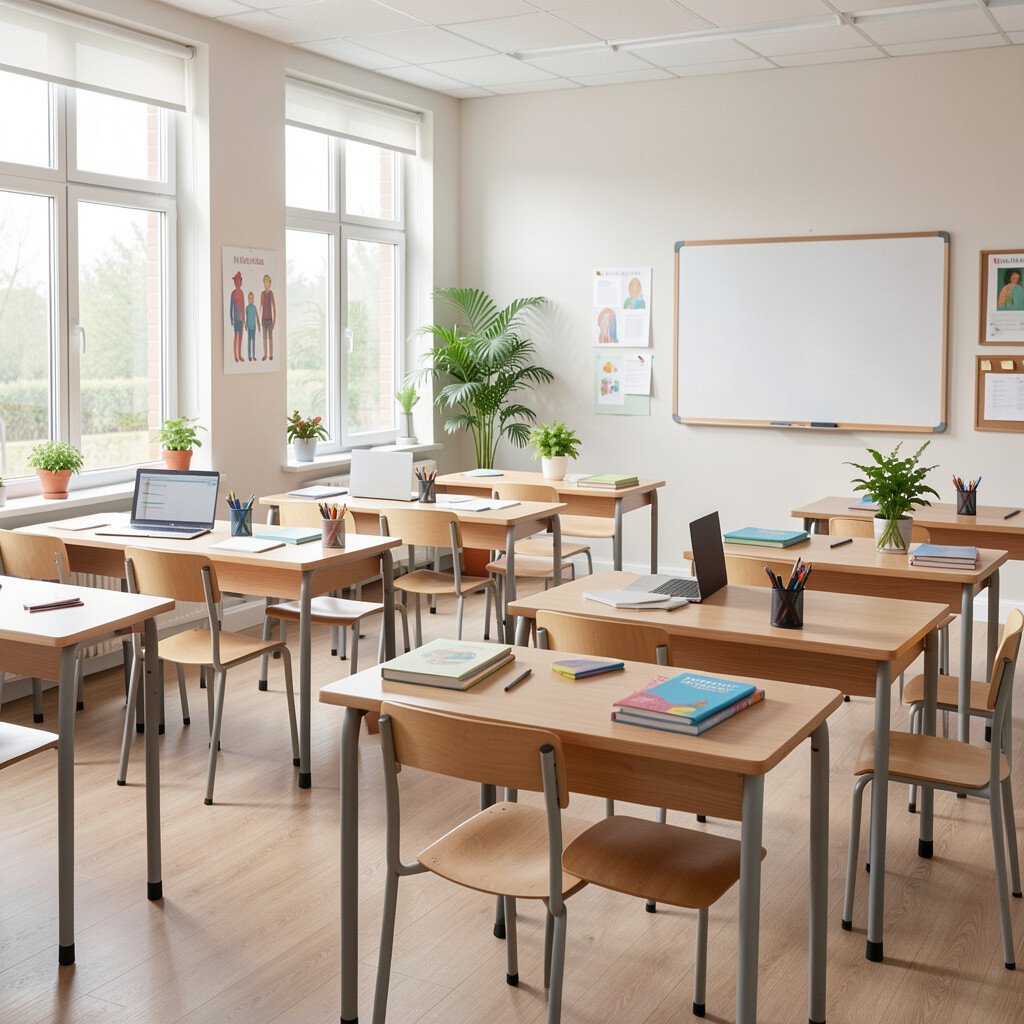
Every desk can act like a small station for hands-on practice. Add a shallow bin to hold pencils, mini tools, and learning cards.
Give students a short task that matches the bin, like matching word meanings or building a simple fraction model. The visual setup reduces confusion because the materials are already in one place. Students stay busy and focused since they know exactly what to do with what they have.
To keep it budget-friendly, use leftover shoeboxes, takeout containers, and paper towel tubes. Personalize bins by color-coding for subject areas, then let students decorate the lids with drawings or stickers. This also supports current classroom trends that value flexible learning stations without expensive kits.
4. Use Everyday Objects for Math Practice
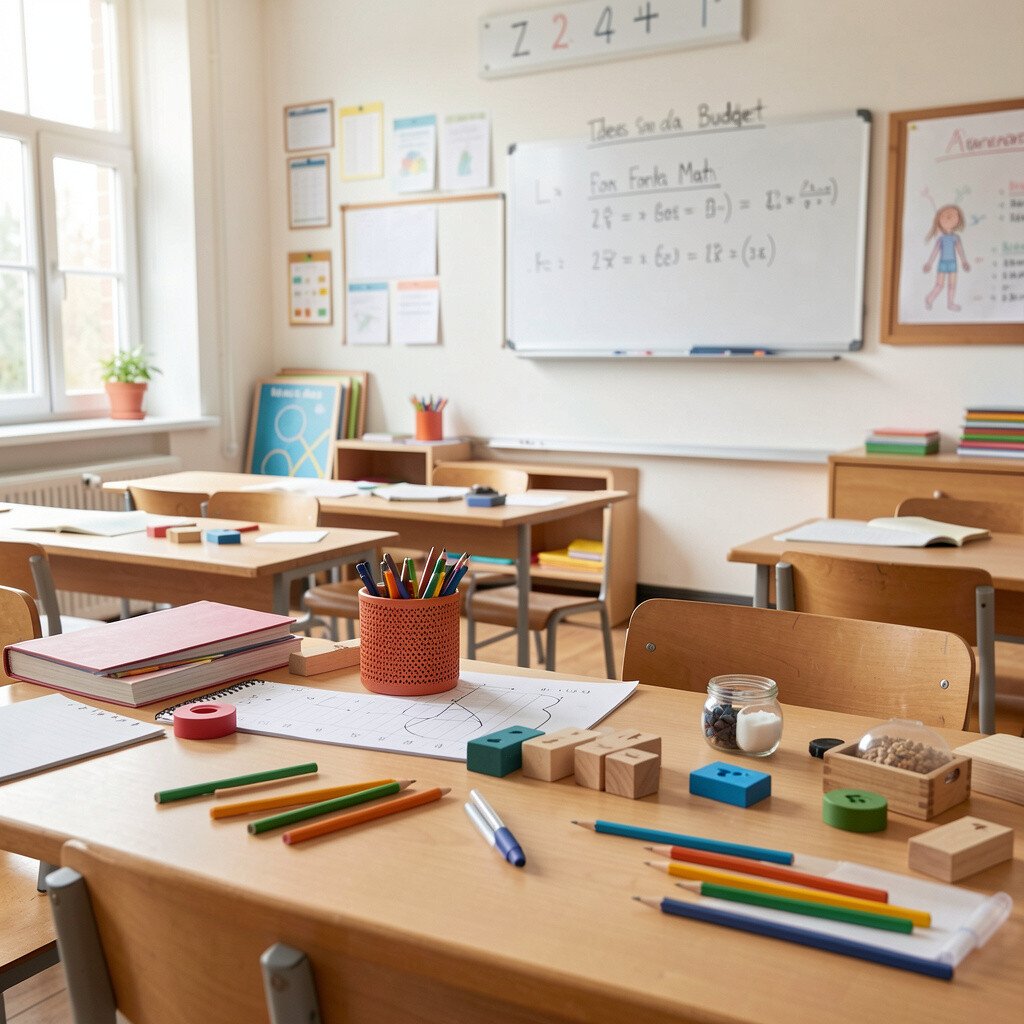
You can teach math with what you already have at school and at home. Buttons, bottle caps, or dry pasta pieces can become counters for many lessons.
Show grouping, skip counting, and simple equations by moving objects into sets. Students love the feeling of “doing” math instead of only writing it. Keep a small labeled bag of mixed items at each learning station so practice happens quickly.
5. Make a Pocket-Sized Reading Tracker
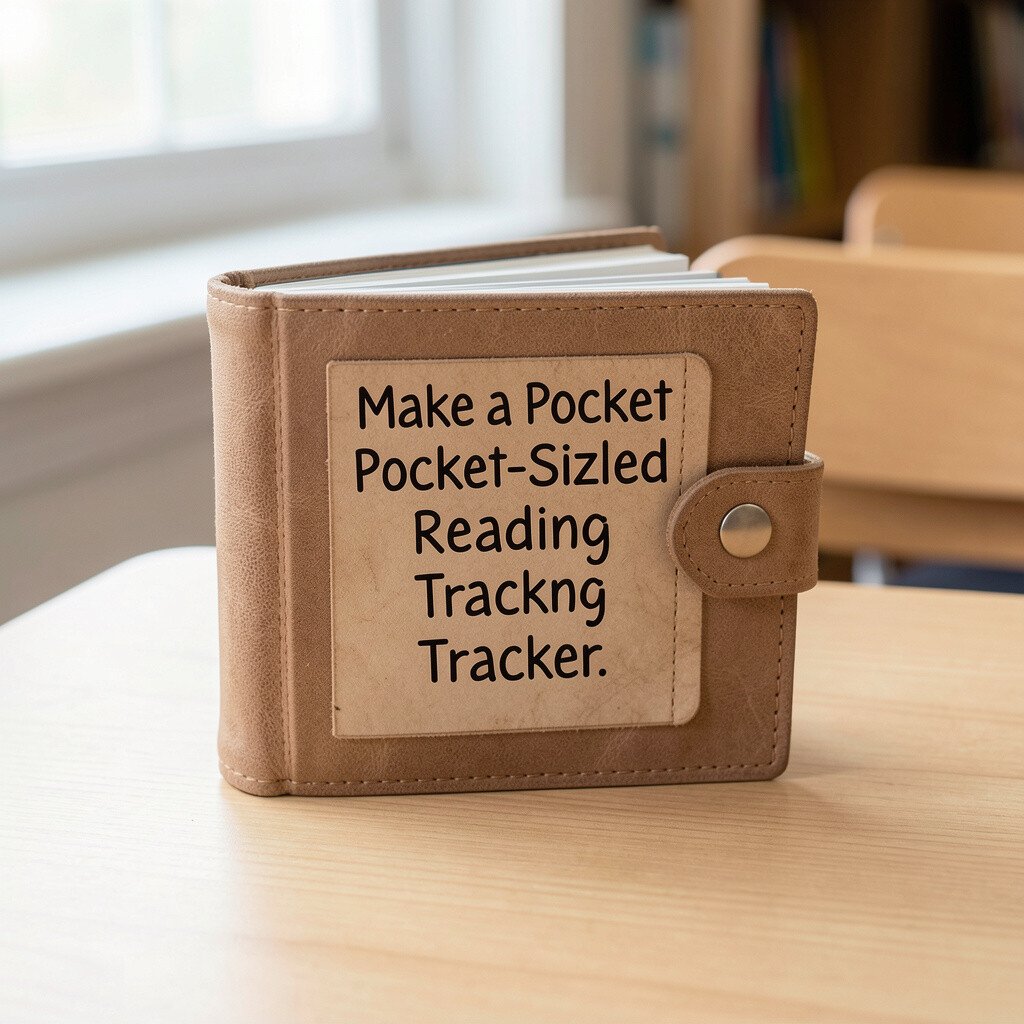
Reading feels easier when students can see progress. A small tracker helps them notice growth without stress.
Print reading goals on a folded sheet and staple or tape it into a pocket. Students can check off minutes, pages, or books, then write one favorite line from each story.
Personalize trackers by letting students choose between categories like fiction, nonfiction, or comics. For cost, use reused folders or old file paper cut to size. This approach matches today’s interest in self-monitoring and student agency, which often boosts motivation.
6. Build a Quiet Corner with No-Fuss Materials
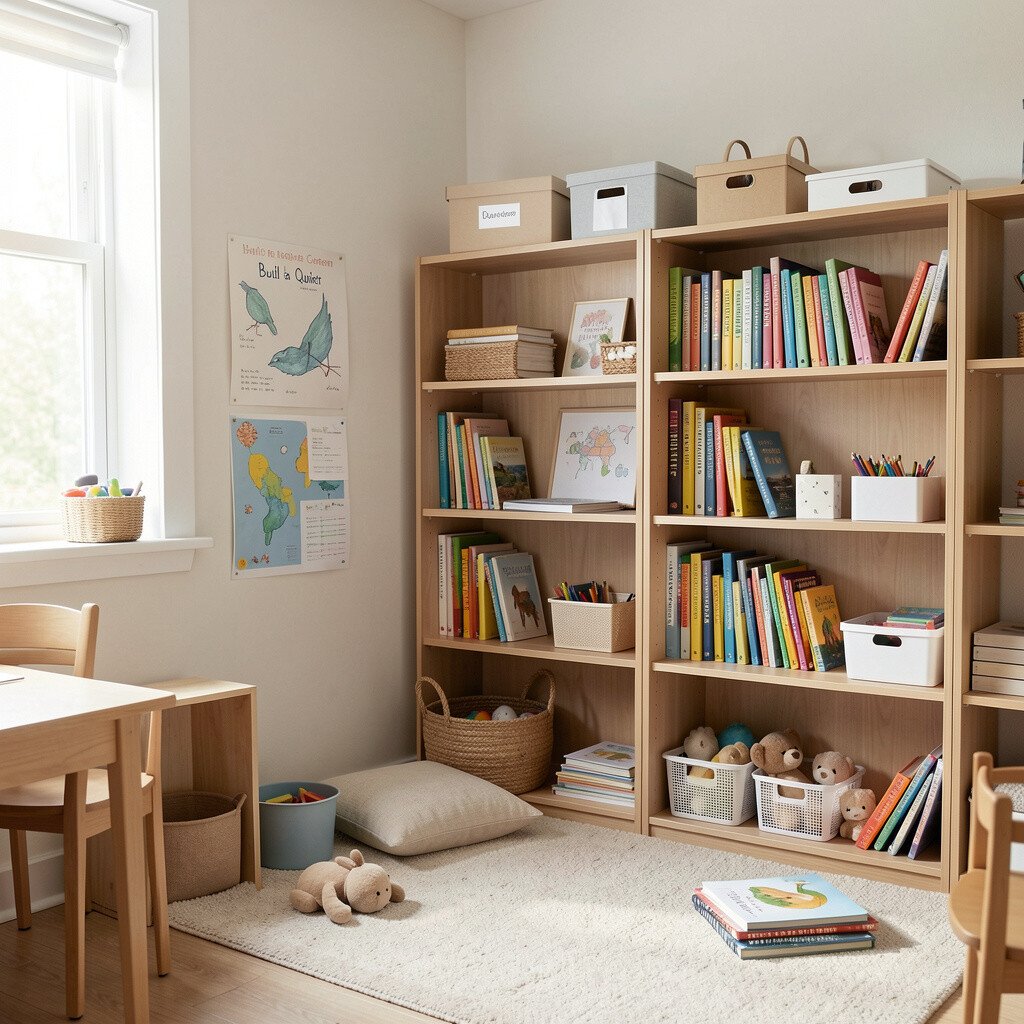
Calm spaces help learning happen at the right pace. You do not need fancy gear, just a clear spot and a few cozy items.
Use a chair with a blanket, a small pillow, and a “reset” card that shows breathing steps through pictures. Students can visit when they feel wiggly, then return ready to work. The visual cues reduce arguments because students understand the routine.
For budget, borrow soft items from closets, then rotate them to keep things fresh. Personalize the space with student-made signs and a tiny “choose your calm” set of cards. This supports a common classroom trend toward social-emotional learning without costly programs.
7. Try Themed Trash-Free Art for Vocabulary
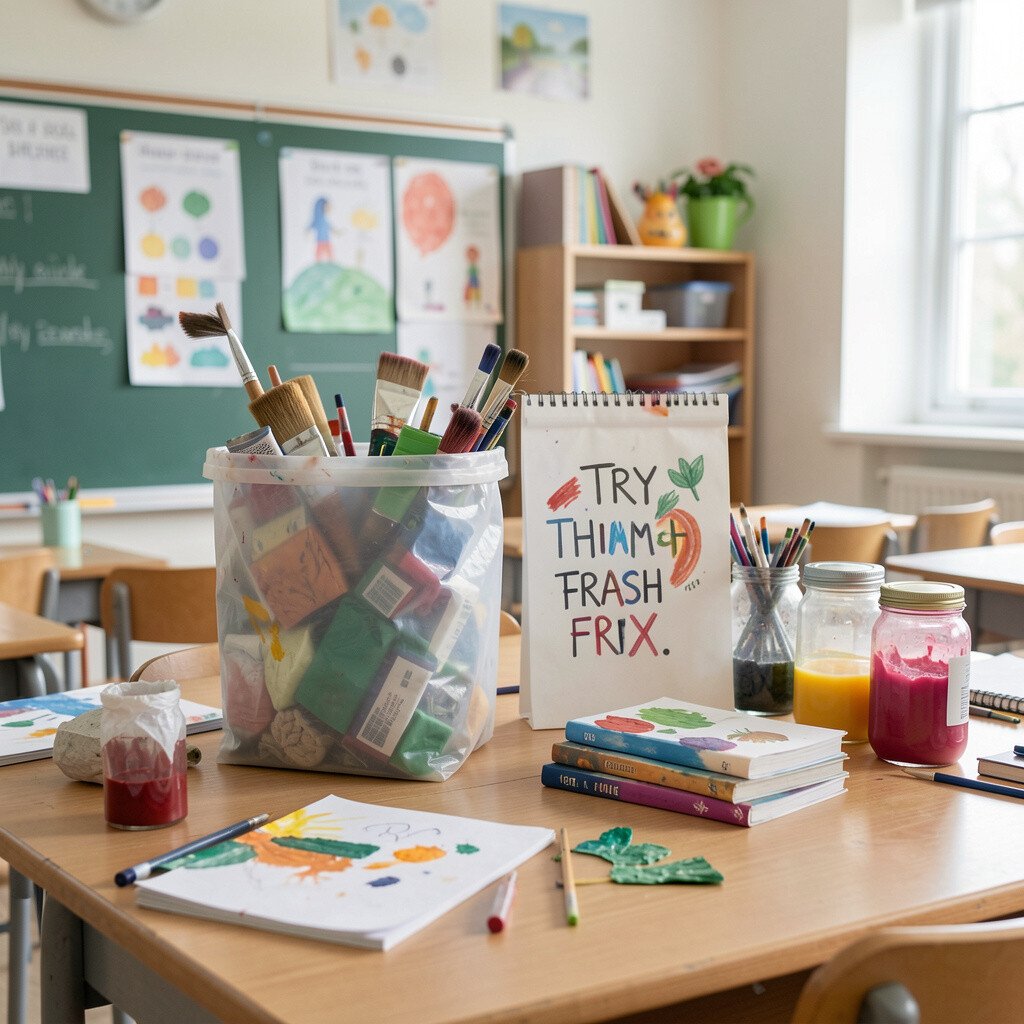
Art can lock in words while keeping materials simple. Use clean scraps like cardboard, old magazines, and colored paper strips.
Ask students to build a picture collage that shows a vocabulary word, then write a one-sentence meaning. Seeing images next to the word helps memory, especially for visual learners. Keep glue sticks and scissors available so students can start quickly.
8. Use Sticky Notes for Instant Feedback
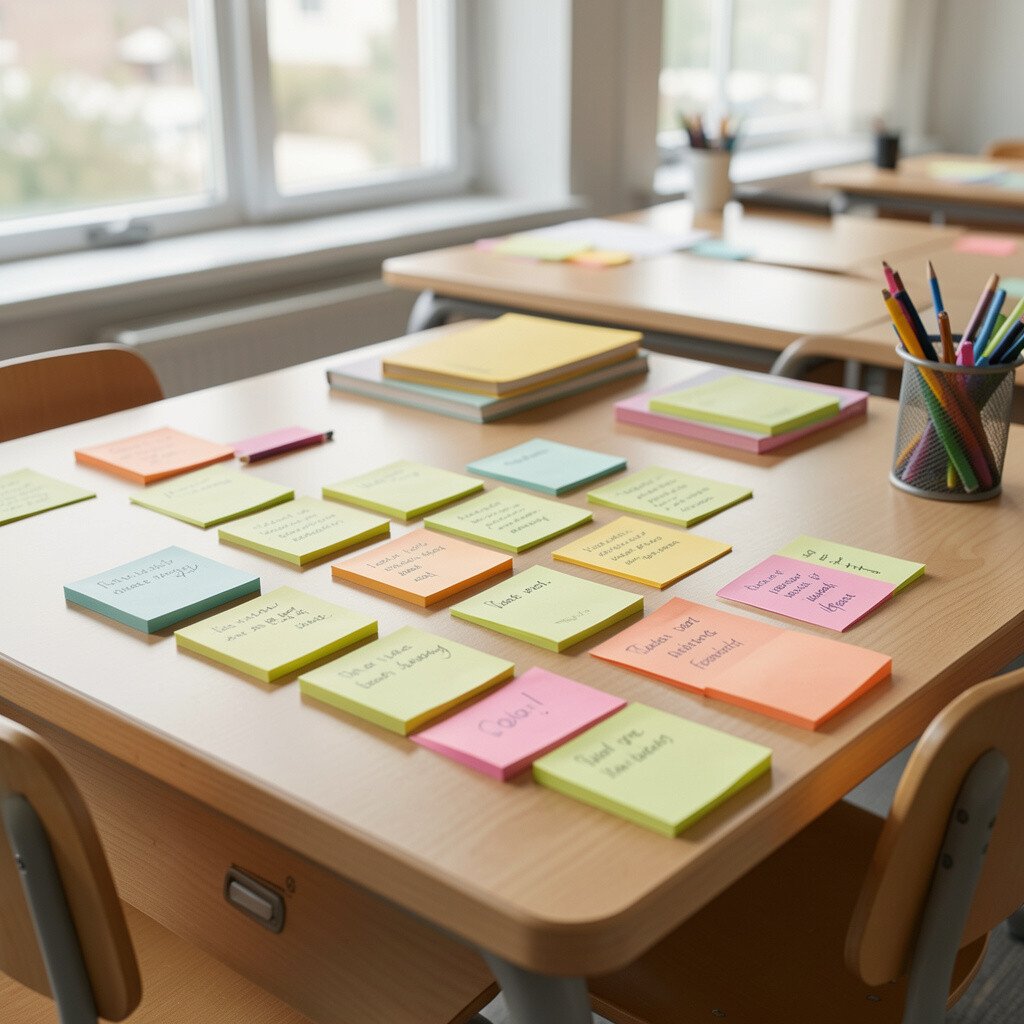
Sticky notes turn feedback into something students can hold. They also make it easy to correct misunderstandings right away.
Write one helpful note on a sticky sheet, like “Try using the picture to find the answer,” then place it on the student’s paper. You can also ask a follow-up question to spark thinking. The visual, bite-sized message feels encouraging and clear.
9. Run a “Question-of-the-Day” Chain
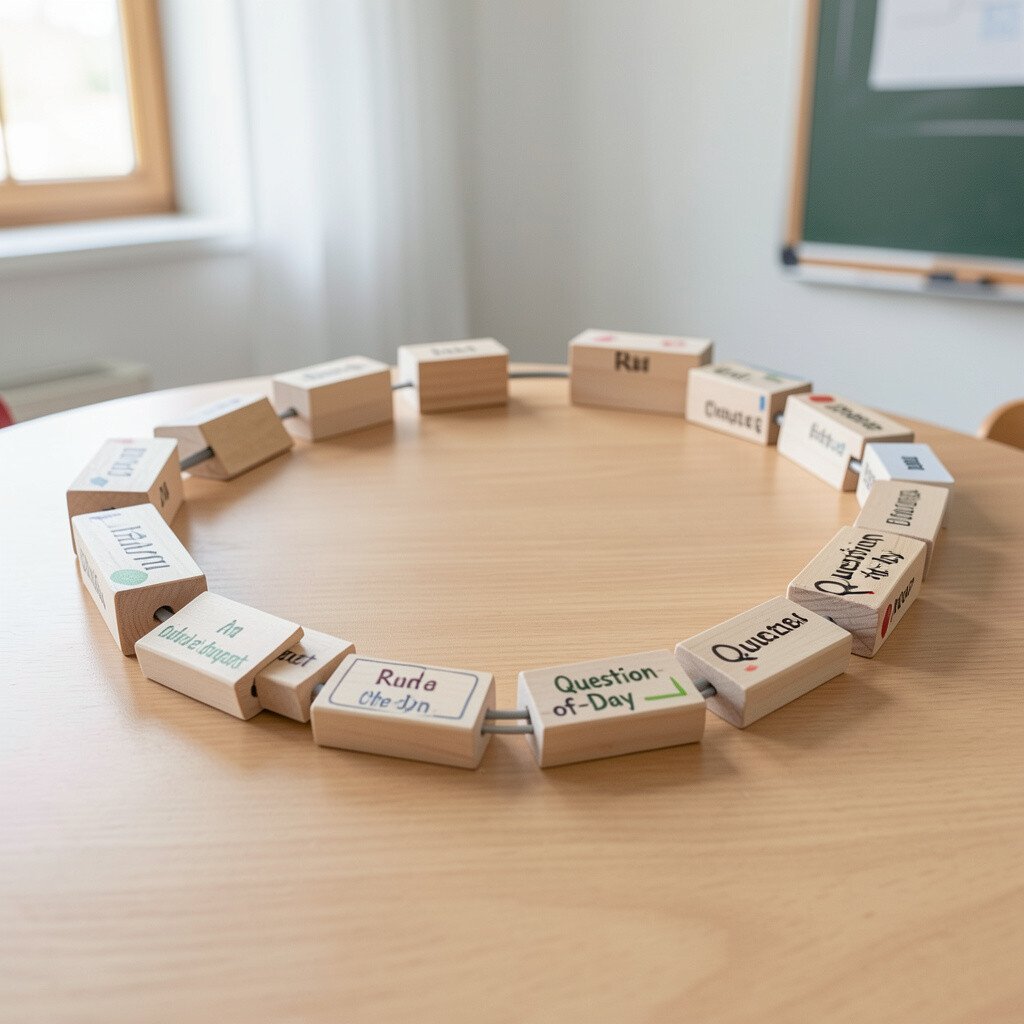
A single question can set a focused mood for the whole day. Keep it short, interesting, and connected to the topic students are learning.
Students write their answers on a strip of scrap paper, then tape the strip to a growing chain on the board. Over time, the chain becomes a visual timeline of ideas and strategies. This helps students see that thinking improves, not just scores.
Personalize by letting students choose from two question styles, like explaining a process or comparing two things. For cost, use scraps from paper baskets and masking tape. This matches current trends in formative assessment and student discussion, all while staying budget-friendly.
10. Make Simple Number Lines from Cardboard
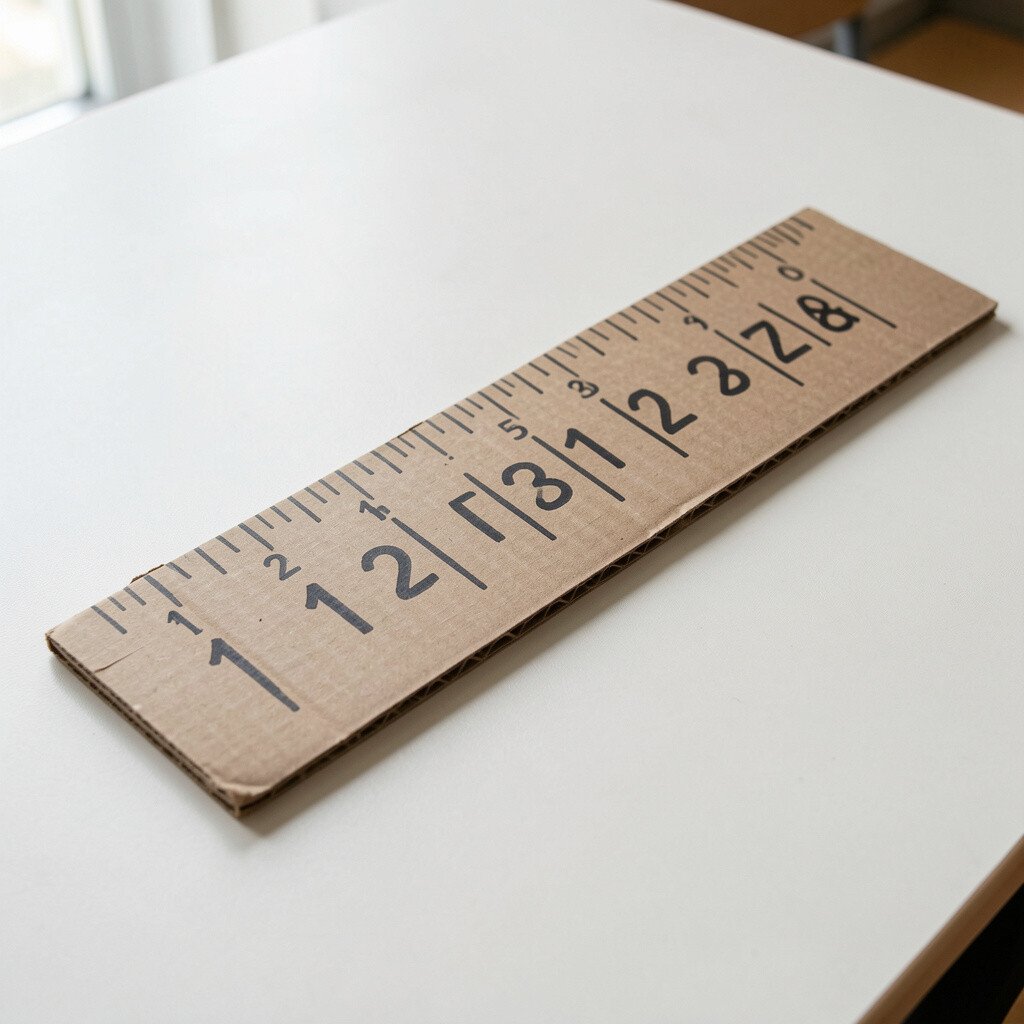
Number lines help students visualize sequences and operations. You can create them without buying new charts.
Cut a long strip from cardboard, mark intervals with a ruler, and let students write numbers with dry-erase markers. Use the same strip for practice with counting, skip counting, and problem steps. When students can point to the line, errors become easier to fix.
For personalization, add color zones for different ranges and let students pick the colors. If you want to save time, store the number lines rolled in a tube made from mailing packaging. This fits the modern move toward reusable classroom tools that reduce waste.
11. Create a Class Map That Grows
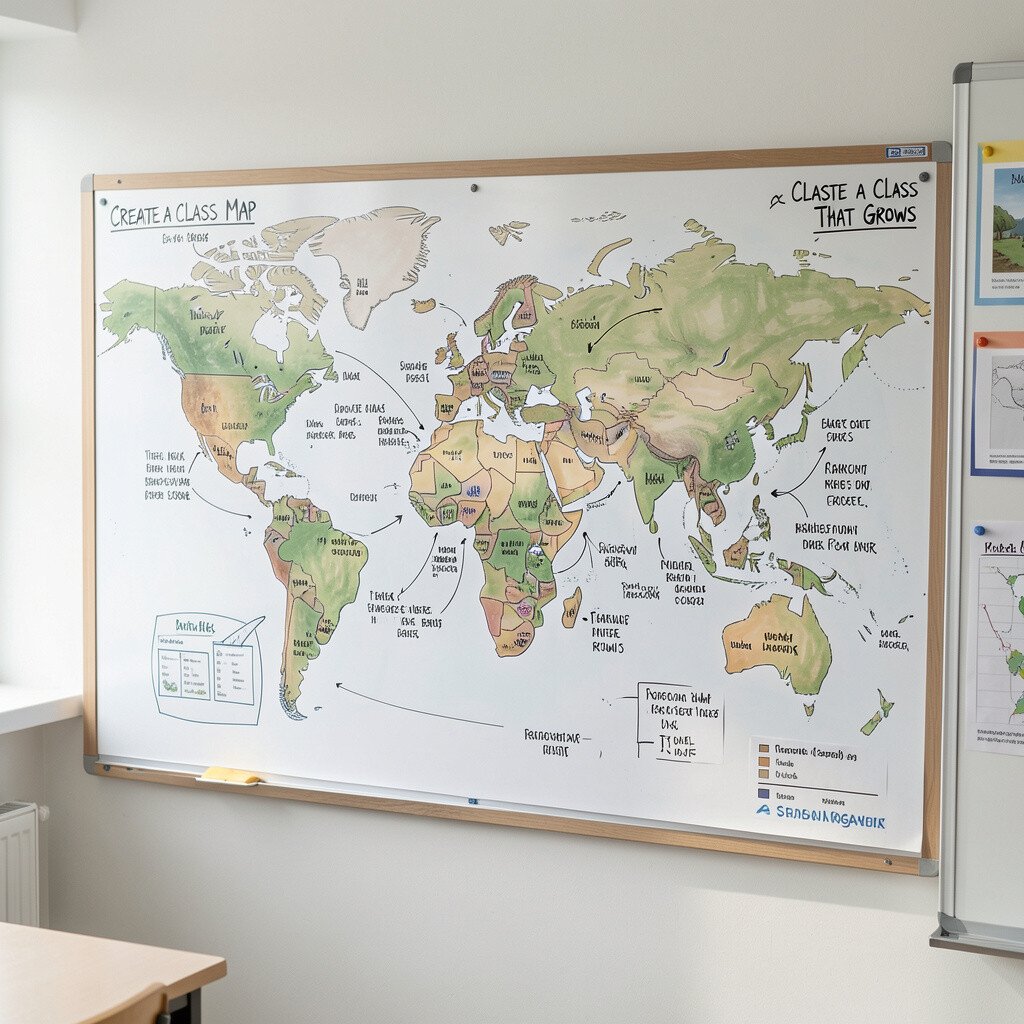
A map can be a learning center for geography, history, and language. It does not need to be expensive or detailed to work well.
Use butcher paper or taped-together sheets to draw a rough area, then add landmarks as the class studies. Students can bring in drawings of places from books or photos they already have at home. The room will look lively because the map keeps updating.
12. Do Mini Lessons with “Grab-and-Go” Cards
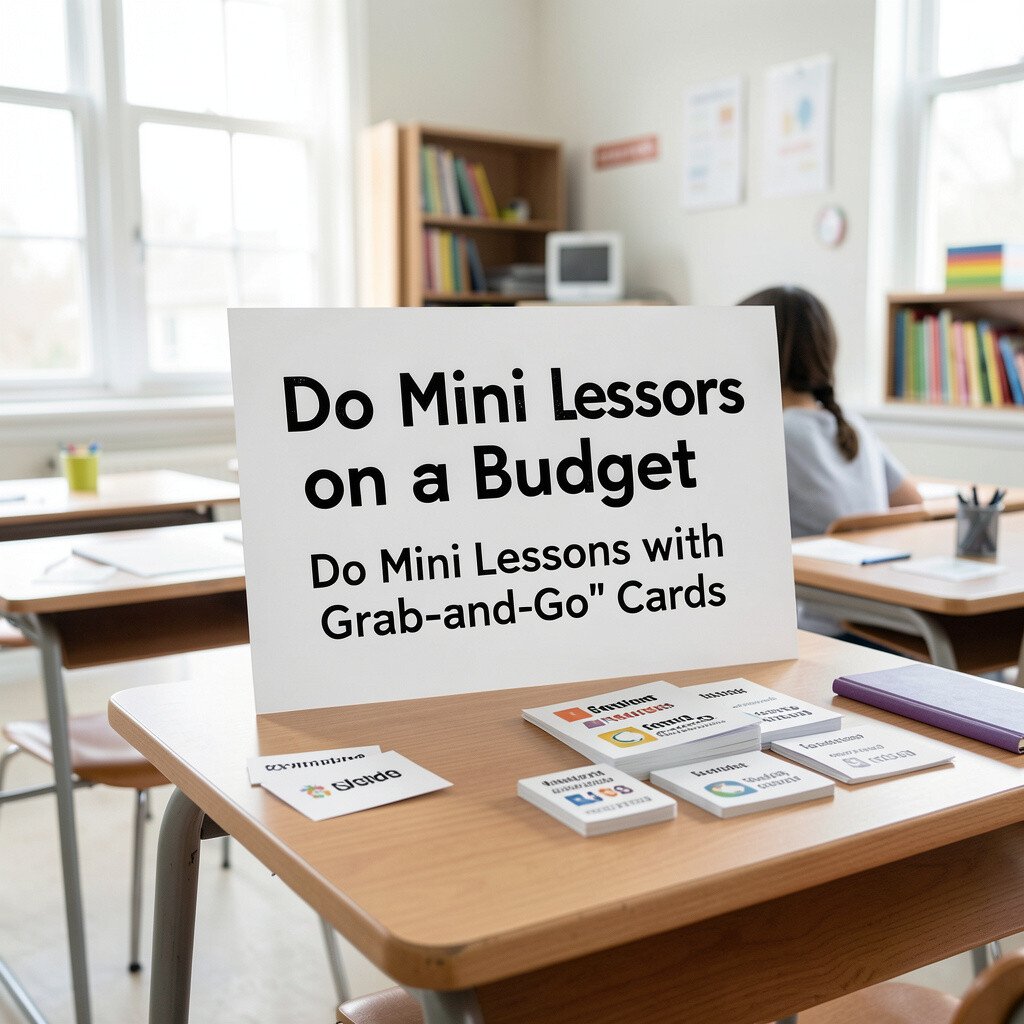
Short lessons feel manageable when materials are ready. Grab-and-go cards help students start the moment they sit down.
Write one skill or prompt per card, such as “Find the main idea” or “Count by fives.” Students take a card, complete the task, then trade it for a new one. You get smooth transitions and less wasted time.
Personalize by letting students choose a card difficulty level using color dots. For cost, make cards from cereal boxes or old folders, then store them in a shoe organizer. This reflects today’s push for quick practice and independent learning routines.
13. Use a Cup-and-Cap Sorting System for Science
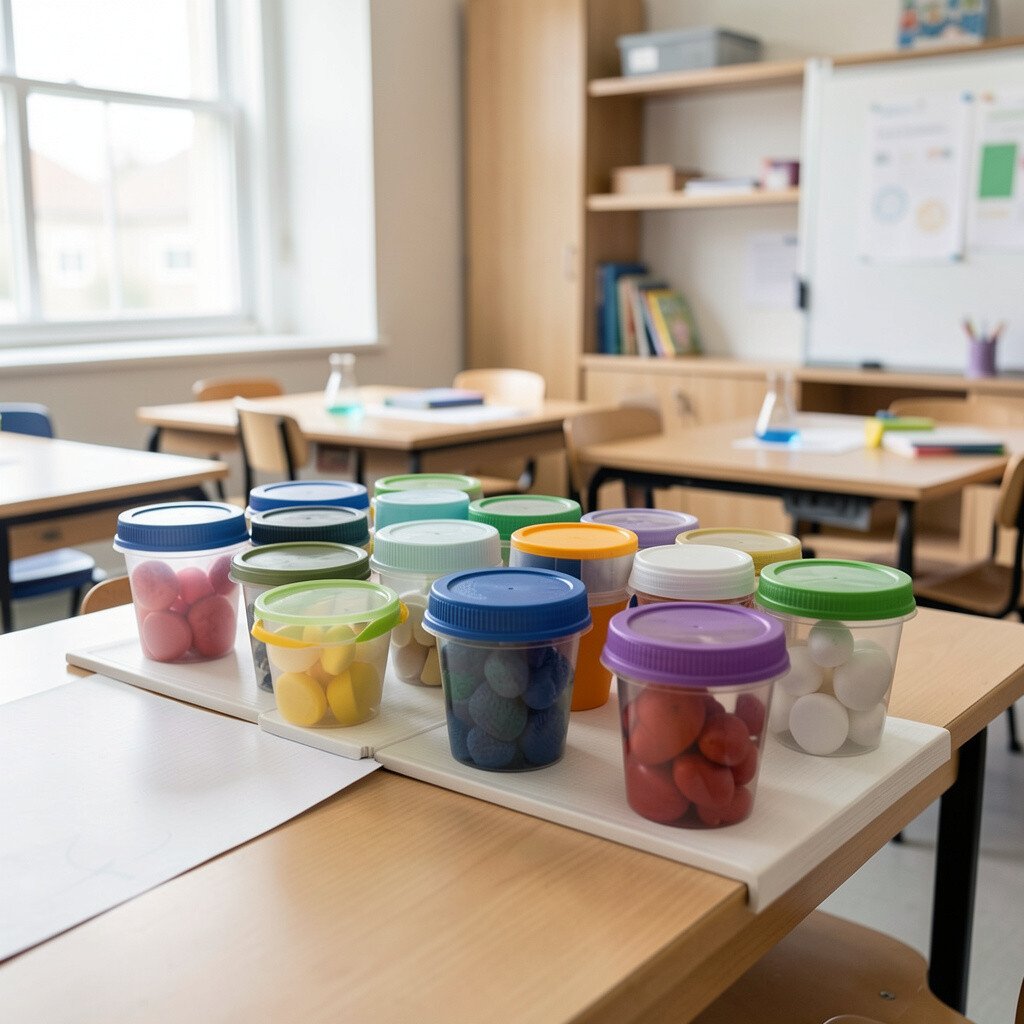
Sorting builds real science thinking, and it is fun to watch. You can set up simple categories using cups and reusable caps.
After a lesson, ask students to sort items by traits like texture, size, or purpose based on your prompts. The visual setup makes it easy to see patterns, and it encourages students to explain their choices. Keep a few small containers ready so sorting starts fast.
14. Turn Writing into a Choice Board with Scrap Paper
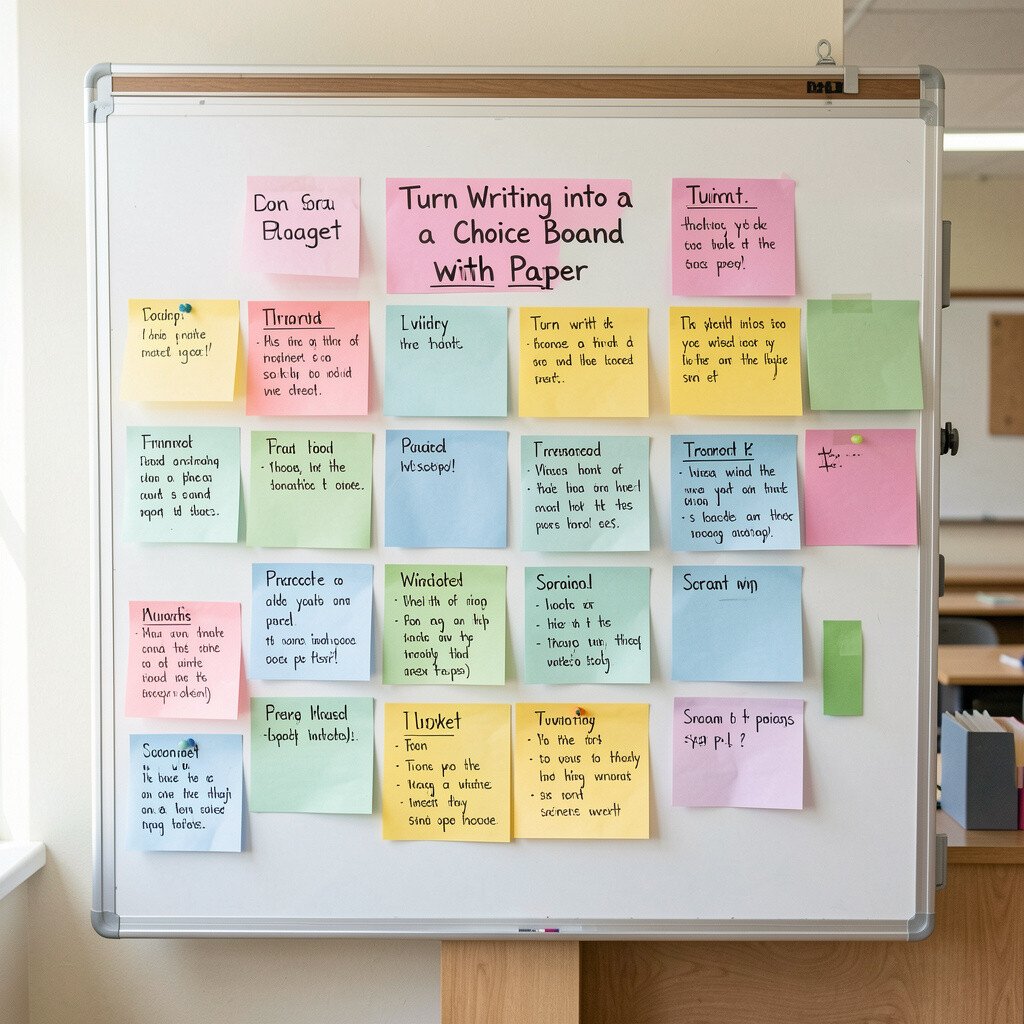
Choice helps students feel ownership, and ownership boosts effort. A simple writing choice board can do that without buying anything new.
Cut scrap paper into writing squares and attach them to a board with string or tape. Offer prompts connected to the current unit, but let students pick the one that excites them most. Students work longer because they choose a path that fits their interest.
Personalize by letting students design the square that matches their favorite type of writing, like dialogue, letters, or short stories. For cost, use old cardboard and marker scraps, and reuse materials each week. This aligns with a current trend toward flexible learning pathways and student voice.
15. Build Listening Skills with Sound Stations

Sound games sharpen focus and attention without needing screens. You can create sound stations using everyday noise sources.
In small groups, students listen to a sound, then describe what they noticed and predict what it might be. Examples can include tapping pencils, shaking rice in a cup, or snapping paper. The room becomes active in a good way because everyone has a clear job.
16. Use Hand Motions for Spelling and Language
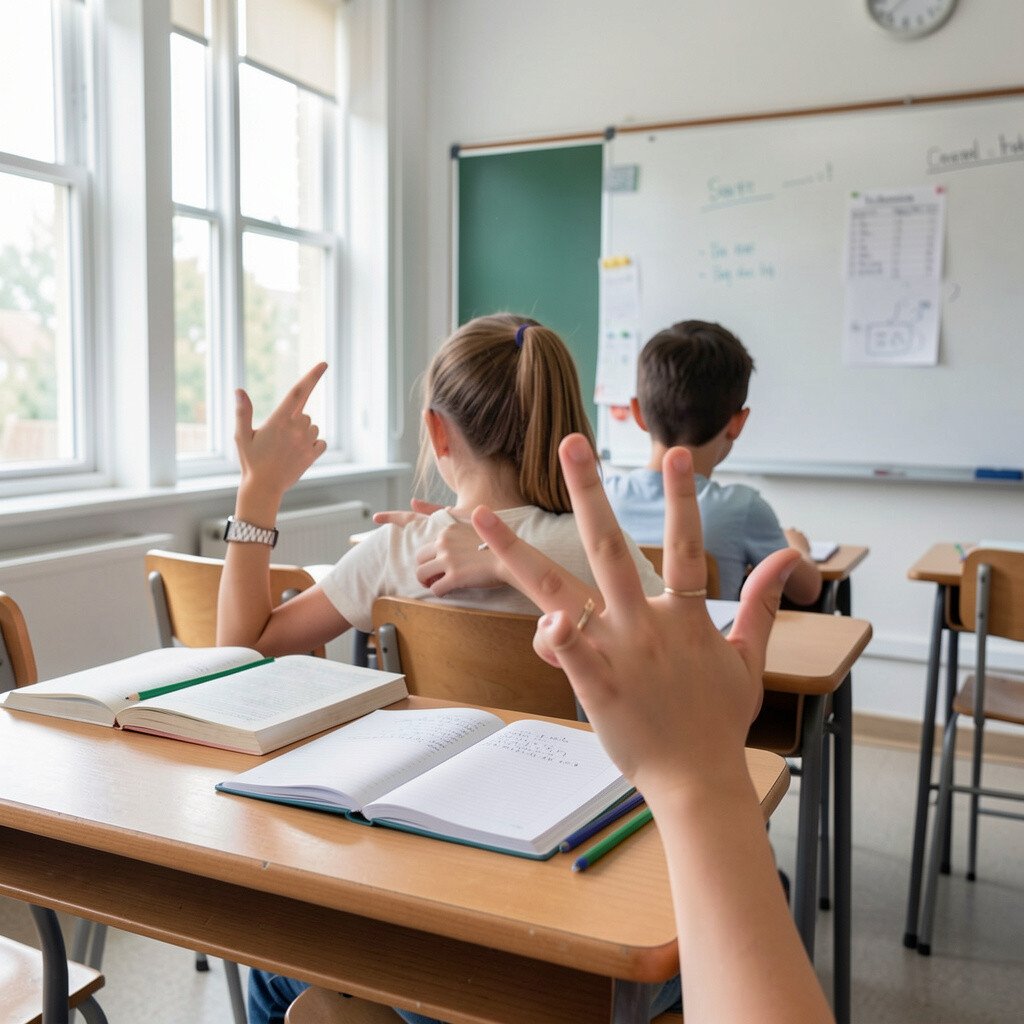
Movement helps memory, especially when students are learning new patterns. Simple hand motions can connect sound and spelling.
For each weekly spelling pattern, create a quick gesture that students perform while saying the letters or phonics sound. Then they practice writing with the same rhythm. The visual and physical cue helps students stay confident because they have a “memory hook.”
Personalize by letting students invent motions as long as they match the sound and are consistent. For cost, use your body as the tool and keep a chart of gestures on the board. This matches the current interest in multisensory learning strategies that are both practical and low-cost.
17. Make Timeline Strips from Reused Paper
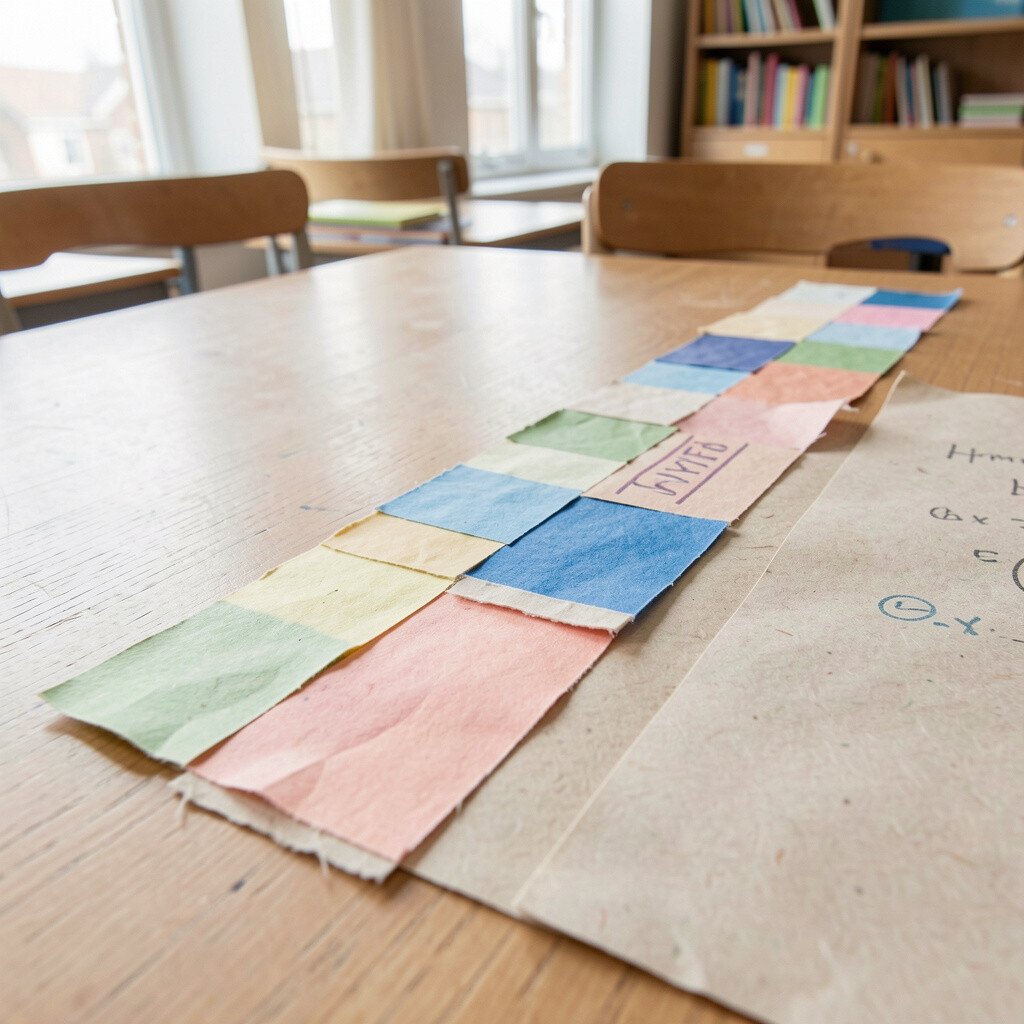
Timelines help students see order and cause over time. A strip timeline can fit on desks and reduce messy pages.
Create a long strip from reused paper and mark key dates or events with spacing. Students add cards or drawings along the strip as you cover the unit. You get a clear visual flow that makes it easier to answer “what happened next” questions.
18. Run “Gallery Walks” Using Student Work Clips
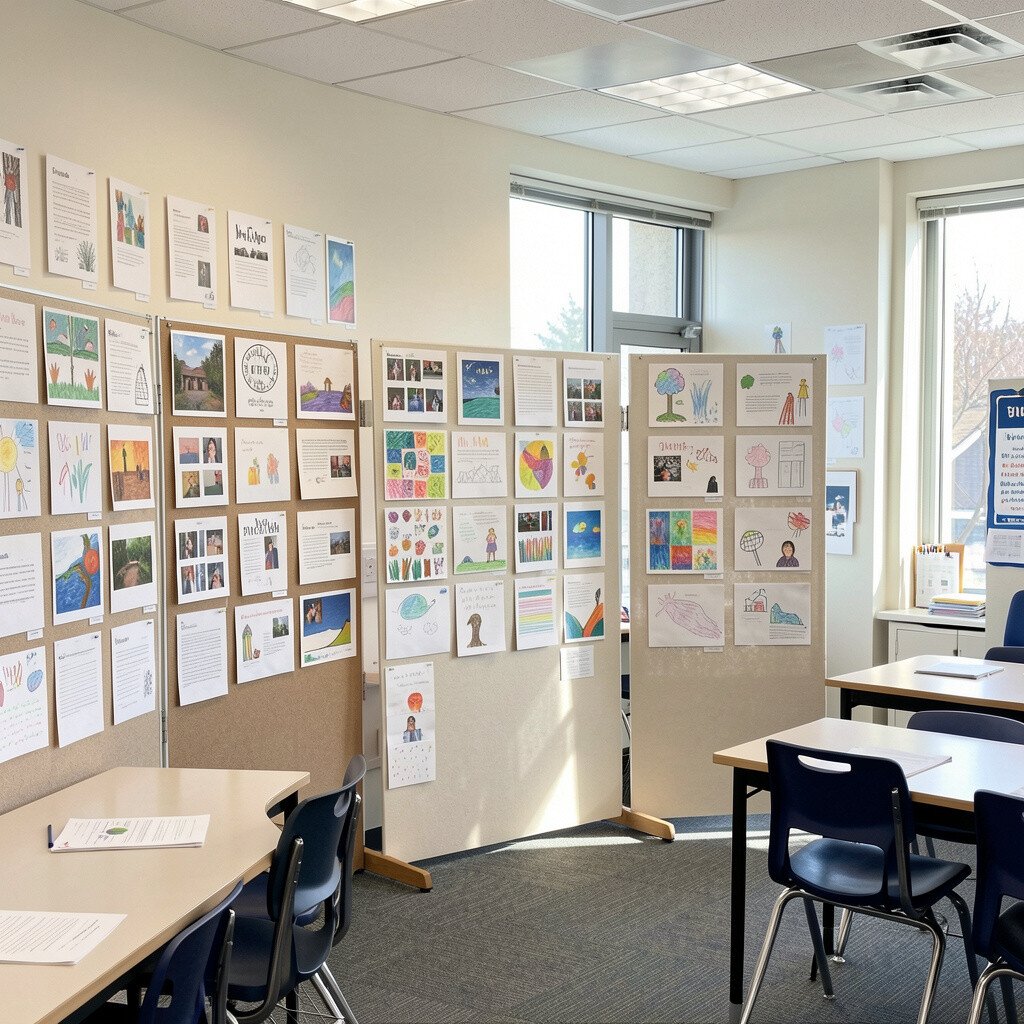
Seeing classmates’ work changes how students understand quality. A gallery walk can happen on a budget with clothespins and string.
Hang a line across the room, then clip student papers or drawings in place. Students walk, look closely, and leave kind notes on sticky paper or scrap slips. The visual buzz makes the activity feel special, and it encourages careful effort.
Personalize by letting students choose which work they want to comment on and what kind of feedback to write. For cost, use twine, binder clips, and recycled paper notes. This fits a popular classroom trend of peer feedback and community learning.
19. Personalize Learning with Goals Written on Index Cards
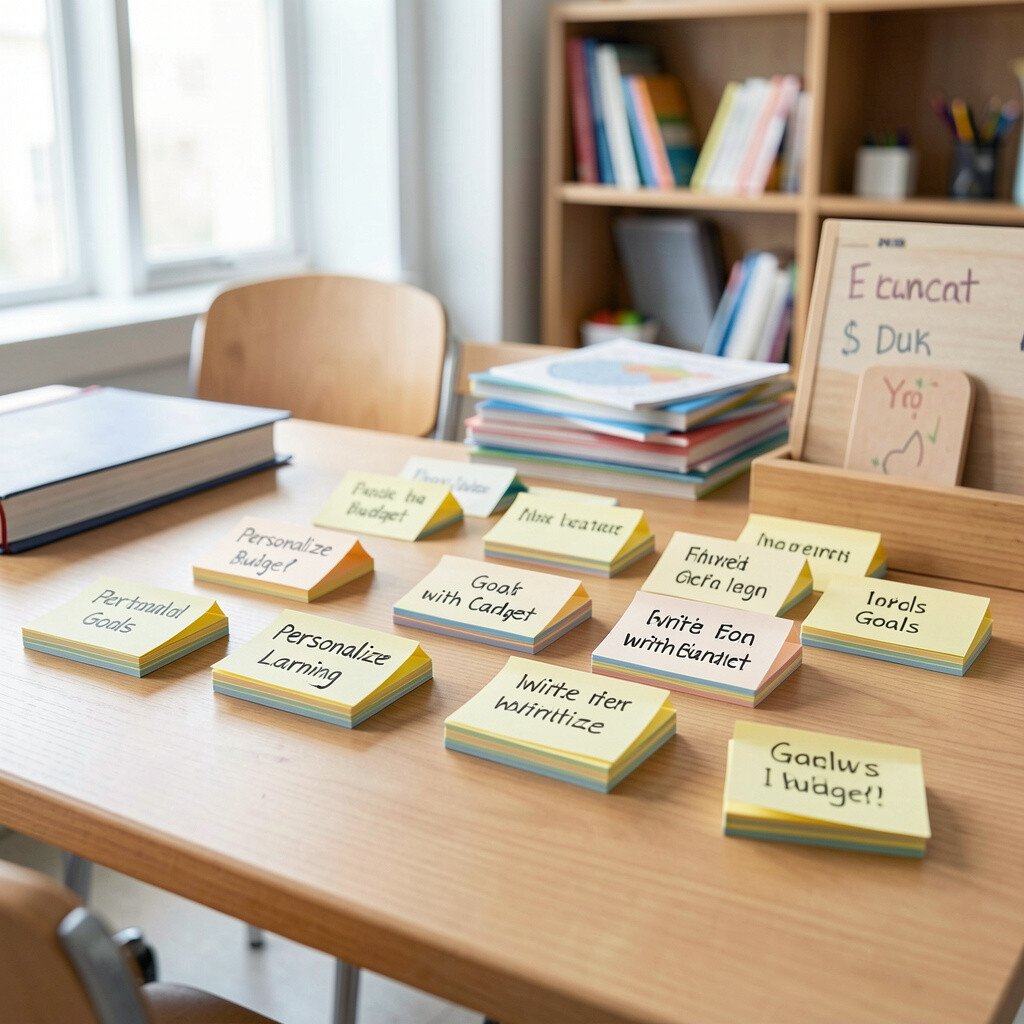
When students set their own goals, work feels more meaningful. Index cards make goal setting simple and easy to review.
Have each student write one small learning goal in kid-friendly words and keep the card in a desk slot. Each day or lesson, they check one strategy that helps them meet that goal. The routine builds confidence because students can track progress in a clear, visible way.
For personalization, let students choose goals linked to their strengths, like reading aloud, math practice, or writing neatly. Keep it affordable by using scraps cut into cards and letting students decorate with drawings they like. This supports a current push for student-centered motivation and goal-based growth.