Small rooms can feel heavy before you touch a thing. With a few smart changes, you can make your home feel lighter fast.
When you plan ahead, every decision looks better in the space you already have. Keep it simple, practical, and personal, and you’ll see results you can live with every day.
1. Clear the First Impression Zone
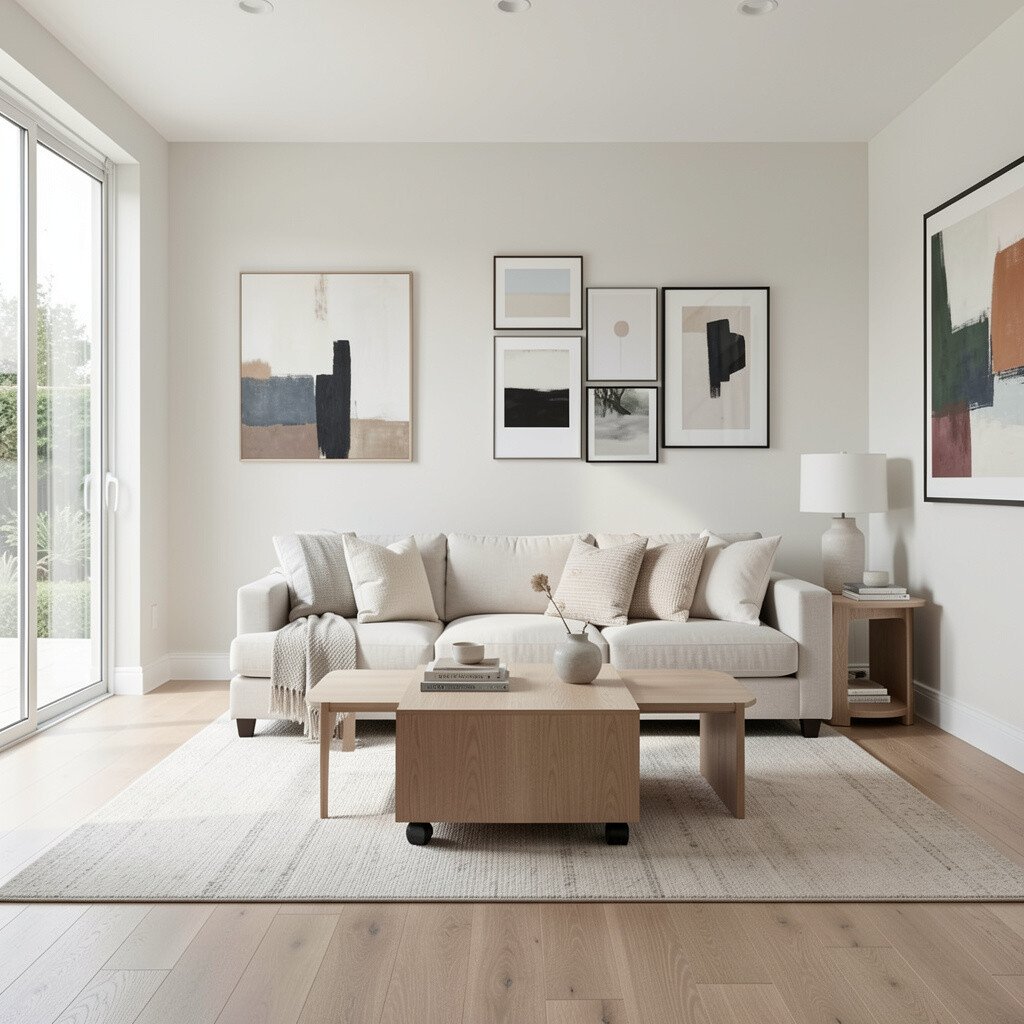
Start with the entry spot you pass every day, even if it’s just a narrow hallway or a corner by the door. A tidy, open path instantly makes the room look bigger and calmer.
Pick one surface to clear completely and keep only items you truly use. Step back and notice how the light moves across the floor, because an uncluttered walkway reflects more brightness. If you use hooks or a small basket, keep them neat so your space feels intentional.
2. Swap Bulbs for Warm, Cozy Light
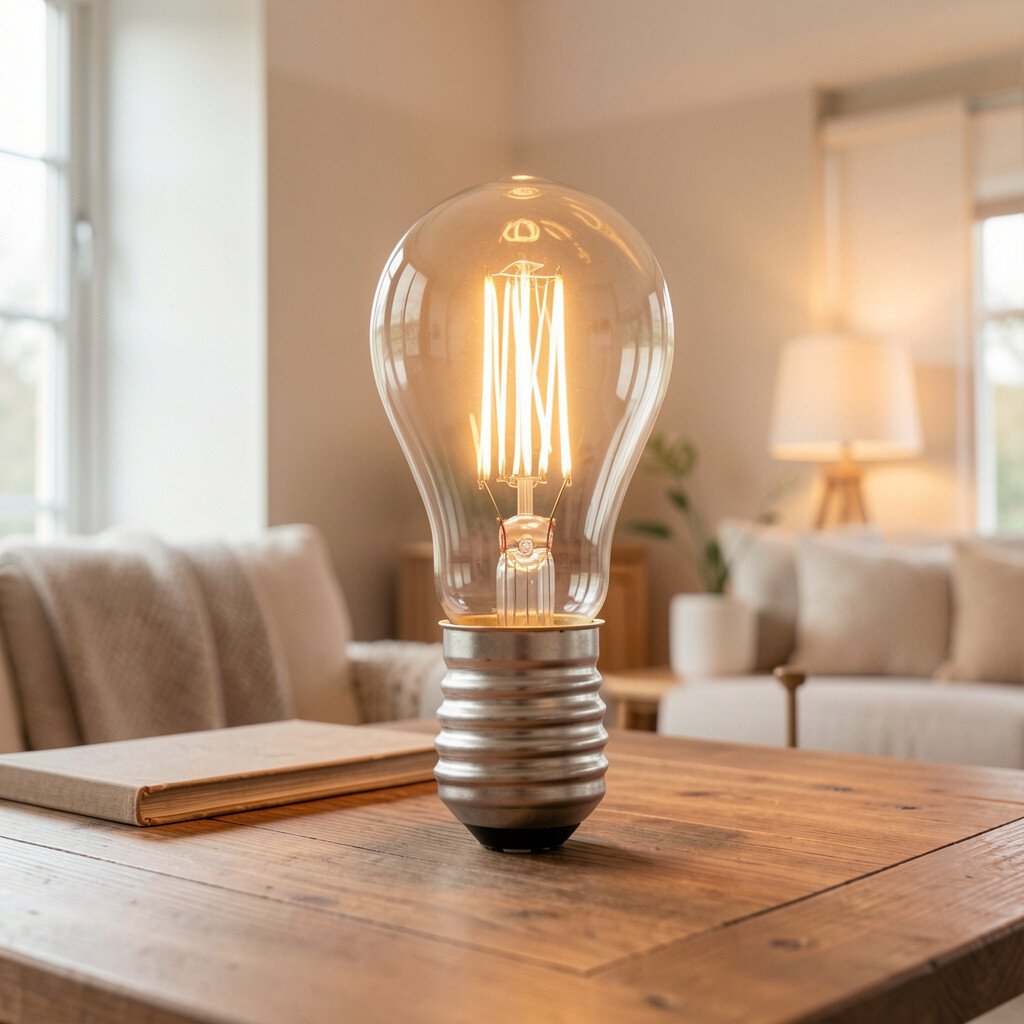
Lighting can make the same wall look fresh without buying new furniture. Try warmer tones so evenings feel soft instead of harsh.
Use dimmable bulbs if you can, because low light helps busy rooms feel relaxed. Place a small lamp where you naturally look when you sit, like near a chair or reading spot, so your eyes stay comfortable.
Choose bulbs that match the mood you want in each area, like cozy warm light for living spaces and brighter light for work corners. This simple switch is usually budget-friendly, and it’s a current favorite in many modern homes.
3. Measure the Space Like a Pro Before Buying
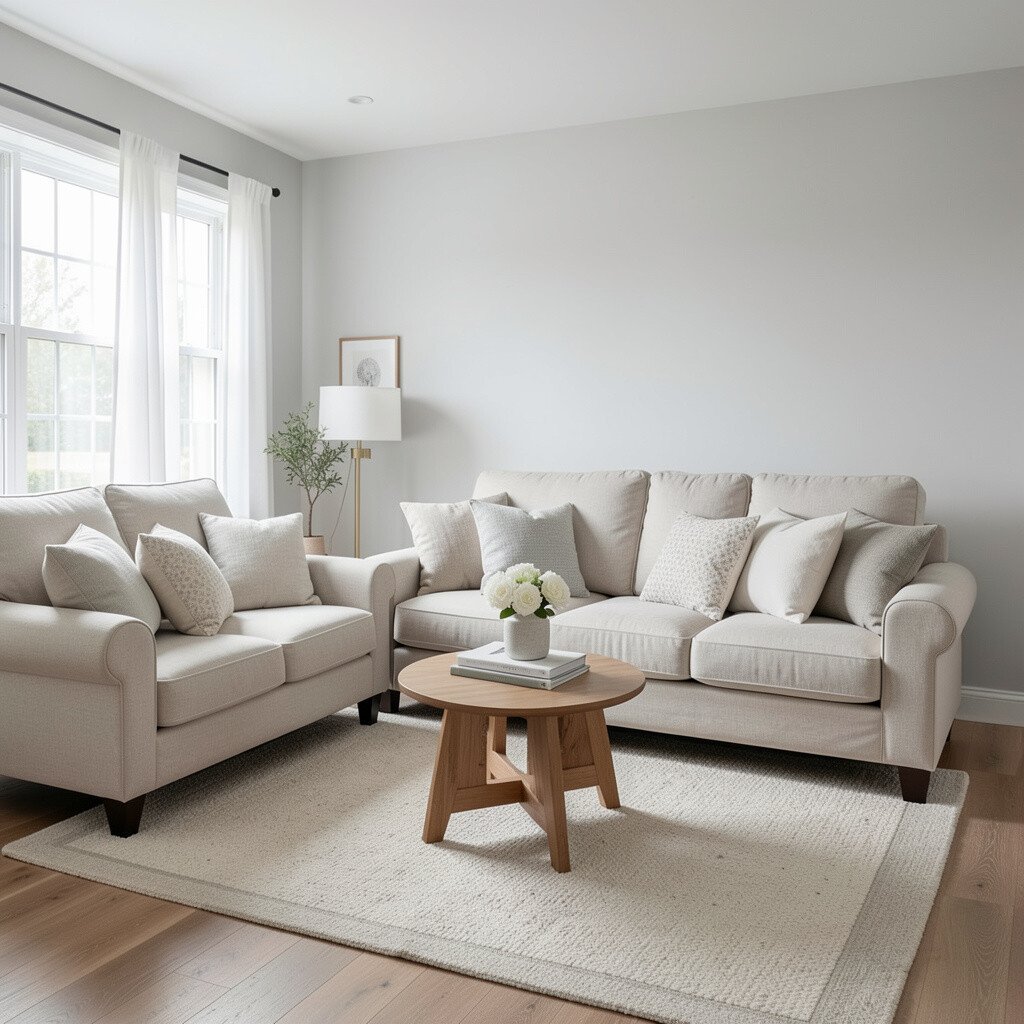
Before you order anything, measure the room at two moments: when furniture is fully in place and when you imagine moving it. Even a quick sketch can show you where walking space matters most.
Check door swings, window openings, and where curtains will fall, since these details change what looks good. When you plan for real movement, you avoid the “it fits online but not in my home” problem.
Bring one measurement mindset to everything, from shelves to rugs. You’ll spend smarter, because you’ll only buy pieces that truly match your layout and budget.
4. Use a Rug That Defines the Activity
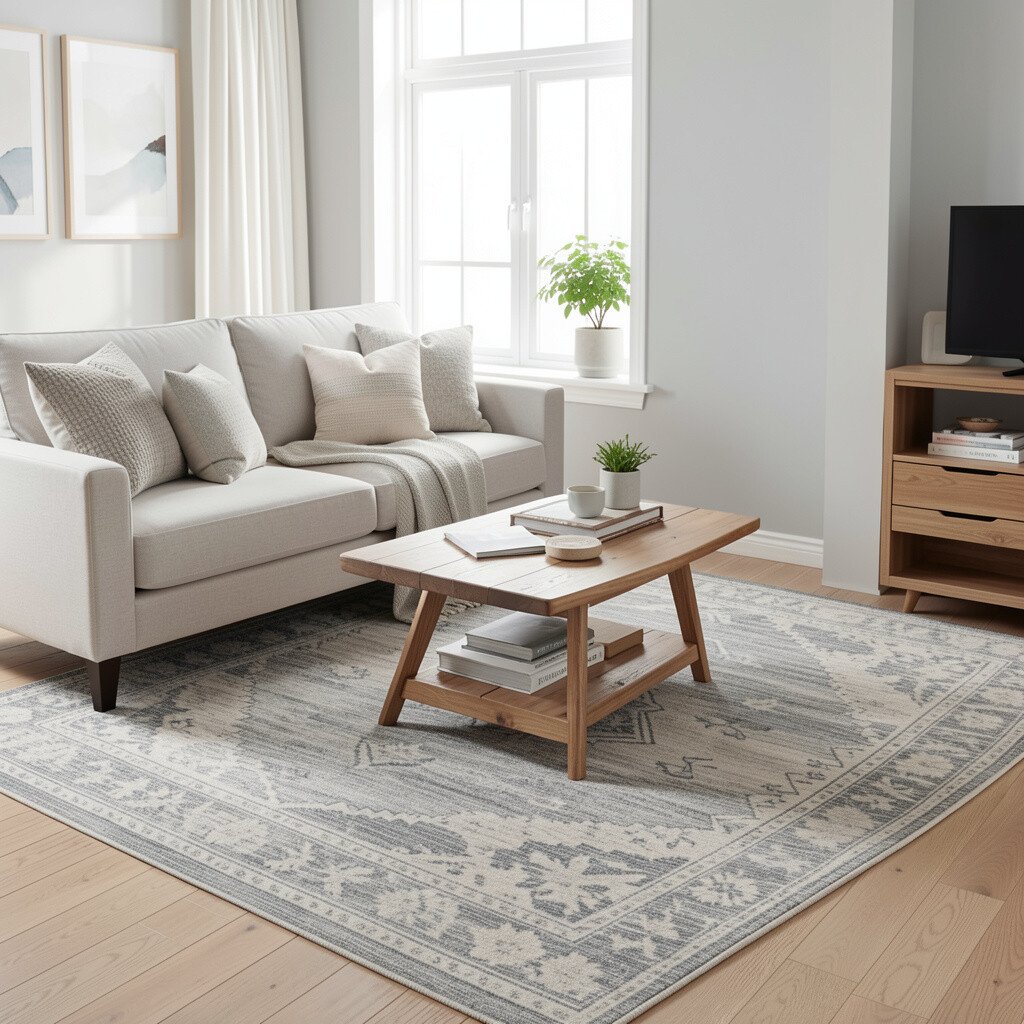
A rug can pull a small room together like a team, especially in living rooms that do double duty. When the rug matches the main activity area, your home feels organized without extra storage.
Choose a size that allows front furniture legs to rest on the rug, even if only lightly. Stick to colors and patterns that hide dust and everyday scuffs, and you’ll enjoy it longer with less stress.
5. Add Vertical Storage to Free Up Floors
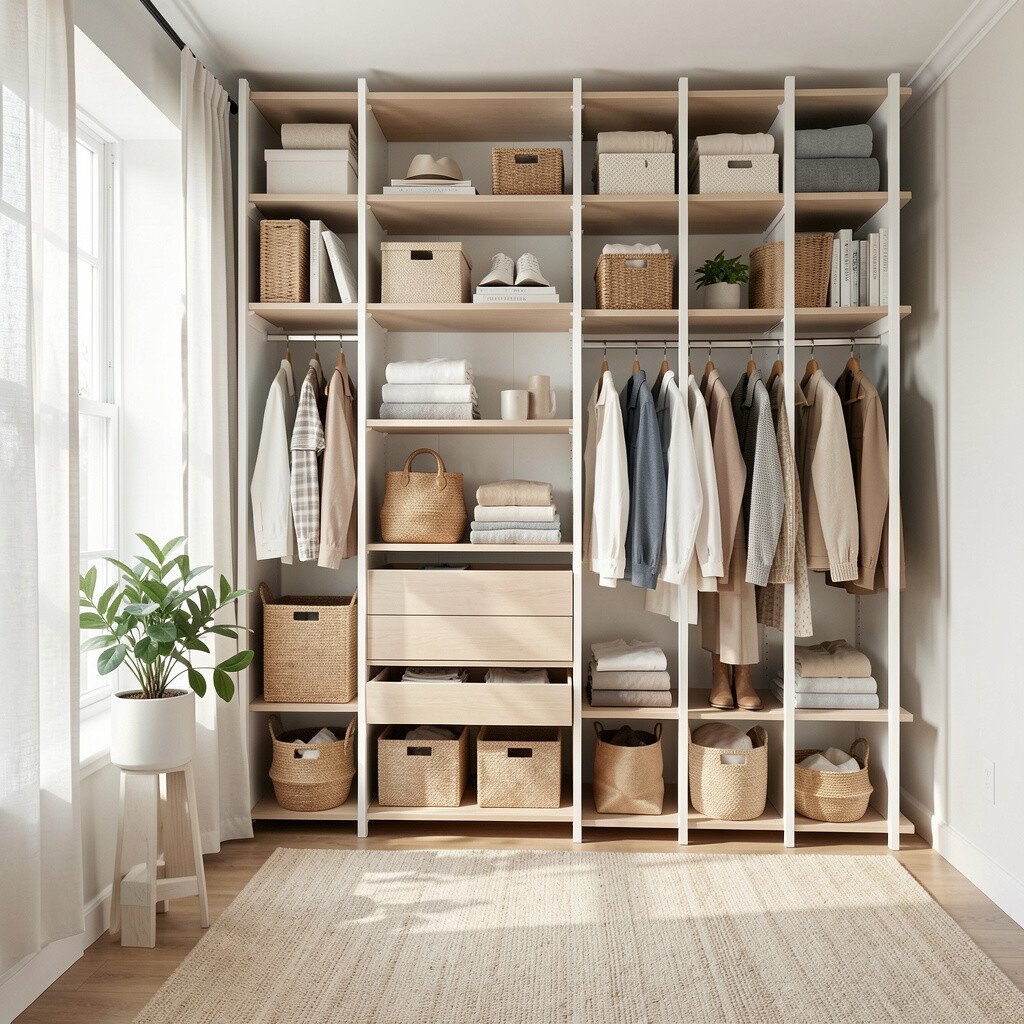
When floor space is tight, look upward for solutions that feel light and useful. Tall shelves, slim bookcases, and stacked storage help your room stay open.
Keep baskets aligned so the space looks tidy at a glance. Use the top shelves for things you use less often, like seasonal decor or extra blankets, and reserve lower shelves for daily items.
Go for mix-and-match styles like wood plus metal, since that contrast looks modern and stylish. This approach often costs less than replacing furniture, and it gives your room a custom feel.
6. Rearrange One Wall for a Fresh Flow
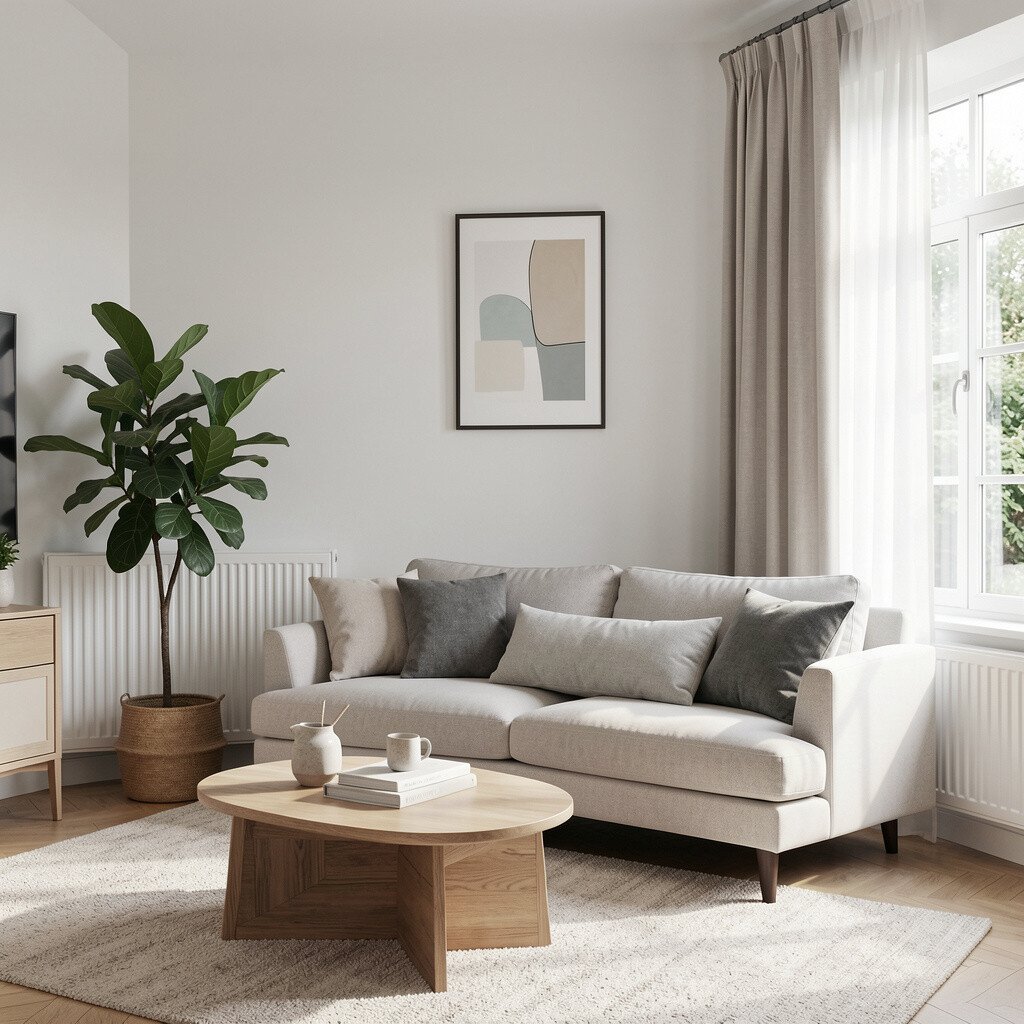
Try moving your main seating or bed orientation so the room breathes. Even small shifts can change how spacious it feels.
Look for the “path” through the room and keep it clear so you can move easily. If you can, place your largest piece against a wall with the least distractions, like away from a cluttered corner.
7. Hang Curtains Higher for Taller Walls
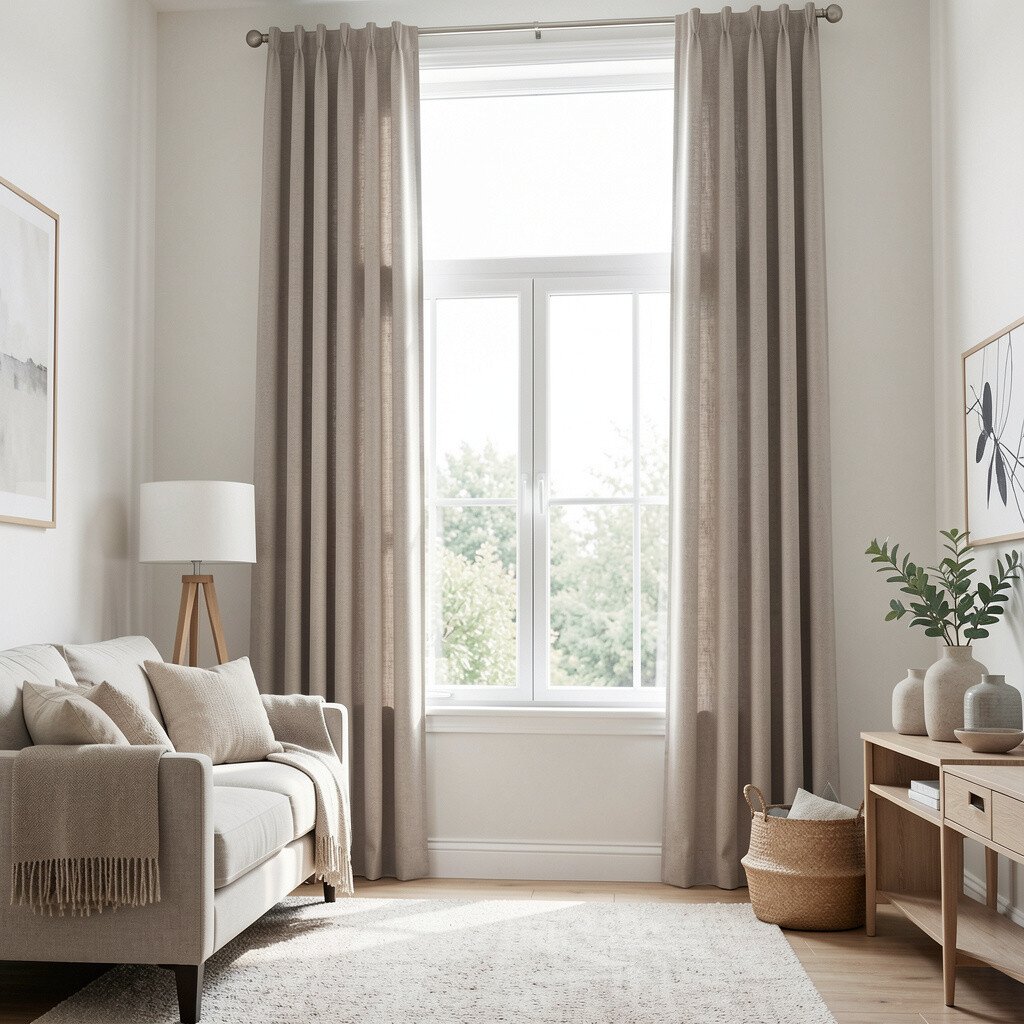
Curtains can make a room feel taller in a way paint can’t. When they hang higher than the window, the ceiling seems bigger right away.
Choose panels that touch or nearly touch the floor so the look feels smooth and finished. Add a curtain rod that extends a bit wider than the window so light can spill across the space.
This upgrade stays popular because it’s easy to do and it boosts style without major cost. Keep the fabric in a color that blends with your walls or adds gentle contrast.
8. Create a Small “Drop Zone” for Daily Items
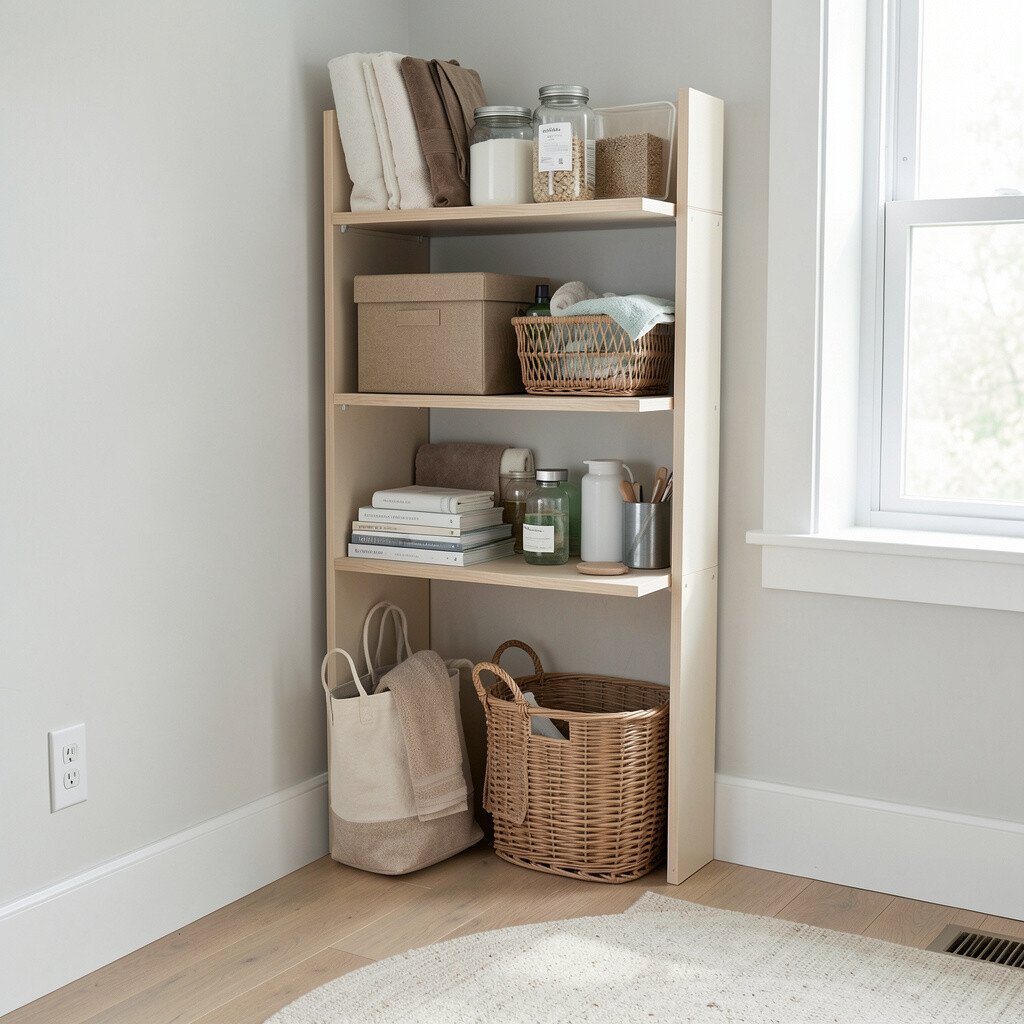
If keys, mail, and random stuff end up everywhere, a drop zone helps the room stay calm. A dedicated spot keeps daily life from turning into clutter.
Use a tray for small items and a small basket for anything that needs sorting later. Place it near where you enter so you can park items without thinking.
9. Turn One Corner Into a Tiny Reading Nook
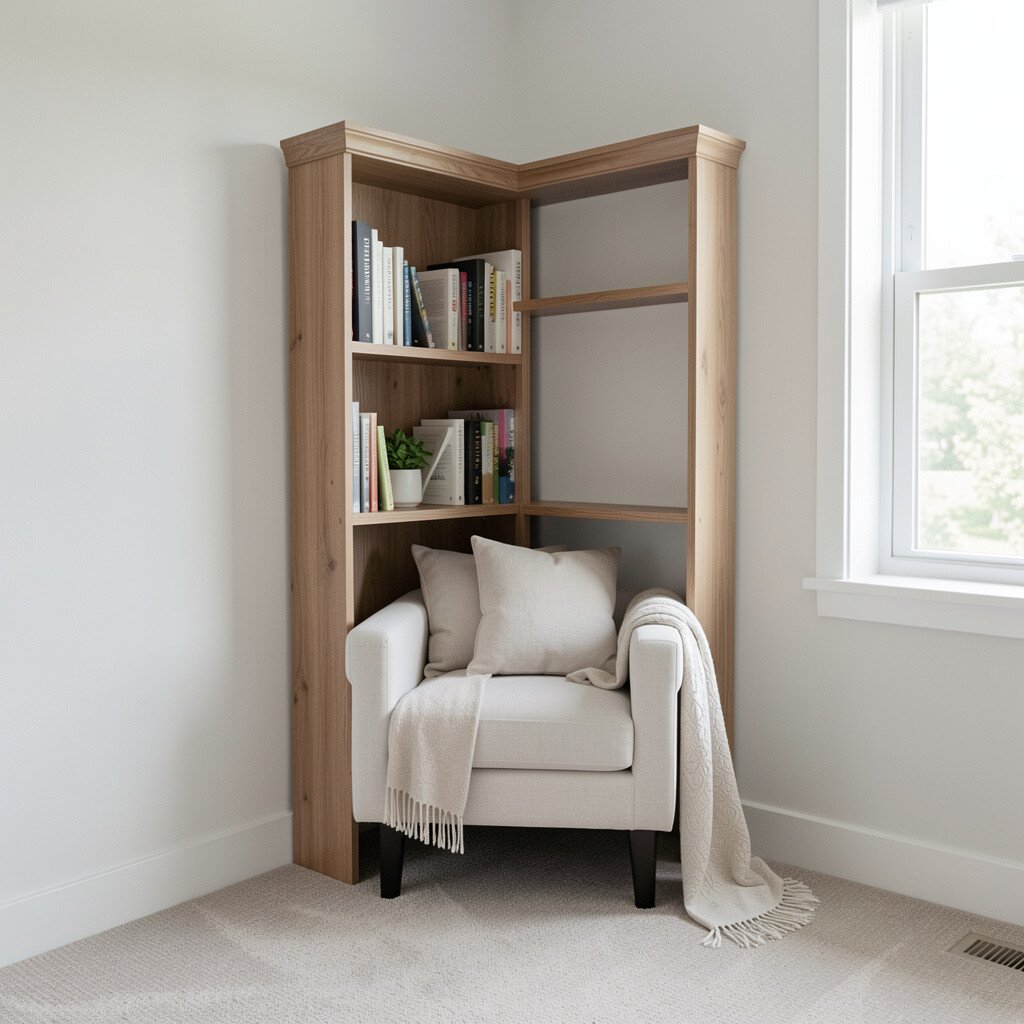
A small corner can become a cozy retreat with the right comfort details. Think about soft light, a comfortable seat, and a surface for your book.
Use a compact chair, floor cushion, or even a window seat pad if you have the space. Add a side table that holds a lamp and water so you’re set up for longer reading sessions.
Personalize it with a textured throw and a small shelf for your current favorites. This kind of nook feels unique because it mirrors your habits, and you can build it gradually based on your budget.
10. Refresh Paint Accents Instead of Whole Rooms
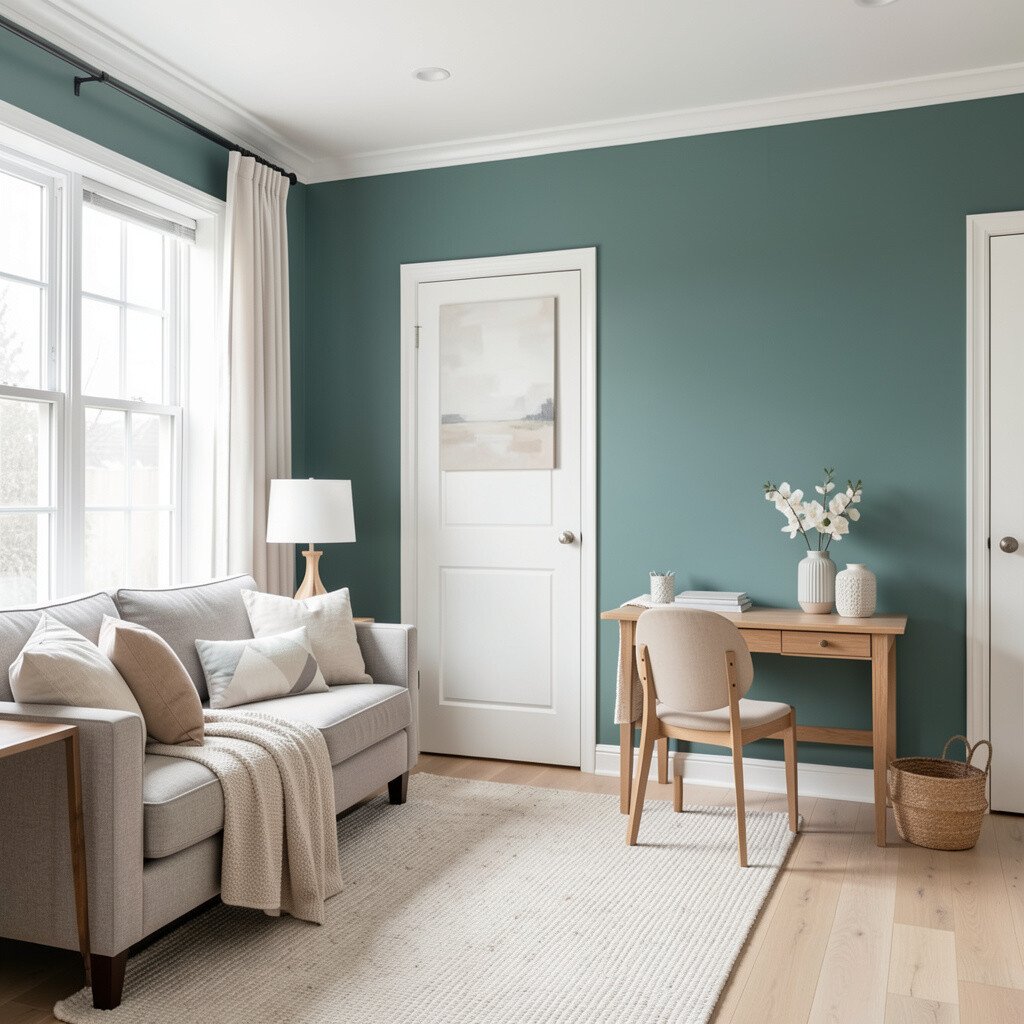
Paint doesn’t have to be a big project to change your mood. If you’re nervous about commitment, use an accent wall or small areas around built-ins.
Try one calming color near where you relax, like a soft green or muted blue. Small accent updates are trending because they add character while keeping the rest of the room easy to match.
If you rent or want flexibility, consider removable wallpaper for panels or behind shelving. Either way, plan for how the new shade will look with your current lighting.
11. Add Mirrors to Bounce Light Across the Room
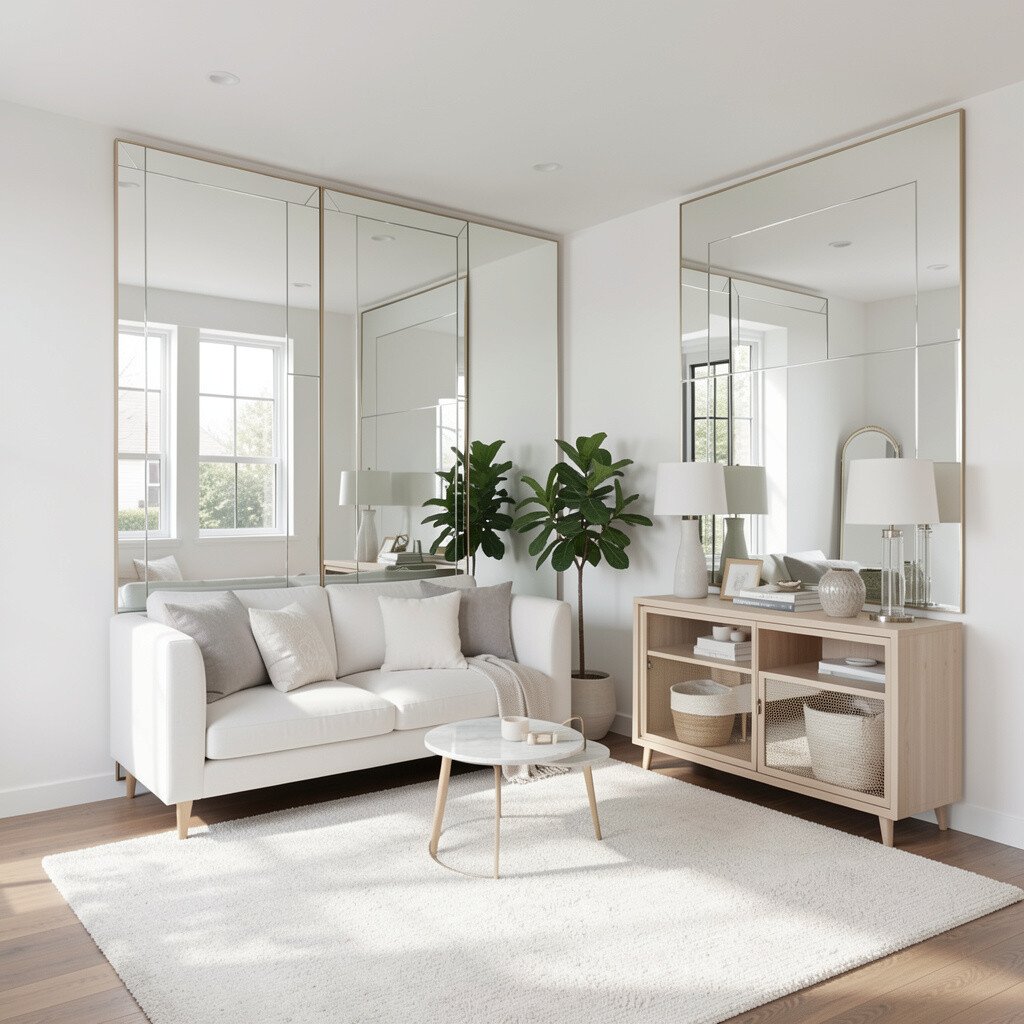
Mirrors are like friendly helpers for small spaces, because they reflect light and add depth. Place one where it catches the brightest part of the room.
Choose a frame style that fits your look, like slim black for modern vibes or warm wood for a softer feel. A large mirror can make a narrow area feel wider without adding bulky furniture.
12. Choose One Color Theme for Everything Else
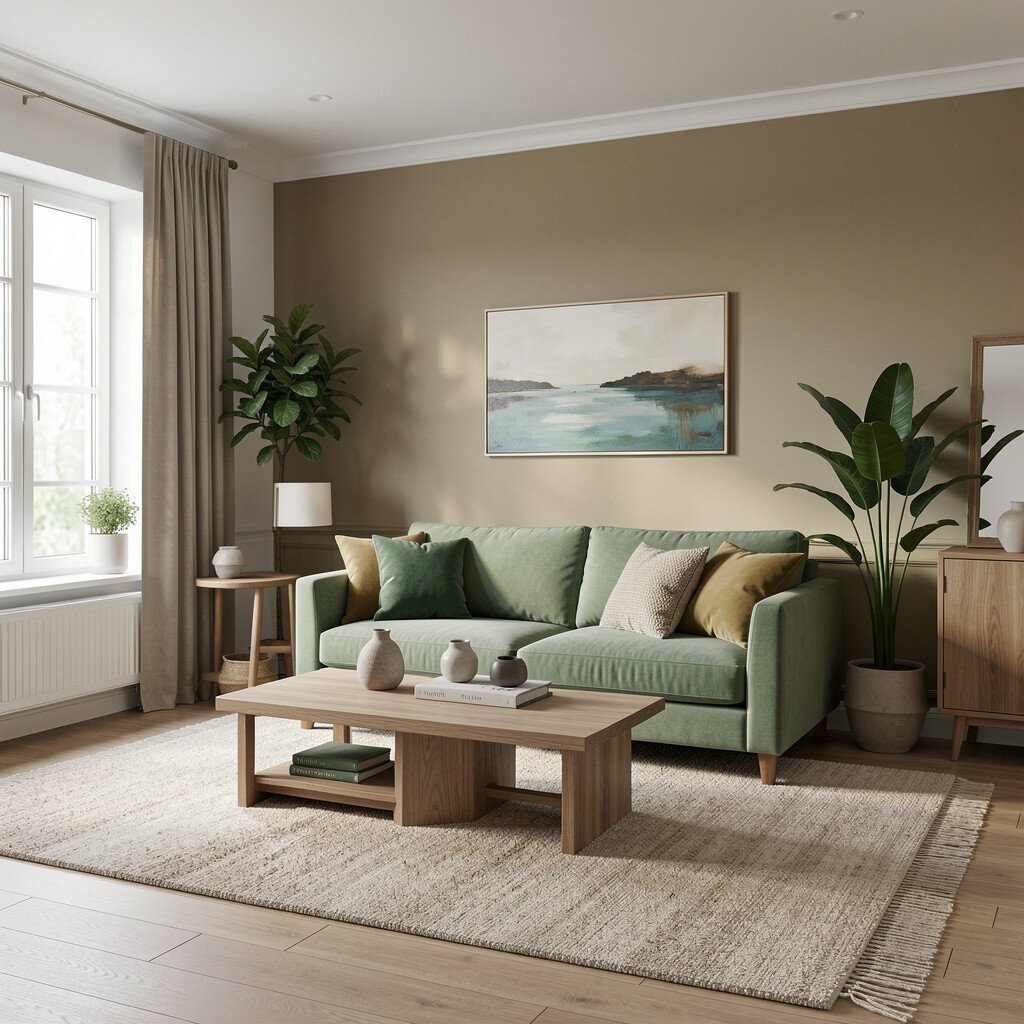
When colors clash, a small room can feel busy fast. Pick a simple theme so your walls, textiles, and decor feel like they belong together.
Try a base of neutral tones, then add one or two accent colors you love. You can personalize it with small seasonal changes, like swapping throw pillows or art prints.
This keeps your style cohesive and helps purchases feel easier. It also saves money because you can reuse items instead of buying to “fix” mismatched clutter.
13. Make Your Bed Look Bigger With Bedding Choices
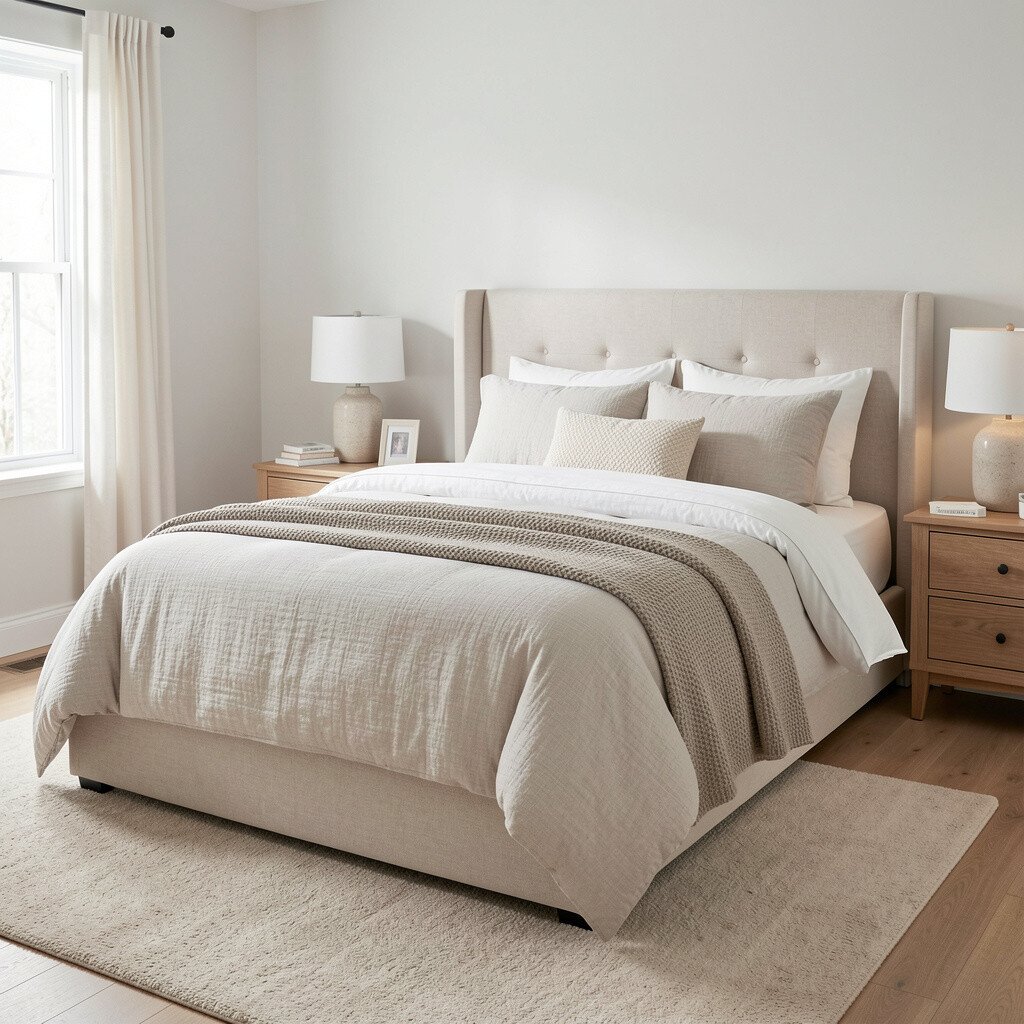
In small bedrooms, bedding can create an illusion of space. When the bed looks smooth and layered, the whole room feels more polished.
Use fitted sheets that stay snug, then add a top layer that lays flat so the bed doesn’t look bulky. Stick with lighter colors or gentle patterns, and keep extra pillows in a neat arrangement.
If you enjoy comfort, add texture with a throw in a cozy fabric like knit or fleece. This is a practical way to upgrade your room’s look without replacing furniture.
14. Upgrade Drawer Storage With Simple Organizers
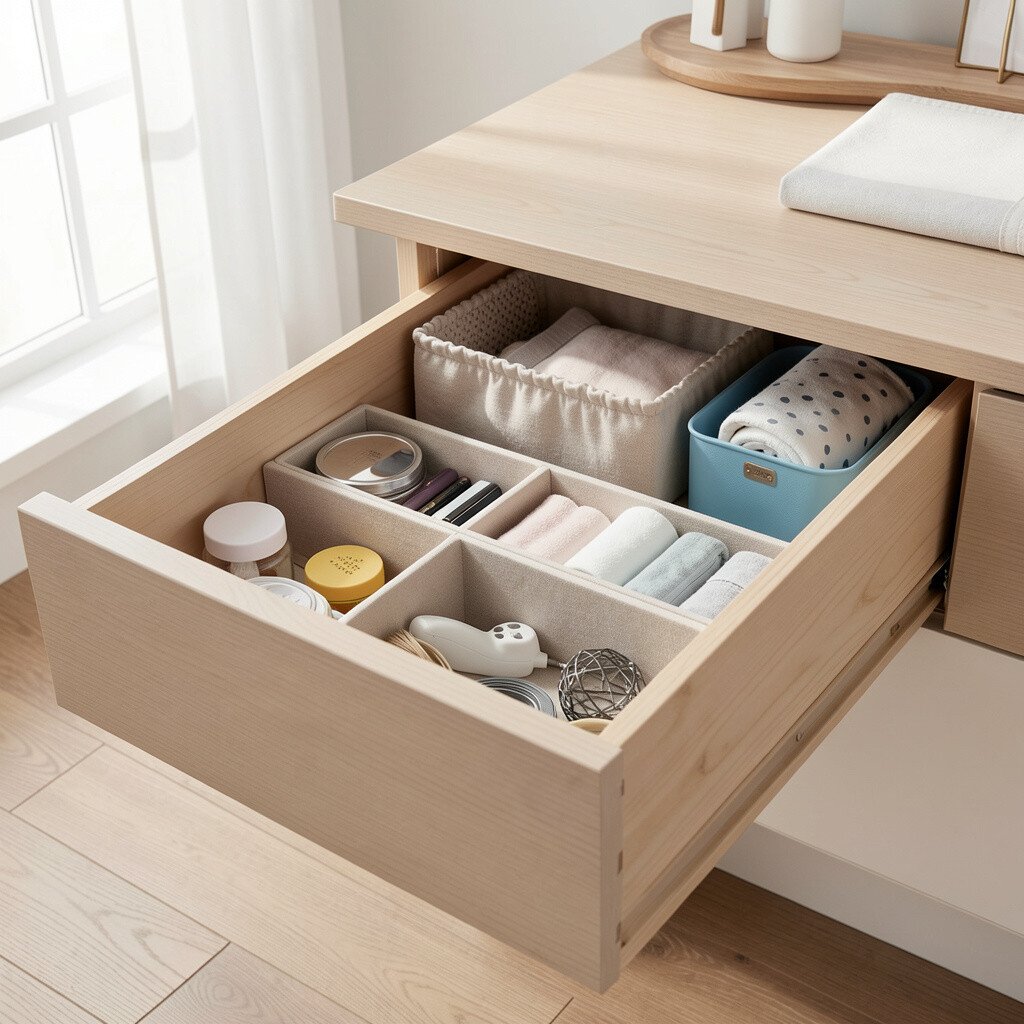
Drawer clutter makes a room feel messy even when everything else is tidy. Organizers help items stay in their place so you can find things quickly.
Use small dividers for utensils, makeup, socks, or office supplies. Labeling is optional, but clear bins often do the job by themselves.
15. Balance Open Shelves With Hidden Containers
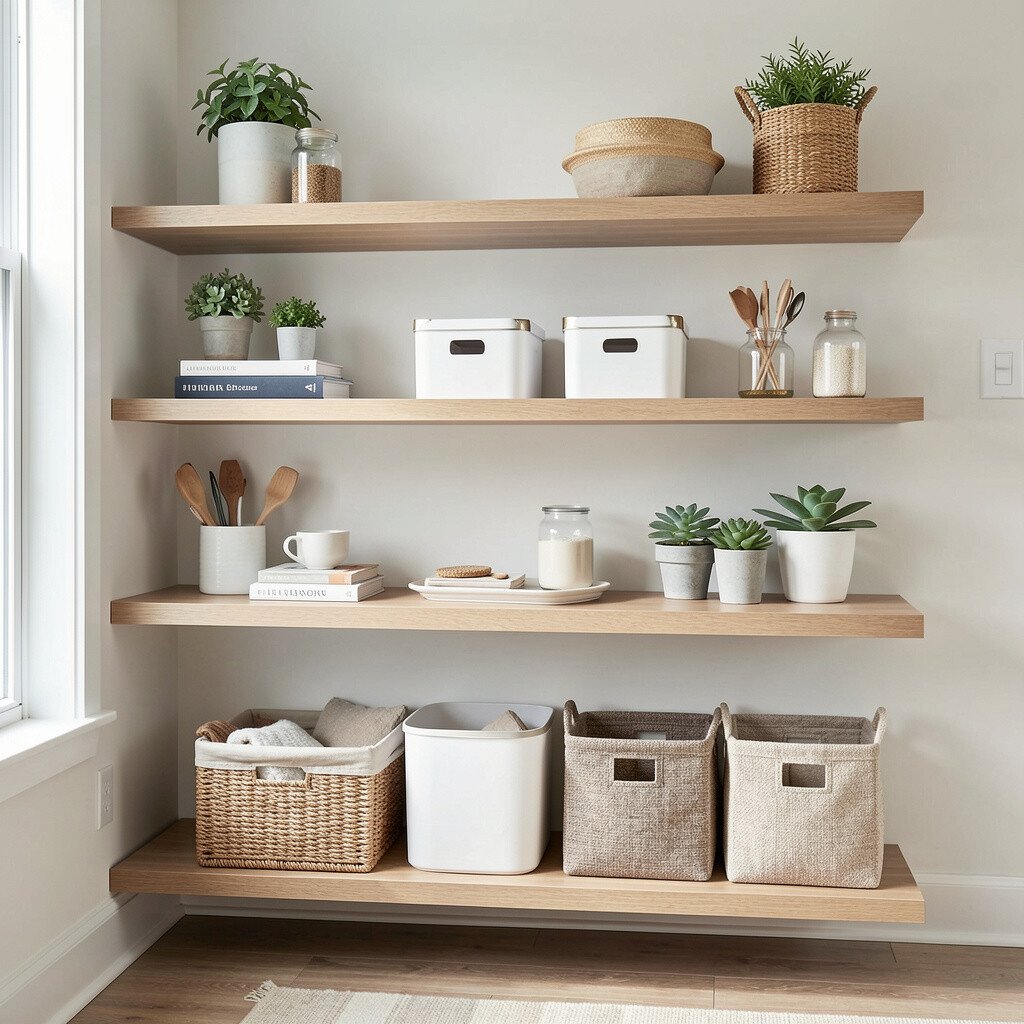
Open shelves can look stylish, but they can also collect visual noise. The best trick is mixing showpieces with containers.
Keep everyday items in matching bins, baskets, or boxes so the shelf looks neat. Display only a few items at a time, like a vase, a stack of books, and one meaningful decor piece.
This keeps your space unique because it lets your taste show while still staying practical. It’s also usually more affordable than replacing whole systems.
16. Add a Gallery Wall With Consistent Spacing
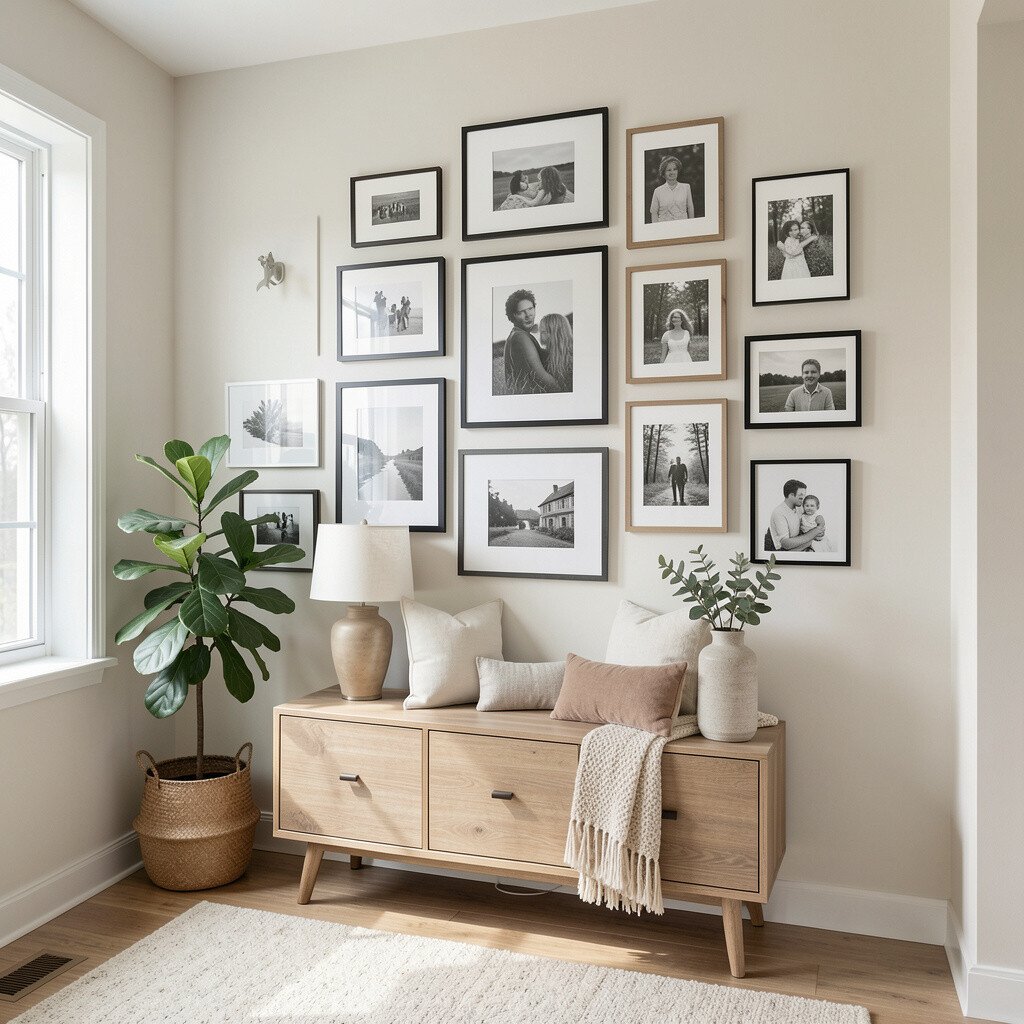
A gallery wall can turn a blank wall into a focal point that draws attention. When it’s done with consistent spacing, the wall looks clean and intentional.
Choose frames in similar tones or finishes, like all black, all wood, or mixed but coordinated. Pick a theme, such as nature prints, family photos, or modern line art, so the display feels personal.
17. Use the Right Window Treatments for Privacy and Style
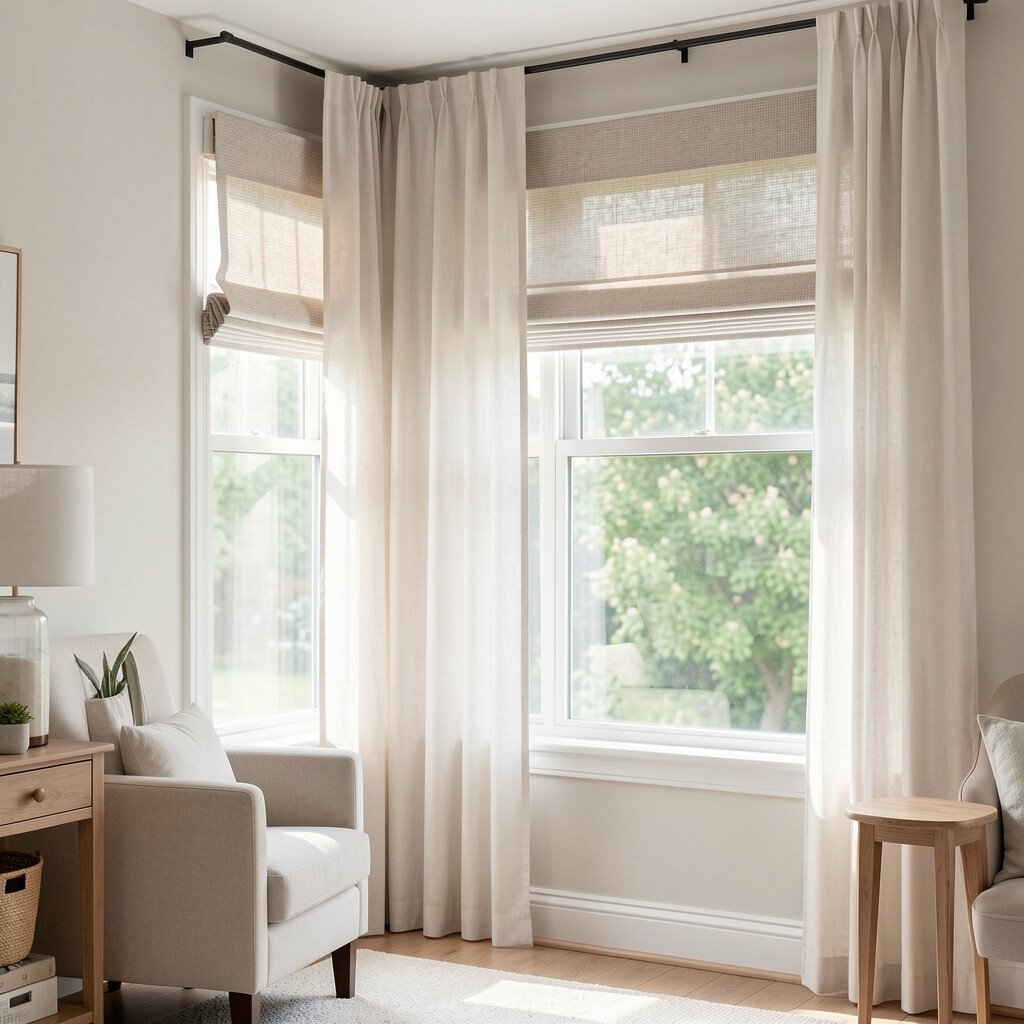
If your windows feel exposed, the whole room can feel uncomfortable. The right treatment gives privacy while still letting light in.
Try sheer layers with thicker curtains, or use blinds topped with a soft valance. Keep colors aligned with your theme so windows don’t look separate from the rest of the room.
This is a current favorite because it blends function and beauty. It also lets you adjust based on seasons, which can be cheaper than frequent decor swaps.
18. Create Clear Zones With Small Furniture Choices
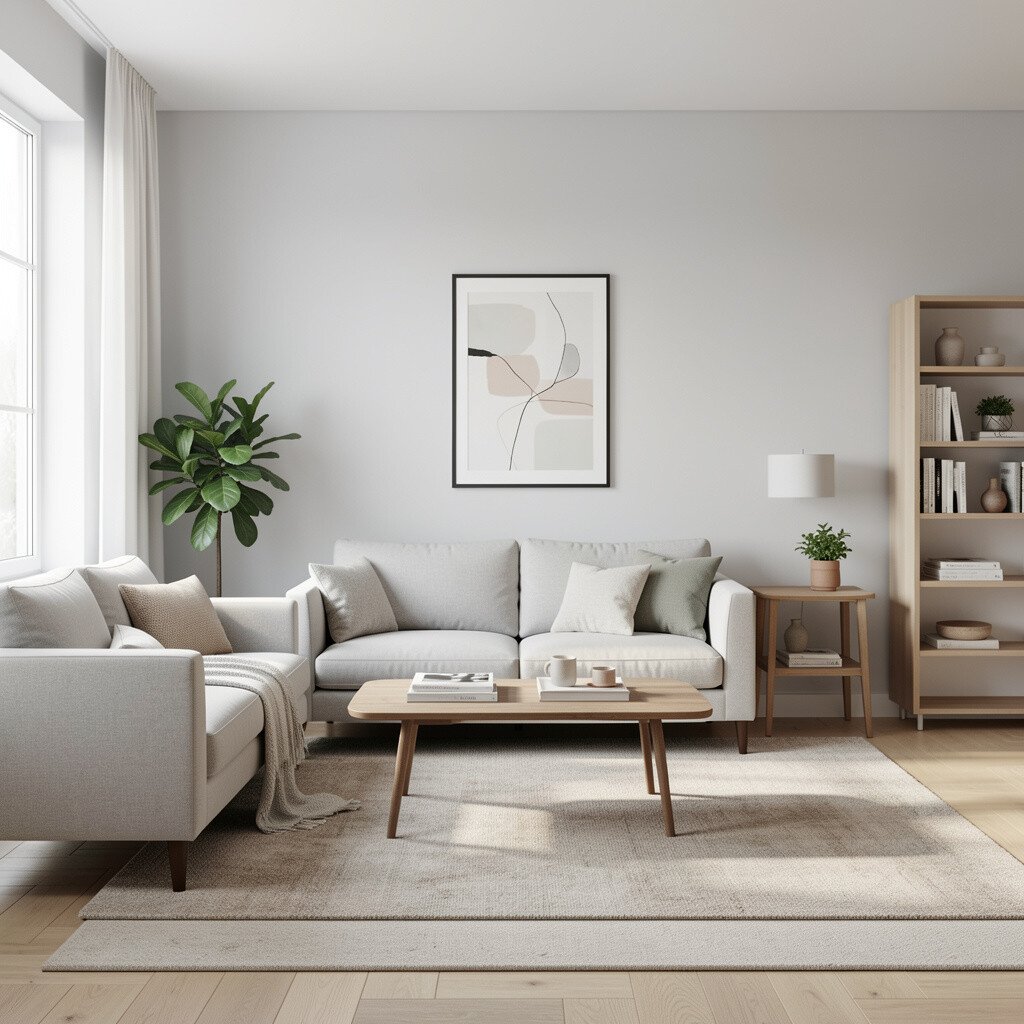
Small spaces feel smoother when each area has a job. Even with limited square footage, you can separate living, working, and relaxing with smart furniture placement.
Use a desk that fits your wall, a chair that tucks in easily, and a small table that stays close to seating. When pieces share similar heights and colors, the room looks more organized.
19. Refresh Old Furniture With New Hardware
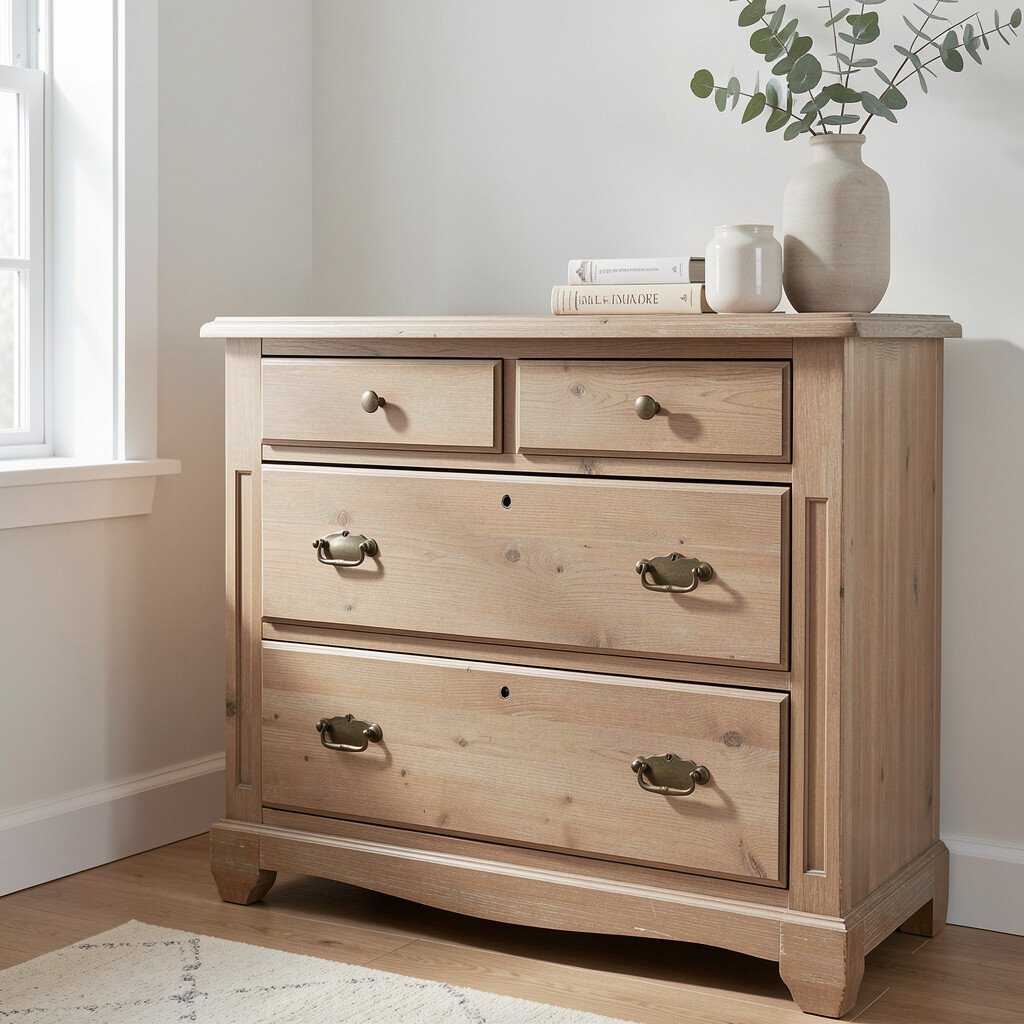
You don’t always need new furniture to make a space feel updated. Swapping knobs and pulls can give dressers and cabinets a fresh look in a weekend.
Pick hardware finishes that match your other details, like light brass, matte black, or brushed nickel. This small change stands out because it touches everyday surfaces you interact with constantly.
Consider cost carefully, since hardware packs can be affordable and the results look high-end. Choose styles that match your home’s vibe so it feels like part of the whole design, not just an accessory.
20. Use Texture to Make Everything Feel More Luxurious
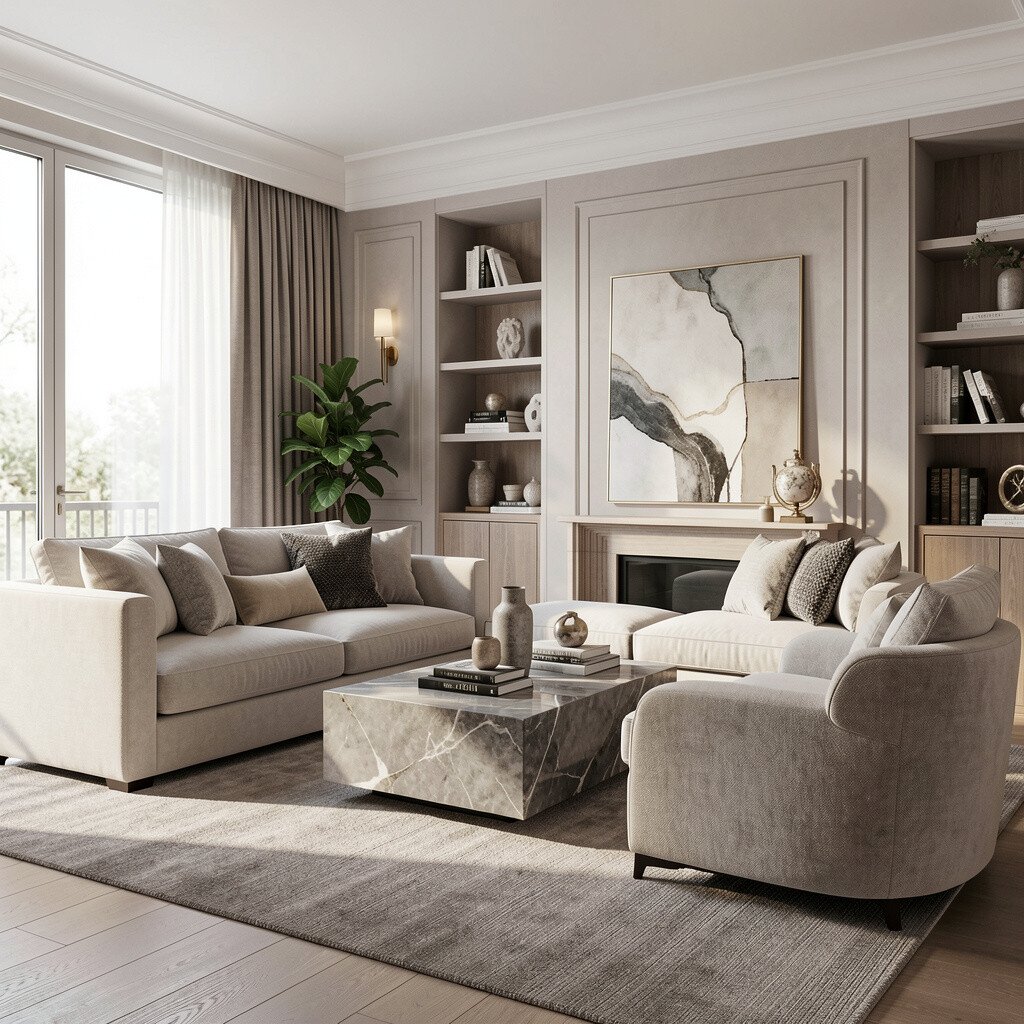
Texture adds depth, making a small room feel rich even when items are simple. Layering fabrics can turn an ordinary space into something that looks inviting.
Mix materials like linen, cotton, wool, and wood so the room feels warm and not flat. Add a textured rug, a knit throw, or curtains with a soft drape for an easy upgrade.
This trend stays strong because it’s practical and comfortable. It’s also easy to personalize since you can match textures to your favorite colors and seasons without starting over.
21. Keep Decor Personal and Seasonal With a Simple Rotation
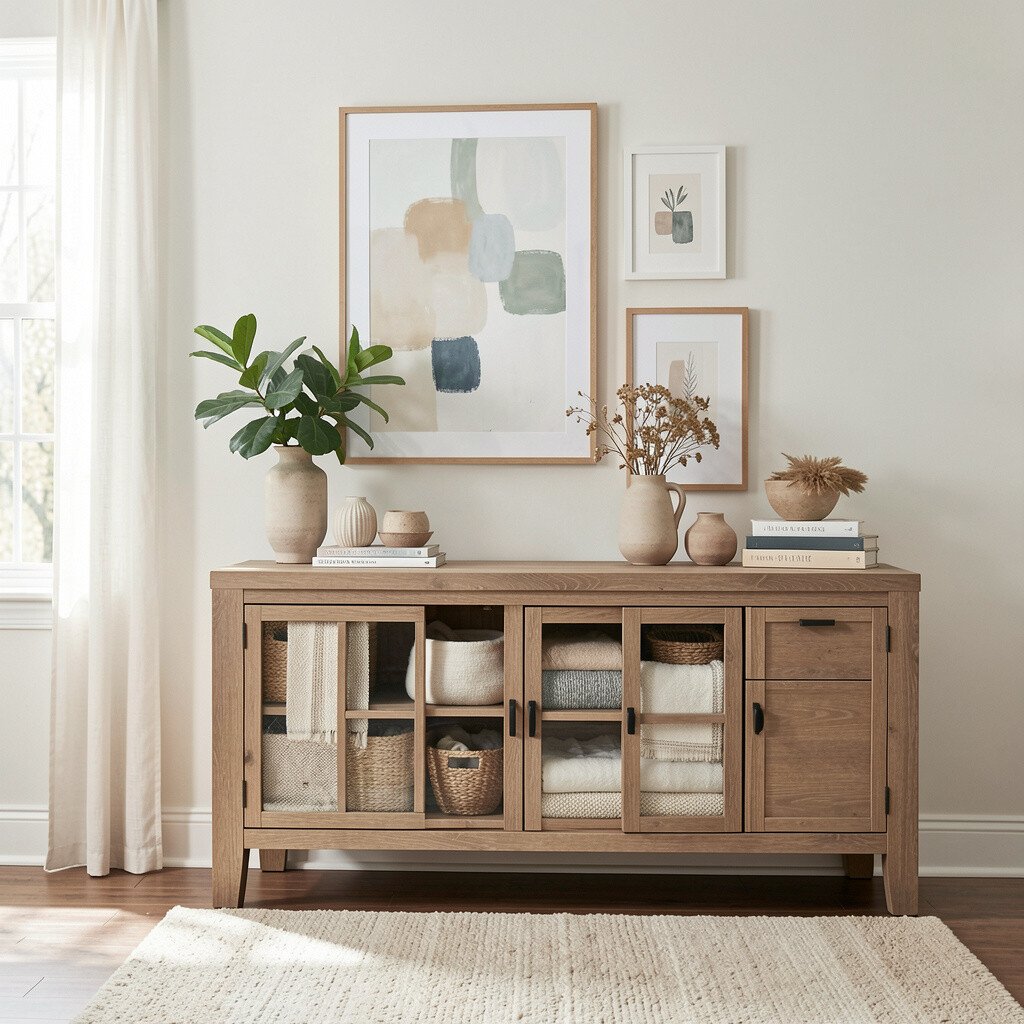
Decor should help you feel at home, not overwhelm you. When you rotate a few pieces seasonally, your space stays fresh without constant buying.
Store items in labeled bins so swapping takes minutes, not hours. Choose a small set of anchors, like a framed print, a vase, and one seasonal accent, and you’ll always have a style plan.
This approach is unique because it reflects your real life and changing tastes. It’s also budget-friendly, since you refresh the look using what you already own.