Pinterest is full of classroom ideas that can make a room feel bright and full of purpose.
With the right visuals, even a simple wall can help students feel calm, curious, and ready to learn.
1. Welcome Wall With Warm Colors
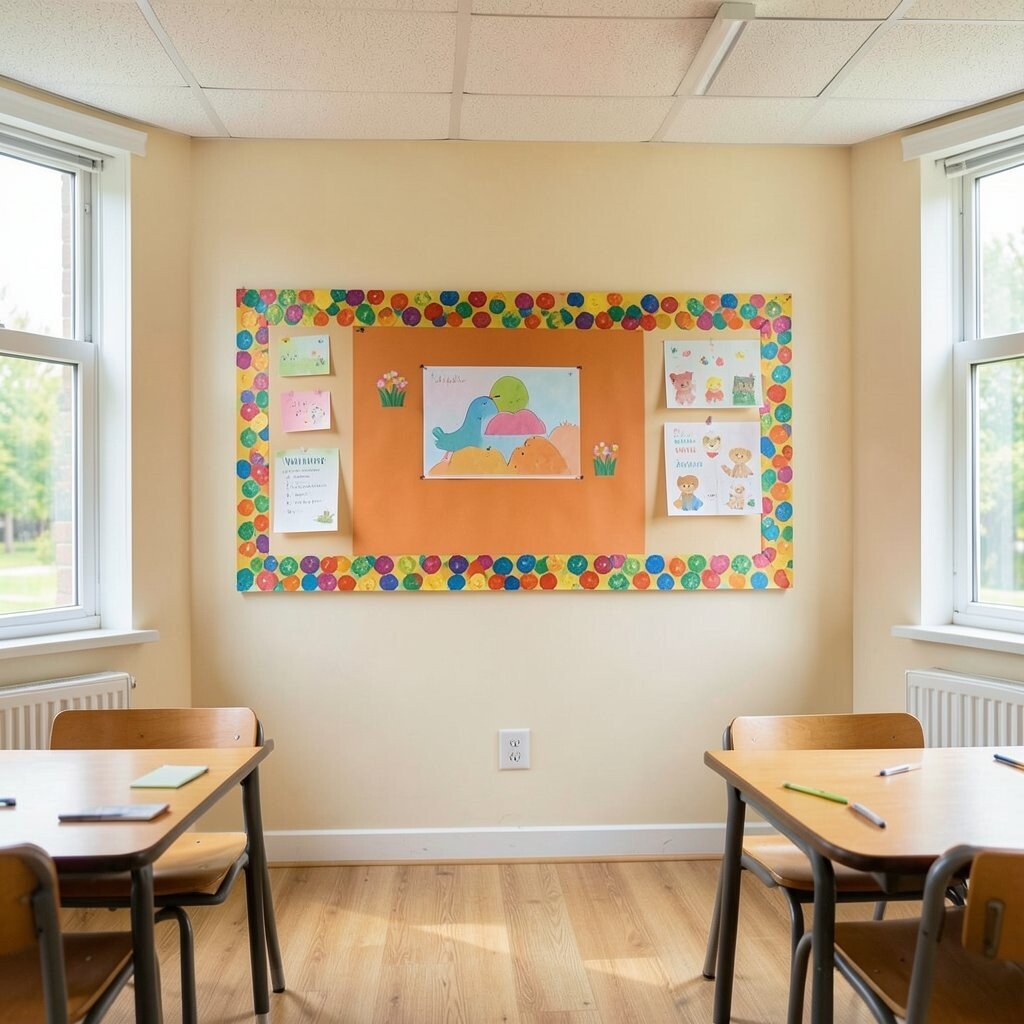
A welcome wall with warm colors can make a classroom feel friendly the moment students walk in. Soft oranges, sunny yellows, and gentle reds create a bright look that feels cheerful without being too busy.
This kind of display helps students feel safe and seen, which can make the day start better. You can keep costs low by using paper, paint samples, and printed letters, and you can make it personal by adding student names or hand-drawn pictures. Pinterest often shows this style with simple shapes and layered paper pieces, which makes it easy to copy in a way that still feels special.
2. Calm Corner With Soft Nature Prints
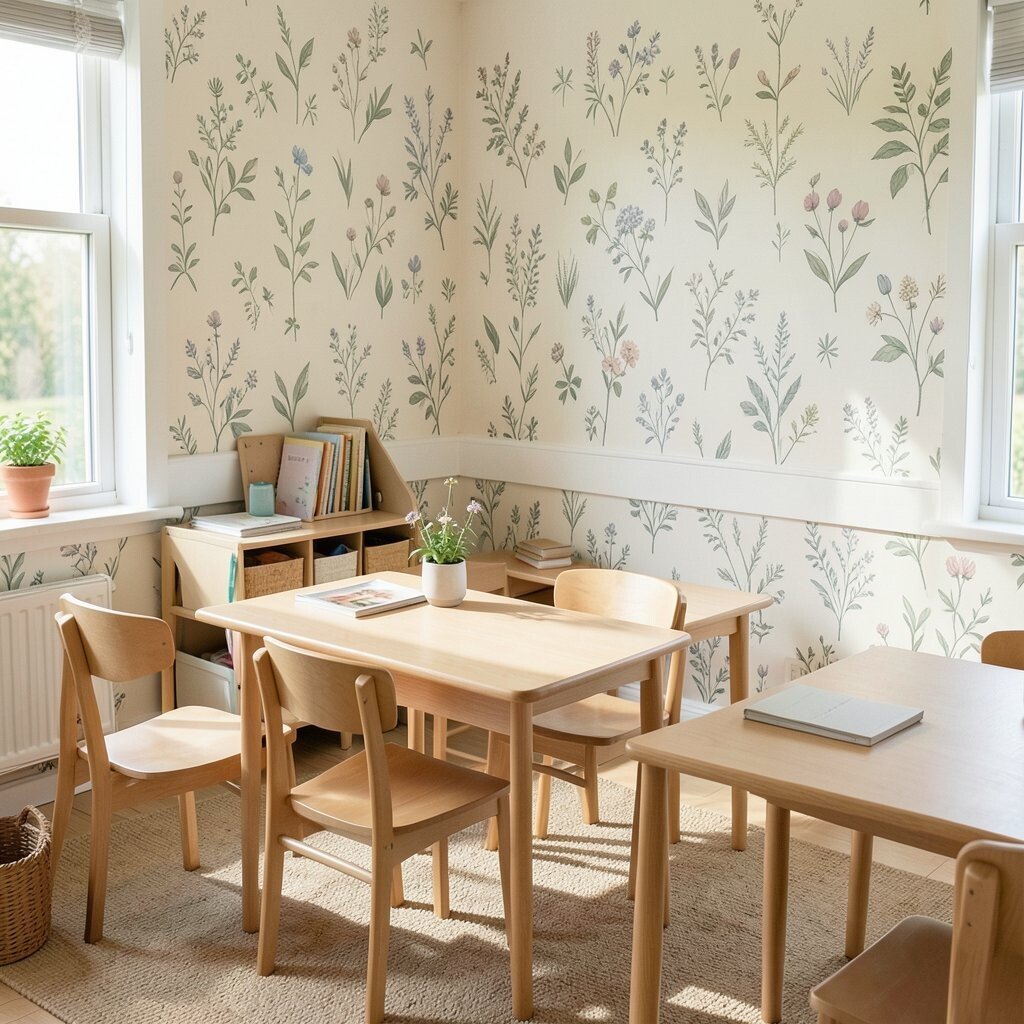
A calm corner with soft nature prints gives students a quiet place to reset when they feel overwhelmed. Think leafy greens, sky blues, clouds, and small animal pictures that make the space feel peaceful and gentle.
This idea works well because it supports focus and helps children learn how to calm their minds. You do not need much money to set it up if you use free printable art, thrifted baskets, and a few pillows, and you can make it unique by adding a class plant or a student-made sign. Nature-inspired classroom visuals are still popular on Pinterest, especially when the look stays simple and soothing.
Try placing the prints at eye level so students can notice them quickly and use the space without help. A small rug, a timer, or a feelings chart can make the corner even more useful.
3. Growth Mindset Board With Bold Speech Bubbles
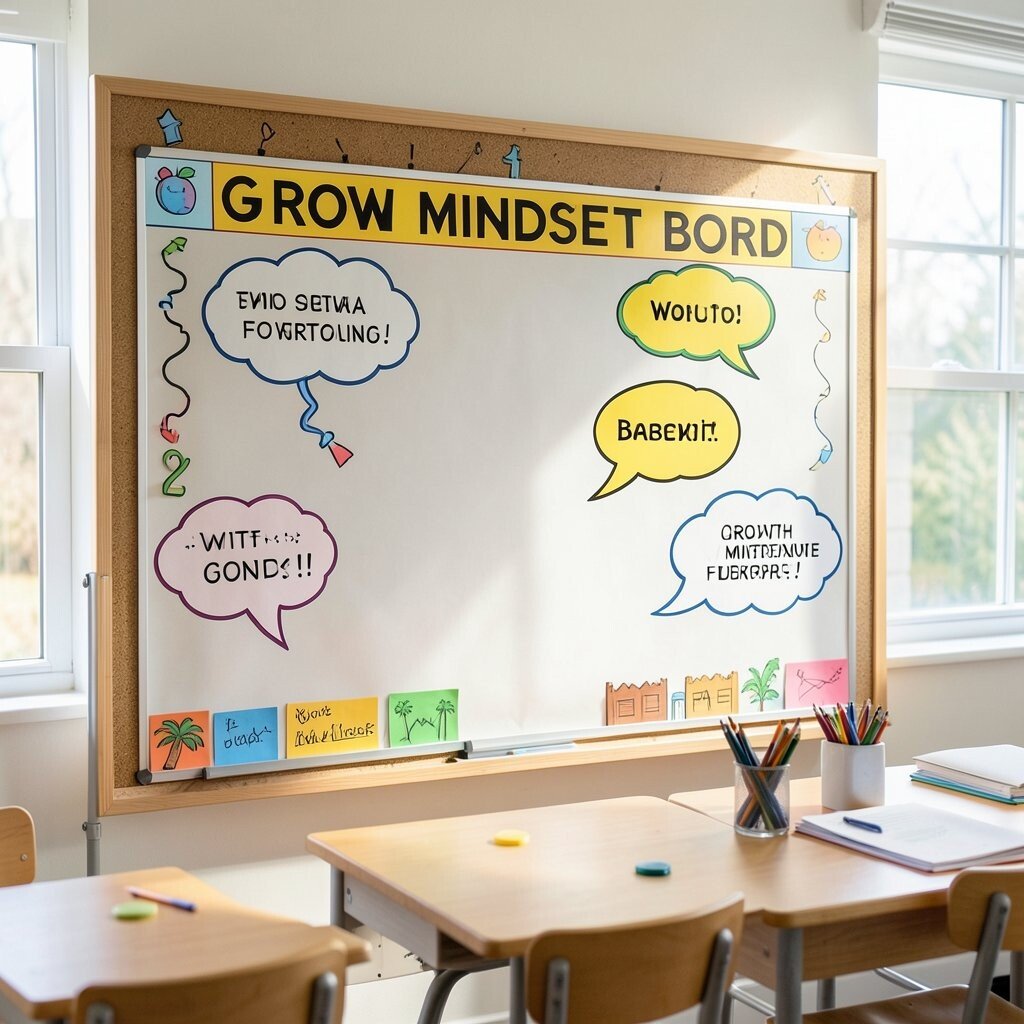
A growth mindset board with bold speech bubbles can remind students that learning takes practice. Bright colors, strong outlines, and short phrases make the board easy to read and fun to look at.
This type of visual helps children stay brave when work feels hard. You can keep the cost low with poster board and markers, and you can personalize the board with class sayings or student goals that matter to your group.
Many teachers on Pinterest now use hand-lettered words and mixed fonts for a trendy, modern feel. To keep it useful, change the speech bubbles during the year so the board stays fresh and connected to what students are learning.
4. Alphabet Line With Picture Clues
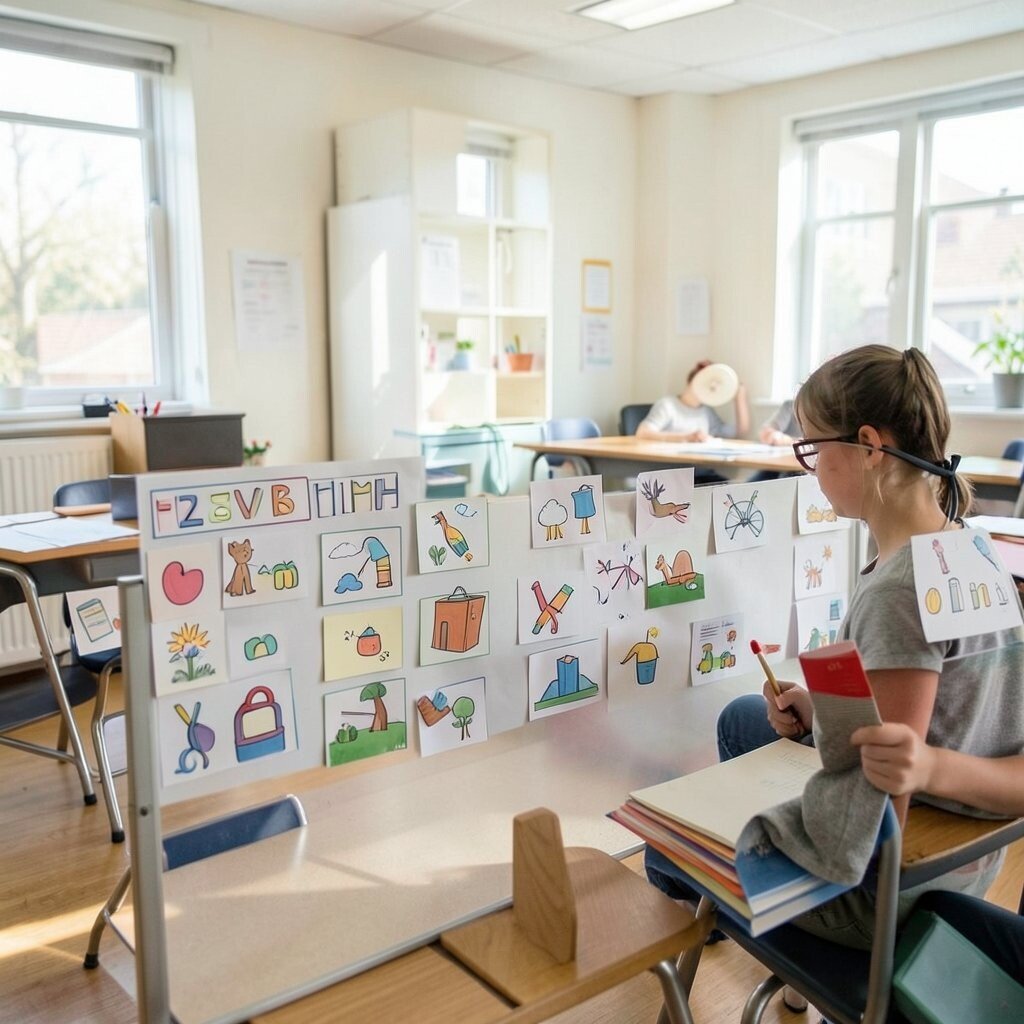
An alphabet line with picture clues can turn a plain wall into a tool for daily learning. Clean letters paired with simple images help children connect sounds, words, and symbols in a way that feels clear and friendly.
This visual is helpful because it gives support during reading and writing time. You can print your own version to save money, or you can make it more unique by using photos from your classroom and adding colors that match your theme.
5. Student Work Gallery With Matching Frames
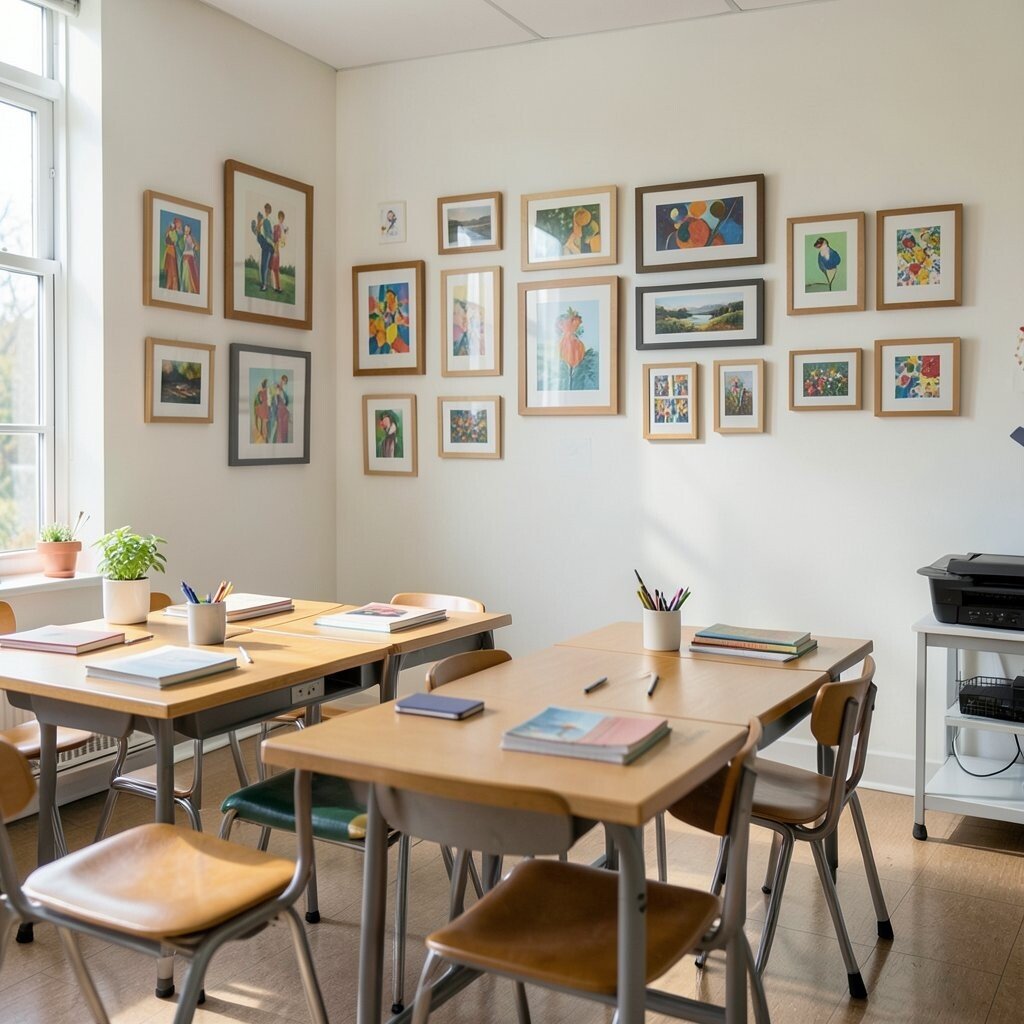
A student work gallery with matching frames can make children feel proud of what they create. When the art is displayed in neat borders, the whole wall looks polished and special.
This idea gives students a chance to feel noticed and valued. It can be very affordable if you use kraft paper, tape, and reused frames, and you can personalize it by rotating pieces often so every child gets a turn in the spotlight. Pinterest is full of gallery walls with tidy layouts, and that simple style keeps the room from feeling messy.
You can make the display even better by adding a short caption under each work sample. That small touch helps families and visitors understand the skill behind the art.
6. Subject Color Zones Across the Room
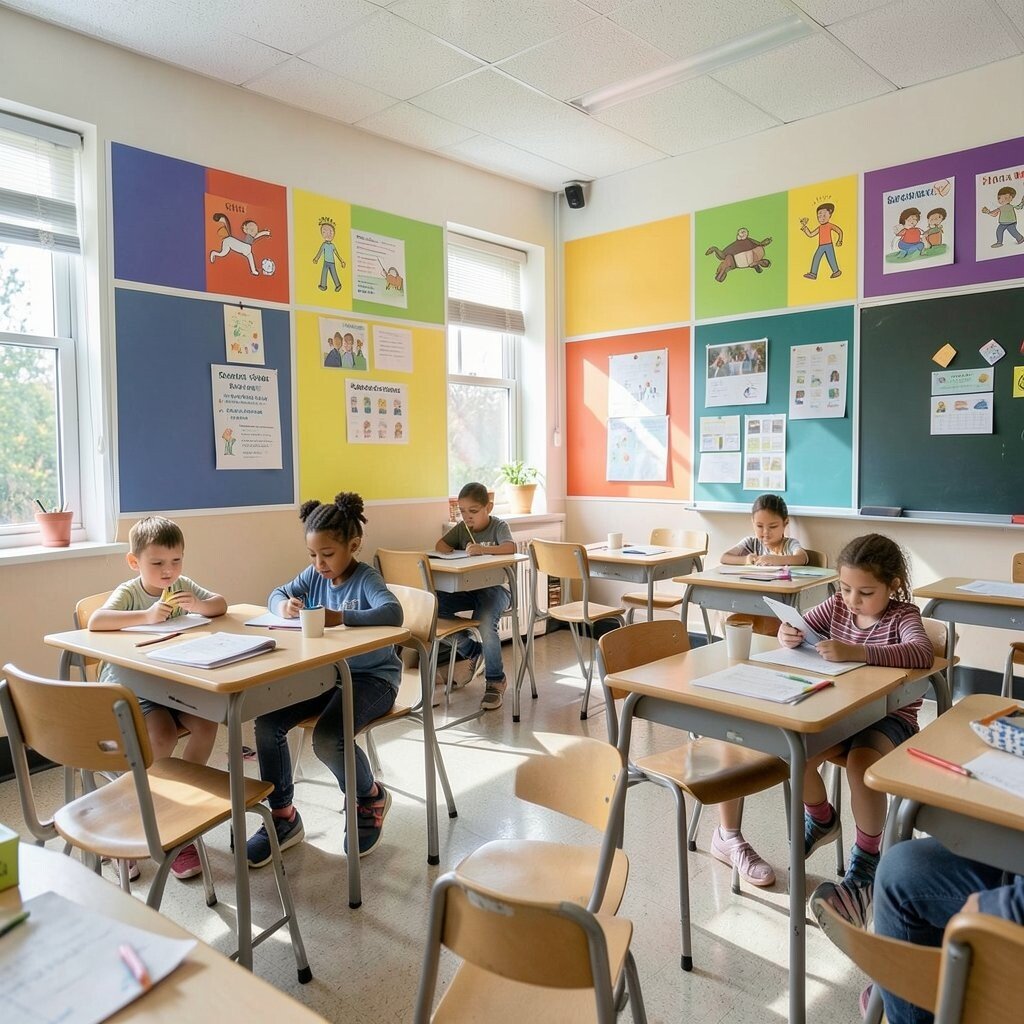
Subject color zones can help a classroom feel organized and easy to move through. For example, reading can use blue, math can use green, and writing can use gold, so each area has its own look.
This design helps students know where to go and what to expect. It also gives the room a clear style, and you can keep costs down with colored paper, bins, and labels rather than buying lots of decorations.
Teachers on Pinterest like this trend because it looks neat and helps with classroom flow. You can make it personal by choosing colors that match your class theme, school colors, or even student votes from the first week.
7. Daily Schedule Strip With Icons
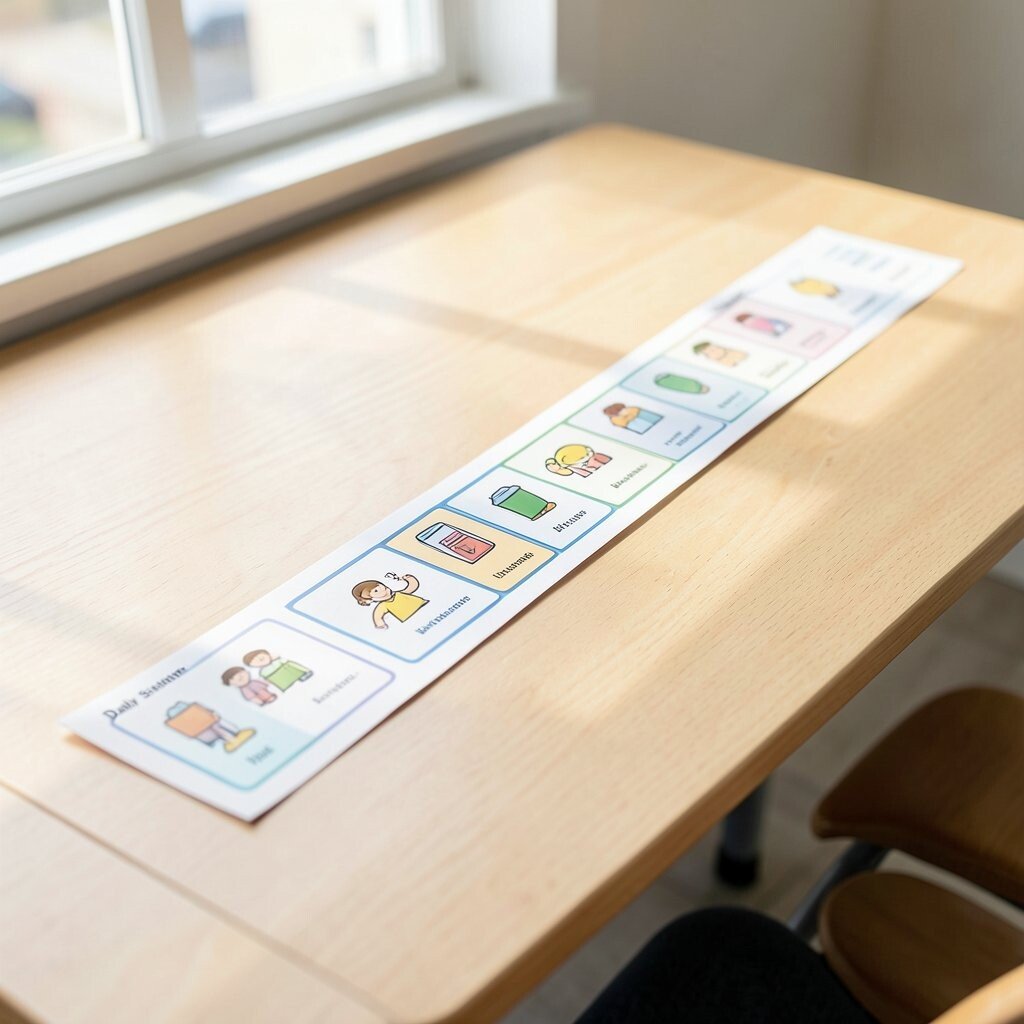
A daily schedule strip with icons gives students a simple way to see what comes next. Small pictures of books, pencils, lunch trays, and playground balls make the plan easy to follow.
This visual can reduce worry because children can check the day for themselves. It is also budget friendly when made with cardstock and printed icons, and it becomes more useful if you personalize the words to match your own routines.
Lots of classroom creators on Pinterest now use clean lines and soft colors for schedules that feel modern but still child friendly. You can place the strip near the board or door so it becomes part of the room without taking up too much space.
8. Feelings Chart With Friendly Faces
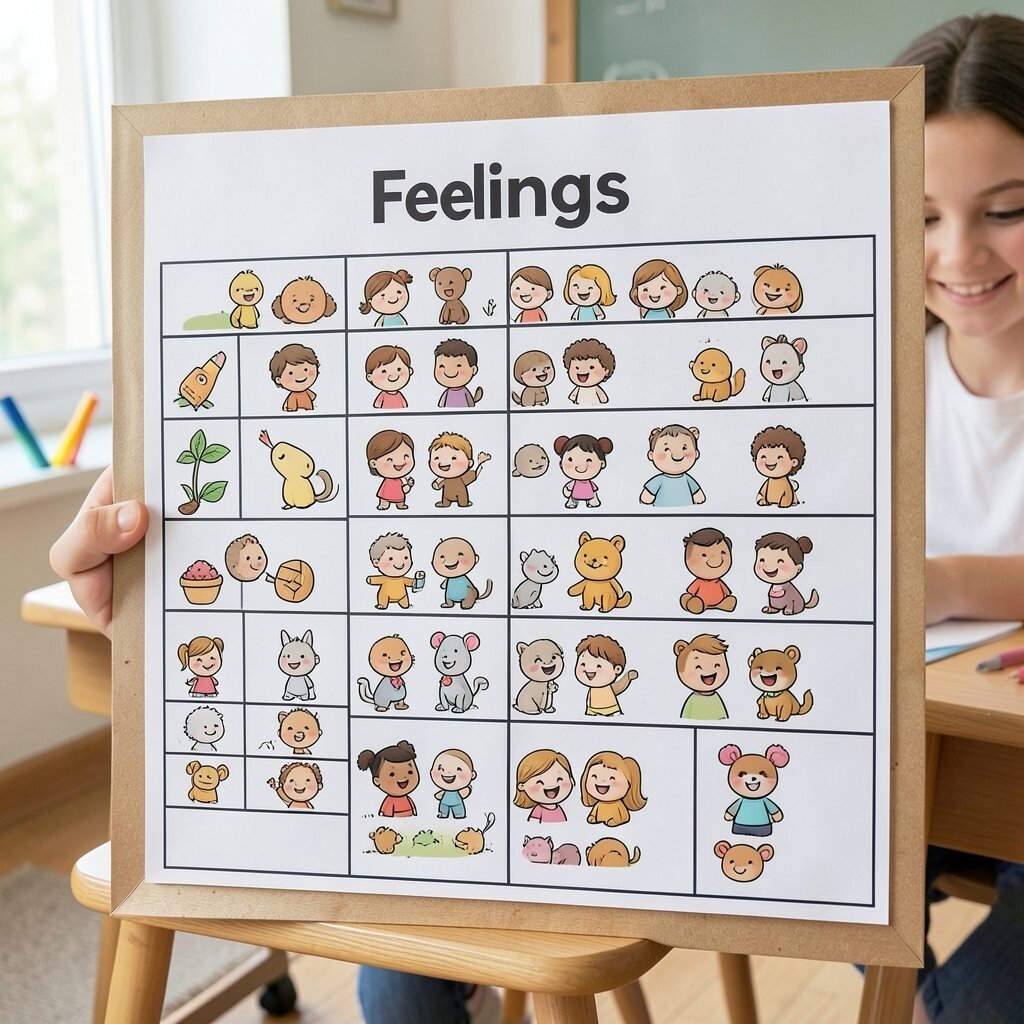
A feelings chart with friendly faces can help students name their emotions without stress. Smiling, worried, tired, and excited faces give a clear picture of how a child might feel during the day.
This visual is valuable because it supports both behavior and talking skills. You can make it low cost with simple drawings and laminated cards, and you can make it more personal by adding words students use in your classroom, such as “shy,” “proud,” or “mixed up.”
Pinterest often shows emotion boards with soft pastels and round shapes, which feel gentle for young learners. If you hang the chart near the door or calm corner, students can use it quickly when they need help.
9. Reading Nook With Book Cover Displays
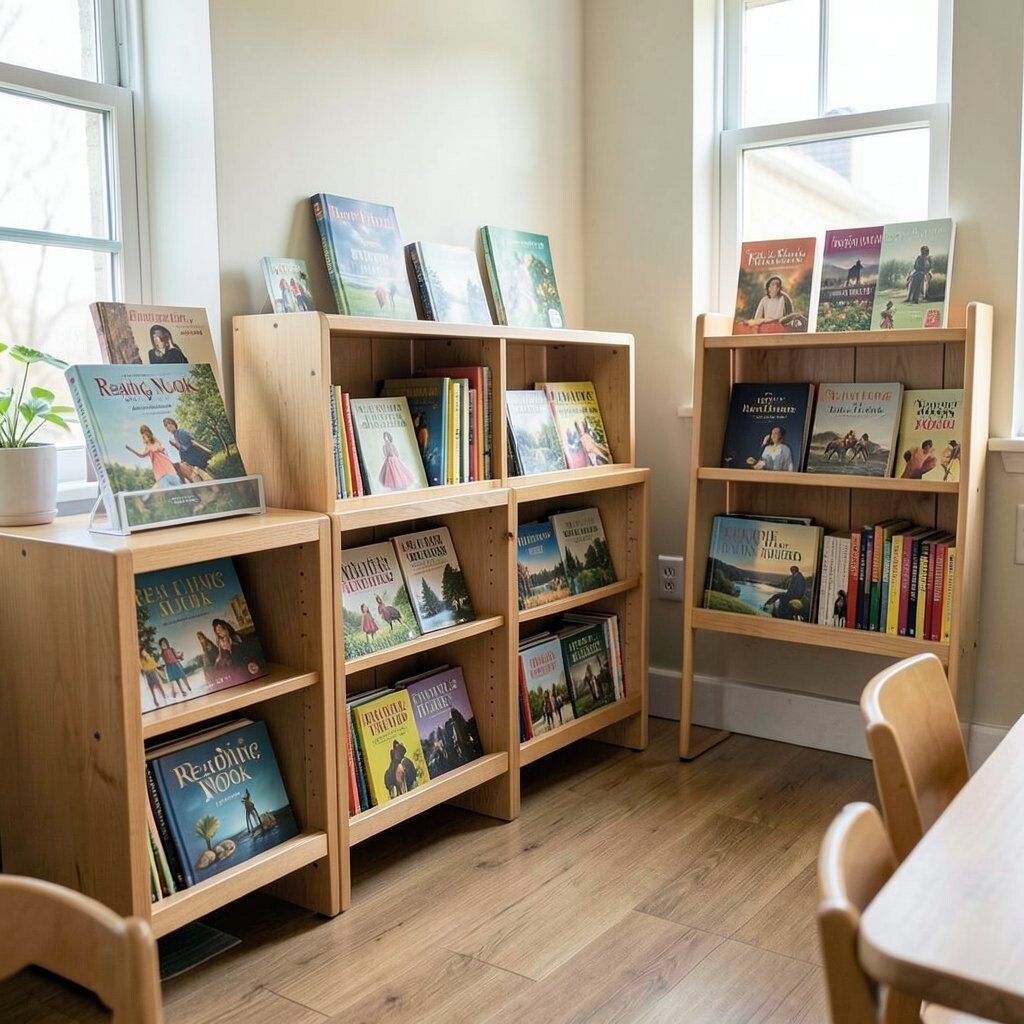
A reading nook with book cover displays can make books feel exciting before a child even opens one. Facing the covers out on shelves creates a colorful wall of stories that looks lively and inviting.
This idea supports reading interest because children often choose books faster when they can see the pictures on the front. You can save money by using simple shelves, crates, or wall pockets, and you can personalize the nook with a cozy sign, a class mascot, or book picks from your students.
Many current Pinterest setups use soft lighting and layered textures to make the nook feel calm and cozy. Even a small corner can work well if you keep it neat and choose a few strong colors that match the rest of the room.
10. Number Posters With Real Objects
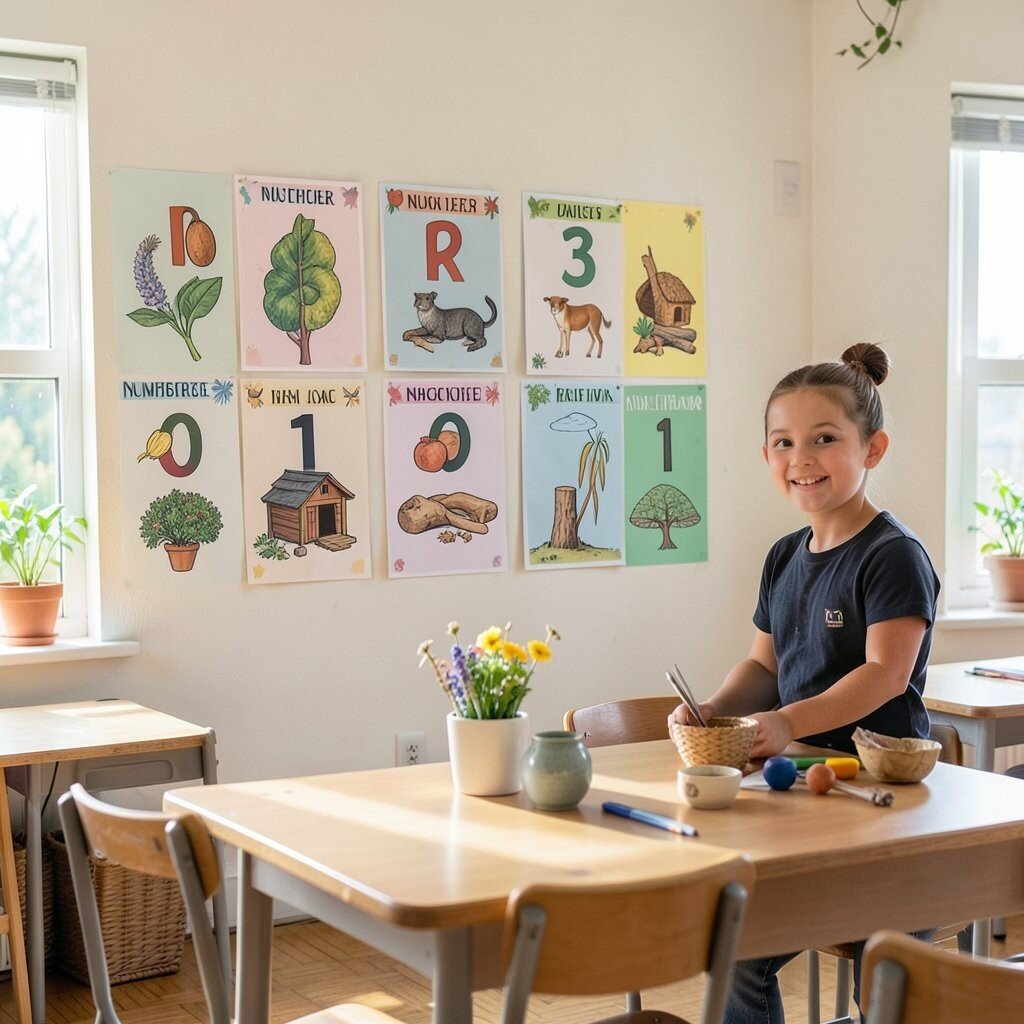
Number posters with real objects can help young learners connect math to things they know. A poster might show the number three with three apples, three stars, or three pencils, which makes the idea easy to understand.
This visual helps with counting, number sense, and memory. It can be made on a small budget with printed images or cutouts from magazines, and you can make it unique by using objects that matter to your class, like crayons, blocks, or sports balls.
Teachers on Pinterest often use simple white backgrounds so the objects stand out clearly. That clean style looks modern and keeps the wall from feeling too crowded.
11. Classroom Rules With Playful Icons
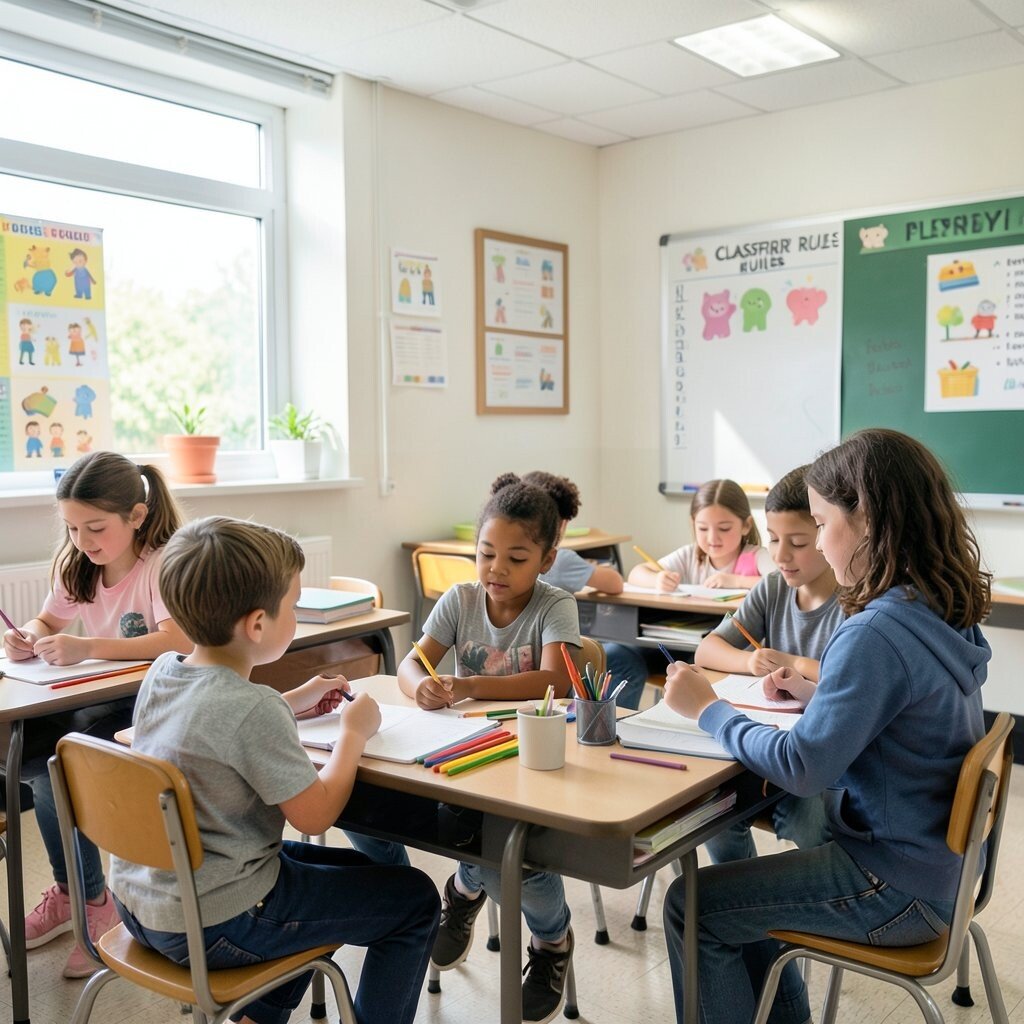
Classroom rules with playful icons can make expectations feel friendly instead of stern. A listening ear, a helping hand, and a walking shoe can show the idea behind each rule in a way children remember.
This kind of display helps students follow routines more easily. You do not need expensive supplies, since colored paper, clip art, and a printer can do the job, and you can personalize the rules by using the exact words your class understands best.
On Pinterest, rule charts are often designed with soft shapes and simple characters that feel warm and approachable. If you keep the words short and the pictures clear, the display stays useful all year long.
12. Classroom Jobs Chart With Hanging Cards
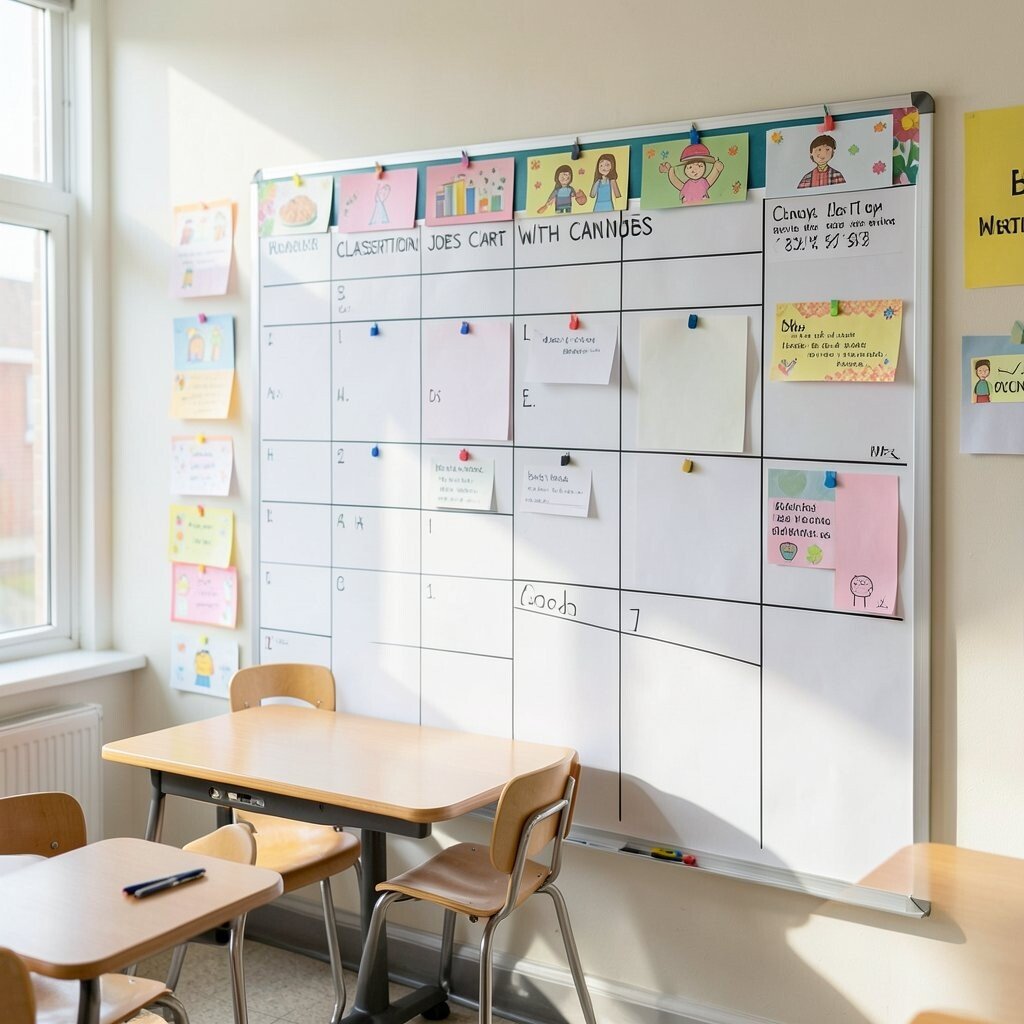
A classroom jobs chart with hanging cards can give students a sense of pride and responsibility. Small tags for line leader, plant helper, paper passer, and board cleaner make the room feel active and shared.
This visual is helpful because it teaches teamwork in a simple way. It can also be inexpensive if you use clothespins, string, and paper cards, and you can make it personal by letting students decorate their own job tag or choose a color.
Pinterest users often like moving job charts because they look neat and are easy to change. If you update the cards often, the wall keeps its charm and students stay excited about their roles.
13. Sentence Starters Near Writing Space

Sentence starters near the writing space can give students a gentle push when they feel stuck. Short phrases like “I think,” “I notice,” and “My favorite part” support writing without taking over the page.
This visual is useful because it builds confidence and helps children write more on their own. You can make it cheap with strips of paper and tape, and you can personalize it by adding starters that match science, social studies, or story writing time.
Pinterest often shows these supports in neat rows with bright highlighting so they stand out. A clean, simple style works best because students can find what they need quickly while they write.
14. Shape Wall With Everyday Examples
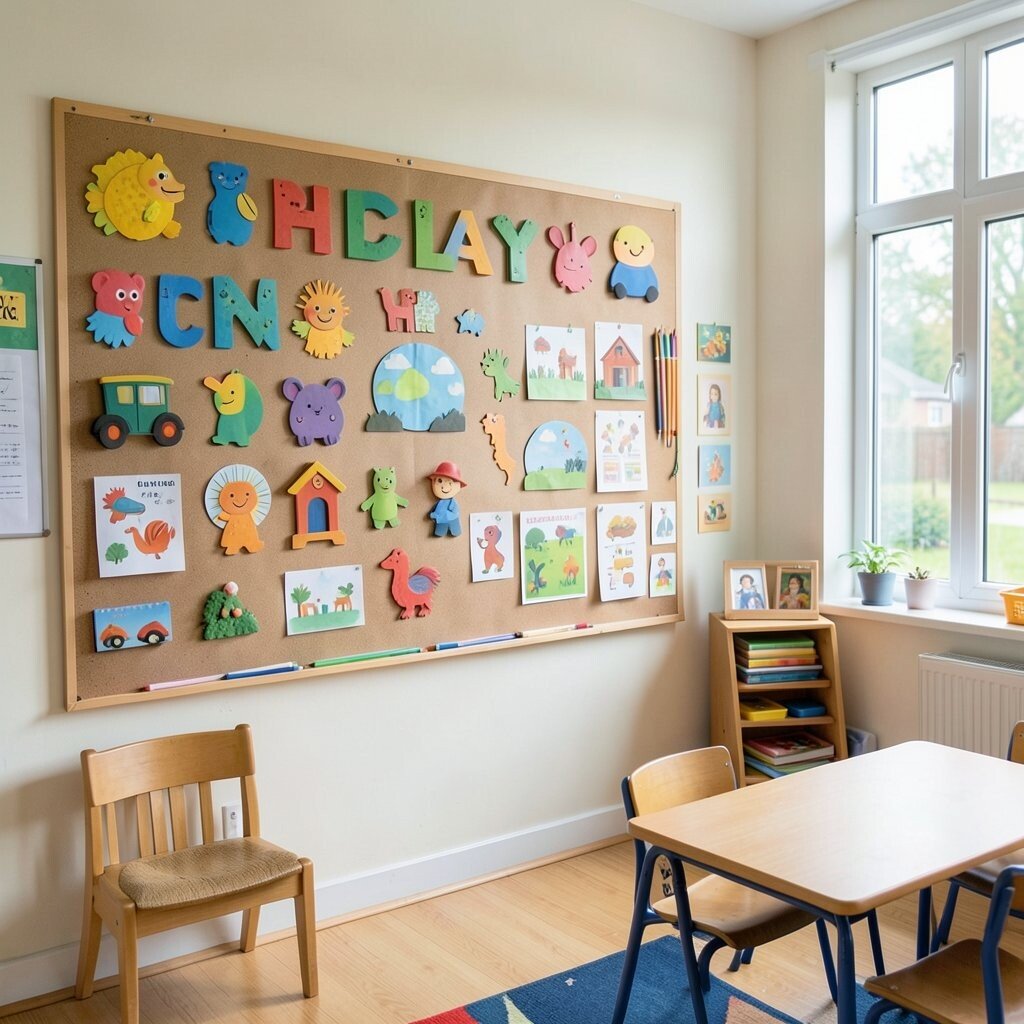
A shape wall with everyday examples can make math feel close to real life. Circles, triangles, rectangles, and hexagons become easier to remember when students see them in clocks, sandwiches, signs, and windows.
This display helps children notice shapes all around them, not just on worksheets. It is also easy on the budget because you can cut shapes from paper or use pictures from catalogs, and you can make it unique by choosing examples from your classroom or neighborhood.
Current Pinterest boards often use bold outlines and clean white space so the shapes stay clear. If you want a more personal touch, let students bring in drawings or magazine clippings that match each shape.
15. Seasonal Banner Wall With Simple Swaps
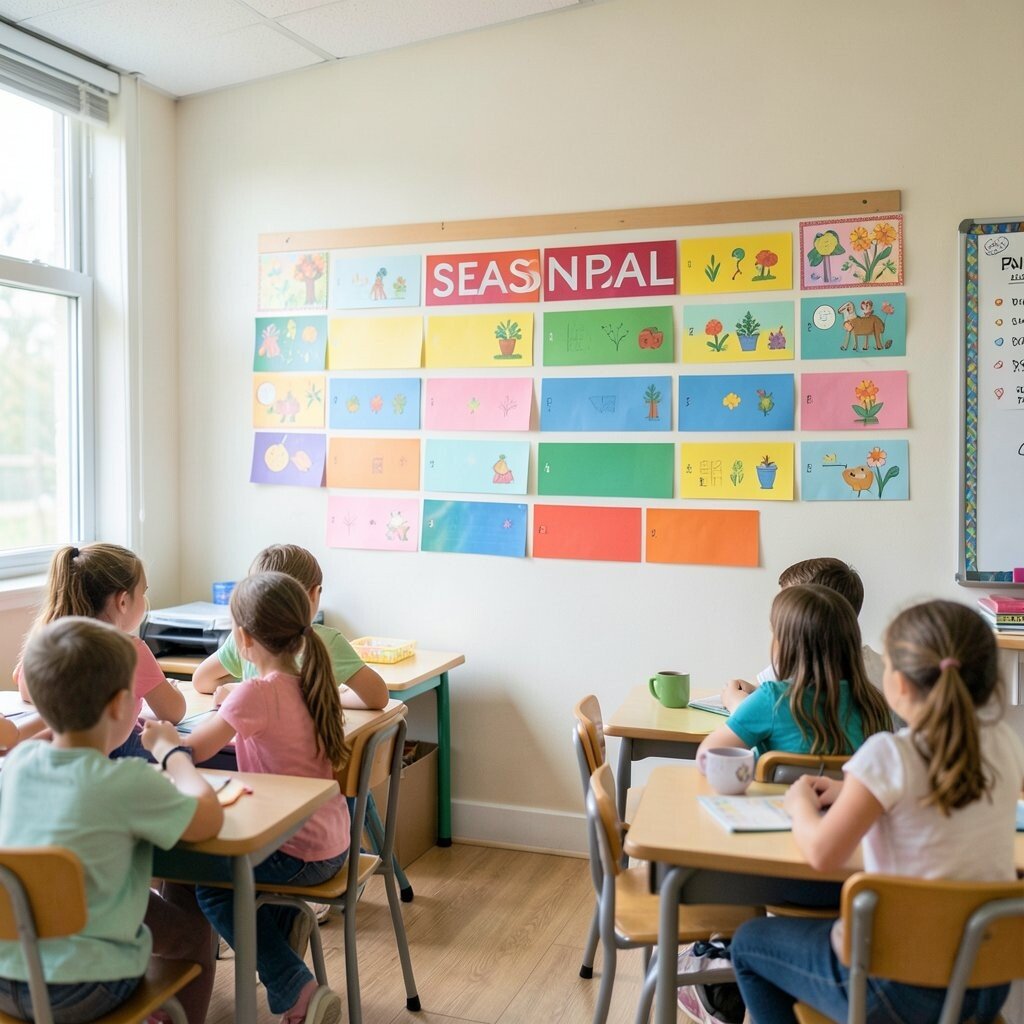
A seasonal banner wall with simple swaps keeps the classroom feeling fresh through the year. Paper leaves, snowflakes, flowers, and sun shapes can change with the seasons without forcing a full room redo.
This idea saves time and money because you keep the base design and only switch a few pieces. It also feels unique when you add your own color choice, student art, or classroom sayings that match the season.
Pinterest is full of banner walls that mix paper texture with string lights or twine for a cozy look. To make the display easy to manage, store each season in a labeled folder so the next change is quick.
16. Science Wall With Curiosity Prompts
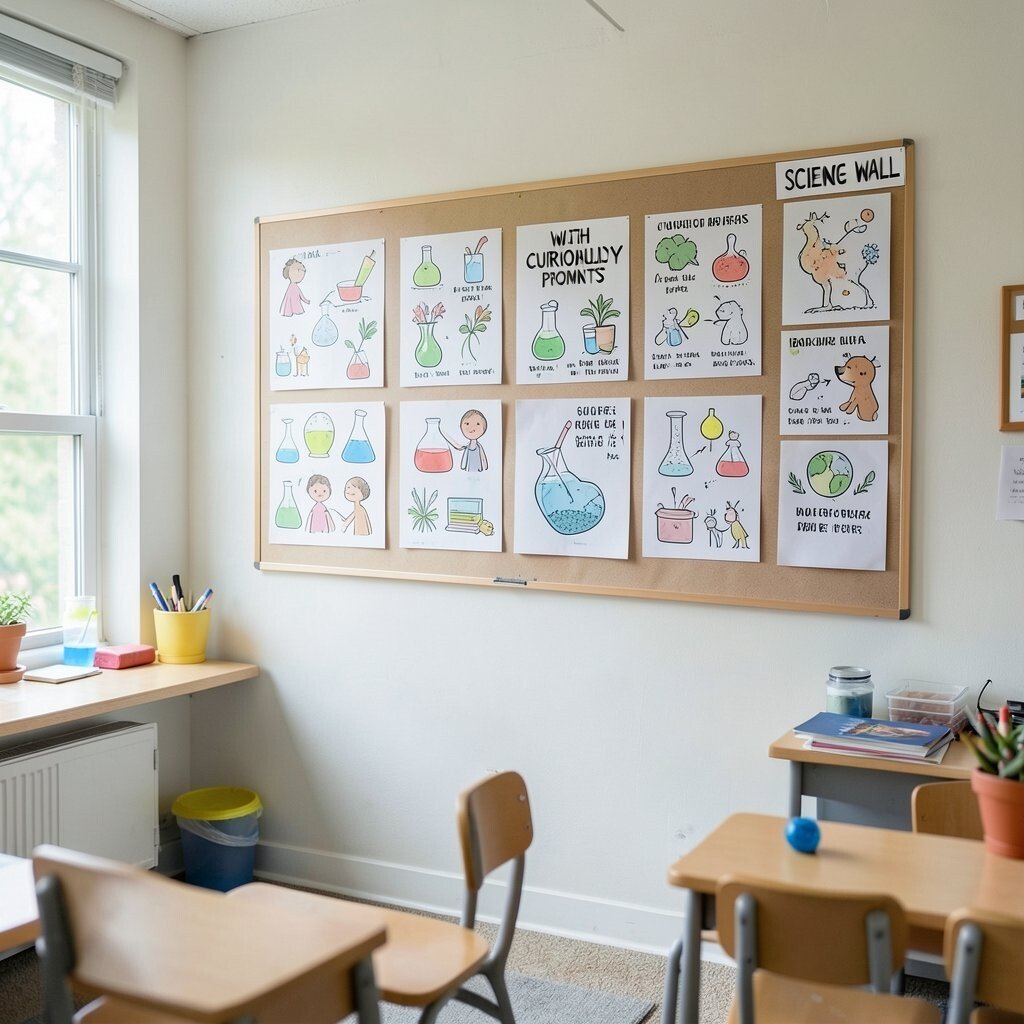
A science wall with curiosity prompts can spark big questions and daily wonder. Pictures of seeds, magnets, clouds, bugs, and simple tools make the space feel alive and full of ideas.
This kind of display supports learning because it reminds students to observe, ask, and test. You can make it affordable with printed photos and handwritten notes, and you can personalize it by tying the wall to your current unit or the seasons outside your window.
Many Pinterest classrooms now use science walls that feel clean and museum-like instead of crowded. If you keep the layout open, the wall can grow with new questions and student findings across the year.
17. Map Wall With Student Connections
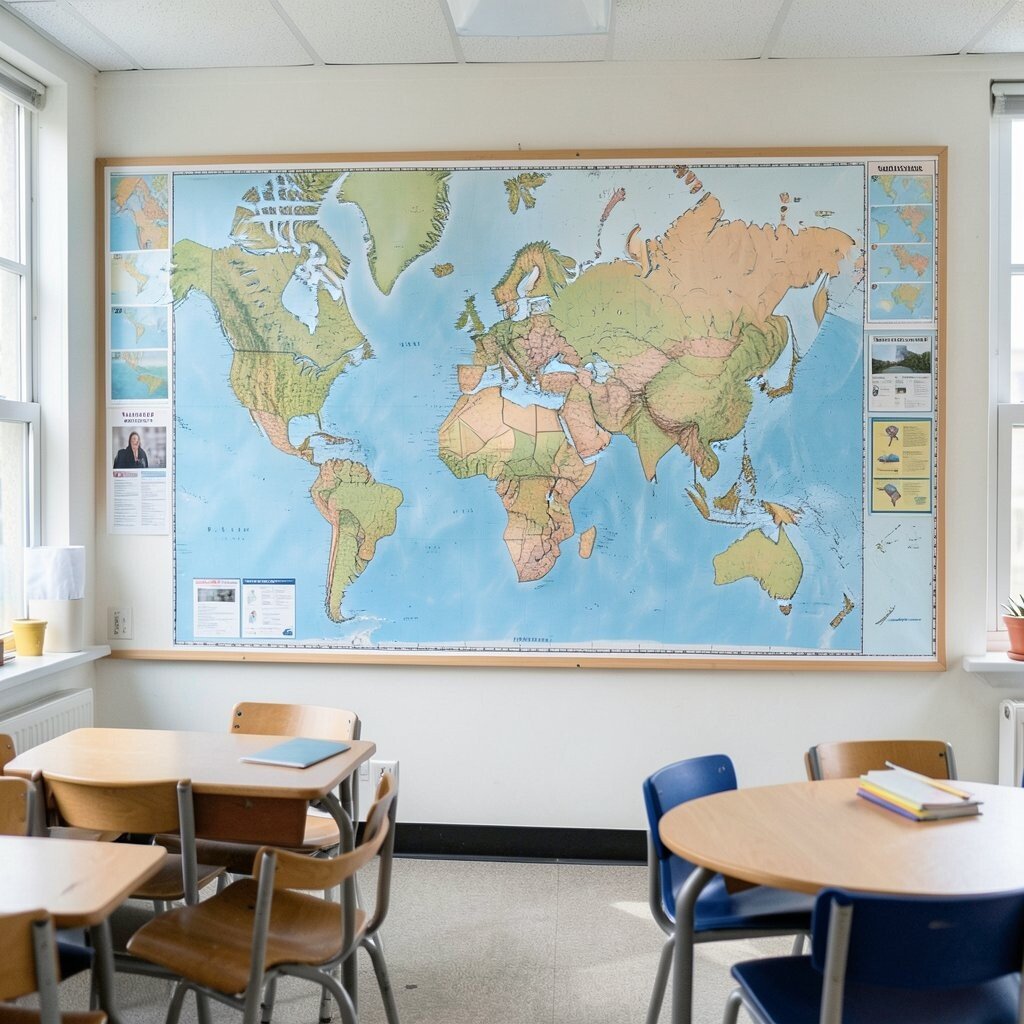
A map wall with student connections can help children feel that the world is big and meaningful. A simple map with pins, labels, or photos lets students show places they know, love, or want to learn about.
This visual teaches geography while also building classroom community. It can be low cost if you print maps and use sticky notes, and it becomes more personal when students add family places, vacation spots, or hometown drawings.
Pinterest often features map walls in travel themes or soft neutral styles that look calm and modern. You can make the display even stronger by linking it to stories, cultures, and class conversations throughout the year.
18. Motivational Quote Wall With Student Art
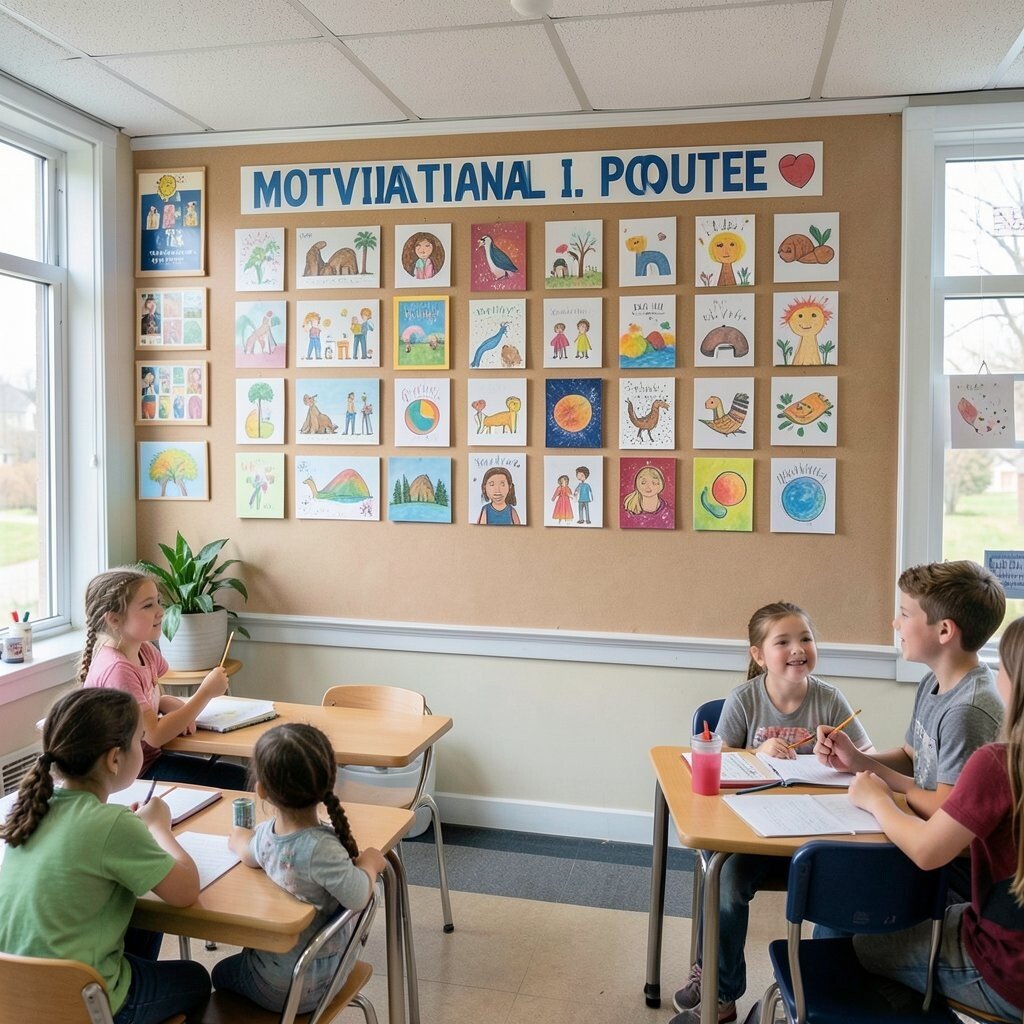
A motivational quote wall with student art can end the room with energy and heart. Short quotes in bright lettering, paired with drawings from children, create a wall that feels hopeful and full of life.
This display can lift moods and remind students that effort matters. It does not have to cost much if you print quotes, use leftover art supplies, and frame pieces with paper borders, and you can make it special by choosing sayings that your class truly enjoys.
On Pinterest, this kind of wall often uses mixed fonts, soft backgrounds, and just a few strong colors for a current, polished look. You can keep it fresh by rotating the art and quotes during the year so the wall grows along with your students.