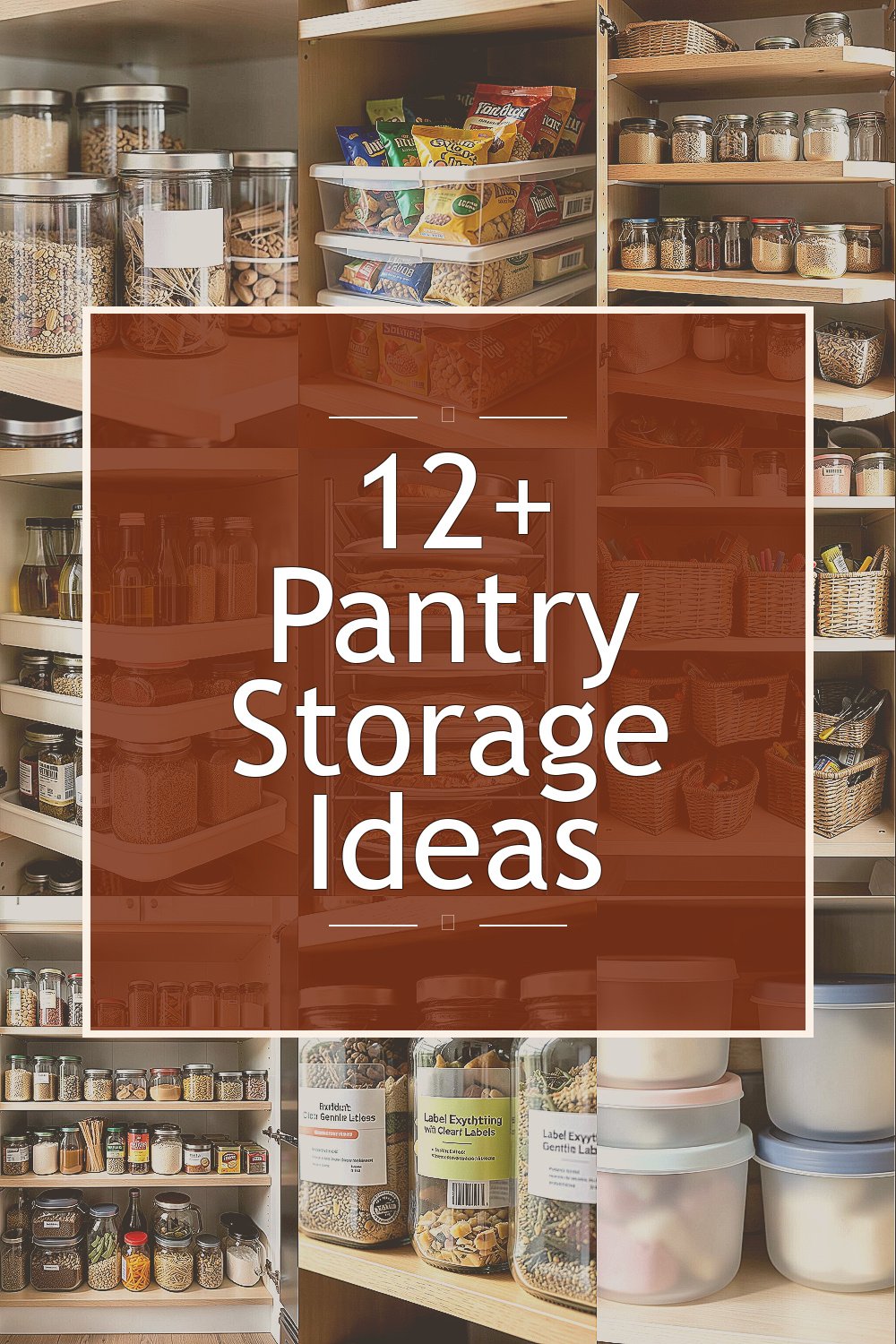
Pantry clutter can feel like it multiplies overnight. A few smart storage moves can make everyday cooking feel calmer and brighter.
When your shelves look good, you use what you already own, and planning meals stops feeling stressful. The right setup also helps food stay fresher for longer, with fewer surprises at the back of the shelf.
1. Clear-Front Canisters for Everyday Staples
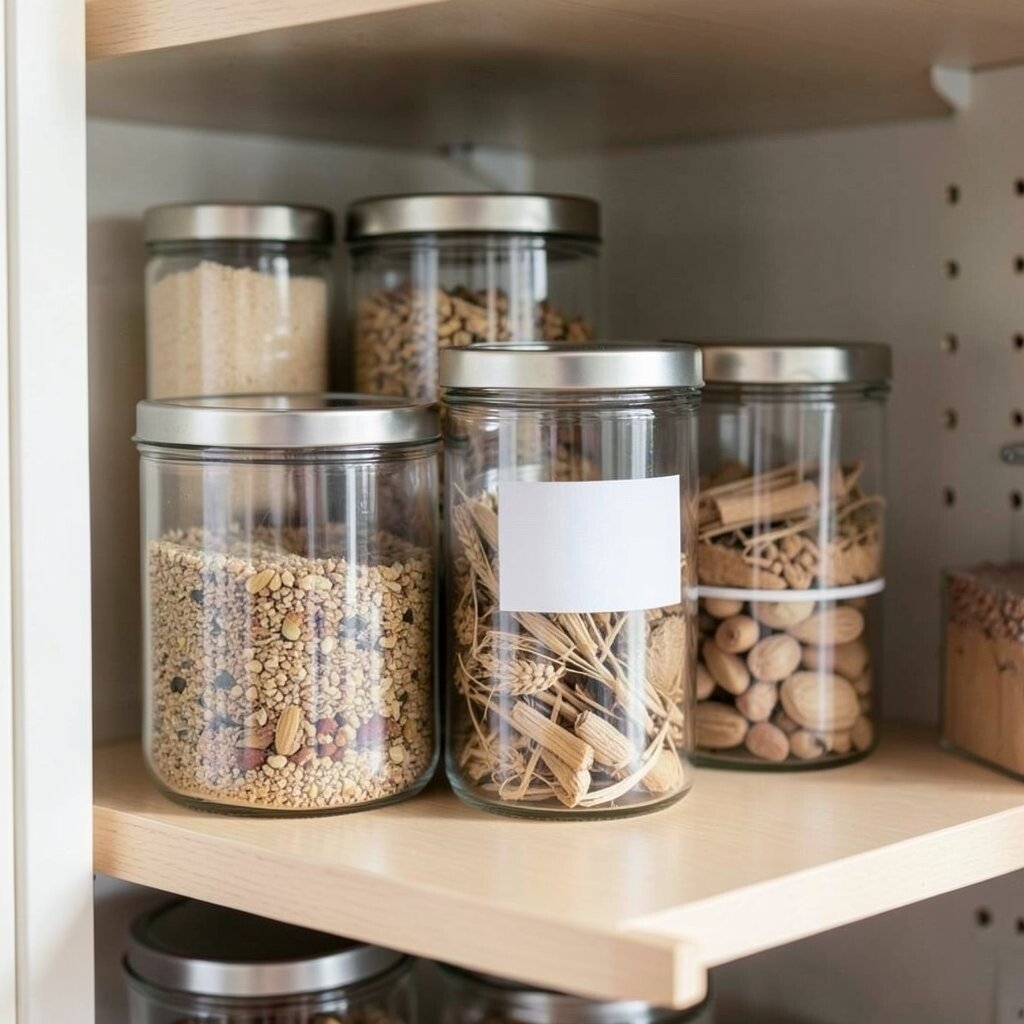
Imagine walking into your pantry and seeing a neat row of matching canisters filled with rice, pasta, oats, and baking mix. Light catches the edges, and the pantry instantly feels tidy and friendly.
Clear fronts help you spot low items in seconds, so you restock before you run out. Choose airtight lids to slow down moisture and keep grains tasting fresh. For personalization, label each container with a simple handwritten style or a color-coded theme that matches your kitchen.
2. Stackable Bin System for Snacks and Packets
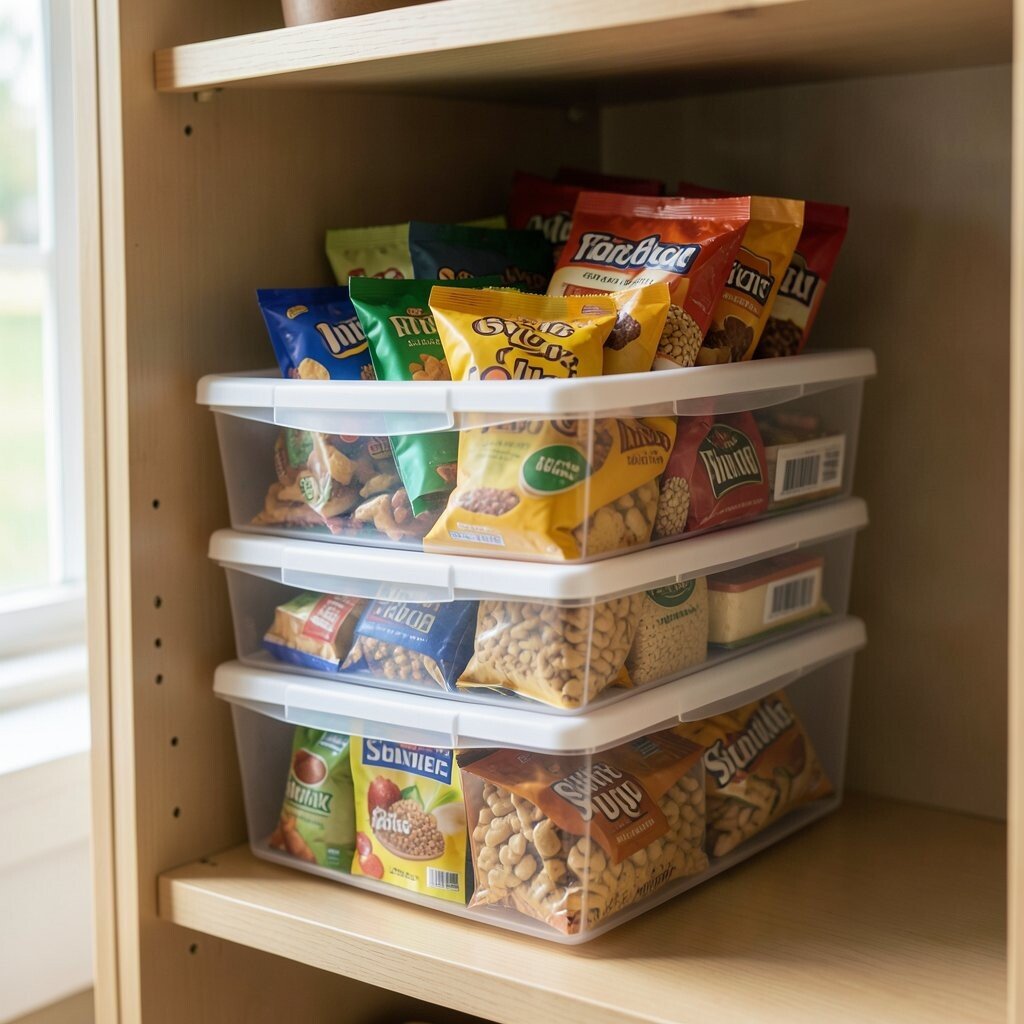
Picture a series of sturdy bins stacked like tidy little drawers, each one holding snack bags, tea packets, or granola bars. When you pull one out, everything inside stays visible and organized.
This setup makes grabbing a snack feel effortless, and it reduces the “where did it go?” moments. Group similar items together so family members know exactly where to look. Use a bin for each person’s favorites, and swap new bins in as routines change.
For a practical touch, measure shelf depth so the bins slide in smoothly without scraping. Start with your most-used area, then expand the system as you go. If you want to keep costs down, buy a few higher-quality bins first, then fill the rest with budget-friendly versions.
3. Adjustable Shelving to Fit Real Life
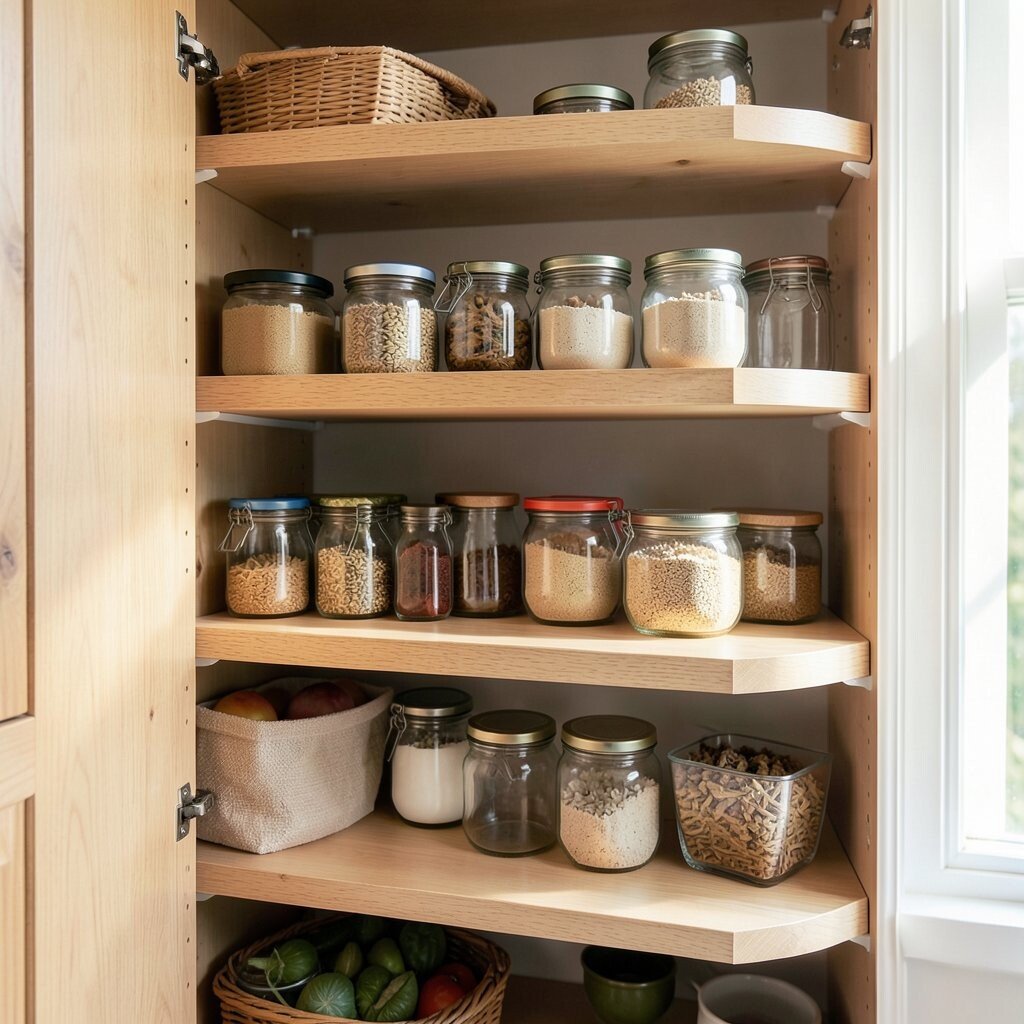
Your pantry should work with your groceries, not the other way around. With adjustable shelves, tall bottles and bulky bags stop taking over the entire space.
Seeing everything at eye level makes it easier to rotate items and notice what needs to be used soon. This also helps prevent spills because containers sit more securely. When you set shelf heights, plan for current favorites and leave a little extra room for seasonal items.
Try storing baking supplies on a higher shelf and everyday cooking basics where you reach most often. If you share your pantry, add one “shared shelf” and one “personal shelf” for each person. The biggest benefit is flexibility, especially when you change brands or switch to larger sizes.
4. Tiered Lazy Susans for Oils, Vinegars, and Spice Jars
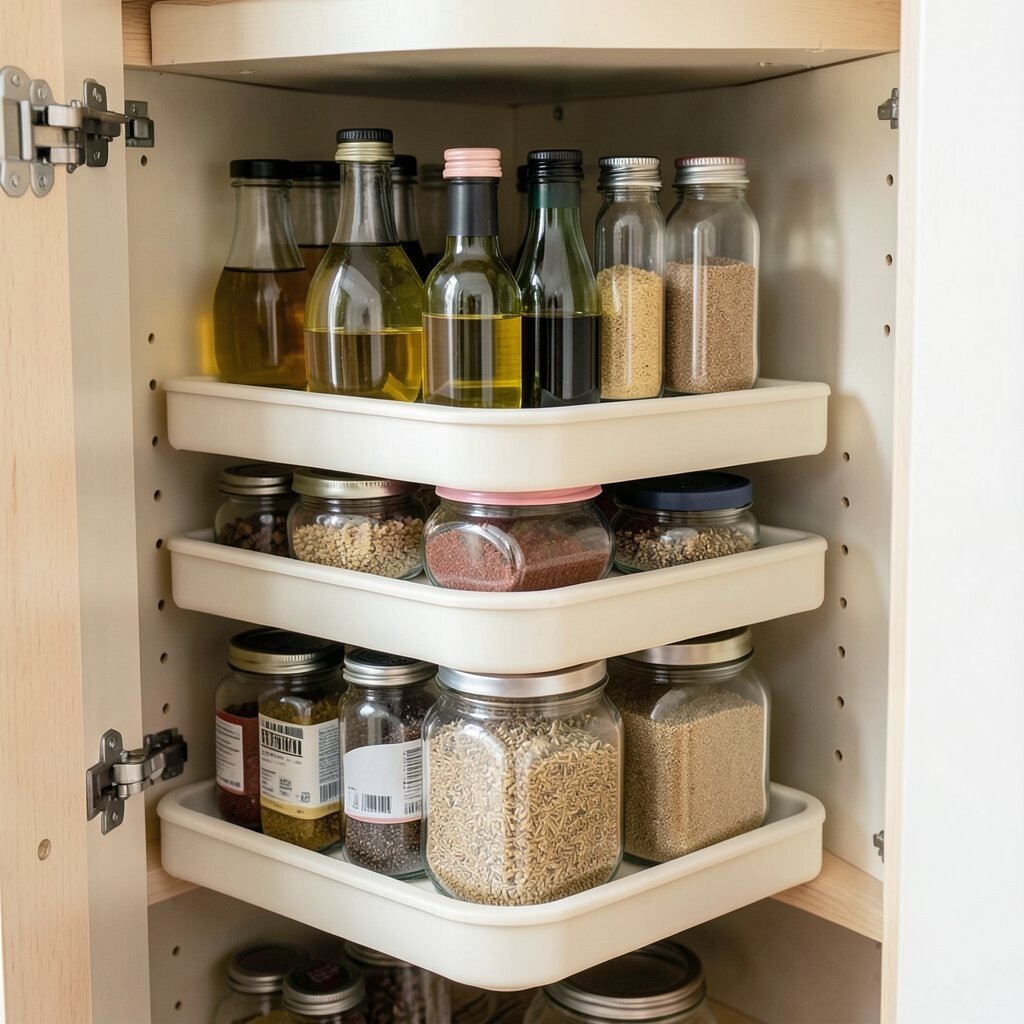
Turn your pantry corner into a rotating station with a tiered lazy susan filled with oils, vinegars, and spices. In your mind, you can already hear the smooth spin that makes cooking ingredients easier to reach.
Lazy susans reduce digging and keep small bottles from getting lost behind taller items. They also look neat and intentional, because each jar has a home and a visible label. For practical use, keep frequently used oils on the front tier and reserve specialty items for the back.
5. Vertical File Racks for Baking Sheets and Wraps

Think of a pantry wall organized like a helpful workshop, where baking sheets, aluminum foil, and plastic wrap each have their own spot. A vertical rack keeps flat tools from leaning or bending in the back.
When these items are stored upright, you save shelf space and avoid messy unrolling. It also makes it easy to grab the right sheet quickly while you’re cooking. For personalization, place your most-used liners or wraps in the easiest-to-reach section so they’re always ready.
Choose a rack with strong supports so heavier baking trays don’t sag over time. If you’re working on a budget, search for racks that fit standard pantry dimensions instead of custom pieces. Keeping tools vertical also helps you see what you already have, so you buy less duplicate stuff.
6. Under-Shelf Baskets for Small Tools and Extras
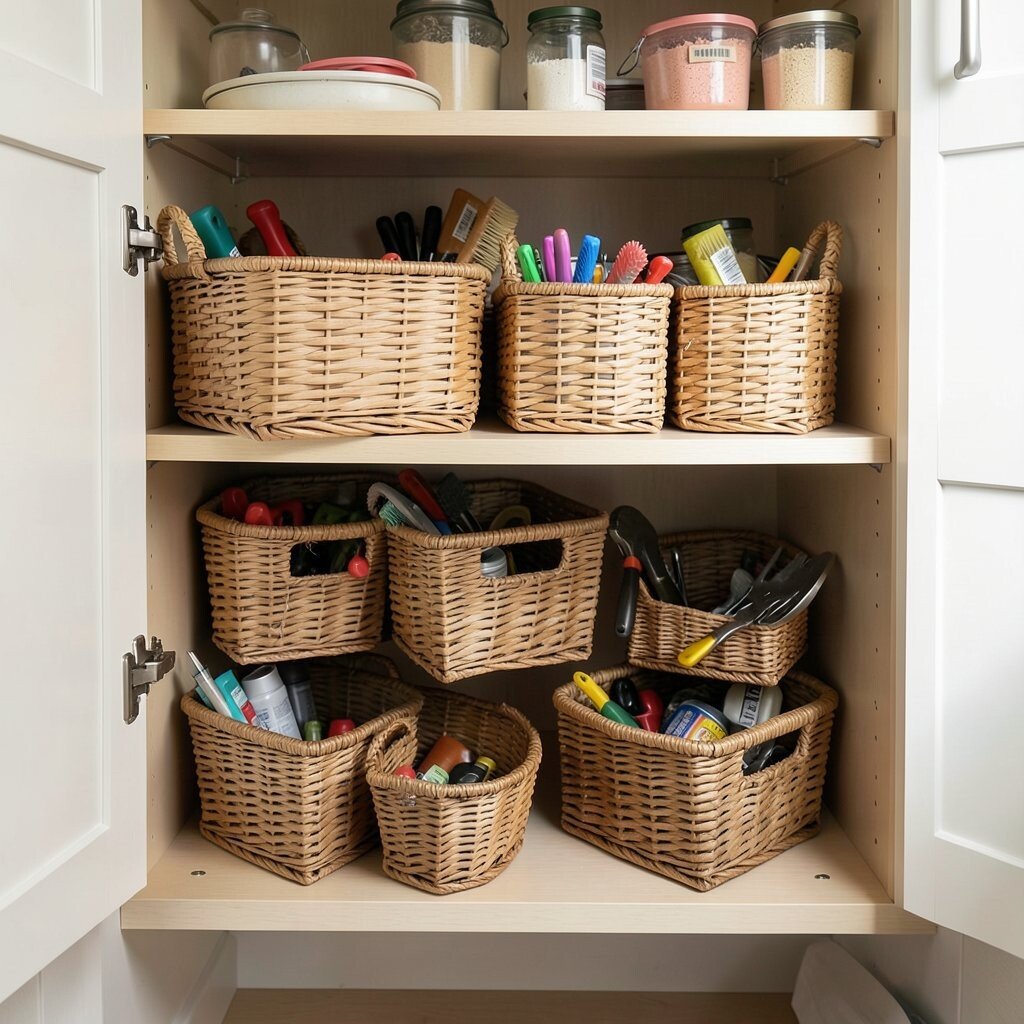
Some pantry spaces feel like they are just waiting to be useful. Sliding baskets under a shelf can turn that “wasted” area into handy storage for labels, twist ties, or small packets.
This adds a second layer of organization without taking up more shelf width. It also keeps clutter off the main shelves, so your pantry looks calmer. For a personal touch, use baskets with different colors or patterns so everyone recognizes the right spot quickly.
7. Appliance-Adjacent Zones for Mix-Ins and Ingredients
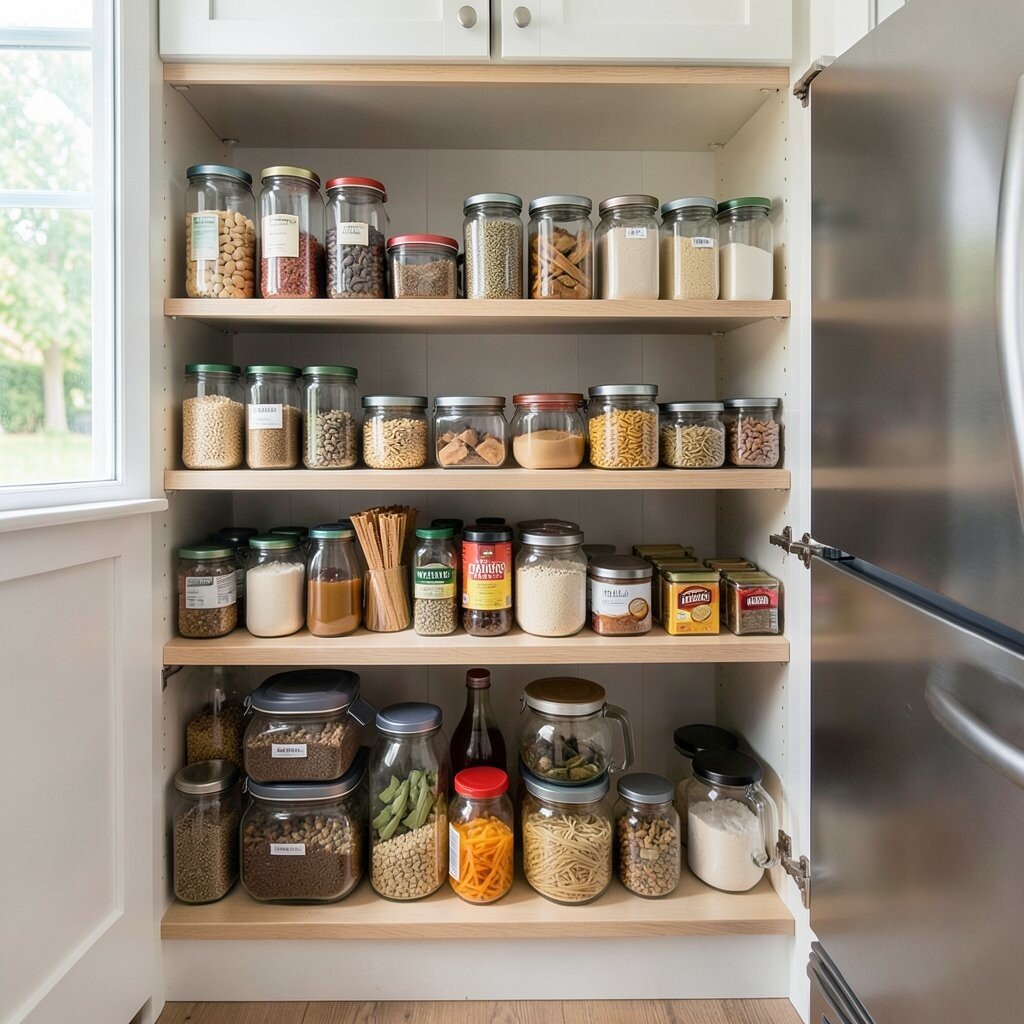
If you have a coffee station or an area near where you prep meals, match your pantry storage to how you actually cook. Create a mini zone for blender add-ins, smoothie supplies, and baking mix-ins so everything stays together.
Grouping ingredients by routine reduces steps and makes it more likely you’ll use what’s on hand. It also makes restocking easier because you can check the whole zone in one glance. Consider storing tools that support that routine too, like a scoop for protein powder or a funnel for oils.
To keep it budget-friendly, start by reorganizing what you already have rather than buying everything new. When you do add containers, choose shapes that match the most common items you buy. A well-planned zone is unique to your habits, and that’s what makes it feel like your space.
8. Label Everything with Clear, Gentle Labels
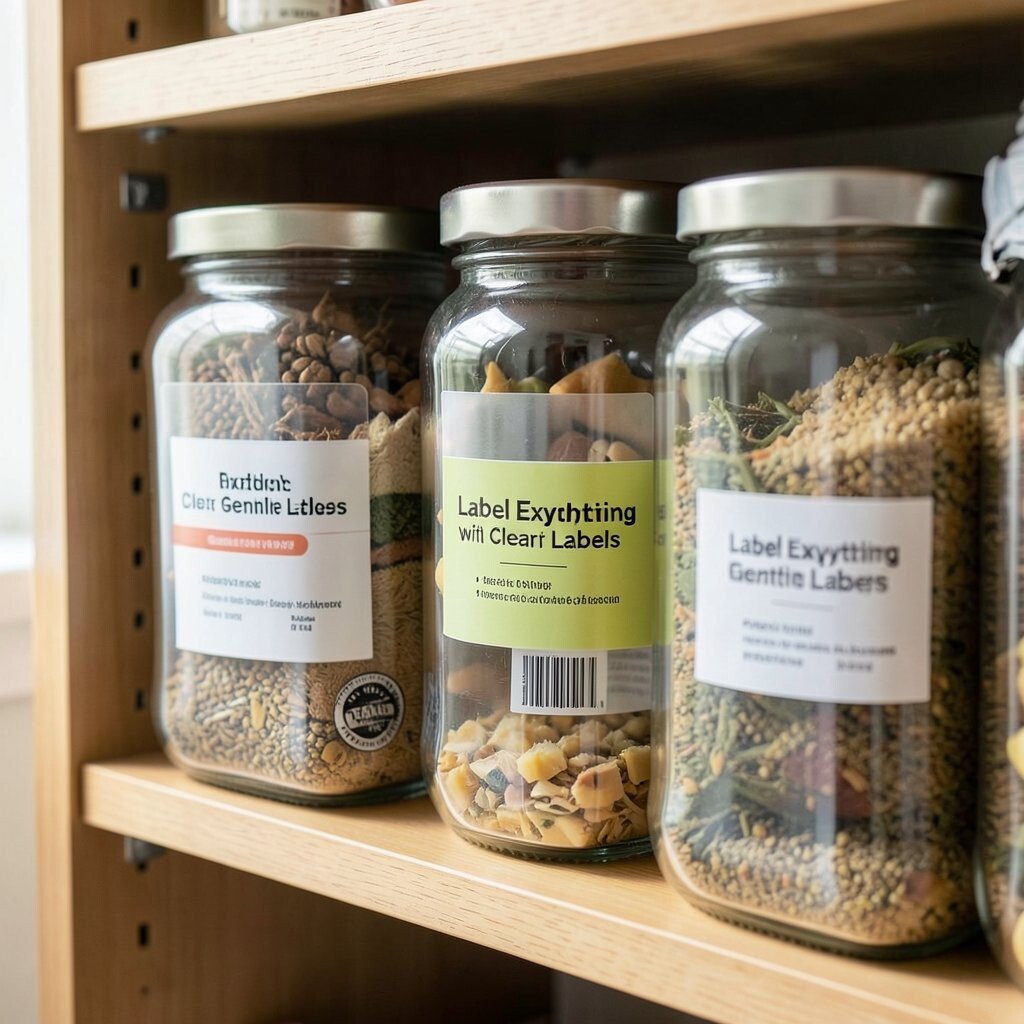
A pantry becomes much easier when labels guide you, especially for kids or guests. When jars and bins show what they hold, you spend less time hunting and more time cooking.
Labels also help food rotation because you can track what’s older and what’s newer. Keep label fonts simple and consistent so the look stays clean and calm. For personalization, add a small style element like a star icon for “everyday” items or a leaf icon for snacks.
9. Frosted or Matching-Lid Containers for a Uniform Look
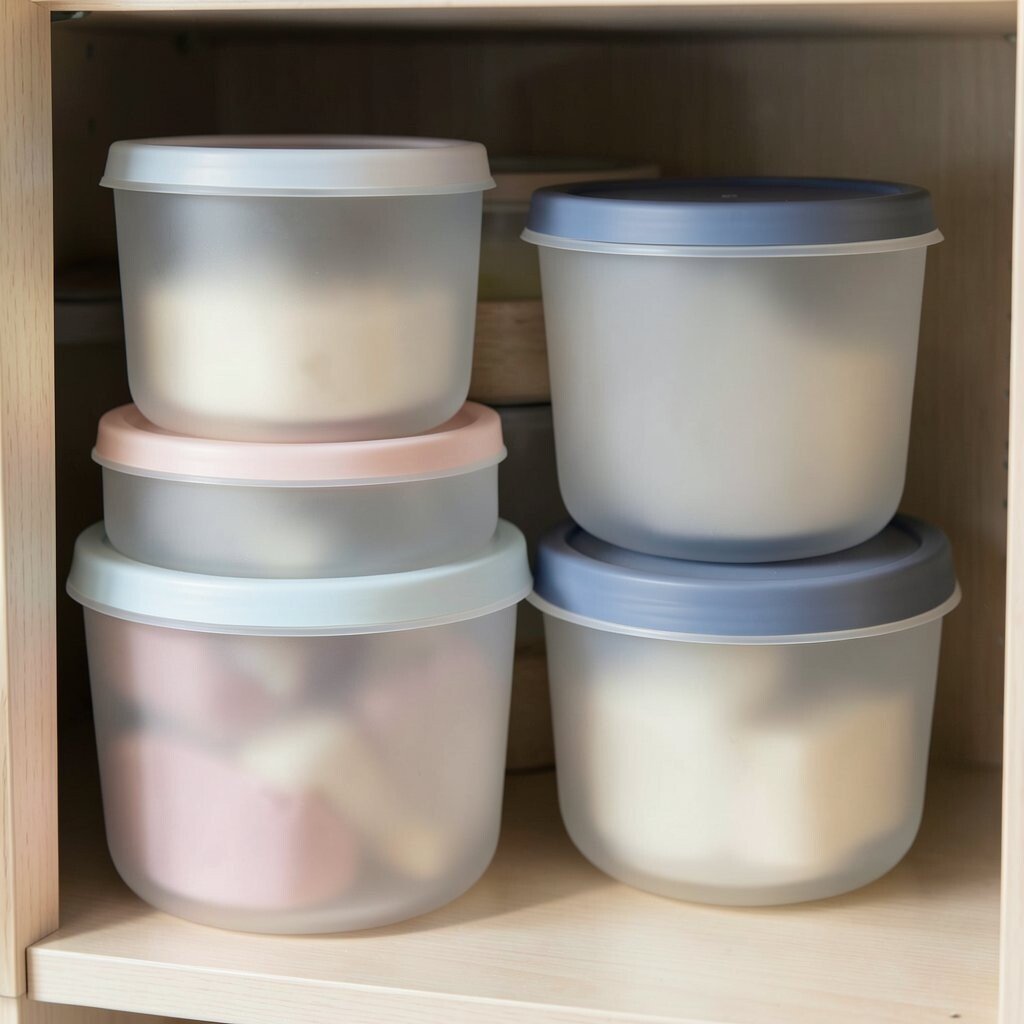
If your pantry style is modern or cozy, matching lids can make everything look like it belongs together. Even when contents differ, a similar container shape creates a tidy, curated feel.
Frosted or tinted containers reduce visual clutter from tiny packaging and help the pantry feel more relaxing. They also protect light-sensitive items like certain spices or baking blends. When you choose lids, go for airtight seals so freshness holds longer.
To stay practical, use clear containers only where you need quick visibility and use tinted ones for pantry staples you don’t check constantly. This keeps the look consistent while still saving you time. Cost-wise, you can mix higher-end containers for frequent items with budget ones for backup stock.
10. Date-Forward Storage for Faster Rotation
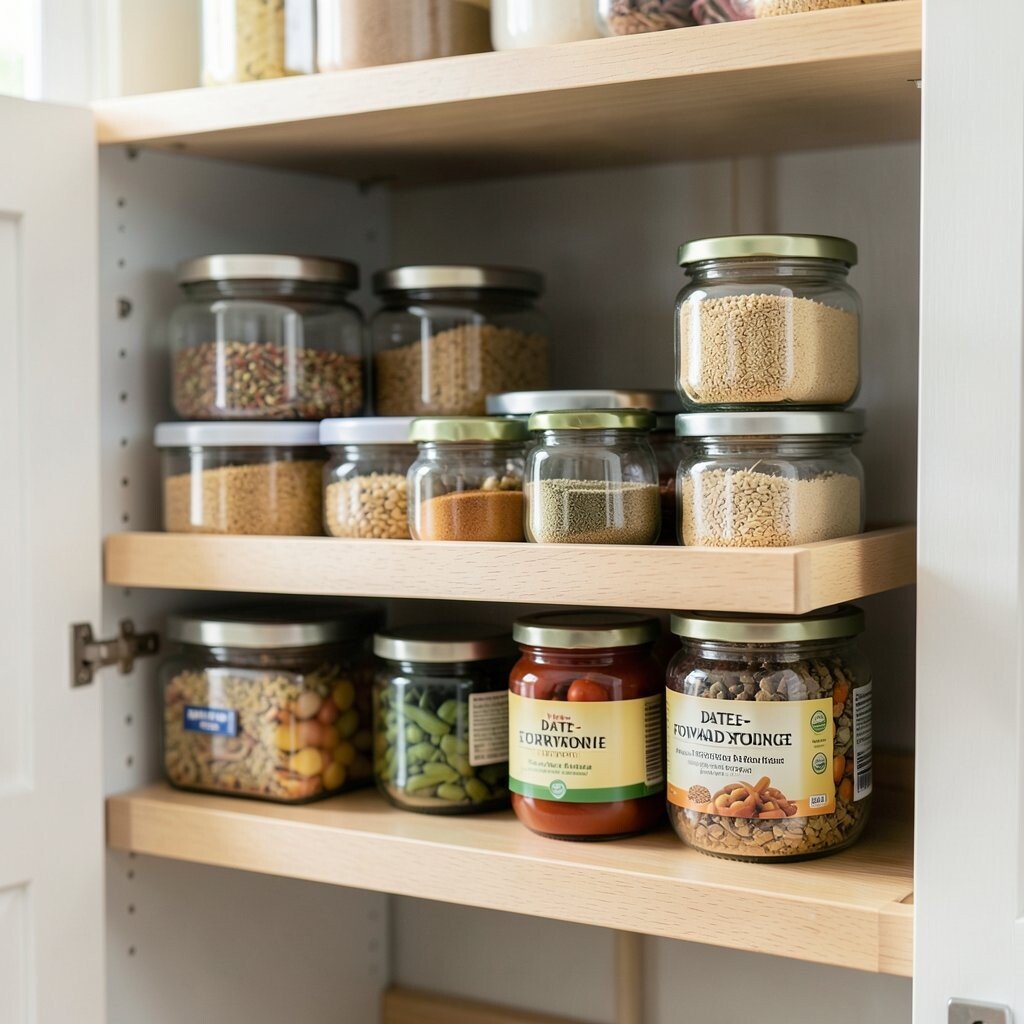
Ever notice how the back of the shelf quietly becomes a mystery museum of expired items? A date-forward approach helps you use food sooner and keeps your pantry safer.
Place newer items behind older ones so the front shelf becomes your “use first” zone. This reduces waste and helps you notice gaps before they become big problems. For practical setup, use a shallow bin or a small tray on each shelf so items move forward naturally as you restock.
It also feels satisfying because your pantry updates itself with each shopping trip. If you want the system to match your style, add a small color dot system for months or seasons. This is a unique way to keep your organization personal without making it complicated.
11. Door-Mounted Storage for Baking Supplies and Seasonings
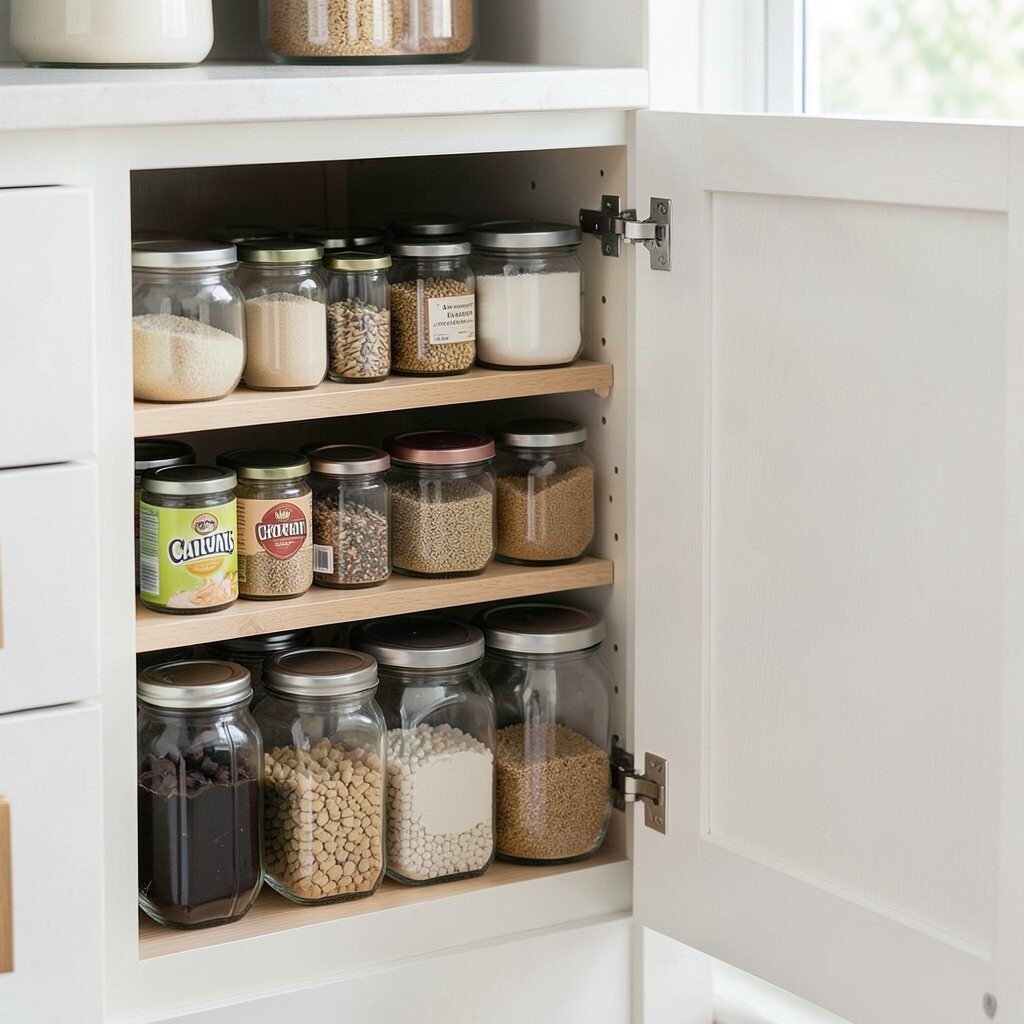
The inside of the pantry door often gets ignored, but it can hold tiny items that clutter shelves. Mount small shelves or holders so sprinkles, packets, and seasoning mixes stay visible when you open the door.
Door storage is great for lightweight goods because it keeps them near your cooking spot. It also makes everyday prep smoother, especially if you bake often or cook with sauces. For personalization, arrange items by meal type, like tacos on one side and pasta night mixes on the other.
12. Custom Shelf Dividers for Uniform Sections
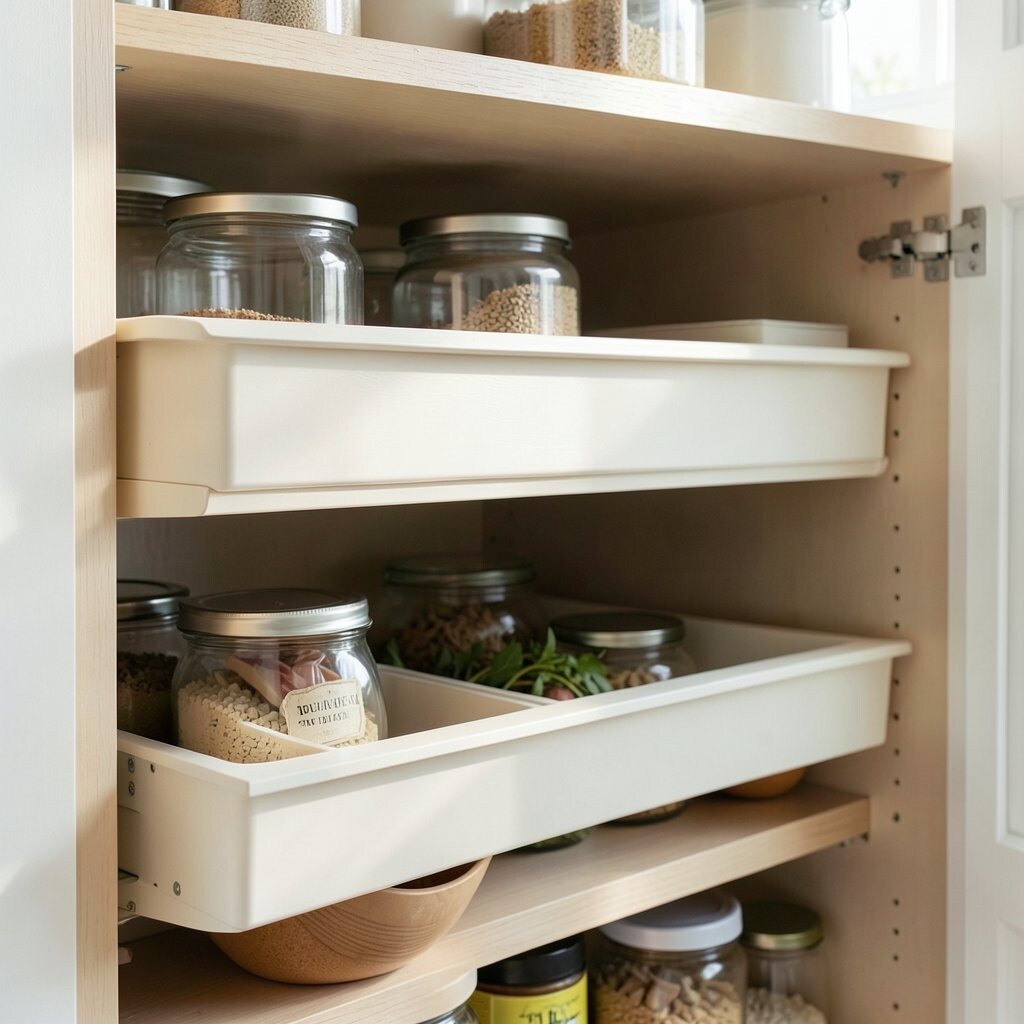
Dividers can make a pantry feel like a well-organized library, where every category has its own space. When shelves are split into tidy sections, items don’t slide around or mix together.
Clear sections help you see exactly what you have, which makes planning meals faster. Dividers also prevent bulky bags from tipping over and breaking down the neat look. Choose the divider style that matches your pantry gaps, and adjust as your grocery sizes change.
For a practical twist, use dividers to create one section for “grab-and-go” meals and another for backup staples. If you like a stylish look, use dividers in a similar color family to your containers. Even a small divider system can feel unique because it’s built around your pantry layout and routines.
13. Freestanding Pantry Cart for Mobility and Seasonal Switches
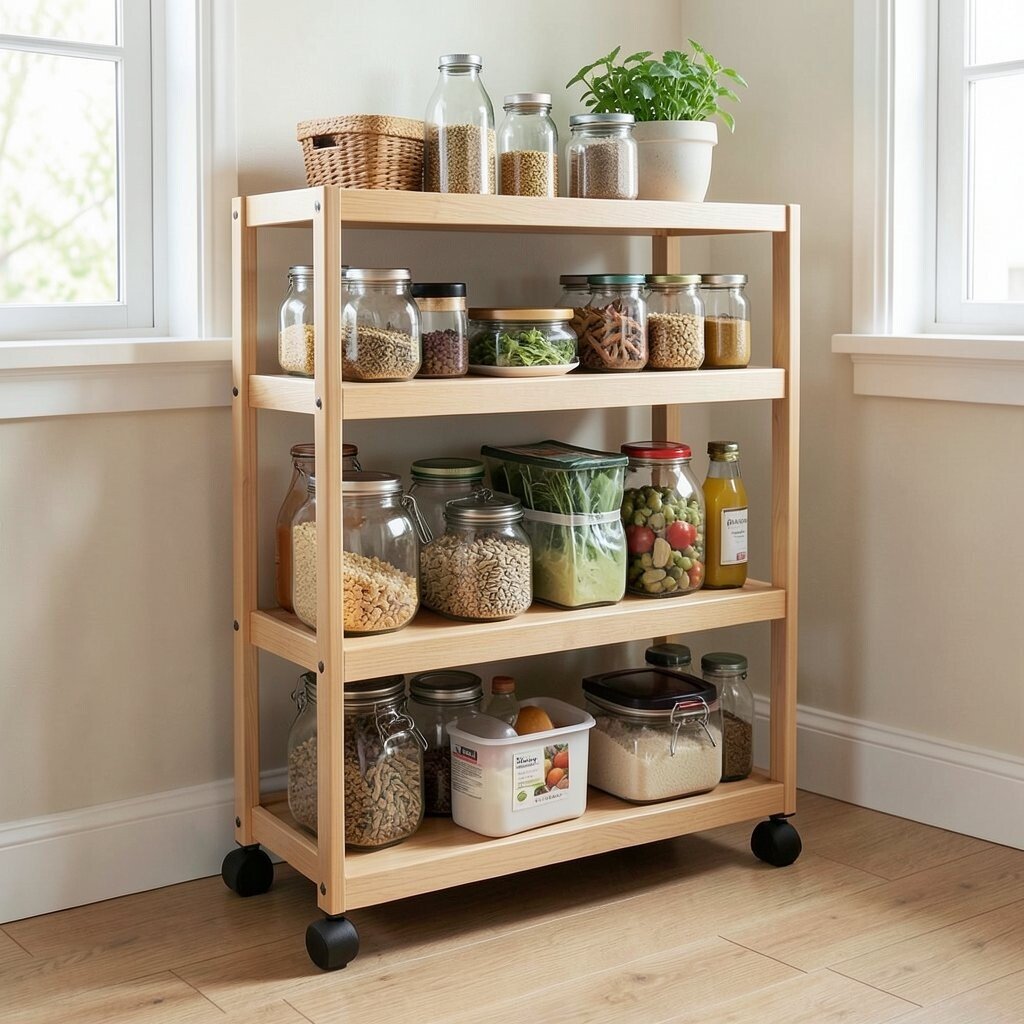
A freestanding cart is like a mobile pantry helper that follows you around as seasons change. Roll it to where you cook, then tuck it back when you’re done.
This idea works especially well for seasonal items like soups, baking supplies, or grilling sauces. You can also use the cart as a staging area for meal prep so ingredients stay together instead of spreading across counters. For personalization, decorate the cart with color-coordinated bins that match your kitchen or your current holiday theme.
To keep costs under control, start with a simple cart and add storage after you learn how you use it. Choose smooth-rolling wheels and stable shelves so heavier items feel secure. A mobile setup is unique because it adapts, and it encourages you to try new routines without overhauling your whole pantry at once.