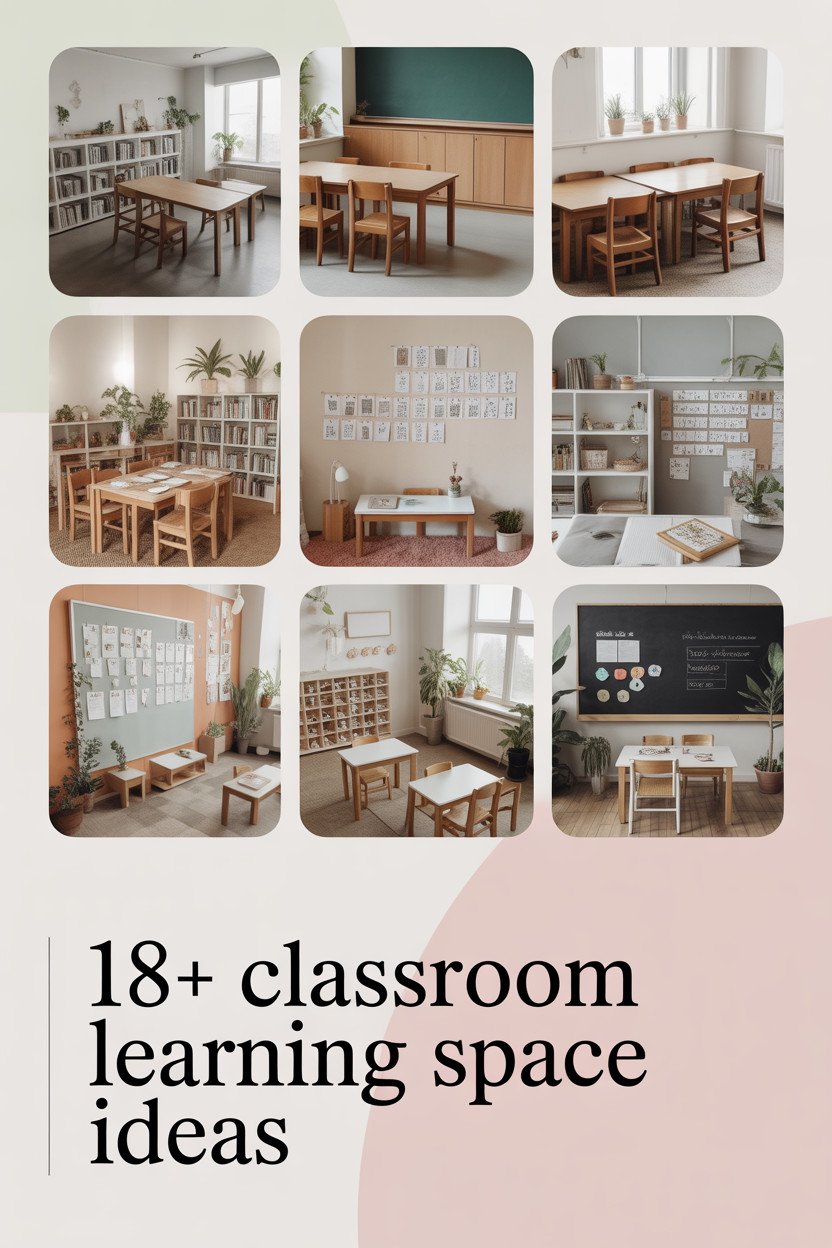
Imagine a place where creativity flows like a river, where every corner invites you to think differently. This is the magic of a well-designed classroom. Let’s look at some ideas that turn ordinary spaces into extraordinary learning hubs.
1. Reading Nook Wonderland

A reading nook can transform any classroom into a cozy haven. Think of beanbags, soft lighting, and a canopy to create a magical reading space.
This setup encourages students to dive into books and explore new worlds. It’s a perfect way to make reading feel like an adventure.
Personalize it with students’ favorite book covers on the walls. Children will love seeing their favorite stories come to life.
Cost can be minimal with DIY cushions and blankets. A few fairy lights can add a touch of enchantment without breaking the bank.
2. Nature-Inspired Corners

Bring the outside in with a nature-themed corner. Use plants, natural textures, and earthy tones.
This gives students a calming environment to study and relax. Nature has a way of soothing the mind and sparking creativity.
Add some student-made plant labels to personalize the space. This can also be a fun learning project.
Plants like succulents are low-cost and low-maintenance. Upcycled materials can be used for decoration to keep it budget-friendly.
3. Interactive Wall Art
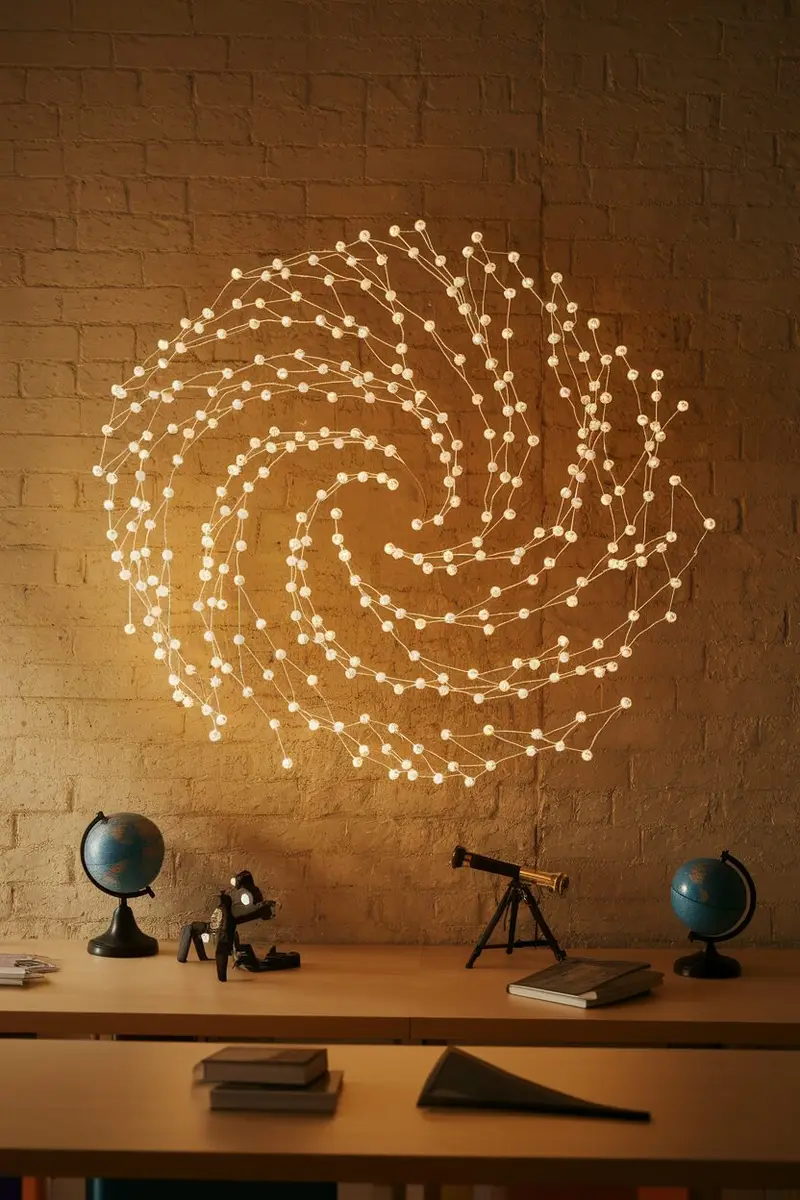
Make walls come alive with interactive art. Think chalkboards, whiteboards, or even sticky note walls.
This allows students to express themselves and collaborate on ideas. Walls are no longer just walls; they’re canvases for creativity.
Let students contribute their ideas and drawings. This makes the space feel like it truly belongs to them.
Chalkboard paint or peel-and-stick whiteboard sheets are affordable options. They’re easy to install and change as needed.
4. Tech Wonderland

Integrate technology with a dedicated tech corner. Use tablets, interactive displays, and headphones.
This offers a modern take on learning, keeping students engaged with digital resources. It’s perfect for tech-savvy kids.
Customize the tech corner with colorful cases and stands. It can reflect the vibrant personalities of the students.
Refurbished tech or shared resources can make this more affordable. Grants and donations are also great options to explore.
5. Cozy Carpet Zones

Carpeted areas create a warm and inviting space. Choose bright, fun patterns to liven up the room.
This is great for group activities and storytelling sessions. Students will love gathering in a comfy spot.
Let students bring in their favorite cushions. This adds a personal touch and makes it feel like a second home.
Rug remnants or second-hand finds keep costs low. They’re easy to switch out for a fresh look each season.
6. Colorful Creativity Stations

Create stations stocked with art supplies, puzzles, and games. Use bold colors to make them stand out.
This encourages students to take breaks and explore their creative side. It’s a hub of inspiration and fun.
Label the stations with colorful signs made by students. It adds ownership and pride to the space.
Use recycled materials and donations to stock the stations. This keeps it budget-friendly and sustainable.
7. Flexible Seating Options

Incorporate a variety of seating choices like stools, beanbags, and standing desks. Flexibility is key.
This caters to different learning styles and keeps students comfortable. It promotes a dynamic learning environment.
Invite students to vote on their favorite seating arrangements. Involvement boosts enthusiasm and comfort.
Mixing new and used seating options helps manage costs. Thrift stores and garage sales can be treasure troves.
8. Inspirational Quote Boards

Create a board filled with motivational quotes. Change them weekly to keep it fresh and exciting.
This can uplift the spirit and motivate students daily. Words have power, and this is a great way to use them.
Encourage students to contribute their favorite quotes. This makes the board a shared source of inspiration.
Use colorful papers and markers, which are inexpensive. A simple corkboard is all you need to get started.
9. DIY Science Corners

Set up a corner dedicated to science experiments. Use simple, safe materials for interactive learning.
This sparks curiosity and a love for science. It’s a hands-on way to learn and explore the world.
Students can bring in materials from home to share. It builds community and makes learning more relatable.
Everyday items like baking soda and vinegar are cost-effective. They make experiments accessible and fun.
10. Artistic Expression Walls
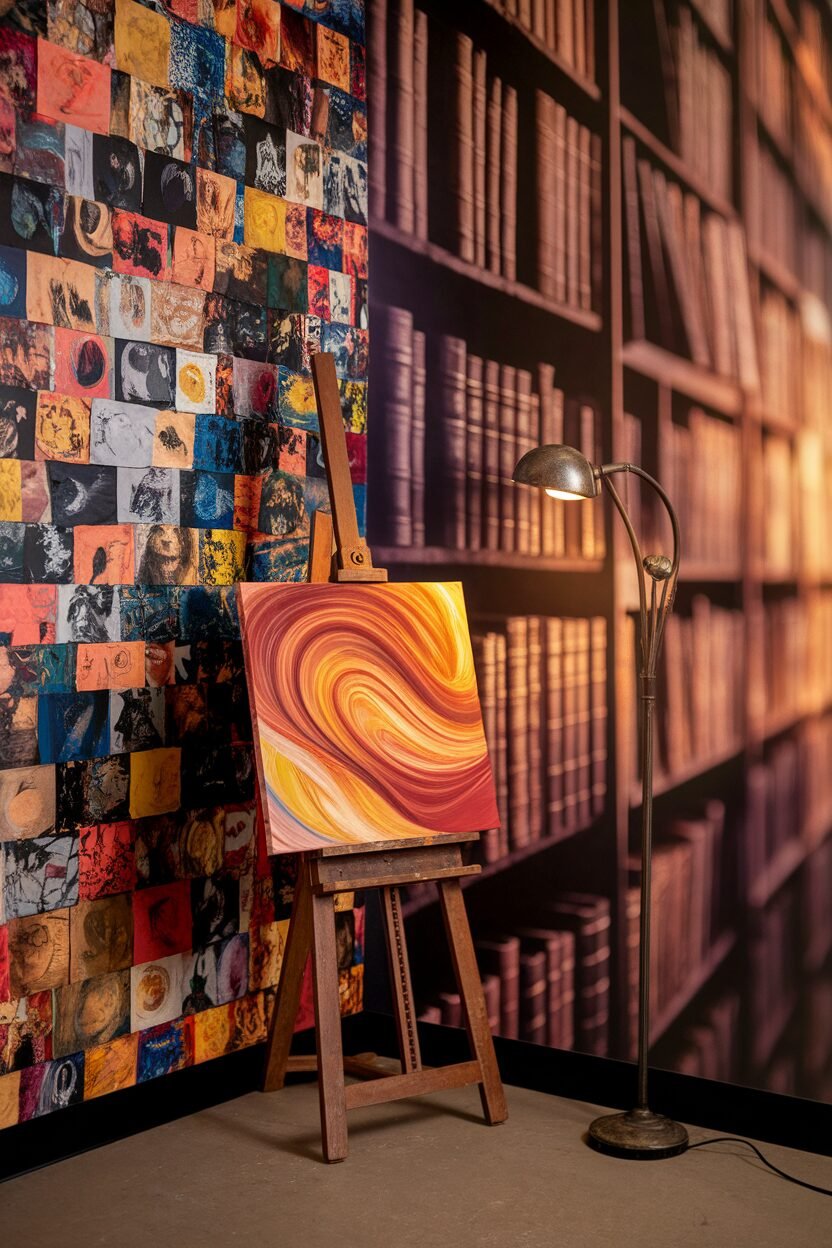
Designate a wall for art displays. Rotate student artwork regularly to showcase different talents.
This celebrates creativity and builds confidence. It turns the classroom into a gallery of young artists.
Involve students in curating the displays. It gives them a sense of pride and ownership over their space.
Clipboards or simple frames can make art easy to change. They’re affordable and add a touch of class.
11. Cozy Reading Tents

Set up small tents or tepees for reading. Fill them with soft pillows and blankets.
This creates a private, snug space for immersive reading. It’s like a mini-adventure hideaway in the classroom.
Let students personalize their tents with name tags. This adds a personal touch and makes it special.
Using old sheets or fabric scraps can cut costs. It’s a fun DIY project that students can help with.
12. Sensory Play Zones

Create a space with sensory activities like sandboxes or water tables. Add textures and interactive elements.
This is great for tactile learning and relaxation. It provides a break from traditional learning methods.
Customize the activities based on student interests. It ensures everyone finds something they enjoy.
Repurpose household items for sensory activities. This keeps the budget manageable and encourages creativity.
13. Themed Learning Areas

Set up areas with different themes like space, ocean, or jungle. Use decorations and props to bring the theme to life.
This makes learning fun and immersive. Each area becomes a new world to explore and learn from.
Get students involved in decorating. It makes the themes more meaningful and personal.
Look for themed items at dollar stores or sales. These can provide affordable decorations and props.
14. Student-Created Libraries

Have students contribute books to a class library. Organize them in a cozy corner with good lighting.
This fosters a love for reading and sharing. It turns students into curators of their own library.
Let students create book recommendation cards. It adds a personal touch and encourages peer sharing.
Donations and second-hand books keep costs low. It’s an economical way to build a diverse library.
15. Musical Exploration Spaces

Include a corner with musical instruments or listening stations. Encourage exploration of different sounds.
This nurtures musical talent and appreciation. Music can be a powerful tool for learning and creativity.
Have students share their favorite songs. It builds a community of music lovers and learners.
Use homemade instruments or apps for affordability. They’re fun and easy ways to introduce music.
16. Puzzle and Game Centers

Create a center with puzzles and board games. Rotate games to keep the selection fresh and exciting.
This develops critical thinking and teamwork. It’s an engaging way to learn and have fun together.
Encourage students to bring in their favorite games. Sharing adds variety and excitement.
Thrift stores and sales are perfect for finding games. They keep the center stocked without a big expense.
17. Student Art Galleries

Turn a wall into a gallery for student artwork. Change exhibits regularly to feature different artists.
This encourages creativity and self-expression. It’s a place where students can proudly display their work.
Let students help with the arrangement and signage. It gives them ownership and pride in their gallery.
Use simple frames or clips for a professional look. They’re inexpensive and make art easy to swap out.
18. Reflection and Meditation Spaces

Designate a quiet corner for reflection with soft pillows and calming colors. Include a few mindfulness tools.
This provides a space for relaxation and focus. It’s a sanctuary for students to take a mental break.
Personalize it with student-chosen calming quotes. It makes the space comforting and welcoming.
Use second-hand pillows and homemade decorations. It’s a cost-effective way to create a peaceful retreat.
19. History and Culture Corners

Set up a corner dedicated to history and different cultures. Use maps, artifacts, and cultural symbols.
This encourages exploration of the world and its diversity. Learning about different cultures can be inspiring.
Invite students to contribute artifacts or stories. It adds a personal connection to the displays.
Use replicas and DIY projects to keep it affordable. It’s a creative way to bring history to life.