Imagine a space where young minds embark on exciting adventures, all within the walls of your classroom. This wonderland doesn’t require magic, only a touch of creativity. The possibilities are endless, and the journey begins with a few imaginative ideas.
1. Cozy Reading Nooks

Adding cozy reading nooks can make your classroom library feel like a magical getaway. It encourages kids to get lost in stories, away from the hustle and bustle of the classroom.
These nooks can be simple, using bean bags or cushions. You might even find inexpensive options at thrift stores or use oversized pillows you already own.
Make it unique with colorful curtains or fairy lights. Kids will love the special spot that feels just for them.
Personalize each nook with themes like “Outer Space” or “Under the Sea” to spark imagination. This can be a budget-friendly project with big rewards.
2. Rotating Book Displays

Rotating book displays keep the library fresh and exciting. Changing the books regularly creates anticipation and curiosity.
You could use a small shelf or even a lazy Susan for this purpose. The cost can be minimal if you repurpose items you already have.
The uniqueness of this idea lies in its ability to showcase different genres and authors. It’s like having a mini bookstore right in the classroom.
Consider themes like “Mystery Mondays” or “Fantasy Fridays” to engage students. This keeps reading fun and dynamic.
3. Genre Stations

Creating genre stations can help students explore different types of books. Each station becomes a portal to new adventures.
These stations can be as simple as labeled baskets or as elaborate as themed corners. Use what fits your space and budget.
Make each station unique with decorations that match the genre. A mystery corner could have detective hats and magnifying glasses.
Personalize the stations with student recommendations. This gives them ownership and pride in their library.
4. Author Spotlights

Author spotlights shine a light on writers and inspire students to learn more about their favorite books. It connects them to the creators behind the stories.
You can feature a different author each month with posters and a selection of their books. Print materials can be sourced inexpensively online.
This idea stands out because it deepens the reading experience and fosters appreciation for storytelling. It builds a bridge between readers and authors.
Allow students to vote on which author to spotlight next. This makes the learning experience interactive and engaging.
5. Interactive Bulletin Boards
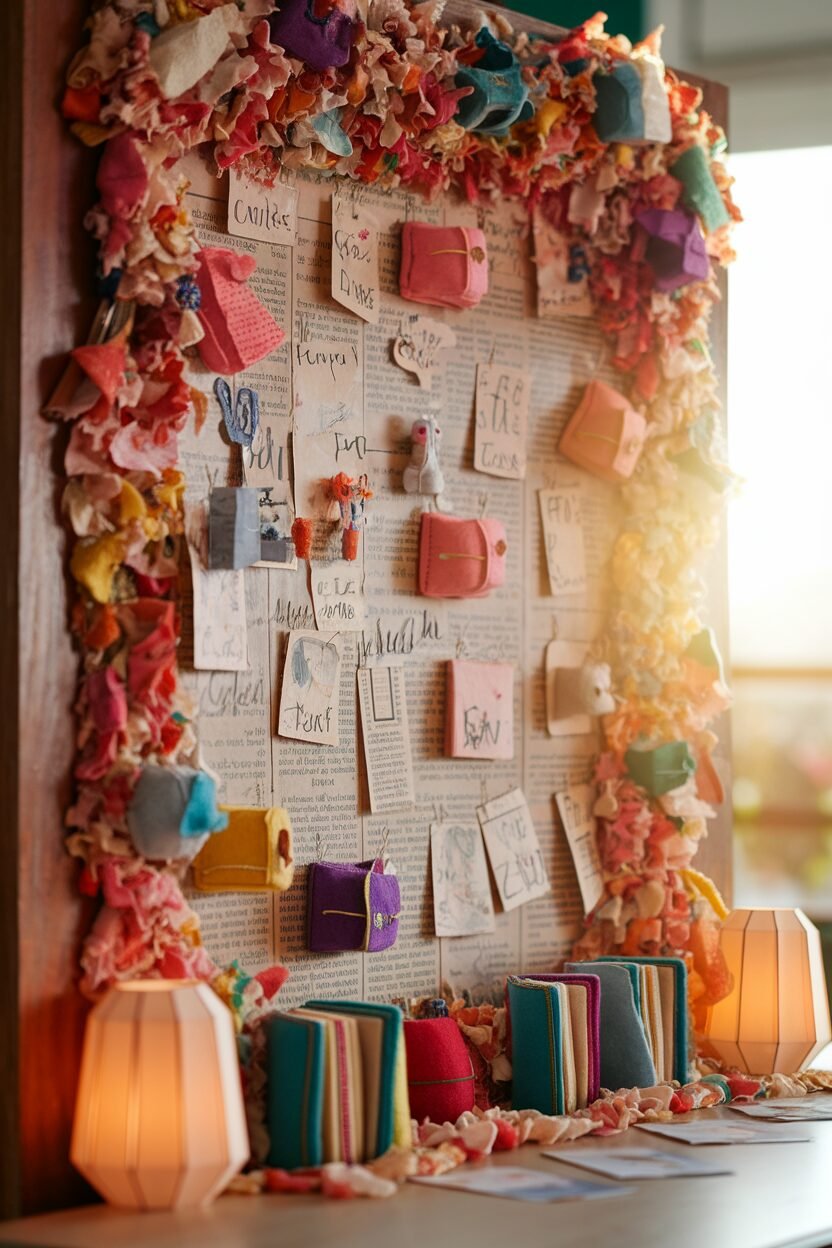
Interactive bulletin boards can turn your library into a dynamic learning environment. They encourage students to think critically and engage with the content.
Use themes like “Book of the Month” or “Guess the Character.” Supplies like paper and markers keep costs low.
The uniqueness of this idea is in its ability to change and grow with student input. It becomes a collaborative and living part of the classroom.
Update the board regularly with student contributions. This fosters a sense of community and shared learning.
6. Reading Challenges

Reading challenges inspire friendly competition and motivate students to read more. They add an element of fun and achievement to reading.
These challenges can be simple, like a “Reading Bingo” or a “30-Book Challenge.” They’re cost-effective and easy to implement.
The uniqueness lies in the gamification of reading, making it more engaging. Students love earning rewards and seeing their progress.
Offer small prizes or privileges as incentives. This encourages participation and enthusiasm for reading.
7. Book Recommendation Wall

A book recommendation wall allows students to share their favorite reads. It builds a community of readers who inspire each other.
All you need is a section of wall space and some sticky notes or paper. It’s a simple and affordable addition to any library.
The idea is unique because it gives students a voice in their library. They become active participants in shaping reading culture.
Regularly update the wall and encourage everyone to contribute. It’s a dynamic feature that evolves with the class.
8. Multicultural Book Section

A multicultural book section exposes students to diverse perspectives and cultures. It fosters inclusivity and understanding.
Curating books from different cultures can take time, but many libraries have resources to help. It’s an investment in a well-rounded education.
This idea is unique because it broadens horizons and encourages empathy. Students learn to appreciate stories from around the world.
Personalize the section with cultural artifacts or decorations. It creates a welcoming and educational space for all students.
9. Student Book Reviews

Student book reviews give kids a platform to share their thoughts. It empowers them and builds critical thinking skills.
Create a review station or a dedicated area on the bulletin board. Supplies are minimal, making it a budget-friendly idea.
The uniqueness comes from the student-driven content. It adds personal touches and varied opinions to the library.
Encourage honesty and creativity in reviews. This makes the library a vibrant place of discussion and discovery.
10. DIY Bookmarks

DIY bookmarks add a personal touch to reading. They let students express their creativity and connection to their books.
Organize a crafting day with materials like paper, stickers, and string. The cost is low, and the fun is high.
This idea is unique because it combines art and reading. Students love using something they made themselves.
Host a bookmark exchange to share creations. It’s a simple way to spread joy and encourage reading.
11. Book Swap Events

Book swap events encourage a love for sharing and discovering new books. They create a sense of community and excitement.
Plan a day where students bring books they’ve read and trade with others. It’s a cost-effective way to refresh the library.
The uniqueness lies in the element of surprise and discovery. Students get to explore books they might not choose themselves.
Set up themed swaps, like “Mystery” or “Adventure.” It adds a fun twist to the traditional swap event.
12. Reading Buddies Program
The reading buddies program pairs students to read and discuss books together. It builds friendships and confidence.
Pair older students with younger ones for mentorship or classmates with similar interests. It’s a free program with rich benefits.
This idea stands out because it combines social interaction with learning. Students develop communication and social skills through reading.
Encourage regular meetings and discussions. It makes reading a shared and enjoyable experience.
13. Book-Themed Decorations
Book-themed decorations turn your classroom into a wonderland of stories. They create an inviting and magical atmosphere.
Use posters, quotes, and props related to popular books. Decorations can be made with materials already in the classroom.
The uniqueness lies in the immersive environment it creates. Students feel transported to the worlds they read about.
Change decorations seasonally or with new themes. It keeps the library fresh and exciting throughout the year.
14. Digital Reading Options
Adding digital reading options introduces students to technology and modern reading formats. It expands access to a variety of books.
Use tablets or e-readers if available, or explore apps with free books. Schools may have subscriptions to digital libraries.
This idea is unique because it prepares students for a digital world. They learn to navigate e-books and online resources.
Integrate digital reading with traditional books for a balanced library. It’s a versatile approach to modern education.